Introduction: Navigating the Global Market for 64 oz water bottle
The global market for the 64 oz water bottle presents unique challenges for B2B buyers seeking to source high-quality hydration solutions. With a growing emphasis on sustainability and health, businesses are increasingly tasked with finding reliable suppliers who offer products that meet diverse consumer needs while ensuring durability and functionality. This comprehensive guide delves into the various types of 64 oz water bottles available on the market, their applications across different sectors, and essential criteria for supplier vetting.
From insulated stainless steel models designed for outdoor adventures to BPA-free plastic options suited for everyday use, the variety of offerings can be overwhelming. This guide aims to simplify the decision-making process by providing insights into cost considerations, product specifications, and market trends. By arming international buyers from regions such as Africa, South America, the Middle East, and Europe with actionable information, we empower them to make informed purchasing decisions that align with their operational needs and sustainability goals.
Navigating this market requires a strategic approach, and our guide equips you with the knowledge to identify quality products, negotiate effectively, and establish long-term supplier relationships. Whether you are sourcing for retail, promotional use, or corporate gifting, understanding the dynamics of the 64 oz water bottle market will enhance your procurement strategy and drive business success.
Understanding 64 oz water bottle Types and Variations
| Type Name | Key Distinguishing Features | Primary B2B Applications | Brief Pros & Cons for Buyers |
|---|---|---|---|
| Stainless Steel | Double-wall vacuum insulation, durable, rust-resistant | Corporate gifting, outdoor events | Pros: High durability, excellent insulation; Cons: Higher cost compared to plastic. |
| Plastic BPA-Free | Lightweight, customizable colors, often less expensive | Promotional items, schools, sports teams | Pros: Affordable, lightweight; Cons: Less durable, potential for odor retention. |
| Straw Lid | Integrated straw for easy sipping, leak-proof design | Fitness centers, outdoor activities | Pros: Convenient for hydration on the go; Cons: Straw may require regular cleaning. |
| Collapsible | Space-saving design, portable, often made from flexible materials | Travel, camping, emergency kits | Pros: Easy to store, lightweight; Cons: May not hold up to extreme temperatures. |
| Insulated | Maintains temperature, often includes a carrying handle | Outdoor adventures, corporate events | Pros: Keeps drinks cold/hot for extended periods; Cons: Bulkier than non-insulated types. |
What Are the Characteristics of Stainless Steel 64 oz Water Bottles?
Stainless steel 64 oz water bottles are renowned for their durability and insulation capabilities. They often feature double-wall vacuum insulation, which keeps beverages cold for up to 24 hours or hot for several hours. This makes them ideal for outdoor events, corporate gifting, or any scenario where maintaining beverage temperature is crucial. When purchasing, B2B buyers should consider the weight, customization options, and warranty, as these factors can impact both usability and brand representation.
How Do Plastic BPA-Free Water Bottles Compare?
Plastic BPA-free water bottles are a cost-effective option, appealing to businesses that prioritize budget-friendly solutions. These bottles are lightweight and often come in various colors, making them suitable for promotional items, schools, or sports teams. However, while they are less expensive, buyers should be aware of potential downsides, such as lower durability and the risk of odor retention over time. Custom branding can enhance visibility, but the longevity of the product may affect brand perception.
Why Choose Straw Lid Water Bottles?
Straw lid water bottles are designed for convenience, featuring an integrated straw that allows for easy sipping without the need to unscrew the lid. This design is particularly popular among fitness centers and outdoor activity providers, as it encourages hydration on the go. While they offer great usability, B2B buyers should consider the maintenance of the straw, which may require regular cleaning to prevent mold or buildup. The leak-proof design enhances usability, making them a practical choice for active lifestyles.
What Are the Benefits of Collapsible Water Bottles?
Collapsible 64 oz water bottles are designed for portability, making them an excellent choice for travelers, campers, or emergency kits. Their flexible materials allow them to be easily stored when not in use, thus saving space. However, buyers should consider that these bottles may not withstand extreme temperatures as well as their rigid counterparts. When purchasing, it is essential to evaluate the materials used and the bottle’s ability to maintain structural integrity when filled.
What Makes Insulated Water Bottles a Smart Investment?
Insulated 64 oz water bottles are designed to maintain the temperature of beverages for extended periods, making them perfect for outdoor adventures or corporate events. Many models come equipped with carrying handles for easy transport. Although they tend to be bulkier than non-insulated types, the benefits of keeping drinks cold or hot can outweigh the inconvenience of size. Buyers should assess insulation performance, ease of cleaning, and overall weight to ensure they meet the needs of their target audience.
Key Industrial Applications of 64 oz water bottle
| Industry/Sector | Specific Application of 64 oz water bottle | Value/Benefit for the Business | Key Sourcing Considerations for this Application |
|---|---|---|---|
| Outdoor Recreation | Hydration for hiking and camping trips | Ensures hydration during outdoor activities, enhancing safety and enjoyment. | Durability, insulation properties, and ease of transport. |
| Corporate Wellness | Employee hydration initiatives | Promotes health and productivity among employees, reducing sick days. | Custom branding options and bulk purchasing discounts. |
| Food and Beverage Service | Beverage service for events and catering | Provides a sustainable alternative to single-use bottles, improving brand image. | Compliance with food safety standards and customization. |
| Fitness and Sports | Water stations for gyms and sports facilities | Supports hydration for athletes, improving performance and recovery. | Resistance to wear and tear, easy cleaning, and portability. |
| Education and Outreach | School hydration programs | Encourages hydration habits among students, promoting health. | Safety certifications and availability in various colors. |
How Can the 64 oz Water Bottle Enhance Outdoor Recreation?
In the outdoor recreation sector, the 64 oz water bottle is invaluable for hiking and camping trips. Its capacity allows users to carry enough water for extended activities without frequent refills, addressing hydration needs in remote locations. Buyers in this industry should prioritize bottles with robust insulation to keep liquids cold and durable materials to withstand rugged conditions. Options for bright colors or reflective designs can also enhance visibility and safety in outdoor settings, appealing to international markets that value adventure and exploration.
What Role Does the 64 oz Water Bottle Play in Corporate Wellness?
Corporations are increasingly adopting employee wellness programs, and the 64 oz water bottle can be a key component. Providing employees with high-capacity, reusable bottles encourages them to stay hydrated throughout the day, which can lead to improved health and productivity. For B2B buyers in this sector, factors such as customization with company logos and bulk order pricing are essential considerations. Additionally, bottles made from BPA-free materials ensure safety, aligning with corporate responsibility initiatives in regions like Africa and Europe where health standards are a priority.
How is the 64 oz Water Bottle Used in Food and Beverage Service?
In the food and beverage industry, the 64 oz water bottle serves as an eco-friendly solution for events and catering services. By replacing single-use plastic bottles, businesses can enhance their sustainability efforts and appeal to environmentally conscious consumers. Buyers should look for bottles that meet food safety regulations and offer customization options to align with their branding. The ability to keep beverages at optimal temperatures is also a selling point, particularly in hot climates found in parts of South America and the Middle East.
Why is the 64 oz Water Bottle Important for Fitness and Sports?
Fitness centers and sports facilities benefit from incorporating the 64 oz water bottle into their hydration stations. These bottles support athletes’ hydration needs during workouts and events, which is crucial for performance and recovery. For B2B buyers in this sector, selecting bottles that are resistant to wear and easy to clean is paramount, especially in high-use environments. Additionally, options for attaching straps or clips can facilitate ease of transport, catering to the active lifestyle of users across diverse global markets.
How Can Educational Institutions Use the 64 oz Water Bottle for Outreach?
Educational institutions can leverage the 64 oz water bottle in hydration programs aimed at students. By promoting the importance of hydration, schools can foster better health habits among students, which is essential for their academic performance. Buyers in this sector should consider bottles that are safe, durable, and available in various colors to appeal to children and young adults. Furthermore, partnerships with suppliers who offer educational outreach materials can enhance the program’s effectiveness, particularly in regions like Africa where educational initiatives are critical.
3 Common User Pain Points for ’64 oz water bottle’ & Their Solutions
Scenario 1: Sourcing Quality Materials for Durability
The Problem: B2B buyers often struggle with sourcing 64 oz water bottles that meet quality standards for durability and safety. In regions such as Africa and South America, where environmental factors can be harsh, the need for bottles that withstand high temperatures and rough handling is critical. Buyers may find themselves dealing with products that easily dent, rust, or leak, leading to dissatisfaction among end-users and potential financial losses for businesses.
The Solution: To ensure the procurement of high-quality 64 oz water bottles, buyers should prioritize suppliers that utilize 18/8 food-grade stainless steel, known for its resistance to rust and puncture. When evaluating potential suppliers, request detailed specifications and certifications that verify the materials used in manufacturing. Furthermore, it’s advantageous to establish relationships with suppliers who offer a warranty on their products, indicating confidence in their durability. Regularly inspect incoming shipments to ensure that all bottles meet the specified standards and consider conducting stress tests on a sample batch to verify their resilience against environmental factors. Engaging in these practices not only enhances the reliability of your offerings but also strengthens your brand’s reputation.
Scenario 2: Ensuring Leak-Proof Functionality for Safe Transport
The Problem: Another common pain point for B2B buyers involves ensuring that the 64 oz water bottles are leak-proof, especially for businesses that ship products or distribute them for outdoor activities. Bottles that fail to maintain a leak-proof seal can lead to spills, creating potential hazards and damaging other items during transport. This issue is particularly concerning in industries like outdoor recreation or health and wellness, where maintaining product integrity is paramount.
The Solution: When sourcing 64 oz water bottles, prioritize those with proven leak-proof designs, such as those featuring silicone gaskets and secure lids. Buyers should request samples from manufacturers to test the leak-proof capabilities under various conditions, including temperature fluctuations and pressure changes. Additionally, consider implementing a quality control checklist that includes leak testing for every batch received. Providing training to staff on proper sealing techniques and storage methods can also minimize the risk of leaks during distribution. By focusing on these aspects, businesses can significantly reduce the incidence of leaks, ensuring that their products arrive safely and intact.
Scenario 3: Customization and Branding for Competitive Advantage
The Problem: In a competitive marketplace, B2B buyers often face challenges in differentiating their products. Many businesses seek to customize their 64 oz water bottles with branding or specific features that appeal to their target audience. However, suppliers may lack flexibility or charge exorbitantly for customization options, leaving buyers frustrated and unable to meet their branding goals.
The Solution: To effectively customize 64 oz water bottles, buyers should seek out manufacturers that specialize in personalized products. Look for suppliers who offer various customization options, including color, design, and functional features, without significant price hikes. Developing a long-term partnership with a manufacturer can also result in better negotiation terms and lower costs for customization. When placing orders, clearly communicate your branding requirements, and request mock-ups to ensure that the final product meets expectations. Furthermore, consider testing different designs and features with a small batch before committing to larger orders. By taking these steps, businesses can create unique products that resonate with their customers, giving them a competitive edge in the market.
Strategic Material Selection Guide for 64 oz water bottle
When selecting materials for a 64 oz water bottle, various factors influence the decision-making process for international B2B buyers. The choice of material impacts product performance, durability, compliance with regulations, and overall marketability in different regions. Below is an analysis of four common materials used in the manufacturing of 64 oz water bottles, focusing on their properties, advantages, disadvantages, and considerations relevant to international markets.
What Are the Key Properties of Stainless Steel for 64 oz Water Bottles?
Stainless steel, particularly 18/8 food-grade stainless steel, is widely used in the production of water bottles. It boasts excellent corrosion resistance and can withstand a wide range of temperatures, making it suitable for both hot and cold beverages. Its durability ensures that it can endure rough handling, which is advantageous for outdoor and sports activities.
Pros: Stainless steel is highly durable and resistant to rust and corrosion. It is also relatively easy to clean and maintains the purity of the water, as it does not leach chemicals.
Cons: The primary disadvantage is the higher cost compared to plastic options. Additionally, its weight can be a concern for consumers seeking lightweight alternatives.
Impact on Application: Stainless steel is compatible with a variety of media, including acidic and alkaline beverages, making it versatile for different markets.
Considerations for International Buyers: Buyers should ensure compliance with food safety standards such as FDA or EU regulations. In regions like Africa and South America, where outdoor activities are prevalent, the durability of stainless steel is a significant selling point.
How Does BPA-Free Plastic Compare for 64 oz Water Bottles?
BPA-free plastic, often made from Tritan or similar materials, is another popular choice for water bottles. It is lightweight and can be molded into various designs, offering flexibility in aesthetics and functionality.
Pros: The primary advantage of BPA-free plastic is its lower cost and lightweight nature, making it ideal for consumers who prioritize portability. It is also shatter-resistant, which is beneficial for active lifestyles.
Cons: However, plastic is generally less durable than stainless steel and can be prone to scratches and wear over time. Additionally, it may not retain temperature as effectively as metal options.
Impact on Application: BPA-free plastics are suitable for non-carbonated beverages but may not be ideal for hot liquids or acidic drinks, which can degrade the material over time.
Considerations for International Buyers: Compliance with regulations regarding BPA and other harmful substances is crucial. Buyers should be aware of local preferences for materials, as some markets may favor plastic for its affordability.
What Are the Benefits of Glass for 64 oz Water Bottles?
Glass is a premium material option for water bottles, known for its ability to maintain the taste and purity of beverages. It is non-reactive and can be used for both hot and cold drinks.
Pros: Glass bottles are aesthetically pleasing and can be customized with various designs. They are also recyclable, appealing to environmentally conscious consumers.
Cons: The main drawback is fragility; glass can break easily, making it less suitable for outdoor use. Additionally, glass bottles tend to be heavier, which may deter some buyers.
Impact on Application: Glass is ideal for pure water and non-carbonated drinks but may not be suitable for carbonated beverages due to pressure concerns.
Considerations for International Buyers: Buyers should consider shipping costs and breakage risks associated with glass. Compliance with safety standards for glass products is also essential, particularly in regions with strict regulations.
How Does Silicone Enhance the Functionality of 64 oz Water Bottles?
Silicone is often used as a protective sleeve or cap for water bottles. It offers flexibility and resilience, making it an excellent choice for enhancing the durability of other materials.
Pros: Silicone is lightweight, flexible, and resistant to temperature extremes. It provides a non-slip grip, which is advantageous for active users.
Cons: While silicone is durable, it may not provide the same level of insulation as stainless steel or glass. It is also less aesthetically appealing than other materials.
Impact on Application: Silicone is compatible with a wide range of beverages and can enhance the usability of bottles made from other materials.
Considerations for International Buyers: Buyers should ensure that silicone products are free from harmful chemicals and comply with relevant health standards. Its versatility can appeal to various markets, particularly in regions where outdoor activities are common.
Summary Table of Material Selection for 64 oz Water Bottles
| Material | Typical Use Case for 64 oz Water Bottle | Key Advantage | Key Disadvantage/Limitation | Relative Cost (Low/Med/High) |
|---|---|---|---|---|
| Stainless Steel | Outdoor activities, sports hydration | Highly durable and corrosion-resistant | Higher cost and heavier weight | High |
| BPA-Free Plastic | Everyday use, casual hydration | Lightweight and cost-effective | Less durable, potential for scratches | Low |
| Glass | Premium markets, eco-friendly options | Maintains taste and is recyclable | Fragile and heavier | Medium |
| Silicone | Protective sleeves, enhanced grip | Flexible and resistant to temperature | Less insulation and aesthetic appeal | Low |
This comprehensive analysis provides valuable insights for B2B buyers in international markets, guiding them in selecting the most suitable materials for their 64 oz water bottle offerings.

A stock image related to 64 oz water bottle.
In-depth Look: Manufacturing Processes and Quality Assurance for 64 oz water bottle
What Are the Main Stages in the Manufacturing Process of a 64 oz Water Bottle?
The manufacturing process of a 64 oz water bottle involves several critical stages, each essential for ensuring product quality and durability. The primary stages include material preparation, forming, assembly, and finishing.
How Is Material Prepared for 64 oz Water Bottles?
The first step in manufacturing is material preparation. Most high-quality water bottles are constructed from food-grade stainless steel (18/8 grade) or BPA-free plastics. Suppliers must ensure that the raw materials are sourced from reputable manufacturers who comply with international safety standards.
During this stage, materials are inspected for impurities and defects. It often involves testing for chemical composition, tensile strength, and resilience to ensure they meet specific requirements. This step is crucial as it directly impacts the final product’s safety and longevity.
What Techniques Are Used in Forming the Bottle?
Once the materials are prepared, the forming stage begins. This typically involves techniques such as deep drawing or blow molding, depending on the chosen material. For stainless steel bottles, deep drawing is common, where a sheet of metal is drawn into a mold to create the bottle shape. This process ensures uniform thickness and structural integrity.
For plastic bottles, blow molding is often used, where air is blown into a heated plastic preform to expand it into the desired shape. Both techniques require precise machinery and skilled operators to ensure consistent quality and adherence to design specifications.
How Are 64 oz Water Bottles Assembled?
After forming, the assembly stage brings together various components, including lids, caps, and any additional features like straws or handles. During this phase, manufacturers employ automation and manual labor to ensure precision.
Quality control checkpoints are integrated into the assembly line. For instance, checks for proper fitting and sealing mechanisms are critical to ensure that the bottles are leak-proof. This is especially important for international buyers who may face different climatic conditions that can affect product performance.
What Finishing Techniques Are Commonly Used?
Finishing is the final stage, where bottles undergo surface treatment to enhance aesthetics and durability. Techniques such as powder coating or anodizing are commonly used for stainless steel bottles to prevent corrosion and provide a colorful finish. For plastic bottles, UV printing may be applied for branding and design.
Additionally, a final inspection is typically performed to identify any cosmetic defects before packaging. This process may involve visual checks, as well as testing for functionality, such as leak tests and thermal performance evaluations.
What Quality Assurance Measures Are Implemented?
Quality assurance (QA) is vital in the manufacturing of 64 oz water bottles, ensuring that products meet international safety and quality standards. Manufacturers typically adhere to ISO 9001, which outlines the requirements for a quality management system. This certification demonstrates a commitment to consistent quality and continuous improvement.
Which International Standards Are Relevant for 64 oz Water Bottles?
In addition to ISO 9001, various industry-specific certifications may apply, such as CE marking for products sold in Europe and FDA approval for food safety in the U.S. Buyers from Africa, South America, the Middle East, and Europe should verify these certifications as they reflect compliance with local regulations and safety standards.
How Are Quality Control Checkpoints Structured?
Quality control (QC) checkpoints are integrated at various stages of the manufacturing process. These include:
- Incoming Quality Control (IQC): Inspecting raw materials upon receipt to ensure they meet specifications.
- In-Process Quality Control (IPQC): Monitoring the production process through regular checks to identify and rectify issues in real-time.
- Final Quality Control (FQC): Conducting comprehensive tests on finished products to ensure they meet quality standards before shipping.
Common testing methods employed during these checkpoints include leak tests, thermal insulation tests, and material composition analysis. These tests help ensure that the water bottles can withstand various conditions and maintain their integrity during use.
How Can B2B Buyers Verify Supplier Quality Control?
B2B buyers must take proactive steps to verify a supplier’s quality control processes. Here are several strategies:
-
Supplier Audits: Conducting audits of potential suppliers can provide insights into their manufacturing processes, quality control systems, and compliance with international standards.
-
Quality Assurance Reports: Requesting detailed QA reports from suppliers can help buyers understand the testing methods used and the results obtained.
-
Third-Party Inspections: Engaging third-party inspection services can provide an unbiased evaluation of the manufacturing process and product quality. These inspections often include witnessing production, verifying compliance with specifications, and conducting independent tests.
-
Certifications and Accreditations: Buyers should ensure that suppliers possess relevant certifications, such as ISO 9001, and any industry-specific approvals that may be required in their target markets.
What Are the Quality Control Nuances for International Buyers?
International B2B buyers, particularly from regions like Africa, South America, the Middle East, and Europe, face unique challenges regarding quality control. Understanding local regulations and standards is crucial, as compliance can vary significantly from one country to another.
Moreover, logistical considerations, such as shipping and storage conditions, can impact product quality. Buyers should ensure that suppliers have robust measures in place to protect products during transit, including proper packaging and temperature control.
In conclusion, a comprehensive understanding of the manufacturing processes and quality assurance practices for 64 oz water bottles can empower B2B buyers to make informed decisions. By prioritizing suppliers who adhere to international standards and demonstrate a commitment to quality, buyers can ensure they receive reliable products that meet their market’s demands.
Practical Sourcing Guide: A Step-by-Step Checklist for ’64 oz water bottle’
Introduction
This guide serves as a practical checklist for B2B buyers interested in sourcing 64 oz water bottles. Whether for promotional purposes, retail, or corporate gifting, understanding the nuances of procurement can streamline the purchasing process and ensure the selection of high-quality products that meet specific market needs.
1. Define Your Technical Specifications
Start by outlining the specific features you require in a 64 oz water bottle. Consider factors such as material (e.g., stainless steel vs. plastic), insulation capabilities, and lid type (e.g., straw lid, chug cap). Defining these specifications early on helps in filtering suppliers that can meet your quality and functionality requirements.
2. Research Market Trends and Demand
Investigate current trends in the hydration market and consumer preferences in your target regions, such as Africa, South America, the Middle East, and Europe. Understanding what styles, colors, and functionalities are popular can guide your sourcing decisions and ensure your products appeal to your audience.
3. Evaluate Potential Suppliers
Before committing to any supplier, it is essential to conduct thorough evaluations. Request company profiles, production capabilities, and case studies from buyers in similar industries. Look for suppliers with a proven track record and positive references, as this indicates reliability and quality assurance.
- Check Reviews and Ratings: Look for online reviews or industry-specific ratings to gauge supplier credibility.
- Request Samples: Always ask for product samples to assess quality firsthand before making bulk orders.
4. Verify Compliance and Certifications
Ensure that potential suppliers adhere to international quality standards and certifications relevant to your market. This includes BPA-free certifications for plastic bottles, food safety compliance, and ISO certifications for manufacturing processes. Compliance not only ensures product safety but also builds trust with your customers.
5. Assess Customization Options
Many businesses look to enhance brand visibility through custom designs. Check if suppliers offer customization options such as logo printing or color variations. Customization can be a significant differentiator in competitive markets, allowing you to cater to specific customer preferences.
6. Evaluate Pricing Structures and Payment Terms
Understanding the pricing model is crucial for budgeting. Request detailed quotations that include unit costs, shipping fees, and any additional charges. Furthermore, clarify payment terms to avoid surprises during transactions, ensuring that they align with your cash flow management.
7. Establish Logistics and Shipping Arrangements
Finally, consider logistics and shipping options. Evaluate suppliers’ shipping capabilities to your region and their delivery timelines. Reliable logistics are critical to maintaining inventory levels and meeting customer demand, particularly in international markets where delays can occur.
By following this step-by-step checklist, B2B buyers can effectively navigate the sourcing process for 64 oz water bottles, ensuring they make informed decisions that align with their business goals.

A stock image related to 64 oz water bottle.
Comprehensive Cost and Pricing Analysis for 64 oz water bottle Sourcing
What Are the Key Cost Components in Sourcing a 64 oz Water Bottle?
When evaluating the cost structure for sourcing 64 oz water bottles, several critical components should be considered:
-
Materials: The primary material for these bottles is typically 18/8 stainless steel, which is known for its durability and resistance to rust and corrosion. Additional materials may include BPA-free plastics for lids and seals. The choice of materials significantly influences the overall cost, especially for high-quality, food-grade options.
-
Labor: Labor costs can vary significantly based on the manufacturing location. Regions with lower labor costs, such as parts of Southeast Asia, may provide a cost advantage, while countries with higher labor standards may see increased manufacturing expenses.
-
Manufacturing Overhead: This includes costs associated with facility operations, equipment maintenance, and utilities. Efficient manufacturing processes can help reduce these overheads, but they also depend on the scale of production.
-
Tooling: Initial tooling costs for molds and production equipment can be substantial, particularly for custom designs. These costs are typically spread over the volume of units produced, making them more manageable with higher order quantities.
-
Quality Control (QC): Implementing a robust QC process is essential to ensure product quality and compliance with international standards. This may involve additional costs for testing and certification, especially for markets in Europe and North America.
-
Logistics: Transportation costs can vary widely based on shipping methods, distances, and incoterms chosen. These costs must be factored into the total cost of ownership, especially for international buyers.
-
Margin: Suppliers typically add a margin to cover their costs and profit. This margin can vary based on supplier reputation, market demand, and competition.
How Do Pricing Influencers Impact the Cost of 64 oz Water Bottles?
Several factors can influence the pricing of 64 oz water bottles:
-
Volume/MOQ: Minimum order quantities (MOQs) can significantly affect pricing. Higher volumes often lead to lower per-unit costs, making bulk purchasing more advantageous for international buyers.
-
Specifications and Customization: Custom designs, colors, or features (such as insulated or straw lids) can increase costs. Buyers should assess whether the benefits of customization justify the additional expense.
-
Quality and Certifications: Products that meet specific international certifications (like BPA-free or FDA-approved) may carry higher prices due to the costs associated with compliance and testing.
-
Supplier Factors: The supplier’s reputation, reliability, and location can impact pricing. Established suppliers may charge more but offer better quality assurance and service.
-
Incoterms: The chosen Incoterms (e.g., FOB, CIF) can influence logistics costs and risk sharing. Understanding these terms is crucial for calculating the total landed cost.
What Are the Best Practices for Negotiating Prices on 64 oz Water Bottles?
-
Understand Total Cost of Ownership (TCO): Buyers should not only focus on the initial purchase price but also consider logistics, potential duties, and the lifespan of the product. A higher upfront cost may be justified if the product offers greater durability or lower replacement rates.
-
Leverage Volume Discounts: When planning to order large quantities, negotiate for volume discounts. Suppliers are often willing to provide better pricing for larger orders.
-
Ask for Samples: Requesting samples can help assess quality before committing to a larger order. This can also be a negotiation point, as you may be able to negotiate a lower price based on quality confirmation.
-
Be Aware of Pricing Nuances: International buyers should be cognizant of currency fluctuations and tariffs that may affect overall pricing. Securing a fixed price in the local currency can mitigate some of this risk.
-
Build Relationships: Establishing a strong relationship with suppliers can lead to better pricing and terms in the long run. Regular communication and timely payments can enhance trust and cooperation.
Conclusion: What Should Buyers Consider in the Sourcing Process?
As you navigate the sourcing of 64 oz water bottles, it is essential to thoroughly analyze the cost components and pricing influencers while implementing strategic negotiation tactics. By understanding the total cost of ownership and leveraging relationships with suppliers, international buyers from regions such as Africa, South America, the Middle East, and Europe can optimize their sourcing strategies. Keep in mind that prices can vary based on market conditions and supplier capabilities, making it crucial to conduct thorough research and analysis.
Alternatives Analysis: Comparing 64 oz water bottle With Other Solutions
Exploring Alternatives to the 64 oz Water Bottle for Effective Hydration Solutions
In the realm of hydration solutions, the 64 oz water bottle stands out for its size and functionality. However, businesses looking to optimize their hydration strategies may also consider alternative solutions. This section delves into a comparative analysis of the 64 oz water bottle against two viable alternatives: hydration packs and large-capacity water coolers. Understanding the strengths and weaknesses of each option can help B2B buyers make informed decisions tailored to their unique needs.
| Comparison Aspect | 64 Oz Water Bottle | Hydration Pack | Large-Capacity Water Cooler |
|---|---|---|---|
| Performance | Excellent for individual hydration; portable and easy to carry. | Ideal for on-the-go hydration; hands-free use during activities. | Provides a continuous supply of water for multiple users. |
| Cost | Moderate (approx. $40-$65) | Varies ($30-$150 depending on features). | Higher initial cost ($100-$300) but low per-use cost. |
| Ease of Implementation | Simple to use; requires no setup. | Requires fitting and adjustment; may need practice to wear comfortably. | Requires installation and regular water supply management. |
| Maintenance | Minimal; occasional cleaning required. | Regular cleaning needed; potential for mold if not dried properly. | Low maintenance; periodic cleaning and water replacement. |
| Best Use Case | Individual use, outdoor activities, and daily hydration. | Hiking, biking, and activities requiring hands-free hydration. | Offices, gyms, and large gatherings needing accessible water supply. |
What Are the Pros and Cons of Using a Hydration Pack?
Hydration packs are a popular choice for those engaged in outdoor activities or sports. Their hands-free design allows users to drink water without stopping their movement, making them ideal for hiking or biking. However, while hydration packs are lightweight and convenient, they may not hold as much water as a 64 oz bottle, requiring more frequent refills on longer outings. Furthermore, they necessitate regular cleaning to prevent mold and bacteria growth, which can be a drawback for users seeking low-maintenance options.
How Do Large-Capacity Water Coolers Compare?
Large-capacity water coolers are another alternative, particularly suitable for environments where multiple individuals need access to hydration, such as offices or gyms. These coolers can store significant amounts of water, reducing the need for frequent refills. While they require a more considerable initial investment and installation, their long-term cost-effectiveness is appealing. However, they may lack portability and can take up valuable space, making them less suitable for individual use or outdoor activities.
How Can B2B Buyers Choose the Right Hydration Solution?
When deciding between a 64 oz water bottle, hydration packs, and large-capacity water coolers, B2B buyers should consider the specific context of use. For companies prioritizing individual hydration during outdoor events, the 64 oz water bottle is an excellent choice due to its portability and ease of use. Conversely, businesses aiming to provide hydration solutions for groups may find large-capacity water coolers more beneficial. Hydration packs serve a niche purpose, best for active environments but may not be suitable for all settings. Ultimately, evaluating the performance, cost, and maintenance requirements of each option will aid in selecting the most effective solution for any given situation.
Essential Technical Properties and Trade Terminology for 64 oz water bottle
What Are the Key Technical Properties of a 64 oz Water Bottle?
When sourcing a 64 oz water bottle for B2B purposes, understanding its technical properties is crucial for ensuring quality, functionality, and compliance with market demands. Here are some essential specifications to consider:
1. Material Grade
The most common materials for 64 oz water bottles include 18/8 stainless steel and BPA-free plastic. 18/8 stainless steel is known for its durability, resistance to rust, and ability to maintain temperature due to its insulating properties. In contrast, BPA-free plastics offer lightweight options but may not provide the same thermal insulation. For B2B buyers, selecting the right material affects product longevity and safety standards, particularly in markets sensitive to health concerns.
2. Insulation Type
Many 64 oz bottles feature double-wall vacuum insulation. This technology creates a barrier that prevents heat transfer, keeping beverages cold for extended periods. For businesses focused on outdoor or sports markets, this property enhances product appeal, catering to consumers seeking hydration solutions for activities like hiking or boating.
3. Leak-Proof Design
A leak-proof lid is essential for ensuring that the contents of the bottle remain secure during transport. Bottles equipped with a reliable sealing mechanism prevent spills and make them suitable for both personal and commercial use. This feature is particularly important for B2B buyers targeting active consumers or businesses such as gyms and outdoor adventure companies.
4. Capacity and Dimensions
The 64 oz capacity is a key selling point for hydration products. Understanding the dimensions, including height and diameter, is essential, especially for compatibility with storage solutions, cupholders, and carrying options. When buying in bulk, this specification impacts shipping and storage logistics.
5. Dishwasher Safe
The dishwasher safe designation indicates that the bottle can withstand regular cleaning without damage. This property is a significant selling point for consumers who prioritize convenience. For B2B buyers, promoting easy maintenance can enhance customer satisfaction and encourage repeat purchases.
6. Warranty and Durability
A limited lifetime warranty signifies the manufacturer’s confidence in their product’s durability. This assurance is valuable for B2B buyers as it reflects product quality and can lead to lower return rates. It also serves as a selling point when marketing to end consumers who seek reliable products.
What Are the Common Trade Terms Related to 64 oz Water Bottles?
Navigating the B2B landscape involves familiarizing oneself with industry terminology. Here are several common trade terms relevant to the procurement of 64 oz water bottles:
1. OEM (Original Equipment Manufacturer)
An OEM refers to a company that manufactures products or components that are marketed by another company under its brand name. For B2B buyers, partnering with an OEM can reduce costs and lead times while ensuring high-quality production standards.
2. MOQ (Minimum Order Quantity)
MOQ represents the smallest quantity of a product that a supplier is willing to sell. Understanding MOQ is vital for B2B buyers to manage inventory effectively and avoid over-commitment. It can also influence pricing strategies.
3. RFQ (Request for Quotation)
An RFQ is a document used to solicit price quotes from suppliers. It outlines the specifications, quantities, and terms of purchase. For B2B buyers, issuing an RFQ allows for comparison of prices and terms, facilitating informed purchasing decisions.
4. Incoterms (International Commercial Terms)
Incoterms are a set of predefined commercial terms used in international trade. They clarify the responsibilities of buyers and sellers regarding shipping, insurance, and tariffs. Familiarity with Incoterms is crucial for B2B buyers involved in cross-border transactions, as it helps mitigate risks and streamline logistics.
5. Lead Time
Lead time refers to the amount of time it takes from placing an order to receiving the product. Understanding lead times is essential for B2B buyers to ensure timely delivery, especially when planning for seasonal demand or product launches.
By grasping these technical properties and trade terminologies, B2B buyers can make informed decisions when sourcing 64 oz water bottles, ultimately enhancing their procurement strategy and market competitiveness.
Navigating Market Dynamics and Sourcing Trends in the 64 oz water bottle Sector
What Are the Key Market Dynamics and Trends in the 64 oz Water Bottle Sector?
The global market for 64 oz water bottles is experiencing notable growth, driven by increasing consumer awareness regarding hydration and health, as well as a growing emphasis on sustainable products. In regions such as Africa, South America, the Middle East, and Europe, B2B buyers are witnessing a surge in demand for reusable water bottles, particularly as populations become more environmentally conscious. The shift towards outdoor activities and sports, especially in urban areas, is propelling the need for larger, durable hydration solutions that can cater to both individual and group needs.
Emerging technology trends such as smart water bottles equipped with hydration tracking capabilities are gaining traction. These innovations appeal to health-conscious consumers and outdoor enthusiasts alike. Additionally, the integration of e-commerce platforms is facilitating easier access to a wider range of products for international buyers. The growing trend of customization, where brands offer personalized designs and features, also resonates well with customers looking for unique products that reflect their identity or brand.
How Does Sustainability and Ethical Sourcing Impact the 64 oz Water Bottle Industry?
Sustainability is no longer just a buzzword; it is a crucial factor influencing purchasing decisions in the B2B space. The production of 64 oz water bottles often involves materials like stainless steel and BPA-free plastics, which have lower environmental impacts compared to traditional single-use plastics. International buyers are increasingly prioritizing suppliers that demonstrate commitment to ethical sourcing and sustainability practices. This includes employing eco-friendly materials, reducing carbon footprints, and implementing waste reduction strategies in manufacturing processes.
Certifications such as ISO 14001 (Environmental Management) and the use of recycled materials are becoming essential for suppliers aiming to stand out in a competitive market. Additionally, transparency in the supply chain is vital; buyers are favoring brands that can provide traceability of materials and demonstrate their ethical practices. As the global emphasis on sustainability continues to rise, B2B buyers must ensure that their sourcing strategies align with these values to meet the expectations of environmentally conscious consumers.
What Is the Brief Evolution of the 64 oz Water Bottle Market?
The 64 oz water bottle has evolved significantly from its early days as a simple hydration tool to a multifaceted product catering to diverse consumer needs. Initially, these bottles were primarily used for outdoor activities and sporting events. However, as awareness of hydration’s importance has grown, so has the market’s expansion into everyday use, including commuting and office environments.
The introduction of advanced materials and insulation technologies has further transformed the product landscape. Modern designs now prioritize not just functionality but also aesthetics and personalization, with brands offering a variety of colors, shapes, and features such as leak-proof lids and double-wall insulation. This evolution reflects broader consumer trends towards health, convenience, and sustainability, making the 64 oz water bottle a staple in both personal and professional settings.
Conclusion
In summary, the 64 oz water bottle market presents a wealth of opportunities for B2B buyers, particularly in regions with burgeoning outdoor lifestyles and increasing health awareness. By staying attuned to market dynamics, prioritizing sustainability, and understanding the product’s evolution, international buyers can make informed sourcing decisions that align with both consumer demands and ethical practices.
Frequently Asked Questions (FAQs) for B2B Buyers of 64 oz water bottle
-
How do I choose the right supplier for 64 oz water bottles?
Selecting the right supplier involves evaluating their production capabilities, quality assurance processes, and reputation in the industry. Start by researching potential suppliers’ certifications, such as ISO or other relevant standards, to ensure they adhere to quality control. Request samples to assess product quality and durability. Additionally, check reviews or testimonials from other B2B clients to gauge reliability and customer service. Building a relationship with suppliers who communicate effectively and respond to inquiries promptly can also be beneficial. -
What customization options are available for 64 oz water bottles?
Many manufacturers offer extensive customization options, including colors, logos, and packaging. For branding purposes, inquire about printing methods such as screen printing or laser engraving to ensure your logo is prominently displayed. Some suppliers may also provide custom shapes or accessories, like unique lids or handles. Be sure to discuss minimum order quantities (MOQ) for customized products, as these can vary significantly between manufacturers. -
What are the minimum order quantities (MOQ) for 64 oz water bottles?
MOQs for 64 oz water bottles can vary widely depending on the supplier and the customization level. Standard unbranded bottles may have lower MOQs, sometimes starting at 100 units, while customized options can require larger orders, often ranging from 500 to 1,000 units. When negotiating, consider your storage capabilities and market demand to avoid overcommitting. Always confirm these details upfront to align your purchasing strategy with supplier requirements. -
What are typical payment terms for B2B orders of water bottles?
Payment terms can differ based on the supplier’s policies and your business relationship. Common arrangements include a deposit (20-50%) before production, with the remaining balance due upon completion or prior to shipping. Some suppliers may offer credit terms for established clients, allowing payment within 30, 60, or 90 days. It’s essential to clarify these terms during negotiations to ensure cash flow management aligns with your purchasing cycle. -
How can I ensure the quality of 64 oz water bottles before shipment?
To ensure quality, request a pre-production sample from your supplier to evaluate the product’s specifications, materials, and overall craftsmanship. Implement a quality assurance process that includes inspections during and after production. Consider hiring third-party inspection services to verify compliance with international standards and your specific requirements. Document all quality standards and communicate them clearly to your supplier to prevent misunderstandings. -
What are the logistics considerations for importing 64 oz water bottles?
When importing water bottles, consider shipping methods, customs duties, and import regulations specific to your country. Determine whether ocean freight or air freight is more cost-effective based on your timeline and budget. Engage a reliable freight forwarder who can handle documentation and customs clearance efficiently. Be aware of any import restrictions on materials (like BPA) to ensure compliance with local regulations, especially in regions with stringent health and safety standards. -
How do I handle returns or defective products from suppliers?
Establish a clear return policy with your supplier before placing an order. This should include procedures for handling defective products, such as timelines for reporting issues and the process for returning or exchanging items. Ensure that your supplier offers a warranty or guarantee on their products, which can provide added assurance. Maintaining open communication with your supplier will facilitate a smoother resolution process in case of any discrepancies. -
What are the trends in the water bottle market that I should be aware of?
Stay updated on industry trends such as sustainability, which is increasingly influencing consumer preferences. Eco-friendly materials and reusable designs are gaining traction, prompting many brands to focus on biodegradable or recyclable options. Customization and personalization are also key trends, as businesses seek to differentiate their products. Furthermore, health-conscious consumers are prioritizing features like insulation and BPA-free materials, making these attributes essential when sourcing products.
Important Disclaimer & Terms of Use
⚠️ Important Disclaimer
The information provided in this guide, including content regarding manufacturers, technical specifications, and market analysis, is for informational and educational purposes only. It does not constitute professional procurement advice, financial advice, or legal advice.
While we have made every effort to ensure the accuracy and timeliness of the information, we are not responsible for any errors, omissions, or outdated information. Market conditions, company details, and technical standards are subject to change.
B2B buyers must conduct their own independent and thorough due diligence before making any purchasing decisions. This includes contacting suppliers directly, verifying certifications, requesting samples, and seeking professional consultation. The risk of relying on any information in this guide is borne solely by the reader.
Top 5 64 Oz Water Bottle Manufacturers & Suppliers List
1. MyThermoFlask – 64oz Straw Bottle
Domain: mythermoflask.com
Registered: 2014 (11 years)
Introduction: Product Name: 64oz Straw Bottle
Capacity: 64oz
Price: $39.99
Color Options: Cool Gray, Purple Sunset
Material: 18/8 food grade stainless steel, BPA-free plastic lid
Features:
– Temp-Lock™ technology keeps drinks cold for 24 hours
– Leak-proof lid with a tight seal
– Large carrying handle
– Protective silicone bumper to prevent dings and scratches
– Dishwasher safe and easy to hand wash
Warranty: …
2. Thermos – 64oz ICON™ Water Bottle with Spout
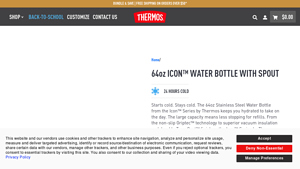
Domain: thermos.com
Registered: 1997 (28 years)
Introduction: {‘name’: ’64oz ICON™ Water Bottle with Spout’, ‘capacity’: ’64oz’, ‘price’: ‘$52.99’, ‘colors’: [‘Granite’, ‘Matte Stainless Steel’], ‘features’: [‘Thermos™ vacuum insulation technology for max temperature retention’, ‘High quality 18/8 stainless steel’, ‘Rapidrate™ high flow spout for an enhanced drinking experience’, ‘Dura-shield™ hygienic covered spout with clear drink lid’, ‘Griptec™ technolog…
3. Hydro Flask – 24 oz Wide Mouth with Flex Chug Cap
Domain: nytimes.com
Registered: 1994 (31 years)
Introduction: This company, Hydro Flask – 24 oz Wide Mouth with Flex Chug Cap, is a notable entity in the market. For specific product details, it is recommended to visit their website directly.
4. The Cool Flask – 64 oz Compact Insulated Water Bottle
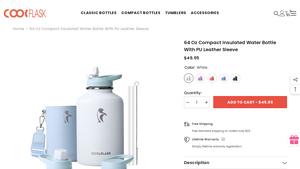
Domain: thecoolflask.com
Registered: 2020 (5 years)
Introduction: {“product_name”:”64 oz Compact Insulated Water Bottle with PU Leather Sleeve”,”price”:”$49.95″,”colors”:[“White”,”Purple”,”Orange”,”Blue”,”Black”],”capacity”:”64 oz”,”material”:”18/8 food-grade stainless steel, BPA-free non-toxic plastic”,”insulation”:”Keeps drinks cold for up to 48 hours and hot for up to 24 hours”,”features”:[“Compact design for portability”,”Chic carrying sleeve for hands-free …
5. Hydro Flask – 64 oz Wide Mouth with Flex Straw Cap
Domain: hydroflask.com
Registered: 2009 (16 years)
Introduction: 64 oz Wide Mouth with Flex Straw Cap; Price: $64.95; Features: Extra large wide mouth water bottle with leakproof straw; Double-wall insulation keeps drinks cold up to 24 hours; Insulated bottle fits ice cubes; Dishwasher safe; Leakproof when closed; Pure taste, no flavor transfer; Flex Straw Cap not intended for use with hot liquids; Not for use on a stove, in a microwave or freezer; Fits all Wid…
Strategic Sourcing Conclusion and Outlook for 64 oz water bottle
In conclusion, the strategic sourcing of 64 oz water bottles offers an excellent opportunity for international B2B buyers to enhance their product offerings while meeting the growing demand for sustainable hydration solutions. With a variety of designs, materials, and features—from double-wall vacuum insulation to customizable branding options—these water bottles cater to diverse market preferences and consumer needs.
By prioritizing quality, durability, and functionality, businesses can position themselves effectively in competitive markets across Africa, South America, the Middle East, and Europe. Understanding regional preferences and the importance of eco-friendly materials will further strengthen sourcing strategies, driving both customer satisfaction and brand loyalty.
As the global focus on sustainability intensifies, investing in strategic partnerships with reputable manufacturers can lead to significant advantages. Now is the time for B2B buyers to explore innovative water bottle solutions that align with their values and operational goals. Embrace this opportunity to enhance your product line and meet the evolving demands of your customers by sourcing high-quality 64 oz water bottles that reflect your brand’s commitment to excellence.