Introduction: Navigating the Global Market for tumbler water bottle
In today’s competitive landscape, sourcing high-quality tumbler water bottles presents a significant challenge for international B2B buyers. With an increasing demand for versatile and durable hydration solutions, particularly in regions like Africa, South America, the Middle East, and Europe, businesses must navigate an array of options to find the best fit for their clientele. This comprehensive guide addresses the complexities of selecting the right tumbler water bottle by exploring various types, applications, and key features that differentiate products in the market.
Throughout this guide, we will delve into essential aspects such as supplier vetting processes, cost considerations, and the latest trends influencing buyer preferences. By providing actionable insights and expert analysis, we empower B2B buyers to make informed purchasing decisions that align with their business goals and customer needs. Whether you’re looking to enhance your product offerings or seeking reliable suppliers, this guide serves as a valuable resource to navigate the global market for tumbler water bottles. As you venture into this exciting category, you will gain the knowledge necessary to differentiate your offerings and meet the demands of your target market effectively.
Understanding tumbler water bottle Types and Variations
| Type Name | Key Distinguishing Features | Primary B2B Applications | Brief Pros & Cons for Buyers |
|---|---|---|---|
| Insulated Tumblers | Double-wall vacuum insulation, wide mouth for easy filling | Cafés, restaurants, corporate gifts | Pros: Excellent temperature retention; versatile use. Cons: Heavier than standard bottles. |
| Straw Lidded Tumblers | Includes a built-in straw, spill-resistant design | Events, promotions, and outdoor activities | Pros: Convenient for on-the-go sipping; reduces spills. Cons: Straws can be difficult to clean. |
| Travel Mugs | Designed for hot beverages, often with a lockable lid | Coffee shops, travel retailers | Pros: Keeps drinks hot; portable design. Cons: Limited to hot beverages; may not fit all cup holders. |
| Stackable Tumblers | Designed to nest for compact storage, often with lids | Catering services, outdoor events | Pros: Space-saving; easy to transport. Cons: May lack insulation compared to others. |
| Customizable Tumblers | Available in various colors and can be branded | Corporate branding, giveaways | Pros: Enhances brand visibility; personalized options. Cons: Customization may increase lead time. |
What are the Key Characteristics of Insulated Tumblers?
Insulated tumblers are designed with double-wall vacuum insulation, which allows them to maintain the temperature of both hot and cold beverages for extended periods. Their wide mouth makes them easy to fill, clean, and drink from. B2B buyers in the food and beverage industry, such as cafés and restaurants, find insulated tumblers ideal for serving drinks that require temperature control. They are also popular as corporate gifts, combining functionality with brand promotion.
Why Choose Straw Lidded Tumblers for Events?
Straw lidded tumblers feature a built-in straw and a spill-resistant design, making them perfect for outdoor events or promotional activities. Their convenience allows users to sip without removing the lid, which is particularly beneficial in fast-paced environments. B2B buyers in event planning or marketing can leverage these tumblers for product launches or as part of gift bags, enhancing the overall experience while promoting brand engagement.
How Do Travel Mugs Cater to Coffee Enthusiasts?
Travel mugs are specifically designed to hold hot beverages, often featuring a lockable lid to prevent spills during transit. Their portability makes them a popular choice for coffee shops and travel retailers. B2B buyers should consider the travel mug’s design and capacity, ensuring it meets customer needs for both functionality and aesthetics. Travel mugs also present an opportunity for branding, appealing to businesses looking to enhance customer loyalty.
What Advantages Do Stackable Tumblers Offer?
Stackable tumblers are engineered for compact storage, allowing them to nest within each other. This feature is particularly advantageous for catering services and outdoor events where space is limited. While they may not offer the same insulation as other types, their lightweight and space-saving design make them a practical choice for businesses focused on efficiency. B2B buyers should evaluate the balance between storage needs and product performance.
How Can Customizable Tumblers Enhance Brand Visibility?
Customizable tumblers provide businesses with the opportunity to showcase their brand through color options and logos. They are particularly effective for corporate giveaways and promotional events, where personalization can create a lasting impression. B2B buyers should consider the lead time for customization and the potential for bulk discounts when planning their orders. This type of tumbler not only serves a functional purpose but also acts as a marketing tool, increasing brand exposure in various settings.
Key Industrial Applications of tumbler water bottle
| Industry/Sector | Specific Application of Tumbler Water Bottle | Value/Benefit for the Business | Key Sourcing Considerations for this Application |
|---|---|---|---|
| Hospitality | Guest Amenities in Hotels and Restaurants | Enhances guest experience and promotes brand loyalty | Customization options, durability, and thermal insulation |
| Corporate Gifts | Employee Incentives and Client Gifts | Strengthens relationships and boosts employee morale | Branding capabilities, eco-friendly materials, and bulk pricing |
| Outdoor and Adventure Gear | Hydration Solutions for Outdoor Activities | Meets the hydration needs of customers in various environments | Lightweight design, leak-proof features, and color variety |
| Retail and E-commerce | Merchandise for Fitness Brands and Lifestyle Products | Increases sales and brand visibility | Trend alignment, packaging options, and shipping logistics |
| Education | Student Hydration Solutions in Schools and Universities | Promotes healthy habits and reduces plastic waste | Safety certifications, size variations, and customization |
How is the Tumbler Water Bottle Used in the Hospitality Sector?
In the hospitality industry, tumbler water bottles are often provided as guest amenities in hotels and restaurants. They serve multiple functions, from offering complimentary drinks to enhancing the overall guest experience. The thermal insulation properties keep beverages hot or cold for extended periods, appealing to guests’ preferences. Buyers in this sector should consider customization options to align with their branding, ensuring that the tumbler reflects the establishment’s image while providing durable and aesthetically pleasing designs that withstand frequent use.
What Role Do Tumbler Water Bottles Play in Corporate Gifts?
Tumbler water bottles are increasingly popular as corporate gifts, serving as incentives for employees and as promotional items for clients. These products foster stronger relationships by demonstrating a commitment to sustainability and employee wellness. For B2B buyers in this space, sourcing considerations include the ability to customize tumblers with company logos and branding, as well as selecting eco-friendly materials that resonate with modern corporate values. Bulk pricing is also critical to ensure cost-effectiveness when distributing these items widely.
How Are Tumbler Water Bottles Utilized in Outdoor and Adventure Gear?
In the outdoor and adventure sector, tumbler water bottles are essential hydration solutions for activities such as hiking, camping, and sports. They are designed for portability, often featuring lightweight materials and leak-proof designs. This makes them ideal for consumers who need reliable hydration options in various environments. Buyers should prioritize sourcing bottles that offer thermal insulation, ensuring drinks maintain their desired temperature, and consider color and design variety to appeal to different consumer preferences.
What Benefits Do Tumbler Water Bottles Offer in Retail and E-commerce?
Retailers, especially those focused on fitness and lifestyle, leverage tumbler water bottles as merchandise to enhance their product offerings. These items not only drive sales but also help in building brand visibility among consumers. For B2B buyers in this sector, alignment with current trends is crucial, as is the consideration of packaging options that attract customers. Additionally, logistics for shipping and handling should be evaluated to ensure that products reach retailers in pristine condition.
Why Are Tumbler Water Bottles Important in Education?
In educational settings, tumbler water bottles encourage students to maintain hydration throughout the day, promoting healthier habits. Schools and universities can utilize these bottles as part of their sustainability initiatives by reducing single-use plastic waste. Buyers in this sector should focus on safety certifications, ensuring that the materials used are non-toxic and safe for students. Variations in size and customization options can cater to different age groups, making them appealing for a broad range of educational institutions.
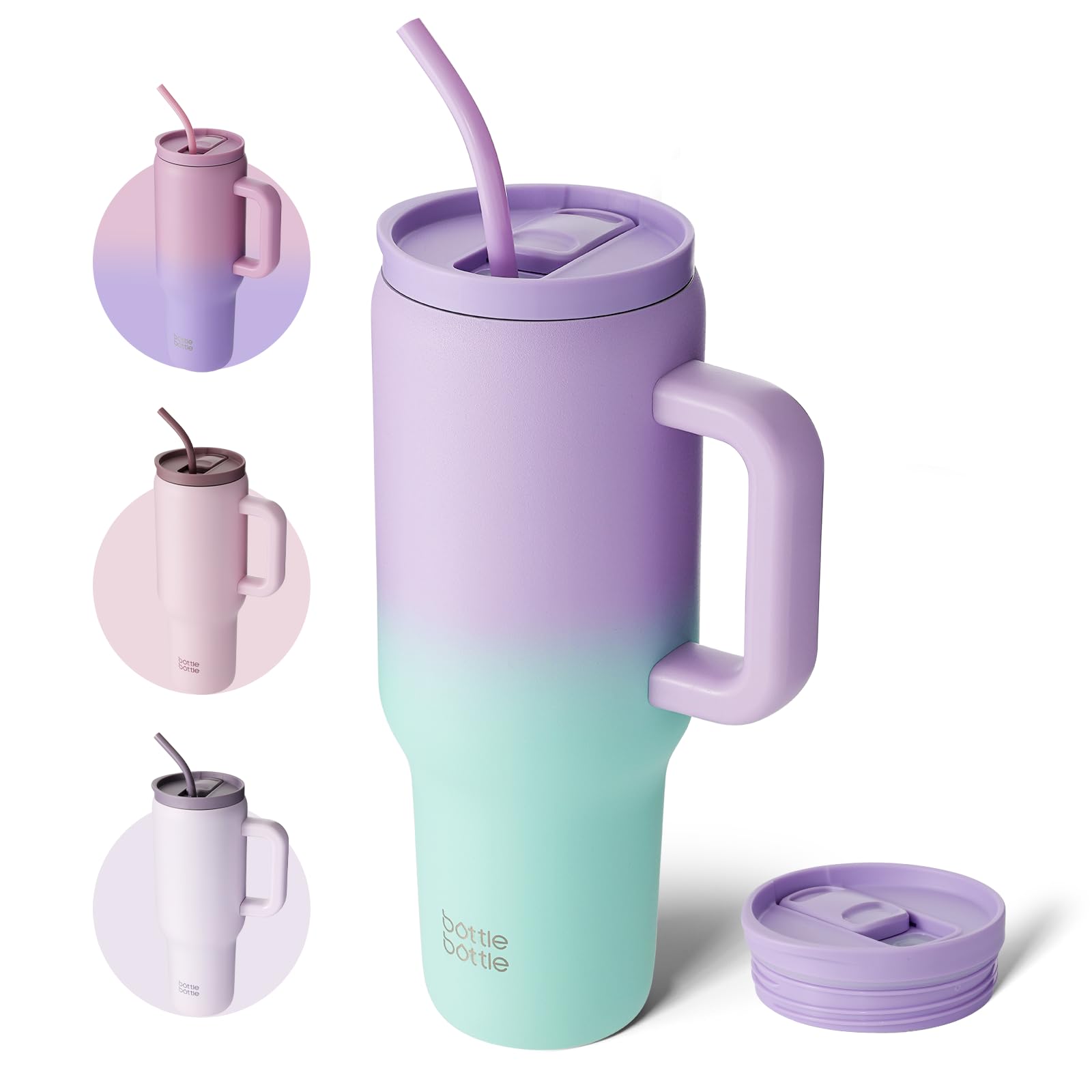
A stock image related to tumbler water bottle.
3 Common User Pain Points for ‘tumbler water bottle’ & Their Solutions
Scenario 1: Difficulty in Ensuring Quality and Durability
The Problem: B2B buyers often encounter challenges in sourcing tumbler water bottles that meet both quality and durability standards, especially when catering to diverse markets across Africa, South America, the Middle East, and Europe. Many manufacturers claim to offer high-quality products, but the reality can fall short, leading to customer dissatisfaction and increased return rates. Buyers may receive products that do not perform well in extreme temperatures, have weak seals, or are made from subpar materials that degrade quickly.
The Solution: To address this issue, buyers should conduct thorough supplier assessments before making purchases. This involves requesting samples and reviewing certifications such as ISO or FDA compliance to ensure the products are made from high-grade, BPA-free materials. Additionally, establishing relationships with suppliers who have proven track records in various climates can enhance reliability. Buyers should also consider implementing a quality control process that includes inspecting the tumblers upon arrival and conducting performance tests under different conditions to verify claims regarding insulation and durability.
Scenario 2: Navigating Cultural Preferences and Usage
The Problem: B2B buyers face the challenge of understanding cultural preferences and usage patterns for tumbler water bottles in different regions. For instance, the preferred size, color, and functionality of drinkware can vary significantly between markets in Brazil, Saudi Arabia, and European countries. A product that is a best-seller in one region may not resonate with customers in another, resulting in unsold inventory and financial losses.
The Solution: Conducting market research to gain insights into local preferences is crucial. This can include surveys, focus groups, or consulting local distributors who understand the nuances of consumer behavior. Buyers should also consider offering customization options, such as different sizes or color choices that align with regional tastes. For instance, providing insulated tumblers that cater to both hot and cold beverages can appeal to a broader audience, while localized branding can enhance market acceptance. Collaborating with regional influencers can also help in understanding trends and preferences, ensuring that the offerings are relevant and appealing.
Scenario 3: Managing Logistics and Supply Chain Challenges
The Problem: The logistics of importing tumbler water bottles can present significant hurdles, especially for B2B buyers operating in regions with fluctuating trade regulations or limited shipping infrastructure. Delays in shipments, customs issues, and varying costs can disrupt supply chains, leading to stockouts and unmet customer demand. This is particularly critical for businesses that rely on just-in-time inventory systems.
The Solution: To mitigate these challenges, buyers should develop a robust logistics strategy that includes diversifying suppliers and considering local manufacturers who can provide quicker turnaround times. Engaging with freight forwarders who specialize in the target regions can help navigate customs regulations and optimize shipping routes. Additionally, establishing a buffer stock of popular tumbler water bottles can prevent stockouts during peak seasons or unexpected delays. Implementing a reliable inventory management system can also streamline operations, allowing businesses to better predict demand and manage restocking timelines effectively.
Strategic Material Selection Guide for tumbler water bottle
What Are the Key Materials Used in Tumbler Water Bottles?
When selecting materials for tumbler water bottles, B2B buyers must consider various factors such as durability, cost, and compliance with international standards. Below is an analysis of four common materials used in tumbler water bottles: stainless steel, plastic, glass, and aluminum.
How Does Stainless Steel Perform in Tumbler Water Bottles?
Key Properties: Stainless steel is renowned for its excellent corrosion resistance and high strength, making it ideal for both hot and cold beverages. It typically withstands high temperatures and pressure, ensuring safety during use.
Pros & Cons: The durability of stainless steel is a significant advantage, as it resists dents and scratches. However, it is generally more expensive than plastic, which can affect the overall cost of the product. Manufacturing processes for stainless steel can be complex, requiring specialized equipment.
Impact on Application: Stainless steel is compatible with a wide range of beverages, including acidic drinks, without leaching harmful chemicals. This makes it suitable for various applications, from outdoor adventures to everyday use.
Considerations for International Buyers: Buyers from regions like Africa and South America should ensure that the stainless steel used complies with relevant standards such as ASTM A240 for corrosion resistance. Additionally, preferences for eco-friendly materials may drive demand for stainless steel options.
What Are the Advantages of Using Plastic in Tumbler Water Bottles?
Key Properties: Plastic tumblers are lightweight and can be molded into various shapes and sizes. They typically have lower temperature and pressure ratings compared to metal options but are still suitable for cold beverages.
Pros & Cons: The primary advantage of plastic is its cost-effectiveness, making it an attractive option for bulk purchases. However, plastic can be less durable and may warp or crack under extreme temperatures. Additionally, some plastics may contain BPA, raising health concerns.
Impact on Application: Plastic is best suited for cold drinks, as high temperatures can compromise its integrity. It is also less effective at maintaining temperature compared to stainless steel.
Considerations for International Buyers: Buyers should ensure compliance with regulations such as FDA standards for food safety. In regions like the Middle East, where temperature extremes are common, the suitability of plastic for specific applications should be carefully evaluated.
How Does Glass Compare for Tumbler Water Bottles?
Key Properties: Glass offers excellent chemical resistance and does not leach chemicals into beverages. It can maintain the temperature of drinks but is more fragile than metal or plastic.
Pros & Cons: The aesthetic appeal of glass is a significant advantage, as it often conveys a premium feel. However, its fragility can lead to breakage during transport or use, which may not be ideal for all applications.
Impact on Application: Glass is suitable for a variety of beverages, including hot drinks, but its weight and breakability limit its use in high-mobility scenarios.
Considerations for International Buyers: Compliance with safety standards is crucial, particularly in regions with stringent regulations. Buyers should also consider the logistics of shipping glass products, especially to markets like Brazil, where breakage during transit can lead to losses.
What Role Does Aluminum Play in Tumbler Water Bottles?
Key Properties: Aluminum is lightweight and offers good thermal conductivity. It is often coated to prevent corrosion and improve durability.
Pros & Cons: The lightweight nature of aluminum makes it easy to transport, while its cost is generally lower than stainless steel. However, aluminum can dent easily and may not be as durable as stainless steel.
Impact on Application: Aluminum is suitable for cold beverages and can be used for hot drinks if properly coated. Its lightweight nature makes it ideal for outdoor activities.
Considerations for International Buyers: Buyers should look for coatings that comply with international safety standards, especially in regions like Europe, where regulations on food-grade materials are stringent.
Summary Table of Material Selection for Tumbler Water Bottles
| Material | Typical Use Case for tumbler water bottle | Key Advantage | Key Disadvantage/Limitation | Relative Cost (Low/Med/High) |
|---|---|---|---|---|
| Stainless Steel | Outdoor activities, hot/cold beverages | Excellent durability and insulation | Higher manufacturing complexity | High |
| Plastic | Everyday use, cold beverages | Cost-effective and lightweight | Less durable, potential chemical leaching | Low |
| Glass | Premium applications, hot/cold beverages | Aesthetic appeal and chemical safety | Fragile, heavy | Medium |
| Aluminum | Outdoor adventures, cold drinks | Lightweight and cost-effective | Easily dented, limited thermal performance | Medium |
This material selection guide provides B2B buyers with essential insights to make informed decisions when sourcing tumbler water bottles, ensuring they meet both performance and regulatory requirements.
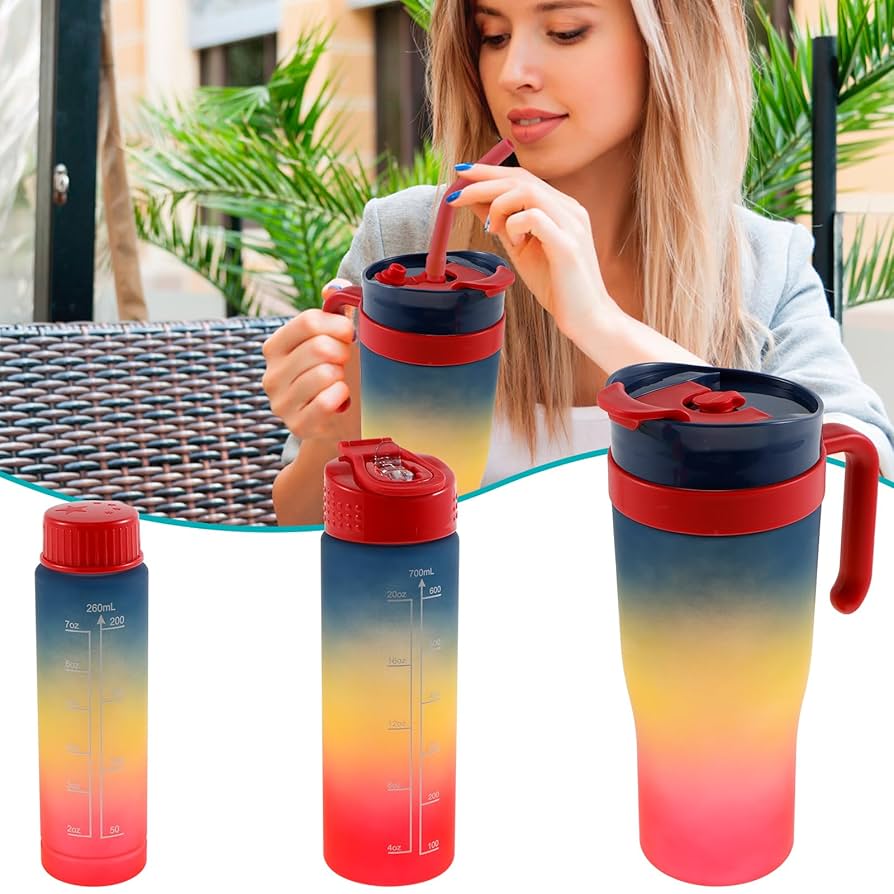
A stock image related to tumbler water bottle.
In-depth Look: Manufacturing Processes and Quality Assurance for tumbler water bottle
What Are the Key Stages in the Manufacturing Process of Tumbler Water Bottles?
The manufacturing of tumbler water bottles involves several critical stages that ensure product durability, functionality, and aesthetic appeal. Understanding these stages can help B2B buyers evaluate potential suppliers and their capabilities.
1. Material Preparation: What Materials Are Used?
The manufacturing process begins with the selection of materials, which are pivotal to the tumbler’s performance and longevity. Common materials include:
- Stainless Steel: Known for its corrosion resistance and durability, stainless steel is often used in high-quality tumblers. The grade of stainless steel (e.g., 304 or 316) can affect the product’s strength and resistance to rust.
- Plastic: Polypropylene and Tritan are popular choices for tumblers requiring lightweight and impact-resistant properties. These materials are often BPA-free, making them safer for consumer use.
- Silicone: Used mainly for lids and seals, silicone provides flexibility and ensures leak-proof performance.
Once selected, materials are cut and shaped to meet design specifications, which may involve processes like laser cutting or molding.
2. Forming: How Are Tumblers Shaped?
The forming stage encompasses several techniques, depending on the material used:
- Deep Drawing: For stainless steel, deep drawing is a common method where flat sheets are transformed into hollow shapes. This technique is crucial for ensuring uniform wall thickness and structural integrity.
- Injection Molding: For plastic components, injection molding is utilized to create precise shapes. This method is efficient for mass production and allows for intricate designs.
- Blow Molding: This technique is often used for hollow plastic tumblers, where air is blown into heated plastic to form the desired shape.
These forming processes are designed to maintain high standards of quality and minimize waste.
3. Assembly: What Happens During the Assembly Process?
After individual components are formed, the assembly process begins. This involves:
- Joining Components: Tumblers often consist of multiple parts, such as the body, lid, and straw. These components are joined using methods like ultrasonic welding for plastic parts or mechanical fastening for metal.
- Quality Checks: During assembly, initial quality checks are performed to ensure components fit correctly and meet design specifications.
The assembly process may also include customization options, such as engraving or applying protective coatings, which enhance the product’s appeal.
4. Finishing: How Is the Final Product Prepared?
The finishing stage includes several steps to ensure the tumbler is ready for market:
- Surface Treatment: This can involve polishing, coating, or painting to enhance aesthetics and durability. For instance, powder coating provides a robust finish that resists scratching and corrosion.
- Cleaning: Tumblers undergo thorough cleaning to remove any residues from manufacturing processes, ensuring they are safe for consumer use.
- Final Quality Inspection: A final inspection checks for any defects, ensuring that only products meeting the established standards proceed to packaging.
What Quality Assurance Standards Should B2B Buyers Consider?
Quality assurance is critical in manufacturing tumbler water bottles. B2B buyers should be aware of various international and industry-specific standards that suppliers may adhere to.
1. International Standards: What Are the Key Certifications?
- ISO 9001: This standard focuses on quality management systems and is essential for ensuring consistent product quality. Suppliers certified under ISO 9001 demonstrate a commitment to quality processes and customer satisfaction.
- CE Marking: Required for products sold in the European Economic Area, CE marking indicates conformity with health, safety, and environmental protection standards.
2. Industry-Specific Certifications: Which Ones Are Relevant?
- API (American Petroleum Institute): While primarily for oil and gas, API standards can also apply to materials used in drinkware, particularly regarding safety and durability.
- FDA Compliance: For products intended for food and beverage use, compliance with FDA regulations is crucial. This ensures that materials used are safe and suitable for consumer contact.
How Can B2B Buyers Verify Supplier Quality Control Practices?
To ensure that suppliers adhere to quality standards, B2B buyers should consider implementing the following verification practices:
1. Conducting Audits: What Should Buyers Look For?
Regular audits of manufacturing facilities can provide insights into a supplier’s quality control practices. Buyers should look for:
- Documentation of Quality Control Processes: This includes records of inspections, testing, and compliance with standards.
- Employee Training Programs: Assess whether the supplier invests in training their workforce on quality management practices.
2. Requesting Quality Reports: What Information Should Be Included?
Buyers should request quality assurance reports that detail:
- Test Results: Information on the performance of materials and finished products against specified standards.
- Non-Conformance Reports: Any instances of defects or failures in the manufacturing process, along with corrective actions taken.
3. Utilizing Third-Party Inspections: How Can They Enhance Trust?
Engaging third-party inspection services can add an extra layer of assurance. These independent organizations can conduct thorough evaluations of the manufacturing process and provide unbiased reports on quality compliance.
What Are the Common Testing Methods for Tumbler Water Bottles?
Quality control involves various testing methods to ensure that tumbler water bottles meet performance and safety standards. Key testing methods include:
- Drop Tests: Assessing the tumbler’s durability by dropping it from specified heights.
- Thermal Insulation Tests: Measuring the tumbler’s ability to retain heat or cold over time.
- Leak Tests: Ensuring that lids and seals function correctly to prevent spills.
How Do QC Nuances Affect International B2B Buyers?
B2B buyers from regions such as Africa, South America, the Middle East, and Europe should be aware of specific quality control nuances, including:
- Regulatory Compliance: Different regions may have unique safety regulations. Buyers should ensure suppliers are compliant with local laws.
- Cultural Considerations: Understanding cultural preferences regarding product features can influence quality expectations. For example, buyers in the Middle East may prioritize heat retention, while European buyers might focus on eco-friendly materials.
By comprehensively understanding the manufacturing processes and quality assurance measures for tumbler water bottles, B2B buyers can make informed decisions when selecting suppliers, ensuring they receive high-quality products that meet international standards.
Practical Sourcing Guide: A Step-by-Step Checklist for ‘tumbler water bottle’
Introduction
This sourcing guide provides international B2B buyers with a step-by-step checklist for procuring tumbler water bottles. As the demand for versatile and insulated drinkware grows, understanding the procurement process is essential for making informed decisions that meet your business needs. This guide will help you navigate the complexities of sourcing, ensuring that you select high-quality products and reliable suppliers.
Step 1: Define Your Technical Specifications
Before initiating the sourcing process, clearly outline your technical requirements. Consider factors such as material (stainless steel, plastic, glass), size, insulation capabilities, and any specific features like lids or straws. This step is critical as it sets the foundation for your procurement strategy and helps in filtering suppliers who can meet your criteria.
- Material Type: Evaluate the pros and cons of materials. Stainless steel offers durability and temperature retention, while plastic may be lighter but less durable.
- Size Options: Determine the volume needed (e.g., 20 oz, 30 oz) based on your target market’s preferences.
Step 2: Conduct Market Research
Engage in thorough market research to identify current trends and pricing in the tumbler water bottle sector. Understanding market dynamics will help you gauge the competitive landscape and determine fair pricing.
- Trend Analysis: Look for emerging styles, colors, and functionalities that appeal to your target audience.
- Pricing Benchmarking: Compare prices from various suppliers to ensure you are getting a competitive rate without compromising on quality.
Step 3: Evaluate Potential Suppliers
Before committing to a supplier, it’s essential to conduct a comprehensive evaluation. Request detailed company profiles, including their production capabilities, quality control processes, and previous client testimonials.
- Supplier Credentials: Verify certifications such as ISO, FDA, or other relevant industry standards.
- Reference Checks: Reach out to past clients to assess their experiences with the supplier’s reliability and product quality.
Step 4: Request Samples
Always request product samples before finalizing an order. Samples allow you to assess the quality, design, and usability of the tumbler water bottles, ensuring they meet your specifications.
- Quality Assessment: Check the finish, insulation performance, and overall durability of the sample.
- User Testing: If possible, distribute samples to potential customers for feedback on usability and design.
Step 5: Negotiate Terms and Pricing
Once you have selected a supplier, engage in negotiations regarding pricing, payment terms, and delivery schedules. Effective negotiation can lead to better pricing and favorable terms, enhancing your overall procurement strategy.
- Bulk Pricing: Inquire about discounts for larger orders, which can significantly reduce costs.
- Payment Flexibility: Discuss payment options, including deposits and payment timelines, to ensure they align with your cash flow management.
Step 6: Finalize Logistics and Delivery
After securing a supplier, finalize the logistics for shipping and delivery. Ensure that both parties agree on delivery timelines and methods to prevent any disruptions in your supply chain.
- Shipping Methods: Evaluate options like air freight for faster delivery or sea freight for cost savings, depending on your urgency and budget.
- Customs and Duties: Be aware of any import regulations and duties that may affect your overall costs, especially if sourcing internationally.
Step 7: Establish Quality Control Procedures
Implement quality control measures to ensure that the products received meet your standards. This step is vital to maintain customer satisfaction and brand reputation.
- Inspection Protocols: Develop a checklist for inspections upon receipt of goods to identify any defects or discrepancies.
- Feedback Loop: Set up a system for gathering feedback from your team and customers to continuously improve the sourcing process.
By following these steps, B2B buyers can effectively navigate the procurement of tumbler water bottles, ensuring they choose the right products and suppliers for their business needs.
Comprehensive Cost and Pricing Analysis for tumbler water bottle Sourcing
What Are the Key Cost Components in Tumbler Water Bottle Sourcing?
When sourcing tumbler water bottles, understanding the cost structure is crucial for B2B buyers. The primary cost components include:
-
Materials: The choice of materials significantly influences the cost. Common options include stainless steel, plastic, and glass. Stainless steel tumblers, for instance, offer durability and thermal insulation, but they are generally more expensive than plastic alternatives. The quality of the materials also affects pricing; higher-grade stainless steel will incur higher costs.
-
Labor: Labor costs vary based on the manufacturing location and the complexity of the design. Countries with lower labor costs, such as some regions in Africa and Asia, may provide a cost advantage. However, it’s essential to consider the skill level required for production, as this can influence both quality and cost.
-
Manufacturing Overhead: This includes costs related to factory operations, utilities, and administration. Efficient manufacturing processes can reduce overhead, but complex designs may lead to increased costs.
-
Tooling: Initial tooling costs for molds and production equipment can be significant, especially for customized designs. These costs are often amortized over large production runs, making it more economical to produce larger quantities.
-
Quality Control (QC): Implementing a robust QC process ensures that the products meet specified standards, which is crucial for maintaining brand reputation. However, it adds to the overall cost. Investing in QC upfront can prevent costly returns and dissatisfaction later.
-
Logistics: Shipping and handling costs can vary based on the destination, mode of transport, and packaging. International buyers should consider these costs, as they can significantly impact the total cost of ownership (TCO).
-
Margin: Suppliers typically add a margin to cover their costs and profit. Understanding industry standard margins can help buyers negotiate better prices.
How Do Price Influencers Affect Tumbler Water Bottle Costs?
Several factors can influence the pricing of tumbler water bottles:
-
Volume/MOQ: Minimum order quantities (MOQ) can vary widely among suppliers. Larger orders often attract better pricing due to economies of scale. Buyers should assess their needs and negotiate MOQs to achieve cost savings.
-
Specifications and Customization: Custom designs, colors, or features (like double-wall insulation) can increase costs. Buyers should weigh the benefits of customization against the additional expenses.
-
Material Quality and Certifications: High-quality materials and certifications (like BPA-free or FDA-approved) can justify higher prices. Buyers must consider their target market’s expectations and regulatory requirements when evaluating options.
-
Supplier Factors: Supplier reputation, reliability, and geographical location can influence pricing. Established suppliers may charge a premium for their proven quality and service.
-
Incoterms: Understanding Incoterms (International Commercial Terms) is vital for international transactions. They define responsibilities for shipping, insurance, and tariffs, which can significantly impact the final price.
What Are Essential Buyer Tips for Negotiating Tumbler Water Bottle Prices?
-
Negotiate Effectively: Don’t hesitate to negotiate pricing, especially for larger orders. Suppliers often have some flexibility, and presenting a well-researched case can lead to better terms.
-
Focus on Cost-Efficiency: Look beyond the unit price. Consider the total cost of ownership, including logistics, potential customs duties, and storage costs. A lower-priced item may not be the best value if it incurs higher shipping or handling fees.
-
Understand Pricing Nuances in Different Regions: International buyers should be aware of regional pricing dynamics. For example, suppliers in South America may offer different pricing structures than those in Europe or the Middle East, influenced by local market conditions and demand.
-
Consider Long-Term Relationships: Building a long-term relationship with a supplier can lead to better pricing and terms over time. Consider establishing contracts that ensure stability in pricing and supply.
Disclaimer on Indicative Prices
Prices for tumbler water bottles can vary widely based on the factors discussed above. The figures presented are indicative and should be verified with suppliers for accurate quotations tailored to specific requirements and circumstances.
Alternatives Analysis: Comparing tumbler water bottle With Other Solutions
In the realm of drinkware solutions, the tumbler water bottle stands out for its versatility and convenience. However, various alternatives exist that cater to different needs and preferences. Understanding these alternatives can assist B2B buyers in making informed decisions that align with their specific requirements.
| Comparison Aspect | Tumbler Water Bottle | Insulated Water Bottle | Glass Water Bottle |
|---|---|---|---|
| Performance | Excellent temperature retention, suitable for both hot and cold beverages | Superior insulation, ideal for long-term temperature maintenance | Good for cold beverages; can retain temperature but less effectively than insulated options |
| Cost | Moderate price range, typically between $20-$40 | Price varies widely, often $15-$50 depending on brand and insulation | Generally lower cost, around $10-$30, but can be fragile |
| Ease of Implementation | Ready to use, simple design | Similar ease of use, often slightly heavier | Easy to use, but requires careful handling |
| Maintenance | Dishwasher safe, requires occasional deep cleaning | Generally low maintenance, but some may need hand washing | Requires careful cleaning to avoid breakage |
| Best Use Case | Ideal for casual use, coffee or smoothies on-the-go | Best for hiking, outdoor activities, or extended travel | Suitable for home or office use, eco-friendly choice |
What Are the Advantages and Disadvantages of Insulated Water Bottles?
Insulated water bottles are designed primarily for maintaining temperature over extended periods. They excel in performance, keeping beverages cold or hot for hours, making them excellent for outdoor activities and long commutes. However, they can be heavier and bulkier than tumbler water bottles, potentially affecting portability. The cost can also vary significantly based on the brand and materials used, which might be a consideration for budget-conscious buyers.
How Do Glass Water Bottles Compare to Tumbler Water Bottles?
Glass water bottles offer a clean taste and are often made from BPA-free materials, appealing to health-conscious consumers. They are generally less expensive and provide an environmentally friendly option. However, their fragility is a significant downside, as they can break easily, especially in active settings. They are best suited for environments where they are less likely to be dropped, such as in an office or at home.
Conclusion: How Should B2B Buyers Choose the Right Drinkware Solution?
Selecting the right drinkware solution hinges on understanding the specific needs of your target market. If your clients prioritize versatility and daily use, tumbler water bottles are an excellent choice. However, for those focusing on durability and temperature retention during outdoor activities, insulated water bottles are preferable. Conversely, if sustainability and taste are paramount, glass water bottles might be the best fit. By evaluating these alternatives against the needs of your customer base, B2B buyers can make strategic decisions that enhance product offerings and meet market demands effectively.
Essential Technical Properties and Trade Terminology for tumbler water bottle
What Are the Key Technical Properties of Tumbler Water Bottles?
1. Material Grade
Tumbler water bottles are typically made from materials such as stainless steel, plastic, and glass. Stainless steel is the most preferred due to its durability, resistance to corrosion, and ability to maintain temperature. In B2B contexts, understanding the material grade is crucial for assessing product quality and compliance with safety standards. For instance, food-grade stainless steel (like 304 or 316) is essential for ensuring that beverages remain uncontaminated.
2. Insulation Technology
Many tumblers feature double-wall vacuum insulation, which significantly enhances thermal retention. This technology keeps hot drinks hot and cold drinks cold for extended periods. For B2B buyers, this property is essential, as it impacts customer satisfaction and product performance in various climates, especially in regions like Africa and the Middle East where temperature extremes are common.
3. Volume Capacity
Tumbler water bottles come in various sizes, typically ranging from 12 oz to 40 oz or more. The volume capacity affects the product’s usability and market appeal. B2B buyers should consider target demographics and usage scenarios when selecting volume sizes; for instance, larger capacities may be more appealing for outdoor activities.
4. Leak-Proof Design
A leak-proof design is critical for tumbler water bottles, especially for consumers who are active or travel frequently. This property is usually achieved through specialized lids and seals. In B2B transactions, emphasizing this feature can enhance the product’s marketability, as it addresses customer concerns about spills and messes.
5. Customization Options
Customization, such as colors, logos, and designs, plays a significant role in B2B relationships. Many manufacturers offer branding opportunities for corporate clients. This property is essential for businesses looking to promote their brand or provide personalized gifts, making it a key consideration in procurement decisions.
What Are Common Trade Terminology and Jargon in the Tumbler Water Bottle Industry?
1. OEM (Original Equipment Manufacturer)
OEM refers to companies that manufacture products that are sold under another company’s brand name. For B2B buyers, understanding OEM relationships is vital for ensuring quality and consistency in the supply chain, especially when sourcing tumblers from international suppliers.
2. MOQ (Minimum Order Quantity)
MOQ is the smallest quantity of a product that a supplier is willing to sell. This term is crucial for B2B buyers as it directly affects inventory management and cash flow. Knowing the MOQ helps businesses plan their purchases and avoid overstock situations.
3. RFQ (Request for Quotation)
An RFQ is a document that a buyer sends to suppliers to request price quotes for specific quantities of products. For B2B transactions, submitting an RFQ is an essential step in the procurement process, enabling buyers to compare prices and make informed purchasing decisions.
4. Incoterms
Incoterms are international commercial terms that define the responsibilities of buyers and sellers in international transactions. Understanding these terms is essential for B2B buyers to clarify shipping costs, risk transfer, and delivery obligations, particularly when dealing with suppliers from different regions like South America or Europe.
5. Lead Time
Lead time refers to the amount of time it takes from placing an order to receiving the product. This term is significant for B2B buyers as it affects inventory management and planning. Buyers must consider lead times when ordering tumblers to ensure they meet market demand without delays.
By comprehending these technical properties and trade terms, B2B buyers can make informed decisions when sourcing tumbler water bottles, ensuring they select products that meet their specific needs and market conditions.
Navigating Market Dynamics and Sourcing Trends in the tumbler water bottle Sector
What Are the Key Market Dynamics and Trends Influencing the Tumbler Water Bottle Sector?
The tumbler water bottle market is witnessing significant growth driven by several global trends. Increasing awareness of health and wellness is propelling consumers toward reusable drinkware as they seek sustainable alternatives to single-use plastics. As international B2B buyers, particularly from Africa, South America, the Middle East, and Europe, engage with this market, they should note the rising demand for insulated and multifunctional products. These tumblers not only cater to hydration needs but also accommodate hot beverages, making them suitable for diverse climates and consumer preferences.
Technological advancements in manufacturing processes, including the use of eco-friendly materials and innovative insulation techniques, are also shaping the market. Smart drinkware that tracks hydration levels is emerging, appealing to health-conscious consumers. Additionally, customization options—such as personalized branding for corporate gifts—are becoming increasingly important in B2B transactions. This trend allows businesses to differentiate their offerings in competitive markets, particularly in regions like Brazil and Saudi Arabia, where brand identity is crucial.
How Does Sustainability Impact the Sourcing of Tumbler Water Bottles?
Sustainability is a key consideration for B2B buyers in the tumbler water bottle sector. The environmental impact of materials used in production is under scrutiny, leading to a shift towards more sustainable options. Buyers are increasingly seeking suppliers who utilize recycled materials or sustainably sourced resources. This aligns with the global push for reducing plastic waste and carbon footprints, particularly in developing markets.
Ethical sourcing practices are also paramount. Businesses must ensure that their supply chains adhere to fair labor practices and transparency. Certifications such as FSC (Forest Stewardship Council) for wood-based products or ISO 14001 for environmental management systems can enhance a supplier’s appeal to socially conscious buyers. Moreover, the demand for BPA-free materials in drinkware reflects a growing consumer preference for health-safe products. By prioritizing sustainability and ethical sourcing, B2B buyers can not only meet regulatory requirements but also resonate with environmentally aware consumers.
What Is the Historical Context of Tumbler Water Bottles in the B2B Market?
The evolution of tumbler water bottles can be traced back to the increasing emphasis on hydration and environmental sustainability. Initially, the market was dominated by plastic water bottles, which posed significant environmental concerns. As awareness of these issues grew, manufacturers began to innovate, introducing insulated stainless steel tumblers that offered better temperature retention and durability.
Over the years, the design and functionality of tumblers have expanded significantly. Modern tumblers now feature lids, straws, and various size options, catering to a wide range of beverages and consumer preferences. This evolution reflects a broader trend in the drinkware market, where functionality and sustainability are increasingly prioritized. For B2B buyers, understanding this historical context is essential, as it informs current consumer preferences and sourcing strategies that align with market demands.
By being attuned to these dynamics, international buyers can navigate the tumbler water bottle sector more effectively, ensuring they make informed sourcing decisions that align with both market trends and consumer expectations.
Frequently Asked Questions (FAQs) for B2B Buyers of tumbler water bottle
-
How do I select the right tumbler water bottle for my business needs?
When selecting a tumbler water bottle for your business, consider the intended use, target audience, and branding opportunities. Evaluate features such as material, insulation capabilities, and size. Stainless steel tumblers are durable and provide excellent temperature retention, while BPA-free plastic options are lightweight and cost-effective. Additionally, assess customization options to align the product with your brand’s identity, ensuring it meets your customers’ preferences for functionality and style. -
What are the advantages of using insulated tumblers for my customers?
Insulated tumblers offer several benefits that make them appealing to customers. They maintain the temperature of beverages for extended periods, ensuring hot drinks stay warm and cold drinks remain chilled. This feature is particularly attractive for outdoor enthusiasts and commuters. Moreover, their versatile design allows for various drink types, from coffee to smoothies, catering to diverse consumer preferences. This can enhance customer satisfaction and brand loyalty, making insulated tumblers a valuable product offering. -
What customization options are available for tumbler water bottles?
Customization options for tumbler water bottles typically include branding through logo printing, color selection, and design variations. Many suppliers offer options for personalized engravings or screen printing to enhance brand visibility. Additionally, you may find options for different lid types, straws, and accessories to create a unique product that resonates with your target market. When sourcing, inquire about minimum order quantities (MOQs) for customized products to align with your business needs. -
What are the common minimum order quantities (MOQs) for tumbler water bottles?
MOQs for tumbler water bottles can vary significantly depending on the manufacturer and the level of customization required. Typically, MOQs can range from 100 to 1,000 units. For bulk orders, it’s advisable to negotiate with suppliers to find a quantity that meets your budget while ensuring adequate stock for your business. Always confirm the MOQ before placing an order to avoid unexpected costs or delays in fulfillment. -
What payment terms should I expect when sourcing tumbler water bottles internationally?
Payment terms for international orders can vary, but common practices include a deposit upfront (usually 30% to 50%) with the balance due upon shipment or delivery. Some suppliers may offer net terms, allowing for payment within a specified period after delivery. It’s essential to establish clear payment terms and methods (e.g., bank transfer, credit card, PayPal) during negotiations to avoid misunderstandings and ensure a smooth transaction process. -
How do I ensure the quality of tumbler water bottles from suppliers?
To ensure the quality of tumbler water bottles, conduct thorough supplier vetting. Request samples to evaluate materials, craftsmanship, and design before placing a bulk order. Additionally, inquire about the supplier’s quality assurance processes, certifications, and compliance with international standards. Establishing a clear agreement on quality expectations and inspection procedures can help mitigate risks associated with defective products. -
What logistics considerations should I keep in mind when importing tumbler water bottles?
When importing tumbler water bottles, consider logistics aspects such as shipping methods, lead times, and customs regulations. Choose a reliable freight forwarder who can navigate international shipping complexities and ensure timely delivery. Be aware of any tariffs or duties applicable to your products upon arrival in your country. Planning for potential delays and ensuring proper documentation can help streamline the import process. -
How can I effectively market tumbler water bottles to my target audience?
To effectively market tumbler water bottles, identify your target audience’s preferences and lifestyles. Utilize social media platforms, influencer partnerships, and content marketing to showcase the benefits and versatility of your products. Highlight features such as insulation, customization options, and eco-friendliness in your promotional materials. Engaging storytelling and high-quality visuals can resonate with potential customers, driving interest and sales. Consider offering promotions or bundles to encourage trial and repeat purchases.
Important Disclaimer & Terms of Use
⚠️ Important Disclaimer
The information provided in this guide, including content regarding manufacturers, technical specifications, and market analysis, is for informational and educational purposes only. It does not constitute professional procurement advice, financial advice, or legal advice.
While we have made every effort to ensure the accuracy and timeliness of the information, we are not responsible for any errors, omissions, or outdated information. Market conditions, company details, and technical standards are subject to change.
B2B buyers must conduct their own independent and thorough due diligence before making any purchasing decisions. This includes contacting suppliers directly, verifying certifications, requesting samples, and seeking professional consultation. The risk of relying on any information in this guide is borne solely by the reader.
Top 6 Tumbler Water Bottle Manufacturers & Suppliers List
1. Hydro Flask – Key Products
Domain: hydroflask.com
Registered: 2009 (16 years)
Introduction: Tumblers, mugs and cups ready for morning brews and microbrews. Key products include: 24 oz Travel Tumbler Mug ($29.95), Sip Set Bundle ($41.93, originally $55.90), 12 oz Kids Tumbler ($24.95, discounted to $18.71), 24 oz Kids Travel Tumbler ($31.95, discounted to $23.96), 24 oz Travel Mug Bundle ($29.93, originally $39.90), It’s Handled Bundle – Small ($39.68, originally $52.90), 20 oz All Around…
2. Simple Modern – Stylish Water Bottles & Travel Mugs
Domain: simplemodern.com
Registered: 2009 (16 years)
Introduction: Stylish Water Bottles, Travel Mugs, Food Storage, and Backpacks. Categories include Hydration (Mesa Loop, Trek, Trek Pivot, Summit, Classic, Rally Protein Shaker, Ascent Sports), Coffee (Voyager, Roam Bottle, Cold Brew Maker), Kids (Ellis Backpack, Fletcher Backpack, Lunch, Summit, Trek, Trek Pivot, Silicone Tableware), Bags (Backpacks, Lunch Bags, Getaway Bag, Harper Tote, Day Cooler, Hudson Penc…
3. Target – Travel Tumblers
Domain: target.com
Registered: 1997 (28 years)
Introduction: Tumblers are designed for travel and are ideal for people with a flexible lifestyle. They maintain the temperature of beverages, thanks to double-wall vacuum insulation. Available in various styles including printed, laser engraved, and custom options, they often come with straws for easy drinking. Suitable for smoothies, juices, water, tea, and coffee, these tumblers are a great addition to kitch…
4. Tervis – Insulated Tumblers & Water Bottles
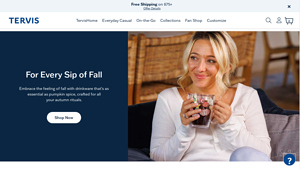
Domain: tervis.com
Registered: 1996 (29 years)
Introduction: Reusable Insulated Stainless Steel Tumblers and Water Bottles, Classic Insulated Tumblers (16oz, 10oz, 12oz), On-the-Go Tervis Travelers®, Venture™ Water Bottles, Straw Lid Tumblers, BPA free, Lifetime Guarantee, Made in the USA, Free Shipping on Orders $75+, Customization options available, Various collections including Azure Collection by Yao Cheng, Sandstone Collection, MediterraBlue Collection…
5. Stanley – Insulated Stainless Steel Tumblers
Domain: stanley1913.com
Registered: 2019 (6 years)
Introduction: Insulated, Stainless Steel Tumblers; Sizes: 14 OZ, 16 OZ, 20 OZ, 24 OZ, 30 OZ, 40 OZ; Features: Legendary double-wall vacuum insulation for thermal retention; Keeps drinks hot for at least 4 hours, cold for at least 5 hours, iced for at least 30 hours; Dishwasher safe; Replacement lids and straws available.
6. Stanley – Water Bottles
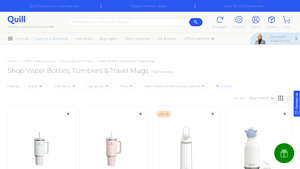
Domain: quill.com
Registered: 1994 (31 years)
Introduction: {“categories”: [“Water Bottles”, “Tumblers”, “Travel Mugs”], “total_products”: 138, “brands”: [“ASOBU”, “Braun”, “Brentwood”, “Brita”, “Ergodyne”, “Lifefactory”, “Outdoors Professional”, “Stanley”, “Thermos”, “Whetstone”], “color_options”: [“Black”, “White”, “Blue”, “Pink”, “Gray/Silver”, “Green”, “Purple”, “Red”, “Beige”, “Brown”, “Multicolor”, “Orange”, “Yellow”], “age_groups”: [“All Ages”, “You…
Strategic Sourcing Conclusion and Outlook for tumbler water bottle
In summary, the strategic sourcing of tumbler water bottles presents a significant opportunity for international B2B buyers, particularly in regions like Africa, South America, the Middle East, and Europe. Key takeaways include the importance of understanding market trends, consumer preferences for insulated and versatile drinkware, and the value of customizable options that cater to diverse lifestyles and hydration needs.
Strategic sourcing not only enhances supply chain efficiency but also enables businesses to align their product offerings with the growing demand for sustainable and functional drinkware solutions. By partnering with reliable manufacturers and suppliers, companies can ensure they meet quality standards while also appealing to eco-conscious consumers.
Looking ahead, the tumbler water bottle market is poised for continued growth, driven by increasing health awareness and an emphasis on sustainability. Now is the time for B2B buyers to engage with suppliers that offer innovative designs and materials, ensuring they remain competitive in this dynamic landscape. Embrace the potential of this market by exploring strategic partnerships that can elevate your product line and satisfy the evolving demands of consumers worldwide.