Introduction: Navigating the Global Market for lead free water bottles
In today’s global market, sourcing lead-free water bottles presents a significant challenge for international B2B buyers, particularly in regions such as Africa, South America, the Middle East, and Europe. As health consciousness rises and regulatory standards tighten, businesses must navigate a complex landscape of materials, certifications, and supplier reliability to ensure they are providing safe and sustainable products. This guide is designed to equip you with the essential knowledge to make informed purchasing decisions in the lead-free water bottle sector.
Throughout this comprehensive resource, we will explore various types of lead-free water bottles, from stainless steel to glass options, and their specific applications across different industries. We will delve into critical factors to consider when vetting suppliers, including compliance with international safety standards and ethical manufacturing practices. Additionally, we will provide insights into cost structures and market trends, empowering you to negotiate effectively and optimize your procurement strategy.
By leveraging the information in this guide, B2B buyers can confidently select lead-free water bottles that not only meet safety requirements but also align with their corporate values and customer expectations. In an era where product safety and sustainability are paramount, this guide serves as a valuable tool for making strategic purchasing decisions that enhance brand reputation and customer trust.
Understanding lead free water bottles Types and Variations
| Type Name | Key Distinguishing Features | Primary B2B Applications | Brief Pros & Cons for Buyers |
|---|---|---|---|
| Stainless Steel Bottles | Food-grade 18/8 stainless steel, double or triple insulation | Hospitality, Outdoor Adventures | Pros: Durable, excellent insulation, safe for long-term use. Cons: Higher initial cost. |
| Glass Water Bottles | Non-reactive glass, often with protective silicone sleeves | Health & Wellness, Corporate Gifting | Pros: Pure taste, environmentally friendly. Cons: Fragile, heavier than other options. |
| BPA-Free Plastic Bottles | Lightweight, often customizable, made from Tritan or similar | Fitness Centers, Schools | Pros: Affordable, versatile designs. Cons: Less durable, potential for chemical leaching. |
| Collapsible Water Bottles | Flexible design, made from silicone or soft plastic | Travel, Events | Pros: Space-saving, lightweight. Cons: May not be as durable, less effective insulation. |
| Insulated Tumblers | Double-walled, often with a lid and straw, lead-free | Cafés, Catering | Pros: Versatile for hot and cold beverages, easy to clean. Cons: Limited volume options. |
What are the Characteristics of Stainless Steel Bottles?
Stainless steel water bottles are crafted from food-grade 18/8 stainless steel, ensuring they are BPA and lead-free. Their double or triple insulation keeps beverages at optimal temperatures for extended periods, making them ideal for outdoor adventures and hospitality settings. B2B buyers should consider the durability and long-term cost-effectiveness of these bottles, as they are designed to withstand rigorous use, although the initial investment is generally higher than plastic alternatives.
Why Choose Glass Water Bottles for Health & Wellness?
Glass water bottles are non-reactive and do not leach chemicals, providing a pure taste for consumers. Many feature protective silicone sleeves to prevent breakage, making them suitable for health and wellness businesses, as well as corporate gifting. B2B buyers should weigh the benefits of eco-friendliness and aesthetic appeal against the fragility and weight of glass bottles, particularly for transport and storage.
What Makes BPA-Free Plastic Bottles a Popular Choice?
BPA-free plastic bottles are lightweight and often customizable, appealing to fitness centers and schools that require bulk orders. Made from materials like Tritan, these bottles offer an affordable solution for businesses looking to provide branded hydration options. However, buyers should be aware of potential durability issues and the risk of chemical leaching over time, which could impact consumer trust.
How Do Collapsible Water Bottles Benefit Travelers?
Collapsible water bottles are made from flexible materials like silicone, allowing them to be rolled or folded when not in use. This space-saving feature is perfect for travel and events where storage is limited. While they offer convenience and lightweight portability, B2B buyers should consider their durability and insulation effectiveness, as these bottles may not maintain temperature as well as rigid options.
What Advantages Do Insulated Tumblers Offer for Cafés and Catering?
Insulated tumblers are designed to hold both hot and cold beverages, often featuring a lid and straw for convenience. Their lead-free construction and double-walled design make them suitable for cafés and catering businesses. B2B buyers should evaluate the versatility and ease of cleaning these tumblers, but also note that they may come in limited volume options, which could affect order fulfillment for larger events.
Key Industrial Applications of lead free water bottles
| Industry/Sector | Specific Application of Lead Free Water Bottles | Value/Benefit for the Business | Key Sourcing Considerations for this Application |
|---|---|---|---|
| Food and Beverage | Employee hydration solutions in production areas | Enhances employee well-being and productivity | Ensure compliance with food safety regulations and certifications |
| Hospitality | Guest amenities in hotels and resorts | Improves guest satisfaction and brand reputation | Look for stylish designs and customizable options |
| Outdoor and Adventure | Gear for adventure tourism companies | Provides safe hydration solutions for customers | Source durable and lightweight materials for portability |
| Corporate Wellness | Promotional products for health programs | Supports corporate wellness initiatives | Consider branding opportunities and bulk purchasing options |
| Education | School and university hydration programs | Promotes healthy habits among students | Ensure compliance with safety standards for children |
How Are Lead Free Water Bottles Used in the Food and Beverage Industry?
In the food and beverage sector, lead-free water bottles are essential for employee hydration in production areas. These bottles ensure that workers have access to safe drinking water, which is crucial for maintaining health and productivity. Businesses must ensure that their water bottles comply with food safety regulations, including certifications that verify they are free from harmful substances like lead. This not only protects employees but also enhances the company’s reputation for prioritizing health and safety.
What Role Do Lead Free Water Bottles Play in the Hospitality Sector?
In the hospitality industry, lead-free water bottles serve as an excellent guest amenity. Hotels and resorts can provide these bottles in guest rooms or at events, enhancing the overall guest experience. The use of stylish, lead-free bottles can significantly improve guest satisfaction and contribute to a hotel’s brand reputation. When sourcing, businesses should consider options that allow for customization and branding to align with their identity while ensuring the bottles meet safety standards.
Why Are Lead Free Water Bottles Important for Outdoor and Adventure Companies?
Adventure tourism companies utilize lead-free water bottles as part of their gear offerings. These bottles are crucial for ensuring that customers have access to safe drinking water during activities such as hiking or camping. The durability and lightweight nature of lead-free bottles make them ideal for outdoor use. When sourcing, companies should prioritize materials that withstand various weather conditions and ensure the bottles are easy to carry, enhancing the overall customer experience.
How Can Corporate Wellness Programs Benefit from Lead Free Water Bottles?
Incorporating lead-free water bottles into corporate wellness programs can significantly enhance employee health initiatives. These bottles can be used as promotional products to encourage employees to stay hydrated, thereby improving overall workplace productivity. Businesses should consider sourcing options that allow for branding, as personalized bottles can further motivate employees to engage with wellness programs. Bulk purchasing options can also provide cost benefits while ensuring all employees have access to safe hydration solutions.
What Are the Benefits of Lead Free Water Bottles in Educational Settings?
In educational institutions, lead-free water bottles are vital for promoting healthy hydration habits among students. Schools and universities can implement hydration programs that provide students with safe and accessible drinking options. It is crucial to ensure that the sourced bottles comply with safety standards, particularly for use by children. Additionally, selecting bottles that are durable and easy to clean can enhance their longevity, making them a cost-effective solution for educational settings.
A stock image related to lead free water bottles.
3 Common User Pain Points for ‘lead free water bottles’ & Their Solutions
Scenario 1: Navigating Regulatory Compliance for Lead-Free Water Bottles
The Problem: B2B buyers often grapple with the complexities of regulatory compliance when sourcing lead-free water bottles. This is particularly challenging for companies exporting products to regions with strict safety standards, such as Europe and North America. The lack of clear guidelines can lead to costly delays in shipments or even penalties for non-compliance, creating a significant pain point for procurement teams.
The Solution: To effectively navigate these regulatory waters, B2B buyers should prioritize suppliers who provide comprehensive documentation regarding material safety and compliance certifications. Seek out manufacturers that can demonstrate adherence to international standards such as FDA, EU regulations, and relevant local laws. Implement a robust vendor evaluation process that includes checks for third-party testing results confirming that their products are indeed lead-free. Establishing a direct line of communication with suppliers to clarify any ambiguities in their compliance status can also mitigate risks associated with regulatory missteps.
Scenario 2: Ensuring Product Quality and Safety in Lead-Free Water Bottles
The Problem: The market is flooded with water bottle options, making it challenging for B2B buyers to identify genuinely safe and high-quality lead-free products. Many bottles are marketed as lead-free, but without rigorous testing, there is a risk of selecting products that might still leach harmful substances. This uncertainty can impact brand reputation and customer trust, particularly in markets where health and safety are paramount concerns.
The Solution: B2B buyers should conduct thorough research to identify reputable brands known for their commitment to quality and safety. Look for companies that utilize high-quality materials, such as 18/8 stainless steel, and can provide transparency in their manufacturing processes. Additionally, consider establishing partnerships with suppliers that are willing to provide samples for independent testing. This proactive approach not only ensures product safety but also allows buyers to make informed purchasing decisions that align with their brand values.
Scenario 3: Addressing Price Sensitivity While Choosing Lead-Free Water Bottles
The Problem: Cost is a significant consideration for B2B buyers, especially in competitive markets where budget constraints are common. While opting for lead-free water bottles is essential for health and safety, the higher price tags associated with premium brands can deter procurement teams from making the switch. This tension between ensuring safety and managing costs often leads to indecision and missed opportunities for better product offerings.
The Solution: To balance cost and safety, B2B buyers should explore bulk purchasing agreements with manufacturers that offer lead-free water bottles at discounted rates. Negotiating long-term contracts can provide leverage for better pricing, allowing businesses to secure high-quality products without compromising safety. Additionally, consider the total cost of ownership; investing in durable and reusable bottles can lead to savings over time through reduced waste and lower replacement costs. Educating stakeholders about the long-term benefits of investing in lead-free products, such as enhanced brand loyalty and customer satisfaction, can also facilitate buy-in for budget allocation.
Strategic Material Selection Guide for lead free water bottles
What Are the Key Materials Used in Lead-Free Water Bottles?
When selecting materials for lead-free water bottles, it is essential to consider their properties, advantages, and limitations. The choice of material can significantly affect product performance, safety, and compliance with international standards. Below is an analysis of four common materials used in lead-free water bottles.
How Does Stainless Steel Perform in Lead-Free Water Bottles?
Stainless steel, particularly 18/8 grade, is a popular choice for lead-free water bottles. It offers excellent corrosion resistance and is capable of withstanding high temperatures and pressures. This material does not leach harmful chemicals, ensuring that the water remains pure and safe for consumption.
Pros: Stainless steel is highly durable, resistant to rust, and does not retain flavors or odors. It is also easy to clean and can be manufactured in various designs, appealing to diverse consumer preferences.
Cons: The initial manufacturing cost is relatively high compared to plastic alternatives. Additionally, stainless steel bottles can be heavier, which may be a consideration for consumers looking for lightweight options.
Impact on Application: Stainless steel is compatible with a wide range of beverages, including acidic drinks, without risk of corrosion.
Considerations for International Buyers: Buyers from regions like Africa and South America should ensure compliance with local health and safety standards, such as ASTM or ISO certifications. Stainless steel bottles are generally well-accepted across international markets due to their safety and durability.
What Role Does Glass Play in Lead-Free Water Bottles?
Glass is another safe and non-toxic option for lead-free water bottles. It is inert, meaning it does not interact with the contents, ensuring that no harmful substances leach into the water.
Pros: Glass bottles are easy to clean and maintain, and they do not retain flavors or odors. They also provide an aesthetic appeal that can enhance brand image.
Cons: The fragility of glass makes it less durable than stainless steel, with a higher risk of breakage during transport or use. Additionally, glass bottles can be heavier and more expensive to produce.
Impact on Application: Glass is suitable for water and non-acidic beverages but may not be ideal for carbonated drinks due to the risk of breakage under pressure.
Considerations for International Buyers: Buyers should be aware of shipping costs and regulations regarding glass products. Compliance with food safety standards is crucial, especially in regions with stringent regulations.
How Does BPA-Free Plastic Compare for Lead-Free Water Bottles?
BPA-free plastics, such as Tritan™, are designed to be safe alternatives to traditional plastics. They are lightweight and can be molded into various shapes and sizes.
Pros: These plastics are generally more affordable and lighter than metal or glass options, making them easy to transport and use. They are also available in a wide range of colors and designs, appealing to a younger demographic.
Cons: Although BPA-free, some plastics may still contain other harmful chemicals like BPS or BPF. They are also less durable than stainless steel or glass, with a higher likelihood of scratches and wear over time.
Impact on Application: BPA-free plastics are suitable for cold beverages but may not withstand high temperatures, limiting their use in hot drinks.
Considerations for International Buyers: Buyers should verify that the plastic meets local regulatory standards. Additionally, they should consider the environmental impact of plastic products, as sustainability is becoming increasingly important in many markets.
What Are the Benefits of Silicone in Lead-Free Water Bottles?
Silicone is a flexible, durable material that is increasingly being used in water bottles. It is non-toxic and can withstand a wide range of temperatures.
Pros: Silicone bottles are collapsible, making them easy to store and transport. They are also resistant to staining and do not retain odors, providing a practical solution for on-the-go hydration.
Cons: Silicone can be less durable than stainless steel and may require careful handling to avoid tears or punctures. The manufacturing process can also be more complex, potentially increasing costs.
Impact on Application: Silicone is suitable for both hot and cold beverages, making it versatile for various consumer needs.
Considerations for International Buyers: Buyers should ensure that the silicone used is food-grade and compliant with international safety standards. The growing trend towards eco-friendly products may also influence the acceptance of silicone bottles.
Summary Table of Material Selection for Lead-Free Water Bottles
| Material | Typical Use Case for Lead-Free Water Bottles | Key Advantage | Key Disadvantage/Limitation | Relative Cost (Low/Med/High) |
|---|---|---|---|---|
| Stainless Steel | Everyday hydration, outdoor activities | Highly durable and corrosion-resistant | Higher initial cost | High |
| Glass | Home use, premium branding | Inert and flavor-neutral | Fragile and heavier | Medium |
| BPA-Free Plastic | Sports, casual use | Lightweight and affordable | Potential chemical concerns | Low |
| Silicone | Travel, outdoor activities | Flexible and collapsible | Less durable than metal | Medium |
This strategic material selection guide provides B2B buyers with critical insights into the various materials used in lead-free water bottles. By understanding the properties, advantages, and limitations of each material, buyers can make informed decisions that align with their market needs and consumer preferences.
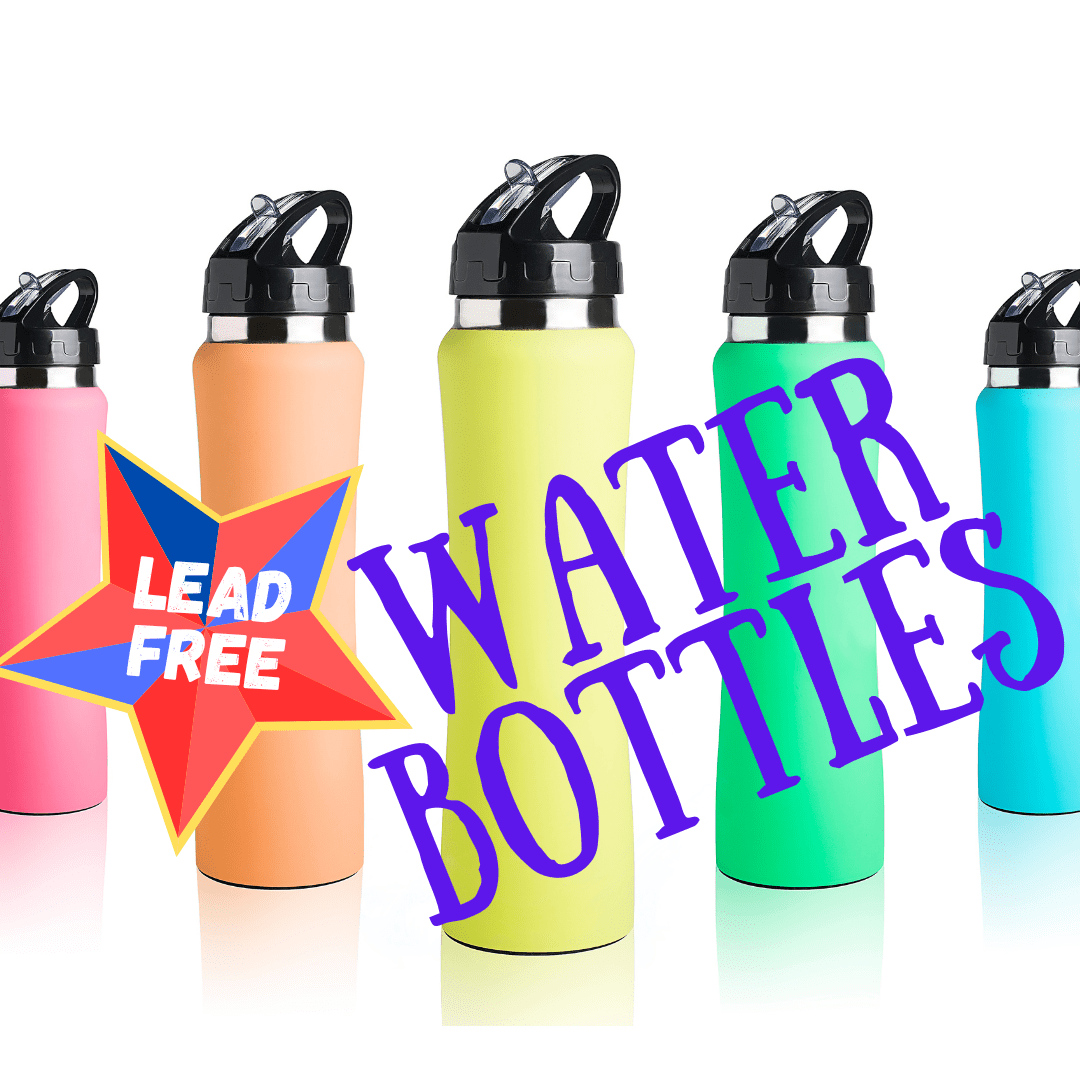
A stock image related to lead free water bottles.
In-depth Look: Manufacturing Processes and Quality Assurance for lead free water bottles
What Are the Main Stages of Manufacturing Lead-Free Water Bottles?
The manufacturing process of lead-free water bottles involves several critical stages, each designed to ensure product safety, durability, and consumer satisfaction. The main stages include material preparation, forming, assembly, and finishing.
How Is Material Prepared for Lead-Free Water Bottles?
The first step in the manufacturing process is the careful selection and preparation of materials. For lead-free water bottles, high-quality 18/8 stainless steel is commonly used due to its non-reactive properties and resistance to rust. Before production, raw materials undergo rigorous testing to confirm their compliance with international safety standards. This may include checking for the absence of harmful substances, such as lead, BPA, BPS, and BPF.
What Techniques Are Used in Forming Lead-Free Water Bottles?
During the forming stage, the prepared materials are shaped into the desired bottle design. This typically involves techniques such as deep drawing or hydroforming, which ensure uniform wall thickness and structural integrity. Advanced manufacturing technologies, such as CNC machining and laser cutting, may also be employed to achieve precise dimensions and high-quality finishes. These processes are crucial for maintaining the aesthetic appeal and functionality of the bottles, including features like leakproof lids and ergonomic designs.
What Are the Key Steps in Assembly for Lead-Free Water Bottles?
Once the individual components are formed, they are assembled. This stage includes attaching lids, handles, and other accessories. Manufacturers often utilize ultrasonic welding or precision adhesive techniques to ensure a strong bond between parts. For example, lead-free soldering methods are preferred to avoid any potential contamination.
In addition, quality checks are integrated into the assembly process to ensure that each bottle meets the required specifications. This can involve visual inspections for defects, functionality tests for lids and seals, and measurements to confirm size and fit.
How Is the Finishing Process Conducted for Lead-Free Water Bottles?
The final stage of manufacturing involves finishing processes that enhance the product’s durability and appearance. Common finishing techniques include polishing, powder coating, and applying protective coatings to prevent scratches and enhance corrosion resistance. During this stage, manufacturers also ensure that all surfaces are free from contaminants and meet hygiene standards.
Finishing not only improves the aesthetic appeal but also contributes to the longevity of the water bottles, making them suitable for various environments, from outdoor adventures to office use.
What Are the International Standards for Quality Assurance in Lead-Free Water Bottles?
Quality assurance in the manufacturing of lead-free water bottles is paramount. International standards such as ISO 9001 provide a framework for quality management systems that ensure consistent product quality and safety. Compliance with these standards is essential for manufacturers targeting international markets, as they demonstrate a commitment to quality and customer satisfaction.
What Industry-Specific Certifications Should B2B Buyers Look For?
In addition to general quality standards, industry-specific certifications can provide further assurance of product safety. Certifications such as CE marking in Europe, FDA compliance in the United States, and others related to food contact materials are crucial. These certifications indicate that the products have been tested and meet stringent safety and health regulations.
What Quality Control Checkpoints Are Essential in the Manufacturing Process?
Quality control (QC) checkpoints are integrated throughout the manufacturing process to ensure that each stage meets established standards. Key QC checkpoints include:
-
Incoming Quality Control (IQC): This involves inspecting raw materials upon arrival to ensure they meet specifications before production begins.
-
In-Process Quality Control (IPQC): Continuous monitoring during the manufacturing process to detect and rectify issues in real time.
-
Final Quality Control (FQC): Comprehensive inspections of finished products to ensure they meet all quality standards and specifications before packaging and shipping.
What Common Testing Methods Are Used for Lead-Free Water Bottles?
Manufacturers utilize various testing methods to verify the safety and performance of lead-free water bottles. Common tests include:
-
Chemical Analysis: To detect the presence of harmful substances like lead, BPA, and other toxins.
-
Leak Testing: To ensure that lids and seals are effective, preventing leaks during use.
-
Durability Testing: Subjecting bottles to extreme conditions (temperature variations, drop tests) to evaluate their resilience.
-
Taste and Odor Testing: Ensuring that the materials do not impart any undesirable flavors or smells to the water.
How Can B2B Buyers Verify Supplier Quality Control Practices?
For B2B buyers, verifying a supplier’s quality control practices is critical to ensuring product safety and reliability. Here are some actionable steps:
-
Supplier Audits: Conducting regular audits of potential suppliers can provide insights into their manufacturing processes and quality control measures.
-
Quality Assurance Reports: Requesting detailed reports on quality control practices and testing outcomes can help assess a supplier’s commitment to quality.
-
Third-Party Inspections: Engaging independent third-party inspection services can provide an unbiased evaluation of the supplier’s manufacturing processes and product quality.
What Are the QC and Certification Nuances for International B2B Buyers?
International B2B buyers, particularly from regions like Africa, South America, the Middle East, and Europe, should be aware of specific nuances in quality control and certification.
-
Regional Regulations: Different regions may have varying regulations regarding materials used in water bottles. Understanding these regulations is crucial for compliance and market entry.
-
Cultural Considerations: Buyers should be aware of local consumer preferences and safety perceptions, which can influence product acceptance.
-
Supply Chain Transparency: Ensuring transparency throughout the supply chain can help buyers mitigate risks associated with sourcing lead-free water bottles. This includes understanding the source of materials and the manufacturing processes employed.
By focusing on these aspects of manufacturing processes and quality assurance, B2B buyers can make informed decisions when sourcing lead-free water bottles, ensuring they choose products that meet both safety standards and customer expectations.
Practical Sourcing Guide: A Step-by-Step Checklist for ‘lead free water bottles’
This guide serves as a comprehensive checklist for B2B buyers looking to procure lead-free water bottles. Ensuring that your sourcing process is thorough and methodical can safeguard your investment and contribute to the health and safety of your customers.
Step 1: Define Your Technical Specifications
Establishing clear technical specifications is crucial for aligning your product requirements with supplier capabilities. Consider factors such as material (e.g., stainless steel, glass), insulation type, capacity, and design features. This clarity will help you communicate effectively with suppliers and ensure that the products meet your operational needs.
Step 2: Research Regulatory Compliance
Verify that potential suppliers adhere to international safety standards and regulations regarding lead content in water bottles. Look for certifications such as FDA approval, ISO certifications, or other relevant compliance documents. This step is vital to ensure that the products you procure are safe for consumer use and meet your country’s import regulations.
Step 3: Evaluate Potential Suppliers
Before committing, it’s crucial to vet suppliers thoroughly. Request company profiles, case studies, and references from buyers in a similar industry or region. Pay attention to:
– Experience: Suppliers with a proven track record in producing lead-free products are more likely to meet quality standards.
– Customer Feedback: Reviews and testimonials can provide insights into the supplier’s reliability and product performance.
Step 4: Request Samples
Always request samples before making a bulk purchase. This allows you to assess the quality, durability, and functionality of the water bottles. When evaluating samples, check for:
– Material Quality: Ensure the bottles are made from lead-free materials, such as high-quality 18/8 stainless steel or BPA-free plastics.
– Insulation Performance: Test how well the bottles maintain temperature over a specified period.
Step 5: Assess Customization Options
Consider whether you require customization in terms of branding, colors, or sizes. Many suppliers offer options for logo printing or unique designs that can enhance your brand identity. Discuss the minimum order quantities and associated costs for customized products to ensure they fit your budget.
Step 6: Negotiate Pricing and Terms
Once you have identified a suitable supplier, negotiate pricing, payment terms, and delivery timelines. Transparency in pricing structures can help avoid unexpected costs. Additionally, clarify warranty policies and after-sales support, as these factors can significantly impact your long-term relationship with the supplier.
Step 7: Establish Quality Assurance Protocols
Implement quality assurance protocols to ensure that the products received consistently meet your specifications. This may include regular inspections, third-party testing, or quality audits of the supplier’s production processes. Establishing these protocols helps mitigate risks associated with product recalls and customer dissatisfaction.
By following this checklist, B2B buyers can make informed decisions when sourcing lead-free water bottles, ensuring they choose products that prioritize safety, quality, and brand integrity.
Comprehensive Cost and Pricing Analysis for lead free water bottles Sourcing
What Are the Key Cost Components for Sourcing Lead Free Water Bottles?
When evaluating the costs associated with sourcing lead-free water bottles, several critical components must be considered. Materials are the most significant cost driver, particularly when sourcing high-quality stainless steel or glass that is both durable and safe. The price of these materials can fluctuate based on market demand and availability.
Next, labor costs should be factored in, which vary by region and can significantly impact the overall expense. Manufacturing overhead, which includes utilities, rent, and equipment maintenance, also plays a crucial role. Additionally, tooling costs, necessary for creating specific designs or customizations, can add to the initial investment.
Quality control (QC) is essential in the production of lead-free water bottles, particularly given the health concerns associated with materials. Implementing stringent QC processes incurs additional costs but is vital for ensuring safety and compliance with international standards. Finally, logistics expenses, including shipping and handling, must be accounted for, especially when dealing with international suppliers.
How Do Price Influencers Impact the Cost of Lead Free Water Bottles?
Several factors influence the pricing structure of lead-free water bottles in the B2B market. Volume and minimum order quantities (MOQ) are significant; larger orders typically lead to lower per-unit costs. Custom specifications, such as unique designs or additional features like insulation, can also affect pricing.
The choice of materials directly influences cost, with higher-grade stainless steel commanding a premium. Quality certifications, which ensure the product meets health and safety standards, can further elevate prices. Supplier factors, including reputation and reliability, often correlate with price—established suppliers with proven track records may charge more.
International trade terms, or Incoterms, play a crucial role in determining overall costs. Understanding who is responsible for shipping, insurance, and tariffs can help buyers avoid unexpected expenses.
What Are the Best Buyer Tips for Negotiating Prices on Lead Free Water Bottles?
For international B2B buyers, particularly in regions like Africa, South America, the Middle East, and Europe, effective negotiation strategies can lead to significant cost savings. Start by conducting thorough market research to understand pricing benchmarks for lead-free water bottles. Leverage this information during negotiations to secure better terms.
Consider the Total Cost of Ownership (TCO), which includes not just the purchase price but also costs related to maintenance, longevity, and potential health risks associated with inferior products. Highlighting the long-term benefits of investing in high-quality, lead-free bottles can persuade suppliers to offer competitive pricing.
When negotiating, be clear about your desired specifications and volume commitments. This clarity can encourage suppliers to provide tailored pricing structures that meet your needs.
What Are the Pricing Nuances for International B2B Buyers Sourcing Lead Free Water Bottles?
International buyers must navigate various pricing nuances that can impact their sourcing decisions. Currency fluctuations can affect the final price, especially when dealing with suppliers in different countries. It’s essential to consider exchange rates and potential hedging strategies to mitigate these risks.
Cultural factors can also influence pricing negotiations. Understanding regional expectations regarding negotiation styles and decision-making processes can facilitate smoother discussions. Additionally, be mindful of import tariffs and taxes that may apply when shipping products across borders, as these can significantly affect the overall cost.
Lastly, maintain a flexible approach to sourcing. Exploring multiple suppliers can provide leverage in negotiations and ensure you’re receiving the best possible price and quality for lead-free water bottles.
Disclaimer on Indicative Prices
While the information provided offers a comprehensive overview of the cost and pricing analysis for lead-free water bottles, actual prices may vary based on market conditions, supplier capabilities, and specific buyer requirements. Always consult with suppliers for the most accurate pricing tailored to your needs.
Alternatives Analysis: Comparing lead free water bottles With Other Solutions
Understanding Alternatives to Lead Free Water Bottles
When considering hydration solutions, businesses often seek options that prioritize health and safety. Lead-free water bottles have emerged as a preferred choice due to their non-toxic materials and environmental benefits. However, it’s essential to evaluate other viable alternatives that can fulfill similar roles while weighing their pros and cons against lead-free options.
Comparison Table
| Comparison Aspect | Lead Free Water Bottles | Stainless Steel Water Bottles | Glass Water Bottles |
|---|---|---|---|
| Performance | Excellent insulation, non-leaching | High durability, excellent insulation | Heavy, fragile, good insulation |
| Cost | Moderate to high, depending on brand | Generally moderate to high | Moderate to high |
| Ease of Implementation | Simple to use, portable | Portable but heavier | Requires careful handling |
| Maintenance | Dishwasher safe, easy to clean | Easy to clean, may require hand washing | Requires careful cleaning, not dishwasher safe |
| Best Use Case | Daily use, outdoor activities, travel | Outdoor and sports use | Home use, premium markets |
Detailed Breakdown of Alternatives
1. Stainless Steel Water Bottles
Stainless steel water bottles are a robust alternative to lead-free options. They are highly durable and resistant to rust and corrosion, making them suitable for both indoor and outdoor use. These bottles often feature double-wall vacuum insulation, keeping beverages cold or hot for extended periods. However, they can be heavier than plastic alternatives, which might be a consideration for businesses requiring portability. While they tend to be cost-effective, the initial investment can be on the higher side, especially for premium brands.
2. Glass Water Bottles
Glass water bottles offer an aesthetic appeal and are a popular choice among health-conscious consumers. They do not leach chemicals into the water, ensuring a clean taste. However, glass bottles are heavier and more fragile, making them less suitable for rigorous activities or environments where breakage is a concern. They are generally easy to clean, but most are not dishwasher safe, which may add to maintenance efforts. While they can be a premium choice, the cost may deter businesses looking for bulk purchases.
Conclusion: How to Choose the Right Solution
When selecting the right hydration solution for your business, consider your specific needs, including the environment in which the bottles will be used, the target market, and budget constraints. Lead-free water bottles are ideal for brands emphasizing safety and health, while stainless steel options offer durability for active lifestyles. Glass bottles may appeal to premium markets but require careful handling. By evaluating these factors, B2B buyers can make informed decisions that align with their operational goals and customer expectations.
Essential Technical Properties and Trade Terminology for lead free water bottles
What Are the Key Technical Properties of Lead-Free Water Bottles?
When selecting lead-free water bottles for your business, understanding the critical technical properties is essential for ensuring product safety, compliance, and customer satisfaction. Here are several key specifications to consider:
1. Material Grade: Why Does It Matter?
The most common materials used in lead-free water bottles are food-grade stainless steel (typically 18/8 or 304 grade) and BPA-free plastics. Stainless steel is preferred for its durability, resistance to rust, and ability to maintain temperature. Choosing high-grade materials ensures that bottles are safe for repeated use and do not leach harmful chemicals, which is crucial for maintaining brand integrity and consumer trust.
2. Insulation Performance: What Should You Look For?
Insulation performance is typically measured in terms of how long a bottle can maintain its contents’ temperature, such as cold or hot. Double-wall vacuum insulation is a common feature that prevents heat transfer, ensuring that beverages stay at the desired temperature for extended periods. This property is vital for customers who seek convenience and reliability, especially in regions with extreme climates.
3. Leakproof Design: How to Ensure User Satisfaction?
A leakproof design is critical for the practicality of lead-free water bottles. This is usually achieved through high-quality seals and closures that prevent spills and leaks. For B2B buyers, ensuring that the bottles are leakproof can enhance the user experience and reduce customer complaints, leading to higher retention rates and positive brand reputation.
4. Dishwasher Safe: Why Is This Important?
Products labeled as dishwasher safe can significantly enhance usability for end consumers. This property indicates that the bottles can withstand high temperatures and harsh detergents without degrading. For manufacturers, promoting dishwasher-safe products can be a competitive advantage, particularly in markets where convenience is a priority.
5. Weight and Portability: What to Consider?
The weight of the water bottle can affect its portability, especially for consumers who engage in outdoor activities. Lightweight designs made from high-grade materials can facilitate ease of transport. For B2B buyers, understanding the balance between durability and weight can influence purchasing decisions for specific target markets.
What Are Common Trade Terms Related to Lead-Free Water Bottles?
Understanding industry terminology is crucial for navigating the purchasing and selling process of lead-free water bottles. Here are some common terms you may encounter:
1. OEM (Original Equipment Manufacturer)
An OEM refers to a company that produces parts or equipment that may be marketed by another manufacturer. In the context of water bottles, an OEM can create custom designs or specifications for businesses looking to brand their products uniquely. Collaborating with an OEM can offer flexibility in product design and branding.
2. MOQ (Minimum Order Quantity)
MOQ is the minimum quantity of products a supplier is willing to sell. Understanding MOQ is crucial for B2B buyers to gauge their investment and plan inventory effectively. This term is particularly important for companies looking to manage costs while ensuring they meet demand.
3. RFQ (Request for Quotation)
An RFQ is a document used to solicit price quotes from suppliers. It typically includes detailed specifications and quantities of the desired products. For B2B buyers, issuing an RFQ can streamline the procurement process, ensuring competitive pricing and terms.
4. Incoterms (International Commercial Terms)
Incoterms are a set of standardized trade terms that define the responsibilities of buyers and sellers regarding shipping, insurance, and tariffs. Familiarity with Incoterms is essential for international B2B transactions, as they determine who bears the risk and costs during transportation.
5. Certification Standards
Certification standards refer to industry-specific regulations that products must meet to ensure safety and quality. For lead-free water bottles, compliance with standards such as FDA regulations or ISO certifications can enhance credibility and marketability. Understanding these standards is vital for maintaining compliance and ensuring consumer safety.
By grasping these technical properties and trade terms, B2B buyers can make informed decisions, ensuring they select high-quality, lead-free water bottles that align with their business needs and consumer expectations.
Navigating Market Dynamics and Sourcing Trends in the lead free water bottles Sector
What Are the Key Market Dynamics and Trends Influencing Lead-Free Water Bottles?
The global market for lead-free water bottles is experiencing significant growth, driven by increasing consumer awareness of health and safety concerns associated with toxic materials in consumer products. As a result, international B2B buyers are focusing on sourcing safe, sustainable options that align with health-conscious consumer preferences. The rising demand for eco-friendly and reusable products, particularly in regions like Africa, South America, the Middle East, and Europe, reflects a broader shift towards sustainability in consumer goods.
Emerging technologies are also shaping the sourcing landscape. Innovations in materials science, such as the use of advanced stainless steel and BPA-free plastics, are enabling manufacturers to produce safer, more durable products. Additionally, digital platforms are facilitating transparency in supply chains, allowing B2B buyers to verify the safety and sourcing practices of their suppliers more efficiently. As brands emphasize their lead-free commitments, buyers are increasingly looking for certifications and third-party validations to ensure compliance with health standards.
The market is also influenced by regulatory developments. Stricter regulations surrounding consumer product safety are prompting manufacturers to invest in lead-free technologies. This trend is particularly relevant in emerging markets, where safety standards are being rapidly established to protect consumers. Overall, B2B buyers must remain vigilant and informed about these dynamics to make strategic sourcing decisions that align with market demands and consumer expectations.
How Are Sustainability and Ethical Sourcing Shaping the Lead-Free Water Bottle Market?
Sustainability and ethical sourcing are becoming cornerstones of the lead-free water bottle market. The environmental impact of plastic waste and the growing concern over climate change have prompted both consumers and businesses to prioritize sustainable products. For B2B buyers, sourcing lead-free water bottles made from environmentally friendly materials is not just a trend but a necessity that aligns with corporate social responsibility (CSR) goals.
Brands are increasingly adopting green certifications and using recycled or responsibly sourced materials in their products. Certifications such as the Global Recycled Standard (GRS) and the Forest Stewardship Council (FSC) signal a commitment to sustainability and ethical practices. For buyers in regions like Africa and South America, where environmental issues are particularly pressing, sourcing products that meet these standards can enhance brand reputation and customer loyalty.
Moreover, ethical supply chains that prioritize fair labor practices and transparency are gaining traction. B2B buyers are encouraged to investigate the sourcing practices of their suppliers to ensure that their products not only meet safety standards but also contribute positively to the environment and society. In this context, lead-free water bottles offer a dual benefit: they promote health and safety while supporting a sustainable future.
What Is the Brief Evolution of Lead-Free Water Bottles in the Market?
The evolution of lead-free water bottles can be traced back to increasing health awareness and consumer advocacy for safer products. Initially, the focus was primarily on eliminating BPA from plastics, but as knowledge of other toxic substances grew, manufacturers began to innovate around completely lead-free solutions.
In the early 2000s, the introduction of high-quality stainless steel bottles marked a significant turning point. These bottles not only addressed lead concerns but also offered durability and insulation, meeting the demands of active lifestyles. Over time, brands like Owala and Coldest emerged, prioritizing lead-free production from the outset, which allowed them to capture a segment of health-conscious consumers.
Today, the market is characterized by a diverse range of products that cater to various consumer preferences, from stylish designs to practical features like insulation and leakproof lids. As the demand for lead-free options continues to grow, manufacturers are expected to innovate further, ensuring that safety, sustainability, and style remain at the forefront of their offerings.
Frequently Asked Questions (FAQs) for B2B Buyers of lead free water bottles
-
How do I ensure the water bottles I purchase are truly lead-free?
To verify that the water bottles are lead-free, request certifications and test results from your suppliers. Look for compliance with international safety standards such as FDA and EU regulations. It’s also beneficial to ask for detailed information regarding the materials used, especially for any metal components. Reliable manufacturers often provide transparency in their sourcing and production processes, which can help you ensure the safety and quality of their products. -
What is the best material for lead-free water bottles?
The best materials for lead-free water bottles include 18/8 stainless steel, glass, and high-grade BPA-free plastics. Stainless steel is highly durable, resistant to rust, and ensures no leaching of harmful chemicals. Glass bottles, while more fragile, offer a clean taste and are entirely non-toxic. When sourcing, consider the intended use and target market preferences to select the most suitable material for your product line. -
What are the minimum order quantities (MOQ) for lead-free water bottles?
MOQs for lead-free water bottles can vary significantly based on the manufacturer and the complexity of the design. Typically, you might encounter MOQs ranging from 500 to 5,000 units. It’s essential to discuss your specific needs with potential suppliers, as some may offer flexibility based on your order size or future partnership potential. Establishing a good relationship may lead to better terms in subsequent orders. -
How can I customize lead-free water bottles for my brand?
Customization options for lead-free water bottles often include branding through printing, engraving, or using specific color schemes that align with your brand identity. Many manufacturers offer a range of custom designs, sizes, and features like insulation or unique lids. When discussing customization, provide clear guidelines on your branding needs and consider requesting samples to evaluate the final product before placing a larger order. -
What payment terms should I expect when sourcing lead-free water bottles internationally?
Payment terms can vary widely among suppliers, but common practices include a deposit of 30% upfront with the balance due upon shipment or before delivery. Some suppliers may offer favorable terms for larger orders or long-term contracts. It’s advisable to negotiate terms that align with your cash flow and risk management strategy while ensuring that the supplier is trustworthy and reliable. -
How do I vet suppliers for lead-free water bottles?
To vet suppliers, start by researching their reputation in the industry through reviews and testimonials. Request references from other clients and evaluate their experience in producing lead-free products. Additionally, consider visiting their facilities if possible, or request a third-party audit to assess quality control measures. Certifications such as ISO 9001 can also indicate a commitment to quality and safety in manufacturing practices. -
What quality assurance measures should be in place for lead-free water bottles?
Effective quality assurance measures for lead-free water bottles should include regular testing of materials for lead and other toxins, as well as inspections during production. Suppliers should adhere to established quality standards and provide documentation of their testing processes. Additionally, consider implementing a final quality check before shipment to ensure that the products meet your specifications and safety requirements. -
What are the logistics considerations when importing lead-free water bottles?
Logistics considerations include understanding shipping costs, customs duties, and lead times. Ensure you have a clear plan for transportation from the manufacturer to your destination, including whether to use air freight for quicker delivery or sea freight for cost savings. Additionally, familiarize yourself with import regulations in your country to avoid delays. Partnering with a reliable logistics provider can help streamline the process and mitigate risks associated with international trade.
Important Disclaimer & Terms of Use
⚠️ Important Disclaimer
The information provided in this guide, including content regarding manufacturers, technical specifications, and market analysis, is for informational and educational purposes only. It does not constitute professional procurement advice, financial advice, or legal advice.
While we have made every effort to ensure the accuracy and timeliness of the information, we are not responsible for any errors, omissions, or outdated information. Market conditions, company details, and technical standards are subject to change.
B2B buyers must conduct their own independent and thorough due diligence before making any purchasing decisions. This includes contacting suppliers directly, verifying certifications, requesting samples, and seeking professional consultation. The risk of relying on any information in this guide is borne solely by the reader.
Top 8 Lead Free Water Bottles Manufacturers & Suppliers List
1. Coldest – Insulated Water Bottles
Domain: waterbottleadvisor.com
Registered: 2024 (1 years)
Introduction: [{“name”:”Coldest Bottle”,”features”:{“Material”:”18/8 stainless steel”,”BPA & lead free”:”Yes”,”Insulation”:”Triple-wall vacuum insulation”,”Sizes”:”9 different sizes”},”pros”:[“Best insulation”,”Doesn’t transfer flavors”,”Durable”,”100% Leakproof”,”First fully insulated straw lid”,”Floats in water”,”Bold colors and designs”,”App for rewards”,”Lifetime warranty”],”cons”:[“Higher price point”,”Mos…
2. Ohelo – Insulated Water Bottles & Travel Mugs
Domain: ohelobottle.com
Registered: 2018 (7 years)
Introduction: Ohelo Bottle is a UK-based brand offering lead-free insulated water bottles and travel mugs. Key features include: 100% leakproof lids, dishwasher safe, triple layer insulation with copper linings, durable 18/8 stainless steel construction, and eco-friendly materials (BPA, BPS, and BPF free). The products are designed in the UK, featuring unique laser engraved designs that do not fade or peel. The…
3. Owala – FreeSip® Bottle
Domain: owalalife.com
Registered: 2019 (6 years)
Introduction: Owala water bottles and tumblers are lead-free, including the Owala FreeSip® bottle. The company has used an innovative, lead-free solder since its inception, prioritizing consumer safety and well-being. Owala’s commitment to lead-free products is a core value and not just a marketing strategy. Their collection includes colorful, stainless steel water bottles and tumblers.
4. Lead-Free Water Bottles – Hydroflask & Owala
Domain: shopleadsafemama.com
Registered: 2021 (4 years)
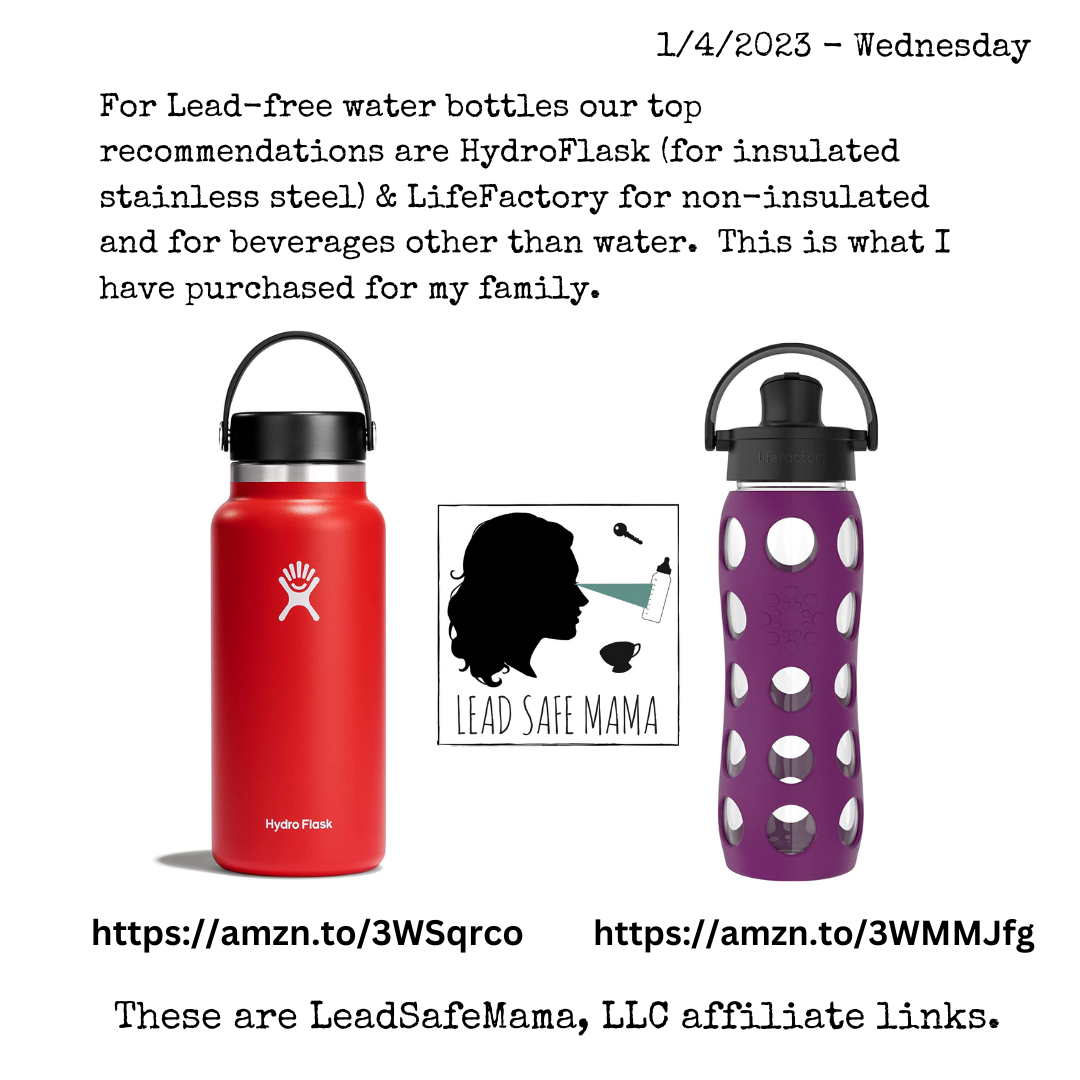
Introduction: Lead-Free Water Bottles: Tested using XRF technology to ensure they are Lead-free. Recommended brands include Hydroflask and Owala (100% Lead-free insulated stainless bottles), and non-insulated bottles from Kleen Kanteen (recommended only for non-insulated). Stainless and aluminum bottles should be used for water only, and rinsed daily. Glass bottles are suggested for other beverages. The site do…
5. Klean Kanteen – Stainless Steel Water Bottles
Domain: tastingtable.com
Registered: 2005 (20 years)
Introduction: 1. Klean Kanteen Stainless Steel Water Bottles: Lead-free, BPA-free liners, available in 16 and 26-ounce sizes, various shapes and colors, includes 10-ounce lowball and wine tumblers, and tumbler sets like the Smoothie Kit.
2. Hydro Flask All Around Travel Tumbler: Lead-free, vacuum-sealed without lead, available in 6 to 42-ounce sizes, lifetime warranty, trade-in incentive for recycling old tumb…
6. Branch Basics – Glass Water Bottles
Domain: branchbasics.com
Registered: 2012 (13 years)
Introduction: Top Recommendation: Glass – Lower toxic exposure risk than BPA-free plastic and stainless steel; should be tested for heavy metals (lead and cadmium); options include borosilicate glass for durability. Preferred features: silicone sleeves, food-grade plastic lids (BPA-free, phthalate-free). Next Up: Stainless Steel – Durable, non-corrosive, insulated; lightweight; potential lead leaching if not pr…
7. Stanley – Quencher Tumbler
Domain: wired.com
Registered: 1992 (33 years)
Introduction: Stanley uses lead in its manufacturing process for vacuum-sealed bottles, including the popular Stanley Quencher tumbler. The lead is part of an industry-standard pellet used to seal the vacuum insulation at the base of the products. This area is covered with stainless steel, making it inaccessible to consumers. Stanley assures that no lead is present on the surface of any product that comes into …
8. Target – Lead-Free Stainless Steel Water Bottles
Domain: target.com
Registered: 1997 (28 years)
Introduction: This company, Target – Lead-Free Stainless Steel Water Bottles, is a notable entity in the market. For specific product details, it is recommended to visit their website directly.
Strategic Sourcing Conclusion and Outlook for lead free water bottles
In the evolving landscape of consumer health and safety, the demand for lead-free water bottles is rising significantly. Key takeaways for international B2B buyers highlight the importance of sourcing products that prioritize safety, sustainability, and consumer trust. As demonstrated by leading brands like Owala and Hydro Flask, utilizing high-quality materials such as BPA-free stainless steel not only ensures compliance with health standards but also enhances product durability and appeal.
Strategic sourcing of lead-free water bottles presents a unique opportunity for businesses to differentiate themselves in competitive markets across Africa, South America, the Middle East, and Europe. By aligning product offerings with the growing consumer preference for safe and environmentally friendly options, companies can foster brand loyalty and drive sales.
Looking ahead, it is crucial for B2B buyers to engage with manufacturers who are committed to transparency and innovation in their sourcing practices. As the global marketplace increasingly values health-conscious products, now is the time to invest in lead-free solutions that meet the expectations of discerning consumers. Seize this opportunity to enhance your product portfolio and contribute to a healthier future for all.