Introduction: Navigating the Global Market for skinny water bottle
The global market for skinny water bottles is rapidly evolving, presenting both opportunities and challenges for international B2B buyers. As the demand for sustainable, space-efficient hydration solutions grows, sourcing quality skinny water bottles that meet regional preferences and regulatory standards can be daunting. This guide aims to demystify the complexities of the skinny water bottle market by providing comprehensive insights into various types, applications, and materials, as well as detailed strategies for supplier vetting and cost management.
In this guide, B2B buyers will discover the diverse landscape of skinny water bottles, from insulated stainless steel options to eco-friendly materials that cater to environmentally conscious consumers. We will explore how to identify reliable suppliers across different continents, including Africa, South America, the Middle East, and Europe, ensuring that you make informed purchasing decisions. Furthermore, we will address critical factors such as pricing trends, shipping logistics, and compliance with international quality standards.
By equipping yourself with the knowledge outlined in this guide, you will be better positioned to navigate the competitive landscape of the skinny water bottle market, ultimately enhancing your product offerings and meeting the needs of your clientele. Empower your business with the insights necessary to thrive in this dynamic industry.
Understanding skinny water bottle Types and Variations
| Type Name | Key Distinguishing Features | Primary B2B Applications | Brief Pros & Cons for Buyers |
|---|---|---|---|
| Insulated Stainless Steel | Double-wall vacuum insulation, durable, BPA-free | Corporate gifts, outdoor events, retail | Pros: Excellent temperature retention, eco-friendly. Cons: Higher cost than non-insulated. |
| Slim Plastic | Lightweight, various colors and designs, affordable | Promotional items, giveaways, events | Pros: Cost-effective, customizable. Cons: Less durable, may not retain temperature. |
| Collapsible Silicone | Flexible, space-saving, easy to carry | Travel, fitness, outdoor activities | Pros: Portable, reusable. Cons: May not hold shape, limited temperature control. |
| Mini/Midi Variants | Smaller sizes (e.g., 12oz, 16oz) for on-the-go use | Health and wellness, personal branding | Pros: Convenient for children and fitness enthusiasts. Cons: Limited capacity. |
| Premium Eco-Friendly | Made from sustainable materials, stylish designs | Eco-conscious brands, corporate sustainability initiatives | Pros: Appeals to eco-friendly markets, unique designs. Cons: Often priced higher. |
What Are the Key Characteristics of Insulated Stainless Steel Skinny Water Bottles?
Insulated stainless steel skinny water bottles are known for their double-wall vacuum insulation, which keeps beverages hot or cold for extended periods. These bottles are typically BPA-free and feature a sleek, modern design that appeals to a wide audience. They are ideal for corporate gifting and outdoor events, where durability and temperature retention are crucial. When purchasing, consider the brand’s reputation for quality, as well as the bottle’s insulation performance.
How Do Slim Plastic Water Bottles Differ in Functionality and Use?
Slim plastic water bottles are lightweight and often available in a variety of colors and designs, making them a popular choice for promotional items and giveaways. They are cost-effective and can be easily customized with logos or branding. However, they may not retain temperature as effectively as stainless steel counterparts, which is a consideration for buyers focused on functionality over aesthetics. Their affordability makes them suitable for bulk purchases.
What Advantages Do Collapsible Silicone Water Bottles Offer?
Collapsible silicone water bottles are designed for portability, making them an excellent choice for travelers and fitness enthusiasts. Their flexibility allows them to be easily stored in bags without taking up much space. While they are reusable and eco-friendly, buyers should note that they may not maintain their shape as well as rigid bottles and can have limited temperature control. Consider these factors when targeting markets focused on convenience and mobility.
Why Are Mini and Midi Variants Popular Among B2B Buyers?
Mini and midi variants of skinny water bottles are becoming increasingly popular due to their convenience for on-the-go hydration. Sizes like 12oz and 16oz cater to children, fitness enthusiasts, and individuals looking for lighter options. They are often used in health and wellness promotions. However, their limited capacity may not meet the needs of all consumers, so it’s essential to evaluate target demographics when considering these products for bulk purchasing.
How Do Premium Eco-Friendly Water Bottles Align with Sustainability Trends?
Premium eco-friendly skinny water bottles are crafted from sustainable materials and often feature stylish designs that resonate with eco-conscious consumers. These bottles cater to businesses looking to enhance their corporate social responsibility initiatives and appeal to environmentally aware markets. While they may come at a higher price point, the unique designs and sustainability aspects can justify the investment for brands aiming to differentiate themselves in a competitive landscape.
Key Industrial Applications of skinny water bottle
| Industry/Sector | Specific Application of skinny water bottle | Value/Benefit for the Business | Key Sourcing Considerations for this Application |
|---|---|---|---|
| Corporate Wellness Programs | Employee hydration initiatives | Promotes health and productivity, reducing absenteeism | Need for bulk orders, customization options for branding, BPA-free materials |
| Event Management | Catering and hospitality services | Enhances guest experience, supports sustainability initiatives | Requirements for durability, aesthetics, and ease of transport |
| Fitness and Outdoor Gear | Retail for sports enthusiasts and outdoor activities | Appeals to health-conscious consumers, promotes hydration | Lightweight, insulated options preferred, competitive pricing |
| Educational Institutions | School and university promotions | Encourages healthy habits among students, reduces plastic waste | Compliance with safety standards, variety in sizes and colors |
| Travel and Tourism | Souvenir and promotional items for tourists | Increases brand visibility, practical for travelers | Customization for branding, lightweight designs for easy transport |
How Are Skinny Water Bottles Used in Corporate Wellness Programs?
In corporate environments, skinny water bottles are increasingly integrated into wellness programs aimed at promoting employee health. By providing these bottles, companies encourage hydration, which can lead to improved focus and productivity. B2B buyers in this sector should consider sourcing options that allow for bulk orders and customization, ensuring the bottles are made from BPA-free materials to align with health standards.
What Role Do Skinny Water Bottles Play in Event Management?
Event management companies utilize skinny water bottles as part of catering and hospitality services. These bottles not only enhance the guest experience by offering convenient hydration options but also align with sustainability initiatives by reducing single-use plastics. Buyers should focus on sourcing durable bottles that are visually appealing and easy to transport, as well as those that can be personalized to reflect the event’s branding.
Why Are Skinny Water Bottles Essential for Fitness and Outdoor Gear Retailers?
In the fitness and outdoor retail sector, skinny water bottles are marketed as essential gear for health-conscious consumers. Their sleek design makes them attractive for both fitness enthusiasts and casual users. Buyers should prioritize lightweight and insulated options, as these features are highly sought after by consumers who value portability and temperature retention. Competitive pricing is also crucial in this competitive market.
How Can Educational Institutions Benefit from Skinny Water Bottles?
Educational institutions, from primary schools to universities, are adopting skinny water bottles to promote healthy hydration habits among students. These bottles serve as a practical tool to reduce plastic waste and foster environmental responsibility. B2B buyers in this sector must ensure compliance with safety standards while offering a variety of sizes and colors to cater to different age groups and preferences.
What Advantages Do Skinny Water Bottles Offer in Travel and Tourism?
In the travel and tourism industry, skinny water bottles are popular as souvenir items and promotional giveaways. They provide travelers with a practical solution for hydration while enhancing brand visibility. Buyers should look for options that allow for customization to reflect the tourism brand, as well as lightweight designs that are easy for tourists to carry.
A stock image related to skinny water bottle.
3 Common User Pain Points for ‘skinny water bottle’ & Their Solutions
Scenario 1: Difficulty in Ensuring Product Durability for Diverse Markets
The Problem: B2B buyers often face challenges when sourcing skinny water bottles that can withstand varying climates and usage conditions across international markets, such as Africa, South America, and the Middle East. For instance, buyers may find that some products are not robust enough to handle extreme temperatures or the rough handling typical in outdoor environments. This can lead to high return rates, customer dissatisfaction, and increased costs associated with product replacements.
The Solution: To address these concerns, buyers should prioritize sourcing skinny water bottles made from high-quality, durable materials such as stainless steel or BPA-free plastics. These materials offer greater resistance to temperature fluctuations and physical wear. Buyers can collaborate with manufacturers that provide detailed testing data, demonstrating how their products perform under extreme conditions. Additionally, opting for insulated designs can enhance product longevity by preventing damage from thermal stress. Implementing a pilot testing phase with select customer segments can also provide real-world insights into durability, allowing buyers to make informed decisions before scaling up orders.
Scenario 2: Navigating Regulatory Compliance and Safety Standards
The Problem: B2B buyers must contend with varying regulatory requirements and safety standards when importing skinny water bottles into different regions. For example, regulations concerning food safety and material safety can differ significantly between European and African markets. Buyers may struggle to find suppliers who understand these nuances, leading to potential compliance issues that can halt sales or result in legal penalties.
The Solution: To effectively navigate this challenge, buyers should work closely with suppliers who have a proven track record of compliance with international safety standards. This includes ensuring that the bottles are manufactured in facilities that adhere to regulations such as FDA approval in the United States or CE marking in Europe. Buyers can request documentation and certification from suppliers to verify compliance. Additionally, establishing a compliance checklist tailored to the specific markets can streamline the sourcing process, ensuring that all products meet the necessary standards before purchase. Regular audits of suppliers can further mitigate risks associated with non-compliance.
Scenario 3: Managing Inventory and Supply Chain Efficiency
The Problem: B2B buyers often face inventory management challenges, particularly when dealing with a variety of skinny water bottle designs and sizes. Fluctuations in demand can lead to overstocking or stockouts, which not only tie up capital but also impact customer satisfaction and brand reputation. Buyers may find it difficult to predict which styles or sizes will perform well in different regions, complicating their purchasing decisions.
The Solution: Implementing a data-driven approach to inventory management can significantly alleviate these issues. Buyers should analyze sales data and market trends to forecast demand more accurately. Utilizing inventory management software can help track sales patterns and adjust orders based on real-time data. Additionally, maintaining strong relationships with suppliers allows for flexible ordering arrangements, enabling buyers to quickly respond to changing demand without excessive overstock. Consideration of a just-in-time (JIT) inventory system can also minimize excess inventory while ensuring that popular items are always available. Engaging in periodic market research can further refine understanding of regional preferences, aiding in more effective inventory decisions.
Strategic Material Selection Guide for skinny water bottle
What Are the Key Materials Used in Skinny Water Bottles?
When selecting materials for skinny water bottles, B2B buyers should consider various factors that influence product performance, cost, and compliance with international standards. Here are four common materials used in the manufacturing of skinny water bottles:
How Does Stainless Steel Perform as a Material for Skinny Water Bottles?
Stainless steel is a popular choice for skinny water bottles due to its excellent durability and resistance to corrosion. It typically has a temperature rating that can withstand high heat, making it suitable for both hot and cold beverages. The 18/8 stainless steel variant is commonly used, providing a robust barrier against rust and stains.
Pros: Stainless steel is highly durable, resistant to impacts, and does not retain flavors or odors. It is also recyclable, appealing to environmentally conscious consumers.
Cons: The manufacturing process can be complex, leading to higher production costs. Additionally, stainless steel bottles can be heavier than their plastic counterparts, which might deter some consumers.
Impact on Application: Stainless steel is compatible with a wide range of beverages, including acidic drinks like fruit juices, without leaching harmful chemicals.
Considerations for International Buyers: Compliance with standards such as ASTM for material safety is crucial. Buyers in regions like Africa and South America may prefer stainless steel for its longevity, while European buyers may focus on sustainability certifications.
What Advantages Does BPA-Free Plastic Offer for Skinny Water Bottles?
BPA-free plastic is another common material, often used for its lightweight and cost-effective properties. It has a lower temperature tolerance than stainless steel but is still suitable for cold beverages.
Pros: The primary advantage of BPA-free plastic is its lightweight nature, making it easy to carry. It is also generally less expensive to produce.
Cons: While durable, plastic can be more susceptible to scratches and may not withstand high temperatures as well as metal. Additionally, some consumers may have concerns about the long-term safety of plastic materials.
Impact on Application: BPA-free plastic is ideal for beverages that do not require insulation and can handle a variety of liquids, though caution is advised with hot drinks.
Considerations for International Buyers: Buyers should ensure compliance with local regulations regarding food-safe plastics. In regions with stringent safety standards, such as Europe, certifications like REACH may be necessary.
How Does Glass Compare as a Material for Skinny Water Bottles?
Glass is increasingly being used in skinny water bottles due to its aesthetic appeal and purity of taste. While it is not as common as stainless steel or plastic, it offers unique advantages.
Pros: Glass does not leach chemicals into beverages and maintains the taste of liquids without imparting any flavors. It is also recyclable and can be designed in various shapes and colors.
Cons: The primary drawback is its fragility; glass is prone to breaking, which can be a significant concern for active consumers. Additionally, glass bottles are heavier than plastic options.
Impact on Application: Glass is best suited for still beverages and can be used for both hot and cold drinks, provided they are designed to handle temperature changes.
Considerations for International Buyers: Buyers should be aware of shipping and handling regulations for glass products, especially in regions where breakage during transport is common. Compliance with safety standards is also essential.
What Role Does Silicone Play in Skinny Water Bottle Design?
Silicone is often used in conjunction with other materials for components like lids or sleeves. It offers flexibility and a degree of insulation.
Pros: Silicone is highly durable, resistant to temperature extremes, and easy to clean. It can also provide a non-slip grip on bottles.
Cons: While silicone is versatile, it may not be suitable as a primary material for the bottle itself due to its lower structural integrity compared to metals and glass.
Impact on Application: Silicone components can enhance user experience by providing better grip and insulation, making them suitable for a variety of beverages.
Considerations for International Buyers: Buyers should ensure that silicone materials comply with food safety standards, particularly in regions with strict regulations.
Summary Table of Material Selection for Skinny Water Bottles
| Material | Typical Use Case for skinny water bottle | Key Advantage | Key Disadvantage/Limitation | Relative Cost (Low/Med/High) |
|---|---|---|---|---|
| Stainless Steel | Insulated water bottles for hot/cold drinks | Durable and corrosion-resistant | Higher manufacturing complexity | High |
| BPA-Free Plastic | Lightweight bottles for casual use | Lightweight and cost-effective | Less durable, potential safety concerns | Low |
| Glass | Premium bottles for pure taste | No chemical leaching, recyclable | Fragile and heavier | Medium |
| Silicone | Lids and sleeves for added grip | Flexible and temperature resistant | Not suitable as primary material | Medium |
This analysis provides B2B buyers with a comprehensive understanding of the materials available for skinny water bottles, helping them make informed decisions based on performance, cost, and compliance with regional standards.
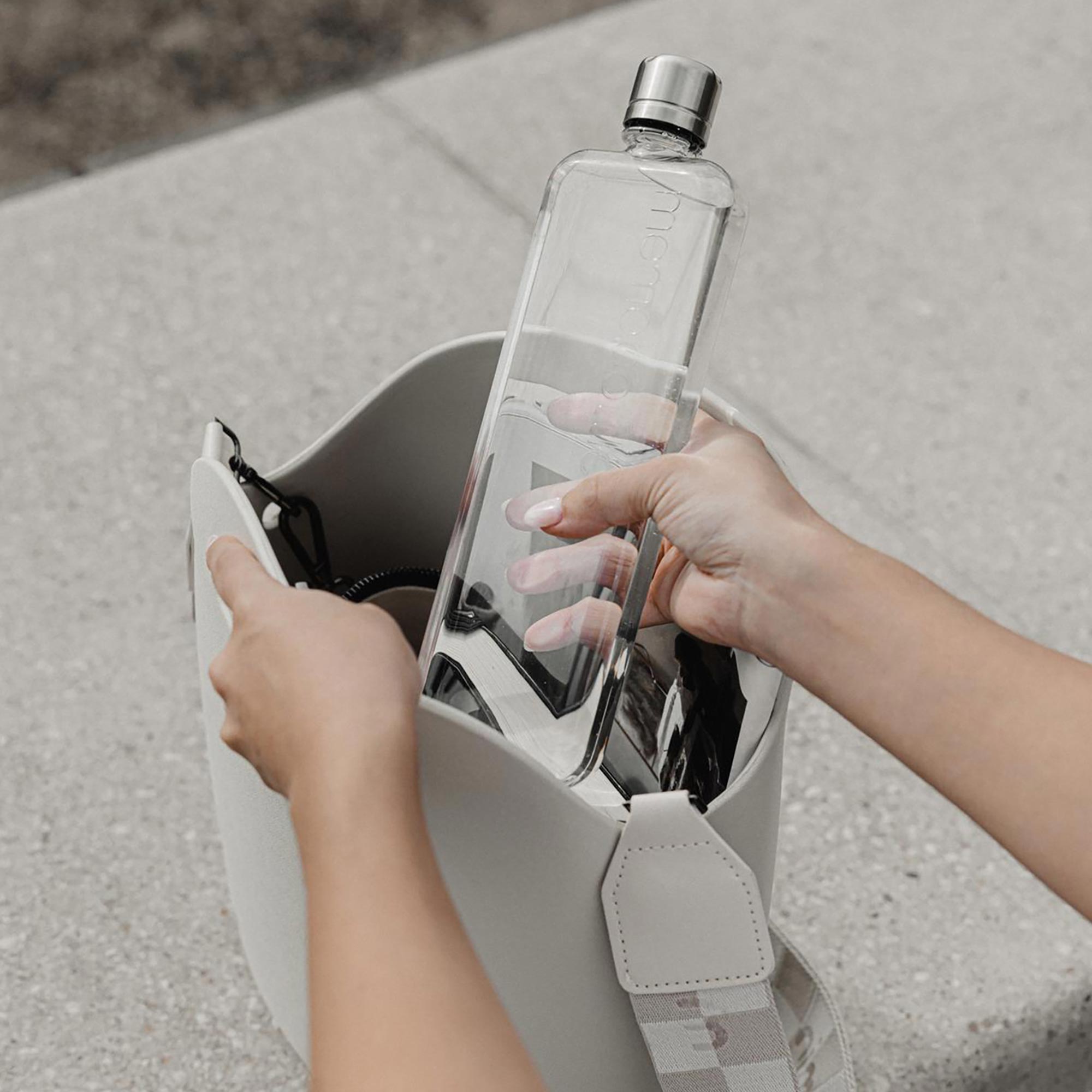
A stock image related to skinny water bottle.
In-depth Look: Manufacturing Processes and Quality Assurance for skinny water bottle
What Are the Key Stages in the Manufacturing Process of Skinny Water Bottles?
The manufacturing of skinny water bottles involves several critical stages that ensure the final product meets quality and performance standards. Understanding these stages can help B2B buyers identify reliable suppliers and evaluate product quality effectively.
Material Preparation
The first stage of manufacturing skinny water bottles is material preparation. Most skinny water bottles are made from stainless steel, which is favored for its durability, corrosion resistance, and safety. The manufacturing process begins with sourcing high-quality stainless steel, often 18/8 or 304 grade, known for its resilience and food-grade quality.
After sourcing, the stainless steel is cut into sheets or coils, depending on the design specifications. In some cases, manufacturers may use recycled materials to promote sustainability, which is becoming increasingly important for eco-conscious brands. Quality assurance begins here, as suppliers must ensure the integrity and composition of the materials meet international standards.
Forming Techniques: How Are Skinny Water Bottles Shaped?
The forming stage involves shaping the cut sheets into the desired bottle form. This process can utilize various techniques, including deep drawing, stamping, or hydroforming.
-
Deep Drawing: In this method, a punch presses the sheet metal into a die, forming the bottle’s body. This technique is efficient for producing seamless bottles, which enhances insulation and prevents leaks.
-
Hydroforming: This advanced method uses high-pressure fluids to shape the metal, allowing for complex designs while maintaining material strength. It is particularly useful for creating unique bottle shapes that appeal to consumers.
Once the bottles are shaped, they undergo initial inspections to ensure dimensional accuracy and surface quality.
What Happens During Assembly and Finishing?
After forming, the next stage is assembly, where components such as lids, collars, and seals are added. Manufacturers often employ automated assembly lines to increase efficiency and consistency.
The finishing stage involves surface treatments, which may include polishing, powder coating, or applying a vacuum-insulated layer. These treatments not only enhance the aesthetic appeal but also improve functionality, such as thermal retention and resistance to scratches.
Quality checks during this phase focus on verifying that all components fit correctly and that the finishing processes meet the specified requirements.
How Is Quality Assurance Implemented in Skinny Water Bottle Production?
Quality assurance (QA) is paramount in the production of skinny water bottles, particularly for B2B buyers who require consistency and reliability from their suppliers.
What International Standards Are Relevant for Skinny Water Bottle Manufacturing?
Manufacturers of skinny water bottles often adhere to international quality standards such as ISO 9001, which outlines requirements for a quality management system (QMS). This certification ensures that suppliers consistently provide products that meet customer and regulatory requirements.
In addition to ISO standards, specific industry certifications may be required depending on the target market. For example, CE marking may be necessary for products sold within the European Economic Area, indicating compliance with safety, health, and environmental protection standards.
What Are the Key Quality Control Checkpoints?
Quality control (QC) involves various checkpoints throughout the manufacturing process:
-
Incoming Quality Control (IQC): This initial checkpoint assesses the quality of raw materials before production begins. Suppliers should provide certificates of compliance to verify that materials meet specified standards.
-
In-Process Quality Control (IPQC): During manufacturing, random samples are taken to check for defects in dimensions, surface finish, and assembly. This step helps catch any issues early in the production process.
-
Final Quality Control (FQC): After assembly and finishing, a final inspection is conducted. This includes testing for leaks, thermal efficiency, and overall aesthetic quality. Randomized testing for durability and user safety is also performed at this stage.
How Can B2B Buyers Verify Supplier Quality Control?
B2B buyers must take proactive steps to ensure their suppliers maintain high-quality standards. Here are some strategies to verify QC processes:
What Methods Can Be Used for Supplier Audits?
-
Supplier Audits: Conducting on-site audits allows buyers to assess the supplier’s manufacturing capabilities and QC processes directly. During these audits, buyers should review the supplier’s documentation, including quality manuals, inspection reports, and compliance certificates.
-
Third-Party Inspections: Engaging third-party inspection services can provide unbiased assessments of the manufacturing process. These inspections can validate the supplier’s adherence to international standards and ensure that the products meet the buyer’s specifications.
How Can Buyers Leverage Reports and Certifications?
Buyers should request documentation such as:
-
Certificates of Compliance: These documents verify that the materials and processes used in manufacturing meet specific standards.
-
Test Reports: Suppliers should provide test results for various parameters, such as thermal performance and leak tests. Buyers can review these reports to confirm that the products meet quality expectations.
What Are the Quality Control Nuances for International B2B Buyers?
For international buyers, particularly those from regions like Africa, South America, the Middle East, and Europe, understanding the nuances of QC is essential.
How Do Regional Regulations Affect Quality Standards?
Different regions may have specific regulations and standards that must be met for water bottles. For example, food safety regulations in the European Union may differ significantly from those in African markets. B2B buyers should familiarize themselves with these regulations to ensure compliance and avoid legal issues.
What Should Buyers Consider Regarding Shipping and Logistics?
Quality assurance doesn’t end at manufacturing. Buyers should also consider the conditions under which products are stored and transported. Ensuring that suppliers have robust logistics and handling processes can prevent damage and maintain product integrity during shipping.
Conclusion
For B2B buyers in the international market, understanding the manufacturing processes and quality assurance practices for skinny water bottles is crucial. By focusing on key stages of production, relevant quality standards, and effective verification methods, buyers can confidently select suppliers that align with their quality expectations and market needs. This proactive approach not only fosters successful partnerships but also enhances brand reputation in the competitive water bottle market.
Practical Sourcing Guide: A Step-by-Step Checklist for ‘skinny water bottle’
This guide aims to provide international B2B buyers with a practical checklist for sourcing skinny water bottles. As the demand for sustainable and functional hydration solutions continues to rise globally, ensuring that you make informed purchasing decisions is essential for your business success. Follow these steps to streamline your sourcing process.
Step 1: Define Your Technical Specifications
Begin by outlining the technical specifications of the skinny water bottle you intend to source. Consider factors such as material (e.g., stainless steel, BPA-free plastic), capacity (typically 20 oz to 40 oz), insulation properties, and design features (like leak-proof lids and cupholder compatibility). Clearly defined specifications will help you communicate effectively with suppliers and ensure the products meet your quality standards.
Step 2: Research Market Trends and Demand
Understanding current market trends is vital in making informed sourcing decisions. Analyze consumer preferences, such as color options, sustainability features, and design styles. Pay attention to regional preferences, especially in markets like Africa and South America, where environmental concerns are increasingly influencing purchasing behavior.
Step 3: Identify Reliable Suppliers
Finding reputable suppliers is crucial for ensuring product quality and reliability. Look for manufacturers with a proven track record in producing skinny water bottles, ideally with certifications for quality and safety standards (e.g., ISO, FDA). Utilize platforms like Alibaba or local trade shows to find potential suppliers, and always request samples before making bulk purchases.
Step 4: Verify Supplier Certifications
Before finalizing any agreements, verify that your chosen suppliers hold necessary certifications. These can include quality assurance standards, environmental management certifications, and compliance with local regulations. Certification verification helps mitigate risks associated with product recalls or safety issues, ensuring that your business maintains a strong reputation.
Step 5: Request Product Samples
Always request samples of the skinny water bottles from shortlisted suppliers. This step allows you to evaluate the quality, durability, and design of the products firsthand. Look for features such as insulation effectiveness, ease of cleaning, and overall aesthetic appeal. This hands-on evaluation can save you from costly mistakes later in the sourcing process.
Step 6: Negotiate Pricing and Terms
Once you have identified a supplier that meets your standards, engage in negotiations regarding pricing, payment terms, and delivery schedules. Be clear about your budget constraints while also considering the value of quality products. Establishing favorable terms can enhance your profit margins and ensure a steady supply of products.
Step 7: Establish Quality Control Measures
Implement quality control measures to ensure that the products delivered meet your specifications consistently. This may involve setting up regular inspections, testing batches for durability, and establishing a clear return policy for defective items. Quality control is essential for maintaining customer satisfaction and protecting your brand’s reputation in the market.
By following these steps, you can effectively navigate the sourcing process for skinny water bottles and make informed decisions that align with your business goals and market demands.
Comprehensive Cost and Pricing Analysis for skinny water bottle Sourcing
What Are the Key Cost Components in Sourcing Skinny Water Bottles?
When sourcing skinny water bottles, understanding the cost structure is essential for effective budgeting and pricing strategy. The primary cost components include:
-
Materials: The choice of materials significantly impacts the cost. Stainless steel, for instance, is more expensive than plastic but offers durability and insulation properties. Eco-friendly materials may also attract a premium.
-
Labor: Labor costs vary depending on the manufacturing location. Countries with lower labor costs, such as Vietnam or Nigeria, can provide a competitive edge but may also require careful management of quality standards.
-
Manufacturing Overhead: This encompasses all indirect costs associated with production, including utilities, rent, and equipment depreciation. These costs can fluctuate based on the scale of production and the efficiency of manufacturing processes.
-
Tooling: Initial tooling costs for molds and production equipment can be substantial, especially for custom designs. Buyers should consider these costs when determining their total investment.
-
Quality Control (QC): Implementing robust QC measures ensures product consistency and compliance with international standards, which can add to costs but is crucial for maintaining brand reputation.
-
Logistics: Transportation and shipping costs, influenced by the Incoterms agreed upon, can vary widely. Factors such as shipping distance, mode of transport, and fuel prices should be factored into the overall cost.
-
Margin: Suppliers typically add a margin to cover their costs and ensure profitability. This margin can vary based on competition and perceived value in the market.
How Do Price Influencers Affect Skinny Water Bottle Sourcing?
Several factors influence the pricing of skinny water bottles, particularly for international B2B buyers:
-
Volume/MOQ: Higher order volumes often lead to reduced per-unit costs. Suppliers may provide discounts for bulk purchases, making it essential to assess minimum order quantities (MOQs) that suit your business needs.
-
Specifications and Customization: Custom designs, unique colors, or additional features (like insulation) can increase costs. Buyers should weigh the benefits of customization against their budget.
-
Materials and Quality Certifications: The choice of materials and adherence to quality certifications (like FDA approval or ISO standards) can significantly influence pricing. Buyers should ensure that the materials meet their market’s regulatory requirements.
-
Supplier Factors: The supplier’s reputation, production capacity, and location can all impact pricing. Established suppliers may charge a premium but often provide better reliability and quality assurance.
-
Incoterms: The shipping terms agreed upon (e.g., FOB, CIF) can affect the overall cost. Understanding these terms is crucial for calculating total landed costs, which include shipping, duties, and taxes.
What Are the Best Practices for Negotiating and Ensuring Cost-Efficiency?
For international B2B buyers, particularly in diverse markets like Africa, South America, the Middle East, and Europe, here are some negotiation and cost-efficiency tips:
-
Research and Benchmarking: Conduct thorough research on industry standards and competitor pricing. This knowledge will empower you during negotiations.
-
Leverage Volume: Use your purchasing power to negotiate better terms. If possible, consolidate orders to meet higher MOQs for discounts.
-
Consider Total Cost of Ownership (TCO): Evaluate the long-term costs associated with the product, including maintenance, potential recalls, and disposal. A lower initial price may not always lead to savings if the product is of inferior quality.
-
Build Relationships: Establishing a strong relationship with suppliers can lead to better prices and terms over time. Regular communication and trust can facilitate smoother negotiations.
-
Understand Local Market Dynamics: Be aware of regional market conditions, tariffs, and import regulations that could affect pricing. This understanding is vital for accurate budgeting and pricing strategies.
Conclusion
Sourcing skinny water bottles requires a comprehensive understanding of cost components and pricing influencers. By leveraging negotiation strategies and considering the total cost of ownership, B2B buyers can make informed decisions that align with their budget and business goals. Always keep in mind that pricing can fluctuate based on a variety of factors, making it essential to conduct regular market assessments and supplier evaluations.
Alternatives Analysis: Comparing skinny water bottle With Other Solutions
Understanding Alternatives to Skinny Water Bottles
When considering hydration solutions for businesses, it’s essential to evaluate various options available in the market. A skinny water bottle, known for its sleek design and convenience, may not always be the best choice for every situation. This analysis compares the skinny water bottle with two viable alternatives: insulated stainless steel bottles and collapsible water bottles. Each solution has its unique benefits and potential drawbacks, making it crucial for B2B buyers to understand their differences.
Comparison Table
| Comparison Aspect | Skinny Water Bottle | Insulated Stainless Steel Bottle | Collapsible Water Bottle |
|---|---|---|---|
| Performance | Good for everyday use; lightweight and portable | Excellent insulation; keeps drinks hot or cold for hours | Highly portable; saves space when not in use |
| Cost | Typically low-cost; varies by brand | Generally higher price point due to materials | Low to mid-range cost; varies by brand |
| Ease of Implementation | Easy to use; minimal setup required | Ready to use; may require initial cleaning | Simple to use; needs proper folding technique |
| Maintenance | Low maintenance; dishwasher safe | Moderate maintenance; hand wash recommended | Low maintenance; rinse and store when not in use |
| Best Use Case | Daily hydration, fitness, and on-the-go | Outdoor activities, travel, and long durations | Hiking, travel, and situations with limited storage |
Detailed Breakdown of Alternatives
Insulated Stainless Steel Bottles
Insulated stainless steel bottles, such as those from Hydro Flask or Stanley, offer superior temperature retention, keeping beverages cold for up to 24 hours or hot for several hours. This makes them ideal for outdoor activities or long travel days. However, they tend to be heavier and pricier than skinny water bottles, which may deter budget-conscious buyers. Additionally, while they are durable, they require careful handling to avoid dents and scratches.
Collapsible Water Bottles
Collapsible water bottles are designed for maximum portability. They can be easily folded or rolled up when empty, making them a great choice for travelers or hikers with limited space. These bottles are generally lightweight and affordable, appealing to budget-conscious businesses. However, they may lack the durability of rigid bottles and can be prone to leaks if not properly maintained. Moreover, some users may find them less convenient to fill or drink from compared to traditional bottles.
Conclusion: How to Choose the Right Hydration Solution
Selecting the right hydration solution depends on the specific needs of your business and your target market. If your focus is on daily hydration with a sleek design, skinny water bottles are a practical choice. However, for outdoor enthusiasts or those needing temperature control, insulated stainless steel bottles may be more suitable. Conversely, if portability and space-saving are priorities, collapsible water bottles present a compelling alternative. Consider factors such as cost, intended use, and maintenance requirements to make an informed decision that aligns with your business objectives.
Essential Technical Properties and Trade Terminology for skinny water bottle
What Are the Essential Technical Properties of a Skinny Water Bottle?
Understanding the technical specifications of skinny water bottles is crucial for B2B buyers, as these properties directly impact product performance, durability, and consumer satisfaction. Here are several key specifications to consider:
-
Material Grade
Most skinny water bottles are constructed from stainless steel or BPA-free plastic. Stainless steel is preferred for its durability, resistance to corrosion, and ability to maintain temperature. Buyers should look for bottles made from 18/8 stainless steel, which indicates high resistance to rust and staining. The choice of material can significantly affect the product’s marketability and longevity. -
Insulation Type
Many skinny water bottles feature double-wall vacuum insulation, which keeps beverages cold or hot for extended periods. For example, a bottle that can maintain cold temperatures for up to 11 hours is more appealing to consumers who are active or travel frequently. Insulation performance is a key selling point, especially in regions with extreme temperatures. -
Capacity and Dimensions
Common capacities for skinny water bottles range from 16 oz to 34 oz. The dimensions are equally important, as they determine the bottle’s portability and compatibility with cup holders or backpack pockets. Buyers should ensure that the dimensions align with consumer preferences for convenience and ease of use. -
Leakproof Design
A leakproof seal is essential for preventing spills and ensuring user satisfaction. Bottles with a well-engineered lid design, often featuring a silicone gasket, provide an additional layer of security. This property is critical for customers who carry bottles in bags or during travel. -
Weight
The weight of a skinny water bottle impacts its portability. Lightweight options (often around 12-15 oz for insulated bottles) are more attractive to consumers who prioritize ease of transport. Buyers should weigh the benefits of lightweight materials against durability when sourcing products. -
Dishwasher Safe
Many modern consumers seek convenience, and the ability to safely clean bottles in a dishwasher can be a significant selling point. Products labeled as dishwasher safe can enhance customer satisfaction and reduce the likelihood of return due to cleaning difficulties.
What Are Common Trade Terms Relevant to Skinny Water Bottle Sourcing?
Familiarity with industry terminology can streamline the procurement process and facilitate better communication among stakeholders. Here are several key terms:
-
OEM (Original Equipment Manufacturer)
An OEM refers to a company that manufactures products for another company, which then sells them under its own brand. Understanding OEM relationships is vital for buyers looking to source private-label skinny water bottles. -
MOQ (Minimum Order Quantity)
MOQ indicates the minimum number of units a supplier requires for an order. This term is crucial for budgeting and inventory planning, especially for businesses entering new markets or testing product lines. -
RFQ (Request for Quotation)
An RFQ is a document sent to suppliers to solicit pricing and terms for specific products. Issuing an RFQ can help buyers compare costs and terms across different manufacturers, ensuring they secure the best deal. -
Incoterms (International Commercial Terms)
Incoterms define the responsibilities of buyers and sellers in international transactions, covering aspects such as shipping costs, insurance, and risk transfer. Familiarity with these terms helps businesses navigate global supply chains effectively. -
Lead Time
Lead time refers to the amount of time it takes from placing an order to receiving the goods. Understanding lead times is essential for inventory management and meeting customer demand, particularly in competitive markets. -
Certification Standards
Certification standards (like FDA or CE) ensure that products meet safety and quality regulations. Buyers should be aware of relevant certifications for skinny water bottles to ensure compliance and enhance product credibility.
By understanding these technical properties and trade terms, B2B buyers can make informed purchasing decisions that align with market demands and consumer preferences.
Navigating Market Dynamics and Sourcing Trends in the skinny water bottle Sector
What Are the Current Market Dynamics and Key Trends in the Skinny Water Bottle Sector?
The global market for skinny water bottles is experiencing significant growth, driven by a surge in health consciousness and an increasing shift towards sustainable products. In regions such as Africa, South America, the Middle East, and Europe, consumers are favoring reusable water bottles over single-use plastic, reflecting a broader trend towards environmental responsibility. This shift is particularly pronounced in markets like Nigeria and Vietnam, where local governments and organizations are promoting sustainability initiatives.
Emerging trends in B2B sourcing include the adoption of advanced manufacturing technologies, such as 3D printing and automation, which enable more efficient production processes and customization options. Furthermore, e-commerce platforms are revolutionizing the way international buyers source products, offering easier access to a variety of suppliers and competitive pricing. Notably, the demand for insulated and stainless-steel options is on the rise, driven by their durability and effectiveness in maintaining beverage temperatures.
International B2B buyers are also prioritizing suppliers who demonstrate flexibility and responsiveness to market changes. This includes the ability to scale production quickly and adapt to specific regional preferences, such as size variations and design aesthetics that resonate with local consumers.
How Is Sustainability Shaping the Sourcing of Skinny Water Bottles?
Sustainability is becoming a non-negotiable aspect of the sourcing strategy for B2B buyers in the skinny water bottle sector. The environmental impact of single-use plastics has prompted companies to seek alternatives that not only reduce waste but also align with consumer values. Materials such as recycled stainless steel and BPA-free plastics are gaining traction, as they offer a blend of safety and eco-friendliness.
Ethical sourcing practices are also critical. Buyers are increasingly interested in the supply chain transparency of their suppliers, seeking those who uphold fair labor practices and sustainable resource management. Certifications like Fair Trade and B Corporation can serve as indicators of a supplier’s commitment to ethical practices. By prioritizing suppliers with these credentials, businesses can enhance their brand reputation and meet the growing consumer demand for responsible products.
Additionally, the incorporation of innovative designs that encourage reusability and functionality—such as slim, portable models that fit into car cup holders—can significantly enhance product appeal. This focus on design not only attracts consumers but also reinforces a brand’s commitment to sustainability.
What Is the Brief Evolution and History of Skinny Water Bottles?
The evolution of skinny water bottles can be traced back to the early 2000s when the rise of fitness culture and environmental awareness began to shape consumer preferences. Initially dominated by traditional plastic bottles, the market shifted towards more sustainable materials, leading to the introduction of stainless steel and insulated models that cater to health-conscious consumers.
As technology advanced, manufacturers began to explore new designs that prioritize portability and convenience, resulting in the slim, ergonomic shapes we see today. This evolution has been fueled by a growing awareness of the environmental impact of single-use plastics, prompting both consumers and businesses to seek more sustainable solutions. Today, skinny water bottles are not just functional items but also lifestyle accessories that reflect a commitment to health and sustainability, making them a popular choice among international B2B buyers.
Frequently Asked Questions (FAQs) for B2B Buyers of skinny water bottle
-
1. How do I choose the right supplier for skinny water bottles?
Choosing the right supplier involves several key steps. First, research potential suppliers’ reputations through reviews and testimonials. Verify their manufacturing capabilities, certifications, and compliance with international quality standards. Request samples to assess product quality and functionality. It’s also beneficial to visit their facilities if possible or conduct a virtual audit. Establish clear communication to discuss customization options, lead times, and pricing structures. Finally, ensure they have a robust logistics plan to handle shipping and delivery, especially for international orders. -
2. What is the best material for skinny water bottles?
The best material for skinny water bottles typically includes stainless steel, BPA-free plastic, or glass. Stainless steel is highly durable, insulated, and resistant to rust and corrosion, making it ideal for long-term use. BPA-free plastic offers lightweight options and is less prone to breakage, while glass provides a non-toxic choice but can be heavier. The choice depends on the target market preferences, intended use, and cost considerations. Ensure that the material aligns with sustainability goals, as eco-friendly products are increasingly in demand. -
3. How can I customize skinny water bottles for my brand?
Customization options for skinny water bottles often include branding through colors, logos, and unique designs. Many suppliers offer printing or engraving services for logos, while some provide a range of colors to match brand aesthetics. You may also consider customization in terms of functionality, like adding a built-in straw or a special cap design. Discuss your specific requirements with potential suppliers to ensure they can meet your expectations. Be aware of any minimum order quantities (MOQs) that may apply to custom designs. -
4. What are the typical minimum order quantities (MOQs) for skinny water bottles?
Minimum order quantities (MOQs) can vary significantly among suppliers. Generally, MOQs for customized skinny water bottles range from 100 to 1,000 units. Factors affecting MOQs include the manufacturing process, material costs, and customization requirements. When negotiating with suppliers, clarify their MOQs and explore the possibility of lower MOQs for initial orders or trial runs. This flexibility can be crucial for businesses testing new markets or product lines. -
5. What payment terms should I expect when sourcing internationally?
Payment terms in international B2B transactions can vary widely but typically involve an upfront deposit (usually 30% to 50%) with the balance due before shipment or upon delivery. Some suppliers may offer more flexible terms based on your business relationship and order size. It’s essential to discuss and agree on payment methods, such as wire transfers, letters of credit, or escrow services. Ensure that the terms are documented in your purchase agreement to avoid any misunderstandings. -
6. How do I ensure quality assurance for skinny water bottles?
To ensure quality assurance, establish clear quality standards before placing an order. Request product specifications and certifications from suppliers, such as ISO or FDA compliance. Conduct pre-production meetings to review quality expectations and testing procedures. It is advisable to perform inspections during production and before shipment, either through third-party services or by visiting the facility. Additionally, consider requesting samples of each batch to assess quality consistently before final acceptance. -
7. What are the logistics considerations for importing skinny water bottles?
Logistics considerations for importing skinny water bottles include shipping methods, customs regulations, and delivery timelines. Determine the most cost-effective shipping options, whether by air or sea, based on your urgency and budget. Familiarize yourself with customs requirements in your country to ensure compliance and avoid delays. Partnering with a reliable freight forwarder can facilitate smoother logistics management, ensuring timely delivery and handling of any customs documentation. -
8. How can I evaluate the market demand for skinny water bottles in my region?
Evaluating market demand for skinny water bottles involves conducting market research to analyze consumer preferences and trends. Utilize surveys, focus groups, and social media insights to gauge interest in specific features, styles, and price points. Review industry reports and competitor offerings in your region to identify gaps in the market. Additionally, consider local regulations and environmental concerns that may influence purchasing decisions. Gathering this data will help you tailor your product offerings to meet market demands effectively.
Important Disclaimer & Terms of Use
⚠️ Important Disclaimer
The information provided in this guide, including content regarding manufacturers, technical specifications, and market analysis, is for informational and educational purposes only. It does not constitute professional procurement advice, financial advice, or legal advice.
While we have made every effort to ensure the accuracy and timeliness of the information, we are not responsible for any errors, omissions, or outdated information. Market conditions, company details, and technical standards are subject to change.
B2B buyers must conduct their own independent and thorough due diligence before making any purchasing decisions. This includes contacting suppliers directly, verifying certifications, requesting samples, and seeking professional consultation. The risk of relying on any information in this guide is borne solely by the reader.
Top 6 Skinny Water Bottle Manufacturers & Suppliers List
1. Stanley – All Day Slim Bottle
Domain: stanley1913.com
Registered: 2019 (6 years)
Introduction: All Day Slim Bottle | 20 OZ
– Price: $22.50 (originally $30.00)
– Size: 20 oz
– Colors Available: Sage Grey, Dried Pine, Twilight, Garnet Shine, Toast, Hot Coral Gloss, Black 2.0, Cream, Ash, Gilded Sugar, Rose Quartz, Lilac, Pomelo, Azure
– Material: 18/8 Recycled stainless steel, BPA-free
– Features:
– Double-wall vacuum insulation
– Leakproof design
– Cup holder compatible
– Dishwasher…
2. Hydro Flask – Insulated Water Bottles
Domain: hydroflask.com
Registered: 2009 (16 years)
Introduction: Insulated & Stainless Steel Water Bottles from Hydro Flask. Key features include: 25% off summer styles for Labor Day Sale, free shipping on orders over $39, various collections such as Limited Edition Campus Collection, Back to School, and more. Available products include: 16 oz Coffee with Flex Sip™ Lid ($32.95, now $24.71), 21 oz Standard Mouth with Flex Straw Cap ($34.95), Remix 32 oz Wide Mou…
3. Target – Slim Water Bottles
Domain: target.com
Registered: 1997 (28 years)
Introduction: This company, Target – Slim Water Bottles, is a notable entity in the market. For specific product details, it is recommended to visit their website directly.
4. Hydro Flask – 24 oz Wide Mouth with Flex Chug Cap
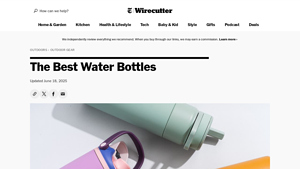
Domain: nytimes.com
Registered: 1994 (31 years)
Introduction: This company, Hydro Flask – 24 oz Wide Mouth with Flex Chug Cap, is a notable entity in the market. For specific product details, it is recommended to visit their website directly.
5. Adnart – Skinny Mini Water Bottle
Domain: adnart.com
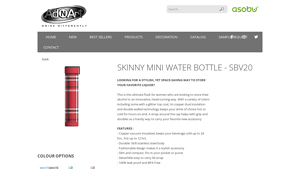
Registered: 2000 (25 years)
Introduction: {‘product_name’: ‘SKINNY MINI WATER BOTTLE’, ‘item_number’: ‘SBV20’, ‘capacity’: ‘7.8OZ/230ML’, ‘dimensions’: ‘2″ X 2″ 8.5″ (L x W x H)’, ‘features’: [‘Copper vacuum insulated, keeps beverage cold up to 24 hrs., hot up to 12 hrs.’, ‘Durable 18/8 stainless steel body’, ‘Fashionable design’, ‘Slim and compact, fits in pocket or purse’, ‘Detachable easy to carry lid strap’, ‘100% leak proof and BPA F…
6. Asobu – Mini Reusable Insulated Water Bottle
Domain: asobubottle.com
Registered: 2012 (13 years)
Introduction: Small & Mini Reusable Insulated Water Bottle; Free shipping in the US on orders over $50; Available colors: Aqua Marble, Black, Pastel Blue, Pastel Green, Pastel Mint, Pastel Peach, Pastel Pink, Pastel Purple, Pastel Teal, Red, Silver, Slate Blue, Slate Gray, White, Yellow; Capacities: 14 oz (6 options), 7.8 oz (1 option); Price range: $19.99 to $35.00; Special editions available.
Strategic Sourcing Conclusion and Outlook for skinny water bottle
In today’s competitive landscape, the strategic sourcing of skinny water bottles presents significant opportunities for B2B buyers across various regions, including Africa, South America, the Middle East, and Europe. As sustainability and consumer preferences shift towards reusable products, sourcing high-quality, insulated, and stylish water bottles can enhance brand reputation and customer loyalty. The market is witnessing a trend toward innovative designs that prioritize functionality, such as slim profiles for easy transport and compatibility with modern lifestyles.
Strategic sourcing not only aids in cost reduction but also allows businesses to align their procurement processes with sustainability goals. By partnering with reliable manufacturers who prioritize eco-friendly materials and ethical production methods, buyers can ensure that their product offerings resonate with environmentally conscious consumers.
Looking ahead, the demand for skinny water bottles is set to grow, driven by health and wellness trends as well as increasing regulatory pressures on single-use plastics. Now is the time for international B2B buyers to act—evaluate your sourcing strategies, explore diverse suppliers, and invest in sustainable products that meet evolving market needs. Embrace the future of hydration solutions and leverage this trend to drive your business forward.