
Introduction: Navigating the Global Market for sustainable water bottles
In today’s environmentally conscious marketplace, sourcing sustainable water bottles poses a significant challenge for B2B buyers. As businesses prioritize eco-friendly solutions, the demand for sustainable water bottles has surged, leading to a complex landscape filled with options ranging from biobased materials to 100% recycled products. This guide aims to navigate the global market for sustainable water bottles by providing insights into various types, applications, and the critical factors that influence procurement decisions, such as supplier vetting and cost analysis.
International buyers, particularly from regions like Africa, South America, the Middle East, and Europe—including key markets like Germany and Nigeria—will find actionable strategies to make informed purchasing decisions. The comprehensive scope of this guide addresses common pain points such as identifying authentic sustainable products amidst rampant greenwashing, evaluating suppliers based on ethical practices, and understanding the lifecycle costs associated with different water bottle options.
By empowering businesses with the knowledge needed to select the right products, this guide fosters not only responsible sourcing but also enhances brand reputation in an increasingly eco-conscious world. With clear criteria and expert insights, B2B buyers can confidently invest in sustainable water bottles that align with their corporate sustainability goals, meet customer expectations, and contribute to a healthier planet.
Understanding sustainable water bottles Types and Variations
| Type Name | Key Distinguishing Features | Primary B2B Applications | Brief Pros & Cons for Buyers |
|---|---|---|---|
| Reusable Stainless Steel | Durable, insulated, often BPA-free | Corporate gifts, outdoor events | Pros: Long-lasting, maintains temperature; Cons: Higher upfront cost. |
| Biobased Bottles | Made from renewable resources like sugarcane | Eco-friendly branding, retail sales | Pros: Carbon-neutral, biodegradable; Cons: Limited availability. |
| 100% Recycled Plastic | Constructed from post-consumer recycled materials | Promotions, giveaways | Pros: Reduces plastic waste; Cons: May not be as durable. |
| Glass Water Bottles | Non-toxic, reusable, can be aesthetically designed | Corporate gifts, health-focused brands | Pros: Excellent taste preservation; Cons: Fragile, heavier. |
| Collapsible Water Bottles | Space-saving design, often made from silicone | Travel, outdoor activities | Pros: Portable, lightweight; Cons: Less durable than rigid options. |
What Are the Characteristics of Reusable Stainless Steel Water Bottles?
Reusable stainless steel water bottles are recognized for their exceptional durability and insulation properties. Typically BPA-free, these bottles can keep beverages cold or hot for extended periods, making them ideal for various corporate settings, such as outdoor events or team-building activities. When sourcing stainless steel bottles, B2B buyers should consider factors such as customization options and the manufacturing process, ensuring they align with sustainability goals.
How Do Biobased Bottles Contribute to Sustainability?
Biobased bottles are crafted from renewable resources, such as sugarcane, which not only reduces dependence on fossil fuels but also promotes a circular economy. These bottles are particularly suited for businesses focused on eco-friendly branding, appealing to environmentally conscious consumers. Buyers should evaluate the carbon footprint of production and the lifecycle of the product to ensure it meets their sustainability criteria.
Why Choose 100% Recycled Plastic Water Bottles?
100% recycled plastic water bottles are produced entirely from post-consumer materials, presenting a compelling option for businesses looking to minimize their environmental impact. They are particularly effective for promotional products or giveaways, as they resonate with consumers who prioritize sustainability. However, B2B buyers should be aware that while these bottles help reduce plastic waste, they may not offer the same durability as alternatives made from virgin materials.
What Are the Benefits and Challenges of Glass Water Bottles?
Glass water bottles are favored for their non-toxic nature and ability to preserve the taste of beverages. They serve as an attractive option for corporate gifts or brands emphasizing health and wellness. However, B2B buyers must weigh the aesthetic and health benefits against the fragility and weight of glass, which may not be suitable for all applications, particularly in high-mobility environments.
How Do Collapsible Water Bottles Meet Modern Needs?
Collapsible water bottles are designed for portability, making them an excellent choice for travelers or outdoor enthusiasts. Often made from silicone, these bottles can be compressed when not in use, saving space. Businesses targeting active lifestyles or travel-related markets should consider these bottles for their promotional efforts. However, buyers should recognize that while they offer convenience, collapsible options may not be as robust as traditional rigid bottles.
Key Industrial Applications of sustainable water bottles
| Industry/Sector | Specific Application of Sustainable Water Bottles | Value/Benefit for the Business | Key Sourcing Considerations for this Application |
|---|---|---|---|
| Hospitality and Tourism | Providing guests with branded reusable water bottles | Enhances brand image, reduces single-use plastic waste | Customization options, durability, and eco-certifications |
| Corporate Wellness Programs | Offering employees sustainable bottles as part of health initiatives | Promotes employee wellness, reduces carbon footprint | Material safety, design for usability, and supplier reputation |
| Education and Schools | Supplying students with eco-friendly bottles for daily hydration | Instills sustainability values in youth, reduces waste | Size and design suitable for children, bulk purchasing options |
| Outdoor Recreation and Sports | Equipping participants with reusable bottles during events | Enhances event experience, supports environmental initiatives | Lightweight materials, insulation properties, and branding options |
| Retail and Consumer Goods | Selling sustainable water bottles as part of eco-friendly product lines | Attracts environmentally conscious consumers, boosts sales | Product diversity, sourcing certifications, and price points |
How Are Sustainable Water Bottles Used in Hospitality and Tourism?
In the hospitality and tourism sector, sustainable water bottles serve as a key amenity for guests. Hotels and resorts often provide branded reusable bottles, which guests can refill at water stations. This practice not only enhances the guest experience but also positions the establishment as environmentally responsible. Buyers in this sector should consider customization options, ensuring durability to withstand frequent use, and eco-certifications to validate their sustainability claims.
What Role Do Sustainable Water Bottles Play in Corporate Wellness Programs?
Corporate wellness programs increasingly include the distribution of sustainable water bottles to employees. These bottles promote hydration, supporting health initiatives while simultaneously reducing reliance on single-use plastics. For international buyers, key considerations include material safety, ergonomic design for ease of use, and the supplier’s reputation for sustainability. This approach not only boosts employee morale but also aligns with corporate social responsibility goals.
How Are Sustainable Water Bottles Beneficial in Education and Schools?
In educational institutions, sustainable water bottles are provided to students as part of initiatives to promote health and environmental stewardship. Schools can significantly reduce waste by eliminating single-use plastic bottles. Buyers in this sector should focus on bottles that are appropriately sized and designed for children, ensuring they are both functional and appealing. Bulk purchasing options can also help manage costs while fostering a culture of sustainability among students.
What Is the Importance of Sustainable Water Bottles in Outdoor Recreation and Sports?
During outdoor events and sports activities, participants are often equipped with reusable water bottles. This practice enhances the overall experience while supporting environmental initiatives. Buyers should prioritize lightweight materials that are easy to carry and consider insulation properties to keep beverages at optimal temperatures. Additionally, branding options can enhance visibility for sponsors and event organizers.
How Can Retail and Consumer Goods Benefit from Offering Sustainable Water Bottles?
Retailers can capitalize on the growing demand for eco-friendly products by incorporating sustainable water bottles into their offerings. These bottles attract environmentally conscious consumers and can significantly boost sales. Key sourcing considerations include product diversity to cater to various consumer preferences, sourcing certifications to assure quality, and competitive price points to enhance marketability. Retailers can also leverage the sustainability narrative to strengthen their brand identity.
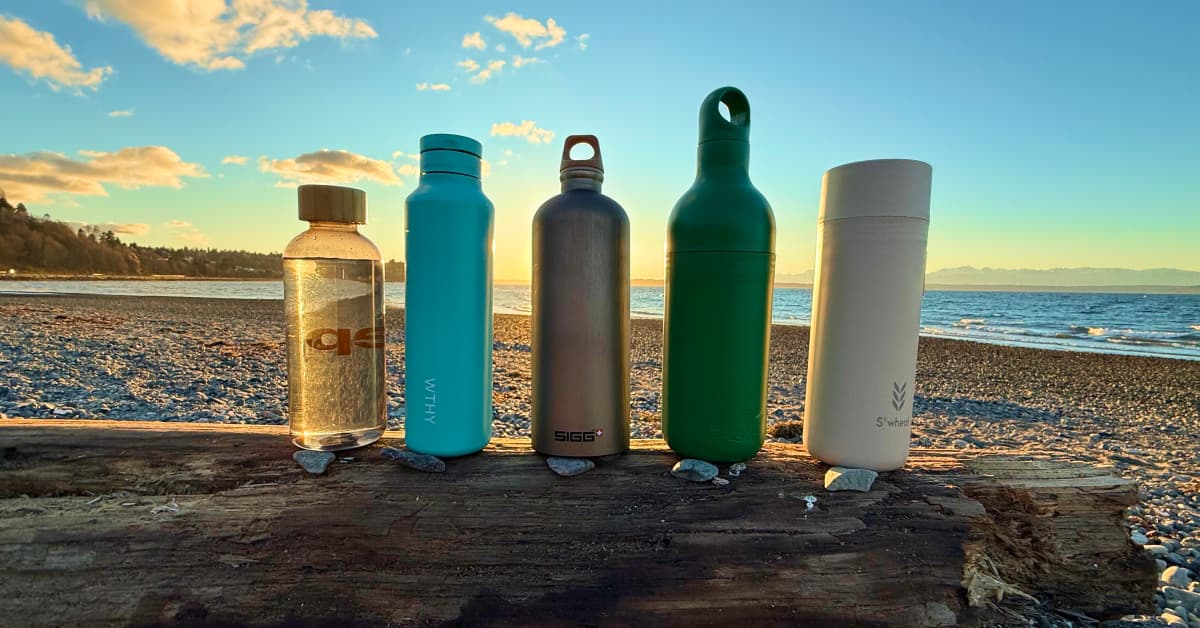
A stock image related to sustainable water bottles.
3 Common User Pain Points for ‘sustainable water bottles’ & Their Solutions
Scenario 1: Difficulty in Verifying Sustainability Claims
The Problem: B2B buyers often encounter a significant challenge in distinguishing genuinely sustainable water bottles from those that are merely greenwashed. With the proliferation of products claiming to be eco-friendly, it’s difficult to ascertain the authenticity of these claims. Buyers may worry about investing in products that do not align with their sustainability goals or fail to meet the environmental standards set by their organizations or clients.
The Solution: To navigate this challenge, buyers should implement a rigorous vetting process for potential suppliers. Start by requesting detailed product specifications, including the percentage of recycled materials or biobased content used in the bottles. Look for certifications from recognized organizations that verify sustainability claims, such as Cradle to Cradle, FSC, or B Corp. Additionally, consider establishing long-term partnerships with manufacturers that have a proven track record of transparency and ethical practices. By prioritizing suppliers who provide comprehensive lifecycle assessments and sustainability reports, businesses can ensure that their purchases genuinely contribute to their environmental objectives.
Scenario 2: High Costs Associated with Sustainable Bottles
The Problem: Many B2B buyers are deterred by the higher upfront costs of sustainable water bottles compared to traditional options. This is particularly challenging for businesses operating with tight budgets or those in price-sensitive markets in regions like Africa or South America. The perception that sustainable products are always more expensive can lead to hesitancy in making environmentally responsible purchasing decisions.
The Solution: To address cost concerns, buyers should focus on the long-term value of sustainable water bottles. Calculate the total cost of ownership, which includes not only the purchase price but also potential savings from reduced waste disposal and the positive impact on brand reputation. Implementing bulk purchasing strategies can also help mitigate costs; negotiating with suppliers for volume discounts can make sustainable options more financially feasible. Additionally, consider integrating these bottles into promotional campaigns or corporate social responsibility initiatives. This not only enhances brand image but also creates a narrative that justifies the investment, appealing to environmentally conscious consumers and stakeholders.
Scenario 3: Limited Availability and Variety of Sustainable Options
The Problem: B2B buyers frequently face challenges related to the limited availability and variety of sustainable water bottles in the market. This can be particularly frustrating when trying to find specific features or designs that meet the needs of their target audience, such as durability for outdoor use or stylish designs for corporate gifts. Buyers may feel that their options are constrained, leading to compromises on quality or sustainability.
The Solution: To overcome this limitation, buyers should expand their search beyond local suppliers and explore international markets where a wider range of sustainable water bottles may be available. Utilizing online platforms and global trade shows can help identify innovative brands that offer diverse product lines. Establishing relationships with multiple suppliers can also enhance access to unique designs and materials. Additionally, consider collaborating with manufacturers to create custom products tailored to specific brand requirements or audience preferences. This not only meets the immediate needs of the business but also fosters innovation in sustainable product offerings. By taking a proactive approach in sourcing, buyers can ensure they have the flexibility and variety necessary to meet their sustainability goals.
Strategic Material Selection Guide for sustainable water bottles
What Are the Key Materials for Sustainable Water Bottles?
When selecting materials for sustainable water bottles, it’s crucial to consider their properties, advantages, disadvantages, and compliance with international standards. Below is an analysis of four common materials used in the production of sustainable water bottles: stainless steel, recycled plastic, biobased materials, and glass.
How Does Stainless Steel Perform in Sustainable Water Bottles?
Stainless steel is renowned for its durability and resistance to corrosion, making it an excellent choice for reusable water bottles. It can withstand high temperatures and pressures, which is beneficial for insulated models. The key properties include a high melting point (around 1,400-1,500°C) and excellent resistance to rust and staining.
Pros: Stainless steel bottles are highly durable and can last for years, making them a cost-effective choice in the long run. They are also easy to clean and do not retain flavors or odors.
Cons: The initial manufacturing cost can be high, and the production process is more energy-intensive compared to plastics. Additionally, stainless steel bottles can be heavier than their plastic counterparts, which may deter some consumers.
Impact on Application: Stainless steel is compatible with both cold and hot beverages, making it versatile for various applications. However, its weight may be a concern for outdoor enthusiasts looking for lightweight options.
Considerations for International Buyers: Buyers should ensure compliance with food safety standards, such as FDA regulations in the U.S. or EU food contact material regulations. Countries like Germany often have stringent standards (DIN) for materials used in consumer products.
What Advantages Do Recycled Plastics Offer?
Recycled plastics, particularly PET (Polyethylene Terephthalate), are increasingly popular in sustainable water bottle production. They are lightweight and can be manufactured at lower costs compared to metals.
Pros: Using recycled plastics reduces waste and energy consumption in production. They are also versatile and can be molded into various designs.
Cons: The durability of recycled plastics can be lower than that of stainless steel, leading to a shorter lifespan. Additionally, they may not be suitable for high-temperature applications, as they can warp or leach chemicals.
Impact on Application: Recycled plastics are ideal for cold beverages but may not be suitable for hot liquids. They are often used in promotional bottles due to their cost-effectiveness.
Considerations for International Buyers: Buyers should look for compliance with recycling standards and certifications, such as those from ASTM or ISO. In regions like Africa and South America, where recycling infrastructure may be less developed, the sourcing of recycled materials can be a challenge.
How Do Biobased Materials Compare?
Biobased materials, such as those derived from sugarcane or other plant sources, are gaining traction as sustainable options. They are often marketed as eco-friendly alternatives to traditional plastics.
Pros: These materials are renewable and can significantly reduce carbon footprints. They are often biodegradable, which can appeal to environmentally conscious consumers.
Cons: Biobased materials can be more expensive to produce and may not offer the same level of durability as metals or high-quality plastics. Additionally, their performance in extreme temperatures can vary.
Impact on Application: Biobased bottles are suitable for cold beverages and can be designed for a variety of uses. However, their biodegradability can be a disadvantage in regions where waste management practices are not robust.
Considerations for International Buyers: Buyers should verify the sustainability claims and certifications of biobased materials. Compliance with local regulations regarding biodegradability and compostability is essential in markets like Europe.
What Role Does Glass Play in Sustainable Water Bottles?
Glass is a traditional material that is making a comeback in sustainable bottle design. It is inert, meaning it does not leach chemicals into beverages, and it is fully recyclable.
Pros: Glass bottles are durable and do not retain flavors, making them ideal for various beverages. They also have a premium feel that can enhance brand perception.
Cons: Glass is heavier and more fragile than other materials, which can increase shipping costs and the risk of breakage during use.
Impact on Application: Glass is suitable for cold beverages and can be used for flavored drinks without altering taste. However, its weight and fragility can limit its use in outdoor settings.
Considerations for International Buyers: Compliance with safety standards for glass products is critical, especially in markets with strict regulations like Germany. Buyers should also consider the logistics of shipping glass products to regions with less developed infrastructure.
Summary Table of Material Selection for Sustainable Water Bottles
| Material | Typical Use Case for Sustainable Water Bottles | Key Advantage | Key Disadvantage/Limitation | Relative Cost (Low/Med/High) |
|---|---|---|---|---|
| Stainless Steel | Insulated and reusable bottles for hot/cold beverages | Highly durable and corrosion-resistant | Higher initial cost and weight | High |
| Recycled Plastic | Lightweight promotional bottles for cold drinks | Cost-effective and reduces waste | Lower durability and heat sensitivity | Medium |
| Biobased Materials | Eco-friendly bottles for cold beverages | Renewable and potentially biodegradable | Higher cost and variable performance | Medium |
| Glass | Premium bottles for flavored or cold beverages | Inert and recyclable | Heavy and fragile | Medium |
This guide provides actionable insights for B2B buyers considering sustainable water bottle materials, helping them make informed decisions that align with their sustainability goals and market demands.
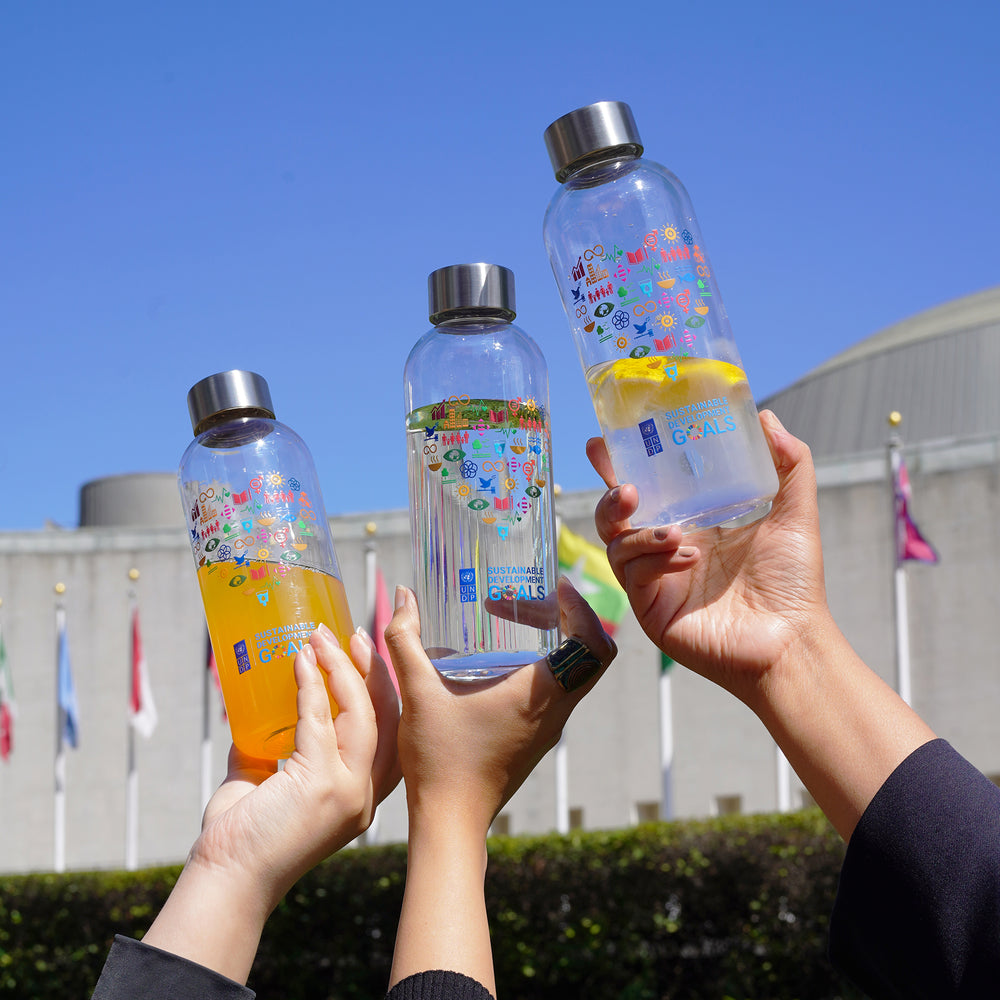
A stock image related to sustainable water bottles.
In-depth Look: Manufacturing Processes and Quality Assurance for sustainable water bottles
What Are the Key Stages in the Manufacturing Process of Sustainable Water Bottles?
The manufacturing process for sustainable water bottles involves several critical stages: material preparation, forming, assembly, and finishing. Each stage is designed to ensure that the final product meets high standards of sustainability and functionality.
Material Preparation: Sourcing and Processing Eco-Friendly Materials
The first stage in the manufacturing process is the careful selection and preparation of materials. Sustainable water bottles are typically made from either biobased materials or recycled plastics. For instance, bottles made from 100% recycled ocean-bound plastics are sourced from ocean clean-up initiatives, while biobased options may use materials such as sugarcane or wheat stalks.
After sourcing, materials undergo processing to remove impurities and ensure consistency. This may include washing, shredding, or granulating recycled plastics or processing raw biobased materials into usable forms. Manufacturers must ensure that the materials comply with international environmental standards, such as REACH (Registration, Evaluation, Authorisation, and Restriction of Chemicals) for safety and sustainability.
How Are Sustainable Water Bottles Formed?
Once materials are prepared, they move to the forming stage, where various techniques are employed to create the bottle shape. Common methods include:
-
Injection Molding: This technique is prevalent for creating complex shapes and is often used for lids and components of water bottles. It involves injecting melted plastic into a mold, where it cools and solidifies.
-
Blow Molding: This method is primarily used for forming the body of the bottles. In blow molding, a heated plastic tube is inflated within a mold to achieve the desired shape. This technique is particularly effective for producing lightweight yet sturdy bottles.
-
Thermoforming: This method involves heating a sheet of plastic until pliable and then forming it over a mold. It is less common for water bottles but can be used for certain designs.
What Happens During the Assembly Stage?
The assembly stage involves bringing together various components, such as the bottle body, lid, and any additional features (e.g., straws or insulation layers). Automation plays a significant role in this stage, with robotic systems often being used to enhance efficiency and precision.
Quality control measures are crucial during assembly to ensure that all parts fit correctly and function as intended. This may include visual inspections, torque tests on lids to ensure proper sealing, and assessments for any defects in the materials.
What Finishing Techniques Are Commonly Used?
The finishing stage includes surface treatments, labeling, and packaging. Sustainable water bottles often undergo processes such as:
-
Surface Coating: To enhance durability and aesthetics, some bottles receive eco-friendly coatings that improve grip or add color.
-
Printing and Labeling: Sustainable inks and adhesives are used to print logos and product information, ensuring that branding aligns with eco-friendly practices.
-
Final Inspection and Packaging: Before packaging, bottles are subjected to a final quality check to ensure they meet the required standards for appearance and functionality. Eco-friendly packaging solutions are preferred, often utilizing recycled materials.
How Is Quality Assurance Managed in Sustainable Water Bottle Manufacturing?
Quality assurance (QA) is an essential part of the manufacturing process, particularly for B2B buyers who require reliable and high-quality products. Companies in this sector often adhere to international standards, such as ISO 9001, which outlines the requirements for a quality management system.
What Are the Relevant International Standards for Quality Control?
In addition to ISO 9001, other industry-specific certifications might be necessary for sustainable water bottle manufacturers. For instance:
-
CE Marking: Required for products sold in the European Economic Area, CE marking indicates compliance with health, safety, and environmental protection standards.
-
API (American Petroleum Institute): For bottles made from specific materials, particularly those involving petroleum products, API certification ensures adherence to industry standards.
What Are the Key Quality Control Checkpoints?
Quality control checkpoints are typically categorized as:
-
Incoming Quality Control (IQC): At this stage, raw materials are inspected for quality and compliance with specifications. This ensures that only suitable materials enter the production process.
-
In-Process Quality Control (IPQC): During the manufacturing process, continuous checks are made to monitor product dimensions, weight, and functionality. This step helps in identifying defects early in the production cycle.
-
Final Quality Control (FQC): Before products are shipped, a final inspection is conducted to ensure that all bottles meet established quality standards. This may include testing for leaks, durability, and compliance with labeling regulations.
How Can B2B Buyers Verify Supplier Quality Control Practices?
For international B2B buyers, verifying a supplier’s quality control practices is vital to ensure product reliability. Here are several strategies to consider:
-
Supplier Audits: Conducting audits of suppliers can provide insight into their manufacturing processes and quality management systems. This includes evaluating their compliance with ISO and other relevant standards.
-
Quality Reports: Requesting detailed quality reports that outline testing methods, results, and corrective actions taken in response to any issues can offer transparency regarding the supplier’s quality management.
-
Third-Party Inspections: Engaging third-party inspection services can ensure an impartial assessment of the supplier’s quality control processes. This can be particularly valuable for buyers in regions like Africa and South America, where local regulations may differ from international standards.
What Are the Nuances in Quality Control for International B2B Buyers?
For buyers operating across different regions, it’s essential to be aware of the nuances in quality control that may arise due to varying regulatory environments. In Europe, for example, strict compliance with CE marking is mandatory, while in Africa, regulations may be less stringent but are evolving rapidly.
B2B buyers should also consider the cultural differences in business practices, which can affect communication and negotiation processes regarding quality expectations. Establishing clear quality benchmarks and expectations from the outset can help mitigate these challenges.
By understanding the manufacturing processes and quality assurance practices associated with sustainable water bottles, international B2B buyers can make informed decisions that align with their sustainability goals while ensuring product quality and compliance with relevant standards.
Practical Sourcing Guide: A Step-by-Step Checklist for ‘sustainable water bottles’
Introduction
Sourcing sustainable water bottles requires a careful approach to ensure that your procurement aligns with environmental goals and meets consumer demands. This checklist serves as a practical guide for B2B buyers looking to make informed decisions about sustainable water bottle options. By following these steps, you will be better equipped to select products that are not only eco-friendly but also meet your business’s quality and functionality requirements.
Step 1: Define Your Technical Specifications
Before exploring suppliers, it’s essential to clarify what you need from the sustainable water bottles. Consider factors such as size, material (recycled vs. biobased), insulation properties, and design features.
- Material Types: Determine if you prefer bottles made from 100% recycled materials or biobased materials like sugarcane or wheat stalk.
- Functionality: Assess whether you need insulated bottles for hot or cold beverages, or if standard options suffice.
Step 2: Research Market Trends and Consumer Preferences
Understanding current market trends can guide your sourcing decisions. Research consumer preferences regarding sustainability features, such as reusable designs and environmental impact.
- Regional Insights: Different regions may have varying demands for sustainable products, so tailor your offerings accordingly.
- Competitive Analysis: Look at what similar businesses are offering to identify gaps or opportunities in your product line.
Step 3: Identify Potential Suppliers
Compile a list of suppliers that specialize in sustainable water bottles. This step is critical in finding partners who align with your values and quality standards.
- Supplier Background: Investigate their experience in the industry, particularly in sustainable product manufacturing.
- Certifications: Look for suppliers with certifications such as ISO 14001 for environmental management or those that are part of sustainability initiatives.
Step 4: Evaluate Supplier Certifications
Verifying supplier certifications is crucial to ensure compliance with sustainability standards. This not only boosts your credibility but also assures customers of the product’s eco-friendliness.
- Material Certifications: Confirm that the materials used are certified recycled or biobased.
- Sustainability Practices: Evaluate their overall environmental practices, including waste management and energy efficiency in production.
Step 5: Request Samples for Testing
Before making a bulk purchase, request samples of the water bottles to assess their quality and functionality. Testing samples allows you to evaluate how well they meet your specifications.
- Quality Checks: Inspect the durability, insulation properties, and user-friendliness of the bottles.
- Feedback Mechanism: Engage potential customers or internal teams to gather feedback on the samples provided.
Step 6: Analyze Pricing and Terms of Sale
Once you have narrowed down potential suppliers, compare pricing and terms of sale. It’s important to balance cost with the sustainability and quality of the products.
- Total Cost of Ownership: Consider not only the purchase price but also the long-term savings associated with reusable products.
- Payment Terms: Negotiate favorable payment terms that align with your cash flow requirements.
Step 7: Establish a Long-Term Partnership
After selecting a supplier, focus on building a long-term relationship. Open communication and collaboration can enhance product development and sustainability initiatives.
- Regular Reviews: Schedule periodic reviews to assess product performance and explore new sustainable options.
- Shared Goals: Work together on sustainability goals to strengthen your partnership and enhance brand reputation.
By following this checklist, B2B buyers can make informed and strategic decisions when sourcing sustainable water bottles, ultimately contributing to a more sustainable future.
Comprehensive Cost and Pricing Analysis for sustainable water bottles Sourcing
What Are the Key Cost Components in Sourcing Sustainable Water Bottles?
When analyzing the cost structure for sustainable water bottles, several components come into play. Materials are often the most significant expense, especially when sourcing eco-friendly options like biobased or 100% recycled plastics. Depending on the supplier, these materials can range from recycled aluminum to biocomposite materials, each with varying price points. Labor costs also factor into the equation, particularly in regions where skilled workers are necessary for quality production.
Manufacturing overhead includes utility costs, factory maintenance, and other operational expenses. Additionally, tooling costs can be substantial if custom molds or designs are required, which may be the case for unique branding or product specifications. Quality Control (QC) processes are essential for sustainable products, ensuring that they meet both environmental standards and consumer expectations. Finally, logistics—encompassing shipping, handling, and storage—can significantly impact overall costs, especially for international transactions.
How Do Price Influencers Affect Sustainable Water Bottle Sourcing?
Several factors influence the pricing of sustainable water bottles in the B2B landscape. Volume and Minimum Order Quantity (MOQ) can drastically affect unit costs; larger orders typically reduce per-unit pricing due to economies of scale. Specifications and customization also play a critical role. Custom designs or features can increase costs, while standardized products might offer more competitive pricing.
Material choices directly correlate with price; for instance, bottles made from 100% recycled materials may command a premium compared to those made from virgin plastics. The quality and certifications of the materials (such as BPA-free, FDA-approved, or ISO certifications) can influence pricing, as buyers often seek assurance of sustainability and safety.
Supplier factors, such as reputation, reliability, and production capabilities, can also affect costs. Lastly, the Incoterms used in the transaction—ranging from FOB (Free on Board) to DDP (Delivered Duty Paid)—can impact the final price by determining who bears the cost of shipping, insurance, and customs duties.
What Are Essential Tips for Negotiating Sustainable Water Bottle Prices?
For international B2B buyers, particularly those from Africa, South America, the Middle East, and Europe, effective negotiation strategies can lead to significant savings. First, understanding the Total Cost of Ownership (TCO) is crucial. This encompasses not just the purchase price but also shipping, customs, and any potential tariffs. Buyers should factor in these costs when evaluating suppliers.
Moreover, maintaining a flexible approach to negotiation can yield favorable terms. This might include discussing payment terms, delivery schedules, or even exploring consignment options to minimize upfront costs.
Buyers should also be aware of pricing nuances related to international trade. Currency fluctuations, local market conditions, and geopolitical factors can all influence pricing. For instance, sourcing from suppliers in countries with favorable exchange rates may provide additional cost benefits.
Lastly, establishing long-term relationships with suppliers can lead to better pricing and service over time. Regular communication, transparency regarding needs and expectations, and exploring joint marketing initiatives can foster a partnership that benefits both parties.
Disclaimer on Indicative Prices
While the pricing examples provided in various references indicate a range of costs for sustainable water bottles, it’s important to note that these figures are subject to change based on market dynamics, production costs, and supplier negotiations. Buyers are encouraged to conduct thorough market research and obtain multiple quotes to ensure they are making informed purchasing decisions.
Alternatives Analysis: Comparing sustainable water bottles With Other Solutions
Understanding Alternatives to Sustainable Water Bottles
When considering sustainable solutions for hydration, it’s essential to evaluate various alternatives alongside sustainable water bottles. This analysis compares sustainable water bottles with other viable options, including filtered water dispensers and single-use biodegradable water bottles. Each alternative presents unique advantages and challenges, making it crucial for international B2B buyers to assess their specific needs and contexts.
Comparison Table
| Comparison Aspect | Sustainable Water Bottles | Filtered Water Dispensers | Single-Use Biodegradable Bottles |
|---|---|---|---|
| Performance | High durability, reusable | Provides clean water; requires regular filter changes | Eco-friendly but may not be as sturdy |
| Cost | Moderate ($20-$50) | Varies ($50-$300+) | Low ($0.50-$2.00 per bottle) |
| Ease of Implementation | Easy to distribute and use | Requires installation; some require plumbing | Simple; no setup required |
| Maintenance | Minimal; occasional cleaning | Regular filter replacements | No maintenance; single use only |
| Best Use Case | Long-term hydration needs | Offices, public spaces | Events, travel, or emergencies |
In-Depth Analysis of Alternatives
What Are the Benefits and Challenges of Filtered Water Dispensers?
Filtered water dispensers are an effective alternative that provides clean drinking water. They are particularly advantageous in settings with a high demand for hydration, such as offices or public spaces. The initial investment can be significant, especially for high-capacity models that may require installation. However, ongoing maintenance involves replacing filters regularly, which can add to the long-term costs. While this solution is efficient and reduces plastic waste, it may not be as portable as sustainable water bottles.
How Do Single-Use Biodegradable Bottles Compare in Sustainability?
Single-use biodegradable bottles offer a convenient option for events or travel, providing an immediate hydration solution without the need for washing or refilling. They are designed to break down more quickly than traditional plastic bottles, reducing environmental impact. However, their performance and durability are generally lower than reusable bottles, and they contribute to waste if not disposed of properly. For B2B buyers focused on short-term needs or specific events, these bottles might be a suitable choice, but they lack the long-term sustainability benefits that reusable options provide.
How to Choose the Right Solution for Your Needs
When selecting the right hydration solution, B2B buyers should consider their organization’s specific needs, including usage frequency, budget, and environmental goals. Sustainable water bottles are ideal for businesses prioritizing long-term sustainability and cost-effectiveness. In contrast, filtered water dispensers may be more appropriate for environments that require large volumes of water. Lastly, single-use biodegradable bottles can serve as a quick, temporary solution for events or situations where reusable options are impractical. By carefully evaluating these alternatives, buyers can make informed decisions that align with their operational and sustainability objectives.
Essential Technical Properties and Trade Terminology for sustainable water bottles
What Are the Key Technical Properties of Sustainable Water Bottles?
Understanding the technical specifications of sustainable water bottles is crucial for B2B buyers seeking to align with eco-friendly practices. Here are some essential properties to consider:
1. Material Composition
The materials used in water bottles can significantly impact their sustainability. Common materials include stainless steel, glass, and recycled plastics. For instance, bottles made from 100% recycled materials, like ocean-bound plastic, reduce environmental impact and promote a circular economy. B2B buyers should prioritize bottles that clearly state their material composition to ensure transparency and sustainability.
2. Volume Capacity
Volume capacity is a critical specification that affects consumer choice and usability. Water bottles typically range from 12 oz to 36 oz or more. Understanding the target market’s preferences for size can help businesses select products that meet consumer demand, especially in regions where hydration needs may vary, such as in hot climates.
3. Insulation Performance
Insulation performance is vital for maintaining the temperature of beverages. Double-walled vacuum insulation, for example, keeps liquids cold for up to 24 hours and hot for 12 hours. This property appeals to consumers who value convenience and performance, making it an important consideration for B2B buyers targeting active or outdoor markets.
4. Recyclability and End-of-Life Considerations
The ability to recycle or compost a product at the end of its life is a key aspect of sustainability. Bottles made from recyclable materials should have clear labeling indicating their recyclability. This aspect is increasingly important for businesses looking to enhance their eco-friendly credentials and meet regulatory standards in various markets.
5. Durability and Impact Resistance
Durability is essential to ensure that water bottles can withstand everyday use and potential drops. Materials like stainless steel and certain types of high-grade plastics offer superior impact resistance. B2B buyers should evaluate durability to minimize returns and enhance customer satisfaction.
What Are Common Trade Terminology and Jargon in the Sustainable Water Bottle Industry?
Navigating the B2B landscape requires familiarity with industry-specific terminology. Here are some essential terms that buyers should understand:
1. OEM (Original Equipment Manufacturer)
OEM refers to a company that manufactures products that are sold under another company’s brand. In the context of sustainable water bottles, OEM partnerships can enable businesses to offer customized products while leveraging established manufacturing capabilities.
2. MOQ (Minimum Order Quantity)
MOQ is the minimum number of units that a supplier is willing to sell in a single order. Understanding MOQ is crucial for B2B buyers, as it affects inventory management and upfront investment. Buyers should negotiate MOQs that align with their sales forecasts and budget constraints.
3. RFQ (Request for Quotation)
An RFQ is a formal document sent to suppliers requesting pricing information for specific products. For sustainable water bottles, an RFQ can help buyers compare costs and terms across different suppliers, ensuring they make informed purchasing decisions.
4. Incoterms (International Commercial Terms)
Incoterms are standardized trade terms used in international contracts to define the responsibilities of buyers and sellers regarding the delivery of goods. Familiarity with Incoterms helps B2B buyers understand shipping responsibilities, costs, and risks, particularly when sourcing products from different countries.
5. Greenwashing
Greenwashing refers to misleading claims about the environmental benefits of a product. In the sustainable water bottle market, buyers must be vigilant about verifying claims to avoid investing in products that do not meet genuine sustainability standards.
By grasping these technical properties and trade terminologies, B2B buyers can make more informed decisions when sourcing sustainable water bottles, ultimately supporting their commitment to environmental sustainability and customer satisfaction.
Navigating Market Dynamics and Sourcing Trends in the sustainable water bottles Sector
What Are the Current Market Dynamics and Key Trends in the Sustainable Water Bottle Sector?
The sustainable water bottle sector is experiencing significant growth driven by increasing consumer awareness of environmental issues and the demand for eco-friendly products. In regions such as Africa, South America, the Middle East, and Europe, there is a notable shift towards reusable bottles made from materials like stainless steel, bioplastics, and 100% recycled plastics. This trend is supported by various global initiatives aimed at reducing plastic waste, such as the European Union’s Single-Use Plastics Directive, which has incentivized businesses to adopt sustainable practices.
Emerging B2B technology trends are reshaping sourcing strategies, with digital platforms facilitating easier connections between manufacturers and international buyers. Blockchain technology, for example, is being utilized to enhance transparency in supply chains, allowing businesses to verify the sustainability credentials of their products. Furthermore, the rise of e-commerce has enabled manufacturers to reach broader markets, making it easier for B2B buyers to source sustainable water bottles directly from suppliers worldwide.
Market dynamics are also influenced by the rising trend of corporate sustainability commitments. Companies are increasingly prioritizing sustainability in their procurement processes, leading to a demand for products that not only meet consumer expectations but also align with their environmental goals. This creates opportunities for B2B buyers to partner with suppliers who can demonstrate a commitment to sustainability through certifications and innovative product offerings.
How Does Sustainability and Ethical Sourcing Impact B2B Buyers in the Water Bottle Market?
Sustainability and ethical sourcing are paramount in the sustainable water bottle market. The environmental impact of manufacturing and disposing of traditional plastic bottles is significant, contributing to pollution and resource depletion. As a response, many businesses are seeking suppliers that prioritize eco-friendly materials and processes, such as bottles made from recycled plastics or biobased materials derived from renewable resources.
For B2B buyers, understanding the importance of ethical supply chains is critical. This includes assessing suppliers on their labor practices, sourcing of materials, and overall corporate social responsibility. Certifications such as Fair Trade, Cradle to Cradle, and various eco-labels can serve as indicators of a supplier’s commitment to sustainability. By choosing suppliers with these credentials, businesses can not only reduce their environmental footprint but also enhance their brand reputation among environmentally conscious consumers.
Additionally, the demand for transparency is reshaping how businesses approach sourcing. Buyers are increasingly looking for detailed information regarding the materials used in products, the sustainability practices of suppliers, and the lifecycle of their products. This trend encourages manufacturers to invest in sustainable practices and improve product traceability, ultimately benefiting both B2B buyers and the environment.
What Is the Evolution of Sustainable Water Bottles and Its Relevance for B2B Buyers?
The evolution of sustainable water bottles has been marked by a growing recognition of the environmental challenges posed by single-use plastics. Initially, the focus was on creating reusable alternatives that could reduce dependency on disposable bottles. Over the years, the market has expanded to include a variety of materials, including stainless steel, glass, and innovative bioplastics that provide both functionality and sustainability.
In recent years, the emphasis has shifted towards the circular economy, where products are designed for longevity and recyclability. This evolution is particularly relevant for B2B buyers, as it presents an opportunity to invest in products that align with sustainability goals. By sourcing from suppliers that prioritize innovative materials and sustainable practices, businesses can contribute to a broader movement towards environmental stewardship while meeting the growing consumer demand for responsible products.
As this sector continues to evolve, B2B buyers must stay informed about emerging materials and technologies that enhance sustainability. By doing so, they can make strategic sourcing decisions that not only benefit their bottom line but also contribute positively to the planet.
Frequently Asked Questions (FAQs) for B2B Buyers of sustainable water bottles
-
How do I choose the right supplier for sustainable water bottles?
Selecting a reliable supplier for sustainable water bottles involves assessing their certifications, sustainability practices, and product quality. Look for suppliers who use 100% recycled or biobased materials and have transparent sourcing policies. Request samples to evaluate the design and durability of the bottles. Additionally, consider their production capacity, lead times, and customer service reputation. Engaging with suppliers who have experience in international trade, especially within your target markets, can further streamline your sourcing process. -
What is the minimum order quantity (MOQ) for sustainable water bottles?
Minimum order quantities (MOQs) for sustainable water bottles can vary significantly between suppliers. Typically, MOQs range from 100 to 1,000 units depending on the product type, customization options, and the supplier’s production capabilities. For customized bottles, MOQs may be higher due to setup costs. It’s essential to clarify MOQs upfront during negotiations and to explore suppliers who are flexible in accommodating lower order quantities, especially for first-time buyers or smaller businesses. -
What payment terms should I expect when sourcing water bottles internationally?
Payment terms in international B2B transactions often vary by supplier and location. Common terms include a deposit (typically 30-50%) before production and the remainder upon completion or before shipment. Some suppliers may offer letters of credit or escrow services for larger orders to mitigate risks. Always review the payment terms carefully and consider negotiating favorable conditions that align with your cash flow needs. Ensure that the payment method chosen is secure and offers protection against fraud. -
How can I ensure quality assurance for sustainable water bottles?
To ensure quality assurance, it’s vital to establish clear quality control standards before production begins. Request detailed product specifications and quality certifications from your supplier, such as ISO certifications or compliance with environmental regulations. Conduct factory audits or hire third-party inspection services to monitor production processes and materials used. Additionally, consider implementing a pre-shipment inspection to verify that the products meet your standards before they are shipped. -
What customization options are available for sustainable water bottles?
Customization options for sustainable water bottles can include various factors such as size, color, branding (e.g., logo printing), and packaging design. Many suppliers offer a range of materials and shapes to meet specific branding needs. To explore customization, discuss your requirements with potential suppliers and ask for mock-ups or prototypes. Keep in mind that customized bottles may have higher MOQs and longer lead times due to production processes, so plan accordingly. -
What are the most sustainable materials used in water bottles?
The most sustainable materials for water bottles include 100% recycled plastic, biobased materials like sugarcane, and aluminum from recycled sources. Bottles made from these materials are designed to be reusable and recyclable, minimizing environmental impact. When sourcing, prioritize suppliers who utilize these materials and can provide documentation or certifications proving their sustainability claims. This not only enhances your product offerings but also aligns with the growing demand for eco-friendly products among consumers. -
What logistics considerations should I keep in mind when importing water bottles?
When importing sustainable water bottles, consider factors such as shipping costs, customs regulations, and lead times. Research the best shipping methods based on your budget and timeline, whether by air or sea. Ensure that you understand the import duties and taxes applicable in your country to avoid unexpected costs. Collaborate with logistics partners who have experience in handling eco-friendly products and can provide guidance on packaging that minimizes waste during transit. -
How do I assess the market demand for sustainable water bottles in my region?
To assess market demand for sustainable water bottles, conduct market research to identify consumer trends and preferences in your target region. Analyze competitors and their product offerings, pricing strategies, and marketing approaches. Engage with local retailers, distributors, and industry associations to gather insights on consumer behavior and demand patterns. Additionally, leveraging surveys or focus groups can provide valuable feedback on potential product features and pricing that resonate with your target audience.
Important Disclaimer & Terms of Use
⚠️ Important Disclaimer
The information provided in this guide, including content regarding manufacturers, technical specifications, and market analysis, is for informational and educational purposes only. It does not constitute professional procurement advice, financial advice, or legal advice.
While we have made every effort to ensure the accuracy and timeliness of the information, we are not responsible for any errors, omissions, or outdated information. Market conditions, company details, and technical standards are subject to change.
B2B buyers must conduct their own independent and thorough due diligence before making any purchasing decisions. This includes contacting suppliers directly, verifying certifications, requesting samples, and seeking professional consultation. The risk of relying on any information in this guide is borne solely by the reader.
Top 7 Sustainable Water Bottles Manufacturers & Suppliers List
1. Ocean Bottle – Reusable Water Bottles
Domain: oceanbottle.co
Registered: 2019 (6 years)
Introduction: The Ocean Bottle is a reusable water bottle designed to combat plastic pollution. Key features include:
– Available sizes: 500ml, 750ml, and 1L for the Original Ocean Bottle; 500ml for Ocean Bottle 3 in 1 and Ocean Bottle Go.
– Made with a minimum of 67% recycled materials.
– Each bottle sold funds the collection of 11.4kg of ocean-bound plastic, equivalent to 1,000 plastic bottles.
– Built to…
2. Adventure Alan – Top Eco-Friendly Bottles
Domain: adventurealan.com
Registered: 2001 (24 years)
Introduction: {“top_picks”:[{“name”:”Sigg Traveller MyPlanet”,”price”:”$27 (600ml), $29 (1L)”,”size”:”600ml, 1L”,”insulated”:”No”,”body_recycled”:”100% R”,”lid_recycled”:”100% B”},{“name”:”Buoy Bottle”,”price”:”$29 (900ml)”,”size”:”900ml”,”insulated”:”No”,”body_recycled”:”100% R”,”lid_recycled”:”100% R”},{“name”:”Worthy Bottles”,”price”:”$19 (750ml)”,”size”:”750ml”,”insulated”:”No”,”body_recycled”:”100% B”,”lid…
3. Voss – Premium Bottled Water
Domain: reddit.com
Registered: 2005 (20 years)
Introduction: Ethical bottled water options mentioned include Voss, JustWater, and Waikea. Liquid Death is noted for being eco-friendly as it uses aluminum cans. JustWater is available in paper cartons and offers flavored and sparkling options in aluminum bottles. FreeWater is mentioned as a brand that donates 10 cents from every bottle sold, but it is not available on Amazon, which is a requirement for the use…
4. Hydro Flask – Sustainable Water Bottles
Domain: hydroflask.com
Registered: 2009 (16 years)
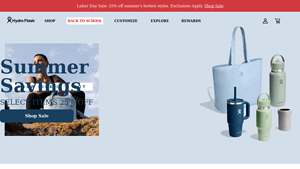
Introduction: Hydro Flask offers sustainable and refillable water bottles, with a focus on best-in-class hydration. They have a Labor Day Sale with 25% off select items. Free shipping is available on orders over $39. The product range includes:
– Limited Edition Campus Collection
– Travel Bottles
– Tumblers
– Coolers and Lunch Boxes
– Kitchenware
– Accessories
– Kids Collection
– Customization options (…
5. Hydro Flask – 24 oz Wide Mouth with Flex Chug Cap
Domain: nytimes.com
Registered: 1994 (31 years)
Introduction: This company, Hydro Flask – 24 oz Wide Mouth with Flex Chug Cap, is a notable entity in the market. For specific product details, it is recommended to visit their website directly.
6. Paper Water Bottle – Eco-Friendly Packaging Solution
Domain: paperwaterbottle.com
Registered: 2009 (16 years)
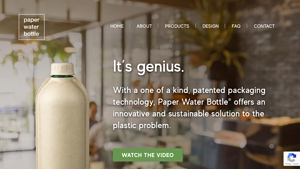
Introduction: Product Name: Paper Water Bottle
Key Features:
– Compostable, Biodegradable, Recyclable, Renewable
– Patented packaging technology
– Pulp Exoskeleton made from bamboo and sugar cane
– Rigid outer shell
– Goal of 100% biodegradable content barrier
– Guilt-Free Disposability™ (landfill biodegradable)
– Goal of 100% Backyard Compostability™
– Customizable branding options
– Suitable for high-volume …
7. Humanscale – Sustainable Water Bottles
Domain: humanscale.com
Registered: 1998 (27 years)
Introduction: The most sustainable water bottles ranked by environmental impact are: 1. Recycled Aluminum – lowest climate impact, energy-efficient recycling process reduces carbon footprint. 2. Recycled PET Plastic – widely recycled, maintains quality, supports circular economy. 3. Cartons – lower climate impact than virgin PET, similar water impact. 4. Virgin PET Plastic – higher environmental cost, energy-in…
Strategic Sourcing Conclusion and Outlook for sustainable water bottles
As the demand for sustainable products continues to rise globally, strategic sourcing of sustainable water bottles presents a significant opportunity for B2B buyers. By prioritizing suppliers that offer bottles made from 100% recycled or biobased materials, businesses can not only enhance their sustainability credentials but also align with the growing consumer preference for eco-friendly options. Engaging with manufacturers who emphasize ethical practices and transparency will further strengthen your brand’s reputation in the marketplace.
Moreover, the ability to source innovative designs and multifunctional products can cater to diverse consumer needs across regions, from Africa to Europe. With an increasing number of companies recognizing the importance of reducing single-use plastics, now is the time to invest in sustainable alternatives that resonate with your target audience.
Looking ahead, B2B buyers are encouraged to explore partnerships with suppliers that share a commitment to sustainability. This proactive approach will not only secure a competitive advantage but also contribute to a more sustainable future. By making informed choices today, you can help shape the water bottle market for tomorrow. Embrace the change and lead the way in sustainable sourcing.