Introduction: Navigating the Global Market for stainless thermos bottle
In an increasingly competitive global market, sourcing stainless thermos bottles that meet quality, functionality, and cost-effectiveness is a significant challenge for B2B buyers. The demand for durable and efficient beverage containers is rising, particularly in regions such as Africa, South America, the Middle East, and Europe, where climate conditions and lifestyle preferences necessitate reliable hydration solutions. This guide aims to empower international buyers by providing comprehensive insights into the diverse types of stainless thermos bottles, their applications across various sectors, and effective strategies for supplier vetting.
Navigating the complexities of this market requires an understanding of key factors such as product specifications, material quality, and insulation technology. Our guide will delve into the various styles available, from vacuum-insulated bottles designed for outdoor adventures to sleek models suitable for corporate environments. Additionally, we will explore critical considerations in cost management, ensuring that buyers can make informed decisions that align with their budget while maintaining product integrity.
By synthesizing expert knowledge and market trends, this resource equips B2B buyers with the tools needed to confidently select suppliers and products that fulfill their specific needs. Whether you are sourcing for a retail business or a corporate gifting initiative, this guide will serve as a valuable reference point in your purchasing journey, ultimately enhancing your procurement strategy and operational success.
Understanding stainless thermos bottle Types and Variations
| Type Name | Key Distinguishing Features | Primary B2B Applications | Brief Pros & Cons for Buyers |
|---|---|---|---|
| Standard Vacuum Bottle | Double-wall insulation, various sizes (16oz to 40oz) | Corporate gifting, outdoor events | Pros: Versatile, good heat retention; Cons: Limited customization options. |
| Direct Drink Bottle | Push-button lid, smooth flow design, 10-12 hours hot | Daily use, office environments | Pros: Easy to use, dishwasher safe; Cons: Smaller capacity may not suit all needs. |
| High Flow Water Bottle | Rapidrate™ spout, non-slip base, designed for cold drinks | Sports events, fitness centers | Pros: Enhanced drinking experience; Cons: Not suitable for hot liquids. |
| Insulated Travel Bottle | QuadVac™ technology, rugged design, up to 4 days cold | Travel, camping, outdoor activities | Pros: Superior insulation; Cons: Bulkier, higher price point. |
| Customizable Branded Bottle | Options for colors, logos, and designs | Promotional items, brand awareness campaigns | Pros: Enhances brand visibility; Cons: May require minimum order quantities. |
What are the Characteristics of Standard Vacuum Bottles?
Standard vacuum bottles are designed with double-wall insulation, which effectively retains beverage temperatures for extended periods. They typically come in various sizes, making them suitable for both individual and group use. B2B buyers often choose these bottles for corporate gifting or outdoor events due to their versatility and reliable performance. When purchasing, consider the size options and branding capabilities to ensure alignment with your company’s needs.
How Do Direct Drink Bottles Stand Out?
Direct drink bottles feature a push-button lid and a smooth flow design, making them ideal for quick sips during busy workdays. With the capability to keep beverages hot for 10-12 hours, they are perfect for office environments. When evaluating these bottles, focus on their ease of use and cleaning, as well as the range of colors available for branding purposes. Their smaller capacity may not meet the demands of all users, so assess your target audience carefully.
Why Choose High Flow Water Bottles for B2B Applications?
High flow water bottles are designed with a Rapidrate™ spout, allowing for quick hydration during sports events or in fitness centers. Their non-slip base ensures stability, even during vigorous activities. B2B buyers should consider these bottles for events where convenience and speed are paramount. However, they are not suitable for hot beverages, which could limit their appeal in certain markets.
What Makes Insulated Travel Bottles Ideal for Outdoor Activities?
Insulated travel bottles equipped with QuadVac™ technology provide exceptional temperature retention, keeping drinks cold for up to four days. Their rugged design makes them suitable for camping and travel, appealing to businesses in the outdoor and adventure sectors. When purchasing, consider the durability and insulation performance, as well as the potential for branding. However, note that these bottles are often bulkier and may come with a higher price tag.
How Can Customizable Branded Bottles Enhance Brand Visibility?
Customizable branded bottles offer businesses the opportunity to enhance their visibility through personalized designs and logos. These bottles are popular as promotional items and can be used in various settings, from trade shows to corporate gifts. When selecting these bottles, consider the minimum order quantities and the range of customization options available. While they can effectively promote your brand, ensure that the quality matches your company’s standards to maintain a professional image.
Key Industrial Applications of stainless thermos bottle
| Industry/Sector | Specific Application of Stainless Thermos Bottle | Value/Benefit for the Business | Key Sourcing Considerations for this Application |
|---|---|---|---|
| Food & Beverage | Catering Services | Maintains beverage temperature for extended periods, enhancing service quality and customer satisfaction. | Bulk purchasing options, durability, and ease of cleaning. |
| Hospitality | Hotels and Resorts | Provides guests with high-quality drink options, improving guest experience and brand image. | Custom branding options, size variety, and aesthetics. |
| Construction & Field Work | On-site Hydration Solutions | Ensures workers stay hydrated with temperature-controlled beverages, boosting productivity and safety. | Robust construction, spill-proof lids, and portability. |
| Outdoor & Recreational | Camping and Adventure Gear | Offers reliable hydration solutions for outdoor activities, appealing to eco-conscious consumers. | Lightweight design, insulation performance, and eco-friendly materials. |
| Education | School and University Cafeterias | Encourages healthy drinking habits among students with convenient access to hot and cold beverages. | Safety standards, ease of use for children, and customization options. |
How Can Stainless Thermos Bottles Benefit the Food & Beverage Industry?
In the food and beverage sector, stainless thermos bottles are essential for catering services, where maintaining beverage temperature is critical. They allow for hot coffee or chilled juices to be served at optimal temperatures for extended periods, significantly enhancing service quality and customer satisfaction. Businesses should consider sourcing options that provide durability and ease of cleaning, as these factors contribute to operational efficiency.
Why Are Stainless Thermos Bottles Important for the Hospitality Sector?
Hotels and resorts can leverage stainless thermos bottles to elevate their guest experience by providing high-quality drink options that cater to both hot and cold preferences. This not only enhances guest satisfaction but also reinforces the establishment’s brand image as one that prioritizes quality and comfort. When sourcing these bottles, hotels should look for customization options that allow branding while ensuring the bottles are aesthetically pleasing and functional.
What Role Do Stainless Thermos Bottles Play in Construction and Field Work?
In construction and fieldwork environments, stainless thermos bottles serve as reliable hydration solutions, ensuring that workers have access to temperature-controlled beverages. This is vital for maintaining hydration levels, especially in hot climates prevalent in regions like Africa and the Middle East. Businesses need to prioritize sourcing robust, spill-proof bottles that are portable and easy to carry, thereby enhancing worker safety and productivity.
How Can Outdoor and Recreational Industries Utilize Stainless Thermos Bottles?
The outdoor and recreational industries benefit from stainless thermos bottles as they provide a dependable hydration solution for camping and adventure activities. These bottles appeal to eco-conscious consumers seeking sustainable options that can keep beverages hot or cold for extended periods. Sourcing considerations should focus on lightweight designs and superior insulation performance, ensuring the product meets the demands of outdoor enthusiasts.
What Are the Benefits of Stainless Thermos Bottles in Educational Settings?
In educational settings, stainless thermos bottles can encourage healthy drinking habits among students by providing easy access to hot and cold beverages. This is particularly relevant in school and university cafeterias, where promoting hydration is essential. When sourcing these bottles, institutions should consider safety standards, ease of use for children, and customization options to enhance school spirit and engagement.
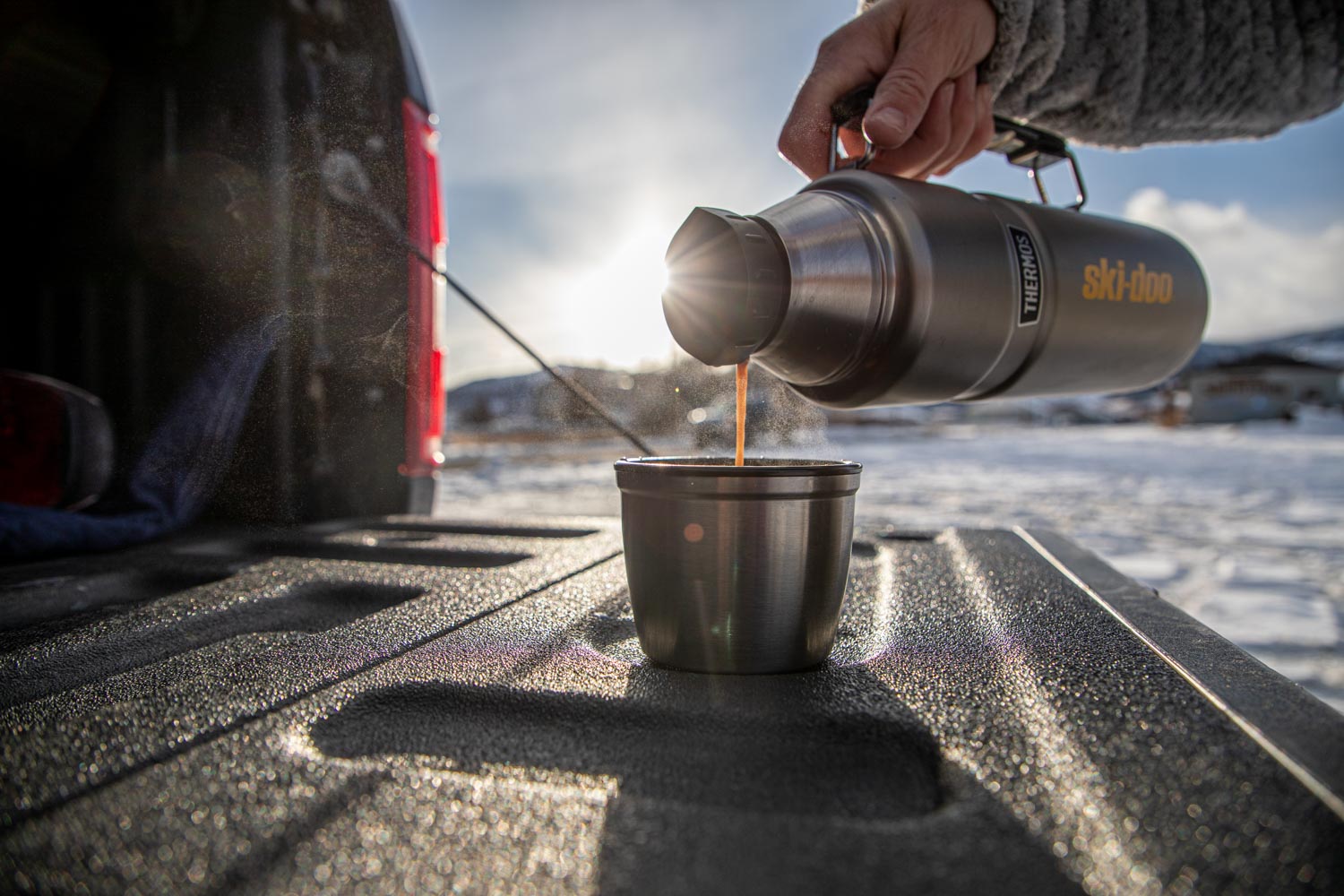
A stock image related to stainless thermos bottle.
3 Common User Pain Points for ‘stainless thermos bottle’ & Their Solutions
Scenario 1: Difficulty in Maintaining Beverage Temperature During Long Transport
The Problem: B2B buyers, especially those in logistics or distribution, often face the challenge of ensuring that beverages maintain their desired temperatures during extended transport. This is crucial for businesses such as catering, food delivery, or event management, where serving hot coffee or cold beverages can significantly affect customer satisfaction. Inadequate insulation in thermos bottles can lead to beverages losing their temperature, resulting in a poor experience for end-users and potential loss of business.
The Solution: To combat this issue, buyers should prioritize sourcing stainless thermos bottles that feature advanced vacuum insulation technology. When evaluating products, look for specifications indicating temperature retention capabilities, such as keeping liquids hot for up to 12 hours or cold for 24 hours. Additionally, consider options with double-wall construction and the ability to pre-heat or pre-cool the bottles before filling them with beverages. Implementing a standardized procedure for pre-conditioning bottles will maximize their thermal efficiency. By ensuring the right specifications, businesses can provide consistently high-quality beverages, enhancing customer satisfaction and loyalty.
Scenario 2: Concerns About Durability and Leakage in Varied Environments
The Problem: B2B buyers in industries like construction, outdoor events, or sports frequently require thermos bottles that can withstand tough conditions. Many standard bottles may not endure impacts or extreme temperatures, leading to leaks or breakage. This not only compromises the integrity of the beverage but can also result in wasted resources and increased costs for replacements.
The Solution: When sourcing stainless thermos bottles, it is essential to look for products designed for rugged use. Features such as BPA-free materials, reinforced stainless steel construction, and leak-proof lids should be prioritized. Buyers can also seek bottles with additional protective features like rubberized bases or handles that enhance grip and prevent slipping. Conducting rigorous testing of samples in real-world conditions can provide valuable insights into their durability. By investing in high-quality, durable products, businesses can reduce replacement costs and improve operational efficiency.
Scenario 3: Challenges with Cleaning and Maintenance
The Problem: In many B2B environments, especially those involving food and beverages, cleanliness is paramount. Buyers often struggle with thermos bottles that are difficult to clean, leading to the risk of contamination and affecting the quality of the beverages served. Additionally, complicated designs with numerous parts can make the cleaning process tedious, resulting in time loss and potential health hazards.
The Solution: To address this pain point, buyers should focus on sourcing stainless thermos bottles that are designed for easy cleaning. Look for options that feature wide-mouth openings, allowing for thorough access to the interior for cleaning. Bottles with fewer detachable components can simplify the cleaning process significantly. Additionally, selecting products that are dishwasher safe can save time and labor costs. Providing staff with clear guidelines on cleaning procedures and the importance of maintaining hygiene can further enhance the effectiveness of these measures. By ensuring easy maintenance, businesses can uphold high hygiene standards, ultimately leading to better product quality and customer satisfaction.
Strategic Material Selection Guide for stainless thermos bottle
What Are the Key Materials Used in Stainless Thermos Bottles?
When selecting materials for stainless thermos bottles, it is essential to consider various options that impact performance, durability, and cost. Below is an analysis of four common materials used in the manufacturing of these bottles: stainless steel, silicone, polypropylene, and glass.
How Does Stainless Steel Perform in Thermos Bottles?
Stainless steel is the most widely used material for thermos bottles due to its excellent properties. It offers high corrosion resistance, making it suitable for both hot and cold beverages. The typical grades used include 18/8 and 18/10 stainless steel, which provide superior temperature retention due to their vacuum insulation capabilities.
Pros: Stainless steel is highly durable, resistant to rust, and can withstand high temperatures and pressures. It is also relatively easy to clean and maintain, making it ideal for repeated use.
Cons: The manufacturing process can be complex and may lead to higher production costs. Additionally, stainless steel bottles can be heavier than alternatives, which may not be suitable for all consumers.
Impact on Application: Stainless steel is compatible with a wide range of beverages, including acidic drinks, without leaching harmful chemicals.
Considerations for International Buyers: Buyers from regions such as Africa and the Middle East should ensure compliance with local health and safety regulations. Common standards such as ASTM or DIN for food safety may apply.
What Role Does Silicone Play in Thermos Bottle Design?
Silicone is often used for seals, lids, and grips on stainless thermos bottles. It is known for its flexibility and high-temperature resistance, making it an ideal choice for components that require a tight seal.
Pros: Silicone is lightweight, durable, and resistant to extreme temperatures. It also provides excellent grip and comfort when handling the bottle.
Cons: While silicone is generally resistant to wear, it can degrade over time when exposed to UV light or extreme conditions. Additionally, it may not be suitable for high-pressure applications.
Impact on Application: Silicone seals ensure that beverages remain contained, preventing leaks and spills, which is crucial for outdoor and travel applications.
Considerations for International Buyers: Buyers should verify that silicone components meet food-grade standards and are free from harmful additives, especially in regions with stringent regulations.
How Is Polypropylene Used in Thermos Bottles?
Polypropylene is a thermoplastic polymer commonly used for bottle caps and other non-structural components. It is lightweight and has a decent resistance to chemical leaching, making it suitable for food and beverage applications.
Pros: Polypropylene is cost-effective and can be easily molded into complex shapes, allowing for innovative designs. It is also dishwasher safe, enhancing user convenience.
Cons: While it is durable, polypropylene is less resistant to high temperatures compared to stainless steel, limiting its use in hot beverage applications.
Impact on Application: Polypropylene is best suited for cold beverages or as a secondary material in thermos designs where heat retention is less critical.
Considerations for International Buyers: Buyers should ensure compliance with local regulations regarding plastic use in food applications, as standards can vary significantly across regions.
Why Is Glass Considered for Thermos Bottles?
Glass is sometimes used in thermos bottles, particularly for inner linings or as a standalone material for high-end products. It offers excellent temperature retention and is chemically inert.
Pros: Glass does not leach chemicals and can maintain the purity of beverages. It is also aesthetically pleasing, making it popular for premium products.
Cons: Glass is fragile and can break easily, making it less suitable for rugged use. It is also heavier than other materials, which can be a drawback for portability.
Impact on Application: Glass is ideal for consumers who prioritize taste and purity, especially for beverages like tea or coffee.
Considerations for International Buyers: Buyers should be aware of shipping and handling challenges associated with glass products, especially in regions prone to rough transport conditions.
Summary Table of Material Selection for Stainless Thermos Bottles
| Material | Typical Use Case for stainless thermos bottle | Key Advantage | Key Disadvantage/Limitation | Relative Cost (Low/Med/High) |
|---|---|---|---|---|
| Stainless Steel | Main body of thermos bottles | High durability and excellent temperature retention | Higher manufacturing complexity and cost | High |
| Silicone | Seals and grips | Flexible and high-temperature resistant | Can degrade with UV exposure | Medium |
| Polypropylene | Caps and non-structural components | Cost-effective and lightweight | Limited heat resistance | Low |
| Glass | Inner lining or premium bottles | Chemically inert and aesthetically pleasing | Fragile and heavier than alternatives | Medium |
This comprehensive analysis provides B2B buyers with essential insights into material selection for stainless thermos bottles, enabling informed purchasing decisions that align with regional preferences and compliance requirements.
A stock image related to stainless thermos bottle.
In-depth Look: Manufacturing Processes and Quality Assurance for stainless thermos bottle
What Are the Key Stages in the Manufacturing Process of Stainless Thermos Bottles?
The manufacturing process of stainless thermos bottles involves several critical stages, each designed to ensure the highest quality and efficiency. Here are the main stages:
-
Material Preparation: The primary material for stainless thermos bottles is high-grade stainless steel, typically 18/8 (304) stainless steel, known for its corrosion resistance and durability. In this stage, raw materials are sourced and inspected for quality. Suppliers should provide certifications proving that the materials meet international standards.
-
Forming: Once the materials are prepared, they undergo forming processes. This can include stamping, deep drawing, and spinning to create the bottle shape. Advanced machinery is employed to ensure precision in dimensions and to maintain the integrity of the material. Techniques such as hydroforming may also be utilized to create complex shapes while minimizing waste.
-
Assembly: After forming, various components such as lids, seals, and insulation layers are assembled. This stage may involve welding or using adhesives to secure different parts. The assembly process must be performed in a clean environment to avoid contamination, particularly for products intended for food and beverage use.
-
Finishing: The final stage involves surface finishing, which may include polishing, coating, or adding protective layers. This is crucial not only for aesthetic appeal but also for enhancing the bottle’s resistance to scratches, rust, and corrosion. Techniques such as powder coating or electroplating may be employed to achieve desired finishes.
How Is Quality Assurance Implemented in Stainless Thermos Bottle Manufacturing?
Quality assurance (QA) in the manufacturing of stainless thermos bottles is vital for ensuring product safety, performance, and customer satisfaction. Here are key elements of the QA process:
-
International Standards Compliance: Manufacturers often adhere to international quality management standards such as ISO 9001, which sets criteria for a quality management system. Compliance with these standards helps ensure consistency and quality throughout the manufacturing process. Additionally, certifications like CE mark (for European markets) and API (American Petroleum Institute) may be relevant depending on specific market needs.
-
Quality Control Checkpoints:
– Incoming Quality Control (IQC): This stage involves inspecting incoming materials for compliance with specifications. Any non-conforming materials are rejected or reprocessed.
– In-Process Quality Control (IPQC): During the manufacturing process, regular inspections are conducted to ensure adherence to quality standards. This includes checking dimensions, weld integrity, and insulation effectiveness.
– Final Quality Control (FQC): After production, finished products undergo comprehensive testing to verify their performance and safety. This may include pressure tests, thermal insulation tests, and leak tests. -
Common Testing Methods: Manufacturers employ various testing methods to ensure product quality. These include:
– Thermal Testing: Evaluates the bottle’s ability to retain temperature over specified durations.
– Drop Testing: Assesses the product’s durability under impact.
– Leak Testing: Ensures that the seals and closures are effective in preventing leaks.
What Are Effective Strategies for B2B Buyers to Verify Supplier Quality Control?
For international B2B buyers, particularly from regions like Africa, South America, the Middle East, and Europe, verifying the quality control processes of suppliers is crucial. Here are effective strategies:
-
Conduct Supplier Audits: Regular audits of potential suppliers can provide insights into their manufacturing practices and quality control measures. This includes examining production facilities, reviewing documentation, and assessing compliance with international standards.
-
Request Quality Assurance Documentation: Suppliers should be able to provide certificates of compliance for materials used, as well as test reports demonstrating that the final products meet specified quality standards. These documents should be scrutinized to ensure authenticity.
-
Utilize Third-Party Inspection Services: Engaging third-party inspection agencies can help verify that products meet quality and safety standards before shipment. This is particularly important for buyers who may not have the resources to conduct their own inspections.
What Are the Quality Control Nuances for International B2B Buyers?
Navigating quality control can present unique challenges for international B2B buyers. Here are some nuances to consider:
-
Understanding Regional Standards: Different regions may have varying regulations and standards for consumer products. Buyers must familiarize themselves with local regulations to ensure compliance, particularly when importing products.
-
Cultural Differences in Quality Expectations: Quality expectations may differ across markets. Buyers should clearly communicate their quality requirements to suppliers to avoid misunderstandings and ensure that the final product meets their standards.
-
Logistics and Supply Chain Considerations: Quality control doesn’t stop at the factory door. Buyers must also consider how products are handled during shipping and storage. Implementing quality checks at different stages of the supply chain can help mitigate risks associated with product damage or degradation.
Conclusion
The manufacturing processes and quality assurance measures for stainless thermos bottles are integral to delivering high-quality products that meet international standards. By understanding the manufacturing stages, quality assurance protocols, and effective strategies for verifying supplier quality, B2B buyers can make informed decisions that ensure they partner with reliable manufacturers. This diligence ultimately enhances product satisfaction and strengthens business relationships in the global marketplace.
Practical Sourcing Guide: A Step-by-Step Checklist for ‘stainless thermos bottle’
This practical sourcing guide is designed to assist B2B buyers in procuring stainless thermos bottles efficiently. By following these steps, buyers can ensure they are making informed decisions, selecting the right products, and establishing partnerships with reliable suppliers.
Step 1: Define Your Technical Specifications
Before initiating the sourcing process, clearly outline the technical requirements for your stainless thermos bottles. Consider factors such as size, insulation capabilities, materials, and design features. Specify whether you need bottles that keep beverages hot or cold for extended periods, as well as any additional features like spill-proof lids or dishwasher safety.
- Capacity Options: Common sizes range from 16 oz to 2.5 qt. Determine what fits your target market best.
- Material Quality: Ensure bottles are made from high-quality stainless steel for durability and safety.
Step 2: Research Market Trends and Demand
Understanding market trends is crucial for making informed purchasing decisions. Analyze current consumer preferences regarding styles, colors, and functionalities. This will help you tailor your selection to meet demand in specific regions.
- Regional Insights: Different markets may have varying preferences. For example, buyers in Europe might favor eco-friendly options, while Middle Eastern markets may prioritize luxury designs.
- Competitive Analysis: Review what competitors are offering to identify gaps in the market you can fill.
Step 3: Evaluate Potential Suppliers
Thoroughly vet potential suppliers to ensure they can meet your quality and service expectations. Request company profiles, production capabilities, and references from similar businesses. It’s essential to not only rely on their website but also seek testimonials from existing clients.
- Certifications: Look for suppliers with relevant certifications, such as ISO or other quality management standards, to ensure compliance with international regulations.
- Production Capacity: Confirm that the supplier can scale up production if your demand increases.
Step 4: Request Samples for Quality Assessment
Once you have shortlisted suppliers, request samples of their stainless thermos bottles. This step is vital to assess the product quality firsthand and verify that it meets your specifications.
- Testing Performance: Evaluate the insulation properties by checking how long the bottles retain heat or cold.
- Durability Check: Inspect the materials and construction quality to ensure they can withstand regular use.
Step 5: Negotiate Pricing and Terms
After selecting potential suppliers based on sample evaluations, initiate negotiations on pricing and terms. Ensure that you discuss bulk purchase discounts, payment terms, and delivery schedules.
- Cost Considerations: Understand the cost breakdown, including shipping and customs fees, particularly if sourcing from international suppliers.
- Contractual Agreements: Clearly outline all terms in a contract to avoid misunderstandings in the future.
Step 6: Verify Logistics and Shipping Arrangements
Confirm that the supplier has reliable logistics for timely delivery. Assess their shipping methods and costs, especially for international shipments, to ensure they align with your business needs.
- Lead Times: Discuss expected lead times and potential delays, especially in peak seasons.
- Customs Handling: Ensure the supplier has experience with customs regulations in your target market to avoid complications.
Step 7: Establish a Communication Plan
Maintain open lines of communication with your supplier throughout the procurement process. This will facilitate quick resolutions to any issues and foster a long-term partnership.
- Regular Updates: Schedule regular check-ins to discuss order status, potential concerns, and future orders.
- Feedback Mechanism: Create a system for providing feedback on product quality and service to ensure continuous improvement.
By following this step-by-step guide, B2B buyers can navigate the complexities of sourcing stainless thermos bottles, ensuring they make sound decisions that align with their business objectives.
Comprehensive Cost and Pricing Analysis for stainless thermos bottle Sourcing
What Are the Key Cost Components of Stainless Thermos Bottle Production?
When sourcing stainless thermos bottles, understanding the cost structure is crucial for B2B buyers. The primary cost components include:
-
Materials: High-quality stainless steel is the main material, with the price fluctuating based on global market trends. Additional materials may include plastic for lids and seals, as well as any insulation materials.
-
Labor: Labor costs vary by region, influenced by local wage standards and skill levels. Countries with lower labor costs can offer competitive pricing, but this may affect quality.
-
Manufacturing Overhead: This encompasses utilities, rent, equipment depreciation, and other indirect costs associated with production. Efficient manufacturing processes can help keep these costs down.
-
Tooling: Initial setup costs for molds and machinery can be significant, particularly for custom designs. These costs are amortized over production runs, meaning larger orders can lower the per-unit tooling cost.
-
Quality Control (QC): Ensuring product quality through rigorous testing and inspection adds to the cost but is essential for maintaining standards, especially when targeting markets with strict regulations.
-
Logistics: Transportation costs depend on the origin of production and the destination market. Factors like shipping method, distance, and tariffs also play a role.
-
Margin: Suppliers typically add a profit margin to cover their costs and risks. Margins can vary based on competition and the perceived value of the product.
How Do Price Influencers Impact Stainless Thermos Bottle Sourcing?
Several factors can influence the pricing of stainless thermos bottles:
-
Volume and Minimum Order Quantity (MOQ): Larger orders typically lead to lower per-unit costs due to economies of scale. Understanding the MOQ can help buyers negotiate better pricing.
-
Specifications and Customization: Customized designs or specific features, such as enhanced insulation or unique lid mechanisms, can increase costs. Buyers should weigh the benefits against the additional expenditure.
-
Material Quality and Certifications: Higher-quality materials and certifications (like BPA-free or food-safe certifications) can raise costs but also enhance product appeal in international markets.
-
Supplier Factors: The reputation and reliability of suppliers can impact pricing. Established brands may command higher prices due to perceived quality, while emerging suppliers might offer competitive rates to enter the market.
-
Incoterms: Understanding Incoterms is crucial for international transactions. These terms define the responsibilities of buyers and sellers regarding shipping, insurance, and tariffs, influencing overall costs.
What Are Essential Buyer Tips for Cost-Efficiency in Sourcing Stainless Thermos Bottles?
For international B2B buyers, particularly from regions like Africa, South America, the Middle East, and Europe, several strategies can enhance cost-efficiency:
-
Negotiate Wisely: Leverage volume discounts and long-term contracts to negotiate better pricing. Building strong relationships with suppliers can also lead to favorable terms.
-
Consider Total Cost of Ownership (TCO): Beyond the purchase price, evaluate ongoing costs such as shipping, storage, and potential warranty claims. A lower upfront cost may not always equate to better value.
-
Be Aware of Pricing Nuances: International buyers should account for currency fluctuations, import duties, and local taxes, which can affect the final cost. Understanding these factors can help in budgeting and pricing strategy.
-
Research Market Trends: Stay updated on market trends and competitor pricing to make informed sourcing decisions. This knowledge can empower buyers during negotiations.
-
Evaluate Supplier Options: Don’t limit sourcing to a single supplier. Comparing multiple suppliers can provide insight into pricing variations and product quality, enabling better decision-making.
Disclaimer on Pricing
The prices mentioned in various sources are indicative and can fluctuate based on market conditions, supplier negotiations, and additional costs associated with international shipping. Buyers are encouraged to conduct thorough market research and engage directly with suppliers to obtain accurate and current pricing.
Alternatives Analysis: Comparing stainless thermos bottle With Other Solutions
Exploring Alternatives to Stainless Thermos Bottles for Beverage Storage
When considering beverage storage solutions, businesses often evaluate various products based on their performance, cost, and usability. Stainless thermos bottles are popular for their durability and thermal insulation, but alternative options may offer unique advantages depending on specific use cases. Below, we compare stainless thermos bottles with two viable alternatives: insulated plastic bottles and glass vacuum bottles.
| Comparison Aspect | Stainless Thermos Bottle | Insulated Plastic Bottle | Glass Vacuum Bottle |
|---|---|---|---|
| Performance | Excellent heat retention (up to 12 hours hot, 24 hours cold) | Moderate insulation (typically keeps drinks cold for 6-12 hours) | Good heat retention (up to 8 hours hot, 12-24 hours cold) |
| Cost | $25 – $60 | $10 – $30 | $20 – $50 |
| Ease of Implementation | Ready to use; minimal setup | Lightweight; portable; easy to handle | Heavier, needs careful handling to avoid breakage |
| Maintenance | Dishwasher safe; durable | Generally dishwasher safe; less durable | Hand wash recommended; fragile |
| Best Use Case | Long shifts, outdoor activities, travel | Everyday use, casual outings | Home use, aesthetic appeal, cold beverages |
What Are the Pros and Cons of Insulated Plastic Bottles?
Insulated plastic bottles are a lightweight alternative that provides moderate insulation for beverages. They are often less expensive than stainless thermos bottles, making them a budget-friendly option for businesses looking to equip staff for casual use. However, their insulation capabilities may not match those of stainless thermos bottles, and they may require more frequent replacement due to wear and tear. They are ideal for everyday hydration needs, especially in environments where lightweight solutions are preferred.
How Do Glass Vacuum Bottles Compare?
Glass vacuum bottles offer a premium aesthetic and are often regarded for their ability to retain heat and cold effectively. They can keep beverages hot for around 8 hours and cold for up to 24 hours, making them suitable for both hot and cold drinks. However, glass bottles are more fragile and require careful handling, which can be a drawback in high-paced work environments. They also tend to be heavier, which might not be ideal for outdoor activities. Their stylish design makes them a great choice for businesses looking to enhance their brand image in client-facing scenarios.
How Can B2B Buyers Choose the Right Beverage Storage Solution?
When selecting the right beverage storage solution, B2B buyers should consider their specific use cases, budget constraints, and the working environment. For long shifts or outdoor activities, stainless thermos bottles may be the best choice due to their superior insulation and durability. Conversely, for more casual or everyday hydration needs, insulated plastic bottles could offer a cost-effective and lightweight solution. Glass vacuum bottles serve well in environments where aesthetics are crucial but require careful handling. Ultimately, understanding the operational demands and preferences of the end-users will guide businesses in making an informed decision that aligns with their needs.
Essential Technical Properties and Trade Terminology for stainless thermos bottle
What Are the Key Technical Properties of Stainless Thermos Bottles?
Understanding the technical specifications of stainless thermos bottles is crucial for B2B buyers looking to make informed purchasing decisions. Here are some essential properties to consider:
1. Material Grade
The most common material used in stainless thermos bottles is 18/8 stainless steel, which contains 18% chromium and 8% nickel. This grade offers high resistance to rust and corrosion, making it suitable for various environments. For B2B buyers, selecting the right material grade ensures durability and longevity, reducing replacement costs over time.
2. Insulation Technology
Most high-quality thermos bottles utilize vacuum insulation technology, which involves two layers of stainless steel with a vacuum between them. This design minimizes heat transfer, allowing beverages to stay hot or cold for extended periods—often up to 12 hours for hot and 24 hours for cold liquids. For businesses catering to outdoor or travel markets, this property is essential for meeting consumer expectations for performance.
3. Capacity
Stainless thermos bottles come in various sizes, typically ranging from 16 oz to 2.5 qt (approximately 475 ml to 2.5 L). Understanding capacity is vital for businesses targeting different consumer segments, whether for personal use or larger group needs. Offering a range of sizes can help meet diverse market demands.
4. Weight and Portability
The weight of a thermos bottle can influence its portability. Lightweight designs are preferable for consumers who prioritize convenience, especially in travel and outdoor activities. B2B buyers should consider how the weight of the product aligns with their target audience’s preferences and usage scenarios.
5. Lid Design
A well-designed lid can significantly enhance the user experience. Features like push-button lids with locking mechanisms and smooth flow spouts can improve convenience and safety. For B2B buyers, these functional details can differentiate products in a competitive market and appeal to consumers looking for practicality.
6. Cleaning and Maintenance
Ease of cleaning is an important consideration, particularly for consumers who use thermos bottles frequently. Many modern designs are dishwasher-safe and feature minimal disassembly for cleaning. For B2B buyers, promoting products with easy maintenance can enhance customer satisfaction and loyalty.
What Are the Common Trade Terms Used in the Stainless Thermos Bottle Industry?
Familiarity with industry jargon can streamline communication and negotiations for B2B buyers. Here are some common terms:
1. OEM (Original Equipment Manufacturer)
This term refers to companies that manufacture products based on the specifications provided by another company, often under the latter’s brand name. For B2B buyers, understanding OEM relationships can help in sourcing products that meet specific quality and design standards.
2. MOQ (Minimum Order Quantity)
MOQ indicates the smallest quantity of a product that a supplier is willing to sell. This is crucial for B2B buyers as it affects inventory management and cash flow. Knowing the MOQ can help businesses plan their orders effectively and avoid excess inventory.
3. RFQ (Request for Quotation)
An RFQ is a document sent to suppliers to request pricing and terms for a specific quantity of products. For B2B buyers, issuing RFQs can facilitate competitive pricing and ensure they receive the best possible terms from suppliers.
4. Incoterms (International Commercial Terms)
Incoterms define the responsibilities of buyers and sellers regarding shipping, insurance, and tariffs. Familiarity with these terms is essential for international transactions, helping B2B buyers understand their obligations and avoid unexpected costs.
5. Lead Time
Lead time refers to the period between placing an order and receiving the goods. This is a critical factor for B2B buyers to consider, especially in industries with tight deadlines. Understanding lead times can aid in inventory planning and ensure timely product availability.
6. Certification Standards
Products may need to meet specific certification standards, such as FDA or ISO certifications, depending on the market. For B2B buyers, ensuring compliance with these standards can enhance product credibility and marketability, particularly in regions with strict regulations.
By grasping these technical properties and trade terminologies, B2B buyers can make informed decisions that align with their business objectives and market needs.
Navigating Market Dynamics and Sourcing Trends in the stainless thermos bottle Sector
What Are the Key Trends Influencing the Stainless Thermos Bottle Market?
The stainless thermos bottle market is witnessing substantial growth, driven by increasing consumer awareness regarding hydration and the demand for sustainable beverage solutions. Global trends such as urbanization, health consciousness, and outdoor recreational activities are propelling the demand for high-quality insulated bottles. Furthermore, advancements in technology, such as vacuum insulation and ergonomic designs, are enhancing product functionality and appealing to a broader demographic, including professionals and outdoor enthusiasts.
In regions like Africa and South America, where outdoor activities are prevalent, the demand for durable and versatile thermos bottles is particularly strong. Meanwhile, in the Middle East and Europe, consumers are increasingly favoring products that offer long-lasting temperature retention for both hot and cold beverages. Importantly, international B2B buyers are now prioritizing suppliers who leverage innovative materials and production techniques that cater to these trends, ensuring competitive differentiation in their offerings.
Emerging trends also include the incorporation of smart technology in thermos bottles, such as temperature sensors and connectivity features, which allow users to monitor their hydration habits. As e-commerce continues to thrive, B2B buyers can leverage digital platforms for streamlined sourcing, enabling them to access a diverse range of products and suppliers across global markets.
How Is Sustainability and Ethical Sourcing Reshaping the Stainless Thermos Bottle Industry?
Sustainability is becoming a cornerstone of the stainless thermos bottle sector, influencing purchasing decisions among B2B buyers. The environmental impact of plastic waste has prompted consumers and businesses alike to seek eco-friendly alternatives, leading to an increased demand for stainless steel products. These bottles are not only reusable but also recyclable, significantly reducing their carbon footprint compared to single-use plastic bottles.
Ethical sourcing practices are equally vital, as buyers are increasingly concerned about the supply chain’s integrity. Businesses are now prioritizing suppliers who adhere to ethical labor practices and provide transparency in their sourcing processes. Certifications such as Fair Trade, ISO 14001 (Environmental Management), and B Corp are gaining traction, helping buyers identify responsible manufacturers.
Moreover, the use of ‘green’ materials, such as recycled stainless steel or biodegradable coatings, is becoming a significant selling point. Buyers should look for suppliers who can demonstrate their commitment to sustainability through certifications and transparent reporting, thereby ensuring that their sourcing practices align with global sustainability goals.
What Is the Historical Context of the Stainless Thermos Bottle?
The stainless thermos bottle has evolved significantly since its inception. Initially designed for industrial use in the early 20th century, these bottles have transitioned into essential consumer products. The first vacuum-insulated bottles were introduced by Thermos GmbH in 1904, revolutionizing how beverages were stored and transported. Over the decades, advancements in materials and technology, including the introduction of durable stainless steel and improved insulation techniques, have broadened their appeal.
Today, stainless thermos bottles are not just functional items; they symbolize a lifestyle choice that embraces health, sustainability, and convenience. This evolution reflects changing consumer preferences, where quality, design, and ethical considerations are paramount in the purchasing decision-making process for B2B buyers. Understanding this historical context can provide insights into market expectations and future trends, guiding buyers in their sourcing strategies.
Frequently Asked Questions (FAQs) for B2B Buyers of stainless thermos bottle
-
How do I choose the right stainless thermos bottle for my business needs?
Choosing the right stainless thermos bottle involves assessing your target market’s preferences, usage scenarios, and desired features. Consider factors like size, capacity, insulation performance, and lid design. For businesses catering to outdoor activities, larger bottles with robust insulation may be ideal. Alternatively, for corporate gifts or office use, sleek designs with customizable branding options can enhance visibility. Conducting market research or surveys can provide valuable insights into customer preferences, guiding your selection process effectively. -
What is the best insulation technology for stainless thermos bottles?
The best insulation technology for stainless thermos bottles is vacuum insulation, which consists of two layers of stainless steel with a vacuum in between. This design minimizes heat transfer, keeping beverages hot for up to 12-24 hours or cold for 24-48 hours, depending on the product. Opting for brands that utilize advanced technologies, such as double-wall or QuadVac™ insulation, can enhance performance. When sourcing, inquire about specific insulation capabilities to ensure the product meets your customers’ expectations. -
What customization options are available for stainless thermos bottles?
Many manufacturers offer customization options such as color choices, logo printing, and unique packaging designs. Depending on the supplier, you can select from various materials, sizes, and lid types to suit your branding needs. Customization enhances brand visibility and can provide a competitive edge in the market. When discussing with suppliers, request samples or mock-ups of customized products to evaluate quality and aesthetic appeal before placing bulk orders. -
What is the typical minimum order quantity (MOQ) for stainless thermos bottles?
Minimum order quantities for stainless thermos bottles can vary significantly based on the manufacturer and the complexity of customization. Generally, MOQs range from 100 to 1,000 units. Smaller suppliers may offer lower MOQs, while larger manufacturers may require higher quantities to justify production costs. It’s crucial to communicate your specific requirements to potential suppliers, as some may be flexible with MOQs for first-time buyers or long-term partnerships. -
How can I ensure the quality of stainless thermos bottles from suppliers?
To ensure quality, conduct thorough vetting of potential suppliers. Look for manufacturers with relevant certifications, such as ISO 9001, which indicates a commitment to quality management. Request product samples to evaluate material quality, insulation performance, and overall craftsmanship. Additionally, consider third-party inspections during production to verify compliance with your quality standards. Establishing clear quality expectations in your purchase agreement can further safeguard against subpar products. -
What payment terms should I negotiate with suppliers of stainless thermos bottles?
When negotiating payment terms, aim for flexibility that accommodates your cash flow needs. Common terms include a deposit upfront (usually 30-50%) and the balance upon delivery or after inspection. Some suppliers may offer net payment terms, allowing payment within 30, 60, or 90 days after delivery. Discussing payment methods—such as wire transfer, letter of credit, or escrow services—can also mitigate risk. Always ensure that the terms are documented in your contract for clarity. -
What are the logistics considerations for importing stainless thermos bottles?
Logistics considerations for importing stainless thermos bottles include shipping methods, customs regulations, and lead times. Evaluate whether air freight or ocean shipping is more cost-effective based on your timeline and budget. Be aware of import duties and taxes that may apply in your country, and ensure compliance with local regulations regarding food-grade materials. Collaborating with a reliable freight forwarder can streamline the logistics process and help navigate customs clearance efficiently. -
How can I effectively market stainless thermos bottles to my target audience?
To effectively market stainless thermos bottles, leverage digital marketing strategies such as SEO, social media advertising, and email campaigns. Highlight key features like insulation performance, durability, and customization options in your messaging. Engage with potential customers through informative content, such as blog posts or videos demonstrating product benefits. Participating in industry trade shows or local events can also enhance visibility and provide opportunities for direct customer interaction, fostering brand loyalty.
Important Disclaimer & Terms of Use
⚠️ Important Disclaimer
The information provided in this guide, including content regarding manufacturers, technical specifications, and market analysis, is for informational and educational purposes only. It does not constitute professional procurement advice, financial advice, or legal advice.
While we have made every effort to ensure the accuracy and timeliness of the information, we are not responsible for any errors, omissions, or outdated information. Market conditions, company details, and technical standards are subject to change.
B2B buyers must conduct their own independent and thorough due diligence before making any purchasing decisions. This includes contacting suppliers directly, verifying certifications, requesting samples, and seeking professional consultation. The risk of relying on any information in this guide is borne solely by the reader.
Top 8 Stainless Thermos Bottle Manufacturers & Suppliers List
1. Thermos – Stainless King Beverage Bottles
Domain: thermos.com
Registered: 1997 (28 years)
Introduction: Stainless King Beverage Bottles include: 24oz Stainless King Drink Bottle ($32.99) available in Midnight Blue and Matte Stainless Steel; 16oz Stainless King Beverage Bottle ($29.99) available in Midnight Blue and Matte Stainless Steel; 40oz Stainless King Beverage Bottle ($44.99) available in Midnight Blue, Rustic Red, and Matte Stainless Steel; 2.0L Stainless King Beverage Bottle ($59.99) availab…
2. Zojirushi – Vacuum Insulated Bottles & Mugs
Domain: store.zojirushi.com
Registered: 1997 (28 years)
Introduction: Vacuum Insulated Stainless Steel Bottles & Mugs from Zojirushi. Features include: lightweight and compact design, keeps drinks hot or cold, available in various capacities (7 oz. to 68 oz.), multiple color options (Beige, Black, Blue, Brown, Gold, Gray, Green, Navy, Orange, Pink, Purple, Red, Silver, White, Yellow), made in Thailand and China, and a range of prices from $32.99 to $76.49. Specific …
3. Klean Kanteen – Insulated Steel Water Bottles & Coffee Mugs

Domain: kleankanteen.com
Registered: 2003 (22 years)
Introduction: Insulated Steel Water Bottles and Coffee Mugs from Klean Kanteen include a variety of options such as: 20oz Rise Classic with Arch Loop Cap ($36.95), 16oz Rise Classic with Flip Seal Sport Cap ($32.95), 32oz TKWide – Made To Do More Bundle ($66.95), 20oz TKWide – Made To Do More Bundle ($56.95), 20oz Rise Reflect with Bamboo Cap ($49.95), 32oz TKWide with Twist Cap ($46.95), 32oz TKWide with Chug …
4. Stanley – Double-Wall Vacuum Insulated Bottles
Domain: stanley1913.com
Registered: 2019 (6 years)
Introduction: Stanley vacuum bottles feature double-wall vacuum insulation with two layers of stainless-steel metal, keeping drinks hot for at least 20 hours, cold for at least 24 hours, and iced for 4 days. They range in size from 16 oz to 2.5 qt, with options for larger sizes for sharing and smaller sizes for portability. The Master and Legacy Series include QuadVac™ technology for enhanced insulation. The bo…
5. Hydro Flask – Insulated Water Bottles
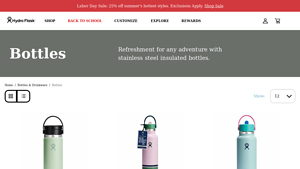
Domain: hydroflask.com
Registered: 2009 (16 years)
Introduction: Insulated & Stainless Steel Water Bottles from Hydro Flask. Key products include: 16 oz Coffee with Flex Sip™ Lid ($32.95, now $24.71), 21 oz Standard Mouth with Flex Straw Cap ($34.95), Remix 32 oz Wide Mouth with Flex Straw Cap – Polar Plunge ($31.47, originally $44.95, 30% off), Remix 24 oz Wide Mouth with Flex Straw Cap – Polar Plunge ($27.97, originally $39.95, 30% off), Remix 32 oz Wide Mout…
6. Boon Supply – 18 oz Insulated Stainless Steel Water Bottle
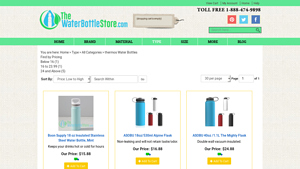
Domain: thewaterbottlestore.com
Registered: 2005 (20 years)
Introduction: Product Categories: thermos Water Bottles, Insulated Water Bottles, Stainless Steel Water Bottles, Travel Water Bottles, Kids Water Bottles, Coffee Thermoses, and more. Key Brands: Boon Supply, ASOBU, EcoVessel. Notable Products: Boon Supply 18 oz Insulated Stainless Steel Water Bottle (Mint) – Price: $15.88; ASOBU 18oz Alpine Flask – Price: $16.88; ASOBU 40oz Mighty Flask – Price: $24.88; EcoVess…
7. Black Blum – High-Quality Vacuum Flasks
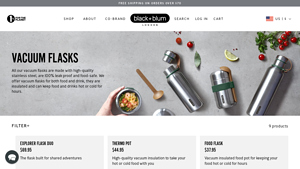
Domain: blackblum.com
Registered: 2001 (24 years)
Introduction: All vacuum flasks are made with high-quality stainless steel, 100% leak proof and food-safe. They are insulated to keep food and drinks hot or cold for hours. Available products include:
1. EXPLORER FLASK DUO – $69.95
2. THERMO POT – $44.95
3. FOOD FLASK – $37.95
4. EXPLORER BOTTLE – $37.95
5. EXPLORER BOTTLE LARGE – $42.95
6. INSULATED WATER BOTTLE – $34.95
7. INSULATED WATER BOTTLE LARGE …
8. Mizu – Vacuum Insulated Bottles & Cups
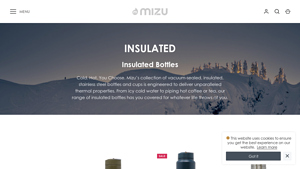
Domain: mizulife.com
Registered: 2008 (17 years)
Introduction: Vacuum Insulated Stainless Steel Bottles & Cups; Engineered for thermal properties; Suitable for cold and hot beverages; Product range includes V5 Bottle ($32.99), V7 Bottle ($39.99), V12 Bottle ($37.50, sale from $49.99), D7 Bottle ($39.99), V8 Bottle ($35.99), S6 Bottle ($29.99), Tumbler 16 ($24.99), V6 Bottle ($31.99), Tumbler 16 – Ceramic Lined ($29.99), Tumbler 10 ($21.99), Coffee Mug ($24.99…
Strategic Sourcing Conclusion and Outlook for stainless thermos bottle
In summary, strategic sourcing of stainless thermos bottles presents a unique opportunity for international B2B buyers to enhance their product offerings and meet the growing demand for high-quality hydration solutions. Key takeaways from this guide highlight the importance of selecting suppliers that prioritize durability, temperature retention, and ease of use. By leveraging advanced vacuum insulation technologies and robust stainless steel construction, businesses can cater to diverse consumer needs across various markets, including Africa, South America, the Middle East, and Europe.
Investing in strategic sourcing not only ensures a reliable supply chain but also strengthens brand reputation through the provision of quality products. As sustainability becomes increasingly crucial, sourcing environmentally friendly materials and manufacturing practices can further differentiate your offerings in competitive markets.
Looking ahead, B2B buyers are encouraged to explore partnerships with innovative manufacturers and suppliers that align with their sustainability goals and market demands. By doing so, you can ensure your business remains at the forefront of the hydration industry, capitalizing on emerging trends and consumer preferences. Embrace this opportunity to enhance your portfolio and drive growth in your respective markets.