
Introduction: Navigating the Global Market for custom bike water bottles
In the rapidly evolving landscape of outdoor recreation and fitness, sourcing custom bike water bottles poses unique challenges for international B2B buyers. Companies must navigate a plethora of options, ensuring they select products that not only meet quality standards but also align with their brand’s sustainability goals. This comprehensive guide delves into the diverse types of custom bike water bottles available, their various applications in promotional campaigns, and key factors to consider when vetting suppliers.
From eco-friendly materials to innovative designs, we cover essential insights into cost structures and manufacturing processes, empowering businesses in regions like Africa, South America, the Middle East, and Europe—specifically in markets such as Saudi Arabia and Nigeria—to make informed purchasing decisions. By understanding the global market dynamics and consumer preferences, B2B buyers can enhance their promotional strategies while ensuring product quality and compliance with local regulations.
Additionally, this guide offers actionable recommendations for leveraging custom bike water bottles as effective marketing tools, helping brands establish a memorable presence in competitive markets. Whether you are a cycling equipment retailer, an event organizer, or a corporate buyer seeking sustainable giveaways, this resource equips you with the knowledge needed to successfully navigate the complexities of sourcing custom bike water bottles.
Understanding custom bike water bottles Types and Variations
| Type Name | Key Distinguishing Features | Primary B2B Applications | Brief Pros & Cons for Buyers |
|---|---|---|---|
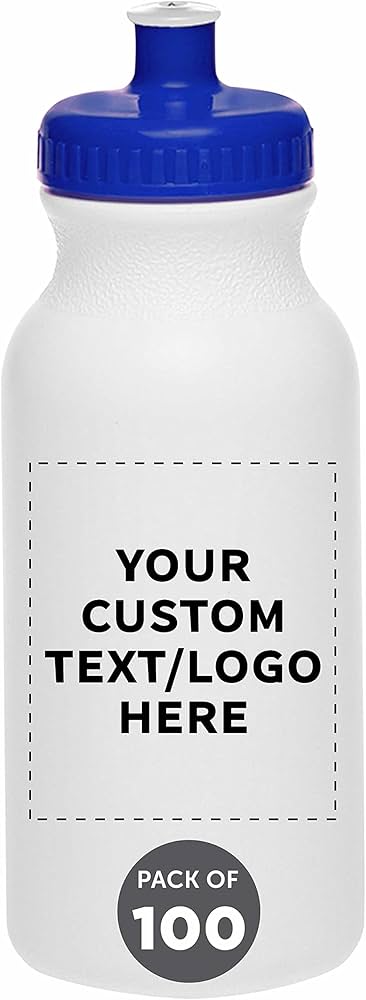
| Standard Plastic Bottles | Lightweight, BPA-free plastic, various colors, and sizes | Trade shows, promotional events | Pros: Cost-effective, customizable; Cons: Less durable than other types. |
| Insulated Bottles | Double-walled construction for temperature retention | Corporate gifts, cycling events | Pros: Keeps drinks cold/hot longer; Cons: Higher cost, bulkier. |
| Purist Technology Bottles | Interior lining that prevents flavor transfer and easy cleaning | Sports teams, brand ambassadors | Pros: Superior performance, eco-friendly; Cons: Limited design options. |
| Eco-friendly Bottles | Made from recycled materials, often biodegradable | Sustainability-focused brands | Pros: Appeals to eco-conscious consumers; Cons: Potentially higher price. |
| Customizable Bottles | Full-color printing options, various cap styles | Branding campaigns, team merchandise | Pros: High visibility for brands; Cons: Longer lead times for production. |
What Are the Characteristics of Standard Plastic Bottles?
Standard plastic bike water bottles are made from lightweight, BPA-free plastic, which makes them an economical choice for bulk orders. Available in a variety of colors and sizes, they can be easily customized with logos or designs. These bottles are particularly suited for trade shows and promotional events where cost-effectiveness is crucial. B2B buyers should consider the balance between durability and price, as while these bottles are affordable, they may not withstand heavy usage as well as other options.
Why Choose Insulated Bottles for Corporate Gifts?
Insulated bottles feature double-walled construction that provides excellent temperature retention, making them ideal for keeping beverages cold or hot for extended periods. They are suitable for corporate gifts and cycling events, where participants appreciate high-quality gear. B2B buyers should weigh the benefits of their premium feel and functionality against their higher cost and bulkier design, which may affect shipping and storage.
What Is Unique About Purist Technology Bottles?
Purist technology bottles are designed with a unique interior lining that prevents flavor transfer and facilitates easy cleaning. This feature makes them particularly popular among sports teams and brand ambassadors who prioritize performance and hygiene. While they offer superior functionality, B2B buyers should note that design options may be limited compared to traditional customizable bottles.
How Do Eco-friendly Bottles Stand Out?
Eco-friendly bottles are crafted from recycled materials and are often biodegradable, appealing to brands focused on sustainability. These bottles are perfect for companies looking to enhance their environmental credentials and attract eco-conscious consumers. However, B2B buyers should be prepared for potentially higher prices and ensure that their target market values sustainability as a key purchasing factor.
What Benefits Do Customizable Bottles Provide for Branding?
Customizable bottles allow for full-color printing and various cap styles, making them an excellent choice for branding campaigns and team merchandise. They provide high visibility for logos and designs, which can significantly enhance brand recognition. However, B2B buyers must consider that the production lead times can be longer, which may impact timelines for promotional events or product launches.
Key Industrial Applications of custom bike water bottles
| Industry/Sector | Specific Application of Custom Bike Water Bottles | Value/Benefit for the Business | Key Sourcing Considerations for this Application |
|---|---|---|---|
| Sports and Recreation | Branded water bottles for cycling events and competitions | Enhances brand visibility and creates a memorable experience for participants | Consider volume discounts for bulk orders and customization options |
| Corporate Wellness Programs | Custom bottles for employee health initiatives | Promotes hydration, health, and corporate branding | Ensure bottles are BPA-free and eco-friendly for corporate sustainability goals |
| Tourism and Outdoor Activities | Promotional items for bike tours and adventure companies | Attracts customers and serves as a functional souvenir | Evaluate durability and design options to withstand outdoor conditions |
| Retail and E-commerce | Merchandise for bike shops and online stores | Increases sales and brand loyalty through unique, customizable products | Assess minimum order quantities and shipping logistics for international buyers |
| Education and Youth Programs | Custom bottles for school cycling clubs and youth programs | Encourages healthy habits among youth while promoting the school brand | Look for compliance with safety standards and customizable designs suitable for children |
How Are Custom Bike Water Bottles Utilized in the Sports and Recreation Sector?
In the sports and recreation industry, custom bike water bottles serve as essential items for cycling events and competitions. These branded bottles not only provide hydration but also act as effective marketing tools, enhancing brand visibility among participants and spectators. Buyers in this sector should consider bulk order discounts and various customization options to ensure that the bottles align with their branding and event themes.
What Value Do Custom Bike Water Bottles Bring to Corporate Wellness Programs?
Corporate wellness programs often integrate custom bike water bottles to promote hydration and health among employees. By offering these bottles, companies can reinforce their branding while encouraging healthier lifestyle choices. It is crucial for buyers to source BPA-free and eco-friendly options, aligning their promotional efforts with sustainability goals, which are increasingly important in corporate settings.
How Do Custom Bottles Benefit Tourism and Outdoor Activity Businesses?
For tourism and outdoor activity companies, custom bike water bottles serve as promotional items during bike tours and adventure excursions. These bottles not only enhance the customer experience but also function as memorable souvenirs that promote brand loyalty. When sourcing these products, businesses should evaluate the durability and design options to ensure they can withstand various outdoor conditions, appealing to adventurous customers.
In What Ways Can Retail and E-commerce Benefit from Custom Bike Water Bottles?
Retailers and e-commerce platforms can leverage custom bike water bottles as merchandise to boost sales and brand loyalty. By offering unique and customizable bottles, businesses can attract cycling enthusiasts and casual riders alike. Buyers should assess minimum order quantities and shipping logistics, especially for international transactions, to ensure a smooth procurement process that meets market demands.
How Are Custom Bike Water Bottles Used in Education and Youth Programs?
In educational settings, custom bike water bottles are often used for school cycling clubs and youth programs, promoting healthy habits among students. These bottles can be customized to reflect school branding, creating a sense of community and school pride. Buyers should focus on sourcing options that comply with safety standards and offer designs suitable for children, ensuring that they meet the specific needs of educational institutions.
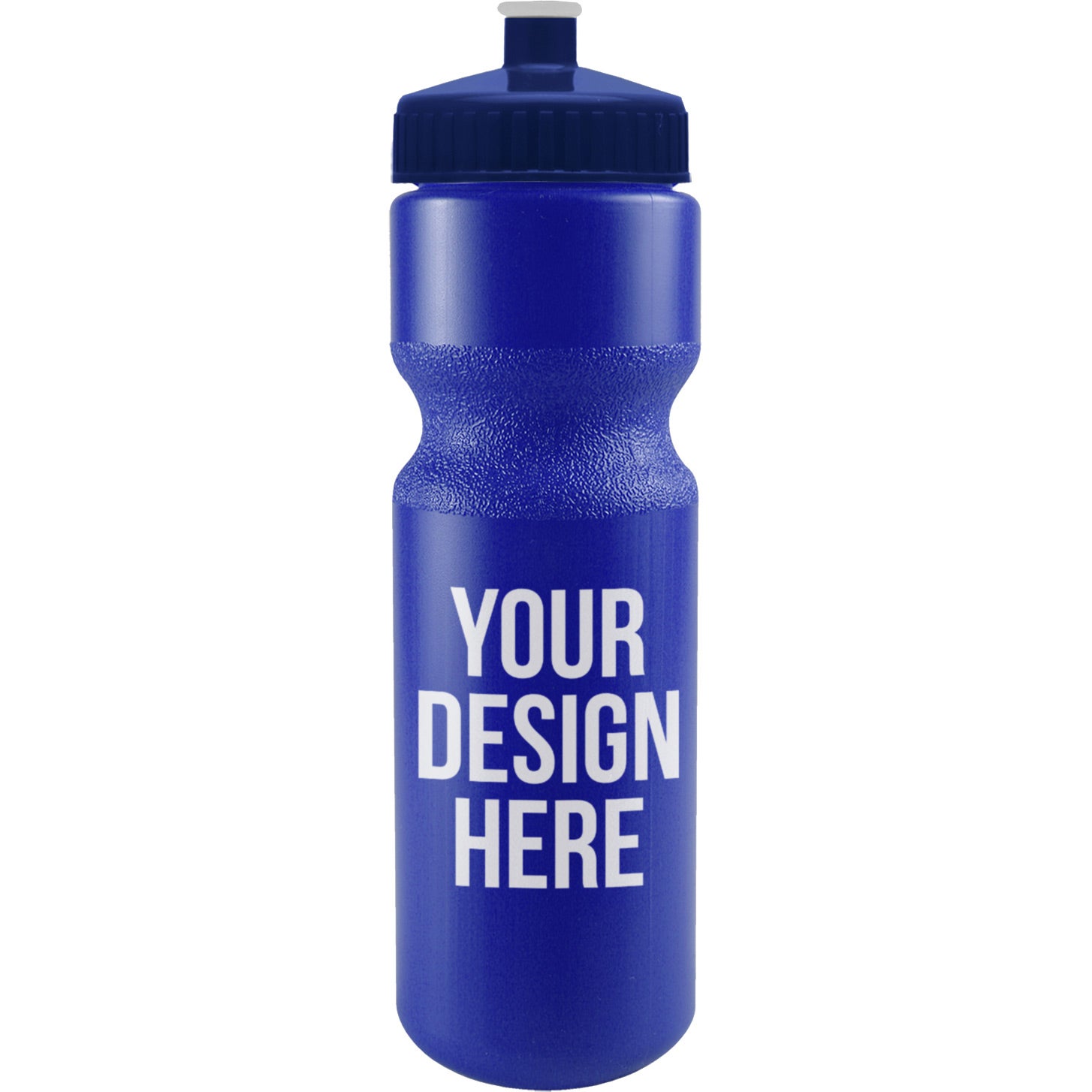
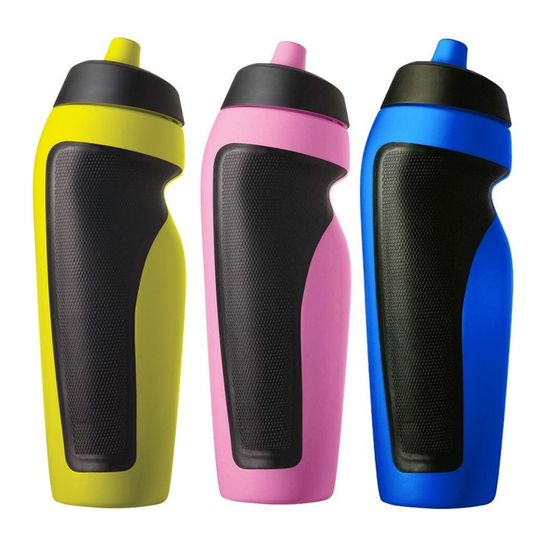
A stock image related to custom bike water bottles.
3 Common User Pain Points for ‘custom bike water bottles’ & Their Solutions
Scenario 1: Limited Customization Options for Brand Identity
The Problem: Many B2B buyers, especially those in the cycling and outdoor sports sectors, struggle with suppliers who offer limited customization options for bike water bottles. When businesses aim to create a strong brand identity, they require products that can be tailored to their specific color schemes, logos, and messaging. A lack of flexibility in customization can lead to dissatisfaction and may hinder the promotional potential of the products. Buyers often find that the available designs do not align with their brand aesthetics or the preferences of their target market, especially in diverse regions like Africa and South America where local tastes can vary significantly.
The Solution: To address this challenge, B2B buyers should seek suppliers who offer comprehensive customization capabilities, including a wide array of color choices, imprint sizes, and design templates. Collaborating with manufacturers that provide a user-friendly online design tool can enhance the customization process, allowing buyers to visualize their designs in real-time. For instance, platforms that enable users to upload logos and adjust color palettes easily can significantly streamline the ordering process. Additionally, establishing a relationship with suppliers who understand regional preferences can yield better alignment with local markets, ensuring the product resonates with the intended audience. Buyers should request samples to evaluate quality and design options before making a bulk order, which can prevent misalignment between brand identity and product offerings.
Scenario 2: Concerns About Material Safety and Environmental Impact
The Problem: As sustainability becomes a crucial aspect of consumer decision-making, B2B buyers are increasingly concerned about the materials used in custom bike water bottles. Many standard plastic options may contain harmful chemicals like BPA, which can pose health risks and tarnish a brand’s image if associated with unsafe products. Furthermore, the environmental impact of single-use plastics is a pressing issue, particularly in regions where waste management systems are not robust. Buyers need assurance that the products they choose are safe for consumers and align with growing eco-friendly trends.
The Solution: Buyers should prioritize suppliers that offer BPA-free and environmentally friendly materials, such as high-density polyethylene or recycled plastics. It’s advisable to inquire about certifications and compliance with safety regulations, ensuring the products meet international health and environmental standards. Suppliers like Custom Earth Promos, which emphasize sustainability in their product offerings, can provide necessary documentation to verify the eco-friendliness of their bottles. Additionally, buyers can enhance their brand’s reputation by showcasing their commitment to sustainability in their marketing materials. This not only appeals to eco-conscious consumers but also helps in building long-term brand loyalty in markets that value environmental stewardship.
Scenario 3: Timeliness and Reliability in Order Fulfillment
The Problem: A frequent pain point for B2B buyers is the unpredictability of order fulfillment timelines, especially when planning for events or promotions. Delays can lead to lost opportunities, especially if custom bike water bottles are intended for trade shows, cycling events, or corporate giveaways. Buyers in regions like the Middle East and Europe often face logistical challenges that can exacerbate these issues, making it critical to select suppliers who can guarantee timely deliveries.
The Solution: To mitigate fulfillment risks, B2B buyers should establish clear communication channels with suppliers regarding lead times and order tracking. Choosing suppliers with a proven track record of on-time delivery is essential. It is beneficial to request a detailed timeline that outlines each stage of the order process, from design approval to shipping. Engaging with companies that offer rush order options can be particularly advantageous for urgent needs. For instance, working with suppliers that have local production capabilities can significantly reduce shipping times and costs. Buyers should also consider placing orders well in advance of any planned events to buffer against unforeseen delays. By creating a strategic partnership with reliable suppliers, businesses can ensure a smoother procurement process and maintain their promotional schedules.
Strategic Material Selection Guide for custom bike water bottles
What Are the Key Materials Used in Custom Bike Water Bottles?
When selecting materials for custom bike water bottles, understanding the properties, advantages, and limitations of each option is crucial for B2B buyers. Here, we analyze four common materials: Polyethylene (PE), Polypropylene (PP), Tritan™, and Stainless Steel. Each material offers unique characteristics that can influence product performance, manufacturing, and market appeal.
How Does Polyethylene (PE) Perform in Custom Bike Water Bottles?
Polyethylene is a widely used thermoplastic known for its flexibility and durability. It typically withstands temperatures ranging from -100°F to 120°F (-73°C to 49°C) and is resistant to impact and corrosion. PE is also lightweight, making it suitable for sports applications.
Pros: PE is cost-effective and easy to manufacture, allowing for high-volume production. Its chemical resistance makes it compatible with various liquids, including water and sports drinks.
Cons: While durable, PE can become brittle over time, especially under UV exposure. It is less suitable for high-temperature applications as it may deform.
International Considerations: Buyers in regions like Africa and the Middle East should ensure compliance with local regulations regarding food safety and BPA-free standards. ASTM and DIN standards are commonly referenced for material safety.
What Advantages Does Polypropylene (PP) Offer for Custom Bike Water Bottles?
Polypropylene is another popular thermoplastic, recognized for its high melting point (up to 250°F or 121°C) and excellent chemical resistance. This makes it suitable for hot liquids and various beverages.
Pros: PP is lightweight, has good tensile strength, and is resistant to fatigue, making it ideal for repeated use. It is also recyclable, appealing to eco-conscious consumers.
Cons: Although PP is durable, it can be more expensive than PE. Its manufacturing process is slightly more complex, which may lead to longer lead times.
International Considerations: Buyers should check for compliance with international standards such as JIS and ASTM, especially in regions like South America where regulatory scrutiny is increasing.
Why Choose Tritan™ for Custom Bike Water Bottles?
Tritan™ is a copolyester known for its clarity and toughness, making it an excellent alternative to glass. It is BPA-free and can withstand high temperatures, making it suitable for both cold and hot beverages.
Pros: Tritan™ is dishwasher safe and retains its clarity over time, which enhances brand visibility. Its impact resistance makes it ideal for outdoor activities.
Cons: Tritan™ can be more expensive than traditional plastics, which may affect pricing strategies. Additionally, while it is durable, it may not be as resistant to scratches as some other materials.
International Considerations: B2B buyers should ensure that Tritan™ products meet the specific safety standards in their respective markets, especially in Europe where stringent regulations exist.
What Are the Benefits of Using Stainless Steel in Custom Bike Water Bottles?
Stainless steel is a robust material that offers excellent temperature retention, making it suitable for both hot and cold beverages. It is resistant to corrosion and does not leach chemicals, ensuring safety and durability.
Pros: Stainless steel is highly durable and can withstand rough handling, making it ideal for outdoor and sports applications. It is also recyclable, appealing to environmentally conscious buyers.
Cons: The primary drawback is the higher cost compared to plastics, which may deter some budget-conscious buyers. Manufacturing processes for stainless steel can also be more complex.
International Considerations: Buyers from regions like Europe and the Middle East should verify compliance with food safety standards and check for certifications related to manufacturing practices.
Summary Table of Material Selection for Custom Bike Water Bottles
| Material | Typical Use Case for custom bike water bottles | Key Advantage | Key Disadvantage/Limitation | Relative Cost (Low/Med/High) |
|---|---|---|---|---|
| Polyethylene | General-purpose bottles for sports and cycling | Cost-effective and lightweight | Can become brittle over time | Low |
| Polypropylene | Bottles for hot and cold beverages | High melting point and chemical resistance | More expensive than PE | Medium |
| Tritan™ | Premium bottles for outdoor activities | Clarity and toughness | Higher cost and potential scratch issues | High |
| Stainless Steel | Durable bottles for extreme conditions | Excellent durability and temperature retention | Higher manufacturing complexity | High |
This material selection guide provides B2B buyers with essential insights to make informed decisions when sourcing custom bike water bottles, ensuring that they meet both performance and market demands.
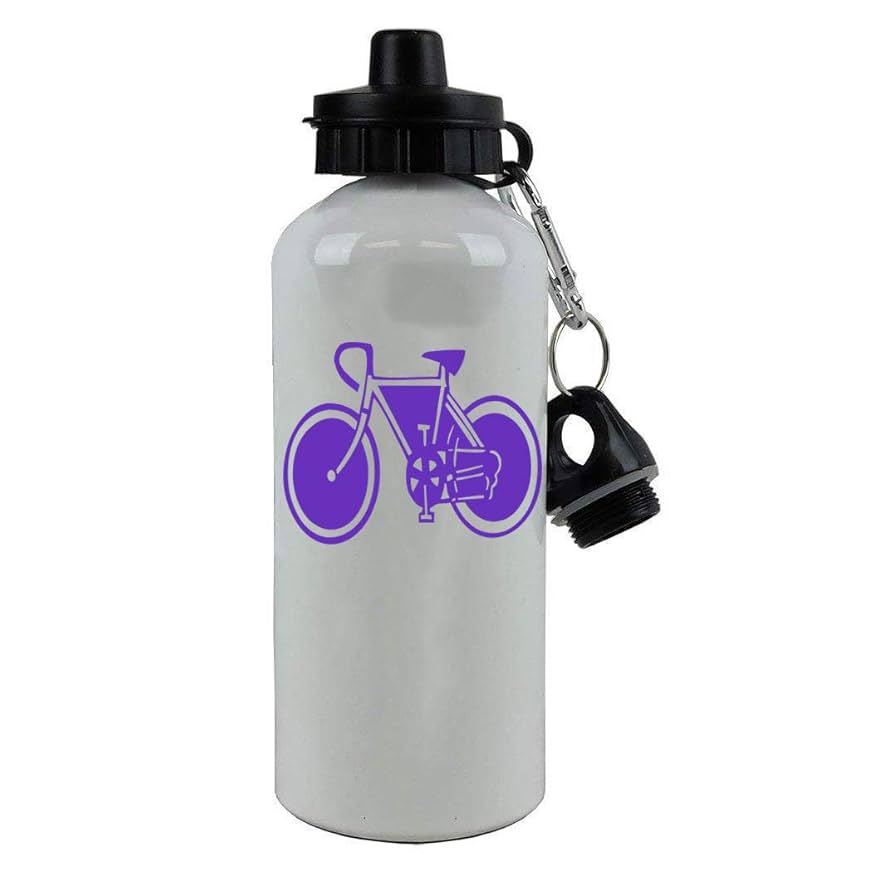
A stock image related to custom bike water bottles.
In-depth Look: Manufacturing Processes and Quality Assurance for custom bike water bottles
What Are the Key Stages in the Manufacturing Process of Custom Bike Water Bottles?
The manufacturing of custom bike water bottles involves several critical stages that ensure the final product meets quality, functionality, and branding requirements. Understanding these stages helps B2B buyers evaluate suppliers more effectively.
-
Material Preparation
The initial stage involves selecting suitable materials, typically BPA-free high-density polyethylene (HDPE) or other eco-friendly plastics. These materials are sourced in bulk and undergo rigorous quality checks to ensure they meet the necessary safety standards. Suppliers often provide Material Safety Data Sheets (MSDS) to verify material compliance with international regulations. -
Forming
The forming process includes techniques such as blow molding or injection molding. In blow molding, heated plastic is inflated into a mold to create the bottle shape, while injection molding involves injecting melted plastic into a mold to form specific parts. These methods allow for the creation of bottles in various shapes and sizes, accommodating custom designs. Advanced machinery ensures precision and consistency during this phase, which is vital for maintaining brand integrity. -
Assembly
After the bottles are formed, assembly involves attaching components such as caps and nozzles. Automated assembly lines often expedite this process, ensuring efficiency and minimizing human error. Custom branding elements, such as logos or graphics, are applied during this phase using techniques like screen printing or digital printing. B2B buyers should inquire about the printing methods used, as they can affect the durability and aesthetic of the final product. -
Finishing
The finishing stage includes final inspections and surface treatments that enhance the product’s appearance and functionality. This may involve polishing, applying protective coatings, or ensuring the bottles are leak-proof. Quality control measures are critical during this phase to guarantee that each bottle meets the buyer’s specifications and quality expectations.
How Is Quality Assurance Implemented in Custom Bike Water Bottle Manufacturing?
Quality assurance (QA) is integral to the manufacturing process, ensuring that each custom bike water bottle meets international and industry-specific standards. Here are key aspects of QA in this context:
-
Adherence to International Standards
Many manufacturers align their processes with international standards such as ISO 9001, which outlines requirements for quality management systems. Compliance with these standards assures B2B buyers that the manufacturer is committed to continuous improvement and customer satisfaction. Specific certifications like CE (Conformité Européenne) or API (American Petroleum Institute) may also apply, depending on the intended use of the bottles. -
Quality Control Checkpoints
Effective quality control (QC) is typically structured around several checkpoints, including:
– Incoming Quality Control (IQC): This initial inspection checks raw materials for compliance with specifications.
– In-Process Quality Control (IPQC): Continuous monitoring during production helps identify defects early, reducing waste and rework.
– Final Quality Control (FQC): This final inspection ensures that the finished products meet the required standards before shipping. -
Common Testing Methods
Manufacturers often employ various testing methods to ensure product safety and performance. These may include:
– Mechanical Testing: Assessing the strength and durability of the materials used.
– Chemical Testing: Verifying that materials are free from harmful substances, such as BPA or phthalates.
– Functional Testing: Ensuring that caps and nozzles operate correctly and that bottles are leak-proof.
How Can B2B Buyers Verify Supplier Quality Control?
B2B buyers can take proactive steps to ensure they partner with manufacturers that maintain rigorous quality control standards. Here are actionable strategies:
-
Conduct Supplier Audits
Performing on-site audits allows buyers to assess a supplier’s production processes, quality control measures, and compliance with international standards. This firsthand evaluation can provide insights into the supplier’s operational integrity. -
Request Quality Assurance Reports
Buyers should request comprehensive QA reports, including details on material testing, production processes, and any certifications obtained. These documents can help verify the supplier’s claims and adherence to standards. -
Engage Third-Party Inspection Services
Utilizing third-party inspection services can add an additional layer of assurance. These independent organizations can conduct inspections at various stages of the manufacturing process, providing unbiased evaluations of product quality. -
Understand Regional Compliance Nuances
B2B buyers, especially those from diverse regions such as Africa, South America, the Middle East, and Europe, must be aware of specific compliance requirements in their markets. For instance, certain countries may have stricter regulations concerning plastic products, necessitating additional certifications. Engaging with suppliers who are knowledgeable about these regional nuances can facilitate smoother importation processes and reduce the risk of regulatory issues.
What Should B2B Buyers Consider Regarding Sustainability in the Manufacturing of Custom Bike Water Bottles?
Sustainability is increasingly becoming a key consideration for B2B buyers in selecting suppliers for custom bike water bottles. Many manufacturers are now adopting eco-friendly practices, which can enhance a brand’s reputation and appeal to environmentally-conscious consumers. Here are important factors to consider:
-
Use of Recycled Materials
Manufacturers are increasingly utilizing recycled plastics, such as those compliant with the ECO-Pure standard, to produce custom bottles. This not only reduces environmental impact but also aligns with consumer demand for sustainable products. -
Certifications and Standards
Look for suppliers that hold certifications related to environmental management, such as ISO 14001. These certifications indicate a commitment to minimizing environmental impact throughout the production process. -
Sustainable Packaging Practices
Inquire about the packaging used for shipping the bottles. Sustainable practices, such as using biodegradable or recyclable packaging materials, can further enhance the overall environmental friendliness of the product. -
Transparency in Supply Chain
Suppliers who maintain transparency in their supply chain practices demonstrate a commitment to ethical manufacturing. This transparency can be an essential factor for buyers aiming to strengthen their brand’s sustainability message.
By understanding the manufacturing processes, quality assurance measures, and sustainability considerations, B2B buyers can make informed decisions when sourcing custom bike water bottles. This knowledge not only helps in selecting reliable suppliers but also enhances the potential for successful brand promotion in competitive markets.
Practical Sourcing Guide: A Step-by-Step Checklist for ‘custom bike water bottles’
To assist B2B buyers in sourcing custom bike water bottles effectively, this guide outlines essential steps that ensure a streamlined procurement process. By following this checklist, you can make informed decisions, mitigate risks, and enhance your brand visibility through quality products.
Step 1: Define Your Technical Specifications
Establish clear technical specifications for the custom bike water bottles you need. This includes size, material (e.g., BPA-free, eco-friendly options), and design features like cap types or insulation. Precise specifications help you communicate effectively with suppliers and ensure the final product meets your expectations.
Step 2: Research Potential Suppliers
Conduct thorough research to identify potential suppliers that specialize in custom bike water bottles. Look for companies with a strong track record and positive reviews in your industry. Utilize trade platforms, industry directories, and social media to gather insights and shortlist reliable suppliers.
Step 3: Evaluate Supplier Certifications
Before finalizing a supplier, verify their certifications and compliance with international standards. This includes checking for BPA-free certifications, eco-friendly manufacturing processes, and adherence to health and safety regulations. Certifications not only assure product safety but also enhance your brand’s credibility when marketing to eco-conscious consumers.
Step 4: Request Samples
Always request samples before placing a large order. This allows you to assess the quality of the materials, the printing accuracy of your logo, and the overall design. Evaluate the samples for durability and usability, ensuring they align with your brand’s standards and customer expectations.
Step 5: Discuss Customization Options
Engage with suppliers to explore their customization capabilities. Discuss color options, imprinting techniques, and any design assistance they may offer. Understanding the extent of customization can help you create a unique product that resonates with your target audience.
Step 6: Review Pricing and Minimum Order Quantities
Get detailed pricing information and be aware of minimum order quantities (MOQs). Compare quotes from different suppliers while considering the quality of the product. Ensure that the pricing aligns with your budget and offers good value, especially if you are planning for large-scale orders.
Step 7: Confirm Delivery Timelines and Terms
Establish clear delivery timelines and shipping terms with your chosen supplier. Discuss lead times for production and shipping, particularly if you have specific deadlines for events or promotions. Confirm the terms of payment and any warranties or return policies to protect your investment.
By following these steps, you can confidently source custom bike water bottles that not only meet your specifications but also enhance your brand’s visibility and reputation in the market.
Comprehensive Cost and Pricing Analysis for custom bike water bottles Sourcing
What Are the Key Cost Components for Custom Bike Water Bottles?
When sourcing custom bike water bottles, understanding the cost structure is essential for B2B buyers. The primary cost components include:
-
Materials: The choice of materials significantly impacts the price. Common options include BPA-free plastic, recycled materials, and specialized linings like “Purist” technology, which are designed to enhance performance and safety. Higher-quality materials typically lead to increased costs but can justify a premium price point through enhanced durability and consumer appeal.
-
Labor: Labor costs vary based on the manufacturing location and the complexity of the customization. For instance, factories in regions with lower labor costs may offer more competitive pricing, but this can sometimes compromise quality or lead to longer lead times.
-
Manufacturing Overhead: This encompasses the indirect costs associated with production, such as utilities, equipment maintenance, and facility costs. Efficient manufacturing processes can help minimize these overheads, allowing suppliers to offer more competitive pricing.
-
Tooling: Custom designs may require unique molds or tooling, which can add to the initial setup costs. Buyers should inquire about tooling fees, particularly if the order volume is low, as these costs can be amortized over larger orders.
-
Quality Control (QC): Ensuring product quality can incur additional costs. Robust QC processes are essential, especially for international shipments, to minimize defects and returns, which can be particularly costly.
-
Logistics: Shipping costs vary widely based on the distance, mode of transport, and volume of the order. Understanding Incoterms is crucial, as they define responsibilities for shipping costs and risks between buyers and sellers.
-
Margin: Suppliers will include their profit margin in the pricing. This can vary significantly based on the supplier’s market position and the level of competition in the market.
How Do Price Influencers Affect Custom Bike Water Bottle Sourcing?
Several factors influence the pricing of custom bike water bottles:
-
Volume and Minimum Order Quantity (MOQ): Larger orders generally benefit from economies of scale, leading to lower per-unit costs. Buyers should negotiate for favorable terms based on their projected needs.
-
Specifications and Customization: Unique designs, colors, and features (like insulation or specialized lids) can increase costs. Buyers should clearly define their needs to avoid unnecessary expenses.
-
Materials and Quality Certifications: Premium materials and certifications (e.g., FDA-approved, eco-friendly) can elevate costs but also enhance brand reputation and appeal to environmentally conscious consumers.
-
Supplier Factors: The supplier’s reputation, reliability, and location can impact both pricing and service quality. It’s advisable to conduct due diligence to ensure they meet your standards.
-
Incoterms: Understanding shipping terms (like FOB, CIF) is critical to evaluating total costs, as they dictate who pays for shipping and when ownership transfers.
What Buyer Tips Can Help Optimize Custom Bike Water Bottle Costs?
To enhance cost-efficiency in sourcing custom bike water bottles, consider the following strategies:
-
Negotiate Effectively: Always engage in negotiations regarding pricing, payment terms, and shipping arrangements. Leverage your purchasing volume to secure better rates.
-
Evaluate Total Cost of Ownership (TCO): Consider not just the purchase price but also shipping, potential tariffs, and the longevity of the product. High-quality bottles may have a higher upfront cost but could reduce replacement frequency and enhance customer satisfaction.
-
Understand Pricing Nuances for International Purchases: Buyers from regions like Africa and South America should be aware of potential import tariffs and logistical challenges that could affect the final price. Establishing relationships with local distributors can mitigate some of these issues.
-
Request Samples: Before committing to large orders, requesting samples can help verify quality and ensure that the final product meets your specifications without unexpected costs later.
Conclusion
Sourcing custom bike water bottles requires a comprehensive understanding of cost components and pricing influencers. By leveraging effective negotiation strategies and considering the total cost of ownership, B2B buyers can optimize their sourcing decisions and align with suppliers that offer the best value for their investment. Always keep in mind that indicative prices may vary based on market conditions and supplier capabilities.
Alternatives Analysis: Comparing custom bike water bottles With Other Solutions
Exploring Alternative Solutions to Custom Bike Water Bottles
When considering promotional items for biking events or businesses, custom bike water bottles are often a go-to option. However, there are several alternative solutions that may also meet the needs of B2B buyers, especially in diverse markets like Africa, South America, the Middle East, and Europe. This section will analyze these alternatives to provide a comprehensive understanding of their viability compared to custom bike water bottles.
| Comparison Aspect | Custom Bike Water Bottles | Reusable Coffee Tumblers | Hydration Packs |
|---|---|---|---|
| Performance | Excellent for hydration on-the-go; lightweight and portable. | Good for beverages but less ideal for biking hydration needs. | Offers hands-free hydration; great for long rides. |
| Cost | Generally affordable; bulk pricing available. | Moderate cost; often higher than water bottles. | Higher initial investment; long-term savings possible. |
| Ease of Implementation | Easy to customize and distribute; quick turnaround times. | Customization can be complex; may require more time. | More complicated to design; requires understanding user preferences. |
| Maintenance | Low maintenance; easily cleaned and reused. | Low maintenance; must be regularly cleaned to prevent odors. | Moderate maintenance; requires regular cleaning and checking for leaks. |
| Best Use Case | Ideal for biking events, corporate giveaways, and team branding. | Suitable for coffee lovers and general promotional needs. | Best for endurance events or outdoor adventures where hands-free hydration is needed. |
In-Depth Look at Alternatives
1. Reusable Coffee Tumblers
Reusable coffee tumblers are an appealing alternative, especially for events where coffee or hot beverages are consumed frequently. They can be customized with logos and designs, making them an effective marketing tool. However, their primary function is to hold hot drinks, which may not align with biking activities where quick hydration is essential. Their cost is often higher than that of custom bike water bottles, and the complexity of customization can lead to longer lead times.
2. Hydration Packs
Hydration packs offer a unique solution for cyclists, providing hands-free access to water during rides. These packs are designed to be worn on the back, making them ideal for long-distance biking or mountain biking where stopping frequently to drink is not practical. While they have a higher initial investment, they can be cost-effective in the long run for serious cyclists. However, the maintenance requirements are more significant than for bike water bottles, as they need regular cleaning to avoid mold and leaks. Additionally, understanding the preferences of users is crucial for effective customization.
Choosing the Right Solution for Your Needs
For B2B buyers, the decision to invest in custom bike water bottles or explore alternative solutions should be guided by the specific context of their target audience and marketing goals. Custom bike water bottles are versatile and affordable, making them an excellent choice for most promotional needs, particularly in biking-related events. However, if the target audience leans towards coffee culture or requires hands-free hydration solutions, reusable coffee tumblers or hydration packs may provide better alignment with their lifestyle. Ultimately, the key is to assess the audience’s preferences and the marketing message to ensure that the chosen product resonates effectively.
Essential Technical Properties and Trade Terminology for custom bike water bottles
What Are the Key Technical Properties of Custom Bike Water Bottles?
When sourcing custom bike water bottles, understanding their technical specifications is essential for making informed purchasing decisions. Here are some critical specifications to consider:
-
Material Grade
The most common materials for bike water bottles include BPA-free high-density polyethylene (HDPE) and Tritan™ copolyester. HDPE is known for its durability and resistance to impact, while Tritan™ offers superior clarity and is shatter-resistant. Selecting the right material not only affects the bottle’s longevity but also ensures compliance with health regulations, which is crucial for international markets. -
Capacity
Bike water bottles typically come in various sizes, commonly ranging from 20 oz to 32 oz. The capacity affects hydration frequency and usability during rides. B2B buyers should consider their target market’s needs—e.g., competitive cyclists may prefer larger bottles for longer rides, while casual users may opt for smaller options. -
Imprint Area
The imprint area is the designated space on the bottle where branding or logos can be applied. Standard sizes vary, but an imprint area of approximately 2.875″ W x 2.875″ H is common. A larger imprint area allows for more elaborate designs, which can enhance brand visibility. This is particularly important for companies looking to promote their brand at events or through giveaways. -
Insulation Properties
Some custom bike water bottles come with insulation features, such as double-walled construction, which helps maintain the temperature of beverages for longer periods. Insulated bottles are particularly appealing in markets with extreme temperatures, as they provide a better user experience and can lead to increased customer satisfaction. -
Cap Design
The type of cap can greatly influence user experience. Options include standard screw caps, pop-top caps, and leak-proof designs. A well-designed cap not only enhances functionality but also aligns with the branding strategy. For example, a pop-top cap might appeal to athletes looking for quick hydration during their rides.
What Are Common Trade Terms Associated with Custom Bike Water Bottles?
Navigating the trade landscape for custom bike water bottles also involves familiarity with specific jargon. Here are some essential terms:
-
OEM (Original Equipment Manufacturer)
OEM refers to a company that produces parts or products that are used in another company’s end product. In the context of custom bike water bottles, an OEM might manufacture the bottles based on the specifications and designs provided by the B2B buyer. Understanding OEM relationships is crucial for ensuring quality and consistency in production. -
MOQ (Minimum Order Quantity)
MOQ is the smallest number of units that a supplier is willing to sell. This can vary significantly among manufacturers and can impact purchasing decisions. B2B buyers should evaluate their market demand to determine if they can meet the MOQ without overcommitting capital. -
RFQ (Request for Quotation)
An RFQ is a formal document that a buyer sends to suppliers to request pricing and other details for a specific order. This process is vital for comparing suppliers and ensuring that the buyer receives the best possible deal. Including specific details about the bottle specifications in the RFQ can lead to more accurate and competitive quotes. -
Incoterms (International Commercial Terms)
Incoterms are internationally recognized rules that define the responsibilities of buyers and sellers regarding the delivery of goods. Understanding Incoterms like FOB (Free On Board) or CIF (Cost, Insurance, and Freight) is crucial for B2B buyers, as they clarify shipping responsibilities and costs, which can significantly impact the total price of the order. -
Sustainability Compliance
This term refers to the adherence to environmental regulations and standards regarding product materials and manufacturing processes. As eco-friendly products gain traction, B2B buyers should prioritize suppliers who comply with sustainability practices, as this can enhance their brand image and appeal to environmentally-conscious consumers.
By grasping these technical properties and trade terms, international B2B buyers can make informed decisions when sourcing custom bike water bottles, ensuring that they align with market demands and regulatory standards.
Navigating Market Dynamics and Sourcing Trends in the custom bike water bottles Sector
What Are the Key Trends Shaping the Custom Bike Water Bottles Market?
The custom bike water bottles market is experiencing a dynamic transformation driven by several global factors. Increasing participation in outdoor and cycling activities across regions, particularly in Africa, South America, the Middle East, and Europe, is fueling demand for high-quality hydration solutions. B2B buyers are increasingly looking for products that not only meet functional needs but also reflect brand identity and values. The rise of e-commerce platforms has also simplified sourcing, enabling international buyers to access a broader range of suppliers and customization options.
Emerging technologies play a crucial role in this sector. Customization tools, such as online design platforms, allow businesses to visualize their branding on products in real time. Additionally, advancements in materials science have led to the development of BPA-free and recyclable materials, catering to the growing consumer preference for safe and sustainable products. Moreover, the integration of smart features, such as hydration tracking, is beginning to gain traction, attracting tech-savvy cyclists who prioritize health and performance.
B2B buyers should stay abreast of these trends to remain competitive. Understanding regional preferences and regulatory requirements is vital, particularly in markets like Saudi Arabia and Nigeria, where local customs and standards can influence purchasing decisions. The ability to adapt to these market dynamics will enhance brand relevance and customer loyalty.
How Does Sustainability Influence Sourcing in the Custom Bike Water Bottles Sector?
Sustainability has emerged as a central theme in the custom bike water bottles sector, influencing both consumer behavior and B2B sourcing strategies. As environmental awareness rises, businesses are increasingly expected to adopt sustainable practices and offer eco-friendly products. This includes sourcing materials that are recyclable and free from harmful chemicals, such as BPA. Brands that prioritize sustainability not only meet regulatory demands but also appeal to a growing segment of environmentally conscious consumers, particularly in Europe and North America.
Ethical sourcing is also crucial, as buyers are more inclined to partner with suppliers that demonstrate transparency and responsibility in their supply chains. Certifications such as ISO 14001 and materials labeled as “green” or “eco-friendly” can enhance a brand’s reputation and marketability. Suppliers offering recycled plastics or biodegradable materials are likely to gain a competitive edge, particularly in markets where sustainability is a key purchasing criterion.
For international buyers, understanding the implications of sustainable sourcing can lead to better supplier relationships and long-term cost savings. By aligning with suppliers who share similar values, businesses can build a brand identity that resonates with consumers, fostering loyalty and increasing market share.
What Is the Historical Context of Custom Bike Water Bottles in B2B?
The custom bike water bottles sector has evolved significantly over the past few decades. Initially, bike water bottles were simple, utilitarian products designed primarily for functionality. However, as cycling culture expanded and diversified, particularly in regions like Europe and North America, the demand for personalized and branded products grew. This shift was driven by the need for brands to differentiate themselves in a crowded marketplace.
In recent years, the emphasis on health, wellness, and environmental sustainability has further transformed the landscape. The introduction of advanced materials and eco-friendly practices has allowed manufacturers to innovate, leading to a wider variety of options for B2B buyers. This evolution underscores the importance of adaptability in the custom bike water bottles market, as businesses must continuously respond to changing consumer preferences and market conditions to remain competitive.
Frequently Asked Questions (FAQs) for B2B Buyers of custom bike water bottles
-
How do I choose the right supplier for custom bike water bottles?
Selecting the right supplier is crucial for ensuring quality and reliability. Start by researching suppliers that specialize in custom bike water bottles and have a proven track record in your region. Evaluate their product range, customization options, and minimum order quantities (MOQs). Request samples to assess quality and inquire about their manufacturing processes and sustainability practices. Additionally, check reviews and testimonials from other B2B clients. Establishing clear communication channels will also help you gauge their responsiveness and willingness to accommodate your specific needs. -
What are the typical minimum order quantities (MOQ) for custom bike water bottles?
MOQs for custom bike water bottles can vary significantly based on the supplier and the level of customization. Generally, you can expect MOQs to range from 100 to 1,000 units. Suppliers that offer extensive customization may have higher MOQs due to the setup costs involved. It’s advisable to discuss your specific requirements with potential suppliers to understand their policies. Some suppliers may also offer flexibility for smaller orders, particularly if you are a repeat customer or part of a larger consortium. -
What customization options are available for bike water bottles?
Customization options for bike water bottles typically include size, color, material, and branding elements such as logos and text. Many suppliers offer a variety of bottle sizes (e.g., 20 oz, 24 oz) and colors, including both solid and translucent options. You can also choose from different cap styles and materials, such as BPA-free plastic or insulated designs. Discuss your branding needs with the supplier’s design team to explore full-color printing or other imprint options that align with your brand identity. -
How can I ensure the quality of custom bike water bottles?
To ensure product quality, work with suppliers who provide samples before finalizing your order. Conduct a thorough inspection of the sample for durability, material safety (e.g., BPA-free), and the accuracy of the custom design. Additionally, ask about the supplier’s quality assurance processes, including any certifications they hold. Regular communication during production and requesting updates can also help you monitor the quality and address any concerns early in the process. -
What payment terms should I expect when ordering custom bike water bottles?
Payment terms for custom bike water bottles vary by supplier and can include options like upfront payment, a deposit, or payment upon delivery. It’s common for suppliers to require a deposit (often 30-50%) before production begins, with the balance due upon completion. For larger orders, you might negotiate more favorable terms. Always clarify payment methods accepted, currency options, and any additional fees, especially for international transactions, to avoid misunderstandings later. -
What logistics considerations should I keep in mind when importing custom bike water bottles?
When importing custom bike water bottles, consider shipping options, customs duties, and lead times. Work with suppliers who have experience with international shipping to ensure compliance with local regulations. Factor in potential delays at customs, which can vary by country and region. It’s also essential to discuss packaging options that can minimize damage during transit. Consider partnering with a logistics provider familiar with your destination to streamline the process and ensure timely delivery. -
How do I handle potential disputes with suppliers?
To mitigate disputes with suppliers, establish clear contracts that outline terms, expectations, and responsibilities. Ensure that the contract includes details about product specifications, delivery timelines, and payment terms. Maintain open communication throughout the order process to address any issues promptly. In the event of a dispute, refer to the contract and attempt to resolve the issue amicably. If necessary, consider mediation or arbitration as a way to reach a resolution without escalating the situation. -
What are the environmental considerations when sourcing custom bike water bottles?
Sustainability is increasingly important for B2B buyers. When sourcing custom bike water bottles, prioritize suppliers who offer eco-friendly materials, such as BPA-free plastics or recycled materials. Inquire about the manufacturing processes and whether they adhere to environmental regulations. Choosing suppliers that emphasize sustainable practices not only aligns with consumer preferences but also enhances your brand image as a socially responsible business. Additionally, consider the lifecycle of the product and its recyclability to minimize environmental impact.
Important Disclaimer & Terms of Use
⚠️ Important Disclaimer
The information provided in this guide, including content regarding manufacturers, technical specifications, and market analysis, is for informational and educational purposes only. It does not constitute professional procurement advice, financial advice, or legal advice.
While we have made every effort to ensure the accuracy and timeliness of the information, we are not responsible for any errors, omissions, or outdated information. Market conditions, company details, and technical standards are subject to change.
B2B buyers must conduct their own independent and thorough due diligence before making any purchasing decisions. This includes contacting suppliers directly, verifying certifications, requesting samples, and seeking professional consultation. The risk of relying on any information in this guide is borne solely by the reader.
Top 4 Custom Bike Water Bottles Manufacturers & Suppliers List
1. Specialized Custom – Team Bottle 32oz
Domain: specializedcustom.com
Registered: 2019 (6 years)
Introduction: Team Bottle 32oz, customizable with logo, motto, number; features a bottle customizer to visualize colors, cap style, text, and upload images or graphics; minimum order quantity required.
2. Elite – Customizable Water Bottles
Domain: elite-it.com
Registered: 1998 (27 years)
Introduction: Elite offers customizable water bottles that can be tailored to meet specific branding needs. The bottles are designed for durability and functionality, making them suitable for various activities. They come in different sizes and styles, allowing for a wide range of personalization options. Ideal for promotional events, corporate gifts, and personal use, these bottles can be printed with logos or…
3. Water Bottles – Custom Bike Bottles
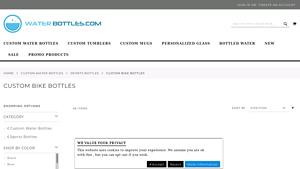
Domain: waterbottles.com
Registered: 1998 (27 years)
Introduction: Custom Bike Bottles available in various materials including Aluminum and Tritan® Plastic. Capacities range from 18 oz to 32 oz. Options include flip top lids, push pull lids, and straw lids. Customization available for team logos. Ideal for promotional use and team events.
4. Mike’s Bikes – Custom Water Bottle
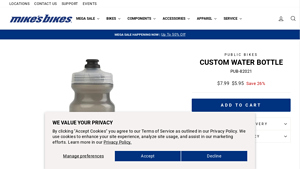
Domain: mikesbikes.com
Registered: 1999 (26 years)
Introduction: {“product_name”: “Custom Water Bottle”, “brand”: “Mike’s Bikes x Public”, “price”: {“regular_price”: “$7.99”, “sale_price”: “$5.95”, “discount”: “26%”}, “sku”: “PUB-82021”, “availability”: {“online”: 427, “store_pickup”: [{“location”: “San Rafael”, “availability”: “2-4 days”}, {“location”: “Sausalito”, “availability”: “2-4 days”}, {“location”: “Berkeley”, “availability”: “Available”}, {“location”:…
Strategic Sourcing Conclusion and Outlook for custom bike water bottles
In the competitive landscape of custom bike water bottles, strategic sourcing plays a pivotal role in enhancing brand visibility and driving customer engagement. By partnering with manufacturers that prioritize sustainability and quality, B2B buyers can differentiate their offerings in a market increasingly focused on eco-friendly products. The demand for BPA-free, recyclable materials is on the rise, aligning with global consumer preferences for responsible consumption. Companies that leverage customization options not only promote their brand identity but also foster customer loyalty through personalized experiences.
As buyers from regions like Africa, South America, the Middle East, and Europe seek to capitalize on these trends, the time is ripe to invest in high-quality custom bike water bottles. By sourcing strategically, you can ensure timely delivery, competitive pricing, and innovative designs that resonate with your target audience.
Looking ahead, the potential for growth in this market is significant. Embrace the opportunity to enhance your brand’s presence and commitment to sustainability. Connect with trusted suppliers today to explore how custom bike water bottles can elevate your promotional strategy and meet the expectations of a discerning global market.
 English
  Español
  Português
  Français
  Deutsch
  العربية
  Русский
  日本語
日本語  한국어
한국어  Italiano
  Nederlands