
Introduction: Navigating the Global Market for best water bottle for hikers
In an increasingly competitive outdoor gear market, sourcing the best water bottle for hikers presents unique challenges for B2B buyers. The sheer variety of options, ranging from lightweight plastic to durable stainless steel, can make the selection process daunting. This comprehensive guide addresses these complexities by exploring the different types of hiking water bottles, their applications, and key features to consider, such as insulation, durability, and ease of use. Furthermore, it provides insights into supplier vetting processes and cost considerations to ensure that buyers can make informed decisions.
Understanding the specific needs of diverse markets across Africa, South America, the Middle East, and Europe is crucial. For instance, buyers from Brazil may prioritize affordability and lightweight design for tropical hikes, while those in Nigeria might focus on durability and water filtration capabilities due to varying water sources. By equipping B2B buyers with the essential knowledge to navigate these regional preferences, this guide empowers them to choose products that not only meet their customers’ expectations but also enhance their competitive edge in local markets. Ultimately, informed purchasing decisions can lead to better customer satisfaction and increased brand loyalty in the outdoor adventure sector.
Understanding best water bottle for hikers Types and Variations
| Type Name | Key Distinguishing Features | Primary B2B Applications | Brief Pros & Cons for Buyers |
|---|---|---|---|
| Insulated Stainless Steel | Double-wall vacuum insulation, durable, keeps drinks hot or cold | Outdoor gear suppliers, adventure tourism companies | Pros: Excellent temperature retention, durable. Cons: Heavier than plastic options. |
| BPA-Free Plastic | Lightweight, affordable, often collapsible | Retailers targeting casual hikers, schools | Pros: Lightweight, cost-effective. Cons: Less durable, potential taste retention. |
| Filter Water Bottles | Built-in filtration systems, ideal for untreated water sources | Eco-tourism operators, emergency preparedness | Pros: Provides immediate access to clean water. Cons: Higher maintenance, filter replacement cost. |
| Hydration Bladders | Flexible design, allows hands-free drinking via hoses | Marathon events, long-distance trekking expeditions | Pros: Lightweight, easy access. Cons: Can be tricky to clean, less capacity. |
| Collapsible Water Bottles | Compact, space-saving design, often made of soft materials | Travel agencies, outdoor gear retailers | Pros: Space-efficient, lightweight. Cons: Less durable, may leak if not properly sealed. |
What Are the Characteristics and Suitability of Insulated Stainless Steel Water Bottles?
Insulated stainless steel water bottles are designed with double-wall vacuum insulation, making them ideal for maintaining the temperature of beverages for extended periods. They are robust and can withstand rough handling, making them suitable for adventure tourism and outdoor gear suppliers. B2B buyers should consider the weight, as these bottles can be heavier than their plastic counterparts, which may impact shipping costs and customer preferences.
How Do BPA-Free Plastic Water Bottles Compare in the Market?
BPA-free plastic water bottles are lightweight and often more affordable than metal options, appealing to casual hikers and schools. Their collapsible designs make them convenient for storage and transport. However, B2B buyers should note that while these bottles are cost-effective, they may not offer the same durability as metal options and can retain flavors over time, which could affect customer satisfaction.
What Are the Benefits of Filter Water Bottles for B2B Buyers?
Filter water bottles come equipped with built-in filtration systems, making them essential for eco-tourism operators and emergency preparedness supplies. They allow hikers to access clean water from various sources, enhancing safety during outdoor activities. However, buyers should consider the maintenance costs associated with replacing filters, which can add to the overall expense for businesses.
Why Are Hydration Bladders Popular Among Outdoor Enthusiasts?
Hydration bladders are favored for their hands-free drinking capabilities, making them a popular choice for marathon events and long-distance trekking expeditions. They are lightweight and can easily be integrated into backpacks. B2B buyers should evaluate the cleaning challenges these products present, as improper maintenance can lead to hygiene issues, potentially affecting customer satisfaction.
What Makes Collapsible Water Bottles a Practical Choice?
Collapsible water bottles are designed for space efficiency, making them an excellent choice for travel agencies and outdoor gear retailers. Their soft materials allow them to be easily packed away when not in use. However, buyers should be aware that these bottles may not be as durable as rigid options and could pose leakage risks if not sealed properly, impacting the overall reliability of the product.
Key Industrial Applications of best water bottle for hikers
| Industry/Sector | Specific Application of best water bottle for hikers | Value/Benefit for the Business | Key Sourcing Considerations for this Application |
|---|---|---|---|
| Outdoor Recreation | Providing hydration solutions for hiking tours | Enhances customer experience and satisfaction | Durability, insulation properties, and BPA-free materials |
| Corporate Wellness Programs | Supplying employees with hydration during outdoor team-building events | Promotes employee health and productivity | Custom branding options and ergonomic design |
| Eco-Friendly Initiatives | Implementing sustainable practices with reusable water bottles | Aligns with corporate social responsibility goals | Material sourcing, environmental certifications, and cost-effectiveness |
| Sporting Goods Retail | Retailing high-quality hiking water bottles | Attracts outdoor enthusiasts and boosts sales | Variety of styles, sizes, and price points |
| Travel and Tourism | Offering bottled hydration solutions in eco-conscious travel packages | Differentiates service offerings in a competitive market | Lightweight options, filtration capabilities, and customizable features |
How Are Best Water Bottles for Hikers Applied in the Outdoor Recreation Sector?
In the outdoor recreation industry, companies often provide hydration solutions for guided hiking tours. The best water bottles are essential for ensuring that participants remain hydrated during their excursions, which enhances overall customer satisfaction and encourages repeat business. Buyers in this sector should prioritize durability and insulation properties to withstand various weather conditions, as well as BPA-free materials to ensure safety and health compliance.
What Are the Benefits of Best Water Bottles in Corporate Wellness Programs?
Corporate wellness programs increasingly include outdoor team-building events where hydration is crucial. Supplying employees with high-quality hiking water bottles promotes health and productivity, as proper hydration can improve focus and energy levels. For B2B buyers in this sector, custom branding options and ergonomic designs are important considerations, as they enhance brand visibility while ensuring comfort during physical activities.
How Do Eco-Friendly Initiatives Utilize Best Water Bottles?
Organizations focused on eco-friendly initiatives often implement reusable water bottles as part of their sustainability practices. Offering high-quality hiking water bottles aligns with corporate social responsibility goals and encourages environmentally conscious behavior among employees and clients. When sourcing these products, businesses should consider material sourcing, environmental certifications, and cost-effectiveness to ensure that their initiatives are both impactful and economically viable.
What Role Do Best Water Bottles Play in Sporting Goods Retail?
In the sporting goods retail sector, offering a range of high-quality hiking water bottles can attract outdoor enthusiasts and boost sales. Retailers should stock various styles, sizes, and price points to cater to diverse customer preferences. Buyers should focus on the variety of products available, ensuring they include options that appeal to both casual hikers and serious adventurers, thus maximizing their market reach.
How Are Best Water Bottles Integrated into Travel and Tourism Packages?
In the travel and tourism industry, incorporating high-quality hiking water bottles into eco-conscious travel packages can differentiate service offerings in a competitive market. These bottles not only provide hydration but also promote a sustainable travel experience. Key considerations for sourcing include lightweight options for ease of travel, filtration capabilities for safe drinking water, and customizable features that enhance the travel experience for customers.
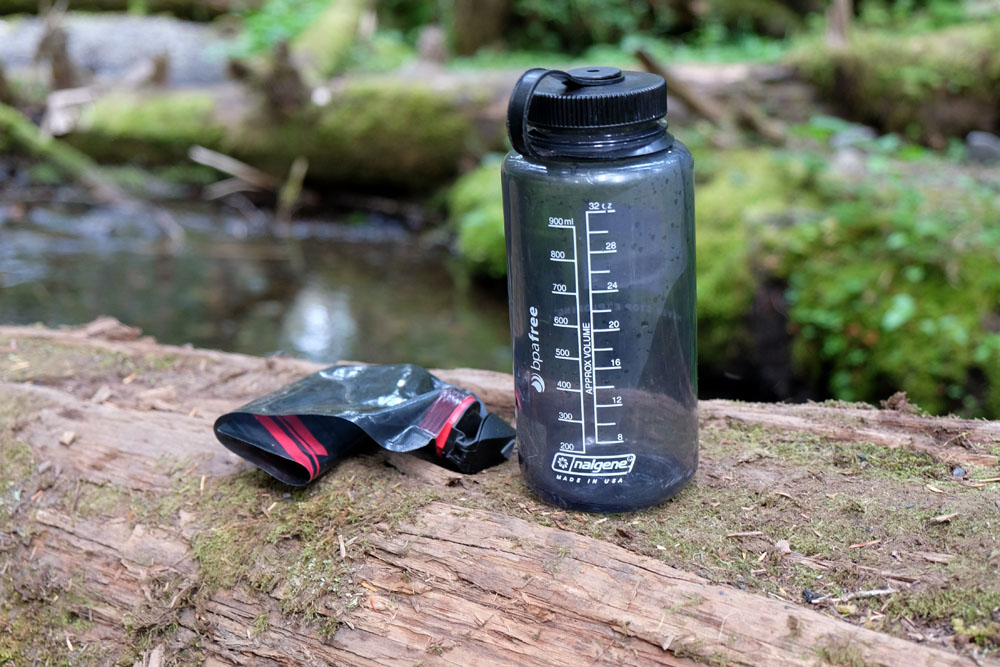
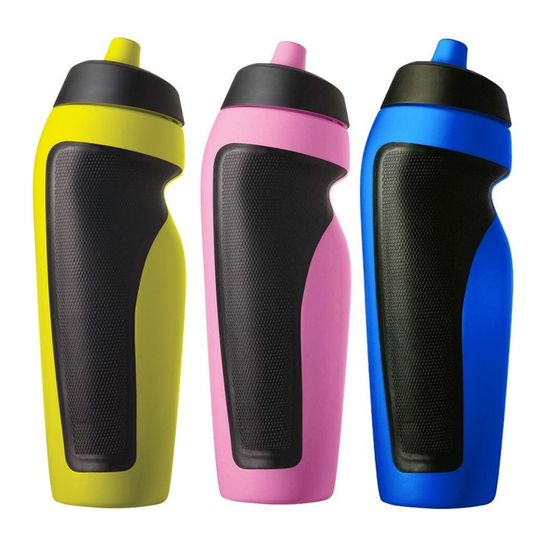
A stock image related to best water bottle for hikers.
3 Common User Pain Points for ‘best water bottle for hikers’ & Their Solutions
Scenario 1: Difficulty in Choosing the Right Material for Water Bottles
The Problem: B2B buyers often face confusion when it comes to selecting the appropriate material for hiking water bottles. With various options available—plastic, stainless steel, and aluminum—each comes with its own set of advantages and drawbacks. For example, while plastic bottles are lightweight and inexpensive, they may contain harmful chemicals like BPA, which can deter health-conscious consumers. On the other hand, metal bottles are generally more durable and insulated but can add unnecessary weight to a hiker’s pack. This dilemma can lead to indecision, resulting in wasted resources and potential dissatisfaction among customers.
The Solution: To effectively navigate this challenge, buyers should conduct a thorough analysis of their target market’s needs and preferences. Start by segmenting the audience based on their hiking habits, such as casual day hikers versus serious backpackers. For lightweight options, prioritize BPA-free plastic bottles that are designed for durability and ease of use. For clients concerned about environmental impact, emphasize stainless steel bottles that are reusable and recyclable. Incorporate feedback mechanisms to understand which features are most appreciated, whether it’s insulation capabilities or ergonomic design. By focusing on the specific requirements of different hiker demographics, buyers can curate a product line that resonates with their target audience.
Scenario 2: Ineffective Insulation Leading to Poor Hydration Experience
The Problem: A common issue faced by B2B buyers is sourcing water bottles that effectively maintain the temperature of liquids, which is crucial for hydration during long hikes. If a bottle fails to keep water cold or hot for an extended period, it can lead to a negative experience for the end-user. This is particularly important in regions with extreme temperatures, such as the deserts of Africa or the high altitudes of South America. Buyers may find that the products they source don’t live up to the insulation claims, resulting in high return rates and dissatisfied customers.
The Solution: To address this pain point, buyers should prioritize products that have been rigorously tested for insulation performance, such as double-wall vacuum insulated bottles. Partner with reputable brands that provide transparent testing results and user reviews, confirming the efficiency of their insulation technology. Additionally, consider offering a range of insulated options, from lightweight models for casual hikers to heavier-duty versions for serious adventurers. Educating your sales team and marketing materials on the benefits of insulation can also enhance customer confidence in your products, ensuring that they choose bottles that truly deliver on their promises.
Scenario 3: Complexity in Sourcing Eco-Friendly Options
The Problem: With the growing demand for sustainable products, B2B buyers are increasingly pressured to find eco-friendly water bottles that appeal to environmentally conscious consumers. However, the process of sourcing such products can be fraught with challenges, including higher costs, limited availability, and the risk of greenwashing—where a product is marketed as eco-friendly but does not meet genuine sustainability criteria. This complexity can complicate purchasing decisions and may lead to missed opportunities in a market that values corporate social responsibility.
The Solution: To mitigate these challenges, buyers should establish relationships with manufacturers that prioritize sustainability in their production processes. Look for certifications such as BPA-free, recyclable materials, and sustainable sourcing practices. Creating a checklist of sustainability criteria can help ensure that sourced products genuinely meet eco-friendly standards. Additionally, consider offering educational resources or workshops for retailers and end-users about the importance of choosing sustainable products. By positioning your offerings as genuinely eco-friendly and educating your audience, you can build trust and enhance brand loyalty while meeting the growing demand for sustainable solutions.
Strategic Material Selection Guide for best water bottle for hikers
What Materials Are Best for Hiking Water Bottles?
When selecting the optimal materials for hiking water bottles, B2B buyers must consider various factors that impact performance, durability, and safety. Here, we analyze four common materials: plastic, stainless steel, aluminum, and glass, focusing on their properties, advantages, disadvantages, and implications for international markets.
How Does Plastic Perform in Hiking Water Bottles?
Plastic, particularly high-density polyethylene (HDPE) and Tritan™, is widely used in hiking water bottles due to its lightweight nature and affordability. These plastics generally have a temperature rating of up to 120°C (248°F) and are resistant to impact, making them suitable for outdoor use. However, they can be prone to scratching and may retain odors or flavors from previous contents.
Pros & Cons:
– Pros: Lightweight, cost-effective, BPA-free options available, and resistant to corrosion.
– Cons: Less durable than metal alternatives, can leach chemicals if not BPA-free, and may not withstand extreme temperatures as effectively.
Impact on Application: Plastic bottles are ideal for casual hikers who prioritize weight and cost over extreme durability. However, buyers must ensure compliance with safety standards to avoid health risks.
Considerations for International Buyers: Compliance with local regulations regarding BPA and other harmful substances is crucial. In regions like Africa and South America, where regulations may vary, sourcing from reputable manufacturers is essential to ensure safety.
What Advantages Does Stainless Steel Offer for Hiking Water Bottles?
Stainless steel is a popular choice for hiking water bottles due to its excellent durability and resistance to corrosion. Typically rated for temperatures up to 150°C (302°F), stainless steel bottles can handle hot and cold liquids without affecting taste. They are also easy to clean and often come with double-wall insulation, which keeps beverages at their desired temperature.
Pros & Cons:
– Pros: Highly durable, resistant to rust and corrosion, and can maintain beverage temperature for extended periods.
– Cons: Heavier than plastic, can be more expensive, and may dent upon impact.
Impact on Application: Stainless steel is suitable for serious hikers and outdoor enthusiasts who require a robust and long-lasting solution.
Considerations for International Buyers: Buyers should ensure that the stainless steel used is of high quality (e.g., 304 grade) to prevent rust and ensure longevity. Compliance with international standards like ASTM and DIN is also important for safety and quality assurance.
Why Choose Aluminum for Hiking Water Bottles?
Aluminum is lightweight and offers good thermal conductivity, making it a viable option for hiking water bottles. While typically treated with a protective coating to prevent leaching and corrosion, aluminum bottles can handle temperatures up to 100°C (212°F).
Pros & Cons:
– Pros: Lightweight, often less expensive than stainless steel, and can be anodized for added durability.
– Cons: Can dent easily, may retain flavors, and requires a liner to prevent chemical leaching.
Impact on Application: Aluminum bottles are ideal for hikers looking for a balance between weight and durability, especially for day hikes or shorter trips.
Considerations for International Buyers: It is crucial to ensure that aluminum bottles are lined with safe materials to prevent leaching. Compliance with regional standards regarding food safety is also essential.
Is Glass a Viable Option for Hiking Water Bottles?
Glass water bottles are gaining popularity due to their inert nature, which prevents any interaction with liquids. They can withstand temperatures up to 100°C (212°F) but are heavier and more fragile compared to other materials.
Pros & Cons:
– Pros: No chemical leaching, easy to clean, and maintains the taste of beverages.
– Cons: Heavier, more prone to breakage, and less practical for rugged outdoor use.
Impact on Application: Glass bottles are suitable for less intensive hiking scenarios or for those who prioritize taste and safety over durability.
Considerations for International Buyers: Buyers should consider the fragility of glass, especially in regions with rough terrain. Ensuring compliance with safety standards regarding breakage is essential for market acceptance.
Summary of Material Selection for Hiking Water Bottles
| Material | Typical Use Case for best water bottle for hikers | Key Advantage | Key Disadvantage/Limitation | Relative Cost (Low/Med/High) |
|---|---|---|---|---|
| Plastic | Casual hiking, lightweight needs | Lightweight and cost-effective | Less durable, potential chemical leaching | Low |
| Stainless Steel | Serious hiking, temperature retention | Highly durable and corrosion-resistant | Heavier and more expensive | High |
| Aluminum | Day hikes, balance of weight and durability | Lightweight and cost-effective | Can dent easily, requires a liner | Medium |
| Glass | Less intensive hiking, taste-focused | No chemical leaching | Heavier and more fragile | Medium |
This analysis provides valuable insights for B2B buyers in diverse regions, helping them make informed decisions based on material properties, application suitability, and compliance considerations.
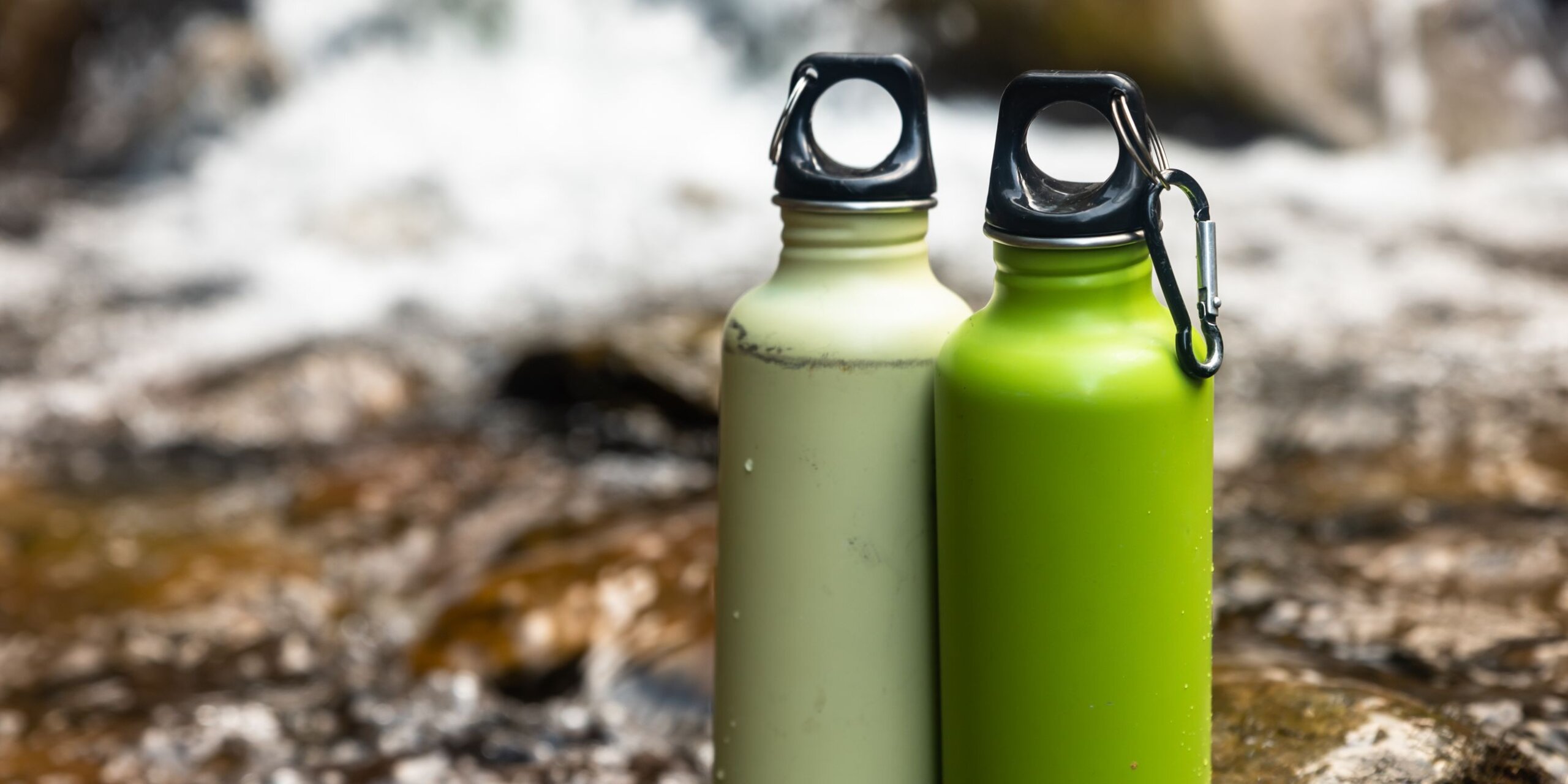
A stock image related to best water bottle for hikers.
In-depth Look: Manufacturing Processes and Quality Assurance for best water bottle for hikers
What Are the Main Stages of Manufacturing the Best Water Bottles for Hikers?
The manufacturing process for high-quality hiking water bottles involves several critical stages that ensure durability, functionality, and safety. Understanding these stages can help B2B buyers make informed decisions when sourcing products.
Material Preparation: What Materials Are Used for Hiking Water Bottles?
The first step in manufacturing hiking water bottles is material preparation. Common materials include high-density polyethylene (HDPE), low-density polyethylene (LDPE), stainless steel, and aluminum. Each material has distinct properties:
- Plastic (HDPE/LDPE): Lightweight and cost-effective, suitable for single-use or budget-friendly options. However, ensuring that these plastics are BPA-free is crucial for safety.
- Stainless Steel: Known for its durability and resistance to corrosion, making it ideal for insulated bottles. It can keep liquids hot or cold for extended periods.
- Aluminum: Lightweight and strong but often requires a protective lining to prevent reactions with acidic beverages.
During this stage, raw materials undergo quality checks to ensure they meet industry standards, such as food safety regulations.
How Are Hiking Water Bottles Formed?
The forming process involves shaping the prepared materials into the desired bottle design. Various techniques are employed depending on the material:
- Injection Molding: Commonly used for plastic bottles. Plastic pellets are heated until molten, then injected into molds to form the bottle shape. This method allows for intricate designs and quick production.
- Blow Molding: Often used for hollow plastic bottles, where a heated tube of plastic is inflated into a mold to create the final shape.
- Metal Forming: Stainless steel and aluminum bottles are typically formed through processes like deep drawing or extrusion, where metal sheets are shaped into cylindrical forms.
Each method has its advantages and is chosen based on the desired characteristics of the final product, such as weight, durability, and insulation properties.
What Is the Assembly Process for Hiking Water Bottles?
After forming, the components of the water bottle are assembled. This may include attaching lids, spouts, or filters. In the case of insulated bottles, an additional layer of insulation may be inserted between two metal walls.
Assembly often involves automated processes to ensure consistency, but manual assembly may also be employed for complex designs or to integrate features such as built-in filtration systems. Quality assurance at this stage ensures that all parts fit correctly and function as intended.
What Finishing Techniques Are Used in Water Bottle Manufacturing?
The finishing stage enhances the aesthetic and functional qualities of the water bottles. Common finishing techniques include:
- Surface Treatments: Coatings that provide additional protection against scratches, corrosion, and UV damage. For instance, anodizing aluminum increases its durability and resistance to wear.
- Printing and Labeling: Branding elements, safety warnings, and usage instructions are printed or labeled on the bottles, which must adhere to international regulations for consumer products.
- Quality Checks: Final inspections ensure that the finished products meet all specifications, including visual quality, functionality, and safety.
What International Standards and Quality Control Measures Apply to Hiking Water Bottles?
Quality assurance is paramount in the manufacturing of hiking water bottles, especially for B2B buyers seeking reliable suppliers. International standards, such as ISO 9001, provide a framework for quality management systems that manufacturers must adhere to. Specific industry certifications may also apply, including:
- CE Marking: Required for products sold in the European Economic Area, indicating conformity with health, safety, and environmental protection standards.
- API Certification: Particularly relevant for bottles that may come into contact with food or beverages, ensuring compliance with safety regulations.
What Are the Key Quality Control Checkpoints?
Quality control (QC) checkpoints are critical at various stages of the manufacturing process:
- Incoming Quality Control (IQC): Raw materials are inspected upon arrival to ensure they meet specified standards.
- In-Process Quality Control (IPQC): Ongoing checks during the manufacturing process to identify defects early, which can prevent costly rework.
- Final Quality Control (FQC): A comprehensive inspection of finished products before they are shipped, ensuring they meet all quality and safety standards.
How Can B2B Buyers Verify Supplier Quality Control?
B2B buyers must ensure that their suppliers maintain rigorous quality control processes. Here are several strategies to verify supplier QC:
- Audits: Conducting regular audits of suppliers’ manufacturing facilities can provide insights into their adherence to quality standards. This may include reviewing their QC processes and certifications.
- Reports: Requesting documentation, including quality assurance reports and test results, can help verify that products meet required specifications.
- Third-Party Inspections: Utilizing independent inspection services can provide an unbiased assessment of product quality and compliance with international standards.
What Are the Quality Control Nuances for International B2B Buyers?
B2B buyers from regions such as Africa, South America, the Middle East, and Europe must be aware of specific nuances when it comes to quality control:
- Regulatory Compliance: Different regions may have varying regulations regarding product safety and quality. Understanding these differences is crucial for compliance and market acceptance.
- Cultural Considerations: Communication styles and business practices can differ significantly across regions. Establishing clear expectations and maintaining open lines of communication can enhance supplier relationships and ensure quality standards are met.
- Logistical Challenges: Factors such as shipping times, customs clearance, and local regulations can impact the quality of products upon arrival. Buyers should account for these variables when planning procurement strategies.
By understanding the manufacturing processes and quality assurance measures involved in the production of hiking water bottles, B2B buyers can make informed decisions, ensuring they source products that meet their quality and safety requirements.
Practical Sourcing Guide: A Step-by-Step Checklist for ‘best water bottle for hikers’
This guide serves as a comprehensive checklist for B2B buyers looking to procure the best water bottles for hikers. Selecting the right water bottle is essential for ensuring proper hydration during outdoor activities, and this checklist will help streamline the sourcing process to meet the specific needs of your clientele.
Step 1: Define Your Target Market Needs
Understanding the specific requirements of your target market is crucial. Are you catering to casual hikers or serious backpackers? Consider factors such as age, gender, and hiking frequency. Knowing these details will help you choose products that resonate with your audience and meet their hydration needs effectively.
Step 2: Identify Key Features and Specifications
Outline the essential features your water bottles must have. This includes:
– Material: Look for BPA-free plastics, stainless steel, or aluminum for durability and safety.
– Insulation: Consider double-wall vacuum insulation for temperature retention.
– Weight: Ultralight options are essential for serious hikers, while sturdier models may appeal to casual users.
Understanding these specifications will guide your selection process and ensure you choose products that align with consumer preferences.
Step 3: Evaluate Potential Suppliers
Before making a purchase, it’s important to vet potential suppliers thoroughly. Review their company profiles and ask for case studies or references from other businesses in your industry.
– Certifications: Check for industry certifications that ensure product safety and quality.
– Reputation: Research online reviews and testimonials to gauge supplier reliability.
Step 4: Request Product Samples
Obtaining samples is a vital step in evaluating the quality and usability of the water bottles. This allows you to assess:
– Durability: Check how the materials withstand stress and potential drops.
– Functionality: Test features like lids, spouts, and insulation capabilities.
Sampling helps to ensure that the products meet your quality standards before bulk purchasing.
Step 5: Compare Pricing and Minimum Order Quantities
Analyze pricing structures and minimum order quantities from different suppliers.
– Bulk Discounts: Inquire about pricing tiers for larger orders, which can significantly impact your profit margins.
– Shipping Costs: Factor in shipping fees, especially for international orders, as these can affect the overall cost.
Step 6: Assess Environmental Impact
Given the growing emphasis on sustainability, consider sourcing options that prioritize eco-friendly materials and manufacturing processes. Look for:
– Recyclable Materials: Ensure the bottles can be recycled at the end of their life cycle.
– Sustainable Practices: Choose suppliers who demonstrate commitment to reducing their carbon footprint.
Step 7: Finalize Terms and Conditions
Once you’ve selected a supplier, it’s critical to finalize all terms and conditions. This includes:
– Payment Terms: Agree on payment methods and timelines.
– Return Policies: Understand the supplier’s policies on defective products or unsold inventory.
Having clear agreements will mitigate potential disputes and foster a smooth business relationship.
By following this step-by-step checklist, B2B buyers can streamline their sourcing process and ensure they provide high-quality, reliable water bottles that meet the needs of hikers across various regions.
Comprehensive Cost and Pricing Analysis for best water bottle for hikers Sourcing
What Are the Key Cost Components in Sourcing Water Bottles for Hikers?
When sourcing water bottles for hiking, understanding the cost structure is crucial for B2B buyers. The primary cost components include:
-
Materials: The choice of materials significantly impacts cost. Stainless steel and aluminum bottles tend to be more expensive than plastic alternatives due to their durability and insulation properties. BPA-free plastics, while generally cheaper, may also vary in cost depending on the quality and certifications.
-
Labor: Labor costs can vary widely based on the manufacturing location. For instance, factories in countries with higher labor costs, such as those in Europe, will have a higher labor component than those in regions with lower labor costs, like parts of Africa or South America.
-
Manufacturing Overhead: This includes costs related to utilities, rent, and other operational expenses of the manufacturing facility. Efficient production processes can help lower these costs, which is an important consideration for international buyers.
-
Tooling: Custom tooling for specific bottle designs or features can represent a significant upfront cost. Buyers should consider whether they need unique designs or can use existing tooling to reduce initial expenses.
-
Quality Control (QC): Ensuring that products meet safety and performance standards is essential, particularly for hiking gear. QC processes can add to the overall cost but are necessary to avoid costly returns and damage to brand reputation.
-
Logistics: Shipping and handling costs are critical, especially for international transactions. Factors such as distance, shipping method, and customs duties can significantly affect the final cost.
-
Margin: Suppliers typically include a profit margin in their pricing. Understanding the competitive landscape can help buyers negotiate better terms.
How Do Price Influencers Affect Water Bottle Sourcing Decisions?
Several factors influence the pricing of water bottles for hikers:
-
Volume/MOQ (Minimum Order Quantity): Purchasing in bulk can significantly lower the unit price. Buyers should negotiate MOQs that align with their sales forecasts to maximize cost efficiency.
-
Specifications/Customization: Custom features, such as built-in filtration or unique designs, can increase costs. Buyers should evaluate whether customization is necessary for their target market.
-
Materials: Higher-quality materials typically lead to increased costs. However, investing in durable materials can result in lower total ownership costs due to fewer replacements over time.
-
Quality/Certifications: Certifications (like BPA-free labeling) can add to the production costs. Buyers should prioritize certifications that resonate with their customer base, balancing cost with compliance.
-
Supplier Factors: The supplier’s reputation, reliability, and production capabilities play a significant role in pricing. Establishing long-term relationships can lead to better pricing and terms.
-
Incoterms: Understanding the chosen Incoterms (International Commercial Terms) is essential for clarifying responsibilities and costs associated with shipping. This can help buyers avoid unexpected charges.
What Are the Best Buyer Tips for Negotiating Water Bottle Prices?
For B2B buyers, especially those from regions like Africa, South America, the Middle East, and Europe, effective negotiation strategies can yield significant savings:
-
Negotiate Pricing Based on Total Cost of Ownership: Consider not just the upfront costs but also potential long-term savings from durability and reduced replacement frequency.
-
Be Aware of Pricing Nuances: Different regions may have varying pricing structures influenced by local demand and supply conditions. Understanding these nuances can empower buyers during negotiations.
-
Leverage Competitive Quotes: Obtaining multiple quotes can provide leverage in negotiations. This allows buyers to identify the best pricing and terms available in the market.
-
Consider Seasonal Demand Fluctuations: Pricing may vary throughout the year based on demand. Being aware of these trends can help buyers make informed purchasing decisions.
-
Build Relationships with Suppliers: Establishing good rapport with suppliers can lead to better pricing, priority in stock availability, and enhanced service.
Disclaimer on Indicative Prices
Prices for hiking water bottles can vary widely based on the factors discussed. The information provided is indicative and should be verified with suppliers for current pricing and conditions. Always conduct thorough market research to ensure informed purchasing decisions.
Alternatives Analysis: Comparing best water bottle for hikers With Other Solutions
Understanding Alternatives for Hydration Solutions in Hiking
When it comes to hydration solutions for hikers, the best water bottles offer a combination of durability, insulation, and convenience. However, there are alternative solutions that can also cater to the hydration needs of outdoor enthusiasts. This analysis will compare the traditional water bottle against other viable options, enabling B2B buyers to make informed decisions based on specific use cases and requirements.
Comparison Table
| Comparison Aspect | Best Water Bottle For Hikers | Hydration Bladders | Water Purification Systems |
|---|---|---|---|
| Performance | Excellent insulation; durable | Lightweight; easy access | Effective filtration; slow flow rate |
| Cost | $15 – $100 | $20 – $60 | $30 – $150 |
| Ease of Implementation | Simple to use; refillable | Requires setup; may need adjustment | Requires knowledge of operation |
| Maintenance | Low maintenance; dishwasher safe | Moderate; needs cleaning | High; filter replacement needed |
| Best Use Case | Day hikes; long backpacking trips | Longer treks; multi-day hikes | Remote areas with questionable water |
Exploring Alternative Solutions for Hiking Hydration
What Are Hydration Bladders and How Do They Compare?
Hydration bladders, often stored within a backpack, allow hikers to drink hands-free through a tube. They are particularly advantageous for long treks where frequent hydration is necessary. The lightweight design makes them ideal for ultralight backpacking, but they can be challenging to clean and maintain. Additionally, users must ensure the bladder does not leak, which can lead to discomfort or equipment damage.
How Do Water Purification Systems Serve Hikers?
Water purification systems, including filters and UV sterilizers, allow hikers to utilize natural water sources safely. These systems are essential in areas where potable water is scarce. However, they can be slower to use, requiring time to filter or treat water before consumption. While they provide peace of mind regarding water safety, the maintenance and knowledge required to operate them effectively can be a drawback for casual hikers.
Conclusion: How to Choose the Right Hydration Solution for Your Needs
When selecting a hydration solution for hiking, B2B buyers should consider the specific demands of their target audience. For everyday use and convenience, the best water bottles stand out with their durability and insulation features. Conversely, hydration bladders are better suited for long-distance hiking where weight and ease of access are prioritized. Water purification systems are indispensable for remote expeditions where clean water sources are unreliable. Assessing the performance, cost, and maintenance of each option will guide buyers in making the best choice for their customers’ hydration needs while hiking.
Essential Technical Properties and Trade Terminology for best water bottle for hikers
What Key Technical Properties Should You Consider When Sourcing Water Bottles for Hikers?
When selecting water bottles for hiking, understanding the technical specifications is crucial for ensuring product quality and meeting customer expectations. Here are some essential properties to consider:
1. Material Grade
Water bottles are typically made from materials such as stainless steel, aluminum, or BPA-free plastic.
– Importance: The choice of material affects durability, weight, and safety. Stainless steel offers excellent durability and insulation, while BPA-free plastic is lightweight and often more affordable. Understanding material grades helps buyers assess long-term value and compliance with safety standards.
2. Insulation Type
Many hiking water bottles feature double-wall vacuum insulation, which keeps liquids cold or hot for extended periods.
– Importance: Insulation performance is vital for hikers who need reliable hydration in varying climates. Bottles with superior insulation enhance user experience and can differentiate a product in a competitive market.
3. Capacity and Dimensions
Hiking water bottles come in various sizes, typically ranging from 500 ml to 2 liters.
– Importance: Buyers should consider the intended use—short day hikes versus multi-day backpacking trips—when evaluating capacity. Understanding dimensions is also essential for compatibility with hydration packs and backpacks.
4. Weight
The weight of the bottle can significantly impact a hiker’s experience, especially during long treks.
– Importance: Lightweight options are preferred for ultralight backpacking, while heavier bottles may offer additional durability. Buyers should balance weight against other factors like insulation and material quality.
5. Leakproof Design
A reliable seal is critical to prevent leaks during transport.
– Importance: Leakproof designs ensure customer satisfaction and protect other gear from potential damage. Buyers should inquire about testing methods and warranty policies to ensure quality.
6. Ease of Cleaning
The design of the bottle, including the mouth size and lid type, affects how easily it can be cleaned.
– Importance: Bottles that are easy to clean promote hygiene, especially for those using them for various beverages. This is a selling point that can enhance customer loyalty and repeat purchases.
What Common Trade Terms Should You Know When Sourcing Water Bottles?
Understanding industry jargon is key for effective communication with suppliers and ensuring successful transactions. Here are some essential terms:
1. OEM (Original Equipment Manufacturer)
This refers to a company that produces parts or equipment that may be marketed by another manufacturer.
– Importance: Buyers can leverage OEM relationships to customize products while maintaining quality control, which is vital for brand reputation.
2. MOQ (Minimum Order Quantity)
The smallest number of units a supplier is willing to sell.
– Importance: Knowing the MOQ helps businesses manage inventory and cash flow, especially important for startups or those entering new markets.
3. RFQ (Request for Quotation)
A document that solicits bids from suppliers for specific products or services.
– Importance: An RFQ allows buyers to compare pricing and terms from multiple suppliers, ensuring they make informed purchasing decisions.
4. Incoterms (International Commercial Terms)
Standardized terms used in international trade to clarify the responsibilities of buyers and sellers.
– Importance: Familiarity with Incoterms helps businesses understand shipping costs, insurance, and risk, which is crucial for budgeting and logistics planning.
5. Lead Time
The time between placing an order and receiving it.
– Importance: Understanding lead times is essential for inventory management and ensuring that products are available when needed, especially during peak seasons.
6. Certification Standards
Regulatory standards that products must meet to be sold in specific markets.
– Importance: Compliance with certification standards, such as FDA approval for food safety, can significantly impact marketability and consumer trust.
By comprehensively understanding these technical properties and trade terminology, B2B buyers can make informed decisions, ensuring they select high-quality water bottles that meet the needs of hikers in diverse markets.
Navigating Market Dynamics and Sourcing Trends in the best water bottle for hikers Sector
What Are the Current Market Dynamics and Key Trends Influencing B2B Buyers of Hiking Water Bottles?
The global market for hiking water bottles is being shaped by several key drivers, especially as outdoor activities gain popularity across various demographics. The increasing awareness of health and wellness, coupled with a growing trend toward sustainable living, is pushing consumers to seek high-quality hydration solutions. For B2B buyers in regions like Africa, South America, the Middle East, and Europe, understanding these dynamics is crucial.
Emerging technologies are influencing sourcing trends, with innovations in materials such as BPA-free plastics, stainless steel, and eco-friendly alternatives like bamboo and recycled materials. Additionally, the rise of smart water bottles equipped with filtration systems or hydration tracking features caters to a tech-savvy consumer base. This trend aligns with the growing emphasis on convenience and functionality, driving buyers to consider products that offer both performance and ease of use.
International buyers should also be aware of the regional preferences and climatic conditions influencing product selection. For instance, in hotter climates, insulated bottles that maintain cold temperatures are particularly sought after, while in regions with limited water access, filtration capabilities become paramount.
How Is Sustainability and Ethical Sourcing Impacting the Best Water Bottle for Hikers Market?
Sustainability and ethical sourcing are becoming non-negotiable aspects of the hiking water bottle market. As consumers increasingly prioritize environmental responsibility, B2B buyers must consider the ecological impact of the products they source. This involves scrutinizing the supply chain for eco-friendly practices and materials. Brands that utilize recycled plastics, biodegradable materials, or sustainably sourced metals are gaining traction among conscientious consumers.
The importance of ethical supply chains cannot be overstated. Buyers should seek suppliers who adhere to responsible labor practices and transparency, as these factors influence brand reputation and consumer trust. Certifications such as Fair Trade, ISO 14001 (Environmental Management), and various eco-labels can serve as indicators of a brand’s commitment to sustainability.
Moreover, the demand for ‘green’ certifications is on the rise. Products that are certified as environmentally friendly not only appeal to eco-conscious consumers but can also provide a competitive edge in the market. By aligning their sourcing strategies with sustainability goals, B2B buyers can enhance their brand image and contribute to global environmental initiatives.
How Have Hiking Water Bottles Evolved Over Time?
The evolution of hiking water bottles reflects broader trends in outdoor gear and consumer preferences. Initially dominated by simple plastic designs, the market has diversified significantly, driven by advancements in materials and technology. Early water bottles were primarily functional, focusing on capacity and lightweight characteristics. However, as outdoor enthusiasts became more discerning, the demand for durability, insulation, and health safety led to the introduction of stainless steel and BPA-free options.
Today, the market offers a plethora of choices, from insulated models that keep beverages at optimal temperatures to advanced filtration systems that provide safe drinking water on the go. This evolution has been fueled by a growing appreciation for outdoor activities and a heightened awareness of health and environmental issues. As a result, modern hiking water bottles are not just hydration tools; they are integral components of an outdoor lifestyle that values performance, sustainability, and ethical considerations.
In summary, B2B buyers in the hiking water bottle sector must navigate a complex landscape of market dynamics, sustainability considerations, and evolving consumer preferences to make informed sourcing decisions that align with their business goals and ethical standards.
Frequently Asked Questions (FAQs) for B2B Buyers of best water bottle for hikers
-
How do I solve sourcing challenges for high-quality hiking water bottles?
To effectively address sourcing challenges, start by identifying reputable manufacturers with a proven track record in producing hiking water bottles. Conduct thorough research, including checking for certifications (like BPA-free materials) and customer reviews. Utilize trade platforms, attend industry trade shows, and network with other buyers to gather insights. Establish direct communication with potential suppliers to discuss your specific needs, quality expectations, and any customization options available to ensure the products meet the standards required for your market. -
What is the best material for hiking water bottles?
The best material for hiking water bottles typically includes stainless steel, aluminum, and BPA-free plastic. Stainless steel offers durability and excellent insulation, making it ideal for temperature retention. Aluminum is lightweight and resistant to corrosion, while BPA-free plastic is affordable and lightweight, suitable for those prioritizing minimal weight. Each material has its pros and cons, so consider the target market preferences and the intended use of the bottles when making your choice. -
How can I ensure the quality of hiking water bottles from suppliers?
To ensure quality, implement a rigorous vetting process for suppliers. Request product samples for testing before placing bulk orders. Verify that suppliers adhere to international quality standards and certifications, such as ISO or FDA compliance. Consider conducting factory audits, if feasible, to assess production practices. Establish clear quality assurance protocols, including inspection criteria and testing methods, to maintain product consistency throughout the supply chain. -
What customization options are available for hiking water bottles?
Many manufacturers offer customization options, including various sizes, colors, and branding features such as logo printing. You can also explore different lid types, insulation levels, and materials to cater to diverse market demands. Discuss your specific requirements with suppliers to understand their capabilities and limitations regarding customization. Ensure that the customization aligns with your branding strategy and appeals to your target audience. -
What are the typical minimum order quantities (MOQs) for hiking water bottles?
Minimum order quantities (MOQs) can vary significantly among suppliers, typically ranging from 500 to 5,000 units depending on the manufacturer and the complexity of the product. When negotiating MOQs, consider your budget, storage capacity, and market demand. Some suppliers may offer flexible MOQs for established buyers or larger orders, so it’s beneficial to discuss your specific needs upfront to find a mutually agreeable arrangement. -
What payment terms should I negotiate with suppliers for hiking water bottles?
When negotiating payment terms, consider options such as a 30% upfront deposit with the remaining balance due upon shipment or delivery. Ensure that the terms align with your cash flow and financial planning. Additionally, explore using secure payment methods, such as letters of credit or escrow services, to mitigate risks. Establishing clear payment timelines and penalties for late payments can also help protect your investment. -
How can I efficiently manage logistics for importing hiking water bottles?
Efficient logistics management begins with selecting reliable freight forwarders experienced in handling international shipments. Discuss shipping routes, customs regulations, and potential tariffs that may affect your costs. Utilize tracking systems to monitor shipments and ensure timely delivery. Collaborate closely with suppliers to coordinate shipping schedules and minimize delays. Consider warehousing options if you anticipate high demand or fluctuating sales to streamline inventory management. -
What are the key factors to consider when evaluating suppliers for hiking water bottles?
Key factors include the supplier’s reputation, experience in the industry, product quality, and compliance with safety standards. Assess their production capabilities, lead times, and flexibility in meeting your demands. Evaluate communication responsiveness and willingness to collaborate on product development. Lastly, consider their financial stability and ability to support long-term partnerships, which is crucial for maintaining a reliable supply chain.
Important Disclaimer & Terms of Use
⚠️ Important Disclaimer
The information provided in this guide, including content regarding manufacturers, technical specifications, and market analysis, is for informational and educational purposes only. It does not constitute professional procurement advice, financial advice, or legal advice.
While we have made every effort to ensure the accuracy and timeliness of the information, we are not responsible for any errors, omissions, or outdated information. Market conditions, company details, and technical standards are subject to change.
B2B buyers must conduct their own independent and thorough due diligence before making any purchasing decisions. This includes contacting suppliers directly, verifying certifications, requesting samples, and seeking professional consultation. The risk of relying on any information in this guide is borne solely by the reader.
Top 8 Best Water Bottle For Hikers Manufacturers & Suppliers List
1. Hiking for Her – Essential Hiking Water Bottles
Domain: hiking-for-her.com
Registered: 2008 (17 years)
Introduction: Hiking water bottles are essential for hydration on the trail. Key considerations include: 1. BPA-Free: Choose bottles that are free from bisphenol A (BPA) due to health concerns. 2. Material Options: Available in plastic, stainless steel, and aluminum. 3. Plastic Bottles: Lightweight but can be less durable and may retain flavors. 4. Metal Bottles: More durable and inert, available in single or d…
2. Nalgene – Functional Bottles; Hydrapak – Versatile Collapsible Solutions
Domain: reddit.com
Registered: 2005 (20 years)
Introduction: 1. Nalgene: Previously used, appreciated for its functionality. 2. Hydrapak Flux: Available in 1.5L and 1L sizes, lightweight, collapsible, stands on its own, compatible with Sawyer Squeeze for a gravity system. 3. Hydrapak Seeker: Similar features to Flux, can use quick detach cap for hanging and shower spout. 4. Hydroflask: Insulating cover available to keep water cold longer, heavier than Nalge…
3. REI – Platypus Platy Water Bottle
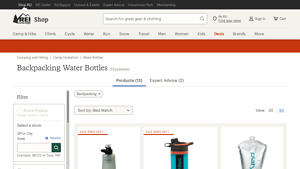
Domain: rei.com
Registered: 1996 (29 years)
Introduction: This company, REI – Platypus Platy Water Bottle, is a notable entity in the market. For specific product details, it is recommended to visit their website directly.
4. Adventure Alan – Smartbottle 1L
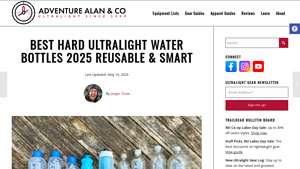
Domain: adventurealan.com
Registered: 2001 (24 years)
Introduction: Best Hard Ultralight Water Bottles 2025 Reusable & Smart Equipment Lists. Hard ultralight water bottles lighter than 2.5 oz. Preferred for holding clean water, more user-friendly than soft flasks. Durable, lightweight, stand up on their own. Key products include: Smartbottle 1L (Best Reusable), Smartwater 1L (Best Performance), HydraPak Breakaway 880 ml (Best Hard-sided Filter), Smartwater 1.5L (B…
5. Nalgene – Wide Mouth Sustain 32 oz.
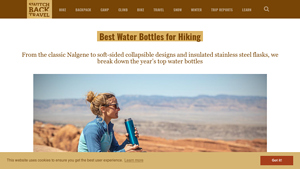
Domain: switchbacktravel.com
Registered: 2011 (14 years)
Introduction: Best Overall Water Bottle for Hiking: Nalgene Wide Mouth Sustain 32 oz. ($17) – Category: Hiking/daily use, Weight: 6.3 oz., Insulated: No, Capacities: 16, 32, 48 fl. oz. What we like: Light, cheap, and very durable—an ideal combination for many hikers. What we don’t: Minimally insulated and too wide to fit in a cup holder.
6. BottlePro – Top Water Bottle Comparisons
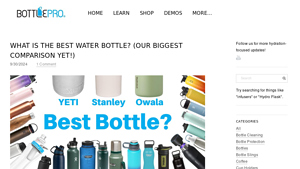
Domain: bottlepro.net
Registered: 2014 (11 years)
Introduction: 31 water bottles compared including brands like Camelbak, EcoVessel, Hydro Flask, Iron Flask, Klean Kanteen, Nalgene, Owala, Ozark Trail, RevoMax, S’well, Takeya, ThermoFlask, YETI, and Stanley. Recommendations for best bottles based on use: Everyday use (Owala FreeSip, FJbottle), Value (Ozark Trail, Iron Flask, ThermoFlask, Nalgene), Hiking (Nalgene, Hydro Flask Trail Series, FJbottle, GRAYL Filt…
7. TSL Outdoor – Hiking Water Bottles
Domain: tsloutdoor.com
Registered: 2007 (18 years)
Introduction: TSL Outdoor’s hiking water bottles are designed for outdoor enthusiasts, providing durability, convenience, and a leak-proof design. Key features include:
– Made with durable, waterproof materials
– Wide mouths for easy filling and cleaning
– Easy-to-sip lids
– Insulated stainless steel options to keep beverages hot or cold
– Lightweight and compact designs for fast-paced hikes
– Larger capa…
8. Nalgene – Ultralite HDPE Water Bottle
Domain: trailgroove.com
Registered: 2012 (13 years)
Introduction: Product Name: Nalgene Ultralite HDPE Water Bottle
Material: Food grade high density polyethylene (HDPE)
Weight: 3.9 ounces (lighter than Tritan Nalgene at 6.3 ounces)
Capacity: Available in 1 liter, 16 ounces, and 48 ounces
Temperature Resistance: Can handle hot beverages up to 248 degrees Fahrenheit (Tritan tops out at 212F)
Design: Available in wide-mouth (easier filling) and narrow-mouth (easie…
Strategic Sourcing Conclusion and Outlook for best water bottle for hikers
As the demand for high-quality hydration solutions continues to rise, strategic sourcing of water bottles for hikers presents a lucrative opportunity for international buyers. Prioritizing products that balance durability, insulation, and user-friendly designs is essential. Notably, brands like Hydro Flask and YETI offer superior features that appeal to both casual hikers and serious outdoor enthusiasts, ensuring that your offerings meet diverse consumer needs.
Furthermore, sustainability is increasingly becoming a deciding factor in purchasing decisions. Opting for BPA-free materials and environmentally-friendly options can enhance your brand’s reputation and marketability across regions such as Africa, South America, the Middle East, and Europe.
By leveraging insights from market trends and consumer preferences, B2B buyers can establish partnerships with reputable suppliers that align with their strategic goals. As the outdoor gear market continues to evolve, now is the time to invest in high-quality hiking water bottles that not only satisfy immediate hydration needs but also resonate with a growing environmentally-conscious consumer base.
Seize the opportunity to enhance your product portfolio and connect with suppliers that align with these values, positioning your business for sustained growth in the outdoor recreation sector.
 English
  Español
  Português
  Français
  Deutsch
  العربية
  Русский
  日本語
日本語  한국어
한국어  Italiano
  Nederlands