
Introduction: Navigating the Global Market for bicycle bottle water
In the ever-evolving landscape of the global bicycle bottle water market, B2B buyers face the significant challenge of sourcing high-quality, functional, and aesthetically appealing hydration solutions. With an increasing emphasis on sustainability and performance, businesses must navigate a plethora of options to meet the diverse needs of cyclists across various regions, including Africa, South America, the Middle East, and Europe. This guide serves as a comprehensive resource for international buyers, detailing the myriad types of bicycle water bottles available, from insulated and plant-based options to customizable designs tailored for specific markets.
Understanding the intricacies of this market is essential for making informed purchasing decisions. This guide will delve into critical aspects such as supplier vetting processes, cost considerations, and the latest trends in bicycle bottle technology. By empowering buyers with actionable insights and strategic recommendations, we aim to enhance their ability to identify reliable suppliers and products that resonate with their target audience’s preferences.
Whether you are looking to enhance your product line or seeking to establish a new partnership, this guide will equip you with the knowledge necessary to thrive in a competitive environment. As you explore the rich variety of bicycle bottle water options available, you will be better positioned to cater to the hydration needs of cyclists around the globe, ensuring satisfaction and loyalty among your customers.
Understanding bicycle bottle water Types and Variations
| Type Name | Key Distinguishing Features | Primary B2B Applications | Brief Pros & Cons for Buyers |
|---|---|---|---|
| Plastic Squeeze Bottles | Lightweight, flexible, often BPA-free, available in various sizes | Retail, distribution, promotional products | Pros: Cost-effective, customizable; Cons: Less durable than metal options. |
| Insulated Water Bottles | Double-walled design, keeps liquids cold/hot for extended periods | Premium retail, outdoor events, cycling tours | Pros: Excellent temperature retention; Cons: Higher price point. |
| Stainless Steel Bottles | Durable, often vacuum-insulated, eco-friendly options available | Eco-conscious brands, premium retailers | Pros: Long-lasting, stylish; Cons: Heavier than plastic options. |
| Plant-Based Bottles | Made from renewable resources, biodegradable options available | Sustainable brands, eco-friendly initiatives | Pros: Environmentally friendly; Cons: May have limited designs and colors. |
| Hydration Packs | Integrated water reservoir with a drinking tube, suitable for long rides | Adventure cycling, outdoor sports events | Pros: Hands-free hydration; Cons: More complex to clean and maintain. |
What Are the Key Characteristics of Plastic Squeeze Bottles?
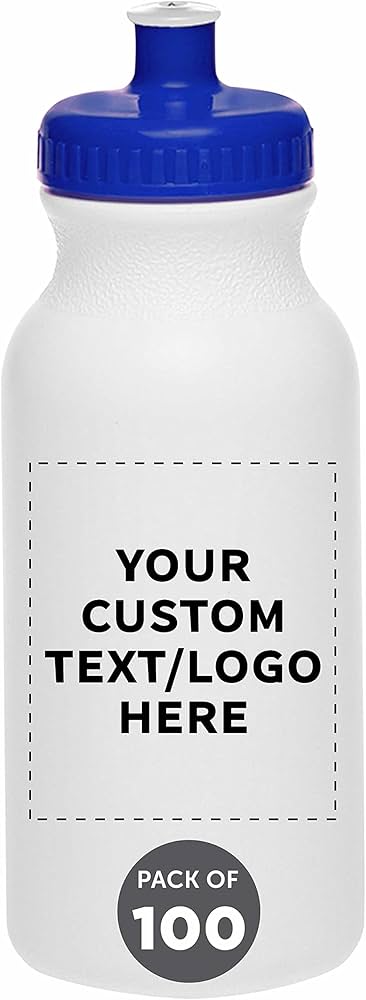
Plastic squeeze bottles are among the most commonly used bicycle water bottles due to their lightweight and flexible design. Typically made from BPA-free plastic, they are available in various sizes, catering to different hydration needs. These bottles are cost-effective and easily customizable, making them ideal for promotional products and retail applications. However, their durability can be a concern, as they may not withstand heavy use or harsh conditions as well as metal options.
How Do Insulated Water Bottles Stand Out?
Insulated water bottles feature a double-walled design that effectively maintains the temperature of liquids for extended periods. This makes them particularly suitable for premium retail environments, outdoor events, and cycling tours where temperature control is crucial. While they offer excellent temperature retention, their higher price point may deter some budget-conscious buyers. Nonetheless, their durability and ability to keep beverages cold or hot make them a worthwhile investment for businesses targeting serious cyclists.
What Benefits Do Stainless Steel Bottles Provide?
Stainless steel bottles are known for their durability and stylish appearance. Often vacuum-insulated, these bottles keep liquids at the desired temperature for longer durations, appealing to eco-conscious brands and premium retailers. They are long-lasting and can withstand various environmental conditions, making them a preferred choice for serious cyclists. However, their weight can be a drawback for some users, particularly those who prioritize ultralight gear.
Why Consider Plant-Based Bottles?
Plant-based bottles are an innovative option made from renewable resources, catering to the growing demand for sustainable products. They are biodegradable and can appeal to brands focused on eco-friendly initiatives. While they offer an environmentally conscious choice, buyers may find limitations in design and color options compared to traditional plastic or metal bottles. Nonetheless, they represent a forward-thinking choice for businesses looking to align with sustainability trends.
How Do Hydration Packs Enhance the Cycling Experience?
Hydration packs are designed for serious cyclists and outdoor enthusiasts, integrating a water reservoir with a drinking tube for hands-free hydration. These packs are ideal for long rides and adventure cycling, making them a popular choice for outdoor sports events. While they provide convenience, they can be more complex to clean and maintain, which may be a consideration for B2B buyers focusing on ease of use and maintenance in their product offerings.
Key Industrial Applications of bicycle bottle water
| Industry/Sector | Specific Application of Bicycle Bottle Water | Value/Benefit for the Business | Key Sourcing Considerations for this Application |
|---|---|---|---|
| Cycling Retail | Product Offering in Retail Stores | Enhances customer experience and encourages repeat sales | Quality, design, branding, and price competitiveness |
| Corporate Wellness | Employee Hydration Programs | Promotes health and productivity among employees | Sustainability, customization options, and bulk pricing |
| Event Management | Race and Event Sponsorships | Increases brand visibility and participant satisfaction | Custom branding, durability, and eco-friendliness |
| Tourism and Recreation | Rental Services for Bicycles | Enhances service offerings and customer satisfaction | Lightweight, easy-to-clean materials, and variety of designs |
| Fitness Centers | Retail and Rental for Fitness Classes | Encourages hydration and fitness engagement | BPA-free materials, ergonomic design, and price points |
How is Bicycle Bottle Water Used in Cycling Retail?
In cycling retail, bicycle water bottles are essential products that enhance customer experience. Retailers can offer a variety of bottles that cater to different cycling needs, such as insulated options for hot climates in Africa or lightweight designs for competitive cyclists in Europe. The ability to customize bottles with unique designs or branding can also drive customer loyalty and encourage repeat purchases. Retailers must consider quality and price competitiveness to attract a diverse clientele.
What Role Does Bicycle Bottle Water Play in Corporate Wellness?
Corporate wellness programs increasingly emphasize hydration as a key component of employee health. Providing bicycle water bottles as part of these initiatives can promote better hydration habits among employees, ultimately leading to increased productivity and reduced health-related costs. Businesses should prioritize sustainable materials and customization options to align with corporate values and employee preferences. Bulk pricing is also a crucial consideration for cost-effective implementation.
How Do Events Benefit from Bicycle Bottle Water Sponsorships?
For event management companies, bicycle water bottles serve as valuable sponsorship tools. Custom-branded bottles can enhance brand visibility during cycling races or community events, while also providing participants with a practical hydration solution. The durability and eco-friendliness of the bottles can further enhance the event’s image, appealing to environmentally conscious participants. Sourcing high-quality materials that can withstand rigorous use and maintaining an attractive price point are key considerations for event organizers.
Why are Bicycle Bottle Waters Essential in Tourism and Recreation?
In the tourism and recreation sector, bicycle rental services can greatly benefit from including bicycle water bottles as part of their offerings. Providing customers with hydration solutions enhances their overall experience, encouraging longer rentals and repeat business. Lightweight and easy-to-clean materials are crucial for this application, as they cater to tourists who prioritize convenience. Additionally, offering a variety of designs can appeal to different demographics, enriching the rental experience.
How Do Fitness Centers Utilize Bicycle Bottle Water?
Fitness centers can leverage bicycle water bottles to enhance their retail and rental offerings for classes or outdoor activities. By encouraging hydration through accessible bottle options, fitness centers can improve member engagement and satisfaction. Key considerations for sourcing include ensuring that the bottles are made from BPA-free materials and are ergonomically designed for ease of use. Competitive pricing will also attract budget-conscious consumers looking for quality hydration solutions.
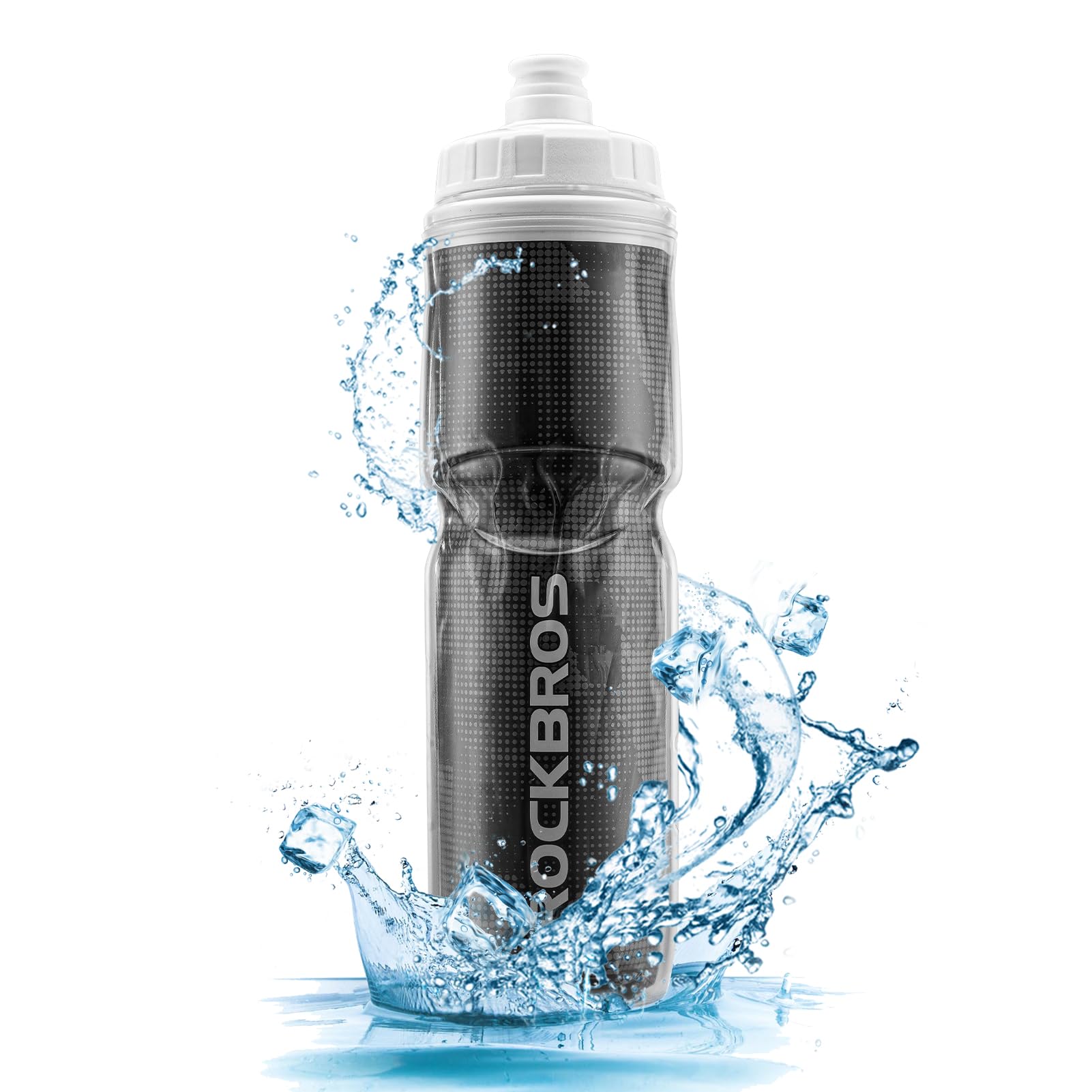
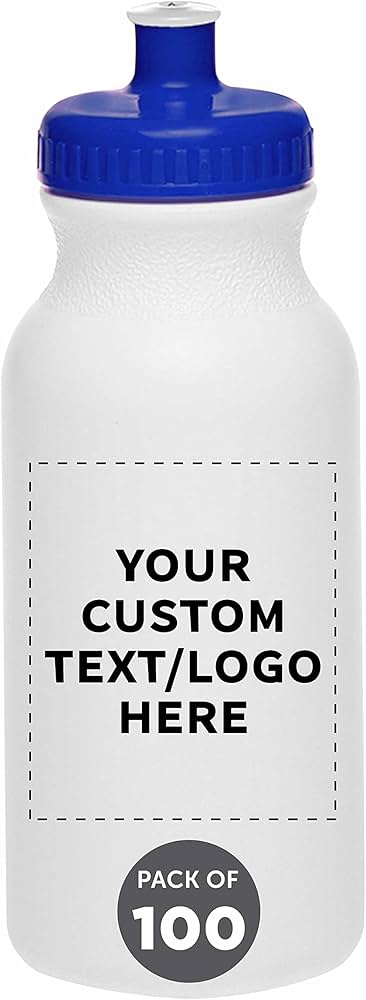
A stock image related to bicycle bottle water.
3 Common User Pain Points for ‘bicycle bottle water’ & Their Solutions
Scenario 1: Sourcing Eco-Friendly Bicycle Water Bottles for Diverse Markets
The Problem: As international B2B buyers increasingly prioritize sustainability, sourcing bicycle water bottles made from eco-friendly materials can be challenging. Buyers must navigate a landscape filled with varying environmental standards and regulations across regions such as Africa, South America, the Middle East, and Europe. This creates uncertainty about product quality, material safety, and the potential for environmental certifications. The lack of transparent sourcing options can lead to frustration and delays in fulfilling customer demands.
The Solution: To overcome these challenges, B2B buyers should establish relationships with manufacturers that specialize in sustainable products. Look for suppliers who provide detailed information on their materials, including certifications like BPA-free, recyclable, or made from plant-based plastics. Conduct thorough due diligence on potential suppliers, including site visits or virtual tours, to assess their production practices and commitment to sustainability. Additionally, leverage industry networks and trade shows focused on eco-friendly products to discover innovative solutions. By prioritizing suppliers who adhere to international sustainability standards, buyers can ensure that their product offerings resonate with environmentally conscious consumers.
Scenario 2: Ensuring Leak-Proof Design for Enhanced Customer Satisfaction
The Problem: A significant pain point for B2B buyers of bicycle water bottles is the inconsistency in leak-proof designs. Bottles that leak during transport or while in use can lead to customer dissatisfaction and product returns, damaging brand reputation. This issue is particularly acute in regions with varied climates, where extreme temperatures can affect bottle integrity. Ensuring that the products sourced meet high-quality standards is crucial for maintaining customer loyalty and minimizing losses.
The Solution: To address this concern, buyers should focus on sourcing bicycle water bottles that are rigorously tested for leak-proof capabilities. Request samples from multiple suppliers and conduct real-world testing under various conditions, such as heat and pressure, to assess performance. Additionally, look for products with integrated seals or advanced closure mechanisms designed specifically for high-performance cycling. When negotiating with suppliers, inquire about their quality assurance processes and any warranties they offer for product failures. By emphasizing quality testing and supplier reliability, buyers can enhance customer satisfaction and reduce return rates.
Scenario 3: Adapting Product Offerings to Local Preferences and Trends
The Problem: B2B buyers often face the challenge of adapting their bicycle water bottle offerings to cater to diverse local preferences and trends. For example, what sells well in Europe may not resonate with consumers in Nigeria or Saudi Arabia. Buyers must navigate cultural differences, aesthetic preferences, and functional needs, which can be daunting when trying to maintain a cohesive product line. This can lead to unsold inventory and wasted resources if not managed effectively.
The Solution: Conducting market research to understand local consumer preferences is essential for successful product adaptation. Engage with local distributors and retailers to gain insights into popular styles, colors, and features that appeal to specific demographics. Additionally, consider offering customizable options that allow consumers to choose colors, designs, or even materials that resonate with their cultural identity. Collaborate with local influencers or cycling clubs to promote products that align with regional trends. By tailoring product offerings to local markets, buyers can enhance sales performance and build strong brand loyalty across diverse regions.
Strategic Material Selection Guide for bicycle bottle water
When selecting materials for bicycle water bottles, it is crucial to consider the properties, advantages, and limitations of each material from a B2B perspective. This analysis focuses on four common materials: plastic, stainless steel, aluminum, and plant-based composites. Each material offers unique characteristics that can impact product performance, manufacturing processes, and market acceptance in diverse regions, including Africa, South America, the Middle East, and Europe.
What Are the Key Properties of Plastic Water Bottles?
Plastic is one of the most widely used materials for bicycle water bottles, primarily due to its lightweight nature and cost-effectiveness. Common types of plastic used include polyethylene (PE) and polypropylene (PP), which are known for their flexibility and resistance to impact. However, plastics can have limitations regarding heat resistance, with a typical temperature rating of around 60°C (140°F), making them less suitable for hot liquids.
Pros: Plastic bottles are generally low-cost, lightweight, and available in various colors and designs. They are also easy to manufacture and can be produced in high volumes.
Cons: Plastic is less durable than metals and can degrade over time, especially when exposed to UV light. Additionally, concerns about chemical leaching, particularly with BPA-containing plastics, can affect consumer acceptance.
How Does Stainless Steel Compare for Bicycle Water Bottles?
Stainless steel is another popular choice, particularly for high-end bicycle water bottles. Known for its excellent corrosion resistance and ability to withstand high temperatures, stainless steel bottles can maintain the temperature of their contents for extended periods. They typically have a temperature rating exceeding 100°C (212°F).
Pros: Stainless steel is highly durable, resistant to rust and corrosion, and does not retain flavors or odors. It is also recyclable, which appeals to environmentally conscious consumers.
Cons: The manufacturing process for stainless steel is more complex and costly compared to plastic. Additionally, stainless steel bottles can be heavier, which may be a disadvantage for competitive cyclists seeking lightweight gear.
What Are the Advantages of Aluminum Water Bottles?
Aluminum is another viable material for bicycle water bottles, offering a balance between weight and durability. Aluminum bottles are often coated with a protective layer to prevent corrosion and to avoid metallic taste.
Pros: Aluminum is lightweight and provides a good strength-to-weight ratio. It can be produced in various colors and finishes, appealing to aesthetic preferences.
Cons: The cost of aluminum is generally higher than plastic, and the need for internal coatings can complicate manufacturing. Furthermore, aluminum is less resistant to heat than stainless steel, which may limit its use for hot beverages.
Are Plant-Based Composites a Sustainable Option?
Plant-based composites are gaining traction as an eco-friendly alternative for bicycle water bottles. These materials are derived from renewable resources and can be designed to mimic the properties of traditional plastics.
Pros: They are biodegradable and often free from harmful chemicals, making them an attractive option for environmentally conscious consumers. Additionally, they can be manufactured to have similar properties to conventional plastics.
Cons: The production of plant-based composites can be more expensive and may require specialized manufacturing processes. Their performance under extreme temperatures and pressures may not always match that of plastics or metals.
Summary Table of Material Selection for Bicycle Water Bottles
| Material | Typical Use Case for Bicycle Bottle Water | Key Advantage | Key Disadvantage/Limitation | Relative Cost (Low/Med/High) |
|---|---|---|---|---|
| Plastic | General cycling and casual use | Lightweight and cost-effective | Less durable, potential chemical leaching | Low |
| Stainless Steel | High-end cycling and outdoor activities | Excellent durability and thermal retention | Higher cost and manufacturing complexity | High |
| Aluminum | Recreational cycling | Good strength-to-weight ratio | Higher cost and potential for corrosion | Medium |
| Plant-Based Composites | Eco-conscious cycling | Biodegradable and environmentally friendly | Higher production cost and variable performance | Medium |
In conclusion, the choice of material for bicycle water bottles significantly impacts product performance, marketability, and compliance with regional standards. International buyers should consider these factors carefully, particularly in regions with varying consumer preferences and environmental regulations.
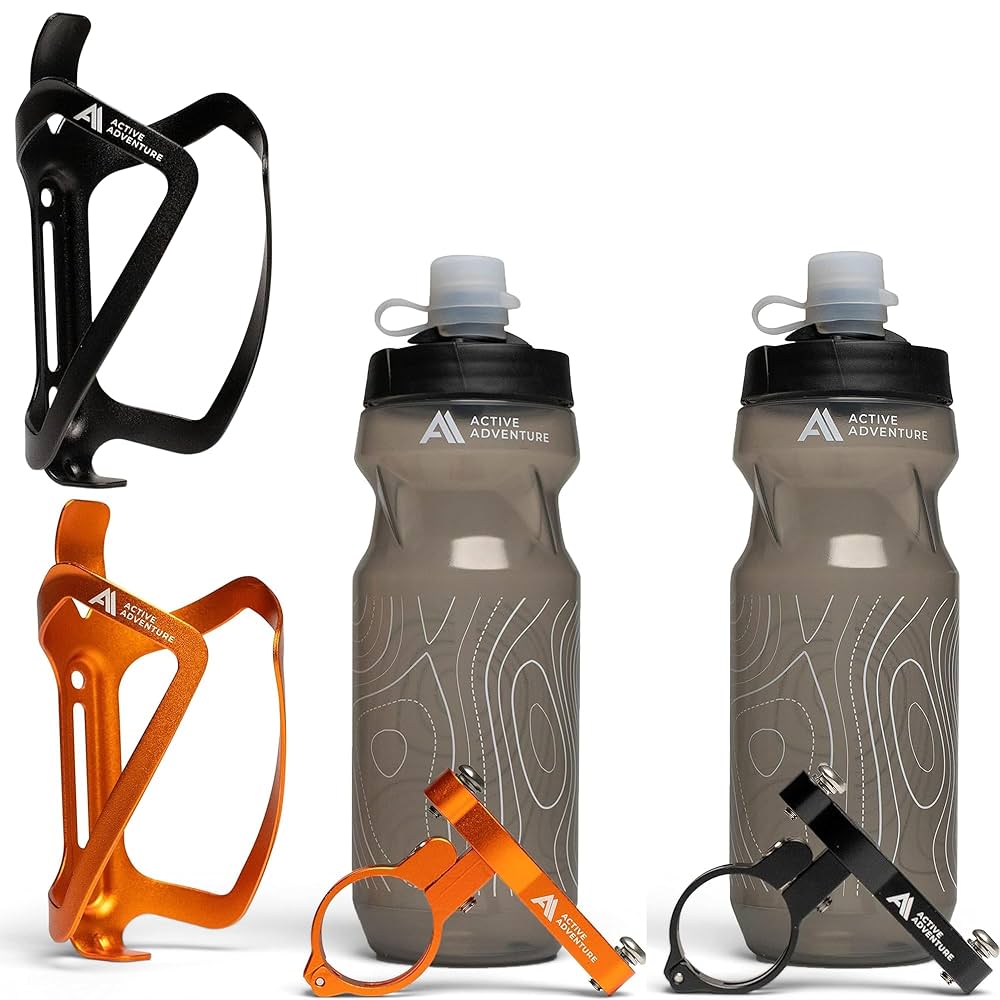
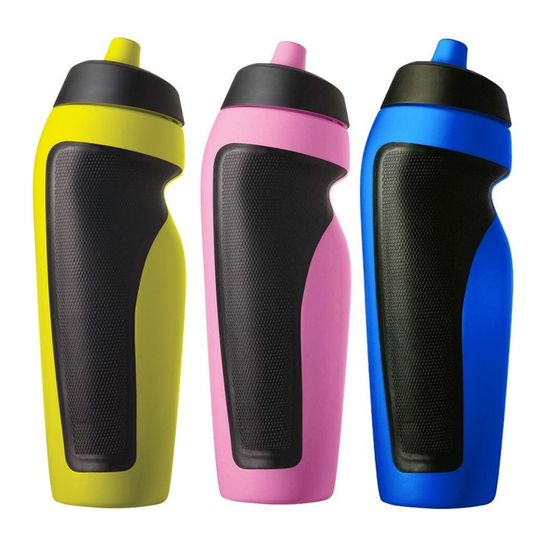
A stock image related to bicycle bottle water.
In-depth Look: Manufacturing Processes and Quality Assurance for bicycle bottle water
What Are the Key Stages in the Manufacturing Process of Bicycle Water Bottles?
The manufacturing of bicycle water bottles involves several critical stages, each designed to ensure high quality and functionality. The main stages include material preparation, forming, assembly, and finishing.
Material Preparation: Sourcing and Processing
The first step in manufacturing bicycle water bottles is sourcing the right materials. Common materials include BPA-free plastics, stainless steel, and aluminum. For eco-conscious brands, plant-based materials are becoming increasingly popular. Once sourced, materials undergo processing where they are cleaned, treated, and sometimes pre-formed into granules or sheets suitable for the next stages.
How Are Bicycle Water Bottles Formed?
The forming stage utilizes various techniques depending on the material. For plastic bottles, injection molding is a prevalent method. Here, heated plastic is injected into a mold to create the desired shape. For metal bottles, processes such as deep drawing or hydroforming are used, where sheets of metal are shaped into bottles under high pressure. These methods not only ensure the structural integrity of the bottles but also allow for unique designs that appeal to consumers.
What Happens During the Assembly Stage?
After the forming stage, components such as caps, nozzles, and insulation layers (for insulated bottles) are assembled. This process often involves automated machinery to ensure precision and efficiency. Each component is checked for compatibility, ensuring that the final product is functional and user-friendly. Furthermore, branding elements, like logos and labels, are added during this stage, enhancing marketability.
How Is the Finishing Process Carried Out?
The finishing stage involves surface treatments, such as polishing or coating, which enhance the aesthetic appeal and durability of the bottles. For plastic bottles, UV coatings may be applied to improve resistance to sunlight and wear. Metal bottles often undergo anodizing or powder coating, providing a protective layer that also allows for vibrant colors. This stage is crucial for ensuring the product meets market standards for durability and design.
What Quality Assurance Measures Are Essential for Bicycle Water Bottles?
Quality assurance is a vital component of the manufacturing process, ensuring that the final product meets international standards and customer expectations.
Which International Standards Should Buyers Consider?
B2B buyers should be aware of relevant international standards such as ISO 9001, which focuses on quality management systems. Compliance with these standards indicates that the manufacturer has established processes to consistently meet customer and regulatory requirements. Other certifications that may be relevant include CE marking for European markets and FDA compliance for products entering the U.S. market.
What Are the Key QC Checkpoints in the Manufacturing Process?
Quality control (QC) involves several checkpoints throughout the manufacturing process:
-
Incoming Quality Control (IQC): This initial step verifies the quality of raw materials before production begins. Suppliers must provide certificates of compliance and material safety data sheets.
-
In-Process Quality Control (IPQC): During manufacturing, random samples are taken to check for defects in the molding, assembly, and finishing stages. This ensures that any issues are caught early in the process.
-
Final Quality Control (FQC): After production, finished products undergo rigorous testing. This includes leak tests, pressure tests, and evaluations for material integrity. Bottles may also be subjected to temperature tests, especially for insulated variants.
How Can B2B Buyers Verify Supplier Quality Control?
To ensure that suppliers adhere to quality standards, B2B buyers should implement a thorough verification process.
What Types of Audits and Reports Can Be Requested?
Buyers can request detailed quality assurance reports, including results from IQC, IPQC, and FQC. Regular audits, both announced and unannounced, can be conducted to assess compliance with quality standards. It’s advisable to have a checklist based on the specific requirements of the purchasing organization, ensuring that all critical aspects are covered.
How Important Are Third-Party Inspections?
Engaging third-party inspection services can provide an additional layer of assurance. These independent organizations can conduct audits and product tests to verify that the manufacturer meets both international standards and the buyer’s specific requirements. This is particularly crucial for buyers from regions like Africa and South America, where regulatory compliance may vary.
What Are the Nuances of Quality Control for International B2B Buyers?
Understanding the nuances of quality control is essential for international B2B transactions, particularly for buyers in diverse markets like the Middle East and Europe.
How Do Regional Regulations Affect Quality Standards?
Each region may have its own regulations concerning product safety and quality. For instance, products entering the European market must comply with CE marking requirements, which may not be necessary in other regions. Buyers should familiarize themselves with these regulations to avoid compliance issues.
What Should Buyers Look for in Terms of Certification?
Buyers should seek manufacturers who can provide proof of relevant certifications. This includes ISO certifications, safety standards, and environmental compliance documents. Such certifications not only ensure quality but also enhance the credibility of the supplier in the eyes of international buyers.
Conclusion: Ensuring Quality in Bicycle Water Bottle Manufacturing
In summary, the manufacturing process of bicycle water bottles encompasses several stages, each critical to producing a high-quality product. For B2B buyers, understanding these processes and the associated quality assurance measures is vital for making informed purchasing decisions. By focusing on supplier certifications, quality control checkpoints, and third-party inspections, buyers can mitigate risks and ensure that they are sourcing reliable and compliant products for their markets.
Practical Sourcing Guide: A Step-by-Step Checklist for ‘bicycle bottle water’
Introduction
Sourcing bicycle water bottles for your business requires a strategic approach to ensure you select products that meet quality standards, align with market trends, and cater to your target audience. This guide provides a practical checklist for B2B buyers to streamline the procurement process, ensuring that you make informed decisions that enhance your offerings and satisfy customer demands.
1. Identify Your Target Market
Understanding your target market is crucial for selecting the right bicycle water bottles. Assess the demographics, preferences, and needs of your audience in regions such as Africa, South America, the Middle East, and Europe. Tailor your product offerings—considering factors like material, size, and design—to align with local trends and consumer behavior.
2. Define Your Technical Specifications
Clearly outline the specifications for the bicycle water bottles you intend to source. Consider aspects such as:
– Material: Opt for BPA-free plastics, stainless steel, or eco-friendly options.
– Capacity: Offer a range of sizes (e.g., 500ml, 750ml) to cater to different cycling preferences.
– Features: Look for leak-proof designs, insulation capabilities, and ease of cleaning.
3. Research and Select Suppliers
Conduct thorough research to identify potential suppliers. Look for manufacturers with a strong reputation in the industry, positive reviews, and relevant certifications. It’s essential to:
– Request Samples: Evaluate the quality of products firsthand.
– Check References: Speak with other businesses that have sourced from the supplier.
4. Evaluate Supplier Certifications and Compliance
Ensure that your suppliers meet necessary industry standards and regulations. Verify certifications such as ISO 9001 for quality management and any relevant environmental certifications. This step is critical to ensure product safety and compliance with local regulations, particularly in diverse markets.
5. Assess Pricing and Payment Terms
Compare pricing structures among different suppliers to ensure competitive rates while maintaining quality. Consider the following:
– Minimum Order Quantities (MOQs): Understand the minimum quantities required to place an order.
– Payment Terms: Look for favorable terms that align with your cash flow needs, such as net 30 or net 60 days.
6. Review Logistics and Shipping Options
Evaluate the logistics offered by your suppliers, including shipping methods and timelines. Consider:
– Delivery Times: Ensure that suppliers can meet your delivery expectations.
– Shipping Costs: Factor in shipping expenses to your overall cost structure, especially for international orders.
7. Establish Clear Communication Channels
Maintain open lines of communication with your suppliers throughout the sourcing process. This ensures that any questions or concerns can be addressed promptly, and fosters a stronger partnership. Regular updates on production status, shipping, and any potential issues are vital for smooth operations.
By following this checklist, B2B buyers can effectively navigate the sourcing process for bicycle water bottles, ensuring a successful procurement that meets market demands and enhances their product offerings.
Comprehensive Cost and Pricing Analysis for bicycle bottle water Sourcing
Understanding the cost structure and pricing dynamics of bicycle water bottles is essential for international B2B buyers, particularly those in regions like Africa, South America, the Middle East, and Europe. The following analysis breaks down key cost components, price influencers, and offers actionable tips for effective sourcing.
What Are the Key Cost Components in Bicycle Water Bottle Production?
The cost structure of bicycle water bottles typically includes several components:
-
Materials: The choice of materials significantly influences cost. Common materials include BPA-free plastic, stainless steel, and plant-based options. Premium materials can increase the price but may offer better durability and performance.
-
Labor: Labor costs vary by region and impact overall pricing. Countries with lower labor costs can offer competitive pricing, but buyers should consider potential trade-offs in quality and craftsmanship.
-
Manufacturing Overhead: This encompasses utilities, facility maintenance, and administrative expenses associated with production. Efficient manufacturing processes can help reduce overhead costs.
-
Tooling: Initial tooling costs for custom designs or unique specifications can be substantial. Buyers should factor in these costs when considering customized bottles.
-
Quality Control (QC): Robust QC processes ensure product reliability and compliance with international standards. While they add to costs, they are essential for maintaining quality, especially for markets with stringent regulations.
-
Logistics: Shipping and handling costs can vary significantly based on the origin and destination of the goods. Incoterms will also dictate who bears the responsibility for shipping costs, which can affect overall pricing.
-
Margin: Suppliers typically include a profit margin in their pricing, which can vary based on competition, market demand, and the supplier’s position in the supply chain.
How Do Price Influencers Affect Bicycle Water Bottle Sourcing?
Several factors can influence the pricing of bicycle water bottles:
-
Volume/MOQ (Minimum Order Quantity): Bulk orders often lead to discounts. Buyers should negotiate MOQs to benefit from better pricing, especially when sourcing for larger retail operations.
-
Specifications/Customization: Custom designs and specifications can lead to increased costs. Buyers should weigh the benefits of customization against potential price increases.
-
Material Quality/Certifications: Higher quality materials or certifications (e.g., food safety standards) can increase costs but may be necessary for compliance and market acceptance in certain regions.
-
Supplier Factors: The supplier’s reputation, reliability, and location can significantly impact pricing. Established suppliers may command higher prices due to their proven track record.
-
Incoterms: Understanding Incoterms is crucial for international transactions. They define who is responsible for shipping costs and risks, which can affect the total cost of ownership.
What Are the Best Tips for International Buyers in Sourcing Bicycle Water Bottles?
-
Negotiate Effectively: Always negotiate terms with suppliers. Discuss price, payment terms, and delivery schedules to optimize costs.
-
Evaluate Total Cost of Ownership (TCO): Consider all associated costs beyond the initial purchase price, including shipping, tariffs, and potential quality issues.
-
Consider Regional Variations: Be aware of regional pricing differences and market demand. For example, prices in Europe may differ significantly from those in Africa or South America.
-
Research and Compare Suppliers: Take time to research multiple suppliers. Compare costs, quality, and service levels to find the best fit for your needs.
-
Stay Updated on Market Trends: The bicycle accessories market can fluctuate. Staying informed about material costs, labor rates, and market demands can help buyers make better sourcing decisions.
Disclaimer on Indicative Prices
While this analysis provides insights into cost structures and pricing factors, the prices mentioned in various sources are indicative and may vary based on specific agreements, market conditions, and regional factors. Always consult with suppliers for the most accurate and up-to-date pricing.
Alternatives Analysis: Comparing bicycle bottle water With Other Solutions
Understanding Alternatives for Bicycle Bottle Water Solutions
As B2B buyers evaluate hydration solutions for cyclists, it is essential to consider various alternatives to traditional bicycle water bottles. While these bottles are widely recognized for their convenience and effectiveness, other methods and technologies can also meet hydration needs. This analysis compares bicycle bottle water against two viable alternatives: hydration packs and smart water bottles.
Comparison Table
| Comparison Aspect | Bicycle Bottle Water | Hydration Packs | Smart Water Bottles |
|---|---|---|---|
| Performance | High flow rate, easy to use | Offers continuous hydration | Tracks hydration levels |
| Cost | $10 – $50 per bottle | $30 – $150 per pack | $25 – $100 per bottle |
| Ease of Implementation | Simple to use and refill | Requires adjustment | Needs charging and setup |
| Maintenance | Low (cleaning only) | Moderate (cleaning bladder) | Moderate (battery care) |
| Best Use Case | Short to medium rides | Long-distance cycling | Fitness tracking enthusiasts |
In-depth Analysis of Alternatives
Hydration Packs:
Hydration packs are designed for cyclists who require hands-free hydration during extended rides. They consist of a water reservoir and a hose, allowing riders to sip water without stopping. The primary advantage of hydration packs is their capacity; they can hold more water than standard bottles, which is beneficial for long-distance cyclists. However, they can be cumbersome, especially for those not accustomed to wearing them. Additionally, maintenance can be more involved due to the need to clean the bladder and tubing to prevent mold and bacteria growth.
Smart Water Bottles:
Smart water bottles integrate technology to help users track their hydration levels through mobile apps. They can remind users to drink and monitor intake, making them ideal for fitness enthusiasts who are serious about their hydration. The downside is that they typically come at a higher price point and require regular charging, which may not suit all cyclists. Moreover, if a user is not tech-savvy, the setup may pose a challenge, detracting from the simplicity that many cyclists seek.
Conclusion: How to Choose the Right Hydration Solution for Your Needs
When selecting the right hydration solution, B2B buyers should consider their specific use case, budget, and user preferences. Bicycle bottle water offers a straightforward and cost-effective solution for short to medium rides, making it a great choice for casual cyclists. On the other hand, hydration packs are better suited for long-distance cyclists who prioritize capacity and hands-free convenience. Smart water bottles appeal to those looking for technological integration and hydration tracking but may require more investment and maintenance. Ultimately, understanding the unique benefits and limitations of each option will guide buyers in making informed decisions that align with their operational needs and target market preferences.
Essential Technical Properties and Trade Terminology for bicycle bottle water
What Are the Key Technical Properties of Bicycle Water Bottles?
Understanding the essential technical properties of bicycle water bottles is crucial for B2B buyers who aim to make informed purchasing decisions. Here are some critical specifications:
1. Material Grade
The material used in bicycle water bottles significantly affects durability, weight, and safety. Common materials include BPA-free plastic, stainless steel, and plant-based options. For example, stainless steel bottles are favored for their durability and resistance to corrosion, while BPA-free plastics are essential for safety and health compliance. B2B buyers should prioritize materials that align with market trends and consumer preferences for eco-friendliness and sustainability.
2. Capacity
Bicycle water bottles come in various capacities, typically ranging from 500ml to 1,000ml. The choice of capacity can influence hydration strategy during cycling activities. For instance, competitive cyclists may prefer smaller, lighter bottles for speed, whereas casual riders may opt for larger volumes for longer rides. Buyers must consider the target market’s needs to optimize their inventory.
3. Insulation Properties
Insulation is a critical feature for maintaining beverage temperature. Bottles with double-wall vacuum insulation keep drinks cold or hot for extended periods. This property is particularly important in regions with extreme temperatures, appealing to consumers seeking comfort during their rides. B2B buyers should evaluate insulation performance to meet customer demands effectively.
4. Leak-Proof Design
A leak-proof design is paramount for preventing spills and ensuring user satisfaction. Many modern bottles feature advanced valve systems or seals that eliminate leaks, making them ideal for bike mounts. Understanding the effectiveness of these designs can help B2B buyers reduce returns and increase customer loyalty.
5. Ease of Cleaning
Bicycle water bottles that are easy to clean enhance user experience and hygiene. Features such as wide mouths or dishwasher-safe materials simplify maintenance. B2B buyers should consider the cleaning ease in their product offerings, as it can significantly influence consumer choices.
6. Weight
The weight of the water bottle can impact cycling performance. Lightweight materials are preferred by serious cyclists, while casual users may prioritize other features. B2B buyers should balance weight with durability to cater to different segments of the cycling market.
What Are the Common Trade Terms Used in Bicycle Water Bottle Transactions?
Familiarity with industry terminology is vital for smooth transactions in the B2B market. Here are some common terms:
1. OEM (Original Equipment Manufacturer)
OEM refers to companies that produce parts or products that are branded by another firm. In the context of bicycle water bottles, OEMs can offer customization options for brands looking to enhance their product lines. Understanding OEM capabilities can help buyers negotiate better terms and product specifications.
2. MOQ (Minimum Order Quantity)
MOQ is the minimum number of units a supplier is willing to produce or sell. This term is crucial for B2B buyers as it affects inventory management and cash flow. Knowing the MOQ helps businesses plan their purchases efficiently and avoid overstocking or stockouts.
3. RFQ (Request for Quotation)
An RFQ is a document sent by a buyer to suppliers to request pricing and terms for specific products. It serves as a critical step in the procurement process, allowing buyers to compare offers and make informed decisions. Crafting a comprehensive RFQ can lead to better deals and supplier relationships.
4. Incoterms (International Commercial Terms)
Incoterms define the responsibilities of buyers and sellers in international trade transactions. Terms like FOB (Free On Board) or CIF (Cost, Insurance, and Freight) clarify shipping and delivery responsibilities, which is essential for B2B transactions involving bicycle water bottles across borders. Understanding these terms helps mitigate risks and enhances clarity in contracts.
5. Lead Time
Lead time refers to the amount of time it takes from placing an order until it is delivered. In the context of bicycle water bottles, understanding lead times is crucial for planning inventory and meeting customer demand, especially in seasonal markets. Buyers should factor lead times into their procurement strategies to maintain a competitive edge.
6. Certification Standards
Certification standards, such as ISO or FDA approvals, ensure that products meet specific safety and quality benchmarks. B2B buyers should prioritize suppliers with recognized certifications to ensure compliance and build trust with their customers. Understanding these standards can lead to better product quality and market acceptance.
By grasping these technical properties and trade terms, B2B buyers can make informed decisions that enhance their market competitiveness in the bicycle water bottle sector.
Navigating Market Dynamics and Sourcing Trends in the bicycle bottle water Sector
What Are the Key Market Dynamics and Trends in the Bicycle Bottle Water Sector?
The global bicycle bottle water market is witnessing significant growth, driven by an increasing focus on health and wellness, coupled with a rise in cycling as a preferred mode of transportation. Urbanization, particularly in regions like Africa, South America, and the Middle East, is contributing to a burgeoning cycling culture, thereby elevating the demand for high-quality hydration solutions. International B2B buyers are particularly attuned to sourcing innovative products that enhance the cycling experience, such as insulated bottles, eco-friendly materials, and customizable designs.
Emerging technologies are reshaping the sourcing landscape. Manufacturers are increasingly adopting smart materials that improve thermal insulation and durability, as well as integrating features like antimicrobial properties to enhance hygiene. Additionally, digital platforms are facilitating more streamlined procurement processes, enabling buyers to access a wider array of suppliers and products. Notably, the rise of e-commerce has made it easier for B2B buyers to compare prices and specifications, empowering them to make informed purchasing decisions.
The market is also shifting towards premium products that offer enhanced functionality, such as bottles with integrated filtration systems or collapsible designs for easy transport. This trend is particularly appealing to environmentally conscious consumers who value sustainability alongside functionality. As a result, international buyers from diverse regions, including Europe and the Middle East, are increasingly looking for suppliers that can offer innovative, high-quality products that cater to these evolving consumer preferences.
How Is Sustainability and Ethical Sourcing Reshaping the Bicycle Bottle Water Market?
The bicycle bottle water sector is increasingly influenced by sustainability and ethical sourcing practices. As consumers become more environmentally conscious, there is a growing demand for products that minimize environmental impact. B2B buyers are prioritizing suppliers that utilize recyclable, biodegradable, or plant-based materials in their products. For instance, brands that offer plant-based water bottles, like those made from renewable resources, are gaining traction in the market, aligning with the values of eco-aware consumers.
Ethical supply chains are also a crucial factor for international buyers. Transparency in sourcing practices is becoming a requirement, with businesses expected to demonstrate their commitment to fair labor practices and responsible sourcing. Certifications such as Fair Trade, B Corp, and other environmental labels are increasingly sought after by B2B buyers who want to ensure their products are not only functional but also socially responsible.
Moreover, companies that actively engage in corporate social responsibility (CSR) initiatives are seen as more attractive partners. This could include efforts such as donating a portion of sales to environmental causes or participating in community-based recycling programs. As the trend towards sustainability continues to grow, B2B buyers must consider these factors when sourcing products to align with market demands and consumer expectations.
What Is the Evolution of the Bicycle Bottle Water Sector?
The bicycle bottle water market has evolved significantly over the past few decades. Initially dominated by simple plastic designs, the sector has transformed with advancements in materials technology and a greater understanding of hydration needs for cyclists. The introduction of insulated bottles, which keep beverages cold or hot for extended periods, marked a notable innovation in the industry.
As cycling gained popularity, particularly in urban settings, the demand for stylish and functional hydration solutions surged. Manufacturers began to focus not only on performance but also on aesthetics and branding, leading to a diverse range of products that cater to various consumer preferences. The rise of e-commerce platforms has further accelerated this evolution, allowing for a wider reach and easier access to specialized products.
Today, the bicycle bottle water sector is characterized by a blend of innovation, sustainability, and consumer-centric design, making it a dynamic and rapidly evolving market for international B2B buyers.
Frequently Asked Questions (FAQs) for B2B Buyers of bicycle bottle water
-
How do I ensure the quality of bicycle water bottles from suppliers?
To ensure quality, it is crucial to vet suppliers by requesting product samples and certifications, such as ISO 9001. Conducting factory audits can provide insights into their manufacturing processes. Additionally, reviewing customer testimonials and industry ratings can help assess reliability. Establishing clear quality assurance protocols, including regular inspections during production, is essential for maintaining standards. -
What materials are recommended for durable bicycle water bottles?
Durable bicycle water bottles are commonly made from BPA-free plastics, stainless steel, and plant-based materials. BPA-free plastics are lightweight and impact-resistant, while stainless steel offers superior durability and insulation. Plant-based options are increasingly popular for their eco-friendliness. When choosing materials, consider factors such as weight, insulation properties, and environmental impact to meet your customers’ preferences. -
What customization options should I consider for bicycle water bottles?
Customization options can include branding, colors, sizes, and materials. Many suppliers offer printing or embossing services for logos and designs, allowing you to create unique products that resonate with your target market. Additionally, consider offering various sizes and shapes to cater to different cycling needs. Discussing your customization requirements with suppliers early in the negotiation process can help ensure they can meet your expectations. -
What is the typical minimum order quantity (MOQ) for bicycle water bottles?
The MOQ for bicycle water bottles varies by supplier and material. Generally, it ranges from 100 to 1,000 units. For smaller businesses or new entrants, some suppliers may offer flexible MOQs, especially for customized orders. It’s advisable to inquire about MOQs during initial discussions and explore potential negotiation options if your order volume is lower than the supplier’s standard. -
What are common payment terms when sourcing bicycle water bottles internationally?
Payment terms can vary widely but often include options like T/T (telegraphic transfer), L/C (letter of credit), or PayPal. Many suppliers require a deposit (usually 30%) before production, with the balance due before shipment. It’s essential to clarify terms upfront to avoid misunderstandings later. Consider establishing escrow services for added security, particularly for larger orders. -
How can I manage logistics and shipping for bicycle water bottles?
Effective logistics management begins with selecting reliable freight forwarders who understand international shipping regulations. Collaborate with your supplier to determine optimal shipping methods, whether by air or sea, based on cost and urgency. Ensure you’re aware of import duties and taxes in your country, as they can significantly affect overall costs. Establish clear communication channels with your shipping partners for real-time tracking and updates. -
What certifications should I look for in bicycle water bottles?
Certifications can play a critical role in establishing trust and ensuring product safety. Look for certifications such as FDA approval for food-grade materials, BPA-free labels, and environmental certifications like ISO 14001. These certifications demonstrate compliance with health and safety standards and can appeal to environmentally-conscious consumers. Discuss certification availability with your suppliers to ensure they meet your market’s regulatory requirements. -
How do I evaluate potential suppliers for bicycle water bottles?
Evaluating potential suppliers involves several steps: review their product catalogs and certifications, check references and customer reviews, and assess their production capabilities. Requesting samples is critical to verify product quality. Additionally, consider their communication responsiveness and willingness to accommodate your needs. Establishing a good relationship with suppliers can lead to better collaboration and service in the long term.
Important Disclaimer & Terms of Use
⚠️ Important Disclaimer
The information provided in this guide, including content regarding manufacturers, technical specifications, and market analysis, is for informational and educational purposes only. It does not constitute professional procurement advice, financial advice, or legal advice.
While we have made every effort to ensure the accuracy and timeliness of the information, we are not responsible for any errors, omissions, or outdated information. Market conditions, company details, and technical standards are subject to change.
B2B buyers must conduct their own independent and thorough due diligence before making any purchasing decisions. This includes contacting suppliers directly, verifying certifications, requesting samples, and seeking professional consultation. The risk of relying on any information in this guide is borne solely by the reader.
Top 9 Bicycle Bottle Water Manufacturers & Suppliers List
1. CamelBak – Bike Water Bottles
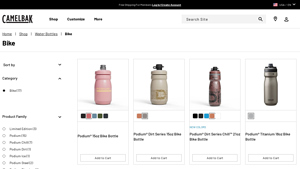
Domain: camelbak.com
Registered: 1996 (29 years)
Introduction: Bike Water Bottles from CamelBak include various models such as:
– Podium® 15oz Bike Bottle – $12.00
– Podium® Dirt Series 15oz Bike Bottle – $15.00
– Podium® Dirt Series Chill™ 21oz Bike Bottle – $19.00 – $21.00
– Podium® Titanium 18oz Bike Bottle – $100.00
– Podium® Steel 22oz Bike Bottle – $44.00
– Podium® Chill™ 21oz Bike Bottle – $16.00 – $20.00
– Podium® Steel 18oz Bike Bottle – $35.0…
2. Portland Design Works – Bike Water Bottles
Domain: ridepdw.com
Registered: 2008 (17 years)
Introduction: Bike Water Bottles available from Portland Design Works include:
– Unthaw X PDW Dog Ride Nalgene Bottle – 32oz – $15.00
– Unthaw X PDW Dog Ride Bottle – 20oz – $13.95
– Rattlesnek Plant-Based Bottle – 24oz – $13.95
– Dreyfus Art Plant-Based Bottle – 20oz – $13.95
– Maneki-neko Bottle – 26oz – $11.95
– Maneki-neko Bottle – 22oz – $11.95
– Tandem Mice Bottle – 22oz – $11.95
– Very Good Dog B…
3. Hydrapak – Cycling Water Bottles & Hydration Packs
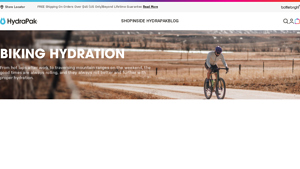
Domain: hydrapak.com
Registered: 1996 (29 years)
Introduction: Cycling Water Bottles & Hydration Packs | Leak-Proof, BPA-Free | Free Shipping on Orders Over $45 (US Only) | Beyond Lifetime Guarantee | 30 Day Returns | Shop by Activity: Hike, Run, Camp, Bike, Hunt & Fish, Ski & Snowboard | Shop by Category: Hydration Reservoirs, Water Bottles, Soft Flasks, Water Storage, Water Filtration, Accessories, Cleaning | Limited Edition Bottle Series available.
4. Mountain Flow – Plant-Based Water Bottles
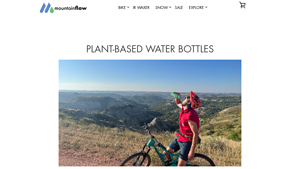
Domain: mountainflow.com
Registered: 2014 (11 years)
Introduction: Plant-Based Water Bottles – Made primarily with plants instead of petroleum. Available sizes: 700ml and 600ml. Custom bottle program available. Free shipping on US orders over $75. Bottles are guaranteed to work great as water bottles.
5. Bicycle Warehouse – Best Bike Water Bottles
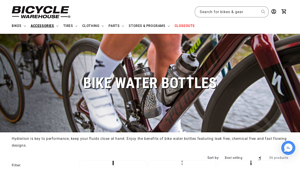
Domain: bicyclewarehouse.com
Registered: 1998 (27 years)
Introduction: Best Bike Water Bottles for Cyclists | Hydration is key to performance, keep your fluids close at hand. Enjoy the benefits of bike water bottles featuring leak free, chemical free and fast flowing designs. 36 products available including 1 Bottle Cage and 35 Water Bottles. Sizes range from 18oz to 23oz. Brands include Fox, Specialized, Bicycle Warehouse, CamelBak, FSA, Lezyne, MSW, Osprey, Profile…
6. CamelBak – Podium Bottles
Domain: reddit.com
Registered: 2005 (20 years)
Introduction: CamelBak Podium, Polar insulated, Polar bottles, Decathlon bottles (650ml and 950ml sizes)
7. Bivo – Trio Mini Insulated Bottle
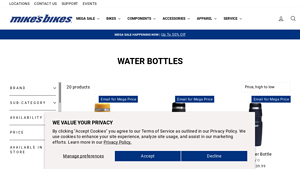
Domain: mikesbikes.com
Registered: 1999 (26 years)
Introduction: Water Bottles available from various brands including Bivo, CamelBak, Mike’s Bikes, Profile Design, Public Bikes, Santa Cruz, and UNIT 1. Key products include: 1. Trio Mini Insulated Bottle by Bivo – $44.99 2. Trio Insulated Water Bottle by Bivo – from $44.99 3. Duo Water Bottle by Bivo – from $39.99 4. Lightweight One Water Bottle by Bivo – from $29.99 5. Mike’s Bikes Podium Steel Bottle – Regula…
8. Specialized – Founder Union 32oz
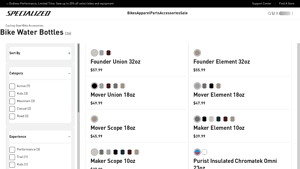
Domain: specialized.com
Registered: 1994 (31 years)
Introduction: {“categories”:[“Active”,”Kids”,”Mountain”,”Casual”,”Road”],”sizes”:[“10 OZ”,”18 OZ”,”21 oz”,”22 oz”,”23 oz”,”24 oz”,”26 oz”,”32 OZ”],”product_families”:[“Big Mouth”,”Purist”,”Purist Insulated”],”price_ranges”:[“Less than $50″,”$50 – $250″],”products”:[{“name”:”Founder Union 32oz”,”price”:”$57.99″},{“name”:”Founder Element 32oz”,”price”:”$55.99″},{“name”:”Mover Union 18oz”,”price”:”$49.99″},{“name”…
9. DIB Sports – Dib Bottle
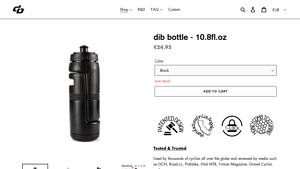
Domain: dibsports.com
Registered: 2019 (6 years)
Introduction: Product Name: dib bottle
Type: Cycling Water Bottle with Storage
Sizes Available: 10.8fl.oz and 16.2fl.oz
Price: $28.00
Color Options: Black, White
Features:
– Patented modular design combining hydration and storage
– Compatible with all cages
– Honeycomb textured surface
– BPA Free
– Made in the USA
– Recommended for carrying small riding essentials such as MT8 Multi-Tool, tire levers, patch kit…
Strategic Sourcing Conclusion and Outlook for bicycle bottle water
In the evolving landscape of bicycle bottle water sourcing, strategic partnerships and an understanding of regional market demands are paramount for international B2B buyers. The diverse offerings—from high-performance insulated bottles to environmentally-friendly options—reflect a growing consumer preference for quality, functionality, and sustainability. Buyers should prioritize suppliers that not only deliver innovative products but also align with their corporate values, such as environmental responsibility and community engagement.
The significance of strategic sourcing cannot be overstated. It enables businesses to optimize their supply chains, reduce costs, and enhance product offerings, ensuring a competitive edge in various markets. By leveraging insights into local consumer preferences in regions like Africa, South America, the Middle East, and Europe, buyers can make informed decisions that cater to specific needs and trends.
Looking ahead, the demand for bicycle water bottles is expected to grow, driven by an increasing focus on health and outdoor activities. Now is the time for B2B buyers to engage with trusted suppliers and explore innovative products that resonate with their target markets. Seize this opportunity to enhance your portfolio and meet the hydration needs of cycling enthusiasts worldwide.
 English
  Español
  Português
  Français
  Deutsch
  العربية
  Русский
  日本語
日本語  한국어
한국어  Italiano
  Nederlands