
Introduction: Navigating the Global Market for water bottle with straw and handle
In the competitive landscape of hydration solutions, sourcing high-quality water bottles with straws and handles poses a significant challenge for international B2B buyers. With a diverse range of materials, designs, and functionalities available, it can be daunting to identify products that meet both consumer preferences and market demands. This guide aims to streamline the purchasing process by providing an in-depth exploration of the various types of water bottles, their applications across different industries, and essential criteria for supplier vetting.
As the global market expands, particularly in regions like Africa, South America, the Middle East, and Europe—including key markets such as Saudi Arabia and Nigeria—understanding the intricacies of product features and pricing structures becomes increasingly vital. This comprehensive resource delves into the latest trends, cost considerations, and effective strategies for sourcing durable, eco-friendly options that cater to a growing consumer base prioritizing convenience and sustainability.
By empowering B2B buyers with actionable insights and practical knowledge, this guide will facilitate informed purchasing decisions, ultimately driving success in a dynamic and evolving market. Whether you are looking to enhance your product offerings or meet specific client demands, understanding the landscape of water bottles with straws and handles will position your business for growth and competitive advantage.
Understanding water bottle with straw and handle Types and Variations
| اسم النوع | السمات المميزة الرئيسية | تطبيقات B2B الأولية | موجز الإيجابيات والسلبيات للمشترين |
|---|---|---|---|
| فولاذ مقاوم للصدأ معزول | Vacuum insulation, durable, leak-proof, often with carrying handle | الفعاليات الخارجية، وهدايا الشركات، ومراكز اللياقة البدنية | الإيجابيات: احتفاظ ممتاز بدرجة الحرارة; السلبيات: تكلفة أعلى مقارنة بالبلاستيك. |
| بلاستيك خال من BPA | Lightweight, cost-effective, often available in various colors and designs | Schools, sports teams, promotional giveaways | الإيجابيات: Affordable; السلبيات: Less durable than stainless steel. |
| زجاجات مياه قابلة للطي | Flexible design, lightweight, easy to store, often made from silicone or soft plastic | Travel, outdoor activities, events | الإيجابيات: Space-saving; السلبيات: May not hold up in extreme temperatures. |
| Kids’ Water Bottles | Smaller sizes, colorful designs, often include fun graphics and child-friendly features | Schools, daycare centers, family-oriented businesses | الإيجابيات: Engaging for children; السلبيات: Limited durability for rough use. |
| Infuser Water Bottles | Designed to hold fruits or herbs for flavoring, often with a built-in straw and handle | Health and wellness markets, gyms, cafes | الإيجابيات: Promotes hydration with flavor; السلبيات: More complex cleaning required. |
What Are the Key Characteristics of Insulated Stainless Steel Water Bottles?
Insulated stainless steel water bottles are engineered for durability and temperature retention, making them ideal for various environments, from outdoor events to corporate gifting. These bottles typically feature vacuum insulation, which keeps beverages cold for hours. The robust construction ensures they can withstand rough handling, appealing to businesses that prioritize longevity in their products. When purchasing, buyers should consider the capacity, insulation duration, and whether the bottle is dishwasher safe for easy maintenance.
How Do BPA-Free Plastic Water Bottles Stand Out?
BPA-free plastic water bottles are a cost-effective option, favored for their lightweight design and vibrant color options. These bottles are often used in schools, sports teams, and promotional giveaways due to their affordability and ease of customization. However, while they are budget-friendly, businesses should weigh the cost against the potential for reduced durability compared to stainless steel options. Buyers should focus on the bottle’s material quality and whether it meets safety standards for food contact.
What Advantages Do Collapsible Water Bottles Offer?
Collapsible water bottles are designed for portability, making them suitable for travelers and outdoor enthusiasts. Their flexible construction allows them to be easily stored when not in use, appealing to businesses in the travel and event sectors. However, while they are space-saving, it is crucial to consider the materials used, as some may not withstand extreme temperatures. Buyers should evaluate the bottle’s capacity and ease of cleaning before making a purchase.
What Should Buyers Know About Kids’ Water Bottles?
Kids’ water bottles are tailored for younger users, often featuring fun designs and smaller sizes. They are commonly utilized in schools and daycare centers, where engaging children in hydration is essential. While these bottles can be appealing, businesses should be mindful of their durability, as they may not hold up as well under rough use. Key considerations include the bottle’s ease of use for children and whether it is made from safe, non-toxic materials.
What Makes Infuser Water Bottles Popular in the Health Sector?
Infuser water bottles are designed to allow users to add fruits or herbs for enhanced flavor, promoting hydration in a fun and appealing way. These bottles are popular in health and wellness markets, gyms, and cafes. While they encourage a healthy lifestyle, buyers should be aware that the design may complicate cleaning due to the additional components. When considering an infuser bottle, it’s important to assess its ease of use and whether it supports the desired infusion options.
Key Industrial Applications of water bottle with straw and handle
| الصناعة/القطاع | Specific Application of water bottle with straw and handle | القيمة/الفائدة للأعمال التجارية | اعتبارات التوريد الرئيسية لهذا التطبيق |
|---|---|---|---|
| التعليم | School use for students during classes and sports | Promotes hydration among students, enhancing focus | Durable materials, BPA-free, easy to clean, and safe |
| الاستجمام في الهواء الطلق | Hiking and camping gear for adventure enthusiasts | Convenient hydration on-the-go, reducing waste | Lightweight, insulated options, leak-proof design |
| البرامج الصحية للشركات | Employee hydration initiatives in workplaces | Encourages healthy habits, reduces disposable waste | Custom branding options, ergonomic design, bulk pricing |
| الرياضة واللياقة البدنية | Gym and sports teams for hydration during activities | Enhances performance and recovery for athletes | Squeeze-friendly straws, robust handles, and materials |
| Hospitality and Events | Catering and event services for guest hydration | Adds value to guest experience, promotes eco-friendliness | Customizable designs, high-capacity options, stylish aesthetics |
How Are Water Bottles with Straw and Handle Used in Education Settings?
In educational institutions, water bottles with straws and handles are essential for promoting hydration among students, especially during classes and sports activities. These bottles encourage students to drink water regularly, which can enhance concentration and overall health. For international buyers in regions like Africa and South America, sourcing durable, BPA-free options that are easy to clean is crucial. Additionally, affordability and bulk purchase options can significantly impact procurement decisions.
What Role Do Water Bottles Play in Outdoor Recreation?
In the outdoor recreation industry, water bottles with straws and handles are invaluable for hikers and campers. They provide a convenient way to hydrate while on the move, minimizing the use of single-use plastic bottles. Buyers from the Middle East and Europe often seek lightweight, insulated designs that can maintain the temperature of beverages over long periods. Ensuring these bottles are leak-proof and made from robust materials can prevent spills during travel, addressing the needs of adventurous consumers.
How Are Water Bottles Beneficial in Corporate Wellness Programs?
Corporate wellness programs increasingly incorporate water bottles with straws and handles as part of employee health initiatives. By providing these bottles, companies promote hydration, which can lead to improved employee productivity and well-being. For B2B buyers in Europe and the Middle East, sourcing options that allow for custom branding can enhance corporate identity. Ergonomic designs that fit into office settings and bulk pricing for large orders are also key considerations for procurement.
Why Are Water Bottles Important for Sports and Fitness?
In the sports and fitness sector, water bottles with straws and handles are essential for athletes needing easy access to hydration during workouts. These bottles can enhance performance by ensuring athletes stay hydrated, which is critical for recovery and endurance. Buyers from regions like Africa and South America should focus on sourcing bottles that feature squeeze-friendly straws and robust handles for easy transport. Additionally, materials that withstand rigorous use are vital for long-term investment.
How Do Water Bottles Enhance Hospitality and Event Experiences?
In the hospitality and events industry, water bottles with straws and handles can elevate guest experiences by providing convenient hydration options. These bottles can be customized for events, enhancing branding while promoting eco-friendliness by reducing disposable plastic usage. For international buyers, sourcing aesthetically pleasing designs and high-capacity options can cater to diverse guest needs. Ensuring these bottles are easy to clean and refill is also essential for maintaining a seamless guest experience.
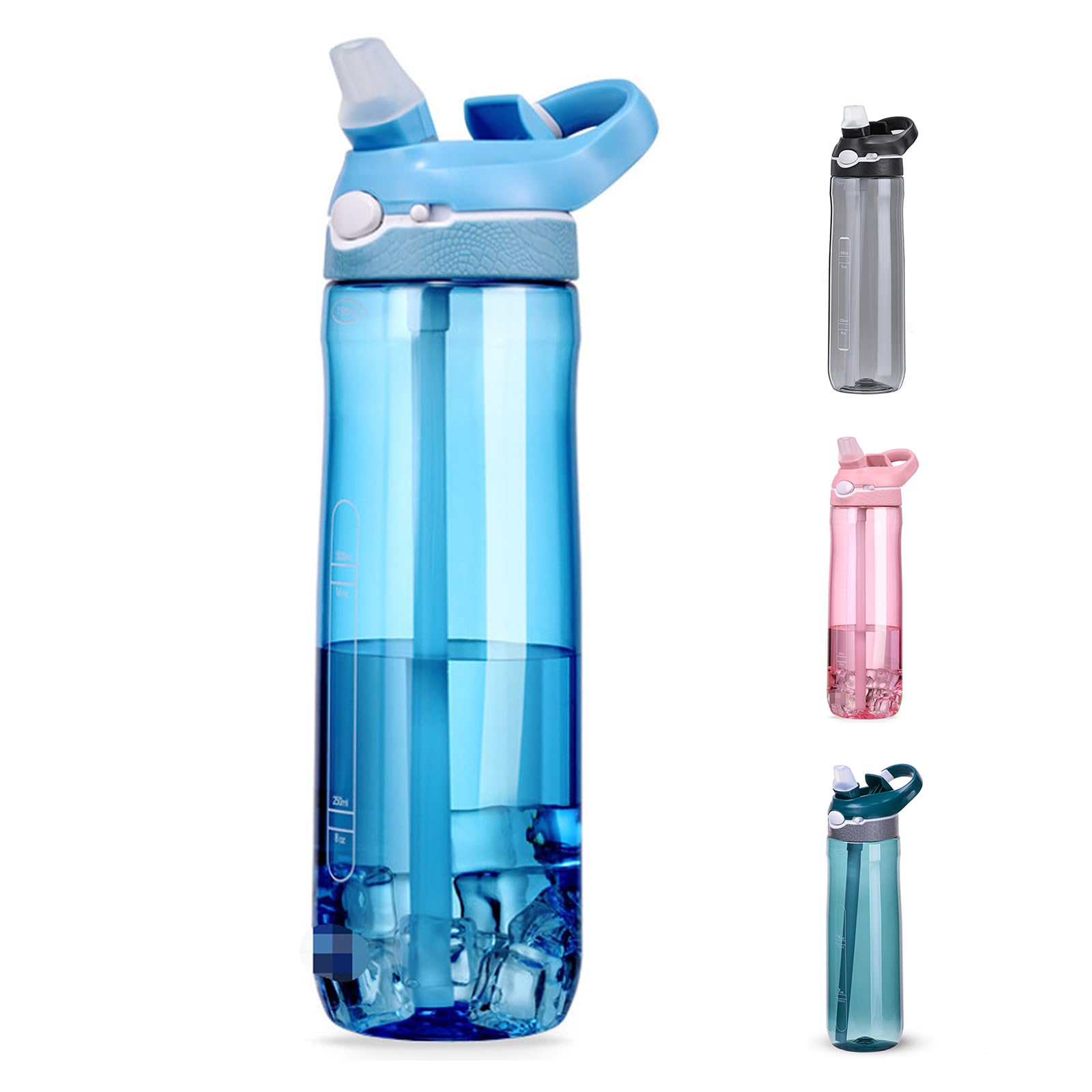
A stock image related to water bottle with straw and handle.
3 Common User Pain Points for ‘water bottle with straw and handle’ & Their Solutions
Scenario 1: Navigating Product Quality and Durability Concerns
المشكلة B2B buyers often face challenges related to the quality and durability of water bottles with straws and handles, especially when sourcing for diverse markets. In regions like Africa and South America, where climate and usage patterns vary significantly, the risk of investing in subpar products is high. Buyers need assurance that the bottles will withstand rigorous use without leaking or breaking, as this can lead to customer dissatisfaction and damage brand reputation.
الحل: To mitigate quality concerns, B2B buyers should prioritize sourcing from reputable manufacturers who provide detailed product specifications and certifications. Look for bottles made from high-grade materials such as BPA-free plastic or stainless steel, which are known for their durability and safety. Conducting thorough quality checks, including testing for leak resistance and impact durability, can also help ensure the products meet the necessary standards. Furthermore, establishing strong relationships with manufacturers can facilitate better communication and transparency regarding product quality.
Scenario 2: Addressing the Need for Customization and Branding
المشكلة Many B2B buyers seek unique products to stand out in competitive markets. However, finding water bottles with straws and handles that can be customized to reflect their brand identity can be a significant hurdle. This limitation can hinder marketing efforts and reduce product appeal among target demographics, especially in regions with strong cultural identities.
الحل: Buyers should collaborate with suppliers who offer customization options, such as color variations, logos, or unique designs. When sourcing, inquire about minimum order quantities for custom designs and explore the possibility of integrating eco-friendly materials that align with sustainability trends. Additionally, consider creating limited edition designs for seasonal promotions to enhance brand visibility and customer engagement. Developing a clear branding strategy that incorporates these customized bottles can significantly elevate market presence.
Scenario 3: Overcoming Supply Chain and Logistics Challenges
المشكلة International B2B buyers often encounter logistical hurdles when importing water bottles with straws and handles, including shipping delays, customs issues, and increased costs. These challenges can disrupt inventory management, leading to stock shortages or overstock situations that impact profitability.
الحل: To streamline logistics, B2B buyers should partner with suppliers who have established distribution networks in their target regions. Investigating suppliers with local warehouses can significantly reduce shipping times and costs. Implementing an effective inventory management system that forecasts demand based on sales data can also help maintain optimal stock levels. Additionally, buyers should remain informed about trade regulations and tariffs that could affect shipping costs and timelines. Engaging with logistics experts or freight forwarders can provide valuable insights into optimizing supply chain processes and ensuring timely delivery.
Strategic Material Selection Guide for water bottle with straw and handle
What Are the Key Properties of Common Materials for Water Bottles with Straws and Handles?
When selecting materials for water bottles with straws and handles, it is crucial to consider their properties, advantages, disadvantages, and suitability for specific applications. The most common materials include stainless steel, BPA-free plastic, glass, and silicone. Each material has unique characteristics that can impact performance, durability, and marketability.
Stainless Steel: A Durable and Insulated Option
Stainless steel is renowned for its strength and resistance to corrosion, making it an excellent choice for water bottles. It typically has a high temperature and pressure rating, allowing it to withstand extreme conditions without deforming. The double-wall vacuum insulation found in many stainless steel bottles keeps beverages cold for hours.
الإيجابيات: Stainless steel is highly durable, resistant to rust, and offers excellent thermal insulation. It is also BPA-free, making it safe for consumers.
السلبيات: The manufacturing process can be more complex and costly compared to plastic options. Additionally, stainless steel bottles may be heavier, which can be a consideration for end-users.
التأثير على التطبيق: Stainless steel is compatible with a wide range of beverages, including acidic drinks, without leaching harmful chemicals.
اعتبارات للمشترين الدوليين: Compliance with international standards such as ASTM for material safety is crucial. Buyers in regions like Europe and the Middle East may prioritize eco-friendly materials, making stainless steel a favorable option.
بلاستيك خالٍ من BPA: خفيف الوزن وفعال من حيث التكلفة
BPA-free plastic is a popular choice for manufacturers due to its lightweight nature and lower production costs. It is generally suitable for a variety of applications, including sports and outdoor activities.
الإيجابيات: Plastic water bottles are affordable and can be produced in various colors and designs. They are also lightweight, making them easy to carry.
السلبيات: While BPA-free plastics are safer than traditional plastics, they may not be as durable as stainless steel and can be prone to scratches and wear over time.
التأثير على التطبيق: BPA-free plastic is suitable for cold beverages but may not hold up well under high temperatures or with hot liquids.
اعتبارات للمشترين الدوليين: Buyers should ensure that the plastic complies with local regulations regarding food safety. In regions like Africa and South America, where regulations can vary, confirming compliance with standards is essential.
Glass: A Premium and Eco-Friendly Choice
Glass water bottles are often favored for their aesthetic appeal and eco-friendliness. They do not leach chemicals and are easy to clean, making them a safe choice for consumers.
الإيجابيات: Glass provides an excellent taste experience as it does not retain flavors or odors. It is also recyclable, appealing to environmentally conscious consumers.
السلبيات: Glass is more fragile than other materials, which can lead to breakage during transport or use. Additionally, glass bottles can be heavier and less convenient for on-the-go hydration.
التأثير على التطبيق: Glass is ideal for cold beverages but should not be used for hot liquids, as it can shatter under extreme temperature changes.
اعتبارات للمشترين الدوليين: Compliance with food safety standards is crucial, particularly in regions with strict regulations. In Europe, for instance, glass products must meet specific safety guidelines.
Silicone: Flexible and Versatile
Silicone is increasingly used in water bottles due to its flexibility and durability. It is often used in collapsible designs, making it convenient for travel.
الإيجابيات: Silicone is lightweight, flexible, and resistant to extreme temperatures. It can be molded into various shapes and sizes, offering design versatility.
السلبيات: While silicone is durable, it may not provide the same level of insulation as stainless steel. Additionally, it can be more expensive than traditional plastics.
التأثير على التطبيق: Silicone is suitable for both hot and cold beverages, but its flexibility may limit the bottle’s structural integrity under heavy use.
اعتبارات للمشترين الدوليين: Buyers should verify that silicone products meet local health and safety standards, particularly in markets like Saudi Arabia and Nigeria, where product safety is a priority.
Summary Table of Material Selection for Water Bottles with Straws and Handles
| المواد | Typical Use Case for water bottle with straw and handle | الميزة الرئيسية | العيب/التقييد الرئيسي | التكلفة النسبية (منخفضة/متوسطة/مرتفعة) |
|---|---|---|---|---|
| الفولاذ المقاوم للصدأ | Outdoor activities, sports hydration | Excellent durability and thermal insulation | Higher manufacturing cost and weight | عالية |
| بلاستيك خال من BPA | Everyday use, sports | خفيفة الوزن وفعالة من حيث التكلفة | Less durable, prone to scratches | منخفضة |
| زجاج | Premium market, eco-friendly products | No chemical leaching, recyclable | هشة وثقيلة | متوسط |
| سيليكون | Travel-friendly, collapsible designs | Flexible and versatile | Lower insulation efficiency, can be more expensive | متوسط |
This strategic material selection guide provides B2B buyers with critical insights into the properties and implications of various materials used in water bottles with straws and handles, helping them make informed purchasing decisions tailored to their markets.
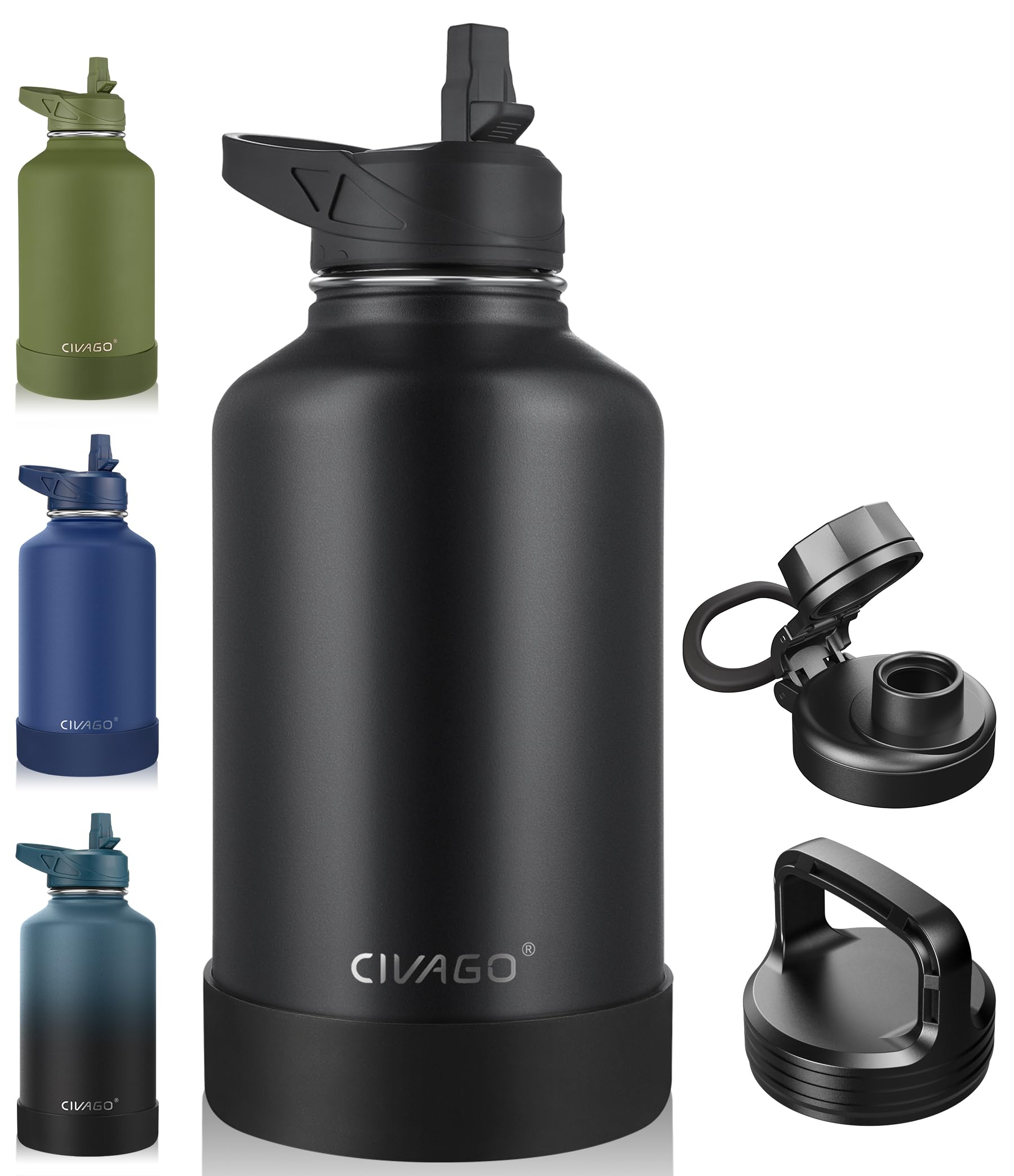
A stock image related to water bottle with straw and handle.
In-depth Look: Manufacturing Processes and Quality Assurance for water bottle with straw and handle
What Are the Main Stages of Manufacturing Water Bottles with Straws and Handles?
The manufacturing process of water bottles with straws and handles involves several key stages, each critical to ensuring the final product meets quality and safety standards.
-
إعداد المواد: The initial stage focuses on sourcing high-quality materials. Common materials include BPA-free plastic, stainless steel, and silicone. Suppliers often provide certifications to verify material safety and compliance with health standards. Material preparation also involves cutting raw materials into required sizes and shapes, ensuring they are free from defects.
-
التشكيل: This stage encompasses the shaping of the water bottle components. For plastic bottles, techniques such as injection molding are prevalent, where heated plastic is injected into molds. For stainless steel bottles, processes like deep drawing or spinning are used to create the body. Forming techniques must ensure durability while allowing for the integration of features like straws and handles.
-
التجميع: After forming, the various components—such as the body, straw, lid, and handle—are assembled. This can be done manually or through automated processes. Assembly lines often feature stations for specific tasks, including attaching the straw to the lid or securing the handle to the bottle. It’s crucial that assembly is performed with precision to prevent leakage or functionality issues.
-
التشطيب: The final stage involves surface treatment and quality checks. Finishing processes may include polishing, coating, or printing branding and safety labels on the bottles. Ensuring a smooth surface not only enhances aesthetics but also facilitates cleaning. This stage also includes initial quality control checks to catch any defects before packaging.
How Are Quality Assurance Processes Implemented in Manufacturing?
Quality assurance is integral to the manufacturing process of water bottles, ensuring that products meet both international standards and customer expectations.
-
Adherence to International Standards: Manufacturers often comply with ISO 9001, which sets the criteria for a quality management system. Certification to this standard demonstrates a commitment to quality and continuous improvement. Additionally, compliance with industry-specific standards, such as CE marking for safety in Europe and FDA regulations for materials in contact with food and beverages, is crucial.
-
نقاط التحقق من الجودة: Various checkpoints throughout the manufacturing process help maintain quality. Incoming Quality Control (IQC) inspects raw materials upon arrival, ensuring they meet specified standards. In-Process Quality Control (IPQC) monitors production activities to detect defects during manufacturing. Finally, Final Quality Control (FQC) involves thorough inspections of finished products, checking for functionality, safety, and aesthetic quality.
-
طرق الاختبار الشائعة: Testing methods for water bottles typically include leak testing, pressure testing, and thermal resistance testing. For plastic bottles, tests for chemical leaching and BPA content are also essential. Stainless steel bottles undergo tests for rust resistance and insulation performance. These tests ensure that the bottles can withstand real-world conditions and meet safety regulations.
كيف يمكن للمشترين بين الشركات التحقق من عمليات مراقبة جودة الموردين؟
B2B buyers need to ensure that their suppliers adhere to stringent quality control measures. Here are actionable steps to verify these processes:
-
عمليات تدقيق الموردين: Conducting on-site audits of potential suppliers can provide deep insights into their manufacturing and quality control practices. An audit allows buyers to evaluate the supplier’s adherence to standards, inspect production facilities, and review records of quality checks.
-
طلب تقارير الجودة: Buyers should ask for documented quality reports, including results from IQC, IPQC, and FQC. These reports should detail the methodologies used and provide evidence of compliance with international standards.
-
عمليات التفتيش من طرف ثالث: Engaging third-party inspection agencies can add an additional layer of verification. These organizations can perform independent checks and provide unbiased reports on the supplier’s quality management systems and product quality.
-
Certificates and Compliance Documents: Request copies of certifications such as ISO 9001, CE, and any relevant local compliance documents. These certifications indicate that the supplier has met specific industry standards and is committed to maintaining quality.
What Are the Quality Control Nuances for International Buyers?
For B2B buyers in regions like Africa, South America, the Middle East, and Europe, understanding the nuances of quality control is crucial for successful procurement.
-
Cultural and Regulatory Differences: Different regions may have varying regulatory requirements regarding product safety and quality. Buyers must familiarize themselves with local regulations, especially when importing goods. For example, CE marking is mandatory in Europe, while other regions may have distinct requirements.
-
عوائق اللغة: Communication can be a challenge when dealing with international suppliers. Buyers should ensure that all quality documentation, including safety data sheets and compliance certificates, are available in a language they understand.
-
التحديات اللوجستية: International shipping can introduce risks such as damage during transit or delays. Buyers should discuss with suppliers how they manage quality during shipping and what measures are in place to mitigate these risks.
-
Building Relationships: Establishing strong relationships with suppliers can enhance trust and transparency. Regular communication can lead to better collaboration on quality issues, ensuring that both parties are aligned on expectations.
الخاتمة
Understanding the manufacturing processes and quality assurance practices for water bottles with straws and handles is essential for B2B buyers. By focusing on material preparation, forming, assembly, and finishing, along with robust quality control measures, buyers can ensure they procure high-quality products that meet international standards. Verifying supplier practices through audits, reports, and third-party inspections can further safeguard against risks, ultimately leading to successful and sustainable business partnerships.
Practical Sourcing Guide: A Step-by-Step Checklist for ‘water bottle with straw and handle’
In today’s competitive market, sourcing high-quality water bottles with straws and handles is essential for businesses aiming to meet consumer demand for hydration solutions. This guide provides a step-by-step checklist to help B2B buyers effectively navigate the procurement process, ensuring they secure products that meet their specifications while also aligning with their brand values.
الخطوة 1: تحديد المواصفات الفنية الخاصة بك
Before beginning the sourcing process, it is vital to outline the specific technical requirements for the water bottles. Consider factors such as material (e.g., stainless steel, BPA-free plastic, or glass), capacity (e.g., 16 oz, 32 oz), and features like insulation and leak-proof lids. These specifications will guide your supplier selection and ensure that the products meet your quality standards.
الخطوة 2: بحث اتجاهات السوق وتفضيلات المستهلكين
Understanding current market trends and consumer preferences is crucial for making informed purchasing decisions. Research popular designs, colors, and functionalities that resonate with your target audience, particularly in regions like Africa, South America, the Middle East, and Europe. This insight will help you select products that not only meet functional needs but also appeal aesthetically to your customers.
الخطوة 3: تقييم الموردين المحتملين
Before committing to a supplier, thorough evaluation is essential. Request detailed company profiles, product catalogs, and case studies that showcase their experience in the industry. It’s also beneficial to seek references from other businesses that have sourced similar products, ensuring that the supplier has a proven track record of reliability and quality.
الخطوة 4: طلب عينات لتقييم الجودة
Once you have shortlisted potential suppliers, request samples of the water bottles. Evaluating the samples allows you to assess the quality, durability, and functionality of the products firsthand. Pay close attention to the construction quality, ease of use (especially the straw mechanism), and overall user experience to ensure they align with your brand’s standards.
الخطوة 5: Verify Compliance with Regulations and Certifications
Ensure that the suppliers comply with international safety and quality standards, especially if you plan to distribute in multiple regions. Look for certifications such as ISO, FDA, or local compliance marks relevant to the markets you serve. This step is crucial not only for legal compliance but also for building trust with your end customers.
الخطوة 6: التفاوض على الأسعار والشروط
Once you have selected a supplier, engage in negotiations regarding pricing, payment terms, and delivery schedules. It’s important to discuss bulk pricing options, minimum order quantities, and shipping costs to align with your budget and operational needs. Establishing clear terms will help prevent misunderstandings later in the process.
الخطوة 7: خطة للخدمات اللوجستية والتوزيع
Finally, develop a logistics plan to manage the transportation and storage of your water bottles. Consider factors such as warehousing, inventory management, and distribution channels to ensure timely delivery to your customers. Efficient logistics planning will help maintain product quality and enhance customer satisfaction by ensuring that products reach the market in optimal condition.
By following this checklist, B2B buyers can confidently navigate the sourcing process for water bottles with straws and handles, ensuring they choose the right products that meet their business needs and consumer expectations.
Comprehensive Cost and Pricing Analysis for water bottle with straw and handle Sourcing
What Are the Key Cost Components for Sourcing Water Bottles with Straws and Handles?
When analyzing the cost structure of sourcing water bottles with straws and handles, several key components come into play:
-
المواد: The choice of materials significantly impacts the overall cost. Common materials include BPA-free plastic, stainless steel, and glass. Stainless steel options tend to be more expensive due to their durability and insulation properties. Eco-friendly materials may also attract a premium but can enhance brand reputation.
-
العمالة: Labor costs vary by region and manufacturing method. Countries with lower labor costs may offer more competitive pricing; however, it is essential to consider the trade-off in quality and production standards. Skilled labor may be required for complex designs or quality assurance processes.
-
نفقات التصنيع الزائدة: This includes factory costs, utilities, and administrative expenses. Efficient manufacturing processes can help reduce overhead, which can subsequently lower the price for buyers.
-
الأدوات: Custom molds for unique bottle designs or features (like integrated straws) require initial capital investment. This tooling cost is typically amortized over the production run, influencing the price per unit.
-
مراقبة الجودة (QC): Implementing stringent quality control measures ensures product reliability and safety, particularly for international markets. While this may add to the cost, it is crucial for maintaining brand integrity and compliance with regulations.
-
الخدمات اللوجستية: Shipping costs depend on the distance, weight, and volume of the order. International shipping may require additional customs duties and tariffs, which should be factored into the total cost.
-
الهامش: Suppliers typically add a margin to cover their costs and profit. Understanding the market dynamics can help buyers negotiate better terms.
How Do Price Influencers Affect Sourcing Decisions?
Several factors influence pricing when sourcing water bottles with straws and handles:
-
الحجم والحد الأدنى لكمية الطلب (MOQ): Larger orders often lead to lower per-unit costs. Negotiating favorable terms for MOQs can be beneficial for buyers, especially in emerging markets.
-
المواصفات والتخصيص: Custom designs or specific features (like unique colors or branding) can increase costs. Buyers should weigh the benefits of customization against the potential price increase.
-
المواد وشهادات الجودة: Higher-quality materials and certifications (e.g., FDA, ISO) command premium pricing. Buyers should consider whether these certifications are necessary for their market.
-
عوامل الموردين: The reputation and reliability of the supplier can affect pricing. Established suppliers may charge more but offer better service and quality assurance.
-
المصطلحات التجارية الدولية: Understanding Incoterms (International Commercial Terms) is crucial for international buyers as they dictate the responsibilities of sellers and buyers regarding shipping, insurance, and tariffs. This knowledge can help avoid unexpected costs.
What Are Some Effective Buyer Tips for Negotiating Costs?
For B2B buyers, especially those in Africa, South America, the Middle East, and Europe, navigating the pricing landscape can be complex. Here are actionable tips:
-
Negotiate: Always seek to negotiate terms, especially on volume discounts and payment terms. Suppliers may be willing to provide better pricing for committed long-term partnerships.
-
التركيز على كفاءة التكلفة: Consider the Total Cost of Ownership (TCO), which includes not just the purchase price but also logistics, storage, and potential product returns. A lower upfront cost may not always translate to overall savings.
-
فهم الفروق الدقيقة في التسعير: Different markets may have varying pricing structures influenced by local demand, competition, and economic factors. Researching local market conditions can help in making informed purchasing decisions.
-
Be Aware of Currency Fluctuations: When dealing with international suppliers, currency exchange rates can impact pricing. Locking in exchange rates or negotiating in a stable currency can mitigate risks.
إخلاء المسؤولية عن التسعير
Prices for water bottles with straws and handles can vary widely based on the factors discussed. This analysis provides indicative pricing insights, and buyers should conduct thorough market research and supplier assessments to obtain accurate and competitive pricing tailored to their specific needs.
Alternatives Analysis: Comparing water bottle with straw and handle With Other Solutions
Exploring Alternative Solutions to Water Bottles with Straw and Handle
When considering hydration solutions for various settings, it’s essential to explore alternatives to the traditional water bottle with straw and handle. Different products can offer unique advantages depending on specific needs such as convenience, cost, or environmental impact. This analysis will compare the water bottle with straw and handle against two viable alternatives: collapsible water bottles and insulated tumblers.
| جانب المقارنة | Water Bottle With Straw And Handle | Collapsible Water Bottle | Insulated Tumbler |
|---|---|---|---|
| الأداء | Easy sipping, portable, versatile | Space-saving, lightweight | احتفاظ ممتاز بدرجة الحرارة |
| التكلفة | Moderate ($15 – $30) | Affordable ($10 – $20) | Moderate to high ($20 – $40) |
| سهولة التنفيذ | User-friendly, simple design | Requires careful folding | Easy to use, often dishwasher safe |
| الصيانة | Requires regular cleaning | Easy to clean, but prone to wear | Easy to maintain, durable |
| أفضل حالة استخدام | Daily hydration, sports, travel | Hiking, travel, minimal storage | Office use, outdoor activities |
What Are the Benefits and Drawbacks of Collapsible Water Bottles?
Collapsible water bottles provide a highly portable hydration solution. They are typically made from flexible materials that allow them to be flattened when empty, making them ideal for travel or situations where storage space is limited. Their cost-effectiveness is a significant advantage, appealing to budget-conscious buyers. However, they may not offer the same durability or user experience as traditional bottles, as they can be prone to wear and tear over time. Additionally, the sipping mechanism might not be as straightforward as a bottle with a built-in straw, potentially complicating usage in fast-paced environments.
How Do Insulated Tumblers Compare to Water Bottles with Straws and Handles?
Insulated tumblers are designed to maintain beverage temperatures, making them a popular choice for both hot and cold drinks. They often come with a lid and a straw, providing a similar experience to a water bottle with a straw and handle. The insulation feature is a strong selling point, especially for B2B buyers in sectors like hospitality or outdoor recreation, where maintaining drink temperature can enhance customer satisfaction. On the downside, insulated tumblers can be bulkier and may not have the same ergonomic advantages of a handle, which can affect portability. Additionally, their higher price point may deter budget-sensitive buyers.
Conclusion: How Can B2B Buyers Choose the Right Hydration Solution?
In selecting the appropriate hydration solution, B2B buyers should assess their specific requirements, including the intended use case, budget constraints, and user preferences. Water bottles with straws and handles offer versatility and convenience, making them suitable for everyday use. On the other hand, collapsible water bottles excel in portability and affordability, while insulated tumblers provide superior temperature control for diverse beverage needs. Ultimately, understanding the unique advantages and disadvantages of each option will empower buyers to make informed decisions that align with their operational goals and customer expectations.
Essential Technical Properties and Trade Terminology for water bottle with straw and handle
What Are the Key Technical Properties of a Water Bottle with Straw and Handle?
When sourcing water bottles with straws and handles, understanding the technical properties is crucial for making informed purchasing decisions. Here are some key specifications to consider:
1. Material Grade: What Are the Most Common Materials Used?
Water bottles are typically made from materials such as stainless steel, BPA-free plastic, and glass. Stainless steel is favored for its durability and insulation properties, keeping beverages cold or hot for extended periods. BPA-free plastic offers lightweight options that are often more cost-effective, while glass provides a premium feel and is free from chemicals. Each material influences the bottle’s weight, durability, and user experience, which can impact your brand’s reputation and customer satisfaction.
2. Capacity: How Much Liquid Can the Bottle Hold?
The capacity of water bottles can range from small 8 oz options to larger 64 oz or even 1-gallon sizes. Choosing the right capacity is essential for meeting different consumer needs, whether it’s for outdoor activities, gym use, or everyday hydration. Bottles with larger capacities are often favored for outdoor adventures, while smaller sizes may appeal to office workers or children.
3. Insulation Type: What Is the Difference Between Double-Wall and Single-Wall Insulation?
Insulation significantly impacts temperature retention. Double-wall vacuum insulation keeps drinks cold for up to 24 hours or hot for 12 hours, making it ideal for users who need their beverages at specific temperatures. In contrast, single-wall bottles may not offer this benefit, which could limit their appeal in competitive markets. Understanding insulation options helps buyers select products that align with consumer expectations for performance.
4. Leak-Proof Design: Why Is This Important?
A reliable leak-proof design is critical for consumer satisfaction and brand loyalty. Features like silicone seals and secure locking mechanisms prevent spills and leaks, especially during transport. This property is particularly important for consumers who carry their bottles in bags or backpacks, as it minimizes the risk of damaging personal items and ensures a hassle-free experience.
5. Ergonomic Handle: What Should Buyers Look For?
An ergonomic handle enhances usability, making it easier for consumers to carry bottles during activities like hiking or commuting. Features such as rubber grips or integrated carry loops can make a significant difference in user comfort. For B2B buyers, understanding ergonomic designs is crucial for selecting products that cater to consumer preferences and improve overall satisfaction.
What Are the Common Trade Terms Used in the Water Bottle Industry?
Familiarity with industry jargon can streamline communication and negotiations. Here are some essential terms:
1. OEM (Original Equipment Manufacturer): What Does It Mean?
OEM refers to companies that manufacture products based on the specifications provided by another company. In the context of water bottles, an OEM may produce custom designs for a retailer. Understanding OEM relationships can help buyers secure unique products that differentiate their brand in the market.
2. موك (الحد الأدنى لكمية الطلب): لماذا هذا مهم؟
MOQ indicates the smallest quantity a supplier is willing to sell. For B2B buyers, knowing the MOQ is vital for budgeting and inventory management. This term can affect cash flow, especially for new businesses that may not require large quantities initially.
3. RFQ (Request for Quotation): How Is It Used?
An RFQ is a document sent to suppliers requesting pricing and terms for specific products. In the water bottle industry, an RFQ helps buyers obtain competitive pricing and understand supplier capabilities. A well-prepared RFQ can lead to better deals and foster strong supplier relationships.
4. Incoterms: What Do They Cover?
Incoterms are international commercial terms that define the responsibilities of buyers and sellers in shipping. Understanding these terms is critical for managing logistics and costs effectively. For instance, “FOB” (Free on Board) indicates that the seller is responsible for costs until the goods are loaded onto the shipping vessel, while “CIF” (Cost, Insurance, and Freight) includes additional responsibilities for insurance and freight costs.
By grasping these technical properties and trade terms, B2B buyers can navigate the water bottle market more effectively, ensuring that their purchasing decisions align with consumer needs and market trends.
Navigating Market Dynamics and Sourcing Trends in the water bottle with straw and handle Sector
What Are the Current Market Dynamics and Key Trends in the Water Bottle with Straw and Handle Sector?
The water bottle market, particularly those featuring straws and handles, is experiencing significant growth driven by several global factors. Increased awareness around hydration, coupled with a rising trend in health and wellness, has led consumers to seek convenient and portable hydration solutions. This trend is especially pronounced in emerging markets in Africa, South America, the Middle East, and parts of Europe, where access to clean drinking water remains a challenge, and portable solutions are increasingly necessary.
Technological advancements are playing a pivotal role in shaping sourcing trends. Manufacturers are leveraging innovative materials like stainless steel and BPA-free plastics to enhance durability and user experience. Features such as vacuum insulation for temperature retention and ergonomic designs for ease of use are becoming standard. Additionally, the rise of e-commerce platforms has expanded market access for international B2B buyers, allowing them to source products from diverse suppliers efficiently.
Moreover, market dynamics are evolving due to shifting consumer preferences toward sustainability. Companies are responding by integrating eco-friendly practices in their production processes, which is increasingly becoming a key differentiator in the marketplace. For B2B buyers, understanding these trends is crucial for making informed sourcing decisions that align with market demands.
How Is Sustainability and Ethical Sourcing Impacting the Water Bottle Sector?
Sustainability is at the forefront of consumer and corporate priorities, significantly influencing the water bottle market. The environmental impact of single-use plastics has prompted a shift toward reusable options, with water bottles that feature straws and handles leading the charge. B2B buyers are now more discerning, seeking products that not only meet functional needs but also adhere to sustainable practices.
Ethical sourcing is essential in this context. Buyers should prioritize suppliers who demonstrate transparency in their supply chains, ensuring that materials are sourced responsibly and labor practices are fair. Certifications such as Fair Trade, EcoCert, and the Global Recycle Standard can guide buyers in identifying products that align with their sustainability goals. Additionally, incorporating recycled materials in the production of water bottles is becoming increasingly popular, reducing the overall environmental footprint.
By choosing suppliers committed to sustainability and ethical practices, B2B buyers can enhance their brand reputation and appeal to a growing base of environmentally-conscious consumers. This alignment not only supports a healthier planet but also drives customer loyalty, making sustainable sourcing a strategic imperative.
What Is the Brief Evolution of the Water Bottle with Straw and Handle?
The evolution of water bottles with straws and handles reflects broader shifts in consumer behavior and product design. Initially, water bottles were simple, utilitarian items primarily made from plastic. However, as health consciousness grew, so did the demand for more versatile, functional designs. The introduction of features such as straws and handles catered to on-the-go lifestyles, making hydration more accessible.
Over the past decade, the focus has expanded beyond mere convenience to encompass sustainability. Manufacturers began to explore eco-friendly materials and innovative designs that not only meet practical needs but also address environmental concerns. Today, the market is characterized by a diverse range of options, from insulated stainless steel bottles to collapsible designs, reflecting the ongoing demand for both functionality and sustainability. This evolution continues to create opportunities for B2B buyers to source products that align with current trends and consumer expectations.
Frequently Asked Questions (FAQs) for B2B Buyers of water bottle with straw and handle
-
How do I determine the quality of water bottles with straws and handles from suppliers?
To assess the quality of water bottles, request samples from potential suppliers. Examine the materials used, ensuring they are BPA-free and durable, such as stainless steel or high-grade plastics. Additionally, inquire about certifications (e.g., ISO, FDA) that validate their manufacturing processes. It’s also beneficial to read customer reviews and testimonials to gauge product performance and supplier reliability. -
What is the best material for water bottles with straws and handles?
Stainless steel is often considered the best material for water bottles due to its durability, insulation properties, and resistance to rust and corrosion. It keeps beverages cold for extended periods and is generally safer than plastic, which can leach harmful chemicals. However, high-quality BPA-free plastic options are also available, offering lightweight and cost-effective solutions for various markets. -
ما هي خيارات التخصيص المتاحة لطلبات شراء زجاجات المياه بالجملة؟
Most manufacturers offer customization options, including color, size, branding (logos), and design features such as personalized labels or packaging. When discussing with suppliers, specify your requirements, including minimum order quantities (MOQs) for customized items. Customization can enhance brand visibility and appeal to specific market segments, making it a valuable investment. -
What are the typical minimum order quantities (MOQs) for water bottles with straws and handles?
MOQs vary significantly between suppliers, typically ranging from 500 to 5,000 units depending on the material and customization options. For smaller businesses or new entrants, negotiating lower MOQs can be advantageous, especially if you can demonstrate a commitment to future orders. Discussing your specific needs with suppliers can help find a mutually beneficial arrangement. -
How can I ensure timely delivery of my water bottle orders?
To ensure timely delivery, establish clear communication with your supplier regarding lead times and shipping schedules. Discuss logistics options, including air or sea freight, depending on urgency and cost. It’s also prudent to build in buffer time for unforeseen delays and to consider suppliers with a proven track record of reliability, especially when sourcing internationally. -
What payment terms are common for international water bottle purchases?
Common payment terms include a deposit (often 30-50%) upfront, with the balance due before shipping or upon delivery. Letter of Credit (LC) is also a secure option for larger transactions. Always clarify payment methods accepted by the supplier and consider using escrow services for added security, especially when dealing with new partners. -
How can I vet suppliers for water bottles with straws and handles?
Vetting suppliers involves several steps: researching their business history, checking references, and reviewing certifications and compliance with international standards. Use platforms like Alibaba or Global Sources to find verified suppliers and read reviews. Additionally, consider conducting a factory visit or utilizing third-party inspection services to ensure quality control. -
What should I know about quality assurance (QA) for imported water bottles?
Implementing a robust QA process is crucial when importing water bottles. Specify quality standards in your purchase agreement, including testing for durability, insulation, and safety. Consider hiring third-party inspection services to conduct pre-shipment inspections, ensuring products meet agreed specifications. Establishing a return policy for defective items can also protect your investment and maintain customer satisfaction.
تنويه هام وشروط الاستخدام
⚠️ إخلاء مسؤولية مهم ⚠️
المعلومات الواردة في هذا الدليل، بما في ذلك المحتوى المتعلق بالمصنعين والمواصفات الفنية وتحليل السوق، هي لأغراض إعلامية وتعليمية فقط. وهي لا تشكل مشورة مهنية في مجال المشتريات أو مشورة مالية أو مشورة قانونية.
على الرغم من أننا بذلنا كل جهد ممكن لضمان دقة المعلومات ودقة توقيتها، إلا أننا لسنا مسؤولين عن أي أخطاء أو سهو أو معلومات قديمة. تخضع ظروف السوق وتفاصيل الشركة والمعايير الفنية للتغيير.
يجب على المشترين بين الشركات إجراء العناية الواجبة المستقلة والشاملة الخاصة بهم قبل اتخاذ أي قرارات شراء. ويشمل ذلك الاتصال بالموردين مباشرة، والتحقق من الشهادات، وطلب عينات، وطلب الاستشارات المهنية. يتحمل القارئ وحده مخاطر الاعتماد على أي معلومات واردة في هذا الدليل.
Top 6 Water Bottle With Straw And Handle Manufacturers & Suppliers List
1. Hydro Flask – Insulated Water Bottles
المجال: هيدروفلاسك
مسجل: 2009 (16 سنة)
مقدمة: Insulated & Stainless Steel Water Bottles | Hydro Flask. Labor Day Sale: 25% off summer’s hottest styles. Free shipping on orders $39+. New Limited Edition Campus Collection. Available sizes: 16 oz, 21 oz, 24 oz, 32 oz. Various colors including Beachplum, Purple Nectar, Orange, Coconut, Sandpiper, Polar Plunge, Sugarplum, Holiday Punch, Jelly Purple, Jelly Green, Jelly Pink. Products include: 16 o…
2. Stanley – Water Bottle, Simple Modern – Water Bottle
المجال: reddit.com
مسجل: 2005 (20 سنة)
مقدمة: 1. Stanley water bottle: Recognizable, easy to clean, popular among users. 2. Simple Modern water bottle: Similar to Stanley, does not leak when knocked over, available at Target, comes in various sizes and fun colors/prints, keeps drinks cold all day, lightweight, and has shared lids for compatibility. 3. Owala water bottle: Features a built-in straw, spout, and a cover for the straw, well-insula…
3. Simple Modern – Stylish Water Bottles & Travel Mugs
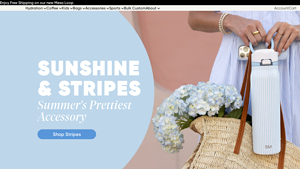
المجال: simplemodern.com
مسجل: 2009 (16 سنة)
مقدمة: Stylish Water Bottles, Travel Mugs, Food Storage, and Backpacks. Categories include Hydration (Mesa Loop, Trek, Trek Pivot, Summit, Classic, Rally Protein Shaker, Ascent Sports), Coffee (Voyager, Roam Bottle, Cold Brew Maker), Kids (Ellis Backpack, Fletcher Backpack, Lunch, Summit, Trek, Trek Pivot, Silicone Tableware), Bags (Backpacks, Lunch Bags, Getaway Bag, Harper Tote, Day Cooler, Hudson Penc…
4. The Water Bottle Store – 1/2 Gallon BPA-Free Water Bottles
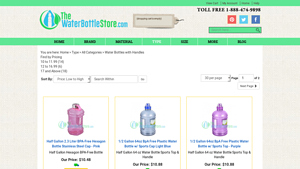
المجال: thewaterbottlestore.com
مسجل: 2005 (20 سنة)
مقدمة: Reusable water bottles with handles available in various sizes and colors. Key products include: 1/2 Gallon (64 oz) BPA-Free Plastic Water Bottles with Sports Caps in multiple colors (Light Blue, Purple, Pink, Green, Black, Red, Dark Blue, Orange) priced at $10.88 each; GEO Half Gallon (64 oz) BPA-Free Bottles with Steel Caps in colors like Purple, Red, Light Blue, Brown, and Pink priced at $11.48…
5. Thermos – 18oz ICON™ Kids Water Bottle
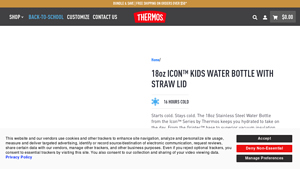
المجال: ترمس
مسجل: 1997 (28 سنة)
مقدمة: 18oz ICON™ KIDS WATER BOTTLE WITH STRAW LID, $23.99, available colors: TEAL, HOT PINK, SEAFOAM, LIME, NAVY, ORANGE, MATTE STAINLESS STEEL, PLUM, GRANITE. Features include 16 hours cold retention, stainless steel construction, Griptec™ base, superior vacuum insulation, and durable True-Coat™ finish.
6. Ocean Bottle – GO Flip Top Metal Water Bottle
المجال: oceanbottle.co
مسجل: 2019 (6 سنوات)
مقدمة: Flip Top Metal Water Bottle With Straw
– Name: Ocean Bottle GO
– Capacity: 17oz (500ml)
– Price: $47.00
– Key Features:
– Vacuum Insulation: Keeps cold drinks cold and hot drinks warm for hours.
– Eco-Friendly Design: Made from recycled materials, fully recyclable.
– Anti-Leak Seal: Ensures no spills.
– Disassembles for easy cleaning.
– BPA-free straw for sipping.
– Sustainability Impact…
Strategic Sourcing Conclusion and Outlook for water bottle with straw and handle
In the competitive landscape of hydration products, water bottles with straws and handles present a unique opportunity for B2B buyers across diverse markets, including Africa, South America, the Middle East, and Europe. Sourcing these products strategically allows businesses to cater to the growing demand for durable, eco-friendly, and convenient hydration solutions. Key takeaways include prioritizing quality materials such as stainless steel and BPA-free plastics, which enhance product longevity and consumer satisfaction. Additionally, features like vacuum insulation and ergonomic designs not only improve functionality but also elevate brand appeal.
As international buyers, aligning with suppliers who prioritize sustainable practices can further enhance your market positioning, tapping into the increasing consumer preference for environmentally responsible products. The future of the hydration market is bright, with innovations continuously reshaping consumer expectations.
Now is the time to leverage strategic sourcing to secure high-quality water bottles with straws and handles. By investing in reliable suppliers, you can ensure your offerings meet the evolving needs of customers while driving business growth. Stay ahead of the curve and explore partnerships that will help you capitalize on this expanding market segment.
 العربية
  English
  Español
  Português
  Français
  Deutsch
  Русский
  日本語
日本語  한국어
한국어  Italiano
  Nederlands