Introduction: Navigating the Global Market for bottle can koozie
In today’s competitive landscape, sourcing high-quality bottle can koozies presents a unique challenge for international B2B buyers. As the demand for versatile drinkware continues to rise across Africa, South America, the Middle East, and Europe, businesses must navigate a complex market filled with diverse options and varying supplier standards. This guide aims to streamline that process by providing a comprehensive overview of bottle can koozies, including types, applications, and essential considerations for supplier vetting.
From insulated coolers designed to keep beverages cold for extended periods to customizable options that enhance brand visibility, the market is rich with choices. Buyers will learn how to assess product features such as insulation technology, durability, and aesthetic appeal, ensuring that their selections align with both consumer preferences and budget constraints.
Moreover, this guide addresses cost factors and shipping logistics, empowering businesses to make informed purchasing decisions while optimizing their supply chain. By equipping B2B buyers with the insights needed to evaluate potential suppliers and products, this resource serves as an essential tool for those looking to thrive in the global market for bottle can koozies. Whether you’re based in Vietnam, Saudi Arabia, or anywhere in between, you’ll find actionable information to enhance your sourcing strategy and ultimately drive sales.
Understanding bottle can koozie Types and Variations
| Type Name | Key Distinguishing Features | Primary B2B Applications | Brief Pros & Cons for Buyers |
|---|---|---|---|
| Standard Can Koozie | Fits standard 12oz cans; often made of foam or neoprene. | Promotional events, giveaways, retail sales. | Pros: Cost-effective, lightweight. Cons: Less insulation compared to premium options. |
| Slim Can Koozie | Designed for slim cans (e.g., energy drinks); sleek design. | Targeted marketing for specific beverage brands. | Pros: Modern aesthetic, fits popular products. Cons: Limited to specific can sizes. |
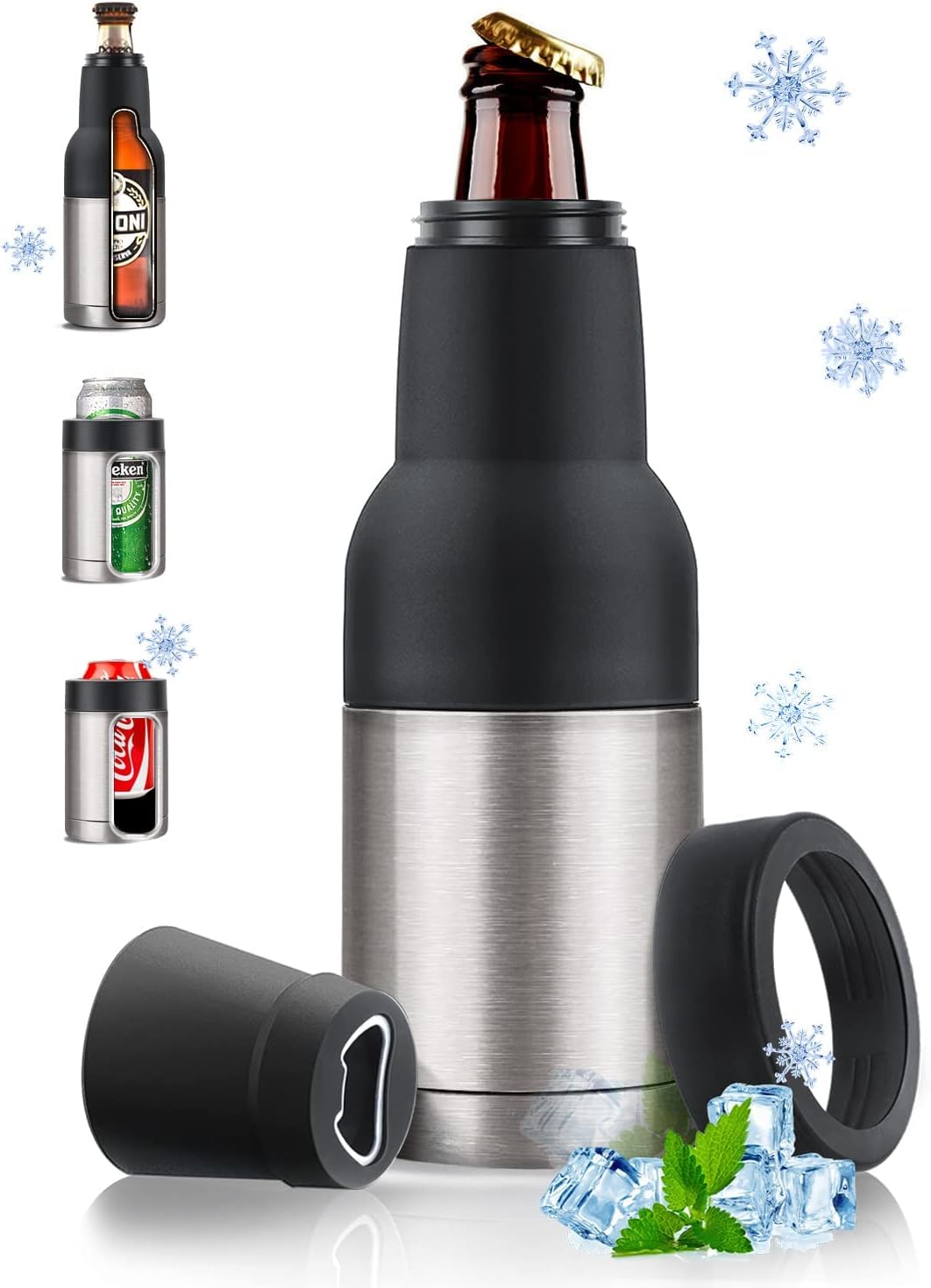
| Insulated Bottle Koozie | Made from stainless steel; offers superior insulation. | Corporate gifts, high-end retail, events. | Pros: Durable, keeps drinks cold longer. Cons: Higher price point. |
| Universal Koozie | Versatile design that fits multiple can and bottle sizes. | Versatile promotional items for various beverages. | Pros: Flexibility in use, broad appeal. Cons: May sacrifice fit for versatility. |
| Custom Branded Koozie | Personalized with logos and designs; available in various materials. | Branding campaigns, corporate events, fundraisers. | Pros: Enhances brand visibility, tailored marketing. Cons: Higher production costs, longer lead times. |
What are the key characteristics of Standard Can Koozies?
Standard can koozies are typically made from foam or neoprene, designed to fit 12oz cans. They are lightweight and cost-effective, making them ideal for promotional events and giveaways. Businesses often utilize these koozies for bulk purchases, leveraging their affordability for mass marketing campaigns. However, while they serve their purpose in keeping drinks cool, they may not provide the same level of insulation as higher-end options.
How do Slim Can Koozies differ from Standard Options?
Slim can koozies cater specifically to the growing market of slim cans, such as those used for energy drinks and hard seltzers. Their sleek design not only enhances the drinking experience but also appeals to a younger demographic. B2B buyers targeting this market can use slim koozies for branding campaigns that resonate with consumers looking for trendy beverage options. However, their use is limited to specific can sizes, which could restrict their marketability.
Why should businesses consider Insulated Bottle Koozies?
Insulated bottle koozies, often made from stainless steel, provide superior insulation that keeps beverages cold for extended periods. This feature makes them highly desirable for corporate gifts and high-end retail applications. Businesses can position these products as premium offerings, appealing to consumers who value quality. While they come at a higher price point, the durability and effectiveness of insulated koozies can justify the investment for many B2B buyers.
What advantages do Universal Koozies offer?
Universal koozies are designed to accommodate various can and bottle sizes, making them an adaptable choice for businesses. Their versatility allows for broader use across different beverage types, making them suitable for diverse marketing campaigns. This flexibility can appeal to companies looking to streamline their promotional products. However, buyers should consider that while universal koozies offer convenience, they may not provide a perfect fit for any specific beverage, potentially affecting the user experience.
How can Custom Branded Koozies enhance marketing strategies?
Custom branded koozies allow businesses to showcase their logos and designs, effectively enhancing brand visibility. Available in various materials, these koozies can be tailored to fit specific marketing needs, making them ideal for corporate events and fundraisers. While they can elevate a brand’s image and create a memorable promotional item, the higher production costs and longer lead times associated with custom designs are important considerations for B2B buyers.
Key Industrial Applications of bottle can koozie
| Industry/Sector | Specific Application of bottle can koozie | Value/Benefit for the Business | Key Sourcing Considerations for this Application |
|---|---|---|---|
| Food & Beverage | Promotional giveaways at trade shows and events | Enhances brand visibility and customer engagement | Customization options, bulk order discounts, and lead times |
| Hospitality | Enhancing guest experience in bars and restaurants | Improves customer satisfaction and encourages repeat visits | Durability, design options, and compatibility with various drink sizes |
| Outdoor Recreation | Use in camping and outdoor events | Provides convenience and maintains beverage temperature | Lightweight materials, insulation efficiency, and eco-friendliness |
| Sports & Events | Merchandise for sports teams and events | Increases fan loyalty and generates additional revenue | Licensing agreements, team branding options, and minimum order quantities |
| Corporate Gifting | Employee appreciation and corporate gifts | Strengthens company culture and employee retention | Personalization capabilities, quality assurance, and delivery timelines |
How is the bottle can koozie used in the Food & Beverage sector?
In the Food & Beverage industry, bottle can koozies serve as effective promotional tools during trade shows, festivals, and events. Businesses can customize these koozies with their branding, enhancing visibility while providing attendees with a practical item. This not only elevates the customer experience but also fosters brand loyalty. B2B buyers should consider sourcing options that allow for bulk orders and customization, ensuring timely delivery and cost-effectiveness.
What role does the bottle can koozie play in the Hospitality sector?
Within the hospitality sector, bottle can koozies are utilized in bars and restaurants to improve the guest experience. By keeping drinks cold and preventing condensation, these koozies enhance customer satisfaction. They also offer an opportunity for establishments to showcase their brand through custom designs. Buyers in this sector should prioritize sourcing durable materials that can withstand frequent use and offer a variety of design options to match their venue’s aesthetic.
How can bottle can koozies benefit Outdoor Recreation businesses?
For businesses in the outdoor recreation sector, bottle can koozies provide convenience during camping trips, picnics, and other outdoor activities. They help maintain beverage temperature, ensuring a refreshing drink is always at hand. Lightweight and eco-friendly materials are key considerations for B2B buyers looking to appeal to environmentally conscious consumers. Additionally, sourcing koozies that offer superior insulation can enhance product value and consumer satisfaction.
Why are bottle can koozies popular in Sports & Events merchandising?
In the realm of sports and events, bottle can koozies serve as popular merchandise items. They are often branded with team logos, creating a sense of community and loyalty among fans. These products can generate additional revenue through sales at events and online. Buyers should be mindful of licensing agreements for team branding and consider minimum order quantities to ensure profitability while meeting fan demand.
How do bottle can koozies function in Corporate Gifting?
Bottle can koozies are increasingly used in corporate gifting, serving as thoughtful tokens of appreciation for employees and clients. They can be customized with company logos and personalized messages, reinforcing company culture and values. B2B buyers should focus on personalization capabilities and quality assurance to ensure that the gifts are well-received. Timely delivery is also critical to align with corporate events and milestones, enhancing the overall gifting experience.
A stock image related to bottle can koozie.
3 Common User Pain Points for ‘bottle can koozie’ & Their Solutions
Scenario 1: Quality Discrepancies in Bulk Orders of Koozies
The Problem: B2B buyers often encounter significant quality discrepancies when sourcing bottle can koozies in bulk. This can lead to products that do not meet brand standards, resulting in customer dissatisfaction and potential loss of business. For instance, a buyer may receive a shipment of koozies that do not properly insulate drinks, leading to lukewarm beverages. Such inconsistencies can damage relationships with clients or event attendees, particularly in markets where quality is non-negotiable.
The Solution: To mitigate this issue, buyers should establish a rigorous vendor evaluation process that includes requesting samples before committing to large orders. It’s crucial to specify the desired materials and insulation properties clearly in the purchase agreement. Additionally, consider suppliers who provide transparent manufacturing processes and quality certifications. Implementing regular quality checks during production can also help ensure that the final product aligns with expectations. Using a third-party inspection service can add an additional layer of confidence, especially when sourcing from international suppliers.
Scenario 2: Limited Customization Options Affecting Branding
The Problem: Many B2B buyers find that the bottle can koozies available in the market offer limited customization options, which can hinder their ability to create a unique brand experience. For instance, a company may want to distribute koozies at an event but find that the available colors, logos, and designs do not align with their branding strategy, leading to missed marketing opportunities.
The Solution: To overcome this limitation, buyers should seek out suppliers that specialize in custom branding solutions. When negotiating with potential vendors, inquire about the range of customization options available, including color, material, and printing techniques. It’s beneficial to work with suppliers who can offer digital mockups or prototypes before the final production, allowing for adjustments and ensuring that the final product meets brand standards. Additionally, consider suppliers that have a proven track record in producing promotional items for your specific industry, as they may offer tailored solutions that resonate more with your target audience.
Scenario 3: Environmental Concerns and Sustainability
The Problem: B2B buyers are increasingly facing pressure to source sustainable products, including bottle can koozies. Many traditional koozies are made from materials that are not eco-friendly, leading to concerns about environmental impact and sustainability. Buyers risk backlash from consumers who prefer environmentally responsible products, which can affect brand loyalty and sales.
The Solution: To address these environmental concerns, buyers should prioritize sourcing koozies made from sustainable materials such as recycled plastics, biodegradable materials, or organic cotton. Engage with suppliers who provide transparency about their sourcing and manufacturing practices, and look for certifications that indicate a commitment to sustainability. Additionally, explore options for reusable koozies that promote eco-conscious behavior among consumers. By emphasizing sustainability in marketing materials and product offerings, companies can enhance their brand image and appeal to a growing segment of environmentally-aware consumers.
Strategic Material Selection Guide for bottle can koozie
When selecting materials for bottle can koozies, it’s essential to consider various factors that affect performance, cost, and suitability for international markets. Here, we analyze four common materials used in the production of bottle can koozies: neoprene, stainless steel, polypropylene, and foam. Each material has distinct properties that can influence product performance and buyer preferences.
What Are the Key Properties of Neoprene for Bottle Can Koozies?
Neoprene is a synthetic rubber known for its excellent insulation properties. It can maintain the temperature of beverages for extended periods, making it suitable for both hot and cold drinks. Neoprene has a good temperature rating, typically capable of withstanding temperatures from -20°C to 100°C. Additionally, it is resistant to water, oils, and UV rays, which enhances its durability in various environments.
Pros and Cons: Neoprene koozies are flexible, lightweight, and can be easily customized with prints, making them popular for promotional items. However, they may not be as durable as other materials, especially under extreme conditions, and can degrade over time with exposure to sunlight.
Impact on Application: Neoprene is compatible with a wide range of beverages, ensuring it can serve multiple markets. However, it may not be suitable for high-temperature applications, such as hot beverages.
Considerations for International Buyers: Buyers should ensure compliance with local regulations regarding synthetic materials. In regions like Europe, adherence to REACH regulations is crucial, while in South America, buyers should consider local environmental standards.
How Does Stainless Steel Enhance Performance in Bottle Can Koozies?
Stainless steel is a robust material known for its exceptional durability and corrosion resistance. It can maintain beverage temperature for hours, thanks to its double-wall vacuum insulation. Stainless steel can withstand extreme temperatures and is less likely to break or deform compared to plastic or rubber materials.
Pros and Cons: The key advantage of stainless steel is its longevity and resistance to wear and tear. However, it is generally more expensive than other materials and can be heavier, which may affect shipping costs and consumer preference.
Impact on Application: Stainless steel koozies are suitable for both hot and cold beverages, making them versatile for various markets. They are ideal for outdoor activities where durability is paramount.
Considerations for International Buyers: Buyers should be aware of the specific grades of stainless steel that comply with local standards, such as ASTM in the U.S. and EN standards in Europe. Additionally, the import regulations regarding metal products should be considered, especially in regions like the Middle East.
What Are the Benefits of Using Polypropylene in Bottle Can Koozies?
Polypropylene is a thermoplastic polymer that offers a balance of flexibility and strength. It is lightweight and can be produced in various colors, making it appealing for branding and promotional purposes. Polypropylene has a good temperature resistance, typically up to 100°C, and is resistant to moisture and chemicals.
Pros and Cons: The lightweight nature of polypropylene makes it cost-effective for shipping. However, it may not provide the same level of insulation as neoprene or stainless steel, which can affect performance in extreme temperatures.
Impact on Application: Polypropylene koozies are suitable for cold beverages but may not be ideal for hot drinks. They are often used in promotional settings due to their affordability and ease of customization.
Considerations for International Buyers: Buyers should ensure that polypropylene products meet local safety standards. For example, in Europe, compliance with the Food Contact Materials Regulation is essential.
Why Choose Foam for Bottle Can Koozies?
Foam materials, particularly closed-cell foam, are lightweight and provide excellent insulation. They can keep beverages cold while being affordable and easy to manufacture. Foam koozies are often used in promotional settings due to their low cost and customizable nature.
Pros and Cons: Foam koozies are inexpensive and effective for short-term use. However, they may not be as durable as neoprene or stainless steel, leading to potential waste in markets where longevity is valued.
Impact on Application: Foam is primarily suitable for cold beverages and is often used in casual settings such as parties and events.
Considerations for International Buyers: Buyers should consider the environmental impact of foam materials, as many regions are moving towards sustainable alternatives. Compliance with local regulations regarding foam products is also necessary.
Summary Table of Material Selection for Bottle Can Koozies
| Material | Typical Use Case for bottle can koozie | Key Advantage | Key Disadvantage/Limitation | Relative Cost (Low/Med/High) |
|---|---|---|---|---|
| Neoprene | Promotional items | Excellent insulation | Degrades under UV exposure | Medium |
| Stainless Steel | Outdoor activities | Exceptional durability | Higher cost and weight | High |
| Polypropylene | Branding and promotional koozies | Lightweight and cost-effective | Lower insulation performance | Low |
| Foam | Casual events and parties | Inexpensive and customizable | Less durable | Low |
This strategic material selection guide should assist international B2B buyers in making informed decisions regarding the procurement of bottle can koozies, considering both performance and compliance factors specific to their regions.
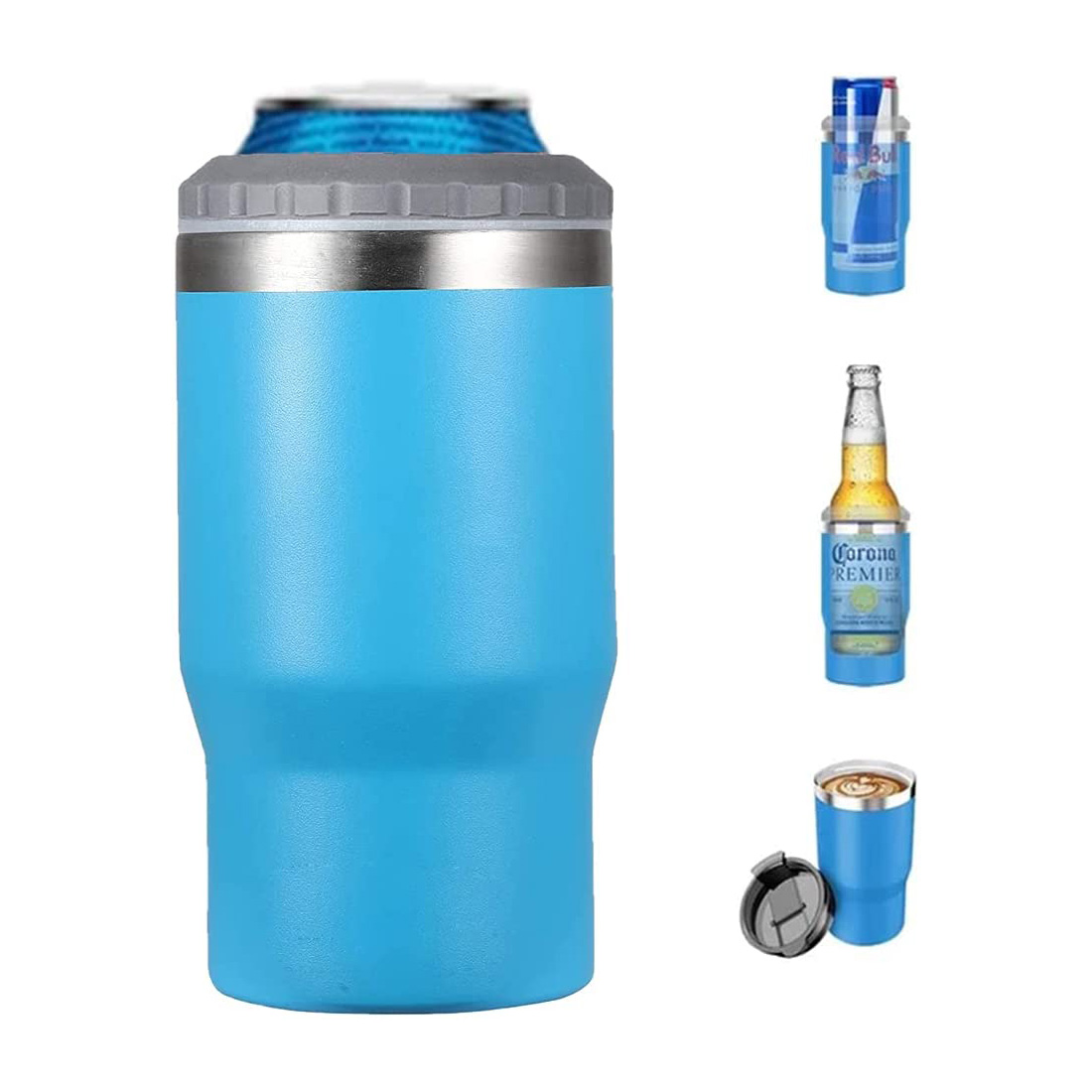
A stock image related to bottle can koozie.
In-depth Look: Manufacturing Processes and Quality Assurance for bottle can koozie
What Are the Key Stages in the Manufacturing Process of Bottle Can Koozies?
The manufacturing process of bottle can koozies typically involves several critical stages, each designed to ensure the final product meets quality and performance standards. Understanding these stages can help B2B buyers assess potential suppliers and their capabilities.
Material Preparation: What Materials Are Used?
The first step involves selecting the appropriate materials. Most bottle can koozies are made from high-quality, BPA-free materials such as stainless steel, neoprene, or polyurethane foam. Each material offers distinct advantages: stainless steel provides durability and insulation, while neoprene is lightweight and offers flexibility. Suppliers must ensure that materials are sourced from reputable suppliers who comply with international safety standards.
Forming: How Are Koozies Shaped?
Once the materials are prepared, the next phase is forming. This stage involves cutting the materials into specific shapes and sizes, depending on the design requirements. For stainless steel koozies, the metal is usually rolled, cut, and shaped using techniques such as stamping or laser cutting. For neoprene or foam koozies, the materials are cut and sewn together. Advanced manufacturing techniques, such as injection molding for plastic components, can also be employed to create precise shapes.
Assembly: How Are Koozies Assembled?
After forming, the koozies undergo assembly. This phase may involve attaching various components such as lids, handles, or additional insulation layers. Automated machinery often assists in this process to enhance efficiency and maintain consistency. Quality assurance checks are essential during assembly to ensure that all parts fit correctly and function as intended.
Finishing: What Final Touches Are Added?
The final stage in the manufacturing process is finishing. This includes applying any necessary coatings, printing designs, or adding branding elements. Techniques such as screen printing or laser engraving are commonly used to customize the koozies. A thorough inspection at this stage ensures that the aesthetic quality aligns with the buyer’s specifications and branding requirements.
How Is Quality Assurance Managed in Bottle Can Koozie Production?
Quality assurance (QA) is a crucial aspect of the manufacturing process, particularly for B2B buyers who require consistent and reliable products. Effective QA processes help ensure that the final products meet both international and industry-specific standards.
What International Standards Should Be Considered?
For bottle can koozies, adherence to international quality standards such as ISO 9001 is vital. This standard outlines the requirements for a quality management system (QMS) and is recognized globally. Compliance with ISO 9001 signifies that the manufacturer has established processes for continuous improvement and customer satisfaction.
In addition to ISO standards, other certifications may be relevant, depending on the target market. For example, CE marking is essential for products sold in the European Union, indicating compliance with health, safety, and environmental protection standards.
What Are the Key Quality Control Checkpoints?
Quality control (QC) involves several checkpoints throughout the manufacturing process:
-
Incoming Quality Control (IQC): Materials are inspected upon arrival to ensure they meet specifications and quality standards. Any subpar materials are rejected or returned.
-
In-Process Quality Control (IPQC): During production, random samples are taken to monitor the manufacturing process. This step helps identify any deviations from quality standards early, allowing for corrective actions.
-
Final Quality Control (FQC): Before shipping, finished products undergo a thorough inspection. This includes checking for defects, functionality, and compliance with the agreed specifications.
What Testing Methods Are Commonly Used?
B2B buyers should be aware of various testing methods employed during the QC process. Common tests include:
-
Thermal Insulation Testing: Ensures that the koozie maintains the desired temperature for a specified duration.
-
Durability Testing: Assesses how well the koozie withstands wear and tear, including drop tests and stress tests.
-
Material Safety Testing: Verifies that materials used are free from harmful substances and meet regulatory requirements.
How Can B2B Buyers Verify Supplier Quality Control?
For international B2B buyers, especially those in regions like Africa, South America, the Middle East, and Europe, verifying a supplier’s quality control processes is essential.
What Are the Best Practices for Supplier Audits?
Conducting supplier audits is a proactive approach to ensuring quality. Buyers should request detailed reports of the manufacturer’s quality management systems and past audit results. Regular audits help assess compliance with international standards and can include:
-
On-site Visits: Observing the manufacturing process and QC procedures first-hand allows buyers to evaluate the supplier’s capabilities.
-
Third-party Inspections: Engaging independent inspection agencies can provide unbiased assessments of the supplier’s quality processes and products.
How Can Buyers Access Quality Control Reports?
Requesting quality control reports from suppliers is crucial for transparency. Buyers should ask for documentation that outlines the results of IQC, IPQC, and FQC checks, as well as any corrective actions taken for identified issues. This information is vital for making informed purchasing decisions.
What Are the Quality Control Nuances for International Buyers?
B2B buyers from different regions may encounter specific challenges related to quality control. For example, understanding local regulations and standards is critical for compliance and market entry.
How Do Different Regions Affect Quality Standards?
Buyers should be aware that quality standards can vary significantly between regions. For instance, while CE marking is mandatory in Europe, other regions may have different requirements. Familiarizing oneself with local regulations and standards can prevent costly mistakes and facilitate smoother market entry.
In summary, understanding the manufacturing processes and quality assurance protocols for bottle can koozies is essential for B2B buyers. By focusing on material preparation, forming, assembly, finishing, and rigorous quality control, buyers can make informed decisions and choose reliable suppliers that meet their needs.
Practical Sourcing Guide: A Step-by-Step Checklist for ‘bottle can koozie’
Introduction
This practical sourcing guide aims to equip B2B buyers with a comprehensive checklist for procuring bottle can koozies. With the growing demand for these versatile drinkware items across various markets—including Africa, South America, the Middle East, and Europe—understanding the procurement process is vital. This guide outlines actionable steps to ensure you select the right product and supplier for your business needs.
1. Identify Your Target Market Needs
Understanding the preferences of your target audience is essential for successful sourcing. Research regional trends, popular designs, and material preferences. For instance, some markets may favor eco-friendly options, while others might prioritize durability and aesthetic appeal.
2. Define Your Technical Specifications
Clearly outline the specifications for your bottle can koozies, including size, material, and insulation properties. This is crucial as it helps narrow down potential suppliers and ensures the final product meets your quality standards. Consider factors like:
– Insulation Type: Determine whether you need double-walled, vacuum-sealed, or other insulation types.
– Materials: Decide between stainless steel, plastic, or neoprene based on durability and cost.
3. Research Potential Suppliers
Conduct thorough research to identify reliable suppliers. Look for companies with proven track records in producing bottle can koozies. Utilize online platforms, trade shows, and industry directories to compile a list. Pay attention to:
– Supplier Reviews: Check feedback from previous clients to gauge reliability.
– Product Range: Ensure the supplier offers a diverse range of products to cater to varying customer preferences.
4. Request Samples for Evaluation
Before making bulk purchases, request samples from shortlisted suppliers. This step allows you to assess the quality, design, and functionality of the koozies. Evaluate:
– Durability: Test how well the koozies hold up under regular use.
– Insulation Performance: Check if they meet the promised insulation standards.
5. Verify Supplier Certifications
It is important to confirm that your chosen suppliers adhere to industry standards and regulations. Request documentation for certifications such as ISO or relevant safety and quality standards. This ensures:
– Product Safety: Compliance with health and safety regulations.
– Sustainability Practices: Verification that the supplier follows ethical sourcing practices, which is increasingly important in global markets.
6. Negotiate Terms and Pricing
Once you have selected a supplier, engage in negotiations regarding pricing, payment terms, and delivery timelines. Understanding the total cost of ownership, including shipping and customs duties, is critical for budgeting. Key points to discuss include:
– Volume Discounts: Inquire about pricing tiers based on order quantities.
– Lead Times: Clarify production and shipping timelines to avoid delays.
7. Establish a Quality Assurance Process
Implement a quality assurance process to ensure the products meet your expectations upon arrival. This could include:
– Inspection Protocols: Define how and when inspections will occur.
– Return Policies: Understand the supplier’s return and exchange policies in case of defects or discrepancies.
By following these steps, B2B buyers can effectively source bottle can koozies that meet their market needs while ensuring quality and reliability from their suppliers.
Comprehensive Cost and Pricing Analysis for bottle can koozie Sourcing
What Are the Key Cost Components in Bottle Can Koozie Sourcing?
When sourcing bottle can koozies, understanding the cost structure is essential for effective budgeting and pricing strategy. The primary cost components include:
-
Materials: The choice of materials significantly impacts the price. Common options are neoprene, stainless steel, and plastic. Premium materials enhance durability and insulation but increase overall costs.
-
Labor: Labor costs vary by region and can be influenced by local wage standards. Skilled labor might be required for customized designs or high-quality production, which can further elevate costs.
-
Manufacturing Overhead: This includes expenses related to the production facility, utilities, and indirect labor. Efficient production processes can help minimize these costs.
-
Tooling: Custom tooling for specific designs or shapes may incur additional upfront expenses. This is particularly relevant for unique branding requirements or specialized product features.
-
Quality Control (QC): Implementing rigorous QC processes ensures product consistency and safety. While this may add to costs, it ultimately protects brand reputation and reduces returns.
-
Logistics: Shipping costs, including freight, insurance, and customs duties, can vary significantly based on the destination. Understanding logistics is critical, especially for international buyers.
-
Margin: Suppliers will add a margin to cover their operational costs and profit. This can vary widely depending on market dynamics and supplier strategies.
How Do Price Influencers Affect Bottle Can Koozie Costs?
Several factors influence the pricing of bottle can koozies in the B2B market:
-
Volume/MOQ (Minimum Order Quantity): Higher order volumes generally lead to lower per-unit costs due to economies of scale. Negotiating favorable terms for larger quantities can significantly reduce expenses.
-
Specifications and Customization: Custom designs or specifications often incur additional costs. Buyers should weigh the importance of unique branding against the potential increase in price.
-
Materials and Quality Certifications: Premium materials and certifications (e.g., BPA-free, eco-friendly) can raise costs. However, these features may be essential for specific markets or consumer preferences.
-
Supplier Factors: Supplier reputation, reliability, and production capabilities can affect pricing. Engaging with established suppliers may yield better quality and service, albeit at a higher price.
-
Incoterms: Understanding Incoterms (International Commercial Terms) is crucial for international transactions. They dictate the responsibilities of buyers and sellers regarding shipping, insurance, and tariffs, which can influence overall costs.
What Are Effective Buyer Tips for Cost-Efficient Sourcing?
For international B2B buyers, particularly those from Africa, South America, the Middle East, and Europe, here are some actionable tips:
-
Negotiate Wisely: Leverage your purchasing power by negotiating terms with suppliers. Consider bundling orders or seeking long-term contracts for better pricing.
-
Evaluate Total Cost of Ownership (TCO): Look beyond initial costs. Factor in shipping, handling, and potential tariffs to get a true picture of expenses. This approach can help identify the most cost-effective options.
-
Understand Pricing Nuances: Different regions may have varying price structures due to local market conditions, currency fluctuations, and supply chain dynamics. Researching these factors can provide leverage in negotiations.
-
Build Relationships with Suppliers: Establishing a strong rapport with suppliers can lead to better pricing and terms. Regular communication can help you stay informed about market trends and pricing changes.
-
Consider Seasonal Demand: Prices may fluctuate based on seasonal demand. Planning purchases during off-peak times can lead to significant savings.
Disclaimer on Indicative Prices
Prices for bottle can koozies can vary widely based on the factors mentioned above. Buyers are advised to conduct thorough market research and request quotes from multiple suppliers to ensure competitive pricing. Always verify current market conditions before making purchasing decisions.
Alternatives Analysis: Comparing bottle can koozie With Other Solutions
In the competitive landscape of beverage insulation solutions, it is essential for B2B buyers to consider various alternatives to the traditional bottle can koozie. While koozies are popular for keeping drinks cold, several other products and methods can serve similar purposes. This section evaluates the bottle can koozie against two viable alternatives: insulated tumblers and neoprene sleeves, focusing on their performance, cost, ease of implementation, maintenance, and best use cases.
| Comparison Aspect | Bottle Can Koozie | Insulated Tumbler | Neoprene Sleeve |
|---|---|---|---|
| Performance | Keeps drinks cold for hours | Superior insulation; often keeps drinks cold for up to 12 hours | Moderate insulation; effective for short-term use |
| Cost | Generally affordable ($20-$30) | Moderate to high ($25-$50) | Low-cost ($5-$15) |
| Ease of Implementation | Simple, no assembly required | Requires consideration of size and shape | Easy to use; slips on easily |
| Maintenance | Minimal; machine washable | Requires hand washing; durable | Easy to clean; typically machine washable |
| Best Use Case | Outdoor events, parties | Everyday use, road trips | Casual settings, quick outings |
What Are the Pros and Cons of Insulated Tumblers Compared to Bottle Can Koozies?
Insulated tumblers, such as those made from stainless steel, offer superior insulation capabilities, often keeping drinks cold for extended periods. They are versatile, suitable for various beverages, including hot drinks, and often feature lids to prevent spills. However, they come at a higher price point and can require more maintenance, as they may need to be hand-washed to maintain their finish. Insulated tumblers are ideal for businesses looking to provide quality drinkware for employees or customers, especially for long outings or daily commuting.
How Do Neoprene Sleeves Stack Up Against Bottle Can Koozies?
Neoprene sleeves are an affordable and lightweight alternative that offers a moderate level of insulation. They are easy to use, simply sliding over bottles or cans, making them convenient for casual events or short outings. Their low cost makes them accessible for bulk purchases, ideal for promotional giveaways. However, they generally lack the durability and long-term insulation performance of koozies or insulated tumblers, making them less suitable for prolonged use. Neoprene sleeves are best for businesses seeking a budget-friendly option for events or marketing promotions.
How Can B2B Buyers Choose the Right Solution for Their Needs?
When selecting the right beverage insulation solution, B2B buyers should evaluate their specific needs, including the type of events they cater to, budget constraints, and the desired longevity of the product. For instance, companies focusing on outdoor events might prioritize koozies for their affordability and ease of use, while businesses looking for a premium offering may opt for insulated tumblers. Neoprene sleeves can serve as a cost-effective promotional item for businesses aiming to enhance brand visibility without significant investment. Ultimately, understanding the unique advantages and limitations of each option will enable buyers to make informed decisions that align with their strategic goals.
Essential Technical Properties and Trade Terminology for bottle can koozie
What Are the Key Technical Properties of a Bottle Can Koozie?
Understanding the technical specifications of bottle can koozies is essential for B2B buyers looking to ensure quality and performance in their products. Here are some critical specifications:
-
Material Composition
The most common materials used for bottle can koozies include neoprene, stainless steel, and BPA-free plastic. Neoprene provides excellent insulation and flexibility, making it a popular choice for various sizes and shapes. Stainless steel koozies offer enhanced durability and longer-lasting temperature retention. Choosing the right material is crucial for ensuring product longevity and effectiveness. -
Insulation Performance
Insulation is measured in terms of temperature retention duration. High-quality koozies can keep beverages cold for over 12 hours, thanks to multi-layered insulation technology. This property is vital for buyers targeting outdoor events or markets where prolonged cooling is essential. -
Size and Capacity Specifications
Standard koozies typically accommodate 12oz cans, but variations exist for slim cans (like those for hard seltzers) and larger bottles. Understanding size specifications helps buyers select products that meet consumer preferences and maximize market appeal. -
Durability Ratings
Durability is often assessed through material grade and resistance to wear and tear. Buyers should consider koozies that can withstand repeated use and exposure to various environmental conditions. A higher durability rating means reduced replacement costs and increased customer satisfaction. -
Customization Options
Many manufacturers offer customization for branding purposes, including color, logo printing, and packaging. Understanding the extent of customization available can help businesses enhance brand visibility and cater to specific market demands. -
Compliance and Safety Standards
Ensuring that products meet local and international safety standards is critical, especially when dealing with food and beverage-related items. Buyers should verify compliance with regulations such as BPA-free certifications or food safety standards to avoid potential liability issues.
What Are Common Trade Terms Used in the Bottle Can Koozie Industry?
Familiarity with industry jargon is essential for effective communication and negotiation in the B2B space. Here are some key terms:
-
OEM (Original Equipment Manufacturer)
An OEM refers to a company that produces products or components that are marketed by another company under its brand name. For buyers, partnering with an OEM can ensure high-quality manufacturing while allowing them to focus on branding and marketing. -
MOQ (Minimum Order Quantity)
MOQ is the smallest number of units a supplier is willing to sell. Understanding MOQ is essential for budgeting and inventory management. Buyers should evaluate their demand forecasts to ensure they can meet the minimum requirements without overstocking. -
RFQ (Request for Quotation)
An RFQ is a document sent to suppliers asking for pricing and terms for specific products. It is a critical step in procurement, allowing buyers to compare offers and negotiate better deals. -
Incoterms (International Commercial Terms)
Incoterms define the responsibilities of buyers and sellers in international transactions, including delivery, risk, and costs. Familiarity with these terms can help businesses navigate shipping logistics and prevent misunderstandings in global trade. -
Lead Time
Lead time refers to the time it takes from placing an order until the products are delivered. Understanding lead times is crucial for inventory planning and ensuring timely product availability, especially in seasonal markets. -
Customization Fees
These are additional charges incurred when requesting specific modifications to a standard product, such as branding or unique designs. Buyers should factor in customization fees when budgeting for promotional items to avoid unexpected costs.
By grasping these technical properties and industry terms, B2B buyers can make informed decisions that enhance their product offerings and streamline their procurement processes.
Navigating Market Dynamics and Sourcing Trends in the bottle can koozie Sector
What Are the Current Market Dynamics and Key Trends in the Bottle Can Koozie Sector?
The global market for bottle can koozies is witnessing a robust growth trajectory, driven by a rising demand for insulated drinkware across various regions, including Africa, South America, the Middle East, and Europe. Key factors propelling this trend include the increasing popularity of outdoor activities, social events, and a growing consumer preference for portable and reusable beverage containers. Emerging B2B technology, such as e-commerce platforms and supply chain management software, is enabling international buyers to streamline sourcing processes, ensuring they can access a diverse range of products from manufacturers worldwide.
Additionally, customization is becoming a significant trend. Businesses are seeking personalized koozies that reflect their brand identity, enhancing customer engagement and loyalty. This trend is particularly evident in promotional products, where companies are leveraging koozies as branding tools. Moreover, the rise of social media marketing has amplified the visibility of unique designs, encouraging manufacturers to innovate continuously. As a result, international buyers should focus on suppliers who can offer customization options and engage in rapid prototyping to meet market demands effectively.
How Is Sustainability Influencing B2B Sourcing for Bottle Can Koozies?
Sustainability has emerged as a pivotal consideration in the sourcing of bottle can koozies. With increasing awareness of environmental issues, buyers are prioritizing products made from sustainable materials and ethical manufacturing processes. The environmental impact of packaging and waste management is under scrutiny, prompting businesses to seek koozies that minimize carbon footprints. This shift is leading suppliers to invest in eco-friendly materials such as recycled plastics, biodegradable options, and sustainably sourced fabrics.
Ethical sourcing is also gaining traction, as companies strive to ensure fair labor practices within their supply chains. Buyers are encouraged to verify suppliers’ commitment to social responsibility, including adherence to labor standards and environmental regulations. Certifications such as the Global Recycled Standard (GRS) or OEKO-TEX can serve as indicators of a supplier’s sustainability efforts. By aligning with suppliers who prioritize green practices, international B2B buyers can enhance their brand image while contributing positively to the environment.
What Is the Evolution of Bottle Can Koozies and Its Significance for B2B Buyers?
The bottle can koozie has evolved significantly since its inception in the 1980s as a simple foam sleeve designed to keep beverages cold. Originally a novelty item, it has transformed into a staple in outdoor activities and social gatherings, catering to various consumer needs, including brand promotion and personalization. The introduction of advanced materials and insulation technology has expanded its functionality, appealing to a broader market segment.
For B2B buyers, understanding this evolution is crucial. It highlights the potential for innovation within the sector, encouraging businesses to explore new designs and technologies that can enhance customer satisfaction. As consumer preferences shift towards sustainability and personalization, buyers can leverage this historical context to identify suppliers that align with current trends, ensuring they remain competitive in the ever-changing market landscape.
Frequently Asked Questions (FAQs) for B2B Buyers of bottle can koozie
-
How do I choose the right supplier for bottle can koozies?
Selecting the right supplier involves several key considerations. Look for manufacturers with a proven track record in quality and reliability. Request samples to assess the product quality firsthand. Evaluate their production capabilities to ensure they can meet your order volume and timeline. Additionally, verify their compliance with international standards, especially if you are importing from regions like Asia or Europe. It’s also beneficial to check customer reviews and ratings to gain insights into their service quality. -
What customization options are available for bottle can koozies?
Customization options for bottle can koozies typically include size, material, color, and printing designs. Many suppliers offer the ability to print your logo or branding on the koozies, which can enhance your marketing efforts. Consider discussing with your supplier about the minimum order quantities (MOQs) for custom designs, as this can vary. Additionally, inquire about any limitations regarding colors and materials to ensure your vision can be realized without compromising quality. -
What is the typical minimum order quantity (MOQ) for bottle can koozies?
MOQs for bottle can koozies can vary significantly depending on the supplier and the complexity of the order. Generally, MOQs can range from 100 to 1,000 units for standard designs. Customizations may require higher MOQs, so it’s essential to discuss this with your supplier upfront. Understanding the MOQ is crucial for budgeting and planning your inventory, particularly if you are targeting specific market segments in regions like Africa or South America. -
What payment terms should I expect when sourcing bottle can koozies?
Payment terms can vary widely among suppliers, but common practices include a deposit (usually 30-50%) upfront and the remainder due upon delivery or before shipment. Some suppliers may offer credit terms for established businesses. It’s important to clarify these terms in your contract to avoid any misunderstandings. Additionally, consider using secure payment methods or escrow services to protect your investment, especially when dealing with international transactions. -
How do I ensure quality assurance for my bottle can koozie order?
To ensure quality assurance, start by discussing your quality expectations with your supplier before placing an order. Request a detailed product specification and ask for samples. Many suppliers also provide third-party inspection services, which can be valuable for larger orders. Implementing a quality control checklist during production and upon receipt of goods can help identify any issues early. Establishing clear communication channels with your supplier will also aid in addressing any concerns promptly. -
What are the shipping options for international orders of bottle can koozies?
Shipping options for international orders typically include air freight, sea freight, and express courier services. Air freight is faster but more expensive, while sea freight is cost-effective for larger volumes but takes longer. Discuss with your supplier about shipping methods that suit your budget and timeline. Additionally, consider customs clearance processes and whether your supplier can assist with documentation, as this can simplify international trade logistics. -
What regulations should I be aware of when importing bottle can koozies?
When importing bottle can koozies, it’s essential to be aware of regulations that may vary by country. This includes compliance with product safety standards, labeling requirements, and import tariffs. Familiarize yourself with local regulations in your target market, particularly in regions like the Middle East or Europe, where compliance can be strict. Consulting with a customs broker or legal expert can help navigate these regulations and avoid potential fines or delays. -
How can I effectively market my bottle can koozies in international markets?
To market your bottle can koozies effectively in international markets, start by understanding your target audience’s preferences and cultural nuances. Utilize digital marketing strategies, such as social media advertising and influencer partnerships, to reach a broader audience. Attend trade shows and industry events to showcase your products and connect with potential buyers. Additionally, consider offering promotions or discounts for bulk orders to encourage larger purchases, particularly appealing to businesses in your target regions.
Important Disclaimer & Terms of Use
⚠️ Important Disclaimer
The information provided in this guide, including content regarding manufacturers, technical specifications, and market analysis, is for informational and educational purposes only. It does not constitute professional procurement advice, financial advice, or legal advice.
While we have made every effort to ensure the accuracy and timeliness of the information, we are not responsible for any errors, omissions, or outdated information. Market conditions, company details, and technical standards are subject to change.
B2B buyers must conduct their own independent and thorough due diligence before making any purchasing decisions. This includes contacting suppliers directly, verifying certifications, requesting samples, and seeking professional consultation. The risk of relying on any information in this guide is borne solely by the reader.
Top 8 Bottle Can Koozie Manufacturers & Suppliers List
1. Swig Life – Key Products
Domain: swiglife.com
Registered: 2018 (7 years)
Introduction: Key Product Details: 1. Product Types: Insulated Can Coolers, Slim Can Koozies 2. Sizes: 12oz 3. Colors: Multiple options including Black, Blue, Brown, Green, Grey, Orange, Pink, Purple, Red, White, Yellow 4. Collections: Holiday, Solid 5. Prices: Ranging from $21.95 to $24.95 6. New Arrivals: Various prints and colors including Boo Crew, Pretty In Pink, Disco Cowgirl, and more 7. Personalization:…
2. Frost Buddy – Universal Cooler
Domain: frostbuddy.com
Registered: 2019 (6 years)
Introduction: Universal Buddy: Can + Bottle Cooler; Size: 16oz; Colors: Black, Blue, Brown, Gray, Green, Merica, Multi-Color, Orange, Pink, Purple, Red, White; Features: Cup Holder Friendly, Dishwasher Top Rack Safe, Universal Fit; Drink Types: Beer & Seltzers, Soda Cans & Bottles, Energy Drink Cans; Fits: 12oz Cans, 12oz Bottles, 12oz Slim Cans, 12oz Coors Light Cans, 12oz Coors Stubby, 16oz Cans, 16oz Bottles…
3. Koozie® – Collapsible Can Cooler

Domain: kooziegroup.com
Registered: 2019 (6 years)
Introduction: This company, Koozie® – Collapsible Can Cooler, is a notable entity in the market. For specific product details, it is recommended to visit their website directly.
4. Bar Products – Bottle & Can Coolers
5. Totally Wedding Koozies – Custom Drinkware
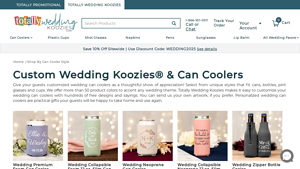
Domain: totallyweddingkoozies.com
Registered: 2010 (15 years)
Introduction: This company, Totally Wedding Koozies – Custom Drinkware, is a notable entity in the market. For specific product details, it is recommended to visit their website directly.
6. Brumate – Insulated Drinkware
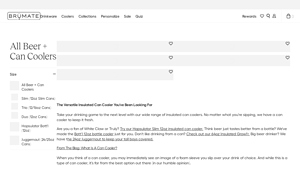
Domain: brumate.com
Registered: 2017 (8 years)
Introduction: {“product_types”: [{“name”: “Slim”, “size”: “12oz Slim Cans”}, {“name”: “Trio”, “size”: “12/16oz Cans”}, {“name”: “Duo”, “size”: “12oz Cans”}, {“name”: “Hopsulator Bott’l”, “size”: “12oz”}, {“name”: “Juggernaut”, “size”: “24/25oz Cans”}], “features”: [“Insulated design”, “Prevents heat transfer”, “Keeps drinks cold”, “Available in various sizes”], “warranty”: “Lifetime Warranty”, “customer_service…
7. Totally Promotional – Beer Bottle Koozies®
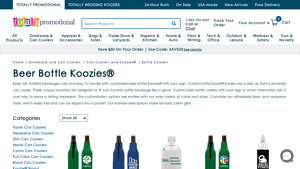
Domain: totallypromotional.com
Registered: 2008 (17 years)
Introduction: Beer Bottle Koozies® – Custom Beer Bottle Coolers & Sleeves | USA-Made | Free Delivery | On Sale | 24-Hour Rush
8. Ron Jon Surf Shop – Insulated Can Coozies
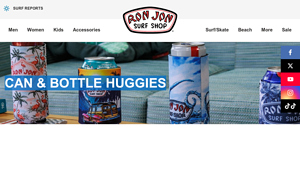
Domain: ronjonsurfshop.com
Registered: 1996 (29 years)
Introduction: This company, Ron Jon Surf Shop – Insulated Can Coozies, is a notable entity in the market. For specific product details, it is recommended to visit their website directly.
Strategic Sourcing Conclusion and Outlook for bottle can koozie
In conclusion, the strategic sourcing of bottle can koozies presents an invaluable opportunity for B2B buyers seeking to enhance their product offerings. By prioritizing quality, durability, and style, international buyers can position themselves competitively in markets across Africa, South America, the Middle East, and Europe. The versatility of these products—ranging from insulated can coolers to customizable options—allows businesses to cater to diverse consumer preferences, thereby maximizing market reach.
Moreover, leveraging strategic partnerships with reliable suppliers can streamline procurement processes, ensuring timely delivery and cost efficiency. This focus on collaboration and quality will not only improve customer satisfaction but also foster brand loyalty in an increasingly competitive landscape.
As we look to the future, the demand for innovative and eco-friendly drinkware solutions is expected to rise. B2B buyers are encouraged to explore emerging trends and align their sourcing strategies accordingly. Engage with suppliers who prioritize sustainability and product innovation to stay ahead of the curve. By doing so, you can elevate your brand presence and meet the evolving needs of consumers in a dynamic marketplace.