Introduction: Navigating the Global Market for flavor water bottles
Navigating the global market for flavor water bottles presents a unique challenge for international B2B buyers seeking innovative hydration solutions. As consumer preferences shift towards healthier, more flavorful options, the demand for flavored water bottles has surged, complicating the sourcing landscape. This guide offers a comprehensive overview of the various types of flavor water bottles available in the market, including those utilizing natural flavors, scent technology, and customizable options. We will delve into applications across diverse sectors, from retail to hospitality, ensuring that buyers understand how to leverage these products effectively.
In addition to product types, this guide emphasizes the importance of vetting suppliers to ensure quality and reliability. We will explore critical factors such as cost analysis, sustainability practices, and regulatory compliance, which are essential for making informed purchasing decisions. By addressing these key areas, this guide empowers B2B buyers from regions like Africa, South America, the Middle East, and Europe—including markets in Saudi Arabia and Nigeria—to navigate the complexities of the flavored water bottle market confidently. With this knowledge, businesses can enhance their product offerings and cater to the growing demand for healthier hydration alternatives in their respective regions.
Understanding flavor water bottles Types and Variations
| Type Name | Key Distinguishing Features | Primary B2B Applications | Brief Pros & Cons for Buyers |
|---|---|---|---|
| Scent-Based Flavor Bottles | Utilizes scent technology to enhance water flavor | Health and wellness sectors | Pros: No sugars or additives; innovative appeal. Cons: Requires education for consumers on usage. |
| Fruit-Infused Bottles | Bottles with real fruit pieces or extracts | Retail and food service | Pros: Natural flavors; visually appealing. Cons: Shorter shelf life; potential for spoilage. |
| Flavor Cartridge Systems | Modular systems allowing flavor customization | Fitness and hydration-focused brands | Pros: Personalization; cost-effective refills. Cons: Initial investment in the system required. |
| Ready-to-Drink Flavored Water | Pre-packaged flavored water available in various sizes | Convenience stores, gyms, cafes | Pros: Immediate consumption; wide variety. Cons: Higher cost per unit; packaging waste concerns. |
| Electrolyte-Enhanced Waters | Flavored waters with added electrolytes for hydration | Sports teams, fitness centers | Pros: Targeted towards active consumers; promotes hydration. Cons: Can be perceived as niche; may have higher price points. |
What Are Scent-Based Flavor Bottles and Their B2B Relevance?
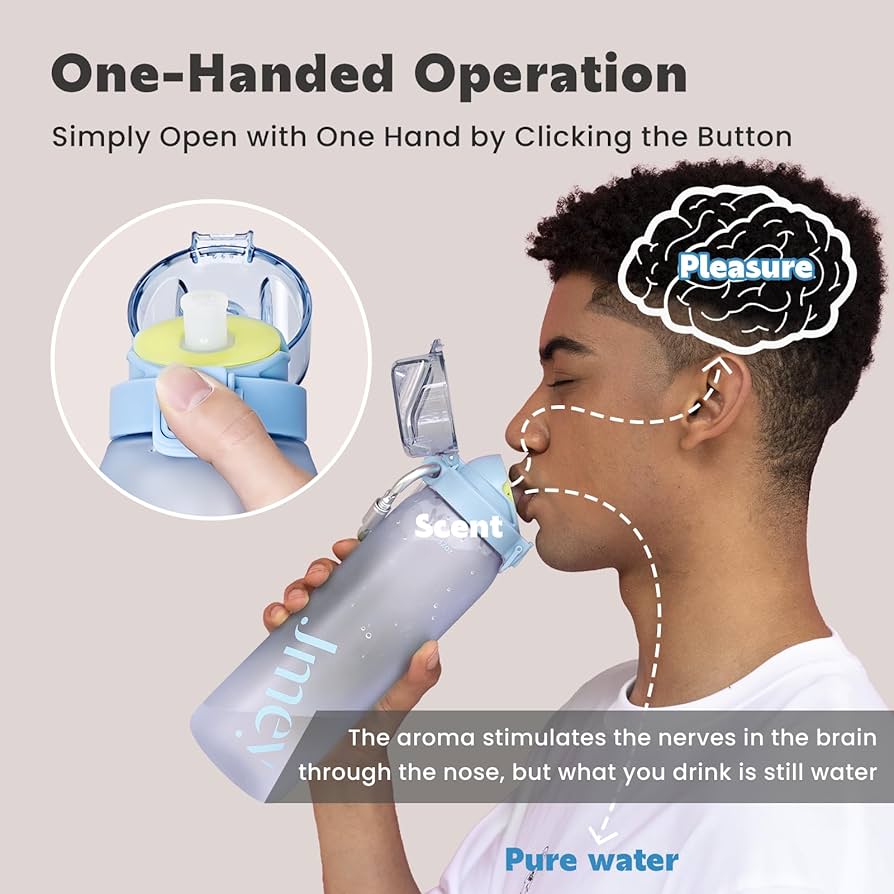
Scent-based flavor bottles, such as those using innovative technologies like Scentaste™, provide a unique method of flavoring water without any additives. These bottles appeal to health-conscious consumers, especially in markets focused on wellness and hydration. For B2B buyers, the absence of sugars and artificial ingredients aligns with growing consumer demands for clean-label products. However, the challenge lies in educating consumers about how to maximize their experience with these products, which may require additional marketing efforts.
How Do Fruit-Infused Bottles Stand Out in the Market?
Fruit-infused bottles contain actual fruit pieces or extracts, offering a visually appealing product that attracts consumers looking for natural flavors. This type of flavored water is particularly suitable for retail and food service applications, where presentation and freshness are crucial. B2B buyers should consider the potential for spoilage and shorter shelf life, which necessitates efficient supply chain management. Additionally, the natural appeal can enhance brand loyalty among health-focused consumers.
Why Choose Flavor Cartridge Systems for Customization?
Flavor cartridge systems allow users to customize their hydration experience by adjusting the flavor intensity. This flexibility is particularly attractive to fitness and hydration-focused brands, as it caters to individual preferences. For B2B buyers, the cost-effectiveness of refills and the potential for subscription models can lead to steady revenue streams. However, the initial investment in the system may deter some businesses, necessitating a clear value proposition to justify the costs.
What Advantages Do Ready-to-Drink Flavored Waters Offer?
Ready-to-drink flavored waters are pre-packaged beverages that provide immediate consumption options for consumers. They are ideal for convenience stores, gyms, and cafes, where quick service is essential. B2B buyers appreciate the wide variety of flavors available, catering to diverse consumer preferences. However, the higher cost per unit compared to bulk options and concerns about packaging waste may influence purchasing decisions, requiring careful consideration of target market preferences.
How Do Electrolyte-Enhanced Waters Cater to Active Consumers?
Electrolyte-enhanced flavored waters are designed for consumers engaged in physical activities, making them particularly appealing to sports teams and fitness centers. These products promote hydration while providing essential nutrients, aligning with the health and wellness trends. B2B buyers should note that while these products can command higher price points due to their specialized nature, they may also appeal to a niche market, which could limit broader consumer adoption.
Key Industrial Applications of flavor water bottles
| Industry/Sector | Specific Application of flavor water bottles | Value/Benefit for the Business | Key Sourcing Considerations for this Application |
|---|---|---|---|
| Food & Beverage | Product differentiation in bottled water offerings | Attracts health-conscious consumers seeking flavor without calories | Ensure compliance with local food safety regulations and sourcing of natural flavor ingredients |
| Hospitality | Enhancing guest experience in hotels and restaurants | Improves customer satisfaction and encourages repeat business | Consider customization options and bulk purchasing agreements for cost efficiency |
| Fitness & Wellness | Hydration solutions in gyms and fitness centers | Supports health initiatives and promotes increased water intake | Evaluate the durability of bottles and ease of use for consumers post-workout |
| Corporate Wellness | Employee hydration programs in offices | Boosts employee productivity and well-being through better hydration | Assess the branding opportunities and potential for subscription models |
| Retail | Innovative product displays in supermarkets | Increases shelf appeal and attracts impulse buyers | Focus on packaging design and sustainability to meet consumer preferences |
How Are Flavor Water Bottles Used in the Food & Beverage Industry?
In the food and beverage sector, flavor water bottles serve as a strategic tool for product differentiation. Companies can offer flavored water as a healthier alternative to sugary beverages, catering to the growing demand for low-calorie, natural options. This not only aligns with consumer preferences for healthier choices but also helps brands stand out in a saturated market. International buyers should focus on sourcing natural flavor ingredients and ensuring compliance with local regulations to maintain quality and safety standards.
What Role Do Flavor Water Bottles Play in Hospitality?
In the hospitality industry, flavor water bottles enhance the guest experience in hotels and restaurants. Offering flavored water can elevate dining experiences and provide a unique selling proposition that distinguishes establishments from competitors. This approach fosters customer satisfaction, encouraging repeat visits. Buyers in this sector should prioritize customization options and bulk purchasing agreements to manage costs effectively while ensuring a diverse flavor offering.
Why Are Flavor Water Bottles Important for Fitness & Wellness?
Flavor water bottles are increasingly utilized in gyms and fitness centers to promote hydration among members. By providing flavored water options, these facilities can encourage higher water intake, which is crucial for overall health and performance. This aligns with wellness initiatives aimed at improving member retention and satisfaction. Buyers should consider the durability and usability of bottles, ensuring they can withstand rigorous use while being easy to clean and refill.
How Can Corporate Wellness Programs Benefit from Flavor Water Bottles?
In corporate settings, flavor water bottles can be integral to employee wellness programs. By providing flavored hydration solutions, companies can promote healthier lifestyle choices among employees, potentially boosting productivity and morale. This approach demonstrates a commitment to employee well-being, which can enhance company culture. B2B buyers should evaluate branding opportunities and consider subscription models for a continuous supply of products to sustain engagement.
What Are the Retail Opportunities for Flavor Water Bottles?
In the retail sector, flavor water bottles can significantly increase shelf appeal and attract impulse buyers. Innovative product displays featuring vibrant packaging can draw attention in supermarkets, making flavored water a popular choice among consumers. Retailers should focus on sustainable packaging options and design elements that resonate with health-conscious shoppers to maximize sales potential. This necessitates sourcing from suppliers who can meet these specific market demands effectively.
A stock image related to flavor water bottles.
3 Common User Pain Points for ‘flavor water bottles’ & Their Solutions
Scenario 1: Difficulty in Sourcing Quality Ingredients for Flavored Water
The Problem: B2B buyers often struggle with sourcing high-quality, natural ingredients for flavored water products. Many suppliers offer artificial flavors or additives that don’t align with the growing consumer demand for clean label products. This can lead to a mismatch between product offerings and customer expectations, ultimately affecting brand reputation and sales. For buyers in regions like Africa and the Middle East, where access to reliable suppliers may be limited, finding trustworthy sources for natural flavoring can be particularly challenging.
The Solution: To address this issue, buyers should prioritize partnerships with reputable suppliers who specialize in natural flavoring. Conduct thorough market research to identify suppliers who provide transparency about their sourcing and manufacturing processes. Utilize platforms like trade shows and industry expos to network and establish direct connections with flavor producers. Additionally, consider developing long-term relationships with local farmers or cooperatives that can supply organic ingredients, ensuring both quality and sustainability. Implementing strict quality control measures and regular audits of suppliers can further ensure that the ingredients meet the required standards, thereby enhancing product credibility.
Scenario 2: Managing Flavor Consistency Across Product Lines
The Problem: Maintaining flavor consistency across different batches of flavored water is a common pain point for manufacturers. Inconsistencies can arise due to variations in raw materials or production processes, leading to consumer dissatisfaction and potential brand loyalty issues. This challenge is particularly pronounced for companies that operate in multiple regions with varying climate conditions, which can affect ingredient quality.
The Solution: Implementing a robust quality assurance (QA) program is crucial for ensuring flavor consistency. Buyers should invest in advanced production technologies that allow for precise control over flavoring processes. This includes automated systems that monitor ingredient ratios and flavor profiles during manufacturing. Additionally, conducting regular taste tests with a focus group can provide feedback on flavor variations, enabling quicker adjustments. Documenting and standardizing recipes can also help maintain consistency. For companies with a significant geographical footprint, establishing centralized production facilities or partnering with local manufacturers who adhere to the same standards can mitigate the risk of flavor discrepancies across regions.
Scenario 3: Overcoming Consumer Skepticism Towards Flavored Water
The Problem: Many consumers remain skeptical about flavored water products, often questioning their health benefits and ingredients. This skepticism can be particularly pronounced in markets where traditional beverages dominate. Buyers targeting regions like South America may encounter consumers who are accustomed to sugary drinks, making it challenging to convert them to healthier alternatives without effective marketing strategies.
The Solution: To combat consumer skepticism, B2B buyers should focus on transparency and education in their marketing efforts. Clearly labeling products with ingredient lists, nutritional information, and certifications (such as organic or non-GMO) can build trust with consumers. Investing in educational campaigns that highlight the health benefits of flavored water over sugary alternatives is essential. Collaborating with local influencers or health experts to promote these messages can also enhance credibility. Additionally, offering sampling programs or trial sizes can encourage hesitant consumers to try flavored water products without a significant commitment. By addressing consumer concerns proactively and creating a narrative around the health benefits of flavored water, buyers can foster greater acceptance and demand in the market.
Strategic Material Selection Guide for flavor water bottles
What Are the Key Materials Used in Flavor Water Bottles?
When selecting materials for flavor water bottles, it is crucial to consider the properties and performance characteristics of each option. Here, we analyze four common materials: plastic (PET), stainless steel, glass, and silicone, focusing on their suitability for flavor water applications.
How Does Plastic (PET) Perform in Flavor Water Bottles?
Polyethylene terephthalate (PET) is a widely used plastic for beverage containers, including flavor water bottles. It has excellent clarity, is lightweight, and offers good resistance to impact and moisture. PET can typically withstand temperatures up to 60°C (140°F) and is resistant to corrosion from acidic beverages.
Pros: PET is cost-effective and easy to manufacture, making it a popular choice for mass production. It is also recyclable, which aligns with growing sustainability trends.
Cons: While PET is durable, it may not be suitable for high-temperature applications. Additionally, prolonged exposure to sunlight can degrade the material, leading to potential leaching of chemicals.
Impact on Application: PET bottles are compatible with a variety of flavored water formulations but may require careful handling to avoid degradation.
Considerations for International Buyers: Compliance with food safety standards such as FDA regulations and European Union directives is essential. In regions like Africa and South America, the availability of recycling facilities can influence the sustainability appeal of PET.
What Advantages Does Stainless Steel Offer for Flavor Water Bottles?
Stainless steel is a robust material known for its durability and resistance to corrosion, making it an excellent choice for flavor water bottles. It can withstand high temperatures and is generally inert, ensuring that flavors remain unaffected.
Pros: Stainless steel is highly durable and can last for years, reducing the need for frequent replacements. It is also easy to clean and maintain, making it suitable for both individual and commercial use.
Cons: The initial cost of stainless steel bottles is higher than plastic alternatives. Additionally, they are heavier, which may impact shipping costs.
Impact on Application: Stainless steel bottles are ideal for flavored water, especially in regions with extreme temperatures, as they can maintain the temperature of the contents longer.
Considerations for International Buyers: Buyers should ensure compliance with international standards such as ASTM and JIS for food-grade materials. In regions like the Middle East, where high temperatures are common, the thermal properties of stainless steel can be a significant advantage.
Why Choose Glass for Flavor Water Bottles?
Glass is another popular material for flavor water bottles, known for its non-reactive properties. It does not leach chemicals, ensuring that the flavor remains pure. Glass can handle a wide range of temperatures, making it versatile for various beverages.
Pros: Glass is environmentally friendly and recyclable, appealing to eco-conscious consumers. It also provides an aesthetic appeal that can enhance brand perception.
Cons: Glass is heavier and more fragile than other materials, which can lead to breakage during transport or use. This fragility can also increase shipping costs.
Impact on Application: Glass bottles are compatible with flavored water and can preserve the integrity of flavors better than plastic.
Considerations for International Buyers: Compliance with safety standards is crucial, especially in regions with stringent regulations. Buyers in Africa and South America should consider the logistical challenges associated with shipping glass products.
What Role Does Silicone Play in Flavor Water Bottles?
Silicone is a flexible material that has gained popularity in the beverage industry. It is heat-resistant and can withstand a wide temperature range, making it suitable for both hot and cold beverages.
Pros: Silicone is lightweight, durable, and flexible, making it easy to store and transport. It is also resistant to staining and odor retention.
Cons: Silicone may not provide the same level of flavor preservation as glass or stainless steel. Additionally, it can be more expensive than traditional plastics.
Impact on Application: Silicone bottles are ideal for on-the-go consumers who value convenience and flexibility in their hydration solutions.
Considerations for International Buyers: Buyers should ensure that silicone products meet food safety standards and consider regional preferences for material sustainability.
Summary of Material Selection for Flavor Water Bottles
| Material | Typical Use Case for flavor water bottles | Key Advantage | Key Disadvantage/Limitation | Relative Cost (Low/Med/High) |
|---|---|---|---|---|
| Plastic (PET) | Mass-produced flavored water bottles | Cost-effective and lightweight | Degrades under UV exposure | Low |
| Stainless Steel | Premium flavored water bottles | Durable and temperature-retaining | Higher initial cost | High |
| Glass | Eco-friendly flavored water bottles | Non-reactive and aesthetic appeal | Heavy and fragile | Med |
| Silicone | Flexible and portable flavored water bottles | Lightweight and durable | May not preserve flavors as well | Med |
This guide provides a comprehensive overview of material options for flavor water bottles, enabling international B2B buyers to make informed decisions based on performance, cost, and regional compliance.
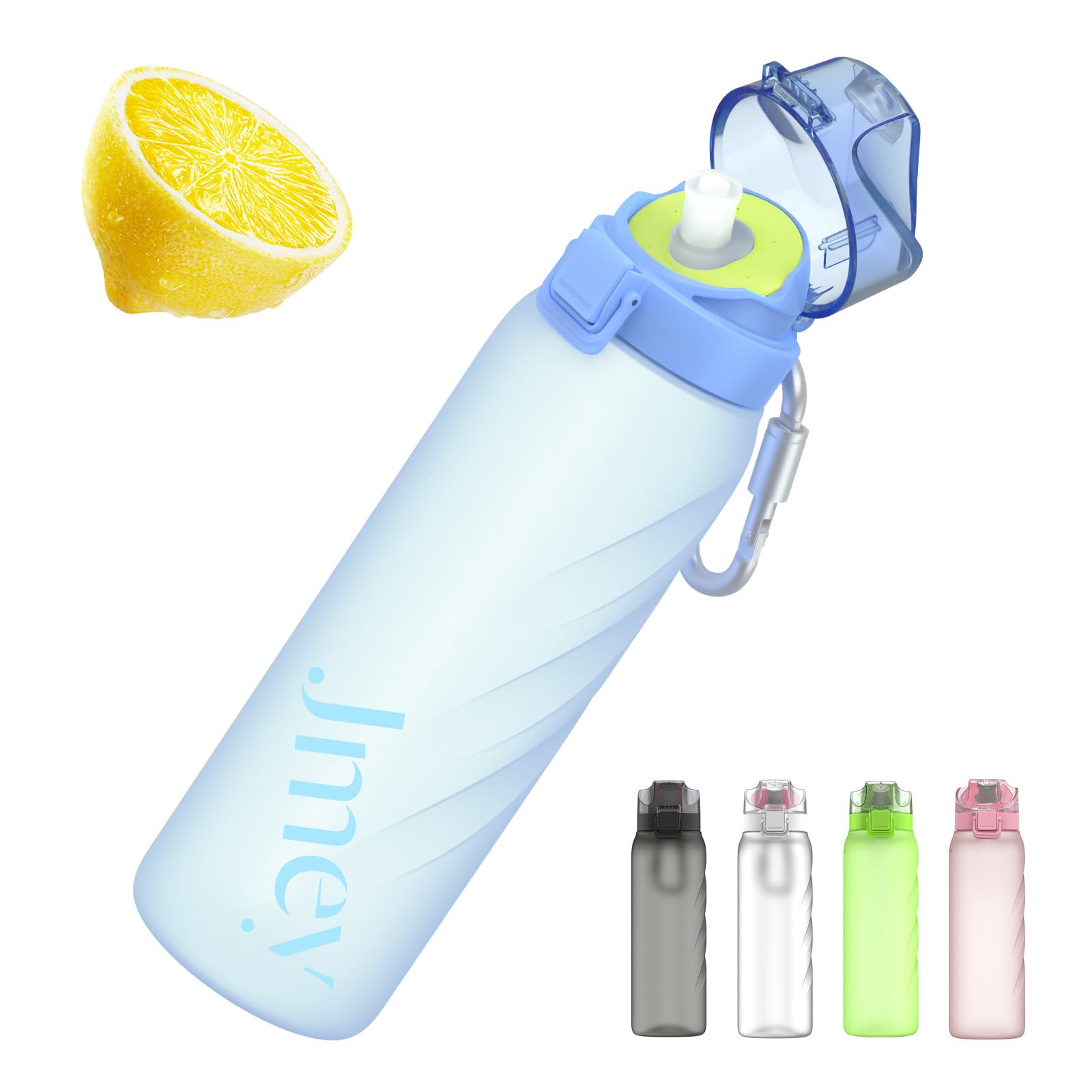
A stock image related to flavor water bottles.
In-depth Look: Manufacturing Processes and Quality Assurance for flavor water bottles
What Are the Main Stages of Manufacturing Flavor Water Bottles?
The manufacturing of flavor water bottles involves several critical stages, each essential for ensuring a high-quality end product. These stages typically include material preparation, forming, assembly, and finishing.
How Is Material Prepared for Flavor Water Bottles?
Material preparation is the first step in the manufacturing process. This stage involves sourcing high-quality materials that meet specific industry standards. For flavor water bottles, manufacturers often use BPA-free plastics, glass, or stainless steel, which are not only durable but also safe for food and beverage contact. Suppliers must ensure that the materials comply with regulations such as FDA standards in the U.S. or EFSA guidelines in Europe.
During this phase, raw materials are tested for contaminants and integrity. This may involve chemical analysis and physical inspections to verify that the materials are free from harmful substances and suitable for further processing.
What Techniques Are Used in Forming Flavor Water Bottles?
The forming stage involves transforming raw materials into the desired bottle shape. This can be achieved through several methods, including blow molding, injection molding, and extrusion.
- Blow Molding is commonly used for producing plastic bottles. In this process, heated plastic is shaped into a preform, which is then inflated to form the final bottle shape.
- Injection Molding is another technique used, particularly for caps and components that require precise dimensions. The process involves injecting molten plastic into a mold and allowing it to cool and solidify.
- Extrusion can be used for creating long sections of material that are later cut into bottle shapes.
Each technique has its advantages, and the choice often depends on the desired characteristics of the final product, such as strength, flexibility, and design complexity.
How Are Flavor Water Bottles Assembled?
After forming, the assembly stage takes place. This involves combining the various components of the flavor water bottle, including the bottle body, cap, and any internal flavoring mechanisms, such as cartridges or infusion systems.
Automation plays a significant role in this stage, with assembly lines designed for efficiency and precision. Workers or machines may conduct quality checks at various points during assembly to ensure that each component fits correctly and functions as intended.
What Finishing Techniques Are Applied to Flavor Water Bottles?
The finishing stage includes surface treatment, labeling, and packaging. This stage is vital for branding and product presentation. Common finishing techniques involve:
- Screen Printing or Labeling: To apply brand logos and product information.
- Coating: To enhance the durability and aesthetic appeal of the bottles, providing resistance to scratches and UV light.
- Quality Control Inspections: Final inspections to ensure that the bottles meet all visual and functional standards before packaging.
What Quality Assurance Measures Are Crucial for Flavor Water Bottles?
Quality assurance (QA) is integral to the manufacturing of flavor water bottles, particularly for international markets. Manufacturers must adhere to various standards and implement robust quality control (QC) processes.
Which International Standards Apply to Flavor Water Bottles?
Adhering to international standards like ISO 9001 is essential for manufacturers looking to establish credibility and trust with B2B buyers. ISO 9001 focuses on quality management systems (QMS) and emphasizes continuous improvement, customer satisfaction, and regulatory compliance.
Additionally, industry-specific standards such as CE marking for products sold in Europe and API (American Petroleum Institute) standards for materials used in food-grade applications may be required. These certifications assure buyers of the product’s safety and quality.
What Are the Key Quality Control Checkpoints in Manufacturing?
Quality control checkpoints play a crucial role in maintaining product integrity throughout the manufacturing process. Common checkpoints include:
- Incoming Quality Control (IQC): This involves inspecting raw materials upon arrival to ensure they meet specified quality standards.
- In-Process Quality Control (IPQC): Monitoring the production process at various stages helps identify and rectify defects early on.
- Final Quality Control (FQC): Conducting thorough inspections of the finished products before packaging ensures they meet all quality and safety requirements.
How Can B2B Buyers Verify Supplier Quality Control Practices?
For B2B buyers, particularly those in regions like Africa, South America, the Middle East, and Europe, verifying a supplier’s quality control measures is crucial. Here are some strategies to ensure due diligence:
- Supplier Audits: Conducting on-site audits allows buyers to assess the manufacturing processes, quality control practices, and adherence to international standards.
- Quality Assurance Reports: Requesting detailed reports on quality control measures, including testing results and certifications, provides transparency and builds trust.
- Third-Party Inspections: Engaging independent inspection agencies can provide an unbiased assessment of the supplier’s quality control practices and product safety.
What Are the QC and Certification Nuances for International Buyers?
International buyers must navigate various certification and quality assurance nuances. Understanding regional regulations and compliance requirements is essential. For instance, certain countries may have specific import regulations regarding food and beverage packaging, which can impact the acceptability of flavor water bottles.
Additionally, cultural perceptions of quality may vary across regions. Buyers from Europe may prioritize eco-friendliness and sustainability, while buyers from the Middle East may focus on product safety and compliance with local health regulations. Therefore, tailoring quality assurance discussions to reflect these regional preferences can enhance supplier relationships and facilitate smoother transactions.
Conclusion
Manufacturing flavor water bottles involves a multifaceted process that prioritizes quality assurance at every stage. By understanding the manufacturing techniques, quality control checkpoints, and certification requirements, B2B buyers can make informed decisions when selecting suppliers. This knowledge not only ensures compliance with international standards but also fosters trust and reliability in the supply chain, ultimately leading to successful business outcomes.
Practical Sourcing Guide: A Step-by-Step Checklist for ‘flavor water bottles’
Introduction
This practical sourcing guide is designed to assist B2B buyers in efficiently procuring flavored water bottles. With the growing demand for healthier beverage options, understanding the nuances of flavor water products is essential. This checklist will help you navigate the procurement process, ensuring that you select quality products that meet market needs while aligning with your business goals.
Step 1: Define Your Technical Specifications
Before initiating the sourcing process, clearly outline your technical requirements. This includes bottle size, materials (e.g., BPA-free plastics, stainless steel), and flavoring mechanisms (e.g., natural flavor infusions or scent-based systems). Defining these specifications helps streamline the selection process, ensuring that potential suppliers can meet your needs effectively.
- Consider market trends: Investigate popular bottle sizes and designs in your target markets.
- Sustainability factors: Look for eco-friendly materials that resonate with environmentally conscious consumers.
Step 2: Research Market Trends and Consumer Preferences
Understanding current market trends and consumer preferences is crucial. Analyze data on popular flavors, packaging preferences, and pricing strategies to ensure that your offerings are competitive.
- Utilize market reports: Leverage resources like Euromonitor or Mintel for insights into flavor water consumption patterns.
- Engage with target demographics: Conduct surveys or focus groups to gauge preferences directly from potential customers.
Step 3: Evaluate Potential Suppliers
Thoroughly vet potential suppliers to ensure they can deliver high-quality products consistently. Request company profiles, case studies, and references from buyers in similar industries or regions. This step mitigates risks associated with quality and reliability.
- Check certifications: Look for suppliers with industry-standard certifications (e.g., ISO, HACCP) to validate their operational excellence.
- Assess production capabilities: Confirm that the supplier can scale production to meet your demand requirements without compromising quality.
Step 4: Request Samples and Conduct Quality Testing
Once you have shortlisted suppliers, request samples of their flavored water bottles for quality testing. This step is vital to evaluate the actual product against your specifications.
- Assess flavor intensity and quality: Taste the flavored water and evaluate the quality of the flavoring process.
- Test durability: Conduct tests on the bottles to ensure they withstand typical usage conditions, including temperature variations and physical impacts.
Step 5: Negotiate Terms and Pricing
Engage in negotiations with selected suppliers to secure favorable terms and pricing. This includes minimum order quantities, payment terms, and delivery schedules. Clear negotiations can lead to long-term partnerships that benefit both parties.
- Consider bulk discounts: Inquire about pricing tiers based on order volume to optimize your budget.
- Establish clear delivery timelines: Ensure that suppliers can meet your timelines to avoid disruptions in your supply chain.
Step 6: Finalize Contracts and Monitor Performance
Once agreements are reached, finalize contracts that detail all aspects of the partnership, including quality expectations, delivery schedules, and payment terms. After procurement, continuously monitor supplier performance to ensure compliance with agreed standards.
- Set KPIs: Define key performance indicators (KPIs) to measure supplier performance, such as delivery accuracy and product quality.
- Maintain open communication: Foster a strong relationship with suppliers to facilitate prompt issue resolution and continuous improvement.
By following this checklist, B2B buyers can make informed decisions when sourcing flavored water bottles, ensuring product quality and market alignment while fostering beneficial supplier relationships.
Comprehensive Cost and Pricing Analysis for flavor water bottles Sourcing
What Are the Key Cost Components of Flavor Water Bottles?
In the sourcing of flavored water bottles, several cost components play a critical role in determining the overall pricing structure. These include:
-
Materials: The primary raw materials for flavored water bottles are the bottles themselves, often made from BPA-free plastics or glass, and the flavoring agents, which can be natural or artificial. The choice of materials significantly affects the cost, with natural flavors generally commanding higher prices.
-
Labor: Labor costs encompass the workforce involved in the manufacturing process, including production line staff, quality control inspectors, and packaging personnel. In regions with higher labor costs, such as parts of Europe, the overall price of flavored water products may be elevated compared to regions with lower labor costs.
-
Manufacturing Overhead: This includes indirect costs associated with production, such as utilities, rent, and equipment maintenance. Efficient manufacturing processes can help reduce overhead, thus lowering the final product price.
-
Tooling: Initial setup costs for manufacturing equipment and molds can be substantial, particularly for custom bottle designs or unique flavor delivery systems. These costs are typically amortized over the production run, affecting pricing based on order volume.
-
Quality Control (QC): Implementing stringent quality control measures is essential to ensure product consistency and safety. While this incurs additional costs, it is crucial for maintaining brand reputation and customer satisfaction.
-
Logistics: Transportation and warehousing costs also impact the final price. This can vary based on the distance to the market, shipping methods, and local customs regulations.
-
Margin: Suppliers will include a profit margin in their pricing, which can vary based on market demand, competition, and brand positioning.
How Do Price Influencers Affect Flavor Water Bottles Sourcing?
Several factors influence the pricing of flavored water bottles in the B2B marketplace:
-
Volume and Minimum Order Quantity (MOQ): Larger orders typically secure better pricing due to economies of scale. Suppliers often set MOQs, which can impact pricing strategies for international buyers.
-
Specifications and Customization: Customization requests, such as unique bottle shapes or proprietary flavor formulations, can increase costs. Buyers should assess the balance between customization and budget constraints.
-
Materials and Quality Certifications: The choice of materials (e.g., organic vs. synthetic) and the presence of quality certifications (e.g., ISO, FDA) can significantly influence pricing. Buyers seeking premium products should expect higher costs.
-
Supplier Factors: The supplier’s reputation, experience, and location also play a role. Established suppliers may charge more due to their reliability and quality assurance.
-
Incoterms: The terms of shipping and delivery (e.g., FOB, CIF) affect total costs. Understanding these terms is essential for budgeting and negotiating shipping expenses.
What Are Effective Buyer Tips for Sourcing Flavor Water Bottles Internationally?
For international B2B buyers, especially from Africa, South America, the Middle East, and Europe, navigating the flavored water bottle market requires strategic planning:
-
Negotiation: Always negotiate prices and terms. Suppliers may have flexibility, especially on larger orders. Building a relationship can lead to better deals over time.
-
Cost-Efficiency: Consider the Total Cost of Ownership (TCO), which includes not just the purchase price but also logistics, storage, and potential wastage. Understanding TCO can help in making informed purchasing decisions.
-
Pricing Nuances: Be aware of currency fluctuations, import duties, and tariffs that may affect final costs. Pricing may also vary significantly based on local market conditions.
-
Research Local Regulations: Different regions have varying regulations regarding food and beverage products. Ensure compliance to avoid unexpected costs or delays.
In summary, understanding the cost structure and pricing dynamics in the flavored water bottle market is crucial for making informed sourcing decisions. By considering these factors and employing strategic negotiation techniques, international buyers can optimize their procurement processes. Always consult with suppliers for indicative pricing, as costs can fluctuate based on market conditions and specific buyer requirements.
Alternatives Analysis: Comparing flavor water bottles With Other Solutions
Exploring Alternatives to Flavor Water Bottles for Enhanced Hydration
In the quest for hydration solutions that not only quench thirst but also add a burst of flavor, flavor water bottles have gained popularity. However, international B2B buyers should consider various alternatives that could meet similar needs, each with its own set of advantages and limitations. This section compares flavor water bottles with flavored beverage powders and fruit-infused water pitchers, providing insights that can guide procurement decisions.
| Comparison Aspect | Flavor Water Bottles | Flavored Beverage Powders | Fruit-Infused Water Pitchers |
|---|---|---|---|
| Performance | Offers a range of flavors without calories or additives, enhancing hydration. | Provides a customizable flavor experience, often with added vitamins. | Naturally flavors water, promoting healthy hydration without additives. |
| Cost | Moderate, with initial purchase costs for bottles and pods. | Generally lower cost per serving; bulk purchasing options available. | Low ongoing costs after initial pitcher purchase; only requires fresh fruit. |
| Ease of Implementation | Requires purchasing specific bottles and flavor pods. | Easy to mix with water; minimal preparation needed. | Simple to use; just add fruit to water and steep. |
| Maintenance | Regular cleaning of bottles and replacement of flavor pods. | Minimal maintenance; store powder in a dry place. | Requires regular cleaning and replenishing of fruit. |
| Best Use Case | Ideal for consumers seeking a variety of flavors without sugar. | Suitable for those looking for budget-friendly, vitamin-enhanced options. | Perfect for individuals or businesses aiming for natural flavors and aesthetics. |
Detailed Breakdown of Alternatives
Flavored Beverage Powders
Flavored beverage powders are a convenient alternative to flavor water bottles. They offer flexibility in flavor customization and can be mixed with water to create a variety of drinks, often enriched with vitamins and electrolytes. The cost is typically lower per serving, especially when purchased in bulk, making them an attractive option for businesses aiming to minimize expenses. However, these powders can sometimes contain artificial ingredients and may not appeal to health-conscious consumers seeking all-natural options.
Fruit-Infused Water Pitchers
Fruit-infused water pitchers provide a natural and visually appealing way to flavor water. By adding slices of fruits such as lemon, cucumber, or berries, users can create refreshing beverages without any added sugars or preservatives. This method is cost-effective in the long run, as it primarily involves the purchase of fresh produce after the initial investment in the pitcher. However, the preparation time and need for regular replenishing of fruits may be seen as a drawback for some users who prefer convenience.
Conclusion: Choosing the Right Hydration Solution
For B2B buyers evaluating hydration solutions, the choice between flavor water bottles, flavored beverage powders, and fruit-infused water pitchers should be guided by specific business needs. If the goal is to offer a diverse range of flavors without calories or additives, flavor water bottles may be the best fit. Conversely, for cost-sensitive buyers looking for flexibility and added health benefits, flavored beverage powders present a compelling option. Finally, for businesses prioritizing natural ingredients and aesthetic appeal, fruit-infused water pitchers can provide an engaging and healthy solution. Ultimately, understanding the target market and their preferences will be key in selecting the ideal product to enhance hydration offerings.
Essential Technical Properties and Trade Terminology for flavor water bottles
What Are the Key Technical Properties of Flavor Water Bottles?
In the competitive market for flavored water bottles, understanding the technical properties is crucial for B2B buyers. Here are some essential specifications:
-
Material Grade
The most common materials used for flavor water bottles are PET (polyethylene terephthalate) and Tritan™. PET is lightweight, recyclable, and resistant to impact, making it a popular choice for bottled beverages. Tritan™, on the other hand, is BPA-free and offers high clarity and durability. Choosing the right material affects not only the product’s safety and shelf life but also its environmental impact, which is increasingly important for consumers. -
Capacity
Flavor water bottles come in various sizes, typically ranging from 500 ml to 2 liters. The capacity you choose can influence consumer preferences and marketability. Larger bottles may appeal to families or fitness enthusiasts, while smaller, portable options could attract on-the-go consumers. Understanding market trends in different regions can guide your capacity selection. -
Closure Type
The closure mechanism (e.g., screw cap, flip-top, straw) is vital for consumer convenience and product integrity. Effective closures prevent leaks and preserve the flavor integrity of the beverage. In B2B transactions, specifying the closure type ensures that manufacturers meet end-user expectations and regulatory requirements. -
Shelf Life
The shelf life of flavored water bottles is determined by the ingredients and packaging. Typically, a shelf life of 12 to 24 months is standard. Longer shelf life can reduce wastage for retailers, making your product more appealing. Buyers should be aware of the preservation methods used to ensure flavor and safety over time. -
Flavor Infusion Technology
Technologies like Scentaste™ or flavor cartridges are essential for delivering the flavor experience without additives. These innovations not only enhance taste but also cater to health-conscious consumers seeking lower-calorie options. B2B buyers should consider the technology’s effectiveness and its ability to differentiate products in the marketplace.
What Are Common Trade Terms in the Flavor Water Bottle Industry?
Understanding industry jargon is vital for effective communication and negotiation. Here are several common terms:
-
OEM (Original Equipment Manufacturer)
An OEM refers to a company that produces parts or equipment that may be marketed by another manufacturer. In the context of flavored water bottles, an OEM can design and manufacture bottles according to the specifications of a brand, allowing for customized branding and functionality. -
MOQ (Minimum Order Quantity)
MOQ is the smallest quantity of a product that a supplier is willing to sell. This term is crucial in B2B transactions, as it affects inventory management and cost-effectiveness. Buyers must assess their sales forecasts to determine if they can meet the MOQ requirements while minimizing excess stock. -
RFQ (Request for Quotation)
An RFQ is a document that a buyer sends to suppliers to request pricing and terms for specific products. In the flavored water bottle sector, submitting an RFQ helps streamline the procurement process, allowing buyers to compare costs and terms efficiently. -
Incoterms (International Commercial Terms)
Incoterms define the responsibilities of buyers and sellers in international trade. Understanding these terms, such as FOB (Free on Board) or CIF (Cost, Insurance, and Freight), is essential for managing shipping costs and risks, particularly when sourcing products across borders. -
Sustainability Standards
This term encompasses various practices aimed at reducing environmental impact, such as using recyclable materials or sustainable sourcing methods. Buyers increasingly prioritize sustainability, making it essential for suppliers to comply with relevant standards and certifications.
By grasping these technical properties and trade terms, international B2B buyers can make informed decisions that enhance their competitive edge in the flavored water market.
Navigating Market Dynamics and Sourcing Trends in the flavor water bottles Sector
What Are the Current Market Dynamics and Key Trends in the Flavor Water Bottles Sector?
The flavored water bottle market is witnessing significant transformation driven by changing consumer preferences, health consciousness, and technological advancements. Globally, there’s a growing demand for healthier beverage alternatives, particularly in regions like Africa, South America, the Middle East, and Europe. This shift is underpinned by rising awareness of the health implications of sugary drinks, prompting consumers to seek out low-calorie or zero-calorie options. Flavored water bottles, often marketed as refreshing and hydrating alternatives, are gaining traction.
Emerging trends in B2B sourcing include the rise of innovative flavor delivery systems, such as scent-based technologies that enhance water without additives. For instance, companies like air up® utilize scent-based technology to provide flavor without sugar or calories, appealing to health-conscious consumers. Additionally, subscription models are becoming prevalent, allowing businesses to ensure consistent supply and customer engagement. This is particularly important in markets like Saudi Arabia and Nigeria, where distribution networks can be challenging.
Moreover, sustainability is becoming a critical consideration. International buyers are increasingly looking for suppliers who prioritize eco-friendly practices, from production to packaging. With consumers becoming more environmentally aware, flavored water brands that emphasize sustainability in their sourcing and production processes are likely to gain a competitive advantage.
How Are Sustainability and Ethical Sourcing Impacting the Flavor Water Bottles Sector?
Sustainability is a significant focus in the flavored water bottles sector, particularly among international B2B buyers who are increasingly prioritizing eco-friendly practices. The environmental impact of packaging waste, especially plastic, is prompting companies to seek sustainable alternatives. Brands are exploring biodegradable or recyclable materials, and some are even introducing reusable systems, like flavor cartridges, to minimize waste.
Ethical sourcing is equally important. Buyers are keen on understanding the supply chain, ensuring that ingredients and materials are sourced responsibly. This includes verifying that suppliers adhere to fair labor practices and environmental regulations. Certifications such as Fair Trade and organic labels can enhance a brand’s credibility and appeal to ethically-minded consumers.
Additionally, businesses that implement ‘green’ practices—such as using natural flavors derived from real fruits and herbs—can differentiate themselves in a crowded market. Companies that emphasize transparency in their sourcing processes are more likely to build trust with B2B partners and consumers alike, reinforcing their brand image in an increasingly competitive landscape.
What Is the Brief Evolution and History of Flavor Water Bottles?
The evolution of flavored water bottles can be traced back to the broader trend of health-conscious drinking habits that gained momentum in the late 20th century. Initially, flavored waters were primarily marketed as alternatives to sugary soft drinks. Over time, advancements in flavor technology and a deeper understanding of consumer preferences led to a diversification of offerings.
In the early 2000s, flavored water brands began to emerge, focusing on natural ingredients and minimal processing. This evolution was further accelerated by the rise of wellness culture, with consumers increasingly seeking products that support hydration without compromising health. The introduction of innovative delivery systems and subscription models has only expanded the market, allowing companies to cater to a wider audience while addressing sustainability concerns.
As the market continues to grow, B2B buyers must stay informed about these trends and adapt their sourcing strategies to align with evolving consumer demands, ensuring they remain competitive in the flavor water segment.
Frequently Asked Questions (FAQs) for B2B Buyers of flavor water bottles
-
How do I choose the right supplier for flavored water bottles?
Selecting the right supplier involves assessing their reputation, product quality, and compliance with international standards. Start by checking reviews and testimonials from other B2B clients. Request product samples to evaluate flavor quality and packaging. Ensure the supplier can provide certifications, such as FDA or ISO, which indicate adherence to safety and quality regulations. Additionally, consider their capacity to meet your order volume and their ability to customize products to suit your market preferences. -
What are the typical minimum order quantities (MOQs) for flavored water bottles?
MOQs for flavored water bottles can vary widely based on the supplier and the type of customization required. Generally, you might encounter MOQs ranging from 500 to 5,000 units. For customized products or unique flavors, suppliers may impose higher MOQs. It’s important to clarify these terms upfront to avoid unexpected costs and ensure that your initial order aligns with your budget and sales projections. -
What customization options are available for flavored water bottles?
Customization options often include bottle size, shape, color, labeling, and flavor selection. Many suppliers offer private labeling, allowing you to brand the bottles with your logo and marketing materials. Additionally, you can often select specific flavor profiles to cater to regional tastes. Discuss your needs with potential suppliers to understand the extent of their customization capabilities and any associated costs. -
How can I ensure the quality of flavored water bottles?
To ensure quality, request detailed specifications from the supplier regarding ingredients, production methods, and quality assurance processes. Ask about their testing protocols and whether they conduct third-party testing for safety and flavor consistency. Establish a clear communication channel for regular updates on production and request samples for quality checks before placing larger orders. Building a strong partnership with your supplier can also enhance quality assurance. -
What payment terms should I expect when sourcing flavored water bottles?
Payment terms can vary significantly by supplier and region. Common practices include a deposit (typically 30-50%) upon order confirmation, with the balance due before shipment. Some suppliers may offer net payment terms, allowing payment 30 to 90 days after delivery. Always negotiate favorable terms that align with your cash flow needs and ensure they are documented in your contract to avoid misunderstandings. -
What logistics considerations should I take into account when importing flavored water bottles?
Logistics considerations include shipping methods, lead times, and customs regulations. Determine whether you will use air or sea freight, as this will affect costs and delivery speed. Familiarize yourself with import duties and taxes applicable in your country. Collaborate with a freight forwarder who can manage the logistics process, ensuring compliance with regulations and timely delivery to your distribution points. -
How do I handle disputes or issues with my flavored water bottle supplier?
Handling disputes effectively requires clear communication and documentation. Establish a formal complaint process in your initial agreement, outlining steps for resolution. Maintain records of all correspondence and agreements. If issues arise, address them promptly with your supplier, focusing on constructive dialogue. If necessary, consider involving a mediator or legal counsel to facilitate resolution, especially for significant contractual disagreements. -
What market trends should I be aware of in the flavored water bottle industry?
Stay informed about trends such as the rising demand for health-conscious products, with consumers seeking low-calorie and natural flavor options. Sustainability is also becoming increasingly important; consider sourcing eco-friendly materials and packaging. Moreover, regional preferences for specific flavors can influence product development. Regularly review market reports and competitor offerings to adapt your product line and marketing strategies accordingly, ensuring you remain competitive in your target markets.
Important Disclaimer & Terms of Use
⚠️ Important Disclaimer
The information provided in this guide, including content regarding manufacturers, technical specifications, and market analysis, is for informational and educational purposes only. It does not constitute professional procurement advice, financial advice, or legal advice.
While we have made every effort to ensure the accuracy and timeliness of the information, we are not responsible for any errors, omissions, or outdated information. Market conditions, company details, and technical standards are subject to change.
B2B buyers must conduct their own independent and thorough due diligence before making any purchasing decisions. This includes contacting suppliers directly, verifying certifications, requesting samples, and seeking professional consultation. The risk of relying on any information in this guide is borne solely by the reader.
Top 9 Flavor Water Bottles Manufacturers & Suppliers List
1. Air Up – Flavored Water Bottle
Domain: shop.air-up.com
Registered: 2018 (7 years)
Introduction: Flavored water bottle that uses Scentaste™ technology to infuse plain water with flavors through scent. 100% natural ingredients with no sugar, sweeteners, or additives. Available in 25+ flavors including Cherry Cola and Wild Berry. Each flavor pod can flavor up to 4 gallons of water and lasts for at least 1.3 gallons. Users reported increased water intake, improved memory and focus, better skin, …
2. Hint Water – Flavored Water
Domain: drinkhint.com
Registered: 2004 (21 years)
Introduction: Hint Water offers flavored water with true fruit flavors, available in various options including peach raspberry, watermelon, and coconut. Each flavor comes in a case of twelve 16-oz. bottles, priced at $22.99 per case. The water contains zero diet sweeteners, zero calories, and zero preservatives. It is vegan, gluten-free, and kosher. Customers can enjoy free shipping on orders of three or more c…
3. Cirkul – Hydration Products
Domain: drinkcirkul.com
Registered: 2016 (9 years)
Introduction: Cirkul offers a variety of hydration products including flavor cartridges, bottles, and starter kits. Key product details include: 1. Flavor Cartridges: Available in various flavors such as Pineapple Apple, Honeycrisp Apple, Strawberry Lemonade, and more, priced at $3.75 each. 2. Auto-Ship Options: Discounts on cartridges when subscribed to auto-ship, with prices ranging from $3.06 to $3.75 per ca…
4. Flavor Infusion – Sweetener-Free Water Bottles
Domain: reddit.com
Registered: 2005 (20 years)
Introduction: Flavored water bottles that use flavor pods, specifically looking for options that use cane sugar or no sweeteners at all. The user currently has a Cirkul bottle but is seeking alternatives due to digestive issues with sweeteners. They considered the Air Up brand but found it lacking in flavor variety and availability of pods.
5. Target – Flavored Water Bottles & Stainless Steel Options
Domain: target.com
Registered: 1997 (28 years)
Introduction: This company, Target – Flavored Water Bottles & Stainless Steel Options, is a notable entity in the market. For specific product details, it is recommended to visit their website directly.
6. Air Up – 22oz Water Bottle with Flavor Fiesta Pods
Domain: pinterest.com
Registered: 2009 (16 years)
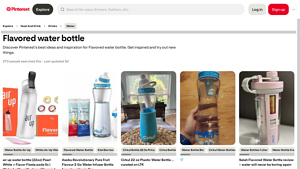
Introduction: Product Name: air up water bottle (22oz) Pearl White + Flavor Fiesta pods 5x
Features:
– Healthy Hydration: Sugar-free hydration with 5 refreshing flavors (Kola, Watermelon, Orangeade, Apple, Pineapple)
– Versatile Use: Suitable for gym workouts or daily office use, BPA-free, keeps drinks cold, leak-proof lid, compatible with sparkling or still water
– Sustainable Solution: Produced with eco-frie…
7. Air Up – Innovative Water Bottle with Scentaste Technology
Domain: reviewed.com
Registered: 2001 (24 years)
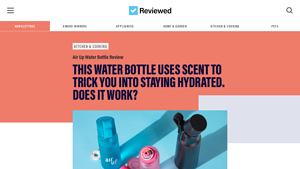
Introduction: Air Up Water Bottle uses patented Scentaste technology to create a unique drinking experience by using scent pods that trick the brain into perceiving flavored water while drinking plain water. Key features include:
– Wide variety of over 15 Scentaste pods and 10 different bottle varieties available in plastic and stainless steel.
– Flavor pods include scents like fresh cucumber, tropical mango-pa…
8. Tasting Table – Protein20 Plus Energy
Domain: tastingtable.com
Registered: 2005 (20 years)
Introduction: 1. Protein20 Plus Energy – Blue Raspberry Flavor: High-protein water with whey protein isolate and caffeine. Contains sucralose and Blue 1 dye. 70 calories per 500ml. Not suitable for vegans or those with dairy allergies. Ranked last due to taste and ingredients.
2. Propel Immune Support – Lemon Blackberry Flavor: Contains electrolytes, vitamins C, B6, E, and zinc. Sweetened with sucralose, conta…
9. Beverage Universe – Flavored Water Selection
Domain: beverageuniverse.com
Registered: 2008 (17 years)
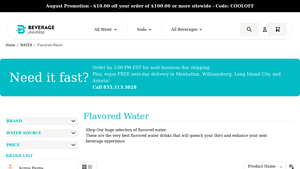
Introduction: Flavored Water products available at Beverage Universe include: LaCroix (Grapefruit, Lemon, Lime, Mango, Tangerine) – 12 oz (24 Cans) priced at $32.23 each; Lurisia (Chinotto, Gazzosa) – 275 ml available in various pack sizes (6, 12, 24 Glass Bottles) priced between $27.72 and $71.17; San Pellegrino (Sparkling Orange – Aranciata) – 11.15 oz (24 Cans) priced at $64.46; Schweppes (Sparkling Lemon Li…
Strategic Sourcing Conclusion and Outlook for flavor water bottles
The growing demand for flavored water bottles presents a significant opportunity for international B2B buyers, especially in regions like Africa, South America, the Middle East, and Europe. As consumers increasingly seek healthier beverage options, flavored water offers a sugar-free alternative that retains the sensory experience of traditional soft drinks. Key players in the market, such as air up®, Hint, and Cirkul, demonstrate innovative approaches in flavor delivery and sustainability, appealing to health-conscious consumers.
Strategic sourcing in this sector is crucial for optimizing supply chains, ensuring product quality, and maximizing cost-efficiency. By leveraging partnerships with reputable suppliers, businesses can secure a competitive edge and meet the evolving preferences of their customers. Additionally, focusing on sustainable practices will resonate well with environmentally conscious consumers, further enhancing brand loyalty.
As we look to the future, international buyers are encouraged to explore diverse flavor offerings and innovative packaging solutions that align with consumer trends. Engaging in strategic sourcing now will position your business favorably within this dynamic market. Embrace this opportunity to elevate your product line and cater to the growing demand for flavored water bottles.