Introduction: Navigating the Global Market for flavored water bottle
In an increasingly health-conscious world, sourcing flavored water bottles presents a unique challenge for international B2B buyers. The demand for innovative, healthy hydration solutions is surging, particularly in regions such as Africa, South America, the Middle East, and Europe, including markets like Germany and Brazil. As consumers seek alternatives to sugary beverages, flavored water bottles that offer natural flavors without additives are becoming a staple. This guide aims to navigate the complexities of the flavored water bottle market, providing comprehensive insights into product types, applications, supplier vetting processes, and cost considerations.
Understanding the nuances of flavored water products is essential for making informed purchasing decisions. This guide empowers international buyers by presenting actionable strategies for evaluating potential suppliers, ensuring product quality, and identifying market trends that can drive profitability. From exploring innovative technologies like scent-based flavoring to assessing the sustainability of packaging materials, each section is designed to equip buyers with the knowledge necessary to thrive in this competitive landscape.
By leveraging the insights presented in this guide, B2B buyers can confidently navigate the global flavored water market, aligning their procurement strategies with evolving consumer preferences and regulatory standards. As the flavored water segment continues to expand, informed decisions will be key to capitalizing on this lucrative opportunity.
Understanding flavored water bottle Types and Variations
| Type Name | Key Distinguishing Features | Primary B2B Applications | Brief Pros & Cons for Buyers |
|---|---|---|---|
| Scent-Based Flavor Bottles | Uses scent technology to infuse water with flavors | Health and wellness, hospitality | Pros: Natural flavors, no sugar; Cons: May not appeal to all consumers. |
| Flavor Cartridge Systems | Reusable bottles that utilize interchangeable flavor cartridges | Fitness centers, schools, corporate wellness | Pros: Customizable flavors, cost-effective; Cons: Requires ongoing cartridge purchase. |
| Pre-Flavored Water Bottles | Bottled water infused with natural flavors | Retail, vending machines | Pros: Ready-to-drink convenience; Cons: Higher cost per serving. |
| Electrolyte-Enhanced Bottles | Flavored water with added electrolytes | Sports teams, gyms, health clubs | Pros: Hydration and recovery benefits; Cons: Can be perceived as niche. |
| Fruit-Infused Water Bottles | Bottles with compartments for fresh fruits or herbs | Cafés, restaurants, catering services | Pros: Fresh taste, appealing presentation; Cons: Short shelf life, requires maintenance. |
What Are Scent-Based Flavor Bottles and Their B2B Relevance?
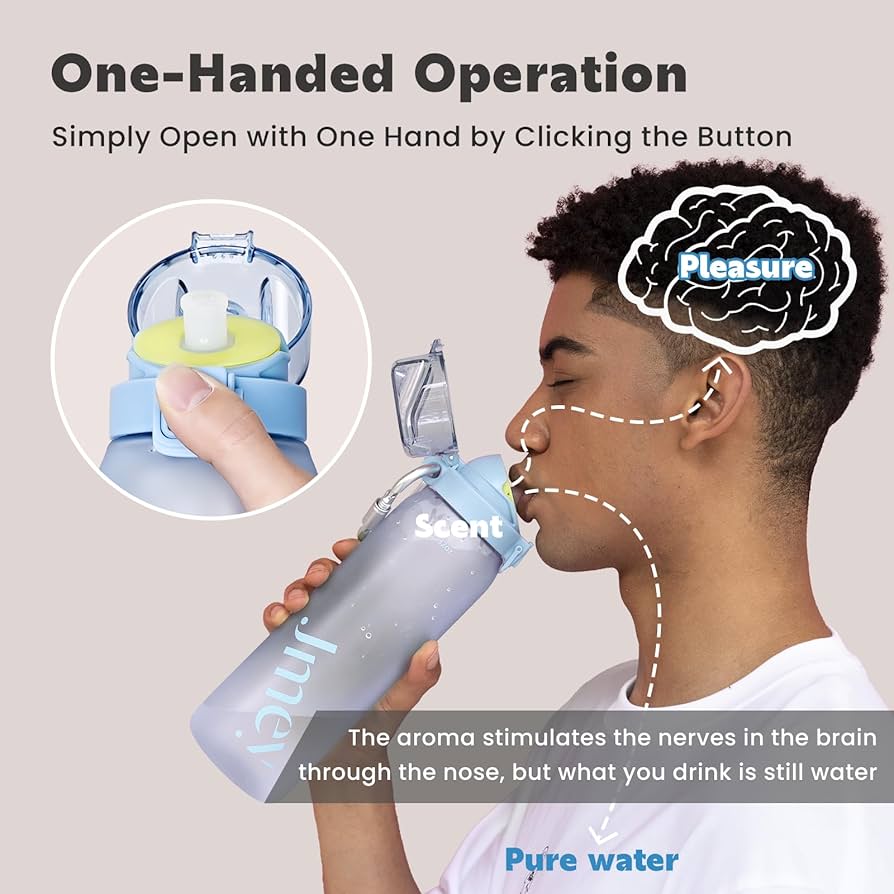
Scent-based flavor bottles utilize innovative technology to infuse water with a variety of flavors through scent alone. This type of bottle is particularly appealing in the health and wellness sector, where consumers are increasingly seeking natural, low-calorie hydration options. For B2B buyers, these bottles represent an opportunity to offer unique hydration solutions that align with health trends while minimizing sugar intake. However, businesses should consider that scent-based products may not resonate with all consumers, necessitating careful market research.
How Do Flavor Cartridge Systems Benefit Businesses?
Flavor cartridge systems are designed for consumers who desire customizable flavor options. These reusable bottles allow users to switch flavors easily by changing cartridges, making them ideal for fitness centers and corporate wellness programs. B2B buyers can leverage these systems to promote hydration in environments where flavor variety enhances user experience. The ongoing need for cartridge purchases can be a drawback, but the potential for customer loyalty through subscription models may offset this concern.
What Are the Advantages of Pre-Flavored Water Bottles?
Pre-flavored water bottles are ready-to-drink options that provide consumers with a convenient way to enjoy flavored hydration. These products are particularly suitable for retail and vending machine applications, where quick access is essential. B2B buyers can benefit from the growing demand for healthier beverage alternatives. However, the higher cost per serving compared to traditional bottled water could be a consideration for price-sensitive markets.
Why Choose Electrolyte-Enhanced Bottles for Your Business?
Electrolyte-enhanced flavored water bottles cater specifically to athletes and fitness enthusiasts, combining hydration with recovery benefits. This product type is perfect for sports teams, gyms, and health clubs that aim to support their clients’ performance and wellness. B2B buyers should note that while these products can be marketed as premium offerings, they may appeal to a niche audience, which could limit broader market penetration.
What Are the Key Characteristics of Fruit-Infused Water Bottles?
Fruit-infused water bottles feature compartments for fresh fruits or herbs, allowing users to create their own flavored water. This type is popular in cafés and restaurants, where presentation and freshness are key selling points. B2B buyers should consider the appeal of fresh flavors and the visual aspect of these bottles, though they must also account for the shorter shelf life and the need for regular maintenance to ensure product quality.
Key Industrial Applications of flavored water bottle
| Industry/Sector | Specific Application of flavored water bottle | Value/Benefit for the Business | Key Sourcing Considerations for this Application |
|---|---|---|---|
| Hospitality | In-room beverage service in hotels | Enhances guest experience, promotes hydration | Quality of flavors, packaging sustainability, and cost |
| Fitness and Wellness | Hydration stations in gyms and wellness centers | Encourages hydration, aligns with health trends | Flavor variety, health certifications, and bulk pricing |
| Food and Beverage Retail | Retail sales of flavored water bottles | Captures health-conscious consumers, boosts sales | Brand reputation, distribution logistics, and market demand |
| Corporate Wellness Programs | Flavored water bottles for employee wellness initiatives | Improves employee health and productivity | Customization options, branding opportunities, and pricing |
| Education | Flavored water for school cafeterias and events | Promotes healthy drinking habits among students | Nutritional information, packaging size, and cost per unit |
How Are Flavored Water Bottles Used in the Hospitality Industry?
In the hospitality sector, flavored water bottles can be a game-changer for enhancing guest experiences. Hotels often offer flavored water in their rooms or lobbies to promote hydration and wellness. This not only elevates the guest experience but also positions the hotel as health-conscious. International buyers in this sector should prioritize sourcing high-quality flavors that align with local preferences and ensure sustainable packaging to appeal to eco-conscious travelers.
What Role Do Flavored Water Bottles Play in Fitness and Wellness?
Gyms and wellness centers utilize flavored water bottles at hydration stations to encourage members to drink more water, thereby supporting their fitness goals. By providing a variety of flavors, these facilities can cater to diverse tastes, making hydration more appealing. For buyers in this sector, sourcing products that meet health and safety regulations, along with a range of flavors, is crucial to ensure customer satisfaction and compliance with local standards.
How Are Flavored Water Bottles Integrated into Retail Environments?
In food and beverage retail, flavored water bottles serve as a healthy alternative to sugary drinks, attracting health-conscious consumers. Retailers can benefit from offering a diverse range of flavors that align with current trends, such as natural ingredients and low-calorie options. B2B buyers should consider market demand, brand reputation, and logistics when sourcing flavored water products to optimize inventory and sales.
Why Are Flavored Water Bottles Important for Corporate Wellness Programs?
Corporations are increasingly adopting flavored water bottles as part of their employee wellness initiatives. By providing flavored hydration options, companies can promote healthier drinking habits, which can lead to improved employee productivity and morale. When sourcing these products, businesses should look for customization options that allow for branding and personalization, as well as competitive pricing for bulk purchases.
How Are Flavored Water Bottles Beneficial in Educational Settings?
In educational institutions, flavored water bottles can be introduced in cafeterias and during events to encourage students to choose healthier drink options. This initiative not only promotes hydration but also fosters lifelong healthy habits among young people. Buyers from schools should focus on nutritional information, appropriate packaging sizes for children, and cost-effectiveness to ensure widespread adoption and compliance with health guidelines.
3 Common User Pain Points for ‘flavored water bottle’ & Their Solutions
Scenario 1: Difficulty in Meeting Diverse Taste Preferences in Global Markets
The Problem: B2B buyers often face challenges when trying to cater to a broad audience with varied taste preferences. When sourcing flavored water bottles for diverse regions, such as Africa, South America, the Middle East, and Europe, the risk of selecting flavors that do not resonate with local consumers is high. This mismatch can lead to poor sales and wasted inventory, as buyers may underestimate cultural differences in flavor preferences.
The Solution: To effectively address this challenge, it is crucial for B2B buyers to conduct thorough market research to understand regional flavor trends. Engaging with local distributors or using focus groups can provide valuable insights into consumer preferences. Additionally, consider sourcing flavored water bottles that offer customizable flavor options or a variety pack that includes popular regional flavors. Brands like Cirkul provide flexible flavor cartridges that allow consumers to mix and match flavors, thus appealing to a wider audience. By offering a diverse selection tailored to local tastes, businesses can enhance customer satisfaction and drive sales.
Scenario 2: Concerns Over Health and Ingredient Transparency
The Problem: Many consumers today are increasingly health-conscious and scrutinize the ingredients in their beverages. B2B buyers must navigate the challenge of sourcing flavored water bottles that not only taste good but also meet health standards and provide ingredient transparency. Failure to do so can lead to negative customer feedback and damage to the brand’s reputation.
The Solution: Buyers should prioritize sourcing flavored water bottles that use natural ingredients and clearly communicate these benefits to consumers. For instance, brands like Hint Water emphasize their use of natural fruit flavors and the absence of preservatives or sweeteners, which can appeal to health-conscious consumers. When selecting products, it’s beneficial to request detailed ingredient lists and certifications (e.g., organic, non-GMO) from suppliers. Incorporating this information into marketing materials can help build trust with consumers and position the brand as a responsible choice in a crowded market.
Scenario 3: Managing Inventory and Reducing Waste
The Problem: Inventory management is a significant concern for B2B buyers, particularly when dealing with perishable products like flavored water. Unsold inventory can lead to increased waste and financial losses. Additionally, the rapid turnover of flavors can complicate stock management, making it difficult to maintain a balance between supply and demand.
The Solution: Implementing a just-in-time inventory system can help manage stock levels more effectively. Buyers should establish strong relationships with suppliers who can provide reliable delivery schedules, allowing for smaller, more frequent orders that align with consumer demand. Additionally, leveraging data analytics to track sales trends and customer preferences can inform purchasing decisions, reducing the likelihood of overstocking unpopular flavors. Sourcing flavored water bottles that come in multi-pack options or limited-edition flavors can also create urgency and encourage quicker sales, thereby minimizing waste. By adopting a strategic approach to inventory management, businesses can enhance profitability while catering to consumer preferences effectively.
Strategic Material Selection Guide for flavored water bottle
What Are the Key Materials Used in Flavored Water Bottles?
When selecting materials for flavored water bottles, it is crucial to consider various factors such as durability, cost, and compliance with international standards. Below, we analyze four common materials: plastic (specifically PET), glass, stainless steel, and aluminum, focusing on their properties, advantages, and limitations.
How Does Plastic (PET) Perform in Flavored Water Bottles?
Polyethylene Terephthalate (PET) is widely used for flavored water bottles due to its lightweight and shatter-resistant properties. It has a temperature rating of up to 60°C and exhibits good resistance to moisture and chemicals, making it suitable for flavored water applications.
Pros: PET is cost-effective, easy to manufacture, and can be produced in various shapes and sizes. It is also recyclable, which appeals to environmentally conscious consumers.
Cons: However, PET may not provide the same level of durability as glass or stainless steel. It can also absorb flavors over time, which may affect the taste of the water.
Impact on Application: PET is compatible with most flavored water formulations, but it is essential to ensure that the flavors do not compromise the integrity of the material.
Considerations for International Buyers: Compliance with food safety standards such as FDA (U.S.) or EFSA (Europe) is necessary. Buyers in Africa and South America should also consider local regulations regarding plastic use and recycling.
What Are the Benefits of Glass for Flavored Water Bottles?
Glass is another popular material for flavored water bottles, known for its inert properties and ability to maintain the purity of the contents. It can withstand high temperatures and is resistant to corrosion, making it ideal for flavored beverages.
Pros: Glass does not leach chemicals, ensuring that the flavor remains unaltered. It also offers a premium feel, which can enhance brand perception.
Cons: The primary drawback of glass is its weight and fragility, making it less suitable for on-the-go consumption. It is also more expensive to produce and transport.
Impact on Application: Glass is highly compatible with various flavored water formulations, including those with acidic ingredients.
Considerations for International Buyers: Buyers should be aware of the weight implications for shipping and handling. Compliance with standards like ASTM for packaging is also essential, especially in Europe and the Middle East.
How Does Stainless Steel Compare in Flavored Water Bottles?
Stainless steel is gaining popularity for flavored water bottles due to its durability and resistance to corrosion and staining. It can handle a wide range of temperatures, making it versatile for both hot and cold beverages.
Pros: Stainless steel is highly durable and can last a long time, reducing the need for frequent replacements. It also maintains the temperature of the beverage for extended periods.
Cons: The manufacturing process can be more complex and costly compared to plastic. Additionally, stainless steel bottles may require a liner to prevent flavor contamination.
Impact on Application: Stainless steel is suitable for flavored water with various ingredients, including those that may react with other materials.
Considerations for International Buyers: Compliance with food-grade standards is critical, particularly in regions with strict regulations like Europe. Buyers should also consider the environmental impact of production and recycling.
What Are the Advantages of Aluminum in Flavored Water Bottles?
Aluminum is lightweight and offers excellent strength-to-weight ratios, making it an attractive option for flavored water bottles. It is also recyclable, which appeals to eco-conscious consumers.
Pros: Aluminum bottles can be produced with a variety of coatings to enhance flavor retention and prevent leaching. They are also cost-effective and can be manufactured in bulk.
Cons: Aluminum may require a protective liner to avoid reactions with acidic flavors, which can complicate the manufacturing process.
Impact on Application: Aluminum is compatible with most flavored water formulations but may not be suitable for those with high acidity without proper lining.
Considerations for International Buyers: Compliance with local and international standards, such as JIS in Japan or DIN in Germany, is essential for ensuring product safety and quality.
Summary Table of Material Selection for Flavored Water Bottles
| Material | Typical Use Case for flavored water bottle | Key Advantage | Key Disadvantage/Limitation | Relative Cost (Low/Med/High) |
|---|---|---|---|---|
| Plastic (PET) | Disposable or lightweight bottles | Cost-effective and recyclable | Absorbs flavors over time | Low |
| Glass | Premium flavored water bottles | Maintains flavor purity | Heavy and fragile | High |
| Stainless Steel | Durable and reusable bottles | Long-lasting and temperature-retaining | Higher manufacturing complexity | Medium |
| Aluminum | Lightweight and portable bottles | Excellent strength-to-weight ratio | Requires protective lining | Medium |
This strategic material selection guide provides B2B buyers with essential insights into the various materials used in flavored water bottles, enabling informed decisions that align with product performance, cost, and compliance requirements.
A stock image related to flavored water bottle.
In-depth Look: Manufacturing Processes and Quality Assurance for flavored water bottle
What Are the Main Stages of Manufacturing Flavored Water Bottles?
The manufacturing process of flavored water bottles involves several critical stages that ensure the final product meets quality standards and consumer expectations. The key stages include material preparation, forming, assembly, and finishing.
Material Preparation
The first step involves sourcing high-quality raw materials, including food-grade plastics for the bottles and natural flavoring agents. Suppliers must comply with food safety regulations, ensuring that all materials are non-toxic and suitable for food contact. For flavored water, it is essential to choose materials that do not leach harmful substances into the beverage. This preparation stage may also involve pre-testing materials for compatibility and safety.
Forming
Once materials are prepared, the forming stage begins. This typically involves blow molding or injection molding processes to create the bottle shape. Advanced techniques like extrusion blow molding can be employed to produce lightweight and durable bottles that meet consumer needs. The choice of molding technique can affect the bottle’s strength, flexibility, and aesthetic appeal.
Assembly
After forming, the next stage is assembly, where components such as caps, straws, or flavoring pods are attached to the bottles. This stage may also include the integration of innovative technologies, such as flavor infusion systems that allow consumers to customize their hydration experience. Automated assembly lines are often utilized to ensure efficiency and precision, reducing the risk of human error.
Finishing
The final stage, finishing, involves quality checks and packaging. Bottles are labeled with essential information, including ingredients, nutritional facts, and expiration dates. Additionally, this stage may involve applying protective coatings to enhance the bottle’s appearance and durability. The finished products are then packaged for distribution, ensuring they remain intact during transportation.
How Is Quality Assurance Implemented in Flavored Water Bottle Manufacturing?
Quality assurance (QA) is a critical aspect of flavored water bottle production, ensuring that products are safe, effective, and compliant with international standards. Several QA methodologies and checkpoints are commonly employed in the industry.
International Standards and Industry-Specific Certifications
To maintain high-quality standards, manufacturers often adhere to international quality management systems like ISO 9001. This certification helps organizations demonstrate their ability to consistently provide products that meet customer and regulatory requirements. Additionally, industry-specific certifications such as CE marking (for products sold in Europe) and API (American Petroleum Institute) standards may be relevant, depending on the materials used.
Quality Control Checkpoints
Quality control is typically structured around several checkpoints throughout the manufacturing process:
-
Incoming Quality Control (IQC): This initial checkpoint involves inspecting raw materials for quality and compliance with specifications. Any non-compliant materials are rejected to prevent defects in the final product.
-
In-Process Quality Control (IPQC): During the manufacturing process, IPQC checks are conducted to monitor production parameters, ensuring that they remain within specified limits. This may include checking the temperature and pressure during molding processes.
-
Final Quality Control (FQC): After assembly and finishing, FQC involves a comprehensive inspection of the finished products. This includes testing for leaks, assessing the integrity of seals, and verifying label accuracy.
What Testing Methods Are Commonly Used in Quality Control for Flavored Water Bottles?
Various testing methods are employed to ensure that flavored water bottles meet safety and performance standards. These methods can include:
-
Physical Testing: This includes assessing the bottle’s strength, flexibility, and resistance to impact. Burst tests may also be performed to determine how much internal pressure the bottle can withstand without failure.
-
Chemical Testing: This involves analyzing the materials used in bottle production to ensure they do not leach harmful substances into the flavored water. Testing for compliance with food safety standards, such as FDA regulations, is also critical.
-
Microbiological Testing: To ensure the flavored water remains safe for consumption, microbiological testing is conducted to detect harmful bacteria, yeast, or mold in the water and flavoring agents.
How Can B2B Buyers Verify Supplier Quality Control Processes?
B2B buyers should take a proactive approach to verify the quality control processes of potential suppliers. Here are several strategies:
-
Conduct Supplier Audits: Regular audits of suppliers’ manufacturing facilities can provide insights into their quality control practices. Buyers should assess compliance with international standards and industry certifications.
-
Request Quality Assurance Documentation: Suppliers should be able to provide detailed documentation regarding their quality control processes, including results from IQC, IPQC, and FQC.
-
Third-Party Inspections: Engaging third-party inspection services can provide an unbiased assessment of the supplier’s manufacturing and quality control processes. This is particularly valuable for international buyers who may not be able to conduct on-site audits.
What Are the Quality Control Nuances for International Buyers?
For international B2B buyers, particularly those from regions such as Africa, South America, the Middle East, and Europe, understanding quality control nuances is essential.
-
Regulatory Compliance: Different countries have varying regulations governing food safety and packaging. Buyers should ensure that their suppliers comply with both local and international regulations to avoid legal issues.
-
Cultural Preferences: Flavored water preferences can differ significantly across regions. Quality assurance processes should also consider local tastes and expectations, ensuring that the final product aligns with market demands.
-
Supply Chain Transparency: Establishing a transparent supply chain is crucial for international buyers. They should seek suppliers who provide clear information about sourcing, manufacturing, and quality control processes, fostering trust and reliability.
In conclusion, the manufacturing processes and quality assurance measures for flavored water bottles are multifaceted and critical for ensuring product safety and consumer satisfaction. B2B buyers should be diligent in evaluating suppliers based on their adherence to quality standards, testing methods, and transparency, particularly when sourcing from international markets.
Practical Sourcing Guide: A Step-by-Step Checklist for ‘flavored water bottle’
In the competitive landscape of flavored water products, international B2B buyers need a comprehensive approach to sourcing flavored water bottles. This guide provides a structured checklist to help you navigate the procurement process efficiently.
Step 1: Define Your Technical Specifications
Clearly outline the specifications for the flavored water bottles you intend to purchase. This includes material (e.g., BPA-free plastics, stainless steel), capacity (e.g., 500ml, 1L), and design features (e.g., reusable, portable). A well-defined specification will help you communicate your needs effectively to suppliers, ensuring that the products meet your quality standards.
Step 2: Research Market Trends and Consumer Preferences
Stay informed about current market trends and consumer preferences in flavored water. Analyze data from your target regions—Africa, South America, the Middle East, and Europe—to understand flavor preferences, packaging styles, and sustainability concerns. This insight will guide your sourcing strategy and help you select products that resonate with your target audience.
Step 3: Evaluate Potential Suppliers
Before making any commitments, conduct a thorough evaluation of potential suppliers. Request detailed company profiles, product samples, and references from other clients, particularly those in similar markets or industries. This step is crucial to ensure that suppliers have a proven track record of quality and reliability.
Step 4: Verify Compliance with Regulatory Standards
Ensure that the flavored water bottles comply with local and international health and safety regulations. Check for certifications such as FDA approval, EU compliance, or ISO certifications. Compliance not only mitigates risks but also enhances your brand’s reputation among consumers who prioritize safety and quality.
Step 5: Assess Pricing and Payment Terms
Obtain quotes from multiple suppliers to compare pricing structures. Look beyond the initial cost; consider long-term value, including shipping costs, payment terms, and discounts for bulk orders. Establishing favorable payment terms can significantly impact your cash flow and overall profitability.
Step 6: Request Customization Options
If you require unique branding or packaging for your flavored water bottles, inquire about customization options. Suppliers may offer services such as private labeling or bespoke designs that align with your brand identity. Customization can differentiate your product in a crowded market and attract more consumers.
Step 7: Establish a Communication Plan
Once you select a supplier, establish a clear communication plan. Regular check-ins and updates on production timelines, shipping schedules, and any potential issues will foster a strong relationship and ensure that both parties are aligned. Effective communication is key to managing expectations and maintaining a smooth supply chain.
By following this step-by-step checklist, B2B buyers can streamline the sourcing process for flavored water bottles, ensuring they select the right products from reliable suppliers while meeting market demands.
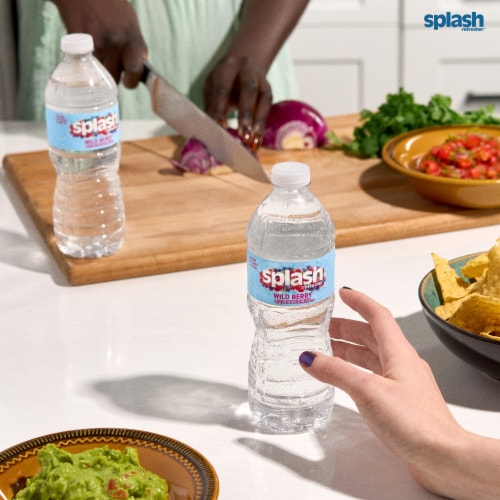
A stock image related to flavored water bottle.
Comprehensive Cost and Pricing Analysis for flavored water bottle Sourcing
What are the Key Cost Components in Flavored Water Bottle Production?
When sourcing flavored water bottles, understanding the comprehensive cost structure is crucial for making informed purchasing decisions. The primary cost components include:
-
Materials: The cost of raw materials is foundational. For flavored water bottles, this includes the bottle itself (typically made from plastic or glass), flavoring agents (natural or artificial), and any additional components like caps or straws. The choice of materials directly impacts both the cost and quality of the final product.
-
Labor: Labor costs encompass the wages of workers involved in the production process, including those on the assembly line and in quality control. Labor costs can vary significantly by region; for instance, sourcing from countries with lower wage standards may reduce overall costs.
-
Manufacturing Overhead: This includes expenses related to the operation of manufacturing facilities, such as utilities, rent, and equipment maintenance. Efficient factories may lower overhead costs, leading to more competitive pricing.
-
Tooling: Initial tooling costs for molds and machinery can be substantial, especially for customized or uniquely shaped bottles. These costs are amortized over production volume, making them more manageable for larger orders.
-
Quality Control (QC): Ensuring product quality can involve additional testing and inspection costs. Implementing robust QC processes helps maintain product standards and can prevent costly recalls or customer dissatisfaction.
-
Logistics: Shipping costs, including transportation and warehousing, are significant. International shipping can add complexity and expense due to tariffs and customs duties.
-
Margin: Suppliers typically include a profit margin in their pricing, which can vary based on market demand and competition.
How Do Price Influencers Affect Flavored Water Bottle Costs?
Several factors influence the pricing of flavored water bottles, particularly for international buyers:
-
Volume/MOQ (Minimum Order Quantity): Larger orders often lead to lower per-unit costs due to economies of scale. Understanding a supplier’s MOQ is essential for calculating total costs.
-
Specifications and Customization: Custom designs or unique flavors may incur additional charges. Buyers should clearly define their needs to avoid unexpected costs.
-
Material Quality and Certifications: Higher quality materials and certifications (like organic or non-GMO) can increase costs but may appeal to specific consumer markets. Buyers must weigh the benefits against the additional expense.
-
Supplier Factors: The reputation, reliability, and location of suppliers can influence pricing. Established suppliers may charge more due to their track record and quality assurance.
-
Incoterms: Understanding shipping terms is vital. FOB (Free on Board) may imply different responsibilities for costs and risks compared to CIF (Cost, Insurance, and Freight), affecting overall pricing.
What Buyer Tips Can Enhance Cost-Efficiency in Sourcing?
For international B2B buyers, particularly in regions like Africa, South America, the Middle East, and Europe, several strategies can enhance cost-efficiency:
-
Negotiation: Cultivating a good relationship with suppliers can lead to better pricing and terms. Don’t hesitate to negotiate on price, payment terms, or shipping costs.
-
Total Cost of Ownership (TCO): Consider the TCO, which includes not just the purchase price but also shipping, handling, and potential waste or spoilage. This holistic view can lead to smarter purchasing decisions.
-
Understanding Pricing Nuances: Be aware of local market conditions and currency fluctuations, as these can impact costs. For instance, sourcing from a country with a weaker currency may provide cost advantages.
-
Research and Due Diligence: Conduct thorough research on potential suppliers, including reviews and certifications. This can prevent costly mistakes and ensure quality products.
Conclusion
Sourcing flavored water bottles involves navigating a complex landscape of costs and pricing influences. By understanding these elements, B2B buyers can make informed decisions that align with their budget and quality expectations. Always remember to evaluate both the immediate costs and the long-term implications of your sourcing choices.
Alternatives Analysis: Comparing flavored water bottle With Other Solutions
Understanding Alternatives to Flavored Water Bottles
In the competitive landscape of hydration solutions, flavored water bottles have emerged as a popular choice for enhancing the drinking experience. However, there are several alternatives available that cater to diverse consumer preferences and operational efficiencies. This analysis aims to compare flavored water bottles with other viable hydration solutions, enabling B2B buyers to make informed decisions based on performance, cost, and implementation.
| Comparison Aspect | Flavored Water Bottle | Air Up® Scented Water System | Cirkul Flavor Cartridge System |
|---|---|---|---|
| Performance | Provides enhanced hydration with a variety of flavors. | Uses scent technology to create flavor without additives. | Customizable flavor intensity with various cartridges. |
| Cost | Moderate initial investment; low per-use cost. | Higher initial cost, but saves on flavored drinks long-term. | Cost-effective with subscription options for regular users. |
| Ease of Implementation | Simple to use; fill with water and enjoy. | Requires specific pods but easy once set up. | Requires purchase of cartridges; easy to switch flavors. |
| Maintenance | Minimal; just clean the bottle. | Occasional pod replacement needed. | Regular cartridge replacement needed. |
| Best Use Case | Ideal for individuals looking for a quick flavor boost. | Great for those seeking a unique hydration experience with no additives. | Perfect for users wanting a variety of flavors and custom intensity. |
What Are the Advantages and Disadvantages of Air Up®?
Air Up® offers a distinctive approach to flavored hydration through its innovative Scentaste™ technology. This system allows users to enjoy flavors derived from natural scents without adding sugars or artificial ingredients. The primary advantage is the ability to enhance water intake without compromising health. However, the initial investment is higher compared to traditional flavored water bottles, which may deter cost-sensitive buyers. Additionally, while maintenance is low, users must regularly purchase flavor pods, which can add to the ongoing cost.
How Does Cirkul Compare as a Flavoring Alternative?
Cirkul provides a customizable hydration experience through its flavor cartridge system. Users can adjust the intensity of flavor, catering to personal preferences. The subscription model allows for cost savings and ensures that users never run out of their favorite flavors. However, like Air Up®, it requires an initial investment and ongoing purchases of cartridges. While Cirkul offers a wide array of flavors, the system may be less appealing to those who prefer a more straightforward hydration solution without the need for cartridges.
Conclusion: How Should B2B Buyers Choose the Right Hydration Solution?
When selecting the best hydration solution, B2B buyers should evaluate their target market’s preferences and the specific benefits each option provides. Flavored water bottles are excellent for those seeking simplicity and immediate flavor enhancement. In contrast, Air Up® and Cirkul present innovative alternatives that focus on health-conscious consumers looking for unique experiences. Ultimately, the choice should align with the company’s goals, customer needs, and budgetary constraints, ensuring that the solution not only attracts consumers but also enhances their overall hydration experience.
Essential Technical Properties and Trade Terminology for flavored water bottle
What Are the Key Technical Properties of Flavored Water Bottles?
When sourcing flavored water bottles, it is essential to understand several critical specifications that can impact product quality, consumer satisfaction, and overall marketability.
-
Material Grade
Flavored water bottles are typically made from materials such as PET (Polyethylene Terephthalate), glass, or stainless steel. Each material has distinct benefits: PET is lightweight and shatterproof, glass offers a premium feel and is recyclable, while stainless steel provides durability and insulation. Selecting the right material is crucial for maintaining flavor integrity and ensuring product longevity, which directly influences consumer preference. -
Capacity
The capacity of flavored water bottles usually ranges from 500 ml to 1.5 liters. This specification is vital for catering to different market segments, such as fitness enthusiasts who prefer larger volumes, or consumers looking for portable options. Understanding capacity helps businesses tailor their offerings to meet specific consumer needs and preferences. -
Seal Integrity
Effective sealing mechanisms are essential to prevent leaks and maintain flavor freshness. Bottles may feature screw caps, flip tops, or sports caps, each offering varying levels of convenience and functionality. Ensuring high seal integrity is essential for reducing product returns and enhancing customer satisfaction. -
Flavor Pod Compatibility
Many flavored water bottles utilize flavor infusion systems, such as pods or cartridges. Compatibility with these systems is a technical property that can differentiate products in the marketplace. Understanding the mechanics of flavor infusion allows B2B buyers to ensure they source bottles that will work seamlessly with their flavoring systems, thereby enhancing user experience. -
Temperature Resistance
Flavored water bottles should withstand a range of temperatures, particularly if they are intended for use with hot or cold beverages. This property is crucial for maintaining the structural integrity of the bottle and ensuring that flavors do not degrade due to temperature fluctuations. Buyers must consider the end use to select bottles that meet these thermal requirements.
What Are Common Trade Terms Related to Flavored Water Bottles?
Understanding industry jargon can significantly enhance communication and negotiation processes in B2B transactions.
-
OEM (Original Equipment Manufacturer)
OEM refers to companies that produce parts or products that are used in another company’s end product. In the flavored water bottle industry, buyers may work with OEMs to create customized bottles that meet specific branding or functional requirements. -
MOQ (Minimum Order Quantity)
MOQ is the smallest amount of a product that a supplier is willing to sell. Knowing the MOQ is essential for buyers to manage inventory effectively and ensure they are not overcommitting resources, especially when introducing new flavored water products to the market. -
RFQ (Request for Quotation)
An RFQ is a document sent to suppliers to request pricing for specific products or services. For flavored water bottles, an RFQ can help buyers understand pricing structures, lead times, and available customization options, enabling informed purchasing decisions. -
Incoterms
Incoterms (International Commercial Terms) define the responsibilities of buyers and sellers in international transactions. Familiarity with these terms is crucial for B2B buyers to understand shipping costs, risk, and responsibilities, especially when sourcing flavored water bottles from overseas suppliers. -
Sustainability Standards
As consumer awareness around environmental issues grows, sustainability standards are becoming increasingly important in product sourcing. Buyers should be aware of certifications like BPA-free, recyclable materials, and carbon footprint labeling to ensure their flavored water bottles align with eco-friendly practices.
By understanding these technical properties and industry terms, B2B buyers can make informed decisions that align with market demands and consumer preferences, ultimately leading to successful product offerings in the flavored water bottle sector.
Navigating Market Dynamics and Sourcing Trends in the flavored water bottle Sector
What Are the Current Market Dynamics and Key Trends Affecting the Flavored Water Bottle Sector?
The flavored water bottle sector is experiencing a significant transformation driven by health-conscious consumers and innovative product offerings. Globally, the demand for low-calorie, sugar-free beverages is surging, fueled by growing awareness of health issues related to sugary drinks. This trend is particularly pronounced in regions like Africa and South America, where consumers are increasingly seeking healthier hydration options. In Europe, especially in countries like Germany, the focus on sustainability is shaping purchasing decisions, leading to a demand for eco-friendly packaging and ethically sourced ingredients.
Emerging technologies are also influencing sourcing trends in this sector. For instance, brands are adopting advanced flavor extraction methods that enhance the sensory experience while maintaining natural ingredients. Additionally, subscription models and direct-to-consumer strategies are gaining traction, allowing businesses to build customer loyalty and streamline their supply chains. For international B2B buyers, aligning with suppliers that offer innovative, customizable products can provide a competitive edge in a crowded marketplace.
How Is Sustainability Impacting the Sourcing of Flavored Water Bottles?
Sustainability has become a cornerstone of the flavored water bottle industry, driven by consumer demand for environmentally friendly products. The environmental impact of packaging waste is prompting brands to explore biodegradable and recyclable materials. For B2B buyers, sourcing from suppliers who prioritize green certifications—such as FSC (Forest Stewardship Council) for paper products and ISO 14001 for environmental management—can enhance brand reputation and appeal to eco-conscious consumers.
Furthermore, ethical sourcing practices are gaining importance as companies strive to ensure fair labor conditions throughout their supply chains. By partnering with suppliers who uphold ethical standards, B2B buyers can mitigate risks associated with reputational damage and regulatory compliance. Investing in products that incorporate sustainable materials not only meets consumer expectations but also positions businesses as leaders in the responsible consumption movement.
What Is the Historical Context Behind the Growth of Flavored Water Bottles?
The flavored water bottle market has evolved significantly over the past few decades. Initially dominated by sugary soft drinks, the market began to shift in the late 1990s and early 2000s, as health trends emerged and consumers sought healthier alternatives. The introduction of flavored water products catered to this demand, providing a guilt-free option for hydration.
As consumer preferences continued to evolve, the industry saw the rise of innovative products like enhanced flavored waters, which incorporate functional benefits such as vitamins and electrolytes. This evolution reflects a broader trend in the beverage industry, where health and wellness have become key driving forces. For B2B buyers, understanding this historical context is crucial for making informed sourcing decisions and anticipating future trends in the flavored water sector.
Frequently Asked Questions (FAQs) for B2B Buyers of flavored water bottle
-
How do I choose the right flavored water bottle supplier?
When selecting a flavored water bottle supplier, consider their reputation, product quality, and compliance with international standards. Research potential suppliers through trade directories, industry forums, and customer reviews. Request samples to evaluate the taste and quality of the flavored water. Additionally, assess their production capabilities, certifications (like ISO or HACCP), and experience in exporting to your region to ensure they can meet your specific needs. -
What are the key factors to consider when sourcing flavored water bottles?
Key factors include product quality, flavor variety, pricing, and minimum order quantities (MOQs). Verify the ingredients used in flavoring to ensure they align with local regulations and customer preferences. Additionally, consider the supplier’s ability to provide customization options, such as branding and packaging. Logistics and shipping arrangements should also be evaluated to ensure timely delivery and compliance with import regulations. -
What is the typical minimum order quantity (MOQ) for flavored water bottles?
MOQs for flavored water bottles can vary widely depending on the supplier and the specific product. Generally, MOQs range from 500 to 10,000 units. It’s essential to discuss your needs with potential suppliers to determine their flexibility regarding MOQs, especially if you’re testing the market or starting a new product line. Negotiating smaller initial orders may be possible if you demonstrate a clear plan for future purchases. -
What payment terms are commonly offered by flavored water bottle suppliers?
Payment terms vary, but many suppliers require a deposit (typically 30-50%) upfront, with the balance due before shipping. Some may offer net payment terms (e.g., 30, 60, or 90 days) for established customers. It’s crucial to negotiate terms that protect your interests while ensuring the supplier’s confidence in fulfilling the order. Always use secure payment methods and consider escrow services for larger transactions. -
How do I ensure the quality of flavored water bottles during production?
To ensure quality, request detailed information about the supplier’s quality assurance (QA) processes. Ask for documentation regarding ingredient sourcing, production methods, and testing protocols. Conduct factory audits, if possible, or hire third-party inspection services to monitor production. Additionally, implement a quality control plan that includes sampling and testing of finished products before shipment to ensure they meet your specifications. -
What are the best practices for shipping flavored water bottles internationally?
When shipping flavored water bottles internationally, consider using a reliable freight forwarder experienced in handling food and beverage products. Ensure that all packaging meets international shipping standards and protects the product during transit. Obtain necessary export and import permits and ensure compliance with the destination country’s regulations. Lastly, track shipments closely to manage delivery timelines and address any customs issues promptly. -
How can I customize flavored water bottles for my brand?
Customization options often include bottle design, labeling, and flavor selection. Discuss your branding requirements with potential suppliers, and inquire about their capabilities for private labeling or custom flavor formulations. Some suppliers may offer flexibility in packaging sizes and shapes to better align with your market strategy. Providing them with your brand guidelines can help ensure that the final product meets your expectations. -
What are the popular flavors for flavored water bottles in international markets?
Popular flavors for flavored water bottles can vary by region. In Europe, fruity flavors like berry blends and citrus are widely favored, while tropical flavors like mango and pineapple are popular in South America. In Africa and the Middle East, flavors inspired by local fruits and herbs, such as hibiscus or baobab, are gaining traction. Conduct market research to identify trending flavors in your target market and consider offering a diverse range to cater to varying consumer preferences.
Important Disclaimer & Terms of Use
⚠️ Important Disclaimer
The information provided in this guide, including content regarding manufacturers, technical specifications, and market analysis, is for informational and educational purposes only. It does not constitute professional procurement advice, financial advice, or legal advice.
While we have made every effort to ensure the accuracy and timeliness of the information, we are not responsible for any errors, omissions, or outdated information. Market conditions, company details, and technical standards are subject to change.
B2B buyers must conduct their own independent and thorough due diligence before making any purchasing decisions. This includes contacting suppliers directly, verifying certifications, requesting samples, and seeking professional consultation. The risk of relying on any information in this guide is borne solely by the reader.
Top 4 Flavored Water Bottle Manufacturers & Suppliers List
1. Air Up – Flavored Water Bottle
Domain: shop.air-up.com
Registered: 2018 (7 years)
Introduction: Flavored water bottle that uses Scentaste™ technology to infuse plain water with flavors through scent. 100% natural ingredients with no sugar, sweeteners, or additives. Available in 25+ flavors including Cherry Cola and Wild Berry. Each flavor pod can flavor up to 4 gallons of water and lasts for at least 1.3 gallons. Users reported doubled water intake and improved overall well-being in clinical…
2. Cirkul – Hydration Products
Domain: drinkcirkul.com
Registered: 2016 (9 years)
Introduction: Cirkul offers a variety of hydration products including flavor cartridges, bottles, and starter kits. Key product details include: 1. Flavor Cartridges: Available in various flavors such as Pineapple Apple, Honeycrisp Apple, Strawberry Lemonade, and Toucan Twist, priced at $3.75 each. 2. Auto-Ship Options: Discounts available on cartridges with auto-ship, including prices per cartridge: 4-Pack at …
3. Hint Water – Peach Raspberry & Watermelon Flavored Water
Domain: drinkhint.com
Registered: 2004 (21 years)
Introduction: Hint Water offers a variety of flavored water products, including:
– Peach Raspberry Hint Water: 1 case of twelve 16-oz. bottles, zero diet sweeteners, zero calories, zero preservatives, vegan, gluten-free, kosher, priced at $22.99.
– Watermelon Hint Water: 1 case of twelve 16-oz. bottles, zero diet sweeteners, zero calories, zero preservatives, vegan, gluten-free, kosher, priced at $22.99.
– Coco…
4. Tasting Table – Protein20 Plus Energy & Propel Immune Support
Domain: tastingtable.com
Registered: 2005 (20 years)
Introduction: 1. Protein20 Plus Energy – Blue Raspberry Flavor: High-protein water with whey protein isolate and caffeine. Contains sucralose and Blue 1 dye. 70 calories per 500ml. Not vegan or dairy-free. Ranked last due to taste and ingredients.
2. Propel Immune Support – Lemon Blackberry Flavor: Contains electrolytes and vitamins C, B6, E, and zinc. Sweetened with sucralose, includes preservatives. Not puri…
Strategic Sourcing Conclusion and Outlook for flavored water bottle
In the rapidly evolving market of flavored water bottles, strategic sourcing emerges as a pivotal component for international B2B buyers. Understanding consumer preferences for healthier, natural beverage options is essential, as brands increasingly prioritize clean ingredients and innovative flavoring methods. The rise of technologies like Scentaste™ in products, which enhance hydration experiences through scent rather than additives, exemplifies the potential for differentiation in product offerings.
Buyers should leverage strategic sourcing to identify suppliers who not only meet quality and pricing standards but also align with sustainable practices. This is particularly vital in regions such as Africa and South America, where local sourcing can enhance supply chain resilience and reduce costs. Moreover, establishing partnerships with brands that offer subscription models and varied flavor options can lead to increased customer loyalty and repeat business.
Looking ahead, the flavored water segment is poised for significant growth, driven by shifting consumer behaviors towards healthier choices. Now is the time for B2B buyers to capitalize on this trend by diversifying their product lines and exploring innovative sourcing strategies. Engage with suppliers who are ready to adapt and grow alongside market demands, ensuring your business remains competitive in a thriving global marketplace.