Introduction: Navigating the Global Market for hydroforming aluminum water bottle
In the ever-evolving landscape of sustainable packaging solutions, sourcing high-quality hydroforming aluminum water bottles presents a significant challenge for international B2B buyers. As demand surges for eco-friendly alternatives to single-use plastics, businesses must navigate a complex market filled with diverse suppliers, varying production techniques, and fluctuating costs. This comprehensive guide addresses the intricacies of hydroforming aluminum water bottles, offering insights into the manufacturing process, applications across various sectors, and best practices for supplier vetting.
By delving into the nuances of hydroforming, readers will gain a clear understanding of how this innovative manufacturing technique enhances product integrity, reduces waste, and meets consumer expectations for sustainability. The guide also covers crucial factors such as material selection, quality control standards, and customization options, empowering B2B buyers from Africa, South America, the Middle East, and Europe—including key markets like Saudi Arabia and Vietnam—to make informed purchasing decisions.
Ultimately, this resource serves as a strategic tool for businesses looking to enhance their product offerings while aligning with global sustainability goals. With actionable insights and expert recommendations, buyers will be well-equipped to identify reliable suppliers and optimize their procurement strategies in the competitive market for hydroforming aluminum water bottles.
Understanding hydroforming aluminum water bottle Types and Variations
| Type Name | Key Distinguishing Features | Primary B2B Applications | Brief Pros & Cons for Buyers |
|---|---|---|---|
| Standard Hydroformed Bottles | Basic cylindrical shape, lightweight, and durable | Retail, promotional products | Pros: Cost-effective, widely accepted. Cons: Limited design flexibility. |
| Insulated Hydroformed Bottles | Vacuum-sealed for thermal insulation, double-wall design | Outdoor activities, fitness markets | Pros: Excellent insulation, high demand. Cons: Higher manufacturing costs. |
| Custom-Shaped Hydroformed Bottles | Unique designs tailored to specific branding needs | Corporate gifting, luxury markets | Pros: Strong branding potential, high customization. Cons: Longer lead times. |
| Eco-Friendly Hydroformed Bottles | Made from recycled materials, sustainable production | Green brands, eco-conscious consumers | Pros: Appeals to sustainability, market differentiation. Cons: May have higher upfront costs. |
| Multi-Function Hydroformed Bottles | Integrated features (e.g., built-in straws, filters) | Sports, travel, and health sectors | Pros: Versatile, increases usability. Cons: Complexity can lead to higher production costs. |
What Are the Characteristics of Standard Hydroformed Bottles?
Standard hydroformed bottles are characterized by their basic cylindrical shape, which is lightweight and durable. These bottles are commonly produced using aluminum or stainless steel, making them suitable for mass production. B2B buyers often choose these bottles for retail and promotional products due to their cost-effectiveness and wide acceptance in various markets. However, the limited design flexibility may restrict branding opportunities.
How Do Insulated Hydroformed Bottles Stand Out?
Insulated hydroformed bottles feature a vacuum-sealed, double-wall construction that provides exceptional thermal insulation. This type is particularly popular in outdoor activities and fitness markets, where maintaining beverage temperature is crucial. B2B buyers appreciate the high demand for these bottles, which can justify the higher manufacturing costs. However, the complexity of the insulation process may affect production timelines.
Why Choose Custom-Shaped Hydroformed Bottles?
Custom-shaped hydroformed bottles are designed to meet specific branding needs, allowing businesses to create unique products that stand out in competitive markets. These bottles can be tailored in terms of shape, size, and branding elements, making them ideal for corporate gifting and luxury markets. While they offer strong branding potential, the longer lead times associated with custom designs can be a drawback for businesses needing quick turnarounds.
What Are the Benefits of Eco-Friendly Hydroformed Bottles?
Eco-friendly hydroformed bottles are manufactured using recycled materials and sustainable production practices. This type appeals to green brands and eco-conscious consumers, making them an attractive option for B2B buyers focused on sustainability. While they provide market differentiation, the upfront costs may be higher compared to standard bottles, which could impact pricing strategies.
How Do Multi-Function Hydroformed Bottles Enhance Usability?
Multi-function hydroformed bottles incorporate integrated features, such as built-in straws or filters, catering to the needs of sports, travel, and health sectors. These versatile bottles increase usability and can attract a broader consumer base. However, the added complexity in design and manufacturing can lead to higher production costs, which B2B buyers must consider when evaluating profitability.
Key Industrial Applications of hydroforming aluminum water bottle
| Industry/Sector | Specific Application of Hydroforming Aluminum Water Bottle | Value/Benefit for the Business | Key Sourcing Considerations for this Application |
|---|---|---|---|
| Outdoor Recreation | Production of lightweight, durable water bottles for hiking and camping | Enhanced portability and durability, appealing to eco-conscious consumers | Sourcing high-grade aluminum for corrosion resistance and weight reduction |
| Corporate Gifts & Promotions | Customized aluminum water bottles for corporate branding and giveaways | Opportunity for brand visibility and customer engagement | Need for reliable suppliers that can provide customization options and timely delivery |
| Sports & Fitness | Hydroformed aluminum bottles designed for athletes, featuring ergonomic shapes | Improved user experience with lightweight and functional designs | Considerations for sourcing BPA-free materials and ensuring compliance with health standards |
| Retail Consumer Products | Retail-ready aluminum water bottles with unique designs and colors | Attracting diverse consumer segments through aesthetic appeal | Focus on suppliers with capabilities for mass production and design innovation |
| Food & Beverage Packaging | Hydroformed bottles for beverage companies looking for sustainable packaging solutions | Aligning with sustainability goals while enhancing product appeal | Importance of sourcing sustainable materials and ensuring compliance with food safety regulations |
How is Hydroforming Aluminum Water Bottles Used in Outdoor Recreation?
In the outdoor recreation sector, hydroforming aluminum water bottles are crafted to be lightweight yet durable, making them ideal for hiking and camping enthusiasts. The hydroforming process allows manufacturers to create ergonomic designs that fit comfortably in hand while maximizing capacity. This addresses the challenge of carrying water efficiently in rugged environments. Buyers in this sector should prioritize sourcing high-grade aluminum to ensure corrosion resistance and minimal weight, crucial for maintaining performance during outdoor activities.
What Role Does Hydroforming Play in Corporate Gifts & Promotions?
Hydroformed aluminum water bottles have gained popularity in corporate gifts and promotional products due to their potential for customization and branding. Companies can create unique designs that reflect their brand identity, enhancing visibility during events or as giveaways. This application not only fosters customer engagement but also promotes sustainability as businesses shift towards eco-friendly products. International buyers should focus on suppliers that offer customization options and can guarantee timely delivery to ensure effective promotional campaigns.
How Do Sports & Fitness Industries Benefit from Hydroforming Aluminum Bottles?
In the sports and fitness industries, hydroforming aluminum water bottles are designed specifically for athletes. These bottles often feature ergonomic shapes that allow for easy handling during workouts, while the lightweight nature promotes convenience. The hydroforming process also enables the creation of complex designs that enhance functionality, such as built-in grips or spouts. Buyers should consider sourcing BPA-free materials to comply with health standards, ensuring the safety and satisfaction of their customers.
Why Are Retail Consumer Products Investing in Hydroformed Aluminum Bottles?
Retail consumer products leverage hydroforming to produce aluminum water bottles that stand out on store shelves. The ability to create unique designs and colors through hydroforming attracts a diverse consumer base, appealing to both aesthetic preferences and functional needs. This application addresses the demand for stylish yet practical hydration solutions. Retailers should seek suppliers capable of mass production while maintaining design innovation to meet consumer trends effectively.
How is Hydroforming Transforming Food & Beverage Packaging?
Hydroforming aluminum bottles are increasingly utilized in the food and beverage packaging sector as companies seek sustainable and appealing packaging solutions. These bottles can be designed to meet specific product requirements, enhancing shelf appeal while aligning with eco-friendly initiatives. Buyers in this industry must prioritize sourcing sustainable materials and ensuring compliance with food safety regulations to meet consumer expectations and industry standards.
A stock image related to hydroforming aluminum water bottle.
3 Common User Pain Points for ‘hydroforming aluminum water bottle’ & Their Solutions
Scenario 1: Sourcing High-Quality Materials for Hydroforming Aluminum Water Bottles
The Problem: One of the primary challenges B2B buyers face when procuring hydroformed aluminum water bottles is ensuring the quality of raw materials. The integrity of the final product heavily relies on the selection of materials, particularly aluminum and any insulating layers. Buyers may struggle with suppliers who offer subpar materials that compromise the durability and functionality of the bottles. This can lead to increased returns, customer dissatisfaction, and potential harm to their brand reputation.
The Solution: To overcome this challenge, buyers should establish a rigorous vetting process for suppliers. This includes assessing their quality control measures, certifications, and past performance records. It’s advisable to source aluminum from suppliers who can provide detailed specifications, such as alloy composition and treatment processes, ensuring they meet industry standards for corrosion resistance and strength. Conducting site visits or audits can also provide deeper insights into the supplier’s operations and material handling practices. Additionally, buyers can consider forming long-term partnerships with a few trusted suppliers to ensure consistent material quality and reliability, reducing the risk of disruptions in the supply chain.
Scenario 2: Navigating Design and Customization Challenges
The Problem: Another significant pain point for B2B buyers is the need for customization in design while using hydroforming techniques. Many businesses require specific shapes, sizes, and branding elements on their water bottles to differentiate themselves in a competitive market. However, not all manufacturers have the capabilities or flexibility to accommodate these custom requests, leading to frustrations and delays in bringing products to market.
The Solution: To address this issue, buyers should prioritize manufacturers that specialize in custom hydroforming processes. Engaging in early discussions about design requirements can help manufacturers offer valuable insights into feasibility and potential challenges. Buyers should also request prototypes before mass production to ensure the design meets their expectations. Utilizing advanced CAD software can facilitate better communication of design ideas to manufacturers. Moreover, considering multiple design iterations and being open to suggestions from manufacturers can lead to optimized designs that are both functional and visually appealing.
Scenario 3: Ensuring Compliance with Environmental Regulations
The Problem: With increasing global emphasis on sustainability, B2B buyers face the challenge of ensuring that their hydroformed aluminum water bottles comply with environmental regulations. Non-compliance can lead to legal repercussions, financial penalties, and damage to a company’s reputation. Buyers may struggle to find manufacturers who adhere to eco-friendly practices or use sustainable materials without compromising on quality.
The Solution: To navigate this challenge, buyers should conduct thorough research on potential manufacturers’ sustainability practices. Look for certifications that indicate adherence to environmental standards, such as ISO 14001 or compliance with local regulations regarding waste and emissions. Additionally, buyers can engage manufacturers in discussions about their production processes, specifically asking about material sourcing, waste management, and energy consumption. Collaborating with suppliers that utilize eco-friendly materials, such as recycled aluminum, can enhance the sustainability profile of the product. Furthermore, buyers can promote their commitment to sustainability by ensuring that their branding and marketing materials highlight these efforts, appealing to environmentally conscious consumers.
Strategic Material Selection Guide for hydroforming aluminum water bottle
What Are the Key Materials for Hydroforming Aluminum Water Bottles?
When selecting materials for hydroforming aluminum water bottles, it is essential to consider properties such as strength, weight, corrosion resistance, and cost. Here we analyze four common materials: aluminum, stainless steel, BPA-free plastics, and composite materials. Each material has distinct advantages and disadvantages that can significantly impact the performance and marketability of the final product.
How Does Aluminum Perform in Hydroforming Applications?
Aluminum is a popular choice for hydroforming water bottles due to its lightweight and high strength-to-weight ratio. It is resistant to corrosion and can withstand various temperatures and pressures, making it suitable for both hot and cold beverages. However, while aluminum is relatively inexpensive compared to other metals, it may not have the same durability as stainless steel. Additionally, the hydroforming process can introduce complexities in achieving precise shapes due to aluminum’s malleability.
For international buyers, particularly in regions like Africa and the Middle East, it is crucial to ensure that aluminum sourced meets local standards such as ASTM or JIS. The lightweight nature of aluminum also aligns well with shipping considerations, reducing transportation costs.
What Are the Benefits of Using Stainless Steel for Hydroforming?
Stainless steel is renowned for its exceptional corrosion resistance and durability, making it an ideal choice for water bottles that require longevity and robustness. It can withstand extreme temperatures and is less prone to denting or scratching compared to aluminum. However, stainless steel is generally more expensive and heavier, which could impact shipping costs and consumer preferences in markets where lightweight products are favored.
For B2B buyers in Europe and South America, compliance with industry standards such as DIN or ISO is critical when sourcing stainless steel. Additionally, the aesthetic appeal of stainless steel, combined with its durability, can enhance marketability, particularly in premium segments.
How Do BPA-Free Plastics Compare in Hydroforming?
BPA-free plastics are increasingly popular in the production of water bottles due to their lightweight and cost-effective nature. They offer excellent resistance to impact and are available in various colors and designs, appealing to a broad consumer base. However, they may not withstand high temperatures as effectively as metals, limiting their use for hot liquids. Additionally, while they are generally less expensive, the long-term durability and environmental impact of plastic can raise concerns.
For international buyers, particularly in regions like South America and Africa, ensuring that the plastics comply with local health and safety regulations is essential. The growing trend towards sustainability makes BPA-free plastics an attractive option, but buyers should consider the environmental implications of plastic waste.
What Role Do Composite Materials Play in Hydroforming?
Composite materials, which combine metals with polymers, offer unique advantages in hydroforming applications. They provide excellent strength and durability while being lighter than traditional metals. Composites can also be engineered for specific applications, enhancing their performance in various environments. However, the complexity of manufacturing and higher costs can be significant drawbacks.
For B2B buyers in the Middle East and Europe, understanding the specific applications and compliance standards for composite materials is critical. The ability to customize composites for specific media compatibility can make them a valuable option in specialized markets.
Summary of Material Selection for Hydroforming Aluminum Water Bottles
| Material | Typical Use Case for hydroforming aluminum water bottle | Key Advantage | Key Disadvantage/Limitation | Relative Cost (Low/Med/High) |
|---|---|---|---|---|
| Aluminum | Lightweight, everyday use water bottles | High strength-to-weight ratio | Less durable than stainless steel | Medium |
| Stainless Steel | Premium, long-lasting water bottles | Exceptional durability and corrosion resistance | Higher cost and weight | High |
| BPA-Free Plastics | Budget-friendly, colorful options | Lightweight and cost-effective | Limited temperature resistance | Low |
| Composite Materials | Specialized applications requiring custom properties | Excellent strength-to-weight ratio | Complex manufacturing and higher costs | High |
By carefully evaluating these materials, international B2B buyers can make informed decisions that align with their product requirements and market expectations.
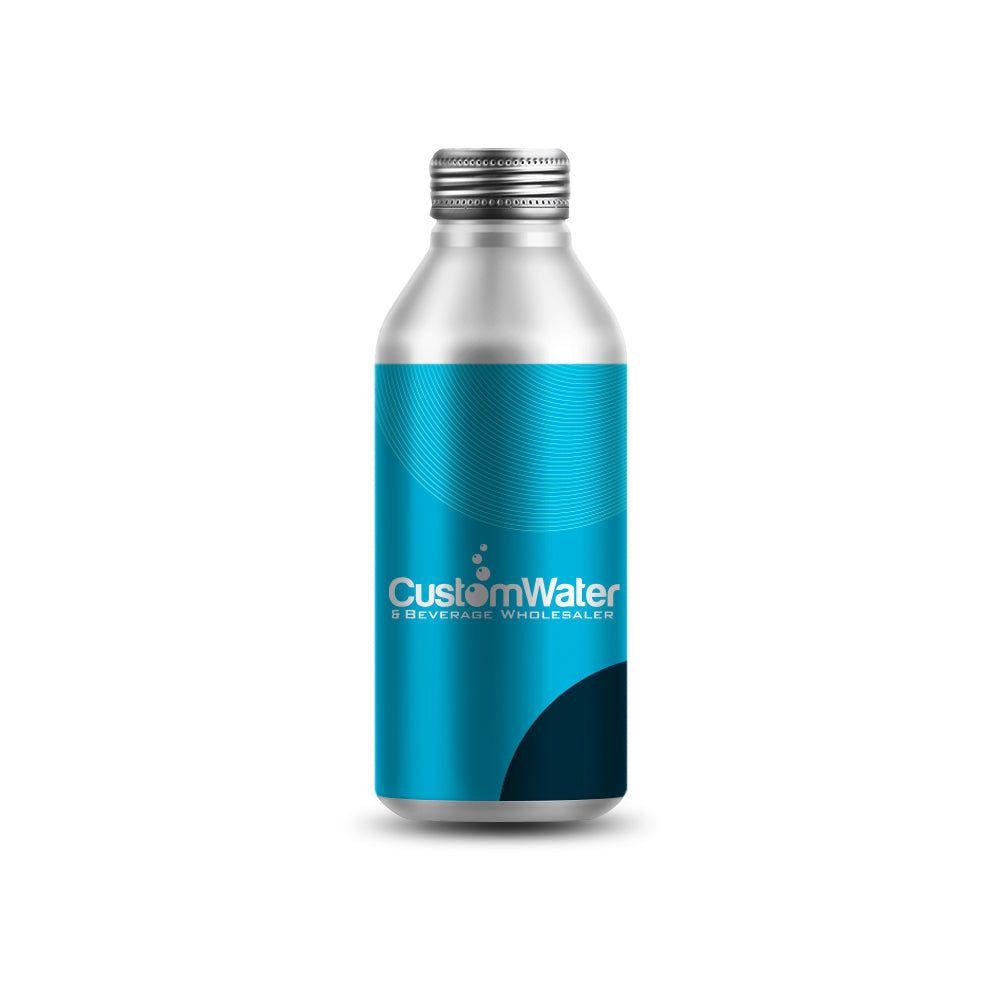
A stock image related to hydroforming aluminum water bottle.
In-depth Look: Manufacturing Processes and Quality Assurance for hydroforming aluminum water bottle
What Are the Main Stages in the Manufacturing Process of Hydroforming Aluminum Water Bottles?
The hydroforming process for aluminum water bottles involves several key stages: material preparation, forming, assembly, and finishing. Each stage is crucial in ensuring the final product meets the desired quality standards and functional requirements.
How Is Material Prepared for Hydroforming Aluminum Water Bottles?
Material preparation begins with the selection of high-quality aluminum, which is preferred for its lightweight, corrosion resistance, and malleability. The aluminum is sourced from reputable suppliers who adhere to international quality standards. This stage involves cutting the aluminum into the necessary dimensions and ensuring that the material’s thickness aligns with the design specifications. The tubes are then cleaned and inspected for any surface imperfections that could affect the hydroforming process.
What Techniques Are Used in the Hydroforming Process?
Once the materials are prepared, the hydroforming process can commence.
-
Loading into Molds: The aluminum tube is placed into a specially designed mold that reflects the final shape of the water bottle. The mold is crucial as it dictates the product’s dimensions and aesthetic qualities.
-
High-Pressure Fluid Injection: Water or another suitable fluid is injected into the aluminum tube at extremely high pressures—often exceeding several thousand bars. This pressure causes the tube to expand and conform to the mold’s interior, creating the desired shape of the water bottle.
-
Holding Pressure: After the aluminum has conformed to the mold, it is held under pressure for a specific duration. This helps stabilize the shape and ensures that any elastic recovery is minimized.
-
Cooling and Pressure Release: Once the shaping is complete, the component is cooled to solidify the new shape. The pressure is then gradually released to avoid any sudden deformation.
How Are Aluminum Water Bottles Assembled and Finished?
After the hydroforming process, the formed aluminum bottle undergoes assembly and finishing processes. This includes trimming excess material, surface finishing (such as polishing or anodizing), and applying any necessary coatings. The bottles are then assembled with any additional components, such as lids or insulation layers, if applicable.
What Quality Assurance Measures Are Implemented in Hydroforming Aluminum Water Bottle Manufacturing?
Quality assurance is critical in the production of hydroformed aluminum water bottles. To ensure that products meet both international and industry-specific standards, manufacturers typically adhere to various quality control measures.
Which International Standards Should B2B Buyers Be Aware Of?
Manufacturers often comply with international standards such as ISO 9001, which focuses on quality management systems, ensuring that processes are efficient and consistent. Compliance with CE marking indicates that the product meets European health, safety, and environmental protection standards. Additionally, for industries requiring specific certifications, manufacturers may adhere to API standards, particularly if the bottles are intended for specialized applications.
What Are the Key Quality Control Checkpoints in the Manufacturing Process?
Quality control checkpoints are established at various stages of the manufacturing process:
-
Incoming Quality Control (IQC): This initial stage involves inspecting raw materials upon arrival to ensure they meet specified standards. Any defective materials are rejected before they enter the production line.
-
In-Process Quality Control (IPQC): During the hydroforming process, continuous monitoring is conducted to ensure that parameters such as pressure, temperature, and timing are maintained within specified limits. This helps identify any deviations early, reducing the risk of defects.
-
Final Quality Control (FQC): After the bottles are finished, a thorough inspection is conducted to evaluate the overall quality, including dimensional accuracy, surface finish, and functional performance. Testing methods such as pressure testing, leak testing, and material strength analysis may be employed.
How Can B2B Buyers Verify Supplier Quality Control Processes?
For international B2B buyers, verifying a supplier’s quality control measures is essential in establishing trust and ensuring product reliability.
-
Supplier Audits: Conducting on-site audits of potential suppliers can provide insight into their manufacturing processes, quality control measures, and compliance with international standards. This allows buyers to assess the supplier’s commitment to quality firsthand.
-
Quality Control Reports: Requesting detailed quality control reports can help buyers understand the methodologies used in the manufacturing process. These reports should include data on IQC, IPQC, and FQC, along with any certifications held by the manufacturer.
-
Third-Party Inspections: Engaging third-party inspection services can further validate the supplier’s claims about their quality control processes. These independent assessments can provide an unbiased evaluation of the manufacturing practices and product quality.
What Nuances Exist in Quality Control for International B2B Buyers?
When dealing with suppliers from diverse regions such as Africa, South America, the Middle East, and Europe, B2B buyers should be aware of certain nuances:
-
Regulatory Compliance: Different regions may have varying regulatory requirements. Buyers should ensure that the manufacturer complies with local laws and international standards relevant to their specific market.
-
Cultural Considerations: Understanding cultural differences in business practices can aid in establishing better communication and collaboration with suppliers. This can enhance transparency regarding quality control processes.
-
Logistical Challenges: Buyers should consider the logistics of international shipping, which may affect product quality. Ensuring that suppliers have robust packaging and handling processes can mitigate risks during transit.
In conclusion, the hydroforming process for aluminum water bottles is complex and requires meticulous attention to detail in both manufacturing and quality assurance. By understanding these processes and implementing rigorous quality control measures, manufacturers can produce high-quality products that meet the expectations of international B2B buyers.
Practical Sourcing Guide: A Step-by-Step Checklist for ‘hydroforming aluminum water bottle’
In the competitive landscape of B2B procurement, sourcing high-quality hydroformed aluminum water bottles requires a strategic approach. This guide provides a detailed checklist to help international buyers streamline their sourcing process, ensuring they select the best suppliers while meeting their technical and quality requirements.
Step 1: Define Your Technical Specifications
Establish clear technical specifications for your hydroformed aluminum water bottles. This includes dimensions, weight, capacity, and design features. Precise specifications will guide your supplier search and help ensure that the final product meets your expectations.
- Considerations: Assess the intended use of the bottles (e.g., for sports, travel, or corporate gifts) to determine specific features like insulation or custom branding.
Step 2: Research and Shortlist Suppliers
Conduct thorough research to identify potential suppliers specializing in hydroforming aluminum products. Utilize industry directories, trade shows, and online platforms to create a shortlist.
- Tip: Look for suppliers with a proven track record in manufacturing aluminum water bottles, as well as positive reviews and testimonials from other B2B clients.
Step 3: Evaluate Potential Suppliers
Before making any commitments, it’s essential to vet your shortlisted suppliers carefully. Request detailed company profiles, product catalogs, and case studies to understand their capabilities.
- Documentation: Ask for references from other businesses in your industry or region to gauge reliability and quality. Ensure that they have experience in hydroforming technology and can provide examples of similar products.
Step 4: Verify Certifications and Compliance
Ensure that potential suppliers possess relevant certifications that validate their manufacturing processes and product quality. Common certifications include ISO 9001 for quality management systems and compliance with food safety standards.
- Importance: Certifications not only demonstrate a commitment to quality but also ensure compliance with local regulations and international standards, which is crucial for global trade.
Step 5: Request Samples and Conduct Quality Testing
Ask suppliers to provide samples of their hydroformed aluminum water bottles. Evaluate these samples for design, finish, and functionality to ensure they align with your specifications.
- Testing: Consider conducting quality tests to assess durability, insulation performance, and safety. This step is vital in confirming that the products will meet the expectations of your target market.
Step 6: Negotiate Terms and Conditions
Once you’ve selected a supplier based on quality and reliability, enter into negotiations regarding pricing, minimum order quantities, lead times, and payment terms. Clear terms will prevent misunderstandings and ensure a smooth procurement process.
- Considerations: Be transparent about your budget and timelines, and don’t hesitate to discuss any additional costs related to customization or shipping.
Step 7: Establish a Long-term Partnership
After successfully procuring your first order, focus on building a long-term relationship with your supplier. Regular communication and feedback can foster collaboration, leading to improved products and services.
- Benefits: A strong partnership can result in better pricing, priority on orders, and more flexibility in terms of product customization.
By following this checklist, B2B buyers can navigate the sourcing process for hydroformed aluminum water bottles with greater confidence, ensuring they find reliable suppliers that meet their quality and design needs.
Comprehensive Cost and Pricing Analysis for hydroforming aluminum water bottle Sourcing
What Are the Key Cost Components for Hydroforming Aluminum Water Bottles?
When sourcing hydroformed aluminum water bottles, understanding the cost structure is essential for B2B buyers. The primary cost components include:
-
Materials: The choice of aluminum significantly impacts costs. High-grade aluminum alloys are preferred for their strength and lightweight properties, but they come at a premium. Additionally, sourcing eco-friendly and BPA-free materials may raise costs but is increasingly important to consumers.
-
Labor: Labor costs vary by region and the complexity of the manufacturing process. Skilled labor is required for hydroforming, which may lead to higher wages, particularly in developed markets. However, automation in the production process can help mitigate these costs over time.
-
Manufacturing Overhead: This includes costs associated with factory operations, utilities, and equipment maintenance. Hydroforming requires specialized machinery, which can lead to significant overhead costs. Efficient operations can reduce this burden.
-
Tooling: The creation of molds for hydroforming is a capital-intensive process. Tooling costs can be amortized over large production runs, making them a critical consideration for pricing. Custom molds for unique designs will increase initial costs but may enhance product differentiation.
-
Quality Control (QC): Ensuring the integrity and durability of the final product is paramount. Investment in QC processes to meet international standards can raise costs but also reduce returns from defective products.
-
Logistics: Shipping and handling costs can vary significantly based on the destination and shipping method. International buyers must consider tariffs, duties, and other fees that can impact the overall cost.
-
Margin: Manufacturers typically mark up their costs to ensure profitability. Understanding the competitive landscape can help buyers gauge appropriate margins and negotiate better prices.
How Do Price Influencers Impact Sourcing Hydroformed Aluminum Water Bottles?
Several factors influence the pricing of hydroformed aluminum water bottles:
-
Volume/MOQ: Minimum order quantities (MOQ) can affect pricing significantly. Larger volumes generally yield lower per-unit costs due to economies of scale. Buyers should evaluate their needs and negotiate based on projected sales volumes.
-
Specifications/Customization: Custom designs and specifications can lead to higher costs due to the additional tooling and manufacturing processes required. Standard designs may offer more favorable pricing.
-
Materials: The choice of materials not only influences the initial costs but also impacts the long-term value. Buyers should weigh the benefits of high-quality materials against the upfront investment.
-
Quality/Certifications: Products that meet specific quality standards or certifications often come at a higher price. However, these certifications can enhance marketability and consumer trust.
-
Supplier Factors: The reputation and location of the supplier can affect pricing. Established suppliers with a proven track record may charge more but could offer better reliability and quality assurance.
-
Incoterms: Understanding shipping terms is crucial. Different Incoterms (International Commercial Terms) can shift responsibility and costs between buyer and seller, affecting the total landed cost of the product.
What Are the Best Buyer Tips for Cost-Efficiency in Hydroformed Aluminum Water Bottles?
To maximize cost-efficiency when sourcing hydroformed aluminum water bottles, consider the following tips:
-
Negotiate Wisely: Leverage volume commitments and long-term partnerships to negotiate better prices. Suppliers often prefer stable, ongoing relationships.
-
Assess Total Cost of Ownership (TCO): Look beyond the initial purchase price. Consider factors like durability, maintenance, and potential defects that could lead to additional costs over time.
-
Pricing Nuances for International Buyers: Be aware of currency fluctuations, local taxes, and tariffs that can affect pricing. Understanding the local market dynamics in regions like Africa, South America, and the Middle East is crucial for accurate budgeting.
-
Explore Multiple Suppliers: Obtain quotes from several suppliers to compare pricing and terms. This competitive analysis can reveal the best deals and help identify reputable manufacturers.
-
Stay Informed on Market Trends: Regularly monitor changes in material costs, manufacturing technologies, and market demand. Staying informed can help you make timely purchasing decisions that align with market conditions.
Disclaimer on Indicative Prices
Prices for hydroformed aluminum water bottles can vary widely based on the factors discussed above. Therefore, it is advisable to conduct thorough market research and obtain specific quotes from suppliers to ensure accurate pricing and budgeting.
Alternatives Analysis: Comparing hydroforming aluminum water bottle With Other Solutions
Exploring Alternative Solutions for Aluminum Water Bottles
In the competitive landscape of water bottle manufacturing, the hydroforming process stands out for its efficiency and quality. However, understanding alternative manufacturing methods can provide B2B buyers with a comprehensive perspective, enabling them to make informed decisions based on performance, cost, and application suitability. Below, we compare hydroforming aluminum water bottles against two viable alternatives: traditional stamping and injection molding.
| Comparison Aspect | Hydroforming Aluminum Water Bottle | Traditional Stamping | Injection Molding |
|---|---|---|---|
| Performance | High strength and lightweight; complex shapes achievable | Good for simple shapes; less customization | Excellent for high-volume production; intricate designs possible |
| Cost | Moderate initial investment; lower long-term costs due to reduced waste | Lower initial costs; higher long-term costs due to multiple processes | Higher setup costs; economical for mass production |
| Ease of Implementation | Requires specialized equipment and skilled labor | Established method; easier to set up | Requires advanced machinery; complex setup |
| Maintenance | Moderate; equipment needs regular calibration | Low; simpler machinery | High; machinery requires regular maintenance and updates |
| Best Use Case | Custom, high-quality, lightweight bottles | Simple, high-volume products | High-volume, detailed designs requiring precision |
Traditional Stamping: Pros and Cons
Traditional stamping involves shaping metal sheets through mechanical presses. This method is known for its lower initial costs and rapid production rates, making it suitable for high-volume runs of simpler designs. However, stamping generally limits design complexity and can result in higher material waste due to the need for multiple processes, such as welding and trimming. Moreover, the strength of stamped parts can be inferior to those created through hydroforming, which may not meet the demands of high-performance applications.
Injection Molding: Pros and Cons
Injection molding utilizes molten material, typically plastics, which is injected into a mold to create a product. This method is highly efficient for producing intricate designs and is ideal for mass production. While it offers excellent repeatability and precision, the initial setup costs are considerably higher than hydroforming. Furthermore, injection molding is less suitable for aluminum products, which limits its application in the context of aluminum water bottles. The complexity of machinery also demands more maintenance and skilled labor, which can escalate operational costs.
Conclusion: How to Choose the Right Solution for Your Needs
When evaluating the best manufacturing method for aluminum water bottles, B2B buyers should consider their specific requirements regarding production volume, design complexity, and budget constraints. Hydroforming excels in producing high-quality, lightweight bottles with intricate designs, making it a premier choice for brands focused on performance and aesthetics. Traditional stamping may be more appealing for simpler designs and lower initial costs, while injection molding is best suited for high-volume runs of plastic products. Ultimately, the decision should align with the strategic goals of the business, taking into account long-term sustainability and product quality.
Essential Technical Properties and Trade Terminology for hydroforming aluminum water bottle
What Are the Essential Technical Properties of Hydroforming Aluminum Water Bottles?
When considering the hydroforming process for aluminum water bottles, several critical specifications stand out. Understanding these properties can help B2B buyers make informed decisions about their product requirements and manufacturing capabilities.
1. Material Grade
The grade of aluminum used in hydroforming is crucial for determining the durability and performance of the water bottle. Common grades include 5052 and 6061, known for their excellent corrosion resistance and mechanical strength. Selecting the right material grade ensures that the final product can withstand various environmental conditions and maintain its integrity over time, which is essential for customer satisfaction.
2. Tolerance
Tolerance refers to the permissible limit of variation in a physical dimension. In hydroforming, maintaining tight tolerances is vital for ensuring that the finished product fits precisely with lids and other components. For example, a tolerance of ±0.5 mm is often required for the bottle neck, where precise alignment is critical for sealing. Inaccurate tolerances can lead to product failures, which impact customer trust and brand reputation.
3. Wall Thickness
Wall thickness affects both the strength and weight of the aluminum bottle. Hydroforming allows for variable wall thicknesses, which can be optimized for specific applications—thicker walls for durability and thinner walls for lighter weight. Understanding the required wall thickness helps in minimizing material costs while ensuring that the product meets performance standards.
4. Surface Finish
The surface finish of hydroformed aluminum bottles can impact both aesthetic appeal and functionality. Common finishes include anodizing and powder coating, which enhance corrosion resistance and provide an attractive appearance. For B2B buyers, specifying the desired surface finish is essential to meet branding and product differentiation goals.
5. Pressure Ratings
Hydroforming involves the application of high-pressure fluids to shape the aluminum. The pressure rating indicates the maximum pressure that can be applied during the forming process, typically ranging from 300 to 700 bar. Understanding these ratings helps manufacturers determine the capabilities of their equipment and ensures that the bottles can withstand internal pressure when filled.
6. Production Rate
Production rate refers to the number of bottles that can be produced within a specific timeframe. This metric is critical for B2B buyers aiming to meet market demands efficiently. A higher production rate can lead to lower per-unit costs, making it an attractive factor in supplier negotiations.
What Are Common Trade Terms Used in Hydroforming Aluminum Water Bottle Manufacturing?
Familiarity with industry terminology is essential for effective communication in B2B transactions. Here are some key terms that buyers should know:
1. OEM (Original Equipment Manufacturer)
An OEM refers to a company that produces parts or products that are then branded and sold by another company. In the context of hydroformed aluminum bottles, an OEM may provide customized designs and manufacturing services to brands looking to market their own line of bottles.
2. MOQ (Minimum Order Quantity)
MOQ is the smallest quantity of product that a supplier is willing to sell. Understanding MOQ is crucial for B2B buyers, as it can impact cash flow and inventory management. Buyers should negotiate MOQs that align with their sales forecasts to avoid excess inventory.
3. RFQ (Request for Quotation)
An RFQ is a document used by buyers to solicit price quotes from suppliers. It typically includes specifications such as material grade, tolerances, and quantities. A well-structured RFQ can facilitate competitive bidding and help buyers secure the best pricing.
4. Incoterms (International Commercial Terms)
Incoterms are internationally recognized rules that define the responsibilities of buyers and sellers in the shipping process. Familiarity with Incoterms, such as FOB (Free On Board) and CIF (Cost, Insurance, Freight), is essential for understanding shipping costs and risk allocation in international transactions.
5. Lead Time
Lead time refers to the period from placing an order to receiving the product. It is a critical factor for B2B buyers, as longer lead times can impact inventory levels and customer satisfaction. Buyers should communicate their lead time expectations clearly to suppliers.
6. Certification Standards
Certification standards, such as ISO 9001 or FDA compliance, ensure that products meet specific quality and safety requirements. For buyers, verifying that suppliers adhere to these standards is essential for maintaining product integrity and meeting regulatory obligations.
Understanding these technical properties and trade terms enhances the ability of B2B buyers to navigate the hydroforming aluminum water bottle market effectively, ensuring they make informed decisions that align with their business objectives.
Navigating Market Dynamics and Sourcing Trends in the hydroforming aluminum water bottle Sector
What Are the Current Market Dynamics and Key Trends in the Hydroforming Aluminum Water Bottle Sector?
The hydroforming aluminum water bottle sector is experiencing significant growth driven by increasing consumer demand for sustainable and reusable products. The global shift towards eco-friendly alternatives has propelled aluminum as a preferred material due to its recyclability and lightweight properties. Key trends influencing this market include technological advancements in manufacturing processes, such as hydroforming, which enhances design flexibility and reduces waste.
Internationally, B2B buyers are increasingly looking for suppliers who can offer innovative designs that cater to diverse market preferences, particularly in regions like Africa, South America, the Middle East, and Europe. For example, the demand for customized aluminum bottles with unique shapes and functionalities is on the rise, driven by consumer trends favoring personalization. Additionally, digital transformation in supply chains, such as the adoption of AI and IoT for inventory management and predictive analytics, is reshaping how companies source materials and manage production schedules.
Furthermore, the emphasis on quality assurance and compliance with international standards is crucial for B2B buyers. Companies are expected to demonstrate robust quality control measures and adherence to health regulations, particularly in markets like Saudi Arabia and Vietnam, where consumer safety is paramount. This evolving landscape presents opportunities for buyers to leverage partnerships with manufacturers who can deliver high-quality, customized products while embracing sustainable practices.
How Is Sustainability and Ethical Sourcing Influencing the Hydroforming Aluminum Water Bottle Industry?
Sustainability has become a cornerstone of the hydroforming aluminum water bottle sector, as businesses increasingly recognize the environmental impact of their operations. The use of aluminum, which is infinitely recyclable, significantly reduces the carbon footprint associated with production. Moreover, the hydroforming process itself minimizes waste through its efficient use of materials, allowing for complex shapes to be formed with less scrap compared to traditional methods.
Ethical sourcing of materials is equally vital. B2B buyers are now prioritizing suppliers who adhere to ethical labor practices and environmental standards. Certifications such as ISO 14001 (Environmental Management) and LEED (Leadership in Energy and Environmental Design) are becoming essential for companies looking to establish credibility in their sustainability efforts. By partnering with manufacturers that utilize eco-friendly materials and sustainable practices, businesses can enhance their brand reputation and appeal to environmentally conscious consumers.
The growing trend of transparency in supply chains further emphasizes the importance of ethical sourcing. Buyers are encouraged to conduct thorough audits of their suppliers to ensure compliance with environmental regulations and ethical labor practices. This not only mitigates risks associated with supply chain disruptions but also contributes to a more sustainable future for the industry.
What Is the Brief Evolution of Hydroforming Technology in the Production of Aluminum Water Bottles?
The evolution of hydroforming technology in the production of aluminum water bottles dates back to the early 20th century when the process was initially developed for shaping metals in automotive and aerospace applications. Over the decades, advancements in high-pressure fluid technology and computer-aided design (CAD) have revolutionized the hydroforming process, making it more efficient and versatile.
In recent years, the hydroforming technique has gained traction in the consumer goods sector, particularly for manufacturing aluminum water bottles. This shift is attributed to the growing demand for lightweight, durable, and eco-friendly products. The ability to create intricate designs without compromising structural integrity has allowed manufacturers to meet consumer preferences for unique and stylish bottles.
Today, hydroforming is recognized as a leading method for producing high-quality aluminum water bottles, combining sustainability with innovative design. The continuous improvements in this technology signal a promising future for manufacturers and B2B buyers alike, as they seek to capitalize on the benefits of advanced manufacturing processes in the competitive landscape.
Frequently Asked Questions (FAQs) for B2B Buyers of hydroforming aluminum water bottle
-
1. How do I ensure the quality of hydroformed aluminum water bottles?
To ensure the quality of hydroformed aluminum water bottles, it is essential to conduct rigorous supplier vetting processes. This includes verifying the manufacturer’s certifications, such as ISO standards, and requesting samples for testing. Additionally, establishing a quality assurance protocol that includes regular inspections during production and final testing for durability and safety can help maintain product integrity. Engaging third-party inspection services can further enhance quality control and provide unbiased assessments of the product before shipment. -
2. What customization options are available for hydroforming aluminum water bottles?
Customization options for hydroformed aluminum water bottles typically include variations in size, shape, color, and branding. Manufacturers can also offer personalized engravings or logos to enhance brand visibility. Some suppliers may provide options for different lid designs and accessory attachments, like straws or carabiners. It’s advisable to communicate specific customization needs early in the negotiation process to ensure that the manufacturer can meet your requirements. -
3. What are the minimum order quantities (MOQ) for hydroformed aluminum water bottles?
Minimum order quantities for hydroformed aluminum water bottles can vary significantly between manufacturers. Generally, MOQs range from a few hundred to several thousand units, depending on the complexity of the design and production capabilities. It’s important to discuss MOQ during initial negotiations, as some suppliers may offer flexibility for first-time buyers or bulk orders. Understanding the implications of MOQ on pricing and lead times is crucial for effective inventory management. -
4. What payment terms should I expect when sourcing hydroformed aluminum water bottles?
Payment terms for sourcing hydroformed aluminum water bottles can vary widely among suppliers. Common arrangements include a deposit upfront (usually 30-50%) with the balance due upon completion or before shipment. Some manufacturers may offer flexible payment options, including letters of credit or installment payments for larger orders. Always ensure that the payment terms are clearly outlined in the contract to avoid misunderstandings and protect your investment. -
5. How can I verify the sustainability practices of a hydroformed aluminum water bottle manufacturer?
To verify a manufacturer’s sustainability practices, request documentation of their environmental policies and certifications, such as ISO 14001. Inquire about their material sourcing, waste management strategies, and energy-efficient production processes. Engaging in direct communication with the supplier and visiting their facility, if possible, can provide valuable insights into their commitment to sustainability. Additionally, consider suppliers who have demonstrated a proactive approach to reducing their carbon footprint and implementing sustainable practices. -
6. What logistics considerations should I keep in mind when importing hydroformed aluminum water bottles?
When importing hydroformed aluminum water bottles, consider factors such as shipping methods, customs regulations, and lead times. It’s essential to work with logistics providers familiar with international shipping, including customs clearance processes specific to your region. Additionally, factor in potential tariffs or import duties that could affect overall costs. Establishing clear communication with your supplier about shipping timelines and tracking can help ensure a smooth delivery process. -
7. How do I handle defective products received from my hydroformed aluminum water bottle supplier?
In the event of receiving defective products, promptly communicate the issues to your supplier, providing detailed documentation and photographs. Most reputable manufacturers have return policies or warranties in place. Discuss the possibility of replacements or refunds, and ensure that you have a clear understanding of the claims process. Keeping accurate records of all transactions and communications can facilitate resolution and strengthen your relationship with the supplier. -
8. What are the key factors to consider when selecting a supplier for hydroformed aluminum water bottles?
When selecting a supplier for hydroformed aluminum water bottles, key factors include the manufacturer’s experience and reputation in the industry, production capacity, and quality assurance measures. Evaluate their compliance with international standards and certifications, as well as their ability to provide customization options. Additionally, consider their communication responsiveness, lead times, and pricing structures. Building a strong partnership with a reliable supplier can significantly impact the success of your sourcing strategy.
Important Disclaimer & Terms of Use
⚠️ Important Disclaimer
The information provided in this guide, including content regarding manufacturers, technical specifications, and market analysis, is for informational and educational purposes only. It does not constitute professional procurement advice, financial advice, or legal advice.
While we have made every effort to ensure the accuracy and timeliness of the information, we are not responsible for any errors, omissions, or outdated information. Market conditions, company details, and technical standards are subject to change.
B2B buyers must conduct their own independent and thorough due diligence before making any purchasing decisions. This includes contacting suppliers directly, verifying certifications, requesting samples, and seeking professional consultation. The risk of relying on any information in this guide is borne solely by the reader.
Top 8 Hydroforming Aluminum Water Bottle Manufacturers & Suppliers List
1. Everich Hydro – Vacuum Water Bottles
Domain: everichhydro.com
Registered: 2021 (4 years)
Introduction: The manufacturing process of vacuum water bottles involves hydroforming, an advanced technology for creating hollow components using internal high-pressure molding. Key product details include:
1. Materials: Inner and outer walls made from stainless steel for corrosion resistance and mechanical strength.
2. Manufacturing Steps:
– Material Preparation: Choosing and preparing stainless steel t…
2. Pokémon Go Trade – Hydroforming Aluminum Water Bottle
Domain: pokemongotrade.com
Registered: 2019 (6 years)
Introduction: Hydroforming Aluminum Water Bottle, Promotional Hydro Aluminium Bottle, BPA Free, Sports Bottles
3. Sibottle – Key Product
Domain: sibottle.com
Registered: 2022 (3 years)
Introduction: Key product details include: 1. Materials: Stainless steel known for corrosion resistance and strength, and BPA-free plastics for health and environmental considerations. 2. Design: Focus on functionality and visual appeal, utilizing advanced techniques like 3D printing and CAD software for prototyping. 3. Manufacturing Techniques: Precision cutting, hydroforming, internal coating application, sea…
4. ResearchGate – Hydroforming Aluminium Bottles
Domain: researchgate.net
Registered: 2008 (17 years)
Introduction: The study focuses on the hydroforming process for shaping aluminium cans, specifically small bottles for soft drinks. Key aspects include: 1. Increasing demand for shaped aluminium bottles and cans. 2. Challenges due to thin thickness and high strain-hardening of materials from previous production steps (deep drawing and ironing). 3. Characterization of flow stress and maximum deformation achievab…
5. Georgia Jensen – Drink Bottle
Domain: reddit.com
Registered: 2005 (20 years)
Introduction: Georgia Jensen drink bottle, potential manufacturing methods discussed include hydroforming and deep drawing, price point around $95, concerns about production runs and tooling costs.
6. Hydrocell – Aluminum Water Bottles
Domain: hydrocellusa.com
Registered: 2017 (8 years)
Introduction: Aluminum water bottles are made from recyclable aluminum alloy, which is resistant to rust and corrosion. The manufacturing process includes the following steps: 1. Gathering aluminum alloy; 2. Forming the cylinder using an impact extrusion press; 3. Necking to shape the bottle’s neck; 4. Washing the bottles to remove debris; 5. Lining with a high-tech polymer for insulation; 6. Applying a protect…
7. Haers – Custom Water Bottles
Domain: haers.com
Registered: 2002 (23 years)
Introduction: Custom Water Bottle OEM – Haers Drinkware offers a variety of customizable water bottles. Key details include:
– **Materials**: Stainless Steel, Titanium, Tritan, Glass.
– **Types**: Tumblers, Flasks, Jugs, Cups, Kettles, Food Jars.
– **Capacity Options**: < 14oz (414ml), 15-19oz (415-561ml), 20-24oz (562-809ml), 25-31oz (710-916ml), 32-39oz (917-1153ml), 40-100oz (1154-3783ml), > 1 gallon (3784m…
8. Aplomb – Hydroforming Machines
Domain: aplomb-india.com
Registered: 2019 (6 years)
Introduction: Hydro forming machines are used in manufacturing metal parts, especially in the automotive industry. They utilize high-pressure fluid to form metal into desired shapes by filling a metal tube with water or other fluids and applying high pressure. This process results in parts with consistent quality and strength, suitable for complex shapes that cannot be produced using other methods. Key specific…
Strategic Sourcing Conclusion and Outlook for hydroforming aluminum water bottle
The hydroforming process for aluminum water bottles presents a transformative opportunity for international B2B buyers looking to enhance product offerings while ensuring quality and sustainability. By strategically sourcing materials such as high-grade aluminum and utilizing advanced manufacturing techniques, businesses can achieve higher material efficiency, reduced waste, and superior product integrity. This not only addresses the growing consumer demand for eco-friendly products but also aligns with global standards for quality and safety.
Investing in hydroforming technology allows manufacturers to produce lightweight, durable bottles with intricate designs that appeal to diverse markets across Africa, South America, the Middle East, and Europe. The reduced number of welding processes further contributes to lower production costs and enhances the final product’s strength and appearance.
As the market for insulated and reusable water bottles continues to expand, now is the time for B2B buyers to embrace hydroforming as a key component of their sourcing strategy. By partnering with reliable suppliers and adopting innovative manufacturing processes, businesses can position themselves at the forefront of industry advancements. Take the step towards strategic sourcing today, and ensure your products meet the evolving needs of consumers worldwide.