
Introduction: Navigating the Global Market for lemonade bottles
In the dynamic landscape of the global beverage market, sourcing high-quality lemonade bottles presents a unique challenge for international B2B buyers. With a plethora of options available, including materials like PET and glass, as well as various designs and closure types, selecting the right packaging can significantly impact product freshness and brand perception. This comprehensive guide delves into the nuances of lemonade bottle sourcing, covering essential aspects such as types of bottles, their applications in different markets, supplier vetting processes, and cost considerations.
International buyers, particularly those from regions like Africa, South America, the Middle East, and Europe—such as Nigeria and Germany—will find actionable insights tailored to their unique market demands. Understanding local consumer preferences and regulatory requirements is crucial for successful product launches. By equipping businesses with the knowledge to navigate these complexities, this guide empowers B2B buyers to make informed purchasing decisions that align with their strategic goals.
From identifying reliable suppliers to evaluating packaging options that resonate with target audiences, the insights provided herein aim to streamline the sourcing process. As lemonade continues to capture consumer interest across diverse demographics, having the right bottles is essential for maintaining product integrity and enhancing brand appeal. Let’s explore how to effectively navigate the global market for lemonade bottles to achieve your business objectives.
Understanding lemonade bottles Types and Variations
| اسم النوع | السمات المميزة الرئيسية | تطبيقات B2B الأولية | موجز الإيجابيات والسلبيات للمشترين |
|---|---|---|---|
| PET Plastic Bottles | Lightweight, recyclable, various sizes | Juice bars, restaurants, retail | الإيجابيات: Cost-effective, shatterproof. السلبيات: Less premium feel than glass. |
| Glass Bottles | Premium look, excellent for branding, reusable | High-end restaurants, specialty stores | الإيجابيات: Enhances product perception, recyclable. السلبيات: Heavier, higher shipping costs. |
| Tamper-Evident Bottles | Security features to prevent tampering | Beverage manufacturers, retail | الإيجابيات: Ensures product integrity, builds consumer trust. السلبيات: Slightly higher cost. |
| Squeeze Bottles | Flexible design for easy dispensing | Food service, catering | الإيجابيات: Convenient for consumers, reduces waste. السلبيات: Limited volume options. |
| Bulk Containers | Large capacity for high-volume needs | Wholesalers, distributors | الإيجابيات: Cost-effective for bulk purchases, reduces packaging waste. السلبيات: Requires additional packaging for retail. |
What Are the Characteristics of PET Plastic Bottles for Lemonade?
PET (Polyethylene Terephthalate) plastic bottles are a popular choice for lemonade packaging due to their lightweight and durable nature. These bottles come in various sizes, making them suitable for different market segments, from small cafes to large-scale distributors. When purchasing PET bottles, B2B buyers should consider factors such as recyclability, shelf life, and compatibility with closures. Their cost-effectiveness makes them ideal for businesses looking to maximize profit margins while ensuring product quality.
How Do Glass Bottles Enhance Brand Perception in the Lemonade Market?
Glass bottles are favored for their premium appearance and ability to preserve the flavor and freshness of lemonade. They are often used by high-end restaurants and specialty stores that want to convey a message of quality and sustainability. B2B buyers should evaluate the weight and shipping costs associated with glass bottles, as they can be more expensive to transport. Additionally, the reusable nature of glass can appeal to environmentally conscious consumers, making it a strong choice for brands focused on sustainability.
Why Are Tamper-Evident Bottles Important for Beverage Safety?
Tamper-evident bottles are essential for ensuring the safety and integrity of lemonade products. These bottles feature seals that indicate whether the product has been compromised, which is particularly important in the beverage industry. B2B buyers should prioritize these types of bottles to build consumer trust and comply with safety regulations. While the cost may be slightly higher, the added security can justify the investment, particularly for products targeting health-conscious consumers.
What Advantages Do Squeeze Bottles Offer for Lemonade Dispensing?
Squeeze bottles are designed for easy dispensing, making them a convenient choice for food service and catering applications. These bottles allow consumers to control the amount of lemonade they pour, reducing waste and enhancing the user experience. B2B buyers should consider the volume options available, as squeeze bottles may have limitations compared to other types. Their practicality can make them an attractive option for businesses aiming to provide a seamless customer experience.
How Can Bulk Containers Optimize Supply Chain Efficiency for Lemonade Producers?
Bulk containers are ideal for businesses that require high-volume storage and distribution of lemonade. These containers minimize packaging waste and can significantly reduce costs for wholesalers and distributors. B2B buyers should assess the compatibility of bulk containers with retail packaging solutions, as additional packaging may be necessary for consumer sales. Investing in bulk options can streamline supply chain operations, making it a smart choice for businesses focused on efficiency and sustainability.
Key Industrial Applications of lemonade bottles
| الصناعة/القطاع | Specific Application of lemonade bottles | القيمة/الفائدة للأعمال التجارية | اعتبارات التوريد الرئيسية لهذا التطبيق |
|---|---|---|---|
| تصنيع المشروبات | Packaging for commercial lemonade products | Enhanced brand visibility and product freshness | Material type (PET, glass), closure options, bulk pricing |
| Food Service | Serving and retailing lemonade in restaurants and cafes | Increased customer satisfaction and repeat sales | Durability, aesthetic appeal, and size options |
| Retail Distribution | Selling lemonade in supermarkets and convenience stores | High turnover and impulse purchase opportunities | Supply chain efficiency, packaging compliance, shelf life |
| Event Catering | Providing lemonade for events and parties | Custom branding and increased event appeal | Customization options, volume discounts, lead times |
| Export and Import | International shipping of lemonade products | Access to new markets and diverse customer bases | Compliance with international regulations, packaging integrity |
How Are Lemonade Bottles Used in Beverage Manufacturing?
In the beverage manufacturing sector, lemonade bottles serve as essential packaging for commercial lemonade products. These bottles are designed to maintain product integrity, ensuring freshness and flavor retention. For international buyers, particularly those in regions like Africa and South America, sourcing high-quality materials such as PET or glass is crucial. Additionally, considering closure options that prevent tampering and ensure freshness can significantly enhance brand reputation and customer trust.
What Role Do Lemonade Bottles Play in the Food Service Industry?
In food service, lemonade bottles are used for serving and retailing lemonade in various settings, including restaurants and cafes. Aesthetically pleasing and functional bottles can increase customer satisfaction, encouraging repeat business. Buyers in Europe and the Middle East should consider the durability and appeal of the bottles, as well as their size options, to meet diverse consumer preferences and enhance the overall dining experience.
How Do Retailers Benefit from Using Lemonade Bottles?
Retail distribution relies heavily on effective packaging, and lemonade bottles are pivotal in supermarkets and convenience stores. They facilitate high turnover rates and can drive impulse purchases, especially during warmer seasons. For B2B buyers in this sector, ensuring efficient supply chain practices and compliance with packaging regulations is vital for maximizing shelf life and maintaining product quality.
Why Are Lemonade Bottles Important for Event Catering?
Event catering companies utilize lemonade bottles to provide refreshing beverages for various occasions, from weddings to corporate gatherings. Custom branding on these bottles can significantly enhance the appeal of the event and create a memorable experience for guests. Buyers should focus on customization options and volume discounts when sourcing bottles to ensure they meet the specific needs of their clients while optimizing costs.
What Considerations Are There for Exporting Lemonade Bottles?
For businesses involved in the export and import of lemonade products, the integrity of lemonade bottles is paramount. They must withstand international shipping conditions while adhering to regulatory standards in different countries. B2B buyers must prioritize compliance with international packaging regulations and ensure that bottles maintain product integrity throughout the supply chain, allowing access to new markets and diverse customer bases.
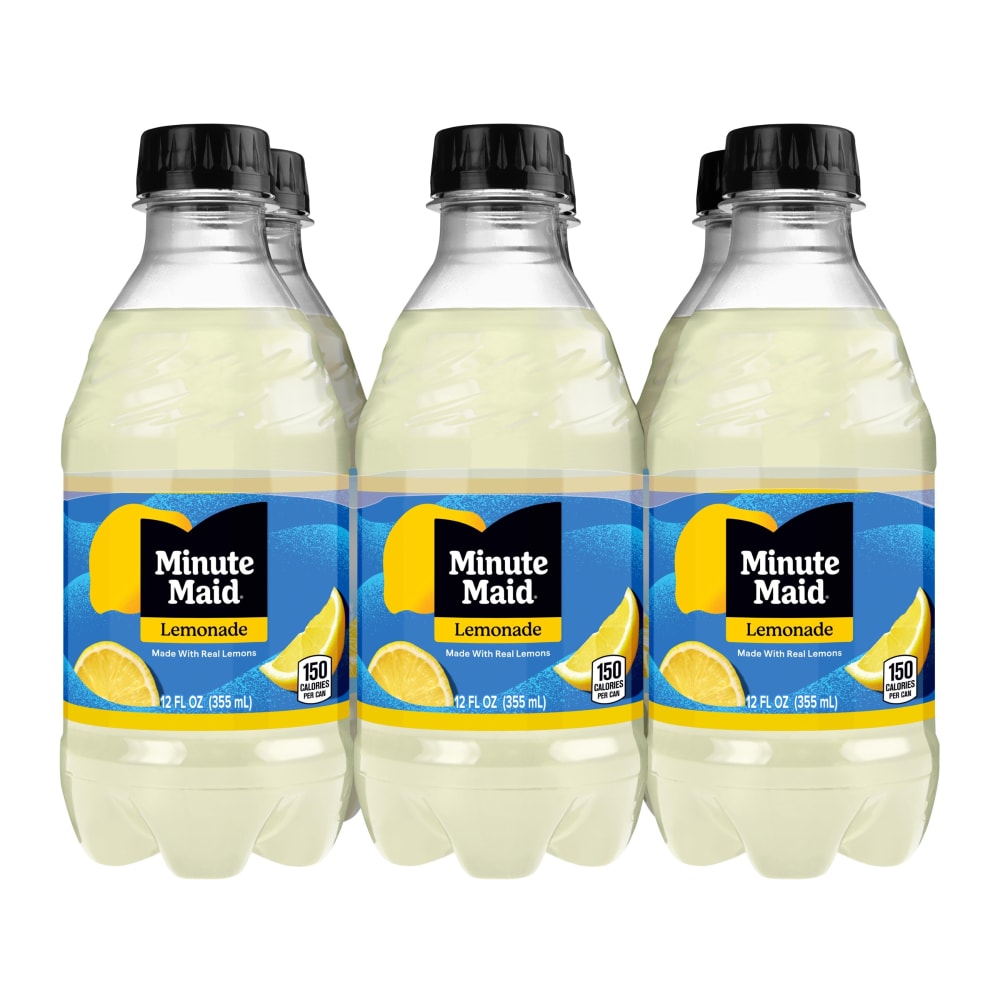
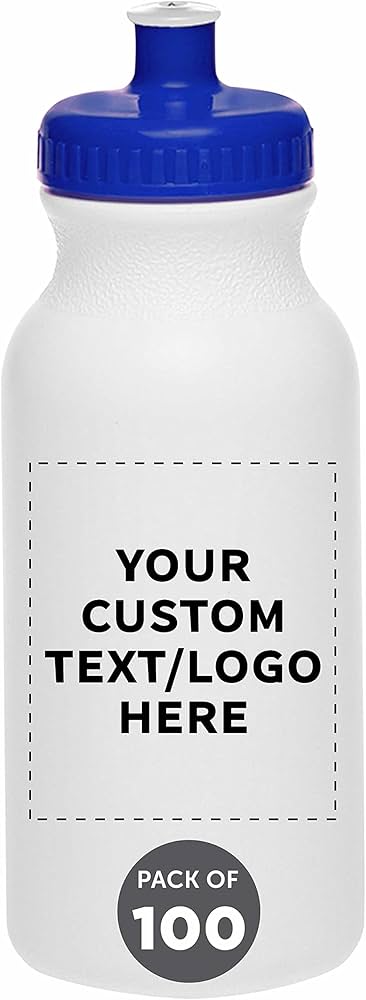
A stock image related to lemonade bottles.
3 Common User Pain Points for ‘lemonade bottles’ & Their Solutions
Scenario 1: Sourcing Quality Lemonade Bottles for Diverse Markets
المشكلة B2B buyers often struggle to find high-quality lemonade bottles that cater to different regional preferences and regulatory standards. For example, a beverage company in Nigeria may require bottles that can withstand high temperatures and humidity, while a buyer in Germany may prioritize recyclable materials and tamper-proof features. The mismatch between product specifications and market expectations can lead to wasted investments and unsatisfied customers.
الحل: To address this challenge, buyers should conduct thorough market research to understand local preferences and compliance requirements. Partnering with suppliers who offer a wide range of bottle options—including various materials like PET and glass, sizes, and closure types—can ensure that products meet both functional and aesthetic needs. Additionally, consider sourcing from suppliers who provide customization options for branding and labeling, which can enhance product appeal in different markets.
Scenario 2: Addressing Product Freshness and Shelf Life Concerns
المشكلة Maintaining the freshness and quality of lemonade throughout its shelf life is a significant concern for beverage manufacturers. Exposure to air, light, and temperature fluctuations can degrade the product, affecting taste and safety. This is particularly crucial for B2B buyers who sell lemonade in bulk to retailers or restaurants, as any compromise in product quality can lead to returns and loss of customer trust.
الحل: Implementing a robust packaging strategy that includes high-quality, tamper-evident closures and UV-protective materials can significantly enhance product shelf life. For instance, using dark glass bottles can protect the lemonade from light exposure, while airtight seals prevent oxidation. Buyers should work closely with suppliers to evaluate the best packaging solutions that meet their specific shelf-life requirements and consider conducting shelf-life testing to ensure quality is preserved over time.
Scenario 3: Cost Management and Bulk Purchasing Efficiency
المشكلة B2B buyers frequently face challenges related to cost management, especially when purchasing lemonade bottles in bulk. Fluctuating material costs, shipping fees, and minimum order quantities can strain budgets and complicate financial planning. This is particularly true for businesses operating in regions with less predictable supply chains, such as parts of Africa and South America.
الحل: To optimize costs, buyers should explore various purchasing strategies. Negotiating bulk purchase agreements with suppliers can lead to significant discounts. Additionally, implementing a just-in-time inventory system can help manage stock levels more efficiently, reducing holding costs. Buyers should also consider diversifying their supplier base to mitigate risks associated with supply chain disruptions and to create competitive pricing dynamics. By leveraging technology for inventory management, businesses can better forecast needs and align purchasing strategies with market demands, ultimately leading to cost savings and improved cash flow.
Strategic Material Selection Guide for lemonade bottles
What Are the Key Properties of Common Materials Used for Lemonade Bottles?
When selecting materials for lemonade bottles, it is essential to consider their properties to ensure product performance and safety. The most common materials include Polyethylene Terephthalate (PET), glass, High-Density Polyethylene (HDPE), and aluminum. Each material has distinct characteristics that can impact the overall effectiveness of the packaging.
How Does Polyethylene Terephthalate (PET) Perform in Lemonade Bottles?
PET is widely used for beverage packaging due to its excellent clarity, lightweight nature, and strong barrier properties. It can withstand temperatures up to 60°C (140°F) and has good resistance to impact and shattering, making it ideal for transport and storage. However, PET is sensitive to UV light, which can degrade the quality of lemonade over time.
الإيجابيات: PET bottles are cost-effective, lightweight, and recyclable. They provide a good seal to maintain freshness and are less prone to breakage compared to glass.
السلبيات: While PET is durable, it may not be suitable for high-temperature pasteurization processes and can be affected by UV exposure, leading to potential flavor changes.
For international buyers, compliance with recycling standards and food safety regulations is crucial. PET bottles should meet standards such as FDA regulations in the U.S. and relevant European Union directives.
What Advantages Does Glass Offer for Lemonade Bottles?
Glass bottles provide an excellent barrier against oxygen and moisture, preserving the quality and taste of lemonade. They can withstand high temperatures, making them suitable for pasteurization. Glass is also inert, meaning it does not react with the beverage, ensuring the original flavor remains intact.
الإيجابيات: Glass bottles offer premium aesthetics, are fully recyclable, and do not leach chemicals into the beverage. They are ideal for high-end products and can enhance brand perception.
السلبيات: The primary drawback of glass is its weight and fragility, which can lead to higher shipping costs and potential breakage during transport.
For buyers in regions like Africa and South America, where logistics can be challenging, the weight of glass bottles may be a consideration. Compliance with local regulations regarding glass packaging is also necessary.
How Does High-Density Polyethylene (HDPE) Compare for Lemonade Bottles?
HDPE is a robust, lightweight plastic known for its high resistance to impact and chemicals. It can handle temperatures up to 120°C (248°F), making it versatile for various applications. HDPE bottles are often used for larger volumes of lemonade due to their durability.
الإيجابيات: HDPE is cost-effective, lightweight, and resistant to various chemicals. It is also recyclable and can be produced in various colors.
السلبيات: While HDPE is durable, it does not provide as effective a barrier against oxygen and moisture as glass or PET, which may affect the shelf life of lemonade.
International buyers should consider HDPE’s compliance with food safety standards, including those set by the FDA and other local regulations. Its lower cost can be an advantage for bulk purchases.
What Role Does Aluminum Play in Lemonade Bottle Applications?
Aluminum cans are increasingly popular for lemonade packaging, particularly for ready-to-drink products. They offer excellent barrier properties against light, oxygen, and moisture, preserving the beverage’s freshness. Aluminum is lightweight and can be easily recycled.
الإيجابيات: Aluminum cans are lightweight, offer excellent protection against external factors, and are highly recyclable. They can also be printed with vibrant designs, enhancing branding.
السلبيات: The primary limitation is that aluminum may impart a metallic taste if the lining is not properly applied, which can affect the beverage’s flavor.
For international buyers, aluminum packaging must comply with local food safety standards and recycling regulations. The cost of aluminum can fluctuate based on global market conditions, impacting overall pricing strategies.
Summary Table of Material Selection for Lemonade Bottles
| المواد | Typical Use Case for lemonade bottles | الميزة الرئيسية | العيب/التقييد الرئيسي | التكلفة النسبية (منخفضة/متوسطة/مرتفعة) |
|---|---|---|---|---|
| PET | Standard bottled lemonade | خفيفة الوزن وفعالة من حيث التكلفة | Sensitive to UV light | منخفضة |
| زجاج | Premium lemonade products | Excellent flavor preservation | ثقيل وهش | عالية |
| HDPE | Bulk lemonade containers | Durable and cost-effective | Poor barrier properties | متوسط |
| ألومنيوم | Ready-to-drink lemonade | Excellent protection and branding | Potential metallic taste | متوسط |
This guide provides a comprehensive overview of the materials commonly used for lemonade bottles, helping international B2B buyers make informed decisions based on their specific needs and market conditions.
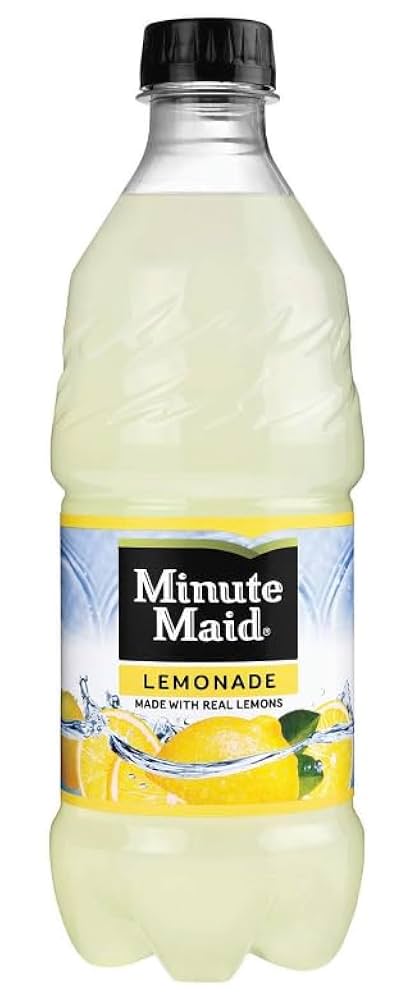
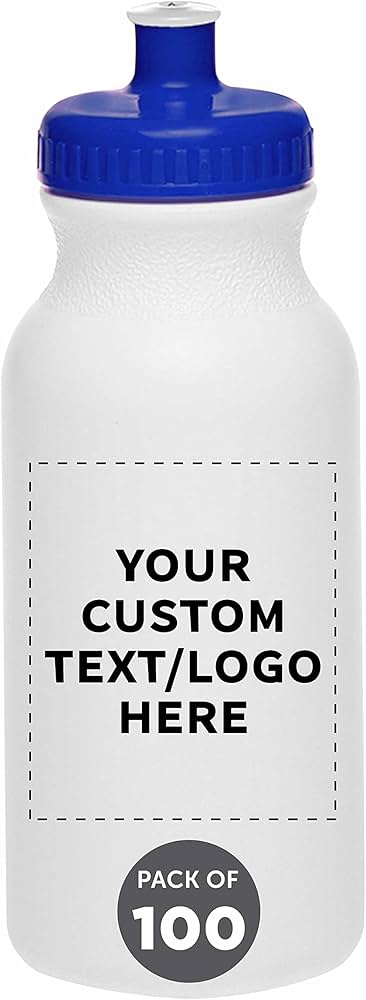
A stock image related to lemonade bottles.
In-depth Look: Manufacturing Processes and Quality Assurance for lemonade bottles
What Are the Main Stages of Manufacturing Lemonade Bottles?
The manufacturing process of lemonade bottles involves several critical stages that ensure the final product meets quality and safety standards. Understanding these stages is essential for B2B buyers to make informed purchasing decisions.
Material Preparation: What Materials Are Used in Lemonade Bottle Production?
The primary materials used in the production of lemonade bottles are PET (Polyethylene Terephthalate) and glass. PET is favored for its lightweight, shatter-resistant properties, and recyclability, making it a popular choice for bottled beverages. Glass, on the other hand, is preferred for premium products due to its aesthetic appeal and superior barrier properties, which help maintain the freshness of the lemonade.
Before production begins, these materials undergo rigorous quality checks to ensure they meet industry standards. For instance, recycled PET (rPET) is often blended with virgin PET to enhance sustainability without compromising quality.
How Are Lemonade Bottles Formed?
The forming process is where the raw materials are transformed into bottles. For PET bottles, the process typically involves the following steps:
- Injection Molding: Preforms are created using injection molding, where PET pellets are heated and injected into a mold to form a bottle shape.
- Blow Molding: The preforms are then heated and expanded into the final bottle shape using blow molding techniques. This process ensures uniform thickness and strength in the bottle walls.
For glass bottles, the process involves:
- Melting: Raw glass materials are melted at high temperatures.
- Molding: The molten glass is then shaped using molds, either through blow molding or press molding techniques.
What Are the Key Techniques Used in Bottle Manufacturing?
Several key techniques are utilized during the manufacturing process to enhance efficiency and quality:
-
Automated Production Lines: Automation is increasingly adopted to minimize human error and improve production speed. Automated systems manage everything from material feeding to bottle inspection.
-
Tamper-Evident Technology: Many lemonade bottles incorporate tamper-evident seals, which are critical for consumer safety. This technology helps ensure that the product remains uncontaminated until it reaches the end user.
-
Custom Designs: Manufacturers often offer customization options, allowing B2B buyers to select unique shapes, colors, and sizes that align with their branding strategies.
كيف يتم دمج ضمان الجودة في عملية التصنيع؟
Quality assurance (QA) is crucial throughout the manufacturing process to ensure that lemonade bottles meet international safety and quality standards. The following are key components of the QA process:
Which International Standards Are Relevant for Lemonade Bottle Manufacturing?
International standards play a significant role in maintaining product quality. Notable standards include:
-
ISO 9001: This standard focuses on quality management systems and is essential for ensuring consistent quality in manufacturing processes.
-
CE Marking: In Europe, CE marking signifies compliance with health, safety, and environmental protection standards.
-
API Standards: For certain markets, adherence to American Petroleum Institute (API) standards may be necessary, particularly for bottles used in specialized applications.
ما هي نقاط التحقق الرئيسية لمراقبة الجودة؟
Quality control checkpoints are critical in the production cycle to catch any defects early on. Common checkpoints include:
-
مراقبة الجودة الواردة (IQC): This initial inspection verifies the quality of raw materials before they enter the production line.
-
مراقبة الجودة أثناء العملية (IPQC): During the manufacturing process, regular inspections ensure that the production adheres to defined standards and specifications.
-
مراقبة الجودة النهائية (FQC): After production, a thorough inspection of the finished bottles is conducted to check for defects such as leaks, cracks, or improper seals.
What Common Testing Methods Are Used in Quality Control?
Various testing methods are employed to ensure the integrity and safety of lemonade bottles. These include:
-
Drop Testing: To assess the durability of bottles, drop tests simulate impacts that bottles may experience during handling and transportation.
-
Pressure Testing: This method checks the bottle’s ability to withstand internal pressures, which is particularly important for carbonated or flavored beverages.
-
Visual Inspection: Automated and manual inspections are conducted to identify cosmetic defects, ensuring that all bottles meet aesthetic standards.
كيف يمكن للمشترين بين الشركات التحقق من عمليات مراقبة جودة الموردين؟
For B2B buyers, verifying the quality control processes of suppliers is essential to mitigate risks. Here are key steps to take:
-
Request Supplier Audits: Regular audits provide insight into the supplier’s manufacturing practices and adherence to quality standards. Buyers should request recent audit reports to assess compliance with relevant certifications.
-
Review Quality Control Documentation: Suppliers should provide documentation that outlines their quality control processes, including details on testing methods and frequency.
-
Engage Third-Party Inspection Services: Utilizing third-party inspectors can provide an unbiased assessment of the supplier’s quality control measures. This is especially critical for international transactions where standards may vary.
ما هي الفروق الدقيقة في مراقبة الجودة وإصدار الشهادات للمشترين الدوليين؟
International buyers, particularly from regions like Africa, South America, the Middle East, and Europe, should be aware of specific nuances in quality control and certification:
-
Understanding Local Regulations: Different regions may have varying regulations concerning packaging materials. Buyers should familiarize themselves with local laws to ensure compliance.
-
Navigating Certification Processes: Some markets may require additional certifications beyond standard ISO compliance. Understanding these requirements can help avoid delays in product acceptance.
-
Building Relationships with Suppliers: Establishing strong relationships with suppliers can lead to better communication regarding quality standards and expectations, ultimately benefiting both parties in the long run.
In conclusion, a comprehensive understanding of the manufacturing processes and quality assurance practices for lemonade bottles is critical for B2B buyers. By focusing on these elements, businesses can ensure they are partnering with reputable suppliers and offering high-quality products to their consumers.
Practical Sourcing Guide: A Step-by-Step Checklist for ‘lemonade bottles’
In the competitive landscape of beverage packaging, sourcing high-quality lemonade bottles is crucial for ensuring product integrity and consumer appeal. This practical guide outlines essential steps for B2B buyers, helping you navigate the procurement process effectively.
1. تحديد المواصفات الفنية الخاصة بك
Begin by clearly outlining the specifications for your lemonade bottles. This includes determining the material (glass, PET, HDPE), size (e.g., 250ml, 480ml), and design features (e.g., tamper-evident caps, color options). Precise specifications will guide your supplier search and ensure that the bottles meet your product requirements.
2. تحديد السوق المستهدف
Understanding your target market is critical when selecting lemonade bottles. Different regions may have varying preferences regarding bottle design, size, and material. For instance, consumers in Europe may favor eco-friendly options, while those in South America may prioritize affordability and convenience.
3. تقييم الموردين المحتملين
Before committing to a supplier, conduct thorough evaluations. Request detailed company profiles, product samples, and references from businesses in similar markets. Consider suppliers’ production capabilities and delivery timelines to ensure they can meet your demands consistently.
- Check for Industry Experience: Look for suppliers with a proven track record in beverage packaging.
- Assess Quality Standards: Ensure the supplier adheres to relevant industry standards, such as ISO certifications.
4. Review Regulatory Compliance
Ensure that the lemonade bottles comply with local and international regulations. Different markets have specific requirements regarding food safety and packaging materials. Verify that your supplier can provide necessary certifications, such as FDA approval for food-grade materials.
5. مقارنة الأسعار وشروط الدفع
Request quotes from multiple suppliers to compare pricing structures. Look beyond the unit price; consider bulk discounts, shipping costs, and payment terms. Establishing favorable payment conditions can significantly impact your cash flow and overall profitability.
- Negotiate Terms: Don’t hesitate to negotiate payment terms and shipping arrangements to secure the best deal.
- Consider Total Cost of Ownership: Factor in all costs associated with procurement, including potential tariffs and customs duties, especially for international shipments.
6. Test Product Compatibility
Before finalizing your order, test the bottles for compatibility with your lemonade formulations. This step is crucial to ensure that the bottles do not react with the beverage and that they maintain product freshness. Request sample batches for quality testing under your specific storage conditions.
7. Establish a Long-Term Relationship
Once you find a reliable supplier, focus on building a long-term partnership. Maintain open lines of communication to address any issues promptly and discuss future product developments. A strong supplier relationship can lead to better pricing, priority service, and collaborative innovation.
By following these steps, you can streamline the sourcing process for lemonade bottles, ensuring that you select the best options for your business needs while catering to your target market effectively.
Comprehensive Cost and Pricing Analysis for lemonade bottles Sourcing
What Are the Key Cost Components in Lemonade Bottle Sourcing?
When sourcing lemonade bottles, understanding the cost structure is crucial for making informed purchasing decisions. The primary cost components include:
-
المواد: The type of material used—such as PET plastic, glass, or HDPE—significantly impacts cost. For instance, glass bottles often have higher raw material costs compared to PET bottles due to their manufacturing process and weight.
-
العمالة: Labor costs encompass the wages of workers involved in manufacturing, assembling, and packaging the bottles. Regions with higher labor costs will reflect this in the final pricing, making it vital to consider the geographic location of the manufacturer.
-
نفقات التصنيع الزائدة: This includes costs associated with utilities, equipment maintenance, and administrative expenses. Efficient manufacturing processes can lower overhead, providing potential savings for buyers.
-
الأدوات: Custom molds for specialized bottle shapes or sizes can incur significant upfront costs. However, these costs can be amortized over large production runs, making them more cost-effective in bulk orders.
-
مراقبة الجودة (QC): Ensuring that bottles meet safety and quality standards involves inspections and testing, which contribute to overall costs. Buyers should inquire about the QC processes to ensure compliance with relevant certifications.
-
الخدمات اللوجستية: Transportation costs can vary based on the distance from the manufacturing site to the buyer’s location. Factors such as shipping method, fuel prices, and import duties also play a crucial role in determining the final cost.
-
الهامش: Suppliers will typically add a markup to cover their costs and profit. Understanding the typical margin in the industry can help buyers gauge whether a quote is reasonable.
How Do Price Influencers Affect the Cost of Lemonade Bottles?
Several factors can influence the pricing of lemonade bottles, particularly for international B2B buyers:
-
الحجم والحد الأدنى لكمية الطلب (MOQ): Larger orders often lead to significant discounts. Negotiating the MOQ with suppliers can yield better pricing, especially for bulk purchases.
-
المواصفات والتخصيص: Custom designs or specific closure types may increase costs. Buyers should balance the need for customization with budget constraints.
-
جودة المواد والشهادات: Bottles made from higher-quality materials or those that meet specific certifications (e.g., food safety standards) may come at a premium. However, investing in quality can reduce the risk of product recalls and enhance brand reputation.
-
عوامل الموردين: The reputation and reliability of the supplier can affect pricing. Established suppliers may charge more but can offer better service and quality assurance.
-
المصطلحات التجارية الدولية: Understanding shipping terms such as FOB (Free On Board) or CIF (Cost Insurance Freight) is essential for calculating total landed costs. These terms can affect who bears the responsibility for shipping and insurance, impacting overall pricing.
What Are Effective Buyer Tips for Cost-Efficiency in International Sourcing?
For international B2B buyers, particularly those in Africa, South America, the Middle East, and Europe, the following tips can enhance cost-efficiency:
-
التفاوض على الشروط: Always negotiate pricing, payment terms, and delivery schedules. Suppliers may have flexibility that can lead to cost savings.
-
النظر في التكلفة الإجمالية للملكية (TCO): Evaluate not just the purchase price, but also the long-term costs associated with sourcing bottles, including storage, transportation, and disposal.
-
البحث والمقارنة بين الموردين: Don’t settle for the first quote. Conduct thorough research to compare multiple suppliers on price, quality, and service.
-
Leverage Bulk Discounts: If feasible, consolidate orders across multiple products to meet MOQ thresholds and secure bulk discounts.
-
Understand Local Regulations: Be aware of import duties and local regulations that can affect pricing. This knowledge can help avoid unexpected costs during the sourcing process.
الخاتمة
While the cost of lemonade bottles can vary widely based on several factors, B2B buyers can achieve better pricing through informed decisions and strategic negotiations. Understanding the cost components and price influencers will empower buyers to optimize their sourcing strategies and enhance their bottom line. Always remember to consider the total cost of ownership when making purchasing decisions, ensuring that quality and compliance are not sacrificed for a lower upfront price.
Alternatives Analysis: Comparing lemonade bottles With Other Solutions
Introduction to Alternatives for Lemonade Bottles
When it comes to packaging beverages like lemonade, businesses have several options to consider. While lemonade bottles serve their purpose effectively, alternatives exist that may offer distinct advantages depending on specific business needs. Exploring these alternatives can help B2B buyers make informed decisions that align with their operational goals, budget constraints, and market demands.
جدول المقارنة
| جانب المقارنة | Lemonade Bottles | Tetra Pak Containers | Canned Beverages |
|---|---|---|---|
| الأداء | Good for preserving freshness | Excellent shelf life and stability | Good for carbonated drinks; less suitable for non-carbonated |
| التكلفة | Moderate, varies by material | Higher initial investment, lower long-term costs | Generally cost-effective with bulk purchasing |
| سهولة التنفيذ | Easy to use and fill | Requires specialized filling equipment | Simple to fill and seal |
| الصيانة | Minimal, but requires careful handling | Low maintenance; requires specific storage conditions | Minimal; easy to stack and store |
| أفضل حالة استخدام | Small to medium-scale production | Large-scale distribution and long shelf life | High-volume, cost-sensitive markets |
التقسيم التفصيلي للبدائل
Tetra Pak Containers
Tetra Pak containers are a popular alternative for beverage packaging, especially for liquids that require a longer shelf life. They offer excellent protection against light and air, which can help preserve the quality of the lemonade. However, the initial investment in Tetra Pak technology can be higher due to the specialized filling equipment required. For businesses focused on large-scale production and distribution, the long-term savings and environmental benefits of using recyclable materials can outweigh these initial costs.
Canned Beverages
Canned beverages present another viable option for lemonade packaging. They are often more cost-effective for high-volume production, allowing businesses to capitalize on economies of scale. Cans are easy to stack and store, making logistics simpler. However, they are primarily suited for carbonated drinks, which could limit their effectiveness for lemonade unless carbonated versions are produced. Additionally, while cans provide decent shelf stability, they may not preserve the freshness of non-carbonated lemonade as well as bottles or Tetra Pak.
Conclusion: Choosing the Right Solution for Your Business
Selecting the right packaging solution for lemonade involves understanding your business’s specific needs and target market. If you prioritize freshness and a traditional presentation, lemonade bottles remain a strong choice. For businesses focusing on long shelf life and large-scale distribution, Tetra Pak containers may offer the best benefits. Conversely, if cost efficiency and ease of logistics are paramount, canned beverages could be the ideal solution. Ultimately, evaluating these factors will guide B2B buyers in making the most suitable choice for their operations.
Essential Technical Properties and Trade Terminology for lemonade bottles
Understanding the essential technical properties and industry terminology associated with lemonade bottles is crucial for B2B buyers looking to make informed purchasing decisions. This knowledge not only aids in selecting the right packaging for beverages but also ensures compliance with industry standards.
What Are the Key Technical Properties of Lemonade Bottles?
1. Material Grade: What Should You Consider?
Lemonade bottles are primarily made from materials such as PET (Polyethylene Terephthalate), HDPE (High-Density Polyethylene), and glass. PET is lightweight, shatterproof, and recyclable, making it a popular choice for single-use bottles. HDPE offers excellent durability and resistance to impact, while glass provides an upscale feel and superior barrier properties against oxygen and moisture. Selecting the right material is vital for maintaining the product’s integrity and ensuring consumer safety.
2. Closure Type: Why Does It Matter?
The closure type, such as screw caps, twist-off lids, or tamper-evident seals, plays a significant role in product preservation. A secure closure prevents contamination and preserves freshness, which is especially important for perishable beverages like lemonade. Depending on your target market, you may also want to consider closures that are easy to open for convenience.
3. Bottle Neck Finish: What Are the Implications?
The neck finish refers to the design and dimensions of the bottle’s neck, which affects compatibility with closures. Common neck finishes for lemonade bottles include 38-400 and 24-410. Understanding the neck finish is essential for ensuring proper sealing and preventing leaks, which can lead to product loss and customer dissatisfaction.
4. Size and Capacity: How Do They Impact Your Business?
Lemonade bottles come in various sizes, typically ranging from 250ml to 1 liter or more. The size you choose should align with your target market’s consumption habits. For instance, smaller bottles may appeal to on-the-go consumers, while larger bottles might cater to family purchases. Analyzing market trends can help determine the optimal size for your product line.
5. Tolerance Levels: What Should You Know?
Tolerance levels refer to the allowable variations in dimensions and weight of the bottles during production. Tight tolerances ensure uniformity and compatibility with closures, which reduces the risk of leaks and enhances consumer trust. Understanding tolerance specifications is crucial for maintaining quality control throughout the manufacturing process.
What Are Common Trade Terminology and Their Importance?
1. OEM (Original Equipment Manufacturer): What Does This Mean for You?
OEM refers to companies that produce components or products that are sold under another company’s brand name. For lemonade bottle suppliers, partnering with an OEM can offer cost-effective solutions and access to innovative packaging designs without the need for extensive R&D.
2. MOQ (Minimum Order Quantity): How Does It Affect Your Purchases?
MOQ is the smallest quantity of a product that a supplier is willing to sell. Understanding MOQ is crucial for managing inventory costs and ensuring you have enough stock to meet demand without overcommitting financially.
3. RFQ (Request for Quotation): Why Is It Important?
An RFQ is a formal process where buyers request price quotes from suppliers for specific products. This step is vital for comparing costs and services from different suppliers, ultimately leading to better purchasing decisions.
4. Incoterms (International Commercial Terms): What Should You Know?
Incoterms define the responsibilities of buyers and sellers in international trade. Familiarity with these terms helps in understanding shipping costs, risks, and delivery obligations, ensuring smooth transactions across borders.
5. Shelf Life: How Is It Determined?
Shelf life refers to the period a product remains usable or saleable. For lemonade, the packaging plays a significant role in extending shelf life by protecting the beverage from light, air, and contaminants. Understanding shelf life can influence your purchasing strategy and marketing efforts.
By familiarizing yourself with these essential technical properties and trade terminology, you can make informed decisions that enhance your business operations and improve product offerings in the competitive lemonade market.
Navigating Market Dynamics and Sourcing Trends in the lemonade bottles Sector
What Are the Key Trends Shaping the Lemonade Bottles Market?
The lemonade bottles market is experiencing a notable transformation driven by several global factors. Rising consumer demand for refreshing beverages, particularly in warmer climates, is propelling the growth of lemonade products. This trend is evident in regions like Africa and South America, where the warm climate encourages higher consumption of cold beverages. Additionally, brands are increasingly focusing on product differentiation through innovative packaging solutions, which are critical in capturing the attention of consumers in competitive markets.
Emerging technologies are also influencing sourcing trends in the lemonade bottles sector. The use of automation and smart manufacturing processes is streamlining production, allowing for quicker turnaround times and reduced costs. Furthermore, digital platforms are facilitating better supply chain management, enabling international B2B buyers to source products more efficiently. This trend is particularly relevant for buyers in Europe and the Middle East, where logistics and supply chain transparency are paramount.
Sustainability is another key driver in the lemonade bottles market. Consumers are becoming more environmentally conscious, prompting brands to adopt eco-friendly practices. This includes the use of recycled materials and biodegradable options for packaging. As a result, B2B buyers must stay informed about these developments to ensure their sourcing aligns with consumer preferences and regulatory standards.
How Does Sustainability Influence Sourcing Decisions for Lemonade Bottles?
Sustainability has emerged as a critical factor influencing the sourcing decisions of B2B buyers in the lemonade bottles sector. The environmental impact of packaging materials is under increasing scrutiny, and companies are being urged to adopt sustainable practices. This includes utilizing bottles made from recycled materials, such as PET (Polyethylene Terephthalate) and glass, which can significantly reduce carbon footprints.
The importance of ethical supply chains cannot be overstated. B2B buyers are increasingly seeking suppliers who prioritize responsible sourcing and manufacturing processes. Certifications such as FSC (Forest Stewardship Council) and Cradle to Cradle are becoming essential for companies looking to validate their commitment to sustainability. Additionally, using ‘green’ materials not only meets regulatory requirements but also enhances brand reputation among environmentally conscious consumers.
For buyers in emerging markets, particularly in Africa and South America, the transition to sustainable practices presents both challenges and opportunities. While initial costs may be higher, the long-term benefits, including consumer loyalty and reduced waste management expenses, make ethical sourcing a wise investment. Companies that effectively communicate their sustainability initiatives are likely to gain a competitive edge in the marketplace.
How Has the Lemonade Bottles Sector Evolved Over Time?
The lemonade bottles sector has undergone significant evolution, shaped by consumer preferences and technological advancements. Historically, lemonade was primarily sold in bulk or homemade containers, but as demand grew, manufacturers began to innovate with packaging. The introduction of glass bottles provided a premium feel and better preservation of flavor, while advancements in plastic technology offered lightweight, shatterproof alternatives.
In recent years, the market has shifted towards more sustainable options, influenced by both consumer demand and regulatory pressures. The introduction of biodegradable and recyclable materials has transformed how lemonade is packaged, reflecting a broader trend towards environmental responsibility. This evolution is crucial for B2B buyers, as staying attuned to these changes can help them align their product offerings with market expectations and consumer values.
Overall, the lemonade bottles sector continues to adapt to changing market dynamics, emphasizing the importance of innovation, sustainability, and consumer engagement in driving business success.
Frequently Asked Questions (FAQs) for B2B Buyers of lemonade bottles
-
How do I choose the right lemonade bottle for my product line?
Selecting the appropriate lemonade bottle hinges on various factors, including the type of lemonade you offer, your target market, and branding needs. Consider the material—glass bottles provide a premium feel and better preservation, while PET plastic is lightweight and cost-effective. Additionally, evaluate size options and closure types to ensure they align with your product’s unique selling points. Conduct market research to understand consumer preferences in your region, which can guide your decision-making process. -
What are the common sizes of lemonade bottles available for bulk purchase?
Lemonade bottles come in various sizes to accommodate different market needs. Common options include 8 oz, 16 oz, and 32 oz bottles, with larger jugs also available for family-sized servings. When selecting sizes, consider your target audience’s consumption habits and preferences. Offering a range of sizes can cater to diverse customer needs, from individual servings to larger gatherings, helping you maximize your market reach. -
How can I ensure the quality of lemonade bottles from suppliers?
To ensure quality, it’s crucial to vet potential suppliers thoroughly. Request samples before making bulk purchases to evaluate the material, durability, and suitability for your lemonade. Check for certifications and compliance with food safety regulations in your region. Additionally, seek reviews or testimonials from other B2B buyers to gauge their experiences. Establishing a good relationship with the supplier can also facilitate better quality assurance processes. -
What customization options are available for lemonade bottles?
Many suppliers offer customization options for lemonade bottles, including color, shape, labeling, and closures. Custom branding can enhance your product’s visibility and appeal in the market. When discussing customization, provide your supplier with clear specifications and design ideas. Consider factors such as production timelines and additional costs associated with customization to ensure your branding efforts align with your budget and deadlines. -
What are the minimum order quantities (MOQs) for lemonade bottles?
Minimum order quantities (MOQs) vary by supplier and can depend on the type of bottle and customization options. Typically, MOQs can range from a few hundred to several thousand units. It’s essential to communicate your needs with suppliers to negotiate MOQs that suit your business model. If your initial order needs to be smaller, inquire about potential flexibility or trial orders to test the market before committing to larger quantities. -
What payment terms should I expect when ordering lemonade bottles internationally?
Payment terms for international orders can vary significantly among suppliers. Common options include upfront payment, 30% deposit with the balance before shipment, or payment upon delivery. It’s advisable to negotiate terms that protect your interests and ensure cash flow management. Always clarify the currency for transactions and consider using secure payment methods to mitigate risks associated with international trade. -
How can I manage logistics for shipping lemonade bottles internationally?
Effective logistics management for international shipping involves selecting reliable freight forwarders familiar with your destination markets. Consider the shipping method—air freight is faster but more expensive, while sea freight is cost-effective for larger orders. Ensure compliance with customs regulations in both your country and the destination market to avoid delays. Collaborate with your supplier to streamline documentation and tracking processes, ensuring timely delivery to your customers. -
What are the best practices for storing lemonade bottles before filling?
Proper storage of lemonade bottles is crucial to maintaining their integrity before filling. Store bottles in a cool, dry area away from direct sunlight to prevent degradation of materials, especially for plastic bottles. Maintain a clean environment to avoid contamination. Implement a first-in, first-out (FIFO) inventory system to ensure older stock is used first, minimizing the risk of damage or obsolescence. Regularly inspect the stored bottles for any signs of defects or damage.
تنويه هام وشروط الاستخدام
⚠️ إخلاء مسؤولية مهم ⚠️
المعلومات الواردة في هذا الدليل، بما في ذلك المحتوى المتعلق بالمصنعين والمواصفات الفنية وتحليل السوق، هي لأغراض إعلامية وتعليمية فقط. وهي لا تشكل مشورة مهنية في مجال المشتريات أو مشورة مالية أو مشورة قانونية.
على الرغم من أننا بذلنا كل جهد ممكن لضمان دقة المعلومات ودقة توقيتها، إلا أننا لسنا مسؤولين عن أي أخطاء أو سهو أو معلومات قديمة. تخضع ظروف السوق وتفاصيل الشركة والمعايير الفنية للتغيير.
يجب على المشترين بين الشركات إجراء العناية الواجبة المستقلة والشاملة الخاصة بهم قبل اتخاذ أي قرارات شراء. ويشمل ذلك الاتصال بالموردين مباشرة، والتحقق من الشهادات، وطلب عينات، وطلب الاستشارات المهنية. يتحمل القارئ وحده مخاطر الاعتماد على أي معلومات واردة في هذا الدليل.
Top 6 Lemonade Bottles Manufacturers & Suppliers List
1. Bottlestore – 8.45oz Clear PET Boston Round
المجال: bottlestore.com
مسجل: 1998 (27 سنة)
مقدمة: Lemonade Bottles – Food and Beverage – Industry Catalog Bottlestore.com
1. 8.45oz (250ml) Clear PET 30% PCR Squat Boston Round – 24-410 Neck
– Price: $0.47 (PER PIECE)
– Carton Pack: 180 PIECES PER CARTON
– Carton Price: $86.40 As low as $77.40 (Per Carton)
2. 16oz (473ml) Flint (Clear) Glass Stout Round Bottle – 38-1768 Tamper Evident Neck
– Price: $1.90 (PER PIECE)
– Carton Pack…
2. Minute Maid – Lemonade 20 oz. 24 Pack
المجال: rapidrefreshment.com
مسجل: 2016 (9 سنوات)
مقدمة: {“Product Name”:”Minute Maid Lemonade”,”Size”:”20 oz.”,”Pack Size”:”24 Pack”,”Price”:”$36.00″,”SKU”:””,”UPC”:”25000058011″,”MPN”:””,”Shipping”:”Free Shipping”,”In Stock”:”Yes”,”Flavor Profile”:”Made with the goodness of real lemons, Minute Maid Lemonade is a refreshing beverage with a classic taste.”,”Fruit Juice Content”:”12% Fruit Juice”,”Brand Positioning”:”Minute Maid is the No. 1 in fruit dri…
3. Target – Lemonade Bottles
المجال: target.com
مسجل: 1997 (28 سنة)
مقدمة: This company, Target – Lemonade Bottles, is a notable entity in the market. For specific product details, it is recommended to visit their website directly.
4. DIY Beverages – Customizable Build Your Own Lemonade
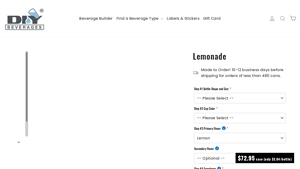
المجال: diybeverages.com
مسجل: 2021 (4 سنوات)
مقدمة: {“product_name”:”Customizable Build Your Own Lemonade”,”price”:”$84.00 USD”,”quantity_per_case”:”24 cans or bottles”,”shipping_time”:”10-12 business days for orders of less than 480 cans”,”base_ingredients”:”Purified and UV sterilized water, balanced flavor system between sweet and sour”,”comparable_products”:[“Simply® Lemonade”,”Minute Maid® Lemonade”,”County Time®”,”Hubert’s® Lemonade”,”Calypso®…
5. Dole – Lemonade
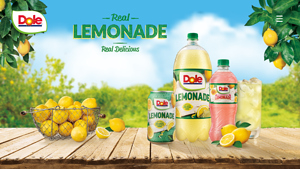
المجال: dolelemonade.com
مسجل: 2019 (6 سنوات)
مقدمة: This company, Dole – Lemonade, is a notable entity in the market. For specific product details, it is recommended to visit their website directly.
6. iStock – Lemonade Bottle Images
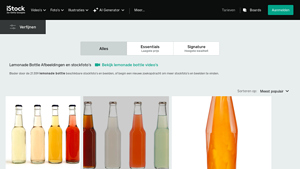
المجال: istockphoto.com
Registered: 2000 (25 years)
مقدمة: 21,500+ Lemonade Bottle Stock Photos, Pictures & Royalty-Free Images
Strategic Sourcing Conclusion and Outlook for lemonade bottles
What Are the Key Takeaways for B2B Buyers in Sourcing Lemonade Bottles?
In the competitive landscape of beverage packaging, strategic sourcing of lemonade bottles is essential for international B2B buyers. Key considerations include selecting high-quality materials such as PET and glass, which not only enhance product appeal but also ensure the preservation of flavor and freshness. Buyers should prioritize suppliers who offer diverse bottle designs and closure options to meet varying market demands.
Additionally, understanding regional preferences and regulations can streamline the sourcing process. For example, markets in Africa and the Middle East may favor bulk packaging solutions, while European buyers may seek sustainability in their choices, such as bottles made from recycled materials.
How Can Strategic Sourcing Influence Market Success?
Effective sourcing strategies can lead to significant cost savings and improved product differentiation. By collaborating with suppliers who understand local market dynamics, businesses can innovate their packaging and enhance brand visibility.
Looking ahead, as consumer trends lean towards healthier and more natural beverages, the demand for lemonade bottles is set to rise. Now is the time for buyers from Africa, South America, the Middle East, and Europe to engage with reliable suppliers, explore customized solutions, and position their brands for success in a growing market. Reach out today to discover how strategic sourcing can elevate your lemonade offerings.
 العربية
  English
  Español
  Português
  Français
  Deutsch
  Русский
  日本語
日本語  한국어
한국어  Italiano
  Nederlands