Introduction: Navigating the Global Market for mist water bottle
In an increasingly globalized marketplace, international B2B buyers face the challenge of sourcing innovative products that meet diverse consumer needs. One such product gaining traction is the mist water bottle, a dual-purpose solution that not only provides hydration but also offers instant cooling—ideal for outdoor activities in hot climates. This guide aims to navigate the intricacies of the mist water bottle market, delving into various types, applications, and the essential factors to consider when vetting suppliers. By exploring the latest trends and technologies, buyers will be equipped with the knowledge necessary to make informed purchasing decisions.
The mist water bottle market is particularly relevant for regions like Africa, South America, the Middle East, and Europe, where high temperatures often pose significant health risks. Countries such as Nigeria and Saudi Arabia are witnessing a surge in demand for innovative cooling solutions, making it vital for businesses to understand the unique needs of their markets. This comprehensive guide will cover critical aspects such as cost analysis, supplier reliability, and product functionality, empowering buyers to not only meet but exceed customer expectations. By leveraging the insights provided, B2B buyers can confidently navigate the global market for mist water bottles, ensuring they select products that enhance user experience and drive sales.
Understanding mist water bottle Types and Variations
| Type Name | Key Distinguishing Features | Primary B2B Applications | Brief Pros & Cons for Buyers |
|---|---|---|---|
| Rechargeable Misting Bottles | Electronic misting, adjustable misting speeds, double-walled design | Outdoor events, sports, leisure | Pros: Long-lasting, versatile, eco-friendly. Cons: Higher initial cost, requires charging. |
| Manual Trigger Misting Bottles | Squeeze-to-mist functionality, lightweight, easy to clean | Sports teams, outdoor activities | Pros: Cost-effective, no charging needed. Cons: Limited mist range, less durable. |
| Continuous Spray Bottles | Continuous misting technology, reusable, eco-friendly materials | Beauty and personal care industries | Pros: Versatile for various liquids, consistent mist output. Cons: Smaller capacity, may require frequent refills. |
| Insulated Misting Bottles | Double-wall insulation, keeps beverages cold longer | Hospitality, event catering | Pros: Enhances beverage experience, reduces condensation. Cons: Heavier, potentially more expensive. |
| Specialized Hair Mist Bottles | Designed for hair products, fine mist spray, often aerosol-free | Beauty salons, personal care retail | Pros: Effective for targeted application, eco-friendly. Cons: Limited to beauty applications, smaller size. |
What Are the Characteristics of Rechargeable Misting Bottles?
Rechargeable misting bottles like the GoMist® offer advanced features such as electronic misting technology and adjustable misting speeds. These bottles are designed for durability with double-walled insulation to maintain beverage temperatures. They are ideal for outdoor events, sports, and leisure activities, where hydration and cooling are essential. For B2B buyers, the investment in rechargeable bottles can lead to enhanced customer satisfaction and repeat business, especially in regions with high temperatures.
How Do Manual Trigger Misting Bottles Compare?
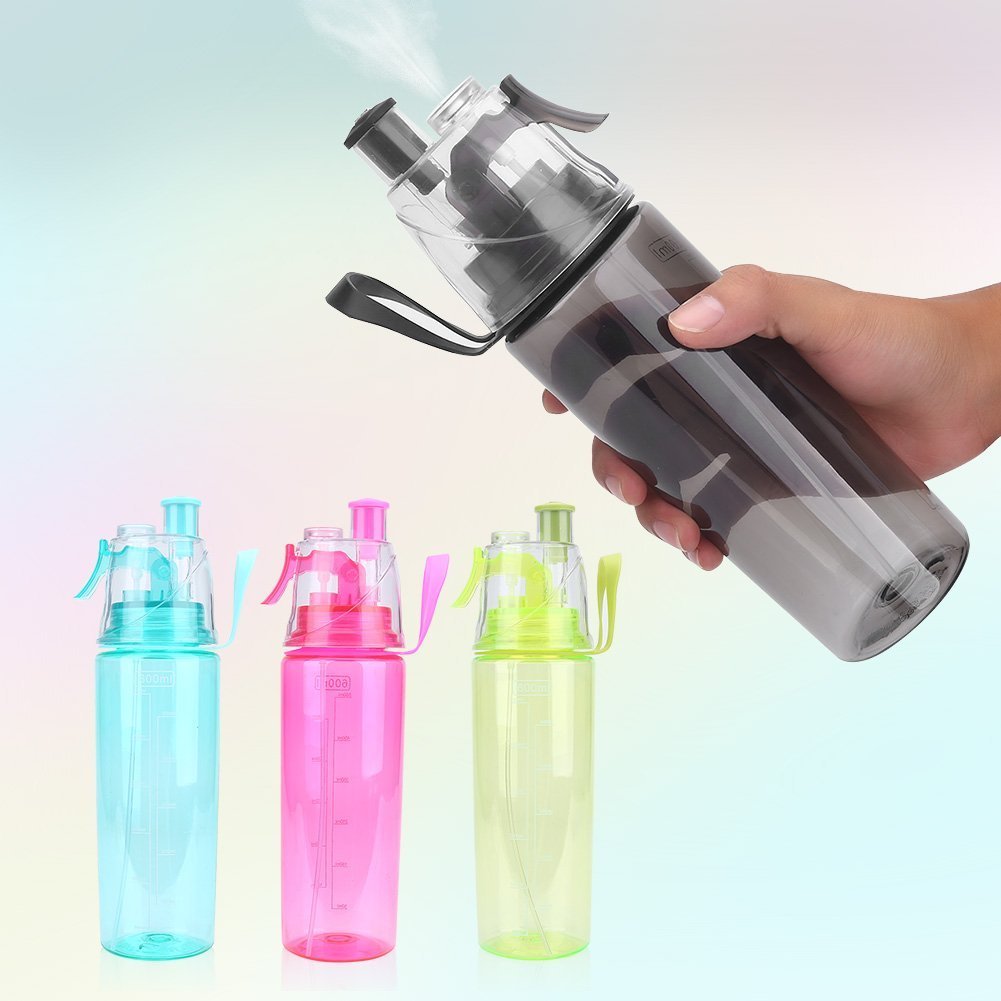
Manual trigger misting bottles provide a simple squeeze-to-mist functionality, making them lightweight and easy to transport. They are cost-effective solutions for sports teams and outdoor activities. B2B buyers should consider their affordability and ease of use, although these bottles may have limitations in mist range and durability compared to electronic options.
What Advantages Do Continuous Spray Bottles Offer?
Continuous spray bottles are designed for versatility, allowing users to apply various liquids, such as water or hair care products, in a fine mist. They are particularly popular in the beauty and personal care industries. B2B buyers benefit from their eco-friendly materials and consistent mist output, making them suitable for both retail and professional use. However, their smaller capacity may necessitate more frequent refills.
Why Choose Insulated Misting Bottles for Your Business?
Insulated misting bottles are engineered to keep beverages cold for extended periods. They are well-suited for hospitality and event catering businesses, enhancing the overall beverage experience. B2B buyers should weigh the benefits of improved customer satisfaction against the potential downsides, such as weight and cost, when considering these products for their offerings.
What Are the Features of Specialized Hair Mist Bottles?
Specialized hair mist bottles are tailored for the beauty industry, offering fine mist sprays ideal for applying hair products. They often utilize eco-friendly materials and aerosol-free technology, appealing to environmentally conscious consumers. For B2B buyers in beauty salons and personal care retail, these bottles provide an effective application method but may be limited in size and application versatility.
Key Industrial Applications of mist water bottle
| Industry/Sector | Specific Application of mist water bottle | Value/Benefit for the Business | Key Sourcing Considerations for this Application |
|---|---|---|---|
| Sports and Recreation | Used in outdoor sports events for hydration and cooling | Enhances athlete performance and comfort, leading to better results | Durability, ease of use, and capacity to withstand outdoor conditions |
| Hospitality and Tourism | Provided at resorts and outdoor venues for guest comfort | Improves guest experience, encouraging longer stays and repeat visits | Aesthetic design, refillable options, and reliable misting function |
| Agriculture and Farming | Applied during crop irrigation for moisture distribution | Enhances plant growth and reduces water waste, improving yield | Compatibility with existing irrigation systems and water quality |
| Health and Wellness | Utilized in fitness centers and spas for client refreshment | Attracts clients looking for premium wellness experiences | Hygiene standards, ease of cleaning, and portability |
| Event Management | Available at large events and festivals for attendee comfort | Increases visitor satisfaction and engagement | Bulk purchasing options and customizable branding capabilities |
How Are Mist Water Bottles Used in Sports and Recreation?
In the sports and recreation sector, mist water bottles are essential for athletes participating in outdoor events. They provide instant hydration and cooling, helping to prevent heat-related illnesses. These bottles are designed for high durability, enabling them to withstand rigorous use and harsh weather conditions. For international buyers, especially in regions like Africa and the Middle East, sourcing bottles that are lightweight yet robust is crucial to ensure they can be easily transported and used in various sporting environments.
What Role Do Mist Water Bottles Play in Hospitality and Tourism?
In the hospitality and tourism industry, mist water bottles enhance the guest experience at resorts, beaches, and outdoor venues. By providing a refreshing mist alongside hydration, these bottles encourage guests to spend more time outdoors, ultimately boosting satisfaction and loyalty. B2B buyers in this sector should prioritize aesthetically pleasing designs that align with their brand image, as well as features like refillable options to promote sustainability and reduce waste.
How Are Mist Water Bottles Beneficial in Agriculture and Farming?
In agriculture, mist water bottles can be repurposed for crop irrigation, delivering moisture directly to plants in a controlled manner. This method enhances water efficiency and promotes healthy growth, particularly in arid regions. Buyers in this field need to consider compatibility with existing irrigation systems and the quality of water being used, ensuring that the bottles can handle various water types without degradation.
Why Are Mist Water Bottles Important in Health and Wellness?
Fitness centers and spas leverage mist water bottles to provide a refreshing experience for their clients. The dual function of misting and drinking not only enhances hydration but also adds a luxurious touch to the wellness experience. For B2B buyers in this industry, hygiene standards are paramount, so sourcing bottles that are easy to clean and maintain is essential for upholding service quality.
How Do Mist Water Bottles Enhance Event Management?
In event management, mist water bottles are a practical solution for ensuring attendee comfort during large gatherings or festivals. They help mitigate heat stress, thus improving overall visitor satisfaction and engagement. Buyers should look for bulk purchasing options and the ability to customize branding on the bottles, which can serve as promotional items while providing practical benefits to event-goers.
A stock image related to mist water bottle.
3 Common User Pain Points for ‘mist water bottle’ & Their Solutions
Scenario 1: Ensuring Product Durability for Extreme Conditions
The Problem: In regions with extreme heat, such as parts of Africa and the Middle East, B2B buyers face the challenge of sourcing mist water bottles that can withstand harsh environmental conditions. Many products on the market may not be designed to endure high temperatures or prolonged outdoor use, leading to potential failures such as leaks or material degradation. This can result in lost investments and dissatisfied end-users who rely on these bottles during outdoor activities or events.
The Solution: To address this issue, buyers should focus on sourcing bottles made from high-quality, durable materials such as stainless steel or high-density polyethylene (HDPE). Look for bottles with double-wall vacuum insulation, which not only maintains the temperature of the beverage but also protects against external heat. When evaluating suppliers, request samples to assess the product’s performance in real-world conditions. Additionally, ensure that the chosen model has a warranty or guarantee to cover any defects, reinforcing confidence in the product’s longevity.
Scenario 2: Balancing Functionality with Portability
The Problem: B2B buyers in industries like outdoor recreation, hospitality, or event management often struggle to find mist water bottles that balance functionality with portability. Many options are either too bulky or lack essential features like an efficient misting system, making them impractical for mobile use. This can hinder sales and customer satisfaction, especially during large events or activities where quick hydration is critical.
The Solution: To solve this dilemma, buyers should look for mist water bottles that feature a compact design without compromising functionality. Products with a foldable or ergonomic handle allow for easy transport and storage. Additionally, opt for bottles with a one-touch misting mechanism that provides quick access to hydration without the need for complicated setups. Buyers should also consider the weight of the bottles when filled, ensuring they are lightweight enough for prolonged carrying. Engaging in product testing with actual users can provide valuable feedback on the balance between size and usability.
Scenario 3: Addressing Health and Safety Concerns
The Problem: Health and safety are paramount, especially for buyers in sectors such as education, sports, and outdoor events. Concerns regarding the materials used in mist water bottles—such as BPA, BPS, and phthalates—can deter potential customers. Buyers must ensure they are selecting products that are safe for consumers, as any health-related issues can lead to significant reputational damage and legal liabilities.
The Solution: B2B buyers should prioritize sourcing mist water bottles that are explicitly labeled as food-safe and free from harmful chemicals. Request certifications from manufacturers that validate their compliance with safety standards. Additionally, consider sourcing products that are easy to clean and maintain, as this enhances the safety of use. Buyers can also engage in partnerships with suppliers who are transparent about their manufacturing processes and materials. Hosting informational sessions or providing educational materials on the importance of using safe, high-quality products can further instill confidence in potential customers.
By understanding these common pain points and implementing the suggested solutions, B2B buyers can enhance their product offerings and ensure customer satisfaction in the competitive market of mist water bottles.
Strategic Material Selection Guide for mist water bottle
When selecting materials for mist water bottles, it is essential to consider several factors that impact performance, durability, and compliance with international standards. Below, we analyze four common materials used in the production of mist water bottles, focusing on their properties, advantages, disadvantages, and relevance to international B2B buyers.
Which Materials Are Commonly Used for Mist Water Bottles?
1. Stainless Steel
Key Properties: Stainless steel is known for its excellent corrosion resistance, high strength, and ability to withstand extreme temperatures. It typically has a temperature rating of up to 500°F (260°C) and can handle high-pressure applications.
Pros & Cons: The durability of stainless steel makes it a preferred choice for outdoor applications, as it is resistant to dents and scratches. However, it is generally more expensive than plastic alternatives, which can increase manufacturing costs. Additionally, the complexity of shaping stainless steel can lead to longer production times.
Impact on Application: Stainless steel is compatible with both hot and cold liquids, making it versatile for various uses. However, it may not be suitable for acidic beverages, which can cause corrosion over time.
Considerations for International Buyers: Compliance with food safety standards such as ASTM and JIS is crucial. Buyers in regions like Europe and the Middle East may prefer stainless steel for its durability and aesthetic appeal, while buyers in Africa and South America may focus on cost-efficiency.
2. BPA-Free Plastic
Key Properties: BPA-free plastics are lightweight and have good impact resistance. They can typically withstand temperatures up to 180°F (82°C) but may not perform well under extreme heat.
Pros & Cons: The primary advantage of BPA-free plastic is its low cost and ease of manufacturing, allowing for quick production and customization. However, these plastics may not be as durable as stainless steel and can be prone to wear and tear over time.
Impact on Application: Plastic bottles are suitable for cold beverages and are often used in sports and outdoor activities. However, they may not be ideal for hot liquids, as they can warp or leach chemicals when exposed to high temperatures.
Considerations for International Buyers: Buyers should ensure that the plastic complies with local regulations regarding food safety. In regions like Africa and South America, where budget constraints are significant, BPA-free plastic can be an attractive option.
3. Aluminum
Key Properties: Aluminum is lightweight, has good corrosion resistance, and can handle temperatures up to 400°F (204°C). It is also recyclable, making it an environmentally friendly option.
Pros & Cons: The lightweight nature of aluminum makes it easy to carry, and its durability is suitable for outdoor use. However, aluminum can dent easily and may require a protective coating to prevent corrosion from acidic beverages.
Impact on Application: Aluminum mist water bottles are effective for cold beverages and can be used for both recreational and sports activities. However, they may not be suitable for high-temperature applications without proper insulation.
Considerations for International Buyers: Compliance with recycling standards is important, especially in Europe, where sustainability is a key concern. Buyers from the Middle East may also appreciate the aesthetic appeal of aluminum bottles.
4. Glass
Key Properties: Glass is non-reactive and can withstand high temperatures, making it suitable for hot and cold beverages. It typically has a temperature rating of up to 300°F (149°C).
Pros & Cons: Glass offers a premium feel and is fully recyclable, appealing to eco-conscious consumers. However, its fragility makes it less suitable for outdoor activities, and the cost of production can be higher than other materials.
Impact on Application: Glass bottles are ideal for consumers looking for a safe and high-quality drinking experience. However, their weight and breakability can limit their use in active environments.
Considerations for International Buyers: Buyers in Europe and North America may prioritize glass for its safety and quality, while those in regions like Africa and South America may be more concerned with the practicality and cost of glass versus other materials.
Summary Table
| Material | Typical Use Case for mist water bottle | Key Advantage | Key Disadvantage/Limitation | Relative Cost (Low/Med/High) |
|---|---|---|---|---|
| Stainless Steel | Outdoor sports, hiking | Excellent durability and insulation | Higher cost, complex manufacturing | High |
| BPA-Free Plastic | Sports, casual use | Lightweight and cost-effective | Less durable, potential chemical leaching | Low |
| Aluminum | Recreational activities | Lightweight and recyclable | Prone to dents, may require coating | Medium |
| Glass | Premium consumer markets | Non-reactive and recyclable | Fragile, higher production costs | High |
This strategic material selection guide offers valuable insights for B2B buyers in diverse regions, helping them make informed decisions based on performance, cost, and compliance considerations.
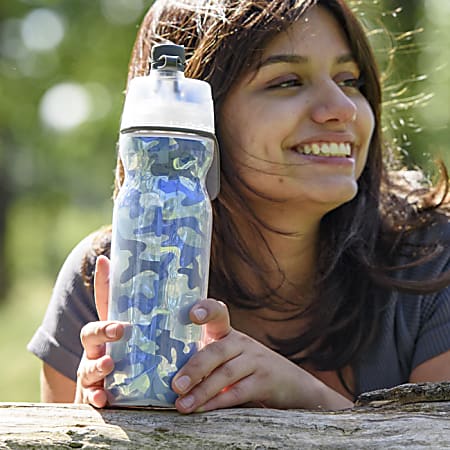
A stock image related to mist water bottle.
In-depth Look: Manufacturing Processes and Quality Assurance for mist water bottle
What Are the Key Manufacturing Processes for Mist Water Bottles?
The manufacturing of mist water bottles involves several critical stages, each contributing to the quality and performance of the final product. Understanding these stages can help B2B buyers make informed decisions when selecting suppliers.
1. Material Preparation: What Materials Are Used?
Mist water bottles are typically made from high-quality plastics (like BPA-free polypropylene or polyethylene) or stainless steel for durability and safety. The first stage of manufacturing involves sourcing and preparing these materials. Suppliers must ensure that the raw materials meet safety and quality standards, which can vary by region. For example, food-safe certifications are essential for products intended for drinking.
2. Forming: How Are Mist Water Bottles Shaped?
The forming stage can involve various techniques depending on the material. For plastic bottles, processes like injection molding or blow molding are common. Injection molding allows for precise shapes and designs, while blow molding is used for hollow structures, like the body of the bottle. For stainless steel, deep drawing or hydroforming may be used to create the desired shapes. Each method requires specialized equipment and skilled operators to ensure consistency and quality.
3. Assembly: What Components Are Integrated?
Once the individual parts are formed, they are assembled into the final product. This may include integrating features such as misting nozzles, caps, and ergonomic handles. Automation is often employed in this stage to increase efficiency, but manual assembly may still be necessary for complex designs. Quality checks during assembly can prevent defects and ensure that each bottle meets design specifications.
4. Finishing: How Is Quality Enhanced?
The finishing stage involves surface treatments, such as powder coating or polishing, to enhance aesthetics and durability. This can also include applying labels or branding elements. The choice of finishing techniques can impact the bottle’s resistance to wear and tear, particularly in outdoor environments where mist water bottles are frequently used.
What Quality Assurance Processes Are Essential for Mist Water Bottles?
Quality assurance (QA) is crucial in ensuring that mist water bottles are safe, effective, and durable. B2B buyers should be familiar with international standards and specific industry practices.
Relevant International Standards: What Should Buyers Look For?
ISO 9001 is a widely recognized international standard that outlines criteria for a quality management system. Suppliers who are ISO certified demonstrate a commitment to quality and continuous improvement. Additionally, certifications like CE mark (for compliance with European health, safety, and environmental protection standards) and FDA approval (for food safety in the United States) are vital for mist water bottles intended for beverage use.
Key QC Checkpoints: Where Are Inspections Conducted?
Quality control (QC) checkpoints should be integrated throughout the manufacturing process:
- Incoming Quality Control (IQC): This involves inspecting raw materials upon arrival to ensure they meet specified standards.
- In-Process Quality Control (IPQC): During production, regular inspections are performed to monitor the manufacturing process and identify any deviations from quality standards.
- Final Quality Control (FQC): Once production is complete, a final inspection is conducted to ensure that the finished product meets all quality specifications before shipping.
Common Testing Methods: How Is Quality Verified?
Various testing methods are utilized to ensure the safety and effectiveness of mist water bottles, including:
- Leak Testing: Ensures that the bottle does not leak when filled with liquid.
- Drop Testing: Assesses the durability of the bottle when dropped from a height.
- Pressure Testing: Checks the integrity of the misting mechanism under pressure.
- Thermal Insulation Testing: Evaluates the effectiveness of insulation in maintaining temperature.
How Can B2B Buyers Verify Supplier QC Standards?
B2B buyers should be proactive in verifying the quality assurance processes of potential suppliers. Here are several strategies:
Supplier Audits: What Should Buyers Consider?
Conducting supplier audits is an effective way to assess the quality management systems in place. Buyers should look for transparency in the manufacturing process and adherence to international standards. An audit can include reviewing documentation, inspecting production facilities, and interviewing key personnel.
Quality Reports: What Information Should Be Requested?
Buyers should request quality control reports that detail testing results, inspection protocols, and any corrective actions taken for defects. This documentation provides insights into the supplier’s commitment to quality and can help identify any potential issues before placing large orders.
Third-Party Inspections: How Can They Enhance Assurance?
Engaging third-party inspection services can provide an unbiased assessment of a supplier’s quality standards. These organizations can conduct comprehensive inspections at various stages of production and provide certification that can enhance buyer confidence.
What Are the QC and Certification Nuances for International Buyers?
For B2B buyers from regions such as Africa, South America, the Middle East, and Europe, understanding the nuances of quality control and certification is essential. Buyers should be aware of the following:
- Regional Compliance: Different regions have varying regulations and compliance standards. Buyers should ensure that suppliers understand and comply with local laws and regulations governing product safety and quality.
- Cultural Differences in Quality Expectations: Quality perceptions can vary significantly across cultures. Understanding these differences can help buyers communicate their expectations clearly and align them with supplier capabilities.
- Logistics and Shipping Considerations: International shipping can introduce risks such as damage or loss. Buyers should ensure that suppliers have quality packaging and shipping processes in place to protect products during transit.
Conclusion: Why Quality Assurance Is Key for B2B Buyers
Investing time in understanding the manufacturing processes and quality assurance of mist water bottles is crucial for B2B buyers. By focusing on these areas, businesses can ensure they source products that not only meet their needs but also adhere to the highest quality standards. This diligence helps build long-term partnerships with reliable suppliers and ultimately contributes to business success in competitive markets.
Practical Sourcing Guide: A Step-by-Step Checklist for ‘mist water bottle’
When sourcing mist water bottles for your business, it’s essential to approach the procurement process methodically. This guide outlines a step-by-step checklist to help international B2B buyers, particularly from regions like Africa, South America, the Middle East, and Europe, make informed decisions while ensuring product quality and supplier reliability.
Step 1: Define Your Technical Specifications
Before initiating the sourcing process, clearly outline the technical specifications for the mist water bottles you require. Consider factors such as capacity (e.g., 25 oz or 40 oz), misting technology (manual vs. electronic), and materials (BPA-free, stainless steel). Having a well-defined set of specifications will streamline your search for suitable suppliers and ensure you receive products that meet your needs.
Step 2: Conduct Market Research
Thoroughly investigate the market to identify leading manufacturers and suppliers of mist water bottles. Pay attention to their product offerings, pricing structures, and market reputation. Utilize platforms like Alibaba, trade shows, and industry-specific directories to gather a comprehensive list of potential partners. This research is vital to understanding pricing trends and product availability in your target markets.
Step 3: Evaluate Potential Suppliers
Before committing to a supplier, conduct a thorough evaluation. Request detailed company profiles, product samples, and references from other businesses in your industry. Look for suppliers with proven track records in quality control and customer service. This step is crucial to mitigate risks and ensure you are partnering with a reliable source.
Step 4: Verify Compliance and Certifications
Ensure that the mist water bottles comply with international safety and quality standards relevant to your market. Check for certifications such as ISO, FDA, or CE, depending on your region’s requirements. Compliance not only guarantees product safety but also enhances your brand’s credibility in the market.
Step 5: Assess Production Capabilities
Inquire about the supplier’s production capacity and lead times. It’s essential to understand their ability to meet your order quantities and delivery schedules, especially if you plan to place large or recurring orders. A supplier with robust production capabilities can better accommodate changes in demand and ensure timely delivery.
Step 6: Negotiate Terms and Conditions
Once you have shortlisted potential suppliers, engage in negotiations regarding pricing, payment terms, and delivery schedules. Be clear about your expectations and any specific requirements you may have. This step is critical for establishing a mutually beneficial relationship and ensuring that both parties are aligned on the terms of the agreement.
Step 7: Test Samples Before Finalizing Orders
Before placing a bulk order, request samples of the mist water bottles to evaluate quality, functionality, and design. Testing samples allows you to assess the product firsthand and make any necessary adjustments to your order. This precaution can prevent costly mistakes and ensure that the final products meet your specifications.
By following this step-by-step checklist, B2B buyers can navigate the sourcing process for mist water bottles effectively, ensuring they partner with suppliers that meet their quality and operational needs while also catering to their market requirements.
Comprehensive Cost and Pricing Analysis for mist water bottle Sourcing
What Are the Key Cost Components for Sourcing Mist Water Bottles?
When sourcing mist water bottles, understanding the cost structure is crucial for international B2B buyers. The primary cost components include materials, labor, manufacturing overhead, tooling, quality control (QC), logistics, and margin.
Materials typically represent a significant portion of the cost, particularly for high-quality options like stainless steel and BPA-free plastics. The choice of materials directly affects the durability and insulation properties, which are essential for maintaining beverage temperatures.
Labor costs can vary depending on the production location. Regions with lower labor costs may offer competitive pricing, but this can also impact quality. It’s essential to assess whether the savings in labor translate into lower-quality products.
Manufacturing overhead includes expenses associated with running production facilities, such as utilities and equipment maintenance. Efficient operations can minimize these costs, contributing to better pricing for buyers.
Tooling costs are also relevant, especially for custom designs or specific branding requirements. Investing in high-quality molds and tools can result in better product consistency and reduced defects.
Quality control (QC) processes ensure that the final product meets specified standards. While this adds to the cost, it is a critical investment to avoid defects that could lead to returns or reputational damage.
Logistics costs involve transportation, warehousing, and customs duties, which can significantly impact the overall cost, particularly for international shipments. These should be factored into the total cost of ownership.
Lastly, the margin set by suppliers will vary based on their positioning in the market. Understanding the competitive landscape can help buyers negotiate better terms.
How Do Price Influencers Affect the Sourcing of Mist Water Bottles?
Several factors can influence the pricing of mist water bottles for B2B buyers. Volume and Minimum Order Quantity (MOQ) play a significant role; larger orders often lead to better pricing due to economies of scale. Suppliers are more willing to negotiate on price when they receive bulk orders.
Specifications and customization also affect pricing. Customized designs or specific features, such as advanced misting technology or unique branding, can increase costs. Buyers should balance the need for customization with the associated costs.
Materials and quality certifications are vital considerations. Higher-quality materials, while more expensive, often lead to better product performance and customer satisfaction. Certifications may also be required in specific markets, adding to the overall cost.
Supplier factors such as reputation, reliability, and production capacity can influence pricing. Established suppliers may charge a premium due to their proven track record, while new entrants may offer lower prices to gain market share.
Finally, Incoterms can significantly affect the final cost. Buyers should carefully select terms that align with their logistics capabilities and risk tolerance, as they dictate the responsibilities of buyers and sellers in international shipping.
What Are Effective Buyer Tips for Sourcing Mist Water Bottles?
For international B2B buyers, particularly from regions like Africa, South America, the Middle East, and Europe, effective negotiation strategies can lead to substantial savings. Start by conducting thorough market research to understand competitive pricing and identify potential suppliers.
Focus on cost-efficiency by assessing the total cost of ownership rather than just the initial purchase price. This includes considering factors like durability, maintenance, and potential returns.
When negotiating, be clear about your volume commitments and explore tiered pricing structures based on order quantities. Suppliers are often more flexible with pricing when they see a long-term partnership opportunity.
Consider the pricing nuances specific to your region. Tariffs, shipping costs, and local market conditions can significantly impact final prices, so account for these in your budgeting.
Lastly, always request samples before committing to larger orders. This allows you to evaluate quality firsthand and ensure the product meets your specifications.
In conclusion, understanding the comprehensive cost structure and pricing influencers can empower B2B buyers to make informed sourcing decisions for mist water bottles, ultimately leading to better value and satisfaction in their purchases.
Alternatives Analysis: Comparing mist water bottle With Other Solutions
Exploring Alternatives to Mist Water Bottles
In the quest for effective hydration and cooling solutions, mist water bottles have gained popularity for their innovative design and functionality. However, there are several alternative solutions that may also meet the needs of B2B buyers seeking efficient cooling and hydration products. This analysis will compare mist water bottles with two viable alternatives: traditional insulated water bottles with built-in cooling features and handheld misting fans.
Comparison Table
| Comparison Aspect | Mist Water Bottle | Traditional Insulated Water Bottle | Handheld Misting Fan |
|---|---|---|---|
| Performance | Delivers a fine mist for cooling and hydration simultaneously; effective in hot climates. | Keeps liquids cold for extended periods but does not provide mist. | Provides instant cooling with mist; effective for personal use. |
| Cost | $69.00 USD (GoMist) | $25.00 – $50.00 USD | $15.00 – $40.00 USD |
| Ease of Implementation | Requires charging and proper maintenance of misting features. | Simple to use; fill and go. | Easy to operate; requires batteries or charging. |
| Maintenance | Needs regular cleaning and battery maintenance; more complex. | Minimal maintenance; typically dishwasher safe. | Requires occasional cleaning; battery management needed. |
| Best Use Case | Ideal for outdoor activities, sports, and events in hot climates. | Suitable for general hydration needs in various settings. | Best for personal cooling in close quarters or while stationary. |
Detailed Breakdown of Alternatives
Traditional Insulated Water Bottles
Traditional insulated water bottles, such as those offered by brands like Hydro Flask, provide excellent temperature retention for both hot and cold beverages. Their simple design allows for easy filling and cleaning, making them highly user-friendly. While they do not offer the misting feature, their affordability and versatility make them a solid choice for organizations looking for reliable hydration solutions. However, they may not adequately address the immediate cooling needs in extremely hot environments.
Handheld Misting Fans
Handheld misting fans serve as a portable solution for instant cooling. They combine a fan with a misting feature, delivering a refreshing spray of water alongside airflow. These devices are particularly effective in personal settings, such as at outdoor events or in hot work environments. They are generally more affordable and easier to maintain than mist water bottles. However, their effectiveness is limited to individual use, and they may not provide the hydration benefits that a mist water bottle offers.
Conclusion: Choosing the Right Solution for Your Needs
When selecting the appropriate hydration or cooling solution, B2B buyers should consider their specific use cases and requirements. Mist water bottles are ideal for environments where both hydration and cooling are essential, especially in outdoor activities. In contrast, traditional insulated bottles are suitable for general hydration, while handheld misting fans excel in providing immediate cooling for personal use. By understanding the strengths and limitations of each option, buyers can make informed decisions that align with their operational needs and budget constraints.
Essential Technical Properties and Trade Terminology for mist water bottle
What Are the Key Technical Properties of a Mist Water Bottle?
Understanding the essential technical properties of mist water bottles is crucial for B2B buyers looking to make informed purchasing decisions. Here are some critical specifications to consider:
-
Material Composition
Mist water bottles are often made from high-quality materials such as stainless steel, BPA-free plastics, or food-grade silicone. The choice of material affects durability, safety, and insulation properties. Stainless steel provides superior insulation and resistance to corrosion, making it ideal for both hot and cold beverages, while BPA-free plastics offer lightweight options that are easy to transport. -
Insulation Performance
Insulation is a vital property that determines how long the beverage inside the bottle remains at the desired temperature. Double-wall vacuum insulation is commonly used in premium models, effectively keeping drinks cold for hours. This feature is particularly important in hot climates where maintaining beverage temperature can enhance user experience and satisfaction. -
Misting Technology
Advanced misting technology, often powered by rechargeable lithium-ion batteries, enables the bottle to produce a fine mist for cooling. This feature is critical for outdoor activities, as it provides instant relief from heat. Buyers should look for options that offer adjustable misting speeds, enhancing user control during different activities. -
Capacity Options
Mist water bottles typically come in various capacities, ranging from 25 oz to 40 oz or more. The choice of capacity is essential for target market considerations, as different regions may have varying preferences based on typical usage scenarios, such as sports, outdoor adventures, or daily hydration needs. -
Ergonomics and Portability
Features such as foldaway handles, lightweight design, and easy-to-squeeze nozzles contribute to the ergonomic design of mist water bottles. These factors enhance user convenience, particularly for outdoor activities where ease of transport is paramount. A well-designed bottle can lead to higher customer satisfaction and repeat purchases. -
Leak-proof Design
A reliable leak-proof design is crucial for ensuring that the bottle can be safely transported without risk of spills. This property is particularly important for B2B buyers who may be distributing products to consumers engaged in active lifestyles.
What Are Common Trade Terms Related to Mist Water Bottles?
Familiarity with industry terminology is essential for successful negotiations and transactions. Here are some common trade terms relevant to mist water bottles:
-
OEM (Original Equipment Manufacturer)
OEM refers to companies that manufacture products based on specifications provided by another company, often a brand owner. Understanding OEM capabilities can help buyers identify potential manufacturing partners who can produce customized mist water bottles tailored to their brand’s requirements. -
MOQ (Minimum Order Quantity)
MOQ represents the smallest quantity of a product that a supplier is willing to sell. This term is crucial for B2B buyers as it affects inventory management and initial investment. Knowing the MOQ helps businesses assess whether a supplier aligns with their purchasing capacity. -
RFQ (Request for Quotation)
An RFQ is a formal document sent to suppliers requesting pricing and terms for specific products. Crafting a well-structured RFQ for mist water bottles can facilitate better pricing negotiations and ensure that all essential specifications are addressed. -
Incoterms (International Commercial Terms)
Incoterms are standardized trade terms used in international sales to define the responsibilities of buyers and sellers regarding shipping, insurance, and tariffs. Familiarity with these terms can help B2B buyers navigate cross-border transactions more effectively, ensuring clarity and reducing the risk of disputes. -
Lead Time
Lead time is the amount of time it takes from placing an order to receiving it. Understanding lead times for mist water bottles is essential for inventory planning and customer satisfaction, particularly in markets with seasonal demand fluctuations. -
Customization Options
This term refers to the ability to modify certain aspects of a product, such as color, branding, or features. Buyers should explore customization options when sourcing mist water bottles to ensure that products meet specific market needs and preferences.
By grasping these technical properties and trade terms, B2B buyers can make more informed decisions when sourcing mist water bottles, enhancing their procurement strategies and ensuring alignment with market demands.
Navigating Market Dynamics and Sourcing Trends in the mist water bottle Sector
What Are the Current Market Dynamics and Key Trends in the Mist Water Bottle Sector?
The global mist water bottle market is experiencing significant growth, driven by rising health awareness, outdoor recreational activities, and innovative product features. Emerging markets in Africa, South America, the Middle East, and Europe are particularly poised for growth, with consumers increasingly seeking versatile hydration solutions. For instance, countries like Nigeria and Saudi Arabia, characterized by hot climates, have seen a surge in demand for products that offer both hydration and cooling functionalities.
Technological advancements are reshaping the market, with manufacturers incorporating features such as rechargeable batteries for misting, double-wall insulation, and ergonomic designs that enhance usability. The trend toward multifunctional products, such as 2-in-1 misting and drinking bottles, is appealing to consumers who prioritize convenience and efficiency. Additionally, e-commerce platforms are becoming a primary sourcing channel for B2B buyers, allowing for easier access to a wider variety of products and competitive pricing.
International buyers should also be aware of regional preferences. For example, in Europe, there is a growing demand for sustainable and eco-friendly products, while markets in South America may prioritize affordability and basic functionality. Understanding these regional dynamics can help B2B buyers tailor their sourcing strategies effectively.
How Important Is Sustainability and Ethical Sourcing in the Mist Water Bottle Industry?
Sustainability and ethical sourcing are becoming increasingly critical in the mist water bottle sector. The environmental impact of plastic waste is a pressing concern, prompting manufacturers to explore alternatives like biodegradable materials and recycled plastics. For B2B buyers, sourcing products made from environmentally friendly materials not only addresses consumer demand but also aligns with global sustainability goals.
Ethical supply chains are essential for building brand trust and loyalty. Companies that prioritize fair labor practices and transparency in their sourcing processes often find that their products resonate better with socially conscious consumers. Certifications such as Green Seal or Forest Stewardship Council (FSC) can serve as indicators of a product’s sustainability, making it easier for B2B buyers to select items that meet ethical standards.
Investing in sustainable products can also lead to long-term cost savings. For instance, mist water bottles that are designed for durability and reuse can reduce overall waste and replacement costs. In a market that increasingly values sustainability, B2B buyers who prioritize eco-friendly options will likely gain a competitive edge.
How Has the Mist Water Bottle Market Evolved Over Time?
The mist water bottle market has evolved significantly from basic hydration solutions to advanced multifunctional products. Initially, these bottles were simple containers designed for holding water. However, innovations in design and technology have transformed them into sophisticated devices that offer cooling misting capabilities, catering to the growing outdoor and sports markets.
In recent years, the focus has shifted toward enhancing user experience, with features like rechargeable batteries, customizable misting speeds, and ergonomic designs. The introduction of materials that promote sustainability has also marked a significant change, reflecting a broader consumer shift towards eco-conscious products. This evolution not only meets current consumer demands but also sets the stage for future innovations in the mist water bottle sector. B2B buyers must stay informed about these trends to make strategic sourcing decisions that align with market expectations.
Frequently Asked Questions (FAQs) for B2B Buyers of mist water bottle
-
How do I choose the right mist water bottle for my business needs?
Selecting the right mist water bottle involves considering your target market and their specific needs. Assess factors such as size, capacity, material (e.g., BPA-free plastic or stainless steel), and misting technology. It’s also essential to evaluate the design and usability features, like ease of cleaning and portability. Conduct market research to understand consumer preferences in your region, especially in areas with high temperatures, such as Africa and the Middle East, where demand for cooling solutions is significant. -
What customization options are available for mist water bottles?
Many suppliers offer customization options, including branding with your logo, color choices, and packaging designs. Some manufacturers can also modify features, such as nozzle types or bottle shapes, to align with your brand identity. When sourcing, inquire about minimum order quantities (MOQ) for customized products, as these can vary significantly by supplier. Ensure that any customization meets quality standards to maintain brand reputation. -
What are the minimum order quantities (MOQ) for mist water bottles?
MOQs for mist water bottles can vary widely depending on the manufacturer and the level of customization. Generally, standard models may have lower MOQs, while custom-designed products could require larger orders, ranging from 500 to several thousand units. When negotiating with suppliers, clarify MOQs early to understand your investment and inventory management needs, especially if you plan to distribute in diverse markets like Europe and South America. -
What payment terms should I expect when sourcing mist water bottles internationally?
Payment terms can differ by supplier and region but commonly include options like a deposit upfront (typically 30%) with the balance due before shipment. Some suppliers might offer credit terms for established businesses. It’s advisable to use secure payment methods, such as letters of credit or escrow services, to mitigate risks. Always clarify payment conditions in your contract to avoid misunderstandings, particularly in international transactions. -
How do I ensure the quality of mist water bottles from suppliers?
To ensure product quality, request samples before placing large orders. Conduct thorough inspections and verify that the materials used meet safety standards, such as BPA-free certifications. Additionally, check for compliance with relevant regulations in your target markets. Establish clear quality assurance protocols with your supplier, including periodic audits or third-party inspections, especially for shipments destined for diverse regions like Africa and the Middle East. -
What logistics considerations should I keep in mind when importing mist water bottles?
Logistics for importing mist water bottles include selecting reliable shipping methods, understanding customs regulations, and calculating total landed costs, including duties and taxes. Choose a freight forwarder experienced in handling consumer goods to navigate international shipping complexities. Ensure that your supplier can provide the necessary documentation, such as invoices and certificates of origin, to streamline customs clearance and avoid delays. -
What are the key features to look for in a mist water bottle for outdoor use?
For outdoor applications, prioritize features like durability, insulation to keep beverages cold, and a reliable misting mechanism. Look for bottles made from sturdy materials that can withstand rough handling, and consider ergonomic designs for easy transport. A leak-proof cap and wide mouth for easy filling and cleaning are also essential. Lastly, ensure the misting system is efficient and can be easily activated during activities like hiking or sports. -
How can I effectively market mist water bottles in international markets?
To successfully market mist water bottles internationally, understand the cultural preferences and climate of your target regions. Tailor your marketing strategies to highlight the cooling benefits, versatility, and eco-friendliness of the product. Utilize online platforms and social media to reach a broader audience, and consider partnerships with local influencers to enhance brand credibility. Attending trade shows or local events can also provide exposure and facilitate connections with potential distributors.
Important Disclaimer & Terms of Use
⚠️ Important Disclaimer
The information provided in this guide, including content regarding manufacturers, technical specifications, and market analysis, is for informational and educational purposes only. It does not constitute professional procurement advice, financial advice, or legal advice.
While we have made every effort to ensure the accuracy and timeliness of the information, we are not responsible for any errors, omissions, or outdated information. Market conditions, company details, and technical standards are subject to change.
B2B buyers must conduct their own independent and thorough due diligence before making any purchasing decisions. This includes contacting suppliers directly, verifying certifications, requesting samples, and seeking professional consultation. The risk of relying on any information in this guide is borne solely by the reader.
Top 6 Mist Water Bottle Manufacturers & Suppliers List
1. GoMist – 2-in-1 Misting & Drinking Bottle
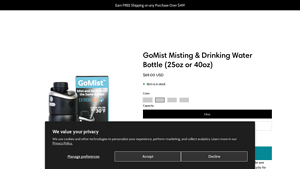
Domain: extrememist.com
Registered: 2017 (8 years)
Introduction: GoMist Misting & Drinking Bottle
– Price: $69.00 USD
– Capacity Options: 25oz (739mL) and 40oz (1180mL)
– Colors Available: Black, White, Teal, Pink
– Features:
– 2-in-1 hydration and misting technology
– Electronic, rechargeable lithium-ion battery
– One-touch power button for instant mist
– Two misting speeds: Gentle and Turbo
– Auto shut-off feature after 2 minutes
– High-quality, d…
2. O2COOL – Mist ‘N Sip® Splash
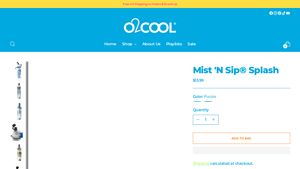
Domain: o2cool.com
Registered: 1998 (27 years)
Introduction: {“product_name”: “Mist ‘N Sip® Splash”, “brand”: “O2COOL LLC”, “price”: “$13.99”, “colors_available”: [“Purple”, “Blue”], “features”: {“2_in_1_function”: “Push the trigger to mist and squeeze the bottle to sip”, “high_quality_construction”: “Lightweight, food-safe, BPA, BPS, and phthalate free”, “double_wall_insulation”: “Keeps beverages cold for up to 50% longer”, “large_opening”: “Easy to fill w…
3. Framar – Mist Bottle
Domain: reddit.com
Registered: 2005 (20 years)
Introduction: Framar mist bottle – solid quality, lasts 4-6 months, clients often ask to purchase; ys park bottle – highly recommended, worth the price; general consensus on mist bottles is they tend to clog due to hard water; some users prefer traditional spray bottles over mist bottles.
4. Pattern Beauty – Juicy & Joyful Mist Spray Bottle
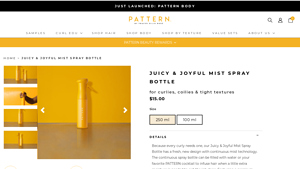
Domain: patternbeauty.com
Registered: 2018 (7 years)
Introduction: Juicy & Joyful Mist Spray Bottle for curly, coily & tight textures. Regular price: $15.00 for 250 ml and $13.00 for 100 ml. Features continuous mist technology, refillable and reusable design, aerosol-free sprayer, and creates a lasting, even mist. Suggested use includes filling with water or mixing with PATTERN products for hydration. Made from PP material. Supports organizations empowering women…
5. Facebook – Mist N Sip
Domain: facebook.com
Registered: 1997 (28 years)
Introduction: A water bottle that sprays mist, called the Mist N Sip. It features a spray function for cooling and hydration.
6. MRH – Alcohol and Scenic Glue Spray Bottles
Domain: forum.mrhmag.com
Registered: 2010 (15 years)
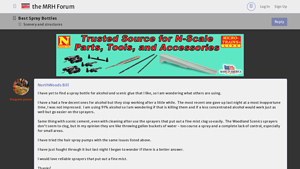
Introduction: 1. **Alcohol Spray Bottles**: Users report difficulty with spray bottles for 91% alcohol, often leading to clogging and malfunction. Recommendations include eyeglass cleaner misters and surplus Windex sprayers as potentially more durable options. 2. **Scenic Glue Spray Bottles**: Heavy-duty conventional spray bottles are mentioned, but they require immediate cleaning after use to prevent clogging….
Strategic Sourcing Conclusion and Outlook for mist water bottle
How Can B2B Buyers Leverage Strategic Sourcing for Mist Water Bottles?
In conclusion, the strategic sourcing of mist water bottles presents a unique opportunity for international B2B buyers, particularly in regions such as Africa, South America, the Middle East, and Europe. The dual functionality of these products—providing both hydration and cooling—positions them as essential items for outdoor activities, sports, and hot climates. Buyers should prioritize suppliers that offer innovative features, such as rechargeable batteries, superior insulation, and ergonomic designs, which enhance user experience and satisfaction.
By aligning purchasing strategies with market demand for high-quality mist water bottles, businesses can not only improve customer engagement but also capitalize on emerging trends in sustainable and multifunctional products. As global temperatures rise, the relevance of these products will only increase, making them a wise addition to any product lineup.
We encourage B2B buyers to actively explore partnerships with manufacturers that prioritize quality and innovation. Investing in these products now will position your business favorably for the future, ensuring you meet the growing consumer demand while contributing to a healthier lifestyle. Embrace the potential of mist water bottles to enhance your offerings and drive success in your market.