
Introduction: Navigating the Global Market for uv drinking bottle
In today’s global market, sourcing a reliable and effective UV drinking bottle poses a significant challenge for international B2B buyers. As water quality concerns rise, especially in regions like Africa, South America, the Middle East, and Europe, the demand for innovative solutions that ensure safe hydration is more pressing than ever. This guide provides a comprehensive overview of the UV drinking bottle landscape, exploring various types, applications, and the critical factors to consider when selecting a supplier.
From understanding the technological advancements that allow these bottles to eliminate harmful contaminants to evaluating the environmental benefits of sustainable options, this resource equips buyers with the knowledge needed to make informed purchasing decisions. We delve into essential aspects such as supplier vetting, cost considerations, and market trends, ensuring you are well-prepared to navigate this evolving sector.
Whether you’re looking to enhance product offerings, meet regulatory standards, or respond to consumer demand for health-conscious products, this guide serves as an authoritative tool for B2B buyers. By providing actionable insights and a thorough analysis of the UV drinking bottle market, we empower you to confidently invest in solutions that align with your business objectives and address the critical need for safe, clean drinking water across diverse markets.
Understanding uv drinking bottle Types and Variations
| اسم النوع | السمات المميزة الرئيسية | تطبيقات B2B الأولية | موجز الإيجابيات والسلبيات للمشترين |
|---|---|---|---|
| Portable UV Water Bottles | Compact design, battery-operated UV-C purification | Outdoor gear retailers, health-focused brands | الإيجابيات: Lightweight, easy to use; السلبيات: Limited capacity, battery life concerns. |
| Self-Cleaning UV Bottles | Automatic disinfection cycle, dual purification modes | Corporate wellness programs, gyms | الإيجابيات: Reduces manual cleaning; السلبيات: Higher price point, potential tech issues. |
| UV-C Water Purification Systems | Integrated filtration and UV-C technology | Hospitality, travel, and tourism | الإيجابيات: التنقية الشاملة; السلبيات: Installation complexity, maintenance required. |
| Smart UV Drinking Bottles | Connectivity features for hydration tracking and reminders | Tech-savvy consumer goods, fitness apps | الإيجابيات: Engages users, promotes hydration; السلبيات: Dependence on apps, higher cost. |
| UV Sterilization Pitchers | Larger capacity for home or office use, UV-C sterilization | Home goods retailers, office supplies | الإيجابيات: Convenient for multiple users; السلبيات: Less portable, requires power source. |
What are the key characteristics of Portable UV Water Bottles?
Portable UV water bottles are designed for convenience and mobility, often featuring a compact size and battery-operated UV-C purification. They are ideal for outdoor enthusiasts and travelers who require safe drinking water on the go. When considering a purchase, B2B buyers should assess the capacity and battery life to ensure it meets the needs of their target market.
How do Self-Cleaning UV Bottles benefit businesses?
Self-cleaning UV bottles automatically initiate a disinfection cycle, which can significantly reduce the need for manual cleaning. This feature is particularly appealing to corporate wellness programs and gyms, where hygiene is a priority. Buyers should evaluate the cost relative to the potential for increased customer satisfaction and loyalty.
What are the advantages of UV-C Water Purification Systems?
UV-C water purification systems integrate advanced filtration with UV-C technology, making them suitable for hospitality and tourism sectors. These systems offer comprehensive purification, ensuring safe drinking water for guests. B2B buyers should consider installation requirements and ongoing maintenance when evaluating these systems for their operations.
How do Smart UV Drinking Bottles enhance user engagement?
Smart UV drinking bottles come equipped with connectivity features that allow users to track hydration levels and receive reminders. This technology appeals to tech-savvy consumers and fitness enthusiasts, making it a valuable addition for brands targeting these demographics. B2B buyers should assess the integration of technology and user experience to maximize market appeal.
Why are UV Sterilization Pitchers relevant for B2B buyers?
UV sterilization pitchers offer a larger capacity option for home or office use, making them suitable for group settings. They provide a practical solution for businesses looking to promote health and wellness among employees or customers. Buyers should consider the power requirements and overall usability when selecting these products for their offerings.
Key Industrial Applications of uv drinking bottle
| الصناعة/القطاع | Specific Application of UV Drinking Bottle | القيمة/الفائدة للأعمال التجارية | اعتبارات التوريد الرئيسية لهذا التطبيق |
|---|---|---|---|
| الضيافة | وسائل الراحة داخل الغرف في الفنادق والمنتجعات | Enhances guest experience by providing safe drinking water | Ensure UV technology meets international safety standards |
| الاستجمام في الهواء الطلق | Camping and adventure gear for tour operators | Promotes safety and convenience for outdoor enthusiasts | Look for durability and portability features |
| الرعاية الصحية | ترطيب المريض في المستشفيات والعيادات | Reduces risk of waterborne infections among patients | Compliance with health regulations and easy sterilization |
| التعليم | Water purification in schools and universities | Supports student health and well-being | Assess capacity and ease of use for large groups |
| Military and Defense | Portable hydration solutions for troops in the field | Ensures access to clean water in remote locations | Evaluate robustness and resistance to harsh environments |
How is the UV Drinking Bottle Utilized in the Hospitality Sector?
In the hospitality industry, UV drinking bottles serve as premium in-room amenities that enhance guest experience. Hotels and resorts can provide guests with a reliable source of purified water, ensuring safety from contaminants. This application not only elevates the brand image but also promotes sustainability by reducing reliance on single-use plastic bottles. B2B buyers in this sector should prioritize UV technology that meets international safety standards and offers a self-cleaning feature to maintain hygiene effortlessly.
What Role Does the UV Drinking Bottle Play in Outdoor Recreation?
For tour operators and outdoor recreation businesses, UV drinking bottles are essential gear for camping and adventure activities. These bottles ensure that adventurers have access to safe drinking water, eliminating concerns about waterborne pathogens. This innovation enhances customer satisfaction and safety, making it a valuable offering for businesses in this sector. When sourcing, companies should focus on the durability and portability of the bottles, ensuring they can withstand rugged outdoor conditions.
How Can UV Drinking Bottles Improve Healthcare Settings?
In healthcare facilities, UV drinking bottles are utilized to provide patients with safe hydration, significantly reducing the risk of waterborne infections. Hospitals and clinics can implement these bottles in patient care protocols, ensuring that all patients have access to purified water. B2B buyers in this industry must ensure that the bottles comply with health regulations and are easy to sterilize, as maintaining hygiene is paramount in medical settings.
Why are UV Drinking Bottles Important for Educational Institutions?
Educational institutions, including schools and universities, can benefit from UV drinking bottles as a means to promote student health. By providing a reliable source of purified water, schools can help reduce illness-related absenteeism. Additionally, these bottles encourage sustainable practices among students. Buyers in this sector should assess the bottles’ capacity and ease of use, especially for large groups, to ensure they meet the needs of the student population effectively.
How Do Military and Defense Applications Leverage UV Drinking Bottles?
In military and defense operations, UV drinking bottles are crucial for providing troops with access to clean water in remote locations. This technology ensures that soldiers can hydrate safely, even in challenging environments. When sourcing these bottles, military buyers should evaluate their robustness and resistance to harsh conditions, ensuring that they can endure the rigors of field operations while maintaining functionality.
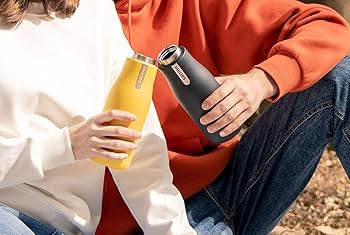
A stock image related to uv drinking bottle.
3 Common User Pain Points for ‘uv drinking bottle’ & Their Solutions
Scenario 1: Concerns About Water Contamination in Remote Locations
المشكلة B2B buyers, particularly those sourcing for outdoor adventure companies or humanitarian organizations, often face the challenge of ensuring safe drinking water in remote locations where access to clean water is limited. In areas with inadequate infrastructure, the risk of waterborne illnesses due to contaminated sources is heightened, making it imperative to provide a reliable means of purification for users who may not have access to traditional filtration systems.
الحل: To address this issue, buyers should prioritize sourcing UV drinking bottles that feature robust UV-C technology capable of eliminating up to 99.9% of harmful pathogens. When evaluating suppliers, look for certifications such as NSF/ANSI 53, which ensure the product meets health-related contaminant standards. Additionally, educate end-users on the correct operational procedures of these bottles, including the necessary exposure time for effective purification, which is typically one minute for normal use and up to three minutes for more contaminated sources. Providing training materials or guides on the importance of using these bottles consistently can enhance user compliance and safety in the field.
Scenario 2: Maintenance and Longevity of UV Drinking Bottles
المشكلة B2B buyers representing corporate wellness programs or outdoor retailers may encounter challenges related to the maintenance and longevity of UV drinking bottles. Users might struggle with ensuring the bottles remain clean and functional, leading to potential dissatisfaction and product returns. Moreover, the self-cleaning feature, while beneficial, may not be understood or utilized correctly by all users, resulting in reduced effectiveness over time.
الحل: To mitigate these concerns, buyers should choose UV drinking bottles that not only incorporate self-cleaning features but also come with clear user instructions and maintenance guidelines. Look for products that have durable materials, such as stainless steel, which can withstand rigorous use and are easier to clean. Additionally, consider partnering with manufacturers that offer customer support and educational resources, including videos or webinars that demonstrate proper usage and maintenance. Providing customers with a subscription service for replacement parts, such as filters or UV bulbs, can also ensure longevity and consistent performance, enhancing overall user satisfaction and reducing return rates.
Scenario 3: Cost-Effectiveness and Return on Investment
المشكلة For B2B buyers, particularly in emerging markets in Africa and South America, the initial investment in UV drinking bottles can be perceived as high, which may lead to hesitancy in adoption. Organizations focused on sustainability may also grapple with justifying the cost against single-use plastic alternatives, especially in regions where budget constraints are significant.
الحل: To overcome cost-related concerns, buyers should emphasize the long-term savings associated with UV drinking bottles, such as the reduction in single-use plastic waste and the decrease in bottled water purchases. Conduct a thorough analysis of the total cost of ownership, which includes not only the initial purchase but also potential savings from reduced health risks and environmental impact. Present case studies or data that illustrate how businesses and organizations have successfully integrated UV drinking bottles into their operations, showcasing measurable benefits such as improved employee health and reduced carbon footprints. Additionally, explore bulk purchasing options or partnerships with manufacturers that offer discounts for larger orders, making the investment more accessible and attractive to cost-conscious buyers.
Strategic Material Selection Guide for uv drinking bottle
What Materials Are Commonly Used in UV Drinking Bottles?
When selecting materials for UV drinking bottles, B2B buyers must consider various factors that influence product performance, durability, and compliance with international standards. Below is an analysis of four common materials used in the construction of UV drinking bottles: stainless steel, BPA-free plastic, Tritan™, and glass.
How Does Stainless Steel Perform in UV Drinking Bottles?
Stainless steel is a popular choice for UV drinking bottles due to its excellent durability and corrosion resistance. It typically has a high-temperature rating, making it suitable for both hot and cold beverages. The material is also non-reactive, ensuring that it does not impart any flavors or chemicals into the water.
الإيجابيات: Stainless steel is highly durable and resistant to impact and rust. It is easy to clean and can withstand a wide range of temperatures. Additionally, it is recyclable, which appeals to environmentally conscious consumers.
السلبيات: The primary drawback is its cost, as stainless steel bottles tend to be more expensive than plastic alternatives. Manufacturing complexity can also be higher due to the need for specialized equipment for shaping and welding.
التأثير على التطبيق: Stainless steel is compatible with a variety of media, including acidic beverages, making it versatile for different consumer preferences.
اعتبارات للمشترين الدوليين: Buyers in regions like the Middle East and Europe must ensure compliance with food safety standards such as ASTM and EU regulations. The higher cost may also affect pricing strategies in developing markets in Africa and South America.
What Are the Benefits of BPA-Free Plastic?
BPA-free plastic is another common material used in UV drinking bottles, particularly for its lightweight nature and affordability. This type of plastic can withstand moderate temperatures and is generally resistant to impact.
الإيجابيات: The primary advantage of BPA-free plastic is its cost-effectiveness and lightweight properties, making it ideal for consumers who prioritize portability. It is also available in various colors and designs, appealing to a broad market.
السلبيات: While BPA-free plastic is safer than traditional plastics, it may not be as durable as stainless steel and can be prone to scratches and wear over time. It also has a lower temperature tolerance, which may limit its use for hot beverages.
التأثير على التطبيق: This material is suitable for non-acidic beverages and is widely accepted in consumer markets.
اعتبارات للمشترين الدوليين: Buyers should confirm that the plastic meets local safety standards and regulations, especially in regions with strict environmental policies, such as Europe.
Why Choose Tritan™ for UV Drinking Bottles?
Tritan™ is a copolyester that offers a glass-like clarity while being shatter-resistant. It is gaining popularity in the UV drinking bottle market due to its durability and safety features.
الإيجابيات: Tritan™ is BPA-free, dishwasher safe, and resistant to odors and stains. Its clarity allows for an attractive presentation of the liquid inside, appealing to consumers.
السلبيات: While Tritan™ is durable, it can be more expensive than standard BPA-free plastics. Additionally, it may not withstand high temperatures as well as stainless steel.
التأثير على التطبيق: Tritan™ is suitable for a wide range of beverages, including juices and flavored waters, but should be avoided for high-temperature liquids.
اعتبارات للمشترين الدوليين: Buyers should verify that Tritan™ products comply with relevant safety standards in their regions, particularly in markets like Brazil, where consumer safety is paramount.
What Are the Advantages of Glass in UV Drinking Bottles?
Glass is a traditional material that offers a premium feel and is completely inert, meaning it does not leach chemicals into beverages. It is also fully recyclable.
الإيجابيات: Glass provides excellent clarity and does not absorb flavors or odors. It is highly durable against chemical reactions and can maintain the temperature of beverages effectively.
السلبيات: The main limitations of glass are its weight and fragility, making it less suitable for outdoor activities. It is also more expensive than plastic options.
التأثير على التطبيق: Glass is ideal for consumers who prioritize taste and presentation, particularly for water and premium beverages.
اعتبارات للمشترين الدوليين: Buyers must consider the logistics of shipping glass products, as they are more prone to breakage. Compliance with safety regulations is also critical, especially in regions with stringent import standards.
Summary Table of Material Selection for UV Drinking Bottles
| المواد | Typical Use Case for UV Drinking Bottle | الميزة الرئيسية | العيب/التقييد الرئيسي | التكلفة النسبية (منخفضة/متوسطة/مرتفعة) |
|---|---|---|---|---|
| الفولاذ المقاوم للصدأ | Outdoor, travel, fitness | Highly durable and corrosion-resistant | Higher cost and manufacturing complexity | عالية |
| بلاستيك خال من BPA | Everyday use, kids | خفيفة الوزن وفعالة من حيث التكلفة | Less durable, lower temperature tolerance | منخفضة |
| تريتان™Tritan | Sports, casual use | Shatter-resistant, attractive clarity | أغلى من البلاستيك القياسي | متوسط |
| زجاج | Premium beverages, home use | Inert, does not leach chemicals | ثقيل وهش | عالية |
This strategic material selection guide aims to assist B2B buyers in making informed decisions regarding the materials used in UV drinking bottles, ensuring they meet their specific market needs and compliance requirements.
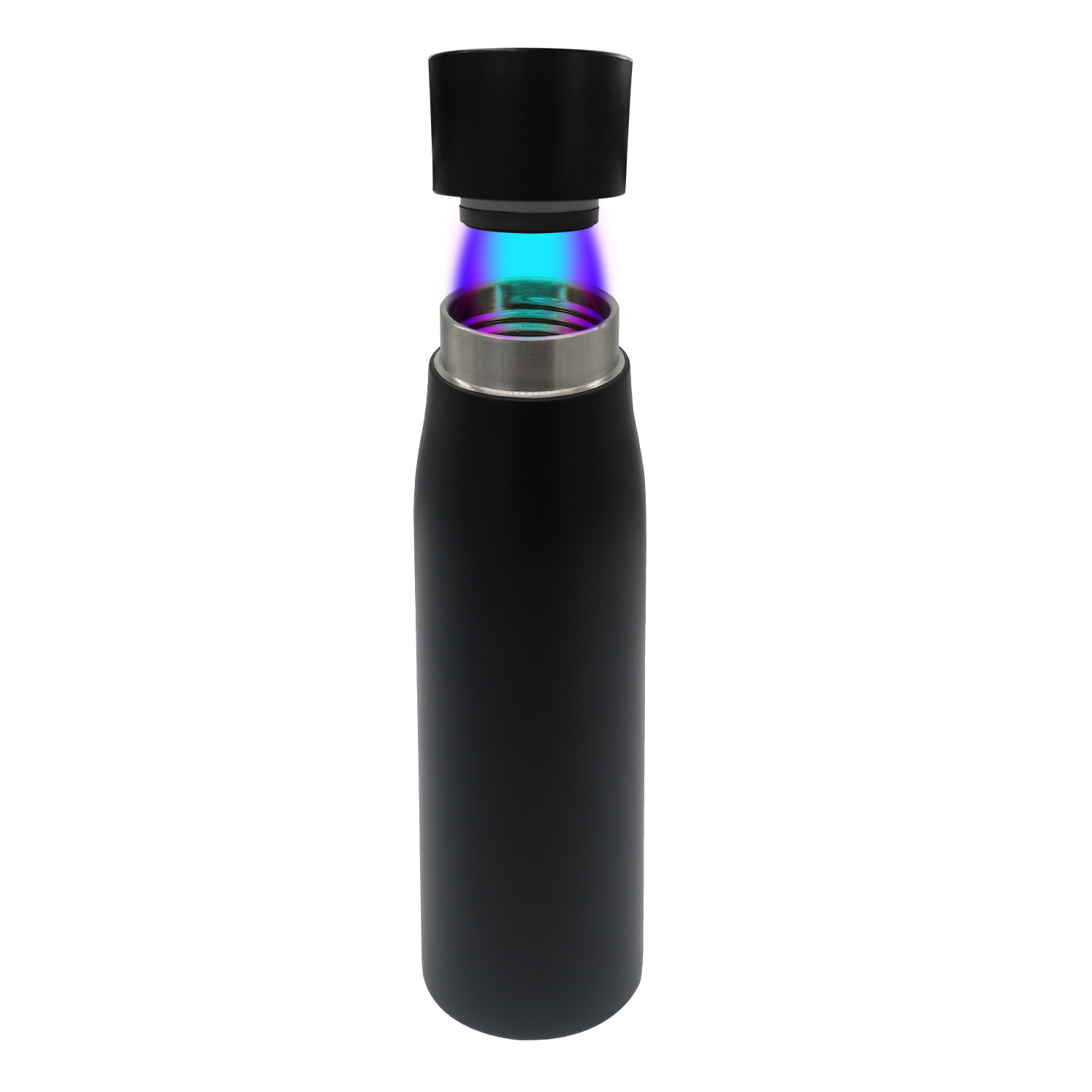
A stock image related to uv drinking bottle.
In-depth Look: Manufacturing Processes and Quality Assurance for uv drinking bottle
What Are the Key Stages in the Manufacturing Process of UV Drinking Bottles?
The manufacturing of UV drinking bottles typically involves several critical stages that ensure both functionality and quality. Understanding these stages can help B2B buyers assess potential suppliers effectively.
Material Preparation: What Materials Are Used in UV Drinking Bottles?
The primary materials used in the production of UV drinking bottles include food-grade stainless steel (such as SUS 304) for the body, and high-quality plastic (like polypropylene) for the lids. The selection of these materials is crucial as they need to withstand UV-C light exposure while being safe for long-term use.
Before the manufacturing process begins, materials undergo rigorous quality assessments. Suppliers should provide certificates of compliance that verify the materials meet international safety standards. This is particularly important for B2B buyers in regions like Africa and South America, where regulatory frameworks may differ.
How Are UV Drinking Bottles Formed and Assembled?
After material preparation, the next stage is forming. This involves processes such as injection molding for the plastic components and deep drawing for the stainless-steel body. These techniques ensure that components fit together seamlessly and are robust enough to endure everyday use.
Once formed, the assembly stage begins. This includes integrating the UV-C light system, which is often housed within the cap or lid. The assembly must be executed with precision to ensure that the UV-C light effectively purifies the water without any leakage.
What Finishing Techniques Are Applied to UV Drinking Bottles?
Finishing processes are essential to enhance the aesthetic appeal and durability of the bottles. Techniques such as surface polishing, coating, or anodizing are commonly employed. These not only provide a sleek look but also protect against corrosion and scratches.
Final inspection occurs during the finishing stage, where each bottle is checked for visual defects and overall quality. This step is critical as it ensures that only high-quality products reach the market.
How Is Quality Assurance Implemented in UV Drinking Bottle Manufacturing?
Quality assurance (QA) is vital in the production of UV drinking bottles to maintain safety and performance standards. Various international standards and industry-specific certifications play a crucial role in this process.
ما هي المعايير الدولية التي يجب أن يبحث عنها مشترو B2B؟
For UV drinking bottles, compliance with international standards such as ISO 9001 is essential. This standard ensures that manufacturers follow a systematic approach to quality management, improving customer satisfaction and operational efficiency.
Additionally, certifications like CE mark (for products sold in Europe) and ANSI standards (for health-related products) are significant. These certifications indicate that the products meet specific safety and performance criteria, which is particularly important for international buyers from Europe, the Middle East, and beyond.
ما هي نقاط التحقق الرئيسية لمراقبة الجودة في التصنيع؟
Quality control (QC) checkpoints are established throughout the manufacturing process to maintain product integrity. The three primary QC checkpoints include:
-
مراقبة الجودة الواردة (IQC): This stage involves inspecting raw materials before production begins. B2B buyers should request IQC reports to ensure that materials meet the required specifications.
-
مراقبة الجودة أثناء العملية (IPQC): During the manufacturing process, regular inspections are conducted to monitor the quality of components. This includes verifying the functionality of the UV-C light system and ensuring that assembly processes are executed correctly.
-
مراقبة الجودة النهائية (FQC): At this stage, completed bottles undergo rigorous testing to verify their performance and safety. Common testing methods include leak testing, UV-C effectiveness testing, and durability assessments. B2B buyers should inquire about the specific tests conducted and request FQC reports.
How Can B2B Buyers Verify Supplier Quality Control Measures?
To ensure that potential suppliers adhere to high-quality standards, B2B buyers can take several proactive steps:
-
عمليات تدقيق الموردين: Conducting on-site audits allows buyers to assess the manufacturing processes and quality control measures firsthand. This is particularly useful for buyers in emerging markets, where local suppliers may vary in their adherence to international standards.
-
طلب تقارير الجودة: Suppliers should provide documentation such as inspection reports, testing certificates, and compliance certificates. These documents offer insights into the supplier’s commitment to quality.
-
عمليات التفتيش من طرف ثالث: Engaging independent third-party inspection services can provide an unbiased assessment of the supplier’s quality control processes. These inspections can help identify any potential issues before placing large orders.
What Nuances Should International B2B Buyers Be Aware Of?
When sourcing UV drinking bottles, international buyers must navigate various regulatory and cultural nuances. For instance, understanding local safety regulations in countries like Saudi Arabia or Brazil can significantly affect product compliance.
Additionally, language barriers and differing business practices may pose challenges in communication. Establishing clear lines of communication and ensuring that all parties understand quality expectations can mitigate these issues.
In conclusion, a thorough understanding of the manufacturing processes and quality assurance protocols for UV drinking bottles can empower B2B buyers to make informed sourcing decisions. By focusing on material quality, manufacturing techniques, and robust QC measures, businesses can ensure they receive products that meet their operational needs and regulatory requirements.
Practical Sourcing Guide: A Step-by-Step Checklist for ‘uv drinking bottle’
مقدمة
This practical sourcing guide is designed to assist B2B buyers in procuring UV drinking bottles, which are increasingly popular for their ability to purify water and promote sustainability. By following this checklist, you can ensure a thorough evaluation of potential suppliers and products, facilitating informed purchasing decisions that meet your business needs.
1. Identify Your Target Market Needs
Understanding the specific requirements of your target market is essential. Consider factors such as local water quality issues, consumer preferences for features (like self-cleaning capabilities), and sustainability concerns. Tailoring your product selection to meet these needs will enhance customer satisfaction and market competitiveness.
2. تحديد المواصفات الفنية الخاصة بك
Clearly outline the technical specifications you require in a UV drinking bottle. This includes UV-C effectiveness (e.g., ability to eliminate 99.9% of germs), materials used (like food-grade stainless steel), and size options. Establishing these criteria upfront will streamline the sourcing process and ensure you select products that align with your business standards.
3. البحث عن الموردين المحتملين
Conduct thorough research to identify suppliers with a proven track record in manufacturing UV drinking bottles. Look for companies that specialize in water purification technologies and have positive customer reviews. Utilize online platforms, trade shows, and industry publications to gather information and narrow down your options.
4. Evaluate Supplier Certifications and Compliance
Ensure that potential suppliers possess relevant certifications, such as ISO 9001 for quality management or NSF/ANSI certifications for water filtration. These certifications provide assurance that the products meet industry standards for safety and performance. Request copies of certification documents and verify their validity.
5. Request Product Samples
Before making a bulk purchase, request samples of the UV drinking bottles. Testing samples allows you to evaluate product quality, functionality, and user experience. Pay attention to aspects like the effectiveness of the UV purification, ease of use, and the overall design of the bottle.
6. التفاوض على الأسعار والشروط
Once you have identified suitable suppliers and evaluated their products, initiate negotiations on pricing and payment terms. Consider factors such as bulk order discounts, shipping costs, and warranty conditions. Establishing favorable terms can significantly impact your overall cost structure and profitability.
7. Establish a Quality Control Process
Implement a quality control process to ensure that the UV drinking bottles received meet your specifications. This may include conducting inspections upon delivery and setting up a return policy for defective items. A robust quality control process helps maintain product integrity and enhances customer trust.
By following this checklist, B2B buyers can effectively navigate the sourcing process for UV drinking bottles, ensuring they select the right products and suppliers for their business needs.
Comprehensive Cost and Pricing Analysis for uv drinking bottle Sourcing
What Are the Key Cost Components in Sourcing UV Drinking Bottles?
When analyzing the cost structure for UV drinking bottles, several components come into play. The primary cost elements include:
-
المواد: High-quality materials such as stainless steel and BPA-free plastics are crucial for durability and safety. The use of UV-C technology also necessitates specialized components, which can increase material costs.
-
العمالة: Labor costs vary significantly depending on the manufacturing location. Countries with lower labor costs may offer competitive pricing but may compromise on quality. Conversely, regions with higher wages often provide better craftsmanship and quality assurance.
-
نفقات التصنيع الزائدة: This includes costs associated with facility operations, utilities, and equipment maintenance. Efficient manufacturing processes can help reduce these costs.
-
الأدوات: Initial tooling costs for molds and machinery can be substantial, especially for custom designs. These costs are typically amortized over the production run, influencing the pricing structure.
-
مراقبة الجودة (QC): Implementing rigorous QC processes ensures product reliability and compliance with safety standards. This can add to overall costs but is essential for maintaining brand reputation.
-
الخدمات اللوجستية: Shipping and transportation costs, influenced by the distance to target markets and shipping methods, play a significant role in total costs. International logistics can be particularly complex due to customs, duties, and tariffs.
-
الهامش: The desired profit margin will also affect pricing. Manufacturers must balance competitive pricing with profitability, which can vary based on market demand and positioning.
How Do Price Influencers Affect UV Drinking Bottle Sourcing?
Several factors can significantly influence pricing in the UV drinking bottle market:
-
الحجم/معدل العرض/الطلب: Bulk orders often lead to lower unit prices. Understanding the minimum order quantities (MOQs) can help buyers negotiate better deals.
-
المواصفات والتخصيص: Custom designs, branding, or additional features like advanced filtration systems can increase costs. Buyers should weigh the benefits against the added expenses.
-
جودة المواد والشهادات: Bottles that meet specific safety and environmental certifications may command higher prices. Buyers should ensure that materials used are not only safe but also sustainable.
-
عوامل الموردين: The reputation and reliability of suppliers can affect pricing. Established suppliers with strong track records may charge more, but they often provide better service and quality assurance.
-
المصطلحات التجارية الدولية: Understanding the Incoterms (International Commercial Terms) is essential for international buyers. These terms dictate responsibilities regarding shipping costs, insurance, and liability, which can impact the total landed cost.
What Buyer Tips Can Help Achieve Cost Efficiency?
B2B buyers looking to source UV drinking bottles should consider the following strategies for cost efficiency:
-
التفاوض: Effective negotiation can lead to better pricing and terms. Buyers should be prepared to discuss volume commitments and long-term partnerships to secure favorable deals.
-
التكلفة الإجمالية للملكية (TCO): Consider the TCO, which includes not just the purchase price but also shipping, customs, storage, and maintenance costs over the product’s lifecycle. This holistic view can uncover savings opportunities.
-
الفروق الدقيقة في التسعير للمشترين الدوليين: Buyers from regions like Africa, South America, the Middle East, and Europe should be aware of currency fluctuations and potential import duties that can affect pricing. Partnering with local distributors can sometimes mitigate these costs.
-
Research and Comparison: Conduct thorough market research to compare prices and features across different suppliers. This ensures that you are making informed decisions and not overpaying for similar products.
-
Long-term Partnerships: Establishing long-term relationships with suppliers can lead to better pricing and service. Suppliers may offer discounts or priority service for repeat customers.
إخلاء المسؤولية عن الأسعار الاسترشادية
Pricing for UV drinking bottles can vary widely based on the factors discussed above. The figures mentioned in this analysis are indicative and subject to change based on market conditions, supplier negotiations, and specific buyer requirements. Always conduct due diligence and request quotes from multiple suppliers to ensure competitive pricing tailored to your needs.
Alternatives Analysis: Comparing uv drinking bottle With Other Solutions
Exploring Alternatives for UV Drinking Bottles
As B2B buyers seek effective solutions for safe and convenient hydration, understanding various alternatives to UV drinking bottles is crucial. While UV technology is a popular choice for water purification, other methods and products also offer viable benefits. This section will compare UV drinking bottles with two alternative solutions: traditional water filtration systems and portable water purification tablets.
جدول المقارنة
| جانب المقارنة | Uv Drinking Bottle | Traditional Water Filtration System | أقراص تنقية المياه المحمولة |
|---|---|---|---|
| الأداء | Eliminates 99.9% of pathogens; provides immediate purification | Reduces contaminants but may not eliminate all pathogens; depends on filter quality | Effective against bacteria and viruses, but may leave chemical contaminants |
| التكلفة | $80-$150 per bottle | $30-$500 depending on system type | $10-$30 per pack |
| سهولة التنفيذ | Ready to use; requires charging | Requires installation and maintenance | Simple; just add to water |
| الصيانة | Minimal; charging and cleaning | يلزم استبدال الفلتر بانتظام | No maintenance; single-use |
| أفضل حالة استخدام | On-the-go hydration; travel; outdoor activities | Home or office use; high volume needs | Emergency situations; hiking; travel |
التقسيم التفصيلي للبدائل
What Are the Benefits and Drawbacks of Traditional Water Filtration Systems?
Traditional water filtration systems, such as pitcher filters or under-sink units, utilize activated carbon and other filtration media to remove various contaminants. They excel in providing clean, great-tasting water for daily use. However, their performance can vary widely based on the filter quality, and they may not eliminate all pathogens, particularly in untreated water sources. The initial setup cost can be high, and regular maintenance is necessary to ensure optimal performance.
How Do Portable Water Purification Tablets Compare to UV Drinking Bottles?
Portable water purification tablets are an economical and lightweight solution for ensuring safe drinking water, especially in emergency situations. These tablets typically contain chlorine dioxide or iodine, which effectively kill bacteria and viruses. While they are easy to use—simply adding them to water—their effectiveness against chemical contaminants is limited. Moreover, the taste of treated water may not be appealing to all users, and they require time to work, making them less suitable for immediate hydration needs.
Conclusion: How to Choose the Right Hydration Solution for Your Needs
When selecting a hydration solution, B2B buyers should consider factors such as the intended use, cost, and maintenance requirements. UV drinking bottles offer advanced purification technology ideal for on-the-go hydration, while traditional filtration systems provide a robust option for home or office environments. Portable purification tablets serve as a reliable backup in emergency situations. Ultimately, the choice will depend on specific operational needs, budget constraints, and the environmental conditions in which the product will be used. Prioritizing these aspects will ensure a well-informed decision that aligns with organizational goals for health and safety.
Essential Technical Properties and Trade Terminology for uv drinking bottle
What Are the Essential Technical Properties of UV Drinking Bottles?
Understanding the technical properties of UV drinking bottles is crucial for B2B buyers seeking to evaluate product quality and performance. Here are key specifications to consider:
1. درجة المادة
UV drinking bottles are typically constructed from high-grade materials such as stainless steel (SUS 304) or food-grade polypropylene (PP). The choice of material impacts durability, safety, and taste. Stainless steel is preferred for its resistance to corrosion and ability to maintain temperature, while PP is lightweight and offers a good balance of strength and chemical resistance. Buyers should prioritize bottles that use BPA-free materials to ensure safety.
2. UV-C Light Efficacy
The effectiveness of the UV-C light in purifying water is a critical specification. Most UV drinking bottles claim to eliminate up to 99.9% of harmful bacteria and viruses. The intensity of the UV-C light and the duration of exposure significantly influence purification results. A bottle that offers multiple purification modes (e.g., normal and adventure modes) provides flexibility for various environments, from urban to wilderness settings.
3. السعة
The capacity of UV drinking bottles generally ranges from 500 ml to 1,000 ml. This specification is important for B2B buyers as it affects consumer usability and market positioning. Larger capacities are preferred for outdoor activities, while smaller, more portable options appeal to urban users. Understanding market demand in specific regions, such as Africa or South America, can guide capacity selection.
4. Self-Cleaning Functionality
A self-cleaning feature is an advanced property that enhances user convenience. This function utilizes UV-C light to disinfect the bottle after each use, eliminating odors and bacterial build-up. For B2B buyers, this adds value by reducing maintenance needs and promoting hygiene, which is particularly important in regions with varying water quality.
5. Battery Life and Charging Options
Most UV drinking bottles are powered by rechargeable batteries. Battery life can vary significantly, with some models offering up to a month of usage on a single charge. Additionally, the availability of USB charging options enhances convenience for consumers. B2B buyers should consider battery longevity and charging convenience as they affect user experience and product appeal.
What Are Common Trade Terminology and Jargon Used in the UV Drinking Bottle Industry?
Familiarity with industry terminology is essential for effective communication and negotiation in the B2B space. Here are key terms to know:
1. OEM (الشركة المصنعة للمعدات الأصلية)
OEM refers to companies that produce products that are marketed under another brand’s name. In the context of UV drinking bottles, buyers may work with OEMs to customize products to meet specific requirements or branding needs. Understanding OEM relationships can help buyers secure competitive pricing and quality assurance.
2. موك (الحد الأدنى لكمية الطلب)
MOQ is the minimum number of units a supplier is willing to sell in a single order. This term is critical for B2B buyers as it impacts inventory management and cost-effectiveness. Buyers should negotiate MOQs that align with their sales forecasts and cash flow.
3. طلب عرض الأسعار (RFQ)
An RFQ is a formal document sent to suppliers requesting pricing and terms for specific products. In the UV drinking bottle market, an RFQ can help buyers compare offers and negotiate better deals. A well-structured RFQ can streamline the purchasing process and ensure all technical specifications are clearly communicated.
4. إنكوترمز (الشروط التجارية الدولية)
Incoterms are standardized trade terms that define the responsibilities of buyers and sellers in international transactions. Understanding Incoterms is vital for B2B buyers importing UV drinking bottles, as they affect shipping costs, risk, and liability. Common terms include FOB (Free on Board) and CIF (Cost, Insurance, and Freight).
5. Certification Standards
Certification standards such as NSF/ANSI indicate compliance with safety and health regulations. For UV drinking bottles, certifications ensure that products meet specific performance criteria for water purification and material safety. B2B buyers should prioritize suppliers who adhere to these standards, as they enhance product credibility and marketability.
By grasping these essential technical properties and trade terminologies, B2B buyers can make informed decisions, ensuring they choose high-quality UV drinking bottles that meet market demands and regulatory standards.
Navigating Market Dynamics and Sourcing Trends in the uv drinking bottle Sector
What Are the Key Market Dynamics and Trends in the UV Drinking Bottle Sector?
The UV drinking bottle market is witnessing significant growth, driven by a global increase in health awareness and the demand for safe drinking water. In regions like Africa, South America, the Middle East, and Europe, international B2B buyers are increasingly focused on sourcing products that offer advanced purification technologies. The rise of eco-conscious consumers is pushing brands to innovate, leading to the introduction of self-cleaning features using UV-C light, which can eliminate up to 99.9% of harmful pathogens. This technology not only enhances product safety but also appeals to consumers looking for convenience and sustainability.
Emerging trends in B2B sourcing include the integration of smart technologies, such as hydration tracking and mobile app connectivity, which allow users to monitor their water intake and environmental impact. Additionally, the shift towards direct-to-consumer sales models is altering traditional distribution channels, enabling manufacturers to engage more directly with end-users, thus enhancing brand loyalty and customer satisfaction. Buyers from regions like Saudi Arabia and Brazil are keen to partner with manufacturers who can provide unique selling propositions, such as customization options and robust warranties, that align with local market preferences.
How Are Sustainability and Ethical Sourcing Shaping the UV Drinking Bottle Market?
Sustainability is a cornerstone of the UV drinking bottle sector, as consumers and businesses alike are increasingly aware of the environmental impact of single-use plastics. This shift is prompting B2B buyers to prioritize products made from sustainable materials, such as stainless steel and BPA-free plastics, which reduce the carbon footprint associated with traditional bottled water. Furthermore, certifications such as NSF/ANSI for health-related contaminants and ISO standards for environmental management are becoming essential criteria for buyers when evaluating suppliers.
Ethical sourcing practices are also gaining traction, with a focus on transparency in the supply chain. Buyers are looking for manufacturers who can demonstrate responsible sourcing of materials and fair labor practices. This commitment to sustainability and ethical practices not only enhances brand reputation but also meets the expectations of increasingly environmentally-conscious consumers, particularly in Europe and North America. B2B buyers should consider partnering with companies that invest in sustainable technologies and practices, as this can lead to long-term cost savings and improved market competitiveness.
What Is the Brief Evolution of the UV Drinking Bottle Market?
The UV drinking bottle market has evolved significantly over the past two decades, with its roots tracing back to the increasing global concern over water safety and the proliferation of bottled water consumption. Initially, the focus was primarily on filtration systems, but advancements in UV-C technology have transformed the landscape, providing more effective and convenient purification solutions. The introduction of self-cleaning bottles marked a significant milestone, as consumers began to prioritize hygiene and ease of use.
As technology continues to advance, we see a growing integration of smart features, such as UV-C sensors and mobile connectivity, allowing for enhanced user engagement and personalization. This evolution reflects a broader trend in the consumer goods sector towards products that not only meet functional needs but also align with lifestyle preferences and sustainability goals. B2B buyers should remain attentive to these trends to capitalize on emerging opportunities within this dynamic market.
Frequently Asked Questions (FAQs) for B2B Buyers of uv drinking bottle
-
1. How do I ensure the UV drinking bottles meet international quality standards?
To ensure UV drinking bottles comply with international quality standards, request certifications such as ISO 9001, FDA approval, or relevant local certifications. Engage in third-party testing for safety and performance, specifically for UV-C effectiveness in eliminating pathogens. Establish clear quality assurance processes with your supplier, including routine inspections and audits. Additionally, consider suppliers who have a proven track record in exporting to your region, as they are more likely to understand and meet local regulatory requirements. -
2. What is the best UV drinking bottle for outdoor use?
The best UV drinking bottle for outdoor use should feature durable materials like stainless steel and a robust UV-C purification system that effectively eliminates 99.9% of harmful bacteria. Look for bottles with self-cleaning capabilities, lightweight designs, and insulation to maintain temperature. Brands such as LARQ or Purian are popular choices due to their advanced technology and reliability. Consider additional features like easy portability and leak-proof designs to enhance usability during outdoor activities. -
3. What customization options are available for UV drinking bottles?
Many suppliers offer customization options for UV drinking bottles, including branding, color choices, and size variations. Some manufacturers allow you to modify design elements such as logos, packaging, and even the UV-C technology used. It’s essential to communicate your specific requirements early in the negotiation process to ensure that the manufacturer can accommodate your needs. Additionally, inquire about minimum order quantities (MOQs) for customized products, as these can vary significantly between suppliers. -
4. What are the typical payment terms when sourcing UV drinking bottles internationally?
Typical payment terms for sourcing UV drinking bottles internationally may include options such as 30% deposit upfront and 70% upon shipment, or net 30/60 days after delivery. Letters of credit (LCs) are also common, providing security for both parties. Always clarify payment methods accepted by the supplier, such as bank transfers, PayPal, or trade financing. Ensure that the terms are documented in the purchase agreement to avoid misunderstandings later. -
5. How can I vet suppliers of UV drinking bottles for reliability?
To vet suppliers of UV drinking bottles, research their company history, customer reviews, and previous export experience. Request references from other businesses they have worked with, particularly in your region. Additionally, visit their manufacturing facilities if possible or request virtual tours to assess production quality. Checking for certifications and compliance with international standards can also provide insight into their reliability and commitment to quality. -
6. What logistics considerations should I keep in mind when importing UV drinking bottles?
When importing UV drinking bottles, consider logistics aspects such as shipping methods (air vs. sea), customs clearance, and import duties in your country. Ensure that your supplier is familiar with international shipping regulations and can provide necessary documentation, including invoices and packing lists. Partnering with a reliable freight forwarder can streamline the process, help navigate potential delays, and ensure that your goods arrive safely and on time. -
7. What quality assurance practices should I implement when sourcing UV drinking bottles?
Implementing quality assurance practices when sourcing UV drinking bottles involves setting clear quality expectations with your supplier, including detailed specifications and testing protocols. Conduct pre-shipment inspections to verify product quality and compliance with standards. It’s also beneficial to establish a return policy for defective items. Regularly review the supplier’s performance and maintain open communication to address any quality issues promptly. -
8. Are there any specific regulations for UV drinking bottles in international markets?
Yes, regulations for UV drinking bottles can vary by country. In regions like Europe, products must comply with EU regulations concerning food safety and materials in contact with food. In the Middle East and Africa, local standards may govern health and safety, requiring specific certifications. Research the regulations applicable to your target market and ensure your supplier can provide the necessary documentation to demonstrate compliance. This can help avoid customs issues and ensure market access.
تنويه هام وشروط الاستخدام
⚠️ إخلاء مسؤولية مهم ⚠️
المعلومات الواردة في هذا الدليل، بما في ذلك المحتوى المتعلق بالمصنعين والمواصفات الفنية وتحليل السوق، هي لأغراض إعلامية وتعليمية فقط. وهي لا تشكل مشورة مهنية في مجال المشتريات أو مشورة مالية أو مشورة قانونية.
على الرغم من أننا بذلنا كل جهد ممكن لضمان دقة المعلومات ودقة توقيتها، إلا أننا لسنا مسؤولين عن أي أخطاء أو سهو أو معلومات قديمة. تخضع ظروف السوق وتفاصيل الشركة والمعايير الفنية للتغيير.
يجب على المشترين بين الشركات إجراء العناية الواجبة المستقلة والشاملة الخاصة بهم قبل اتخاذ أي قرارات شراء. ويشمل ذلك الاتصال بالموردين مباشرة، والتحقق من الشهادات، وطلب عينات، وطلب الاستشارات المهنية. يتحمل القارئ وحده مخاطر الاعتماد على أي معلومات واردة في هذا الدليل.
Top 7 Uv Drinking Bottle Manufacturers & Suppliers List
1. LARQ – Self-Cleaning Water Bottle
المجال: livelarq.com
مسجل: 2018 (7 سنوات)
مقدمة: LARQ Self-cleaning Water Bottle; Featured on Shark Tank; Free shipping on orders; Earn points through Hydration Club; Offers water bottles, pitchers with Nano Zero filtration, and accessories; Analyzes tap water quality for contaminants like chlorine, lead, mercury, asbestos, chloramine, VOCs, and PFAS; Filters recommended: NSF/ANSI 42 and NSF/ANSI 53.
2. Sierra Madre Research – Purian UV Water Bottle
المجال: sierramadreresearch.com
Registered: 2011 (14 years)
مقدمة: This company, Sierra Madre Research – Purian UV Water Bottle, is a notable entity in the market. For specific product details, it is recommended to visit their website directly.
3. Livesans – Sans Self-Cleaning Water Bottle
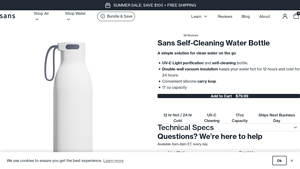
المجال: لايفانس دوت كوم
مسجل: 2018 (7 سنوات)
مقدمة: {“product_name”: “Sans Self-Cleaning Water Bottle”, “price”: “$79.99”, “capacity”: “17 fl. oz. / 500ml”, “dimensions”: “9.1\” x 2.9\” / 230mm x 74mm”, “battery”: “220mAh”, “waterproof_rating”: “IPX7”, “insulation”: “Vacuum-sealed, double walled stainless steel”, “display”: “LED UV-C Light, 280nm wavelength”, “bottle_body_material”: “Food grade austenitic 304 stainless steel”, “lid_material”: “Food…
4. Cnet – Self-Cleaning Water Bottles
المجال: cnet.com
مسجل: 1994 (31 سنة)
مقدمة: This company, Cnet – Self-Cleaning Water Bottles, is a notable entity in the market. For specific product details, it is recommended to visit their website directly.
5. Reddit – UV Water Treatment Device
المجال: reddit.com
مسجل: 2005 (20 سنة)
مقدمة: UV water treatment device, Australian owned, lasts approximately one month on a charge, lightweight, fits in a sling, currently on sale for $65 AUD.
6. Glacier – UV LED Water Bottle
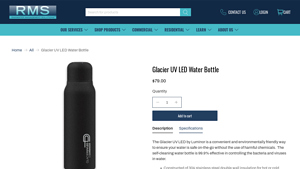
المجال: rainwatermanagement.com
مسجل: 2005 (20 سنة)
مقدمة: {“name”: “Glacier UV LED Water Bottle”, “price”: “$79.00”, “model”: “GUV-B1”, “capacity”: “600 mL (20.3 oz.)”, “UVC_wavelength”: “275 nm”, “single_disinfection_time”: “90 Seconds”, “charge_time”: “2.5 Hours”, “charging_port”: “USB-C”, “features”: [“99.9% effective in controlling bacteria and viruses”, “304 stainless steel construction”, “double wall insulation for hot or cold beverages”, “manual a…
7. 4ocean – Luma Stainless Steel UV-C Filtration Water Bottle
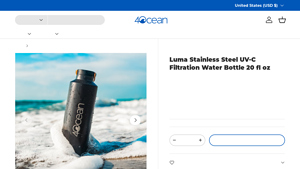
المجال: 4ocean.com
مسجل: 2004 (21 سنة)
مقدمة: Luma Stainless Steel UV-C Filtration Water Bottle 20 fl oz
– Price: $95.00
– Features: Self-cleaning water bottle with UV-C light technology that eradicates up to 99.99% of bacteria in 60 seconds.
– Purpose: Provides portable access to clean drinking water without relying on single-use plastics.
– Environmental Impact: Purchasing this product removes 10 pounds of trash from the world’s oceans, riv…
Strategic Sourcing Conclusion and Outlook for uv drinking bottle
How Can Strategic Sourcing Enhance Your UV Drinking Bottle Business?
In conclusion, the strategic sourcing of UV drinking bottles presents a significant opportunity for B2B buyers across diverse markets, including Africa, South America, the Middle East, and Europe. As consumer demand for sustainable and safe hydration solutions rises, sourcing high-quality UV water bottles becomes critical. Key takeaways highlight the importance of partnering with reputable manufacturers that prioritize innovation, such as those utilizing advanced UV-C technology to eliminate harmful pathogens while ensuring design and functionality.
Investing in UV drinking bottles not only meets the growing consumer expectations for hygiene and convenience but also positions your business as a leader in sustainability. By reducing reliance on single-use plastics, your brand can enhance its reputation and appeal to environmentally conscious consumers.
Looking ahead, the market for UV drinking bottles is poised for expansion as awareness of water quality and personal health continues to grow. B2B buyers should leverage this momentum by exploring partnerships that offer competitive pricing, robust product features, and exceptional customer support. Embrace the future of hydration solutions and make informed sourcing decisions that will benefit your business and your customers alike.
 العربية
  English
  Español
  Português
  Français
  Deutsch
  Русский
  日本語
日本語  한국어
한국어  Italiano
  Nederlands