Introduction: Navigating the Global Market for tritan water bottle
In an increasingly eco-conscious world, sourcing Tritan water bottles has become a crucial challenge for international B2B buyers seeking sustainable, durable, and safe hydration solutions. Tritan, a BPA-free copolyester, offers exceptional strength and clarity, making it an ideal material for reusable bottles across various markets. This comprehensive guide serves as a valuable resource, addressing key aspects such as the diverse types of Tritan water bottles, their applications in different industries, and essential considerations for supplier vetting.
Buyers from regions including Africa, South America, the Middle East, and Europe—such as Vietnam and Germany—will find actionable insights on pricing structures, quality assurance, and compliance with international safety standards. By equipping decision-makers with the knowledge to navigate the global market effectively, this guide empowers them to make informed purchasing decisions that align with their sustainability goals and consumer expectations.
Whether you are looking to enhance your product offerings or meet rising demand for eco-friendly alternatives, understanding the nuances of Tritan water bottles is essential. Dive into the sections that follow to discover how to source these innovative hydration solutions strategically and responsibly.
Understanding tritan water bottle Types and Variations
| Type Name | Key Distinguishing Features | Primary B2B Applications | Brief Pros & Cons for Buyers |
|---|---|---|---|
| Standard Tritan Water Bottle | Variety of sizes (e.g., 18oz, 24oz, 32oz) and colors; BPA-free | Retail, corporate giveaways, fitness centers | Pros: Lightweight, customizable; Cons: Less insulation compared to other types. |
| Insulated Tritan Water Bottle | Double-wall insulation; keeps beverages cold or hot; durable design | Outdoor events, sports teams, corporate gifts | Pros: Retains temperature for longer; Cons: Generally higher cost. |
| Filtered Tritan Water Bottle | Built-in filtration system; removes contaminants; BPA-free | Health-conscious brands, eco-friendly promotions | Pros: Ensures clean drinking water; Cons: Higher maintenance due to filter replacements. |
| Kids’ Tritan Water Bottle | Designed for children; ergonomic shapes; vibrant colors | Schools, childcare centers, family-oriented brands | Pros: Safe and fun for kids; Cons: Smaller capacity may limit usage. |
| Customizable Tritan Water Bottle | Branding opportunities with logos; various shapes and sizes | Promotional products, corporate branding | Pros: Enhances brand visibility; Cons: May require minimum order quantities. |
What are the Characteristics of Standard Tritan Water Bottles?
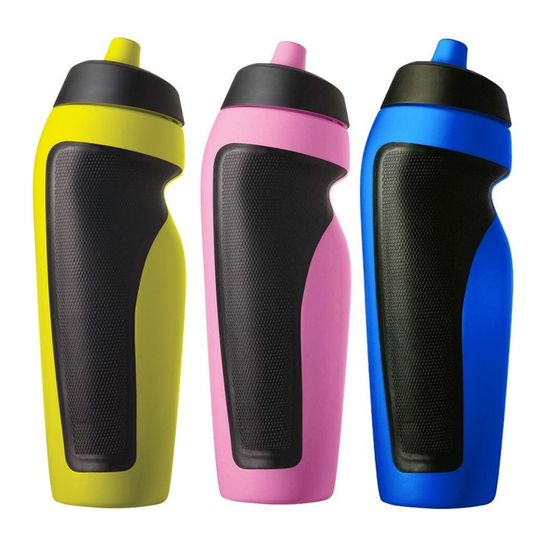
Standard Tritan water bottles are available in various sizes, typically ranging from 18oz to 64oz, and come in multiple colors. These bottles are BPA-free, making them a safe choice for consumers. They are lightweight, making them ideal for everyday use in retail settings or as corporate giveaways. B2B buyers should consider the customization options available, which can enhance brand visibility during promotional events.
How Do Insulated Tritan Water Bottles Perform?
Insulated Tritan water bottles feature double-wall construction that helps maintain the temperature of beverages, whether hot or cold. This type is particularly suitable for outdoor events and sports teams, where hydration is crucial. While they tend to be more expensive than standard bottles, their durability and temperature-retaining capabilities make them a worthwhile investment for B2B buyers looking to provide quality products.
What Makes Filtered Tritan Water Bottles Unique?
Filtered Tritan water bottles come with a built-in filtration system that removes contaminants from water, ensuring safety and taste. This type is ideal for health-conscious brands and eco-friendly promotions, appealing to consumers who prioritize clean drinking water. B2B buyers should be aware of the maintenance involved, as filters need to be replaced periodically, adding to the overall cost of ownership.
Why are Kids’ Tritan Water Bottles Important for B2B Buyers?
Kids’ Tritan water bottles are specifically designed for children, featuring ergonomic shapes and vibrant colors that appeal to younger audiences. These bottles are often used in schools and childcare centers, making them a strategic choice for family-oriented brands. While they typically have a smaller capacity, their safety features and fun designs make them an attractive option for B2B buyers targeting parents and educational institutions.
How Do Customizable Tritan Water Bottles Enhance Brand Visibility?
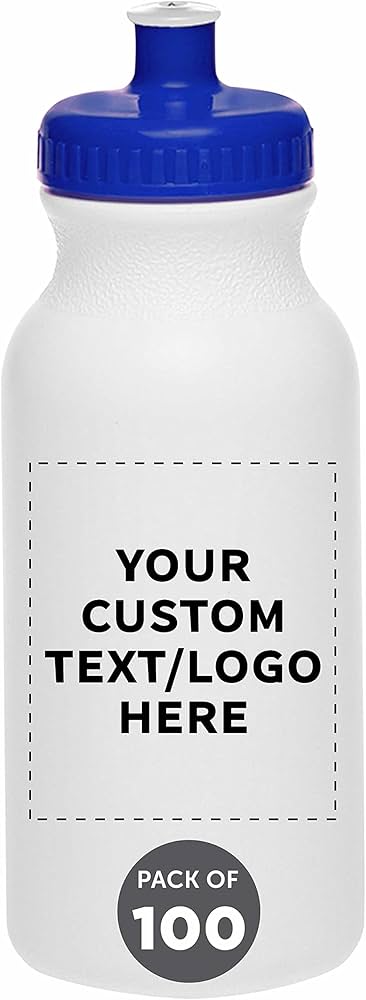
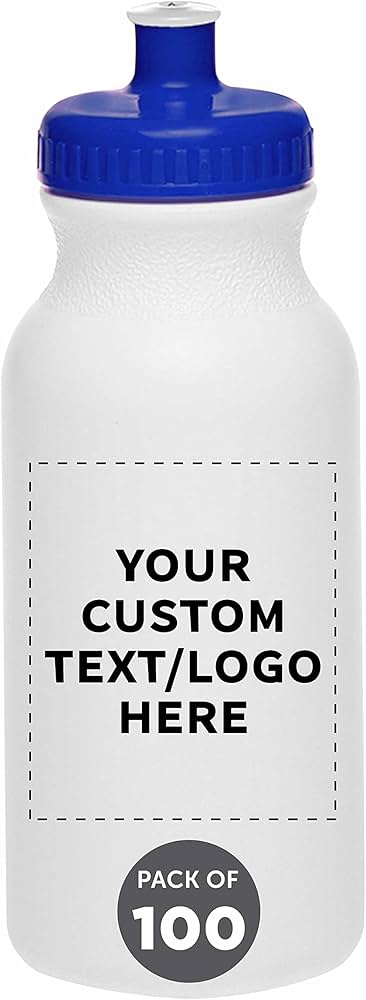
Customizable Tritan water bottles allow businesses to print logos and designs, making them effective promotional products. They come in various shapes and sizes, catering to different branding needs. B2B buyers should consider the minimum order quantities that may apply, as well as the potential for increased brand recognition through giveaways and events. These bottles are an excellent investment for companies looking to enhance their visibility in competitive markets.
Key Industrial Applications of tritan water bottle
| Industry/Sector | Specific Application of Tritan Water Bottle | Value/Benefit for the Business | Key Sourcing Considerations for this Application |
|---|---|---|---|
| Healthcare | Patient hydration in hospitals and clinics | Ensures safe, reusable hydration options; reduces waste | Compliance with health regulations; BPA-free certifications |
| Education | Student hydration in schools and universities | Promotes healthy habits; reduces plastic waste | Custom branding options; durability for daily use |
| Outdoor Recreation | Hydration solutions for camping and adventure sports | Lightweight and shatter-resistant; ideal for travel | Varied sizes and designs; resistance to temperature changes |
| Corporate Wellness | Employee hydration programs in offices | Enhances employee health; supports sustainability goals | Bulk purchasing options; customizable designs for branding |
| Food & Beverage | Use in cafes and restaurants for serving water or beverages | Eco-friendly alternative to single-use plastics | Compatibility with filtration systems; aesthetic appeal |
How is Tritan Water Bottle Used in Healthcare Settings?
In healthcare, Tritan water bottles are used to promote hydration among patients in hospitals and clinics. These bottles are BPA-free and designed to withstand repeated use, addressing the growing concern over plastic waste. Healthcare facilities can benefit from sourcing durable, easy-to-clean bottles that comply with safety regulations. International buyers should consider certifications and local health standards when sourcing these products to ensure compliance in their respective markets.
What Role Do Tritan Water Bottles Play in Educational Institutions?
Educational institutions utilize Tritan water bottles to encourage hydration among students in schools and universities. By providing a sustainable alternative to single-use plastic bottles, schools can promote healthier habits while minimizing their environmental impact. For B2B buyers in this sector, it’s essential to consider options for bulk purchasing and custom branding to foster school spirit and encourage usage. Durability is also a key factor, as these bottles must endure daily wear and tear.
Why Are Tritan Water Bottles Ideal for Outdoor Recreation?
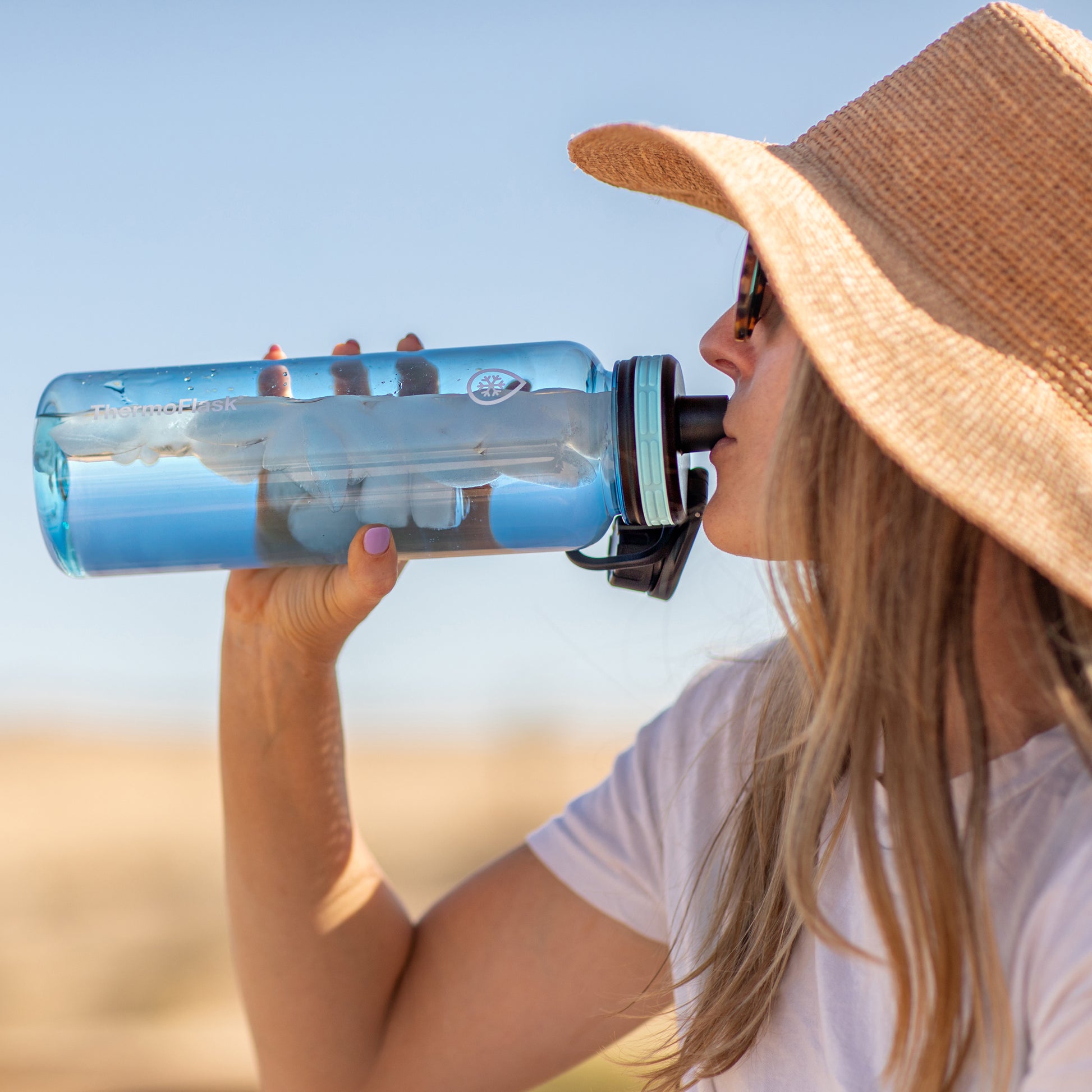
In the outdoor recreation industry, Tritan water bottles serve as essential hydration solutions for activities like camping, hiking, and adventure sports. Their lightweight and shatter-resistant properties make them perfect for travel, allowing users to carry them easily without fear of breakage. B2B buyers in this sector should focus on sourcing various sizes and designs that can accommodate different outdoor activities. Additionally, resistance to temperature changes is crucial for maintaining beverage temperature in diverse climates.
How Do Tritan Water Bottles Support Corporate Wellness Programs?
Tritan water bottles are increasingly being integrated into corporate wellness programs to enhance employee hydration and promote health. By offering these reusable bottles, companies can align with sustainability goals, reducing reliance on single-use plastics. B2B buyers should consider bulk purchasing options and customizable designs to reflect company branding. It’s also important to ensure the bottles are designed for daily use, with features that enhance usability and encourage employees to stay hydrated.
In What Ways Do Tritan Water Bottles Benefit the Food & Beverage Industry?
In the food and beverage sector, Tritan water bottles are utilized as eco-friendly alternatives for serving water and other beverages in cafes and restaurants. Their durability and safety make them ideal for repeated use, contributing to a reduction in plastic waste. Buyers in this industry should consider sourcing bottles that are compatible with filtration systems and aesthetically appealing to enhance the customer experience. Custom branding opportunities can also help establish a unique identity for the establishment.
A stock image related to tritan water bottle.
3 Common User Pain Points for ‘tritan water bottle’ & Their Solutions
Scenario 1: Navigating Quality Concerns in Tritan Water Bottles
The Problem: B2B buyers often face challenges regarding the quality and safety of Tritan water bottles, especially when sourcing from international suppliers. Concerns about BPA and other harmful chemicals can create hesitance, as buyers must ensure their products meet stringent safety regulations, particularly in regions like Europe and North America. Additionally, the lack of standardization in manufacturing practices can lead to inconsistencies in product quality, making it difficult for businesses to establish reliable partnerships.
The Solution: To effectively navigate these quality concerns, buyers should prioritize sourcing from manufacturers who provide comprehensive testing and certification of their Tritan water bottles. Look for suppliers that can demonstrate compliance with international safety standards, such as NSF or FDA certifications. It’s also beneficial to request detailed product specifications and safety data sheets to verify the absence of BPA and other harmful substances. Establishing a relationship with reputable manufacturers that have a history of quality assurance can further mitigate risks. Conducting sample testing before bulk purchases can also help ensure the product meets your specific quality requirements.
Scenario 2: Managing Supply Chain Issues for Tritan Water Bottles
The Problem: B2B buyers frequently encounter supply chain disruptions that can delay the delivery of Tritan water bottles, impacting their inventory levels and customer satisfaction. Factors such as geopolitical tensions, transportation issues, and fluctuating raw material costs can complicate the procurement process, leading to unpredictable lead times and increased costs.
The Solution: To manage these supply chain challenges, buyers should adopt a multi-sourcing strategy, engaging with multiple suppliers across different regions. This approach not only diversifies the risk but also provides flexibility to respond to unexpected disruptions. Implementing robust inventory management systems can help track stock levels and forecast demand, ensuring that you have a buffer to withstand supply chain fluctuations. Additionally, maintaining open communication with suppliers about potential delays and establishing clear expectations can foster stronger partnerships and lead to more timely deliveries.
Scenario 3: Addressing Market Preferences and Trends for Tritan Water Bottles
The Problem: As consumer preferences evolve, B2B buyers must stay ahead of market trends regarding Tritan water bottles. There is a growing demand for eco-friendly and aesthetically appealing products, which can pose a challenge for businesses that are not attuned to these shifts. Failing to meet consumer expectations can result in decreased sales and a tarnished brand reputation.
The Solution: To address these market preferences, B2B buyers should conduct regular market research to identify emerging trends and consumer behaviors. This can involve analyzing competitor offerings and consumer feedback to understand what features are most appealing, such as customizable designs, color options, and eco-friendly materials. Collaborating with product designers can also enable buyers to create unique Tritan water bottles that align with current trends, such as incorporating sustainable practices in their manufacturing processes. Finally, leveraging social media and influencer partnerships can enhance product visibility and align your offerings with the values of your target audience, ultimately driving sales and brand loyalty.
Strategic Material Selection Guide for tritan water bottle
What Are the Key Properties of Tritan Material for Water Bottles?
Tritan is a copolyester material known for its exceptional clarity, toughness, and durability. It is BPA-free, making it a safer choice for food and beverage applications. Tritan can withstand high temperatures, typically rated for use up to 100°C (212°F), and maintains its structural integrity under pressure, making it suitable for various beverage types. Its resistance to impact and shattering is particularly beneficial in environments where durability is paramount, such as outdoor activities and sports.
What Are the Advantages and Disadvantages of Using Tritan in Water Bottles?
Pros: Tritan’s key advantages include its lightweight nature, which enhances portability, and its excellent resistance to staining and odors, ensuring that the water bottle remains fresh over time. Additionally, Tritan is dishwasher-safe, simplifying cleaning processes for users. The material’s transparency also allows for easy monitoring of the liquid level.
Cons: On the downside, Tritan can be more expensive than traditional plastics, which may affect pricing strategies for B2B buyers. While it is durable, it is not as resistant to extreme impacts as some metals, which could be a consideration for certain high-risk applications. Moreover, manufacturing processes for Tritan can be more complex, potentially leading to longer lead times.
How Does Tritan Affect Application Compatibility for Water Bottles?
Tritan is compatible with a wide range of beverages, including both hot and cold liquids. Its chemical resistance ensures that it does not leach harmful substances into the contents, making it ideal for health-conscious consumers. However, it is essential for manufacturers to ensure that Tritan bottles are not exposed to prolonged sunlight, as UV rays can degrade the material over time, impacting performance.
What Should International B2B Buyers Consider When Sourcing Tritan Water Bottles?
For international B2B buyers, particularly in regions like Africa, South America, the Middle East, and Europe, compliance with local regulations is crucial. Buyers should ensure that Tritan products meet relevant standards such as ASTM (American Society for Testing and Materials), DIN (Deutsches Institut für Normung), or JIS (Japanese Industrial Standards). Additionally, understanding the preferences of target markets is essential; for instance, European consumers may prioritize eco-friendliness and recyclability, while Middle Eastern markets might focus on durability and heat resistance due to climatic conditions.
Summary Table of Material Properties for Tritan Water Bottles
| Material | Typical Use Case for Tritan Water Bottle | Key Advantage | Key Disadvantage/Limitation | Relative Cost (Low/Med/High) |
|---|---|---|---|---|
| Tritan | Reusable water bottles for outdoor and sports activities | Lightweight and durable, BPA-free | Higher cost compared to traditional plastics | Medium |
This analysis provides a comprehensive overview of Tritan as a material for water bottles, focusing on key properties, advantages, disadvantages, and considerations for international B2B buyers. Understanding these factors can help buyers make informed decisions that align with their market needs and compliance requirements.
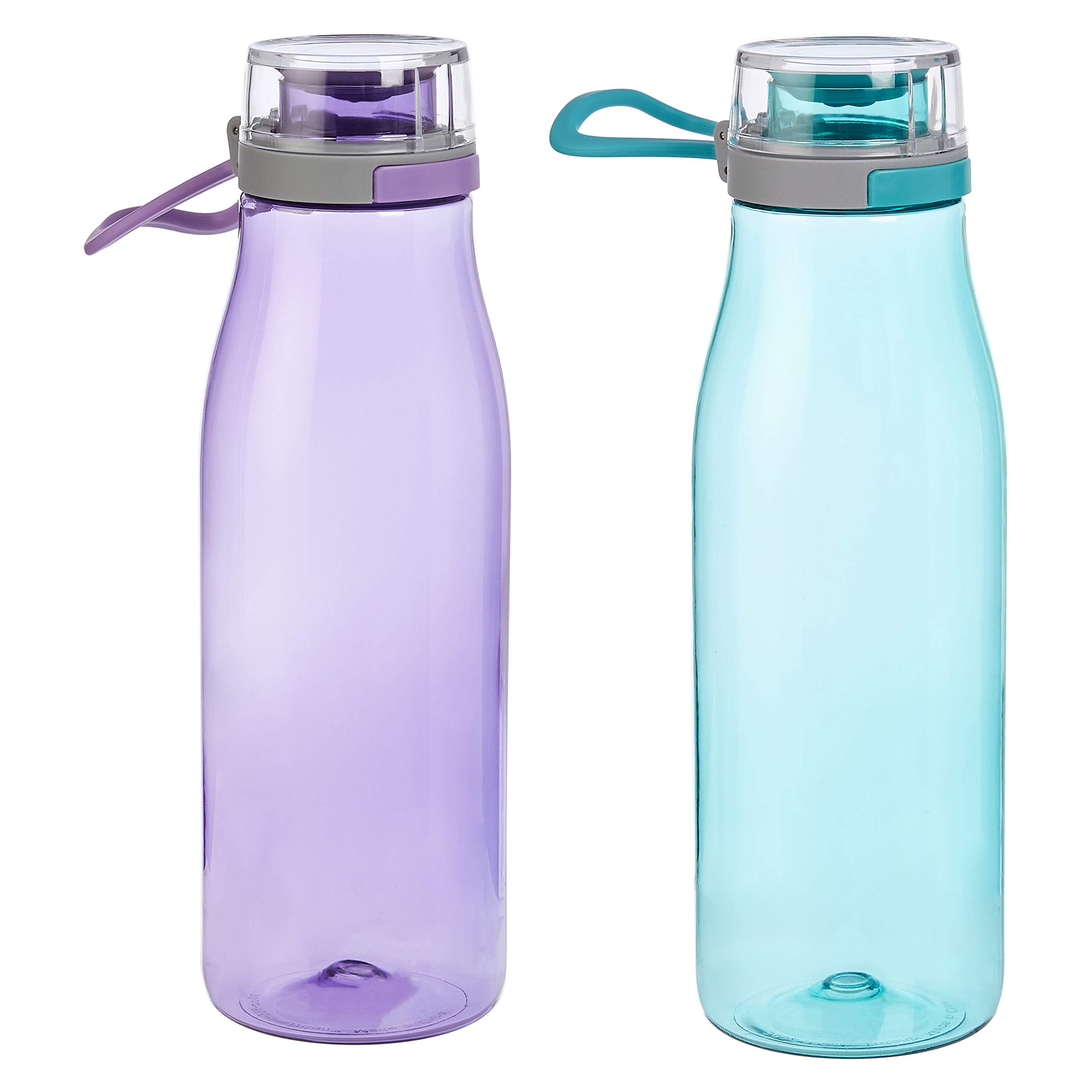
A stock image related to tritan water bottle.
In-depth Look: Manufacturing Processes and Quality Assurance for tritan water bottle
What Are the Key Stages in the Manufacturing Process of Tritan Water Bottles?
The manufacturing process of Tritan water bottles involves several critical stages, each designed to ensure the durability, safety, and aesthetic appeal of the final product. Understanding these stages is essential for B2B buyers looking to source high-quality Tritan bottles.
How Is Material Prepared for Tritan Bottle Production?
The first stage in manufacturing Tritan water bottles is material preparation. Tritan is a copolyester material known for its clarity, toughness, and resistance to impact and heat. The production process begins with the sourcing of raw materials, where suppliers must ensure that the Tritan used is BPA-free and complies with international safety standards. Suppliers typically conduct extensive quality checks on incoming materials to validate their properties.
Once the raw material is approved, it undergoes drying to remove any moisture that could affect the molding process. This is particularly crucial as moisture can lead to defects such as bubbles or incomplete molding. Advanced drying techniques may involve using dehumidifiers or vacuum drying systems to achieve optimal moisture levels.
What Techniques Are Used in Forming Tritan Water Bottles?
The forming stage involves shaping the dried Tritan into the desired bottle forms. This is primarily achieved through injection molding, a process where molten Tritan is injected into pre-designed molds. This technique allows for high precision and repeatability in the production of complex shapes and designs, which are essential for branding and consumer appeal.
In some cases, blow molding may also be used, particularly for larger bottles. Blow molding allows for the creation of hollow structures and is often used for bottles that require a larger capacity. The choice between injection and blow molding depends on the bottle design, capacity, and intended use.
How Are Tritan Water Bottles Assembled and Finished?
After forming, the bottles go through assembly, which may involve adding components such as caps, straws, and other functional parts. This stage ensures that all elements fit perfectly and function as intended. Assembly can be manual or automated, depending on the production scale and complexity of the bottle design.
The finishing stage includes surface treatments and quality checks. Bottles may undergo polishing, coating, or printing to enhance appearance and functionality. For instance, some manufacturers apply a protective coating to increase scratch resistance or add branding elements through screen printing or labeling.
What Quality Assurance Practices Are Crucial for Tritan Water Bottles?
Quality assurance is paramount in the production of Tritan water bottles, as it directly impacts consumer safety and satisfaction. Manufacturers typically adhere to several international standards and industry-specific guidelines to ensure their products meet or exceed expectations.
Which International Standards Should B2B Buyers Consider?
B2B buyers should look for suppliers that comply with ISO 9001, which sets the criteria for a quality management system. This standard ensures that manufacturers are committed to consistent quality improvement and customer satisfaction. Additionally, CE marking is essential for products sold within the European market, indicating compliance with health, safety, and environmental protection standards.
For specific applications, certifications from organizations like the American National Standards Institute (ANSI) or the American Society for Testing and Materials (ASTM) may also be relevant, especially if the bottles are intended for specialized uses, such as medical or food-grade applications.
What Are the Key QC Checkpoints in Tritan Bottle Manufacturing?
Quality control checkpoints are integrated throughout the manufacturing process, typically categorized into three main areas:
-
Incoming Quality Control (IQC): This phase checks the quality of raw materials before production begins. It includes visual inspections and material testing to ensure compliance with specifications.
-
In-Process Quality Control (IPQC): During production, operators conduct regular inspections of the manufacturing process. This includes monitoring machine settings, checking for defects during molding, and ensuring that assembly processes meet standards.
-
Final Quality Control (FQC): After assembly, bottles undergo a final inspection. This includes functionality tests (e.g., leak tests) and aesthetic checks (e.g., color, clarity). Any non-conforming products are identified and removed from the production line.
How Can B2B Buyers Verify Supplier Quality Control?
To ensure a reliable supply chain, B2B buyers should engage in thorough verification of their suppliers’ quality control processes. Here are some actionable strategies:
-
Request Documentation: Suppliers should provide detailed quality control documentation, including inspection reports, compliance certifications, and quality assurance processes.
-
Conduct Audits: Periodic audits of the manufacturing facilities can provide insight into their production practices and adherence to quality standards. Buyers can either perform these audits themselves or hire third-party inspectors.
-
Evaluate Testing Methods: Inquire about the testing methods used to ensure product safety and quality. This includes checking for compliance with relevant safety standards and the use of third-party testing labs to validate results.
What Nuances Should International B2B Buyers Be Aware Of?
When sourcing Tritan water bottles internationally, particularly from regions such as Africa, South America, the Middle East, and Europe, buyers must consider several nuances:
-
Regulatory Compliance: Different countries have varying regulations regarding plastic products. Buyers should ensure that their suppliers are compliant with local laws and international standards.
-
Cultural Preferences: Understanding regional preferences for bottle design, size, and functionality can influence purchasing decisions. For instance, some markets may prefer larger bottles with built-in filters, while others may favor sleek, compact designs.
-
Supply Chain Logistics: Consider the logistics involved in international shipping, including tariffs, customs regulations, and potential delays. A reliable supplier will have experience navigating these challenges and can provide guidance.
In conclusion, a thorough understanding of the manufacturing processes and quality assurance practices for Tritan water bottles is essential for B2B buyers. By focusing on the key stages of production, adhering to international standards, and implementing rigorous quality control measures, buyers can ensure they source high-quality products that meet market demands and regulatory requirements.
Practical Sourcing Guide: A Step-by-Step Checklist for ‘tritan water bottle’
Introduction
Sourcing Tritan water bottles for your business requires careful consideration of various factors to ensure quality, compliance, and cost-effectiveness. This checklist will guide international B2B buyers through the essential steps to procure Tritan water bottles that meet their needs while adhering to industry standards.
Step 1: Define Your Technical Specifications
Before engaging suppliers, clearly outline your technical specifications. This includes the desired size, capacity, and design of the Tritan water bottles. Establishing these parameters early helps streamline the sourcing process and ensures that potential suppliers can meet your requirements.
- Capacity Options: Consider what sizes (e.g., 18oz, 24oz, 32oz) align with your target market.
- Design Features: Identify if you need features like BPA-free materials, insulated designs, or specific color options.
Step 2: Research Potential Suppliers
Conduct thorough research to identify reliable suppliers who specialize in Tritan water bottles. Utilize online platforms, industry directories, and trade shows to gather a list of potential vendors.
- Reputation Matters: Look for suppliers with positive reviews and testimonials from other businesses.
- Geographic Considerations: Factor in the supplier’s location to assess shipping times and costs, especially if you’re sourcing from regions like Asia or Europe.
Step 3: Evaluate Supplier Certifications
Verify that potential suppliers hold relevant certifications. This is crucial for ensuring product safety and compliance with international standards.
- BPA-Free Certification: Ensure the Tritan material is certified BPA-free, as this is a significant selling point for health-conscious consumers.
- ISO Standards: Check for ISO certifications that indicate quality management and environmental responsibility.
Step 4: Request Samples for Quality Testing
Before placing a bulk order, request samples from shortlisted suppliers. This step allows you to evaluate the quality and durability of the Tritan water bottles firsthand.
- Assess Material Quality: Examine the bottles for clarity, sturdiness, and finish.
- Conduct Functional Tests: Test features like lids, seals, and any integrated filtration systems to ensure they meet your expectations.
Step 5: Negotiate Pricing and Terms
Once you have identified a suitable supplier, enter negotiations regarding pricing, payment terms, and delivery schedules.
- Bulk Discounts: Inquire about pricing tiers for larger orders to maximize cost savings.
- Payment Flexibility: Discuss payment terms that align with your financial capabilities, such as deposits or installment options.
Step 6: Confirm Logistics and Shipping Details
Coordinate with your supplier to finalize logistics for shipping the Tritan water bottles. Understanding shipping methods and timelines is critical to avoid disruptions in your supply chain.
- Shipping Methods: Determine whether air or sea freight is more suitable for your order size and urgency.
- Customs Regulations: Familiarize yourself with customs requirements in your region to ensure a smooth import process.
Step 7: Establish a Quality Assurance Process
Implement a quality assurance process for incoming shipments. This ensures that the products meet your specifications and standards upon arrival.
- Inspection Protocols: Develop a checklist for inspecting the condition and quality of the water bottles.
- Feedback Loop: Create a system for documenting any issues and communicating with your supplier for future improvements.
By following this structured checklist, B2B buyers can effectively navigate the sourcing process for Tritan water bottles, ensuring they make informed decisions that align with their business goals.
Comprehensive Cost and Pricing Analysis for tritan water bottle Sourcing
What Are the Key Cost Components Involved in Sourcing Tritan Water Bottles?
When evaluating the costs associated with sourcing Tritan water bottles, several components come into play. The primary cost elements include:
-
Materials: The core material, Tritan, is a BPA-free copolyester known for its durability and clarity. The price of Tritan can fluctuate based on global petroleum prices and supplier agreements. Additionally, any custom colors or features (like insulation or built-in filters) can increase material costs.
-
Labor: Labor costs vary significantly by region. In countries like Vietnam, labor is generally more cost-effective compared to Europe or North America. This can impact the overall manufacturing cost, especially for larger orders where the scale can offset higher labor costs.
-
Manufacturing Overhead: This includes costs related to factory operations, equipment maintenance, and utilities. Manufacturers with advanced automated systems may have lower overhead costs, which can reflect in the final price of the bottles.
-
Tooling: Initial tooling costs for molds and production setups can be substantial, particularly for custom designs. It’s essential to account for these costs in the total pricing, especially for small order quantities (MOQ).
-
Quality Control (QC): Ensuring product quality through rigorous QC processes adds to the cost. Buyers should inquire about the QC procedures in place to ensure the bottles meet safety and durability standards.
-
Logistics: Shipping costs can vary widely depending on the shipping method, distance, and logistics provider. For international buyers, understanding Incoterms is crucial, as they define who is responsible for shipping costs and liabilities.
-
Margin: Manufacturers typically apply a markup on their costs to ensure profitability. This margin can vary based on market demand, competition, and the supplier’s business strategy.
How Do Price Influencers Affect Tritan Water Bottle Pricing?
Several factors can influence the pricing structure for Tritan water bottles:
-
Volume/MOQ: Larger orders often qualify for discounted rates. Understanding the MOQ can help buyers negotiate better pricing, especially if they can consolidate orders across multiple product lines.
-
Specifications and Customization: Custom features (like specific shapes, colors, or logos) can increase costs. Buyers should clearly define their requirements to avoid unexpected price increases.
-
Material Quality and Certifications: Bottles that meet specific safety certifications (like FDA compliance or BPA-free certification) may come at a premium. It’s essential to verify these certifications to ensure product safety and compliance.
-
Supplier Factors: The reliability and reputation of the supplier can also affect pricing. Established suppliers may charge higher rates due to their reputation for quality and service.
-
Incoterms: Understanding shipping terms is vital for cost calculation. For example, choosing FOB (Free on Board) means the buyer assumes responsibility for shipping costs once the goods are on board the vessel, which can impact total costs.
What Buyer Tips Can Help Ensure Cost-Efficiency in Tritan Water Bottle Sourcing?
To maximize cost-efficiency, international B2B buyers should consider the following strategies:
-
Negotiate Effectively: Establishing a good relationship with suppliers can lead to better terms and pricing. Be transparent about your needs and explore options for bulk discounts.
-
Assess Total Cost of Ownership (TCO): Beyond the purchase price, consider factors like durability, potential for reuse, and maintenance costs. A higher upfront investment may yield long-term savings if the product lasts longer.
-
Understand Pricing Nuances for International Markets: Currency fluctuations, import duties, and local taxes can significantly impact the final cost. Buyers from regions like Africa, South America, and the Middle East should factor in these variables when budgeting.
-
Research Local Regulations: Compliance with local regulations regarding materials and safety can influence sourcing decisions. Buyers should ensure their suppliers are knowledgeable about these requirements.
-
Request Samples: Before committing to large orders, request samples to evaluate quality. This step can prevent costly mistakes and ensure the product meets your standards.
Disclaimer on Indicative Prices
Prices for Tritan water bottles can vary widely based on the factors discussed. It is advisable for buyers to obtain quotes from multiple suppliers and conduct thorough market research to ensure they are getting competitive pricing. Always consider the total cost implications, including potential hidden costs associated with sourcing and shipping.
Alternatives Analysis: Comparing tritan water bottle With Other Solutions
Exploring Alternatives to Tritan Water Bottles for B2B Buyers
When considering hydration solutions for businesses, it’s essential to evaluate various options beyond Tritan water bottles. This analysis will compare Tritan bottles with two notable alternatives: stainless steel bottles and filtered water bottles. Each option presents unique benefits and challenges that can significantly impact purchasing decisions.
Comparison Table
| Comparison Aspect | Tritan Water Bottle | Stainless Steel Bottle | Filtered Water Bottle |
|---|---|---|---|
| Performance | Durable, lightweight, BPA-free | Excellent insulation, robust | Effective filtration of contaminants |
| Cost | Moderate price range | Higher initial investment | Varies, often comparable to Tritan |
| Ease of Implementation | Easy to use and clean | Requires specific care | Simple to use but needs filter replacement |
| Maintenance | Low; dishwasher safe | Moderate; hand wash recommended | Regular filter changes needed |
| Best Use Case | Everyday hydration, kids’ use | Outdoor activities, travel | Areas with questionable water quality |
Detailed Breakdown of Alternatives
1. Stainless Steel Bottles
Stainless steel bottles are renowned for their durability and insulation properties. They can keep beverages hot or cold for extended periods, making them ideal for outdoor activities or long journeys. However, they typically come at a higher price point compared to Tritan water bottles. Their maintenance requires hand washing to prevent scratches and maintain appearance, which might not be convenient for all users. These bottles also tend to be heavier, which could be a drawback for consumers seeking lightweight options.
2. Filtered Water Bottles
Filtered water bottles offer a unique solution for consumers concerned about water quality. These bottles incorporate advanced filtration technology that removes a wide range of contaminants, providing peace of mind when drinking tap water. While they are relatively easy to use, they require regular filter replacements, which can lead to ongoing costs. Additionally, filtered water bottles may not be as lightweight as Tritan options, potentially affecting portability. Despite this, they are a strong choice for users in regions where water safety is a concern.
Conclusion: Choosing the Right Hydration Solution
In selecting the appropriate hydration solution, B2B buyers should carefully consider their specific needs. Tritan water bottles excel in daily usability and safety, making them suitable for schools and businesses prioritizing convenience. Conversely, stainless steel bottles are ideal for outdoor and travel-related applications, while filtered water bottles are essential for those needing reliable water quality. Evaluating performance, cost, ease of implementation, maintenance, and best use cases will guide buyers in making informed decisions that align with their operational requirements and budget constraints.
Essential Technical Properties and Trade Terminology for tritan water bottle
What Are the Key Technical Properties of Tritan Water Bottles?
When considering Tritan water bottles for your business, understanding the critical specifications is essential for making informed purchasing decisions. Here are some key properties to look for:
-
Material Grade: What is Tritan and Why Does It Matter?
Tritan is a copolyester material known for its clarity, durability, and resistance to impact. It is BPA-free, which means it does not leach harmful chemicals, making it a safe choice for consumers. For B2B buyers, selecting Tritan ensures that the product meets health and safety standards, which can significantly affect marketability and consumer trust. -
Capacity: How Does Bottle Size Impact Your Business?
Tritan water bottles come in various capacities, typically ranging from 12oz to 64oz. The choice of size can influence shipping costs, pricing strategy, and consumer preferences. Understanding the target market’s needs can help in selecting the right sizes to offer, ensuring optimal sales and customer satisfaction. -
Weight: Why is Lightweight Important for Tritan Bottles?
Tritan bottles are generally lightweight, which is beneficial for both transportation and end-user convenience. A lighter product reduces shipping costs and can attract customers looking for easy-to-carry options for outdoor activities or daily use. This can be a competitive advantage in markets focused on active lifestyles. -
Temperature Resistance: What Are the Implications for Product Use?
Tritan materials can withstand a wide range of temperatures, making them suitable for both hot and cold beverages. This versatility is essential for B2B buyers who may cater to diverse consumer needs, from sports enthusiasts to office workers. Ensuring that the bottles can handle various temperature conditions can broaden their market appeal. -
Durability and Impact Resistance: How Do These Features Affect Longevity?
Tritan is known for its high durability and resistance to shattering, which is crucial for products intended for frequent use. For businesses, this means fewer returns and replacements, leading to increased customer satisfaction and reduced costs associated with product failures. -
Recyclability: Why Should Sustainability Matter to Your Brand?
As environmental concerns grow, the recyclability of Tritan bottles becomes a significant selling point. Tritan is recyclable, which appeals to eco-conscious consumers. B2B buyers should consider this aspect when branding their products, as sustainability can enhance brand reputation and align with consumer values.
What Are Common Trade Terms Related to Tritan Water Bottles?
Familiarity with industry jargon is vital for effective communication and negotiation in the B2B space. Here are some essential terms to know:
-
OEM (Original Equipment Manufacturer): What Role Do They Play?
An OEM is a company that produces parts or equipment that may be marketed by another manufacturer. In the context of Tritan bottles, partnering with an OEM can help businesses create custom designs or modifications to existing products, enhancing their market differentiation. -
MOQ (Minimum Order Quantity): How Does It Affect Your Procurement Strategy?
MOQ refers to the smallest number of units a supplier is willing to sell. Understanding MOQ is crucial for budgeting and inventory management. It ensures that businesses can meet demand without overcommitting resources, allowing for better cash flow management. -
RFQ (Request for Quotation): Why Is It Important?
An RFQ is a document sent to suppliers requesting pricing and terms for specific products. For Tritan bottles, issuing an RFQ can help businesses compare costs and quality from different suppliers, facilitating better negotiation and informed purchasing decisions. -
Incoterms (International Commercial Terms): How Do They Simplify Trade?
Incoterms are internationally recognized rules that define the responsibilities of buyers and sellers in international transactions. Understanding these terms can help mitigate risks related to shipping and delivery, ensuring that both parties are clear on their obligations. -
Lead Time: What Should You Expect?
Lead time refers to the amount of time it takes from placing an order until it is received. Knowing the lead time for Tritan bottle production can help businesses plan their inventory and avoid stockouts, ensuring smooth operations and customer satisfaction.
By grasping these technical properties and trade terms, B2B buyers can make more informed decisions when sourcing Tritan water bottles, ultimately leading to better business outcomes.
Navigating Market Dynamics and Sourcing Trends in the tritan water bottle Sector
What Are the Key Market Dynamics and Trends Influencing Tritan Water Bottles?
The Tritan water bottle sector is experiencing robust growth fueled by increasing health consciousness, the shift towards sustainable products, and technological advancements in manufacturing. The global market is primarily driven by a rising demand for reusable and eco-friendly alternatives to single-use plastics, especially in regions like Africa, South America, the Middle East, and Europe. The emphasis on personal health and hydration among consumers has led to a surge in the popularity of Tritan bottles, which are known for their durability and BPA-free properties.
Emerging B2B technology trends such as automation in production, smart packaging, and online sourcing platforms are reshaping how businesses operate within this sector. For instance, manufacturers are increasingly adopting automated processes to enhance efficiency and reduce costs, while digital marketplaces allow international buyers to connect with suppliers more easily. Moreover, innovations in design, such as customizable features and insulated options, cater to the diverse preferences of end-users, making Tritan bottles appealing across various demographics.
International buyers are also navigating complex supply chains influenced by geopolitical factors, trade regulations, and shifting consumer preferences. For businesses looking to source Tritan bottles, understanding these dynamics is crucial for making informed purchasing decisions and maintaining competitiveness in a rapidly evolving market.
How Is Sustainability and Ethical Sourcing Reshaping the Tritan Water Bottle Market?
Sustainability has become a cornerstone of B2B sourcing strategies, particularly in the Tritan water bottle sector. With growing environmental concerns, buyers are increasingly prioritizing products that minimize ecological impact. Tritan bottles, made from BPA-free and durable materials, provide a sustainable alternative to traditional plastics, reducing reliance on single-use products and promoting recycling initiatives.
Ethical sourcing is equally critical, as businesses are held accountable for their supply chain practices. Buyers are encouraged to seek suppliers who adhere to ethical manufacturing processes, ensuring fair labor practices and minimal environmental harm. Certifications such as ISO 14001 for environmental management and Oeko-Tex for sustainable textiles can help buyers identify responsible manufacturers.
Furthermore, the trend towards transparency in supply chains is gaining traction. B2B buyers are now demanding detailed information about the sourcing and production processes of Tritan bottles, which can enhance brand reputation and consumer trust. As sustainability becomes a non-negotiable aspect of business operations, companies that invest in ethical sourcing and green certifications will likely gain a competitive edge in the marketplace.
What Is the Evolution of Tritan Water Bottles in the B2B Landscape?
The evolution of Tritan water bottles has been marked by significant advancements in material science and consumer awareness about health and environmental issues. Initially introduced as a safer alternative to polycarbonate plastics, Tritan has gained recognition for its strength, clarity, and resistance to odors and stains. The material’s BPA-free designation has further propelled its popularity among health-conscious consumers.
Over the years, Tritan bottles have transitioned from being niche products to mainstream offerings, thanks to their versatility in design and functionality. As brands began to innovate with features like integrated filtration systems and ergonomic designs, the market expanded to include a variety of use cases—from everyday hydration to outdoor adventures.
This evolution has been accompanied by a growing emphasis on sustainability, prompting manufacturers to focus on eco-friendly production methods and recyclable materials. Today, Tritan water bottles stand at the intersection of health, convenience, and environmental responsibility, making them a preferred choice for international B2B buyers committed to promoting sustainable practices.
Frequently Asked Questions (FAQs) for B2B Buyers of tritan water bottle
-
How do I ensure the quality of Tritan water bottles from suppliers?
To ensure the quality of Tritan water bottles, begin by vetting suppliers through their certifications and quality management systems. Look for suppliers who comply with international standards such as ISO 9001. Request samples to evaluate the product’s durability, BPA/BPS-free certification, and overall finish. Additionally, consider third-party testing for contaminants to ensure safety and performance. Establish clear quality assurance protocols and regular inspections to maintain consistent quality throughout your supply chain. -
What is the best Tritan water bottle for corporate branding?
For corporate branding, opt for Tritan water bottles that offer customization options such as printing or engraving. Look for suppliers that provide various sizes (such as 18oz to 64oz) and colors to match your brand identity. Additionally, choose bottles with unique features like built-in filters or ergonomic designs that enhance usability. Consider bulk orders to reduce costs while maximizing brand exposure, ensuring that your promotional materials resonate with your target audience. -
What are the minimum order quantities (MOQs) for Tritan water bottles?
Minimum order quantities for Tritan water bottles vary by supplier and can range from as low as 100 units to several thousand. It’s essential to communicate your requirements and negotiate MOQs based on your budget and market demand. Suppliers may offer lower MOQs for customized designs, but be prepared for higher costs. Always clarify the MOQ before finalizing agreements to ensure it aligns with your purchasing strategy. -
What are the payment terms typically offered for international orders of Tritan water bottles?
Payment terms for international orders of Tritan water bottles can vary significantly. Common terms include a 30% deposit upfront with the balance due before shipment, or payment via letter of credit for larger orders. Some suppliers may accept payment through platforms like PayPal or escrow services for added security. Always negotiate favorable terms that protect your investment and ensure timely delivery while considering the supplier’s policies and your cash flow needs. -
How can I find reliable suppliers for Tritan water bottles in international markets?
To find reliable suppliers for Tritan water bottles, start by researching reputable trade platforms such as Alibaba or Global Sources. Attend industry trade shows and exhibitions to network with manufacturers. Utilize online directories to check supplier credentials and customer reviews. Reach out to trade associations in your region for recommendations. Conduct thorough due diligence by requesting references and verifying their manufacturing capabilities and compliance with safety standards. -
What are the shipping options for Tritan water bottles when sourcing internationally?
Shipping options for Tritan water bottles include air freight for expedited delivery and sea freight for cost-effective bulk shipping. The choice depends on your budget and urgency. Consider factors like shipping time, customs clearance, and potential duties. Work with logistics providers who specialize in international shipping to navigate regulations and ensure smooth delivery. Always factor in lead times and order processing when planning your inventory management. -
What customization options are available for Tritan water bottles?
Customization options for Tritan water bottles typically include color selection, size variations, and printing or engraving of logos. Some suppliers offer additional features like built-in straws, handles, or unique shapes to enhance functionality. Discuss your specific branding requirements with suppliers to explore available options. Ensure that the customization process aligns with your timeline and budget to maximize the impact of your promotional products. -
How do I handle potential disputes with suppliers of Tritan water bottles?
To handle potential disputes with suppliers, establish clear contracts outlining terms, delivery schedules, and quality standards upfront. Maintain open communication throughout the order process to address issues promptly. In case of disputes, document all correspondence and evidence, and attempt to resolve the issue amicably through negotiation. If necessary, consider mediation or arbitration as alternatives to legal action, and ensure you are aware of your rights and obligations under international trade law.
Important Disclaimer & Terms of Use
⚠️ Important Disclaimer
The information provided in this guide, including content regarding manufacturers, technical specifications, and market analysis, is for informational and educational purposes only. It does not constitute professional procurement advice, financial advice, or legal advice.
While we have made every effort to ensure the accuracy and timeliness of the information, we are not responsible for any errors, omissions, or outdated information. Market conditions, company details, and technical standards are subject to change.
B2B buyers must conduct their own independent and thorough due diligence before making any purchasing decisions. This includes contacting suppliers directly, verifying certifications, requesting samples, and seeking professional consultation. The risk of relying on any information in this guide is borne solely by the reader.
Top 6 Tritan Water Bottle Manufacturers & Suppliers List
1. Takeya USA – Tritan Water Bottles
Domain: takeyausa.com
Registered: 2008 (17 years)
Introduction: Key Product Details:
– Brand: Takeya USA
– Product Type: Tritan Water Bottles
– Sizes Available: 18oz, 24oz, 32oz, 40oz, 64oz
– Color Options: Breezy Blue, Stormy Black, Flutter Pink, Vivacity Purple, Pistachio Green, Cloud White, Clear
– Features: Spout Lid, Straw Lid, Motivational Design
– Pricing:
– 18oz Tritan Water Bottle With Spout Lid Two Pack: $23.98
– 24oz Tritan Water Bottle With Sp…
2. Clearly Filtered – 24oz Tritan Filtered Water Bottle
Domain: clearlyfiltered.com
Registered: 2010 (15 years)
Introduction: Product Name: 24oz Tritan Filtered Water Bottle
Material: 100% BPA & BPS-Free Medical-Grade Tritan
Capacity: 24oz
Dimensions: H: 10 inches, D: 2.9 inches
Weight: 0.4 lb
Filter: Bottle Replacement Filter
Filter Life: 25 Gallons (varies with water conditions)
Designed for: Municipal (tap) water
Shipping: Free U.S. Shipping
Guarantee: 30-Day Money Back Guarantee
Warranty: Limited Lifetime Warranty
Ke…
3. Everich – Tritan Water Bottles
Domain: everich.com
Registered: 2010 (15 years)
Introduction: Tritan water bottles are made from Tritan plastic, a BPA-free copolyester known for its toughness, clarity, and safety. Manufactured by Eastman Chemical Company, Tritan is free from harmful substances like BPA, phthalates, and PVC. Tritan water bottles are dishwasher safe and can withstand temperatures up to 120℃. They are transparent with over 90% light transmittance and have strong impact and ch…
4. 4imprint – Custom Tritan Water Bottles
Domain: 4imprint.com
Registered: 1998 (27 years)
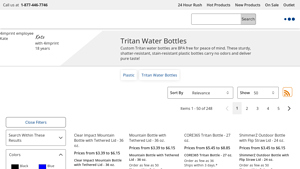
Introduction: Custom Tritan water bottles are BPA free, shatter-resistant, stain-resistant, and carry no odors, delivering pure taste. 248 products found in various colors including Black, Blue, Gray, Green, Orange, Red, and more. Options for production time range from 24 hours to 3 days or less. Imprint options available for 1 or more colors and various locations.
5. Walmart – Leather Wrapped Insulated Sippy Cup
Domain: walmart.com
Registered: 1995 (30 years)
Introduction: This company, Walmart – Leather Wrapped Insulated Sippy Cup, is a notable entity in the market. For specific product details, it is recommended to visit their website directly.
6. SIGG – Tritan Water Bottles
Domain: sigg.com
Registered: 2003 (22 years)
Introduction: SIGG Tritan water bottles are lightweight, shatterproof, and free of harmful flavor additives, ensuring a tasteless drinking experience. They are suitable for children, athletes, and everyday users. The bottles are 100% leak-proof, can hold carbonated drinks, and come in various sizes: 0.35L, 0.45L, 0.5L, 0.6L, 0.75L, 1L, and 1.5L. Available colors include Berry, Black, Blue, Gray, Green, Orange, …
Strategic Sourcing Conclusion and Outlook for tritan water bottle
In the evolving market for Tritan water bottles, strategic sourcing emerges as a critical component for international buyers. The durability, safety, and eco-friendliness of Tritan material provide compelling advantages over traditional plastics, making it a preferred choice for health-conscious consumers globally. By leveraging partnerships with reputable suppliers, buyers can access a diverse range of products tailored to various markets, including customized designs that resonate with local preferences in regions such as Africa, South America, the Middle East, and Europe.
Furthermore, understanding the regulatory landscape and potential tariffs associated with importing Tritan products is essential for optimizing procurement strategies. This knowledge not only mitigates risks but also enhances cost-effectiveness, ensuring that businesses remain competitive in their respective markets.
Looking ahead, the demand for sustainable and reusable products will continue to grow, driven by increased consumer awareness and environmental concerns. International B2B buyers are encouraged to embrace strategic sourcing practices that prioritize quality, sustainability, and innovation in Tritan water bottles. By doing so, they can position their businesses at the forefront of this dynamic market, fostering long-term relationships with consumers who value responsible choices.