Introduction: Navigating the Global Market for big insulated water bottle
In the rapidly evolving global market, sourcing big insulated water bottles presents unique challenges for B2B buyers. As demand grows for durable and versatile hydration solutions, international buyers, especially from regions such as Africa, South America, the Middle East, and Europe, must navigate a landscape filled with diverse options and varying quality standards. This guide serves as a comprehensive resource, detailing various types of big insulated water bottles, their applications across different industries, and key considerations for supplier vetting and cost analysis.
Understanding the features that distinguish high-quality insulated bottles—like double-wall vacuum insulation, leakproof designs, and sustainable materials—will empower buyers to make informed purchasing decisions. By addressing critical factors such as market trends, consumer preferences, and regional compliance standards, this guide equips B2B buyers with the insights necessary to optimize their sourcing strategies.
Whether you’re looking to stock your retail space, supply corporate events, or equip outdoor adventure companies, the information presented will help you identify reliable suppliers and negotiate favorable terms. Ultimately, this resource is designed to enhance your procurement process, ensuring that you select products that not only meet your hydration needs but also resonate with your brand values and customer expectations.
Understanding big insulated water bottle Types and Variations
| Type Name | Key Distinguishing Features | Primary B2B Applications | Brief Pros & Cons for Buyers |
|---|---|---|---|
| Chug Bottle | Wide mouth for easy filling; compatible with straw cap; 100% leakproof | Outdoor activities, corporate giveaways | Pros: Easy to carry, versatile caps. Cons: May not fit in standard cupholders. |
| Vacuum Insulated Bottle | Double-wall vacuum insulation; keeps drinks hot/cold for hours | Hospitality, catering, corporate events | Pros: Long-lasting temperature retention. Cons: Hand wash only; not microwave safe. |
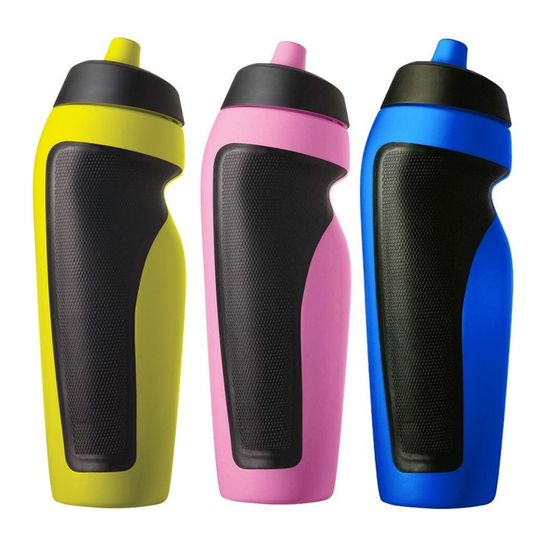
| Sports Water Bottle | Ergonomic design; often includes a flip-top or straw cap | Fitness centers, sports teams, outdoor events | Pros: Convenient for on-the-go hydration. Cons: Limited volume compared to larger bottles. |
| Customizable Bottles | Options for branding and personalization; various sizes available | Promotional products, corporate branding | Pros: Enhances brand visibility. Cons: Potentially higher cost for customization. |
| High-Volume Containers | Large capacity (over 64 oz); designed for extended use | Construction sites, outdoor adventures | Pros: Reduces frequency of refills. Cons: Bulkiness may hinder portability. |
What Are the Key Characteristics of Chug Bottles for B2B Buyers?
Chug bottles are designed for ease of use, featuring wide openings that facilitate quick filling and cleaning. Their 100% leakproof design ensures that they can be safely transported in bags without worrying about spills. For B2B applications, these bottles are ideal for outdoor activities and corporate giveaways, providing a practical hydration solution. Buyers should consider the versatility of interchangeable caps, although they may find that these bottles do not fit in standard cupholders, limiting their usability in vehicles.
How Do Vacuum Insulated Bottles Benefit Businesses?
Vacuum insulated bottles are built with double-wall technology that keeps beverages hot or cold for extended periods, making them suitable for hospitality and catering services. Their robust design, often made from high-quality stainless steel, ensures durability in high-demand environments. B2B buyers should weigh the benefits of long-lasting temperature retention against the requirement for hand washing, as these bottles typically cannot be cleaned in dishwashers or microwaves.
What Makes Sports Water Bottles a Popular Choice?
Sports water bottles are ergonomically designed for easy handling and often feature flip-top or straw caps for convenience. This design is particularly beneficial for fitness centers, sports teams, and outdoor events, where quick hydration is essential. While they provide convenience for on-the-go hydration, B2B buyers should note that these bottles usually have a smaller volume compared to larger options, which might necessitate more frequent refills during extensive activities.
Why Should Businesses Consider Customizable Bottles?
Customizable bottles offer businesses the opportunity to enhance brand visibility through personalized designs and logos. Available in various sizes, these bottles can serve as effective promotional products or corporate gifts. While the investment in customization can increase costs, the long-term marketing benefits of increased brand recognition and customer loyalty can outweigh these initial expenses, making them a valuable addition to any promotional strategy.
What Are the Advantages and Disadvantages of High-Volume Containers?
High-volume containers are designed for extended use and can hold more than 64 ounces, making them ideal for environments such as construction sites and outdoor adventures. Their large capacity reduces the frequency of refills, ensuring that users remain hydrated throughout the day. However, their bulkiness can hinder portability, which is a critical consideration for B2B buyers looking for practical solutions in mobile or dynamic work environments.
Key Industrial Applications of big insulated water bottle
| Industry/Sector | Specific Application of big insulated water bottle | Value/Benefit for the Business | Key Sourcing Considerations for this Application |
|---|---|---|---|
| Outdoor Recreation | Used by adventure tourism companies for guided tours | Enhances customer experience by providing hydration solutions | Consider durability, insulation performance, and branding options |
| Food and Beverage Service | Utilized in catering and event management for outdoor events | Maintains beverage temperatures, ensuring guest satisfaction | Look for customization options and bulk purchasing discounts |
| Construction and Field Work | Provided to workers on job sites for hydration | Promotes worker safety and productivity by ensuring hydration | Focus on leak-proof design and ease of cleaning |
| Corporate Gifting | Offered as branded gifts for employee wellness programs | Strengthens brand presence and promotes health among employees | Evaluate customization capabilities and minimum order quantities |
| Educational Institutions | Distributed to students during outdoor activities | Encourages hydration and sustainability among students | Assess material safety, size options, and branding potential |
How Are Big Insulated Water Bottles Used in Outdoor Recreation?
In the outdoor recreation sector, big insulated water bottles serve as essential hydration tools for adventure tourism companies offering guided tours. They enable tourists to stay hydrated during long hikes or excursions, where access to fresh water may be limited. The ability to keep beverages cold for extended periods enhances the overall experience, making it vital for companies to source bottles that are both durable and capable of maintaining temperature. International buyers should prioritize bottles that can be customized with their branding to enhance visibility and customer engagement.
What Role Do Big Insulated Water Bottles Play in Food and Beverage Services?
In the food and beverage service industry, big insulated water bottles are crucial for catering and event management, particularly for outdoor events. These bottles ensure that drinks remain at optimal temperatures, which is essential for guest satisfaction. By investing in high-quality insulated bottles, businesses can enhance their service offerings while promoting sustainability through reusable containers. Buyers should look for bottles that offer customization options for branding and are available in bulk to meet the demands of large events.
Why Are Big Insulated Water Bottles Important for Construction and Field Work?
In construction and field work, providing workers with big insulated water bottles is vital for promoting hydration and safety. These bottles help to mitigate heat-related illnesses by ensuring workers have access to cold water throughout the day. When sourcing insulated bottles, companies should prioritize leak-proof designs to prevent spills on job sites and ease of cleaning to maintain hygiene. Additionally, the bottles should be robust enough to withstand harsh working conditions, making durability a key consideration for buyers.
How Can Corporate Gifting Leverage Big Insulated Water Bottles?
Corporate gifting programs can significantly benefit from incorporating big insulated water bottles as branded gifts for employees. These bottles not only promote a culture of health and wellness but also enhance the company’s brand presence. By providing employees with high-quality, reusable bottles, companies can foster loyalty and encourage sustainable practices. Buyers should evaluate customization capabilities to ensure that the branding aligns with corporate values and consider minimum order quantities that fit their budget.
What Benefits Do Big Insulated Water Bottles Offer Educational Institutions?
Educational institutions can utilize big insulated water bottles during outdoor activities and events to promote hydration among students. These bottles encourage sustainable practices by reducing single-use plastics and instill healthy habits in students. When sourcing these products, schools should assess the safety of materials, ensuring they are BPA-free, and consider various size options to accommodate different age groups. Additionally, branding potential can help schools foster community spirit and engagement through customized designs.
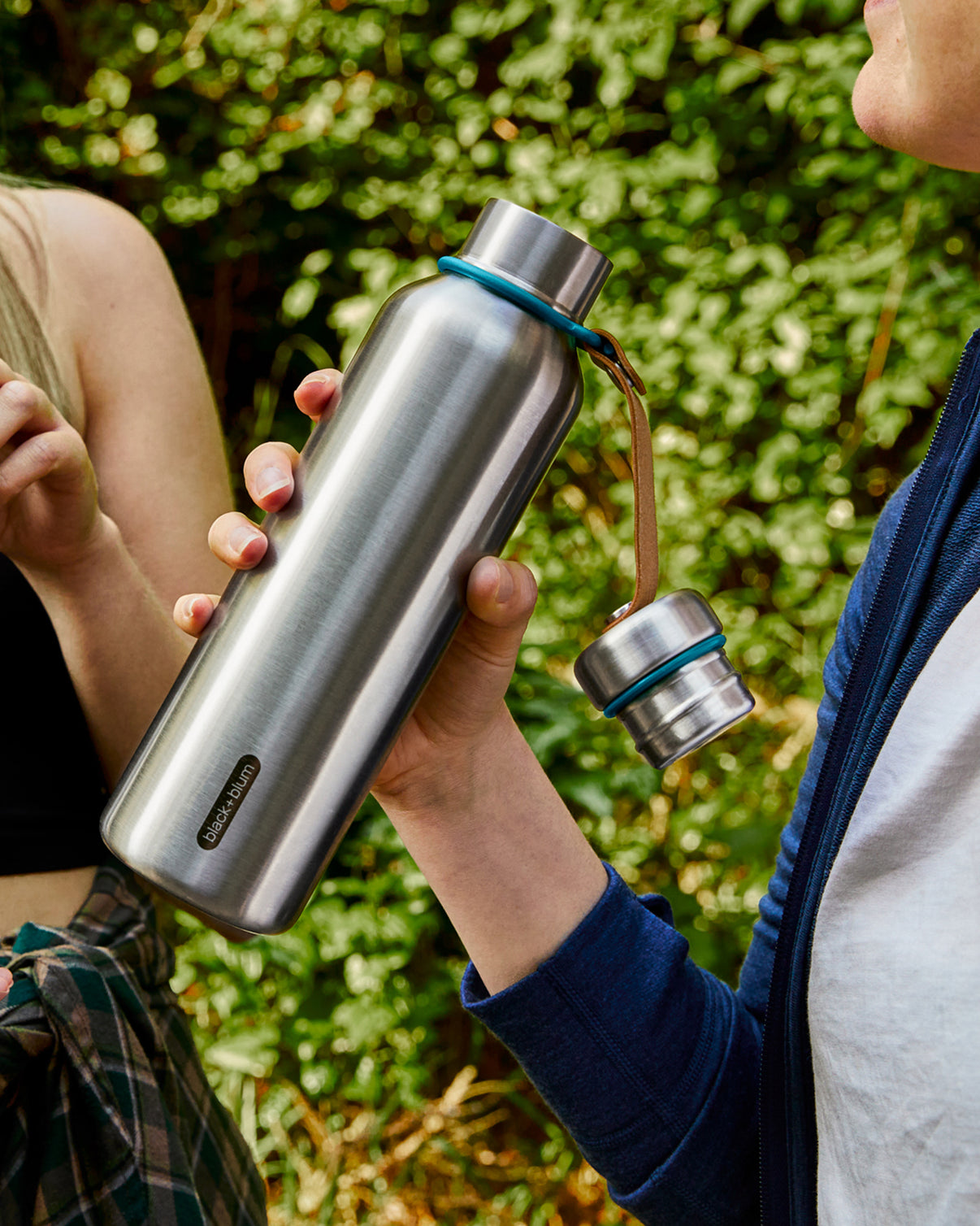
A stock image related to big insulated water bottle.
3 Common User Pain Points for ‘big insulated water bottle’ & Their Solutions
Scenario 1: Managing Temperature Control in Extreme Conditions
The Problem: B2B buyers often face challenges with temperature control for beverages in extreme climates. For instance, companies operating in the hot deserts of the Middle East or the humid tropics of South America need insulated water bottles that can keep drinks cold for extended periods. Inadequate insulation can lead to warm drinks that are unappealing to customers and employees alike, potentially affecting hydration and overall satisfaction during outdoor activities or long workdays.
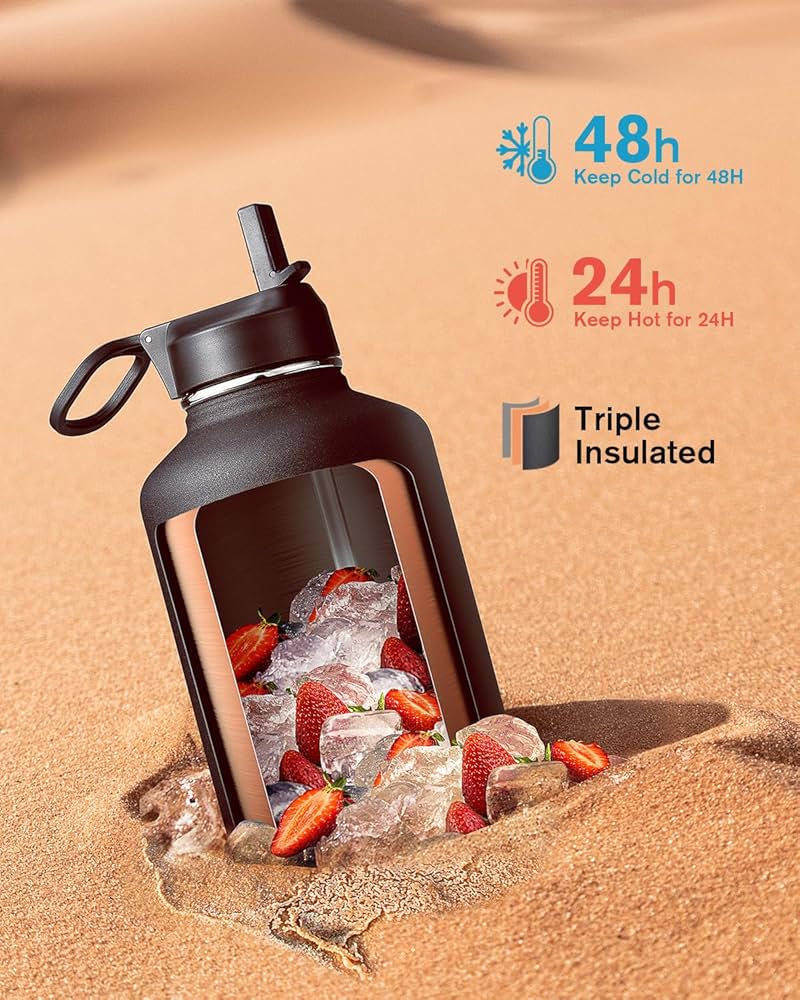
The Solution: When sourcing big insulated water bottles, prioritize those with double-wall vacuum insulation technology, which significantly enhances thermal retention. Look for products that guarantee cold beverages for at least 24 hours and hot drinks for 12 hours. Verify performance claims through independent testing certifications. Additionally, consider bottles with a “No Sweat” exterior to prevent condensation, which can be a significant issue in humid environments. Lastly, provide your employees with training on the best practices for using these bottles, such as pre-chilling the bottle with ice before use, to maximize the cooling effect.
Scenario 2: Ensuring Durability for Field Use
The Problem: In rugged environments, such as construction sites or outdoor adventures, the durability of equipment is paramount. B2B buyers may find that many insulated water bottles fail to withstand drops, impacts, or exposure to harsh elements, leading to frequent replacements and increased costs. This not only disrupts operations but can also lead to safety concerns if bottles leak or break.
The Solution: To address durability concerns, source insulated water bottles made from high-grade stainless steel, specifically those rated for puncture and rust resistance. Look for features like a reinforced base and impact-resistant designs. Additionally, consider customizable options where your company logo can be included, enhancing branding while providing robust products. Conduct thorough testing of samples in real-world conditions to ensure they can withstand the rigors of field use. Establish a warranty policy with the supplier to safeguard against defects and ensure longevity in your investment.
Scenario 3: Overcoming Storage and Transportation Challenges
The Problem: B2B buyers often grapple with the bulkiness and weight of large insulated water bottles, which can complicate storage and transportation, especially for businesses in sectors like hospitality or outdoor events. Bottles that do not fit standard storage solutions or that are too heavy can lead to inefficiencies, increased labor costs, and logistical headaches.
The Solution: When evaluating insulated water bottles, choose designs that optimize space without sacrificing capacity. Seek bottles with ergonomic handles for easy carrying and those that stack or nest neatly when not in use. Additionally, look for options that can be customized with collapsible features or modular designs to enhance storage versatility. Engage with suppliers who offer bulk purchasing options and discuss logistics support to ensure efficient delivery and storage solutions tailored to your operational needs. Implement an inventory management system to track usage and streamline ordering processes, preventing overstocking and ensuring you always have the right amount of product on hand.
Strategic Material Selection Guide for big insulated water bottle
What Are the Key Materials Used in Big Insulated Water Bottles?
When selecting materials for big insulated water bottles, several options are commonly utilized, each with distinct properties, benefits, and drawbacks. Understanding these materials is crucial for international B2B buyers aiming to meet specific market demands and compliance standards.
How Does Stainless Steel Perform in Insulated Water Bottles?
Stainless steel is a prevalent choice for insulated water bottles due to its excellent durability and resistance to corrosion. It typically features a double-wall vacuum insulation that maintains temperature effectively, keeping beverages cold for up to 24 hours and hot for around 12 hours. Key properties include a high-temperature rating and a robust structure that withstands pressure.
Pros: Stainless steel is highly durable, resistant to rust, and does not retain flavors or odors. It is also dishwasher safe, making it easy to clean.
Cons: The primary drawbacks include higher manufacturing costs and potential weight issues, as stainless steel bottles can be heavier than alternatives like plastic.
Impact on Application: Stainless steel is compatible with a wide range of beverages, including acidic drinks, and is safe for food contact.
Considerations for International Buyers: Buyers from regions like Europe and the Middle East should ensure compliance with food safety regulations, such as those set by the European Food Safety Authority (EFSA) or the Saudi Standards, Metrology and Quality Organization (SASO).
What Role Does BPA-Free Plastic Play in Insulated Water Bottles?
BPA-free plastic is another material option, often used in conjunction with insulation technology. While not as effective in maintaining temperature as stainless steel, it is lightweight and offers a variety of designs and colors.
Pros: The key advantages of BPA-free plastic include its lightweight nature, lower cost, and versatility in design. It is also less prone to denting compared to metal.
Cons: However, plastic can be less durable and may not withstand high temperatures as effectively as stainless steel. Additionally, it may retain odors and flavors over time.
Impact on Application: Plastic bottles are suitable for cold beverages and can be designed with various features like straw caps, but they are not ideal for hot liquids.
Considerations for International Buyers: Buyers should look for compliance with ASTM standards for consumer safety and ensure the materials used are free from harmful chemicals, especially in regions with strict regulations like Germany.
How Do Glass and Silicone Compare for Insulated Water Bottles?
Glass is often used in high-end insulated bottles, providing a premium feel and excellent taste preservation. Silicone, on the other hand, is frequently used for seals and grips due to its flexibility and durability.
Pros of Glass: Glass bottles do not leach chemicals and maintain the purity of the beverage. They are also aesthetically pleasing and can be designed with various finishes.
Cons of Glass: The main disadvantage is fragility; glass can break easily, making it less suitable for rugged outdoor use.
Pros of Silicone: Silicone is flexible, durable, and resistant to extreme temperatures. It is also lightweight and can be molded into various shapes.
Cons of Silicone: While it is generally safe, silicone may not be suitable for high-temperature applications and can degrade over time with exposure to UV light.
Impact on Application: Glass is ideal for consumers looking for a premium experience, while silicone is excellent for seals and grips in various climates.
Considerations for International Buyers: Compliance with international safety standards is essential, especially in regions like South America, where regulations may differ significantly.
Summary Table of Material Selection for Big Insulated Water Bottles
| Material | Typical Use Case for big insulated water bottle | Key Advantage | Key Disadvantage/Limitation | Relative Cost (Low/Med/High) |
|---|---|---|---|---|
| Stainless Steel | Outdoor and rugged use | High durability and corrosion resistance | Heavier and more expensive | High |
| BPA-Free Plastic | Lightweight and colorful designs | Cost-effective and versatile | Less durable, may retain flavors | Low |
| Glass | Premium, taste-sensitive applications | Pure taste, aesthetic appeal | Fragile and heavy | Medium |
| Silicone | Seals and grips in various applications | Flexible and durable | UV degradation over time | Low |
This guide provides a comprehensive overview of the materials used in big insulated water bottles, helping B2B buyers make informed decisions that align with their market needs and compliance requirements.
A stock image related to big insulated water bottle.
In-depth Look: Manufacturing Processes and Quality Assurance for big insulated water bottle
What Are the Key Stages in the Manufacturing Process of Big Insulated Water Bottles?
The manufacturing process of big insulated water bottles involves several critical stages, each designed to ensure the final product meets stringent quality and performance standards. The main stages include material preparation, forming, assembly, and finishing.
How Is Material Prepared for Big Insulated Water Bottles?
The first step in manufacturing insulated water bottles is the selection of high-quality materials. Typically, manufacturers use 18/8 stainless steel, known for its durability, rust resistance, and non-reactive properties. This type of steel is ideal for maintaining the temperature of beverages. During material preparation, sheets of stainless steel are cut to size, and any additional materials, such as silicone for seals or BPA-free plastics for caps, are gathered.
In this stage, quality assurance begins with incoming quality control (IQC), where the raw materials undergo testing to ensure they meet predefined specifications. This may include checking for chemical composition, mechanical properties, and surface integrity.
What Techniques Are Used in Forming Big Insulated Water Bottles?
The forming stage involves shaping the stainless steel into the desired bottle form. This is typically achieved through methods such as deep drawing or hydroforming, which allow for the creation of seamless, sturdy bottles. The use of computer numerical control (CNC) machines enhances precision in the forming process.
In addition to shaping the bottle, manufacturers also create the double-walled vacuum insulation that is crucial for thermal efficiency. This involves placing one layer of the bottle inside another and then creating a vacuum between the two layers, which serves as an insulating barrier.
How Are Big Insulated Water Bottles Assembled?
Once the forming process is complete, the next step is assembly. This includes attaching the lid, seals, and any additional features, such as carrying straps or custom caps. Manufacturers typically use automated assembly lines for efficiency, but manual assembly is also common for more intricate components.
During assembly, in-process quality control (IPQC) checks are vital. These checkpoints ensure that each component is correctly fitted and that there are no defects that could affect the bottle’s performance or leak-proof capabilities.
What Finishing Processes Are Involved in Big Insulated Water Bottles?
The finishing stage focuses on surface treatment and branding. Bottles may undergo processes such as polishing, coating, or powder coating to enhance aesthetics and durability. Additionally, branding elements like logos or designs are often applied through laser engraving or screen printing.
Final quality control (FQC) processes take place during this stage. These checks ensure that the bottles meet all specifications for appearance, functionality, and safety before they are packaged for shipping.
What Quality Assurance Standards Are Relevant for Insulated Water Bottles?
Quality assurance is a critical aspect of the manufacturing process for insulated water bottles. International standards such as ISO 9001 provide a framework for establishing an effective quality management system. Compliance with these standards ensures that manufacturers maintain consistent quality and continuously improve their processes.
Moreover, industry-specific certifications like CE (Conformité Européenne) and API (American Petroleum Institute) may be relevant depending on the intended market. These certifications provide assurance regarding product safety, environmental impact, and performance characteristics.
What Are the Common Testing Methods for Quality Assurance?
Common testing methods for insulated water bottles include:
- Leak Testing: Ensures the bottle maintains its integrity under pressure and does not leak.
- Thermal Performance Testing: Measures how well the bottle maintains hot or cold temperatures over time.
- Material Testing: Assesses the durability and safety of materials used, ensuring they are free from harmful substances.
- Drop Tests: Simulates real-world handling to ensure the bottle can withstand impacts without damage.
How Can B2B Buyers Verify Supplier Quality Control?
B2B buyers can take several steps to verify the quality control processes of their suppliers:
-
Supplier Audits: Conducting on-site audits can provide insights into the manufacturing processes, quality management systems, and adherence to international standards.
-
Quality Reports: Requesting detailed quality assurance reports can help buyers understand the results of various tests conducted throughout the manufacturing process.
-
Third-Party Inspections: Engaging independent inspection agencies can offer an unbiased assessment of product quality before shipment.
-
Certification Verification: Ensuring that suppliers hold relevant certifications can provide additional assurance of product quality and compliance with international standards.
What Are the Quality Control Nuances for International B2B Buyers?
International buyers, particularly those from regions like Africa, South America, the Middle East, and Europe, should be aware of certain nuances in quality control.
-
Regulatory Compliance: Different regions may have specific regulations regarding materials and manufacturing practices. Understanding local laws can help avoid compliance issues.
-
Cultural Expectations: Buyers should consider cultural differences that may influence expectations regarding product quality and customer service.
-
Logistics and Shipping: Quality control doesn’t end at the factory. Ensuring that products are handled and stored correctly during transportation is essential to maintain quality upon arrival.
-
Language Barriers: Clear communication is vital. Buyers should ensure that all specifications, contracts, and quality expectations are documented in a language understood by all parties involved.
By understanding the manufacturing processes and quality assurance standards for big insulated water bottles, B2B buyers can make informed decisions and establish strong relationships with suppliers that meet their quality needs.
Practical Sourcing Guide: A Step-by-Step Checklist for ‘big insulated water bottle’
To assist B2B buyers in sourcing big insulated water bottles effectively, this guide provides a structured checklist to streamline the procurement process. It covers essential steps that ensure quality, compliance, and suitability for your specific business needs.
Step 1: Define Your Technical Specifications
Establishing clear technical specifications is vital for ensuring the product meets your operational requirements. Consider factors such as material (e.g., stainless steel), capacity (e.g., 64 oz or larger), insulation properties, and design features. This step helps in filtering out unsuitable products from the outset.
- Material Considerations: Look for high-grade stainless steel for durability and resistance to rust and punctures.
- Insulation Type: Ensure double-wall vacuum insulation is specified for effective temperature retention.
Step 2: Identify Your Target Market Needs
Understanding the needs of your target market is crucial for selecting the right product. Analyze regional preferences in features, such as aesthetics, ease of use, and sustainability. This ensures that the products you procure align with customer expectations.
- Market Preferences: In some regions, eco-friendly materials may be more appealing, while in others, functionality might take precedence.
- Usage Context: Consider whether the bottles will be used for outdoor activities, corporate gifts, or everyday hydration.
Step 3: Evaluate Potential Suppliers
Before committing to a supplier, conduct a thorough evaluation. Request detailed company profiles, including their production capabilities, quality control measures, and customer testimonials. This due diligence reduces the risk of supply chain disruptions.
- Quality Assurance: Inquire about certifications such as ISO or relevant safety standards that ensure product quality.
- References: Ask for references from businesses in similar markets to gauge supplier reliability.
Step 4: Request Samples for Testing
Obtaining samples allows you to assess product quality firsthand. Test the bottles for durability, insulation performance, and ease of use to ensure they meet your specifications. This step is essential to avoid costly mistakes post-purchase.
- Performance Testing: Check how long the bottles maintain temperature and ensure they are leakproof.
- User Experience: Evaluate the design for comfort and practicality, including the lid mechanism and carrying options.
Step 5: Negotiate Terms and Pricing
Once you have identified a suitable supplier, negotiate pricing and terms that work for both parties. Discuss bulk purchase discounts, payment terms, and delivery schedules to optimize your procurement process.
- Volume Discounts: Leverage the potential for bulk orders to negotiate better pricing.
- Flexible Terms: Ensure that payment and delivery terms align with your cash flow and inventory needs.
Step 6: Verify Compliance with Regulations
Ensure that the products comply with local and international regulations, especially if importing. This includes safety standards for materials and manufacturing processes. Non-compliance can lead to fines or product recalls.
- BPA-Free Assurance: Verify that the materials used are BPA-free and safe for consumer use.
- Import Regulations: Familiarize yourself with import tariffs and regulations specific to your region.
Step 7: Establish a Quality Control Process
Implement a quality control process for ongoing orders to maintain product standards. Regular inspections and feedback loops with the supplier can help address any issues promptly and ensure continued satisfaction.
- Inspection Protocols: Set clear inspection criteria for each shipment to uphold quality.
- Feedback Mechanism: Create a process for gathering feedback from end-users to improve future orders.
By following these steps, B2B buyers can streamline their sourcing process for big insulated water bottles, ensuring they select high-quality products that meet their business needs and customer expectations.
Comprehensive Cost and Pricing Analysis for big insulated water bottle Sourcing
What Are the Key Cost Components in Sourcing Big Insulated Water Bottles?
When sourcing big insulated water bottles, international B2B buyers should consider several key cost components that contribute to the final pricing. The primary elements include materials, labor, manufacturing overhead, tooling, quality control (QC), logistics, and margin.
-
Materials: The choice of materials significantly influences costs. High-quality stainless steel is commonly used for durability and insulation properties, while other materials like silicone and artificial leather may be added for aesthetic and functional purposes. The cost of these materials can vary widely based on market conditions and supplier agreements.
-
Labor: Labor costs can differ based on the manufacturing location. For example, countries with lower labor costs might offer competitive pricing, but this can also affect product quality. Understanding the labor market in the manufacturing region is crucial.
-
Manufacturing Overhead: This includes utilities, rent, and other indirect costs associated with production. Efficient manufacturers typically manage these costs effectively, which can lead to more competitive pricing for buyers.
-
Tooling: Custom designs or unique specifications may require specific tooling, which adds to upfront costs. Buyers should assess whether the investment in tooling is justified by the expected volume of orders.
-
Quality Control (QC): Ensuring product quality is non-negotiable. QC processes may include testing for insulation effectiveness, leak-proofing, and durability. The costs associated with these processes should be factored into the overall pricing structure.
-
Logistics: Transportation costs can be substantial, especially for international shipments. Factors such as distance, shipping method, and customs duties must be considered to avoid unexpected expenses.
-
Margin: Suppliers will typically include a profit margin in their pricing. Understanding average margins within the industry can help buyers evaluate whether they are receiving a fair price.
How Do Price Influencers Affect Big Insulated Water Bottle Costs?
Several price influencers can significantly impact the cost of big insulated water bottles. These include order volume, specifications, materials, quality certifications, supplier factors, and Incoterms.
-
Volume/MOQ: Purchasing in larger quantities can lead to lower per-unit costs. Manufacturers often set minimum order quantities (MOQs), and negotiating these terms can provide significant savings.
-
Specifications/Customization: Custom features, such as unique designs or additional insulation layers, can increase costs. Buyers should weigh the benefits of customization against potential price increases.
-
Materials and Quality/Certifications: Bottles made from premium materials or those that meet specific certifications (e.g., BPA-free, food-grade) may command higher prices. Buyers should evaluate the necessity of these features based on their target market.
-
Supplier Factors: The reputation and reliability of suppliers can influence pricing. Established suppliers may charge more due to their experience and quality assurance processes.
-
Incoterms: Understanding Incoterms is vital for international transactions. They dictate the responsibilities of buyers and sellers in terms of shipping, insurance, and tariffs, which can affect the total cost.
What Are the Best Negotiation Tips for B2B Buyers of Insulated Water Bottles?
For international buyers, especially from Africa, South America, the Middle East, and Europe, effective negotiation strategies are essential for maximizing value.
-
Research and Benchmarking: Before negotiations, conduct thorough market research to understand average pricing and quality benchmarks. This knowledge will empower you during discussions.
-
Leverage Volume Discounts: If possible, commit to larger orders to negotiate better pricing. Suppliers are often willing to reduce prices for bulk purchases.
-
Focus on Total Cost of Ownership (TCO): When negotiating, emphasize TCO rather than just the purchase price. Consider factors such as durability, warranty, and maintenance costs, which can lead to long-term savings.
-
Explore Multiple Suppliers: Don’t settle for the first offer. Engaging multiple suppliers can create competition, leading to better pricing and terms.
-
Be Aware of Pricing Nuances: Different regions may have unique pricing structures due to local market conditions, tariffs, or shipping costs. Understanding these nuances can help in making informed decisions.
Disclaimer on Indicative Prices
Prices for big insulated water bottles can vary based on numerous factors, including market conditions, supplier negotiations, and geographic considerations. The figures referenced in this analysis serve as a guideline and may not reflect current market rates. Always verify pricing with suppliers to ensure accuracy.
Alternatives Analysis: Comparing big insulated water bottle With Other Solutions
Exploring Alternatives to Big Insulated Water Bottles
When it comes to hydration solutions in various business contexts, big insulated water bottles stand out due to their ability to maintain temperature and durability. However, buyers should also consider alternative solutions that can meet similar hydration needs. This section compares the big insulated water bottle with other viable options, helping B2B buyers make informed decisions.
Comparison Table
| Comparison Aspect | Big Insulated Water Bottle | Water Cooler Dispenser | Single-Use Bottles |
|---|---|---|---|
| Performance | Keeps drinks cold for 24 hours or hot for 12 hours; durable and leakproof. | Provides a continuous supply of cold and hot water; typically larger capacity for high-volume usage. | Convenient for short-term use but lacks temperature control and sustainability. |
| Cost | Moderate to high initial investment ($37.95 – $65.00); long-term cost-effective. | Higher upfront cost ($100+) but low ongoing costs for refills; suitable for large teams. | Low initial cost (around $1-$2 per bottle) but high recurring costs and environmental impact. |
| Ease of Implementation | Easy to use; requires no installation; portable for various settings. | Requires space and setup; may need maintenance for cleanliness. | Extremely easy to use; no setup needed, but disposal can be cumbersome. |
| Maintenance | Minimal; dishwasher safe for cleaning; durable materials reduce wear. | Regular cleaning required; water source needs to be refilled. | No maintenance required but contributes to waste and environmental concerns. |
| Best Use Case | Ideal for outdoor activities, long trips, and personal hydration; promotes sustainability. | Best for offices, events, or high-traffic areas where many people need hydration. | Suitable for short events or travel; not sustainable for long-term use. |
In-Depth Analysis of Alternatives
Water Cooler Dispenser
Water cooler dispensers are an excellent alternative for businesses with high water consumption needs. They provide a constant supply of cold and hot water, making them suitable for offices, events, or public spaces. While the initial setup cost can be significant, the long-term value is evident in the convenience and reduced frequency of water bottle purchases. However, they require regular maintenance and cleaning to ensure hygiene. For businesses that prioritize employee hydration and have the infrastructure to support it, water dispensers can be a practical solution.
Single-Use Bottles
Single-use plastic bottles are widely used for their convenience and low cost. They are ideal for short-term events or situations where carrying a larger bottle is impractical. However, the environmental impact of single-use bottles is substantial, contributing to plastic waste. Additionally, they do not maintain drink temperature and can lead to higher long-term costs due to constant repurchase. For businesses aiming for sustainability and cost-effectiveness, single-use bottles are less favorable compared to more durable alternatives like insulated bottles.
How Can B2B Buyers Choose the Right Hydration Solution?
Choosing the right hydration solution requires assessing specific business needs, including volume requirements, budget constraints, and sustainability goals. For companies focused on long-term use and reducing environmental impact, big insulated water bottles or water cooler dispensers may be the best options. Conversely, for short-term events or scenarios where convenience is paramount, single-use bottles can suffice, albeit with the understanding of their environmental footprint. Ultimately, aligning the hydration solution with the company’s operational model and values will lead to the most effective decision.
Essential Technical Properties and Trade Terminology for big insulated water bottle
What Are the Key Technical Properties of Big Insulated Water Bottles?
Understanding the essential technical specifications of big insulated water bottles is crucial for B2B buyers. Here are some critical properties to consider:
1. Material Grade: What Is the Best Material for Durability and Safety?
Most high-quality insulated water bottles are made from 18/8 stainless steel, also known as food-grade stainless steel. This material is resistant to rust, punctures, and corrosion, ensuring longevity and safety. For B2B buyers, selecting products made from high-grade materials ensures compliance with health and safety regulations, particularly in markets that prioritize quality assurance.
2. Insulation Technology: How Does It Affect Temperature Retention?
Double-wall vacuum insulation is a common feature in big insulated bottles. This technology creates an airless space between two walls, significantly reducing heat transfer. As a result, cold drinks remain cold for up to 24 hours, and hot drinks can stay warm for 12 hours or more. For businesses, this property is vital as it enhances the product’s value proposition, catering to consumers looking for high-performance hydration solutions.
3. Leakproof Design: Why Is It Essential for Practical Use?
A 100% leakproof seal is a critical feature for insulated water bottles. This ensures that the contents do not spill, making it safe for transport in bags or vehicles. For B2B buyers, offering products with reliable leakproof designs can lead to increased customer satisfaction and reduced returns or complaints.
4. Capacity: What Size Should You Choose?
Big insulated water bottles typically range from 25 oz to 64 oz (or more), allowing users to carry sufficient hydration for extended periods. Understanding the target market’s needs—whether for outdoor adventures, daily commuting, or corporate giveaways—can help businesses choose the right capacity that aligns with consumer demand.
5. Compatibility with Accessories: How Does It Enhance User Experience?
Many insulated bottles are designed to be compatible with various caps and accessories, such as straw lids and cleaning brushes. This versatility allows users to customize their drinking experience. For B2B buyers, emphasizing compatibility can be a selling point, appealing to customers who value adaptability and convenience.
What Trade Terms Should B2B Buyers Know When Purchasing Big Insulated Water Bottles?
Familiarity with industry jargon can significantly streamline the purchasing process. Here are some common terms:
1. OEM (Original Equipment Manufacturer): What Does It Mean for Your Supply Chain?
OEM refers to companies that produce parts or products that are then marketed by another company under its own brand name. Understanding OEM relationships is crucial for B2B buyers looking to source insulated water bottles that can be customized with their branding.
2. MOQ (Minimum Order Quantity): How Does It Impact Your Buying Strategy?
MOQ is the smallest quantity of a product that a supplier is willing to sell. Knowing the MOQ helps buyers determine their purchasing strategy and budget, especially when entering new markets or launching a new product line.
3. RFQ (Request for Quotation): Why Is It Important for Cost Management?
An RFQ is a formal document sent to suppliers requesting pricing and other details for specific products. Utilizing RFQs can help B2B buyers compare costs and terms effectively, ensuring they secure the best deal for their insulated water bottles.
4. Incoterms (International Commercial Terms): How Do They Affect Shipping?
Incoterms are a series of predefined commercial terms published by the International Chamber of Commerce (ICC) that outline the responsibilities of buyers and sellers in international transactions. Understanding these terms is essential for B2B buyers, as they clarify shipping costs, risks, and delivery responsibilities, which can influence overall pricing and logistics strategies.
By grasping these technical properties and trade terms, B2B buyers can make informed decisions, ensuring they select the right big insulated water bottles for their markets while optimizing costs and enhancing customer satisfaction.
Navigating Market Dynamics and Sourcing Trends in the big insulated water bottle Sector
What Are the Current Market Dynamics and Key Trends for Big Insulated Water Bottles?
The big insulated water bottle market is experiencing significant growth, driven by increasing consumer awareness of health and hydration, along with a rising trend towards outdoor activities and eco-friendly products. Key global drivers include the growing demand for sustainable and reusable products, particularly among environmentally conscious consumers in regions like Europe and North America. For international B2B buyers, particularly from Africa, South America, the Middle East, and Germany, understanding these dynamics is crucial for sourcing strategies.
Emerging technology trends are reshaping the sourcing landscape. Advancements in manufacturing processes, such as improved insulation technologies and the use of high-grade stainless steel, have enhanced product durability and performance. Additionally, the rise of e-commerce platforms enables B2B buyers to access a broader range of suppliers and products, facilitating competitive pricing and efficient logistics. Companies that leverage data analytics can better predict market trends and consumer preferences, allowing them to adjust their sourcing strategies accordingly.
Furthermore, customization options are becoming increasingly popular. Buyers are seeking products that can be tailored to their specific needs, whether through branding opportunities or personalized designs. This trend aligns with the broader demand for unique and high-quality products in the marketplace, making it essential for suppliers to offer flexible solutions.
How Is Sustainability and Ethical Sourcing Impacting the Big Insulated Water Bottle Industry?
Sustainability and ethical sourcing are paramount in the insulated water bottle sector. As consumers become more environmentally conscious, they are increasingly scrutinizing the production processes and materials used in the products they purchase. For B2B buyers, this means sourcing from suppliers who prioritize sustainable practices and materials, such as BPA-free plastics and recycled stainless steel.
The environmental impact of production processes is a significant concern. Manufacturers are adopting greener practices, including reducing waste during production and utilizing renewable energy sources. Certifications such as ISO 14001 for environmental management systems and Fair Trade certifications for ethical labor practices are becoming essential for buyers looking to align with sustainable sourcing strategies.
Moreover, transparent supply chains are critical for establishing trust and accountability. B2B buyers are encouraged to engage with suppliers who can provide detailed information about their sourcing practices and the lifecycle of their products. This focus on sustainability not only enhances brand reputation but can also lead to cost savings through improved operational efficiencies.
What Is the Evolution of the Big Insulated Water Bottle Market?
The big insulated water bottle market has evolved significantly over the past few decades. Initially popularized by outdoor enthusiasts and athletes, these bottles have transitioned into mainstream consumer products. Early designs primarily focused on functionality, but modern iterations emphasize aesthetics, portability, and versatility, catering to a broader audience.
As consumer preferences have shifted towards health and wellness, the demand for high-capacity, insulated bottles has surged. Innovations in materials and design have led to a diverse range of products that cater to various lifestyles, from urban commuters to outdoor adventurers. This evolution highlights the importance of adaptability and responsiveness to market trends for businesses operating in this sector.
In summary, B2B buyers must navigate a landscape shaped by sustainability, technological advancements, and evolving consumer preferences. By staying informed and adapting their sourcing strategies accordingly, they can capitalize on the growing demand for big insulated water bottles while contributing to a more sustainable future.
Frequently Asked Questions (FAQs) for B2B Buyers of big insulated water bottle
-
How do I ensure the quality of big insulated water bottles from suppliers?
To ensure the quality of insulated water bottles, request samples from potential suppliers before placing a bulk order. Assess the materials used, such as stainless steel grade, insulation effectiveness, and leakproof features. Additionally, inquire about the supplier’s quality assurance processes, including certifications like ISO 9001. Consider third-party inspections or audits to verify compliance with international standards, especially if sourcing from regions with varying manufacturing practices. Conducting a thorough vetting process will help mitigate risks and ensure you receive high-quality products. -
What is the best insulation technology for big water bottles?
Double-wall vacuum insulation is the most effective technology for maintaining beverage temperatures in insulated water bottles. This design prevents heat transfer, keeping cold drinks cold for up to 24 hours and hot drinks hot for 12 hours. When sourcing, look for bottles that feature high-quality stainless steel and a robust construction to enhance durability. Check product specifications to confirm insulation performance, as this can vary significantly between manufacturers. This technology is particularly beneficial for outdoor activities and long-distance travel. -
What customization options are available for big insulated water bottles?
Many manufacturers offer customization options such as color, size, and branding through printing or engraving. When sourcing, inquire about minimum order quantities (MOQs) for custom designs, as these can differ by supplier. Ensure that the materials used for customization do not compromise the bottle’s insulation or safety standards, such as being BPA-free. Customization can enhance brand visibility and appeal, especially for corporate gifts or promotional events, making it an essential aspect to discuss with suppliers. -
What are the common minimum order quantities (MOQs) for big insulated water bottles?
MOQs for insulated water bottles typically range from 100 to 1,000 units, depending on the supplier and the level of customization required. Some suppliers may offer lower MOQs for standard products, while custom orders often have higher thresholds. When negotiating, discuss your specific needs and any flexibility in MOQs to accommodate your purchasing strategy. Understanding MOQs is crucial for budgeting and inventory management, particularly for international buyers with varying demand patterns. -
What payment terms should I expect when sourcing from international suppliers?
Payment terms can vary widely among international suppliers, typically ranging from 30% upfront deposit to 70% upon shipment. Some suppliers may also offer net 30 or net 60 terms, allowing you to pay after receiving the goods. When negotiating, ensure you clarify payment methods accepted (e.g., bank transfer, letter of credit) and any associated fees. Consider using escrow services for larger transactions to protect your investment. Understanding payment terms is crucial for managing cash flow and ensuring smooth transactions. -
How do I handle logistics and shipping for big insulated water bottles?
Logistics for shipping insulated water bottles involve selecting the right freight forwarder familiar with your target market. Discuss shipping methods, such as air freight for expedited delivery or sea freight for cost-effective options, depending on your timeline. Ensure that the supplier packages the products securely to prevent damage during transit. Additionally, be aware of customs regulations and duties in your destination country, particularly in regions like Africa and South America, where tariffs can impact overall costs. -
What should I know about the warranty and return policies for insulated water bottles?
Warranties for insulated water bottles generally cover manufacturing defects and can range from one to five years, depending on the supplier. When sourcing, request detailed warranty information and understand the return policy in case of damaged or defective items. Ensure that the supplier has a clear process for handling returns and exchanges, including shipping costs and timelines. Knowing these policies helps manage risks associated with bulk purchases and ensures customer satisfaction. -
Are there specific safety regulations for insulated water bottles in international markets?
Yes, insulated water bottles must comply with various safety regulations that can differ by region. For instance, the European Union has stringent regulations regarding food contact materials, while countries in the Middle East may have specific import standards. Before placing orders, familiarize yourself with the regulations in your target market and ensure the supplier provides necessary certifications, such as FDA approval or CE marking. Compliance not only ensures product safety but also facilitates smoother entry into international markets.
Important Disclaimer & Terms of Use
⚠️ Important Disclaimer
The information provided in this guide, including content regarding manufacturers, technical specifications, and market analysis, is for informational and educational purposes only. It does not constitute professional procurement advice, financial advice, or legal advice.
While we have made every effort to ensure the accuracy and timeliness of the information, we are not responsible for any errors, omissions, or outdated information. Market conditions, company details, and technical standards are subject to change.
B2B buyers must conduct their own independent and thorough due diligence before making any purchasing decisions. This includes contacting suppliers directly, verifying certifications, requesting samples, and seeking professional consultation. The risk of relying on any information in this guide is borne solely by the reader.
Top 9 Big Insulated Water Bottle Manufacturers & Suppliers List
1. YETI – Rambler 64 oz Insulated Bottle
Domain: yeti.com
Registered: 1995 (30 years)
Introduction: Product Name: YETI Rambler 64 oz Insulated Bottle
Capacity: 64 oz
Price: $65.00
Features:
– 100% leakproof
– Easy to carry
– Double-wall vacuum insulated
– Compatible with straw cap accessory (sold separately)
– No Sweat™ exterior to prevent condensation
– Ideal for outdoor activities like ranching or boating.
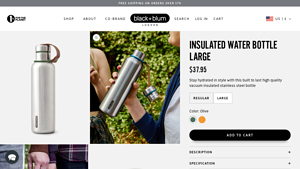
2. Black+Blum – Insulated Water Bottle Large
Domain: blackblum.com
Registered: 2001 (24 years)
Introduction: {“product_name”: “Insulated Water Bottle Large”, “brand”: “Black+Blum”, “price”: “$37.95”, “capacity”: “25 fl oz”, “insulation”: “Vacuum insulated, keeps drinks cold for 24 hours and hot for 12 hours”, “materials”: [“stainless steel”, “silicone”, “artificial leather”], “features”: [“100% leakproof”, “wide opening for easy pouring/cleaning”, “high quality stainless steel”, “vegan leather strap atta…
3. CamelBak – Adventure-Ready Water Bottles
Domain: camelbak.com
Registered: 1996 (29 years)
Introduction: CamelBak offers a variety of adventure-ready water bottles, including the following key products: 1. Thrive™ Flip Straw 40oz Bottle, Insulated Stainless Steel – $37.99 2. Thrive™ Flip Straw 25oz Bottle with Tritan™ Renew – $17.99 3. Podium® 15oz Bike Bottle – $12.00 4. Podium® Dirt Series 15oz Bike Bottle – $15.00 5. Thrive™ Chug 25oz Bottle, Insulated Stainless Steel – $30.99 6. Thrive™ Chug 20oz…
4. Hydro Flask – Insulated Water Bottles
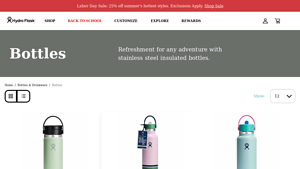
Domain: hydroflask.com
Registered: 2009 (16 years)
Introduction: Insulated & Stainless Steel Water Bottles | Hydro Flask
– Labor Day Sale: 25% off summer’s hottest styles. Exclusions Apply.
– Free shipping on orders $39+
– New Limited Edition Campus Collection
– Product Categories: Bottles, Cups & Tumblers, Coffee & Tea, Beer, Wine & Spirits, Accessories, Coolers & Lunch Boxes, Kitchenware
– Featured Colors: Beachplum, Purple Nectar, Orange, Coconut, Sandpiper
…
5. Thermos – Leakproof Water Bottles
Domain: thermos.com
Registered: 1997 (28 years)
Introduction: Water Bottles – Tough enough for every adventure, leakproof when closed, dishwasher safe. Available sizes: 16oz, 18oz, 24oz, 32oz, 40oz, 64oz. Color options include: Beige, Black, Blue, Brown, Green, Grey, Orange, Pink, Purple, Red, Stainless Steel, White, Yellow, Alpine Green, Bright Blue, Bright Lime, Clear, Hyper Green, Mocha, Smoke, Ultra Pink. Lid types: Slide Lock Lid, Push Button with Spout…
6. Stanley – Insulated Water Bottles
Domain: stanley1913.com
Registered: 2019 (6 years)
Introduction: Stainless Steel, Insulated Water Bottles; Features: double-wall vacuum insulation, eliminates condensation, available in various sizes (14 OZ, 16 OZ, 20 OZ, 24 OZ, 30 OZ, 40 OZ); QuadVac™ technology for extra insulation; designed for hot and cold beverages; leakproof lids; not recommended for freezing.
7. Hydro Flask – 24 oz Wide Mouth with Flex Chug Cap
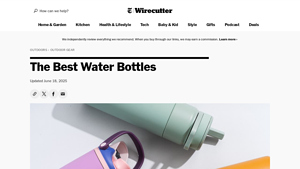
Domain: nytimes.com
Registered: 1994 (31 years)
Introduction: This company, Hydro Flask – 24 oz Wide Mouth with Flex Chug Cap, is a notable entity in the market. For specific product details, it is recommended to visit their website directly.
8. Yeti – Rambler Water Bottle
Domain: allrecipes.com
Registered: 1998 (27 years)
Introduction: Top Picks: My Top Pick: Yeti Rambler Water Bottle – $32; Best Budget: Contigo AutoSeal Chill 2.0 Water Bottle, 24-Ounce – $24; Best Lightweight: S’well 17-Ounce Stainless Steel Water Bottle – $39; Best Tumbler: Stanley Quencher H2.0 – $40; Best Design: Owala Water Bottle – $30; Most Versatile: Hydro Flask Wide Mouth Water Bottle – $45; Best Straw Lid: Klean Kanteen TKWide with Twist Cap – $45; Bes…
9. Buzio – Insulated Water Bottles
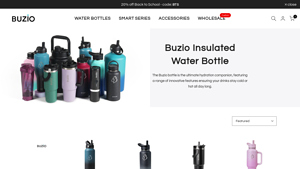
Domain: buziolife.com
Registered: 2017 (8 years)
Introduction: Buzio Insulated Water Bottles range from 14oz to 192oz. They feature double-walled insulation to keep drinks cold for up to 48 hours and hot for up to 24 hours. Made from high-quality stainless steel, they are BPA-free and sweat-free. The bottles come with various lid options, including 2 or 3 lids depending on the model. Prices range from $24.99 to $64.99. Buzio offers a lifetime warranty against…
Strategic Sourcing Conclusion and Outlook for big insulated water bottle
What Are the Key Takeaways for Sourcing Big Insulated Water Bottles?
As the demand for big insulated water bottles continues to rise, particularly in emerging markets across Africa, South America, the Middle East, and Europe, strategic sourcing becomes essential for B2B buyers. Key considerations include prioritizing quality materials such as stainless steel for durability and insulation performance, ensuring products are leakproof and easy to clean. Customization options can enhance brand visibility and customer loyalty, making it imperative to partner with manufacturers who offer flexibility in design and branding.
How Can Strategic Sourcing Enhance Your Business Operations?
Investing in quality insulated water bottles not only meets customer needs for hydration but also positions your business as a leader in sustainability and convenience. With options available for both hot and cold beverages, these products cater to diverse consumer preferences, enhancing your offering in a competitive market.
What’s Next for B2B Buyers in the Insulated Bottle Market?
Looking ahead, B2B buyers should actively seek partnerships with reliable suppliers who can ensure consistent product quality and timely delivery. Embracing trends such as eco-friendly materials and innovative designs will be crucial in capturing market share. Take action today by exploring potential suppliers and aligning your sourcing strategies to meet the growing global demand for insulated water bottles.