
Introduction: Navigating the Global Market for insulated water bottle with a straw
In the fast-evolving global market, sourcing high-quality insulated water bottles with a straw can present a significant challenge for B2B buyers. As consumers increasingly prioritize sustainability and convenience, businesses must adapt by providing products that meet these demands while ensuring competitive pricing and reliable supply chains. This comprehensive guide is designed to empower international B2B buyers, particularly those from Africa, South America, the Middle East, and Europe, by detailing the myriad options available in the insulated water bottle market.
From various styles and capacities to unique features like spill-proof designs and eco-friendly materials, we will explore the diverse landscape of insulated water bottles with straws. Additionally, we will cover essential aspects of supplier vetting, including quality assurance, certification standards, and ethical sourcing practices. Understanding cost structures, shipping considerations, and market trends will also be integral to making informed purchasing decisions.
By equipping buyers with actionable insights and a thorough understanding of the market landscape, this guide aims to simplify the sourcing process, enabling businesses to meet consumer demands effectively while fostering sustainable practices. Whether you are a distributor, retailer, or manufacturer, this resource will serve as a valuable tool in navigating the complexities of the insulated water bottle market, ultimately leading to successful procurement strategies.
Understanding insulated water bottle with a straw Types and Variations
| Typ Name | Wichtigste Unterscheidungsmerkmale | Primäre B2B-Anwendungen | Kurze Vor- und Nachteile für Käufer |
|---|---|---|---|
| Sipper Straw Bottle | Twist-on, splash-proof lid; flexible silicone straw; stylish design | Einzelhandel, Firmengeschenke | Vorteile: Attractive design; easy to use; portable. Nachteile: Limited capacity; not suitable for hot beverages. |
| Wide Mouth Insulated Bottle | Large opening for easy filling and cleaning; compatible with various lids | Outdoor sports, fitness, adventure | Vorteile: Versatile; easy to clean; can accommodate ice. Nachteile: Bulkier design; may not fit in all cup holders. |
| Compact Travel Bottle | Slim profile; lightweight; designed for portability | Travel, commuting, corporate events | Vorteile: Easy to carry; fits in most bags; ideal for on-the-go hydration. Nachteile: Smaller capacity; may require frequent refills. |
| Kids’ Insulated Bottle | Colorful designs; spill-proof lids; lightweight materials | Schools, daycare centers, retail | Vorteile: Attractive to children; durable; safe materials. Nachteile: Limited adult appeal; smaller size may not suit all users. |
| Multi-Functional Insulated Bottle | Combines features like a straw, spout, and cup; versatile usage | Cafés, restaurants, outdoor events | Vorteile: All-in-one design; suitable for various beverages; enhances user experience. Nachteile: Potentially higher cost; more complex cleaning process. |
What are the Characteristics of Sipper Straw Bottles?
Sipper straw bottles are designed with a focus on convenience and style. They typically feature a twist-on lid that is splash-proof, paired with a flexible silicone straw that allows for easy sipping without spills. These bottles are often made from high-quality stainless steel, ensuring durability and insulation for maintaining beverage temperature. B2B buyers may find these bottles appealing for retail settings or corporate gifting due to their aesthetic appeal and functionality.
Why Choose Wide Mouth Insulated Bottles?
Wide mouth insulated bottles are characterized by their large openings, making them easy to fill, clean, and add ice. This type of bottle is particularly suitable for outdoor sports and fitness activities, as it can accommodate a variety of beverages and ice cubes. B2B buyers should consider these bottles for their versatility and practicality, especially in environments where hydration needs are dynamic.
What Makes Compact Travel Bottles Ideal for B2B Buyers?
Compact travel bottles are designed for portability and ease of use, featuring a slim profile that fits easily into bags or cup holders. These bottles are lightweight and often come in smaller sizes, making them perfect for commuters and travelers. B2B buyers should prioritize these bottles for corporate events or travel-related businesses, as they cater to the on-the-go lifestyle of modern consumers.
How Do Kids’ Insulated Bottles Stand Out?
Kids’ insulated bottles typically feature vibrant colors and fun designs to appeal to children. They often come with spill-proof lids and are made from safe, durable materials. These bottles are ideal for schools and daycare centers, making them a great option for B2B buyers in the educational sector. While they may not attract adult consumers, their durability and safety make them essential for child-focused markets.
What are the Benefits of Multi-Functional Insulated Bottles?
Multi-functional insulated bottles combine various features, such as straws, spouts, and cups, to cater to diverse beverage needs. They are particularly popular in cafés, restaurants, and during outdoor events where flexibility is key. B2B buyers should consider these bottles for their enhanced user experience and versatility, although they may come at a higher price point and require more effort to clean.
Key Industrial Applications of insulated water bottle with a straw
| Industrie/Sektor | Specific Application of insulated water bottle with a straw | Wert/Nutzen für das Unternehmen | Wichtige Überlegungen zur Beschaffung für diese Anwendung |
|---|---|---|---|
| Essen & Trinken | Used in cafes and restaurants for serving iced beverages | Enhances customer experience by providing convenient hydration options | Durability, insulation performance, and ease of cleaning |
| Wellness für Unternehmen | Distributed in employee wellness programs | Promotes hydration and health among employees, reducing absenteeism | Custom branding options and sustainability certifications |
| Erholung im Freien | Essential gear for hiking and camping supplies | Attracts outdoor enthusiasts, increasing sales of bundled products | Lightweight design, leak-proof features, and material safety |
| Bildung | Provided in schools and universities for student hydration | Encourages healthy habits among students, enhancing overall well-being | Child-friendly design, safety standards, and ease of use |
| Travel & Tourism | Offered in hotels and resorts for guests | Adds value to guest experience, promoting local eco-friendly practices | Customization options, aesthetic appeal, and portability |
How are insulated water bottles with straws utilized in the Food & Beverage industry?
In the Food & Beverage sector, insulated water bottles with straws are increasingly being used in cafes and restaurants to serve iced beverages. This application addresses the need for maintaining optimal drink temperatures while providing a convenient sipping experience. For international B2B buyers, sourcing considerations include the durability of materials, the effectiveness of insulation technology, and ease of cleaning, as these factors directly impact customer satisfaction and operational efficiency.
What benefits do insulated water bottles with straws offer in Corporate Wellness programs?
Corporate wellness programs often include insulated water bottles with straws as part of their initiatives to promote hydration among employees. These bottles not only enhance employee health but also contribute to reduced absenteeism and increased productivity. When sourcing these products, businesses should consider options for custom branding, ensuring that the bottles align with corporate identity, as well as sustainability certifications that appeal to eco-conscious consumers in regions like Africa and Europe.
Why are insulated water bottles with straws essential for Outdoor Recreation?
In the Outdoor Recreation industry, insulated water bottles with straws serve as essential gear for hiking and camping. They provide outdoor enthusiasts with reliable hydration solutions that keep drinks cold during long excursions. Buyers in this sector should prioritize lightweight designs, leak-proof features, and safety of materials, especially when targeting markets in South America and the Middle East, where outdoor activities are prevalent.
How do insulated water bottles with straws support health in Education?
Schools and universities are increasingly incorporating insulated water bottles with straws into their hydration initiatives. These bottles encourage students to drink more water, fostering healthy habits that can lead to better concentration and overall well-being. Key sourcing considerations for educational institutions include child-friendly designs that meet safety standards and ease of use, which are critical for engaging younger users effectively.
What role do insulated water bottles with straws play in Travel & Tourism?
In the Travel & Tourism sector, hotels and resorts often provide insulated water bottles with straws as part of their guest amenities. This not only enhances the guest experience but also promotes eco-friendly practices by reducing single-use plastics. When sourcing these products, businesses should look for customization options that reflect local culture, aesthetic appeal to attract tourists, and portability features to cater to travelers’ needs.
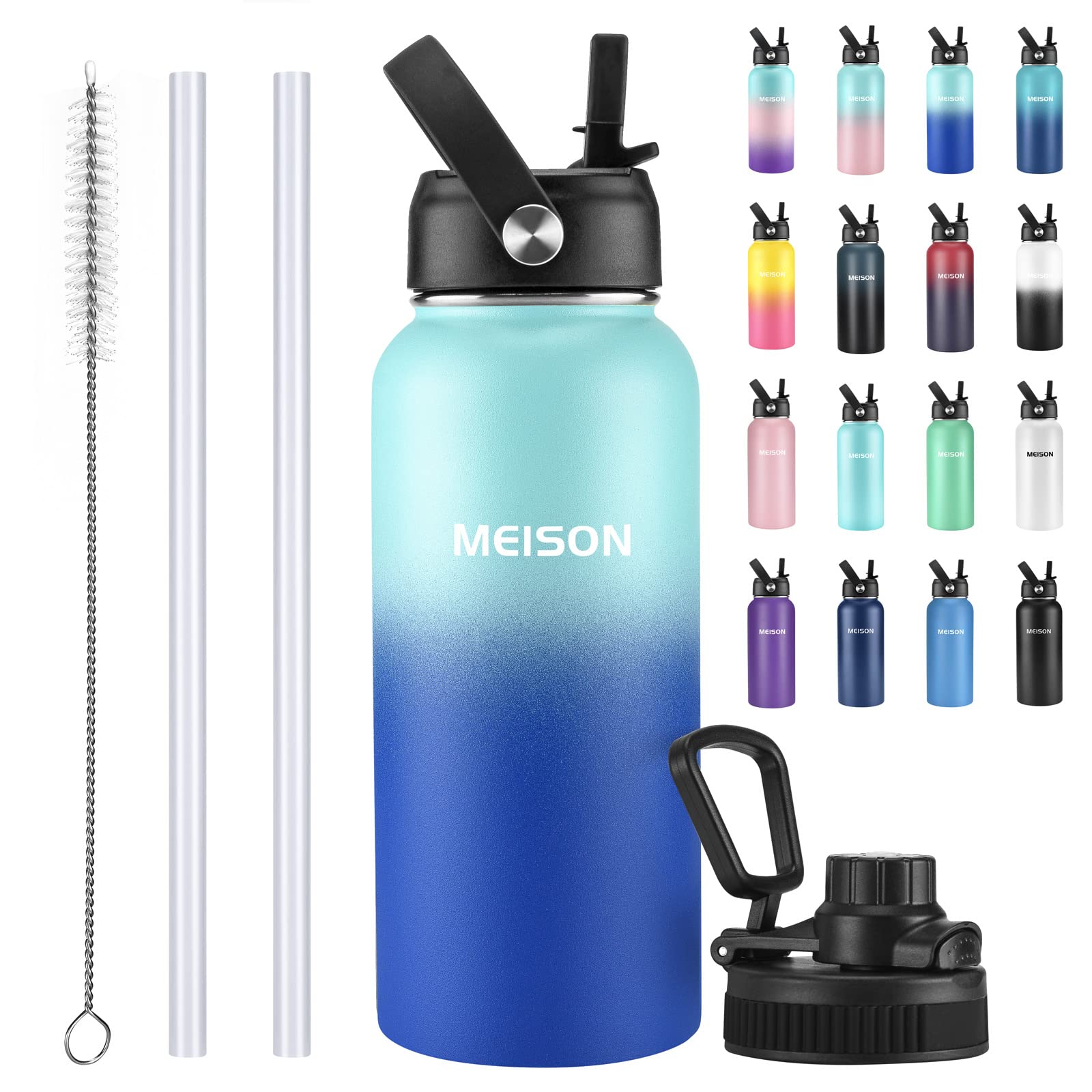
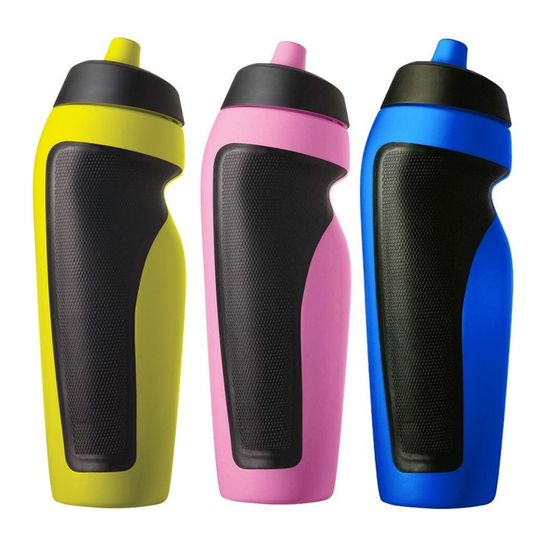
A stock image related to insulated water bottle with a straw.
3 Common User Pain Points for ‘insulated water bottle with a straw’ & Their Solutions
Scenario 1: Difficulty in Ensuring Quality and Safety Standards for Insulated Water Bottles
Das Problem: B2B buyers, especially those sourcing insulated water bottles with straws for distribution in regions like Africa or South America, face challenges in ensuring that their products meet safety and quality standards. With varying regulations across countries, it can be daunting to confirm that materials used—such as stainless steel and silicone—are free from harmful chemicals like BPA and lead. This concern is particularly pressing when catering to health-conscious consumers or when products are intended for children.
Die Lösung: To navigate this challenge, B2B buyers should prioritize sourcing from manufacturers who provide certifications verifying the safety and quality of their materials. Look for suppliers who can demonstrate compliance with international standards such as FDA approval or ISO certifications. Additionally, consider conducting independent lab testing for your first batch of products to ensure they meet your quality standards. Establishing a solid relationship with a trusted supplier who maintains transparency about their manufacturing processes will also help mitigate risks associated with product safety.
Scenario 2: Struggles with Product Versatility and Target Market Adaptation
Das Problem: Many buyers find that a one-size-fits-all approach to insulated water bottles with straws doesn’t cater to the diverse preferences of their target markets. For instance, consumers in Europe may prefer sleek, minimalist designs, while those in the Middle East may favor vibrant colors and larger capacities. This mismatch can lead to poor sales and excess inventory, affecting the overall profitability of the product line.
Die Lösung: Conducting thorough market research before finalizing product specifications is crucial. Utilize surveys and focus groups to gather insights into consumer preferences in each target market. Based on this data, collaborate with manufacturers to create a range of products that cater to different tastes and needs, such as varying sizes, colors, and designs. Consider offering customizable options, which can appeal to businesses seeking branded merchandise. Additionally, showcase the versatility of the insulated water bottles in your marketing materials, emphasizing their functionality for various activities, such as sports, travel, or daily hydration.
Scenario 3: Challenges with Logistics and Shipping Costs for International Orders
Das Problem: B2B buyers often encounter significant challenges related to logistics and shipping when importing insulated water bottles with straws from manufacturers in other countries. High shipping costs and lengthy delivery times can deter customers, particularly in regions like Africa where infrastructure may vary. Additionally, potential customs duties can complicate pricing strategies and reduce competitiveness in local markets.
Die Lösung: To address these logistical hurdles, buyers should explore partnerships with freight forwarders who specialize in international shipping and understand the nuances of customs regulations in your target markets. Negotiate bulk shipping rates with suppliers to reduce costs, and consider consolidating shipments to minimize freight expenses. Furthermore, investigate local manufacturing options or sourcing partnerships that could reduce shipping distances and costs. Offering clear communication with customers regarding shipping timelines and potential fees can also help manage expectations and enhance customer satisfaction.
Strategic Material Selection Guide for insulated water bottle with a straw
What are the Key Materials for Insulated Water Bottles with Straws?
When selecting materials for insulated water bottles with straws, it’s crucial to consider properties that affect performance, durability, and safety. Below, we analyze four common materials used in the manufacturing of these bottles, focusing on their key properties, advantages and disadvantages, and implications for international buyers.
How Does Stainless Steel Perform in Insulated Water Bottles?
Key Properties: Stainless steel, particularly 18/8 grade, is known for its excellent corrosion resistance and ability to withstand high temperatures. It can maintain the temperature of beverages for extended periods due to its insulating properties.
Pros & Cons: The durability of stainless steel makes it an ideal choice for rugged environments, ensuring a long lifespan. However, it is generally more expensive than plastic alternatives, which may impact cost-sensitive buyers. Manufacturing complexity can also be higher, requiring specialized equipment for shaping and finishing.
Auswirkungen auf die Anwendung: Stainless steel is compatible with a wide range of beverages, including acidic drinks, without imparting flavors or odors. This makes it suitable for various applications, from sports to outdoor adventures.
Überlegungen für internationale Einkäufer: Buyers from regions like Africa and South America should be aware of compliance with international standards such as ASTM and ISO for food safety. Additionally, the availability of stainless steel may vary by region, affecting supply chain logistics.
What Role Does BPA-Free Plastic Play in Insulated Water Bottles?
Key Properties: BPA-free plastic is lightweight and offers good impact resistance. While it does not provide the same level of insulation as stainless steel, advancements in technology have improved its thermal performance.
Pros & Cons: The lower cost of plastic makes it an attractive option for budget-conscious buyers. However, its durability is generally lower than that of stainless steel, making it less suitable for extreme conditions. Additionally, plastic can retain odors over time, which may be a concern for some consumers.
Auswirkungen auf die Anwendung: BPA-free plastic is ideal for cold beverages but is not recommended for hot liquids due to potential deformation. This limits its versatility compared to metal options.
Überlegungen für internationale Einkäufer: Buyers should ensure that the plastic complies with local regulations regarding food safety. In regions like the Middle East and Europe, there is a growing preference for sustainable materials, which may influence purchasing decisions.
How Does Glass Compare in Insulated Water Bottle Manufacturing?
Key Properties: Glass offers excellent chemical resistance and does not leach harmful substances into beverages. Double-walled glass can provide decent insulation, though it is generally heavier than metal or plastic.
Pros & Cons: The aesthetic appeal of glass can be a significant advantage, particularly for premium products. However, it is fragile and can break easily, which may be a disadvantage in rugged environments. Additionally, the manufacturing process can be complex and costly.
Auswirkungen auf die Anwendung: Glass is suitable for a wide variety of beverages, including hot drinks, without altering their taste. However, its weight and fragility can limit its use in active scenarios.
Überlegungen für internationale Einkäufer: Buyers should be aware of local regulations regarding glass products, especially in regions with stringent safety standards. The shipping costs may also be higher due to the fragile nature of glass.
What Advantages Does Aluminum Offer for Insulated Water Bottles?
Key Properties: Aluminum is lightweight and offers good thermal conductivity. When coated properly, it can resist corrosion and maintain beverage temperature effectively.
Pros & Cons: The lightweight nature of aluminum makes it easy to carry, which is a significant advantage for outdoor activities. However, it is more prone to dents and scratches compared to stainless steel. Additionally, aluminum can react with acidic beverages unless properly coated.
Auswirkungen auf die Anwendung: Aluminum bottles are versatile and can be used for a variety of drinks, but the need for a protective lining can complicate manufacturing.
Überlegungen für internationale Einkäufer: Buyers should consider the environmental impact of aluminum production and the availability of recycled aluminum options. Compliance with food safety standards is also critical, especially in regions with strict regulations.
Summary of Material Properties for Insulated Water Bottles
| Material | Typical Use Case for insulated water bottle with a straw | Hauptvorteil | Wesentlicher Nachteil/Beschränkung | Relative Kosten (niedrig/mittel/hoch) |
|---|---|---|---|---|
| Rostfreier Stahl | Outdoor adventures, sports, general hydration | Hervorragende Haltbarkeit und Isolierung | Höhere Kosten, komplexe Fertigung | Hoch |
| BPA-freier Kunststoff | Everyday use, children’s bottles | Leichtgewichtig, kosteneffektiv | Less durable, can retain odors | Niedrig |
| Glas | Premium products, hot beverages | No leaching, aesthetic appeal | Fragile, heavier than alternatives | Med |
| Aluminium | Lightweight, active use | Very lightweight | Prone to dents, requires lining | Med |
This material selection guide provides B2B buyers with essential insights into the various options available for insulated water bottles with straws. By understanding the properties, advantages, and limitations of each material, international buyers can make informed decisions that align with their market needs and compliance requirements.
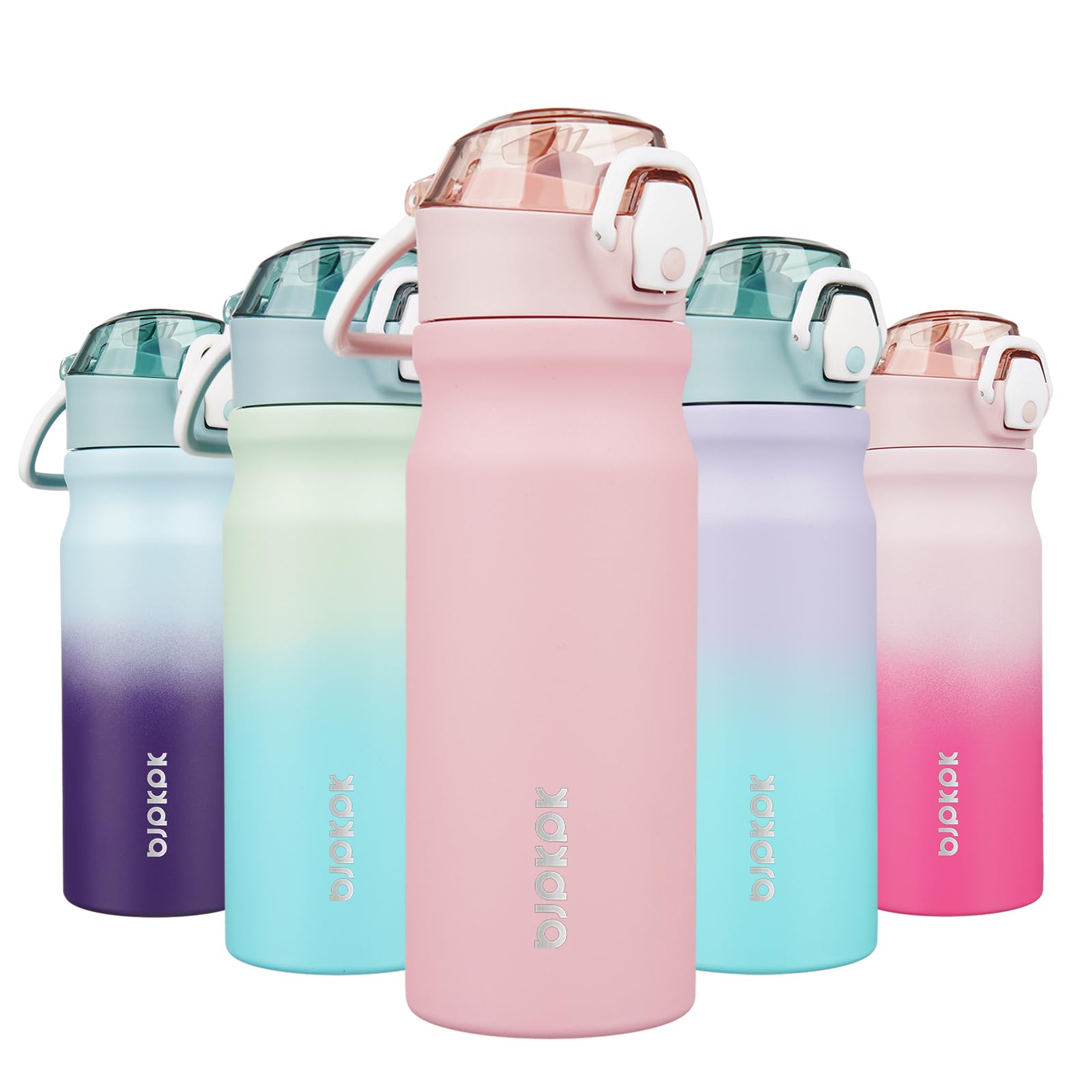
A stock image related to insulated water bottle with a straw.
In-depth Look: Manufacturing Processes and Quality Assurance for insulated water bottle with a straw
What Are the Key Stages in the Manufacturing Process of Insulated Water Bottles with Straws?
The manufacturing of insulated water bottles with straws involves several critical stages that ensure the final product meets quality and functional standards. These stages include material preparation, forming, assembly, and finishing.
How is Material Prepared for Insulated Water Bottles?
The process begins with the selection of high-quality materials, typically food-grade stainless steel (18/8 grade), which is known for its durability and resistance to corrosion. The raw materials undergo rigorous inspection to ensure they meet specified standards. This includes checking for impurities and verifying the chemical composition.
Once materials are approved, they are cut into appropriate sizes and shapes using precision machinery. This stage may also involve the application of powder coating or other surface treatments to enhance aesthetics and protect against scratches.
What Techniques Are Used in the Forming Stage?
In the forming stage, the prepared materials are shaped into the desired bottle form. Techniques such as deep drawing and hydroforming are commonly employed. Deep drawing involves using a die to stretch the metal into a cylindrical shape, while hydroforming uses high-pressure fluid to mold the metal into complex shapes.
Advanced technologies such as CNC (Computer Numerical Control) machining may also be used for precise cuts and designs. This ensures that the bottles are uniform in size and shape, which is crucial for maintaining insulation properties.
How Are Insulated Water Bottles Assembled?
After forming, the components, including lids and straws, are assembled. This may involve inserting silicone straws into lids, attaching leak-proof seals, and ensuring that the threading on the lids matches the bottle’s design. Automated assembly lines are often utilized to enhance efficiency, although some manual assembly may be necessary for intricate parts.
Quality checks during assembly are essential. Each component must be tested for fit and function to prevent leaks and ensure ease of use. This is especially important for products that will be used in diverse environments, from outdoor activities to everyday commuting.
What Finishing Techniques Are Applied to Insulated Water Bottles?
The finishing stage includes polishing, coating, and labeling. Polishing enhances the appearance and removes any manufacturing blemishes. Coating with BPA-free paint or powder not only adds aesthetic value but also provides an additional layer of protection against wear and tear.
Labels must be applied according to international regulations, especially when exporting. This includes nutritional information, care instructions, and safety warnings. Compliance with these regulations is crucial for B2B buyers who need to ensure their products meet local market standards.
How Does Quality Assurance Work in the Manufacturing of Insulated Water Bottles?
Quality assurance (QA) is a vital aspect of the manufacturing process for insulated water bottles. It ensures that products not only meet customer expectations but also comply with international standards.
What International Standards Are Relevant for Insulated Water Bottles?
International standards such as ISO 9001, which focuses on quality management systems, are critical for manufacturers. This certification demonstrates a commitment to quality and continuous improvement. Other relevant standards may include CE marking for products sold in Europe, which indicates compliance with health, safety, and environmental protection standards.
Additionally, industry-specific certifications like the API (American Petroleum Institute) may be relevant for certain markets, especially where bottles are used in rugged outdoor conditions.
What Are the Key Quality Control Checkpoints During Manufacturing?
Quality control (QC) occurs at various checkpoints throughout the manufacturing process:
- Eingehende Qualitätskontrolle (IQC): Dazu gehört die Kontrolle der Rohstoffe bei ihrer Ankunft, um sicherzustellen, dass sie den vorgegebenen Normen entsprechen.
- Prozessbegleitende Qualitätskontrolle (IPQC): During production, random samples are taken to test for defects and ensure that processes adhere to quality standards.
- Endgültige Qualitätskontrolle (FQC): Before packaging, each finished product undergoes thorough testing to verify functionality, including leak tests and thermal performance assessments.
These checkpoints are crucial for identifying potential issues early in the process, reducing the risk of defective products reaching the market.
Wie können B2B-Einkäufer die Qualitätskontrollpraktiken von Lieferanten überprüfen?
B2B buyers must conduct due diligence when selecting suppliers for insulated water bottles. Here are several methods to verify quality control practices:
- Audits: Regular audits of manufacturing facilities can provide insights into the processes and quality measures in place. Buyers should request audit reports to assess compliance with international standards.
- Testing Reports: Suppliers should provide documentation of testing conducted on their products, including results from third-party laboratories. This helps verify claims regarding insulation performance and material safety.
- Certifications: Buyers should confirm that suppliers possess relevant certifications and are compliant with international standards. This includes checking for ISO 9001 and other industry-specific certifications.
Was sind die Besonderheiten der Qualitätskontrolle und Zertifizierung für internationale B2B-Einkäufer?
International B2B buyers, particularly from regions such as Africa, South America, the Middle East, and Europe, should be aware of the varying regulations and standards that apply in different markets. For example, products imported into the European Union must comply with CE marking regulations, while those in the U.S. may need to meet FDA standards for food safety.
Moreover, cultural and logistical considerations can impact the quality assurance process. Buyers should ensure that suppliers are familiar with local regulations and can provide products that meet these requirements.
Schlussfolgerung
The manufacturing processes and quality assurance for insulated water bottles with straws are complex and multi-faceted. By understanding the key stages of manufacturing, relevant international standards, and effective quality control practices, B2B buyers can make informed decisions and select reliable suppliers that meet their specific needs. This knowledge not only enhances product quality but also strengthens business relationships in the competitive global market.
Practical Sourcing Guide: A Step-by-Step Checklist for ‘insulated water bottle with a straw’
Einführung
This guide is designed to assist B2B buyers in sourcing high-quality insulated water bottles with straws. As the demand for eco-friendly and practical hydration solutions continues to rise, understanding the key factors in procurement can streamline the purchasing process and ensure you select products that meet both quality and market expectations.
Schritt 1: Definieren Sie Ihre technischen Spezifikationen
Establishing clear technical specifications is essential to ensure that the products meet your business needs. Consider factors such as size, material, insulation type, and straw design. For instance, look for bottles made from food-grade stainless steel to guarantee safety and durability.
- Capacity: Determine whether you need bottles in various sizes (e.g., 12 oz, 16 oz) to cater to different customer preferences.
- Insulation Technology: Assess the insulation method (e.g., double-wall vacuum insulation) to ensure optimal temperature retention.
Step 2: Research Market Trends and Consumer Preferences
Understanding current market trends and consumer preferences will help you make informed purchasing decisions. Analyze competitive products and identify features that resonate with your target audience, such as colors, designs, and eco-friendly materials.
- Sustainability: Look for products that use recycled materials or are BPA-free, as these attributes can be significant selling points.
- Style Variations: Consider offering a range of colors and finishes to appeal to diverse consumer tastes.
Schritt 3: Bewertung potenzieller Lieferanten
Before making a commitment, thoroughly vet potential suppliers to ensure reliability and quality. Request company profiles, product samples, and references from other businesses in similar markets.
- Certifications: Check for relevant certifications (e.g., ISO, B Corporation) that indicate a commitment to quality and sustainability.
- Production Capacity: Assess whether the supplier can meet your order quantities and timelines, especially if you plan to scale your purchases.
Step 4: Review Quality Assurance Processes
Quality assurance is critical in sourcing insulated water bottles. Investigate the supplier’s quality control measures to ensure that every product meets your standards before it reaches the market.
- Testing Procedures: Ask about their testing methods for durability, insulation performance, and safety.
- Return Policies: Understand their return and warranty policies to protect your investment in case of defects.
Step 5: Consider Logistics and Shipping Options
Effective logistics can significantly impact your overall sourcing strategy. Evaluate the supplier’s shipping options, costs, and timelines, especially for international orders.
- Shipping Fees: Inquire about any additional charges for international shipping and whether they offer bulk discounts.
- Delivery Times: Confirm estimated delivery times to ensure they align with your inventory management needs.
Step 6: Negotiate Terms and Pricing
Once you have identified suitable suppliers, negotiate pricing and payment terms to ensure a favorable deal. Be clear about your budget and expected order volumes to leverage better pricing.
- Volume Discounts: Discuss discounts for larger orders or long-term contracts to maximize your investment.
- Payment Terms: Establish payment terms that work for both parties, such as net-30 or net-60 agreements.
Step 7: Finalize the Purchase and Monitor Quality
After reaching an agreement, finalize your purchase while keeping communication lines open with the supplier. Once the products arrive, conduct quality checks to ensure they meet your specifications.
- Feedback Loop: Provide feedback to the supplier on product quality and any issues encountered to foster a strong business relationship.
- Ongoing Monitoring: Continuously monitor customer feedback and sales data to inform future sourcing decisions.
Comprehensive Cost and Pricing Analysis for insulated water bottle with a straw Sourcing
What Are the Key Cost Components for Sourcing Insulated Water Bottles with Straws?
When considering the sourcing of insulated water bottles with straws, understanding the cost structure is paramount for B2B buyers. The primary components of cost include materials, labor, manufacturing overhead, tooling, quality control (QC), logistics, and profit margins.
-
Materialien: The most significant portion of the cost typically derives from materials, including high-grade stainless steel, BPA-free plastics, and silicone for straws. Sustainable materials, like recycled stainless steel, are gaining traction and can command a premium price.
-
Arbeit: Labor costs vary widely depending on the geographical location of the manufacturer. Regions with lower labor costs, such as parts of Asia, may offer more competitive pricing, while European manufacturers might offer higher labor costs but with enhanced craftsmanship and quality assurance.
-
Fertigungsgemeinkosten: This includes utilities, factory rent, and equipment maintenance. Efficient manufacturing processes can help minimize overhead costs, making it crucial to evaluate a supplier’s operational efficiency.
-
Werkzeugbau: Customization often requires investment in specific molds or tooling, which can be a significant upfront cost. Buyers should consider whether these costs can be amortized over a large production volume.
-
Qualitätskontrolle: Ensuring product quality through rigorous testing and inspection procedures adds to the cost but is essential for maintaining brand reputation and customer satisfaction.
-
Logistik: Shipping and handling costs can vary based on the shipping method (air vs. sea), distance, and volume. Import duties and taxes should also be factored in when calculating total logistics costs.
-
Marge: Finally, suppliers will include a profit margin in their pricing, which can vary based on market competition and perceived value of the product.
How Do Price Influencers Affect the Cost of Insulated Water Bottles?
Several factors influence the pricing of insulated water bottles with straws that B2B buyers should be aware of:
-
Volumen/MOQ: Larger order quantities (MOQ) can lead to significant discounts. Suppliers often have tiered pricing structures, so negotiating for higher volumes can yield better unit costs.
-
Spezifikationen/Anpassung: Custom designs or features (like specific colors or logos) typically incur additional costs. Buyers should balance the need for customization against potential price increases.
-
Materialien und Qualitätszertifikate: The use of premium materials and certifications (like FDA approval or environmental certifications) can increase costs but may be necessary for specific markets or consumer bases.
-
Lieferanten-Faktoren: The reputation and reliability of the supplier can also impact pricing. Established suppliers with a track record of quality may charge more but can save costs in the long run through reliability.
-
Incoterms: Understanding shipping terms (e.g., FOB, CIF) is crucial, as they dictate who bears the shipping costs and risks. This can significantly impact the total cost of ownership.
What Are the Best Buyer Tips for Negotiating Prices and Ensuring Cost Efficiency?
To maximize value while sourcing insulated water bottles with straws, consider the following strategies:
-
Negotiate: Leverage volume commitments or long-term partnerships to negotiate better pricing. Suppliers are often willing to offer discounts for guaranteed business.
-
Bewertung der Gesamtbetriebskosten (TCO): Look beyond the initial purchase price. Consider factors such as durability, warranty, and potential replacement costs, which can significantly impact overall expenses.
-
Research Market Trends: Stay informed about market conditions and competitor pricing. This knowledge can empower negotiations and help identify fair pricing.
-
Preisnuancen für internationale Einkäufer verstehen: Currency fluctuations, local taxes, and import duties can affect pricing. Buyers from Africa, South America, the Middle East, and Europe should account for these variables in their budgets.
-
Muster anfordern: Before committing to a large order, request samples to assess quality. This can prevent costly mistakes and ensure that the product meets expectations.
Schlussfolgerung
Sourcing insulated water bottles with straws requires a comprehensive understanding of the cost structure and pricing influencers. By being strategic in negotiations and considering the total cost of ownership, B2B buyers can optimize their purchasing decisions and secure high-quality products that meet their needs.
Alternatives Analysis: Comparing insulated water bottle with a straw With Other Solutions
Exploring Alternatives to Insulated Water Bottles with Straws
In the quest for effective hydration solutions, businesses often evaluate various products that meet their specific needs. Insulated water bottles with straws are popular for their convenience and temperature retention. However, it is essential to consider alternative products that may offer similar benefits or cater to different preferences. This analysis will compare insulated water bottles with straws against two viable alternatives: reusable plastic water bottles and traditional glass bottles.
Vergleichstabelle
| Vergleich Aspekt | Insulated Water Bottle With A Straw | Reusable Plastic Water Bottle | Traditional Glass Bottle |
|---|---|---|---|
| Leistung | Excellent thermal insulation; keeps beverages cold/hot for hours | Moderate insulation; mostly suitable for cold drinks | No insulation; temperature retention depends on environment |
| Kosten | Moderate ($20-$40) | Low ($5-$15) | Moderate ($10-$30) |
| Leichte Implementierung | Easy to use with one-handed operation | Simple design; lightweight and portable | Requires careful handling; not as portable |
| Wartung | Requires hand washing; durable materials | Dishwasher safe; easy to clean | Fragile; hand wash recommended |
| Bester Anwendungsfall | Ideal for outdoor activities and commuting | Suitable for everyday use and casual settings | Best for home use and eco-conscious consumers |
Detaillierte Aufschlüsselung der Alternativen
What are the advantages and disadvantages of reusable plastic water bottles?
Reusable plastic water bottles are lightweight and cost-effective, making them an appealing choice for everyday hydration. They are generally made from BPA-free plastic and can be easily cleaned in a dishwasher, which simplifies maintenance. However, they typically do not offer insulation, meaning they are less effective at keeping beverages at a desired temperature for extended periods. Additionally, while they are often available at a lower price point, their durability may not match that of insulated metal bottles, leading to potential replacement costs over time.
How do traditional glass bottles compare in functionality?
Traditional glass bottles are known for their aesthetic appeal and sustainability. They do not impart flavors to liquids and are often favored by eco-conscious consumers. However, glass bottles lack insulation, making them unsuitable for temperature-sensitive beverages. Their fragility is a significant downside, as they can break easily, posing safety risks in active environments. While they are generally easy to clean, the need for careful handling limits their practicality in dynamic settings, such as outdoor adventures or active workplaces.
Conclusion: How can B2B buyers determine the best hydration solution for their needs?
When selecting the right hydration solution, B2B buyers should assess their specific operational requirements and user preferences. Insulated water bottles with straws are optimal for environments where temperature control and convenience are paramount, such as in outdoor events or during long commutes. On the other hand, if cost and lightweight design are critical, reusable plastic bottles may be a better fit. For businesses emphasizing sustainability and aesthetic appeal, traditional glass bottles can serve as an attractive option, albeit with considerations for safety and temperature retention. Ultimately, the decision should align with the intended use, budget, and long-term sustainability goals of the organization.
Essential Technical Properties and Trade Terminology for insulated water bottle with a straw
What Are the Key Technical Properties of Insulated Water Bottles with Straws?
When sourcing insulated water bottles with straws for B2B purposes, understanding the technical specifications is crucial for ensuring product quality and meeting customer expectations. Here are some essential properties to consider:
1. Material Grade: What Should You Look For?
Most insulated water bottles are crafted from stainless steel, specifically 18/8 (also known as 304) food-grade stainless steel. This material is favored for its durability, resistance to rust, and non-reactivity, ensuring that beverages maintain their original taste. In B2B terms, sourcing products made from high-quality materials can significantly reduce return rates and improve customer satisfaction.
2. Thermal Insulation: How Does It Impact Performance?
Thermal insulation is typically achieved through double-wall vacuum technology, which minimizes heat transfer. This feature is vital for maintaining the temperature of beverages for extended periods—keeping drinks cold for up to 24 hours or hot for several hours. For businesses, this means offering a product that meets consumer demands for performance, enhancing brand reputation and customer loyalty.
3. Capacity: What Sizes Are Most Popular?
Insulated water bottles come in various capacities, commonly ranging from 12 oz to 40 oz. The choice of size affects shipping costs, pricing strategy, and target market. Businesses should analyze consumer preferences in their specific regions to stock the right sizes, thus optimizing inventory management and sales potential.
4. Lid Compatibility: Why Is It Essential?
Different lid designs—such as flip-top, straw, or screw caps—offer various user experiences. Compatibility with multiple lid types can enhance product versatility and appeal to a broader customer base. In B2B transactions, understanding lid options can help buyers negotiate better deals with manufacturers who provide customizable solutions.
5. BPA-Free Certification: What Does It Mean for Safety?
BPA (Bisphenol A) is a chemical often found in plastics that can pose health risks. Insulated water bottles labeled as BPA-free assure customers of safety and compliance with health regulations. For B2B buyers, promoting BPA-free products can serve as a strong selling point, especially in markets where health consciousness is high.
What Are the Common Trade Terms Associated with Insulated Water Bottles?
Familiarity with industry jargon can facilitate smoother negotiations and transactions. Here are some key terms to know:
1. OEM (Original Equipment Manufacturer): What Does It Entail?
OEM refers to companies that manufacture products based on the specifications provided by another company. In the context of insulated water bottles, an OEM can produce custom designs or modifications to meet specific branding needs. Understanding OEM agreements can help buyers leverage competitive pricing and unique product offerings.
2. MOQ (Minimum Order Quantity): Why Is It Important?
MOQ is the smallest number of units a supplier is willing to sell. Knowing the MOQ helps businesses gauge their investment risk and inventory needs. Buyers should negotiate MOQs that align with their sales forecasts to avoid overstocking or stockouts.
3. RFQ (Request for Quotation): How to Use It Effectively?
An RFQ is a document sent to suppliers requesting pricing and terms for specific products. B2B buyers should prepare comprehensive RFQs that detail specifications, quantities, and delivery timelines to receive accurate quotes and streamline the procurement process.
4. Incoterms (International Commercial Terms): What Should You Know?
Incoterms are standardized international trade terms that define the responsibilities of buyers and sellers in shipping. Understanding Incoterms like FOB (Free on Board) or CIF (Cost, Insurance, and Freight) can help businesses manage logistics effectively and avoid disputes over shipping costs and risks.
5. Lead Time: Why Is It Crucial for Planning?
Lead time refers to the amount of time it takes from placing an order to receiving the goods. Knowing lead times helps businesses plan their inventory and manage customer expectations, ensuring that products are available when needed.
By grasping these technical properties and trade terms, B2B buyers can make informed decisions, optimize their supply chains, and enhance their product offerings in the competitive market of insulated water bottles with straws.
Navigating Market Dynamics and Sourcing Trends in the insulated water bottle with a straw Sector
What Are the Current Market Dynamics and Key Trends in the Insulated Water Bottle with Straw Sector?
The insulated water bottle with a straw sector is experiencing significant growth driven by a rising global emphasis on sustainability, health, and convenience. As consumers become increasingly eco-conscious, the demand for reusable and durable hydration solutions is on the rise. This trend is particularly pronounced in emerging markets across Africa, South America, the Middle East, and Europe, where local populations are actively seeking alternatives to single-use plastics.
Key trends include the adoption of advanced materials such as BPA-free plastics and stainless steel, which not only enhance durability but also ensure safety and taste preservation. Innovations in design, such as ergonomic shapes, integrated straws, and leak-proof lids, are becoming vital selling points for manufacturers targeting B2B buyers. Additionally, technological advancements like double-wall vacuum insulation are enhancing product performance, allowing bottles to maintain temperature for extended periods, which is increasingly appealing to consumers in hot climates.
Furthermore, the rise of e-commerce platforms has transformed sourcing practices, allowing international B2B buyers to access a wider variety of products and suppliers. This shift facilitates competitive pricing and encourages collaboration among manufacturers, distributors, and retailers, driving down costs while improving product availability.
How Is Sustainability and Ethical Sourcing Impacting the Insulated Water Bottle Sector?
Sustainability and ethical sourcing are paramount in the insulated water bottle market. As environmental concerns escalate, B2B buyers are prioritizing products made from sustainable materials. Bottles crafted from 90% post-consumer recycled stainless steel, like those from Klean Kanteen, not only reduce waste but also appeal to eco-conscious consumers.
Ethical supply chains are becoming increasingly important, as buyers seek transparency in sourcing practices. Certifications such as B Corp, which indicate a commitment to social and environmental performance, are gaining traction. Manufacturers that can demonstrate compliance with these standards are likely to attract more business from discerning buyers who wish to align with brands that reflect their values.
Additionally, the impact of climate change is prompting companies to evaluate their carbon footprints. By investing in sustainable practices, such as using renewable energy sources in production and employing eco-friendly packaging, businesses can enhance their market positioning and foster loyalty among environmentally aware consumers. This shift not only contributes to a healthier planet but also opens up new market opportunities for B2B buyers who champion sustainability.
What Is the Brief Evolution of the Insulated Water Bottle Sector?
The insulated water bottle sector has evolved significantly over the past few decades. Initially, hydration solutions were primarily made from glass or basic plastics, offering minimal insulation and durability. The introduction of stainless steel revolutionized the market, providing a robust alternative that could withstand daily use while keeping beverages at their desired temperatures.
As consumer preferences shifted towards health and environmental awareness, manufacturers began focusing on innovation. The development of vacuum insulation technology allowed for improved thermal retention, making insulated bottles more practical and appealing. Today, features such as built-in straws, ergonomic designs, and sustainable materials are standard, reflecting a market that prioritizes functionality and environmental responsibility.
This evolution not only highlights the changing needs of consumers but also underscores the importance of adaptability for B2B buyers seeking to stay relevant in a rapidly changing market landscape. As sustainability continues to shape the industry, those who embrace these changes will be better positioned to thrive.
Frequently Asked Questions (FAQs) for B2B Buyers of insulated water bottle with a straw
-
How do I ensure the quality of insulated water bottles with straws?
To guarantee the quality of insulated water bottles, it’s crucial to conduct thorough supplier vetting. Request samples to assess materials, insulation performance, and overall durability. Look for certifications such as BPA-free and food-grade stainless steel. Additionally, inquire about quality assurance processes, including factory audits and compliance with international standards. Establishing a solid quality control agreement will help mitigate risks associated with defective products. -
What customization options are available for insulated water bottles with straws?
Most manufacturers offer a variety of customization options, including colors, sizes, logos, and packaging. When sourcing, clarify your specific requirements early in the negotiation process. Some suppliers may provide digital mock-ups or samples before mass production. Ensure that your chosen supplier has the capability to handle your customization needs while maintaining quality standards, and verify any additional costs that may be associated with these modifications. -
What is the minimum order quantity (MOQ) for insulated water bottles with straws?
Minimum order quantities can vary significantly based on the supplier and the complexity of your order. Typically, MOQs range from 500 to 1,000 units for customized products. However, some manufacturers may be flexible, especially for larger orders or established business relationships. Always confirm the MOQ with potential suppliers and consider negotiating terms if your initial order volume is lower than their standard requirement. -
What payment terms are common for B2B transactions involving insulated water bottles?
Payment terms can differ by supplier and region but commonly include options such as a 30% deposit upfront with the remaining balance due prior to shipment. Some suppliers may accept letters of credit or payment via platforms like PayPal or Alibaba for added security. It’s advisable to establish clear payment terms in your contract to avoid misunderstandings and ensure timely delivery. -
How can I manage logistics when importing insulated water bottles from overseas?
Effective logistics management involves coordinating with freight forwarders to understand shipping options, costs, and timelines. You should consider factors like shipping methods (air vs. sea), customs clearance, and import duties specific to your country. Additionally, maintaining open communication with suppliers about shipment schedules can help mitigate delays. Ensure that all necessary documentation, including invoices and packing lists, is prepared to facilitate smooth customs processing. -
What should I look for in a supplier’s sustainability practices?
When sourcing insulated water bottles, it’s essential to evaluate suppliers on their sustainability practices. Look for manufacturers that use eco-friendly materials, such as recycled stainless steel, and have certifications like ISO 14001 for environmental management. Additionally, inquire about their waste management strategies, energy usage, and commitment to reducing their carbon footprint. Supporting sustainable suppliers not only aligns with global trends but can also enhance your brand’s reputation. -
How can I ensure timely delivery of my insulated water bottle orders?
To ensure timely delivery, establish clear production timelines and shipping schedules with your supplier at the outset. Regularly communicate with them to monitor progress and address any potential delays. It’s also wise to build in buffer time for unexpected issues, such as customs delays or increased demand. Consider working with suppliers who have a proven track record of reliability and responsiveness to minimize risks. -
What are the common challenges faced when sourcing insulated water bottles internationally?
Common challenges in international sourcing include language barriers, cultural differences, and varying quality standards. To mitigate these issues, work with suppliers that have experience in international trade and a strong reputation. Utilize clear communication, possibly through a dedicated project manager, to streamline interactions. Additionally, being aware of regional regulations and tariffs can prevent costly setbacks. Establishing a good relationship with your supplier can also facilitate smoother transactions and trust.
Wichtiger Haftungsausschluss & Nutzungsbedingungen
⚠️ Wichtiger Haftungsausschluss
Die in diesem Leitfaden enthaltenen Informationen, einschließlich der Angaben zu Herstellern, technischen Spezifikationen und Marktanalysen, dienen ausschließlich Informations- und Bildungszwecken. Sie stellen keine professionelle Kaufberatung, Finanzberatung oder Rechtsberatung dar.
Obwohl wir alle Anstrengungen unternommen haben, um die Richtigkeit und Aktualität der Informationen zu gewährleisten, übernehmen wir keine Verantwortung für etwaige Fehler, Auslassungen oder veraltete Informationen. Marktbedingungen, Unternehmensangaben und technische Standards können sich ändern.
B2B-Käufer müssen ihre eigene unabhängige und gründliche Due-Diligence-Prüfung durchführen bevor Sie eine Kaufentscheidung treffen. Dazu gehört, dass Sie sich direkt mit den Anbietern in Verbindung setzen, Zertifizierungen überprüfen, Muster anfordern und sich professionell beraten lassen. Das Risiko, sich auf die Informationen in diesem Leitfaden zu verlassen, trägt allein der Leser.
Top 8 Insulated Water Bottle With A Straw Manufacturers & Suppliers List
1. Miir – Sipper Straw Insulated Water Bottle
Bereich: miir.com
Registriert: 2002 (23 Jahre)
Einleitung: {“product_name”: “Sipper Straw Insulated Water Bottle”, “price”: “$32.95”, “capacity”: “16oz”, “colors_available”: [“Black”, “White”, “Thousand Hills Pink”, “Tidal Blue”, “Sandstone White”, “Rosewood Pink”, “Sagebrush Green”], “features”: [“Twist-on, splash-proof threaded lid”, “Flexible silicone straw”, “Sleek powder-coated finish”], “care_instructions”: [“Wash before use”, “Hand wash recommended…
2. Thermos – Water Bottles
Bereich: thermos.de
Registriert: 1997 (28 Jahre)
Einleitung: Water Bottles: Tough, leakproof, dishwasher safe. Sizes: 16oz, 18oz, 24oz, 32oz, 40oz, 64oz. Colors: Beige, Black, Blue, Brown, Green, Grey, Orange, Pink, Purple, Red, Stainless Steel, White, Yellow, Alpine Green, Bright Blue, Bright Lime, Clear, Hyper Green, Mocha, Smoke, Ultra Pink. Lid Types: Slide Lock Lid, Push Button with Spout – Locking Lid. Temperature Preference: Cold, Hot or Cold. Custom…
3. CamelBak – Thrive™ Flip Straw 40oz Bottle
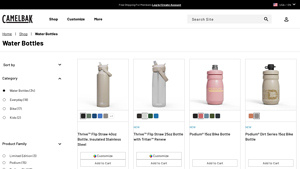
Bereich: camelbak.com
Registriert: 1996 (29 Jahre)
Einleitung: Thrive™ Flip Straw 40oz Bottle, Insulated Stainless Steel – $37.99; Thrive™ Flip Straw 25oz Bottle with Tritan™ Renew – $17.99; Podium® 15oz Bike Bottle – $12.00; Podium® Dirt Series 15oz Bike Bottle – $15.00; Thrive™ Chug 25oz Bottle, Insulated Stainless Steel – $30.99; Thrive™ Chug 20oz Bottle, Insulated Stainless Steel – $26.99.
4. Stanley – Key Product
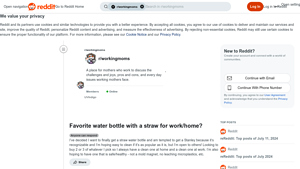
Bereich: reddit.de
Registriert: 2005 (20 Jahre)
Einleitung: Key product details extracted from the discussion include: 1. **Brands Mentioned**: Stanley, Simple Modern, Owala. 2. **Features Desired**: Straw for easy drinking, safe materials (no leaching microplastics), easy to clean, good insulation (keeps drinks cold), and no leaks when knocked over. 3. **Capacity Preferences**: Users mentioned using 32oz and 84oz sizes. 4. **User Experiences**: Many users…
5. Hydro Flask – Insulated Water Bottles
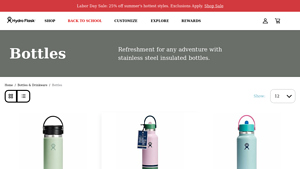
Bereich: hydroflask.com
Registriert: 2009 (16 Jahre)
Einleitung: Insulated & Stainless Steel Water Bottles from Hydro Flask. Labor Day Sale: 25% off summer styles. Free shipping on orders over $39. New Limited Edition Campus Collection available. Various sizes and colors of bottles including 16 oz Coffee with Flex Sip™ Lid ($32.95, now $24.71), 21 oz Standard Mouth with Flex Straw Cap ($34.95), and multiple Remix options in 24 oz and 32 oz sizes with Flex Straw…
6. Stanley – Insulated Stainless Steel Water Bottles
Bereich: stanley1913.com
Registered: 2019 (6 years)
Einleitung: Stainless Steel, Insulated Water Bottles; Features: Vacuum insulation for temperature retention, eliminates condensation; Available Sizes: 14 OZ, 16 OZ, 20 OZ, 24 OZ, 30 OZ, 40 OZ; Accessories: Straws & Toppers, Quencher Carry-All Lids; Special Technology: QuadVac™ technology for enhanced insulation; Not recommended for freezing.
7. Asobu – Insulated Stainless Steel Water Bottles
Bereich: asobubottle.com
Registriert: 2012 (13 Jahre)
Einleitung: Insulated Stainless Steel Water Bottle, Free shipping in US on orders over $50, Available colors: Basil Green, Black, Blue, Mint, Orange, Pastel Blue, Pastel Purple, Pastel Teal, Pastel Yellow, Pink, Puramic Recycled Stainless Steel, Red, Silver, Teal, White, Available capacities: 17 oz – 28 oz, 20 oz, 27 oz, 33 oz, 34 oz, 48 oz, 50 oz.
8. Iron Flask – 40 Oz Wide Mouth Water Bottle
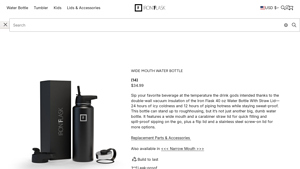
Bereich: ironflask.com
Registriert: 2016 (9 Jahre)
Einleitung: {“name”: “40 Oz Wide Mouth Water Bottle With Straw Lid”, “brand”: “Iron Flask”, “price”: “$34.99”, “capacity”: “40 oz”, “insulation”: “Double-wall vacuum insulation”, “temperature retention”: {“cold”: “24 hours”, “hot”: “12 hours”}, “features”: [“Sweat-proof”, “Wide mouth for easy filling”, “Carabiner straw lid for spill-proof sipping”, “Flip lid”, “Stainless steel screw-on lid”], “material”: “18/…
Strategic Sourcing Conclusion and Outlook for insulated water bottle with a straw
As international B2B buyers navigate the growing market for insulated water bottles with straws, strategic sourcing emerges as a critical component for success. Key insights highlight the importance of selecting products that combine functionality, sustainability, and aesthetic appeal. Bottles featuring advanced insulation technologies, such as double-wall vacuum insulation, not only enhance user experience by maintaining beverage temperatures but also cater to the increasing consumer demand for eco-friendly products.
The diverse range of customization options, from colors to sizes, allows businesses to cater to regional preferences, particularly in vibrant markets across Africa, South America, the Middle East, and Europe. By prioritizing suppliers that emphasize quality materials and responsible manufacturing practices, buyers can ensure they align with the values of their target markets, driving brand loyalty and repeat business.
Looking ahead, the insulated water bottle market is poised for continued growth, driven by increasing health consciousness and sustainability trends. B2B buyers should take proactive steps to engage with innovative suppliers, fostering partnerships that prioritize quality and social responsibility. Now is the time to invest in these products, positioning your business at the forefront of this dynamic and lucrative market.
 Deutsch
  English
  Español
  Português
  Français
  العربية
  Русский
  日本語
日本語  한국어
한국어  Italiano
  Nederlands