Introduction: Navigating the Global Market for standard water bottle size
In today’s competitive landscape, sourcing the right standard water bottle size is a crucial decision for international B2B buyers looking to meet diverse hydration needs while optimizing cost efficiency. With a plethora of options available, from 8 oz to 64 oz bottles, navigating this market can be daunting. This comprehensive guide delves into the intricacies of water bottle sizes, exploring their various applications—from corporate gifting to event marketing—ensuring that your purchasing decisions align with both consumer preferences and environmental considerations.
Understanding the specific requirements of different markets is essential, particularly for buyers in regions like Africa, South America, the Middle East, and Europe, including key markets such as Germany and Brazil. This guide not only details the characteristics and benefits of various bottle sizes but also provides actionable insights on supplier vetting, cost analysis, and market trends. By equipping you with the knowledge to make informed choices, we empower your business to enhance brand visibility while catering to the hydration habits of your target audience.
Whether you’re looking to supply reusable bottles for eco-conscious consumers or standard sizes for mass distribution, this guide is designed to streamline your sourcing process, ultimately fostering successful partnerships and driving growth in your market.
Understanding standard water bottle size Types and Variations
| Type Name | Key Distinguishing Features | Primary B2B Applications | Brief Pros & Cons for Buyers |
|---|---|---|---|
| Small Bottles | 8 oz to 16 oz, lightweight, portable | Kids’ events, short outings | Pros: Easy to carry, economical. Cons: Frequent refills needed. |
| Medium Bottles | 20 oz to 32 oz, versatile, suitable for daily use | Offices, gyms, schools | Pros: Good balance of capacity and portability. Cons: May still require refills during long use. |
| Large Bottles | 40 oz to 64 oz, designed for extended hydration | Outdoor activities, sports events | Pros: Fewer refills needed, ideal for hydration. Cons: Bulkier and heavier to carry. |
| Custom Bottles | Varied sizes, personalized branding options | Promotional events, corporate gifts | Pros: Enhances brand visibility, tailored sizes. Cons: Higher initial investment for customization. |
| Insulated Bottles | Maintains temperature, typically 20 oz to 40 oz | Corporate wellness programs, travel | Pros: Keeps drinks cold/hot for hours. Cons: Generally more expensive than standard bottles. |
What Are the Characteristics of Small Water Bottles?
Small water bottles, ranging from 8 oz to 16 oz, are designed for portability and convenience. They are ideal for kids, short walks, or casual outings, making them a popular choice for events and promotions targeting families. B2B buyers can benefit from these bottles in settings where lightweight hydration is essential, such as school events or outdoor festivals. However, their limited capacity necessitates frequent refills, which may not suit longer activities.
How Do Medium Water Bottles Fit into Daily B2B Applications?
Medium water bottles, typically between 20 oz and 32 oz, strike an excellent balance between capacity and portability. They are widely used in offices, gyms, and schools, making them versatile for daily hydration needs. B2B buyers should consider these bottles for corporate wellness initiatives, as they encourage regular water intake without being cumbersome. While they provide sufficient hydration for most activities, users may still need to refill them during extended use.
Why Are Large Water Bottles Preferred for Outdoor Activities?
Large water bottles, ranging from 40 oz to 64 oz, cater to those requiring significant hydration over extended periods. They are particularly advantageous for outdoor activities, sports events, and camping trips, where access to water may be limited. B2B buyers focusing on outdoor gear or event planning should consider these bottles for their clients who engage in intense physical activities. Although they offer the benefit of fewer refills, the bulkiness and weight can be a drawback for some users.
What Are the Advantages of Custom Water Bottles?
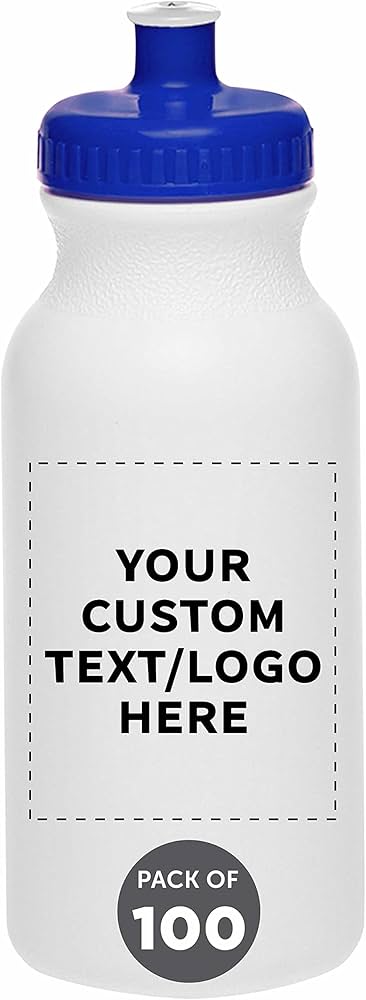
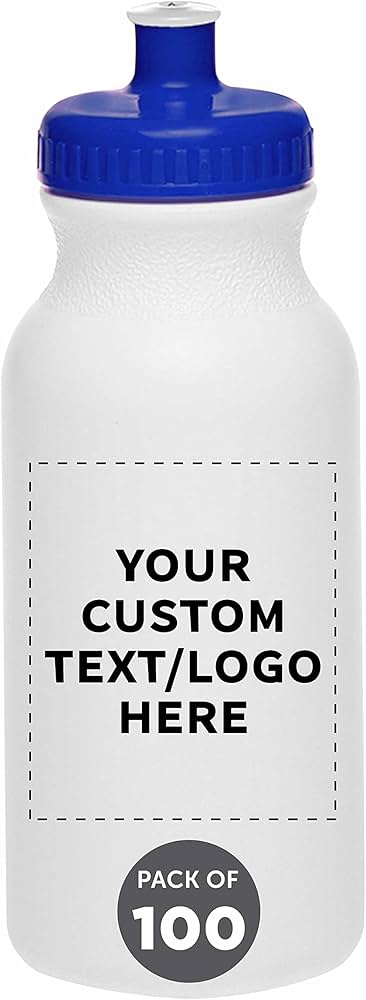
Custom water bottles come in various sizes and offer personalized branding options, making them ideal for promotional events and corporate gifts. B2B buyers can leverage these bottles to enhance brand visibility while providing a functional product. Customization allows businesses to align the product with their branding strategy. However, the initial investment for customization may be higher, which is a consideration for budget-conscious buyers.
How Do Insulated Bottles Enhance Hydration Experiences?
Insulated bottles, typically ranging from 20 oz to 40 oz, are designed to maintain the temperature of the beverage for extended periods. They are perfect for corporate wellness programs and travel, as they keep drinks cold or hot for hours. B2B buyers should consider insulated bottles for clients who prioritize temperature control in their hydration products. While they offer significant advantages in terms of usability, the cost may be higher compared to standard bottles, which could impact purchasing decisions.
Key Industrial Applications of standard water bottle size
| Industry/Sector | Specific Application of Standard Water Bottle Size | Value/Benefit for the Business | Key Sourcing Considerations for this Application |
|---|---|---|---|
| Food & Beverage | Bottled Water Production | Increased sales through consumer convenience | Quality control, brand customization, and sustainability |
| Sports & Recreation | Hydration Solutions for Events | Enhanced participant experience and brand visibility | Durability, portability, and eco-friendliness |
| Corporate Wellness | Employee Hydration Programs | Improved employee health and productivity | Size variety, branding options, and refillability |
| Travel & Tourism | Bottled Water for Hospitality Services | Enhanced guest satisfaction and loyalty | Compliance with local regulations, packaging aesthetics |
| Education | Water Stations in Schools | Promotes hydration culture among students | Safety standards, ease of use, and refill options |
How is Standard Water Bottle Size Used in the Food & Beverage Industry?
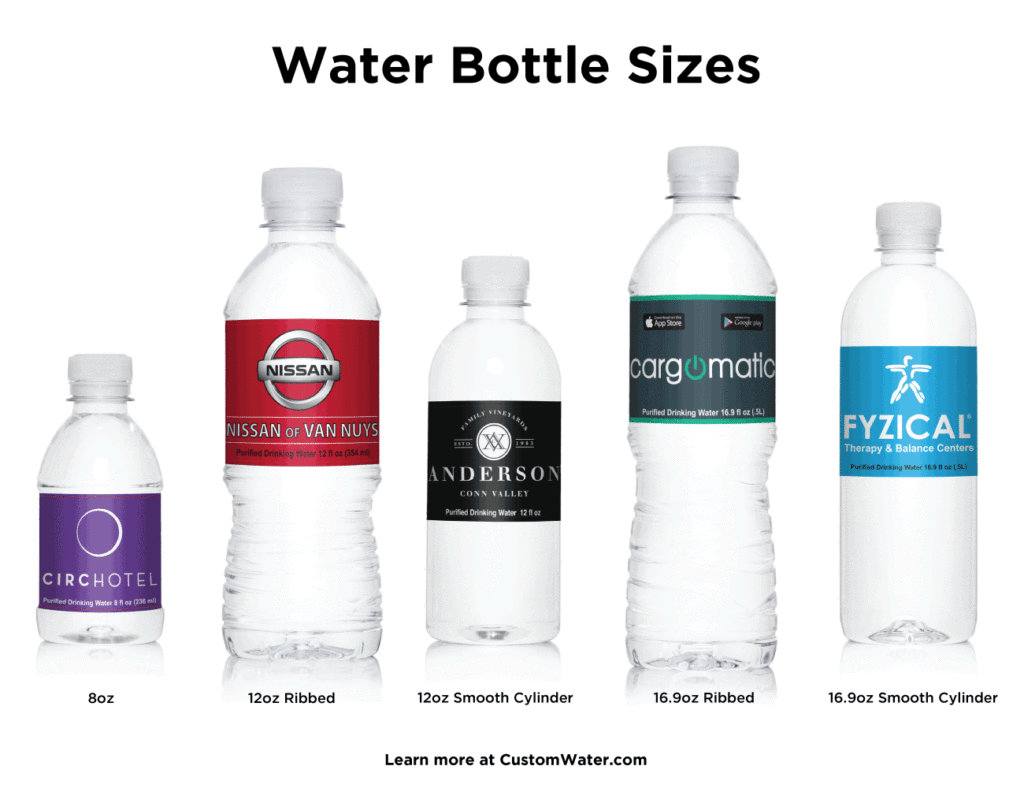
In the food and beverage sector, standard water bottle sizes, particularly the popular 16.9 oz (500 ml) option, are pivotal for bottled water production. These bottles cater to consumer demand for convenience and portability, driving sales in retail environments. Businesses must consider quality control in sourcing to ensure that bottles meet health standards and sustainability practices, such as using recyclable materials. Custom branding options can also enhance market presence, particularly in competitive regions like Europe and South America.
What are the Applications of Standard Water Bottle Size in Sports & Recreation?
For sports and recreation, standard water bottles are essential for hydration solutions during events and activities. Bottles ranging from 20 oz to 32 oz are ideal for athletes and participants, as they strike a balance between capacity and portability. This enhances the overall experience and visibility of brands sponsoring events. Key sourcing considerations include the durability of materials and eco-friendliness to align with growing consumer preferences for sustainable products, especially in regions like Africa and the Middle East.
How Do Corporations Utilize Standard Water Bottle Sizes for Employee Wellness?
Many companies implement hydration programs using standard water bottle sizes to promote employee wellness. Bottles in the 20 oz to 32 oz range are popular for office use, encouraging regular hydration without requiring frequent refills. This initiative not only boosts employee health but also productivity. When sourcing, businesses should consider branding options and the practicality of refillable designs, which can resonate well in markets like Germany and Brazil, where corporate responsibility is increasingly valued.
In What Ways Do Travel and Tourism Benefit from Standard Water Bottle Sizes?
The travel and tourism industry leverages standard water bottle sizes to enhance guest experiences in hotels and resorts. Providing bottled water in convenient sizes, such as 16.9 oz or 20 oz, ensures guests stay hydrated during their stay, which can significantly improve satisfaction and loyalty. Compliance with local regulations regarding packaging and sourcing is vital, along with aesthetic considerations to align with brand image. This is particularly important in regions with strict environmental guidelines, such as Europe.
How is Standard Water Bottle Size Relevant in Educational Settings?
In educational institutions, standard water bottle sizes are increasingly used in water stations to promote hydration among students. Bottles sized between 16 oz and 24 oz are ideal for school environments, encouraging students to drink more water throughout the day. When sourcing, safety standards and ease of use are critical factors, especially in regions where children’s health is prioritized. Educational institutions can also benefit from partnerships with suppliers that offer eco-friendly options, aligning with global sustainability goals.
A stock image related to standard water bottle size.
3 Common User Pain Points for ‘standard water bottle size’ & Their Solutions
Scenario 1: Struggling with Inventory Management for Standard Water Bottles
The Problem: For many B2B buyers, particularly those in retail or event planning, managing inventory for standard water bottles can be a logistical nightmare. With varying sizes and types available, it can be challenging to predict which sizes will sell best. Buyers often find themselves overstocked on less popular sizes, leading to increased carrying costs and waste. Additionally, rapid changes in consumer preferences or seasonal demands can further complicate inventory management, making it difficult to maintain optimal stock levels.
The Solution: To address this challenge, B2B buyers should implement a data-driven inventory management system that tracks sales trends and customer preferences. Begin by analyzing historical sales data to identify which sizes are most popular in different contexts, such as events, sports, or corporate gifts. Establish a flexible ordering system that allows for quick reordering of high-demand sizes while minimizing orders for less popular options. Additionally, consider partnering with suppliers who offer customizable options for standard water bottles, allowing you to test various sizes without committing to large inventories. This approach will ensure that you can meet demand without excessive waste, thereby optimizing your inventory management.
Scenario 2: The Difficulty of Sourcing Eco-Friendly Options in Standard Sizes
The Problem: As sustainability becomes a priority for many businesses, sourcing eco-friendly water bottles in standard sizes presents a significant challenge. B2B buyers often struggle to find suppliers who provide options that are both environmentally friendly and meet the industry standards for quality and safety. This issue is exacerbated by the growing consumer demand for sustainable products, which can lead to supply shortages or inflated prices for eco-friendly options.
The Solution: To overcome this sourcing challenge, B2B buyers should develop a clear set of criteria for eco-friendly water bottles and actively research suppliers who specialize in sustainable products. Look for manufacturers that use recycled materials, offer biodegradable options, or are certified by recognized environmental standards. Building relationships with these suppliers can also provide insights into new product offerings and trends in sustainability. Moreover, consider engaging in collaborative purchasing with other businesses to increase order volumes, which can help secure better pricing and availability for eco-friendly standard sizes. By focusing on sustainability and collaboration, businesses can better meet consumer demands while supporting environmental responsibility.
Scenario 3: Misalignment Between Consumer Needs and Product Offerings
The Problem: Many B2B buyers find themselves in situations where the standard water bottle sizes they offer do not align with the actual hydration needs of their target market. For instance, gyms and fitness centers may struggle with customers who prefer larger bottles for prolonged workouts, while corporate clients might seek smaller, portable options for everyday use. This misalignment can lead to customer dissatisfaction and reduced sales, as buyers may leave without finding a suitable hydration solution.
The Solution: To bridge the gap between consumer needs and product offerings, B2B buyers should conduct regular market research to understand their audience’s preferences better. Surveys, focus groups, and direct feedback can provide valuable insights into which sizes are most desirable in specific contexts. Based on this data, consider diversifying your product range to include a variety of standard water bottle sizes, from smaller 12 oz options for casual users to larger 32 oz bottles for athletes. Additionally, creating bundled offers that combine different sizes can encourage customers to purchase multiple bottles that suit different occasions. By aligning product offerings with consumer needs, businesses can enhance customer satisfaction and increase sales.
Strategic Material Selection Guide for standard water bottle size
What Are the Key Materials Used in Standard Water Bottle Manufacturing?
When selecting materials for standard water bottles, international B2B buyers must consider various factors, including durability, cost, and compliance with regional standards. Below, we analyze four common materials used in the production of standard-sized water bottles, focusing on their properties, advantages, disadvantages, and implications for buyers in Africa, South America, the Middle East, and Europe.
How Does Plastic Perform as a Material for Water Bottles?
Key Properties: Plastic, particularly PET (Polyethylene Terephthalate), is lightweight and has a good temperature resistance, typically up to 70°C. It is also resistant to corrosion and does not leach harmful chemicals when used within its temperature limits.
Pros & Cons: Plastic water bottles are generally low-cost and easy to manufacture, making them suitable for mass production. However, they are less durable than other materials and can be prone to cracking or deformation under high pressure. Additionally, single-use plastics contribute significantly to environmental waste, which may be a concern for buyers focused on sustainability.
Impact on Application: Plastic bottles are compatible with a wide range of beverages, including water, juices, and sports drinks. However, they may not be suitable for hot liquids due to potential deformation and leaching.
Considerations for International Buyers: Buyers must be aware of regulations concerning plastic use in their respective markets. For example, the European Union has strict guidelines on single-use plastics, which may impact sourcing decisions.
What Are the Advantages of Stainless Steel for Water Bottles?
Key Properties: Stainless steel is highly durable, with excellent corrosion resistance and a temperature rating that can withstand extreme conditions. It can maintain the temperature of liquids for extended periods, making it ideal for both hot and cold beverages.
Pros & Cons: The durability of stainless steel makes it a long-term investment, reducing the need for frequent replacements. However, the manufacturing process is more complex and costly, which can increase the retail price of the final product.
Impact on Application: Stainless steel bottles are suitable for various applications, including outdoor activities and sports, due to their robustness. They are also compatible with a wide range of liquids, including acidic beverages.
Considerations for International Buyers: Compliance with food safety standards, such as those set by ASTM or DIN, is crucial when sourcing stainless steel bottles. Buyers should also consider the preferences for insulated options in colder climates.
How Do Glass Water Bottles Compare in Terms of Performance?
Key Properties: Glass is non-reactive and does not leach chemicals, making it a safe choice for beverage storage. It can withstand high temperatures but is fragile and can break easily under impact.
Pros & Cons: Glass bottles offer a premium feel and are often seen as more environmentally friendly than plastic. However, their weight and fragility can be significant drawbacks, especially for outdoor use or in regions with rough handling during transport.
Impact on Application: Glass bottles are ideal for water, juices, and flavored beverages, but they may not be suitable for high-impact environments. They can also be used for hot liquids if designed appropriately.
Considerations for International Buyers: Buyers should be aware of glass recycling regulations in their regions and ensure compliance with safety standards, particularly in markets like Germany, where stringent regulations exist.
What Role Does Aluminum Play in Water Bottle Manufacturing?
Key Properties: Aluminum is lightweight and offers good resistance to corrosion. It can be treated with coatings to prevent leaching and improve durability.
Pros & Cons: Aluminum bottles are durable and lightweight, making them ideal for travel and outdoor activities. However, they can be more expensive than plastic and may require additional coatings to ensure safety and performance.
Impact on Application: Aluminum is suitable for water and sports drinks but may not be ideal for acidic beverages unless properly lined.
Considerations for International Buyers: Buyers should check for compliance with international standards regarding food safety, as well as local regulations concerning aluminum use in beverage containers.
Summary Table of Material Selection for Standard Water Bottles
| Material | Typical Use Case for standard water bottle size | Key Advantage | Key Disadvantage/Limitation | Relative Cost (Low/Med/High) |
|---|---|---|---|---|
| Plastic | Single-use and reusable bottles | Low cost and lightweight | Less durable, environmental concerns | Low |
| Stainless Steel | Reusable bottles for hot/cold beverages | Highly durable, temperature retention | Higher manufacturing cost | High |
| Glass | Premium reusable bottles | Non-reactive, environmentally friendly | Fragile and heavy | Medium |
| Aluminum | Lightweight travel bottles | Durable and lightweight | Potentially higher cost, requires lining | Medium |
This strategic material selection guide provides valuable insights for B2B buyers considering the best options for standard water bottle sizes, tailored to their specific regional needs and compliance requirements.
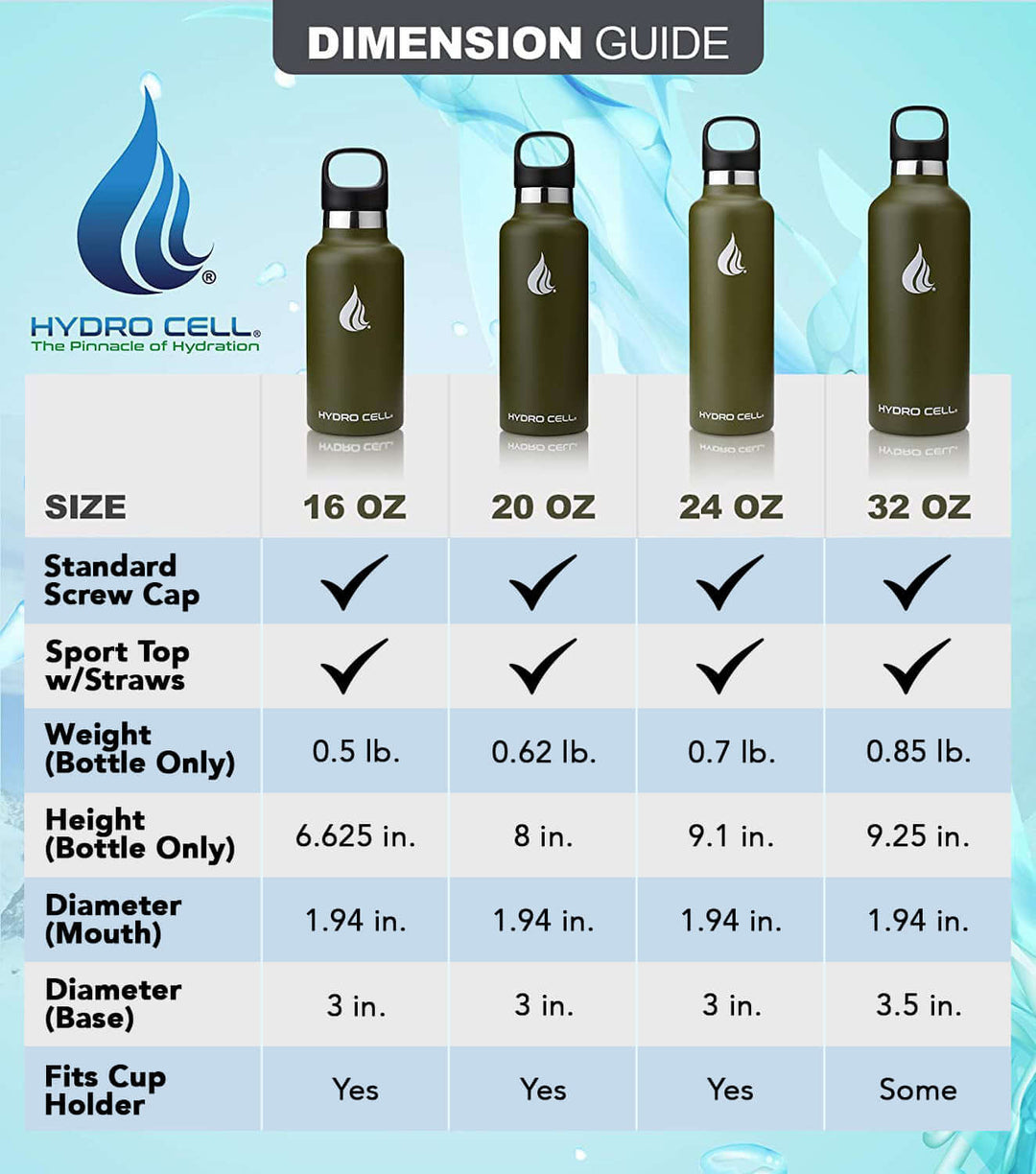
A stock image related to standard water bottle size.
In-depth Look: Manufacturing Processes and Quality Assurance for standard water bottle size
What Are the Key Stages in the Manufacturing Process for Standard Water Bottles?
The manufacturing of standard water bottles, particularly the widely recognized 16.9 oz (500 ml) size, involves several critical stages. Understanding these stages helps B2B buyers assess the efficiency and quality of potential suppliers.
Material Preparation: What Materials Are Commonly Used in Water Bottle Manufacturing?
The primary materials used in the production of standard water bottles are polyethylene terephthalate (PET) for single-use bottles and stainless steel or Tritan™ for reusable options. The material selection depends on the intended use of the bottle—lightweight and cost-effective PET is ideal for disposable bottles, while stainless steel offers durability and insulation for reusable bottles.
During the material preparation stage, raw materials are sourced, inspected, and processed into pellets or sheets. These materials undergo rigorous quality checks to ensure they meet industry standards for safety and performance. B2B buyers should inquire about the suppliers’ sourcing practices and material certifications to ensure compliance with regulations.
Forming: How Are Water Bottles Shaped and Molded?
The forming stage typically involves injection molding or blow molding techniques. For PET bottles, the process begins with heating the plastic pellets until they become pliable. The molten material is then injected into molds to create preforms. These preforms are further heated and inflated in a blow molding machine to achieve the final bottle shape.
For stainless steel bottles, the process includes cutting, shaping, and welding the metal into the desired form. The forming stage is crucial for maintaining the structural integrity of the bottles, and B2B buyers should confirm that suppliers utilize advanced molding technologies to minimize defects.
Assembly: What Additional Components Are Included in Standard Water Bottles?
In the assembly stage, additional components such as caps, straws, and seals are integrated into the bottles. This may also involve labeling and branding, especially for private label products. Quality assurance during assembly is vital; any misalignment or defects can compromise the product’s functionality and consumer safety.
B2B buyers should request information about the assembly process and whether automation is employed to enhance precision and consistency. Automated assembly lines typically yield higher quality products due to reduced human error.
Finishing: What Final Touches Are Applied Before Bottles Are Packaged?
Finishing touches may include surface treatments such as polishing, coating, or applying antimicrobial properties. These enhancements not only improve the aesthetic appeal but also contribute to the bottle’s functionality and hygiene.
The final inspection before packaging ensures that each bottle meets the required specifications. B2B buyers should verify that suppliers conduct thorough quality checks during this stage to eliminate any products that do not meet standards.
What Quality Assurance Measures Are Essential in Water Bottle Manufacturing?
Quality assurance (QA) is a critical aspect of the manufacturing process, ensuring that products meet both international and industry-specific standards. B2B buyers must prioritize suppliers with robust QA protocols.
What International Standards Should Suppliers Comply With?
International standards such as ISO 9001 provide a framework for quality management systems (QMS). This certification indicates that the supplier adheres to consistent quality processes. Other relevant standards for water bottles include:
- FDA Compliance: Ensures safety for food contact materials in the U.S.
- CE Marking: Required for products sold in the European Economic Area (EEA), indicating compliance with health, safety, and environmental protection standards.
- API Standards: Relevant for specific applications, such as water purification and filtration.
B2B buyers should request documentation proving compliance with these standards to verify the supplier’s commitment to quality.
What Are the Key Quality Control Checkpoints?
Quality control (QC) checkpoints throughout the manufacturing process include:
- Incoming Quality Control (IQC): Inspecting raw materials upon arrival to ensure they meet specifications.
- In-Process Quality Control (IPQC): Continuous monitoring during the production process to identify and rectify issues in real-time.
- Final Quality Control (FQC): Comprehensive inspection of finished products before packaging to ensure they meet the required standards.
These checkpoints are crucial for maintaining high-quality output, and B2B buyers should inquire about the frequency and methods used at each stage.
What Common Testing Methods Are Used in Water Bottle Quality Assurance?
Testing methods for water bottles typically include:
- Physical Tests: Assessing the structural integrity and durability of the bottles under various conditions.
- Chemical Tests: Checking for leachables and migration of harmful substances from the bottle material into the water.
- Performance Tests: Evaluating the bottle’s functionality, such as leak tests and pressure tests.
B2B buyers should ask suppliers for detailed reports on these tests to ensure comprehensive quality evaluations.
How Can B2B Buyers Verify Supplier Quality Control Processes?
To ensure that suppliers maintain high-quality standards, B2B buyers can implement several verification strategies:
- Audits: Conducting on-site audits of the manufacturing facilities to assess compliance with quality standards and practices.
- Quality Reports: Requesting periodic quality assurance reports that outline testing results, compliance status, and any corrective actions taken.
- Third-Party Inspections: Engaging independent inspection agencies to validate the supplier’s quality processes and product integrity.
For international buyers, particularly from regions such as Africa, South America, the Middle East, and Europe, understanding the nuances of QC can help mitigate risks associated with cross-border sourcing. Buyers should be aware of regional regulations and how they may affect product compliance.
What Are the QC and Certification Nuances for International B2B Buyers?
B2B buyers must navigate various certification requirements specific to their regions. For instance, European buyers need to ensure CE marking compliance, while those in the U.S. must focus on FDA regulations. Moreover, cultural and regulatory differences can impact the interpretation of quality standards.
To facilitate smoother transactions, buyers should establish clear communication with suppliers regarding certification processes and any additional documentation required for importation. Engaging legal or regulatory experts familiar with the target market can further enhance compliance.
In conclusion, a thorough understanding of the manufacturing processes and quality assurance protocols for standard water bottles empowers B2B buyers to make informed decisions, ensuring product quality and regulatory compliance in their supply chain.
Practical Sourcing Guide: A Step-by-Step Checklist for ‘standard water bottle size’
In the competitive landscape of B2B procurement, selecting the right standard water bottle size can significantly impact your product offerings and customer satisfaction. This guide provides a structured approach to help international buyers make informed decisions while sourcing water bottles that meet their specific needs.
Step 1: Define Your Market Requirements
Understanding the needs of your target market is crucial. Consider factors such as regional preferences, environmental regulations, and customer usage patterns. For instance, in markets like Africa and South America, portable sizes may be favored for outdoor activities, while in Europe, reusable bottles may be prioritized for sustainability.
Step 2: Identify Standard Bottle Sizes
Familiarize yourself with the standard sizes that dominate the market. The most common options range from 16.9 oz (500 ml) to 64 oz (1.9 liters). Each size serves different purposes:
– 16.9 oz: Ideal for casual consumers and single-use scenarios.
– 20 oz: Popular for sports and fitness enthusiasts.
– 32 oz to 64 oz: Best suited for outdoor adventures and extended use.
Step 3: Evaluate Material Options
The material of the water bottle affects both functionality and consumer preference. Common materials include:
– Plastic: Lightweight and cost-effective, but consider BPA-free options for safety.
– Stainless Steel: Durable and often insulated, suitable for premium branding.
– Glass: Eco-friendly and stylish, appealing to health-conscious consumers.
Step 4: Assess Supplier Capabilities
Thoroughly vet potential suppliers to ensure they can meet your quality and quantity needs. Key factors to consider include:
– Production Capacity: Can they handle your order size?
– Quality Control Standards: Are they compliant with international safety regulations?
– Customization Options: Can they provide branding or specific design features?
Step 5: Verify Certifications and Compliance
Ensure that suppliers have the necessary certifications to guarantee product safety and quality. Look for:
– ISO Certifications: Indicate adherence to international quality standards.
– FDA Approval: Important for plastic materials used in food and beverage containers.
– Environmental Certifications: Such as recycling certifications, which may appeal to eco-conscious consumers.
Step 6: Request Samples for Testing
Before finalizing your order, request samples of the water bottles. Testing these samples allows you to evaluate:
– Durability: Assess how well the bottles hold up under various conditions.
– User Experience: Consider factors like weight, ease of use, and aesthetics.
– Brand Compatibility: Ensure the product aligns with your branding strategy.
Step 7: Negotiate Terms and Finalize Contracts
Once you’ve identified a suitable supplier, it’s time to negotiate terms. Pay close attention to:
– Pricing and Payment Terms: Ensure they align with your budget and cash flow needs.
– Delivery Schedules: Confirm timelines that match your market demands.
– Return Policies: Understand the process for handling defective or unsold products.
By following these steps, B2B buyers can effectively source standard water bottle sizes that meet their market needs while ensuring quality and compliance. This structured approach minimizes risks and enhances procurement success, ultimately leading to greater customer satisfaction and loyalty.
Comprehensive Cost and Pricing Analysis for standard water bottle size Sourcing
What Are the Key Cost Components in Sourcing Standard Water Bottles?
When sourcing standard water bottles, understanding the cost structure is essential for making informed purchasing decisions. The primary cost components include:
-
Materials: The choice of materials—be it plastic, stainless steel, or glass—greatly influences the overall cost. For instance, high-quality BPA-free plastics may be more expensive but offer better safety and durability, while stainless steel bottles typically command a premium price due to their longevity and insulation properties.
-
Labor: Labor costs can vary significantly depending on the manufacturing location. Countries with lower wage standards may provide cost advantages, but it’s crucial to ensure that labor practices meet ethical standards.
-
Manufacturing Overhead: This encompasses costs related to factory operations, including utilities, facility maintenance, and administrative expenses. Efficient production processes can help minimize these overheads.
-
Tooling: Initial tooling costs for molds and machinery setup can be substantial, especially for custom designs. However, these costs are amortized over larger production runs, making them less impactful per unit at higher volumes.
-
Quality Control (QC): Implementing strict quality control measures ensures the consistency and safety of the bottles. While this adds to the cost, it mitigates risks associated with product recalls or safety issues, which can be far more costly in the long run.
-
Logistics: Shipping costs can vary depending on the distance from the supplier to the buyer, the mode of transport, and the shipping terms. Factors like tariffs and customs duties also play a role, especially for international transactions.
-
Margin: Suppliers typically add a profit margin to cover their costs and ensure business viability. This margin can vary widely based on market competition and the perceived value of the product.
How Do Price Influencers Affect Standard Water Bottle Sourcing?
Several factors can influence the pricing of standard water bottles in the B2B market:
-
Volume/MOQ (Minimum Order Quantity): Larger orders often lead to lower per-unit costs due to economies of scale. Buyers should negotiate MOQs that align with their needs to optimize cost efficiency.
-
Specifications and Customization: Custom designs, colors, or branding can increase costs. Buyers should weigh the benefits of customization against their budget constraints.
-
Materials and Quality Certifications: Bottles that meet specific quality certifications (e.g., FDA, ISO) may incur higher costs but can provide assurance regarding safety and performance.
-
Supplier Factors: The reputation and reliability of the supplier can impact pricing. Established suppliers may charge more due to their proven track record, while newer entrants might offer competitive pricing to gain market share.
-
Incoterms: Understanding Incoterms is crucial for international transactions as they define the responsibilities of buyers and sellers regarding shipping, insurance, and tariffs. This knowledge can prevent unexpected costs.
What Are the Best Buyer Tips for Negotiating Water Bottle Prices?
-
Effective Negotiation: Enter negotiations with clear objectives. Understanding your cost structure and the supplier’s pricing model can empower you to negotiate better terms.
-
Focus on Cost-Efficiency: Assess the Total Cost of Ownership (TCO), which includes not only the purchase price but also logistics, potential storage costs, and disposal costs. This holistic view can lead to better purchasing decisions.
-
Pricing Nuances for International Buyers: When sourcing from regions like Africa, South America, the Middle East, and Europe, consider local market dynamics, currency fluctuations, and geopolitical factors. These can significantly impact pricing and availability.
-
Request Samples: Before committing to large orders, request samples to evaluate quality. This can help you avoid costly mistakes related to inferior products.
-
Long-Term Partnerships: Building strong relationships with suppliers can lead to better pricing and terms over time. Loyal buyers may receive discounts or favorable conditions as they establish trust.
Disclaimer on Indicative Prices
Pricing for standard water bottles can vary widely based on the factors discussed above. It is essential for buyers to conduct thorough market research and obtain multiple quotes to ensure they are making informed purchasing decisions.
Alternatives Analysis: Comparing standard water bottle size With Other Solutions
Exploring Alternatives to Standard Water Bottle Sizes
In the ever-evolving landscape of hydration solutions, businesses must consider various options beyond the traditional standard water bottle size. These alternatives can offer unique advantages tailored to specific use cases, whether for promotional purposes, corporate events, or outdoor activities. This section provides a detailed comparison of the standard water bottle size against two viable alternatives: hydration packs and reusable water pouches.
Comparison Table
| Comparison Aspect | Standard Water Bottle Size | Hydration Pack | Reusable Water Pouch |
|---|---|---|---|
| Performance | Moderate hydration capacity (16-20 oz) | High capacity (up to 3 liters) | Varies (typically 12-24 oz) |
| Cost | Low to moderate (varies by material) | Moderate to high (due to design) | Low (cost-effective option) |
| Ease of Implementation | Simple, widely available | Requires adjustment and fitting | Easy to use, lightweight |
| Maintenance | Low (easy to clean, refill) | Moderate (cleaning hoses) | Low (single-use or reusable) |
| Best Use Case | Everyday hydration, travel | Long hikes, outdoor sports | Casual outings, festivals |
Detailed Breakdown of Alternatives
Hydration Packs
Hydration packs are designed for individuals who need to stay hydrated during extended physical activities. They typically feature a bladder that can hold up to 3 liters of water, connected to a tube for easy sipping.
Pros: Hydration packs provide hands-free hydration, making them ideal for activities like hiking, biking, or running. They allow for a significant amount of water to be carried without the need for frequent refills.
Cons: However, they can be cumbersome for casual use and may require adjustments for comfort. Additionally, maintenance can be more involved, as the hoses and bladders need regular cleaning to prevent mold and odors.
Reusable Water Pouches
Reusable water pouches offer a flexible and lightweight alternative for hydration. They come in various sizes, typically ranging from 12 to 24 ounces, and are designed to be collapsible, taking up minimal space when not in use.
Pros: These pouches are cost-effective and environmentally friendly, as they reduce reliance on single-use plastic bottles. They are easy to carry and can be used for various occasions, from picnics to concerts.
Cons: However, their smaller capacity means users may need to refill them more frequently, which can be inconvenient during longer outings. Additionally, the durability of pouches may not match that of traditional bottles or hydration packs.
Conclusion: Choosing the Right Hydration Solution for Your Needs
When selecting the right hydration solution, B2B buyers should assess their specific needs and use cases. The standard water bottle size remains a popular choice for everyday hydration due to its convenience and availability. However, alternatives like hydration packs and reusable water pouches can offer enhanced performance for specific activities or events. Evaluating factors such as performance, cost, ease of implementation, and maintenance will guide buyers to make informed decisions that align with their operational goals and sustainability initiatives. Ultimately, the best choice will depend on the context in which the product will be used, ensuring that hydration needs are met efficiently and effectively.
Essential Technical Properties and Trade Terminology for standard water bottle size
What Are the Key Technical Properties of Standard Water Bottle Sizes?
Understanding the essential technical properties of standard water bottle sizes is crucial for international B2B buyers. These specifications not only affect the quality and usability of the product but also influence purchasing decisions and overall supply chain management.
What Material Grades Should You Consider for Water Bottles?
The most common materials used in water bottles include polyethylene terephthalate (PET), high-density polyethylene (HDPE), stainless steel, and glass. Each material has distinct properties:
- PET: Lightweight and recyclable, PET is ideal for single-use bottles. It is crucial for companies aiming for sustainability in their product offerings.
- HDPE: Known for its durability and resistance to impact, HDPE is often used for reusable bottles. It is important for buyers focusing on long-term use and cost-effectiveness.
- Stainless Steel: Offers excellent insulation and is corrosion-resistant, making it a top choice for premium products. This material appeals to buyers looking for high-quality, durable options.
- Glass: Though heavier, glass is a premium option that is chemical-free and recyclable. Buyers targeting health-conscious consumers often prefer glass bottles.
Understanding these material grades helps buyers select products that align with their brand values and customer preferences.
Why Is Tolerance Important When Sourcing Water Bottles?
Tolerance refers to the allowable variation in dimensions during manufacturing. For water bottles, maintaining strict tolerances is vital for several reasons:
- Fit and Compatibility: Bottles must fit standard caps and dispensers. Poor tolerance can lead to leaks or inefficiencies in packaging.
- Consumer Safety: Precise tolerances ensure that bottles can withstand pressure and temperature variations, minimizing risks during use.
- Quality Assurance: Consistent tolerances enhance product quality, leading to better customer satisfaction and fewer returns.
Buyers should prioritize suppliers that adhere to stringent tolerance standards to ensure product reliability.
How Do You Define Minimum Order Quantity (MOQ) in Water Bottle Production?
Minimum Order Quantity (MOQ) is the smallest number of units a supplier is willing to produce or sell. Understanding MOQ is crucial for B2B buyers as it affects inventory management and cash flow:
- Cost Efficiency: Larger orders often come with discounts, making it financially beneficial to understand and negotiate MOQs.
- Inventory Management: Buyers must balance MOQ with storage capabilities and demand forecasts to avoid overstocking or stockouts.
- Supplier Relationships: Establishing a good relationship with suppliers can sometimes allow for lower MOQs, facilitating more flexible purchasing.
What Is the Importance of Request for Quotation (RFQ) in the B2B Water Bottle Market?
A Request for Quotation (RFQ) is a document sent to suppliers to solicit price proposals for specified products. In the context of water bottles, RFQs are essential for several reasons:
- Price Comparison: RFQs allow buyers to compare pricing from multiple suppliers, ensuring they receive competitive offers.
- Customization Options: Including specifications in the RFQ can help identify suppliers capable of meeting unique needs, such as custom sizes or branding.
- Budgeting: RFQs provide a clear understanding of costs, aiding in effective budgeting and financial planning.
Buyers should leverage RFQs to ensure they receive the best possible offers for their requirements.
What Are Incoterms, and Why Are They Crucial for Water Bottle Procurement?
Incoterms (International Commercial Terms) are standardized trade terms that define the responsibilities of buyers and sellers in international transactions. Familiarity with Incoterms is critical for B2B buyers in the water bottle industry for the following reasons:
- Risk Management: Incoterms clarify who bears the risk at each stage of transport, helping buyers manage liability.
- Cost Transparency: Understanding the terms can lead to better cost estimation and budgeting, as they dictate who pays for shipping, insurance, and tariffs.
- Logistics Coordination: Clear Incoterms facilitate smoother communication and coordination between suppliers and logistics partners.
Incorporating knowledge of Incoterms into procurement processes can enhance efficiency and reduce misunderstandings.
Conclusion
By grasping the essential technical properties and trade terminology related to standard water bottle sizes, international B2B buyers can make informed decisions that enhance product quality, reduce costs, and streamline operations. Understanding these factors is vital in navigating the complexities of the water bottle market and ensuring successful procurement strategies.
Navigating Market Dynamics and Sourcing Trends in the standard water bottle size Sector
What Are the Current Market Dynamics for Standard Water Bottle Sizes?
The global standard water bottle size market has been significantly influenced by several key drivers, including increasing health awareness, the demand for eco-friendly products, and the rise of outdoor and fitness activities. B2B buyers from regions like Africa, South America, the Middle East, and Europe are increasingly seeking versatile hydration solutions that cater to diverse consumer preferences. The most common size, 16.9 oz (500 ml), remains popular due to its convenience for everyday use, but there’s a noticeable shift towards larger reusable bottles (20 oz to 32 oz) as consumers prioritize sustainability and long-term usability over single-use plastics.
Emerging B2B technology trends, such as custom bottle manufacturing and smart hydration systems, are reshaping the market landscape. Companies are leveraging data analytics to understand consumer behavior better, leading to tailored offerings that meet specific hydration needs. Additionally, the integration of e-commerce platforms facilitates international sourcing, making it easier for buyers in diverse regions to access quality water bottles at competitive prices. With the rise of private labeling and branding opportunities, businesses are also exploring ways to differentiate their products in a saturated market.
How Does Sustainability Impact Sourcing Trends for Standard Water Bottles?
Sustainability has become a paramount consideration in the sourcing of standard water bottles. As environmental concerns escalate, B2B buyers are increasingly prioritizing suppliers that demonstrate a commitment to ethical sourcing and sustainability practices. The production of single-use plastic bottles contributes significantly to global plastic waste, prompting a shift towards reusable options made from eco-friendly materials such as stainless steel, glass, and BPA-free plastics.
Ethical supply chains are vital in ensuring that materials are sourced responsibly and that workers are treated fairly throughout the manufacturing process. Certifications like ISO 14001 for environmental management and B Corp certification for social responsibility are becoming essential for suppliers aiming to establish credibility in the market. Buyers should look for partners who offer transparency in their sourcing practices and utilize recycled or biodegradable materials to align with consumer demand for greener products.
What Is the Historical Context Behind Standard Water Bottle Sizes?
The history of standard water bottle sizes is rooted in the growing need for convenient hydration solutions. The introduction of single-use plastic bottles in the 1970s revolutionized the way consumers accessed water, leading to the widespread adoption of the 16.9 oz (500 ml) size as a standard. Over the years, increased awareness of environmental issues has prompted a shift towards reusable bottles, with various sizes emerging to accommodate different lifestyles, from compact 8 oz bottles for children to larger 64 oz options for outdoor enthusiasts.
As the market evolves, understanding this historical context can provide B2B buyers with insights into consumer preferences and emerging trends, enabling them to make informed sourcing decisions that align with the values of sustainability and health.
Frequently Asked Questions (FAQs) for B2B Buyers of standard water bottle size
-
What is the most common size for a water bottle?
The most common size for a water bottle in the market is 16.9 oz (500 ml), especially for single-use plastic bottles. However, when sourcing for reusable options, sizes between 20 oz and 32 oz are increasingly popular due to their versatility and practicality. For B2B buyers, understanding the common sizes can help in making informed decisions about inventory and meeting customer preferences. -
How can I determine the best water bottle size for my target market?
To determine the best water bottle size for your target market, consider factors such as local hydration habits, lifestyle preferences, and climate conditions. For instance, markets in warmer regions may favor larger bottles (32 oz to 64 oz) for outdoor activities, while urban settings may benefit from smaller, portable sizes (16 oz to 20 oz). Conducting market research and surveys can provide valuable insights into consumer preferences. -
What customization options are available for water bottles?
Customization options for water bottles can include branding, color choices, material selection, and size variations. Many suppliers offer printing services for logos or designs, enabling businesses to enhance their brand visibility. When sourcing, inquire about the minimum order quantities (MOQs) for customization and any associated costs, ensuring it aligns with your marketing strategy and budget. -
How do I vet suppliers for water bottle sourcing?
To vet suppliers for water bottle sourcing, check their certifications, manufacturing capabilities, and quality assurance processes. Request samples to evaluate the product quality and durability. Additionally, review customer testimonials and industry reputation to gauge reliability. Engaging in direct communication can also help clarify their responsiveness and willingness to meet your specific needs. -
What are the typical minimum order quantities (MOQs) for water bottles?
Minimum order quantities (MOQs) for water bottles vary by supplier and material. Generally, MOQs can range from 500 to 10,000 units, depending on factors like customization and production scale. It’s crucial to discuss MOQs upfront with potential suppliers to ensure they align with your business model and inventory management strategy. -
What payment terms should I expect when sourcing water bottles internationally?
Payment terms for international water bottle sourcing can differ based on the supplier and agreement. Common terms include a deposit (usually 30-50%) upfront, with the balance due before shipment or upon receipt. It’s essential to negotiate terms that protect your interests and ensure clarity in the transaction process, including currency exchange considerations and potential fees. -
How can I ensure quality assurance for the water bottles I purchase?
To ensure quality assurance for your water bottle purchases, work with suppliers who implement rigorous quality control measures. Request detailed information about their QA processes, such as inspections during production and testing for material safety. Consider arranging for third-party inspections or certifications to verify that the products meet international standards and your specific requirements. -
What logistics considerations should I keep in mind when sourcing water bottles?
When sourcing water bottles, logistics considerations include shipping methods, lead times, and customs regulations. Understand the supplier’s shipping capabilities and how they handle international shipping, including incoterms. It’s also vital to factor in potential delays due to customs clearance, especially in regions like Africa and South America, where regulations may vary significantly. Establishing a clear logistics plan will help ensure timely delivery and inventory management.
Important Disclaimer & Terms of Use
⚠️ Important Disclaimer
The information provided in this guide, including content regarding manufacturers, technical specifications, and market analysis, is for informational and educational purposes only. It does not constitute professional procurement advice, financial advice, or legal advice.
While we have made every effort to ensure the accuracy and timeliness of the information, we are not responsible for any errors, omissions, or outdated information. Market conditions, company details, and technical standards are subject to change.
B2B buyers must conduct their own independent and thorough due diligence before making any purchasing decisions. This includes contacting suppliers directly, verifying certifications, requesting samples, and seeking professional consultation. The risk of relying on any information in this guide is borne solely by the reader.
Top 6 Standard Water Bottle Size Manufacturers & Suppliers List
1. Reddit – Ideal Water Bottle Sizes
Domain: reddit.com
Registered: 2005 (20 years)
Introduction: Ideal sizes for daily use water bottles are 24oz, 32oz, and 40oz. The 24oz size is preferred by many users for its convenience, fitting in most backpack side pouches and standard car cup holders. Users have reported that the 32oz size can be too large for these spaces and harder to handle, especially for those with smaller hands. Some users also mention using smaller bottles like 16oz for ease of …
2. My Own Water – Premium BPA-Free Water Bottles
Domain: myownwater.com
Registered: 2000 (25 years)
Introduction: We offer several water bottle sizes ranging from 8 oz up to 1 gallon. Our bottles are available in a variety of styles, sizes, and materials. All bottles are made from high-quality BPA free PET plastic, which is 3x stronger than comparable grocery store bottles. The available sizes include: Value Bottles (8 oz, 10 oz, 12 oz, 16.9 oz, 23.7 oz, 33.8 oz), Modern Bottles (12 oz, 16.9 oz, 23.7 oz, 33.8…
3. Bottle Your Brand – 8oz Water Bottle
Domain: bottleyourbrand.com
Registered: 2004 (21 years)
Introduction: {“8oz_water_bottle”:{“capacity”:”8 fluid ounces”,”dimensions”:{“height”:”5 inches”,”diameter”:”2.25 inches”},”label_size”:{“length”:”6.375 inches”,”height”:”2.25 inches”},”label_material”:”durable, high gloss vinyl”,”packaging”:{“sold_in”:”multiples of 48 bottles”,”box_size”:{“length”:”16.75 inches”,”width”:”10.25 inches”,”height”:”10.75 inches”},”weight”:”30 lbs”},”pallet_info”:{“max_cases”:”120 …
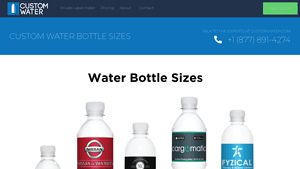
4. CustomWater – 8oz BPA Free Water Bottle
Domain: customwater.com
Registered: 2002 (23 years)
Introduction: CustomWater.com offers a variety of plastic water bottle sizes including:
1. **8oz Water Bottle**:
– Dimensions: 5″ tall, 2.25″ wide, 8.25″ around
– Label size: 1.625″ H x 7.25″ W to 2″ H x 7″ W
– BPA free
– Packed: 24 bottles per case
– Order in increments of 12 cases
– Pallet: 120 cases (2880 bottles) or 130 cases (3120 bottles)
2. **12oz Water Bottle**:
– Dimensi…
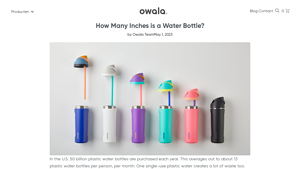
5. Owala – FreeSip Water Bottles
Domain: owalalife.com
Registered: 2019 (6 years)
Introduction: Owala offers a variety of water bottles with different sizes and features. The FreeSip Water Bottle is available in Stainless Steel or Tritan Plastic, with sizes including 19 oz. (9.88 inches tall), 24 oz. (10.68 inches tall), 25 oz. (9.87 inches tall), 32 oz. (10.66 inches tall), and 40 oz. (11.64 inches tall). The Flip™ Water Bottle also comes in Stainless Steel and Tritan, with sizes of 19 oz. …
6. Hydrocell – Optimal Water Bottle Sizes
Domain: hydrocellusa.com
Registered: 2017 (8 years)
Introduction: The best size of water bottle is 16 to 24 ounces (473 to 708 milliliters) for daily hydration. For more water, sizes can go up to 32 ounces. For overnight camping, sizes of 40 to 64 ounces are recommended. Best sizes for kids are 10 to 14 ounces, while everyday use is best with 16 to 20 ounces. For travel, a 20 to 24 ounce bottle is ideal. A 24 ounce bottle is good for sharing. For hiking or campi…
Strategic Sourcing Conclusion and Outlook for standard water bottle size
In today’s competitive market, understanding the nuances of standard water bottle sizes is crucial for international B2B buyers. The most commonly sought size, 16.9 oz (500 ml), serves as a benchmark for reusable and disposable options, making it vital for businesses to source products that cater to diverse customer needs. As hydration trends evolve, offering a range of sizes—from compact 12 oz bottles for children to larger 64 oz containers for outdoor enthusiasts—can enhance customer satisfaction and loyalty.
Strategic sourcing plays a pivotal role in ensuring that your product offerings align with market demands while optimizing cost and supply chain efficiency. By partnering with reliable suppliers who can provide a variety of sizes and materials, companies can better position themselves in the marketplace and respond effectively to consumer preferences.
Looking ahead, now is the opportune time for international buyers in Africa, South America, the Middle East, and Europe to engage in strategic sourcing initiatives. By leveraging insights into water bottle sizes, businesses can not only meet hydration needs but also foster sustainable practices that resonate with environmentally conscious consumers. Embrace this opportunity to enhance your product line and solidify your competitive edge in the global market.