Introduction: Navigating the Global Market for water bottles and caps
In the fast-evolving global market for water bottles and caps, international B2B buyers face the pressing challenge of sourcing high-quality, sustainable products that meet diverse consumer demands while adhering to local regulations. This guide provides a comprehensive overview of the various types of water bottles—ranging from glass and stainless steel to BPA-free plastics—and the caps that complement them. By delving into their applications across different industries, buyers will gain insights into the latest trends and innovations that can enhance their product offerings.
Understanding the complexities of supplier vetting, pricing strategies, and logistical considerations is crucial for making informed purchasing decisions. This guide empowers buyers from Africa, South America, the Middle East, and Europe—including key markets such as Vietnam and Saudi Arabia—by equipping them with the necessary tools to navigate supplier landscapes effectively. It highlights critical factors such as material quality, durability, and design variations that can influence buyer choice and consumer satisfaction.
Moreover, the guide addresses the growing demand for eco-friendly solutions, providing insights into sustainable practices that resonate with environmentally conscious consumers. With a focus on actionable strategies and data-driven insights, this resource aims to support B2B buyers in optimizing their procurement processes while fostering long-term partnerships with reliable suppliers.
Understanding water bottles and caps Types and Variations
| Type Name | Key Distinguishing Features | Primary B2B Applications | Brief Pros & Cons for Buyers |
|---|---|---|---|
| Reusable Plastic Bottles | Lightweight, BPA-free, and available in various sizes and colors | Corporate giveaways, outdoor events | Pros: Cost-effective, customizable; Cons: Less durable than glass or stainless steel. |
| Glass Water Bottles | Eco-friendly, lead-free glass, often insulated | Health-focused brands, premium retail | Pros: Aesthetic appeal, preserves taste; Cons: Heavier, requires careful handling. |
| Stainless Steel Bottles | Insulated, durable, and often designed for outdoor use | Fitness centers, corporate gifts | Pros: Excellent thermal retention, long-lasting; Cons: Higher cost, heavier than plastic. |
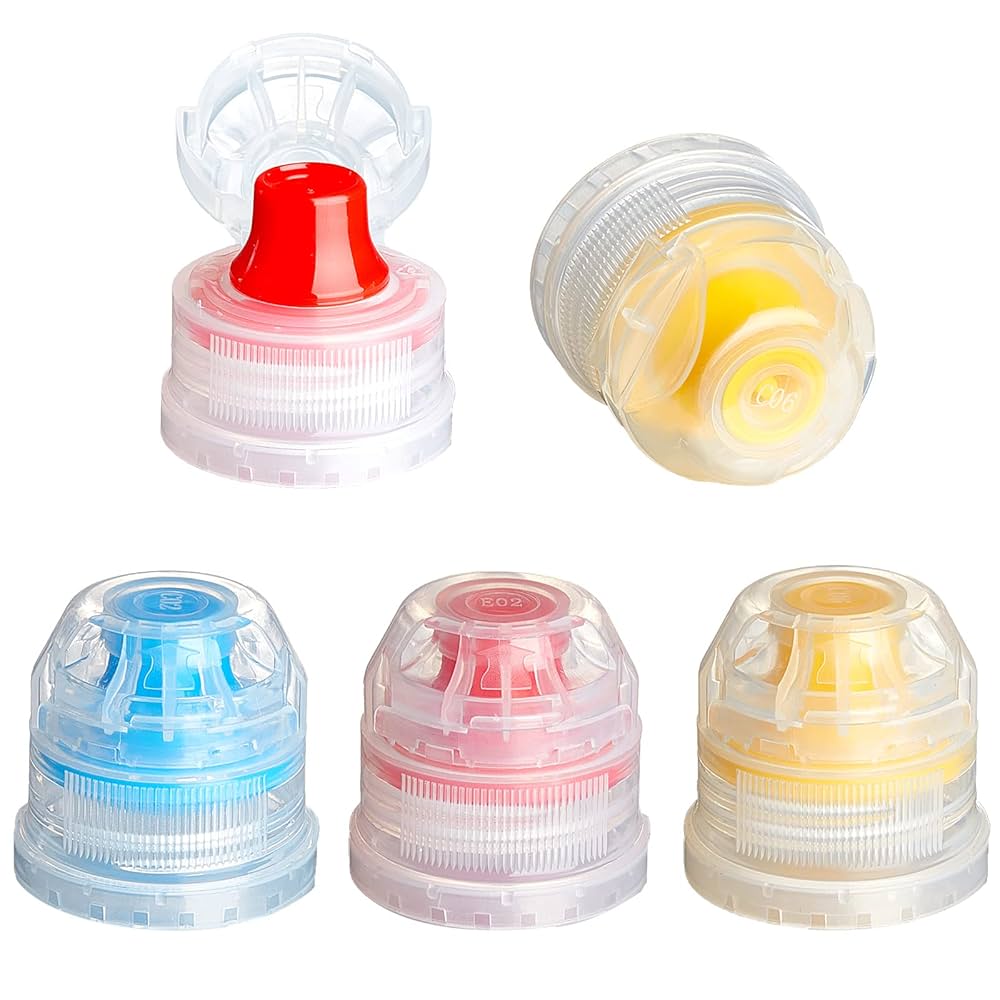
| Sports Caps | Specialized caps for active use, often with straws or spouts | Sports events, gyms, outdoor activities | Pros: Convenient for hydration on-the-go; Cons: Limited compatibility with all bottle types. |
| Gallon & Liter Bottles | Large capacity, often used for bulk water distribution | Food service, catering, and water delivery | Pros: Cost-effective for bulk purchases; Cons: Bulky, less portable. |
What Are the Characteristics of Reusable Plastic Bottles for B2B Buyers?
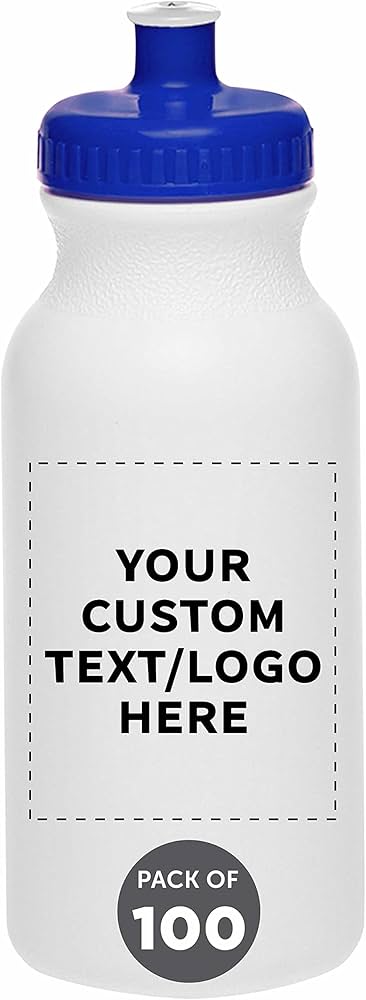
Reusable plastic bottles are a popular choice for businesses due to their lightweight nature and affordability. Typically made from BPA-free materials, these bottles are available in a wide range of colors and sizes, making them suitable for branding and promotional activities. B2B buyers often utilize these bottles for corporate giveaways, outdoor events, or as part of employee wellness programs. When purchasing, consider customization options and bulk pricing, which can significantly enhance value.
How Do Glass Water Bottles Meet B2B Needs?
Glass water bottles offer an eco-friendly alternative that appeals to health-conscious consumers. These bottles are often insulated and made from lead-free materials, ensuring safe hydration. Their aesthetic appeal makes them ideal for premium retail environments and health-focused brands. B2B buyers should consider the durability and weight of glass bottles, as they require more careful handling compared to plastic. Additionally, the ability to customize glass bottles can enhance brand visibility.
Why Choose Stainless Steel Bottles for Corporate Purchases?
Stainless steel bottles are renowned for their durability and excellent thermal retention, keeping beverages cold or hot for extended periods. They are often designed for outdoor and active use, making them ideal for fitness centers and corporate gifts. B2B buyers should weigh the higher upfront cost against the long-term benefits of longevity and performance. Customization options can also help in promoting brand identity effectively.
What Benefits Do Sports Caps Provide for Active Markets?
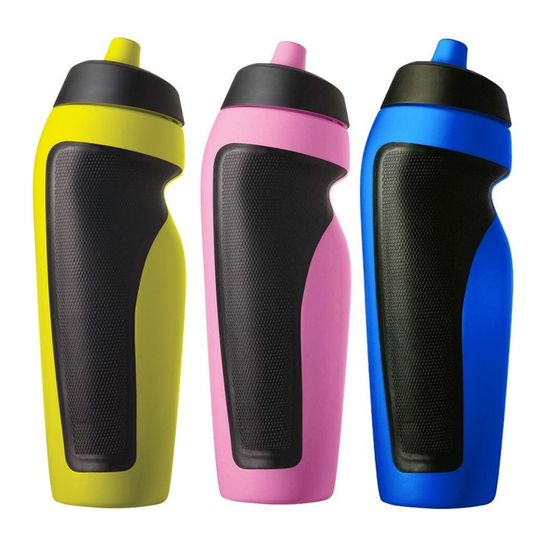
Sports caps are designed specifically for active individuals, featuring convenient spouts or straws that facilitate easy drinking during physical activities. These caps are commonly paired with reusable bottles and are ideal for events targeting sports enthusiasts or gym-goers. B2B buyers should ensure compatibility with existing bottle types and consider the practicality of the caps for their target audience. While they add convenience, their limited compatibility may restrict options.
How Do Gallon and Liter Bottles Fit into the B2B Water Supply Chain?
Gallon and liter water bottles are primarily used for bulk water distribution, making them essential in food service, catering, and water delivery industries. Their large capacity provides a cost-effective solution for businesses looking to minimize waste and reduce costs. However, their bulkiness can limit portability, which is a consideration for buyers. When purchasing, it’s important to evaluate storage and transportation logistics to ensure efficiency in operations.
Key Industrial Applications of water bottles and caps
| Industry/Sector | Specific Application of water bottles and caps | Value/Benefit for the Business | Key Sourcing Considerations for this Application |
|---|---|---|---|
| Beverage Manufacturing | Custom-branded bottles for water, juices, and soft drinks | Enhances brand visibility and customer loyalty | Material quality, design options, and compliance with food safety regulations |
| Outdoor Recreation | Durable and insulated bottles for hiking and camping | Increases customer satisfaction and repeat purchases | Weight, insulation properties, and leak-proof design |
| Health and Wellness | Reusable water bottles for fitness centers and health clubs | Promotes sustainability and health-conscious branding | BPA-free materials, customization options, and capacity sizes |
| Education and Institutions | Water bottles for schools and universities | Supports hydration initiatives and reduces plastic waste | Bulk purchasing options, durability, and ease of cleaning |
| Hospitality and Events | Event-specific bottles and caps for conferences and festivals | Creates a memorable experience and reinforces branding | Customization, size variety, and eco-friendly options |
How Are Water Bottles and Caps Used in Beverage Manufacturing?
In the beverage manufacturing sector, custom-branded water bottles and caps play a crucial role in product differentiation. These bottles not only serve as functional packaging but also as a marketing tool that enhances brand visibility. Companies must ensure that materials are food-safe and compliant with local regulations, particularly when exporting to markets in Africa, South America, and the Middle East. Additionally, the ability to customize design and size can significantly influence consumer preference.
What Are the Benefits of Water Bottles for Outdoor Recreation?
For the outdoor recreation industry, durable and insulated water bottles are essential for activities like hiking and camping. These bottles need to be lightweight yet robust, capable of withstanding harsh conditions while keeping beverages cold or hot for extended periods. B2B buyers should prioritize sourcing options that emphasize leak-proof designs and thermal efficiency. This approach not only enhances customer satisfaction but also encourages repeat purchases, particularly among eco-conscious consumers.
How Do Water Bottles Support Health and Wellness Initiatives?
In health and wellness settings, reusable water bottles are increasingly popular in fitness centers and health clubs. They promote hydration and align with sustainability goals by reducing single-use plastic waste. Buyers in this sector should consider BPA-free materials and customizable designs that reflect their branding. Offering various capacity sizes can cater to different customer preferences, which is particularly important in diverse markets across Europe and beyond.
Why Are Water Bottles Important for Educational Institutions?
Educational institutions, such as schools and universities, are adopting water bottles as part of their hydration initiatives. These bottles not only encourage students to stay hydrated but also contribute to reducing plastic waste on campuses. When sourcing, institutions should look for bulk purchasing options that provide durability and ease of cleaning, ensuring that the bottles can withstand daily use. This initiative can positively impact the institution’s reputation, particularly in regions like South America and Africa where sustainability is becoming a priority.
How Can Hospitality and Events Benefit from Customized Bottles?
In the hospitality and events sector, customized water bottles and caps can significantly enhance the attendee experience at conferences and festivals. These bottles serve as memorable giveaways that reinforce branding long after the event concludes. Key considerations for sourcing include the ability to customize designs, offer a variety of sizes, and select eco-friendly materials. This not only adds value to the event but also aligns with growing consumer expectations for sustainability in hospitality services.
A stock image related to water bottles and caps.
3 Common User Pain Points for ‘water bottles and caps’ & Their Solutions
Scenario 1: Quality Assurance for High-Volume Orders
The Problem: B2B buyers often face challenges in ensuring the quality and consistency of water bottles and caps when ordering in bulk. Variability in material quality, manufacturing defects, or mismatched specifications can lead to significant disruptions in supply chains, affecting customer satisfaction and potentially damaging brand reputation. Buyers need to feel confident that their suppliers can deliver high-quality products that meet their specific requirements, especially when dealing with international vendors who may have different standards.
The Solution: To mitigate these risks, buyers should implement a rigorous quality assurance process. This includes establishing clear specifications for materials, dimensions, and performance standards before placing orders. When sourcing suppliers, it is crucial to conduct thorough due diligence, including requesting samples for evaluation. Additionally, buyers can benefit from using third-party quality inspection services to verify that products meet specified standards before shipment. This proactive approach not only minimizes defects but also builds a reliable relationship with suppliers, ensuring a smoother procurement process.
Scenario 2: Ensuring Leak-Proof Functionality
The Problem: A common issue for B2B buyers is the functionality of water bottle caps, particularly regarding their ability to prevent leaks. In sectors such as food and beverage or healthcare, leaking bottles can lead to product loss, contamination, and customer complaints. Buyers need to ensure that the caps they choose provide a secure seal, especially for products that may undergo significant movement during transport.
The Solution: Buyers should focus on sourcing caps designed for specific applications. For instance, if the water bottles are intended for sports or outdoor activities, opting for caps with advanced sealing technologies, such as silicone gaskets or snap-on mechanisms, can enhance leak resistance. It is beneficial to engage with manufacturers who offer customizable solutions, allowing for the selection of cap types based on end-user needs. Additionally, conducting field tests with prototypes in real-world conditions can help identify potential leak issues before committing to large orders. By prioritizing cap functionality, businesses can protect their products and maintain customer trust.
Scenario 3: Navigating Compliance and Sustainability Challenges
The Problem: With increasing regulations around environmental sustainability and safety standards, B2B buyers must navigate complex compliance requirements when sourcing water bottles and caps. This is particularly challenging for international transactions, where regulations can vary significantly by region. Non-compliance not only leads to financial penalties but can also result in damaged brand reputation and loss of market access.
The Solution: To effectively address compliance challenges, buyers should stay informed about the regulations in their target markets. This involves researching local laws regarding materials, recycling, and labeling requirements. Partnering with suppliers who are knowledgeable about compliance can also provide added assurance. For sustainability, consider sourcing water bottles made from recycled materials or those that are fully recyclable, aligning with global sustainability goals. Implementing a transparent supply chain strategy that emphasizes eco-friendly practices can enhance brand value and appeal to environmentally conscious consumers. Engaging with certification bodies to obtain necessary documentation can further bolster compliance efforts, ensuring that products meet market demands while supporting sustainability initiatives.
Strategic Material Selection Guide for water bottles and caps
What Are the Key Properties of Common Materials for Water Bottles and Caps?
When selecting materials for water bottles and caps, it’s essential to consider their properties, advantages, disadvantages, and suitability for specific applications. Below, we analyze four common materials: plastic, stainless steel, glass, and aluminum.
How Does Plastic Perform in Water Bottle and Cap Applications?
Plastic, particularly high-density polyethylene (HDPE) and polyethylene terephthalate (PET), is widely used for water bottles and caps due to its lightweight nature and cost-effectiveness.
- Key Properties: Plastic is resistant to impact and has good chemical resistance, making it suitable for various liquids. However, it has a lower temperature tolerance compared to metal or glass.
- Pros & Cons: The primary advantages of plastic include low manufacturing costs and versatility in design. However, plastics can degrade over time, especially when exposed to UV light, and may leach chemicals if not properly formulated.
- Impact on Application: Plastic is compatible with a wide range of beverages, but concerns over BPA and other harmful chemicals can affect consumer perception.
- Considerations for International Buyers: Compliance with regulations such as FDA (in the U.S.) and EU standards is crucial. Buyers should ensure that their suppliers meet these standards to avoid potential legal issues.
What Are the Benefits of Using Stainless Steel for Water Bottles and Caps?
Stainless steel is increasingly popular for reusable water bottles due to its durability and aesthetic appeal.
- Key Properties: Stainless steel is highly resistant to corrosion and can withstand high temperatures, making it suitable for both hot and cold beverages.
- Pros & Cons: The key advantage of stainless steel is its longevity and resistance to rust, which makes it ideal for outdoor and active lifestyles. However, it is generally more expensive than plastic and can be heavier.
- Impact on Application: Stainless steel is suitable for a variety of liquids, including acidic beverages, without risk of leaching.
- Considerations for International Buyers: Buyers must consider the grades of stainless steel (e.g., 304 vs. 316) and ensure compliance with international standards like ASTM for food safety.
Why Choose Glass for Water Bottles and Caps?
Glass is favored for its aesthetic qualities and safety in food and beverage applications.
- Key Properties: Glass is chemically inert, meaning it won’t react with the contents of the bottle, and it has excellent temperature resistance.
- Pros & Cons: The main advantage of glass is its recyclability and non-toxicity. However, glass is heavier and more fragile than other materials, which can lead to breakage during transport.
- Impact on Application: Glass is ideal for beverages that require a pure taste, such as water and juices, but it may not be suitable for high-pressure applications.
- Considerations for International Buyers: Compliance with international glass standards and regulations is essential, especially in regions with strict food safety laws.
What Are the Advantages of Aluminum in Water Bottle and Cap Manufacturing?
Aluminum is often used for lightweight, portable water bottles, especially in outdoor and sports markets.
- Key Properties: Aluminum is lightweight and has good thermal conductivity, making it suitable for insulated designs.
- Pros & Cons: The advantages include its durability and resistance to corrosion when coated. However, aluminum can be more expensive than plastic and may require a liner to prevent leaching.
- Impact on Application: Aluminum bottles are suitable for various beverages, but the choice of liner is critical to prevent interaction with acidic drinks.
- Considerations for International Buyers: Buyers should ensure that their aluminum products meet international standards for food safety and recycling.
Summary Table of Material Selection for Water Bottles and Caps
| Material | Typical Use Case for Water Bottles and Caps | Key Advantage | Key Disadvantage/Limitation | Relative Cost (Low/Med/High) |
|---|---|---|---|---|
| Plastic | Single-use and reusable bottles | Cost-effective and lightweight | May leach chemicals over time | Low |
| Stainless Steel | Reusable bottles for hot and cold beverages | Durable and corrosion-resistant | Heavier and more expensive | High |
| Glass | Premium reusable bottles for pure taste | Non-reactive and recyclable | Fragile and heavier | Medium |
| Aluminum | Lightweight bottles for outdoor activities | Lightweight and durable | Requires liner for acidic beverages | Medium |
This guide provides a comprehensive overview of material selection for water bottles and caps, emphasizing the need for international buyers to consider compliance, cost, and application suitability when making purchasing decisions.
A stock image related to water bottles and caps.
In-depth Look: Manufacturing Processes and Quality Assurance for water bottles and caps
What Are the Main Stages in the Manufacturing Process of Water Bottles and Caps?
The manufacturing process of water bottles and caps typically consists of several key stages: material preparation, forming, assembly, and finishing.
-
Material Preparation: The process begins with the selection of suitable materials, such as polyethylene terephthalate (PET), glass, or stainless steel. These materials are sourced based on durability, safety, and regulatory compliance. For instance, food-grade materials are essential for ensuring the safety of beverages. The raw materials undergo initial quality checks to ensure they meet specified standards.
-
Forming: Depending on the material, different forming techniques are employed. For plastic bottles, processes like blow molding are common, where heated plastic is inflated into a mold. For glass bottles, techniques such as blow and mold forming are used to create the desired shapes. Stainless steel bottles typically undergo processes like deep drawing or stamping. Each method has its own operational nuances that can affect the final product’s quality.
-
Assembly: After forming, components are assembled. This includes attaching caps to bottles, which may involve threading or snap-on mechanisms. The caps themselves are manufactured using similar processes and are often designed with specific features like tamper-proof designs or built-in straws, depending on the intended market.
-
Finishing: The final stage includes surface treatments, labeling, and packaging. Bottles may undergo processes like polishing, coating, or painting to enhance aesthetic appeal and durability. Quality checks are performed at this stage to ensure that the product meets the design specifications and is visually appealing for retail.
How is Quality Assurance Managed in Water Bottle and Cap Production?
Quality assurance (QA) in the manufacturing of water bottles and caps is critical to ensure product safety and compliance with international standards. B2B buyers should be aware of the various QA processes and standards that govern this industry.
-
International Standards: Manufacturers often comply with ISO 9001, which outlines requirements for a quality management system (QMS). This certification ensures that companies consistently provide products that meet customer and regulatory requirements. Other relevant standards include CE marking for products sold in Europe and API specifications for certain types of containers.
-
Quality Control Checkpoints: Quality control (QC) involves systematic inspections at various stages of production. Key checkpoints include:
– Incoming Quality Control (IQC): This involves checking raw materials and components before they enter production.
– In-Process Quality Control (IPQC): Inspections during the manufacturing process ensure that any defects are identified and rectified early.
– Final Quality Control (FQC): This final inspection assesses the finished product against predefined specifications to confirm compliance with quality standards. -
Common Testing Methods: Various testing methods are employed to ensure quality, including:
– Leak Testing: Ensuring that bottles and caps are leak-proof.
– Drop Testing: Assessing durability by simulating drops from certain heights.
– Thermal Shock Testing: Especially important for glass products, this tests the ability of the bottles to withstand sudden temperature changes.
What Strategies Can B2B Buyers Use to Verify Supplier Quality Control?
For international B2B buyers, particularly those from Africa, South America, the Middle East, and Europe, verifying the quality control practices of suppliers is crucial to ensure product reliability.
-
Supplier Audits: Conducting audits of the manufacturing facilities can provide insights into the supplier’s quality management practices. Audits can be either announced or unannounced and should focus on examining processes, equipment, and compliance with relevant standards.
-
Quality Reports: Requesting regular quality reports can help buyers monitor the performance of the supplier. These reports should include details on quality metrics, defect rates, and corrective actions taken.
-
Third-Party Inspections: Engaging third-party inspection services can add an extra layer of assurance. These independent organizations can provide unbiased assessments of the manufacturing processes and product quality, ensuring compliance with international standards.
-
Certifications and Compliance Documentation: Buyers should request copies of relevant certifications and compliance documentation. This includes ISO certifications, safety data sheets, and test reports that validate the quality and safety of the products.
What Are the Quality Control Nuances for International B2B Buyers?
Understanding the nuances of quality control is essential for B2B buyers operating in diverse international markets.
-
Regulatory Compliance: Different regions have varying regulations regarding materials used in water bottles and caps. For instance, the European Union has stringent regulations regarding BPA-free materials, while certain Middle Eastern countries may have specific requirements for local market compliance.
-
Cultural Expectations: Buyers should be aware of cultural differences that may influence quality perceptions. In some regions, aesthetic quality may be prioritized, while in others, functional reliability might take precedence.
-
Supply Chain Transparency: Maintaining transparency in the supply chain can help mitigate risks associated with quality. Buyers should encourage suppliers to share information regarding sourcing, production practices, and any third-party audits that have been conducted.
-
Flexibility and Responsiveness: The ability of suppliers to adapt to changing quality standards and buyer requirements is crucial. International buyers should engage with suppliers who demonstrate a proactive approach to quality management and are willing to make adjustments based on feedback.
Conclusion
In-depth knowledge of manufacturing processes and quality assurance practices is essential for B2B buyers in the water bottle and cap industry. By understanding these elements, buyers can make informed decisions, ensuring that the products they procure meet both quality and regulatory standards. Engaging in thorough due diligence, including audits and seeking certifications, can further mitigate risks and enhance the reliability of supply chains in international markets.
Practical Sourcing Guide: A Step-by-Step Checklist for ‘water bottles and caps’
This sourcing guide serves as a practical checklist for international B2B buyers looking to procure water bottles and caps. With an increasing demand for sustainable and reusable products globally, understanding the essential steps in the sourcing process can enhance your procurement strategy and ensure you select the best products for your market.
Step 1: Define Your Technical Specifications
Clearly outline the technical requirements for the water bottles and caps you wish to procure. This includes aspects such as material (e.g., BPA-free plastic, stainless steel, or glass), size (capacity in ounces or liters), and lid type (screw cap, sport cap, etc.). Defining these specifications helps streamline your search and ensures that suppliers understand your needs.
Step 2: Research Market Trends
Stay informed about the latest trends in the water bottle and cap industry. Understanding consumer preferences, such as eco-friendly materials or innovative designs, can help you select products that meet market demand. Research can be conducted through industry reports, competitor analysis, and customer feedback to align your offerings with current market expectations.
Step 3: Evaluate Potential Suppliers
Before committing to a supplier, conduct a thorough evaluation. Request company profiles, including certifications, production capabilities, and previous client testimonials. It’s also beneficial to seek references from other businesses in your region or industry, ensuring that the supplier has a proven track record of reliability and quality.
- Look for:
- ISO certifications or other quality assurance measures.
- Experience in exporting to your target markets (e.g., Africa, South America, Europe).
Step 4: Request Samples
Always request product samples before finalizing any orders. This allows you to assess the quality of the materials, the functionality of the caps, and the overall finish of the bottles. Testing samples can also help you identify any potential issues with usability or safety that could affect your customers’ satisfaction.
Step 5: Verify Compliance with Regulations
Ensure that the products comply with local regulations and international standards. This is particularly important for food and beverage containers, as they must meet health and safety guidelines. Familiarize yourself with the regulations specific to your target markets, such as the FDA in the United States or the European Food Safety Authority in Europe.
Step 6: Negotiate Pricing and Terms
Engage in negotiations with potential suppliers to secure favorable pricing and terms. Consider factors such as minimum order quantities, payment terms, and shipping options. A well-negotiated agreement can significantly impact your overall costs and profitability, so ensure that both parties reach a mutually beneficial arrangement.
Step 7: Establish a Quality Control Process
Implement a quality control process to monitor the quality of the products throughout the supply chain. This may involve setting up inspections at various stages, from production to delivery. Having a robust quality assurance plan can help mitigate risks and ensure that the products meet your specifications and standards upon arrival.
By following these steps, B2B buyers can streamline their sourcing process for water bottles and caps, ensuring they select high-quality products that meet market demands and regulatory standards.
Comprehensive Cost and Pricing Analysis for water bottles and caps Sourcing
What are the Key Cost Components in Water Bottles and Caps Manufacturing?
Understanding the cost structure of water bottles and caps is essential for B2B buyers. The primary cost components include:
-
Materials: The choice of materials significantly impacts costs. Common options include BPA-free plastics, glass, and stainless steel. For instance, glass bottles tend to be more expensive due to their durability and aesthetic appeal, while plastic options are generally more cost-effective.
-
Labor: Labor costs can vary by region and are influenced by local wage standards and the level of automation in manufacturing processes. In regions with higher labor costs, such as parts of Europe, you may find that the price of the final product reflects these expenses.
-
Manufacturing Overhead: This encompasses costs related to factory operations, utilities, and equipment maintenance. Efficient production techniques and economies of scale can help lower overhead costs.
-
Tooling: Initial setup costs for molds and production lines can be substantial, especially for custom bottle shapes or sizes. This is a crucial factor for suppliers offering specialized products.
-
Quality Control (QC): Ensuring that products meet international standards can add to costs. Investments in quality assurance help maintain product reliability, which is particularly important for B2B buyers concerned about brand reputation.
-
Logistics: Shipping costs, including freight, insurance, and handling, are significant, especially for international shipments. Incoterms will influence who bears these costs, affecting the overall pricing strategy.
-
Margin: Suppliers typically add a profit margin that reflects their business strategy and market conditions. The desired margin can vary widely depending on the competitive landscape.
What Influences the Pricing of Water Bottles and Caps?
Several factors can influence pricing in the water bottle and cap market:
-
Volume and Minimum Order Quantity (MOQ): Bulk purchasing generally leads to lower per-unit prices. Suppliers often set MOQs that can affect pricing negotiations. For instance, ordering a larger quantity may unlock significant discounts.
-
Specifications and Customization: Custom designs, colors, or features (like insulation or special caps) can lead to increased costs. Buyers should clearly define their requirements to avoid unexpected charges.
-
Material Quality and Certifications: Higher-quality materials or those that comply with specific health and safety regulations will typically command a higher price. Certifications may also be required for certain markets, adding to the cost.
-
Supplier Factors: The reliability and reputation of the supplier can influence pricing. Established suppliers may charge more due to perceived quality and service levels.
-
Incoterms: The chosen Incoterms can affect the final price. For example, using terms like DDP (Delivered Duty Paid) can lead to higher upfront costs but simplify logistics for the buyer.
What Tips Can B2B Buyers Use to Optimize Costs?
To navigate the complexities of pricing effectively, consider these actionable tips:
-
Negotiate Terms: Always negotiate payment terms, delivery schedules, and pricing based on your order size. Suppliers are often willing to adjust prices for larger orders or long-term contracts.
-
Evaluate Total Cost of Ownership (TCO): Look beyond initial purchase prices. Consider maintenance, durability, and potential waste disposal costs when evaluating options.
-
Research Pricing Trends: Stay informed about market trends and competitor pricing. Understanding the market landscape can provide leverage during negotiations.
-
Consider Regional Variations: Prices may vary significantly across regions. For instance, sourcing from suppliers in Vietnam may provide cost advantages compared to those in Europe.
-
Factor in Exchange Rates and Duties: When importing, fluctuations in currency exchange rates and additional tariffs or import duties can affect the overall cost. Budget accordingly to prevent surprises.
Disclaimer
The prices and information provided in this analysis are indicative and may vary based on supplier, market conditions, and specific buyer requirements. Always conduct thorough market research and supplier assessments before making purchasing decisions.
Alternatives Analysis: Comparing water bottles and caps With Other Solutions
Exploring Alternatives to Water Bottles and Caps
When considering hydration solutions for various applications, it’s crucial to explore viable alternatives to traditional water bottles and caps. These alternatives not only aim to fulfill similar functions but also come with their own unique benefits and drawbacks. Understanding these options can assist B2B buyers in making informed decisions that align with their operational needs and sustainability goals.
| Comparison Aspect | Water Bottles and Caps | Glass Bottles with Stainless Steel Caps | Reusable Silicone Pouches |
|---|---|---|---|
| Performance | High durability; reusable; leak-proof designs | Excellent for temperature retention; stylish | Flexible, lightweight; suitable for various liquids |
| Cost | Moderate ($4.41 – $35) | Higher initial cost ($19.99 – $50) | Lower cost ($1 – $5) |
| Ease of Implementation | Simple to use; widely available | Requires careful handling; heavier | Easy to store and transport; versatile |
| Maintenance | Generally low; easy to clean | Requires careful cleaning; can break | Easy to clean; dishwasher safe |
| Best Use Case | Everyday hydration; outdoor activities | Premium markets; eco-conscious brands | Travel; snack storage; kids’ use |
What Are the Benefits and Drawbacks of Glass Bottles with Stainless Steel Caps?
Glass bottles with stainless steel caps provide a premium alternative to traditional water bottles. Their performance is exceptional, especially in maintaining the temperature of beverages, making them a favored choice for both hot and cold liquids. However, the initial investment is higher compared to standard plastic bottles, which may deter budget-conscious buyers. Additionally, while they are stylish and environmentally friendly, their fragility requires careful handling, especially in high-paced environments.
How Do Reusable Silicone Pouches Compare?
Reusable silicone pouches are a flexible and innovative solution for hydration and storage needs. They are lightweight and can easily fit into bags, making them ideal for travel or on-the-go use. Their cost is significantly lower than glass options, appealing to budget-sensitive customers. However, silicone pouches may not offer the same level of durability or leak-proof capabilities as traditional water bottles, which could lead to concerns in environments where spillage is a risk. They are particularly beneficial for snacks or liquids that require easy access.
How Can B2B Buyers Choose the Right Hydration Solution?
When selecting between water bottles and caps and their alternatives, B2B buyers should consider several factors: the specific application, target market, and sustainability goals. If the focus is on premium offerings with a strong emphasis on eco-friendliness and aesthetics, glass bottles with stainless steel caps may be the best choice. Conversely, for businesses that prioritize cost and convenience, reusable silicone pouches could provide a competitive edge. Ultimately, the decision should align with the operational needs and the values of the business, ensuring that the chosen solution enhances their brand’s image while meeting customer expectations.
Essential Technical Properties and Trade Terminology for water bottles and caps
What Are the Key Technical Properties of Water Bottles and Caps?
When sourcing water bottles and caps for B2B purposes, it is crucial to understand several key technical properties that can affect product performance, cost, and compliance with international standards. Here are the essential specifications:
-
Material Grade
– Water bottles and caps are typically made from materials like BPA-free plastics, stainless steel, and glass. The material grade determines durability, safety, and suitability for various applications, such as hot or cold beverages. For instance, stainless steel offers superior insulation and is resistant to corrosion, making it ideal for long-lasting use. -
Capacity
– The capacity of a water bottle is often measured in ounces or liters, impacting shipping logistics and consumer preference. Common sizes range from 500ml to 2 liters. Understanding capacity helps businesses meet customer demands and optimize storage and transportation costs. -
Closure Type
– Different types of closures (e.g., screw caps, flip tops, sport caps) provide varying levels of convenience and leak prevention. The choice of closure can affect user experience, particularly in markets where outdoor activities are popular. Ensuring the right closure type can lead to higher customer satisfaction and repeat purchases. -
Tolerance Levels
– Tolerance refers to the allowable variation in dimensions during manufacturing. In water bottles and caps, tight tolerances ensure that parts fit together properly, preventing leaks and enhancing functionality. This is especially important in high-volume production settings to minimize defects and returns. -
Insulation Properties
– For bottles designed to keep liquids hot or cold, insulation properties are vital. Products often feature double-wall vacuum insulation, which significantly enhances thermal retention. Businesses must consider insulation performance to meet consumer expectations for temperature retention during use. -
Compliance Standards
– International compliance standards, such as FDA regulations for food-grade materials and BPA-free certifications, are crucial for market entry. Understanding these regulations helps B2B buyers ensure that products meet safety and quality expectations, reducing the risk of costly recalls or legal issues.
What Are Common Trade Terms in the Water Bottle Industry?
Navigating the procurement of water bottles and caps requires familiarity with industry jargon. Here are some key terms to know:
-
OEM (Original Equipment Manufacturer)
– OEM refers to a company that produces parts or equipment that may be marketed by another manufacturer. In the water bottle industry, businesses often partner with OEMs for custom designs and branding, ensuring high-quality products that align with their specifications. -
MOQ (Minimum Order Quantity)
– MOQ is the smallest number of units a supplier is willing to sell. Understanding MOQ is essential for B2B buyers to gauge inventory requirements and manage cash flow effectively. Suppliers may have different MOQs based on material and production capabilities. -
RFQ (Request for Quotation)
– An RFQ is a document sent to suppliers asking for pricing and terms for a specific quantity of goods. This is a critical step in the procurement process, as it allows buyers to compare costs and terms across multiple suppliers, ensuring the best value. -
Incoterms (International Commercial Terms)
– Incoterms define the responsibilities of buyers and sellers in international transactions. Familiarity with terms such as FOB (Free on Board) or CIF (Cost, Insurance, and Freight) helps businesses understand shipping costs, risks, and obligations, facilitating smoother international trade. -
Lead Time
– Lead time refers to the time taken from placing an order to delivery. Understanding lead times is crucial for inventory management, particularly in markets with fluctuating demand. Buyers should negotiate lead times with suppliers to ensure timely availability of products. -
Customs Clearance
– This is the process of passing goods through customs so they can enter a country. Being knowledgeable about customs clearance procedures can help businesses avoid delays and additional costs when importing water bottles and caps across international borders.
By understanding these technical properties and industry terms, B2B buyers can make informed decisions, optimize procurement processes, and establish successful partnerships in the water bottle and cap market.
Navigating Market Dynamics and Sourcing Trends in the water bottles and caps Sector
What Are the Key Market Trends Affecting Water Bottles and Caps?
The global market for water bottles and caps is experiencing significant transformation driven by several key factors. First, the increasing consumer awareness around health and wellness is leading to a surge in demand for reusable and eco-friendly bottles. This trend is particularly pronounced in regions like Africa and South America, where access to clean water remains a critical concern. As a result, B2B buyers are increasingly sourcing innovative solutions that not only offer functionality but also align with health-conscious consumer preferences.
Another emerging trend is the integration of technology in product design. Smart water bottles equipped with hydration tracking apps are gaining traction, appealing to tech-savvy consumers and fitness enthusiasts alike. B2B buyers are advised to keep an eye on these innovations, as they can differentiate their offerings in competitive markets, particularly in Europe and the Middle East, where technology adoption is high.
Furthermore, the market dynamics are shifting towards customization and personalization. Buyers can now source bottles and caps in a variety of colors, sizes, and materials, catering to diverse consumer preferences. This customization trend is particularly relevant in regions like Vietnam and Saudi Arabia, where cultural preferences influence product design. International buyers should consider local tastes and preferences when selecting products to ensure market fit.
How Important Is Sustainability and Ethical Sourcing in the Water Bottles and Caps Industry?
Sustainability is no longer a buzzword but a crucial consideration for B2B buyers in the water bottles and caps sector. The environmental impact of single-use plastic is prompting businesses to seek sustainable alternatives. This shift is particularly important in regions grappling with plastic waste, such as Africa and South America, where improper disposal can lead to significant ecological damage.
Ethical sourcing practices are gaining importance, with consumers increasingly favoring brands that prioritize transparency in their supply chains. Buyers should look for suppliers that provide certifications for eco-friendly materials, such as BPA-free plastics and recycled materials. Certifications like Fair Trade and EcoCert can enhance brand credibility and appeal to environmentally conscious consumers.
Moreover, the demand for sustainable packaging solutions is on the rise. B2B buyers should consider sourcing products that not only reduce plastic waste but also utilize biodegradable or compostable materials. By adopting sustainable practices, businesses can not only meet regulatory requirements but also resonate with a growing base of eco-aware consumers, ultimately driving sales and loyalty.
What Is the Historical Context of Water Bottles and Caps in the B2B Space?
The history of water bottles and caps can be traced back to the early 20th century when glass bottles dominated the market. The shift to plastic in the 1970s marked a significant turning point, driven by advancements in manufacturing and the need for lightweight, durable options. Over the years, innovations such as insulated stainless steel bottles and reusable caps have emerged, reflecting changing consumer preferences towards convenience and sustainability.
As environmental awareness grew in the late 20th and early 21st centuries, the industry began to pivot towards reusable options, leading to the development of eco-friendly materials and designs. This evolution continues today, as B2B buyers seek products that not only serve functional purposes but also align with the principles of sustainability and ethical sourcing. Understanding this historical context can provide valuable insights for businesses looking to navigate the current market landscape effectively.
Frequently Asked Questions (FAQs) for B2B Buyers of water bottles and caps
-
How do I select the right supplier for water bottles and caps?
To choose the right supplier, conduct thorough research and vet potential candidates based on their reputation, quality certifications, and industry experience. Request samples to assess product quality and ensure they meet your specifications. Additionally, verify their manufacturing capabilities, lead times, and customer service responsiveness. For international trade, check their compliance with local regulations and customs requirements in your target markets, especially in regions like Africa and the Middle East. -
What materials should I consider for water bottles and caps?
The choice of materials significantly impacts the durability, safety, and functionality of water bottles and caps. Common materials include BPA-free plastic, stainless steel, and glass. BPA-free plastics are lightweight and cost-effective, while stainless steel offers superior insulation and longevity. Glass provides an eco-friendly option but is more fragile. Assess your target market’s preferences and regulatory standards when selecting materials, as these factors can influence consumer acceptance and safety compliance. -
What is the typical minimum order quantity (MOQ) for water bottles and caps?
Minimum order quantities vary by supplier, but they typically range from 500 to 10,000 units, depending on the product type and customization requirements. For larger orders, you may negotiate lower MOQs. When sourcing from international suppliers, consider potential shipping costs and lead times associated with lower MOQs. Understanding your market demand is crucial to avoid overstocking or running out of inventory. -
How can I customize water bottles and caps for my brand?
Customization options often include printing your logo, selecting specific colors, and choosing unique cap designs. Communicate your branding requirements to potential suppliers and ask for their capabilities in producing custom designs. It’s advisable to request prototypes or samples before finalizing your order to ensure the customizations meet your expectations. Keep in mind that custom orders may have higher MOQs and longer lead times. -
What payment terms should I expect when sourcing internationally?
Payment terms can vary widely among suppliers, but common practices include a deposit (usually 30-50%) before production and the balance upon shipment. Some suppliers may offer credit terms for established relationships. When engaging with international suppliers, consider using secure payment methods like letters of credit or escrow services to protect your investment. Discussing payment terms upfront can prevent misunderstandings and ensure a smooth transaction process. -
How do I ensure quality assurance (QA) for my water bottles and caps?
Implementing a robust QA process is essential to ensure product quality. This can include setting specific quality standards, conducting regular inspections during production, and testing samples before shipment. Work with suppliers who have quality certifications, such as ISO, and consider third-party inspections for additional assurance. Developing a clear communication channel with your supplier regarding quality expectations can help mitigate risks associated with defective products. -
What logistics considerations should I keep in mind when importing water bottles and caps?
Logistics play a crucial role in international trade. Consider the shipping method (air freight vs. sea freight) based on your budget and timeline. Understand customs regulations in your destination country, including tariffs and import duties. Partnering with a reliable freight forwarder can streamline the shipping process and help navigate complex logistics. Additionally, factor in lead times for production and shipping to ensure timely delivery to your customers. -
What are the emerging trends in the water bottle industry?
Emerging trends include increased demand for eco-friendly materials, such as biodegradable plastics and sustainable packaging. Consumers are also leaning towards multi-functional bottles that offer features like insulation or built-in filtration systems. Personalization and smart technology, such as hydration tracking apps, are gaining traction as well. Staying informed about these trends can help you align your product offerings with market demands and enhance your competitive advantage.
Important Disclaimer & Terms of Use
⚠️ Important Disclaimer
The information provided in this guide, including content regarding manufacturers, technical specifications, and market analysis, is for informational and educational purposes only. It does not constitute professional procurement advice, financial advice, or legal advice.
While we have made every effort to ensure the accuracy and timeliness of the information, we are not responsible for any errors, omissions, or outdated information. Market conditions, company details, and technical standards are subject to change.
B2B buyers must conduct their own independent and thorough due diligence before making any purchasing decisions. This includes contacting suppliers directly, verifying certifications, requesting samples, and seeking professional consultation. The risk of relying on any information in this guide is borne solely by the reader.
Top 3 Water Bottles And Caps Manufacturers & Suppliers List
1. Klean Kanteen – Accessory Caps and Lids

Domain: kleankanteen.com
Registered: 2003 (22 years)
Introduction: Accessory Caps and Lids for Bottles, Mugs and Cups. Interchangeable caps include: Classic Flip Seal Sport Cap ($14.95), Classic Bamboo Cap ($16.95), Classic Steel Loop Cap ($14.95), Classic Loop Cap ($11.95), Classic Kid Sippy Cap ($14.95), TKWide Twist Cap with Straw Kit ($18.95), TKWide Chug Cap ($14.95), TKWide Café Cap ($14.95), TKWide Straw Cap ($14.95), TKWide Loop Cap ($14.95), Kid’s Cup Si…
2. Lifefactory – 12oz Glass Water Bottle with Silicone Sleeve
Domain: lifefactory.com
Registered: 1999 (26 years)
Introduction: Water Bottles: Lifefactory offers a range of reusable, BPA-free water bottles to reduce single-use plastic waste. Product categories include Glass Water Bottles and Stainless Steel Water Bottles, with various sizes and colors available. Key products include: 12oz Glass Water Bottle with Silicone Sleeve and Active Cap ($19.99), 16oz Glass Water Bottle with Silicone Sleeve and Active Cap ($22.99), 2…
3. Artesia Springs – Empty Bottles
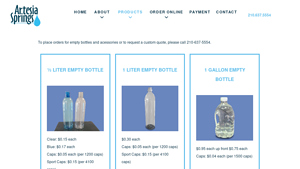
Domain: artesiasprings.com
Registered: 2004 (21 years)
Introduction: {“products”:[{“type”:”½ Liter Empty Bottle”,”clear_price”:”$0.15 each”,”blue_price”:”$0.17 each”,”cap_price”:”$0.05 each (per 1200 caps)”,”sport_cap_price”:”$0.15 (per 4100 caps)”},{“type”:”1 Liter Empty Bottle”,”price”:”$0.30 each”,”cap_price”:”$0.05 each (per 1200 caps)”,”sport_cap_price”:”$0.15 (per 4100 caps)”},{“type”:”1 Gallon Empty Bottle”,”price”:”$0.95 each up front, $0.75 each”,”cap_pric…
Strategic Sourcing Conclusion and Outlook for water bottles and caps
In the evolving landscape of the water bottles and caps market, strategic sourcing has emerged as a pivotal approach for international B2B buyers. Companies are encouraged to prioritize sustainable materials, such as BPA-free plastics and eco-friendly glass, as consumer demand for environmentally responsible products continues to rise. By leveraging local suppliers in regions like Africa, South America, the Middle East, and Europe, businesses can not only reduce their carbon footprint but also enhance supply chain resilience.
Understanding the diverse needs of end-users is essential. For example, offering a variety of cap styles and materials—ranging from sports caps to insulated options—can cater to different consumer preferences and usage scenarios. Additionally, exploring partnerships with manufacturers that provide customizable solutions can yield competitive advantages in product differentiation.
As we look ahead, the potential for innovation in water bottle design and functionality is vast. B2B buyers should actively seek out suppliers who prioritize quality, durability, and aesthetic appeal to meet the expectations of a discerning market. Embracing these strategic sourcing practices will position businesses to thrive in a competitive environment. Now is the time to invest in partnerships that align with your brand values and consumer needs, ensuring long-term success in the global marketplace.