Introduction: Navigating the Global Market for drinking bottles for sale
In the competitive landscape of international trade, sourcing drinking bottles for sale can pose a significant challenge for B2B buyers, particularly those operating in diverse markets such as Africa, South America, the Middle East, and Europe. As the demand for sustainable and reusable hydration solutions continues to rise, businesses must navigate a myriad of options, varying quality standards, and pricing structures. This guide aims to simplify that process by providing a comprehensive overview of the drinking bottle market, including types, materials, applications, and supplier vetting strategies.
International buyers will benefit from insights into the latest industry trends, allowing them to make informed decisions that align with their business needs and customer preferences. From insulated stainless steel bottles favored for outdoor activities to customizable options for branding, this guide covers the essential aspects of sourcing drinking bottles effectively. Additionally, it offers valuable information on cost considerations, helping buyers to identify competitive pricing while ensuring product quality.
By equipping B2B buyers with the tools and knowledge necessary to assess potential suppliers and products, this guide empowers them to confidently navigate the global market. Whether you’re in Vietnam seeking eco-friendly solutions or in Germany looking for high-performance bottles, understanding the landscape of drinking bottles for sale will enhance your purchasing strategies and ultimately drive business growth.
Understanding drinking bottles for sale Types and Variations
| Type Name | Key Distinguishing Features | Primary B2B Applications | Brief Pros & Cons for Buyers |
|---|---|---|---|
| Stainless Steel Bottles | Durable, insulated, and often vacuum-sealed for temperature retention | Corporate gifts, outdoor events | Pros: Excellent insulation, reusable; Cons: Higher cost than plastic. |
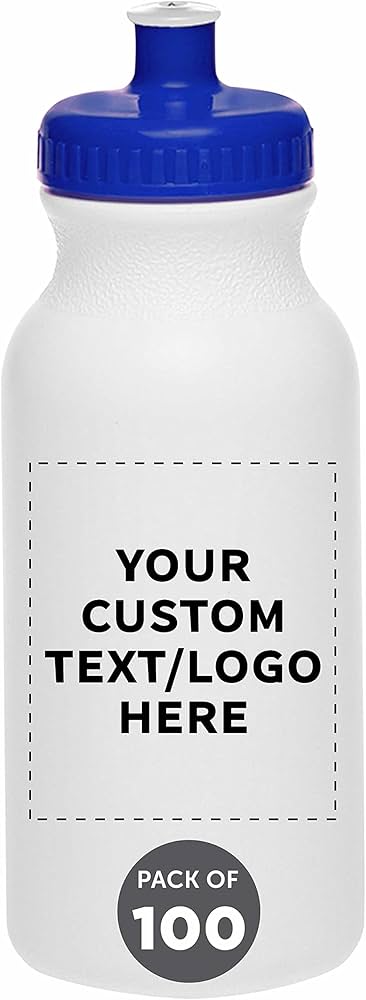
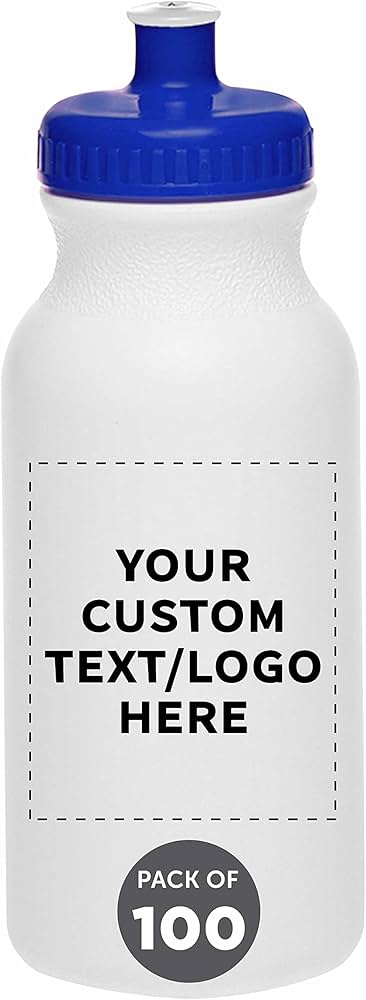
| Plastic Bottles | Lightweight, often BPA-free, available in various designs | Promotional products, schools | Pros: Cost-effective, customizable; Cons: Less durable, can retain odors. |
| Glass Bottles | Eco-friendly, often with silicone sleeves for grip and protection | Health-focused brands, cafes | Pros: Non-toxic, stylish; Cons: Heavier, breakable. |
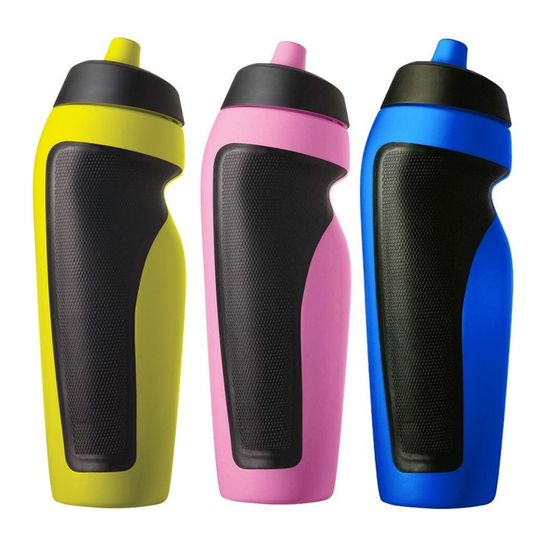
| Sports Bottles | Ergonomic designs with straws or flip tops for easy access | Gyms, sports teams, outdoor activities | Pros: Convenient for active use, often dishwasher safe; Cons: May leak if not sealed properly. |
| Customized Bottles | Personalized designs, colors, and logos for branding | Marketing campaigns, giveaways | Pros: Enhances brand visibility; Cons: Longer production times, potential higher costs. |
What Are the Key Characteristics of Stainless Steel Bottles?
Stainless steel bottles are renowned for their durability and insulation capabilities. They typically feature double-wall vacuum insulation, which keeps beverages hot or cold for extended periods. Ideal for B2B applications in corporate gifting and outdoor events, these bottles appeal to businesses looking for long-lasting, eco-friendly hydration solutions. When purchasing, consider factors such as capacity, lid design, and customization options to align with brand messaging and user needs.
How Do Plastic Bottles Compare in Terms of Usability and Cost?
Plastic bottles are lightweight, versatile, and often made from BPA-free materials, making them a popular choice for promotional products and school supplies. They come in various shapes and sizes, allowing for customization with logos or designs. While they are cost-effective, buyers should be aware of their limitations in durability and potential odor retention. When selecting plastic bottles, consider the target audience and the intended use to ensure a suitable choice.
Why Choose Glass Bottles for Health-Conscious Brands?
Glass bottles are an eco-friendly option that appeals to health-conscious consumers due to their non-toxic nature. Often paired with silicone sleeves for added grip and protection, these bottles offer an elegant look suitable for cafes and health-focused brands. However, their heavier weight and breakability can be drawbacks. B2B buyers should assess whether the aesthetic appeal and health benefits outweigh the risks associated with glass.
What Are the Benefits of Sports Bottles for Active Lifestyles?
Sports bottles are designed for convenience, featuring ergonomic shapes and functional lids such as straws or flip tops for easy drinking during physical activities. They are ideal for gyms, sports teams, and outdoor events, providing a practical solution for hydration on the go. While they are often dishwasher safe, buyers should ensure they are leak-proof and easy to clean, as these features are crucial for maintaining hygiene and usability.
How Can Customized Bottles Enhance Brand Visibility?
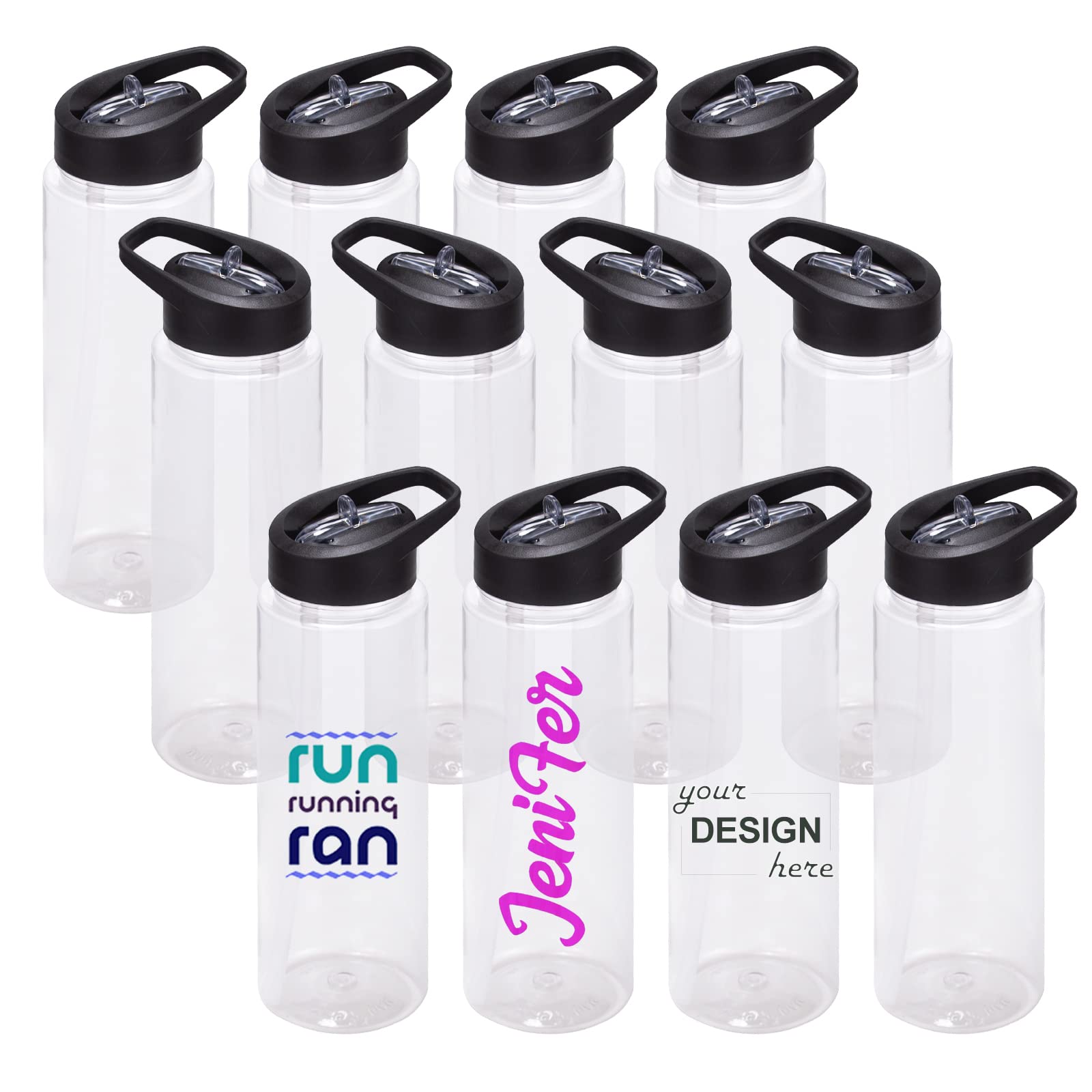
Customized bottles offer businesses the opportunity to enhance brand visibility through personalized designs, colors, and logos. This makes them excellent for marketing campaigns and giveaways. While they can create a lasting impression, buyers must consider production times and potential costs associated with customization. It’s essential to balance the benefits of brand promotion with logistical considerations to ensure a successful campaign.
Key Industrial Applications of drinking bottles for sale
| Industry/Sector | Specific Application of drinking bottles for sale | Value/Benefit for the Business | Key Sourcing Considerations for this Application |
|---|---|---|---|
| Food & Beverage | Catering and Event Services | Enhances brand visibility and customer experience | Customization options, bulk purchasing, and durability |
| Sports & Fitness | Gyms and Fitness Centers | Promotes hydration and encourages customer loyalty | Ergonomic designs, material safety, and variety of sizes |
| Education | Schools and Universities | Encourages healthy habits among students | BPA-free materials, ease of cleaning, and affordability |
| Outdoor & Adventure | Travel and Adventure Companies | Provides reliable hydration solutions for clients | Insulation capabilities, lightweight materials, and portability |
| Corporate Gifting | Promotional Products for Businesses | Strengthens brand image and employee engagement | Custom branding options, quality assurance, and pricing |
How Are Drinking Bottles Used in Catering and Event Services?
In the food and beverage industry, drinking bottles serve as essential tools for catering and event services. They not only provide hydration to guests but also offer an opportunity for branding through customization. Catering companies can enhance their visibility by using branded bottles, which guests may take home, effectively turning them into walking advertisements. Buyers in this sector should consider bulk purchasing options, customization capabilities, and the durability of the bottles to withstand various event conditions.
What Role Do Drinking Bottles Play in Gyms and Fitness Centers?
In gyms and fitness centers, drinking bottles are vital for promoting hydration among members. They serve as a reminder for individuals to stay hydrated during workouts, thus enhancing their overall fitness experience. Businesses in this sector often look for ergonomic designs that are easy to grip, materials that are safe for health, and a variety of sizes to cater to different preferences. Offering branded bottles can also foster customer loyalty and create a sense of community among gym-goers.
How Are Drinking Bottles Beneficial in Educational Institutions?
Educational institutions, such as schools and universities, utilize drinking bottles to encourage healthy hydration habits among students. These bottles can be branded with school logos, promoting school spirit while providing practical benefits. Buyers in this sector should prioritize BPA-free materials to ensure student safety, as well as ease of cleaning and affordability to accommodate budget constraints. The right bottle can also help reduce the reliance on single-use plastics within educational settings.
Why Are Drinking Bottles Important for Outdoor and Adventure Companies?
Outdoor and adventure companies rely heavily on drinking bottles to provide hydration solutions for their clients during excursions. These bottles must be lightweight, portable, and capable of keeping beverages at optimal temperatures, making them essential for hiking, camping, or other outdoor activities. Companies should focus on sourcing insulated bottles that are durable and weather-resistant, ensuring that they can withstand the rigors of outdoor adventures while meeting the hydration needs of their customers.
What Advantages Do Drinking Bottles Offer as Corporate Gifts?
As promotional products, drinking bottles serve as effective corporate gifts that enhance brand image and employee engagement. Companies can customize these bottles with their logos, making them excellent tools for marketing while fostering a sense of belonging among employees. When sourcing these products, businesses should consider quality assurance, customization options, and competitive pricing to ensure that they provide valuable gifts that reflect positively on the company.
A stock image related to drinking bottles for sale.
3 Common User Pain Points for ‘drinking bottles for sale’ & Their Solutions
Scenario 1: Inconsistent Quality Across Suppliers
The Problem: One of the most pressing challenges B2B buyers face when sourcing drinking bottles is the inconsistency in product quality from different suppliers. This inconsistency can lead to issues such as high return rates, customer dissatisfaction, and damage to brand reputation. For instance, a company may receive a shipment of bottles that do not meet the expected durability standards, or they may find that the insulation properties vary significantly among different batches. This unpredictability can complicate inventory management and complicate relationships with end customers.
The Solution: To mitigate these quality issues, buyers should establish rigorous quality control measures. This includes performing thorough due diligence on potential suppliers by checking certifications, customer reviews, and their history of compliance with industry standards. Additionally, implementing a sampling process where a small batch is tested for durability, insulation, and usability before placing larger orders can prevent costly mistakes. Setting up regular audits and maintaining open lines of communication with suppliers can also ensure that quality standards are consistently met over time.
Scenario 2: Navigating Regulatory Compliance and Sustainability
The Problem: B2B buyers often struggle with navigating the regulatory landscape concerning the materials used in drinking bottles, particularly when it comes to sustainability and safety certifications. For example, importing bottles made from materials that are not compliant with local regulations can lead to significant legal ramifications and financial losses. Additionally, there is increasing pressure from consumers and stakeholders to adopt eco-friendly practices, making it essential for companies to source sustainable products without compromising on quality.
The Solution: To address these regulatory challenges, buyers should familiarize themselves with the specific compliance requirements in their target markets. Engaging with legal experts or compliance consultants can provide clarity on necessary certifications, such as FDA approval or BPA-free standards. Moreover, opting for suppliers that prioritize sustainability and have relevant certifications—like ISO 14001 for environmental management—can simplify the procurement process. Establishing a clear set of sustainability criteria when sourcing drinking bottles will not only ensure compliance but can also enhance brand image and appeal to environmentally conscious consumers.
Scenario 3: Meeting Diverse Customer Preferences and Usage Scenarios
The Problem: Another significant pain point for B2B buyers is catering to diverse customer preferences and various usage scenarios. For instance, a company may need to supply bottles for different demographics, such as children, athletes, or corporate clients, each with unique requirements regarding size, design, and functionality. Failing to adequately address these preferences can result in decreased sales and missed opportunities in niche markets.
The Solution: To effectively meet diverse customer needs, buyers should conduct market research to understand the specific preferences of their target demographics. Utilizing data analytics and customer feedback can provide valuable insights into popular features such as color options, lid types (straw, chug, or flip-top), and material preferences (stainless steel, plastic, or glass). Collaborating with suppliers who offer customizable options can also be advantageous; for example, brands that allow for personalization or branding on the bottles can help buyers cater to corporate clients seeking unique promotional items. Diversifying the product range to include various sizes and functionalities will enable buyers to appeal to a broader audience and increase overall sales.
Strategic Material Selection Guide for drinking bottles for sale
What Are the Key Properties of Common Materials for Drinking Bottles?
When selecting materials for drinking bottles, several factors must be considered to ensure product performance, safety, and compliance with international standards. Here, we analyze four common materials: stainless steel, plastic (polyethylene and polypropylene), glass, and aluminum.
How Does Stainless Steel Perform as a Material for Drinking Bottles?
Stainless steel is a popular choice for drinking bottles due to its excellent durability and resistance to corrosion. It can withstand extreme temperatures and pressure without deforming, making it suitable for both hot and cold beverages. Key properties include a high melting point, non-reactivity with beverages, and ease of cleaning.
Pros: Stainless steel bottles are extremely durable, resistant to dents and scratches, and can be insulated to maintain beverage temperatures for extended periods. They are also eco-friendly, as they are reusable and recyclable.
Cons: The manufacturing process can be more complex and costly compared to plastic options. Additionally, stainless steel bottles can be heavier than their plastic counterparts, which may not be ideal for all consumers.
Impact on Application: Stainless steel is compatible with a wide range of beverages, including acidic drinks, without risk of leaching harmful chemicals.
Considerations for International Buyers: Compliance with food safety standards (e.g., FDA, EU regulations) is crucial. Buyers should also consider the sustainability certifications of suppliers, as eco-consciousness is increasingly important in regions like Europe.
What Are the Advantages and Disadvantages of Plastic Drinking Bottles?
Plastic bottles, particularly those made from polyethylene (PET) and polypropylene (PP), are widely used due to their lightweight nature and cost-effectiveness. They are generally resistant to impact and can be produced in various shapes and sizes.
Pros: Plastic bottles are inexpensive to manufacture and can be produced in large quantities with relative ease. They are also lightweight, making them convenient for consumers on the go.
Cons: While some plastics are recyclable, they can also contribute to environmental pollution if not disposed of properly. Additionally, certain plastics may leach chemicals into beverages, especially when exposed to heat.
Impact on Application: Plastic is suitable for a variety of beverages but may not be ideal for hot liquids or acidic drinks unless specifically designed for such uses.
Considerations for International Buyers: Compliance with regulations such as ASTM and JIS for food-grade materials is essential. Buyers should also be aware of regional preferences for eco-friendly products, particularly in Europe and parts of South America.
How Does Glass Compare as a Material for Drinking Bottles?
Glass is another option that offers a premium feel and excellent safety for beverage storage. It is non-reactive, meaning it won’t leach chemicals into drinks, and it can be manufactured to be both durable and aesthetically pleasing.
Pros: Glass bottles are easy to clean and can be recycled indefinitely. They do not retain flavors or odors from previous contents, ensuring a pure drinking experience.
Cons: Glass is heavier and more fragile than other materials, which can be a drawback for portability. The manufacturing process can also be more energy-intensive.
Impact on Application: Glass is compatible with most beverages, including carbonated drinks, but care must be taken to avoid breakage.
Considerations for International Buyers: Glass bottles must meet specific safety standards to prevent breakage during transport. Compliance with regulations such as DIN standards in Europe is crucial.
What Are the Key Features of Aluminum Drinking Bottles?
Aluminum bottles are lightweight and often come with a protective coating to prevent reactions with beverages. They are popular for their sleek design and portability.
Pros: Aluminum bottles are lightweight and can be insulated to maintain beverage temperatures. They are also durable and resistant to corrosion.
Cons: Aluminum can react with acidic beverages unless coated, which may increase manufacturing complexity. Additionally, they are not as easily recyclable as glass or stainless steel.
Impact on Application: Aluminum is suitable for a variety of beverages but requires careful consideration of coatings to ensure safety.
Considerations for International Buyers: Buyers should ensure that aluminum bottles comply with relevant safety standards and check for certifications regarding the coatings used.
Summary Table of Material Properties for Drinking Bottles
| Material | Typical Use Case for drinking bottles for sale | Key Advantage | Key Disadvantage/Limitation | Relative Cost (Low/Med/High) |
|---|---|---|---|---|
| Stainless Steel | Insulated bottles for hot/cold beverages | Excellent durability and temperature retention | Higher manufacturing cost and weight | High |
| Plastic | Lightweight, disposable or reusable options | Cost-effective and versatile | Potential chemical leaching and environmental impact | Low |
| Glass | Premium bottles for non-reactive storage | Pure taste and recyclable | Fragility and heavier weight | Medium |
| Aluminum | Lightweight, portable bottles | Sleek design and good insulation options | Requires protective coating for acidic beverages | Medium |
This guide provides a comprehensive overview of the strategic material selection for drinking bottles, aiding international B2B buyers in making informed decisions that align with market demands and compliance requirements.
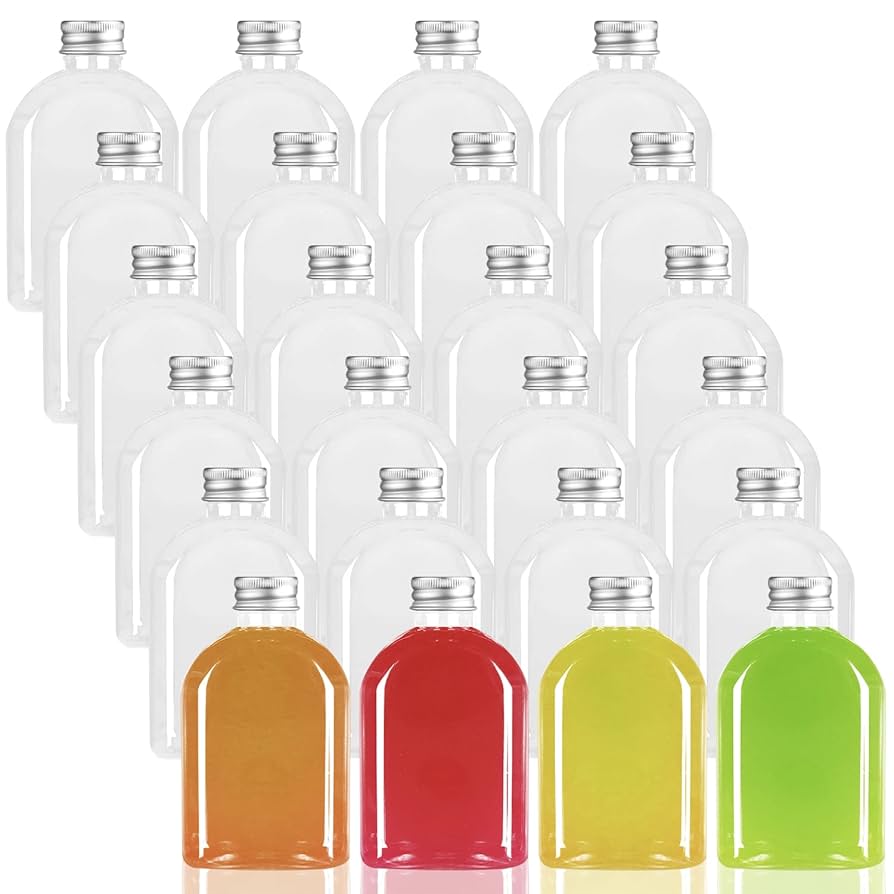
A stock image related to drinking bottles for sale.
In-depth Look: Manufacturing Processes and Quality Assurance for drinking bottles for sale
What Are the Main Stages of Manufacturing Drinking Bottles?
The manufacturing process for drinking bottles typically comprises several key stages: material preparation, forming, assembly, and finishing. Each stage is crucial to ensure that the final product meets both functional and aesthetic standards required by B2B buyers.
Material Preparation
The first step involves selecting high-quality materials, commonly including stainless steel, BPA-free plastics, and glass. These materials are sourced from reputable suppliers to ensure compliance with safety and quality standards. After sourcing, the materials undergo rigorous testing for durability and safety, which is critical for international markets.
Forming
In the forming stage, the prepared materials are shaped into the desired bottle designs. This can involve processes such as injection molding for plastic bottles or blow molding for glass and stainless steel. Advanced technologies, such as CNC machining, are often employed to achieve precision in dimensions and design, ensuring that the bottles can withstand pressure and temperature variations.
Assembly
Once the components are formed, they are assembled. This may include attaching lids, straws, or other features that enhance usability. Automated assembly lines are frequently used to improve efficiency and maintain consistent quality. During this stage, manufacturers also conduct inline inspections to catch defects early in the process.
Finishing
The final stage of manufacturing involves surface treatment and finishing processes. This can include polishing, painting, or applying protective coatings to enhance durability and aesthetics. Finishing also involves printing brand logos or safety information, ensuring that the final product meets market demands.
How Is Quality Assurance Implemented in Drinking Bottle Manufacturing?
Quality assurance (QA) is a critical aspect of the manufacturing process that ensures products meet international standards and customer expectations. For drinking bottles, adherence to quality standards is especially important due to health and safety considerations.
What Are the Relevant International Standards for Drinking Bottles?
B2B buyers should be aware of several international quality standards, such as ISO 9001, which focuses on quality management systems, and ISO 14001, which addresses environmental management. Additionally, industry-specific certifications like CE marking for products sold in Europe and FDA compliance for food contact materials in the United States are essential for ensuring safety and compliance.
What Are the Key Quality Control Checkpoints in the Manufacturing Process?
Quality control (QC) is integrated throughout the manufacturing process, typically involving several checkpoints:
-
Incoming Quality Control (IQC): This involves inspecting raw materials upon arrival to verify compliance with specifications and standards.
-
In-Process Quality Control (IPQC): During production, random samples are taken to monitor processes and detect any deviations from quality standards. This may include dimensional checks and visual inspections.
-
Final Quality Control (FQC): Before packaging, finished products undergo rigorous testing, including leak tests, thermal resistance tests, and material integrity assessments. This ensures that the bottles will perform as expected in real-world conditions.
What Common Testing Methods Are Used to Ensure Quality?
Various testing methods are employed to verify the quality and safety of drinking bottles. Common methods include:
-
Leak Testing: Ensures that bottles are sealed correctly and do not leak under pressure or during typical use.
-
Thermal Cycling Tests: Measures the bottle’s ability to withstand extreme temperature changes, which is particularly important for insulated bottles.
-
Drop Tests: Assesses the durability of the bottle by simulating accidental drops from various heights.
-
Chemical Resistance Testing: Ensures that the materials used do not react adversely with common beverages, which is crucial for consumer safety.
How Can B2B Buyers Verify Supplier Quality Control Processes?
To ensure that suppliers adhere to high-quality standards, B2B buyers should take proactive steps to verify their QC processes:
-
Conduct Supplier Audits: Regular audits of suppliers can provide insights into their manufacturing practices, QC measures, and compliance with international standards. This helps build trust and ensures alignment with the buyer’s quality expectations.
-
Request Quality Assurance Reports: Suppliers should provide documentation detailing their QA processes, including results from IQC, IPQC, and FQC. This transparency is vital for buyers in making informed decisions.
-
Third-Party Inspections: Engaging third-party inspection agencies can help verify compliance with international quality standards. These agencies conduct independent assessments of manufacturing processes and final products, offering an unbiased view of quality.
What Are the Quality Control Nuances for International B2B Buyers?
International B2B buyers, especially those from Africa, South America, the Middle East, and Europe, should be aware of specific nuances in quality control:
-
Compliance with Local Regulations: Different regions may have varying regulations regarding materials and safety standards. Buyers should ensure that their suppliers are knowledgeable about and compliant with local regulations in their target markets.
-
Cultural and Communication Differences: Effective communication is crucial for ensuring that quality standards are understood and met. Buyers should establish clear lines of communication and consider cultural differences that may affect interpretation and implementation of quality standards.
-
Sustainability Practices: Increasingly, buyers are looking for suppliers who prioritize sustainability in their manufacturing processes. This includes using eco-friendly materials and minimizing waste, which can be a significant selling point in international markets.
By understanding these manufacturing processes and quality assurance measures, B2B buyers can make informed decisions when sourcing drinking bottles, ensuring they receive high-quality products that meet their specific needs and compliance requirements.
Practical Sourcing Guide: A Step-by-Step Checklist for ‘drinking bottles for sale’
Introduction
Sourcing drinking bottles for sale requires a strategic approach, especially in the competitive B2B landscape. This guide provides a step-by-step checklist to help international buyers identify the right suppliers and products that meet their specific needs. By following these steps, you can streamline your procurement process and ensure that you are making informed decisions.
Step 1: Define Your Technical Specifications
Clearly outline the specifications for the drinking bottles you intend to purchase. Consider factors such as material (e.g., stainless steel, plastic, glass), capacity (e.g., 500ml, 1L), insulation properties, and design features. This step is crucial as it sets the foundation for your sourcing process and helps you communicate your requirements effectively to suppliers.
Step 2: Research Market Trends and Customer Preferences
Stay informed about current trends in the drinking bottle market, including popular designs, eco-friendly materials, and innovative features. Understanding customer preferences, especially in your target regions (e.g., Africa, South America, Europe), will help you select products that are more likely to succeed. Utilize market reports and industry publications to gather insights.
Step 3: Evaluate Potential Suppliers
Before committing to a supplier, conduct thorough evaluations. Request company profiles, product catalogs, and references from other businesses in your industry. Look for suppliers with a proven track record, especially those that can demonstrate compliance with international quality standards and certifications, such as ISO or FDA.
- Tip: Check for reviews or testimonials to gauge supplier reliability and product quality.
Step 4: Request Samples
Always request samples of the drinking bottles you are considering. This allows you to assess the product quality firsthand, including durability, design, and functionality. Evaluating samples is essential to ensure that the products align with your specifications and meet customer expectations.
- Tip: Use the samples to conduct tests for insulation performance, leak-proof capabilities, and ease of use.
Step 5: Negotiate Terms and Pricing
Engage in negotiations to secure favorable terms, including pricing, payment terms, and delivery schedules. Transparency during this phase is vital for establishing a strong working relationship with your supplier. Be prepared to discuss minimum order quantities and potential discounts for bulk purchases.
- Tip: Compare offers from multiple suppliers to ensure you’re getting competitive pricing without compromising quality.
Step 6: Confirm Compliance with Regulatory Standards
Ensure that the drinking bottles meet all relevant regulatory standards in your target markets. This includes safety certifications, material safety data sheets, and environmental regulations. Compliance is not only a legal requirement but also a key factor in building trust with your customers.
Step 7: Establish a Quality Control Process
Develop a quality control process for incoming shipments. This should include inspections upon arrival to verify that the products meet your specifications and quality standards. A robust quality control system minimizes the risk of defects and ensures customer satisfaction with the final products.
By following this checklist, you can navigate the complexities of sourcing drinking bottles for sale with confidence and efficiency, ultimately leading to successful procurement outcomes.
Comprehensive Cost and Pricing Analysis for drinking bottles for sale Sourcing
Understanding the cost structure and pricing of drinking bottles is crucial for international B2B buyers seeking to optimize their sourcing strategies. The cost components can be broadly categorized into materials, labor, manufacturing overhead, tooling, quality control, logistics, and profit margin.
What Are the Key Cost Components for Drinking Bottles?
-
Materials: The choice of materials significantly influences costs. Common materials include stainless steel, BPA-free plastic, and glass. Stainless steel bottles, for example, are more expensive due to their durability and insulation properties, which may appeal to quality-conscious markets in Europe and North America.
-
Labor: Labor costs vary significantly by region. In countries with higher living standards, such as Germany, labor costs may be higher, impacting the overall price of the bottles. Conversely, sourcing from countries with lower labor costs can reduce expenses, but may raise concerns about quality and ethical manufacturing practices.
-
Manufacturing Overhead: This includes expenses related to factory operations, such as utilities and equipment maintenance. Efficient manufacturers often have lower overhead costs, allowing for competitive pricing.
-
Tooling: Initial costs for tooling can be substantial, especially for custom designs. However, these costs can be amortized over larger production runs, making it crucial for buyers to negotiate favorable terms regarding minimum order quantities (MOQs).
-
Quality Control (QC): Ensuring product quality through rigorous QC processes is essential, particularly for buyers in markets that prioritize safety and certification standards. This may add to costs but is necessary to avoid larger issues post-purchase.
-
Logistics: Transportation costs, including shipping and customs duties, can vary widely depending on the destination. Understanding Incoterms is vital for determining who bears these costs and when they are incurred.
-
Margin: Suppliers typically mark up their costs to ensure profitability. This margin can vary based on market competition, demand, and the uniqueness of the product.
What Influences the Pricing of Drinking Bottles?
Several factors affect the pricing of drinking bottles in the B2B market:
-
Volume/MOQ: Purchasing in larger quantities often leads to lower per-unit costs. Buyers should assess their demand forecasts to negotiate better pricing structures based on anticipated order sizes.
-
Specifications and Customization: Customized bottles or those with unique specifications may incur additional costs. Buyers should be clear about their requirements and explore options that balance customization with cost efficiency.
-
Materials and Quality Certifications: Bottles made from premium materials or those that meet specific certifications (e.g., FDA-approved, BPA-free) typically command higher prices. Buyers should weigh the benefits of these features against their target market’s expectations.
-
Supplier Factors: The reputation and reliability of suppliers can influence pricing. Established suppliers may charge more for their products, reflecting their quality assurance processes and customer service.
-
Incoterms: Understanding the agreed-upon Incoterms can help buyers predict total costs more accurately. Terms such as CIF (Cost, Insurance, and Freight) or FOB (Free on Board) dictate who pays for shipping and insurance, affecting the final price.
What Are the Best Negotiation Tips for B2B Buyers?
-
Leverage Volume: Use projected sales volume as a bargaining chip to negotiate lower prices or better payment terms.
-
Total Cost of Ownership: Evaluate the total cost beyond the initial purchase price, considering factors like durability, maintenance, and potential for reuse. This perspective can help justify higher upfront costs if long-term savings are evident.
-
Explore Multiple Suppliers: Comparing quotes from various suppliers can provide leverage during negotiations. Highlighting competitive offers may encourage suppliers to adjust their prices.
-
Understand Regional Pricing Nuances: Be aware of regional pricing strategies, especially when sourcing from developing markets versus established economies. Different regions may have different price sensitivities and expectations.
-
Build Relationships: Establishing strong relationships with suppliers can lead to better pricing and terms in the long run. Trust and reliability are often rewarded with more favorable deals.
Conclusion
Navigating the cost and pricing landscape for drinking bottles requires a thorough understanding of various factors that contribute to the final price. By focusing on cost components, price influencers, and effective negotiation strategies, international B2B buyers can make informed decisions that align with their business objectives. Always remember that prices can vary widely based on the specifics of your order, so obtaining indicative prices is essential for accurate budgeting.
Alternatives Analysis: Comparing drinking bottles for sale With Other Solutions
Introduction to Alternatives in Hydration Solutions
When considering hydration solutions for B2B applications, drinking bottles for sale represent a popular choice due to their versatility and practicality. However, there are various alternatives that businesses can consider, each with unique benefits and potential drawbacks. Understanding these alternatives enables buyers to make informed decisions that best align with their specific operational needs and sustainability goals.
| Comparison Aspect | Drinking Bottles For Sale | Reusable Hydration Packs | Water Dispensers |
|---|---|---|---|
| Performance | Good for individual use; keeps beverages at desired temperatures for several hours. | Excellent for outdoor activities; designed for hands-free hydration. | High volume; ideal for office or communal settings. |
| Cost | Varies widely; generally affordable, but premium brands can be costly. | Typically moderate; initial investment may be higher due to specialized design. | Higher initial cost, but low ongoing costs if refilled with bulk water. |
| Ease of Implementation | Simple to distribute and use; minimal training required. | Requires some user education on proper use and cleaning. | Installation can be complex; requires maintenance and regular refilling. |
| Maintenance | Low maintenance; easy to clean and refill. | Moderate maintenance; needs regular cleaning and potential replacement of hydration tubes. | Moderate to high; requires regular sanitization and servicing. |
| Best Use Case | Ideal for individual hydration needs in various environments (e.g., sports, offices). | Best for outdoor activities, sports, or events where hands-free use is advantageous. | Perfect for office environments or locations with high foot traffic, providing easy access to water. |
What Are the Advantages and Disadvantages of Reusable Hydration Packs?
Reusable hydration packs are designed for active individuals who require hands-free access to water, making them particularly advantageous for outdoor events, sports, or long-distance activities. Their performance is exceptional in scenarios where convenience is essential, as they allow users to drink while on the move. However, they can be more expensive upfront than traditional drinking bottles and require regular maintenance to ensure cleanliness and proper functioning of the hydration tube. Additionally, user education is necessary to maximize their effectiveness and longevity.
How Do Water Dispensers Compare to Drinking Bottles?
Water dispensers are a great alternative for environments where multiple users require access to hydration, such as offices or public spaces. They provide a high volume of water at a low cost per serving, making them economical in the long run. However, the initial investment can be significant, and they require more maintenance compared to simple drinking bottles. Additionally, water dispensers may need to be connected to a water supply or regularly refilled, which can complicate logistics for some businesses.
Conclusion: How Can B2B Buyers Choose the Right Hydration Solution?
Selecting the right hydration solution depends heavily on the specific needs of the organization. Businesses focused on individual hydration in various settings may find drinking bottles for sale to be the most practical choice. In contrast, organizations that prioritize outdoor activities or require hands-free options might benefit more from reusable hydration packs. For high-traffic environments, water dispensers can provide an efficient and cost-effective solution. Ultimately, B2B buyers should consider factors such as cost, ease of use, maintenance requirements, and the specific hydration needs of their target audience to make the best choice.
Essential Technical Properties and Trade Terminology for drinking bottles for sale
What Are the Key Technical Properties of Drinking Bottles for Sale?
When evaluating drinking bottles for sale, several technical properties are crucial for B2B buyers to consider. These properties not only affect the product’s performance but also influence purchasing decisions, especially when catering to various markets across Africa, South America, the Middle East, and Europe.
-
Material Composition
Drinking bottles are typically made from materials such as stainless steel, plastic (like Tritan or HDPE), and glass. Stainless steel offers durability and insulation properties, making it ideal for outdoor and high-performance use. Plastic bottles are lightweight and often less expensive, while glass bottles provide a premium feel and are free from harmful chemicals. Understanding the material composition helps buyers choose products that align with their brand values, such as sustainability and safety. -
Insulation Technology
Insulated bottles, often made with double-wall vacuum technology, are designed to maintain the temperature of beverages for extended periods. This feature is particularly appealing in markets where climate can affect consumer preferences. For B2B buyers, offering insulated options can enhance product appeal and lead to higher sales margins. -
Capacity and Size Variations
Drinking bottles come in various sizes, typically ranging from 300 ml to 2 liters. The capacity affects the usage scenario; smaller bottles are great for kids or casual users, while larger bottles cater to athletes or outdoor enthusiasts. Understanding market preferences for size can help businesses tailor their product offerings effectively. -
Durability and Impact Resistance
The durability of a drinking bottle is often quantified by its resistance to drops, impacts, and general wear and tear. This is particularly important for B2B buyers targeting active consumers or outdoor markets. Products that withstand tough conditions are likely to have a longer lifecycle, leading to increased customer satisfaction and brand loyalty. -
BPA-Free Certification
Bisphenol A (BPA) is a chemical often found in plastics that can pose health risks. BPA-free certification indicates that a product is safe for consumers, which is increasingly important in global markets where health consciousness is rising. B2B buyers should prioritize sourcing BPA-free products to meet consumer demand and regulatory standards.
What Are Common Trade Terms in the Drinking Bottle Industry?
Understanding industry terminology is essential for effective communication and negotiation in the B2B sector. Here are some commonly used trade terms relevant to drinking bottles:
-
OEM (Original Equipment Manufacturer)
This term refers to a company that produces parts or products that may be marketed by another company under its brand. For B2B buyers, partnering with OEMs can provide access to customized products without the need for extensive manufacturing resources. -
MOQ (Minimum Order Quantity)
MOQ is the smallest quantity of a product that a supplier is willing to sell. Understanding MOQ is crucial for buyers to manage inventory effectively and avoid overcommitting on orders that may not sell. -
RFQ (Request for Quotation)
An RFQ is a document issued by a buyer to solicit price proposals from suppliers. It typically includes details about the product specifications and quantities desired. For B2B buyers, issuing an RFQ is a strategic approach to ensure competitive pricing. -
Incoterms (International Commercial Terms)
Incoterms are standardized trade terms that define the responsibilities of buyers and sellers regarding shipping, insurance, and tariffs. Familiarity with these terms helps B2B buyers mitigate risks and clarify logistics responsibilities in international transactions. -
Lead Time
This term refers to the time it takes from placing an order to receiving the product. Understanding lead times is vital for B2B buyers to manage supply chain expectations and ensure timely product availability for their customers. -
Certification Standards
Certification standards, such as ISO or FDA approvals, indicate that products meet specific safety and quality criteria. For B2B buyers, sourcing certified products can enhance credibility and ensure compliance with local regulations.
In summary, understanding the essential technical properties and industry terminology related to drinking bottles is crucial for B2B buyers. By leveraging this knowledge, businesses can make informed purchasing decisions that align with market demands and regulatory requirements.
Navigating Market Dynamics and Sourcing Trends in the drinking bottles for sale Sector
What Are the Current Market Dynamics and Key Trends in the Drinking Bottles Sector?
The global drinking bottles market is experiencing significant growth driven by several key factors. Increasing health consciousness among consumers has led to a surge in demand for reusable water bottles, particularly in regions like Africa and South America, where access to clean drinking water remains a challenge. Additionally, the rise of outdoor activities and fitness trends has fueled demand for specialized hydration solutions, such as insulated and lightweight bottles that cater to athletes and outdoor enthusiasts.
Emerging technologies are reshaping the sourcing landscape in the drinking bottles sector. Innovations such as smart bottles, which track hydration levels and integrate with mobile apps, are gaining traction. These tech-driven products appeal to a tech-savvy demographic, particularly in Europe and the Middle East, where digital solutions are increasingly prioritized. Furthermore, advancements in manufacturing processes, including 3D printing and sustainable materials, are streamlining production and enhancing customization options for B2B buyers.
International B2B buyers must navigate fluctuating supply chain dynamics, influenced by geopolitical factors and trade policies. For instance, sourcing from Vietnam has become more attractive due to competitive pricing and manufacturing capabilities, while European suppliers are focusing on sustainability and compliance with stringent regulations. Understanding these dynamics is crucial for buyers seeking to optimize their sourcing strategies and maintain a competitive edge.
How Important Is Sustainability and Ethical Sourcing in the Drinking Bottles Market?
Sustainability and ethical sourcing have become integral to the drinking bottles sector, driven by consumer demand for environmentally responsible products. The environmental impact of single-use plastics has led to a pronounced shift towards reusable bottles made from eco-friendly materials. B2B buyers are increasingly prioritizing suppliers that offer sustainable options, such as stainless steel, glass, and BPA-free plastics, which not only reduce waste but also enhance brand reputation.
The importance of ethical supply chains cannot be overstated. Buyers must ensure that their suppliers adhere to fair labor practices and environmental regulations. Certifications such as ISO 14001 for environmental management and Fair Trade certification are becoming vital indicators of a supplier’s commitment to sustainability. Sourcing from manufacturers who prioritize ethical practices not only meets consumer expectations but also mitigates potential risks associated with non-compliance.
As sustainability becomes a competitive differentiator, B2B buyers should actively seek partners who can provide transparency in their sourcing processes. This includes understanding the life cycle of products, from raw material extraction to manufacturing and distribution, ensuring that every step aligns with environmental and ethical standards.
What Is the Evolution of the Drinking Bottles Market?
The evolution of the drinking bottles market has been marked by a transition from traditional materials like glass and plastic to innovative, sustainable alternatives. Initially, drinking bottles were primarily functional, designed for utility rather than aesthetics. However, the late 20th century saw a shift towards design and branding, with companies recognizing the potential for differentiation through style and personalization.
In the 21st century, the market has rapidly evolved, influenced by increased environmental awareness and technological advancements. The introduction of insulated and reusable bottles has transformed consumer habits, encouraging a shift away from single-use plastics. This evolution reflects broader societal changes, where health, sustainability, and innovation are at the forefront of consumer priorities. As the market continues to grow, B2B buyers must stay informed about these trends to effectively cater to their customers’ evolving needs.
Frequently Asked Questions (FAQs) for B2B Buyers of drinking bottles for sale
-
How do I choose the right supplier for drinking bottles?
Selecting the right supplier involves thorough research and evaluation. Look for manufacturers with a strong reputation, positive reviews, and certifications that meet international quality standards. Request samples to assess product quality and ensure they can meet your specifications. Additionally, consider their capacity to handle your order volume and delivery timelines. Networking through trade shows and industry connections can also provide insights into reliable suppliers. -
What is the best material for durable drinking bottles?
Stainless steel is often considered the best material for durable drinking bottles due to its resistance to corrosion, ease of cleaning, and ability to maintain temperature. Other materials like BPA-free plastic and glass are also popular, but they may not offer the same level of durability. When sourcing, assess the specific needs of your market, such as whether lightweight options are preferred or if insulation is crucial for temperature retention. -
What customization options should I consider for drinking bottles?
Customization can significantly enhance your brand’s appeal. Consider options such as personalized logos, colors, and designs that reflect your brand identity. Additional features like different lid types, insulation, or ergonomic designs can also be included. Engage with your supplier to understand their capabilities and limitations regarding customization, as some may have minimum order quantities (MOQs) or additional costs for bespoke designs. -
What are the common minimum order quantities (MOQs) for drinking bottles?
MOQs vary by supplier and product type. Generally, MOQs can range from 100 to 5,000 units depending on the complexity of the design and customization options. It’s crucial to discuss MOQs upfront to ensure they align with your purchasing strategy and budget. Some suppliers may offer flexibility on MOQs for first-time orders or bulk purchases, so don’t hesitate to negotiate. -
What payment terms are typical when sourcing drinking bottles internationally?
Payment terms can differ widely among suppliers, but common practices include a 30% deposit upfront and the remaining 70% before shipment. Some suppliers may offer net payment terms, such as net 30 or net 60 days, which allow you to pay after receiving the goods. Always clarify payment methods accepted (e.g., wire transfer, credit card, etc.) and ensure that you have a secure arrangement to mitigate financial risks. -
How can I ensure quality assurance (QA) for my drinking bottle orders?
Implementing a robust QA process is vital for maintaining product standards. Collaborate with your supplier to establish quality control checkpoints throughout the production process. Request pre-shipment inspections and consider hiring third-party inspection services to verify compliance with your specifications. Document all agreements regarding quality expectations to avoid disputes and ensure accountability. -
What logistics considerations should I keep in mind when importing drinking bottles?
Logistics plays a crucial role in international trade. Consider shipping methods, costs, and timelines, and ensure your supplier can provide reliable shipping options. Familiarize yourself with customs regulations in your country, as well as potential tariffs and duties that may apply. Working with a freight forwarder can streamline the process, helping you navigate documentation and compliance requirements for smooth delivery. -
What are the sustainability options for drinking bottles that appeal to buyers?
Sustainability is increasingly important for consumers and businesses alike. Look for suppliers that offer eco-friendly materials, such as recycled plastics or sustainably sourced stainless steel. Products should also be designed for durability to reduce waste. Highlighting these sustainable practices in your marketing can attract environmentally conscious buyers and enhance your brand’s reputation in the global market.
Important Disclaimer & Terms of Use
⚠️ Important Disclaimer
The information provided in this guide, including content regarding manufacturers, technical specifications, and market analysis, is for informational and educational purposes only. It does not constitute professional procurement advice, financial advice, or legal advice.
While we have made every effort to ensure the accuracy and timeliness of the information, we are not responsible for any errors, omissions, or outdated information. Market conditions, company details, and technical standards are subject to change.
B2B buyers must conduct their own independent and thorough due diligence before making any purchasing decisions. This includes contacting suppliers directly, verifying certifications, requesting samples, and seeking professional consultation. The risk of relying on any information in this guide is borne solely by the reader.
Top 9 Drinking Bottles For Sale Manufacturers & Suppliers List
1. TAKEYA® – Sport Water Bottles
Domain: takeyausa.com
Registered: 2008 (17 years)
Introduction: TAKEYA® offers a variety of water bottles and drinkware for sport and fitness, including: 1. Takeya Sport Water Bottle with Spout Lid available in sizes 22oz, 32oz, 40oz, and 64oz priced at $34.99. 2. Kids Sport Water Bottle with Straw Lid available in 18oz priced at $29.99. 3. Actives Water Bottle with Spout Lid available in sizes 18oz, 22oz, 24oz, 32oz, 40oz, and 64oz priced at $28.99. 4. Sport …
2. Contigo – Key Product
Domain: gocontigo.com
Registered: 2005 (20 years)
Introduction: Key product details include: 1. Types of Bottles: Reusable water bottles and shaker bottles. 2. Features: Spill-proof, leak-proof, dishwasher safe, easy mixing & shaking, built-in carabiner clip handle, Microban® antimicrobial product protection. 3. Lid Technologies: AutoPop, AutoSeal, AutoSpout, AutoClose. 4. Sizes Available: 20 oz, 24 oz, 28 oz, 32 oz, 40 oz, 56 oz. 5. Material Types: Plastic, s…
3. CamelBak – New Arrivals & Best Sellers
Domain: camelbak.com
Registered: 1996 (29 years)
Introduction: New Arrivals: Latest additions to CamelBak’s lineup. Best Sellers: Most-loved products trusted by adventurers and athletes. Water Bottles: High-flow cap technology. Drinkware: Tumblers, mugs, and barware. Packs: Hiking, biking, running, snow, military, travel, and kids packs. Coolers: ChillBak™ Soft Coolers for keeping beverages cool. Reservoirs: Engineered for performance. Accessories: Caps, stra…
4. Hydro Flask – Insulated Water Bottles
Domain: hydroflask.com
Registered: 2009 (16 years)
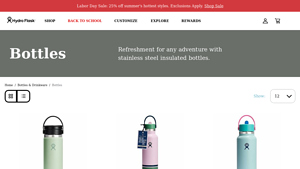
Introduction: Insulated & Stainless Steel Water Bottles | Hydro Flask. Labor Day Sale: 25% off summer’s hottest styles. Free shipping on orders $39+. New Limited Edition Campus Collection. Various bottle sizes and styles available: 16 oz Coffee with Flex Sip™ Lid ($32.95, now $24.71), 21 oz Standard Mouth with Flex Straw Cap ($34.95), Remix 32 oz Wide Mouth with Flex Straw Cap – Polar Plunge ($31.47, originally…
5. Target – Water Bottles
Domain: target.com
Registered: 1997 (28 years)
Introduction: Water Bottles available at Target include a variety of options such as kids’ water bottles, sports bottles, tumblers, camp drinkware, and travel mugs. Prices start from $9.99 for fun water bottles for kids. Popular brands featured include Owala, Stanley, Hydro Flask, CamelBak, and Thermos. Key features of the water bottles include durability, versatility, eco-friendliness, and convenience. Many bo…
6. Owala® – FreeSip® Tumblers
Domain: owalalife.com
Registered: 2019 (6 years)
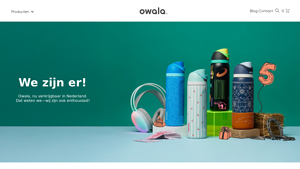
Introduction: Owala® offers a variety of drinkware including water bottles, tumblers, and coffee mugs. Key products include the FreeSip® and FreeSip® Twist 40oz Tumblers, designed for easy hydration. The brand emphasizes the importance of staying hydrated for overall happiness and well-being.
7. YETI – Reusable Water Bottles
Domain: yeti.com
Registered: 1995 (30 years)
Introduction: Water Bottles: Reusable Bottles, Mugs & Jugs. Featured Colors include Wetlands Camo, Cherry Blossom, Black, Forest Green, Gold Coast, Rescue Red/White/Navy, Ultramarine, Violet, Big Sky Blue, Firefly Yellow, Cape Taupe, Lowcountry Peach, Sandstone, Power Pink, Tropical Pink, King Crab, Tan, Olive, Big Wave Navy, Seafoam, White, Stainless Steel, Charcoal Black. Product Types include Insulated Water…
8. Hydro Flask – 24 oz Wide Mouth with Flex Chug Cap
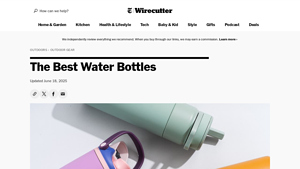
Domain: nytimes.com
Registered: 1994 (31 years)
Introduction: This company, Hydro Flask – 24 oz Wide Mouth with Flex Chug Cap, is a notable entity in the market. For specific product details, it is recommended to visit their website directly.
9. Stanley – Insulated Stainless Steel Water Bottles
Domain: stanley1913.com
Registered: 2019 (6 years)
Introduction: Stainless Steel, Insulated Water Bottles; Features: double-wall vacuum insulation, eliminates condensation, available sizes: 14 OZ, 16 OZ, 20 OZ, 24 OZ, 30 OZ, 40 OZ; Master Unbreakable Water Bottle with QuadVac™ technology for extra insulation; not recommended for freezing.
Strategic Sourcing Conclusion and Outlook for drinking bottles for sale
As the demand for drinking bottles continues to rise globally, strategic sourcing becomes essential for B2B buyers looking to capitalize on market opportunities. Key insights reveal that buyers should prioritize suppliers who offer high-quality materials, innovative designs, and sustainable practices. By focusing on durability and versatility, businesses can meet the diverse needs of their customers, whether in Africa, South America, the Middle East, or Europe.
Moreover, the increasing consumer preference for eco-friendly products highlights the importance of sourcing reusable options that reduce environmental impact. This not only enhances brand reputation but also aligns with global sustainability trends.
Looking ahead, B2B buyers are encouraged to explore partnerships with manufacturers who can provide customizable solutions tailored to specific market demands. Engaging with suppliers that leverage cutting-edge technology and offer competitive pricing will be vital for staying ahead in this dynamic landscape.
Take action today by evaluating your current sourcing strategies and exploring new supplier relationships to secure a competitive edge in the thriving drinking bottle market.