
Introduction: Navigating the Global Market for keep cold water bottle
In today’s increasingly health-conscious world, sourcing high-quality keep cold water bottles presents a significant challenge for international B2B buyers. As companies seek to promote hydration while minimizing environmental impact, the demand for durable, insulated drinkware has surged across diverse markets, particularly in Africa, South America, the Middle East, and Europe. This guide aims to streamline the purchasing process by providing an in-depth exploration of various types of keep cold water bottles, their applications across different industries, and essential factors to consider when selecting reliable suppliers.
Understanding the nuances of this product category is crucial for businesses looking to make informed decisions. We will cover key features such as insulation technology, materials, and designs that cater to diverse consumer preferences. Additionally, the guide will delve into supplier vetting processes, cost analysis, and market trends, empowering buyers to identify the best options that align with their brand values and customer needs.
By equipping B2B buyers with actionable insights and expert recommendations, this comprehensive resource will facilitate smarter procurement strategies, ultimately enhancing product offerings and customer satisfaction. Whether you are navigating local markets or expanding your reach globally, this guide will serve as your trusted companion in sourcing the best keep cold water bottles available.
Understanding keep cold water bottle Types and Variations
| Tipo Nombre | Principales rasgos distintivos | Aplicaciones B2B principales | Breves pros y contras para los compradores |
|---|---|---|---|
| Acero inoxidable aislado | Double-wall vacuum insulation; durable; BPA-free | Corporate gifting; outdoor events | Pros: Excelente retención de la temperatura, duradero. Contras: Heavier than plastic options. |
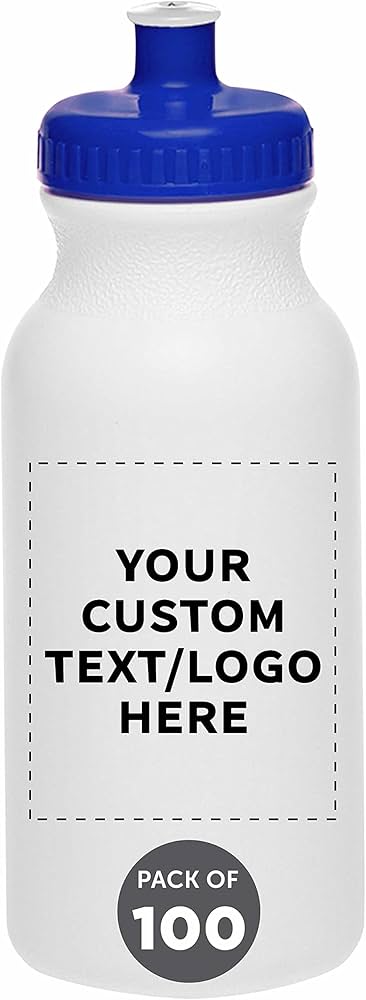
| Botellas de plástico | Lightweight; often BPA-free; various designs available | Sports teams; schools; promotional use | Pros: Affordable, customizable. Contras: Less durable, lower insulation performance. |
| Botellas de agua filtrada | Built-in filtration system; removes contaminants | Health-focused businesses; travelers | Pros: Provides clean drinking water. Contras: Higher cost; maintenance required. |
| Botellas de agua plegables | Flexible material; space-saving design | Travel; outdoor activities | Pros: Lightweight, portable. Contras: Less durable, may not retain temperature as well. |
| Botellas deportivas especiales | Designed for active use; often includes straws or grips | Gyms; sports retailers; event giveaways | Pros: Ergonomic design, convenient for athletes. Contras: May not suit all hydration needs. |
What Are the Characteristics of Insulated Stainless Steel Bottles?
Insulated stainless steel bottles are renowned for their double-wall vacuum insulation, which keeps beverages cold for extended periods. These bottles are typically made from high-quality stainless steel, making them highly durable and resistant to rust and corrosion. They are ideal for corporate gifting, outdoor events, or for companies looking to promote sustainability. When purchasing, B2B buyers should consider volume capacity, branding options, and the bottle’s weight, as these factors can influence customer satisfaction and usability.
How Do Plastic Water Bottles Differ in Use Cases?
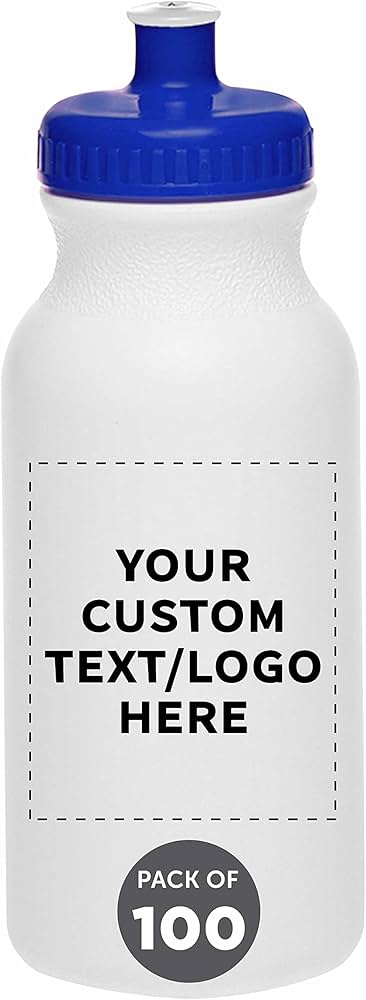
Plastic water bottles are lightweight and often available in various designs, making them a popular choice for sports teams, schools, and promotional giveaways. While they are generally more affordable than stainless steel options, they may lack the insulation properties needed for long-term temperature retention. B2B buyers should focus on the material’s safety (BPA-free), customization options, and the potential for bulk purchasing discounts when considering plastic bottles for their needs.
What Are the Benefits of Filtered Water Bottles?
Filtered water bottles come equipped with built-in filtration systems that effectively remove contaminants from water, making them an excellent choice for health-conscious businesses or travelers. These bottles ensure that users have access to clean drinking water, which can be a significant selling point. However, B2B buyers should be aware of the higher upfront costs and the need for regular maintenance and replacement filters, as these factors can impact long-term value.
Why Choose Collapsible Water Bottles for Portability?
Collapsible water bottles are designed with flexible materials that allow them to be easily compressed when not in use, making them highly portable and perfect for travel or outdoor activities. They are lightweight and can fit into small bags or pockets, which is a significant advantage for businesses targeting travelers or outdoor enthusiasts. Buyers should consider the material’s durability and the bottle’s ability to retain temperature, as these factors can affect user experience.
What Makes Specialty Sport Bottles a Popular Choice?
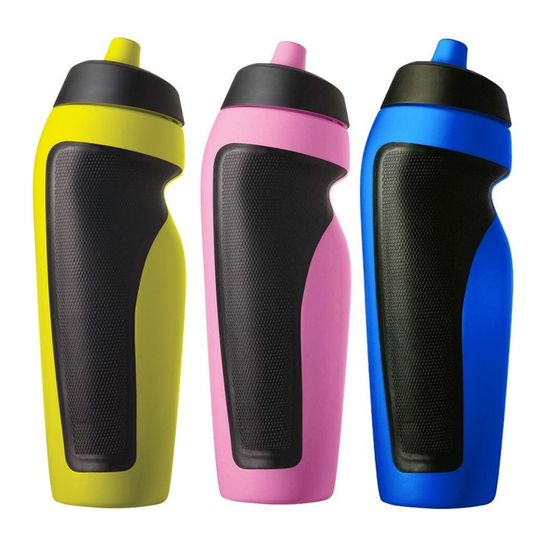
Specialty sport bottles are crafted for active use, featuring ergonomic designs, straws, or grips that enhance usability during physical activities. These bottles are commonly used by gyms, sports retailers, and event giveaways, appealing to athletes and fitness enthusiasts. When selecting sport bottles, B2B buyers should evaluate the design’s functionality, ease of cleaning, and whether the bottle meets specific hydration needs for various sports or activities.
Key Industrial Applications of keep cold water bottle
| Industria/Sector | Specific Application of keep cold water bottle | Valor/beneficio para la empresa | Consideraciones clave para el aprovisionamiento de esta aplicación |
|---|---|---|---|
| Alimentación y bebidas | Employee hydration in restaurants and cafes | Enhances employee comfort and performance, reduces waste | Durability, insulation effectiveness, design for easy cleaning |
| Ocio al aire libre | Hydration solutions for adventure tourism companies | Increases customer satisfaction and retention | Lightweight materials, capacity options, branding opportunities |
| Construction and Field Work | Personal hydration for onsite workers | Promotes health and safety, improves productivity | Robustness, insulation duration, ease of transport |
| Programas de bienestar para empresas | Employee wellness initiatives | Boosts employee morale and productivity, reduces absenteeism | Customization options, eco-friendliness, bulk purchasing agreements |
| Educational Institutions | Student hydration in schools and universities | Supports student health, encourages hydration habits | Size variety, safety materials, affordability for bulk orders |
How Are Keep Cold Water Bottles Utilized in the Food and Beverage Industry?
In the food and beverage sector, keep cold water bottles are essential for maintaining hydration among staff in high-pressure environments like restaurants and cafes. These bottles help reduce single-use plastic waste and promote a sustainable work culture. Businesses need to consider the bottles’ durability and insulation effectiveness to ensure they withstand daily use and keep beverages cold throughout long shifts.
What Role Do Keep Cold Water Bottles Play in Outdoor Recreation?
Adventure tourism companies use keep cold water bottles to provide hydration solutions for their clients. These bottles enhance customer satisfaction by ensuring that drinks remain cold during outdoor activities, such as hiking and camping. When sourcing, companies should prioritize lightweight materials and various capacity options to cater to diverse customer needs, while also considering branding opportunities to increase visibility.
How Are Keep Cold Water Bottles Important in Construction and Field Work?
In construction and fieldwork settings, keep cold water bottles serve as a vital hydration tool for onsite workers. Maintaining hydration is crucial for health and safety, especially in hot climates. Companies must focus on sourcing robust bottles that can withstand rough conditions, ensuring they have excellent insulation duration and are easy to transport, thus supporting worker productivity.
How Can Corporate Wellness Programs Benefit from Keep Cold Water Bottles?
Corporate wellness programs increasingly incorporate keep cold water bottles to promote employee health and well-being. Providing these bottles encourages hydration, boosts morale, and can lead to reduced absenteeism. Businesses should look for customization options that reflect their branding, as well as eco-friendly materials, which can enhance their corporate responsibility image while benefiting from bulk purchasing agreements.
Why Are Keep Cold Water Bottles Essential in Educational Institutions?
Educational institutions utilize keep cold water bottles to ensure students stay hydrated throughout the day. These bottles support student health and encourage positive hydration habits. When sourcing, schools should consider a variety of sizes to accommodate different age groups, prioritize safety materials, and seek affordability for bulk orders to ensure widespread access among students.
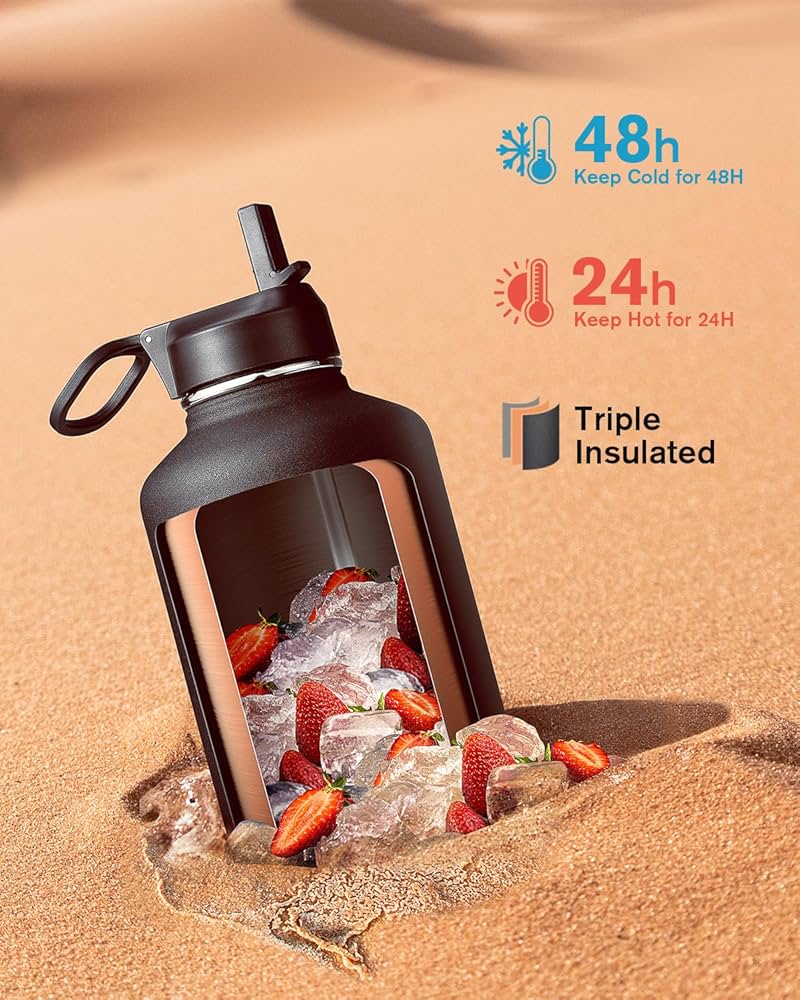
A stock image related to keep cold water bottle.
3 Common User Pain Points for ‘keep cold water bottle’ & Their Solutions
Scenario 1: Ineffective Temperature Retention During Transport
El problema: B2B buyers in the beverage or outdoor equipment sectors often face significant challenges with insulated water bottles that fail to maintain temperature during transport. Whether delivering products to retailers or supplying employees on field assignments, inadequate insulation can lead to lukewarm water, diminishing the product’s value and user experience. This is particularly problematic in warmer climates prevalent in regions like Africa and South America, where temperature control is critical for customer satisfaction.
La solución: To address this issue, B2B buyers should prioritize sourcing insulated water bottles with high-quality double-wall vacuum insulation. When selecting suppliers, request detailed specifications on insulation performance, including ice retention times and temperature maintenance capabilities. Engage in trials to test various brands under different environmental conditions to ensure they meet your requirements. Implementing a quality assurance process that includes temperature monitoring during transit can further mitigate risks. Consider establishing partnerships with manufacturers that offer customizable solutions, allowing for branding and specific design features that enhance insulation efficacy.
Scenario 2: Durability Concerns in Harsh Environments
El problema: For businesses operating in rugged environments, such as construction sites or outdoor events, the durability of water bottles is a significant concern. Bottles that chip, crack, or leak under stress can lead to wasted resources and unsatisfied employees or customers. B2B buyers in these sectors need products that can withstand harsh treatment without compromising functionality, especially in regions with extreme weather conditions.
La solución: When sourcing water bottles, look for those made from high-grade stainless steel or reinforced materials that promise enhanced durability. Opt for suppliers that conduct rigorous testing on their products, including drop tests and pressure tests. Request samples to evaluate how well they hold up in real-world scenarios. Additionally, consider products with a leak-proof design and a wide mouth for easy filling and cleaning, which can increase longevity and usability. Offering warranties or guarantees can also provide assurance that the products will meet durability expectations.
Scenario 3: Complicated Cleaning and Maintenance
El problema: B2B buyers often encounter water bottles that are challenging to clean, leading to hygiene issues and potential health risks. This is especially critical for businesses providing hydration solutions for employees or customers. If the design of the water bottle does not allow for easy disassembly or has narrow openings that make cleaning difficult, bacteria can thrive, leading to dissatisfaction and potential liability concerns.
La solución: To ensure easy maintenance, B2B buyers should seek out water bottles with a wide mouth or a removable lid that allows for thorough cleaning. Consider products designed to be dishwasher safe, which can save time and labor costs in environments where multiple bottles are used daily. Additionally, it may be beneficial to choose bottles that come with cleaning kits or brushes specifically designed for their shape and size. Implementing a regular cleaning schedule and training employees on proper maintenance practices will further enhance the usability and lifespan of the bottles, ensuring a healthier hydration solution for all users.
By addressing these common pain points with actionable solutions, B2B buyers can make informed decisions that enhance their product offerings and improve customer satisfaction.
Strategic Material Selection Guide for keep cold water bottle
What Materials Are Commonly Used for Keep Cold Water Bottles?
When selecting materials for insulated water bottles, B2B buyers must consider several factors, including performance, cost, durability, and compliance with international standards. Below are analyses of four common materials used in the production of keep cold water bottles.
How Does Stainless Steel Perform in Keep Cold Water Bottles?
Stainless steel is a popular choice for insulated water bottles due to its excellent thermal retention properties and resistance to corrosion. Typically, grades like 304 and 316 are used, offering high temperature and pressure ratings.
Pros: Stainless steel is highly durable and can withstand significant impacts, making it suitable for outdoor and rugged environments. It is also non-reactive, ensuring that the taste of the beverage remains unaffected.
Contras: The primary drawback is its higher manufacturing cost compared to plastic options. Additionally, stainless steel bottles can be heavier, which may be a consideration for consumers seeking lightweight alternatives.
Impacto en la aplicación: El acero inoxidable es compatible con una amplia gama de bebidas, incluidas las ácidas, sin lixiviar productos químicos nocivos.
Consideraciones para compradores internacionales: Compliance with food safety standards such as FDA or EU regulations is crucial. Buyers should also consider the material’s recyclability, which is increasingly important in markets like Europe.
What Advantages Does Aluminum Offer for Keep Cold Water Bottles?
Aluminum is another common material, known for its lightweight and good thermal properties. Typically, aluminum bottles are lined with a protective coating to prevent reactions with acidic beverages.
Pros: The lightweight nature of aluminum makes it highly portable, an attractive feature for consumers. It also offers good insulation when combined with a vacuum-sealed design.
Contras: Aluminum is less durable than stainless steel and can dent easily. The protective lining can wear off over time, potentially leading to leaching of aluminum into beverages.
Impacto en la aplicación: Aluminum bottles are suitable for a variety of liquids but may not be ideal for long-term storage of acidic or carbonated drinks due to potential reactions.
Consideraciones para compradores internacionales: Buyers should ensure that the coatings used meet safety standards in their respective markets, such as ASTM or JIS certifications.
Why Choose Plastic for Keep Cold Water Bottles?
Plastic, particularly BPA-free polypropylene or Tritan, is often used for budget-friendly water bottles. It is lightweight and can be molded into various shapes and sizes.
Pros: Plastic bottles are generally lower in cost and can be produced in large quantities with relative ease. They are also lighter than metal options, making them suitable for everyday use.
Contras: Plastic has lower insulation performance compared to metal and may not keep beverages cold for extended periods. Additionally, they are less durable and can be prone to scratches and wear.
Impacto en la aplicación: While suitable for water and non-acidic beverages, plastic may not be ideal for hot liquids or long-term storage due to potential degradation.
Consideraciones para compradores internacionales: Compliance with local regulations regarding food safety and recyclability is essential. Markets in Europe and North America are particularly stringent about plastic usage.
How Does Glass Compare for Keep Cold Water Bottles?
Glass is often used in high-end insulated bottles due to its aesthetic appeal and inert nature. Glass bottles typically come with a protective silicone sleeve to enhance durability.
Pros: Glass does not leach chemicals and maintains the purity of the beverage, making it ideal for health-conscious consumers. It also offers excellent insulation properties when combined with double-wall construction.
Contras: The primary disadvantage is weight; glass bottles are heavier than their plastic or metal counterparts. They are also more prone to breakage, which can be a concern in active environments.
Impacto en la aplicación: Glass is suitable for a range of beverages but is best for those that require a non-reactive container.
Consideraciones para compradores internacionales: Buyers should consider the glass’s compliance with safety standards and the potential need for protective packaging during shipping.
Summary Table of Material Selection for Keep Cold Water Bottles
| Material | Typical Use Case for keep cold water bottle | Ventajas clave | Principales desventajas/limitaciones | Coste relativo (Bajo/Medio/Alto) |
|---|---|---|---|---|
| Acero inoxidable | Outdoor activities, sports, travel | Excelente durabilidad y aislamiento | Mayor coste, mayor peso | Alta |
| Aluminio | Lightweight, casual use | Lightweight and portable | Less durable, potential leaching | Medio |
| Plástico | Everyday hydration, budget-friendly | Económico y ligero | Poor insulation, less durable | Bajo |
| Vidrio | Premium markets, health-conscious consumers | Non-reactive, maintains beverage purity | Heavy, prone to breakage | Medio |
This analysis provides a comprehensive overview of the materials used in keep cold water bottles, helping B2B buyers make informed decisions based on their specific market needs and compliance requirements.
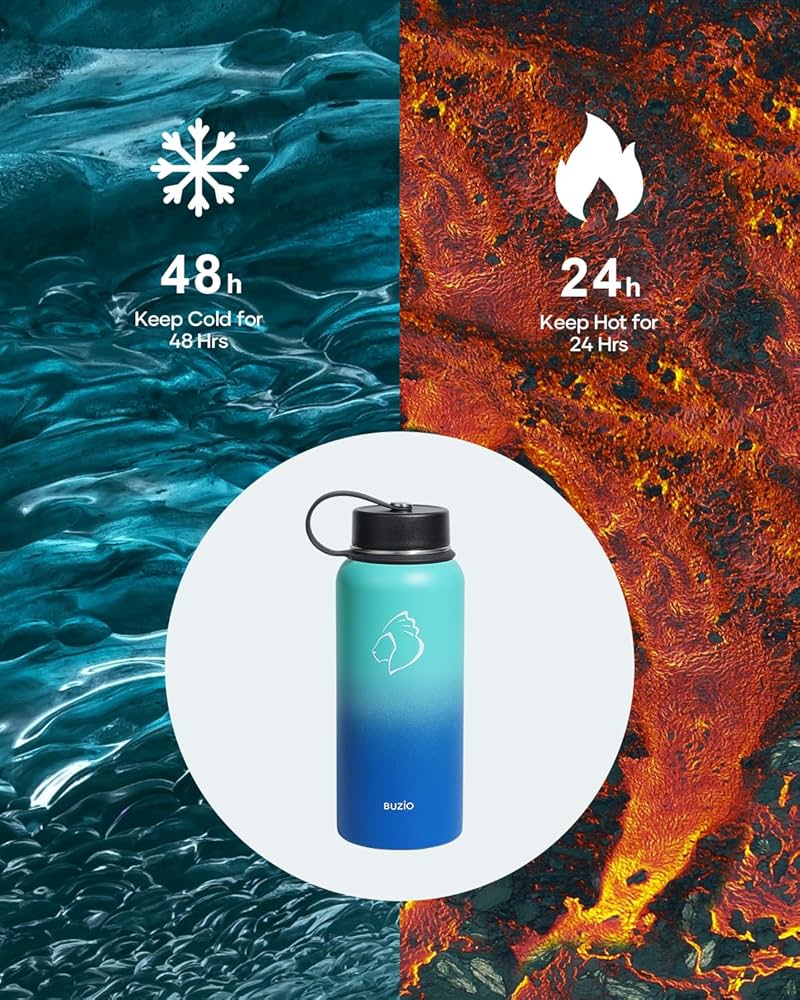
A stock image related to keep cold water bottle.
In-depth Look: Manufacturing Processes and Quality Assurance for keep cold water bottle
What Are the Key Manufacturing Processes for Keep Cold Water Bottles?
The manufacturing of insulated water bottles involves a series of precise and methodical steps designed to ensure durability, insulation efficiency, and aesthetic appeal. Understanding these processes is crucial for B2B buyers looking to source high-quality products.
What Materials Are Typically Used in the Production of Insulated Water Bottles?
The primary materials used in the production of insulated water bottles are stainless steel, aluminum, and sometimes high-grade plastics. Stainless steel, particularly 18/8 food-grade stainless steel, is favored for its durability, resistance to corrosion, and ability to maintain temperature. The choice of material affects not only the thermal efficiency of the bottle but also its weight and cost.
How Are Keep Cold Water Bottles Formed?
The forming stage of manufacturing typically includes the following techniques:
-
Deep Drawing: This process involves using a die to stretch a flat sheet of metal into a cylindrical shape. This method is commonly used for stainless steel bottles and helps create a seamless body, which enhances insulation properties by reducing potential weak points.
-
Moldeo por inyección: For bottles that incorporate plastic components, such as lids or grips, injection molding is often used. This technique allows for intricate designs and shapes, ensuring that the bottle is both functional and aesthetically pleasing.
-
Moldeo por soplado: This method is sometimes employed for plastic bottles, where air is blown into a heated plastic preform, expanding it to fit the mold.
What Assembly Techniques Are Commonly Used?
After forming, the assembly stage involves several key processes:
-
Welding and Joining: For stainless steel bottles, laser or spot welding techniques are used to join different parts, such as the body to the base. This ensures a strong, leak-proof seal.
-
Cap and Lid Assembly: Plastic lids often require additional assembly steps, including the attachment of seals, spouts, or straws. Automated machinery is typically employed for efficiency and precision.
-
Quality Testing of Components: Before final assembly, each component is often tested to ensure it meets the required specifications, including fit and finish.
What Finishing Techniques Enhance the Final Product?
Finishing processes play a crucial role in the overall quality and appeal of insulated water bottles:
-
Surface Treatment: Techniques like sandblasting, polishing, or powder coating are used to enhance the aesthetic quality and durability of the bottle. These treatments can also improve grip and reduce scratches.
-
Printing and Branding: Silk screening, pad printing, or laser engraving are common methods used to apply branding and designs. This is essential for businesses looking to promote their brand identity.
-
Final Inspection and Packaging: Once finished, bottles undergo a final inspection to check for any defects before being packaged for shipment.
What Are the Quality Assurance Standards for Insulated Water Bottles?
Quality assurance (QA) is critical in the manufacturing of insulated water bottles to ensure that they meet safety, performance, and durability standards. B2B buyers should be aware of the relevant international and industry-specific standards.
Which International Standards Should B2B Buyers Consider?
-
ISO 9001: This is a widely recognized quality management system standard that ensures consistent quality in manufacturing processes. Compliance indicates that the supplier has effective management systems in place.
-
Marcado CE: For products sold in Europe, CE marking indicates conformity with health, safety, and environmental protection standards. B2B buyers should ensure that their suppliers are compliant if they plan to market in the EU.
-
FDA Regulations: In the United States, manufacturers must comply with FDA regulations concerning food-grade materials. This is crucial for insulated bottles that are intended for beverages.
What Are the Key QC Checkpoints in the Manufacturing Process?
Quality control (QC) is typically implemented at various stages of the manufacturing process, including:
-
Control de calidad entrante (IQC): This initial checkpoint involves inspecting raw materials and components upon arrival at the factory. Ensuring that materials meet specified standards is essential for the overall quality of the final product.
-
Control de calidad durante el proceso (IPQC): During production, periodic checks are performed to monitor manufacturing processes and ensure adherence to quality standards. This may include inspections of dimensions, weld integrity, and insulation performance.
-
Control de calidad final (CCF): Once the bottles are completed, a comprehensive inspection is conducted. This includes testing for insulation performance, leak testing, and aesthetic checks to ensure that each bottle meets the required specifications.
¿Cómo pueden los compradores B2B verificar el control de calidad de los proveedores?
B2B buyers should employ several strategies to verify the quality control processes of potential suppliers:
-
Auditorías de proveedores: Conducting on-site audits allows buyers to assess the manufacturing environment, processes, and adherence to quality standards. This direct observation is invaluable for understanding supplier capabilities.
-
Solicitud de informes de calidad: Buyers should ask suppliers for documentation of their quality control processes, including test reports and certifications. This can provide insights into the reliability and consistency of the products.
-
Inspecciones de terceros: Engaging third-party inspection services can add an additional layer of verification. These independent assessments can help ensure that products meet the required specifications before shipment.
What Are the Unique QC Considerations for International B2B Buyers?
International buyers, particularly from regions like Africa, South America, the Middle East, and Europe, should consider specific nuances in quality control:
-
Cumplimiento de la normativa: Different regions may have varying regulations regarding materials and safety standards. It’s essential to understand these requirements to avoid compliance issues.
-
Diferencias culturales: Communication and understanding of quality expectations can vary across cultures. Building a relationship with suppliers and clearly defining quality standards can mitigate potential misunderstandings.
-
Logistics and Shipping Considerations: Quality assurance doesn’t end at manufacturing. B2B buyers should also consider how products are packaged and shipped to prevent damage during transit, which can affect perceived quality.
By understanding these manufacturing processes and quality assurance measures, B2B buyers can make informed decisions when sourcing insulated water bottles, ensuring they receive products that meet their quality standards and market demands.
Practical Sourcing Guide: A Step-by-Step Checklist for ‘keep cold water bottle’
Introducción
This sourcing guide is designed to assist B2B buyers in procuring high-quality “keep cold water bottles.” With the growing demand for sustainable and efficient hydration solutions, it is essential to approach the procurement process with a well-defined strategy. This checklist outlines the critical steps to ensure that your sourcing process is thorough, efficient, and aligned with your business needs.
1. Defina sus especificaciones técnicas
Before initiating the procurement process, clearly outline the technical specifications of the water bottles you require. Consider aspects such as material (e.g., stainless steel vs. plastic), capacity (e.g., 17 oz, 25 oz), insulation type (double-wall vacuum), and design features (e.g., flip straw cap, wide mouth). Establishing these parameters will help narrow down your options and ensure that the products meet your operational needs.
2. Buscar posibles proveedores
Conduct comprehensive research to identify potential suppliers who specialize in insulated water bottles. Utilize industry directories, trade shows, and online platforms to compile a list of manufacturers and distributors. Focus on suppliers with a strong track record in quality and customer service, as this will impact your overall satisfaction with the procurement process.
3. Evaluar las certificaciones de los proveedores
Verify that potential suppliers have relevant certifications and compliance with international standards. Look for certifications such as ISO 9001 for quality management and BPA-free certifications for safety. Ensuring that suppliers adhere to these standards not only protects your brand’s reputation but also guarantees the safety and reliability of the products.
4. Solicitud de muestras para pruebas de calidad
Before making a bulk purchase, request samples from shortlisted suppliers. Testing these samples will allow you to evaluate the insulation effectiveness, durability, and overall quality of the bottles. Pay attention to features such as leak-proof designs and ease of cleaning, as these can significantly affect user experience.
5. Assess Pricing and Payment Terms
Compare pricing structures across different suppliers to ensure competitive pricing. Be mindful of the total cost of ownership, which includes shipping, taxes, and potential import duties. Additionally, negotiate payment terms that align with your cash flow requirements, such as upfront payments or staggered payments based on delivery milestones.
6. Review Shipping and Delivery Options
Understanding the shipping and delivery capabilities of your suppliers is crucial, especially for international transactions. Inquire about shipping times, methods, and costs, as well as any potential customs issues that may arise. A reliable supplier should provide transparent information about their logistics processes to minimize delays.
7. Establish a Clear Communication Channel
Once you’ve selected a supplier, establish a clear communication channel for ongoing interactions. Set expectations regarding updates on production timelines, quality checks, and shipping notifications. Effective communication will foster a strong partnership and ensure that any issues can be addressed promptly.
By following these steps, B2B buyers can enhance their sourcing process for “keep cold water bottles,” ensuring that they select high-quality products that meet their business needs while fostering strong supplier relationships.
Comprehensive Cost and Pricing Analysis for keep cold water bottle Sourcing
What Are the Key Cost Components in Sourcing Keep Cold Water Bottles?
When sourcing keep cold water bottles, several cost components must be considered to establish a comprehensive cost structure.
-
Materiales: The choice of materials significantly impacts the overall cost. Stainless steel, which is commonly used for insulated bottles, tends to be more expensive than plastic. However, it offers superior durability and insulation properties. Additional features, such as powder coating or special finishes, can further increase material costs.
-
Trabajo: Labor costs vary depending on the manufacturing location. Countries with lower labor costs can offer competitive pricing, but this may come at the expense of quality. Understanding the labor market in the supplier’s country is essential for accurate cost estimation.
-
Gastos generales de fabricación: This includes expenses related to facilities, utilities, and administrative costs. Overhead can vary widely by region and manufacturing capabilities, impacting the final product price.
-
Herramientas: Custom designs and features require specialized tooling, which can be a significant upfront cost. This is particularly relevant for B2B buyers looking for unique branding opportunities or specific functionalities.
-
Control de calidad: Implementing stringent QC measures ensures product reliability but adds to costs. Buyers should assess the level of QC that suppliers are willing to provide and its implications on pricing.
-
Logística: Shipping costs, especially for international buyers, can be substantial. Factors such as distance, shipping method, and freight terms (Incoterms) can significantly influence logistics costs.
-
Margen: Suppliers typically add a profit margin to cover their costs and achieve profitability. Understanding industry standards for margins can help buyers evaluate supplier pricing.
What Influences Pricing for Keep Cold Water Bottles?
Several factors influence the pricing of keep cold water bottles, particularly for international B2B transactions:
-
Volumen y cantidad mínima de pedido (MOQ): Higher order volumes often lead to lower per-unit costs due to economies of scale. Negotiating favorable MOQs can help achieve better pricing.
-
Especificaciones y personalización: Customized products usually come at a premium. Buyers should clarify their requirements upfront to avoid unexpected costs later in the process.
-
Calidad del material y certificaciones: Bottles with certifications (e.g., BPA-free, food-grade materials) can command higher prices. Buyers should weigh the importance of these certifications against their budget.
-
Factores del proveedor: Supplier reputation, reliability, and customer service can influence pricing. Established suppliers may offer higher quality but at a premium, while newer entrants might be more cost-competitive.
-
Incoterms: The choice of Incoterms affects who bears the costs of shipping and insurance, impacting the overall price. Understanding these terms is crucial for effective budgeting.
What Are the Best Buyer Tips for Cost-Efficiency in Sourcing?
To maximize cost-efficiency when sourcing keep cold water bottles, international B2B buyers should consider the following strategies:
-
Negociación: Effective negotiation skills can lead to significant savings. Buyers should be prepared to discuss terms, quantities, and pricing openly.
-
Coste total de propiedad (TCO): Instead of focusing solely on the purchase price, buyers should consider the TCO, which includes shipping, handling, and potential returns. This holistic view can lead to better long-term decisions.
-
Understanding Pricing Nuances: Different regions may have varying pricing structures due to factors like tariffs, taxes, and local competition. Buyers should conduct market research to understand these nuances and leverage them in negotiations.
-
Supplier Relationships: Building strong relationships with suppliers can lead to better pricing and terms. Long-term partnerships often yield benefits, including preferential pricing or first access to new products.
-
Market Trends: Staying informed about market trends and consumer preferences can help buyers make more strategic sourcing decisions. This knowledge can inform negotiations and product specifications.
Descargo de responsabilidad sobre precios
Prices for keep cold water bottles can fluctuate based on market conditions, availability, and supplier pricing strategies. The figures mentioned in various sources are indicative and should be verified with suppliers for current pricing.
Alternatives Analysis: Comparing keep cold water bottle With Other Solutions
Exploring Alternatives to Keep Cold Water Bottles
In today’s market, maintaining hydration while minimizing environmental impact is crucial for both consumers and businesses. Keep cold water bottles have gained popularity for their ability to keep beverages cold for extended periods. However, there are various alternative solutions worth considering. This analysis compares keep cold water bottles with two viable alternatives: insulated tumblers and hydration packs.
Cuadro comparativo
| Aspecto comparativo | Keep Cold Water Bottle | Vaso isotérmico | Hydration Pack |
|---|---|---|---|
| Rendimiento | Excellent insulation, keeps drinks cold for hours | Good insulation, ideal for cold beverages | Effective for on-the-go hydration, less insulation |
| Coste | $25 – $50 depending on brand | $15 – $40 based on quality | $30 – $100 based on brand and features |
| Facilidad de aplicación | Simple to use and refill | Requires occasional cleaning | Requires setup and filling |
| Mantenimiento | Minimal (hand wash recommended) | Moderate (regular washing needed) | Moderate (cleaning bladder and tube) |
| El mejor caso de uso | Hidratación diaria, actividades al aire libre | Picnics, office use, casual outings | Hiking, biking, long-distance travel |
Desglose detallado de alternativas
What Are Insulated Tumblers and Why Consider Them?
Insulated tumblers are versatile drinkware that maintains the temperature of both hot and cold beverages. They are often more affordable than keep cold water bottles, making them an attractive option for budget-conscious businesses. Insulated tumblers are excellent for social settings, such as picnics or office gatherings. However, they typically offer less insulation than dedicated water bottles, meaning drinks may not stay cold as long, particularly in hot conditions. Their maintenance is moderate, requiring regular cleaning to ensure hygiene.
How Do Hydration Packs Compare for On-the-Go Hydration?
Hydration packs are specialized backpacks with built-in water bladders and drinking tubes, designed for hands-free hydration during outdoor activities. They are particularly effective for hiking, biking, and long-distance travel, providing a convenient way to stay hydrated without stopping. While hydration packs can be more expensive and require setup, they are highly portable and designed for active lifestyles. Maintenance involves cleaning the bladder and tube, which can be cumbersome compared to simpler alternatives. However, they generally do not keep liquids as cold as insulated water bottles.
Conclusión: Cómo elegir la solución de hidratación adecuada a sus necesidades
Selecting the right hydration solution for your business or personal use depends on your specific needs and the context in which the product will be used. If you prioritize long-lasting cold drinks and minimal maintenance, a keep cold water bottle is a strong choice. Conversely, if you seek versatility and cost-effectiveness for casual settings, insulated tumblers may be more suitable. For active lifestyles requiring hands-free hydration, hydration packs are ideal despite their higher maintenance requirements. Assessing performance, cost, ease of use, and maintenance will guide B2B buyers in making informed decisions that align with their operational goals.
Essential Technical Properties and Trade Terminology for keep cold water bottle
What Are the Key Technical Properties of Keep Cold Water Bottles?
When evaluating keep cold water bottles for B2B procurement, several technical specifications are critical for ensuring product quality and performance. Here are some essential properties to consider:
-
Composición del material
The most common materials used in insulated water bottles are stainless steel, aluminum, and BPA-free plastics. Stainless steel is favored for its durability and resistance to corrosion, making it ideal for long-term use. Aluminum, while lightweight, may require a protective coating to prevent oxidation. Understanding the material grade is crucial as it affects the bottle’s insulation properties and overall lifespan. -
Insulation Type
Insulation is typically achieved through double-wall vacuum technology, which minimizes heat transfer. This specification is vital because it directly impacts how long the bottle can keep liquids cold or hot. B2B buyers should verify the effectiveness of insulation, often measured in hours of temperature retention, to meet end-user expectations. -
Volumen Capacidad
Water bottles come in various sizes, typically ranging from 9 oz to 64 oz. The volume capacity is essential for determining how much liquid can be transported, which can influence customer satisfaction and repeat purchases. Offering multiple sizes allows businesses to cater to diverse consumer needs, from casual users to outdoor enthusiasts. -
Mouth Diameter
The diameter of the bottle’s opening affects usability and cleaning. A wider mouth allows for easy filling with ice cubes and thorough cleaning, while a narrower opening may be more suitable for sipping. Buyers should consider how the mouth diameter aligns with their target market’s preferences, such as outdoor activities or office use. -
Peso y portabilidad
The weight of the bottle is another critical factor, especially for customers who prioritize portability. Lighter bottles are more desirable for hiking and travel, while heavier options may signify durability. Understanding the balance between weight and robustness can help B2B buyers choose products that meet their customers’ needs. -
Leak Resistance
A reliable sealing mechanism is crucial for preventing leaks, which can lead to product damage and customer dissatisfaction. Bottles with silicone seals or locking lids are preferred for their ability to maintain a tight closure. Evaluating leak resistance through testing can provide confidence in product quality.
What Are Common Trade Terms in the Keep Cold Water Bottle Industry?
Familiarity with industry jargon can streamline communication and facilitate smoother transactions. Here are some essential trade terms:
-
OEM (fabricante de equipos originales)
This term refers to companies that produce components that may be marketed by another manufacturer. Understanding OEM relationships is vital for B2B buyers looking to source unique designs or specifications while ensuring quality control. -
MOQ (Cantidad mínima de pedido)
MOQ denotes the minimum number of units a supplier is willing to sell. This specification can impact inventory management and cash flow for businesses. B2B buyers should negotiate MOQs that align with their sales forecasts and operational capabilities. -
RFQ (solicitud de presupuesto)
An RFQ is a document sent to suppliers requesting pricing and terms for specific products. This process is essential for comparing suppliers and ensuring competitive pricing. B2B buyers should prepare comprehensive RFQs to obtain accurate quotes that reflect their requirements. -
Incoterms (Términos comerciales internacionales)
Incoterms are standardized trade terms that define the responsibilities of buyers and sellers in international shipping. Familiarity with these terms can help B2B buyers understand shipping costs, risks, and delivery obligations, facilitating smoother logistics. -
Plazos de entrega
Lead time refers to the time it takes from placing an order to receiving the goods. This metric is crucial for inventory planning and customer satisfaction. B2B buyers should inquire about lead times to align product availability with market demand. -
Opciones de personalización
This term refers to the ability to modify products according to specific requirements, such as branding, size, or color. Offering customization can enhance marketability and meet unique customer preferences. B2B buyers should assess suppliers’ capabilities for customization to enhance their product offerings.
Understanding these technical properties and trade terms can empower B2B buyers to make informed purchasing decisions, ensuring they select the best keep cold water bottles for their markets.
Navigating Market Dynamics and Sourcing Trends in the keep cold water bottle Sector
What Are the Key Market Trends Influencing the Keep Cold Water Bottle Sector?
The keep cold water bottle market is experiencing significant growth, driven by rising consumer awareness of health and environmental issues. As hydration becomes a priority for health-conscious consumers globally, the demand for high-quality insulated bottles is surging. In emerging markets in Africa and South America, increased disposable incomes are enabling consumers to invest in premium products, while in Europe and the Middle East, sustainability remains a significant purchasing factor.
Technological advancements are also transforming the sourcing landscape. B2B buyers are increasingly leveraging e-commerce platforms and digital supply chains to streamline procurement processes. Innovations in materials, such as the use of recycled plastics and stainless steel, are gaining traction, promoting both durability and temperature retention. Additionally, customization options, including size, color, and design variations, are becoming a standard expectation among buyers, reflecting the trend toward personalized branding in the corporate gifting and promotional products sectors.
Furthermore, the global push for sustainable products is reshaping market dynamics. B2B buyers are not only looking for functionality and aesthetics but also prioritizing suppliers who adhere to ethical manufacturing practices. This trend is particularly pronounced among buyers in Europe and North America, where regulatory pressures are increasing.
How Can Sustainability and Ethical Sourcing Impact the Keep Cold Water Bottle Industry?
Sustainability and ethical sourcing are critical considerations for B2B buyers in the keep cold water bottle sector. The environmental impact of plastic waste is prompting a shift towards reusable products, with insulated bottles seen as a viable solution. These bottles not only reduce single-use plastic but also cater to the growing consumer demand for eco-friendly options.
Buyers should prioritize suppliers that utilize sustainable materials, such as recycled stainless steel and BPA-free plastics. Certifications like the Global Recycled Standard (GRS) or the Forest Stewardship Council (FSC) can serve as indicators of a supplier’s commitment to sustainability. Moreover, ethical supply chains that ensure fair labor practices and minimal environmental impact are becoming increasingly important.
Incorporating sustainability into sourcing strategies can enhance brand reputation and appeal to eco-conscious consumers, particularly in regions like Europe and North America where such values are paramount. By aligning with suppliers who prioritize ethical practices, B2B buyers can contribute to a more sustainable future while also meeting consumer expectations.
What Is the Historical Context of the Keep Cold Water Bottle Market?
The keep cold water bottle market has evolved significantly over the past few decades. Initially, insulated bottles were primarily used by outdoor enthusiasts for camping and hiking. However, as health and wellness trends gained momentum in the 2000s, these bottles began to penetrate mainstream markets. The introduction of stylish designs and a focus on functionality led to a surge in popularity among urban consumers, particularly in North America and Europe.
The rise of environmental awareness in the late 2010s further catalyzed the shift towards reusable water bottles. Brands that embraced sustainability and ethical sourcing began to dominate the market, appealing to a new generation of eco-conscious consumers. This evolution highlights the importance of adapting to consumer needs and market dynamics, which remains essential for B2B buyers looking to thrive in this competitive landscape.
In summary, the keep cold water bottle sector is not only influenced by market dynamics and consumer trends but also by the overarching demand for sustainability and ethical practices. B2B buyers must stay informed and agile to navigate this evolving landscape effectively.
Frequently Asked Questions (FAQs) for B2B Buyers of keep cold water bottle
-
How do I select the best insulated water bottle for my business needs?
Choosing the right insulated water bottle involves evaluating several factors. Consider the material, such as stainless steel for durability and insulation efficiency. Assess the bottle’s size and capacity to match your target market’s preferences. Look for features like a leak-proof lid, ease of cleaning, and whether it fits standard cup holders for convenience. Finally, check reviews and performance tests to ensure the bottle maintains temperature effectively, which is critical for customer satisfaction. -
What is the typical minimum order quantity (MOQ) for keep cold water bottles?
Minimum order quantities for insulated water bottles can vary significantly by supplier and product type. Generally, MOQs range from 100 to 1,000 units, depending on the manufacturer’s production capabilities and the customization options selected. If you are considering custom branding or specific designs, MOQs may be higher. It’s advisable to communicate your needs upfront to suppliers to negotiate favorable terms and ensure your order aligns with your inventory strategy. -
How can I customize insulated water bottles for my brand?
Customization options for insulated water bottles typically include printing your logo, choosing colors, and selecting specific materials. Many manufacturers offer various printing techniques, such as screen printing, pad printing, or laser engraving. When discussing customization with suppliers, inquire about design templates, setup fees, and lead times. Ensure that the customization does not compromise the bottle’s insulation properties and overall quality, as these factors are crucial for consumer appeal. -
What payment terms are commonly offered by suppliers of insulated water bottles?
Payment terms can vary by supplier but often include options such as full payment upfront, a deposit with the balance due upon shipment, or net payment terms (e.g., net 30 days). Larger orders may allow for more flexible terms, including installment payments. It’s crucial to clarify these terms before finalizing your order to manage cash flow effectively. Additionally, consider using secure payment methods that offer buyer protection, especially for international transactions. -
What quality assurance practices should I expect from suppliers?
Reputable suppliers of insulated water bottles should have robust quality assurance practices in place. This typically includes material inspections, production process monitoring, and final product testing to ensure temperature retention and durability. Request documentation of quality certifications, such as ISO standards, and inquire about their return policy for defective products. Establishing a clear quality control agreement before production can help mitigate risks and ensure that the final product meets your specifications. -
How do I verify the credibility of a supplier for insulated water bottles?
To verify a supplier’s credibility, start by checking their business credentials, such as registration and tax information. Look for reviews and testimonials from previous clients, and consider contacting them for firsthand experiences. Additionally, request samples of their products to evaluate quality directly. Utilizing platforms like Alibaba or Global Sources can provide access to verified suppliers. Lastly, consider visiting the supplier’s facility if possible to conduct an on-site inspection. -
What logistics considerations should I keep in mind when sourcing insulated water bottles?
When sourcing insulated water bottles, logistics plays a critical role in ensuring timely delivery and cost efficiency. Consider the shipping methods available, such as air freight for faster delivery or sea freight for more economical options. Factor in customs regulations and duties applicable in your country, as these can impact overall costs. Collaborate with your supplier to establish a reliable shipping timeline and choose a logistics partner experienced in international trade to avoid potential delays. -
Are there specific certifications I should look for in insulated water bottles?
Yes, when sourcing insulated water bottles, look for certifications that indicate product safety and quality, such as BPA-free certifications, FDA approval, or ISO 9001 for quality management. These certifications assure that the products meet health and safety standards. Additionally, if you are targeting markets in Europe or North America, compliance with regulations like REACH or the Consumer Product Safety Improvement Act (CPSIA) may be necessary. Always request certification documentation from suppliers before making a purchase.
Descargo de responsabilidad y condiciones de uso
⚠️ Descargo de responsabilidad importante
La información facilitada en esta guía, incluido el contenido relativo a fabricantes, especificaciones técnicas y análisis de mercado, tiene únicamente fines informativos y educativos. No constituye asesoramiento profesional en materia de adquisiciones, asesoramiento financiero ni asesoramiento jurídico.
Aunque hemos hecho todo lo posible por garantizar la exactitud y actualidad de la información, no nos hacemos responsables de posibles errores, omisiones o información obsoleta. Las condiciones del mercado, los detalles de las empresas y las normas técnicas están sujetos a cambios.
Los compradores B2B deben llevar a cabo su propia diligencia debida independiente y exhaustiva antes de tomar cualquier decisión de compra. Esto incluye ponerse en contacto directamente con los proveedores, verificar las certificaciones, solicitar muestras y buscar asesoramiento profesional. El riesgo de confiar en la información contenida en esta guía es responsabilidad exclusiva del lector.
Top 5 Keep Cold Water Bottle Manufacturers & Suppliers List
1. Yeti – Rambler Water Bottle
Dominio: allrecipes.com
Inscrito: 1998 (27 años)
Introducción: Top Picks: My Top Pick: Yeti Rambler Water Bottle at Amazon $32; Best Budget: Contigo AutoSeal Chill 2.0 Water Bottle, 24-Ounce at Amazon $29 $24; Best Lightweight: S’well 17-Ounce Stainless Steel Water Bottle at Amazon $39; Best Tumbler: Stanley Quencher H2.0 at Amazon $40; Best Design: Owala Water Bottle at Amazon $30; Most Versatile: Hydro Flask Wide Mouth Water Bottle at Amazon $45; Best Straw…
2. Hydro Flask – 24 oz Wide Mouth with Flex Chug Cap
Dominio: nytimes.com
Matriculado: 1994 (31 años)
Introducción: Esta empresa, Hydro Flask - 24 oz Wide Mouth with Flex Chug Cap, es una entidad notable en el mercado. Para detalles específicos del producto, se recomienda visitar su sitio web directamente.
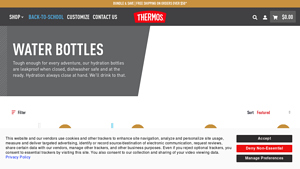
3. Thermos – Durable Water Bottles
Dominio: termos.com
Inscrita: 1997 (28 años)
Introducción: Las botellas de agua de Thermos están diseñadas para ofrecer durabilidad y comodidad. Las características clave incluyen:
– Leakproof when closed
- Apto para lavavajillas
– Available sizes: 16oz, 18oz, 24oz, 32oz, 40oz, 64oz
- Opciones de color: Beige, negro, azul, marrón, verde, gris, naranja, rosa, morado, rojo, acero inoxidable, blanco, amarillo, verde alpino, azul brillante, lima brillante, transparente, hiperverde, moca, ahumado, ultrarosa.
– Lid typ…
4. Stanley – Insulated Water Bottles
Dominio: stanley1913.com
Matriculado: 2019 (6 años)
Introducción: Stainless Steel, Insulated Water Bottles; Features: double-wall vacuum insulation, eliminates condensation, available in various sizes (14 OZ, 16 OZ, 20 OZ, 24 OZ, 30 OZ, 40 OZ); QuadVac™ technology for extra insulation; designed for outdoor activities; leakproof lids; customizable options available.
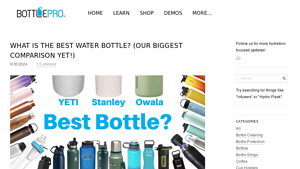
5. Owala – FreeSip
Dominio: bottlepro.net
Registrado: 2014 (11 años)
Introducción: 31 water bottles compared including brands like Camelbak, EcoVessel, Hydro Flask, Iron Flask, Klean Kanteen, Nalgene, Owala, Ozark Trail, RevoMax, S’well, Takeya, ThermoFlask, and YETI. Recommendations for various uses: 1. Everyday Use: Owala FreeSip, FJbottle 32oz. 2. Value: Ozark Trail 32oz, Iron Flask, ThermoFlask 2-Pack, Nalgene 32oz. 3. Hiking: Nalgene 32oz, Hydro Flask Trail Series, FJbottle…
Strategic Sourcing Conclusion and Outlook for keep cold water bottle
How Can Strategic Sourcing Enhance Your Supply Chain for Keep Cold Water Bottles?
In the competitive landscape of insulated water bottles, strategic sourcing is essential for international B2B buyers looking to optimize their supply chains. Key takeaways include understanding market trends, evaluating product quality, and establishing long-term relationships with reliable manufacturers. With rising demand for eco-friendly and durable options, sourcing from manufacturers who prioritize sustainability will not only enhance your product offerings but also align with the values of environmentally-conscious consumers.
The value of strategic sourcing extends beyond cost savings; it fosters innovation and ensures that your inventory meets the evolving preferences of global markets. By investing in high-quality brands like Hydro Flask, S’well, and YETI, buyers can differentiate themselves in the marketplace and provide exceptional value to their customers.
Looking ahead, the potential for growth in regions such as Africa, South America, the Middle East, and Europe is significant. We encourage B2B buyers to actively explore partnerships with manufacturers that can deliver both quality and innovation. Embrace the opportunity to lead in this dynamic market and elevate your business by sourcing effectively today.
 Español
  English
  Português
  Français
  Deutsch
  العربية
  Русский
  日本語
日本語  한국어
한국어  Italiano
  Nederlands