Introduction: Navigating the Global Market for regular water bottle size
In today’s global marketplace, sourcing the right regular water bottle size for your business can present a unique challenge. With a myriad of options available, from 8 oz to 64 oz bottles, international buyers must navigate not only the varying sizes but also the specific needs of their target markets across Africa, South America, the Middle East, and Europe. This guide aims to demystify the complexities of water bottle sizes, providing essential insights into the types, applications, and optimal usage scenarios for each size.
We will explore the various bottle capacities, from compact designs ideal for children to larger volumes suited for athletes and outdoor enthusiasts. Additionally, we will cover key considerations for vetting suppliers, understanding cost implications, and ensuring compliance with regional regulations. By equipping B2B buyers with comprehensive knowledge about water bottle dimensions and their practical applications, this guide empowers informed purchasing decisions that align with market demands and consumer preferences.
Whether you’re looking to enhance your product offerings in Germany or Brazil, or seeking sustainable options for your clients in the Middle East, this resource will provide the clarity needed to make strategic choices in the competitive landscape of bottled water products. Prepare to navigate the global market with confidence, ensuring that your hydration solutions meet the diverse needs of your clientele.
Understanding regular water bottle size Types and Variations
| Type Name | Key Distinguishing Features | Primary B2B Applications | Brief Pros & Cons for Buyers |
|---|---|---|---|
| Standard Bottle | Typically 16.9 oz (500 ml), lightweight, portable | Retail, events, gyms, corporate gifting | Pros: Cost-effective, widely recognized size. Cons: Limited capacity for heavy hydration needs. |
| Sports Bottle | Usually 20 oz to 32 oz, ergonomic design, often insulated | Fitness centers, outdoor activities, schools | Pros: Ideal for active use, durable. Cons: Slightly bulkier than standard bottles. |
| Large Capacity Bottle | 40 oz to 64 oz, designed for extensive hydration | Outdoor events, sports teams, long travels | Pros: Fewer refills needed, great for prolonged use. Cons: Can be cumbersome to carry. |
| Customizable Bottle | Various sizes (8 oz to 1 gallon), offers branding options | Promotional events, corporate branding | Pros: Tailored to brand needs, versatile sizes. Cons: Potentially higher cost for customization. |
| Compact Bottle | Ranges from 8 oz to 12 oz, highly portable | Kids’ events, short outings, sampling | Pros: Lightweight, easy to distribute. Cons: Frequent refills needed for hydration. |
What Are the Characteristics of Standard Water Bottles?
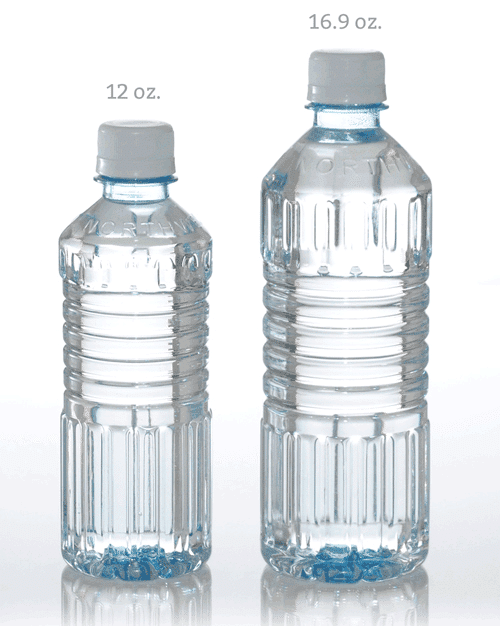
Standard water bottles typically hold around 16.9 oz (500 ml) and are made from lightweight materials, making them easy to carry. They are commonly used in retail settings, corporate events, and gyms. For B2B buyers, these bottles offer a cost-effective solution for hydration needs, especially for mass distribution. However, their limited capacity may not suffice for activities requiring more substantial hydration, making it essential to consider the target audience’s needs.
How Do Sports Bottles Differ from Other Variations?
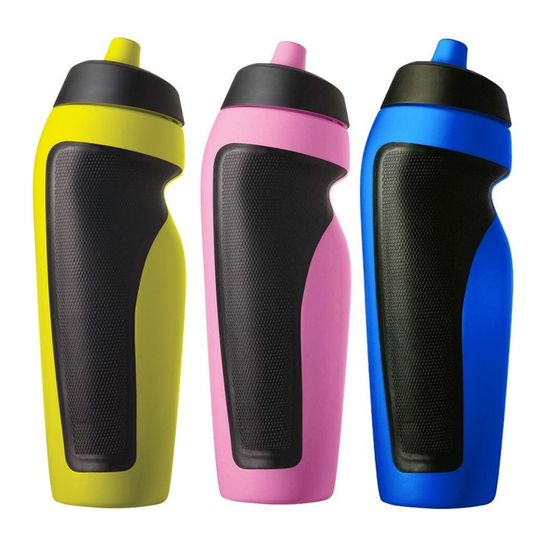
Sports bottles generally range from 20 oz to 32 oz and are designed with ergonomics in mind, often featuring insulated options to maintain drink temperatures. These bottles are ideal for fitness centers, outdoor activities, and schools, making them popular among active users. B2B buyers should consider the durability and usability of sports bottles, which can enhance customer satisfaction. However, their bulkier design may not appeal to all consumers seeking portability.
Why Choose Large Capacity Bottles for B2B Needs?
Large capacity bottles, typically between 40 oz and 64 oz, are specifically designed for extensive hydration during outdoor events, sports activities, or long travels. These bottles are advantageous for B2B buyers catering to athletes or outdoor enthusiasts, as they reduce the need for frequent refills. However, the size can be cumbersome, requiring consideration of how the bottles will be transported and used in various settings.
What Benefits Do Customizable Bottles Offer for Branding?
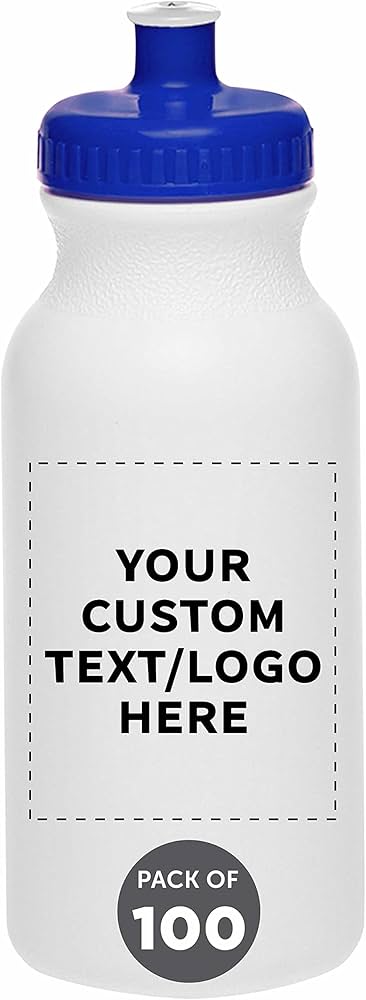
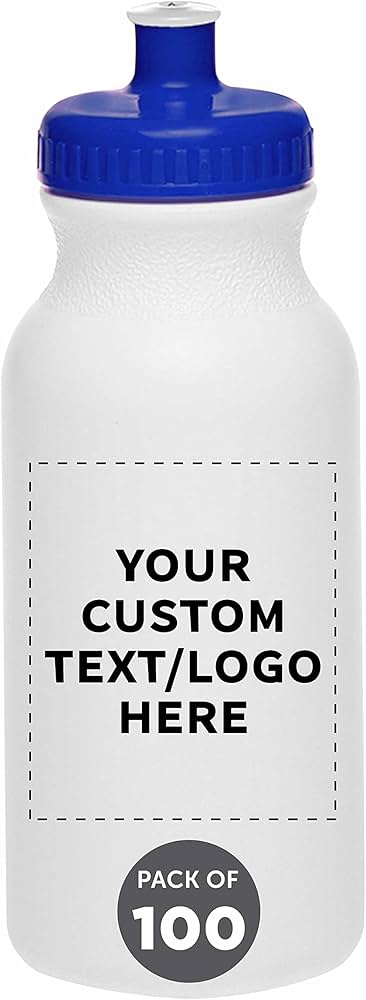
Customizable bottles come in various sizes, from 8 oz to 1 gallon, and provide branding opportunities that can enhance marketing efforts. They are particularly useful for promotional events and corporate branding, allowing businesses to tailor the design to their needs. While they can be more expensive due to customization, the potential for increased brand visibility makes them a valuable investment for B2B buyers.
How Do Compact Bottles Serve Specific B2B Markets?
Compact bottles, ranging from 8 oz to 12 oz, are highly portable and perfect for kids’ events, short outings, or sampling at trade shows. They are lightweight and easy to distribute, making them appealing for businesses looking to provide quick hydration solutions. However, the smaller size means they require frequent refills, which could be a drawback for long events or activities. B2B buyers should weigh the benefits of portability against the need for sustained hydration.
Key Industrial Applications of regular water bottle size
| Industry/Sector | Specific Application of regular water bottle size | Value/Benefit for the Business | Key Sourcing Considerations for this Application |
|---|---|---|---|
| Hospitality | In-room guest hydration solutions | Enhances guest experience and satisfaction | Ensure BPA-free materials and customizable branding |
| Fitness & Recreation | Gym and sports facility water stations | Promotes hydration and encourages membership loyalty | Durable, lightweight materials with ergonomic design |
| Education | Student hydration programs | Supports health and wellness initiatives | Compliance with safety standards and bulk purchasing options |
| Corporate Offices | Employee wellness initiatives | Increases productivity and reduces absenteeism | Cost-effective bulk sourcing with eco-friendly options |
| Events & Catering | Event hydration stations | Improves attendee experience and brand visibility | Custom labeling and quick replenishment capabilities |
How is ‘regular water bottle size’ utilized in the hospitality industry?
In the hospitality sector, regular water bottles, typically around 16.9 oz, are often provided in guest rooms to enhance the overall experience. These bottles offer convenience and promote hydration, which is essential for guest satisfaction. International buyers must consider sourcing BPA-free options to align with health standards and may also seek customization for branding purposes, ensuring that their hotel or resort stands out.
What role does ‘regular water bottle size’ play in fitness and recreation?
Fitness centers and sports facilities commonly use regular water bottles to encourage hydration among members. By placing water stations stocked with these bottles, facilities can promote health and fitness, which can lead to increased membership retention. Buyers in this sector should prioritize durable and lightweight materials that can withstand frequent use while ensuring ergonomic designs for easy handling during workouts.
How can ‘regular water bottle size’ support educational institutions?
Schools and universities implement hydration programs using regular water bottles to promote student health and wellness. These bottles are ideal for students on the go, as they can easily fit into backpacks. For international buyers, it is crucial to source bottles that comply with safety regulations and offer bulk purchasing options to ensure affordability while meeting the hydration needs of a large student population.
What benefits does ‘regular water bottle size’ offer in corporate offices?
In corporate environments, providing employees with regular water bottles is part of wellness initiatives aimed at boosting productivity and reducing absenteeism. These bottles, typically 20 oz to 32 oz, encourage employees to stay hydrated throughout the day. When sourcing, businesses should look for cost-effective bulk options that are also eco-friendly to align with corporate sustainability goals.
How does ‘regular water bottle size’ enhance events and catering services?
For events and catering, regular water bottles serve as a practical solution for keeping attendees hydrated. By offering bottles with custom labels, businesses can enhance brand visibility while improving the overall experience for guests. Buyers in this sector should consider sourcing options that allow for quick replenishment and customization to cater to diverse event needs.
A stock image related to regular water bottle size.
3 Common User Pain Points for ‘regular water bottle size’ & Their Solutions
Scenario 1: Sizing Misalignment for Target Markets
The Problem: B2B buyers often struggle with selecting the right size of water bottles that align with regional preferences and consumer habits. For instance, a buyer in South America might prefer larger bottles for outdoor events, while a buyer in Europe might lean towards smaller, more portable options for daily commuting. This mismatch can lead to excess inventory of unpopular sizes, resulting in wasted resources and financial loss.
The Solution: To navigate this challenge, B2B buyers should conduct thorough market research to understand regional preferences for water bottle sizes. This involves analyzing demographic data and consumer behavior specific to each target market. Engaging local distributors can provide insights into popular sizes and trends. Additionally, offering a range of sizes, including both smaller and larger options, allows businesses to cater to diverse customer needs. Implementing a flexible ordering system that allows for customization can further mitigate risks associated with size misalignment, ensuring that buyers can respond swiftly to changing consumer demands.
Scenario 2: Bottling for Corporate Events and Promotions
The Problem: Many businesses face difficulties when sourcing water bottles for corporate events or promotional activities. Buyers often need to select a bottle size that not only meets hydration needs but also aligns with the branding and promotional goals of the event. A common issue is selecting a bottle that is too small, leading to frequent refills and dissatisfaction among attendees, or too large, resulting in unnecessary bulkiness and waste.
The Solution: When planning for events, B2B buyers should aim for a standard size of 16.9 oz (500 ml) or 20 oz bottles, which strike a balance between portability and adequate hydration. It’s essential to consider the event duration and the expected number of attendees. Partnering with suppliers who offer customizable labeling options allows businesses to reinforce their branding while ensuring the bottles are appealing and functional. Additionally, sourcing eco-friendly materials can enhance the brand image, appealing to environmentally conscious consumers. By pre-planning the number of bottles needed based on attendance estimates, businesses can avoid over-ordering and ensure an adequate supply throughout the event.
Scenario 3: Logistics and Shipping Challenges with Water Bottles
The Problem: Shipping water bottles, particularly in bulk, can present significant logistical challenges for B2B buyers. The varying sizes and shapes of bottles can lead to inefficient use of shipping space, resulting in higher transportation costs. Buyers often struggle to optimize their orders to balance cost-effectiveness with the need for variety in their product offerings.
The Solution: To address these shipping challenges, B2B buyers should collaborate closely with logistics providers to understand packaging and stacking efficiencies. Utilizing a standardized bottle size, such as 16.9 oz, can simplify logistics, as these bottles often fit more easily into standard shipping boxes and pallets. Buyers should also consider bulk purchasing agreements that allow for mixed-size orders, enabling them to fill shipping containers more efficiently without compromising on variety. Additionally, adopting a just-in-time inventory system can help businesses manage stock levels and reduce storage costs while ensuring they have the right sizes available when needed. By strategically planning orders and logistics, companies can significantly lower shipping costs and improve overall supply chain efficiency.
Strategic Material Selection Guide for regular water bottle size
What Are the Key Properties of Common Materials Used in Regular Water Bottles?
When selecting materials for regular water bottles, it’s essential to consider the properties that influence performance, safety, and user experience. The most common materials include plastic (PET), stainless steel, aluminum, and glass. Each material has distinct characteristics that cater to various market needs.
How Does Plastic (PET) Perform in Regular Water Bottle Applications?
Polyethylene terephthalate (PET) is widely used for disposable and reusable water bottles due to its lightweight nature and clarity. PET bottles typically have a temperature rating of up to 60°C (140°F) and are resistant to corrosion from water and mild acids.
Pros: PET is cost-effective and can be produced in high volumes, making it ideal for mass production. It’s also recyclable, which appeals to environmentally conscious consumers.
Cons: However, PET can be susceptible to leaching when exposed to high temperatures or prolonged sunlight, raising concerns about safety. Additionally, its durability is lower than that of metals or glass, making it less suitable for rugged outdoor activities.
International Considerations: For B2B buyers in regions like Africa or South America, compliance with local regulations on food safety and recycling standards is crucial. Buyers should ensure that suppliers meet ASTM or DIN standards for PET bottles.
What Are the Benefits of Using Stainless Steel for Water Bottles?
Stainless steel is a robust material known for its durability and resistance to corrosion, making it suitable for both hot and cold beverages. It can withstand high temperatures and is often rated for use up to 120°C (248°F).
Pros: Stainless steel bottles are highly durable, reusable, and often insulated, keeping beverages at their desired temperature for extended periods. They are also free from BPA and other harmful chemicals.
Cons: The primary drawback is the higher cost compared to plastic. Additionally, stainless steel bottles can be heavier, which may not appeal to all consumers, particularly those seeking lightweight options for travel.
International Considerations: Buyers in Europe, particularly in countries like Germany, should look for compliance with EU regulations on food contact materials. Certifications like ISO 9001 can also indicate quality assurance in manufacturing.
How Does Aluminum Compare for Regular Water Bottle Sizes?
Aluminum is another popular choice for water bottles, particularly those designed for outdoor activities. It is lightweight and can be easily shaped into various designs. Aluminum bottles often come with a protective liner to prevent leaching.
Pros: Aluminum is highly durable and resistant to corrosion, making it suitable for various environments. It is also lightweight, which is beneficial for consumers looking for portable hydration solutions.
Cons: A significant limitation is that aluminum bottles can be prone to dents and scratches, which may compromise their appearance and functionality. Additionally, the cost can be higher than that of plastic options.
International Considerations: B2B buyers should ensure that aluminum bottles comply with food safety standards, especially in regions with stringent regulations like the EU. Look for suppliers that adhere to JIS standards in Japan or similar guidelines in other regions.
Why Is Glass a Viable Option for Water Bottles?
Glass is increasingly being used for water bottles due to its non-reactive nature and aesthetic appeal. It is suitable for both hot and cold beverages and does not leach chemicals.
Pros: Glass bottles are highly durable in terms of chemical resistance and do not impart flavors or odors to the contents. They are also recyclable, which is a significant advantage for eco-conscious consumers.
Cons: However, glass is heavier and more fragile than other materials, which can be a drawback for portability. The manufacturing process can also be more complex, leading to higher costs.
International Considerations: Buyers in regions like the Middle East should consider the impact of temperature fluctuations on glass bottles. Compliance with local safety standards regarding breakage and food contact is essential.
Summary Table of Material Properties for Regular Water Bottle Sizes
| Material | Typical Use Case for regular water bottle size | Key Advantage | Key Disadvantage/Limitation | Relative Cost (Low/Med/High) |
|---|---|---|---|---|
| Plastic (PET) | Disposable and reusable bottles | Lightweight and cost-effective | Susceptible to leaching | Low |
| Stainless Steel | Insulated and durable bottles | High durability and temperature retention | Higher cost and weight | High |
| Aluminum | Lightweight outdoor bottles | Corrosion-resistant and portable | Prone to dents and higher cost | Medium |
| Glass | Eco-friendly and non-reactive bottles | Chemical resistance and recyclable | Heavier and fragile | Medium to High |
This strategic material selection guide provides essential insights for international B2B buyers, ensuring that they make informed decisions that align with their market needs and compliance requirements.
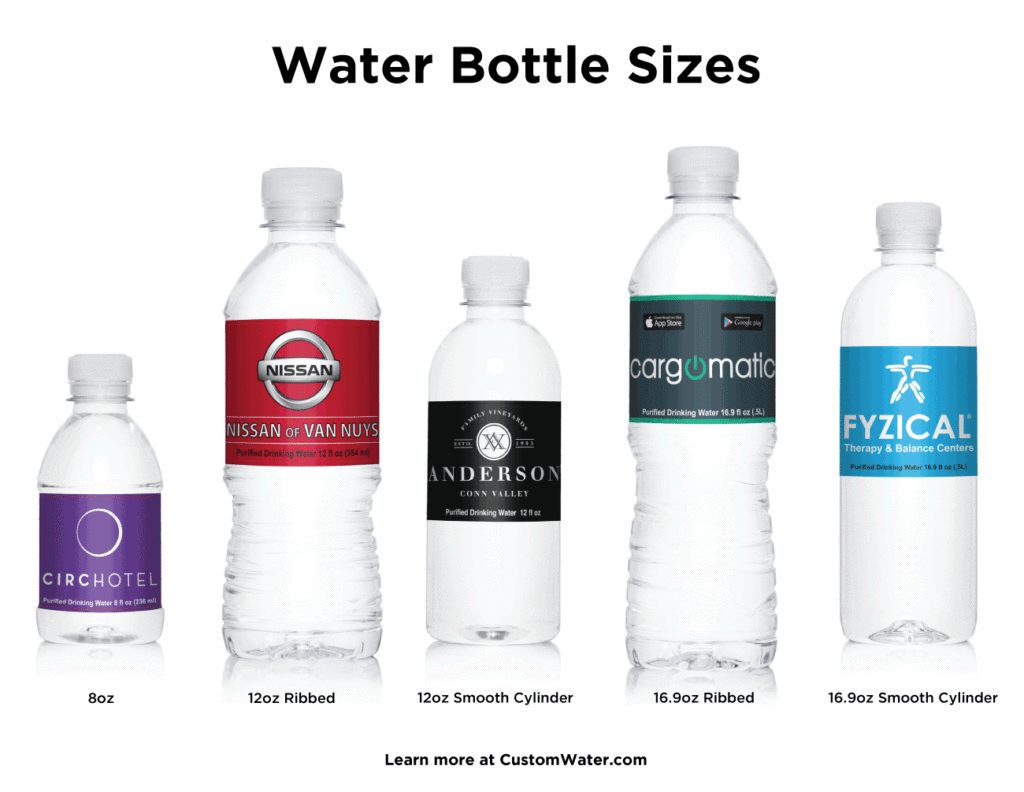
A stock image related to regular water bottle size.
In-depth Look: Manufacturing Processes and Quality Assurance for regular water bottle size
What Are the Main Stages in the Manufacturing Process of Regular Water Bottles?
The manufacturing process of regular water bottles, particularly those sized around 16.9 oz (500 ml), involves several crucial stages: material preparation, forming, assembly, and finishing. Understanding these stages is essential for B2B buyers who seek to ensure quality and efficiency in their supply chains.
How Is Material Prepared for Water Bottle Production?
The first stage of production begins with the selection and preparation of materials. Most water bottles are made from BPA-free PET plastic, which is favored for its safety and recyclability. In this phase, raw materials are sourced from trusted suppliers, and quality checks are conducted to ensure they meet international standards. Material preparation also involves drying and pre-processing to eliminate moisture, which can affect the final product’s integrity.
What Forming Techniques Are Used in Water Bottle Manufacturing?
Once materials are prepared, the forming stage commences. This typically involves injection molding or blow molding techniques, which are crucial for shaping the bottles.
-
Injection Molding: This technique is often used for creating preforms, which are small, test-tube-like pieces of plastic that are later blown into the final bottle shape. The preforms are heated and then injected into molds to form the desired shape.
-
Blow Molding: In this method, the preforms are heated and then inflated with air to take the shape of the final bottle mold. This allows for high production efficiency and uniformity in bottle size and shape.
These processes ensure that the bottles are both lightweight and durable, suitable for various applications, from personal use to large-scale distribution.
What Are the Assembly and Finishing Steps in Water Bottle Production?
After forming, the bottles undergo assembly and finishing processes. Assembly may include attaching caps, labels, or any additional features such as handles or spouts. This stage is crucial for ensuring that the final product is functional and meets consumer expectations.
The finishing process involves quality checks for visual defects, surface finishes, and the application of any necessary coatings. This may include the addition of UV protection for outdoor use or insulation for temperature retention.
Which Quality Assurance Standards Are Relevant for Water Bottle Manufacturing?
Quality assurance is vital in water bottle manufacturing, ensuring that products meet both safety and performance standards. International standards such as ISO 9001 provide a framework for quality management systems that can be applied across various industries, including beverage packaging.
In addition to ISO standards, water bottle manufacturers often adhere to industry-specific certifications, such as CE marking for European markets, which indicates conformity with health, safety, and environmental protection standards. For buyers in the Middle East, compliance with Gulf Standards Organization (GSO) regulations may be essential.
How Are Quality Control Checkpoints Established During Production?
Quality control (QC) is an integral part of the manufacturing process, ensuring that every bottle meets specified standards. Common QC checkpoints include:
-
Incoming Quality Control (IQC): This stage involves inspecting raw materials before they enter the production line. Suppliers must provide documentation and certifications to verify compliance with quality standards.
-
In-Process Quality Control (IPQC): During production, random samples are taken to assess the quality of bottles at various stages. This helps identify any defects early in the process, reducing waste and ensuring consistency.
-
Final Quality Control (FQC): Once production is complete, finished products undergo comprehensive testing. This includes checking for leaks, dimensional accuracy, and overall appearance.
What Common Testing Methods Are Used to Ensure Water Bottle Quality?
Testing methods for water bottles vary based on intended use and market regulations. Common tests include:
- Burst Testing: Assessing the bottle’s ability to withstand pressure without rupturing.
- Leak Testing: Ensuring that the bottle does not leak when filled with liquid.
- Drop Testing: Evaluating the bottle’s durability and resistance to impact.
These tests help ensure that the products are safe for consumer use and capable of withstanding the rigors of transportation and storage.
How Can B2B Buyers Verify Supplier Quality Control Processes?
For international B2B buyers, particularly those in Africa, South America, the Middle East, and Europe, verifying a supplier’s quality control processes is crucial. Buyers can employ several strategies:
-
Conducting Audits: Regular audits of manufacturing facilities can help buyers assess compliance with quality standards and identify areas for improvement.
-
Reviewing Quality Reports: Suppliers should provide documentation detailing their QC processes, testing results, and compliance certifications. These reports give insight into the reliability of the supplier’s products.
-
Engaging Third-party Inspectors: Utilizing independent inspectors can provide an unbiased evaluation of the manufacturing process and product quality. This is particularly important for buyers who may not have the ability to conduct on-site inspections.
What Are the QC and Certification Nuances for International B2B Buyers?
International buyers must navigate various certification requirements based on their region. For example, while CE marking is crucial for products entering the European market, buyers in Africa may need to consider local standards set by the African Organization for Standardization (ARSO).
Moreover, understanding regional regulations surrounding food safety, environmental impact, and material safety is essential. Buyers should engage with suppliers who are knowledgeable about these regulations and can provide the necessary certifications.
By comprehensively understanding the manufacturing processes and quality assurance practices for regular water bottles, B2B buyers can make informed decisions, ensuring they partner with reliable suppliers who prioritize quality and compliance. This, in turn, can enhance their product offerings and customer satisfaction in their respective markets.
Practical Sourcing Guide: A Step-by-Step Checklist for ‘regular water bottle size’
In the competitive landscape of B2B sourcing, selecting the right size of water bottle—particularly the regular size—requires careful consideration to meet both functionality and market demands. This practical sourcing guide provides a clear checklist for international buyers, ensuring that the procurement process is efficient and aligned with business needs.
Step 1: Identify Your Target Market Needs
Understanding your target market is critical. Different regions may have varying preferences for water bottle sizes based on lifestyle, climate, and cultural practices. For instance, while a 16.9 oz bottle may be popular in Europe, larger sizes like 32 oz might be more appealing in hotter climates. Conduct market research or surveys to gather insights on local preferences.
Step 2: Define Your Technical Specifications
Establishing clear technical specifications is essential for product consistency and quality. Consider factors such as:
– Material: Choose between BPA-free plastics, stainless steel, or aluminum based on durability and environmental considerations.
– Design: Decide on features like insulation, portability, and ease of use. A sleek design may appeal to corporate clients, while rugged designs are better for outdoor retailers.
Step 3: Evaluate Potential Suppliers
Before committing to a supplier, thorough evaluation is crucial. Request documentation that includes:
– Certifications: Ensure that suppliers comply with international safety and quality standards.
– References: Seek testimonials from other businesses in your industry or region to gauge reliability and service quality.
Step 4: Request Samples for Quality Assessment
Always request product samples before placing a bulk order. This step allows you to:
– Assess Durability: Check how well the bottles hold up under various conditions.
– Evaluate Design and Usability: Ensure the bottles meet your specifications for aesthetics and functionality.
Step 5: Negotiate Pricing and Terms
Engage in discussions to secure favorable pricing and terms. Key considerations include:
– Volume Discounts: Larger orders may qualify for reduced rates, impacting your bottom line.
– Payment Terms: Clarify payment methods and timelines to maintain cash flow.
Step 6: Plan for Logistics and Distribution
Effective logistics planning is vital for timely delivery and cost efficiency. Considerations should include:
– Shipping Methods: Evaluate options that balance cost and delivery speed, particularly for international shipments.
– Storage Requirements: Ensure you have adequate space to store inventory before distribution.
Step 7: Monitor Market Trends and Feedback
Once you’ve procured your water bottles, keep an eye on market trends and customer feedback. This ongoing assessment will help you:
– Adapt to Changing Preferences: Stay competitive by adjusting your product offerings based on consumer demand.
– Enhance Customer Satisfaction: Address any issues promptly and use feedback to improve future product iterations.
By following these steps, B2B buyers can effectively source regular water bottle sizes that align with their business goals and customer needs, ensuring a successful procurement process.
Comprehensive Cost and Pricing Analysis for regular water bottle size Sourcing
What Are the Key Cost Components in Sourcing Regular Water Bottles?
When sourcing regular water bottles, understanding the cost structure is essential for B2B buyers. The cost components generally include:
-
Materials: The type of materials used significantly impacts the cost. Common materials include BPA-free PET plastic, aluminum, and stainless steel. Recycled materials may reduce costs but can affect quality and durability.
-
Labor: Labor costs vary by region and can influence the overall pricing. Regions with higher labor costs may lead to increased product prices. In contrast, sourcing from countries with lower labor costs can provide savings.
-
Manufacturing Overhead: This encompasses costs related to facility maintenance, utilities, and administrative expenses. Efficient manufacturing processes can reduce overhead costs, allowing suppliers to offer more competitive prices.
-
Tooling: The initial investment in molds and machinery for bottle production can be significant. Custom bottle designs may require additional tooling costs, which can be amortized over larger production runs.
-
Quality Control (QC): Implementing stringent QC processes ensures product reliability, which may increase costs. However, it can prevent losses associated with defective products, making it a worthwhile investment.
-
Logistics: Transportation costs can vary based on distance, shipping method, and volume. Factors such as fuel prices, tariffs, and customs duties also play a crucial role in overall logistics costs.
-
Margin: Suppliers will typically include a profit margin in their pricing, which can vary based on the competitive landscape, brand positioning, and value-added services offered.
How Do Price Influencers Affect Regular Water Bottle Sourcing?
Several factors can influence the pricing of regular water bottles, which B2B buyers should consider:
-
Volume/MOQ (Minimum Order Quantity): Larger orders often lead to lower per-unit costs due to economies of scale. Buyers should negotiate favorable terms based on expected consumption.
-
Specifications and Customization: Custom designs, sizes, or features (like insulation) can increase costs. It’s essential to balance customization needs with budget constraints.
-
Materials: The choice of materials directly affects pricing. For instance, aluminum bottles may be more expensive than plastic but offer a premium feel and sustainability benefits.
-
Quality and Certifications: Bottles that meet specific quality standards or certifications (e.g., FDA, ISO) may command higher prices due to the assurance of safety and reliability.
-
Supplier Factors: The supplier’s reputation, production capacity, and location can impact pricing. Established suppliers may charge a premium for their reliability and service quality.
-
Incoterms: The chosen shipping terms can affect total costs. For example, FOB (Free on Board) pricing places the responsibility for shipping on the buyer, while CIF (Cost, Insurance, and Freight) includes shipping in the supplier’s price.
What Tips Can Help Buyers Negotiate Better Prices?
To optimize sourcing costs, international B2B buyers should consider the following strategies:
-
Negotiate Terms: Engage suppliers in discussions about pricing, payment terms, and delivery schedules. Strong relationships can lead to better pricing and service.
-
Focus on Cost-Efficiency: Analyze the Total Cost of Ownership (TCO), which includes purchase price, shipping, storage, and disposal costs. A lower initial price may not always result in long-term savings.
-
Understand Pricing Nuances for Different Regions: Be aware of regional factors that could affect pricing, such as currency fluctuations, import duties, and local market dynamics. This knowledge can aid in more informed negotiations.
-
Leverage Volume Discounts: If possible, consolidate orders or collaborate with other buyers to achieve higher purchase volumes, thereby securing better pricing.
-
Stay Informed About Market Trends: Regularly review market conditions and pricing trends to identify the best times to source materials or negotiate contracts.
Disclaimer
The pricing insights provided in this analysis are indicative and subject to change based on market conditions, supplier agreements, and specific buyer requirements. Always conduct thorough market research and supplier evaluations to ensure accurate and competitive pricing.
Alternatives Analysis: Comparing regular water bottle size With Other Solutions
Exploring Alternatives to Regular Water Bottle Size: A Comparative Analysis
In the quest for effective hydration solutions, businesses often evaluate various options against the standard regular water bottle size, typically around 16.9 oz (500 ml). While these bottles serve a significant purpose, alternative solutions may offer enhanced performance, cost efficiency, or specific functionalities that better suit different environments and needs. This analysis will compare regular water bottle sizes with two viable alternatives: water filtration systems and hydration packs.
| Comparison Aspect | Regular Water Bottle Size | Water Filtration System | Hydration Pack |
|---|---|---|---|
| Performance | Suitable for short-term hydration; easy to carry | Provides continuous access to clean water; higher capacity | Offers hands-free hydration; designed for active use |
| Cost | Low initial cost; additional costs for disposables | Higher upfront cost; long-term savings on bottled water | Moderate cost; cost-effective for frequent users |
| Ease of Implementation | Simple to use; widely available | Requires installation and maintenance | Requires purchase and fitting; usage may need some practice |
| Maintenance | Minimal; refill and clean | Regular filter replacement and system upkeep | Requires cleaning; bladder maintenance needed |
| Best Use Case | Daily use, travel, office | Long-term water supply, home, or office | Outdoor activities, sports, hiking |
In-Depth Analysis of Alternatives
1. Water Filtration System
Water filtration systems provide a sustainable solution for hydration by converting tap water into clean drinking water. These systems vary from simple pitcher filters to complex under-sink installations. The primary advantage is the ability to access a continuous supply of filtered water, significantly reducing the reliance on disposable bottles. However, the initial investment can be higher, and regular maintenance is necessary to ensure optimal performance. For businesses aiming to promote sustainability and reduce waste, a water filtration system is a compelling alternative to regular water bottles.
2. Hydration Pack
Hydration packs are specialized backpacks equipped with a water reservoir and a drinking tube, designed for active individuals. They are particularly beneficial for outdoor enthusiasts and athletes who require hands-free hydration. The convenience of sipping water while on the move makes hydration packs a popular choice for long hikes, cycling, and running. While they may have a moderate upfront cost, they offer significant value for users who engage in frequent physical activities. However, they require some practice to use effectively and necessitate regular cleaning to maintain hygiene.
Conclusion: Making the Right Choice for Hydration Solutions
When evaluating hydration solutions, B2B buyers should consider their specific needs and usage scenarios. Regular water bottle sizes are an excellent option for quick, portable hydration, suitable for everyday use in various settings. However, for organizations focused on sustainability or those that require more extensive hydration solutions, water filtration systems and hydration packs present valuable alternatives. Ultimately, the decision should align with the company’s hydration goals, budget constraints, and environmental considerations, ensuring that the chosen solution meets both operational needs and promotes a culture of health and wellness within the organization.
Essential Technical Properties and Trade Terminology for regular water bottle size
What Are the Key Technical Properties of Regular Water Bottles?
When evaluating regular water bottle sizes for B2B purchasing, understanding critical specifications is essential. Here are some key properties to consider:
1. Material Grade
The material used in water bottles significantly affects their durability, safety, and usability. Common materials include BPA-free PET plastic, stainless steel, and aluminum. Each has distinct advantages: PET is lightweight and recyclable, stainless steel offers insulation and long-lasting use, and aluminum is eco-friendly and customizable. Selecting the right material can enhance product appeal and meet regulatory requirements.
2. Capacity and Dimensions
Regular water bottles generally range from 16.9 oz (500 ml) to 20 oz (591 ml). Understanding the specific capacity is vital for target market alignment. For instance, larger capacities may appeal to athletes or outdoor enthusiasts, while smaller sizes might attract office workers or students. Additionally, dimensions affect shipping and storage efficiency, impacting overall logistics costs.
3. Weight Tolerance
Weight tolerance refers to how much pressure a bottle can withstand without deforming or leaking. This is particularly important for bulk shipping and storage. A robust tolerance rating ensures that bottles maintain their integrity during transportation and handling, reducing the risk of product returns and dissatisfaction.
4. Design Features
Design elements such as grip texture, lid type, and compatibility with standard cup holders enhance user experience. Features like wide mouths for easy filling and cleaning or built-in straws for on-the-go hydration are increasingly popular. These considerations are crucial for branding and marketing, as they can differentiate products in a competitive market.
5. Recyclability and Eco-Friendliness
With growing consumer awareness regarding environmental sustainability, the recyclability of materials used in water bottles is a significant consideration. Bottles made from recyclable materials can enhance brand reputation and align with corporate social responsibility initiatives, appealing to eco-conscious consumers and businesses alike.
6. Insulation Properties
For reusable water bottles, insulation properties play a critical role in maintaining temperature. Double-walled vacuum insulation keeps drinks cold or hot for extended periods, making these bottles more desirable for consumers who value functionality. This can be a selling point in promotional campaigns or product descriptions.
What Are the Common Trade Terms Related to Regular Water Bottles?
Familiarizing yourself with industry terminology is essential for effective communication in B2B transactions. Here are some common terms:
1. OEM (Original Equipment Manufacturer)
An OEM refers to a company that produces parts or equipment that may be marketed by another manufacturer. In the context of water bottles, an OEM may create custom bottles for a brand that sells them under its label. Understanding OEM relationships can help in negotiating better pricing and ensuring quality control.
2. MOQ (Minimum Order Quantity)
MOQ specifies the smallest quantity of a product that a supplier is willing to sell. For water bottles, MOQs can vary widely based on material and design complexity. Knowing the MOQ helps buyers plan their inventory and manage costs effectively.
3. RFQ (Request for Quotation)
An RFQ is a document sent to suppliers to request pricing and terms for specific products. It’s crucial in B2B transactions to ensure competitive pricing and to clarify product specifications. An effective RFQ can streamline the purchasing process and foster better supplier relationships.
4. Incoterms (International Commercial Terms)
Incoterms define the responsibilities of buyers and sellers in international trade, including shipping, risk, and insurance. Familiarity with these terms is essential for smooth transactions and can impact the overall cost and logistics of importing water bottles from manufacturers in different regions.
5. Lead Time
Lead time refers to the duration from placing an order to receiving the products. It’s critical for inventory planning and can affect customer satisfaction. Understanding lead times helps businesses manage expectations and ensure timely delivery of products.
6. Custom Labeling
Custom labeling allows businesses to create unique branding on water bottles. This can include logos, colors, and designs that resonate with target markets. Custom labeling can enhance brand recognition and foster customer loyalty, making it an important consideration in product development.
By grasping these technical properties and trade terms, B2B buyers can make informed decisions that align with their business needs and market demands.
Navigating Market Dynamics and Sourcing Trends in the regular water bottle size Sector
What Are the Current Market Dynamics Influencing the Regular Water Bottle Size Sector?
The global market for regular water bottles, particularly the 16.9 oz (500 ml) standard size, is experiencing significant growth driven by increased health awareness and the rising demand for hydration solutions. This trend is particularly pronounced in regions like Africa, South America, the Middle East, and Europe, where diverse consumer behaviors and climate conditions shape purchasing decisions. The proliferation of fitness and wellness trends has led to a surge in reusable water bottles, with B2B buyers seeking products that align with lifestyle preferences and sustainability goals.
Emerging B2B technology is also reshaping sourcing dynamics. Digital platforms and supply chain innovations are streamlining procurement processes, allowing buyers to access a wider array of products from global manufacturers. For instance, online marketplaces are facilitating direct connections between buyers and suppliers, enhancing transparency and reducing costs. Additionally, advances in production technology are leading to more customizable options, allowing businesses to tailor sizes, materials, and designs to meet specific market demands.
Moreover, buyers must stay attuned to regional market nuances. For instance, in Europe, stringent regulations around single-use plastics are driving a shift towards eco-friendly alternatives, while in the Middle East, high temperatures increase the demand for larger capacity bottles. Therefore, understanding these market dynamics is crucial for international B2B buyers aiming to remain competitive and responsive to consumer needs.
How Can Sustainability and Ethical Sourcing Impact Your B2B Strategy in the Regular Water Bottle Market?
Sustainability is no longer a mere trend; it is a critical factor influencing B2B purchasing decisions in the regular water bottle sector. The environmental impact of plastic waste has raised awareness among consumers and businesses alike, compelling buyers to prioritize products made from sustainable materials. This shift is particularly relevant in regions like Europe, where environmental regulations are stringent, and consumers are increasingly demanding eco-friendly options.
Ethical sourcing plays a vital role in this landscape. Buyers are expected to ensure their suppliers adhere to ethical practices, from material sourcing to labor conditions. This involves engaging with manufacturers who provide transparency in their supply chains, demonstrating compliance with international labor standards, and utilizing sustainable materials such as recycled plastics or biodegradable alternatives.
Green certifications are also becoming essential in the decision-making process. Certifications like ISO 14001 for environmental management or the Global Recycled Standard (GRS) signal a commitment to sustainability and can differentiate products in a crowded marketplace. As B2B buyers increasingly seek to align with brands that reflect their values, integrating sustainability into sourcing strategies is not just beneficial but essential for long-term success.
What Is the Evolution of the Regular Water Bottle Size Market?
The history of the regular water bottle size market reflects broader trends in consumer behavior and environmental awareness. Initially, single-use plastic bottles dominated the landscape, with the standard 16.9 oz (500 ml) size becoming ubiquitous in retail settings. However, as concerns over plastic waste and environmental sustainability grew, the market began to shift towards reusable alternatives.
The introduction of BPA-free plastics and stainless steel options marked a significant evolution in product offerings, catering to health-conscious consumers seeking safer, more sustainable choices. Today, the market includes a wide array of sizes and materials, with innovations in design and functionality further enhancing user experience. This evolution highlights the importance of adaptability in the B2B space, as buyers must respond to changing consumer preferences and regulatory pressures while seeking products that meet their specific operational needs.
In summary, navigating the regular water bottle size sector requires a comprehensive understanding of market dynamics, a commitment to sustainability, and awareness of the historical context that shapes current trends. By aligning sourcing strategies with these insights, B2B buyers can position themselves effectively in a competitive marketplace.
Frequently Asked Questions (FAQs) for B2B Buyers of regular water bottle size
-
How do I choose the right size of water bottle for my business needs?
Choosing the right size of water bottle depends on your target market and usage scenario. For general use, a standard size of 16.9 oz (500 ml) is widely accepted, especially for single-use bottles. If your clientele includes fitness enthusiasts or outdoor adventurers, consider larger options (20 oz to 64 oz) that offer more hydration without frequent refills. Assess your customer demographics and preferences, and remember to consider the environmental impact of the bottle’s material, opting for BPA-free or aluminum options to enhance your brand’s sustainability. -
What is the most common size for a water bottle in B2B markets?
The most common size for water bottles in B2B markets is 16.9 oz (500 ml), often associated with disposable plastic bottles. This size is convenient for both consumers and businesses, fitting easily in bags and cup holders while providing sufficient hydration. For businesses looking to offer reusable options, 20 oz bottles are also popular, striking a balance between portability and capacity. Understanding the preferences of your target audience in regions like Africa, South America, and Europe can help you stock the most suitable sizes. -
What factors should I consider when sourcing water bottles from international suppliers?
When sourcing water bottles from international suppliers, consider factors such as material quality, production standards, and compliance with local regulations. Evaluate the supplier’s experience in the industry, their ability to meet your customization requests, and their lead times. Ensure they provide transparent information on pricing, including shipping costs, and have a solid quality assurance process in place. Additionally, check for certifications that align with your business’s sustainability goals, especially if you are targeting eco-conscious consumers in markets like Germany or Brazil. -
What customization options are available for water bottles?
Customization options for water bottles can include size, color, material, and branding features such as logos or unique designs. Many suppliers offer custom labeling, allowing businesses to create a distinct product that reflects their brand identity. Additionally, you can choose between single-use and reusable options, with materials ranging from plastic to stainless steel or aluminum. Discuss your specific requirements with potential suppliers to understand the full scope of available customizations, ensuring that the final product meets your business and market needs. -
What are the minimum order quantities (MOQ) for sourcing water bottles?
Minimum order quantities (MOQ) for water bottles can vary significantly between suppliers and depend on the type of bottle, material, and customization options. Generally, MOQs can range from a few hundred to several thousand units. When negotiating with suppliers, clarify their MOQ policies and explore the possibility of smaller trial orders to assess product quality before committing to larger quantities. This approach is especially useful for businesses testing new markets or products in regions like the Middle East or South America. -
What payment terms should I expect when sourcing water bottles internationally?
Payment terms for international sourcing of water bottles typically include options such as wire transfers, letters of credit, or payment upon delivery. It’s common to negotiate a deposit upfront, often 30% to 50%, with the balance due before shipment or upon delivery. Be aware of currency fluctuations and transaction fees associated with international payments. Establish clear terms in your contract to ensure transparency and protect your interests, especially when dealing with suppliers from different regions such as Africa or Europe. -
How can I ensure the quality of water bottles from my supplier?
To ensure the quality of water bottles, establish a comprehensive quality assurance (QA) process with your supplier. Request samples before placing a bulk order to assess material quality, durability, and design. Inquire about the supplier’s QA protocols, including testing for BPA-free certifications and compliance with international safety standards. Additionally, consider conducting factory visits or third-party inspections to verify manufacturing practices, especially when sourcing from regions where regulations may differ, ensuring that the products meet your brand’s quality expectations. -
What logistics considerations should I keep in mind when importing water bottles?
When importing water bottles, consider logistics factors such as shipping methods, lead times, and customs regulations. Choose the most efficient shipping method based on your timeline and budget, whether it be air freight for speed or sea freight for cost-effectiveness. Familiarize yourself with the import regulations of your destination country, including any tariffs or taxes that may apply. Collaborate with a reliable freight forwarder who can assist with documentation and customs clearance, ensuring a smooth import process, particularly when dealing with international suppliers from diverse regions.
Important Disclaimer & Terms of Use
⚠️ Important Disclaimer
The information provided in this guide, including content regarding manufacturers, technical specifications, and market analysis, is for informational and educational purposes only. It does not constitute professional procurement advice, financial advice, or legal advice.
While we have made every effort to ensure the accuracy and timeliness of the information, we are not responsible for any errors, omissions, or outdated information. Market conditions, company details, and technical standards are subject to change.
B2B buyers must conduct their own independent and thorough due diligence before making any purchasing decisions. This includes contacting suppliers directly, verifying certifications, requesting samples, and seeking professional consultation. The risk of relying on any information in this guide is borne solely by the reader.
Top 8 Regular Water Bottle Size Manufacturers & Suppliers List
1. Reddit – Ideal Daily Use Water Bottle Sizes
Domain: reddit.com
Registered: 2005 (20 years)
Introduction: The discussion revolves around the ideal size for a daily use water bottle, specifically considering options of 24oz, 32oz, and 40oz. Users express preferences for the 24oz size due to its practicality in fitting into backpack side pouches and car cup holders, as well as being easier to handle. Some users mention using smaller bottles like 16oz for lighter carrying and ease of refilling. The Hydro…
2. My Own Water – BPA Free Water Bottles
Domain: myownwater.com
Registered: 2000 (25 years)
Introduction: We offer several water bottle sizes ranging from 8 oz up to 1 gallon. Our bottles are made from high quality BPA free PET plastic, are 3x stronger than comparable grocery store bottles, and come in various styles and sizes. The available sizes include: Value Bottles (8 oz, 10 oz, 12 oz, 16.9 oz, 23.7 oz, 33.8 oz), Modern Bottles (12 oz, 16.9 oz, 23.7 oz, 33.8 oz, 50 oz), Aluminum Bottles (16 oz), …
3. Bottle Your Brand – 8oz Custom Bottles
Domain: bottleyourbrand.com
Registered: 2004 (21 years)
Introduction: {‘bottles’: [{‘size’: ‘8oz’, ‘capacity’: ‘8 fluid ounces’, ‘dimensions’: {‘height’: ‘5 inches’, ‘diameter’: ‘2.25 inches’}, ‘label_size’: {‘length’: ‘6.375 inches’, ‘height’: ‘2.25 inches’}, ‘label_material’: ‘durable, high gloss vinyl’, ‘packaging’: {‘sold_in’: ‘multiples of 48 bottles’, ‘box_size’: {‘length’: ‘16.75 inches’, ‘width’: ‘10.25 inches’, ‘height’: ‘10.75 inches’}, ‘weight’: ’30 lbs’,…
4. Custom Water – 8oz Bottle
Domain: customwater.com
Registered: 2002 (23 years)
Introduction: {‘bottle_sizes’: [{‘size’: ‘8oz’, ‘dimensions’: {‘height’: ‘5″‘, ‘width’: ‘2.25″‘, ‘circumference’: ‘8.25″‘}, ‘label_size’: {‘range’: ‘1.625″ H x 7.25″ W to 2″ H x 7″ W’}, ‘packaging’: {‘bottles_per_case’: 24, ‘case_order_increment’: 12, ‘pallet_cases’: [120, 130], ‘pallet_bottles’: [2880, 3120]}, ‘features’: ‘BPA free, full clear cap’}, {‘size’: ’12oz’, ‘dimensions’: {‘height’: ‘5″‘, ‘width’: ‘2….
5. Dual Drinks – Standard Single-Use Water Bottles
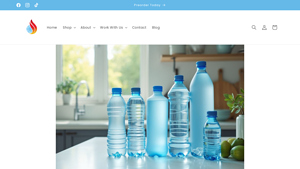
Domain: dualdrinks.com
Registered: 2023 (2 years)
Introduction: This company, Dual Drinks – Standard Single-Use Water Bottles, is a notable entity in the market. For specific product details, it is recommended to visit their website directly.
6. Owala – FreeSip Water Bottle
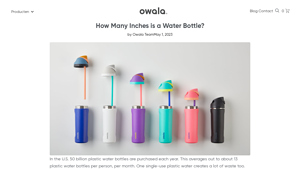
Domain: owalalife.com
Registered: 2019 (6 years)
Introduction: Owala offers a variety of water bottles with different sizes and features. Key product details include:
1. **FreeSip Water Bottle**:
– Materials: Stainless Steel or Tritan Plastic
– Color Options: 3 colors (Tritan), 6 colors (Stainless Steel)
– Sizes and Heights:
– 19 oz. – 9.88 inches
– 24 oz. – 10.68 inches
– 25 oz. – 9.87 inches
– 32 oz. – 10.66 inches
…
7. HydroCell – Optimal Water Bottle Sizes
Domain: hydrocellusa.com
Registered: 2017 (8 years)
Introduction: The best size of water bottle is 16 to 24 ounces (473 to 708 milliliters) for daily hydration. For more water needs, sizes can go up to 32 ounces. For overnight camping, 40 to 64 ounces is recommended. Best sizes for kids are 10 to 14 ounces, while everyday use is best with 16 to 20 ounces. For travel, a 20 to 24 ounce bottle is ideal, and for sharing, a 24 ounce bottle works well. For hiking or c…
8. EcoVessel – Insulated Water Bottles
Domain: thewaterbottlestore.com
Registered: 2005 (20 years)
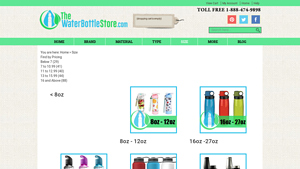
Introduction: Reusable water bottles available in various sizes including 1 Liter/32 oz, 13 oz, and 20 oz. Brands include Asobu, Aquaovo, EarthLust, EcoVessel, KOR, Nalgene, and New Wave Enviro. Materials include BPA-free plastic, stainless steel, glass, and silicone. Types of bottles include insulated, collapsible, filtered, freezable, infuser, and kids’ water bottles. Sizes range from < 8oz to 5 Gallon. Repla…
Strategic Sourcing Conclusion and Outlook for regular water bottle size
In conclusion, strategic sourcing of regular water bottle sizes offers significant advantages for international B2B buyers across diverse markets, including Africa, South America, the Middle East, and Europe. Understanding the common sizes—particularly the 16.9 oz (500 ml) standard—enables businesses to meet varying hydration needs efficiently while optimizing inventory and supply chain management. By sourcing from reputable manufacturers that prioritize quality, sustainability, and cost-effectiveness, companies can enhance their product offerings and ensure customer satisfaction.
As the demand for hydration solutions continues to grow, especially in regions with increasing health awareness, the importance of selecting the right water bottle size cannot be overstated. Buyers are encouraged to evaluate their specific market needs and preferences, taking into account factors such as portability, usability, and material sustainability.
Looking ahead, the opportunity to innovate within the water bottle market is vast. By leveraging strategic sourcing practices, companies can position themselves as leaders in hydration solutions. Engage with manufacturers who understand your unique requirements and invest in products that resonate with your customers. Together, let’s make hydration accessible and appealing for all.