
Introduction: Navigating the Global Market for water bottles that are bpa free
In an era where health and environmental consciousness are paramount, sourcing high-quality BPA-free water bottles presents a unique challenge for international B2B buyers. These bottles, free from harmful chemicals, cater to a growing demand for sustainable and safe hydration solutions across diverse markets, including Africa, South America, the Middle East, and Europe. This guide serves as an essential resource for businesses looking to navigate the complexities of sourcing BPA-free water bottles, offering a comprehensive overview of various types, applications, and supplier vetting processes.
Throughout this guide, you will discover insights into the different materials used in BPA-free bottles, the latest trends in design and functionality, and the cost implications of sourcing these products. We will also address how to effectively evaluate suppliers, ensuring that they meet international standards for quality and sustainability. By equipping B2B buyers with actionable knowledge, this guide empowers you to make informed purchasing decisions that align with your company’s commitment to health and environmental stewardship.
As the demand for BPA-free products continues to rise, understanding the nuances of this market will position your business at the forefront of consumer preferences. With this guide, you will be well-prepared to select the best BPA-free water bottles that not only meet your needs but also resonate with your customers’ values.
Understanding water bottles that are bpa free Types and Variations
| Tipo Nombre | Principales rasgos distintivos | Aplicaciones B2B principales | Breves pros y contras para los compradores |
|---|---|---|---|
| Tritan Plastic Bottles | Made from BPA-free Tritan copolyester; durable and lightweight | Corporate gifts, outdoor activities | Pros: Lightweight, shatter-resistant; Contras: Limited thermal insulation. |
| Stainless Steel Bottles | Double-wall vacuum insulation; long-lasting and reusable | Fitness centers, corporate wellness | Pros: Excellent insulation, durable; Contras: Heavier and more expensive. |
| Botellas de vidrio para agua | Non-toxic glass; stylish design options | High-end retail, promotional items | Pros: Eco-friendly, no leaching; Contras: Fragile, heavier. |
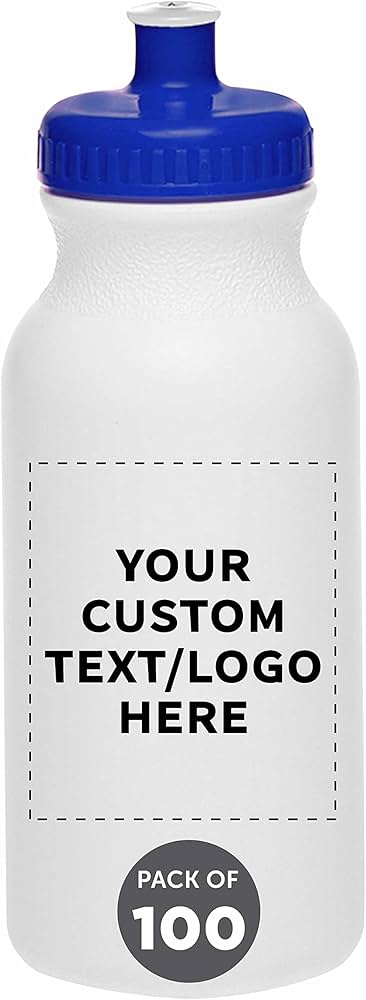
| Botellas de plástico personalizables | Available in various sizes and colors; can be branded | Promotional products, giveaways | Pros: Cost-effective, customizable; Contras: Less durable than metal/glass. |
| Collapsible Silicone Bottles | Flexible and portable; easy to store when not in use | Travel, outdoor events | Pros: Ahorra espacio y es ligero; Contras: Not ideal for hot liquids. |
What Are Tritan Plastic Bottles and Their B2B Benefits?
Tritan plastic bottles are manufactured from a copolyester known for its strength and clarity. These bottles are lightweight and shatter-resistant, making them ideal for businesses involved in outdoor activities or corporate gifting. When considering Tritan bottles for B2B purchases, buyers should evaluate the balance between durability and cost-effectiveness, especially for bulk orders.
How Do Stainless Steel Bottles Stand Out in the Market?
Stainless steel bottles are recognized for their double-wall vacuum insulation, which keeps beverages hot or cold for extended periods. They are particularly suitable for fitness centers and corporate wellness programs, where health-conscious consumers are looking for reliable hydration solutions. B2B buyers should consider factors like capacity, customization options, and price points when sourcing stainless steel bottles.
Why Choose Glass Water Bottles for Premium Branding?
Glass water bottles offer a premium feel and are often used in high-end retail or promotional campaigns. Their non-toxic nature ensures no chemical leaching, making them a safe choice for consumers. However, businesses must weigh the fragility of glass against its aesthetic appeal and sustainability benefits when making purchasing decisions.
What Are the Advantages of Customizable Plastic Bottles?
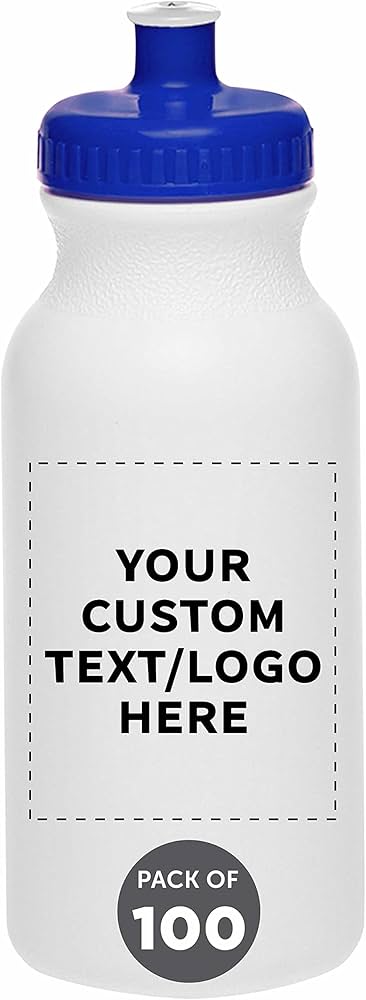
Customizable plastic bottles are versatile and available in various sizes and colors, making them an excellent option for promotional products and giveaways. They are cost-effective, especially for businesses looking to brand their products affordably. Buyers should assess the quality of the plastic and the potential for customization to ensure they meet their branding needs.
How Do Collapsible Silicone Bottles Fit into the B2B Landscape?
Collapsible silicone bottles are designed for portability and convenience, making them perfect for travel and outdoor events. Their ability to fold flat when empty saves space, appealing to businesses focused on mobility. However, buyers should note that these bottles may not be suitable for hot liquids, which could limit their applications in certain markets.
Key Industrial Applications of water bottles that are bpa free
| Industria/Sector | Specific Application of water bottles that are bpa free | Valor/beneficio para la empresa | Consideraciones clave para el aprovisionamiento de esta aplicación |
|---|---|---|---|
| Healthcare | Patient hydration in hospitals and clinics | Promotes patient health and recovery while ensuring safety | Compliance with medical-grade standards and certifications |
| Alimentación y bebidas | Beverage distribution in restaurants and cafes | Enhances brand image and customer satisfaction | Customization options for branding and eco-friendly materials |
| Sports and Recreation | Hydration solutions for athletes and outdoor events | Supports athlete performance and environmental sustainability | Durability, lightweight design, and bulk purchasing options |
| Educación | School hydration programs and events | Encourages healthy habits among students | Size variations for different age groups and safety features |
| Programas de bienestar para empresas | Employee hydration initiatives | Boosts employee productivity and well-being | Options for branding and incentives for employee engagement |
How Are BPA-Free Water Bottles Used in Healthcare Settings?
In healthcare, BPA-free water bottles are essential for patient hydration in hospitals and clinics. These bottles ensure that patients have access to safe drinking water without the risk of chemical leaching, which is critical for their health and recovery. Buyers in this sector should prioritize products that comply with medical-grade standards and certifications to ensure safety and reliability. Additionally, bulk purchasing options can help healthcare facilities manage costs effectively while maintaining quality.
What Role Do BPA-Free Water Bottles Play in the Food and Beverage Industry?
In the food and beverage sector, BPA-free water bottles serve as a sustainable solution for beverage distribution in restaurants and cafes. These bottles not only enhance the brand image by showcasing a commitment to environmental responsibility but also improve customer satisfaction by offering safe and stylish hydration options. When sourcing, businesses should consider customization options for branding, as well as eco-friendly materials that resonate with their target audience’s values.
Why Are BPA-Free Water Bottles Important for Sports and Recreation?
For the sports and recreation industry, BPA-free water bottles are crucial for providing hydration solutions during athletic events and outdoor activities. These bottles support athlete performance by ensuring they have access to safe drinking water, which is vital for maintaining hydration levels. Buyers should look for products that are durable, lightweight, and designed for bulk purchasing to accommodate teams and events. Sustainability is also a key consideration, as many organizations aim to reduce plastic waste.
How Do Educational Institutions Benefit from BPA-Free Water Bottles?
Educational institutions utilize BPA-free water bottles in hydration programs aimed at promoting healthy habits among students. By providing safe and accessible drinking options, schools can encourage students to stay hydrated throughout the day. Buyers in this sector should focus on size variations suitable for different age groups and ensure that the bottles have safety features to minimize risks. Additionally, sourcing options that allow for branding can enhance school spirit and awareness of health initiatives.
What Advantages Do Corporate Wellness Programs Gain from BPA-Free Water Bottles?
In corporate wellness programs, BPA-free water bottles are a valuable tool for promoting employee hydration initiatives. By providing employees with safe and stylish hydration options, companies can boost productivity and overall well-being. When sourcing these bottles, businesses should consider options for branding to encourage employee engagement and foster a culture of health within the organization. Bulk purchasing can also lead to cost savings while ensuring all employees have access to quality hydration solutions.
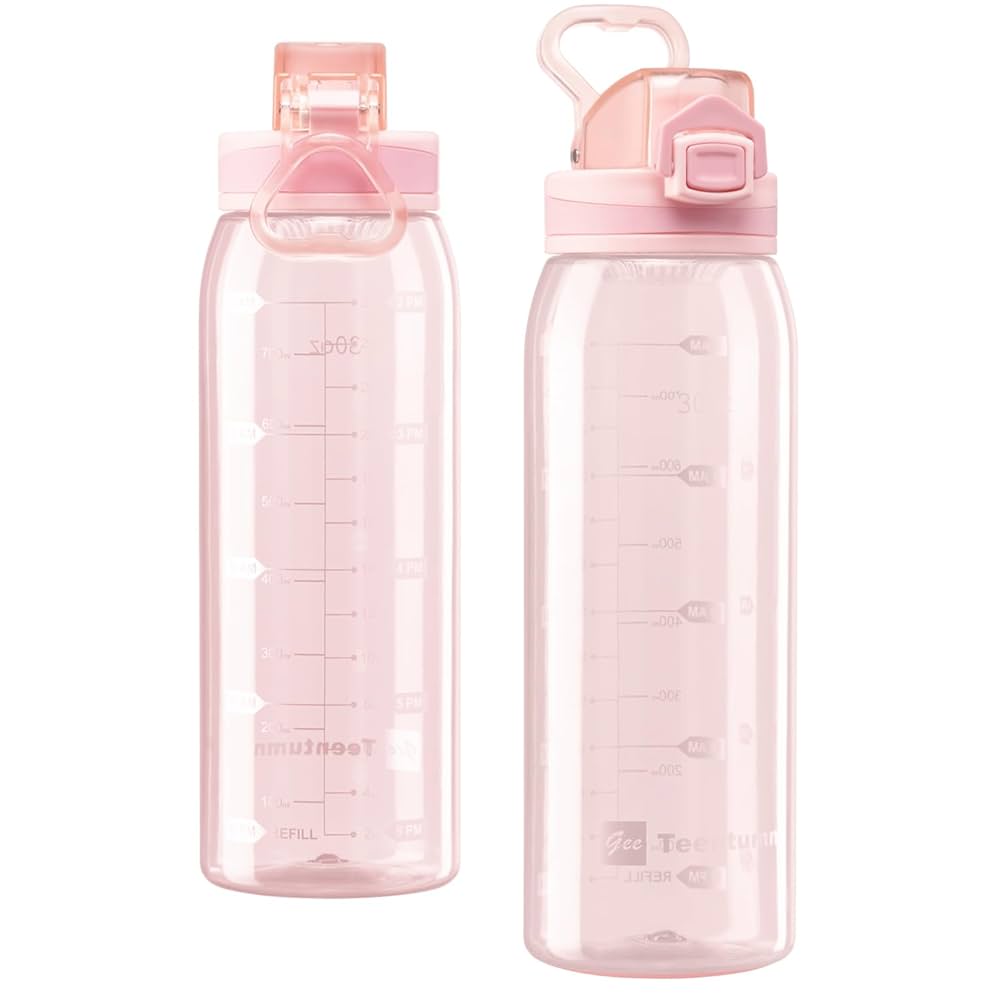
A stock image related to water bottles that are bpa free.
3 Common User Pain Points for ‘water bottles that are bpa free’ & Their Solutions
Scenario 1: Sourcing Quality BPA-Free Water Bottles
El problema:
B2B buyers often struggle to find reliable suppliers of BPA-free water bottles that meet stringent quality and safety standards. Many suppliers may claim their products are BPA-free, but without third-party certifications or clear documentation, buyers face the risk of purchasing substandard products that could endanger consumer health. Additionally, buyers in different regions, such as Africa and South America, may have varying regulations regarding product safety, making it challenging to ensure compliance across markets.
La solución:
To effectively source high-quality BPA-free water bottles, buyers should prioritize suppliers that provide comprehensive certification documentation, such as FDA or EU compliance certifications. Engaging with suppliers who are transparent about their manufacturing processes and materials used can build trust. It’s advisable to request samples before placing large orders to evaluate the product quality firsthand. Additionally, establishing a multi-supplier strategy can mitigate risks; diversifying suppliers from different regions can help ensure compliance with local regulations while fostering competitive pricing.
Scenario 2: Managing Consumer Preferences for Sustainable Products
El problema:
In the growing market for eco-friendly products, B2B buyers face the challenge of aligning their offerings with consumer preferences for sustainability. As awareness of environmental issues increases, customers are increasingly demanding not just BPA-free products, but also those made from recycled or biodegradable materials. This creates pressure for businesses to adapt their product lines without compromising on quality or profitability.
La solución:
To address consumer preferences for sustainability, B2B buyers should focus on sourcing BPA-free water bottles made from recycled materials, such as RPET (recycled polyethylene terephthalate). Highlighting the environmental benefits of these bottles in marketing materials can resonate with eco-conscious consumers. Buyers can also collaborate with suppliers who offer customizable options, allowing them to create branded bottles that emphasize their commitment to sustainability. Additionally, conducting market research to understand regional trends in sustainability can help buyers tailor their offerings to meet specific demands in different markets.
Scenario 3: Ensuring Product Durability and Usability
El problema:
A common pain point for B2B buyers is ensuring that the BPA-free water bottles they procure are durable and user-friendly. Many buyers encounter complaints from end-users regarding bottles that crack easily, are difficult to clean, or have poorly designed lids that leak. Such issues can lead to increased returns, damage brand reputation, and result in lost sales, particularly in competitive markets.
La solución:
To ensure product durability and usability, B2B buyers should thoroughly assess the materials used in BPA-free bottles, such as Tritan or stainless steel, which are known for their resilience. It’s crucial to gather feedback from end-users on design elements such as lid functionality and ease of cleaning. Engaging in pilot testing with select customer groups can provide insights into usability and help identify any flaws before a full-scale launch. Furthermore, buyers should look for suppliers who offer warranties or satisfaction guarantees, as this not only reflects confidence in their products but also provides buyers with added security in their purchasing decisions.
Strategic Material Selection Guide for water bottles that are bpa free
What Are the Key Properties of Common BPA-Free Materials for Water Bottles?
When selecting materials for BPA-free water bottles, several options stand out due to their unique properties and performance characteristics. The most common materials include Tritan™, stainless steel, glass, and recycled plastics. Each material presents distinct advantages and challenges that B2B buyers must consider based on their specific market needs.
Tritan™: A Durable and Versatile Option
Tritan™ is a copolyester that is highly regarded for its clarity and toughness. It can withstand temperatures up to 100°C (212°F) and is resistant to impact and shattering. This makes it suitable for a variety of applications, from outdoor activities to everyday use.
Pros: Tritan™ is lightweight, dishwasher safe, and offers excellent resistance to staining and odors. It is also BPA-free, making it a safe choice for consumers.
Contras: While Tritan™ is durable, it may not be as resistant to extreme temperatures as stainless steel, and it can be more expensive than traditional plastics. Additionally, its manufacturing process can be more complex, affecting production timelines.
Impacto en la aplicación: Tritan™ is compatible with a wide range of beverages, including acidic drinks, and maintains its integrity over time.
Consideraciones para compradores internacionales: Compliance with international standards such as ASTM and DIN is crucial. Buyers in regions like Europe may have stricter regulations regarding food safety and material sourcing.
Stainless Steel: The Premium Choice
Stainless steel is a popular choice for BPA-free water bottles due to its durability and resistance to corrosion. It can handle high temperatures and is often used in both insulated and non-insulated designs.
Pros: Stainless steel bottles are highly durable, reusable, and can keep beverages hot or cold for extended periods. They are also easy to clean and do not retain flavors.
Contras: The primary drawback is the higher cost compared to plastic options. Additionally, stainless steel bottles can be heavier, which may not be ideal for all consumers.
Impacto en la aplicación: Stainless steel is compatible with a wide range of liquids, including hot beverages, making it versatile for various markets.
Consideraciones para compradores internacionales: Buyers must ensure compliance with food-grade standards and certifications, particularly in markets like Germany, where quality assurance is paramount.
Glass: The Eco-Friendly Alternative
Glass bottles are gaining popularity due to their eco-friendly nature and aesthetic appeal. They are inert, meaning they do not leach chemicals into beverages, making them a safe choice.
Pros: Glass is fully recyclable, does not retain flavors, and is visually appealing. It is also highly resistant to staining and can handle a wide range of temperatures.
Contras: The fragility of glass is a significant drawback, as it can break easily. Additionally, glass bottles are heavier and may not be suitable for all consumer segments.
Impacto en la aplicación: Glass bottles are ideal for beverages that require a premium presentation, such as flavored waters or juices.
Consideraciones para compradores internacionales: Compliance with safety standards is essential, especially in regions with stringent packaging regulations.
Recycled Plastics: The Sustainable Choice
Recycled plastics, such as RPET (Recycled Polyethylene Terephthalate), are increasingly used in BPA-free bottles. They offer a sustainable alternative to traditional plastics.
Pros: Using recycled materials reduces environmental impact and appeals to eco-conscious consumers. They are lightweight and cost-effective.
Contras: The durability and performance of recycled plastics can vary, and they may not be suitable for high-temperature applications. Additionally, the perception of quality can be a concern.
Impacto en la aplicación: Recycled plastics are suitable for a variety of beverages but may have limitations with hot liquids.
Consideraciones para compradores internacionales: Buyers should verify the sourcing and recycling processes to ensure compliance with local regulations and standards.
Summary Table of Material Properties for BPA-Free Water Bottles
| Material | Typical Use Case for Water Bottles That Are BPA Free | Ventajas clave | Principales desventajas/limitaciones | Coste relativo (Bajo/Medio/Alto) |
|---|---|---|---|---|
| Tritan | Everyday use, outdoor activities | Lightweight and durable | Higher cost than traditional plastics | Medio |
| Acero inoxidable | Insulated and non-insulated bottles | Excelente durabilidad y aislamiento | Heavier and more expensive | Alta |
| Vidrio | Premium beverages, flavored waters | Eco-friendly and non-leaching | Frágil y más pesado | Medio |
| Recycled Plastics | Eco-friendly options for general use | Sustainable and cost-effective | Variable durability and performance | Bajo |
This strategic material selection guide aims to equip B2B buyers with the insights necessary to make informed decisions regarding BPA-free water bottles, considering both performance characteristics and regional compliance requirements.
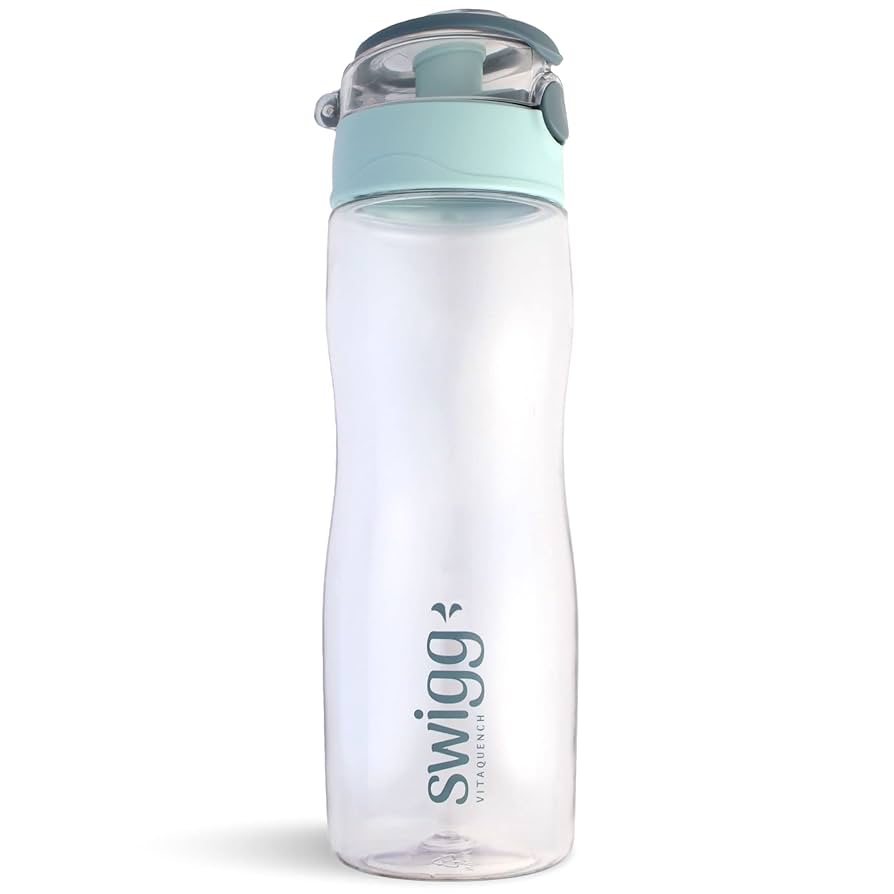
A stock image related to water bottles that are bpa free.
In-depth Look: Manufacturing Processes and Quality Assurance for water bottles that are bpa free
What Are the Key Stages in the Manufacturing Process of BPA-Free Water Bottles?
Manufacturing BPA-free water bottles involves several critical stages, each designed to ensure the final product is safe, durable, and compliant with international quality standards. The main stages include material preparation, forming, assembly, and finishing.
-
Preparación del material: The process begins with selecting appropriate materials, primarily BPA-free plastics like Tritan or RPET (recycled polyethylene terephthalate). These materials are sourced from certified suppliers to ensure they meet safety and environmental regulations. The materials are then processed into pellets or sheets, which are ready for forming.
-
Formando: The prepared materials undergo forming through various techniques such as injection molding, blow molding, or extrusion. In injection molding, melted plastic is injected into a mold to create the bottle shape. Blow molding, commonly used for hollow bottles, involves inflating a heated plastic tube inside a mold. Extrusion can be used for producing bottle preforms that are later blown into the final shape. Each method has its advantages, with blow molding being particularly popular for its efficiency and ability to produce lightweight bottles.
-
Montaje: After forming, the bottles are assembled, which may include adding caps, spouts, or other features. This stage may involve automated machinery for efficiency, ensuring that each component fits securely and functions as intended.
-
Acabado: The final stage involves surface treatments, labeling, and packaging. Bottles may undergo polishing or coating to enhance appearance and durability. Labeling must comply with regulations regarding materials and safety information. Finally, the bottles are packaged for distribution, often in bulk to B2B buyers.
How Is Quality Assurance Implemented During the Manufacturing of BPA-Free Bottles?
Quality assurance (QA) is vital to ensure that BPA-free water bottles meet safety, quality, and performance standards. Various international and industry-specific standards guide these practices.
-
Relevant International Standards: Compliance with ISO 9001 is fundamental, ensuring a quality management system that emphasizes continuous improvement and customer satisfaction. Other relevant certifications may include CE marking for products sold in Europe and FDA compliance for food-grade materials.
-
Industry-Specific Standards: Depending on the market, additional certifications like API (American Petroleum Institute) or NSF (National Sanitation Foundation) may apply, particularly for bottles intended for specific applications or industries.
-
Puntos de control de calidad: Quality control occurs at multiple checkpoints:
– Control de calidad entrante (IQC): Materials are inspected upon arrival to verify they meet specifications.
– Control de calidad durante el proceso (IPQC): Ongoing inspections during the manufacturing process ensure that each stage meets defined standards.
– Control de calidad final (CCF): Before packaging, final products are tested for durability, functionality, and safety. -
Métodos de ensayo habituales: Testing methods include mechanical testing for strength and durability, chemical testing to ensure no harmful substances leach from the materials, and thermal testing to assess performance under varying temperature conditions.
How Can B2B Buyers Verify the Quality Control Processes of Their Suppliers?
When sourcing BPA-free water bottles, B2B buyers must ensure their suppliers have robust quality control processes in place. Here are actionable strategies to verify these processes:
-
Auditorías de proveedores: Conducting regular audits of potential suppliers can provide insights into their manufacturing processes, quality control measures, and compliance with international standards. Buyers should assess the supplier’s facilities, equipment, and overall production environment.
-
Quality Assurance Reports: Requesting detailed QA reports can help buyers understand the supplier’s quality management practices. These reports should include results from IQC, IPQC, and FQC, demonstrating a commitment to maintaining high standards.
-
Inspecciones de terceros: Engaging third-party inspection agencies can provide an unbiased assessment of the supplier’s manufacturing processes and quality control practices. These agencies often have expertise in specific industries and can offer valuable insights.
-
Verificación de la certificación: Buyers should verify the authenticity of any claimed certifications. This can be done by checking with the certifying bodies or reviewing documentation that demonstrates compliance with relevant standards.
What Unique QC and Certification Considerations Exist for International B2B Buyers?
International buyers, particularly from regions like Africa, South America, the Middle East, and Europe, must navigate specific challenges in quality control and certification:
-
Reglamentos regionales: Different regions may have distinct regulations regarding BPA-free products. Buyers must be aware of local laws that dictate material safety, labeling requirements, and environmental considerations.
-
Language and Cultural Barriers: Communication can be challenging when dealing with suppliers from different countries. Ensuring that all quality documents are available in a language understood by the buyer can prevent misunderstandings.
-
Transparencia de la cadena de suministro: Buyers should seek suppliers who provide transparency in their supply chains. This includes information about the sourcing of raw materials, production processes, and adherence to environmental and social governance (ESG) standards.
-
Adaptability to Market Needs: Suppliers must demonstrate their ability to adapt to the specific needs of international buyers, such as custom designs, bulk orders, and diverse packaging requirements.
Conclusión
The manufacturing processes and quality assurance measures for BPA-free water bottles are comprehensive and critical for ensuring product safety and compliance with international standards. B2B buyers must conduct thorough due diligence when selecting suppliers, focusing on quality control processes, certifications, and regional regulations. By leveraging these insights, buyers can make informed decisions that align with their business needs and consumer safety expectations.
Practical Sourcing Guide: A Step-by-Step Checklist for ‘water bottles that are bpa free’
Introducción
This practical sourcing guide is designed to assist B2B buyers in procuring BPA-free water bottles. As global awareness around health and environmental concerns rises, the demand for safe, sustainable products is increasing. This checklist will help you navigate the sourcing process, ensuring that you select high-quality bottles that meet your business needs.
Paso 1: Defina sus especificaciones técnicas
Before beginning your search, clearly outline the specifications for the water bottles you need. This includes size, material, design, and intended use.
- Considerations: Think about whether you need reusable bottles, single-use options, or specialized designs for children or outdoor activities.
- Material Importance: Specify that the bottles must be BPA-free and explore alternatives like Tritan or RPET, which are both durable and eco-friendly.
Step 2: Research Supplier Credentials
Identify and evaluate potential suppliers. Look for certifications that ensure compliance with international safety standards for BPA-free products.
- What to Check: Verify ISO certifications, FDA approval for food safety, and any environmental certifications that demonstrate a commitment to sustainability.
- Importance of Credentials: Suppliers with recognized certifications are more likely to provide high-quality products that align with your business values.
Paso 3: Evaluar posibles proveedores
Before committing, vet suppliers thoroughly to ensure they can meet your demands. Request company profiles, case studies, and references from buyers in similar industries or regions.
- Antecedentes del proveedor: Look for suppliers with a proven track record in delivering BPA-free products, especially those with experience in your target markets (Africa, South America, Europe, and the Middle East).
- Communication: Ensure they have responsive customer service and can provide timely updates throughout the procurement process.
Step 4: Request Samples
Once you have narrowed down your options, request samples of the BPA-free water bottles. This step is essential to assess the quality and functionality of the products.
- Test for Quality: Examine the durability, weight, and usability of the samples. Check for features like leak-proof lids or ergonomic designs.
- Evaluate Design: Consider whether the design aligns with your brand aesthetics and if customization options are available.
Step 5: Compare Pricing and Terms
Gather pricing information from your shortlisted suppliers and compare it against your budget and expected order volume.
- Bulk Pricing: Inquire about discounts for bulk orders, shipping costs, and payment terms to understand the total cost of procurement.
- Long-term Partnerships: Assess whether suppliers offer loyalty programs or long-term partnership benefits that could improve overall costs.
Step 6: Review Shipping and Delivery Options
Confirm the shipping policies and delivery timelines of your chosen suppliers. Efficient logistics are critical for timely product availability.
- Opciones de envío: Explore various shipping methods and costs, and consider suppliers that offer tracking services for better transparency.
- Plazos de entrega: Understand lead times for production and delivery, especially if you have specific launch dates or events.
Step 7: Finalize Contracts and Agreements
Once you’ve selected a supplier, ensure that all agreements are documented clearly. This includes pricing, delivery timelines, and quality assurance measures.
- Legal Protection: Draft a contract that protects your interests and outlines responsibilities for both parties.
- Garantía de calidad: Include clauses that address quality checks and the process for handling defective products.
By following this checklist, B2B buyers can ensure a smooth sourcing process for BPA-free water bottles, ultimately leading to successful procurement that meets health and environmental standards.
Comprehensive Cost and Pricing Analysis for water bottles that are bpa free Sourcing
What Are the Key Cost Components for Sourcing BPA-Free Water Bottles?
When sourcing BPA-free water bottles, understanding the cost structure is crucial for effective budgeting and negotiation. The primary cost components include:
-
Materiales: The choice of materials significantly impacts pricing. BPA-free bottles are often made from alternatives like Tritan, RPET, or other eco-friendly plastics. Each material has its own cost implications based on availability, sustainability certifications, and market demand.
-
Trabajo: Labor costs vary by region and manufacturing practices. In countries with lower labor costs, such as some in South America and Africa, the overall cost of production may be reduced. However, ensure that labor practices comply with international standards to avoid reputational risks.
-
Gastos generales de fabricación: This includes utilities, maintenance, and administrative costs associated with production facilities. Efficient manufacturing processes can help minimize these overheads, ultimately impacting the price per unit.
-
Herramientas: Custom molds for unique bottle designs or sizes require upfront investment. For larger orders, these costs can be amortized over a greater number of units, reducing the per-unit price.
-
Control de calidad: Implementing strict QC measures is essential for ensuring product safety and compliance with international standards. While this adds to costs, it can protect buyers from future liabilities and recalls.
-
Logística: Shipping costs can vary significantly based on distance, weight, and volume. Additionally, international logistics may involve tariffs and customs duties, which should be factored into the total cost.
-
Margen: Suppliers typically include a margin to cover risks and ensure profitability. Understanding the typical margins in your target markets can aid in negotiations.
How Do Price Influencers Affect the Cost of BPA-Free Water Bottles?
Several factors can influence the pricing of BPA-free water bottles, particularly for international B2B buyers:
-
Volumen y cantidad mínima de pedido (MOQ): Larger orders generally lead to lower per-unit costs due to economies of scale. Suppliers may offer better pricing tiers based on order size.
-
Especificaciones y personalización: Custom designs, colors, and sizes can increase costs. Buyers should weigh the importance of customization against potential price increases.
-
Calidad del material y certificaciones: Higher-quality materials and certifications (e.g., FDA, EU standards) often command higher prices but provide assurance of safety and sustainability, which can be crucial for brand positioning.
-
Factores del proveedor: Supplier reputation, reliability, and production capabilities can affect pricing. Established suppliers with proven track records may charge a premium but could offer better quality assurance.
-
Incoterms: The terms of shipping (e.g., FOB, CIF) can significantly impact total costs. Understanding these terms helps buyers clarify responsibility for shipping costs, insurance, and customs duties.
What Are Effective Buyer Tips for Negotiating BPA-Free Water Bottle Prices?
For international B2B buyers, especially from regions like Africa, South America, the Middle East, and Europe, negotiating favorable terms is essential. Here are some strategies:
-
Negotiate for Volume Discounts: Leverage larger orders to negotiate better pricing and terms. Suppliers are often willing to offer discounts for guaranteed sales.
-
Considerar el coste total de propiedad (TCO): Evaluate not just the purchase price but also factors like durability, maintenance, and logistics. A slightly higher upfront cost may result in lower overall expenses.
-
Explore Multiple Suppliers: Gathering quotes from multiple suppliers can provide leverage in negotiations. It also allows buyers to compare quality, pricing, and service levels.
-
Conozca los matices de los precios: Understand that prices may vary significantly between regions. Factors such as currency fluctuations, local market conditions, and shipping costs can all affect final pricing.
-
Build Relationships: Establishing a good rapport with suppliers can lead to better terms and priority service. Long-term partnerships often yield benefits such as exclusive offers or first access to new products.
Conclusión
Sourcing BPA-free water bottles involves a multifaceted cost structure influenced by various factors. By understanding these components and employing effective negotiation strategies, international B2B buyers can optimize their procurement processes and achieve favorable pricing. Always keep in mind the importance of quality, compliance, and sustainability in your purchasing decisions.
Alternatives Analysis: Comparing water bottles that are bpa free With Other Solutions
Exploring Viable Alternatives to BPA-Free Water Bottles
In the pursuit of sustainable hydration solutions, the market has witnessed a growing interest in alternatives to traditional BPA-free water bottles. As businesses increasingly prioritize health and environmental considerations, evaluating these alternatives can help decision-makers find the most suitable product for their needs.
| Aspecto comparativo | Water Bottles That Are BPA Free | Stainless Steel Water Bottles | Botellas de vidrio para agua |
|---|---|---|---|
| Rendimiento | Durable and lightweight; resistant to leaching | Excellent insulation; highly durable | Heavy but non-toxic; retains taste |
| Coste | Moderate; varies by brand | Mayor coste inicial | Generally high; fragile |
| Facilidad de aplicación | Easy to use and carry | Slightly heavier, but user-friendly | Requires careful handling |
| Mantenimiento | Simple cleaning; dishwasher safe | Requires occasional polishing | Requires careful washing |
| El mejor caso de uso | Everyday hydration, corporate gifts | Outdoor activities, premium markets | Office settings, eco-conscious consumers |
What Are the Pros and Cons of Stainless Steel Water Bottles?
Stainless steel water bottles are a robust alternative to BPA-free options. Their primary advantage lies in their insulation properties, keeping beverages hot or cold for extended periods. They are also incredibly durable, making them suitable for outdoor activities. However, their higher cost can be a barrier for bulk purchases, particularly for businesses looking to provide affordable hydration solutions. Additionally, the weight of stainless steel bottles can be a drawback for some users.
How Do Glass Water Bottles Stack Up Against BPA-Free Options?
Glass water bottles offer a premium alternative that is entirely free from harmful chemicals, ensuring the purity of the liquid inside. They are favored for their aesthetic appeal and the ability to maintain the taste of beverages. However, the fragility of glass makes it less suitable for active environments, and the higher price point may deter businesses from adopting them in bulk. Maintenance can also be more cumbersome, as glass requires careful handling and specific cleaning methods to avoid breakage.
Conclusión: ¿Cómo deben elegir los compradores B2B la solución de hidratación adecuada?
When selecting the most appropriate hydration solution, B2B buyers should consider their specific needs, including budget constraints, the intended use case, and the target market. BPA-free water bottles are excellent for everyday use and corporate gifting, while stainless steel options excel in durability and temperature retention, ideal for outdoor settings. Glass bottles cater to eco-conscious consumers seeking non-toxic solutions but may require more careful handling and higher investment. Ultimately, the right choice will align with the company’s values, operational requirements, and customer preferences, ensuring a balance between sustainability, functionality, and cost-effectiveness.
Essential Technical Properties and Trade Terminology for water bottles that are bpa free
What Are the Key Technical Properties of BPA-Free Water Bottles?
When evaluating BPA-free water bottles for your business needs, understanding the technical properties is essential. Here are some critical specifications:
1. Material Grade
BPA-free bottles are typically made from materials such as Tritan™, polyethylene, or polypropylene. Tritan™ is known for its durability and clarity, making it a popular choice for high-quality bottles. Polyethylene is lightweight and resistant to impact but may not offer the same clarity. Understanding the material grade ensures that you select bottles that meet your durability and safety requirements.
2. Capacidad
The capacity of water bottles varies widely, commonly ranging from 12 oz to 32 oz or more. For B2B buyers, knowing the capacity is crucial for determining how well the product fits into your target market, whether it be for casual use, sports, or corporate gifting. Bottles with larger capacities are often preferred for outdoor activities, while smaller sizes may cater to children or office environments.
3. Weight
The weight of the bottle affects its portability and usability. Lightweight options are favored for outdoor activities or travel, whereas heavier bottles might be more suitable for stationary use in offices or homes. Understanding weight specifications can help businesses align their products with consumer preferences for convenience.
4. Temperature Resistance
BPA-free bottles can typically withstand a range of temperatures, making them suitable for both hot and cold beverages. Knowing the temperature resistance is vital for buyers who wish to market their products for various uses, from hot drinks in winter to refreshing cold water in summer. This property can also influence the choice of materials used in manufacturing.
5. Recyclability
Many BPA-free bottles are designed to be recyclable, which is increasingly important for environmentally conscious consumers. Understanding the recyclability of your products can enhance your brand’s sustainability profile and appeal to a growing market segment that prioritizes eco-friendly options.
What Are Common Trade Terminologies in the BPA-Free Water Bottle Industry?
Familiarizarse con la jerga del sector puede agilizar la comunicación y las negociaciones. He aquí algunos términos esenciales:
1. OEM (fabricante de equipos originales)
An OEM refers to a company that produces parts or equipment that may be marketed by another manufacturer. In the context of BPA-free water bottles, you might engage with an OEM to produce custom designs or features that align with your branding needs.
2. MOQ (Cantidad mínima de pedido)
MOQ is the minimum number of units that a supplier is willing to sell. Understanding MOQs is crucial for B2B buyers to ensure that their order meets the supplier’s requirements, which can impact pricing and availability.
3. RFQ (solicitud de oferta)
An RFQ is a document sent to suppliers requesting pricing for a specific quantity of goods. Utilizing RFQs can help businesses compare costs, terms, and lead times from multiple suppliers, facilitating informed purchasing decisions.
4. Incoterms (Términos comerciales internacionales)
Incoterms are standardized international shipping terms that define the responsibilities of buyers and sellers regarding shipping, insurance, and tariffs. Familiarity with Incoterms is essential for international B2B transactions, as they can affect costs and liability.
5. Customization Options
This term refers to the available modifications that can be made to products, such as colors, sizes, and branding elements. Understanding customization options can help businesses differentiate their products in a competitive market.
6. Lead Time
Lead time is the amount of time it takes from placing an order until it is delivered. Knowing the lead time is crucial for effective inventory management and ensuring that products are available when needed, particularly for seasonal or promotional campaigns.
By understanding these technical properties and trade terminologies, B2B buyers can make informed decisions when sourcing BPA-free water bottles, ensuring they meet both market demands and business objectives.
Navigating Market Dynamics and Sourcing Trends in the water bottles that are bpa free Sector
What Are the Current Market Dynamics and Key Trends for BPA-Free Water Bottles?
The global market for BPA-free water bottles is experiencing significant growth, driven by increasing consumer awareness of health risks associated with BPA, a chemical found in many plastics. International buyers, particularly from regions like Africa, South America, the Middle East, and Europe, are seeking safer, environmentally friendly alternatives. This shift is prompting manufacturers to innovate with materials such as Tritan™, RPET, and other biodegradable options, enhancing product offerings.
Emerging trends in the B2B sector include the rise of customizable and branded bottles, catering to businesses looking to promote sustainability while enhancing brand visibility. Additionally, the integration of smart technology, such as hydration tracking and temperature regulation features, is gaining traction. Buyers are now prioritizing suppliers who can demonstrate transparency in their sourcing and production processes, reflecting a growing emphasis on sustainability and corporate responsibility.
Furthermore, the market is witnessing a surge in demand for bulk purchasing options, as businesses aim to stock sustainable products that resonate with their corporate social responsibility goals. This trend is especially pronounced in Europe and North America, where regulations surrounding plastic waste are becoming more stringent. In emerging markets, there is a notable interest in cost-effective, durable options that align with local consumer preferences and environmental initiatives.
How Is Sustainability Influencing B2B Sourcing Decisions for BPA-Free Bottles?
Sustainability is a critical factor influencing B2B sourcing decisions in the BPA-free water bottle sector. As environmental concerns escalate, buyers are increasingly focusing on the ecological impact of their purchases. BPA-free bottles made from recycled or sustainably sourced materials not only reduce environmental harm but also appeal to eco-conscious consumers.
Ethical sourcing practices are paramount, with businesses seeking suppliers who adhere to strict environmental standards. Certifications such as ISO 14001 for environmental management and Cradle to Cradle for sustainable product design are becoming essential credentials for suppliers looking to attract international buyers. These certifications ensure that the products are not only safe for consumers but also contribute positively to the planet.
Moreover, the demand for transparency in the supply chain is rising. Buyers are looking for detailed information about the sourcing of materials, production processes, and the lifecycle of the products. This trend is particularly evident in markets like Europe, where consumers are well-informed and expect brands to take responsibility for their environmental footprint.
What Is the Historical Context of BPA-Free Water Bottles in B2B Markets?
The evolution of BPA-free water bottles has been closely linked to growing health concerns regarding the use of Bisphenol A in consumer products. Initially introduced in the 1960s, BPA was widely used due to its durability and resistance to heat. However, as scientific research began to reveal the potential health risks associated with BPA exposure, including hormonal disruptions and various health issues, consumer awareness surged.
By the early 2000s, manufacturers started exploring alternatives, leading to the development of BPA-free materials that offered similar performance without the associated health risks. This shift was particularly significant in regions like North America and Europe, where regulatory bodies began imposing stricter guidelines on the use of BPA in consumer products.
Today, the market for BPA-free water bottles is characterized by innovation and sustainability, with an emphasis on eco-friendly materials and ethical sourcing practices. This historical context underscores the importance of adapting to consumer demands and regulatory changes in the B2B landscape, highlighting the ongoing evolution of product safety and environmental responsibility.
Frequently Asked Questions (FAQs) for B2B Buyers of water bottles that are bpa free
-
How do I select the right BPA-free water bottle supplier for my business needs?
When selecting a supplier for BPA-free water bottles, consider factors such as product quality, certifications, and manufacturing processes. Verify if they have certifications like FDA approval or ISO standards that indicate compliance with safety regulations. Additionally, request samples to assess the product’s durability and functionality. It’s also crucial to research the supplier’s reputation through reviews and testimonials from other B2B buyers. Establishing clear communication regarding your requirements and expectations will further help in building a successful partnership. -
What customization options are available for BPA-free water bottles?
Most suppliers offer a range of customization options for BPA-free water bottles, including color, size, and design. You can often have your logo printed or embossed on the bottles, which enhances brand visibility. Some manufacturers also provide options for eco-friendly materials and innovative designs tailored to specific markets. When discussing customization, inquire about minimum order quantities (MOQs) as they can vary significantly between suppliers and affect your overall costs. -
What are the minimum order quantities (MOQs) for BPA-free water bottles?
MOQs for BPA-free water bottles depend on the supplier and the specific product. Generally, they can range from as low as 50 to several thousand units. If you are a small business or just starting, look for suppliers that offer flexible MOQs. It’s beneficial to clarify this upfront to ensure that your purchasing needs align with what the supplier can provide without incurring excessive costs. -
What payment terms should I expect when sourcing BPA-free water bottles internationally?
Payment terms vary by supplier and can include options such as advance payment, net 30, or letter of credit. Many suppliers may require a deposit upfront, with the balance due upon shipment or delivery. When negotiating terms, consider your cash flow and ensure that the payment schedule aligns with your budget. It’s also advisable to confirm the payment methods accepted, as international transactions may involve additional fees or currency conversion issues. -
How can I ensure quality assurance (QA) for my BPA-free water bottles?
To ensure quality assurance for BPA-free water bottles, request detailed information about the supplier’s QA processes. This can include testing methods, inspection protocols, and compliance with international safety standards. You may also consider third-party inspections before shipment to verify product quality. Establishing a clear contract that outlines quality expectations and remedies for non-compliance will help safeguard your interests and maintain product integrity. -
What logistics considerations should I keep in mind when importing BPA-free water bottles?
When importing BPA-free water bottles, consider logistics aspects such as shipping methods, delivery times, and customs regulations. Choose a reliable freight forwarder familiar with your destination’s import requirements. Be aware of potential tariffs and taxes that may affect your overall costs. Additionally, ensure that the supplier provides all necessary documentation, such as invoices and certificates of origin, to facilitate smooth customs clearance. -
What are the environmental benefits of choosing BPA-free water bottles for my business?
Opting for BPA-free water bottles not only aligns with health-conscious consumer trends but also supports environmental sustainability. Many BPA-free options are made from recyclable materials, reducing plastic waste. Additionally, by promoting reusable bottles, your business can contribute to decreasing single-use plastics, which is increasingly important in global markets. This choice can enhance your brand’s reputation and appeal to environmentally-conscious consumers, potentially driving sales. -
How do I handle disputes with suppliers of BPA-free water bottles?
In the event of disputes with suppliers, it’s essential to refer to your contract and any agreed-upon terms regarding quality, delivery, and payment. Open and honest communication is key; address issues directly and professionally. If necessary, engage in mediation to seek a resolution. For significant disputes, consider consulting a legal expert familiar with international trade laws to understand your rights and options. Building a strong relationship with your supplier can also help prevent disputes from arising in the first place.
Descargo de responsabilidad y condiciones de uso
⚠️ Descargo de responsabilidad importante
La información facilitada en esta guía, incluido el contenido relativo a fabricantes, especificaciones técnicas y análisis de mercado, tiene únicamente fines informativos y educativos. No constituye asesoramiento profesional en materia de adquisiciones, asesoramiento financiero ni asesoramiento jurídico.
Aunque hemos hecho todo lo posible por garantizar la exactitud y actualidad de la información, no nos hacemos responsables de posibles errores, omisiones o información obsoleta. Las condiciones del mercado, los detalles de las empresas y las normas técnicas están sujetos a cambios.
Los compradores B2B deben llevar a cabo su propia diligencia debida independiente y exhaustiva antes de tomar cualquier decisión de compra. Esto incluye ponerse en contacto directamente con los proveedores, verificar las certificaciones, solicitar muestras y buscar asesoramiento profesional. El riesgo de confiar en la información contenida en esta guía es responsabilidad exclusiva del lector.
Top 5 Water Bottles That Are Bpa Free Manufacturers & Suppliers List
1. Brio – BPA-Free Water Bottles
Dominio: briowater.com
Inscrito: 2015 (10 años)
Introducción: This company, Brio – BPA-Free Water Bottles, is a notable entity in the market. For specific product details, it is recommended to visit their website directly.
2. Contigo – BPA-Free Kids Water Bottles
Dominio: gocontigo.com
Matriculado: 2005 (20 años)
Introducción: All BPA-Free Kids Water Bottles. Key features include: drinks stay hot or cold for hours, easy to use with a push button, spill-proof straws for mess-free use. Available sizes: 12 oz, 13 oz, 14 oz, 20 oz. Materials: Plastic, Stainless Steel. Features: Spill-Proof, Button Lock, Easy-Clean Lid, Leak-Proof, Thermalock. Lid Types: AutoPop, AutoSeal, AutoSpout. Usage categories: Home, Play, School. Pro…
3. Target – BPA-Free Water Bottles
Dominio: target.com
Inscrita: 1997 (28 años)
Introducción: BPA-free water bottles available at Target, featuring various brands and styles. Key products include: 1. 16oz Clear Water Bottle – Dealworthy™ – $2.00, 4.4 stars, 25 ratings. 2. Hydrapeak Voyager 40 Oz Stainless Steel Tumbler – $24.95 (reg $32.95), 4.2 stars, 100 ratings. 3. Gatorade Gatorskin Bottle 32oz – $9.99, 4.2 stars, 280 ratings. 4. Gatorade Squeeze 32oz Plastic Water Bottle – $5.99, 4.6 …
4. KOR Water – Melrose & ONE Bottles
Dominio: korwater.com
Inscrito: 2006 (19 años)
Introducción: KOR Water offers a range of BPA Free, reusable water bottles designed for sustainable hydration. Key products include: 1. Melrose – 27 oz (800 ml) Double Wall Stainless Steel Bottle, priced from $37.00, available in colors: Nickel, Tofu, Moss, Coral. 2. ONE – 400ml, on sale from $20.00, available in colors: Rose Gold, Chrome, Black, Nickel, Clear, Warm Charcoal. 3. Wilshire, on sale from $12.50. 4…
5. Black+Blum – Reusable Water Bottles
Dominio: blackblum.com
Registered: 2001 (24 years)
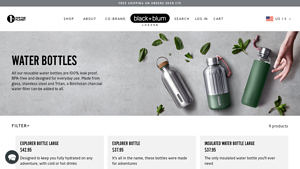
Introducción: Reusable water bottles from Black+Blum are 100% leak proof, BPA-free, and designed for everyday use. They are made from glass, stainless steel, and Tritan. A Binchotan charcoal water filter can be added to all bottles. The collection includes 9 products with various colors such as Black, Ocean, Olive, Orange, Slate, and Steel. Features include insulated options, sizes over and under 24fl oz, and p…
Strategic Sourcing Conclusion and Outlook for water bottles that are bpa free
The global market for BPA-free water bottles is poised for significant growth, driven by increasing health consciousness and environmental awareness among consumers. For international B2B buyers, particularly in regions such as Africa, South America, the Middle East, and Europe, strategic sourcing of BPA-free bottles presents a unique opportunity to align with sustainability trends while meeting rising consumer demand.
Investing in BPA-free products not only ensures compliance with health regulations but also enhances brand reputation and customer loyalty. As buyers prioritize eco-friendly and safe alternatives, sourcing BPA-free bottles can differentiate your offerings in a competitive landscape. Furthermore, consider customization options to cater to diverse market preferences, allowing for tailored branding and promotional strategies.
Looking ahead, collaboration with reliable suppliers that prioritize sustainability will be key. Engage in partnerships that not only provide high-quality products but also share your commitment to environmental responsibility. By taking proactive steps in your sourcing strategy, you can capitalize on the growing market for BPA-free water bottles and position your business as a leader in health and sustainability. Start exploring potential partnerships today to secure your place in this dynamic market.
 Español
  English
  Português
  Français
  Deutsch
  العربية
  Русский
  日本語
日本語  한국어
한국어  Italiano
  Nederlands