Introduction: Navigating the Global Market for square water bottle
The global market for square water bottles presents unique challenges and opportunities for international B2B buyers. As businesses increasingly prioritize sustainable and practical hydration solutions, sourcing square water bottles that blend functionality with aesthetic appeal has become essential. These innovative containers offer a space-saving design that prevents rolling and spills, making them ideal for various settings, from offices to outdoor events.
This comprehensive guide aims to equip you with the insights needed to navigate the square water bottle market effectively. We will explore various types of square water bottles, their applications in different industries, and the importance of supplier vetting to ensure quality and compliance with international standards. Additionally, we will address cost considerations, customization options, and emerging trends in sustainable materials, helping you make informed purchasing decisions that align with your business objectives.
By understanding the nuances of sourcing square water bottles, particularly in diverse regions such as Africa, South America, the Middle East, and Europe—including key markets like Saudi Arabia and Germany—you can optimize your supply chain and enhance your product offerings. This guide empowers you to select the right hydration solutions that not only meet your operational needs but also resonate with the growing consumer demand for eco-friendly and stylish products.
Understanding square water bottle Types and Variations
| Type Name | Key Distinguishing Features | Primary B2B Applications | Brief Pros & Cons for Buyers |
|---|---|---|---|
| Standard Square Water Bottle | BPA-free Tritan plastic, leak-proof design, dishwasher safe | Corporate gifts, fitness industry, retail | Pros: Durable, easy to clean, customizable Cons: Limited capacity options |
| Fruit Infuser Square Bottle | Infusion chamber for fruits, BPA-free, stylish design | Health and wellness promotions, gyms | Pros: Encourages hydration, visually appealing Cons: Slightly more complex to clean |
| Eco-Friendly Square Bottle | Made from recycled materials, biodegradable options | Sustainability-focused brands, events | Pros: Appeals to eco-conscious consumers Cons: May have higher production costs |
| Customizable Square Bottle | Options for branding, various colors and sizes | Promotional products, corporate branding | Pros: Enhances brand visibility, versatile Cons: Minimum order quantities may apply |
| Kids’ Square Water Bottle | Fun designs, smaller sizes, lightweight | Schools, children’s events, family outings | Pros: Engaging for children, easy to carry Cons: Limited durability compared to adult versions |
What are the Characteristics of Standard Square Water Bottles?
Standard square water bottles are typically made from durable, BPA-free Tritan plastic, ensuring safety and longevity. Their leak-proof design and dishwasher-safe feature make them practical for everyday use. These bottles are ideal for corporate gifts or retail sales, appealing to businesses looking for reliable hydration solutions. Buyers should consider customization options for branding, which can enhance promotional efforts while ensuring the product meets safety standards.
How Do Fruit Infuser Square Bottles Enhance Hydration?
Fruit infuser square bottles incorporate an infusion chamber that allows users to add fruits or herbs, promoting healthier hydration habits. This design is particularly appealing to health-conscious businesses, such as gyms and wellness brands, that want to encourage customers to drink more water. While they are visually attractive and can boost sales, buyers must consider the complexity of cleaning these bottles, which may deter some customers.
Why Choose Eco-Friendly Square Bottles for Branding?
Eco-friendly square bottles are crafted from recycled materials or biodegradable plastics, catering to the growing demand for sustainable products. Businesses focused on sustainability can leverage these bottles for events or promotional campaigns, enhancing their brand image. However, buyers should be aware of potentially higher production costs associated with eco-friendly materials, which may impact pricing strategies.
What Are the Benefits of Customizable Square Bottles?
Customizable square bottles allow businesses to print their logos or messages on the product, making them excellent promotional items. They come in various colors and sizes, ensuring that companies can find a suitable option for their target audience. While the ability to customize enhances brand visibility, buyers should consider minimum order quantities, which may require a larger upfront investment.
How Do Kids’ Square Water Bottles Cater to Young Consumers?
Kids’ square water bottles are designed with fun, engaging shapes and colors, making hydration appealing for children. Their lightweight nature and smaller size are perfect for school use or outdoor activities. Businesses targeting families or educational institutions can benefit from these bottles, but they should be cautious about durability, as these products may not withstand rough handling as well as adult versions.
Key Industrial Applications of square water bottle
| Industry/Sector | Specific Application of Square Water Bottle | Value/Benefit for the Business | Key Sourcing Considerations for this Application |
|---|---|---|---|
| Fitness and Sports | Hydration for Gyms and Athletic Events | Provides a durable, leak-proof solution for active individuals. | Ensure BPA-free materials and customizable branding options. |
| Corporate Wellness Programs | Employee Hydration Initiatives | Encourages hydration, promoting health and productivity among staff. | Look for bulk purchasing discounts and easy-clean features. |
| Educational Institutions | Student Hydration Solutions | Promotes healthy hydration habits in schools and universities. | Consider designs that fit in lockers and are easy to clean. |
| Hospitality and Events | Guest Amenities in Hotels and Conferences | Enhances guest experience with stylish, functional hydration solutions. | Source bottles that can be branded for events and are dishwasher safe. |
| Outdoor and Adventure Retail | Retail of Hydration Solutions for Outdoor Activities | Attracts customers with unique, space-saving designs for travel. | Focus on lightweight, durable materials suitable for outdoor use. |
How is the Square Water Bottle Used in the Fitness and Sports Industry?
In the fitness and sports sector, square water bottles serve as essential hydration tools for gym-goers and athletes during events. Their leak-proof design ensures that they can be tossed in gym bags without the risk of spills. Additionally, the square shape prevents rolling, making them ideal for use in crowded environments. Buyers in this sector should prioritize BPA-free materials and look for options that allow for custom branding to enhance visibility.
What Role Does the Square Water Bottle Play in Corporate Wellness Programs?
Corporate wellness programs increasingly incorporate square water bottles to encourage employees to maintain hydration throughout the workday. These bottles are designed for easy cleaning and often feature a customizable exterior for company branding. By providing employees with durable hydration solutions, companies can foster a healthier workplace culture. When sourcing, businesses should consider bulk pricing options and durable construction to withstand daily use.
How Can Educational Institutions Benefit from Square Water Bottles?
Educational institutions can leverage square water bottles to promote healthy hydration habits among students. Their compact design fits easily into lockers and backpacks, while the easy-clean features ensure hygiene. Schools can encourage students to stay hydrated, positively impacting their focus and academic performance. Buyers should focus on safe, BPA-free materials and consider bulk purchases to cater to large student populations.
What Advantages Do Square Water Bottles Offer in Hospitality and Events?
In the hospitality sector, square water bottles can enhance guest experiences at hotels and conferences. Their unique design offers a modern touch, while the option for branding allows establishments to promote their identity. Furthermore, being dishwasher safe ensures that they can be easily maintained. When sourcing, businesses should look for bottles that can be customized and are durable enough for repeated use.
Why Are Square Water Bottles Ideal for Outdoor and Adventure Retail?
For outdoor and adventure retailers, square water bottles present a unique selling proposition with their space-saving design and robust construction. They appeal to customers looking for practical solutions for hiking, camping, and travel. The lightweight nature of these bottles makes them ideal for outdoor activities, while the square shape allows for efficient packing. Retailers should prioritize sourcing options that are made from durable, BPA-free materials to meet the demands of outdoor enthusiasts.
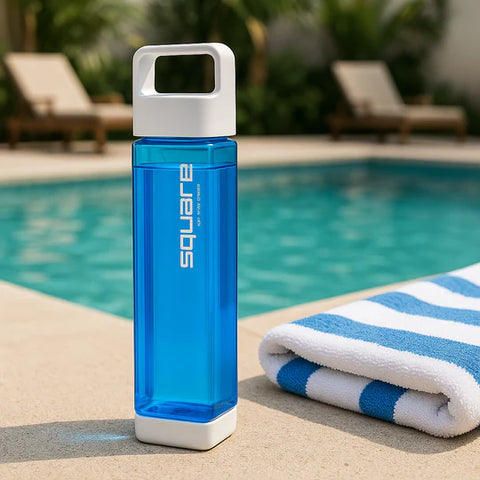
A stock image related to square water bottle.
3 Common User Pain Points for ‘square water bottle’ & Their Solutions
Scenario 1: Leakage During Transportation
The Problem: Many B2B buyers, such as distributors or retailers, often face the challenge of ensuring that their products arrive in perfect condition. Square water bottles, while designed to be leak-proof, can sometimes leak if not properly handled during transportation. For instance, if the silicone gaskets are not seated correctly or if the bottles are subjected to extreme temperature changes, the integrity of the seal can be compromised. This not only results in product loss but can also damage packaging and create a negative impression on customers.
The Solution: To mitigate leakage issues, buyers should prioritize sourcing square water bottles that have undergone rigorous quality control checks, particularly focusing on the sealing mechanisms. When ordering, request samples to test the leak-proof capabilities under various conditions. Additionally, consider investing in high-quality packaging materials that can cushion the bottles during transit. When setting up logistics, ensure that temperature-sensitive shipments are managed to avoid extreme conditions. Implementing a standard operating procedure (SOP) for handling and packing these bottles will further minimize the risk of leaks, ensuring a smooth delivery process.
Scenario 2: Difficulty in Cleaning and Maintenance
The Problem: For businesses that provide square water bottles for events or as promotional items, the ease of cleaning and maintenance can become a significant concern. Buyers often find that traditional water bottles can harbor residual flavors or odors from previous contents, which can detract from the user experience. This is particularly true for bottles used for smoothies or flavored drinks, where cleaning can be cumbersome due to narrow openings.
The Solution: When selecting square water bottles, opt for models that feature a patented easy-clean design, such as those with removable caps or wide openings. These designs facilitate thorough cleaning, reducing the likelihood of residual tastes. Moreover, consider offering guidelines or even cleaning kits as part of the promotional package, which can educate users on proper maintenance. Highlighting the ease of cleaning in marketing materials can also enhance the perceived value of the product, making it more appealing to potential buyers.
Scenario 3: Incompatibility with Existing Infrastructure
The Problem: A common issue faced by B2B buyers is the incompatibility of square water bottles with existing infrastructure, such as vending machines, storage systems, or event setups. Square bottles may not fit into standard cup holders or shelving units designed for traditional round bottles, leading to inefficient use of space and potential product loss.
The Solution: To address this pain point, buyers should conduct a thorough assessment of their existing infrastructure before placing large orders. Consider sourcing square water bottles that have dimensions specifically designed to fit into standard cup holders and storage solutions. Engaging with suppliers who offer customization options can also be beneficial; for instance, you might request bottles with slightly altered dimensions to ensure compatibility. Additionally, training staff on the best practices for integrating these bottles into existing systems can enhance operational efficiency and user satisfaction. Providing feedback to manufacturers about any compatibility issues may also lead to future improvements in product design.
Strategic Material Selection Guide for square water bottle
What Materials Are Commonly Used for Square Water Bottles?
When selecting materials for square water bottles, several options are prevalent in the market, each offering unique properties that can significantly affect product performance, durability, and user satisfaction. Understanding the characteristics of these materials is crucial for international B2B buyers, especially those operating in diverse markets such as Africa, South America, the Middle East, and Europe.
How Does Tritan Plastic Perform in Square Water Bottles?
Tritan plastic is a popular choice for square water bottles due to its robust properties. It is BPA-free, lightweight, and resistant to impact, making it ideal for active lifestyles. Tritan can withstand temperatures up to 100°C (212°F), which allows for hot beverages, although it is primarily designed for cold liquids.
Pros: Tritan is durable and offers excellent clarity, resembling glass without the weight. It is also dishwasher safe, which simplifies cleaning and maintenance.
Cons: While Tritan is generally affordable, it can be more expensive than standard plastics. Additionally, it may not be as environmentally friendly as alternatives like stainless steel or glass.
For international buyers, especially in regions with stringent health and safety regulations, ensuring that Tritan complies with local standards (such as EU regulations or FDA approvals) is essential.
What Are the Benefits of Using Stainless Steel for Square Water Bottles?
Stainless steel is another common material, known for its exceptional durability and resistance to corrosion. It can handle high temperatures and is suitable for both hot and cold beverages. Stainless steel bottles often have double-wall insulation, which helps maintain the temperature of the liquid inside.
Pros: The longevity of stainless steel makes it a cost-effective choice over time. It is also recyclable, appealing to environmentally conscious consumers.
Cons: The initial cost of stainless steel bottles is typically higher than plastic options. Additionally, they can be heavier and may not fit into all cup holders due to their bulkier design.
Buyers in regions like Europe, where sustainability is a priority, may prefer stainless steel for its recyclability. Compliance with food safety standards is also crucial in this market.
Why Choose Glass for Square Water Bottles?
Glass is often favored for its non-reactive properties and aesthetic appeal. It does not leach chemicals into beverages, ensuring that the taste remains pure. Glass can handle high temperatures and is dishwasher safe, making it easy to clean.
Pros: Glass bottles are environmentally friendly and can be recycled repeatedly without loss of quality. They also provide a premium feel that can enhance brand perception.
Cons: The fragility of glass makes it less suitable for high-impact environments. It is also heavier than plastic and stainless steel, which may deter some consumers.
For B2B buyers, understanding the market demand for eco-friendly products can guide the decision to include glass options in their offerings. Compliance with safety standards for glass products is essential, particularly in European markets.
What About Polypropylene as a Material for Square Water Bottles?
Polypropylene is a thermoplastic polymer that is lightweight and resistant to fatigue. It can withstand temperatures up to 120°C (248°F), making it suitable for hot beverages. Polypropylene is also BPA-free, which is a significant consideration for health-conscious consumers.
Pros: This material is cost-effective and has good chemical resistance, making it suitable for various liquids.
Cons: Polypropylene may not be as durable as Tritan or stainless steel and can become discolored or retain odors over time.
For international buyers, ensuring that polypropylene bottles meet local health regulations is critical, particularly in regions with strict import standards.
Summary of Material Options for Square Water Bottles
| Material | Typical Use Case for square water bottle | Key Advantage | Key Disadvantage/Limitation | Relative Cost (Low/Med/High) |
|---|---|---|---|---|
| Tritan Plastic | Everyday hydration | Lightweight and BPA-free | More expensive than standard plastics | Medium |
| Stainless Steel | Outdoor and sports activities | Durable and temperature-retaining | Heavier and higher initial cost | High |
| Glass | Premium consumer markets | Non-reactive and eco-friendly | Fragile and heavy | High |
| Polypropylene | Budget-friendly options | Cost-effective and lightweight | Less durable and can retain odors | Low |
This guide provides a comprehensive overview of material selection for square water bottles, enabling B2B buyers to make informed decisions based on their market needs and compliance requirements.
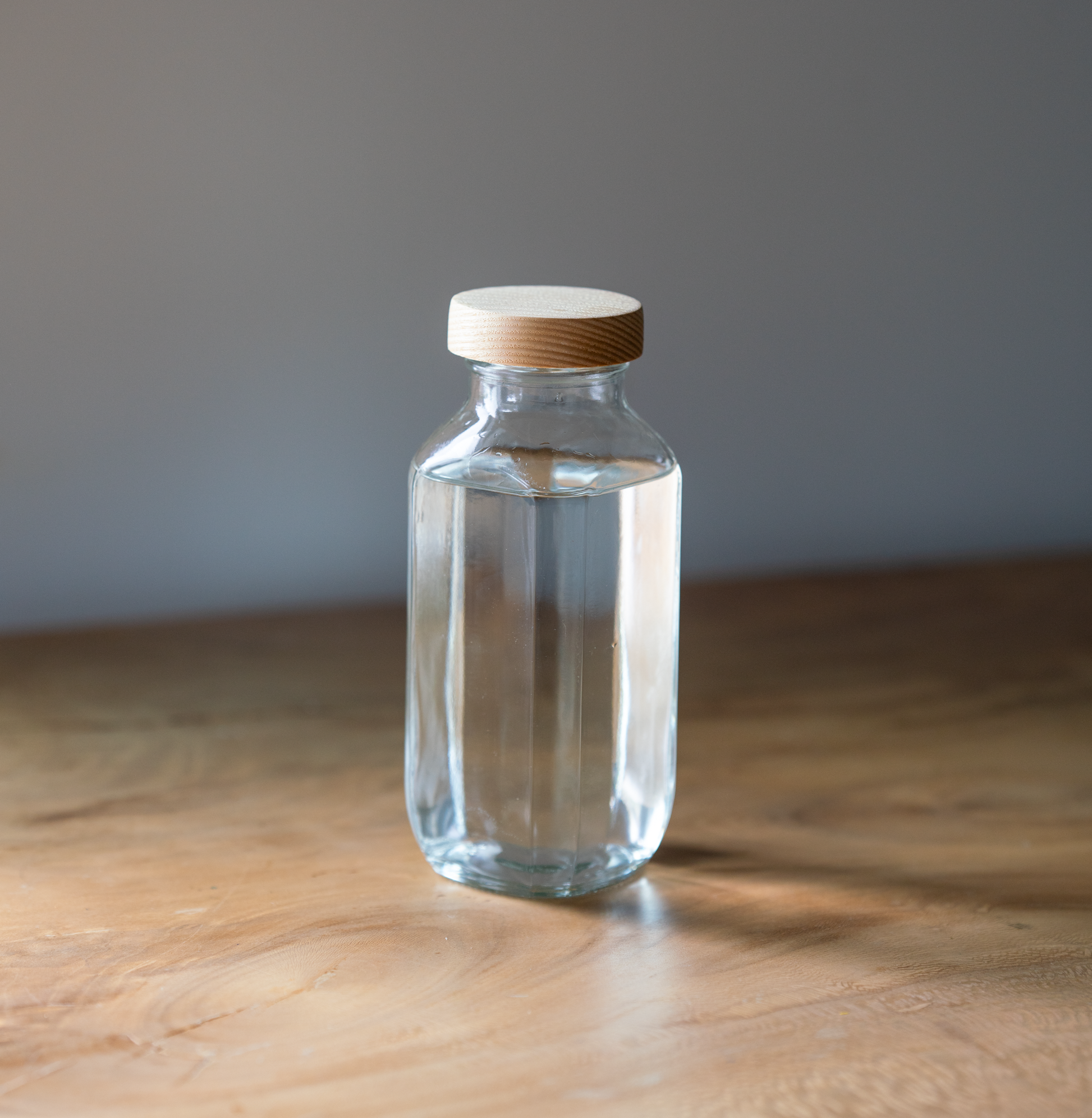
A stock image related to square water bottle.
In-depth Look: Manufacturing Processes and Quality Assurance for square water bottle
What Are the Main Stages in the Manufacturing Process of Square Water Bottles?
The manufacturing of square water bottles involves a series of carefully orchestrated stages that ensure both quality and efficiency. The main stages include material preparation, forming, assembly, and finishing.
Material Preparation: What Materials Are Typically Used?
The primary material used in the production of square water bottles is BPA-free Tritan plastic. This material is favored for its durability, lightweight nature, and resistance to impacts and temperature changes. During the material preparation stage, raw plastic pellets are sourced and subjected to quality checks to ensure they meet specific standards.
Once the raw materials are verified, they are dried and fed into an injection molding machine. This machine melts the plastic and injects it into pre-designed molds that shape the bottle. The use of Tritan ensures that the final product is free from harmful bisphenols, which is a significant selling point for many buyers, particularly in regions with stringent health regulations.
How Are Square Water Bottles Formed and Assembled?
After the material has been prepared, the next step is forming. The injection molding technique is widely used for creating the main body of the square water bottle. The molds are designed to create a leak-proof seal and facilitate easy cleaning, which are critical features for B2B buyers who prioritize functionality.
Once the bottle bodies are formed, they undergo assembly, which includes attaching components such as caps and gaskets. The assembly process often involves automated machinery to ensure precision and consistency. For example, silicone gaskets are added to enhance the leak-proof capability, which is a vital selling point for many consumers.
What Finishing Processes Are Involved in Square Water Bottle Production?
The finishing stage involves several steps to ensure the product meets aesthetic and functional standards. Bottles are typically cleaned to remove any residual materials from the molding process. This is followed by surface treatments, which may include printing, labeling, and applying any custom designs requested by B2B clients.
Quality assurance checks are also integral during this stage. Bottles are inspected for any defects, ensuring that they meet the required specifications before being packed for shipment. This attention to detail is essential for maintaining brand integrity and customer satisfaction.
What International Standards Govern Quality Assurance in Square Water Bottle Manufacturing?
Quality assurance in the manufacturing of square water bottles is critical, especially for B2B buyers who need assurance regarding the safety and durability of the products they are sourcing. Various international standards apply, including:
- ISO 9001: This is a widely recognized quality management standard that ensures manufacturers have robust processes in place to meet customer and regulatory requirements consistently.
- CE Marking: For products sold in the European Economic Area, CE marking indicates conformity with health, safety, and environmental protection standards.
- API Standards: While typically associated with the oil and gas industry, certain API standards may apply to plastic products in specific contexts, particularly those involving chemical resistance.
What Are the Key Quality Control Checkpoints in the Manufacturing Process?
Quality control (QC) is woven into every stage of the manufacturing process, with specific checkpoints established to monitor quality effectively. The three primary types of QC checkpoints are:
- Incoming Quality Control (IQC): This initial phase involves inspecting raw materials upon arrival at the manufacturing facility. Only materials that meet predefined standards are accepted for production.
- In-Process Quality Control (IPQC): During the manufacturing process, samples are taken at various stages to ensure that the production process adheres to quality standards. This may involve measuring dimensions, checking for leaks, and ensuring that the assembly is correct.
- Final Quality Control (FQC): After the bottles are fully assembled and finished, a final inspection is conducted. This includes testing for leaks, assessing the integrity of seals, and ensuring that all aesthetic aspects (like printing and labeling) are correct.
What Common Testing Methods Are Used to Ensure Quality in Square Water Bottles?
Several testing methods are commonly employed to validate the quality and safety of square water bottles:
- Leak Testing: This is crucial for ensuring that the bottle will not spill its contents. Various techniques, such as pressure testing or water immersion, can be employed.
- Durability Testing: Bottles are subjected to drop tests to simulate real-world usage and assess how well they withstand impacts.
- Chemical Resistance Testing: This is particularly important for bottles designed for beverages other than water, ensuring that the materials do not leach harmful chemicals.
How Can B2B Buyers Verify Supplier Quality Control Practices?
For B2B buyers, particularly those sourcing from international suppliers in regions like Africa, South America, the Middle East, and Europe, verifying a supplier’s quality control practices is essential. Here are some effective strategies:
- Conduct Audits: Schedule regular audits of the manufacturing facility to assess adherence to quality standards and manufacturing processes. This can include both announced and unannounced visits.
- Request Quality Reports: Suppliers should provide detailed reports on their quality control measures, including data from IQC, IPQC, and FQC stages.
- Engage Third-Party Inspectors: Hiring third-party inspection services can provide an unbiased assessment of the manufacturing quality. These inspectors can conduct random sampling and testing to ensure compliance with international standards.
What Are the QC and Certification Nuances for International B2B Buyers?
International buyers should be aware that different regions have varying regulations and standards regarding product safety and quality. For example:
- In Europe, compliance with CE marking is mandatory, and failure to meet these requirements can result in significant penalties.
- In Africa and South America, while regulations may be less stringent, there is a growing trend towards adopting international standards, which means suppliers should be prepared to comply with ISO and other certifications.
Understanding these nuances is crucial for B2B buyers, as they can influence sourcing decisions and impact the overall quality of the products being purchased. By focusing on suppliers with robust quality assurance practices and the necessary certifications, buyers can ensure they are investing in products that meet their needs and regulatory requirements.
Practical Sourcing Guide: A Step-by-Step Checklist for ‘square water bottle’
Introduction
This sourcing guide is designed for B2B buyers looking to procure square water bottles. With their unique design, these bottles offer practical benefits such as space efficiency and ease of cleaning, making them an appealing choice for various industries. This checklist outlines critical steps to ensure a successful procurement process.
1. Define Your Technical Specifications
Before reaching out to suppliers, clarify your technical requirements for the square water bottles. Consider factors such as material (e.g., BPA-free Tritan plastic), size (capacity of 22 oz or 25 oz), and design features (leak-proof, dishwasher safe). Precise specifications help streamline the selection process and ensure you receive products that meet your needs.
2. Identify Your Target Market
Understanding your target market is essential for making informed purchasing decisions. Consider the geographic regions you intend to serve—Africa, South America, the Middle East, or Europe—and research local preferences and regulations. Tailoring your product selection to meet regional demands can enhance market acceptance and boost sales.
3. Evaluate Potential Suppliers
Before committing, thoroughly vet potential suppliers. Request company profiles, product samples, and references from other buyers in similar industries or regions. Look for suppliers with a track record of reliability and quality; this can prevent future complications and ensure a smooth procurement process.
4. Verify Quality Certifications
Ensure that the suppliers you consider have the necessary quality certifications. Look for compliance with international standards such as ISO 9001 or specific food safety regulations. Certifications provide reassurance regarding product safety and quality, which is particularly important for hydration products.
5. Assess Customization Options
Customization can be a significant selling point for square water bottles. Inquire whether suppliers offer branding options, such as custom printing or unique design features, to differentiate your products in the market. A minimum order quantity may apply, so clarify these details upfront to avoid any surprises.
6. Request Pricing and Payment Terms
Gather detailed pricing information from shortlisted suppliers, including costs per unit, shipping fees, and any additional charges. Also, discuss payment terms to ensure they align with your budget and cash flow requirements. Transparent pricing structures help prevent unexpected costs later in the procurement process.
7. Review Shipping and Return Policies
Lastly, evaluate the shipping and return policies of your selected suppliers. Understand lead times, shipping costs, and the process for handling defective products. A supplier with favorable return policies and reliable shipping can save you time and money in the long run, ensuring a positive purchasing experience.
By following these steps, B2B buyers can navigate the procurement of square water bottles with confidence, ensuring they select the right products and suppliers to meet their business needs.
Comprehensive Cost and Pricing Analysis for square water bottle Sourcing
What Are the Key Cost Components for Sourcing Square Water Bottles?
When analyzing the cost structure of square water bottles, several key components come into play. Understanding these can help international B2B buyers make informed purchasing decisions.
-
Materials: The primary material for square water bottles is typically BPA-free Tritan plastic, known for its durability and safety. Other materials like glass or stainless steel may also be used, but they come with higher costs due to their weight and manufacturing processes. Buyers should consider the trade-off between cost and quality when selecting materials.
-
Labor: Labor costs can vary significantly depending on the manufacturing location. Countries with lower labor costs, such as those in Southeast Asia or certain regions in Africa, may offer competitive pricing. However, it’s essential to assess the skill level of the workforce, as this directly influences product quality.
-
Manufacturing Overhead: This includes costs related to utilities, rent, equipment maintenance, and administrative expenses. These costs are often factored into the final price and can differ based on the supplier’s operational efficiency.
-
Tooling: Custom molds or designs, particularly for unique shapes or features, require significant upfront investment. This cost is typically amortized over the production run, so larger orders can benefit from lower per-unit tooling costs.
-
Quality Control (QC): Ensuring product quality is critical, especially for health-related products. Quality control processes add to the overall cost but are necessary to prevent defects that could lead to customer dissatisfaction or safety issues.
-
Logistics: Shipping costs can vary widely based on the origin, destination, and mode of transport. Factors such as Incoterms and freight forwarding agreements can significantly influence logistics costs. Buyers should be aware of customs duties and taxes applicable in their regions, which can impact the total landed cost.
-
Margin: Supplier margins can fluctuate based on market demand, competition, and the perceived value of the product. Understanding the market landscape can help buyers negotiate better pricing.
How Do Price Influencers Affect Square Water Bottle Sourcing?
Several factors can influence the pricing of square water bottles, making it essential for buyers to be aware of them:
-
Volume/MOQ: Minimum order quantities (MOQs) can significantly impact pricing. Higher volumes often lead to reduced per-unit costs, making bulk purchasing more attractive. Buyers should consider their demand forecasts to optimize order sizes.
-
Specifications and Customization: Custom features, such as unique colors, logos, or added functionalities (like fruit infusers), can increase costs. Buyers should weigh the importance of these customizations against their budget.
-
Materials and Quality Certifications: The choice of materials and the presence of certifications (such as FDA approval for food safety) can influence pricing. High-quality certifications often come at a premium but can assure buyers of product safety and durability.
-
Supplier Factors: Supplier reputation, reliability, and historical performance can also impact pricing. Established suppliers may charge higher prices due to perceived quality, while newer entrants may offer lower prices to gain market share.
-
Incoterms: Understanding Incoterms is crucial for international buyers. Terms like FOB (Free on Board) and CIF (Cost, Insurance, and Freight) dictate who bears shipping costs and risks, affecting the overall pricing structure.
What Are the Best Tips for Negotiating Square Water Bottle Prices in International Markets?
-
Negotiation Skills: Engage in open discussions with suppliers to explore pricing flexibility. Highlighting long-term partnership potential can encourage suppliers to provide better rates.
-
Cost-Efficiency: Evaluate the total cost of ownership, including purchase price, shipping, and potential customs duties. A lower initial price may not always equate to overall cost savings.
-
Understanding Pricing Nuances: Each region may have unique pricing structures influenced by local demand, competition, and economic conditions. For instance, buyers in Europe may face stricter regulations, impacting costs, while those in Africa may benefit from lower labor costs.
-
Leverage Volume Orders: Consider consolidating orders to meet MOQs and negotiate better pricing with suppliers. This approach can also enhance supply chain efficiency.
-
Research and Comparison: Conduct thorough market research to compare prices and features from various suppliers. This information can provide leverage during negotiations and help identify the best value offerings.
In summary, a comprehensive understanding of the cost structure and pricing influencers for square water bottles can empower international B2B buyers to make strategic sourcing decisions, ultimately leading to successful procurement outcomes.
Alternatives Analysis: Comparing square water bottle With Other Solutions
Exploring Alternatives to the Square Water Bottle: A Comparative Analysis
In the quest for effective hydration solutions, businesses often explore various alternatives to traditional water bottles. This section evaluates the square water bottle against two viable alternatives: the traditional round water bottle and the collapsible water bottle. Each option has unique features that may better suit the needs of specific organizations or consumer segments.
| Comparison Aspect | Square Water Bottle | Traditional Round Water Bottle | Collapsible Water Bottle |
|---|---|---|---|
| Performance | Leak-proof, easy to clean; fits in cup holders | Good sealing, but can roll; harder to clean | Lightweight, space-saving; may leak if not properly sealed |
| Cost | $9.99 to $14.99 | $5 to $15 | $8 to $20 |
| Ease of Implementation | Simple design; ready for use | Common design; widely available | Requires careful handling to prevent damage |
| Maintenance | Dishwasher safe; easy to clean | Varies by material; often hand wash | Hand wash recommended; prone to wear |
| Best Use Case | Ideal for active environments and daily hydration | Everyday use, office settings | Travel, outdoor activities |
What Are the Advantages and Disadvantages of a Traditional Round Water Bottle?
Traditional round water bottles are ubiquitous and readily available in various materials, including plastic, glass, and stainless steel. They typically offer good sealing capabilities, making them reliable for everyday use. However, their round shape can lead to rolling and spillage if knocked over, which may not be ideal for active or mobile environments. Cleaning can also be a challenge, especially if the opening is narrow. While they are often more affordable, their performance in preventing leaks and ease of maintenance may not match that of the square water bottle.
How Do Collapsible Water Bottles Compare to Square Water Bottles?
Collapsible water bottles have gained popularity for their lightweight and space-saving design, making them an excellent choice for travelers and outdoor enthusiasts. They can easily fit into backpacks when empty, allowing for significant space savings. However, collapsible bottles may not provide the same level of sealing as rigid bottles, leading to potential leaks if not handled properly. Maintenance typically requires hand washing, which can be cumbersome compared to the dishwasher-safe square water bottle. Overall, while collapsible bottles offer convenience for on-the-go hydration, they may not be as durable or easy to use in everyday scenarios.
Conclusion: How Should B2B Buyers Choose the Right Hydration Solution?
When selecting a hydration solution, B2B buyers should consider the specific needs of their organization and target audience. The square water bottle excels in environments where durability, ease of cleaning, and leak prevention are paramount, making it suitable for gyms, schools, and corporate settings. Traditional round water bottles may appeal to businesses looking for cost-effective, widely accepted options for everyday use. In contrast, collapsible water bottles are ideal for companies focused on travel or outdoor activities. Ultimately, understanding the unique advantages and limitations of each option will empower buyers to make informed decisions that align with their operational goals and customer preferences.
Essential Technical Properties and Trade Terminology for square water bottle
What Are the Key Technical Properties of a Square Water Bottle?
When sourcing square water bottles, understanding their technical specifications is crucial for making informed purchasing decisions. Here are some essential properties to consider:
1. Material Grade: What Types of Plastics Are Used?
Square water bottles are often made from high-grade plastics like Tritan or polyethylene. Tritan is BPA-free, durable, and resistant to impact and heat, making it ideal for hydration products. For B2B buyers, selecting a bottle made from a high-quality material ensures longevity, safety, and a better user experience, which can lead to increased customer satisfaction.
2. Capacity: How Much Liquid Can It Hold?
The capacity of a square water bottle typically ranges from 500 mL to 1 L. Understanding the capacity helps buyers align the product with their target market’s needs, whether for fitness enthusiasts requiring larger volumes or for children needing smaller, manageable sizes. This consideration can significantly influence purchasing decisions and inventory management.
3. Leak-Proof Design: What Features Ensure No Spills?
Many square water bottles feature silicone gaskets and screw-on lids designed to prevent leaks. A leak-proof design is essential for end-users who want to avoid accidents, especially in bags or during transportation. For B2B buyers, emphasizing this feature in marketing can improve product appeal and reduce return rates due to defects.
4. Cleaning Mechanism: How Easy Is It to Maintain?
The ability to easily clean a water bottle is critical for hygiene and usability. Many square bottles are designed with wide openings or removable bottoms, making them dishwasher-safe. Highlighting this feature can attract buyers looking for convenience, particularly in commercial settings like gyms or schools where ease of maintenance is vital.
5. Customization Options: Can the Bottle Be Branded?
Customization, such as printing logos or designs, is often available with a minimum order quantity (MOQ). This is particularly appealing for businesses looking to promote their brand through promotional items. Offering custom branding options can differentiate your product in a competitive market, enhancing its appeal for corporate gifts or bulk purchases.
6. Compatibility with Accessories: What Add-ons Are Available?
Some square water bottles come with optional accessories like fruit infusers or straws. Compatibility with these add-ons can add value for consumers looking for multifunctional products. For B2B buyers, this feature can increase the perceived value of the product, encouraging larger order sizes or repeat purchases.
What Are Common Trade Terms Related to Square Water Bottles?
Understanding trade terminology is essential for effective communication in B2B transactions. Here are some key terms to know:
1. OEM (Original Equipment Manufacturer): What Does It Mean?
OEM refers to companies that manufacture products based on specifications provided by another company, often the brand owner. In the context of square water bottles, an OEM can produce bottles according to specific designs and materials requested by a buyer, ensuring brand consistency and quality control.
2. MOQ (Minimum Order Quantity): Why Is It Important?
MOQ is the smallest quantity of a product that a supplier is willing to sell. For square water bottles, MOQs can vary based on customization options or material types. Understanding MOQs helps buyers manage budgets and inventory effectively, ensuring that they do not over-commit to large orders that may not sell.
3. RFQ (Request for Quotation): How Does It Work?
An RFQ is a document issued by a buyer to solicit price quotes from suppliers for specific products. When purchasing square water bottles, issuing an RFQ allows buyers to compare prices, delivery times, and terms from multiple vendors, enabling more strategic sourcing decisions.
4. Incoterms: What Do They Govern?
Incoterms (International Commercial Terms) are a set of rules that define the responsibilities of buyers and sellers in international trade. Understanding Incoterms helps buyers clarify shipping arrangements, risks, and costs associated with purchasing square water bottles from overseas suppliers.
5. SKU (Stock Keeping Unit): Why Is It Used?
An SKU is a unique identifier assigned to a product for inventory management purposes. For square water bottles, having a well-defined SKU system helps businesses track inventory levels, sales, and reorders efficiently, ultimately streamlining operations and improving supply chain management.
By understanding these technical properties and trade terms, B2B buyers can make informed decisions when sourcing square water bottles, ensuring that their purchases align with market demands and operational needs.
Navigating Market Dynamics and Sourcing Trends in the square water bottle Sector
What Are the Current Market Trends Influencing the Square Water Bottle Sector?
The square water bottle market is experiencing significant growth driven by the increasing global demand for sustainable and functional hydration solutions. Key trends include the rising consumer preference for eco-friendly products, the shift towards personalized items, and the growing focus on health and wellness. B2B buyers, especially from regions like Africa, South America, the Middle East, and Europe, are increasingly seeking products that align with these trends. This shift is particularly pronounced in markets like Germany, where sustainability is paramount, and in Saudi Arabia, where there is a growing demand for high-quality, durable hydration solutions.
Emerging technologies are also shaping sourcing trends in this sector. Digital tools are being utilized for inventory management, order processing, and supply chain transparency, allowing B2B buyers to make informed decisions. Additionally, companies are leveraging e-commerce platforms to reach international markets more effectively, enhancing their visibility and accessibility. Customization options, such as unique designs and branding, are becoming essential as businesses aim to differentiate their products in a competitive landscape.
How Can Sustainability and Ethical Sourcing Impact B2B Decisions in the Square Water Bottle Market?
Sustainability and ethical sourcing are critical factors influencing B2B purchasing decisions in the square water bottle market. As consumers become more environmentally conscious, they expect the same from the brands they support. This trend compels businesses to consider the environmental impact of their products, including the materials used and the manufacturing processes involved. For instance, square water bottles made from BPA-free Tritan plastic not only meet safety standards but also appeal to eco-conscious buyers.
Moreover, ethical supply chains are gaining traction, with B2B buyers increasingly favoring suppliers who prioritize fair labor practices and sustainable sourcing. Certifications such as the Global Recycle Standard (GRS) and Cradle to Cradle (C2C) are becoming essential for companies looking to validate their commitment to sustainability. By aligning with suppliers who hold these certifications, businesses can enhance their brand reputation and meet the growing demand for responsible products.
What Is the Historical Evolution of the Square Water Bottle Market?
The evolution of the square water bottle market reflects broader shifts in consumer preferences and technological advancements. Initially, traditional round bottles dominated the hydration market, but the introduction of square designs in the early 2000s provided unique advantages, such as space optimization and stability. The square shape reduces the risk of rolling off surfaces, making it ideal for active lifestyles.
As sustainability became a focal point in consumer consciousness, manufacturers began prioritizing eco-friendly materials and production methods. The adoption of BPA-free plastics and recyclable materials marked a significant shift in product offerings. Today, square water bottles are not only functional but also stylish, catering to a diverse consumer base that values both aesthetics and practicality. This evolution continues to shape the market, presenting new opportunities for B2B buyers to source innovative products that meet modern hydration needs.
Frequently Asked Questions (FAQs) for B2B Buyers of square water bottle
-
How do I ensure the square water bottles I source are leak-proof?
To guarantee that the square water bottles you source are leak-proof, request detailed specifications from potential suppliers, specifically regarding the sealing technology used. Look for bottles with silicone gaskets and other proven leak-proof designs. Additionally, ask for samples to conduct practical tests, such as filling them with water and placing them on their sides for a specified duration. Checking customer reviews and certifications related to product quality can also provide insights into the reliability of the leak-proof features. -
What is the best material for square water bottles?
The best material for square water bottles is BPA-free Tritan plastic, known for its durability, lightweight nature, and resistance to shattering. This material does not leach harmful chemicals into liquids, making it safe for users. For B2B buyers, ensuring that the bottles are made from high-quality plastic will contribute to customer satisfaction and brand reputation. Always verify that the supplier can provide certification proving the absence of BPA and other harmful substances. -
What customization options are available for square water bottles?
Customization options for square water bottles typically include printing logos, colors, and even specific designs that cater to your brand identity. Many suppliers offer custom printing with a minimum order quantity, which can be an effective marketing tool. Be sure to discuss any specific requirements with your supplier, including color matching and design dimensions. Additionally, inquire about lead times for customized orders to ensure they align with your marketing strategies. -
What is the minimum order quantity (MOQ) for square water bottles?
Minimum order quantities (MOQs) for square water bottles can vary significantly between suppliers. Generally, MOQs can range from 50 to several hundred units, depending on the customization options and materials used. For B2B buyers, it’s essential to confirm MOQs early in the negotiation process to align with your budget and inventory needs. If you’re testing a new product, consider negotiating a lower MOQ or exploring suppliers that specialize in smaller batch orders. -
What payment terms should I expect when sourcing square water bottles internationally?
Payment terms can differ based on the supplier and the region of trade. Common terms include a partial upfront payment (often 30-50%) with the balance due before shipping. Some suppliers may also offer payment upon delivery or a letter of credit for larger orders. Ensure you have a clear understanding of payment methods accepted, such as bank transfers, credit cards, or escrow services, and discuss any potential fees associated with international transactions to avoid surprises. -
How can I vet suppliers of square water bottles for quality assurance?
Vetting suppliers for quality assurance involves several steps. Start by researching their business history, certifications, and customer reviews. Request product samples to assess quality firsthand and inquire about their manufacturing processes, including quality control measures in place. It’s also beneficial to ask for references from previous clients, particularly those in similar industries. Conducting a factory visit or using third-party inspection services can further ensure that the supplier meets your quality standards. -
What logistics considerations should I keep in mind when importing square water bottles?
When importing square water bottles, consider logistics aspects like shipping methods, lead times, and customs regulations. Choose between air freight for faster delivery or sea freight for cost-effectiveness, depending on your urgency and budget. Familiarize yourself with the import duties and taxes applicable in your country, as these can impact the overall cost. Collaborating with a reliable freight forwarder can streamline the process and ensure compliance with international shipping standards. -
How do I handle potential product defects or quality issues with square water bottles?
To manage potential defects or quality issues with square water bottles, establish clear communication channels with your supplier from the outset. Include warranty terms and conditions in your purchase agreement, specifying the process for reporting defects. Upon receiving your order, conduct a thorough inspection of the products before distribution. If issues arise, document them with photos and descriptions, and promptly contact your supplier to discuss returns or replacements based on the agreed-upon terms.
Important Disclaimer & Terms of Use
⚠️ Important Disclaimer
The information provided in this guide, including content regarding manufacturers, technical specifications, and market analysis, is for informational and educational purposes only. It does not constitute professional procurement advice, financial advice, or legal advice.
While we have made every effort to ensure the accuracy and timeliness of the information, we are not responsible for any errors, omissions, or outdated information. Market conditions, company details, and technical standards are subject to change.
B2B buyers must conduct their own independent and thorough due diligence before making any purchasing decisions. This includes contacting suppliers directly, verifying certifications, requesting samples, and seeking professional consultation. The risk of relying on any information in this guide is borne solely by the reader.
Top 7 Square Water Bottle Manufacturers & Suppliers List
1. Clean Bottle – Square Water Bottle
Domain: cleanbottle.com
Registered: 2007 (18 years)
Introduction: Square Bottle | Square Water Bottle – The Clean Hydration Company. 20oz Square Bottle. Stay cool this summer – up to 40% off! Use code: HYDRATE10 | 15th July – 15th Aug.
2. Reddit – Square Insulated Water Bottle
Domain: reddit.com
Registered: 2005 (20 years)
Introduction: Square insulated water bottle, metal, similar to Memobottle A7, fits easily in a bag, capacity above 200ml, user currently uses 600ml Hydro Flask but seeks a smaller option.
3. Sistema – 475ml Square Bottle
Domain: sistemaplastics.com
Registered: 1998 (27 years)
Introduction: Product Name: 475ml Square Bottle
Brand: Sistema
Capacity: 475ml / 16.1 oz / 2 cups
Dimensions: L 60mm x H 184mm x W 60mm
Features:
– Durable and reusable drink bottle
– Leak proof screw top lid
– Easy grip concave sides
– Square shape allows stacking on its side or fitting in refrigerator door
– Ideal for office, school, sports, and on-the-go use
Care Instructions:
– Wash before use, remove all…
4. Kin Bottle – Luxury Square Water Bottles
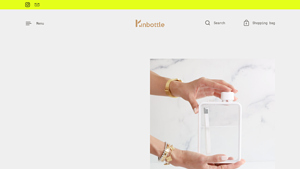
Domain: kinbottle.com
Registered: 2022 (3 years)
Introduction: Kin Bottle is a square water bottle designed for luxury bags. Available colors include Black, White, Grey, Pink, Light Blue, Cobalt Blue, Dark Blue, Caramel, Milk Tea, Olive Green, Green, Neon Yellow, Red, Hot Pink, and Purple. Regular prices range from $40.00 to $50.00. The bottles are made with BPA-free food-grade materials, feature vegan leather bumpers and straps, and are designed to prevent l…
5. Clean Bottle – Square 20 oz Stainless Steel Water Bottle
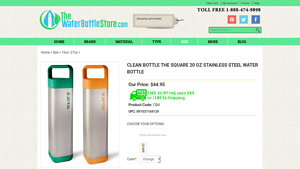
Domain: thewaterbottlestore.com
Registered: 2005 (20 years)
Introduction: {“name”: “The Square 20 oz Stainless Steel Water Bottle”, “brand”: “Clean Bottle”, “price”: “$44.95”, “product_code”: “CB4”, “capacity”: “20 oz”, “features”: [“BPA-free”, “Fingerprint-proof finish”, “Dishwash body, Handwash caps”, “Guaranteed for Life”, “Square profile prevents rolling if dropped”, “Ergonomic handle for easy carrying”, “Removable top AND bottom for easy cleaning”], “colors_availab…
6. Briowt – BT330PC Portable Bluetooth Speaker
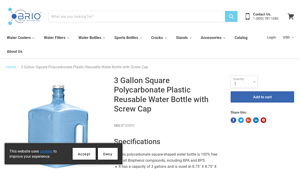
Domain: briowt.com
Registered: 2020 (5 years)
Introduction: BT330PC is a portable Bluetooth speaker with a powerful sound output. It features a built-in microphone for hands-free calls and has a long battery life for extended use. The speaker is compatible with various devices and offers easy connectivity options. Its compact design makes it ideal for travel.
7. Does Not Apply – Square Water Bottle
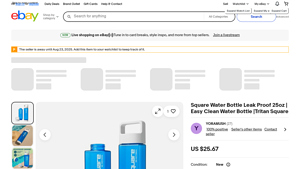
Domain: ebay.com
Registered: 1995 (30 years)
Introduction: {‘title’: ‘Square Water Bottle Leak Proof 25oz’, ‘capacity’: ’25oz (0.75 L)’, ‘material’: ‘Tritan’, ‘features’: [‘Leak Proof’, ‘Easy Clean’, ‘BPA-Free’, ‘Square Shape’, ‘Carabiner Lid’], ‘condition’: ‘New’, ‘quantity_available’: 1, ‘item_number’: ‘357137869233’, ‘brand’: ‘Does Not Apply’, ‘special_features’: [‘Spill Proof’, ‘Dishwasher Safe’], ‘recommended_uses’: [‘Climbing’, ‘Yoga’, ‘Camping’, ‘H…
Strategic Sourcing Conclusion and Outlook for square water bottle
As the demand for innovative hydration solutions continues to grow globally, square water bottles stand out for their unique design and practical benefits. Their space-saving shape prevents rolling, making them ideal for various settings—from office desks to gym bags—while their durable, BPA-free materials ensure safety and longevity. Strategic sourcing of these bottles allows international buyers to tap into a market that values sustainability, functionality, and customization, catering to diverse consumer preferences across regions.
For B2B buyers in Africa, South America, the Middle East, and Europe, investing in square water bottles can enhance product offerings and meet the increasing consumer demand for reliable hydration solutions. Customization options, such as branding and unique designs, present an opportunity to differentiate your product line and foster brand loyalty.
Looking ahead, the square water bottle market is poised for growth as eco-consciousness rises and consumer habits evolve. Now is the time to engage with suppliers who can provide quality, innovative products that align with your business goals. Embrace this opportunity to lead in the hydration solutions sector and meet your customers’ needs with confidence.