
Introduction: Navigating the Global Market for custom stainless water bottle
In an increasingly eco-conscious market, sourcing custom stainless water bottles poses unique challenges for international B2B buyers. As businesses strive to align with sustainability goals while meeting consumer demand for durable and stylish hydration solutions, understanding the complexities of sourcing these products becomes paramount. This comprehensive guide delves into the myriad aspects of the custom stainless water bottle market, including the types available, their various applications, and the crucial steps for vetting suppliers. Furthermore, we will explore pricing strategies and cost implications that can impact your purchasing decisions.
With a particular focus on the needs of buyers from Africa, South America, the Middle East, and Europe—regions characterized by diverse market dynamics and consumer preferences—this guide aims to empower decision-makers with the knowledge necessary to navigate this evolving landscape. By providing actionable insights and expert recommendations, we equip you to make informed choices that not only enhance your product offerings but also bolster your brand’s reputation in sustainability. In a world where every purchase counts, understanding the nuances of custom stainless water bottles can set your business apart from the competition and foster lasting customer loyalty.
Understanding custom stainless water bottle Types and Variations
| Tipo Nombre | Principales rasgos distintivos | Aplicaciones B2B principales | Breves pros y contras para los compradores |
|---|---|---|---|
| Botellas isotérmicas de acero inoxidable | Double-wall vacuum insulation, keeps beverages hot or cold | Corporate gifts, outdoor events, promotions | Pros: Excelente retención de la temperatura; Contras: Mayor coste. |
| Botellas deportivas | Lightweight, ergonomic design, often with sports caps | Fitness events, team sponsorships | Pros: Convenient for athletes; Contras: Limited capacity options. |
| Customizable Tumblers | Variety of colors and sizes, often includes straws | Cafés, restaurants, promotional giveaways | Pros: High brand visibility; Contras: May require minimum order quantities. |
| Eco-Friendly Bottles | Made from recycled materials, BPA-free | Sustainability-focused brands, eco-events | Pros: Appeals to eco-conscious consumers; Contras: May be more expensive to produce. |
| Travel Mugs | Insulated design, spill-resistant lids | Corporate travel, employee gifts | Pros: Practical for daily use; Contras: Limited customization options. |
What Are the Key Characteristics of Insulated Stainless Steel Bottles?
Insulated stainless steel bottles are designed with double-wall vacuum insulation, which effectively maintains the temperature of beverages for extended periods. This type is ideal for B2B applications such as corporate gifts or outdoor events, where maintaining drink temperature is crucial. Buyers should consider the cost, as these bottles tend to be more expensive than non-insulated options, but their durability and functionality often justify the investment.
How Do Sports Bottles Differ from Other Custom Options?
Sports bottles are specifically designed for active use, featuring lightweight materials and ergonomic shapes that make them easy to grip and carry. Commonly equipped with sports caps for quick sips, these bottles are perfect for fitness events or team sponsorships. When purchasing, B2B buyers should evaluate capacity options and ensure that the design aligns with their branding needs, as customization might be limited compared to other types.
What Advantages Do Customizable Tumblers Offer for Branding?
Customizable tumblers provide a wide range of colors and sizes, making them versatile promotional items. They often include straws and are popular in cafés and restaurants, where they can enhance customer experience while promoting a brand. Buyers should note that while these tumblers offer high visibility for branding, they may require minimum order quantities, which can impact budget considerations.
Why Choose Eco-Friendly Bottles for Your Business?
Eco-friendly bottles are made from recycled materials and are BPA-free, aligning with sustainability initiatives that many businesses now prioritize. They appeal to eco-conscious consumers and are well-suited for brands looking to enhance their environmental image. However, B2B buyers should be aware that these products may come with higher production costs, which could affect pricing strategies.
What Should You Consider When Selecting Travel Mugs?
Travel mugs are designed for practicality, featuring insulated designs and spill-resistant lids, making them ideal for corporate travel and employee gifts. Their usability encourages daily use, which can reinforce brand loyalty. However, buyers should consider that customization options might be more limited compared to other types of bottles, potentially impacting brand representation.
Key Industrial Applications of custom stainless water bottle
| Industria/Sector | Specific Application of custom stainless water bottle | Valor/beneficio para la empresa | Consideraciones clave para el aprovisionamiento de esta aplicación |
|---|---|---|---|
| Hostelería | Customized drinkware for hotels and restaurants | Enhances guest experience, promotes brand visibility | Quality materials, design flexibility, bulk order discounts |
| Corporate Gifts & Promotions | Branded giveaways for corporate events | Increases brand awareness, fosters client relationships | Customization options, lead time, eco-friendly materials |
| Sports & Fitness | Promotional items for gyms and sports teams | Builds team spirit, encourages healthy lifestyles | Durability, insulation properties, size variations |
| Education & Nonprofits | Fundraising and awareness campaigns | Supports sustainability efforts, engages community | Cost-effectiveness, customizable designs, branding options |
| Venta al por menor y comercio electrónico | Merchandise for brands focused on sustainability | Attracts eco-conscious consumers, boosts sales | Market trends, competitive pricing, stock availability |
How are Custom Stainless Water Bottles Used in the Hospitality Sector?
In the hospitality industry, custom stainless water bottles serve as elegant drinkware options for hotels and restaurants. They enhance the guest experience by offering a sustainable alternative to single-use plastics. By personalizing these bottles with the establishment’s branding, businesses can significantly increase their visibility and promote eco-friendly practices. Buyers in this sector should consider quality materials and design flexibility to ensure that the bottles align with their brand image and customer expectations.
What Role Do Custom Stainless Water Bottles Play in Corporate Gifts and Promotions?
For corporate gifting and promotional events, custom stainless water bottles are an effective tool for enhancing brand awareness. Companies can distribute these bottles at trade shows, conferences, or as client gifts, fostering stronger relationships with clients and partners. The benefits include long-lasting brand visibility and the promotion of a healthy lifestyle. International buyers must focus on customization options, lead times, and the availability of eco-friendly materials to meet their branding and sustainability goals.
How Do Sports and Fitness Industries Benefit from Custom Stainless Water Bottles?
In the sports and fitness sectors, custom stainless water bottles are essential promotional items for gyms, sports teams, and events. They not only build team spirit but also encourage a healthy lifestyle among participants. These bottles are designed for durability and insulation, making them ideal for athletes. Buyers should prioritize features like insulation properties and size variations to cater to different user needs and activities, ensuring that the products resonate with their target market.
How Can Education and Nonprofits Utilize Custom Stainless Water Bottles?
Educational institutions and nonprofits can leverage custom stainless water bottles for fundraising and awareness campaigns. These bottles promote sustainability and engage communities, making them ideal for events focused on environmental education. By offering these products, organizations can enhance their outreach while supporting eco-friendly initiatives. Buyers should consider cost-effectiveness and customizable designs to ensure that the products align with their mission and branding.
Why Are Custom Stainless Water Bottles Important in Retail and E-commerce?
In the retail and e-commerce sectors, custom stainless water bottles represent a growing trend towards sustainable merchandise. Brands that prioritize eco-friendly products can attract a consumer base that values sustainability. Custom bottles can boost sales and enhance brand loyalty among environmentally conscious customers. Retailers should focus on market trends, competitive pricing, and stock availability to effectively meet consumer demands and capitalize on this trend.
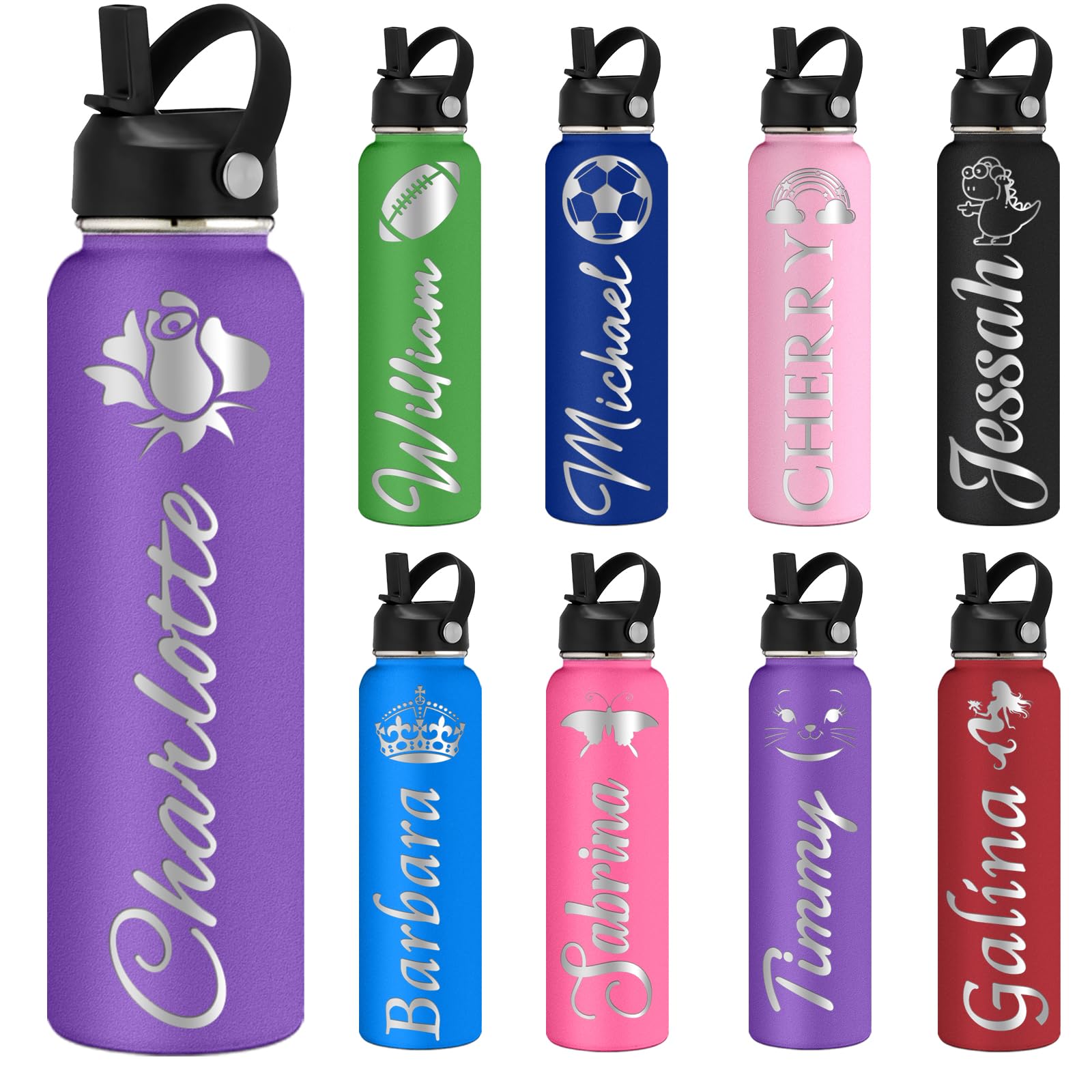
A stock image related to custom stainless water bottle.
3 Common User Pain Points for ‘custom stainless water bottle’ & Their Solutions
Scenario 1: Managing Bulk Orders with Custom Branding Challenges
El problema: Many B2B buyers face the difficulty of managing bulk orders for custom stainless water bottles that require specific branding elements. This is particularly challenging when dealing with multiple suppliers or when trying to meet tight deadlines for promotional events or corporate gifts. Miscommunication about design specifications, lead times, and minimum order quantities can lead to delays, increased costs, and unsatisfactory results, ultimately affecting brand reputation.
La solución: To overcome these challenges, B2B buyers should establish clear communication with suppliers from the outset. Start by outlining your specific requirements, including design elements, color specifications, and any branding guidelines. It’s advisable to request a digital mock-up or sample before finalizing the order to ensure that the product meets expectations. Additionally, inquire about the supplier’s production capacity and lead times to ensure they can meet your deadlines. Consider working with a supplier that offers a comprehensive online ordering system where you can track your order status in real-time. By establishing a solid relationship with a reliable supplier and utilizing technology to manage orders, you can streamline the process and enhance overall satisfaction.
Scenario 2: Ensuring Product Quality and Compliance
El problema: Buyers often worry about the quality of custom stainless water bottles, especially regarding safety standards and compliance with international regulations. Concerns over materials (such as BPA-free certifications), durability, and the effectiveness of insulation can lead to anxiety about whether the products will meet customer expectations and regulatory requirements, particularly when selling in diverse markets like Africa and Europe.
La solución: To ensure product quality and compliance, B2B buyers should conduct thorough research on potential suppliers. Request certifications that demonstrate compliance with safety and environmental standards, such as FDA approval or ISO certifications. It’s also beneficial to ask for samples of the water bottles to evaluate their quality firsthand. Consider suppliers who provide transparency in their manufacturing processes and who can verify the materials used. Establishing a robust quality assurance process, including regular inspections and feedback loops with your supplier, can further enhance product reliability. By taking these proactive steps, buyers can confidently assure their clients of the quality and safety of their products.
Scenario 3: Navigating Environmental Sustainability Concerns
El problema: In an era where environmental consciousness is paramount, B2B buyers are increasingly challenged to source sustainable products, including custom stainless water bottles. Many companies face pressure from stakeholders to reduce their carbon footprint and utilize eco-friendly materials, which can complicate the sourcing process. Buyers may struggle with finding suppliers that align with their sustainability goals while still offering competitive pricing and quality.
La solución: To effectively navigate sustainability concerns, buyers should prioritize working with suppliers that specialize in eco-friendly products. This includes sourcing bottles made from recycled materials or those that have certifications for sustainability practices. Engage in discussions about the supplier’s production methods and their commitment to reducing environmental impact, such as utilizing renewable energy sources. Additionally, consider the life cycle of the product, including end-of-life options for the bottles, such as recyclability. By focusing on suppliers who demonstrate a commitment to sustainability, buyers can meet their environmental goals and appeal to eco-conscious consumers, enhancing their brand’s reputation in the marketplace.
Strategic Material Selection Guide for custom stainless water bottle
What are the Key Materials Used in Custom Stainless Water Bottles?
When selecting materials for custom stainless water bottles, it’s essential to consider their properties, advantages, disadvantages, and suitability for specific applications. Here, we analyze four common materials used in the manufacturing of these bottles: 304 stainless steel, 316 stainless steel, Tritan™ plastic, and aluminum.
How Does 304 Stainless Steel Perform in Custom Water Bottles?
304 stainless steel is the most common type used in food and beverage applications. It offers excellent corrosion resistance, making it ideal for various environments. This material can withstand temperatures up to 870°C (1600°F) and has a pressure rating that allows it to handle the rigors of daily use without deforming.
Pros: 304 stainless steel is durable, lightweight, and resistant to rust and oxidation. It is also relatively cost-effective, making it a popular choice among manufacturers.
Contras: While it is resistant to corrosion, it may not be suitable for highly acidic or alkaline substances, which can lead to pitting over time. Additionally, its manufacturing process can be complex, requiring specialized equipment.
Impacto en la aplicación: 304 stainless steel is compatible with a wide range of beverages, including water, juices, and sports drinks, but care should be taken with acidic liquids.
Consideraciones para compradores internacionales: Compliance with international standards such as ASTM and EN is crucial. Buyers from regions like Europe and the Middle East may prioritize certifications that ensure food safety and environmental sustainability.
What are the Benefits of Using 316 Stainless Steel?
316 stainless steel is often considered a superior option due to its enhanced corrosion resistance, particularly against chloride environments. It can withstand higher temperatures and is often used in marine applications.
Pros: The primary advantage of 316 stainless steel is its exceptional durability and resistance to corrosion, making it suitable for a broader range of applications, including salty or acidic liquids.
Contras: The cost of 316 stainless steel is higher than that of 304, which may impact budget considerations for bulk orders. Its manufacturing process is also more complex.
Impacto en la aplicación: This material is particularly suitable for custom bottles intended for outdoor or marine use, as it can handle exposure to saltwater and other corrosive elements.
Consideraciones para compradores internacionales: Buyers in coastal regions or countries with high humidity should consider 316 stainless steel for its longevity. Compliance with local and international standards is also vital.
How Does Tritan™ Plastic Compare to Stainless Steel?
Tritan™ is a BPA-free copolyester that offers a lightweight alternative to stainless steel. It is known for its clarity, toughness, and resistance to impact and heat.
Pros: Tritan™ is cost-effective and can be manufactured in various colors and styles, making it appealing for custom designs. It is also dishwasher safe, which adds to its convenience.
Contras: While Tritan™ is durable, it is not as heat-resistant as stainless steel and may not perform well under high-temperature conditions. Additionally, it is less environmentally friendly compared to stainless steel.
Impacto en la aplicación: Tritan™ is suitable for cold beverages and is often used in promotional items due to its versatility in design.
Consideraciones para compradores internacionales: Buyers should ensure that Tritan™ products meet safety standards in their respective markets, particularly in regions with stringent regulations on plastics.
What Role Does Aluminum Play in Custom Water Bottles?
Aluminum is another popular choice for custom water bottles, known for its lightweight properties and recyclability. It can be coated or anodized for added protection against corrosion.
Pros: Aluminum bottles are lightweight and can be produced at a lower cost than stainless steel. They are also easily customizable with various colors and designs.
Contras: Aluminum is less durable than stainless steel and can dent or scratch more easily. It may also require a lining to prevent reactions with acidic beverages.
Impacto en la aplicación: Aluminum is ideal for promotional use and casual settings but may not be suitable for long-term storage of acidic or carbonated drinks.
Consideraciones para compradores internacionales: Buyers should check for compliance with recycling standards and safety regulations, especially in regions where environmental concerns are paramount.
Summary of Material Selection for Custom Stainless Water Bottles
| Material | Typical Use Case for custom stainless water bottle | Ventajas clave | Principales desventajas/limitaciones | Coste relativo (Bajo/Medio/Alto) |
|---|---|---|---|---|
| 304 Stainless Steel | Everyday use, water, juices | Excellent corrosion resistance | Not ideal for highly acidic liquids | Medio |
| 316 Stainless Steel | Marine applications, outdoor use | Superior corrosion resistance | Higher cost and complex manufacturing | Alta |
| Tritan™ Plastic | Promotional items, cold beverages | Lightweight and customizable | Less heat-resistant, not as eco-friendly | Bajo |
| Aluminio | Casual use, promotional items | Ligero y rentable | Less durable, may react with acidic drinks | Bajo |
This strategic material selection guide provides essential insights for B2B buyers, enabling informed decisions tailored to their specific market needs and compliance requirements.
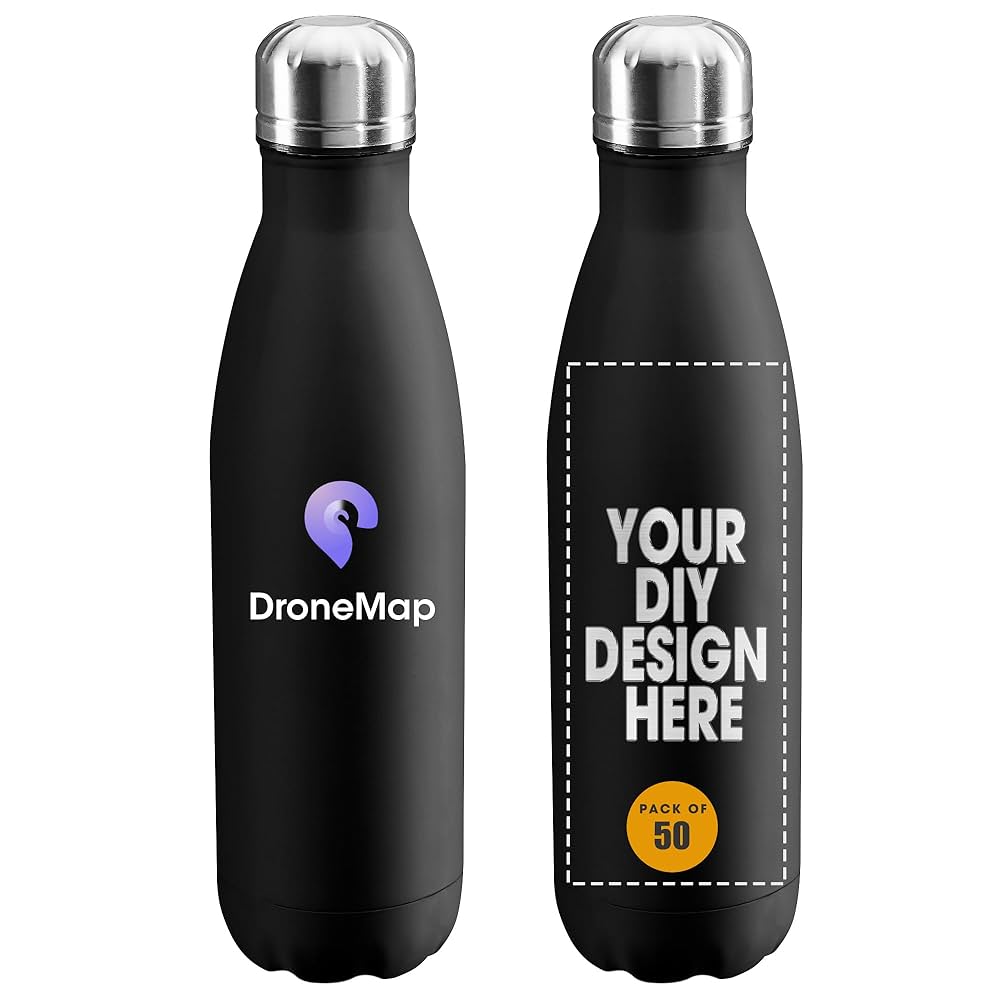
A stock image related to custom stainless water bottle.
In-depth Look: Manufacturing Processes and Quality Assurance for custom stainless water bottle
What Are the Key Stages in the Manufacturing Process of Custom Stainless Water Bottles?
The manufacturing process of custom stainless water bottles involves several critical stages that ensure quality and functionality. Understanding these stages can help B2B buyers make informed decisions when selecting suppliers.
Material Preparation: How Is Stainless Steel Processed?
The journey begins with the selection of high-grade stainless steel, typically 304 or 316 grades, known for their corrosion resistance and durability. Suppliers often source this material from reputable mills to ensure consistency. The steel is then cut into sheets or coils, which are subsequently cleaned to remove any contaminants. This preparation stage is crucial as impurities can affect the quality of the final product.
Forming: What Techniques Are Used to Shape the Bottles?
Forming is a pivotal stage where the prepared stainless steel is shaped into the desired bottle form. Common techniques include:
- Deep Drawing: This process involves pressing a flat sheet of steel into a mold to create a seamless bottle. It is widely favored for producing lightweight and robust bottles.
- Hydroforming: A more advanced method that uses high-pressure fluid to shape the metal, resulting in complex designs without compromising strength.
- Welding: For bottles requiring multiple components, such as lids and bases, welding techniques (TIG or MIG) are employed to assemble parts securely.
These techniques not only enhance the aesthetic appeal but also ensure that the bottles meet functional requirements.
Assembly: How Are Custom Features Integrated?
Once the basic shape is formed, the assembly stage begins. This may include adding features such as caps, straws, or insulation. Customization often involves screen printing or laser engraving the brand logo and other designs onto the bottle surface. Proper alignment and secure fittings are critical during this phase to prevent leakage and ensure usability.
Finishing: What Processes Ensure a Quality Surface?
Finishing processes enhance the visual appeal and functionality of the water bottles. This can include:
- Polishing: To achieve a smooth, shiny surface that is aesthetically pleasing and easier to clean.
- Coating: Application of powder coatings or paints can provide additional durability and customization options.
- Quality Check: A thorough inspection is conducted to ensure that the final products meet design specifications and quality standards.
What Quality Assurance Standards Should B2B Buyers Consider?
Quality assurance is vital in ensuring that the custom stainless water bottles meet international standards. B2B buyers must be aware of several key certifications and quality control checkpoints.
Which International Standards Are Relevant for Stainless Steel Bottles?
International standards such as ISO 9001 play a significant role in establishing a quality management system within manufacturing processes. Compliance with ISO standards indicates that the supplier adheres to internationally recognized quality benchmarks.
Additionally, certifications like CE (Conformité Européenne) for products sold in Europe and API (American Petroleum Institute) for industrial applications can further assure buyers of the product’s safety and reliability.
What Are the Key Quality Control Checkpoints in Manufacturing?
Quality control (QC) checkpoints are essential in maintaining product integrity throughout the manufacturing process. Typical checkpoints include:
- Control de calidad entrante (IQC): Assessment of raw materials to ensure they meet required specifications before production begins.
- Control de calidad durante el proceso (IPQC): Continuous monitoring during the manufacturing stages, including checks for dimensional accuracy and assembly integrity.
- Control de calidad final (CCF): A comprehensive inspection of the finished products to confirm they meet design and performance standards before shipping.
¿Cómo pueden los compradores B2B verificar el control de calidad de los proveedores?
For B2B buyers, verifying a supplier’s quality control processes is paramount. Here are some practical steps:
What Audit Methods Can Be Employed?
- Auditorías de proveedores: Conducting on-site audits can provide insights into the supplier’s manufacturing practices and quality management systems. Buyers can assess the facility’s cleanliness, organization, and adherence to protocols.
- Documentation Review: Requesting access to quality control reports, certificates, and inspection records can help verify compliance with international standards.
What Role Do Third-Party Inspections Play?
Engaging third-party inspection services can offer an unbiased evaluation of the manufacturing processes and final products. These inspections often include:
- Random Sampling: Testing a selection of products to ensure they meet specified quality criteria.
- Laboratory Testing: Assessing materials for chemical composition and mechanical properties, ensuring they align with industry standards.
What Are the Unique Quality Control Considerations for International Buyers?
B2B buyers from diverse regions such as Africa, South America, the Middle East, and Europe face unique challenges when it comes to quality control. Factors such as local regulations, shipping logistics, and cultural differences can influence quality assurance practices.
How Do Local Regulations Impact Quality Assurance?
Buyers should familiarize themselves with local regulations that may affect product safety and compliance. For instance, certain regions may have specific requirements for food-grade materials or environmental standards that differ from international norms.
What Should Buyers Know About Shipping and Handling?
Shipping logistics can impact product quality. Buyers should ensure that suppliers have robust packaging practices to protect products during transit. Additionally, understanding the handling procedures at ports can help mitigate risks associated with damage or contamination.
Conclusion: Why Is Quality Assurance Crucial for Custom Stainless Water Bottles?
The manufacturing processes and quality assurance practices for custom stainless water bottles are intricate and vital for ensuring product excellence. B2B buyers must prioritize suppliers who demonstrate rigorous quality control measures and compliance with international standards. By doing so, they can secure reliable, sustainable, and high-quality products that meet market demands across various regions.
Practical Sourcing Guide: A Step-by-Step Checklist for ‘custom stainless water bottle’
Introducción
Sourcing custom stainless water bottles can be a strategic move for businesses looking to enhance brand visibility while promoting sustainability. This guide provides a comprehensive checklist to streamline the procurement process, ensuring that B2B buyers can make informed decisions that align with their branding and operational goals.
Paso 1: Defina sus especificaciones técnicas
Before initiating the sourcing process, clearly outline the specifications of the custom stainless water bottles you require. Consider factors such as size, design, insulation properties, and materials used.
– Size Options: Decide on dimensions that suit your target audience, such as 16 oz, 20 oz, or larger sizes.
– Calidad del material: Ensure that the bottles are made from high-grade stainless steel to guarantee durability and resistance to corrosion.
Step 2: Determine Your Branding Needs
Establish how you want to customize the bottles to reflect your brand. This may include logos, colors, and design elements.
– Logo Placement: Identify optimal locations for logo placement, such as the front, back, or side.
– Color Schemes: Choose colors that align with your brand identity and will appeal to your target market.
Step 3: Research Potential Suppliers
Conduct thorough research to identify potential suppliers who specialize in custom stainless water bottles.
– Supplier Experience: Look for suppliers with a proven track record in manufacturing and customizing bottles.
– Client Reviews: Check testimonials or case studies to gauge the satisfaction levels of previous clients.
Step 4: Verify Supplier Certifications
Ensure that your chosen suppliers possess relevant certifications that guarantee quality and compliance with international standards.
– Quality Assurance: Look for ISO certifications or similar quality management systems.
– Sustainability Certifications: If eco-friendliness is important to your brand, check for certifications like BPA-free or recycled materials.
Step 5: Request Samples
Before finalizing your order, request samples of the bottles to evaluate their quality and design.
– Quality Assessment: Inspect the samples for durability, insulation effectiveness, and overall finish.
– Design Validation: Ensure that the customization meets your specifications and accurately represents your branding.
Step 6: Negotiate Pricing and Terms
Once you have selected a supplier, engage in negotiations regarding pricing, minimum order quantities, and delivery timelines.
– Descuentos por volumen: Inquire about discounts for larger orders to maximize your budget.
– Payment Terms: Clarify payment methods and any upfront costs to avoid misunderstandings later.
Step 7: Finalize the Order and Monitor Production
After agreeing on terms, finalize your order and maintain communication with the supplier throughout the production process.
– Production Updates: Request regular updates on production milestones to ensure timelines are met.
– Quality Control: Establish checkpoints during production to address any issues promptly, ensuring that the final product aligns with your expectations.
By following these steps, B2B buyers can effectively navigate the sourcing process for custom stainless water bottles, ensuring a successful procurement that meets both quality and branding standards.
Comprehensive Cost and Pricing Analysis for custom stainless water bottle Sourcing
What Are the Key Cost Components in Custom Stainless Water Bottle Sourcing?
Understanding the cost structure of custom stainless water bottles is essential for international B2B buyers looking to optimize their sourcing strategy. The primary cost components include:
-
Materiales: The choice of stainless steel grade (e.g., 304 or 316) significantly impacts the cost. Higher-grade materials often come with a premium price but offer better durability and corrosion resistance. Additionally, eco-friendly materials, such as recycled stainless steel, can appeal to sustainability-focused brands but may incur higher initial costs.
-
Trabajo: Labor costs vary by region and can be influenced by local wage standards, skill levels, and labor laws. For instance, sourcing from countries with lower labor costs may lead to substantial savings, but it is crucial to ensure that quality standards are not compromised.
-
Gastos generales de fabricación: This encompasses costs associated with the manufacturing facility, utilities, and general operational expenses. Facilities with advanced machinery or technology may have higher overheads, impacting the final price.
-
Herramientas: Customization often requires specific tooling or molds, which can be a significant upfront investment. The tooling cost is typically amortized over the production run, making it essential to consider the volume of orders to minimize this impact.
-
Control de calidad: Ensuring product quality is vital, especially for brands that prioritize customer satisfaction. Implementing stringent QC processes can add to the overall cost but ultimately protects brand reputation and reduces returns.
-
Logística: Shipping costs can vary widely based on the shipping method (air, sea, or land), distance, and Incoterms. International buyers should factor in customs duties and taxes, which can further affect the total landed cost.
-
Margen: Suppliers typically include a profit margin in their pricing. Understanding the average margin in the industry can help buyers gauge whether a quoted price is reasonable.
How Do Price Influencers Affect Custom Stainless Water Bottle Costs?
Several factors influence the pricing of custom stainless water bottles, including:
-
Volumen/MOQ (Cantidad mínima de pedido): Larger orders often lead to lower per-unit costs due to economies of scale. Buyers should negotiate their order size to maximize cost efficiency.
-
Especificaciones y personalización: The complexity of customization—such as unique shapes, colors, or branding—can increase costs. Buyers should clearly define specifications to avoid unexpected charges.
-
Material Choices: The choice of materials directly impacts the cost. For example, insulated bottles typically cost more than non-insulated options due to the additional manufacturing processes involved.
-
Calidad y certificaciones: Products that meet specific certifications (e.g., FDA approval, BPA-free) may carry a premium. Buyers should assess the necessity of these certifications based on their target market.
-
Factores del proveedor: Supplier reliability, production capacity, and historical performance can influence pricing. Establishing long-term partnerships can lead to better pricing structures.
-
Incoterms: The chosen Incoterms determine who is responsible for shipping costs and risks. Understanding these terms can help buyers make informed decisions regarding total landed costs.
What Are Essential Buyer Tips for Negotiating Custom Stainless Water Bottle Prices?
-
Negotiate Wisely: Use your purchasing power to negotiate better terms. Consider bundling orders or establishing long-term contracts for more favorable pricing.
-
Focus on Total Cost of Ownership (TCO): Evaluate the total cost, including shipping, duties, and potential quality issues. A lower upfront price may not always be the most cost-effective option in the long run.
-
Understand Pricing Nuances for International Sourcing: Different regions may have varying pricing structures due to local market conditions. For example, buyers from Africa and South America might face different shipping and customs costs compared to those in Europe.
-
Atención a las fluctuaciones monetarias: For international transactions, currency exchange rates can significantly affect costs. Hedge against currency risk where possible.
-
Solicitud de muestras: Before committing to a large order, request samples to assess quality and ensure that the product meets your standards.
By understanding these components and leveraging strategic negotiation tactics, B2B buyers can effectively manage costs associated with custom stainless water bottles, leading to better procurement decisions and enhanced profitability.
Alternatives Analysis: Comparing custom stainless water bottle With Other Solutions
Exploring Alternatives to Custom Stainless Water Bottles
In the market for hydration solutions, custom stainless water bottles are a popular choice for businesses aiming to enhance brand visibility while promoting sustainability. However, several alternative solutions exist that may suit different needs, budgets, and marketing strategies. Understanding these options can help B2B buyers make informed decisions based on their specific requirements.
| Aspecto comparativo | Custom Stainless Water Bottle | Aluminum Water Bottle | BPA-Free Plastic Bottle |
|---|---|---|---|
| Rendimiento | High insulation, durability, and eco-friendliness. | Good insulation, lightweight, and durable. | Lightweight, low durability, and less eco-friendly. |
| Coste | $10 – $75 depending on size and customization. | $5 – $30 depending on size and design. | $1 – $15 depending on size and customization. |
| Facilidad de aplicación | Customization requires design input and production time. | Simple customization options available, faster turnaround. | Quick to source and customize with low setup costs. |
| Mantenimiento | Easy to clean and maintain; resistant to odors and stains. | Easy to clean; may dent or scratch. | May retain odors and stains over time; not as durable. |
| El mejor caso de uso | Corporate gifting, eco-conscious promotions, and outdoor activities. | Sports events, outdoor activities, and casual promotions. | Budget-friendly giveaways, events, and short-term promotions. |
What Are the Advantages and Disadvantages of Aluminum Water Bottles?
Aluminum water bottles are a lightweight alternative that offers good insulation and durability. They are often more affordable than stainless steel options, making them suitable for businesses with tighter budgets. However, aluminum bottles may not be as eco-friendly unless they are made from recycled materials. Additionally, they can dent or scratch more easily, which may affect their longevity and appearance.
How Do BPA-Free Plastic Bottles Compare?
BPA-free plastic bottles are the most budget-friendly option, making them attractive for high-volume giveaways or events. They are lightweight and easy to customize quickly, allowing for rapid production. However, they do not offer the same durability or eco-friendliness as stainless steel or aluminum options. Over time, plastic bottles may retain odors and are less likely to be recycled, contributing to environmental waste.
Conclusión: ¿Cómo deben elegir los compradores B2B la solución de hidratación adecuada?
When selecting the right hydration solution, B2B buyers should consider their target audience, budget, and sustainability goals. Custom stainless water bottles are ideal for businesses focusing on long-term brand loyalty and eco-conscious messaging. In contrast, aluminum and BPA-free plastic bottles may be more suitable for short-term promotions or budget-sensitive campaigns. By evaluating the strengths and weaknesses of each option, buyers can make strategic decisions that align with their brand values and marketing objectives.
Essential Technical Properties and Trade Terminology for custom stainless water bottle
What Are the Key Technical Properties of Custom Stainless Water Bottles?
When sourcing custom stainless water bottles, understanding specific technical properties is essential for making informed decisions. Here are some critical specifications to consider:
1. Material Grade
Stainless steel is categorized into various grades, with 304 and 316 being the most common for water bottles. Grade 304 is known for its excellent corrosion resistance, making it suitable for everyday use. Grade 316, often referred to as marine-grade stainless steel, offers enhanced resistance to saltwater and acidic environments. For B2B buyers, selecting the right material grade is crucial to ensure product longevity and performance, especially in demanding conditions.
2. Insulation Type
Insulated stainless steel bottles often feature double-wall vacuum insulation, which keeps beverages hot or cold for extended periods. This property is particularly appealing for brands targeting outdoor enthusiasts or those in regions with extreme temperatures. Understanding the insulation type helps buyers assess the value of the product, as effective insulation can enhance user experience and brand loyalty.
3. Capacity Options
Custom stainless water bottles come in various sizes, typically ranging from 12 oz to 64 oz. The choice of capacity should align with the target audience’s needs. For instance, smaller sizes may appeal to children or casual users, while larger capacities are ideal for athletes or those engaged in outdoor activities. A clear understanding of capacity options allows B2B buyers to cater to specific market segments effectively.
4. Finish and Coating
The finish of a stainless steel bottle can influence its aesthetic appeal and functionality. Options may include powder coating, brushed stainless, or a matte finish. Coatings can also provide additional benefits, such as improved grip or enhanced durability against scratches. Buyers should consider how the finish aligns with their branding and the intended use of the product.
5. Tolerance Levels
Tolerance refers to the permissible limit of variation in a physical dimension. In the context of manufacturing custom bottles, precise tolerances ensure that components fit together correctly, which is vital for leak-proof designs. A thorough understanding of tolerance levels helps B2B buyers ensure quality and reduce the risk of product returns due to manufacturing defects.
Which Trade Terminology Should B2B Buyers Know When Sourcing Custom Stainless Water Bottles?
Navigating the procurement landscape involves familiarizing oneself with industry-specific jargon. Here are some common terms that B2B buyers should understand:
1. OEM (fabricante de equipos originales)
An OEM is a company that produces parts or equipment that may be marketed by another manufacturer. For custom stainless water bottles, working with an OEM can streamline the production process, ensuring that the products meet specific design and quality standards.
2. MOQ (Cantidad mínima de pedido)
MOQ refers to the smallest number of units that a supplier is willing to sell. Understanding MOQ is crucial for budgeting and inventory management, as it can impact the overall cost-effectiveness of a purchase. B2B buyers should negotiate MOQs based on their sales forecasts and market demand.
3. RFQ (solicitud de oferta)
An RFQ is a document sent to suppliers requesting a price quote for a specific quantity of products. This process allows buyers to compare pricing and terms from multiple suppliers, ensuring they receive the best deal. Clearly articulating requirements in an RFQ can lead to more accurate and competitive quotes.
4. Incoterms (Términos comerciales internacionales)
Incoterms are a set of predefined commercial terms published by the International Chamber of Commerce that clarify the responsibilities of buyers and sellers in international transactions. Familiarity with Incoterms, such as FOB (Free on Board) and CIF (Cost, Insurance, and Freight), is essential for managing shipping costs and responsibilities effectively.
5. Customization Options
Customization options refer to the various ways a product can be tailored to meet specific customer needs, such as logo printing, color selection, and packaging. Understanding the available customization options allows B2B buyers to enhance brand visibility and cater to their clients’ preferences.
By grasping these technical properties and trade terminologies, B2B buyers can make more informed decisions when sourcing custom stainless water bottles, ultimately leading to better product offerings and customer satisfaction.
Navigating Market Dynamics and Sourcing Trends in the custom stainless water bottle Sector
What Are the Key Market Trends Impacting the Custom Stainless Water Bottle Sector?
The global market for custom stainless water bottles is witnessing significant growth, driven by increasing consumer awareness about sustainability and health. The rising demand for eco-friendly products, particularly in regions such as Africa, South America, the Middle East, and Europe, is reshaping purchasing behaviors among B2B buyers. Customization options are also becoming a focal point, allowing businesses to strengthen brand identity while appealing to environmentally conscious consumers.
Emerging technologies, including advanced manufacturing techniques like 3D printing and digital printing, are enhancing the customization process, enabling companies to offer more unique designs efficiently. Moreover, the integration of smart features, such as hydration tracking and temperature monitoring, is attracting tech-savvy buyers looking for innovative products. B2B buyers are increasingly seeking suppliers who can provide not only high-quality products but also quick turnaround times and flexible ordering systems to accommodate varying demand levels.
Market dynamics are further influenced by geopolitical factors and trade policies, which can affect sourcing costs and logistics. For instance, tariffs and import restrictions can lead to price fluctuations, making it essential for international buyers to stay informed about regulatory changes in key sourcing countries. Establishing strong relationships with reliable suppliers who can navigate these complexities is crucial for maintaining competitiveness in this evolving landscape.
How Is Sustainability Shaping the Sourcing of Custom Stainless Water Bottles?
Sustainability has become a cornerstone of sourcing strategies in the custom stainless water bottle sector. The environmental impact of single-use plastic has prompted both consumers and businesses to seek out reusable alternatives. Custom stainless water bottles not only offer a durable solution but also contribute to reducing plastic waste, making them a desirable choice for eco-conscious brands.
Ethical sourcing is equally important, as buyers are increasingly scrutinizing the practices of their suppliers. Companies that prioritize transparency and sustainability in their supply chains can enhance their reputation and appeal to a growing base of environmentally aware consumers. Certifications such as Fair Trade, ISO 14001 for environmental management, and the use of recycled materials can further validate a supplier’s commitment to sustainability.
In addition, the push for eco-friendly materials, such as BPA-free stainless steel and plant-based inks for printing, is becoming a standard requirement. B2B buyers should consider suppliers who not only provide high-quality products but also align with their sustainability goals. By integrating these practices into their sourcing strategies, businesses can strengthen their brand image and foster long-term customer loyalty.
What Is the Historical Context of Custom Stainless Water Bottles?
The evolution of custom stainless water bottles can be traced back to the growing awareness of environmental issues in the late 20th century. Initially, the market was dominated by disposable plastic bottles, which contributed significantly to global waste. The introduction of stainless steel as a sustainable alternative marked a turning point, as it offered durability and reusability.
As consumer preferences shifted towards health and wellness, the demand for custom stainless water bottles surged. Brands began to recognize the potential of personalization as a marketing tool, allowing customers to imprint their logos or designs. This trend not only enhanced brand visibility but also fostered customer engagement. Today, the market is characterized by innovation in both design and functionality, reflecting broader trends in sustainability and health-conscious living.
By understanding these historical dynamics, B2B buyers can better appreciate the current landscape and make informed decisions when sourcing custom stainless water bottles.
Frequently Asked Questions (FAQs) for B2B Buyers of custom stainless water bottle
-
How can I ensure the quality of custom stainless water bottles from suppliers?
To ensure quality, it’s essential to vet suppliers thoroughly. Look for manufacturers with certifications such as ISO 9001 for quality management systems. Request samples to evaluate the materials and craftsmanship. Additionally, consider conducting factory audits or utilizing third-party inspection services before placing large orders. Engaging in clear communication regarding quality standards and expectations can also help mitigate risks. -
What are the best customization options available for stainless water bottles?
Customization options vary widely among suppliers but generally include choices for size, color, material type, and design features. Popular options include screen printing, laser engraving, and full-color wraps for branding. Some suppliers also offer unique features such as insulation, different lid types, and eco-friendly materials. Understanding your target audience and branding strategy will help you select the most effective customization options. -
What is the minimum order quantity (MOQ) for custom stainless water bottles?
MOQs can vary significantly depending on the supplier and the complexity of the customization. Many manufacturers have MOQs ranging from 100 to 1,000 units. However, some suppliers may be flexible with smaller orders, especially for new clients or when testing products. It’s advisable to communicate your needs upfront to explore options and negotiate favorable terms that suit your business requirements. -
What payment terms should I expect when sourcing custom stainless water bottles internationally?
Payment terms can vary, but common practices include a deposit of 30-50% upfront, with the balance due before shipment. Some suppliers may offer payment via letter of credit or PayPal for added security. Always ensure that the payment terms are clearly defined in your purchase agreement. Understanding the supplier’s policies will help avoid any misunderstandings and foster a positive business relationship. -
How do I navigate international shipping and logistics for my order?
Navigating international shipping requires careful planning. Collaborate with your supplier to determine the best shipping methods, whether by air or sea, considering factors like cost, delivery time, and product weight. It’s also crucial to understand customs regulations in your country to ensure compliance and avoid delays. Consider working with a freight forwarder who can manage logistics, documentation, and tariffs on your behalf. -
What should I look for in a supplier when sourcing custom stainless water bottles from Africa?
When sourcing from Africa, prioritize suppliers with a proven track record in quality and reliability. Research their experience in exporting, especially to your region. Look for certifications that comply with international standards, and seek references or testimonials from previous clients. Understanding the local market dynamics and cultural nuances can also enhance your negotiation and partnership experience. -
How can I evaluate the environmental impact of custom stainless water bottles?
To assess the environmental impact, inquire about the materials used, such as whether they are BPA-free and recyclable. Many suppliers highlight their sustainability practices, including energy-efficient manufacturing processes and eco-friendly packaging. Consider certifications such as EcoLabel or similar, which indicate compliance with environmental standards. Partnering with suppliers committed to sustainability can enhance your brand’s reputation and appeal to eco-conscious consumers. -
What quality assurance measures should be in place for my custom water bottle order?
Implementing quality assurance starts with setting clear specifications and standards with your supplier. Request regular updates and inspections throughout the production process. Consider incorporating a final inspection before shipment to confirm that products meet your quality criteria. Establishing a feedback loop with your supplier can also facilitate continuous improvement and ensure that any issues are promptly addressed.
Descargo de responsabilidad y condiciones de uso
⚠️ Descargo de responsabilidad importante
La información facilitada en esta guía, incluido el contenido relativo a fabricantes, especificaciones técnicas y análisis de mercado, tiene únicamente fines informativos y educativos. No constituye asesoramiento profesional en materia de adquisiciones, asesoramiento financiero ni asesoramiento jurídico.
Aunque hemos hecho todo lo posible por garantizar la exactitud y actualidad de la información, no nos hacemos responsables de posibles errores, omisiones o información obsoleta. Las condiciones del mercado, los detalles de las empresas y las normas técnicas están sujetos a cambios.
Los compradores B2B deben llevar a cabo su propia diligencia debida independiente y exhaustiva antes de tomar cualquier decisión de compra. Esto incluye ponerse en contacto directamente con los proveedores, verificar las certificaciones, solicitar muestras y buscar asesoramiento profesional. El riesgo de confiar en la información contenida en esta guía es responsabilidad exclusiva del lector.
Top 6 Custom Stainless Water Bottle Manufacturers & Suppliers List
1. CamelBak – Custom Thrive™ Flip Straw 32oz Bottle
Dominio: camelbak.com
Matriculado: 1996 (29 años)
Introducción: Customized Bottles: 38 items available. Price range: $0.00 – $24.99 (4 items), $25.00 – $49.99 (32 items), $50.00 – $74.99 (2 items). Key products include: Custom Thrive™ Flip Straw 32oz Bottle with Tritan™ Renew ($28.99), Custom Thrive™ Flip Straw 20oz Bottle with Tritan™ Renew ($25.99), Custom Thrive™ Chug 40oz Bottle, Insulated Stainless Steel ($47.99), Custom Thrive™ Chug 25oz Bottle with Trit…
2. Swig Life – Personalized Stainless Steel Water Bottles
Dominio: swiglife.com
Registrado: 2018 (7 años)
Introducción: Personalized Stainless Steel Water Bottles available in various shapes and sizes (12oz, 20oz, 26oz, 36oz). Options for monograms or custom designs. Multiple colors and prints including new arrivals like Boo Crew, Pretty In Pink, and more. Free shipping on orders over $75. Discounts available up to 60% off. Various product types include Mega Mugs, Travel Mugs, Tumblers, Wine + Cocktails, and Cooler…
3. Tervis – Customizable Stainless Steel Water Bottles
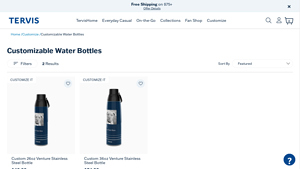
Dominio: tervis.com
Matriculado: 1996 (29 años)
Introducción: Customizable Double Insulated and Stainless Steel Water Bottles | Tervis
– Material: Stainless Steel
– Product Types: Water Bottle
– Volume Options: 26oz, 36oz
– Pack Size: Single
– Lid Type: VersaLid™
– Price Range: $30 – $49.99 for 26oz Venture Stainless Steel Bottle, $54.99 for 36oz Venture Stainless Steel Bottle
– Customization Options: Customize From Templates, Customize From Scratch
– Free …
4. Vistaprint – Custom Water Bottles
Dominio: vistaprint.com
Matriculado: 1999 (26 años)
Introducción: This company, Vistaprint – Custom Water Bottles, is a notable entity in the market. For specific product details, it is recommended to visit their website directly.
5. Totally Promotional – Custom Metal Water Bottles
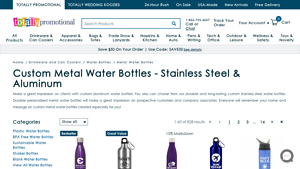
Dominio: totallypromotional.com
Registered: 2008 (17 years)
Introducción: Custom Metal Water Bottles, Custom Stainless Steel Water Bottles, Free Delivery, USA-Made, On Sale, 24-Hour Rush
6. ePromos – Branded Stainless Steel Water Bottles
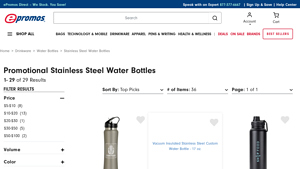
Dominio: epromos.com
Inscrito: 1998 (27 años)
Introducción: Branded Stainless Steel & Metal Water Bottles available at ePromos. Price range: $5-$100. Volume options: 15-20 oz, 20-25 oz, 25-36 oz, over 36 oz. Color options include white, red, blue, black, and more. Minimum order quantity varies from 20 to 100. Materials: Stainless Steel, Silicone, Bamboo. Decoration methods: Screen Printed, Laser Engraved, Direct Print. Brands include BruMate and Under Armo…
Strategic Sourcing Conclusion and Outlook for custom stainless water bottle
In conclusion, the strategic sourcing of custom stainless water bottles presents a significant opportunity for B2B buyers across Africa, South America, the Middle East, and Europe. As sustainability becomes increasingly crucial in purchasing decisions, investing in eco-friendly, reusable bottles not only aligns with global environmental goals but also enhances brand reputation. The diverse range of customizable options available allows businesses to tailor products that resonate with their target audiences, promoting customer loyalty and brand recognition.
International buyers should leverage the growing demand for quality hydration solutions by forming strategic partnerships with suppliers who prioritize innovation and sustainability. By doing so, companies can capitalize on market trends while ensuring that they meet the expectations of eco-conscious consumers.
Looking ahead, the market for custom stainless water bottles is poised for growth, driven by a shift towards sustainable products and health-conscious lifestyles. Now is the time to explore partnerships that will not only fulfill your sourcing needs but also contribute positively to the environment and your brand’s image. Engage with suppliers who share your vision for sustainability and quality, and set your business on a path to success in this expanding market.
 Español
  English
  Português
  Français
  Deutsch
  العربية
  Русский
  日本語
日本語  한국어
한국어  Italiano
  Nederlands