Introduction: Navigating the Global Market for 64 oz bottle
In the quest for effective hydration solutions, sourcing high-quality 64 oz bottles can pose a significant challenge for international B2B buyers. With diverse applications ranging from outdoor adventures to daily hydration needs, the demand for these versatile containers is rapidly increasing across markets in Africa, South America, the Middle East, and Europe. This comprehensive guide aims to equip buyers with essential insights into the various types of 64 oz bottles available, their unique applications, and the critical factors for supplier vetting.
As the market is flooded with options—from insulated stainless steel models to stylish glass designs—understanding the nuances of material quality, insulation capabilities, and design features is crucial for making informed purchasing decisions. This guide delves into cost considerations, supplier reliability, and the latest market trends, ensuring that B2B buyers can navigate the complexities of sourcing effectively.
By empowering decision-makers with actionable insights, this resource not only streamlines the procurement process but also enhances the overall value proposition for businesses looking to meet their hydration needs. Whether you are in Vietnam seeking durable solutions for a hot climate or in Germany looking for eco-friendly options, this guide serves as your essential companion in the global marketplace for 64 oz bottles.
Understanding 64 oz bottle Types and Variations
| Type Name | Key Distinguishing Features | Primary B2B Applications | Brief Pros & Cons for Buyers |
|---|---|---|---|
| Insulated Stainless Steel | Double-wall vacuum insulation, durable, rust-resistant | Outdoor events, sports, corporate gifts | Pros: Excellent temperature retention, durable. Cons: Higher price point. |
| Plastic Water Bottle | Lightweight, often BPA-free, various colors and designs | Schools, gyms, promotional giveaways | Pros: Affordable, customizable. Cons: Less durable than metal options. |
| Glass Water Bottle | Eco-friendly, often with silicone sleeves for grip and protection | Health-focused brands, premium markets | Pros: No chemical leaching, stylish. Cons: Heavier and more fragile. |
| Wide Mouth Bottle | Large opening for easy filling and cleaning, compatible with ice | Hiking, camping, outdoor activities | Pros: Easy to clean, versatile. Cons: May not fit standard cup holders. |
| Specialty Sport Bottle | Designed for active use, often with straws or chug caps | Fitness centers, sports teams | Pros: Convenient for hydration on the go. Cons: Limited to specific uses. |
What Are the Key Characteristics of Insulated Stainless Steel Bottles?
Insulated stainless steel bottles are engineered for superior temperature retention, keeping beverages cold for up to 24 hours or hot for several hours. Their robust construction makes them ideal for outdoor events and rugged environments, appealing to businesses in the sports, camping, and outdoor activities sectors. When sourcing these bottles, B2B buyers should consider customization options for branding, as well as warranty and durability features, which can enhance the product’s value.
Why Choose Plastic Water Bottles for B2B Needs?
Plastic water bottles are lightweight and versatile, making them suitable for various applications, including schools, gyms, and promotional events. They are often BPA-free and available in a range of colors and designs, allowing for easy customization. For B2B buyers, the affordability of plastic bottles is a significant advantage, but considerations regarding durability and environmental impact should also be factored into purchasing decisions.
How Do Glass Water Bottles Stand Out in the Market?
Glass water bottles are increasingly popular among health-conscious consumers and brands focused on sustainability. Their eco-friendly nature and aesthetic appeal make them suitable for premium markets. However, buyers should note that while glass bottles offer benefits such as no chemical leaching, they are heavier and more prone to breakage. B2B purchasers should weigh the potential for higher retail prices against the perceived value of eco-friendliness and style.
What Are the Benefits of Wide Mouth Bottles?
Wide mouth bottles feature a larger opening that facilitates easy filling and cleaning, making them ideal for outdoor activities like hiking and camping. Their compatibility with ice cubes enhances usability in hot climates, appealing to businesses catering to outdoor enthusiasts. When selecting these bottles, B2B buyers should consider the practicality of size and whether the design meets specific usage needs, such as fitting in standard cup holders.
What Makes Specialty Sport Bottles Ideal for Active Lifestyles?
Specialty sport bottles are designed for convenience, often incorporating features like straws or chug caps for quick hydration during physical activities. They are particularly suitable for fitness centers and sports teams, where quick access to hydration is essential. B2B buyers should assess the functionality of these bottles and consider branding opportunities that resonate with an active audience, ensuring that the products meet the demands of their target market.
Key Industrial Applications of 64 oz bottle
| Industry/Sector | Specific Application of 64 oz bottle | Value/Benefit for the Business | Key Sourcing Considerations for this Application |
|---|---|---|---|
| Outdoor Recreation | Hydration solutions for hiking and camping | Keeps users hydrated during activities, enhancing safety | Durability, insulation properties, and portability |
| Agriculture and Farming | Water supply for fieldwork and livestock | Ensures consistent hydration for workers and animals | Material safety, ease of cleaning, and resistance to wear |
| Sports and Fitness | Team hydration solutions for sports events | Promotes team performance and health through hydration | Custom branding options, leak-proof design, and volume capacity |
| Hospitality and Events | Beverage service at outdoor events and festivals | Enhances guest experience with convenient hydration | Aesthetic design, ease of transport, and bulk purchase options |
| Health and Wellness | Personal hydration for wellness programs and corporate wellness | Supports employee health, reducing absenteeism | BPA-free materials, ease of use, and customization capabilities |
How is the 64 oz Bottle Used in Outdoor Recreation?
In the outdoor recreation sector, 64 oz bottles serve as essential hydration solutions for hikers, campers, and outdoor enthusiasts. These bottles, often made from durable materials, ensure that users can carry sufficient water without frequent refills, significantly enhancing safety during prolonged activities. Buyers from regions with diverse climates should prioritize bottles with double-wall insulation to maintain beverage temperature and those that are lightweight yet robust for easy transport.
What Role Does the 64 oz Bottle Play in Agriculture and Farming?
In agriculture, 64 oz bottles are crucial for providing water to workers in the field and livestock. Their large capacity allows for fewer trips to refill, ensuring that hydration is consistent during long hours of labor. For international buyers, particularly in rural areas of Africa and South America, sourcing bottles that are resistant to UV rays and made from food-safe materials is essential for maintaining water quality and safety.
Why are 64 oz Bottles Important for Sports and Fitness?
In the sports and fitness industry, 64 oz bottles are utilized as team hydration solutions during events. They help maintain optimal hydration levels, which is vital for performance and recovery. When sourcing these bottles, businesses should consider options for customization, such as team logos, and ensure they are designed to prevent leaks, making them practical for athletes on the move.
How Can 64 oz Bottles Enhance Hospitality and Events?
For the hospitality sector, particularly during outdoor events and festivals, 64 oz bottles provide a convenient beverage service option. They enhance the guest experience by ensuring easy access to hydration. Companies should look for aesthetically pleasing designs that align with their branding, as well as bulk purchasing options to meet the demands of large gatherings.
What Benefits Do 64 oz Bottles Offer in Health and Wellness Programs?
In health and wellness initiatives, 64 oz bottles support hydration goals for employees participating in wellness programs. By providing these bottles, businesses can promote better health and reduce absenteeism due to dehydration-related issues. Key considerations for sourcing include ensuring that the materials are BPA-free and that the bottles are user-friendly, encouraging regular use among employees.
A stock image related to 64 oz bottle.
3 Common User Pain Points for ’64 oz bottle’ & Their Solutions
Scenario 1: Ensuring Product Durability for Harsh Environments
The Problem:
For businesses in sectors like construction, agriculture, or outdoor recreation, the durability of hydration products is paramount. B2B buyers often face the challenge of sourcing 64 oz bottles that can withstand harsh conditions, including extreme temperatures, physical impacts, and exposure to dust and moisture. A bottle that cracks, leaks, or fails to insulate effectively can lead to downtime and dissatisfaction among end-users, ultimately impacting brand reputation.
The Solution:
To ensure durability, prioritize sourcing bottles made from high-grade materials such as 18/8 stainless steel, known for its resistance to rust and punctures. When specifying products, look for features like double-wall vacuum insulation to maintain temperature while providing a robust exterior that can handle rough handling. It’s also advisable to choose bottles that come with warranties or guarantees, indicating the manufacturer’s confidence in their product’s durability. Conducting thorough vendor assessments, including checking reviews and performing physical tests when possible, will also help in selecting reliable products that can withstand the rigors of various environments.
Scenario 2: Addressing Hygiene and Safety Concerns
The Problem:
In industries such as healthcare, food service, and education, hygiene is critical. B2B buyers often encounter bottles that do not meet hygiene standards, leading to potential contamination and health risks. For instance, water bottles that are difficult to clean or have lids that do not seal properly can harbor bacteria, posing serious health threats to users.
The Solution:
Opt for 64 oz bottles designed with hygienic features, such as covered drinking spouts and dishwasher-safe components, which facilitate easy cleaning. When sourcing, verify that the materials used are BPA-free and compliant with food safety regulations. It’s also beneficial to provide training for staff on proper cleaning techniques and maintenance schedules to ensure the longevity and safety of the bottles. Offering customization options that allow for branding and identification can also enhance hygiene practices, making it easier to monitor individual use and reduce cross-contamination risks.
Scenario 3: Managing Logistics and Supply Chain Efficiency
The Problem:
International B2B buyers often face logistical challenges when sourcing 64 oz bottles, including lead times, shipping costs, and inventory management. Delays in receiving products can disrupt operations, especially for businesses that rely on timely hydration solutions for their workforce or events.
The Solution:
To streamline logistics, establish strong relationships with reliable suppliers who can guarantee consistent availability and shorter lead times. Consider utilizing local distributors in regions where demand is high, such as Africa and South America, to minimize shipping costs and time. Additionally, implementing a just-in-time inventory system can help manage stock levels efficiently, ensuring that you have the necessary products without overcommitting resources. Leverage technology by using inventory management software that integrates with your suppliers, allowing for real-time tracking and facilitating proactive ordering based on usage patterns. This approach not only enhances operational efficiency but also ensures that hydration needs are met without interruption.
Strategic Material Selection Guide for 64 oz bottle
What Are the Key Materials for 64 oz Bottles?
When selecting materials for 64 oz bottles, it is essential to consider properties that affect performance, durability, and cost. Here, we analyze four common materials: stainless steel, plastic, glass, and aluminum, focusing on their suitability for international markets, particularly in Africa, South America, the Middle East, and Europe.
How Does Stainless Steel Perform in 64 oz Bottles?
Key Properties: Stainless steel is known for its excellent corrosion resistance, high strength, and ability to withstand temperature extremes. It typically has a pressure rating suitable for hot and cold liquids, making it versatile for various applications.
Pros & Cons: The durability of stainless steel is a significant advantage, as it is puncture-resistant and can last for years. However, the manufacturing complexity is higher compared to plastic, which may lead to increased costs. The end product is often heavier than alternatives, which could be a consideration for portability.
Impact on Application: Stainless steel is compatible with both hot and cold beverages, making it ideal for hydration in diverse climates. Its non-reactive nature ensures that it does not impart flavors, which is crucial for maintaining the integrity of beverages.
Considerations for International Buyers: Buyers should ensure compliance with international standards, such as ASTM for materials and safety. In markets like Germany, DIN standards are critical, while in Africa and South America, local regulations may vary significantly.
What Role Does Plastic Play in 64 oz Bottles?
Key Properties: Common plastics used include BPA-free polyethylene and polypropylene, which offer lightweight characteristics and reasonable temperature resistance.
Pros & Cons: Plastic bottles are generally low-cost and lightweight, making them easy to transport. However, they may not offer the same level of durability or temperature retention as metal options. Additionally, some plastics may degrade over time, especially when exposed to UV light.
Impact on Application: These bottles are suitable for cold beverages but may not be ideal for hot liquids due to potential deformation. The risk of leaching chemicals can also be a concern, impacting consumer health perceptions.
Considerations for International Buyers: Compliance with FDA regulations for food-grade plastics is essential, especially in the U.S. and Europe. Buyers should also consider local preferences for eco-friendly materials, which may influence purchasing decisions.
How Does Glass Compare for 64 oz Bottles?
Key Properties: Glass offers excellent chemical resistance and does not leach substances into beverages. It can withstand high temperatures but is more fragile than other materials.
Pros & Cons: The aesthetic appeal of glass is a significant advantage, as it provides a premium feel. However, its weight and fragility can be drawbacks, especially in markets where transportation may involve rough handling.
Impact on Application: Glass is suitable for a wide range of beverages, including hot liquids, making it versatile. However, its breakability limits its use in certain environments, such as outdoor activities.
Considerations for International Buyers: Buyers should be aware of glass recycling regulations and consumer preferences in their region. In Europe, for instance, there is a strong emphasis on sustainability, which may favor glass over plastic.
What About Aluminum for 64 oz Bottles?
Key Properties: Aluminum is lightweight and offers good resistance to corrosion, especially when coated. It can handle a range of temperatures but is less effective at insulating compared to stainless steel.
Pros & Cons: The lightweight nature of aluminum makes it easy to transport, and it is generally lower in cost compared to stainless steel. However, it may dent easily and can react with acidic beverages unless properly coated.
Impact on Application: Aluminum bottles are suitable for cold drinks and can be designed for hot beverages with appropriate coatings. However, the potential for flavor transfer is a concern.
Considerations for International Buyers: Buyers should ensure that aluminum products comply with safety standards, particularly regarding coatings. In regions like the Middle East, where heat can be extreme, aluminum’s lower insulation properties may be a consideration.
Summary Table of Material Selection for 64 oz Bottles
| Material | Typical Use Case for 64 oz bottle | Key Advantage | Key Disadvantage/Limitation | Relative Cost (Low/Med/High) |
|---|---|---|---|---|
| Stainless Steel | Hot and cold beverages, outdoor activities | Durable, corrosion-resistant | Higher cost, heavier | High |
| Plastic | Cold beverages, budget-friendly options | Lightweight, low-cost | Less durable, potential chemical leaching | Low |
| Glass | Premium beverages, eco-conscious markets | Non-reactive, aesthetic appeal | Fragile, heavier | Medium |
| Aluminum | Lightweight, portable hydration solutions | Lightweight, cost-effective | Less durable, potential flavor transfer | Medium |
This comprehensive analysis provides B2B buyers with essential insights into material selection for 64 oz bottles, considering performance, cost, and international compliance.
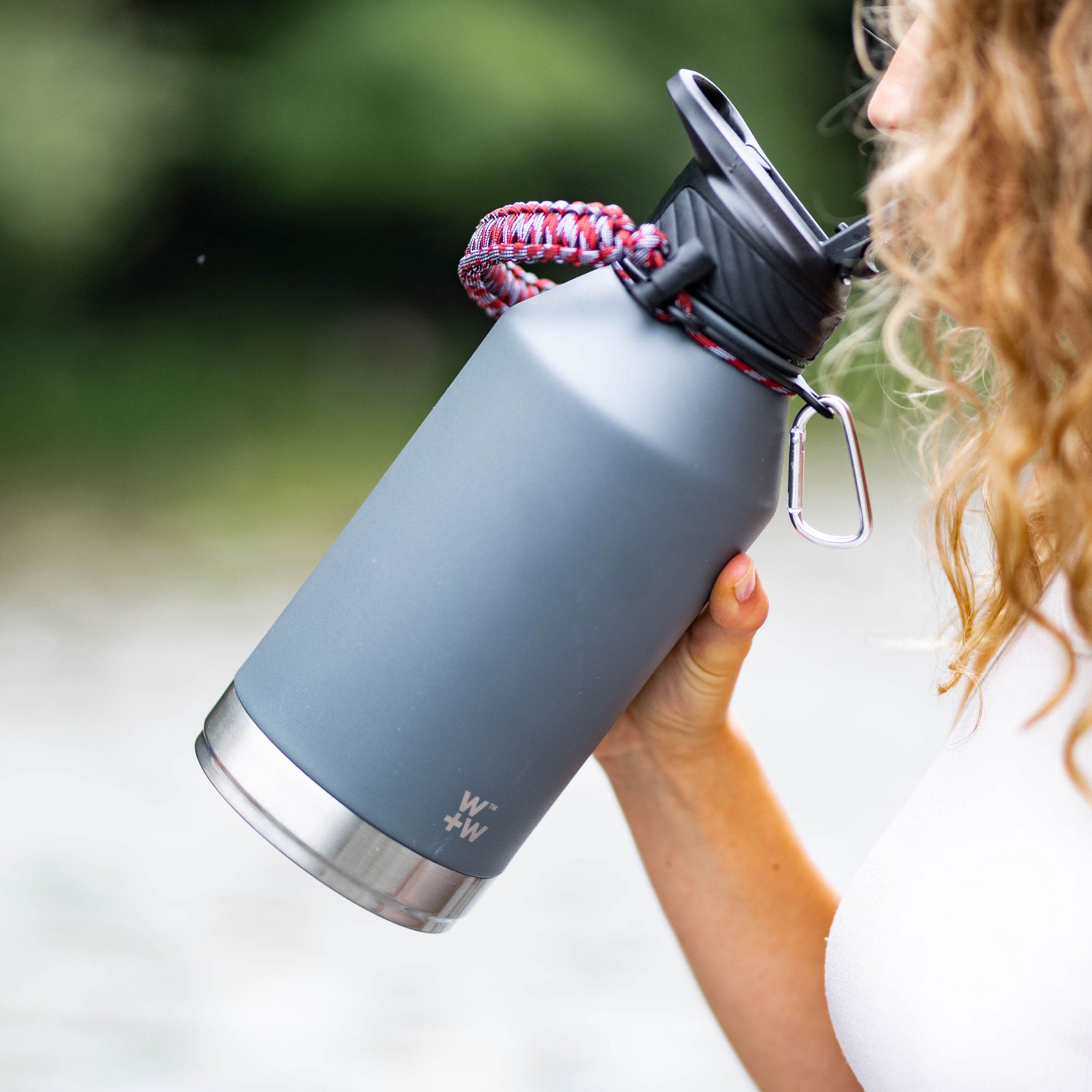
A stock image related to 64 oz bottle.
In-depth Look: Manufacturing Processes and Quality Assurance for 64 oz bottle
What Are the Main Stages in the Manufacturing Process of a 64 oz Bottle?
The manufacturing process for a 64 oz bottle typically involves several critical stages: material preparation, forming, assembly, and finishing. Each stage plays a vital role in ensuring the final product meets quality standards and consumer expectations.
Material Preparation
The first step is selecting the appropriate materials, which can vary depending on the type of bottle being produced—plastic, stainless steel, or glass. For stainless steel bottles, high-grade 18/8 stainless steel is commonly used due to its durability and resistance to rust and corrosion. For plastic bottles, BPA-free materials are preferred to ensure safety and compliance with health regulations.
Once the materials are selected, they undergo preparation, which may include cleaning, cutting, or molding into the desired shapes. This stage is crucial as it sets the foundation for the subsequent manufacturing processes.
How Are 64 oz Bottles Formed?
Forming techniques differ based on the material. For stainless steel bottles, processes like deep drawing or hydroforming are utilized to shape the metal. In contrast, plastic bottles are often produced using blow molding or injection molding techniques.
- Blow Molding: This technique involves heating plastic until it’s pliable, then inflating it within a mold to create the bottle shape.
- Injection Molding: In this method, molten plastic is injected into a mold to form the bottle, offering high precision and the ability to create complex shapes.
For glass bottles, the process generally involves molding the glass at high temperatures, followed by cooling to solidify the shape.
What Happens During the Assembly Stage?
After forming, the next stage is assembly, which may involve adding features such as caps, handles, or insulation layers. For instance, insulated bottles may require a double-wall construction to provide thermal retention.
Assembly is often automated but may require manual labor for quality checks or specific customizations. This is particularly relevant for B2B orders that may involve branding or unique designs tailored to specific markets.
What Finishing Techniques Are Used for 64 oz Bottles?
Finishing processes include polishing, coating, or labeling the bottles. For stainless steel, a brushed or polished finish can enhance aesthetic appeal while also providing scratch resistance.
Plastic bottles may undergo printing for branding or labeling, using techniques such as screen printing or digital printing. Glass bottles can be coated with a silicone sleeve for added protection and grip.
Final quality checks are conducted during the finishing stage to ensure that the bottles meet established standards before they are packaged for distribution.
What Quality Assurance Standards Are Relevant for 64 oz Bottles?
Quality assurance is a critical aspect of the manufacturing process, especially for B2B buyers who require reliable products. International standards such as ISO 9001 provide a framework for consistent quality management systems across manufacturers. This standard emphasizes continual improvement, customer satisfaction, and process efficiency.
In addition to ISO standards, specific industry certifications may be relevant, such as CE marking for products sold in the European market and FDA compliance for products intended for food and drink. These certifications ensure that the bottles meet safety and quality requirements essential for consumer products.
What Are the Key Quality Control Checkpoints in the Manufacturing Process?
Quality Control (QC) checkpoints are integrated at various stages of the manufacturing process to ensure compliance with quality standards. Key QC checkpoints include:
- Incoming Quality Control (IQC): This involves inspecting raw materials upon arrival to ensure they meet specified standards before production begins.
- In-Process Quality Control (IPQC): Continuous monitoring during the manufacturing process helps identify defects or deviations from quality standards in real time.
- Final Quality Control (FQC): This is the last inspection before packaging and shipping, ensuring that the finished product meets all specifications and is free from defects.
What Testing Methods Are Commonly Used for Quality Assurance?
Various testing methods are employed to validate the quality of 64 oz bottles. Common methods include:
- Leak Testing: Ensures that bottles are completely sealed and do not leak under pressure.
- Thermal Testing: For insulated bottles, testing how well they maintain temperature over time is critical.
- Durability Testing: This assesses the bottle’s ability to withstand drops, pressure, and temperature fluctuations.
- Chemical Testing: Ensures that materials used do not leach harmful substances into beverages, particularly for plastics.
How Can B2B Buyers Verify Supplier Quality Control?
For international B2B buyers, verifying a supplier’s quality control practices is essential. Here are some actionable steps:
-
Request Documentation: Ask suppliers for their quality assurance certifications, such as ISO 9001, and any product-specific certifications like FDA or CE marking.
-
Conduct Audits: Regular audits of suppliers can provide insights into their manufacturing processes and QC practices. This can be done through third-party inspection agencies that specialize in factory audits.
-
Review QC Reports: Suppliers should provide quality control reports detailing the results of inspections and tests performed at various stages of production.
-
Inspect Samples: Before placing bulk orders, request samples to evaluate the quality firsthand.
-
Consider Third-Party Inspections: Engaging third-party inspectors can help verify compliance with international standards and provide an unbiased assessment of the supplier’s capabilities.
What Are the QC and Certification Nuances for International B2B Buyers?
International B2B buyers, especially those from diverse regions like Africa, South America, the Middle East, and Europe, should be aware of specific nuances in quality control and certification:
-
Regional Standards: Different regions may have varying standards and regulations. For instance, the EU has stringent regulations for food and beverage containers, which may differ from those in the Americas or Asia.
-
Cultural Considerations: Understanding local market expectations regarding quality can inform better purchasing decisions. Engaging with local distributors can provide insights into preferred quality levels and certification requirements.
-
Supply Chain Transparency: Buyers should demand transparency in the supply chain to ensure that all components of the bottle meet quality standards. This includes understanding where materials are sourced and how they are processed.
By comprehensively understanding the manufacturing processes and quality assurance practices associated with 64 oz bottles, B2B buyers can make informed purchasing decisions that align with their quality expectations and market requirements.
Practical Sourcing Guide: A Step-by-Step Checklist for ’64 oz bottle’
Introduction
Sourcing a 64 oz bottle requires careful consideration to ensure you select the right product that meets your business needs. This checklist provides a structured approach to guide international B2B buyers through the procurement process, addressing key factors such as specifications, supplier evaluation, and compliance with regional standards.
1. Define Your Technical Specifications
Establish clear technical specifications for the 64 oz bottle you wish to procure. Consider factors such as material (e.g., stainless steel, glass, or BPA-free plastic), insulation properties, and design features like caps and handles. This step is crucial as it aligns your sourcing needs with product capabilities, ensuring that the bottles meet your intended use.
2. Research Market Trends and Demand
Investigate current market trends and consumer preferences in your target regions. Understanding the demand for specific types of bottles can inform your purchasing decisions and help you stock products that resonate with your audience. Look for insights on popular materials, colors, and functionalities that may impact sales.
3. Evaluate Potential Suppliers
Before committing to a supplier, conduct thorough evaluations to ensure they align with your business standards. Request documentation such as company profiles, case studies, and customer references, particularly from buyers in similar industries or geographical areas. This helps establish credibility and reliability in your sourcing decision.
4. Verify Supplier Certifications and Compliance
Ensure that your chosen suppliers have the necessary certifications and comply with international standards relevant to the 64 oz bottle. Look for certifications such as ISO for quality management and specific food safety standards, especially if the bottles will be used for beverages. Compliance not only protects your brand but also assures customers of product safety.
5. Request Samples for Quality Assurance
Always request samples before finalizing a bulk order. Evaluating product samples allows you to assess quality, design, and functionality firsthand. Pay attention to details such as durability, insulation efficiency, and user-friendliness of features like lids and handles, as these factors can significantly affect customer satisfaction.
6. Negotiate Terms and Conditions
Once you have identified a suitable supplier, negotiate favorable terms and conditions. Discuss pricing, minimum order quantities, delivery timelines, and payment options. Clear agreements on these aspects prevent misunderstandings and foster a smoother transaction process.
7. Establish a Communication Plan
After selecting a supplier, establish a clear communication plan to facilitate ongoing collaboration. Regular updates on order status, potential delays, and product feedback are essential for maintaining a strong supplier relationship. This proactive approach ensures that any issues are addressed promptly, enhancing overall supply chain efficiency.
By following this checklist, B2B buyers can navigate the sourcing process for 64 oz bottles effectively, ensuring they make informed decisions that align with their business objectives and customer needs.
Comprehensive Cost and Pricing Analysis for 64 oz bottle Sourcing
What are the Key Cost Components in Sourcing 64 oz Bottles?
When sourcing 64 oz bottles, understanding the cost structure is crucial for B2B buyers. The primary cost components include materials, labor, manufacturing overhead, tooling, quality control (QC), logistics, and margins.
-
Materials: The choice of materials significantly affects the cost. Common materials include stainless steel, plastic, glass, and silicone. Stainless steel bottles, like those from YETI and Hydro Flask, typically command higher prices due to their durability and insulation properties. In contrast, plastic options like those from Thermos may be more cost-effective but offer less longevity.
-
Labor and Manufacturing Overhead: Labor costs can vary based on the region where the bottles are produced. Countries with lower labor costs may offer competitive pricing, but it’s essential to consider the trade-off in quality. Manufacturing overhead also plays a role, encompassing factory expenses, utilities, and equipment maintenance, which can increase production costs.
-
Tooling: The initial investment in tooling for bottle production can be significant, especially for custom designs. This cost is often amortized over larger production runs, making it crucial to discuss minimum order quantities (MOQs) with suppliers.
-
Quality Control: Ensuring product quality is vital, particularly for international buyers concerned about compliance with health and safety standards. Robust QC processes can add to the overall cost but are essential to avoid costly returns and reputational damage.
-
Logistics: Shipping costs must be factored into the total price. These costs can fluctuate based on the shipping method, distance, and any tariffs or customs duties applicable to international shipments.
-
Margin: Suppliers typically add a profit margin to cover their costs and risks. This margin can vary widely based on brand reputation and market demand.
What Influences Pricing for 64 oz Bottles in International Markets?
Several factors can influence pricing when sourcing 64 oz bottles, particularly for international B2B buyers:
-
Volume and Minimum Order Quantities (MOQ): Suppliers often provide discounts for larger orders. Understanding the MOQ can help buyers negotiate better pricing.
-
Specifications and Customization: Custom features such as logos, colors, and sizes can increase costs. Buyers should weigh the benefits of customization against the potential price increase.
-
Material Quality and Certifications: Higher quality materials and certifications (e.g., BPA-free, food-safe) typically come at a premium. Buyers should ensure that their suppliers can provide necessary certifications to avoid compliance issues.
-
Supplier Factors: The reputation and reliability of suppliers can impact pricing. Established brands may charge more due to their perceived value, while lesser-known suppliers may offer lower prices but come with higher risks.
-
Incoterms: Understanding Incoterms (International Commercial Terms) is crucial for international transactions. These terms define the responsibilities of buyers and sellers regarding shipping, insurance, and tariffs, affecting the overall cost structure.
How Can Buyers Optimize Costs When Sourcing 64 oz Bottles?
To maximize cost efficiency, buyers should consider the following strategies:
-
Negotiate Terms: Engage suppliers in discussions about pricing, MOQs, and payment terms. Effective negotiation can lead to significant savings.
-
Total Cost of Ownership (TCO): Look beyond the initial purchase price. Consider long-term costs, including shipping, storage, and potential returns. A higher upfront cost might lead to lower maintenance and replacement expenses over time.
-
Evaluate Supplier Options: Don’t settle for the first quote. Compare multiple suppliers to find the best balance of price, quality, and service. This competitive analysis can reveal hidden opportunities for savings.
-
Understand Local Market Dynamics: For buyers in regions such as Africa, South America, the Middle East, and Europe, being aware of local market conditions, currency fluctuations, and economic factors can help make informed decisions.
Disclaimer on Pricing
Please note that the prices referenced in this analysis are indicative and can vary based on supplier, order size, and market conditions. Always confirm current pricing with suppliers before finalizing any sourcing decisions.
Alternatives Analysis: Comparing 64 oz bottle With Other Solutions
Introduction to Alternative Solutions for Hydration
When considering hydration solutions for businesses, the 64 oz bottle stands out for its capacity and functionality. However, other options may cater better to specific operational needs or budget constraints. This analysis compares the 64 oz bottle with two viable alternatives: the insulated water bottle and glass water bottles. By examining performance, cost, ease of implementation, maintenance, and best use cases, B2B buyers can make informed decisions tailored to their requirements.
Comparison Table
| Comparison Aspect | 64 Oz Bottle | Insulated Water Bottle | Glass Water Bottle |
|---|---|---|---|
| Performance | Excellent thermal insulation; keeps beverages cold for hours | Good insulation; typically keeps drinks cold for up to 12 hours | No insulation; not suitable for hot beverages |
| Cost | $65.00 | $19.99 | $47.00 |
| Ease of Implementation | Simple; ready to use out of the box | Easy to use, often one-handed operation | Requires careful handling to prevent breakage |
| Maintenance | Dishwasher safe; minimal upkeep | Easy to clean; may require hand washing | Requires careful cleaning and handling |
| Best Use Case | Outdoor activities, long trips, and daily hydration | Sports, casual outdoor events, and daily use | Office settings, eco-conscious consumers |
Detailed Breakdown of Alternatives
Insulated Water Bottle
The insulated water bottle typically offers a more budget-friendly option, priced around $19.99. These bottles are designed to keep beverages cold for up to 12 hours, making them suitable for sports events or casual outings. Their one-handed operation and secure locking lid enhance convenience. However, they may not provide the same level of thermal insulation as the 64 oz bottle, which can keep drinks cold for significantly longer. Additionally, while these bottles are relatively easy to clean, they may not withstand rough handling as well as stainless steel options.
Glass Water Bottle
Glass water bottles, such as those offered by brands like Spottle, appeal to eco-conscious buyers looking for a sustainable option. Priced at approximately $47, these bottles do not offer insulation, which limits their functionality in hot environments. However, they are excellent for use in office settings where aesthetics and taste purity are valued. They do require careful handling to prevent breakage, which may not suit all environments, especially those prone to accidents. Maintenance involves careful cleaning to avoid scratches and maintain appearance.
Conclusion: How to Choose the Right Hydration Solution
When selecting the right hydration solution, B2B buyers should consider their specific operational needs and contexts. The 64 oz bottle excels in performance and durability, making it ideal for outdoor adventures or long-term hydration needs. However, if budget constraints are a priority, the insulated water bottle offers a reliable alternative for daily use in less demanding environments. On the other hand, glass bottles cater to eco-conscious businesses and office settings where style and taste are paramount. Ultimately, evaluating the unique requirements of your business will guide you to the most suitable hydration solution.
Essential Technical Properties and Trade Terminology for 64 oz bottle
What Are the Key Technical Properties of a 64 oz Bottle?
Understanding the technical properties of a 64 oz bottle is crucial for B2B buyers, as it directly impacts product quality, usability, and marketability. Here are some essential specifications to consider:
-
Material Grade: Most 64 oz bottles are constructed from materials such as stainless steel, BPA-free plastic, or glass. Stainless steel bottles, for instance, often use 18/8 food-grade stainless steel, which offers durability and resistance to rust and punctures. Understanding the material grade helps buyers assess the product’s longevity and safety for storing beverages.
-
Insulation Type: Double-wall vacuum insulation is a common feature in high-quality bottles, keeping liquids hot or cold for extended periods—often up to 24 hours for cold drinks. This property is vital for outdoor or sporting applications, where temperature control can enhance the user experience. Buyers should inquire about insulation effectiveness to ensure it meets their needs.
-
Leak-Proof Design: Many 64 oz bottles come with specialized caps that guarantee leak-proof performance. This specification is essential for transportation and storage, as leaks can lead to product loss and damage. Ensuring that the bottle is 100% leak-proof adds value, especially for businesses involved in outdoor activities or travel.
-
Capacity and Dimensions: While the capacity is standardized at 64 oz, the dimensions of the bottle can vary significantly. Buyers should consider the height and diameter to ensure compatibility with storage solutions and ease of transport. For instance, a bottle that fits in standard cup holders may be more desirable for consumer markets.
-
Dishwasher Safe: Many manufacturers highlight whether their bottles are dishwasher safe, which can affect cleaning convenience and maintenance costs. A bottle that can withstand dishwasher cycles can be a selling point for businesses focused on user-friendliness.
-
Customization Options: Some suppliers offer customization options, such as branding or color choices, which can be critical for promotional purposes. Understanding the potential for customization helps businesses align products with their branding strategies.
What Are Common Trade Terms Related to 64 oz Bottles?
When engaging in B2B transactions for 64 oz bottles, familiarity with trade terminology is essential for effective communication and negotiation. Here are some common terms:
-
OEM (Original Equipment Manufacturer): This term refers to companies that manufacture products that can be rebranded by other companies. Understanding OEM relationships can help buyers identify potential suppliers who can offer customized solutions.
-
MOQ (Minimum Order Quantity): This term indicates the smallest number of units a supplier is willing to sell. Knowing the MOQ is crucial for budgeting and inventory management, especially for businesses looking to place large orders without incurring excess costs.
-
RFQ (Request for Quotation): An RFQ is a document sent to suppliers requesting pricing and terms for specific products. This is a vital step in the procurement process, allowing buyers to compare options and negotiate better deals.
-
Incoterms (International Commercial Terms): These are predefined commercial terms used in international trade to clarify the responsibilities of buyers and sellers. Familiarity with Incoterms helps mitigate risks related to shipping, insurance, and customs duties.
-
Lead Time: This term refers to the amount of time it takes from placing an order until the product is delivered. Understanding lead times is crucial for planning inventory and ensuring timely availability of products.
-
Warranty: A warranty is a guarantee provided by the manufacturer regarding the quality and durability of the product. Knowing the warranty terms helps buyers assess the long-term value and reliability of their investment.
By grasping these technical properties and trade terms, B2B buyers can make informed purchasing decisions that align with their business needs and market demands.
Navigating Market Dynamics and Sourcing Trends in the 64 oz bottle Sector
What Are the Key Trends Shaping the 64 oz Bottle Market?
The global market for 64 oz bottles is experiencing significant growth driven by several key factors. Increased health consciousness among consumers has led to a rising demand for hydration solutions, particularly in markets like Africa and South America, where access to clean water is a pressing issue. The popularity of outdoor activities and sports in regions like Europe and the Middle East further fuels this demand, as consumers seek durable and portable hydration options.
Emerging B2B tech trends are reshaping sourcing practices in this sector. Digital platforms for sourcing and procurement are making it easier for international buyers to connect with manufacturers and suppliers. For instance, leveraging e-commerce platforms can streamline the purchasing process, enabling buyers to access a wider range of products at competitive prices. Additionally, customization options are becoming increasingly popular, allowing businesses to offer branded solutions that cater to specific market needs.
Market dynamics are also influenced by the competitive landscape, where established brands like YETI and Hydro Flask dominate with high-quality offerings. However, new entrants and eco-friendly brands are carving out niches by focusing on sustainable materials and innovative designs. International buyers should keep an eye on these trends, as they reflect changing consumer preferences and the potential for differentiated product offerings.
How Is Sustainability Influencing B2B Sourcing Decisions in the 64 oz Bottle Sector?
Sustainability has emerged as a critical consideration for B2B buyers in the 64 oz bottle market. With increasing awareness of environmental issues, businesses are prioritizing products that minimize ecological impact. This shift has led to a greater emphasis on ethical sourcing practices and the use of sustainable materials, such as recycled plastics and stainless steel, which are favored for their durability and recyclability.
Moreover, the demand for certifications that verify a product’s environmental credentials is rising. Buyers are increasingly seeking bottles that meet recognized standards, such as BPA-free certifications or those endorsed by environmental organizations. This trend not only helps companies align with consumer expectations but also enhances their brand reputation in the marketplace.
Additionally, companies are exploring innovative packaging solutions that reduce waste. For instance, some manufacturers are developing reusable bottles that promote a circular economy, encouraging consumers to recycle or repurpose their bottles. By focusing on sustainability, businesses can differentiate themselves in a competitive market and meet the growing demand for environmentally responsible products.
What Is the Evolution of the 64 oz Bottle Market?
The 64 oz bottle has evolved significantly over the years, transitioning from basic designs to highly specialized hydration solutions. Initially, these bottles were primarily used for outdoor activities and sports. However, as consumer preferences have shifted towards health and wellness, the market has expanded to include various materials and functionalities, such as insulated designs that keep beverages cold for extended periods.
Technological advancements have also played a role in this evolution. The introduction of double-wall vacuum insulation and leak-proof designs has elevated the quality and usability of these bottles. Furthermore, as consumers become more environmentally conscious, the demand for sustainable materials has led to innovations in design and production processes.
This evolution reflects broader trends in consumer behavior, with a growing emphasis on convenience, functionality, and sustainability. For B2B buyers, understanding this trajectory is essential for identifying opportunities and aligning product offerings with market demands.
Frequently Asked Questions (FAQs) for B2B Buyers of 64 oz bottle
-
1. How do I ensure the quality of 64 oz bottles from suppliers?
To ensure the quality of 64 oz bottles, start by conducting thorough supplier vetting. Request samples to assess material quality, design, and functionality. Look for certifications such as ISO or FDA compliance, which indicate adherence to industry standards. Additionally, consider visiting the manufacturing facility if possible, or request third-party quality audits. Establish a clear quality assurance process that includes inspection protocols and performance testing to ensure the bottles meet your specifications before large-scale orders. -
2. What customization options are available for 64 oz bottles?
Customization options for 64 oz bottles vary by supplier. Common options include logo printing, color selection, and specific cap types (e.g., straw or chug caps). Some manufacturers may also offer unique designs or shapes to fit your branding needs. When sourcing, inquire about the minimum order quantities (MOQ) for custom orders, as these can differ significantly between suppliers. Always request visual mock-ups or proofs before finalizing your order to ensure the customization meets your expectations. -
3. What are the typical minimum order quantities (MOQ) for 64 oz bottles?
Minimum order quantities (MOQ) for 64 oz bottles can vary widely depending on the supplier and the specific product features. Generally, MOQs can range from 100 to 1,000 units for standard designs. For customized products, MOQs may be higher due to setup costs. When negotiating with suppliers, clarify the MOQ and explore options for trial orders or lower quantities, especially if you are testing new markets or product lines. This approach can help mitigate risk while assessing demand. -
4. How can I manage logistics and shipping for international orders of 64 oz bottles?
Managing logistics for international orders involves selecting reliable shipping partners familiar with customs regulations in your destination country. Discuss shipping terms (e.g., FOB, CIF) with your supplier to understand who bears the shipping costs and risks. Consider using freight forwarders to streamline the process, as they can handle documentation and customs clearance. Additionally, plan for potential delays in shipping and customs, and ensure you have adequate insurance coverage for your shipment to protect against loss or damage. -
5. What payment terms should I expect when sourcing 64 oz bottles?
Payment terms can vary significantly among suppliers. Common practices include a deposit (often 30% to 50%) paid upfront, with the balance due before shipment. Some suppliers may offer net payment terms (e.g., 30, 60, or 90 days) depending on your business relationship and order size. Always clarify payment methods accepted (e.g., wire transfer, PayPal) and consider utilizing trade finance options if available. Establishing favorable payment terms can help manage cash flow while ensuring timely production and delivery of your orders. -
6. Are there specific regulations to consider when importing 64 oz bottles?
When importing 64 oz bottles, it’s crucial to be aware of regulations specific to your region, such as safety standards, labeling requirements, and material certifications. For instance, the EU has strict regulations regarding food contact materials, while some African countries may have their own import tariffs and duties. Consult with local regulatory bodies or a customs broker to ensure compliance with all legal requirements. This proactive approach can help avoid delays and additional costs associated with non-compliance. -
7. How can I ensure timely delivery of my 64 oz bottle orders?
To ensure timely delivery, establish clear timelines with your suppliers for production and shipping. Regular communication is vital; consider setting up progress updates throughout the manufacturing process. Utilize logistics tracking systems to monitor shipments in real-time. Additionally, build a buffer into your order schedule to accommodate potential delays caused by customs or unforeseen circumstances. Having a reliable logistics partner can also enhance the efficiency of your supply chain and help avoid disruptions. -
8. What factors should I consider when selecting a supplier for 64 oz bottles?
When selecting a supplier for 64 oz bottles, consider factors such as production capacity, lead times, quality control processes, and their experience in international trade. Research the supplier’s reputation through reviews and references from previous clients. Assess their ability to meet your specific needs, including customization options and flexibility in order sizes. Additionally, consider their communication style and willingness to collaborate, as these elements are crucial for building a successful long-term partnership.
Important Disclaimer & Terms of Use
⚠️ Important Disclaimer
The information provided in this guide, including content regarding manufacturers, technical specifications, and market analysis, is for informational and educational purposes only. It does not constitute professional procurement advice, financial advice, or legal advice.
While we have made every effort to ensure the accuracy and timeliness of the information, we are not responsible for any errors, omissions, or outdated information. Market conditions, company details, and technical standards are subject to change.
B2B buyers must conduct their own independent and thorough due diligence before making any purchasing decisions. This includes contacting suppliers directly, verifying certifications, requesting samples, and seeking professional consultation. The risk of relying on any information in this guide is borne solely by the reader.
Top 6 64 Oz Bottle Manufacturers & Suppliers List
1. Thermos – Insulated Water Bottle 64oz
Domain: thermos.com
Registered: 1997 (28 years)
Introduction: Product Name: Insulated Water Bottle 64oz
Capacity: 64oz
Insulation: Double wall foam insulation
Cold Retention: Keeps drinks cold for up to 12 hours
Lid: Push button lid for one-handed operation, locks for secure transport
Available Colors: Black, Charcoal, Blue, Pink, Navy
Price: $19.99 USD
Item Number: FPG1901BK4
2. Iron Flask – 64 oz Water Bottle
Domain: reddit.com
Registered: 2005 (20 years)
Introduction: 1. Iron Flask 64 oz – Price: ~$40, available on Amazon. 2. Yeti 64 oz – Features: Insulation, interchangeable chug cap and straw cap, keeps ice for days. 3. Takeya brand – Known for durability, available in various sizes. 4. Kleen Kanteen – Lightweight, single-walled, stainless steel, 40 oz recommended for ease of use. 5. Stanley 64 oz – Price: ~$65, popular among users for hydration, keeps ice co…
3. Hydro Flask – 64 oz Wide Mouth Water Bottle
Domain: hydroflask.com
Registered: 2009 (16 years)
Introduction: 64 oz Wide Mouth with Flex Straw Cap; Price: $64.95; Features: Extra large wide mouth water bottle with leakproof straw, comfortable flexible handle, closeable straw cap for one-handed use, double-wall insulation keeps drinks cold up to 24 hours, ice-cube friendly wide mouth opening, dishwasher safe, leakproof when closed, pure taste with no flavor transfer; Specifications: Diameter: 4.70″, Height…
4. Walmart – 64oz Insulated Water Bottle
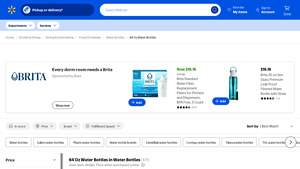
Domain: walmart.com
Registered: 1995 (30 years)
Introduction: This company, Walmart – 64oz Insulated Water Bottle, is a notable entity in the market. For specific product details, it is recommended to visit their website directly.
5. Insulated Stainless Steel Water Bottle – 64 oz
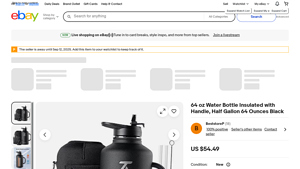
Domain: ebay.com
Registered: 1995 (30 years)
Introduction: {“Product Name”: “64 oz Water Bottle Insulated with Handle”, “Capacity”: “64 Ounces”, “Color”: “Black”, “Condition”: “New”, “Material”: “Stainless Steel”, “Product Dimensions”: “4.9\”W x 11.5\”H”, “Item Weight”: “60 Ounces”, “Base Diameter”: “6.29 Inches”, “Recommended Uses”: “Water, Soup, Tea, Coffee”, “Theme”: “Sport”, “Care Instructions”: “Hand Wash Only”, “Cap Type”: “Sports Cap”, “Lid Include…
6. Buziolife – 64oz Insulated Water Bottle
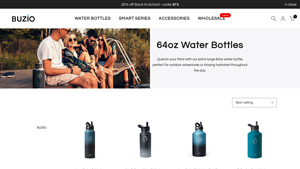
Domain: buziolife.com
Registered: 2017 (8 years)
Introduction: 64oz insulated water bottle designed to keep drinks cold for up to 48 hours or hot for up to 24 hours. Made of durable stainless steel with double-wall insulation to prevent condensation. Features a removable straw for easy sipping and a leak-proof lid to prevent spills. Ideal for outdoor adventures, gym sessions, or workdays. Lifetime warranty against manufacturing defects. Care instructions incl…
Strategic Sourcing Conclusion and Outlook for 64 oz bottle
In the evolving landscape of the beverage container market, the 64 oz bottle stands out for its versatility and demand across various sectors. Strategic sourcing of these bottles can provide significant advantages, including cost-effectiveness, enhanced product quality, and improved supplier relationships. As international B2B buyers from regions like Africa, South America, the Middle East, and Europe increasingly seek reliable hydration solutions, understanding the diverse options—from insulated stainless steel to eco-friendly glass—becomes essential.
By leveraging insights from leading manufacturers and market trends, businesses can optimize their procurement strategies. Investing in high-quality, durable, and customizable 64 oz bottles not only meets consumer needs but also positions companies as sustainable and innovative players in the market.
Looking ahead, the demand for 64 oz bottles is expected to grow, driven by rising health consciousness and outdoor activities. B2B buyers should actively explore partnerships with reputable suppliers who can provide not just products, but also value-added services like branding and customization. Embrace the opportunity to enhance your product offerings and meet the diverse hydration needs of your customers. Engage with suppliers today to secure your competitive edge in this thriving market.