
Introduction: Navigating the Global Market for camping drink bottle
In today’s global marketplace, sourcing the right camping drink bottle can pose significant challenges for B2B buyers, particularly in regions such as Africa, South America, the Middle East, and Europe. With an increasing emphasis on sustainability and functionality, the demand for high-quality hydration solutions has surged, creating a complex landscape for businesses seeking reliable suppliers. This guide aims to demystify the various types of camping drink bottles available, explore their applications, and provide insights into effective supplier vetting processes.
From insulated stainless steel options that cater to outdoor enthusiasts to lightweight, collapsible designs ideal for backpacking, the variety is vast and tailored to meet diverse consumer needs. Additionally, we will delve into pricing structures, material considerations, and market trends that influence purchasing decisions. By equipping international B2B buyers with actionable insights and practical strategies, this comprehensive resource enables them to make informed choices that align with their business objectives.
Ultimately, navigating the global market for camping drink bottles requires a keen understanding of product specifications, supplier reliability, and consumer preferences. This guide is designed to empower businesses to confidently source products that not only meet quality standards but also resonate with their target audience. Whether you are a buyer in Brazil seeking eco-friendly options or a distributor in Nigeria looking for competitive pricing, the insights contained herein will enhance your sourcing strategy.
Understanding camping drink bottle Types and Variations
| Nom du type | Principales caractéristiques | Applications primaires B2B | Avantages et inconvénients pour les acheteurs |
|---|---|---|---|
| Insulated Stainless Steel | Maintains temperature, durable, often double-walled | Outdoor retailers, adventure tour companies | Pour : Excellent thermal retention, robust design. Cons : Higher cost, heavier than plastic options. |
| Plastique sans BPA | Lightweight, various colors and designs, affordable | General retail, schools, and youth camps | Pour : Cost-effective, versatile. Cons : Less durable, potential for wear over time. |
| Hydration Packs | Integrated reservoir, hands-free drinking capability | Hiking and trekking gear suppliers | Pour : Convenience during activities, larger capacity. Cons : Bulkier, requires maintenance. |
| Collapsible Water Bottles | Space-saving, flexible material, easy to carry | Outdoor event organizers, travel agencies | Pour : Lightweight, portable. Cons : Less sturdy, may not maintain temperature. |
| Filtered Water Bottles | Built-in filtration systems for safe drinking | Survival gear suppliers, eco-friendly brands | Pour : Ensures clean drinking water, ideal for remote areas. Cons : Higher maintenance, filter replacements needed. |
What Are the Characteristics of Insulated Stainless Steel Drink Bottles?
Insulated stainless steel drink bottles are designed to keep beverages hot or cold for extended periods. They are typically double-walled to enhance thermal retention and are highly durable, making them suitable for rugged outdoor conditions. B2B buyers in outdoor retail and adventure tourism should consider these bottles for their premium offerings, as they appeal to consumers looking for long-lasting and high-performance hydration solutions. The initial investment is higher, but the durability and thermal properties can justify the cost.
How Do BPA-Free Plastic Bottles Compare in the Market?
BPA-free plastic bottles are lightweight and come in a variety of colors and styles, making them an attractive choice for budget-conscious buyers. They are versatile and suitable for various applications, including schools and youth camps. However, while they are cost-effective, they may not withstand heavy usage as well as metal options. B2B buyers should weigh the benefits of affordability against the potential need for more frequent replacements when considering these products.
Why Are Hydration Packs Gaining Popularity Among Outdoor Enthusiasts?
Hydration packs offer a unique advantage by providing hands-free drinking capabilities through an integrated reservoir and hose system. This feature is particularly appealing to hikers and trekkers who require easy access to hydration while on the move. B2B suppliers targeting outdoor enthusiasts should consider stocking these packs, as they cater to a growing market focused on convenience and efficiency during physical activities. However, the bulkiness and maintenance of hydration systems may deter some buyers.
What Makes Collapsible Water Bottles Ideal for Travelers?
Collapsible water bottles are designed for portability, making them an excellent choice for travelers and outdoor event organizers. Their flexible material allows them to be rolled up or folded when not in use, saving space in backpacks or luggage. While they are lightweight and easy to carry, buyers should be aware that they may not offer the same durability or thermal insulation as rigid bottles. B2B buyers focusing on travel gear should consider these bottles for their convenience and practicality.
How Do Filtered Water Bottles Enhance Safety for Outdoor Activities?
Filtered water bottles are equipped with built-in filtration systems, allowing users to drink safely from natural water sources. This feature is particularly beneficial for outdoor enthusiasts and survivalists who may find themselves in remote areas. B2B buyers in the survival gear market should recognize the increasing demand for these products, as they provide an essential solution for ensuring clean drinking water. However, buyers should also consider the ongoing maintenance and replacement costs associated with the filters.
Key Industrial Applications of camping drink bottle
| Industrie/secteur | Specific Application of Camping Drink Bottle | Valeur/bénéfice pour l'entreprise | Principales considérations en matière d'approvisionnement pour cette application |
|---|---|---|---|
| Loisirs de plein air | Used by campers, hikers, and outdoor enthusiasts for hydration during activities. | Enhances customer experience and satisfaction, leading to repeat purchases. | Durability, insulation properties, and ease of cleaning. |
| Cadeaux d'entreprise | Branded camping drink bottles as promotional items for outdoor events or employee gifts. | Increases brand visibility and fosters employee loyalty. | Customization options, material quality, and bulk pricing. |
| Hospitality & Tourism | Provided in eco-friendly accommodations or adventure tourism packages. | Attracts eco-conscious travelers and enhances service offerings. | Sustainable materials, design appeal, and functionality. |
| Gestion des événements | Used at outdoor festivals, marathons, and sporting events for participant hydration. | Streamlines logistics by reducing disposable bottle waste. | Size variations, portability, and branding opportunities. |
| Education & Training | Utilized in outdoor education programs and survival training courses. | Promotes health and safety while teaching outdoor skills. | Lightweight, rugged design, and instructional compatibility. |
How Are Camping Drink Bottles Used in Outdoor Recreation?
In the outdoor recreation industry, camping drink bottles are essential for hydration during activities such as hiking, camping, and trekking. They are designed to withstand rugged conditions while providing users with easy access to water. For international B2B buyers, particularly in regions like Africa and South America, sourcing durable and insulated bottles can solve the problem of maintaining beverage temperature in extreme climates. Buyers should consider factors such as material quality, capacity, and ease of use to ensure customer satisfaction.
What Role Do Camping Drink Bottles Play in Corporate Gifts?
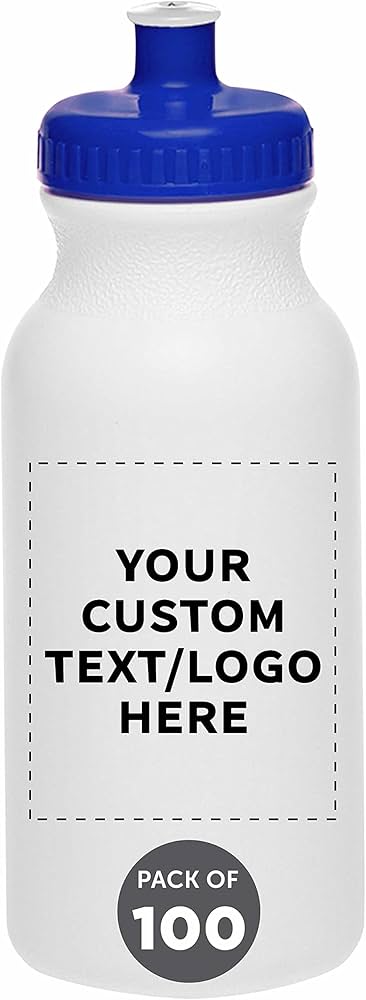
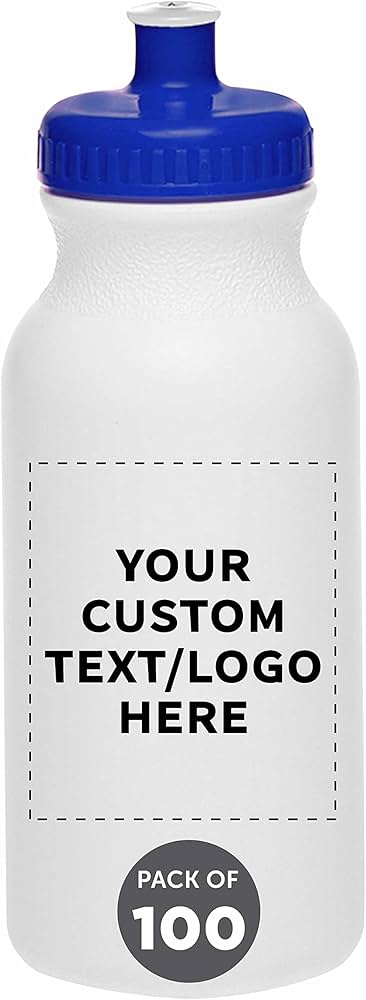
Branded camping drink bottles serve as effective promotional tools for businesses looking to engage customers during outdoor events or as employee gifts. These items not only promote brand visibility but also resonate with the growing trend of eco-conscious consumerism. For buyers in the Middle East and Europe, customization options such as logo printing and unique designs are crucial. Selecting high-quality materials that reflect the brand’s commitment to sustainability can enhance the perceived value of these gifts.
How Are Camping Drink Bottles Integrated into Hospitality & Tourism?
In the hospitality and tourism sector, camping drink bottles are increasingly provided in eco-friendly accommodations or adventure tourism packages. They serve to attract environmentally conscious travelers while enhancing the guest experience. Buyers from regions like Brazil and Nigeria should focus on sourcing bottles made from sustainable materials that align with their brand ethos. The design and functionality of the bottles should also cater to the needs of travelers, ensuring they are both appealing and practical.
Why Are Camping Drink Bottles Essential for Event Management?
Camping drink bottles are vital for managing hydration at outdoor festivals, marathons, and sporting events. They help reduce the reliance on single-use plastic bottles, streamlining logistics and promoting sustainability. For B2B buyers in Europe and South America, sourcing bottles that are lightweight and portable can facilitate ease of distribution during events. Additionally, the opportunity for branding on these bottles can enhance the event’s visibility and create lasting impressions on participants.
How Are Camping Drink Bottles Utilized in Education & Training?
In educational and training settings, particularly for outdoor skills and survival courses, camping drink bottles are indispensable. They promote hydration and safety while participants engage in hands-on learning. Buyers from diverse markets should prioritize sourcing bottles that are lightweight and rugged, meeting the specific needs of educational programs. The bottles should also be compatible with instructional activities, such as being easy to clean and refill, ensuring they meet the rigorous demands of outdoor training environments.
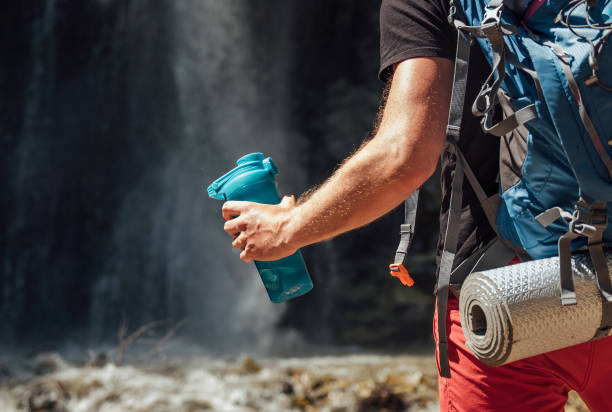
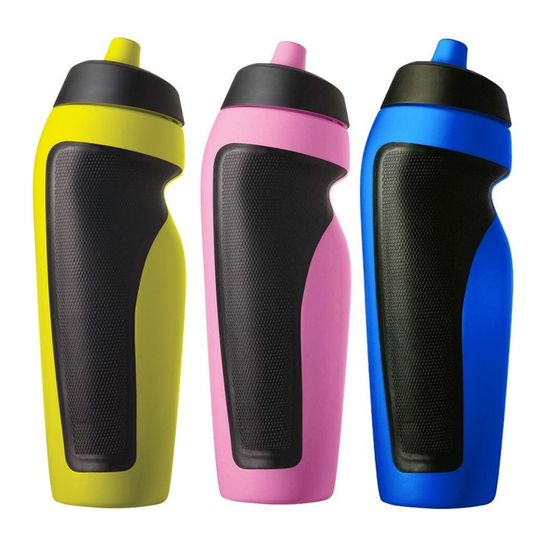
A stock image related to camping drink bottle.
3 Common User Pain Points for ‘camping drink bottle’ & Their Solutions
Scenario 1: Insufficient Insulation for Hot and Cold Beverages
Le problème : For B2B buyers sourcing camping drink bottles, one significant pain point is ensuring that the bottles maintain the temperature of beverages over extended periods. Many traditional bottles fail to provide adequate insulation, leading to hot drinks cooling down too quickly or cold beverages warming up, which can detract from the overall camping experience. This issue is particularly critical for businesses that supply outdoor adventure companies or retail shops, as customer satisfaction hinges on the performance of these products.
La solution : To address this challenge, buyers should focus on sourcing insulated camping drink bottles made from high-quality materials such as double-walled stainless steel. These bottles are specifically designed to keep drinks hot for up to 12 hours and cold for 24 hours or more, catering to diverse customer needs. When selecting suppliers, it’s essential to request product specifications that highlight insulation performance. Additionally, consider offering a range of sizes and colors to meet varying customer preferences and encourage repeat purchases. Providing educational materials on the benefits of insulation can also enhance customer engagement and satisfaction.
Scenario 2: Difficulty in Cleaning and Maintenance
Le problème : A common challenge faced by B2B buyers is the difficulty in cleaning camping drink bottles. Many models have complex designs or non-removable parts that can harbor bacteria and unpleasant odors, creating a significant concern for retailers and outdoor equipment suppliers. This pain point can lead to customer dissatisfaction and returns, impacting the bottom line for businesses aiming to maintain a strong reputation in the outdoor gear market.
La solution : To mitigate this issue, buyers should prioritize sourcing camping drink bottles that are designed for easy cleaning. Look for bottles with wide mouths that allow for thorough access, as well as those that are dishwasher safe. Additionally, consider products that feature removable components, such as straws and lids, to facilitate cleaning. It’s advisable to partner with manufacturers who provide detailed care instructions and promote the use of cleaning solutions that are safe for the materials used. Offering these solutions as part of the product description can help reassure customers about the hygiene of the bottles and reduce return rates.
Scenario 3: Limited Durability in Harsh Outdoor Conditions
Le problème : Durability is a significant concern for B2B buyers dealing with camping drink bottles. Many products on the market are not designed to withstand the rigors of outdoor activities, leading to issues such as cracks, leaks, or wear over time. For businesses targeting outdoor enthusiasts or adventure tourism operators, supplying subpar products can result in negative customer experiences and damage to brand reputation.
La solution : Buyers should focus on sourcing camping drink bottles that are constructed from robust, impact-resistant materials such as BPA-free Tritan or stainless steel. Look for features like reinforced seams and rugged exteriors that can endure rough handling during camping trips. When evaluating suppliers, request samples to assess durability firsthand. Additionally, providing warranties or satisfaction guarantees can enhance customer confidence in the product. Educating customers on proper usage and care, such as avoiding extreme temperature changes and using appropriate carrying methods, can also extend the lifespan of the bottles and foster customer loyalty.
Strategic Material Selection Guide for camping drink bottle
What Are the Key Properties of Common Materials Used in Camping Drink Bottles?
When selecting materials for camping drink bottles, it’s essential to consider factors such as durability, weight, and temperature resistance. Here, we analyze four common materials: stainless steel, aluminum, plastic (Tritan™), and glass, focusing on their properties, advantages, disadvantages, and implications for international B2B buyers.
How Does Stainless Steel Perform in Camping Drink Bottles?
Stainless steel is renowned for its durability and corrosion resistance. It can withstand high temperatures and is generally safe for hot liquids, making it ideal for various camping scenarios. Stainless steel bottles often feature double-wall insulation, which enhances their ability to keep beverages hot or cold for extended periods.
Pour : Stainless steel is highly durable and resistant to rust and corrosion. It is also non-reactive, ensuring that the taste of the beverage remains unaffected.
Cons : The primary drawback is the higher cost compared to other materials. Additionally, stainless steel is heavier, which may not be suitable for all outdoor activities.
Impact sur l'application : Stainless steel is compatible with a wide range of beverages, including acidic drinks, without leaching harmful substances.
Considérations pour les acheteurs internationaux : Compliance with international food safety standards is crucial, especially in regions like Africa and South America. Buyers should ensure that the products meet standards such as ASTM or ISO certifications.
What Are the Advantages of Aluminum in Camping Drink Bottles?
Aluminum is lightweight and offers good thermal conductivity, making it a popular choice for camping drink bottles. It is often anodized to improve corrosion resistance and enhance durability.
Pour : The lightweight nature of aluminum makes it easy to carry, and its cost is generally lower than stainless steel. Anodized aluminum can withstand scratches and dents.
Cons : Aluminum bottles may not be suitable for hot liquids unless insulated, as they can become too hot to handle. They can also dent easily if dropped.
Impact sur l'application : Aluminum is compatible with most beverages but is not recommended for acidic drinks unless coated.
Considérations pour les acheteurs internationaux : Buyers should verify that aluminum products comply with local regulations regarding food safety and environmental impact, particularly in Europe and the Middle East.
Why Choose Tritan™ Plastic for Camping Drink Bottles?
Tritan™ is a BPA-free copolyester that offers excellent clarity and impact resistance. It is lightweight and can withstand high temperatures, making it suitable for various outdoor activities.
Pour : Tritan™ is dishwasher-safe and does not retain odors or flavors, making it ideal for multiple uses. Its lightweight nature makes it easy to transport.
Cons : While Tritan™ is durable, it is less resistant to scratches compared to stainless steel or aluminum. It may not be as effective in insulating beverages.
Impact sur l'application : Tritan™ is compatible with most beverages, including acidic drinks, and is ideal for casual camping trips.
Considérations pour les acheteurs internationaux : Compliance with food safety standards is essential, particularly in regions like Africa and South America, where regulations may vary.
What Are the Benefits and Limitations of Glass in Camping Drink Bottles?
Glass is a premium material known for its purity and aesthetic appeal. It does not leach chemicals and is fully recyclable, making it an eco-friendly option.
Pour : Glass offers excellent taste preservation and is non-reactive, ensuring that beverages maintain their original flavor.
Cons : The primary disadvantage is its fragility; glass can break easily if dropped, making it less suitable for rugged outdoor activities.
Impact sur l'application : Glass is best for beverages that require a pure taste, such as water and juices, but should be avoided for high-impact activities.
Considérations pour les acheteurs internationaux : Glass products must comply with safety standards to prevent breakage and ensure safe use, particularly in regions with varying transportation conditions.
Summary of Material Selection for Camping Drink Bottles
| Matériau | Typical Use Case for Camping Drink Bottle | Avantage clé | Principaux inconvénients/limites | Coût relatif (faible/moyen/élevé) |
|---|---|---|---|---|
| Acier inoxydable | Boissons chaudes et froides | Highly durable and corrosion-resistant | Coût et poids plus élevés | Haut |
| Aluminium | Lightweight camping trips | Léger et rentable | Not suitable for hot liquids | Moyen |
| Tritan™ Plastic | Casual outdoor activities | Dishwasher-safe and odor-resistant | Less scratch-resistant | Faible |
| Verre | Premium beverages | Excellent taste preservation | Fragile et lourd | Moyen |
This guide provides a comprehensive overview of material selection for camping drink bottles, enabling B2B buyers to make informed decisions based on their specific needs and regional considerations.
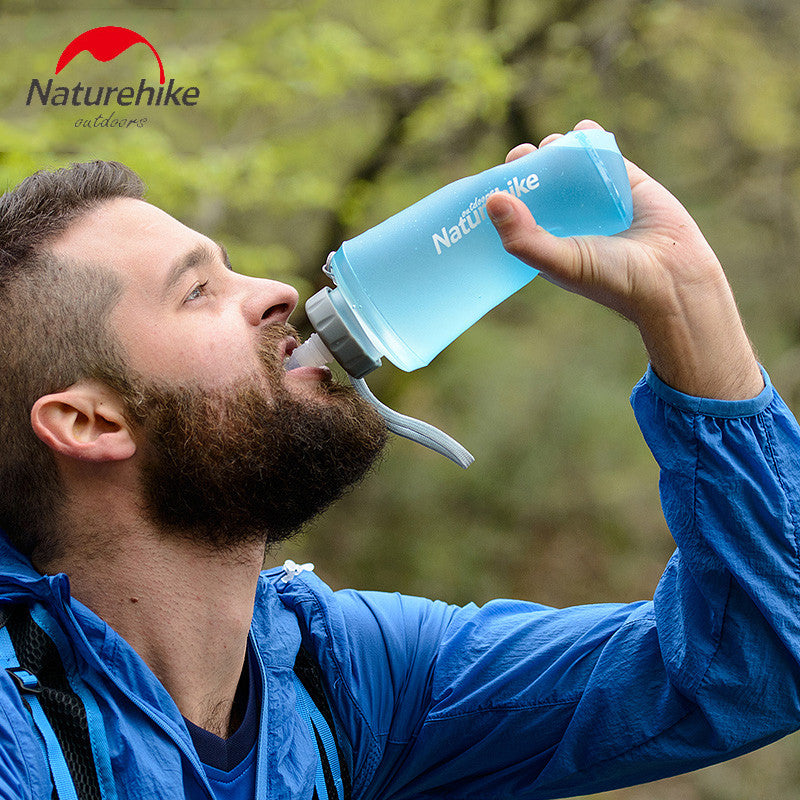
A stock image related to camping drink bottle.
In-depth Look: Manufacturing Processes and Quality Assurance for camping drink bottle
What Are the Main Stages of the Manufacturing Process for Camping Drink Bottles?
Manufacturing camping drink bottles involves several critical stages to ensure the product meets consumer demands and regulatory standards. The main stages typically include material preparation, forming, assembly, and finishing.
Préparation du matériel
The first step involves selecting suitable materials, which may include stainless steel, aluminum, or BPA-free plastics. Each material has distinct properties that affect weight, insulation, durability, and safety. For example, stainless steel is often preferred for its ability to withstand high temperatures and resist corrosion, making it ideal for outdoor use.
In this stage, raw materials undergo testing for quality and compliance with relevant standards. Suppliers often need to provide material safety data sheets (MSDS) to validate that materials are safe and suitable for food contact.
How Are Camping Drink Bottles Formed?
Once the materials are prepared, the next phase is forming. This can involve processes such as blow molding, injection molding, or extrusion, depending on the design and material used.
- Moulage par soufflage is commonly used for plastic bottles and involves inflating hot plastic into a mold to achieve the desired shape.
- Moulage par injection allows for the production of complex shapes and is often used for caps and nozzles.
- Extrusion is utilized when creating long shapes, such as straws or specific bottle designs.
These techniques must be carefully monitored to ensure dimensional accuracy and structural integrity.
What Steps Are Involved in the Assembly of Camping Drink Bottles?
After forming, the next step is assembly. This stage includes fitting components together, such as lids, straws, and any additional features like insulation layers.
Quality assurance during assembly is critical. Automated systems may be used for consistent assembly, but manual inspection is often necessary to catch defects. Workers typically check for proper alignment, sealing, and functionality of each component.
How Is the Finishing Process Conducted for Camping Drink Bottles?
The final stage of manufacturing is finishing, which may include polishing, coating, or printing. Finishing processes enhance aesthetics and functionality. For instance, applying a powder coat can improve durability and provide a non-slip surface, while printing can include branding or user instructions.
This stage often involves quality checks to ensure that the final product meets design specifications and safety standards.
What Are the International Standards for Quality Assurance in Camping Drink Bottles?
Quality assurance is paramount in the manufacturing of camping drink bottles, especially for international markets. Compliance with international standards such as ISO 9001 is essential, as it provides a framework for consistent quality management systems.
What Are Industry-Specific Certifications Relevant to Camping Drink Bottles?
In addition to ISO standards, specific certifications may be required based on market demands. For example:
- Marquage CE: Required in the European market, indicating compliance with safety, health, and environmental protection standards.
- API Certification: Relevant for products that might come into contact with food or beverages, ensuring they meet specific safety criteria.
These certifications can significantly impact market access and consumer trust, especially in regions with stringent regulations.
How Are Quality Control Checkpoints Structured During Manufacturing?
Quality control (QC) checkpoints are crucial throughout the manufacturing process to ensure that products meet safety and quality standards. Common checkpoints include:
- Contrôle de la qualité à l'arrivée (IQC): Inspection of raw materials before they enter the production process.
- Contrôle de la qualité en cours de fabrication (IPQC): Ongoing checks during production to catch defects early.
- Contrôle de qualité final (CQF): Comprehensive inspection of the finished product before packaging and shipping.
These checkpoints help identify issues at various stages, reducing the risk of defective products reaching consumers.
What Common Testing Methods Are Used to Ensure Product Quality?
To ensure the quality of camping drink bottles, several testing methods are commonly employed:
- Essai d'étanchéité: Ensures that bottles are watertight, particularly for insulated models.
- Drop Testing: Evaluates the durability of the bottle under impact.
- Essais thermiques: Assesses insulation performance, particularly for stainless steel models.
Third-party labs may also conduct these tests to provide unbiased verification of product quality.
Comment les acheteurs B2B peuvent-ils vérifier les processus de contrôle de la qualité des fournisseurs ?
B2B buyers must be proactive in verifying the quality control processes of potential suppliers. Here are some methods to consider:
- Audits des fournisseurs: Conducting on-site audits can help assess the manufacturer’s facilities, processes, and adherence to quality standards.
- Quality Reports: Requesting documentation related to quality tests and certifications can provide insights into the supplier’s commitment to quality.
- Inspections par des tiers: Engaging third-party inspection services can provide an objective evaluation of product quality and compliance with international standards.
What Are the Nuances of Quality Control for International B2B Buyers?
For international B2B buyers, understanding regional regulations and standards is crucial. In Africa, South America, the Middle East, and Europe, the regulatory landscape can vary significantly.
Buyers should be aware of local laws regarding food safety, material safety, and environmental impact. For instance, certain countries may require additional certifications for imported goods, affecting logistics and cost.
Additionally, cultural factors may influence the manufacturing processes and quality expectations. Building strong relationships with suppliers and understanding their operational challenges can facilitate better communication and quality assurance.
Conclusion
In summary, the manufacturing processes and quality assurance measures for camping drink bottles are intricate and essential for meeting market demands. By understanding the stages of manufacturing, relevant standards, and effective QC practices, B2B buyers can make informed decisions and establish partnerships with reliable suppliers. Prioritizing quality assurance not only ensures product safety and compliance but also builds trust in the competitive camping and outdoor market.
Practical Sourcing Guide: A Step-by-Step Checklist for ‘camping drink bottle’
Introduction
This sourcing guide provides a structured checklist for B2B buyers seeking to procure high-quality camping drink bottles. By following these steps, you can ensure that you make informed decisions that meet your business needs while aligning with market trends and consumer preferences.
Étape 1 : Définir les spécifications techniques
Establishing clear technical specifications is the foundation of your sourcing process. Consider factors such as material (e.g., stainless steel, BPA-free plastic), capacity (e.g., 16 oz, 32 oz), and insulation properties. These specifications will help narrow down options and ensure that the products meet safety and performance standards.
Étape 2 : Research Market Trends and Demands
Understanding current market trends is crucial for making informed purchasing decisions. Investigate popular features such as collapsibility, filter integration, and ease of cleaning, which can enhance user experience. This knowledge will enable you to align your product offerings with consumer preferences, particularly in diverse regions like Africa and South America.
Étape 3 : Évaluer les fournisseurs potentiels
Before committing to a supplier, thorough evaluation is essential. Request detailed company profiles, product samples, and case studies from other B2B buyers in similar industries or regions. Look for suppliers with a proven track record in delivering quality products and reliable customer service.
- Check Certifications: Ensure that suppliers have relevant certifications (e.g., ISO, FDA) that demonstrate compliance with safety and quality standards.
- Assess Production Capacity: Verify that the supplier can meet your volume requirements without compromising quality.
Étape 4 : Request Samples for Testing
Requesting product samples is a vital step in the sourcing process. Testing samples allows you to evaluate the quality, durability, and usability of the camping drink bottles firsthand. This step is particularly important for ensuring that the products can withstand various environmental conditions, which is crucial for camping gear.
Étape 5 : Négocier les conditions et les prix
Once you have identified potential suppliers and evaluated their samples, it’s time to negotiate terms and pricing. Discuss bulk purchase discounts, payment terms, and delivery timelines. Ensure that the negotiated terms align with your budget and operational needs, and don’t hesitate to seek competitive quotes from multiple suppliers.
Étape 6 : Establish a Quality Assurance Process
Implementing a quality assurance process is critical to maintaining product standards. Define your inspection criteria and determine how you will assess quality throughout the production and delivery phases. This proactive approach helps mitigate risks associated with defective products and ensures customer satisfaction.
Étape 7 : Plan pour la logistique et la distribution
Finally, consider the logistics involved in transporting your camping drink bottles. Evaluate shipping options, lead times, and potential import/export regulations that could affect your delivery schedules. Establishing a clear logistics plan will ensure timely availability of products in your target markets, enhancing your competitiveness.
By following these steps, B2B buyers can effectively navigate the procurement process for camping drink bottles, ensuring they make informed and strategic decisions that support their business goals.
Comprehensive Cost and Pricing Analysis for camping drink bottle Sourcing
What Are the Key Cost Components in Sourcing Camping Drink Bottles?
When sourcing camping drink bottles, understanding the cost structure is crucial for B2B buyers. The primary cost components include:
-
Matériaux: The choice of materials—such as stainless steel, BPA-free plastics, or recycled materials—significantly affects pricing. High-quality materials that offer durability and insulation will typically raise costs, but they also enhance the product’s value.
-
Travail: Labor costs can vary based on the manufacturing location. For instance, countries with lower labor costs may offer more competitive pricing but may also compromise on quality or compliance with international standards.
-
Frais généraux de fabrication: This includes the costs associated with running a manufacturing facility, including utilities, rent, and equipment maintenance. Efficient production processes can help mitigate these costs.
-
Outillage: Custom designs or unique features may require specialized tooling, which adds to the initial investment. Buyers should assess whether these costs can be amortized over large order quantities.
-
Contrôle de la qualité (CQ): Ensuring that products meet specific quality standards can incur additional costs. Investing in robust QC processes can reduce long-term costs related to returns or customer dissatisfaction.
-
Logistique: Shipping costs, including freight charges and customs duties, must be considered, particularly for international buyers. Understanding the Incoterms is vital to determine who bears these costs.
-
Marge: Suppliers typically add a margin to cover their costs and profit. This margin can vary widely based on competition, product demand, and supplier reputation.
How Do Price Influencers Affect Camping Drink Bottle Sourcing?
Several factors influence the pricing of camping drink bottles:
-
Volume/MOQ: Minimum Order Quantities (MOQs) can significantly impact pricing. Larger orders often attract discounts, making it essential for buyers to consider their purchasing strategy.
-
Spécifications et personnalisation: Custom designs, colors, or branding can lead to higher costs. Buyers should weigh the benefits of customization against potential price increases.
-
Matériaux et certifications de qualité: Higher-quality materials and certifications (such as food safety or environmental certifications) usually come at a premium. Buyers should assess the importance of these factors based on their target market.
-
Facteurs liés au fournisseur: A supplier’s reputation, reliability, and production capabilities can influence pricing. Established suppliers may charge more due to perceived value, while emerging suppliers might offer lower prices to gain market share.
-
Incoterms: The choice of Incoterms (e.g., FOB, CIF) affects the total landed cost. Understanding these terms helps buyers make informed decisions about shipping responsibilities and costs.
What Buyer Tips Can Enhance Cost-Efficiency in Sourcing Camping Drink Bottles?
To optimize sourcing strategies, international B2B buyers should consider the following tips:
-
Négociation: Always negotiate pricing, especially for larger orders. Suppliers may have flexibility in pricing that could lead to better deals.
-
Coût-efficacité: Analyze the Total Cost of Ownership (TCO), which includes not just the purchase price but also shipping, handling, and potential warranty or return costs. This comprehensive view can lead to more informed purchasing decisions.
-
Nuances de prix pour les acheteurs internationaux: Buyers from Africa, South America, the Middle East, and Europe should be aware of currency fluctuations and import tariffs that may affect the final cost. Engaging with local suppliers or distributors can mitigate some of these challenges.
-
Long-Term Relationships: Establishing long-term relationships with suppliers can lead to better pricing and service. Loyal customers may receive preferential treatment in pricing and availability.
Avertissement sur les prix indicatifs
Prices for camping drink bottles can vary widely based on factors such as material choice, order volume, and market conditions. The prices mentioned in various sources may not reflect current market conditions and should be used as a reference point rather than a definitive guide. Always conduct thorough market research and supplier comparisons to ensure competitive pricing.
Alternatives Analysis: Comparing camping drink bottle With Other Solutions
Understanding Alternatives to Camping Drink Bottles
When it comes to hydration solutions for outdoor activities, camping drink bottles are a popular choice due to their convenience and portability. However, there are several viable alternatives that may better suit specific needs or preferences. Understanding these options can help B2B buyers make informed decisions based on performance, cost, and intended use.
Tableau de comparaison
| Aspect comparatif | Camping Drink Bottle | Hydration Pack | Water Purification Bottle |
|---|---|---|---|
| Performance | High, suitable for short to medium hikes; can vary by material (plastic, stainless steel) | Excellent for longer excursions; offers hands-free hydration | Effective in purifying water from natural sources; not a direct hydration solution |
| Coût | Ranges from $10 to $50 | Typically $30 to $200 | Ranges from $20 to $60 |
| Facilité de mise en œuvre | Simple to use; requires filling and carrying | Requires adjustment for comfort; involves a learning curve for new users | Requires initial setup for filtration; simple once understood |
| Maintenance | Low; occasional cleaning required | Moderate; needs regular cleaning and care | Low; requires occasional filter replacement |
| Meilleur cas d'utilisation | Day hikes, camping trips | Multi-day hikes, biking, or running | Backpacking, emergency situations, or areas with unreliable water sources |
Analyse détaillée des alternatives
Hydration Pack: Is It Better for Longer Adventures?
Hydration packs are backpacks equipped with a water reservoir and a tube for hands-free drinking. They excel in scenarios where quick hydration is crucial, such as during long hikes or biking trips. Their performance is superior for extended outdoor activities, allowing users to maintain hydration without stopping. However, they can be more expensive and require a period of adjustment for users unfamiliar with wearing a pack. Additionally, maintenance is moderate since reservoirs must be cleaned regularly to prevent mold growth.
Water Purification Bottle: When Is It Most Useful?
Water purification bottles are designed to filter contaminants from natural water sources, making them ideal for camping in remote areas. They offer a unique advantage by providing safe drinking water, which is essential when water availability is uncertain. However, these bottles typically require some initial setup for the filtration system and are not as straightforward for casual hydration as traditional drink bottles. They are best suited for backpackers or emergency situations where clean water is not readily available.
Conclusion: How to Choose the Right Hydration Solution?
Selecting the right hydration solution hinges on understanding the specific needs of your target audience and the intended use cases. For B2B buyers, it’s essential to consider factors such as the duration of activities, cost constraints, and maintenance capabilities. Camping drink bottles provide a straightforward, cost-effective option for short-term use, while hydration packs offer hands-free convenience for longer excursions. Water purification bottles stand out in scenarios where access to clean water is uncertain. By evaluating these alternatives against your organization’s requirements, you can make a well-informed purchasing decision that enhances the outdoor experience for your customers.
Essential Technical Properties and Trade Terminology for camping drink bottle
What Are the Key Technical Properties of Camping Drink Bottles?
Understanding the essential technical specifications of camping drink bottles is crucial for B2B buyers looking to make informed purchasing decisions. Here are some of the most critical properties to consider:
1. Qualité des matériaux
The material used for manufacturing camping drink bottles significantly affects durability, weight, and thermal insulation. Common materials include stainless steel, which is highly durable and resistant to corrosion, and BPA-free plastics, which are lightweight and often more affordable. Buyers should prioritize materials that align with their target market’s preferences for sustainability and safety.
2. Capacité
The liquid capacity of a bottle, typically measured in ounces or liters, is an important specification. Common capacities range from 12 oz to 64 oz. Understanding the preferred capacities for various camping activities can help suppliers tailor their offerings to meet the needs of specific customer segments. For example, hydration packs may focus on larger capacities for long hikes, while smaller bottles might cater to casual day trips.
3. Insulation Properties
Insulated bottles are designed to maintain the temperature of liquids, keeping drinks cold or hot for extended periods. Double-walled vacuum insulation is a common feature that enhances thermal retention. This property is essential for buyers in regions with extreme temperatures, as it ensures customer satisfaction by keeping beverages at the desired temperature during outdoor activities.
4. Seal and Closure Mechanisms
The effectiveness of a bottle’s seal is vital in preventing leaks and spills. Common closure types include screw caps, flip tops, and straw lids. Each type has its advantages and drawbacks, depending on the intended use. For instance, flip tops are convenient for quick access while hiking, whereas screw caps may provide better leak protection during transport. Buyers should assess the target market’s preferences when selecting closure mechanisms.
5. Poids et portabilité
The weight of a camping drink bottle can influence its portability, particularly for backpackers or campers who prioritize lightweight gear. Materials and design features, such as collapsible bottles, can reduce weight without sacrificing functionality. Understanding the balance between durability and portability is essential for catering to the outdoor enthusiast market.
6. Eco-Friendliness
As sustainability becomes increasingly important, the eco-friendliness of materials and manufacturing processes is a critical consideration. Bottles made from recycled materials or designed to be reusable can attract environmentally conscious consumers. Buyers should be aware of certifications and claims related to sustainability when evaluating potential suppliers.
What Are Common Trade Terms in the Camping Drink Bottle Industry?
Familiarity with industry jargon can streamline communication and improve the purchasing process. Here are some key trade terms relevant to camping drink bottles:
1. OEM (Original Equipment Manufacturer)
An OEM refers to a company that produces parts or equipment that may be marketed by another manufacturer. In the context of camping drink bottles, buyers might engage with OEMs to create custom designs or private-label products. Understanding OEM relationships is essential for negotiating contracts and ensuring quality control.
2. MOQ (Minimum Order Quantity)
MOQ indicates the smallest number of units a supplier is willing to sell in a single order. This term is crucial for budget planning and inventory management, as it can influence the overall cost structure. Buyers should negotiate MOQs based on their sales forecasts and market demand.
3. RFQ (Request for Quotation)
An RFQ is a document sent to suppliers requesting a detailed quote for products or services. For camping drink bottles, an RFQ should include specifications, quantities, and delivery timelines. This process helps buyers compare prices and terms from multiple suppliers.
4. Incoterms (termes commerciaux internationaux)
Incoterms are internationally recognized rules that define the responsibilities of buyers and sellers in international transactions. Key terms include FOB (Free on Board) and CIF (Cost, Insurance, and Freight). Understanding Incoterms is essential for buyers to manage shipping costs and delivery risks effectively.
5. Délai d'exécution
Lead time is the period between placing an order and receiving the goods. In the camping drink bottle industry, lead times can vary based on production schedules and shipping methods. Buyers should factor lead times into their inventory planning to avoid stockouts during peak seasons.
By grasping these technical properties and trade terms, B2B buyers can make more informed decisions, ultimately leading to successful partnerships and satisfied customers in the camping drink bottle market.
Navigating Market Dynamics and Sourcing Trends in the camping drink bottle Sector
What Are the Key Trends Influencing the Camping Drink Bottle Market?
The camping drink bottle market is experiencing significant transformation driven by several global factors. Increased outdoor activities, particularly in regions such as Africa, South America, the Middle East, and Europe, are propelling demand. An emerging trend is the rise of multifunctional products, such as insulated bottles that maintain temperature and offer built-in filtration systems, appealing to eco-conscious consumers. Furthermore, the integration of technology into camping gear, such as smart bottles that track hydration levels, is gaining traction.
B2B buyers should also note the growing importance of customization options. Companies are increasingly seeking unique branding opportunities through personalized drink bottles, allowing them to stand out in competitive markets. Additionally, as e-commerce continues to expand, buyers from diverse regions can access a wider variety of products, enhancing sourcing flexibility.
How Is Sustainability Shaping the Camping Drink Bottle Supply Chain?
Sustainability has become a cornerstone of the camping drink bottle sector, influencing both product design and sourcing practices. B2B buyers are increasingly prioritizing suppliers that adopt environmentally friendly practices, such as using recycled materials and reducing plastic waste. Certifications like BPA-free, Climate Neutral Certified, and those demonstrating responsible sourcing are critical indicators of a supplier’s commitment to sustainability.
The environmental impact of production processes is another key consideration. Manufacturers are investing in eco-friendly technologies that minimize carbon footprints and waste. This shift not only meets consumer demand for greener products but also aligns with global regulatory trends aimed at reducing environmental harm. Buyers should engage with suppliers who can demonstrate transparent supply chains and sustainability initiatives, ensuring that their sourcing practices align with corporate social responsibility goals.
What Is the Historical Context of Camping Drink Bottles in the B2B Market?
The evolution of camping drink bottles can be traced back to basic designs focused on functionality. Initially, these products were primarily made from plastic and metal, prioritizing durability over environmental considerations. However, as awareness of environmental issues grew in the late 20th century, manufacturers began exploring sustainable materials and designs. This shift has led to the development of insulated, reusable bottles crafted from stainless steel and BPA-free plastics, catering to the needs of environmentally conscious consumers.
Today, the camping drink bottle market reflects a blend of innovation and sustainability, with a strong emphasis on functionality, durability, and ethical sourcing. For B2B buyers, understanding this evolution is crucial in making informed purchasing decisions that align with market demands and consumer expectations. As the sector continues to evolve, staying abreast of these trends will be essential for strategic sourcing and competitive positioning.
Frequently Asked Questions (FAQs) for B2B Buyers of camping drink bottle
-
1. How do I choose the right camping drink bottle for my business needs?
Selecting the ideal camping drink bottle involves considering several factors. First, assess the intended use—will they be for casual campers or more serious outdoor enthusiasts? Evaluate materials (stainless steel, BPA-free plastic, etc.) for durability and insulation properties. Additionally, consider features like size, lid type (screw cap, straw, flip-top), and ease of cleaning. It’s also beneficial to think about your target market’s preferences, as regional tastes can vary significantly. Finally, check for certifications like BPA-free and eco-friendly materials, which can enhance your product’s appeal. -
2. What are the advantages of sourcing camping drink bottles from international suppliers?
Sourcing camping drink bottles internationally can offer numerous advantages, such as access to a wider variety of products, competitive pricing, and unique designs not available locally. Suppliers from regions with established manufacturing capabilities often provide high-quality materials and advanced production technologies. Additionally, international suppliers may offer better customization options and larger minimum order quantities (MOQs), which can help in scaling your inventory efficiently. However, it’s crucial to conduct thorough research to ensure compliance with local regulations and quality standards. -
3. What should I look for when vetting suppliers for camping drink bottles?
When vetting suppliers, prioritize their experience and reputation in the camping gear market. Request references and reviews from previous clients to gauge their reliability. Verify their certifications for quality assurance and compliance with safety standards. Assess their production capabilities, lead times, and flexibility in accommodating custom orders. It’s also advisable to inquire about their logistics and shipping options, especially for international deliveries, to ensure timely and cost-effective distribution. -
4. How can I customize camping drink bottles for my brand?
Customization options for camping drink bottles often include logo printing, unique colors, and specialized packaging. Many suppliers offer different printing methods, such as screen printing or laser engraving, allowing you to create a distinct brand identity. Discuss your requirements with potential suppliers to understand their customization capabilities and minimum order quantities. Consider conducting a market survey to determine what designs resonate with your target audience, ensuring your products stand out in a competitive marketplace. -
5. What are the typical minimum order quantities (MOQs) for camping drink bottles?
Minimum order quantities can vary significantly based on the supplier and the type of product. Generally, MOQs for camping drink bottles may range from 100 to 1,000 units. Suppliers often set these limits to ensure cost-effectiveness in production. However, some manufacturers may be flexible, especially for new clients or custom orders. It’s advisable to discuss your specific needs with suppliers to negotiate an MOQ that aligns with your business strategy while maintaining product quality. -
6. What payment terms should I expect when sourcing internationally?
Payment terms when sourcing camping drink bottles internationally can vary widely. Common options include upfront payments, partial payments, or payment upon delivery. Many suppliers prefer secure methods such as letters of credit, PayPal, or bank transfers to mitigate risks. It’s crucial to clarify these terms before finalizing any agreements. Additionally, consider the implications of currency fluctuations and transaction fees, which can impact your overall costs. Establishing clear communication with your supplier can help in negotiating favorable payment conditions. -
7. How can I ensure the quality of camping drink bottles I import?
To ensure quality, implement a robust quality assurance process that includes setting clear specifications and standards before production begins. Request samples from suppliers to evaluate materials, functionality, and craftsmanship. Consider third-party inspections during manufacturing and before shipment to verify compliance with your quality standards. Additionally, familiarize yourself with relevant certifications and regulations in your target market to ensure that the products meet local safety and environmental standards. -
8. What logistics considerations should I keep in mind when importing camping drink bottles?
Logistics plays a critical role in the successful importation of camping drink bottles. Consider factors such as shipping methods (air vs. sea), lead times, and customs clearance processes. Ensure that you have a reliable freight forwarder to manage the logistics and navigate import regulations specific to your region. Additionally, factor in storage costs and inventory management once the products arrive. It’s essential to maintain clear communication with your supplier regarding shipping schedules and potential delays to keep your supply chain running smoothly.
Avis de non-responsabilité et conditions d'utilisation
⚠️ Avis de non-responsabilité important
Les informations fournies dans ce guide, y compris le contenu concernant les fabricants, les spécifications techniques et l'analyse du marché, sont uniquement destinées à des fins d'information et d'éducation. Elles ne constituent pas un conseil professionnel en matière d'achat, un conseil financier ou un conseil juridique.
Bien que nous ayons fait tout notre possible pour garantir l'exactitude et l'actualité des informations, nous ne sommes pas responsables des erreurs, des omissions ou des informations obsolètes. Les conditions du marché, les détails de l'entreprise et les normes techniques sont susceptibles d'être modifiés.
Les acheteurs B2B doivent faire preuve d'une diligence raisonnable indépendante et approfondie. avant de prendre toute décision d'achat. Il convient notamment de contacter directement les fournisseurs, de vérifier les certifications, de demander des échantillons et de solliciter une consultation professionnelle. Le risque lié à l'utilisation des informations contenues dans ce guide est supporté uniquement par le lecteur.
Top 5 Camping Drink Bottle Manufacturers & Suppliers List
1. Klean Kanteen – 16oz Pint Cup

Domaine : kleankanteen.com
Enregistré : 2003 (22 ans)
Introduction : Camping & Hiking Bottles, Mugs, Cups and Canisters for Camping and Hiking. Durable, lightweight, and insulated stainless steel solutions for outdoor activities like backpacking, hiking, camping, boating, kayaking, and rafting. Key products include:
– Camp Mugs and Cups: 16oz Pint Cup ($14.95), 10oz Cup ($11.95), 12oz Camp Mug ($32.95), 14oz Rise Mug ($32.95).
– Insulated Water Bottles: 32oz TKWid…
2. CamelBak – Thrive™ Flip Straw 25oz Bottle
Domaine : camelbak.com
Enregistré : 1996 (29 ans)
Introduction : {“products”:[{“name”:”Thrive™ Flip Straw 25oz Bottle with Tritan™ Renew”,”price”:”$17.99″},{“name”:”Thrive™ Flip Straw 40oz Bottle, Insulated Stainless Steel”,”price”:”$37.99″},{“name”:”Thrive™ 32 oz Mug, Insulated Stainless Steel”,”price”:”$35.99 – $44.00″},{“name”:”Fourteener™ 32 Hydration Hiking Pack with Crux® 3L Reservoir”,”price”:”$192.00″},{“name”:”Quick Grip Chill™ Handheld 21 oz”,”price”:…
3. REI – Water Bottles
Domaine : rei.com
Enregistré : 1996 (29 ans)
Introduction : This company, REI – Water Bottles, is a notable entity in the market. For specific product details, it is recommended to visit their website directly.
4. Snow Peak – Insulated Camping Bottles
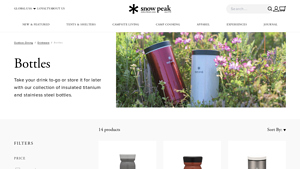
Domaine : snowpeak.com
Enregistré : 1999 (26 ans)
Introduction : Camping Bottles for Hikes & Travel | Snow Peak offers a collection of insulated titanium and stainless steel bottles. Key products include: 1. Milk Bottle in 500ml – $60.86 (originally $86.95) 2. Milk Bottle in 350ml – $55.97 (originally $79.95) 3. Titanium 350 Kanpai Bottle – $184.95 4. Kanpai Bottle 500ml – $97.95 5. Kanpai Bottle 350ml – $86.95 6. Titanium Sake Bottle – $204.95 7. Shimo Can Coo…
5. GSI Outdoors – Insulated Water Bottles & Tumblers
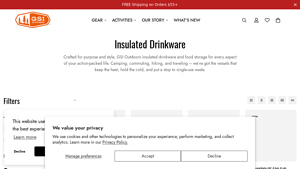
Domaine : gsioutdoors.com
Enregistré : 1999 (26 ans)
Introduction : Insulated Water Bottles and Tumbler Cups for Camping | GSI Outdoors. Key features include: crafted for purpose and style, suitable for camping, commuting, hiking, and traveling, designed to keep heat and cold, and reduce single-use waste. Popular product series include Glacier and Microlite. Available colors include Acai, Amethyst, Black, Blue, Jade, Ruby, and more. Products include Microlite 1000…
Strategic Sourcing Conclusion and Outlook for camping drink bottle
Strategic sourcing for camping drink bottles is not merely about procurement; it embodies a holistic approach to enhancing product quality, sustainability, and market competitiveness. As international buyers navigate diverse markets across Africa, South America, the Middle East, and Europe, understanding the nuances of sourcing—such as material preferences, pricing dynamics, and consumer trends—is essential. Bottles made from sustainable materials like Tritan™ and stainless steel are gaining traction due to their durability and eco-friendliness, appealing to environmentally conscious consumers.
Moreover, leveraging partnerships with established brands and suppliers can provide a competitive edge, ensuring access to innovative designs and reliable supply chains. The growing trend toward multifunctional and insulated products presents opportunities for differentiation in a crowded market.
Looking ahead, it is crucial for B2B buyers to remain agile and responsive to market demands. Emphasizing strategic sourcing can lead to better product offerings and heightened customer satisfaction. We encourage you to explore these insights further and consider partnerships that align with your business objectives. The future of the camping drink bottle market is promising, and now is the time to position your business advantageously within it.
 Français
  English
  Español
  Português
  Deutsch
  العربية
  Русский
  日本語
日本語  한국어
한국어  Italiano
  Nederlands