
Introduction: Navigating the Global Market for insulated bottle with straw
In today’s global marketplace, sourcing insulated bottles with straws presents unique challenges for international B2B buyers. The demand for sustainable and functional hydration solutions is rising, particularly in diverse regions such as Africa, South America, the Middle East, and Europe. Buyers must navigate a complex landscape of product types, materials, and suppliers while ensuring they meet the specific needs of their target markets. This guide serves as a vital resource, providing insights into the various types of insulated bottles available, their applications in different sectors, and essential criteria for vetting suppliers.
Throughout this comprehensive guide, we will explore key factors such as cost considerations, quality assurance, and market trends, equipping you with the knowledge to make informed purchasing decisions. Whether you are looking to supply eco-friendly products to a growing consumer base or enhance your brand’s sustainability credentials, understanding the intricacies of the insulated bottle market is crucial.
By leveraging the insights provided in this guide, B2B buyers can confidently navigate the complexities of sourcing insulated bottles with straws, ensuring they select the right products that align with their business objectives and resonate with their customers’ values. Empower yourself with the information needed to thrive in this competitive landscape, and make strategic decisions that drive growth in your market.
Understanding insulated bottle with straw Types and Variations
| Nom du type | Principales caractéristiques | Applications primaires B2B | Avantages et inconvénients pour les acheteurs |
|---|---|---|---|
| Standard Insulated Straw Bottle | Double-wall vacuum insulation, typically made of stainless steel | Corporate gifting, outdoor activities | Pour : Excellent temperature retention, durable. Cons : Can be heavier than plastic options. |
| Kids’ Insulated Straw Bottle | Smaller size, colorful designs, often with safety features | Schools, daycare centers, family-oriented businesses | Pour : Encourages hydration, safe for children. Cons : Limited capacity, may not suit adults. |
| Travel-Friendly Insulated Bottle | Lightweight, compact design with spill-proof lids | Travel agencies, outdoor sports retailers | Pour : Highly portable, designed for on-the-go use. Cons : May have less insulation duration. |
| Sports Insulated Straw Bottle | Designed for active use, often with ergonomic grips and larger capacities | Gyms, sports teams, fitness brands | Pour : Easy to use during workouts, high capacity. Cons : Bulky for casual use. |
| Multi-Functional Insulated Bottle | Features such as interchangeable lids, built-in straws, or infusers | Specialty retailers, eco-friendly brands | Pour : Versatile for various beverages, appealing design. Cons : Prix plus élevé. |
What Are the Characteristics of Standard Insulated Straw Bottles?
Standard insulated straw bottles are typically constructed from durable stainless steel and feature double-wall vacuum insulation. This design ensures that beverages maintain their temperature for extended periods, making them ideal for both hot and cold drinks. These bottles are commonly used in corporate gifting and outdoor activities, appealing to businesses that prioritize quality and functionality. Buyers should consider the weight and size, as these bottles can be heavier than their plastic counterparts, impacting portability.
How Do Kids’ Insulated Straw Bottles Differ?
Kids’ insulated straw bottles are designed with smaller capacities and vibrant colors, often incorporating safety features like spill-proof lids and BPA-free materials. These bottles are particularly suitable for schools and daycare centers, promoting hydration among children. When purchasing, businesses should focus on durability and ease of cleaning, as these products will endure frequent use. While they are excellent for encouraging hydration in kids, their limited capacity may not meet the needs of adult users.
What Makes Travel-Friendly Insulated Bottles Ideal for B2B?
Travel-friendly insulated bottles are crafted for portability, featuring lightweight designs and spill-proof lids. They are perfect for travel agencies and outdoor sports retailers, as they cater to consumers who are constantly on the move. Buyers should look for bottles that fit into standard cup holders and are easy to carry. While these bottles are designed for convenience, they may not offer the same level of insulation as larger models, potentially affecting temperature retention.
Why Choose Sports Insulated Straw Bottles?
Sports insulated straw bottles are tailored for active users, often featuring ergonomic grips and larger capacities to accommodate hydration during workouts. These bottles find their primary applications in gyms, sports teams, and fitness brands. When considering a purchase, businesses should evaluate the ease of use during physical activities and the bottle’s ability to withstand rigorous conditions. However, their bulkier design may make them less suitable for casual or everyday use.
What Are the Benefits of Multi-Functional Insulated Bottles?
Multi-functional insulated bottles stand out due to their versatile features, which may include interchangeable lids, built-in straws, or even infusers for flavoring drinks. These products appeal to specialty retailers and eco-friendly brands seeking to attract a diverse consumer base. When purchasing, businesses should assess the overall value and potential for customization, as these bottles often come at a higher price point. Their versatility makes them appealing, but the cost may be a consideration for budget-conscious buyers.
Key Industrial Applications of insulated bottle with straw
| Industrie/secteur | Specific Application of Insulated Bottle with Straw | Valeur/bénéfice pour l'entreprise | Principales considérations en matière d'approvisionnement pour cette application |
|---|---|---|---|
| Soins de santé | Patient hydration solutions in hospitals | Ensures patients remain hydrated, improving recovery times | Compliance with health regulations, BPA-free materials, easy cleaning options |
| L'éducation | School hydration programs for students | Promotes healthy hydration habits among students | Durable designs, age-appropriate sizes, vibrant colors |
| Bien-être en entreprise | Initiatives d'hydratation des employés | Enhances employee well-being and productivity | Custom branding options, bulk purchasing discounts |
| Loisirs de plein air | Hydration for adventure sports and activities | Keeps drinks cold or hot during extended outdoor activities | Lightweight materials, portability, spill-proof designs |
| L'hospitalité | Beverage service in restaurants and hotels | Elevates customer experience with premium drinkware | Aesthetic appeal, variety in sizes and colors, easy to clean |
How Are Insulated Bottles with Straws Used in Healthcare Settings?
In healthcare facilities, insulated bottles with straws are critical for patient hydration, especially for individuals who may have difficulty drinking from standard cups. These bottles ensure that patients receive adequate fluid intake, which is vital for recovery. Hospitals require bottles that are BPA-free and easy to clean to meet health regulations. Additionally, these bottles should be designed to prevent spills, as cleanliness is paramount in medical environments.
What Role Do Insulated Bottles with Straws Play in Education?
In educational settings, insulated bottles with straws are increasingly used in hydration programs aimed at promoting healthy habits among students. Schools can provide these bottles to encourage children to drink more water throughout the day. Buyers in this sector should consider durable designs that can withstand rough handling, as well as vibrant colors and sizes suitable for various age groups. Features like easy-to-clean materials are also important for maintaining hygiene.
How Do Insulated Bottles with Straws Enhance Corporate Wellness Programs?
Corporate wellness initiatives often incorporate insulated bottles with straws to encourage employees to stay hydrated throughout the workday. By providing employees with high-quality drinkware, companies can improve overall well-being and productivity. When sourcing these bottles, businesses should look for custom branding options to enhance company identity and consider bulk purchasing discounts to maximize cost-efficiency.
Why Are Insulated Bottles with Straws Essential for Outdoor Recreation?
For outdoor enthusiasts, insulated bottles with straws are essential for maintaining hydration during activities such as hiking, camping, or sports. These bottles are designed to keep beverages at the desired temperature for extended periods, making them ideal for various conditions. Buyers in this sector should prioritize lightweight materials for portability and ensure that the bottles have spill-proof designs to prevent accidents during travel.
How Do Insulated Bottles with Straws Benefit the Hospitality Industry?
In the hospitality sector, insulated bottles with straws serve as a premium beverage service option in restaurants and hotels. They enhance the customer experience by providing stylish and functional drinkware that keeps beverages at optimal temperatures. When sourcing these products, businesses should consider aesthetic appeal, a variety of sizes and colors, and easy cleaning features to maintain high standards of service.
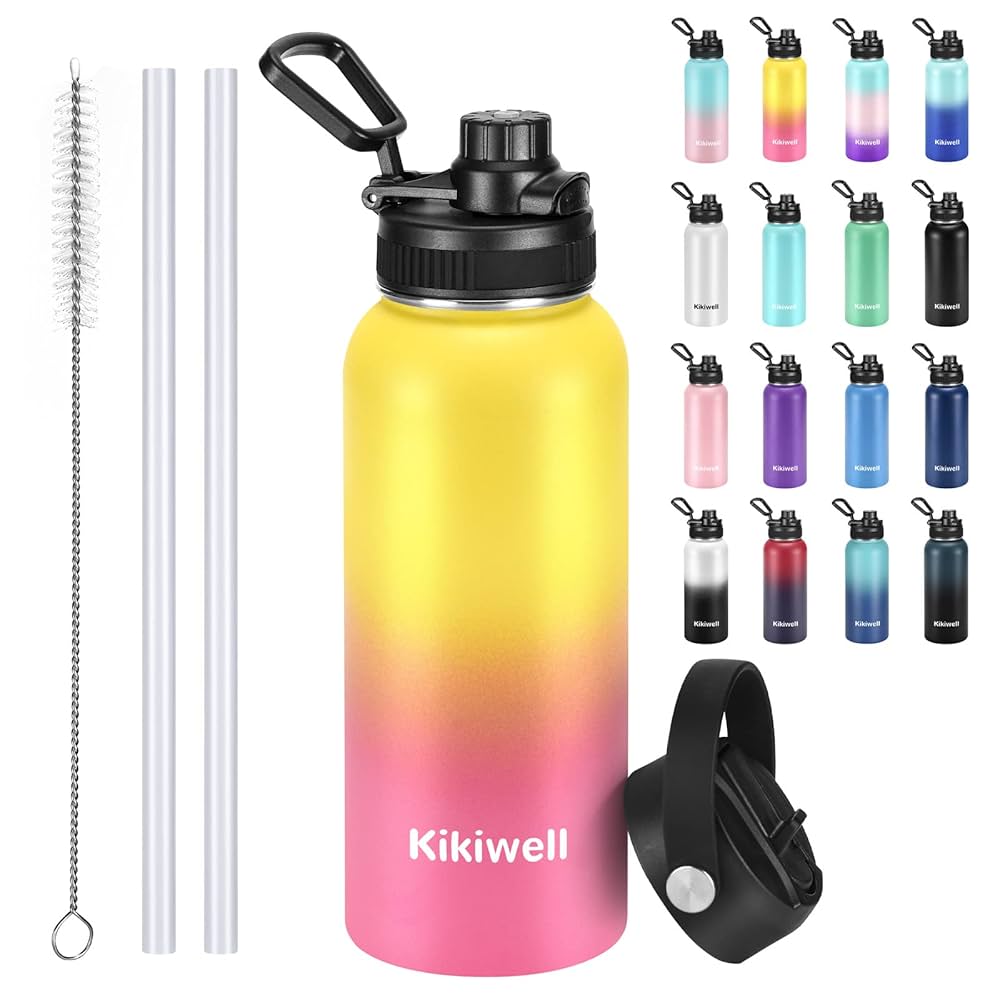
A stock image related to insulated bottle with straw.
3 Common User Pain Points for ‘insulated bottle with straw’ & Their Solutions
Scenario 1: Ensuring Product Durability for Extreme Conditions
Le problème : B2B buyers, especially those in regions with extreme climates, face a significant challenge when sourcing insulated bottles with straws that can withstand harsh conditions. For instance, a buyer in Brazil may need bottles that endure high temperatures without compromising insulation, while a buyer in Germany may require products that can withstand cold weather without the risk of freezing liquids expanding and damaging the bottle. The durability of the product is often questioned, particularly regarding how it performs in various environmental conditions.
La solution : To mitigate these concerns, it is crucial for buyers to seek insulated bottles made from high-quality materials, such as 18/8 stainless steel, which provides both durability and resistance to corrosion. When specifying products, ask suppliers about their insulation technology; for example, double-wall vacuum insulation is effective in maintaining beverage temperatures, regardless of external conditions. Additionally, inquire about testing results that demonstrate the bottle’s performance under extreme conditions. Establishing partnerships with manufacturers who offer warranties or guarantees on their products can provide further assurance of quality.
Scenario 2: Addressing Safety and Hygiene Concerns
Le problème : Buyers, particularly those in sectors like hospitality or education, are often concerned about the hygiene and safety of insulated bottles with straws. Issues can arise from the potential for bacteria build-up in straws or the materials used in the bottle construction. For example, a school purchasing water bottles for children might worry about BPA exposure or the difficulty of cleaning straws effectively, leading to health risks.
La solution : Opt for bottles specifically marketed as BPA-free and made from medical-grade stainless steel, which is less prone to harboring bacteria. It’s advisable to source products that feature removable or replaceable straws, allowing for thorough cleaning and maintenance. Additionally, buyers should ask suppliers for certifications that demonstrate compliance with safety standards. Educating end-users on proper cleaning techniques, such as using a bottle brush for straws and regular sanitization, can also alleviate safety concerns.
Scenario 3: Overcoming Shipping and Logistics Challenges
Le problème : International B2B buyers often face logistical hurdles when sourcing insulated bottles with straws. Shipping costs can become exorbitant, particularly for bulky items, and delays can impact inventory management. For instance, a buyer in South Africa may find that the shipping times from Europe significantly affect their ability to meet local demand, leading to lost sales.
La solution : To tackle these challenges, buyers should consider local suppliers or manufacturers who can offer competitive pricing and shorter shipping times. Establishing relationships with regional distributors can streamline logistics and reduce costs. Moreover, evaluating bulk purchasing options can lead to discounts and more favorable shipping rates. Buyers should also implement a just-in-time inventory system, allowing for timely reordering based on sales data and anticipated demand, ultimately reducing the need for excessive stock and associated shipping costs.
Strategic Material Selection Guide for insulated bottle with straw
What are the Key Materials for Insulated Bottles with Straws?
When selecting materials for insulated bottles with straws, it is essential to consider properties that affect performance, durability, and regulatory compliance. Here, we analyze four common materials used in the manufacturing of these products: stainless steel, plastic, glass, and aluminum.
How Does Stainless Steel Perform in Insulated Bottles?
Stainless steel is a popular choice for insulated bottles due to its excellent thermal insulation properties and resistance to corrosion. The most commonly used grades, such as 18/8 (304) stainless steel, provide a high-temperature rating and are durable against physical impacts.
Pour : Stainless steel is highly durable, resistant to rust and corrosion, and can withstand high temperatures, making it suitable for both hot and cold beverages. Additionally, it is easy to clean and does not retain flavors, ensuring a pure taste.
Cons : The primary drawback is its higher cost compared to plastic. Manufacturing processes can also be more complex, requiring specialized equipment and techniques.
Impact sur l'application : Stainless steel is compatible with a wide range of beverages, including acidic drinks, without risk of leaching harmful chemicals.
Considérations pour les acheteurs internationaux : Compliance with food safety standards such as FDA, EU regulations, and ASTM specifications is crucial. Buyers in regions like Europe and the Middle East may prefer products that meet stringent quality certifications.
What Role Does Plastic Play in Insulated Bottles?
Plastic, particularly BPA-free polypropylene or Tritan™, is frequently used in insulated bottles due to its lightweight nature and cost-effectiveness.
Pour : Plastics are generally less expensive and can be molded into various shapes, allowing for versatile designs. They are also lightweight, making them easy to transport.
Cons : However, plastic is less durable than metals and can be prone to scratching and wear over time. It may also not provide the same level of insulation as stainless steel.
Impact sur l'application : Plastic bottles are suitable for cold beverages but may not be ideal for hot drinks due to potential deformation at high temperatures.
Considérations pour les acheteurs internationaux : Buyers should ensure that the plastic used complies with health and safety regulations, particularly in regions with strict plastic usage laws, such as the EU.
Why Choose Glass for Insulated Bottles?
Glass is another material option, often used for its aesthetic appeal and purity of taste.
Pour : Glass bottles do not leach chemicals and maintain the flavor integrity of beverages. They are also recyclable, appealing to environmentally conscious consumers.
Cons : The primary limitation of glass is its fragility; it can break easily if dropped. Additionally, glass bottles are generally heavier than their plastic or stainless steel counterparts.
Impact sur l'application : Glass is best suited for cold beverages, as hot liquids can pose a risk of breakage unless specially designed.
Considérations pour les acheteurs internationaux : Buyers should be aware of glass safety standards and packaging requirements, especially in regions where transportation and handling may lead to breakage.
How Does Aluminum Compare for Insulated Bottles?
Aluminum is lightweight and offers good thermal insulation when combined with an inner lining, often made of epoxy or a similar material.
Pour : Aluminum bottles are lightweight and resistant to rust, making them a popular choice for outdoor activities. They can be produced at a lower cost than stainless steel.
Cons : However, aluminum can dent easily and may require a protective coating to prevent corrosion. The inner lining may also limit compatibility with certain beverages.
Impact sur l'application : Aluminum is suitable for cold drinks and can handle some hot beverages if properly lined.
Considérations pour les acheteurs internationaux : Compliance with international standards for food safety and product durability is essential, especially in markets like Africa and South America, where regulations may vary.
Summary Table of Material Selection for Insulated Bottles with Straws
| Matériau | Typical Use Case for insulated bottle with straw | Avantage clé | Principaux inconvénients/limites | Coût relatif (faible/moyen/élevé) |
|---|---|---|---|---|
| Acier inoxydable | Boissons chaudes et froides | Highly durable and corrosion-resistant | Coût de fabrication plus élevé | Haut |
| Plastique | Cold beverages | Léger et rentable | Less durable, prone to scratching | Faible |
| Verre | Cold beverages | Goût pur, recyclable | Fragile, heavier than alternatives | Méd. |
| Aluminium | Cold and some hot beverages | Lightweight and rust-resistant | Dent-prone, requires protective lining | Méd. |
This material selection guide provides B2B buyers with critical insights to make informed decisions on insulated bottles with straws, ensuring compliance with international standards and meeting market demands.
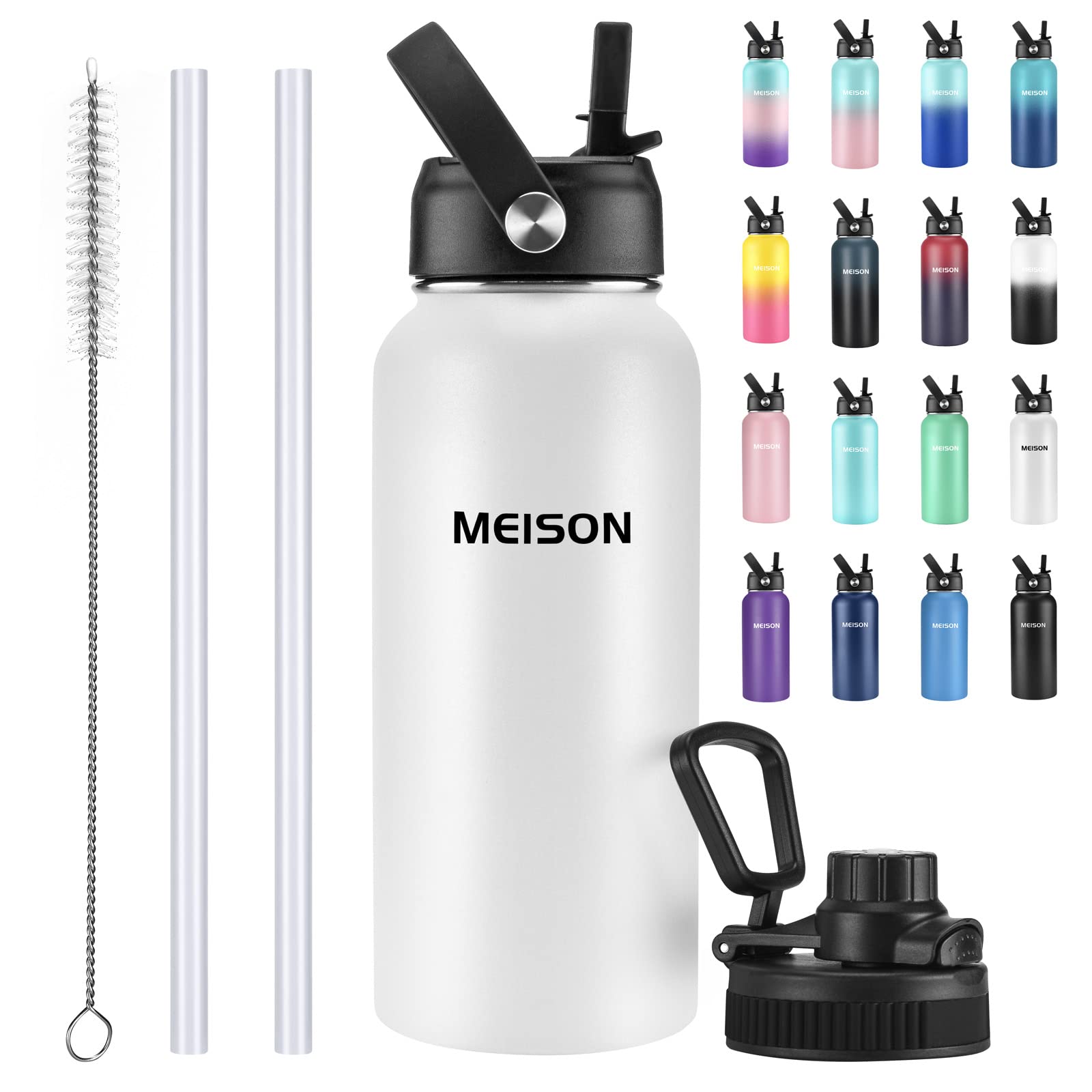
A stock image related to insulated bottle with straw.
In-depth Look: Manufacturing Processes and Quality Assurance for insulated bottle with straw
What Are the Main Stages in the Manufacturing Process of Insulated Bottles with Straws?
The manufacturing process of insulated bottles with straws involves several critical stages, ensuring that each bottle meets high standards of functionality and quality.
-
Préparation du matériel:
The primary materials used for insulated bottles are stainless steel and, in some cases, BPA-free plastics for the straw and lids. The stainless steel is typically chosen for its durability, resistance to corrosion, and ability to maintain temperature. Material preparation includes sourcing high-grade stainless steel (often 18/8 or 304 grade) and ensuring all materials are compliant with health and safety regulations. -
Formation:
The next stage involves forming the bottle shape. This is usually achieved through processes such as deep drawing or spinning, where sheets of stainless steel are transformed into the desired bottle shape. Advanced techniques, like hydroforming, may be employed for intricate designs. Each bottle undergoes precise machining to ensure uniform thickness and a seamless finish, which is critical for maintaining insulation properties. -
Assemblée:
During assembly, various components are integrated, including the insulated walls, the lid, and the straw. The insulation is typically achieved using a double-wall vacuum technique, which involves creating a vacuum between two layers of stainless steel to minimize heat transfer. This stage may also include adding silicone gaskets to ensure leak-proof performance and enhance user convenience. -
Finition:
Finishing processes such as powder coating or polishing are applied to enhance aesthetics and protect against scratches and corrosion. The finishing stage may also involve the application of branding and labeling. Quality checks during this phase ensure that the final product not only looks appealing but also meets functional requirements.
How Is Quality Assurance Implemented in the Production of Insulated Bottles?
Quality assurance (QA) is paramount in the manufacturing of insulated bottles with straws, particularly when catering to an international B2B market.
-
Adherence to International Standards:
Manufacturers typically adhere to ISO 9001, a globally recognized standard for quality management systems. This ensures that the manufacturing processes are consistently monitored and improved. Additionally, industry-specific certifications such as CE (Conformité Européenne) for products sold in Europe and API (American Petroleum Institute) standards for specific applications may apply. -
Points de contrôle de la qualité:
Quality control is integrated into various stages of the manufacturing process:
– Contrôle de la qualité à l'arrivée (IQC): This involves inspecting raw materials upon delivery to ensure they meet specified standards.
– Contrôle de la qualité en cours de fabrication (IPQC): During the forming and assembly stages, random samples are tested for consistency in dimensions, weight, and thermal efficiency.
– Contrôle de qualité final (CQF): Once the bottles are finished, they undergo a comprehensive inspection to check for defects, functionality, and compliance with safety standards. -
Common Testing Methods:
Various testing methods are utilized, including:
– Thermal Performance Testing: Assessing the insulation capabilities to ensure that the bottles maintain the desired temperature for extended periods.
– Essai d'étanchéité: Ensuring that all lids and seals are functioning correctly to prevent leaks.
– Essais de durabilité: Simulating impacts and wear to evaluate the longevity of the materials and construction.
Comment les acheteurs B2B peuvent-ils vérifier les pratiques de contrôle de la qualité des fournisseurs ?
For B2B buyers, especially those in regions like Africa, South America, the Middle East, and Europe, verifying a supplier’s quality control practices is essential to ensure product reliability.
-
Audits des fournisseurs:
Conducting audits of potential suppliers can provide insights into their manufacturing processes and quality assurance protocols. This may include visiting the manufacturing facility and reviewing their quality management systems. -
Demande de rapports de qualité:
Buyers should request documentation of quality control processes, including IQC, IPQC, and FQC reports. These documents can provide detailed information about the testing methods used and the outcomes of inspections. -
Inspections par des tiers:
Utilizing third-party inspection services can add an extra layer of assurance. These independent entities can evaluate the manufacturing processes and test samples to confirm compliance with international standards.
Quelles sont les particularités du contrôle de la qualité pour les acheteurs internationaux B2B ?
Navigating quality control can be complex for international buyers due to varying standards and regulations across regions.
-
Understanding Regional Regulations:
Buyers should familiarize themselves with local regulations regarding product safety and environmental compliance. For instance, regulations in the European Union may differ significantly from those in South America or Africa. -
Certification Requirements:
Certain markets may require specific certifications for insulated bottles, such as BPA-free claims or materials compliance. Buyers should ensure that suppliers can provide the necessary documentation to validate these claims. -
Communication and Transparency:
Establishing open lines of communication with suppliers about quality standards and expectations is crucial. This includes discussing any potential challenges related to supply chain logistics that may impact product quality.
Conclusion
In the manufacturing of insulated bottles with straws, a robust quality assurance framework is essential for meeting the expectations of international B2B buyers. By understanding the manufacturing processes, quality checkpoints, and verification methods, buyers can make informed decisions when selecting suppliers. This proactive approach not only ensures product quality but also fosters long-term partnerships in the global market.
Practical Sourcing Guide: A Step-by-Step Checklist for ‘insulated bottle with straw’
This guide serves as a practical checklist for B2B buyers seeking to procure insulated bottles with straws. By following these steps, you can ensure that you make informed purchasing decisions that align with your business needs and sustainability goals.
Étape 1 : Définir les spécifications techniques
Establishing clear technical specifications is crucial to finding the right insulated bottle with straw. Consider factors such as capacity, material (e.g., stainless steel vs. plastic), insulation type, and additional features like leak-proof lids or built-in straws. This clarity will help you communicate effectively with suppliers and ensure the products meet your requirements.
Étape 2 : Étudier les tendances du marché et les préférences des consommateurs
Understanding market trends and consumer preferences can guide your sourcing decisions. Analyze the demand for specific styles, colors, and functionalities in your target regions, such as Africa, South America, and Europe. This insight will help you select products that resonate with your customer base, enhancing your competitive edge.
Étape 3 : Évaluer les fournisseurs potentiels
Before committing, it’s crucial to vet suppliers thoroughly. Look for established manufacturers with a track record of producing high-quality insulated bottles. Request company profiles, product samples, and references from buyers in similar industries or regions. Assess their production capabilities and commitment to sustainability, as these factors can significantly impact your brand reputation.
Étape 4 : Verify Compliance and Certifications
Ensure that the products you intend to source comply with relevant international standards and certifications. Look for certifications such as BPA-free, FDA approval, or ISO certifications, which indicate quality and safety. This step is essential for maintaining compliance in various markets and assuring your customers of the product’s integrity.
Étape 5 : Assess Pricing and Payment Terms
Compare pricing structures among potential suppliers to find competitive rates without sacrificing quality. Look for transparent pricing models that include shipping costs, bulk order discounts, and payment terms. Understanding these aspects will help you manage your budget effectively and establish a healthy cash flow.
Étape 6 : Request Samples for Quality Assurance
Before placing large orders, always request samples from shortlisted suppliers. This allows you to evaluate the product quality, functionality, and overall appeal firsthand. Testing the samples will help you confirm that the bottles meet your specifications and expectations, reducing the risk of future returns or customer dissatisfaction.
Étape 7 : Establish Logistics and Shipping Arrangements
Finally, consider logistics and shipping arrangements to ensure timely delivery of your products. Discuss shipping options, lead times, and potential customs duties with suppliers. Efficient logistics planning is essential for maintaining inventory levels and meeting market demands, especially when dealing with international suppliers.
By following this checklist, B2B buyers can streamline their sourcing process for insulated bottles with straws, ensuring they procure high-quality products that meet market needs and customer expectations.
Comprehensive Cost and Pricing Analysis for insulated bottle with straw Sourcing
What Are the Key Cost Components for Sourcing Insulated Bottles with Straws?
When evaluating the cost structure for sourcing insulated bottles with straws, several components must be considered. The primary cost elements include:
-
Matériaux: The choice of materials significantly influences the cost. High-quality stainless steel, silicone for straws, and BPA-free plastic for lids are common in premium products. Sourcing eco-friendly materials may incur higher costs but can appeal to environmentally-conscious consumers.
-
Travail: Labor costs will vary depending on the region and the complexity of the manufacturing process. Skilled labor may be required for quality craftsmanship, especially for custom designs.
-
Frais généraux de fabrication: This includes costs associated with factory operations, utilities, and indirect labor. Efficient manufacturing processes can help minimize overhead, impacting the overall cost.
-
Outillage: Initial tooling costs for molds and machinery can be substantial. These costs are typically amortized over large production runs, making them a critical factor for buyers looking to negotiate lower prices through higher order quantities.
-
Contrôle de la qualité (CQ): Ensuring product quality through rigorous testing and inspections is essential, especially for international markets where standards may vary. QC processes can add to the overall cost but are necessary to maintain brand reputation.
-
Logistique: Shipping costs can vary greatly based on distance, volume, and shipping methods. Understanding Incoterms is crucial as they dictate the responsibilities of buyers and sellers regarding shipping, insurance, and tariffs.
-
Marge: Suppliers typically add a margin to cover their costs and ensure profitability. This margin can vary significantly based on market conditions, competition, and buyer negotiation leverage.
How Do Volume and Customization Affect Pricing for Insulated Bottles?
Pricing for insulated bottles with straws is heavily influenced by several factors:
-
Volume/MOQ: Suppliers often provide tiered pricing based on the volume of the order. Larger orders usually result in lower per-unit costs, making it advantageous for buyers to negotiate minimum order quantities (MOQs) that align with their demand forecasts.
-
Spécifications et personnalisation: Custom designs, such as unique colors or logos, can increase costs. Buyers should weigh the value of customization against the potential markup it may entail.
-
Matériaux et certifications de qualité: Bottles made from higher-grade materials or those that meet specific certifications (like food safety standards) will generally command higher prices. Buyers should consider their target market’s expectations when deciding on material quality.
-
Facteurs liés au fournisseur: The reputation and reliability of the supplier can influence pricing. Established suppliers with proven track records may charge more but offer better quality assurance and reliability.
What Negotiation Tips Can Help in Securing Better Prices?
To achieve cost-efficiency in sourcing insulated bottles, buyers can employ several negotiation strategies:
-
Research and Benchmarking: Understanding market prices for similar products can provide leverage during negotiations. Use this information to argue for better pricing or terms.
-
Coût total de possession (TCO): Consider not just the purchase price but also the costs associated with logistics, storage, and potential returns. A lower upfront price may not always lead to savings in TCO.
-
Long-Term Partnerships: Building relationships with suppliers can lead to better pricing over time. Suppliers may offer discounts or favorable terms to reliable buyers.
-
Be Prepared to Walk Away: If negotiations do not meet your budgetary constraints, be prepared to explore alternative suppliers. This readiness can often prompt suppliers to offer more competitive pricing.
What Are the Pricing Nuances for International Buyers?
International buyers, particularly from regions like Africa, South America, the Middle East, and Europe, face unique challenges:
-
Fluctuations monétaires: Prices may vary based on exchange rates. Buyers should monitor currency trends to make timely purchases.
-
Import Duties and Taxes: Be aware of the potential additional costs associated with importing goods, including tariffs and taxes, which can significantly affect the total cost.
-
Shipping Times and Reliability: Longer shipping times can impact inventory management. Consider suppliers who offer reliable shipping options that align with your business needs.
-
Cultural Sensitivity: Understanding cultural differences can enhance negotiation outcomes. Tailoring communication and expectations can lead to stronger partnerships.
Clause de non-responsabilité
The prices and strategies discussed herein are indicative and may vary based on market conditions, supplier negotiations, and specific buyer requirements. Always conduct thorough research and engage in direct discussions with suppliers to obtain accurate pricing and terms.
Alternatives Analysis: Comparing insulated bottle with straw With Other Solutions
Introduction to Alternative Solutions for Hydration
When considering hydration solutions for businesses, the insulated bottle with straw is a popular choice due to its convenience and effectiveness in maintaining beverage temperatures. However, there are several alternatives that may suit different needs, preferences, and budgets. This analysis will compare the insulated bottle with straw against two viable alternatives: the traditional insulated water bottle without a straw and collapsible water bottles. Each option has its unique features that cater to various user requirements.
| Aspect comparatif | Insulated Bottle With Straw | Traditional Insulated Water Bottle | Collapsible Water Bottle |
|---|---|---|---|
| Performance | Excellent insulation; easy sipping | Great insulation; requires tilting to drink | Moderate insulation; easy to store |
| Coût | Moderate ($20-$40) | Moderate to high ($15-$50) | Low to moderate ($10-$30) |
| Facilité de mise en œuvre | User-friendly design; ready to use | Simple design; straightforward use | Requires unfolding; slightly less intuitive |
| Maintenance | Hand wash recommended | Dishwasher safe options available | Hand wash required; prone to wear |
| Meilleur cas d'utilisation | On-the-go hydration, outdoor activities | Daily use, gym, office | Travel, hiking, limited space |
Analyse détaillée des alternatives
Traditional Insulated Water Bottle
Traditional insulated water bottles provide excellent thermal retention, keeping beverages cold or hot for extended periods. They typically feature a wide mouth for easy filling and cleaning, and some models are dishwasher safe, which simplifies maintenance. However, the downside is that they often require tilting to drink, which can be inconvenient when multitasking. For B2B buyers focusing on daily hydration needs in offices or gyms, this option is reliable but may lack the convenience offered by a straw.
Collapsible Water Bottle
Collapsible water bottles are designed for portability, making them ideal for travelers and outdoor enthusiasts. They can be easily folded or rolled up when not in use, saving valuable space in bags or storage. While they offer moderate insulation, they may not keep beverages at temperature as effectively as insulated bottles with straws or traditional insulated bottles. Maintenance can also be a concern, as they are typically made of thinner materials that may wear out faster. For businesses looking to promote lightweight, space-saving solutions, collapsible bottles can be a practical choice, albeit with some trade-offs in performance.
Conclusion: Choosing the Right Hydration Solution
Selecting the right hydration solution depends on the specific needs of your business. If convenience and thermal performance are paramount, the insulated bottle with straw is an excellent choice, especially for on-the-go hydration. Traditional insulated bottles offer similar performance but may require more effort to drink from. On the other hand, if portability and space-saving are critical, collapsible bottles provide a practical alternative, though with some compromises in insulation. By assessing your target market and usage scenarios, you can make a well-informed decision that aligns with your business objectives and customer preferences.
Essential Technical Properties and Trade Terminology for insulated bottle with straw
What Are the Key Technical Properties of Insulated Bottles with Straws?
Understanding the technical specifications of insulated bottles with straws is essential for B2B buyers seeking quality products that meet both consumer needs and regulatory standards. Here are several critical specifications that define these products:
-
Qualité des matériaux
Insulated bottles are commonly made from stainless steel, specifically 18/8 (also known as 304) food-grade stainless steel. This material is favored for its resistance to rust, corrosion, and leaching, ensuring safe and pure beverage storage. For B2B buyers, selecting products made from high-grade materials enhances durability and consumer satisfaction. -
Technologie de l'isolation
Most insulated bottles utilize double-wall vacuum insulation, which creates a thermal barrier that maintains beverage temperatures for extended periods. This technology is crucial for end-users who desire cold or hot drinks throughout the day. From a B2B perspective, emphasizing effective insulation can differentiate products in a competitive market and meet consumer demand for performance. -
Options de capacité
Insulated bottles come in various capacities, typically ranging from 16 oz to 40 oz. The size choice influences consumer usage patterns, appealing to different demographics, such as athletes, families, or office workers. Offering a range of sizes allows B2B sellers to cater to diverse market segments and fulfill varying customer preferences. -
Lid Mechanism
The lid design, often featuring a silicone straw and a spill-proof closure, is essential for convenience and ease of use. B2B buyers should consider products with innovative lid technologies that prevent leaks and spills, thus enhancing user experience. This feature is particularly important for consumers on the go, such as during travel or exercise. -
Certification sans BPA
Many insulated bottles are marketed as BPA-free, indicating that they do not contain bisphenol A, a chemical linked to health concerns. This certification is increasingly important to health-conscious consumers. For B2B buyers, ensuring that products are BPA-free can serve as a significant selling point in markets sensitive to health and safety issues. -
Finish and Design
Aesthetics, including the finish (e.g., powder-coated, matte, glossy), play a vital role in consumer appeal. The right design can enhance branding opportunities and attract buyers. For B2B buyers, understanding market trends in design can help in selecting products that resonate with consumer preferences, driving sales.
What Are Common Trade Terms Used in the Insulated Bottle Industry?
Navigating the insulated bottle market requires familiarity with specific industry jargon. Here are some essential terms that every B2B buyer should know:
-
OEM (Original Equipment Manufacturer)
OEM refers to companies that produce products or components that are sold by another company under its brand name. Understanding OEM relationships is crucial for buyers looking to source customized insulated bottles without investing in manufacturing facilities. -
MOQ (Minimum Order Quantity)
MOQ is the smallest number of units a supplier is willing to sell. This term is vital for buyers to grasp, as it affects inventory management and initial investment costs. Knowing the MOQ helps businesses plan their orders and manage cash flow effectively. -
RFQ (Request for Quotation)
An RFQ is a standard business process where a buyer requests price quotes from suppliers for specific products. For B2B buyers, issuing an RFQ can facilitate comparison shopping and ensure they receive competitive pricing from multiple manufacturers. -
Incoterms (termes commerciaux internationaux)
Incoterms are a set of predefined international trade terms that clarify the responsibilities of buyers and sellers in shipping transactions. Familiarity with these terms helps B2B buyers understand shipping logistics, including cost allocation and risk management. -
Délai d'exécution
Lead time refers to the time taken from placing an order to receiving the product. In the insulated bottle market, understanding lead times is essential for managing customer expectations and inventory levels. Buyers should always inquire about lead times to ensure timely delivery. -
Sustainability Certifications
Sustainability certifications indicate that products meet specific environmental standards. As consumers increasingly demand eco-friendly options, B2B buyers should prioritize suppliers with such certifications to align with market trends and consumer values.
By understanding these technical properties and trade terms, B2B buyers can make informed decisions that enhance their product offerings and meet market demands effectively.
Navigating Market Dynamics and Sourcing Trends in the insulated bottle with straw Sector
What Are the Current Market Trends in the Insulated Bottle with Straw Sector?
The insulated bottle with straw market is witnessing substantial growth, driven by a rising global emphasis on sustainability, health, and convenience. Key trends include the increasing demand for eco-friendly products, as consumers become more aware of their environmental footprint. This trend is particularly pronounced in regions like Europe and South America, where regulatory measures and consumer preferences are shifting towards sustainable packaging and materials. In Africa and the Middle East, there is a growing market for hydration products that cater to hot climates, emphasizing the need for effective insulation.
Technological advancements in materials and manufacturing processes are also shaping the market. Innovations such as double-wall vacuum insulation technology enhance the performance of insulated bottles, ensuring that beverages maintain their desired temperatures for extended periods. B2B buyers should note that manufacturers are increasingly offering customizable options, allowing businesses to tailor products according to regional preferences or branding requirements. Additionally, the rise of e-commerce platforms has made it easier for international buyers to source these products directly from manufacturers, streamlining the procurement process.
How Is Sustainability Influencing Sourcing Trends for Insulated Bottles with Straws?
Sustainability is at the forefront of sourcing trends in the insulated bottle sector. The environmental impact of single-use plastics has prompted businesses to seek out reusable alternatives that promote responsible consumption. B2B buyers are prioritizing suppliers who adhere to ethical sourcing practices, ensuring that products are made from recycled or responsibly sourced materials. Certifications such as B Corp, Fair Trade, and others are becoming increasingly important as they provide assurance regarding the ethical standards of production.
Moreover, materials like stainless steel and BPA-free plastics are gaining traction due to their durability and recyclability. Buyers should assess potential suppliers not only on the quality of their products but also on their commitment to sustainability. Brands that can demonstrate a transparent supply chain and a focus on reducing carbon footprints are likely to stand out in the competitive landscape. As a result, B2B buyers must engage in due diligence, evaluating the sustainability credentials of suppliers to align with their corporate social responsibility goals.
What Is the Historical Context Behind the Insulated Bottle with Straw Market?
The insulated bottle with straw has evolved significantly over the past few decades. Initially designed for outdoor enthusiasts, these bottles have transitioned into mainstream consumer products, driven by lifestyle changes and a growing focus on health and hydration. The introduction of innovative materials and designs has expanded their appeal, making them suitable for various demographics, from athletes to everyday users.
The rise of the health and wellness movement has further propelled the popularity of insulated bottles, as consumers seek convenient ways to stay hydrated throughout the day. The incorporation of straws has made these bottles even more user-friendly, encouraging higher water intake and reducing the reliance on single-use plastic straws. This evolution reflects broader societal shifts towards sustainability and conscious consumerism, setting the stage for continued growth in the insulated bottle market.
As international B2B buyers navigate this dynamic landscape, understanding these historical trends can provide valuable context for sourcing decisions and market positioning.
Frequently Asked Questions (FAQs) for B2B Buyers of insulated bottle with straw
-
How do I choose the right insulated bottle with straw for my business?
When selecting insulated bottles with straws for your business, consider factors such as material quality, insulation performance, size options, and design features. Stainless steel bottles offer durability and excellent insulation, while BPA-free plastic options are lighter and often more affordable. Evaluate the straw mechanism to ensure ease of use and spill-proof functionality. Additionally, assess color and customization options to align with your brand identity, as well as the minimum order quantity (MOQ) that suits your purchasing needs. -
What are the benefits of sourcing insulated bottles with straws from international suppliers?
Sourcing insulated bottles with straws internationally can provide access to a wider range of innovative designs, materials, and competitive pricing. Suppliers from regions like Asia or Europe often offer advanced manufacturing techniques that enhance product quality. Furthermore, international suppliers may allow for bulk purchasing, reducing costs per unit. However, it’s crucial to ensure compliance with local regulations and quality standards, which can vary significantly by region. -
What customization options are available for insulated bottles with straws?
Many manufacturers offer customization options such as color choices, logo printing, and different sizes or shapes of bottles. Some suppliers may also provide personalized packaging, allowing you to create a unique product that stands out in the market. When discussing customization, inquire about the MOQ and any additional costs involved. Customization can enhance brand visibility and create a stronger connection with your target audience. -
What are the typical minimum order quantities (MOQ) for insulated bottles with straws?
MOQs for insulated bottles with straws can vary significantly between suppliers. Generally, MOQs may range from 100 to 1,000 units, depending on the manufacturer and the level of customization required. It’s essential to discuss your needs upfront to determine if a supplier can accommodate your desired order size. Smaller businesses may benefit from suppliers willing to negotiate MOQs, especially when establishing a long-term partnership. -
How can I verify the quality of insulated bottles with straws from potential suppliers?
To ensure product quality, request samples from potential suppliers before placing a large order. Evaluate the materials used, insulation effectiveness, and overall craftsmanship. Additionally, check for certifications like ISO or BSCI, which indicate adherence to quality and ethical manufacturing standards. Reading customer reviews and asking for references from previous clients can also provide insights into the supplier’s reliability and product performance. -
What payment terms should I expect when sourcing insulated bottles with straws?
Payment terms can vary widely among suppliers, but common practices include a deposit (usually 30-50%) upfront, with the balance due before shipping. Some suppliers may offer net 30 or net 60 terms for established clients. It’s crucial to clarify payment methods accepted, such as wire transfers, credit cards, or PayPal. Ensure that all terms are documented in the contract to avoid any misunderstandings. -
What logistics considerations should I keep in mind when importing insulated bottles with straws?
Logistics play a vital role in the timely delivery of your insulated bottles. Consider shipping methods (air vs. sea), lead times, and customs clearance processes specific to your country. Collaborate with logistics providers familiar with international shipping to ensure compliance with import regulations. It’s also wise to factor in potential duties and taxes when calculating total landed costs. -
How do I handle quality assurance (QA) for insulated bottles with straws?
Implementing a robust quality assurance process is essential when sourcing insulated bottles. Request quality control checks at various production stages, including pre-production, in-process, and final inspections. Establish clear specifications and standards with your supplier to ensure consistency. Consider hiring a third-party QA inspector, especially for larger orders, to conduct thorough checks and provide an unbiased assessment of product quality before shipment.
Avis de non-responsabilité et conditions d'utilisation
⚠️ Avis de non-responsabilité important
Les informations fournies dans ce guide, y compris le contenu concernant les fabricants, les spécifications techniques et l'analyse du marché, sont uniquement destinées à des fins d'information et d'éducation. Elles ne constituent pas un conseil professionnel en matière d'achat, un conseil financier ou un conseil juridique.
Bien que nous ayons fait tout notre possible pour garantir l'exactitude et l'actualité des informations, nous ne sommes pas responsables des erreurs, des omissions ou des informations obsolètes. Les conditions du marché, les détails de l'entreprise et les normes techniques sont susceptibles d'être modifiés.
Les acheteurs B2B doivent faire preuve d'une diligence raisonnable indépendante et approfondie. avant de prendre toute décision d'achat. Il convient notamment de contacter directement les fournisseurs, de vérifier les certifications, de demander des échantillons et de solliciter une consultation professionnelle. Le risque lié à l'utilisation des informations contenues dans ce guide est supporté uniquement par le lecteur.
Top 1 Insulated Bottle With Straw Manufacturers & Suppliers List
1. GROSCHE – Lil Chill Kids Water Bottle
Domaine : target.com
Enregistré : 1997 (28 ans)
Introduction : GROSCHE Lil Chill 12 oz Kids Water Bottle, Insulated Water Bottle with Straw, designed for kids, suitable for school, features a straw sip lid.
Strategic Sourcing Conclusion and Outlook for insulated bottle with straw
As the demand for insulated bottles with straws continues to rise globally, particularly in regions such as Africa, South America, the Middle East, and Europe, strategic sourcing becomes paramount for international B2B buyers. Understanding the diverse offerings—from premium stainless steel options to eco-friendly materials—allows companies to align product selections with market trends and consumer preferences. Buyers should prioritize sourcing partners who emphasize sustainability, quality, and innovative design, as these factors can significantly enhance brand reputation and customer loyalty.
Moreover, leveraging insights from leading brands, such as MiiR and Thermos, can inform procurement strategies that not only meet customer demands but also contribute to environmental sustainability by reducing single-use plastics. With the market poised for continued growth, investing in insulated bottles with straws represents an opportunity to capitalize on consumer trends favoring convenience and style.
Looking ahead, B2B buyers are encouraged to explore partnerships that foster innovation and sustainability. By aligning sourcing strategies with these principles, businesses can position themselves as leaders in the growing insulated drinkware market, ultimately driving profitability and customer satisfaction. Engage with manufacturers that share your vision for quality and sustainability to ensure a competitive edge in this thriving sector.
 Français
  English
  Español
  Português
  Deutsch
  العربية
  Русский
  日本語
日本語  한국어
한국어  Italiano
  Nederlands