
Introduction: Navigating the Global Market for gradient beverage bottle
In an increasingly competitive global market, sourcing high-quality gradient beverage bottles poses unique challenges for international B2B buyers. Whether you’re looking to enhance your product line with stylish drinkware or seeking durable options for promotional purposes, understanding the nuances of gradient beverage bottles is essential. This guide delves into various types of gradient beverage bottles, their applications across different sectors, and the intricacies of supplier vetting.
We’ll explore the materials used, such as 304 stainless steel, and the manufacturing processes, including sublimation printing, which allows for vibrant, customizable designs. Additionally, we will discuss pricing structures, including bulk discounts, and shipping considerations that are vital for buyers from diverse regions, including Africa, South America, the Middle East, and Europe, particularly Germany and Saudi Arabia.
By providing detailed insights into each aspect of the purchasing process, this guide empowers B2B buyers to make informed decisions that align with their business goals. With the right knowledge, you can confidently navigate the complexities of sourcing gradient beverage bottles, ensuring that your investment meets both quality and aesthetic standards while enhancing your brand’s visibility in a crowded marketplace.
Understanding gradient beverage bottle Types and Variations
| Nom du type | Principales caractéristiques | Applications primaires B2B | Avantages et inconvénients pour les acheteurs |
|---|---|---|---|
| Stainless Steel Gradient Bottles | Made from 304 stainless steel, double-walled insulation | Corporate gifting, promotional events | Pour : Durable, stylish, and customizable. Cons : Higher cost compared to plastic options. |
| Plastic Gradient Water Bottles | Lightweight, often BPA-free, available in various sizes | Sports events, outdoor activities | Pour : Cost-effective and versatile. Cons : Less durable and can retain odors. |
| Glass Gradient Beverage Bottles | Eco-friendly, premium feel, often with bamboo lids | High-end retail, eco-conscious brands | Pour : Aesthetic appeal and recyclable. Cons : Fragile and heavier than alternatives. |
| Customizable Gradient Bottles | Various materials, sizes, and colors with branding options | Brand promotions, merchandise | Pour : Tailored to brand identity and customer preferences. Cons : Minimum order quantities may apply. |
| Insulated Gradient Travel Bottles | Designed for portability, often with leak-proof lids | Travel companies, outdoor retailers | Pour : Keeps beverages at optimal temperature. Cons : May have limited design options. |
What Are the Key Characteristics of Stainless Steel Gradient Bottles?
Stainless steel gradient bottles are a popular choice for B2B buyers due to their durability and insulating properties. Made from 304 stainless steel, these bottles often feature double-walled construction that maintains beverage temperatures for extended periods. Their sleek design appeals to corporate clients looking for high-quality promotional items. When purchasing, consider customization options, bulk pricing, and shipping logistics, particularly for international orders.
How Do Plastic Gradient Water Bottles Compare in the Market?
Lightweight and often BPA-free, plastic gradient water bottles are an economical option for various applications, including sports events and outdoor activities. They come in multiple sizes and colors, making them highly versatile for branding. While they are cost-effective, buyers should be aware of their lower durability compared to metal options and potential issues with odor retention. It’s crucial to evaluate the material quality and supplier reliability when sourcing these bottles.
What Makes Glass Gradient Beverage Bottles a Premium Choice?
Glass gradient beverage bottles offer an eco-friendly alternative with a premium aesthetic that appeals to high-end retail markets. Often accompanied by bamboo lids, they enhance the overall look and feel of the product. Their recyclability aligns with sustainability trends, attracting eco-conscious businesses. However, buyers must consider the fragility of glass and the added weight during shipping. Assessing potential breakage rates and packaging solutions is vital for B2B transactions.
Why Are Customizable Gradient Bottles Important for Branding?
Customizable gradient bottles provide businesses with the opportunity to enhance brand visibility through tailored designs. Available in various materials and sizes, these bottles can be printed with logos or unique designs, making them ideal for brand promotions and merchandise. Buyers should evaluate minimum order requirements and potential setup fees for customization. Understanding the target market’s preferences will also guide effective design choices.
What Are the Benefits of Insulated Gradient Travel Bottles?
Insulated gradient travel bottles are specifically designed for portability and practicality, often featuring leak-proof lids. They are ideal for companies in the travel and outdoor sectors, as they keep beverages at the desired temperature for hours. While these bottles offer excellent functionality, buyers should consider the design limitations and overall aesthetic appeal. Evaluating the balance between functionality and branding potential is crucial for effective purchasing decisions.
Key Industrial Applications of gradient beverage bottle
| Industrie/secteur | Specific Application of Gradient Beverage Bottle | Valeur/bénéfice pour l'entreprise | Principales considérations en matière d'approvisionnement pour cette application |
|---|---|---|---|
| L'hospitalité | Custom-branded water bottles for hotels and restaurants | Enhances brand visibility and guest experience | Minimum order quantities, customization options, durability |
| Promotional Products | Corporate gifts or giveaways during events | Strengthens client relationships and brand loyalty | Design flexibility, bulk pricing, lead time for delivery |
| Outdoor Recreation & Sports | Hydration solutions for outdoor events and sports teams | Promotes health and hydration among participants | Material quality, insulation properties, leak-proof design |
| Vente au détail | Merchandising gradient beverage bottles in stores | Attracts customers with unique designs, boosting sales | Product variety, shelf life, packaging for retail display |
| Eco-Friendly Products | Sustainable packaging solutions for beverage companies | Aligns with corporate sustainability goals | Compliance with eco-friendly certifications, material sourcing |
How Are Gradient Beverage Bottles Used in the Hospitality Sector?
In the hospitality sector, gradient beverage bottles are employed as custom-branded items for hotels and restaurants. These bottles serve not only as functional hydration solutions but also enhance brand visibility. By offering guests a stylish, reusable option, establishments can improve customer satisfaction while promoting sustainability. Buyers in this sector should consider minimum order quantities, the availability of customization options, and the durability of materials to ensure long-term use.
What Role Do Gradient Beverage Bottles Play in Promotional Products?
Gradient beverage bottles are increasingly popular as corporate gifts or giveaways at events, helping businesses strengthen client relationships and brand loyalty. By providing a practical item that reflects the company’s branding, organizations can create lasting impressions. When sourcing for this application, businesses should focus on design flexibility, bulk pricing options, and lead times to meet event schedules.
How Are Gradient Beverage Bottles Beneficial for Outdoor Recreation and Sports?
In outdoor recreation and sports, gradient beverage bottles are ideal for hydration solutions during events or activities. They encourage participants to maintain hydration, which is crucial for performance and health. Additionally, their appealing design can serve as a promotional tool for sponsors. Buyers in this sector should prioritize high-quality materials, insulation properties, and leak-proof designs to withstand active environments.
Why Are Gradient Beverage Bottles Effective for Retail Merchandising?
In retail, gradient beverage bottles can be used as eye-catching merchandise, drawing customers with their unique designs. This can significantly boost sales and enhance the shopping experience. Retailers should consider product variety, shelf life, and packaging that appeals to consumers to maximize the impact of these items in-store.
How Do Gradient Beverage Bottles Align with Eco-Friendly Initiatives?
For companies aiming to improve their sustainability efforts, gradient beverage bottles offer an eco-friendly packaging solution. These bottles can replace single-use plastics, aligning with corporate social responsibility goals. Buyers should focus on compliance with eco-friendly certifications and sourcing materials that reflect their commitment to sustainability.
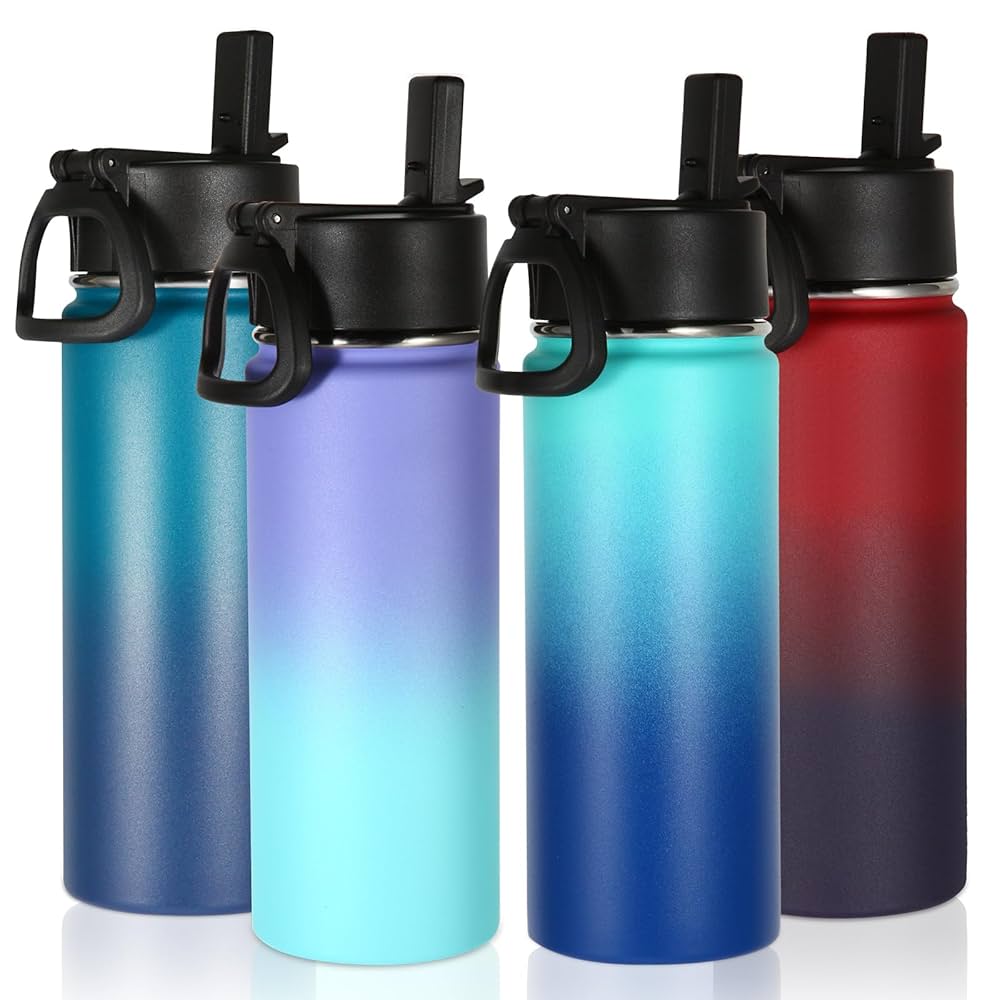
A stock image related to gradient beverage bottle.
3 Common User Pain Points for ‘gradient beverage bottle’ & Their Solutions
Scénario 1 : Difficulté à garantir la qualité et la cohérence des produits
Le problème : B2B buyers often face challenges when sourcing gradient beverage bottles, particularly regarding product quality and consistency. Variations in manufacturing processes can lead to discrepancies in color gradients, materials used, and overall durability. For example, a buyer may receive a batch of bottles that appear different from the samples provided, resulting in potential dissatisfaction among customers and loss of brand reputation.
La solution : To mitigate quality issues, buyers should establish robust quality assurance processes with suppliers. This includes requesting detailed product specifications and samples before placing bulk orders. Engaging in direct communication with manufacturers can also clarify any concerns regarding material quality, such as ensuring that 304 stainless steel is used consistently. Additionally, implementing a quality control inspection upon receipt of goods can help identify any defects or inconsistencies early on. Buyers should also consider using suppliers that offer comprehensive guarantees or warranties to safeguard their investments.
Scenario 2: Challenges with Customization and Branding
Le problème : Many B2B buyers struggle with customizing gradient beverage bottles to effectively represent their brand. Finding a supplier that allows for unique designs, such as logos or specific color gradients, can be difficult. This lack of customization options can limit a company’s ability to differentiate itself in a competitive market, impacting brand visibility and customer engagement.
La solution : Buyers should prioritize suppliers that offer flexible customization options, such as sublimation printing, which allows for high-quality, vibrant designs that are durable and long-lasting. When negotiating with suppliers, it’s essential to discuss minimum order quantities and potential setup fees for custom designs. Buyers can also explore partnerships with manufacturers that specialize in bespoke products, as this can provide a more tailored service. Additionally, investing in a solid design brief that outlines specific branding requirements can streamline the customization process and ensure alignment with marketing objectives.
Scenario 3: Navigating International Shipping and Import Regulations
Le problème : International B2B buyers often encounter significant hurdles related to shipping and customs when sourcing gradient beverage bottles from overseas. Issues such as unexpected import duties, long shipping times, and varying regulations can complicate the purchasing process, leading to delays and increased costs. For example, a buyer in South America might face exorbitant customs fees that were not clearly communicated during the ordering process.
La solution : To navigate these complexities, buyers should conduct thorough research on the shipping policies and customs regulations of their country. Establishing a relationship with a logistics partner or freight forwarder who understands the intricacies of international shipping can provide valuable insights and assistance. Additionally, buyers should request detailed shipping estimates from suppliers, including all potential fees related to customs and duties, before finalizing an order. Utilizing suppliers that have experience in international logistics can also streamline the process, ensuring timely and cost-effective deliveries. By being proactive and informed, buyers can significantly reduce the risks associated with international procurement of gradient beverage bottles.
Strategic Material Selection Guide for gradient beverage bottle
What Are the Key Materials for Gradient Beverage Bottles?
When selecting materials for gradient beverage bottles, several options stand out, each with unique properties and applications. Understanding these materials can help international B2B buyers make informed decisions that align with their market needs.
How Does 304 Stainless Steel Perform in Gradient Beverage Bottles?
304 stainless steel is a popular choice for gradient beverage bottles due to its excellent corrosion resistance and durability. This material can withstand high temperatures and pressures, making it suitable for both hot and cold beverages. Its non-reactive nature ensures that the taste of the drink remains unaltered, which is crucial for maintaining product quality.
Pour : The primary advantages of 304 stainless steel include its long lifespan, aesthetic appeal, and ease of cleaning. It is also relatively lightweight, making it portable for consumers.
Cons : However, the cost of stainless steel can be higher than other materials, which may affect pricing strategies. Additionally, the manufacturing process can be complex, requiring specialized equipment for shaping and finishing.
Impact sur l'application : 304 stainless steel is compatible with a wide range of beverages, including acidic drinks, which can corrode other materials.
Considérations pour les acheteurs internationaux : Buyers from regions like Europe and the Middle East should ensure compliance with food safety standards such as EU regulations or local health codes. In countries like Germany, adherence to DIN standards for materials is crucial.
What Role Does BPA-Free Plastic Play in Gradient Beverage Bottles?
BPA-free plastic is another viable option for gradient beverage bottles, particularly for those targeting the budget-conscious consumer segment. This material is lightweight and offers good impact resistance, making it suitable for active lifestyles.
Pour : The affordability of BPA-free plastic makes it an attractive choice for bulk orders. It can also be easily molded into various shapes and sizes, allowing for creative designs.
Cons : On the downside, plastic may not offer the same level of durability as stainless steel and can be susceptible to scratching and wear over time. Additionally, it may retain odors or stains from certain beverages.
Impact sur l'application : BPA-free plastic is suitable for a variety of beverages but may not be ideal for hot liquids, as high temperatures can deform the material.
Considérations pour les acheteurs internationaux : Buyers in Africa and South America should be aware of local regulations regarding plastic use and recycling. Compliance with standards like ASTM for plastics is essential to ensure product safety.
How Does Glass Factor into Gradient Beverage Bottle Selection?
Glass is often chosen for its aesthetic appeal and ability to preserve the taste of beverages. Gradient glass bottles can be visually striking, making them ideal for premium products.
Pour : Glass is non-reactive and does not leach chemicals into beverages, which is a significant advantage for health-conscious consumers. It is also recyclable, aligning with sustainability trends.
Cons : The fragility of glass can be a significant drawback, especially in markets where durability is paramount. It is also heavier than other materials, which may affect shipping costs.
Impact sur l'application : Glass is suitable for cold beverages and can be used for juices, teas, and flavored waters, but it is not recommended for carbonated drinks due to the risk of breakage.
Considérations pour les acheteurs internationaux : In Europe, buyers should comply with EU regulations regarding glass safety and recycling. In the Middle East, local customs may influence packaging preferences.
What Are the Advantages of Aluminum in Gradient Beverage Bottles?
Aluminum is a lightweight and durable option for gradient beverage bottles, often used in the production of sports and energy drinks.
Pour : Its lightweight nature makes it highly portable, while its resistance to corrosion ensures longevity. Aluminum can also be coated for aesthetic purposes, allowing for vibrant gradient designs.
Cons : However, aluminum may require a liner to prevent reactions with acidic beverages, which can complicate manufacturing. The cost can also vary based on market fluctuations.
Impact sur l'application : Aluminum bottles are suitable for a wide range of beverages but may not be ideal for long-term storage due to potential leaching.
Considérations pour les acheteurs internationaux : Buyers should be aware of the varying recycling standards for aluminum across regions, including compliance with local environmental regulations.
Summary of Material Selection for Gradient Beverage Bottles
| Matériau | Typical Use Case for gradient beverage bottle | Avantage clé | Principaux inconvénients/limites | Coût relatif (faible/moyen/élevé) |
|---|---|---|---|---|
| Acier inoxydable 304 | Bouteilles d'eau de qualité supérieure | Excellente durabilité et résistance à la corrosion | Coût plus élevé et fabrication plus complexe | Haut |
| Plastique sans BPA | Budget-friendly options | Léger et abordable | Less durable and can retain odors | Faible |
| Verre | Premium beverages | Non-reactive and aesthetically pleasing | Fragile et lourd | Moyen |
| Aluminium | Sports and energy drinks | Lightweight and corrosion-resistant | Requires lining for acidic drinks | Moyen |
This guide provides a comprehensive overview of material options for gradient beverage bottles, enabling B2B buyers to make informed decisions based on performance, cost, and regional compliance.
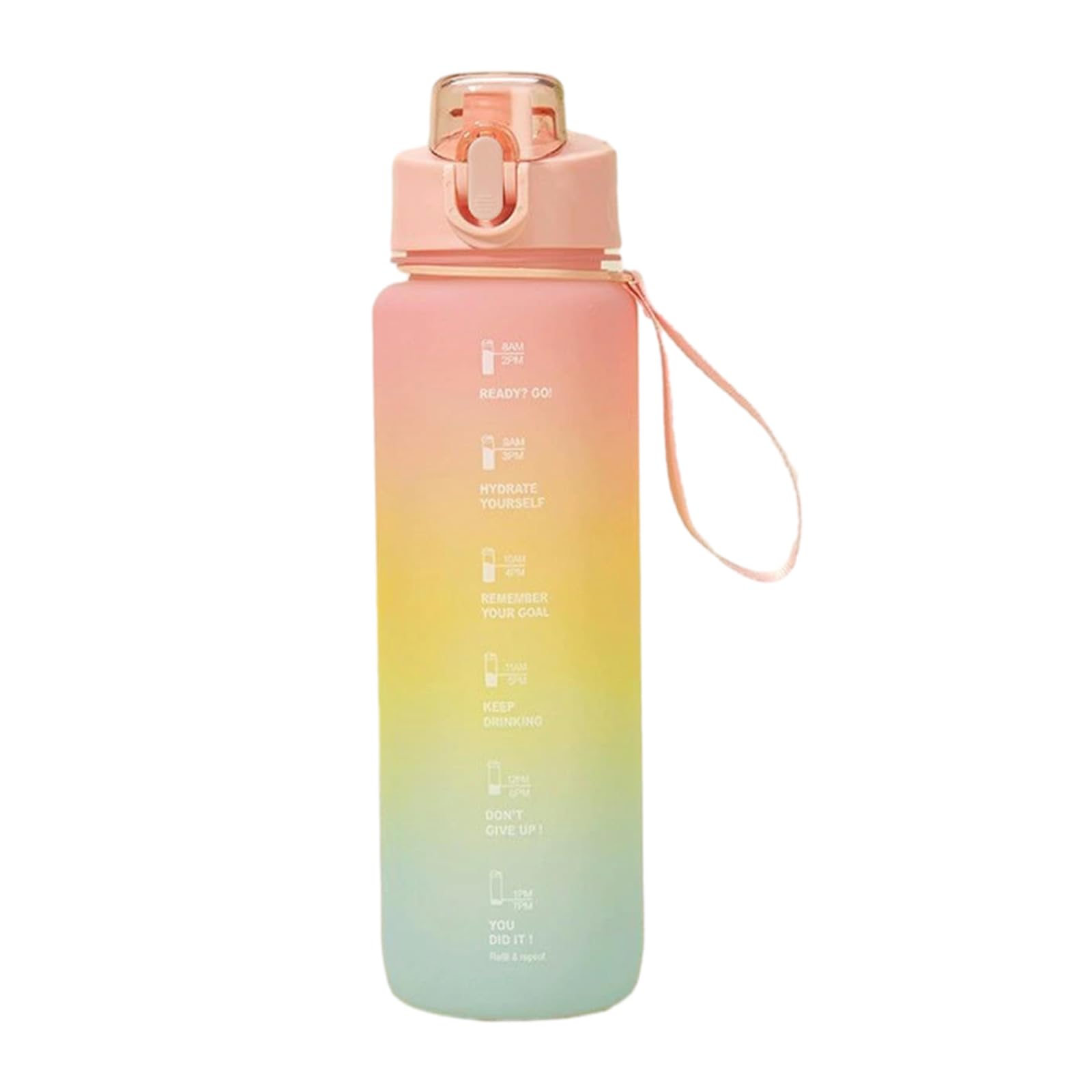
A stock image related to gradient beverage bottle.
In-depth Look: Manufacturing Processes and Quality Assurance for gradient beverage bottle
What Are the Key Stages in the Manufacturing Process of Gradient Beverage Bottles?
The manufacturing of gradient beverage bottles involves several critical stages, each designed to ensure product quality and functionality. Understanding these stages is essential for B2B buyers looking to source high-quality products.
Préparation du matériel
The first stage begins with material selection. Most gradient beverage bottles are made from high-grade 304 stainless steel, known for its durability, resistance to corrosion, and ability to maintain temperature. Suppliers should ensure that the raw materials meet international standards for food safety and quality, as stipulated by organizations like the FDA or EU regulations.
Once the materials are selected, they undergo a rigorous quality check (IQC – Incoming Quality Control) to verify that they meet the required specifications. This ensures that only materials that pass quality standards are used in production, minimizing defects in the final product.
Forming Techniques Used in Gradient Beverage Bottles
After material preparation, the next step is forming. This is typically achieved through processes such as:
- Stamping: Cutting the stainless steel sheets into the required shapes for the bottle body.
- Deep Drawing: A process that shapes the stainless steel into the desired bottle form, creating a seamless structure that enhances durability and aesthetics.
- Sublimation Printing: For gradient designs, sublimation is employed to transfer vibrant colors onto the bottle surface. This technique involves printing the design onto a special paper, which is then applied to the bottle under heat, allowing the ink to bond with the material. This results in a high-quality, durable finish that resists fading and scratching.
Each of these processes requires precision machinery and skilled operators to ensure consistent quality throughout production.
What Are the Key Assembly and Finishing Steps?
Once the bottle components are formed, they move on to assembly. This includes attaching parts such as the lid, seals, and any additional features like straws or handles. The assembly process is critical, as a well-sealed bottle prevents leaks and enhances user experience.
Finishing touches involve surface treatments such as polishing and coating. These processes not only enhance the aesthetic appeal of the gradient design but also add protective layers that improve the bottle’s resistance to wear and tear. A final inspection (FQC – Final Quality Control) is conducted to ensure that each bottle meets the established quality standards before packaging.
How Is Quality Assurance Managed in Gradient Beverage Bottle Manufacturing?
Quality assurance is vital in the manufacturing of gradient beverage bottles. International standards such as ISO 9001 guide manufacturers in establishing quality management systems. Compliance with these standards assures buyers of consistent quality and reliability in their products.
What Are the International Quality Standards Relevant to Gradient Beverage Bottles?
In addition to ISO 9001, other relevant certifications include:
- Marquage CE: Indicates conformity with health, safety, and environmental protection standards for products sold within the European Economic Area.
- API (American Petroleum Institute): While primarily for oil and gas, this certification can apply to certain materials used in beverage bottles, ensuring they meet high-performance standards.
For B2B buyers, these certifications are crucial indicators of product quality and safety. They also help in navigating international trade regulations.
What Are the Quality Control Checkpoints in the Manufacturing Process?
Quality control checkpoints are integrated throughout the manufacturing process:
- Contrôle de la qualité à l'arrivée (IQC): Ensures raw materials meet specifications.
- Contrôle de la qualité en cours de fabrication (IPQC): Monitors manufacturing processes to detect and rectify issues in real-time.
- Contrôle de qualité final (CQF): Confirms that the finished product meets all quality standards before shipping.
These checkpoints help minimize defects and ensure that each bottle is fit for consumer use.
Comment les acheteurs B2B peuvent-ils vérifier les pratiques de contrôle de la qualité des fournisseurs ?
To ensure that suppliers adhere to stringent quality control practices, B2B buyers can take several steps:
- Audits des fournisseurs: Conduct regular audits of manufacturing facilities to assess compliance with quality standards and processes.
- Demander des rapports de qualité: Suppliers should provide documentation of their quality control processes, including inspection reports and certifications.
- Inspections par des tiers: Engaging third-party inspection services can provide an unbiased assessment of product quality and compliance with international standards.
What Are the Common Testing Methods for Gradient Beverage Bottles?
Testing methods for gradient beverage bottles typically include:
- Essai d'étanchéité: Ensures that bottles do not leak under pressure, which is critical for consumer safety.
- Temperature Retention Tests: Assesses the bottle’s ability to maintain hot or cold temperatures over time, an essential feature for beverage containers.
- Essais de durabilité: Involves drop tests and scratch tests to evaluate how well the bottle withstands everyday use.
These tests help confirm that the bottles not only meet aesthetic expectations but also perform reliably in various conditions.
What Are the Considerations for International B2B Buyers Regarding Quality Control?
International buyers, particularly those from regions like Africa, South America, the Middle East, and Europe, must consider the following:
- Cultural and Regulatory Differences: Understanding the local regulations regarding product safety and quality can help avoid compliance issues.
- Logistical Challenges: Ensure that the supplier can manage shipping and customs processes efficiently to prevent delays in delivery.
- Quality Assurance Documentation: Request clear documentation of quality control processes and standards that meet both local and international requirements.
By addressing these considerations, buyers can establish a more reliable supply chain and ensure they receive high-quality gradient beverage bottles that meet their needs.
Practical Sourcing Guide: A Step-by-Step Checklist for ‘gradient beverage bottle’
This guide serves as a practical resource for B2B buyers looking to source gradient beverage bottles effectively. Gradient beverage bottles are increasingly popular due to their aesthetic appeal and functionality. By following this step-by-step checklist, buyers can ensure they select the right product and supplier to meet their business needs.
Étape 1 : Définir les spécifications techniques
Establish clear technical specifications before initiating the sourcing process. Consider factors such as material (e.g., stainless steel, BPA-free plastic), capacity (e.g., 500ml, 1000ml), and design features (e.g., leak-proof lids, insulation properties). These specifications will guide your search and help in assessing potential suppliers’ offerings.
Étape 2 : Research and Identify Potential Suppliers
Conduct thorough research to identify suppliers that specialize in gradient beverage bottles. Utilize platforms like Alibaba, trade shows, and industry directories to find reputable manufacturers. Look for suppliers with a proven track record in your target markets, such as Africa, South America, and Europe, to ensure they understand regional requirements and customer preferences.
Étape 3 : Evaluate Supplier Certifications
Verify the certifications of potential suppliers to ensure product quality and compliance with international standards. Look for certifications such as ISO 9001 for quality management and FDA approval for food safety. Ensuring that suppliers meet these standards mitigates risks associated with product safety and enhances your brand’s credibility.
Étape 4 : Demande d'échantillons pour l'évaluation de la qualité
Always request samples of the gradient beverage bottles you are considering. This allows you to evaluate the quality, design, and functionality firsthand. Pay attention to details such as the weight, finish, and usability of the bottles. Assess whether the product meets your specifications and quality expectations before placing a bulk order.
Étape 5 : Discuss Customization Options
If your business requires unique branding or design, inquire about customization options. Many suppliers offer sublimation printing or other methods to personalize bottles with your logo or artwork. Ensure that the supplier can accommodate your branding needs while maintaining product quality and timely delivery.
Étape 6 : Négocier les prix et les conditions
Engage in negotiations regarding pricing, payment terms, and shipping conditions. Understand the bulk discount structures and any minimum order quantities that may apply. It’s essential to have clarity on all financial aspects to avoid unexpected costs later in the process.
Étape 7 : Confirm Shipping and Delivery Logistics
Before finalizing your order, confirm the shipping and delivery logistics. Ensure that the supplier can deliver to your desired location and within your required timeframe. Discuss shipping costs and any potential customs duties or taxes that may apply, particularly for international shipments.
By following this checklist, B2B buyers can navigate the sourcing process for gradient beverage bottles with confidence, ensuring that they select the best products and suppliers for their business needs.
Comprehensive Cost and Pricing Analysis for gradient beverage bottle Sourcing
What Are the Key Cost Components in Gradient Beverage Bottle Production?
Understanding the cost structure of gradient beverage bottles is essential for B2B buyers seeking to source these products effectively. The primary cost components include:
-
Materials: The choice of materials significantly impacts the overall cost. Common materials for gradient beverage bottles include 304 stainless steel, which is favored for its durability and corrosion resistance. The cost of raw materials can fluctuate based on market demand and supplier availability.
-
Labor: Labor costs can vary widely depending on the region of production. Countries with lower labor costs may offer competitive pricing but could compromise on quality. It’s crucial to evaluate labor standards and practices to ensure compliance with international regulations.
-
Manufacturing Overhead: This includes indirect costs associated with production, such as utilities, rent, and equipment maintenance. Efficient manufacturing processes can reduce overhead costs, leading to better pricing for buyers.
-
Tooling: Custom molds or designs for gradient bottles require upfront investment. The tooling costs can be amortized over larger production runs, making it essential to consider minimum order quantities (MOQs) when negotiating prices.
-
Quality Control (QC): Ensuring product quality can add to the overall cost. Implementing stringent QC measures is vital to minimize defects and returns, which can be particularly important for international buyers concerned about compliance with their local standards.
-
Logistics: Shipping and handling costs are critical, especially for international orders. Factors such as distance, shipping mode, and Incoterms can significantly influence logistics expenses.
-
Margin: Suppliers will build a margin into their pricing to ensure profitability. Understanding the typical margins within the industry can help buyers negotiate more effectively.
What Influences the Pricing of Gradient Beverage Bottles?
Several factors can influence the pricing of gradient beverage bottles, and being aware of these can help buyers make informed decisions:
-
Volume/MOQ: Larger orders often lead to lower per-unit costs. Suppliers are usually willing to offer discounts for bulk purchases, making it advantageous for buyers to assess their needs accurately.
-
Specifications and Customization: Custom designs or specific features can increase the cost. Buyers should weigh the benefits of customization against their budget constraints.
-
Material Quality and Certifications: Higher-quality materials and certifications (e.g., food-grade standards) can drive up costs but may be necessary for specific markets, especially in Europe and North America.
-
Supplier Factors: The reputation and reliability of suppliers can affect pricing. Established suppliers may charge more due to their proven track record, while newer entrants might offer lower prices to capture market share.
-
Incoterms: The chosen Incoterms will determine who is responsible for shipping costs and risks. Understanding these terms can help buyers avoid unexpected charges.
What Are Effective Buyer Tips for Sourcing Gradient Beverage Bottles?
For international B2B buyers, particularly from Africa, South America, the Middle East, and Europe, here are some actionable tips:
-
Negotiate Wisely: Don’t hesitate to negotiate prices, especially for larger orders. Suppliers often have room to maneuver, and a well-prepared negotiation strategy can yield significant savings.
-
Consider Total Cost of Ownership (TCO): Beyond the initial purchase price, consider ongoing costs such as shipping, customs duties, and potential returns. TCO analysis provides a clearer picture of the financial implications of sourcing decisions.
-
Understand Pricing Nuances: Different regions may have varying pricing strategies. For instance, European suppliers might offer higher-quality products with certifications, while suppliers in other regions may focus on cost efficiency.
-
Stay Informed About Market Trends: Keeping abreast of material costs and market demand can help buyers time their purchases effectively, potentially leading to better pricing.
-
Evaluate Supplier Relationships: Building long-term relationships with suppliers can lead to better pricing, priority service, and flexibility in negotiations.
Avertissement sur les prix indicatifs
While indicative prices for gradient beverage bottles may range from as low as $6.90 to over $55 depending on specifications and order volume, these prices can vary significantly based on market conditions, supplier factors, and individual buyer agreements. Always conduct thorough market research and supplier evaluations to obtain the most accurate and competitive pricing.
Alternatives Analysis: Comparing gradient beverage bottle With Other Solutions
In today’s competitive market, B2B buyers must carefully evaluate product options to ensure they select the most suitable solutions for their needs. The gradient beverage bottle offers unique features and aesthetics, but several alternative solutions may also fulfill similar requirements. This analysis will compare the gradient beverage bottle against other viable options, helping businesses make informed decisions.
| Aspect comparatif | Gradient Beverage Bottle | Alternative 1: Plastic Sports Bottle | Alternative 2: Glass Water Bottle |
|---|---|---|---|
| Performance | Excellent insulation; keeps drinks hot/cold for hours | Moderate insulation; may not retain temperature well | Good insulation; retains temperature effectively |
| Coût | $6.90 (bulk pricing) | $2.00 – $5.00 | $10.00 – $15.00 |
| Facilité de mise en œuvre | Customizable designs available; easy to order | Readily available; minimal customization | Limited customization options; more fragile |
| Maintenance | Easy to clean; durable stainless steel | Dishwasher safe; lightweight | Requires careful handling; hand wash recommended |
| Meilleur cas d'utilisation | Ideal for promotional gifts and outdoor activities | Suitable for everyday use and sports | Best for home use and eco-conscious consumers |
What Are the Pros and Cons of Using a Plastic Sports Bottle?
Plastic sports bottles are a common alternative to gradient beverage bottles. They are lightweight and inexpensive, making them a practical choice for bulk purchasing. Many models are dishwasher safe, which simplifies maintenance for businesses. However, they typically lack the insulation properties of stainless steel options, leading to rapid temperature changes. Additionally, plastic may not convey the same premium image as a gradient beverage bottle, which can be crucial for branding in promotional contexts.
How Does a Glass Water Bottle Compare?
Glass water bottles present another alternative, often favored for their aesthetic appeal and eco-friendliness. They can effectively maintain the temperature of beverages, similar to stainless steel options. However, they tend to be heavier and more fragile, making them less suitable for outdoor activities or high-mobility scenarios. The maintenance for glass bottles can also be more demanding, as they often require hand washing to prevent breakage. Despite these challenges, their premium appearance can enhance brand perception when used for corporate gifts or high-end promotions.
Conclusion: How Can B2B Buyers Choose the Right Beverage Bottle Solution?
When selecting a beverage bottle solution, B2B buyers should consider their specific needs and use cases. The gradient beverage bottle stands out for its insulation, durability, and customization options, making it ideal for promotional events or outdoor activities. In contrast, plastic sports bottles may be better suited for businesses prioritizing cost and lightweight solutions. Meanwhile, glass bottles appeal to those focusing on sustainability and premium branding, though they come with fragility concerns. By weighing these factors, companies can choose the beverage bottle that best aligns with their operational goals and brand identity.
Essential Technical Properties and Trade Terminology for gradient beverage bottle
What Are the Key Technical Properties of a Gradient Beverage Bottle?
When considering gradient beverage bottles for your business, understanding their technical properties is essential. Here are several critical specifications that define the quality and functionality of these products:
-
Material Grade (304 Stainless Steel)
Gradient beverage bottles are often made from 304 stainless steel, a popular choice due to its excellent corrosion resistance and durability. This material is food-grade and ensures that beverages remain safe for consumption, making it a vital consideration for international buyers looking to meet health and safety regulations in diverse markets. -
Weight (386 g)
The weight of a beverage bottle impacts both shipping costs and user experience. A bottle weighing around 386 grams strikes a balance between sturdiness and portability, appealing to consumers who value convenience during travel or outdoor activities. For B2B buyers, understanding product weight can aid in logistics planning and inventory management. -
Capacity (1000 ml)
A standard capacity of 1000 ml is ideal for consumers seeking a balance between hydration needs and bottle size. This specification is crucial for brands targeting fitness enthusiasts or outdoor adventurers, as it meets the demand for larger drink volumes without sacrificing portability. Knowing the capacity helps buyers tailor their product offerings to specific market segments. -
Insulation Properties (Double-Walled Vacuum)
Many gradient beverage bottles feature double-walled vacuum insulation, which keeps beverages hot or cold for extended periods. This technology is increasingly important in markets with extreme weather conditions, as it enhances user satisfaction and product functionality. For B2B buyers, this feature can be a significant selling point when marketing to customers in diverse climates. -
Customization Options (Sublimation Printing)
The ability to customize gradient beverage bottles through sublimation printing allows businesses to create unique branding opportunities. This process involves transferring high-quality designs onto the bottles, making them attractive promotional items. Understanding customization capabilities can help B2B buyers differentiate their products in competitive markets. -
Leak-Resistant Design
A leak-resistant lid is a critical design feature that enhances the usability of gradient beverage bottles. This property ensures that liquids do not spill during transportation, making the product suitable for active lifestyles. For buyers, investing in products with robust leak-proof designs can lead to higher customer satisfaction and lower return rates.
What Are the Common Trade Terms Related to Gradient Beverage Bottles?
Understanding industry jargon is crucial for effective communication in B2B transactions. Here are some key terms relevant to gradient beverage bottles:
-
OEM (Original Equipment Manufacturer)
OEM refers to companies that produce parts or products that are marketed by another company. In the context of beverage bottles, an OEM might manufacture gradient bottles that are branded and sold by a third-party retailer. Knowing about OEM relationships can help buyers navigate sourcing options and assess product quality. -
MOQ (Minimum Order Quantity)
MOQ is the smallest number of units that a supplier is willing to sell. This term is critical for B2B buyers as it impacts budgeting and inventory management. Understanding the MOQ can help businesses plan their purchases effectively and determine whether a supplier aligns with their operational needs. -
RFQ (Request for Quotation)
An RFQ is a document sent to suppliers to request pricing for specific products. For gradient beverage bottles, submitting an RFQ can provide buyers with competitive pricing information and help them make informed purchasing decisions. This process is essential for budgeting and cost analysis in B2B transactions. -
Incoterms (termes commerciaux internationaux)
Incoterms are a set of predefined commercial terms used in international shipping. They define the responsibilities of buyers and sellers concerning the delivery of goods. Familiarity with Incoterms is vital for B2B buyers as it ensures clarity in shipping arrangements, costs, and risks associated with the transportation of gradient beverage bottles. -
Customization Lead Time
This term refers to the time required to produce customized products after an order is placed. For gradient beverage bottles, understanding the lead time for customization can help buyers plan their marketing campaigns and product launches more effectively, ensuring that they have stock available when needed. -
Sustainability Standards
This term encompasses the environmental criteria that products must meet to be considered eco-friendly. Many buyers are increasingly prioritizing sustainability in their purchasing decisions, making it essential to be aware of the sustainability standards applicable to gradient beverage bottles, especially in markets with strict environmental regulations.
By grasping these technical properties and trade terminologies, international B2B buyers can make informed decisions, optimize their sourcing strategies, and effectively navigate the complexities of the beverage bottle market.
Navigating Market Dynamics and Sourcing Trends in the gradient beverage bottle Sector
What Are the Key Trends and Market Dynamics Influencing the Gradient Beverage Bottle Sector?
The gradient beverage bottle sector is experiencing significant growth, driven by a combination of rising health consciousness and demand for stylish, functional drinkware. Global buyers, particularly in Africa, South America, the Middle East, and Europe, are increasingly seeking products that not only serve a practical purpose but also reflect personal style. One of the most notable trends is the customization of beverage bottles, which allows businesses to cater to diverse consumer preferences and branding opportunities. Suppliers offering sublimation printing techniques are particularly well-positioned to meet this demand, as they enable the creation of bespoke designs without minimum order quantities.
Additionally, the trend towards eco-friendly products is reshaping market dynamics. Buyers are more inclined to source gradient beverage bottles made from sustainable materials, such as 304 stainless steel, which offer durability and resistance to corrosion while being reusable. The increased emphasis on sustainability is complemented by technological advancements in manufacturing, such as the use of automated processes to ensure consistency and quality in production.
Moreover, the rise of e-commerce platforms has revolutionized sourcing practices. International buyers can now easily compare prices, quality, and customization options from multiple suppliers across different regions, enhancing competition and driving innovation within the market. As a result, businesses must stay agile and informed about emerging trends to maintain a competitive edge.
How Is Sustainability and Ethical Sourcing Reshaping the Gradient Beverage Bottle Market?
Sustainability and ethical sourcing are becoming paramount in the gradient beverage bottle sector, reflecting a broader shift in consumer preferences toward environmentally responsible products. The environmental impact of single-use plastics has prompted both consumers and businesses to seek sustainable alternatives. Gradient beverage bottles made from stainless steel not only offer a long-lasting solution but also reduce the carbon footprint associated with disposable bottles.
Ethical supply chains are critical for B2B buyers aiming to enhance their brand reputation. By sourcing products from manufacturers committed to ethical practices—such as fair labor conditions and minimal environmental impact—businesses can align their operations with the values of their target markets. Certifications like ISO 14001 (Environmental Management) and Fair Trade can serve as indicators of a supplier’s commitment to sustainability, making it easier for buyers to make informed choices.
Additionally, the use of eco-friendly materials, such as BPA-free plastics and recyclable packaging, is gaining traction. Companies that prioritize these materials not only contribute to a healthier planet but also appeal to a growing demographic of environmentally conscious consumers. This shift towards sustainability and ethical sourcing is not merely a trend; it is becoming an essential component of business strategy in the gradient beverage bottle market.
What Is the Evolution of the Gradient Beverage Bottle Sector?
The gradient beverage bottle sector has evolved significantly over the years, reflecting changes in consumer preferences and technological advancements. Initially, beverage containers were primarily functional, focusing on durability and capacity. However, as lifestyle trends shifted toward personalization and aesthetics, manufacturers began to innovate, introducing gradient color designs that appeal to younger consumers and those seeking unique styles.
The advent of advanced printing technologies, such as sublimation, has revolutionized the industry by allowing for intricate designs and customization at scale. This capability has opened new avenues for branding and marketing, enabling businesses to create distinctive products that resonate with their target audience.
As awareness of environmental issues has grown, the sector has also transitioned towards more sustainable practices. The introduction of materials like stainless steel not only enhances product longevity but also aligns with the increasing demand for eco-friendly alternatives. This evolution underscores the dynamic nature of the gradient beverage bottle market, as it continues to adapt to the demands of consumers and the global market landscape.
Frequently Asked Questions (FAQs) for B2B Buyers of gradient beverage bottle
-
How do I choose the right supplier for gradient beverage bottles?
When selecting a supplier for gradient beverage bottles, consider their production capacity, quality certifications (such as ISO), and track record in international shipping. Request samples to assess the quality firsthand and verify their ability to meet your design specifications. Additionally, check for customer reviews or testimonials to gauge their reliability. It’s also beneficial to inquire about their customization capabilities and minimum order quantities (MOQ) to ensure they can accommodate your specific needs. -
What customization options are available for gradient beverage bottles?
Most manufacturers offer various customization options for gradient beverage bottles, including size, color, and printing methods. Common options include sublimation printing, which allows for vibrant, full-color designs on the bottle. Some suppliers also provide embossing or engraving services for logos or brand names. Be sure to communicate your design requirements clearly and request a proof before finalizing your order to ensure that the final product meets your expectations. -
What is the minimum order quantity (MOQ) for gradient beverage bottles?
The MOQ for gradient beverage bottles can vary significantly between suppliers, ranging from as low as 50 units to several hundred. It’s essential to confirm this with the supplier before placing an order, as lower MOQs may be available for certain designs or colors. Some suppliers may offer flexible MOQs for customized orders, especially if you are willing to pay additional setup fees. Always assess your needs and budget when considering the MOQ. -
What payment terms should I expect when ordering gradient beverage bottles?
Payment terms can differ from supplier to supplier, but common practices include a 30% deposit upon order confirmation with the balance due before shipping. Some suppliers may accept letters of credit or other financing methods, especially for larger orders. Always clarify payment terms upfront to avoid any misunderstandings. Additionally, consider suppliers that offer secure payment options to protect your investment. -
How do I ensure quality control for gradient beverage bottles?
To ensure quality control, request certifications from your supplier, such as ISO 9001, which indicates adherence to quality management principles. It’s advisable to conduct pre-production inspections and request samples before mass production begins. Additionally, consider hiring third-party inspection services to evaluate the products before shipping. Establishing clear quality standards and expectations in your contract can also help mitigate issues. -
What are the shipping options for gradient beverage bottles to my region?
Shipping options will depend on the supplier and your location. Most manufacturers offer various shipping methods, including air freight for faster delivery and sea freight for more cost-effective solutions. Be sure to discuss shipping terms, including costs and delivery times, during the negotiation process. Additionally, confirm whether the supplier can handle customs clearance and any associated duties or taxes for international shipments. -
Are gradient beverage bottles eco-friendly?
Many gradient beverage bottles are made from sustainable materials, such as stainless steel, which is both durable and recyclable. When sourcing, inquire about the materials used and their environmental impact. Some suppliers may offer bottles that are BPA-free and designed for long-term use, reducing single-use plastic waste. Choosing eco-friendly options can enhance your brand’s sustainability profile and appeal to environmentally conscious consumers. -
What should I know about import duties and taxes for gradient beverage bottles?
When importing gradient beverage bottles, be aware that your shipment may be subject to import duties and taxes imposed by your country. These charges can vary based on the product classification, value, and origin. It’s crucial to research your local customs regulations or consult with a customs broker to understand the potential costs involved. Ensure that your supplier provides accurate documentation to facilitate smooth customs clearance upon arrival.
Avis de non-responsabilité et conditions d'utilisation
⚠️ Avis de non-responsabilité important
Les informations fournies dans ce guide, y compris le contenu concernant les fabricants, les spécifications techniques et l'analyse du marché, sont uniquement destinées à des fins d'information et d'éducation. Elles ne constituent pas un conseil professionnel en matière d'achat, un conseil financier ou un conseil juridique.
Bien que nous ayons fait tout notre possible pour garantir l'exactitude et l'actualité des informations, nous ne sommes pas responsables des erreurs, des omissions ou des informations obsolètes. Les conditions du marché, les détails de l'entreprise et les normes techniques sont susceptibles d'être modifiés.
Les acheteurs B2B doivent faire preuve d'une diligence raisonnable indépendante et approfondie. avant de prendre toute décision d'achat. Il convient notamment de contacter directement les fournisseurs, de vérifier les certifications, de demander des échantillons et de solliciter une consultation professionnelle. Le risque lié à l'utilisation des informations contenues dans ce guide est supporté uniquement par le lecteur.
Top 10 Gradient Beverage Bottle Manufacturers & Suppliers List
1. Gorilla Wear – Gradient Water Bottle 1000ML
Domaine : gorillawear.com
Registered: 2000 (25 years)
Introduction : {“Product Name”: “Gradient Water Bottle 1000ML – Black/Gray”, “Price”: “€ 19,99”, “Capacity”: “1000ML”, “Color”: “Black/Gray”, “Material”: “PCTG”, “Features”: [“Spout”, “Carry Cord”, “Flip-Top Lid with Lock”, “Measurements on the Side”, “BPA-free”], “Product Code”: “9922190809”, “Category”: “Shakers & Bottles”, “Shipping”: “Free shipping over €99”, “Return Policy”: “30-day return policy”, “Reviews…
2. Cisco – Stainless Steel Vacuum Insulated Bottle
Domaine : merchandise.cisco.com
Enregistré : 1987 (38 ans)
Introduction : This company, Cisco – Stainless Steel Vacuum Insulated Bottle, is a notable entity in the market. For specific product details, it is recommended to visit their website directly.
3. Peaprint – Gradient Beverage Bottle
Domaine : m.peaprint.com
Registered: 2023 (2 years)
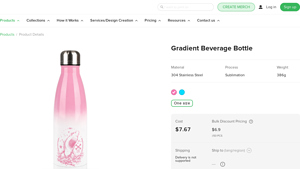
Introduction : {‘product_name’: ‘Gradient Beverage Bottle’, ‘product_number’: ‘H0060082’, ‘material’: ‘304 Stainless Steel’, ‘process’: ‘Sublimation’, ‘weight’: ‘386 g’, ‘size’: ‘One size’, ‘cost’: ‘$7.67’, ‘bulk_discount_price’: ‘$6.90 for ≥50 PCS’, ‘shipping’: ‘Delivery is not supported’, ‘customization_options’: ‘No Minimums, No Setups’, ‘features’: [‘Leak-proof lid’, ‘Compact size’, ‘Corrosion resistance’, ‘…
4. Oregon State – Go Do Things Gradient Water Bottle
Domaine : osubeaverstore.com
Enregistré : 2009 (16 ans)
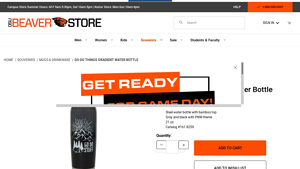
Introduction : {“product_name”: “Go Do Things Gradient Water Bottle”, “catalog_number”: “161-8259”, “price”: “$39.00”, “material”: “Steel with bamboo top”, “color”: “Grey and black”, “theme”: “PNW”, “capacity”: “21 oz”}
5. Dzk9 Designs – Quill Face Gradient Beverage Bottle
Domaine : dzk9designsmerch.com
Enregistré : 2022 (3 ans)
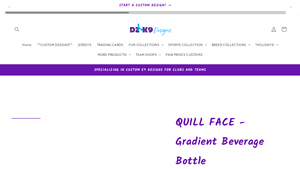
Introduction : QUILL FACE – Gradient Beverage Bottle
6. Imprint5 – Custom Stainless Steel Gradient Cola Water Bottle
Domaine : imprint5.com
Enregistré : 2014 (11 ans)
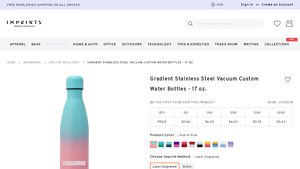
Introduction : Custom Stainless Steel Gradient Cola Water Bottle – 17 oz.
7. AST – Gradient Stainless Steel Water Bottle
Domaine : adultsskatetoo.com
Enregistré : 2017 (8 ans)
Introduction : {“product_name”:”AST Gradient Stainless Steel Water Bottle”,”capacity”:”32oz”,”material”:”Stainless Steel”,”features”:[“Durable”,”Insulated”,”BPA-free”],”design”:”Gradient color design”,”usage”:”Ideal for hydration on-the-go”,”care_instructions”:”Hand wash only”}
8. WaterBottle – Custom Gradient Stainless Steel Water Bottle
Domaine : waterbottle.tech
Enregistré : 2018 (7 ans)
Introduction : Product Name: Custom Gradient Powder Coating Stainless Steel Water Bottle Model: S112098 Capacity: 600 ml (20 oz) Material: 18/8 food grade stainless steel Lid Material: PP + 18/8 food grade stainless steel Insulation: Double wall vacuum insulated, keeps cold for up to 24 hours and hot for up to 12 hours Features: Rust-proof, leak-proof, shatter-proof, sweat-free design, scratching resistance, 100…
9. Kaleidoscope Imprints – Gradient Insulated Water Bottle
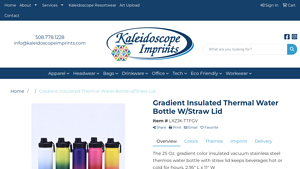
Domaine : kaleidoscopeimprints.com
Registered: 2000 (25 years)
Introduction : Gradient Insulated Thermal Water Bottle with Straw Lid
10. Love From Companies – WTR BTL CH RNBW MTL 20oz
Domaine : lovefromcompanies.com
Registered: 2012 (13 years)
Introduction : {“product_name”: “WTR BTL CH RNBW MTL 20oz”, “material”: “metal”, “capacity”: “20 oz”, “features”: [“colorful rainbow design”, “durable construction”, “insulated to keep drinks cold or hot”], “brand”: “Love From Companies”, “usage”: “ideal for outdoor activities, gym, and daily hydration”}
Strategic Sourcing Conclusion and Outlook for gradient beverage bottle
How Can Strategic Sourcing Enhance Your Gradient Beverage Bottle Procurement?
As the demand for gradient beverage bottles continues to rise globally, strategic sourcing emerges as a pivotal approach for B2B buyers. By understanding the diverse offerings—from customized designs to eco-friendly materials—buyers can make informed decisions that align with their market needs. The competitive pricing structures available through bulk purchases not only enhance profit margins but also foster long-term supplier relationships, ensuring reliable access to high-quality products.
Moreover, the versatility of gradient beverage bottles makes them suitable for various applications across different regions, including Africa, South America, the Middle East, and Europe. This adaptability opens new avenues for market penetration and customer engagement.
Looking ahead, international buyers should prioritize partnerships with suppliers who offer not just products, but also customization options and sustainable practices. Embracing these strategies will not only enhance brand value but also position businesses favorably in a rapidly evolving marketplace. Engage with suppliers today to explore how gradient beverage bottles can elevate your product line and meet the demands of eco-conscious consumers.
 Français
  English
  Español
  Português
  Deutsch
  العربية
  Русский
  日本語
日本語  한국어
한국어  Italiano
  Nederlands