
Introduction: Navigating the Global Market for bpa free plastic water bottles
As international B2B buyers increasingly prioritize health and safety in their product selections, sourcing BPA-free plastic water bottles has become a pressing challenge. The global market is flooded with options, but discerning quality and compliance with safety standards can be daunting. This guide serves as a comprehensive resource for navigating the complexities of the BPA-free water bottle market, offering insights into various types, applications, supplier vetting processes, and cost considerations.
By providing in-depth analyses of popular materials, design innovations, and market trends, this guide empowers businesses, particularly those in Africa, South America, the Middle East, and Europe, to make informed purchasing decisions. Buyers from regions such as Nigeria and Vietnam will find valuable information tailored to their specific market needs, helping them mitigate risks associated with product safety and supplier reliability.
Moreover, this guide emphasizes the importance of sustainability and consumer health, illustrating how BPA-free options can enhance brand reputation and meet regulatory standards. Whether you’re seeking durable bottles for outdoor activities, stylish options for corporate gifts, or functional designs for children’s hydration needs, this resource will equip you with the knowledge to select the right products that align with your business goals.
Understanding bpa free plastic water bottles Types and Variations
| Nom du type | Principales caractéristiques | Applications primaires B2B | Avantages et inconvénients pour les acheteurs |
|---|---|---|---|
| Standard BPA-Free Bottles | Lightweight, various sizes, often with a flip-top lid | Office hydration, events | Pour : Affordable, versatile; Cons : Moins durable que les options métalliques. |
| Insulated BPA-Free Bottles | Double-walled construction for temperature retention | Outdoor events, sports teams | Pour : Keeps beverages cold/hot longer; Cons : Higher cost. |
| Collapsible BPA-Free Bottles | Flexible material, easy to store when not in use | Travel, camping, and outdoor activities | Pour : Space-saving, lightweight; Cons : May not be as durable. |
| Infuser BPA-Free Bottles | Built-in infuser for adding fruits or herbs | Health-focused businesses, gyms | Pour : Promotes healthy hydration; Cons : Slightly more complex to clean. |
| Kids BPA-Free Bottles | Smaller size, colorful designs, often with spill-proof lids | Schools, daycare centers | Pour : Attractive to children, safe; Cons : Limited capacity. |
What are the Characteristics and Suitability of Standard BPA-Free Bottles?
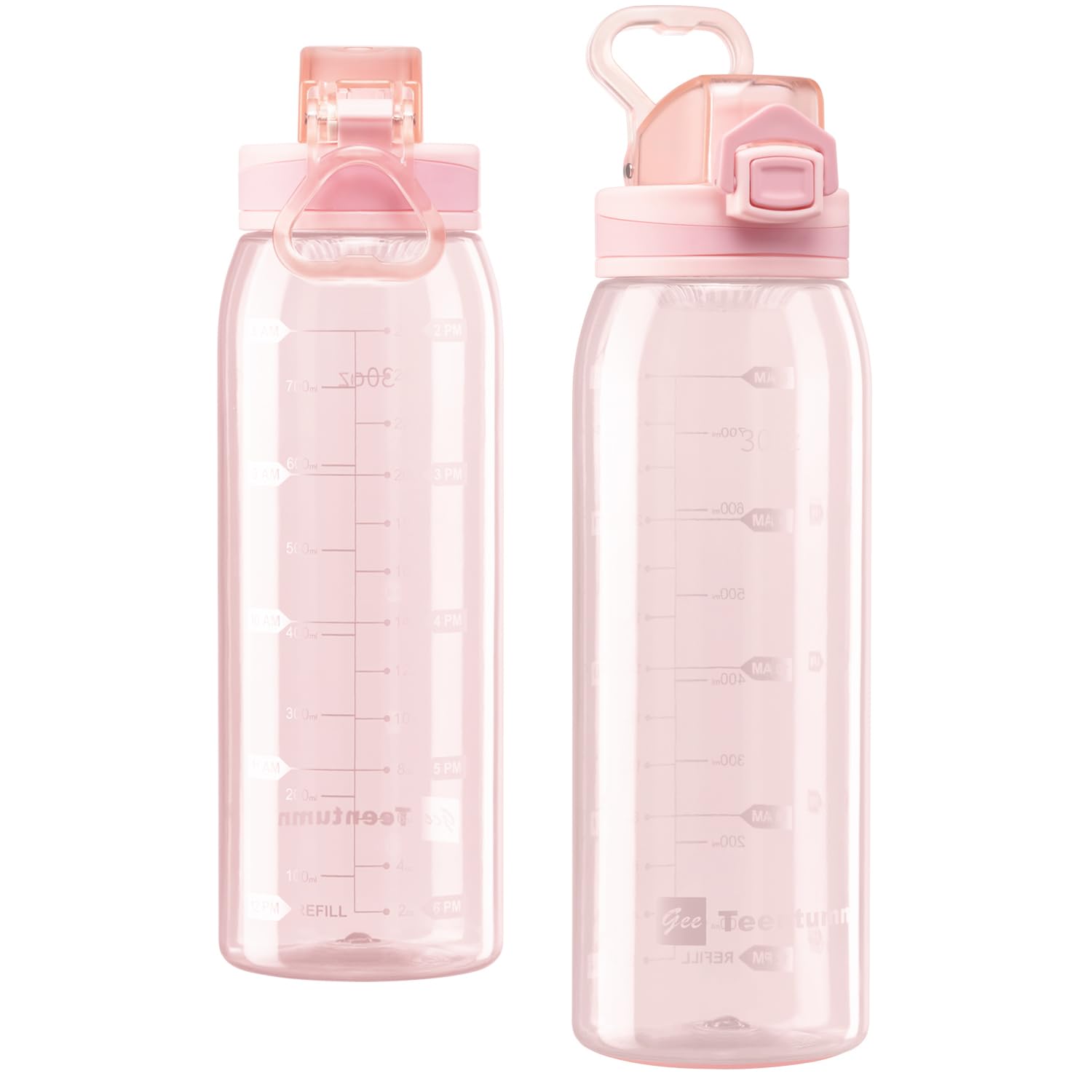
Standard BPA-free bottles are typically made from lightweight plastics, available in various sizes, and often feature convenient flip-top lids. They are ideal for everyday use in offices, events, and casual settings where hydration is essential. When considering bulk purchases, businesses should focus on the balance between cost-effectiveness and quality, as these bottles are generally affordable but may lack the durability of more specialized options.
How Do Insulated BPA-Free Bottles Stand Out in the Market?
Insulated BPA-free bottles utilize double-walled construction, which provides excellent temperature retention for both hot and cold beverages. This feature makes them popular among outdoor enthusiasts, sports teams, and businesses that host events. When purchasing, buyers should consider the higher price point but recognize the added value of extended beverage temperature maintenance, which can enhance customer satisfaction and brand loyalty.
What Makes Collapsible BPA-Free Bottles Ideal for Travel?
Collapsible BPA-free bottles are designed for convenience, allowing users to fold and store them easily when not in use. This makes them particularly suitable for travel, camping, and outdoor activities. B2B buyers should evaluate the material’s durability and flexibility, as these bottles need to withstand various conditions while being lightweight. Their space-saving design can be a significant selling point for companies that prioritize portability.
Why Choose Infuser BPA-Free Bottles for Health-Conscious Consumers?
Infuser BPA-free bottles come equipped with a built-in infuser that allows users to add fruits or herbs to their water, promoting a healthy lifestyle. These bottles are particularly popular among health-focused businesses, gyms, and wellness brands. When considering bulk purchases, companies should weigh the benefits of attracting health-conscious consumers against the potential cleaning challenges posed by the infuser design.
What are the Key Features of Kids BPA-Free Bottles?
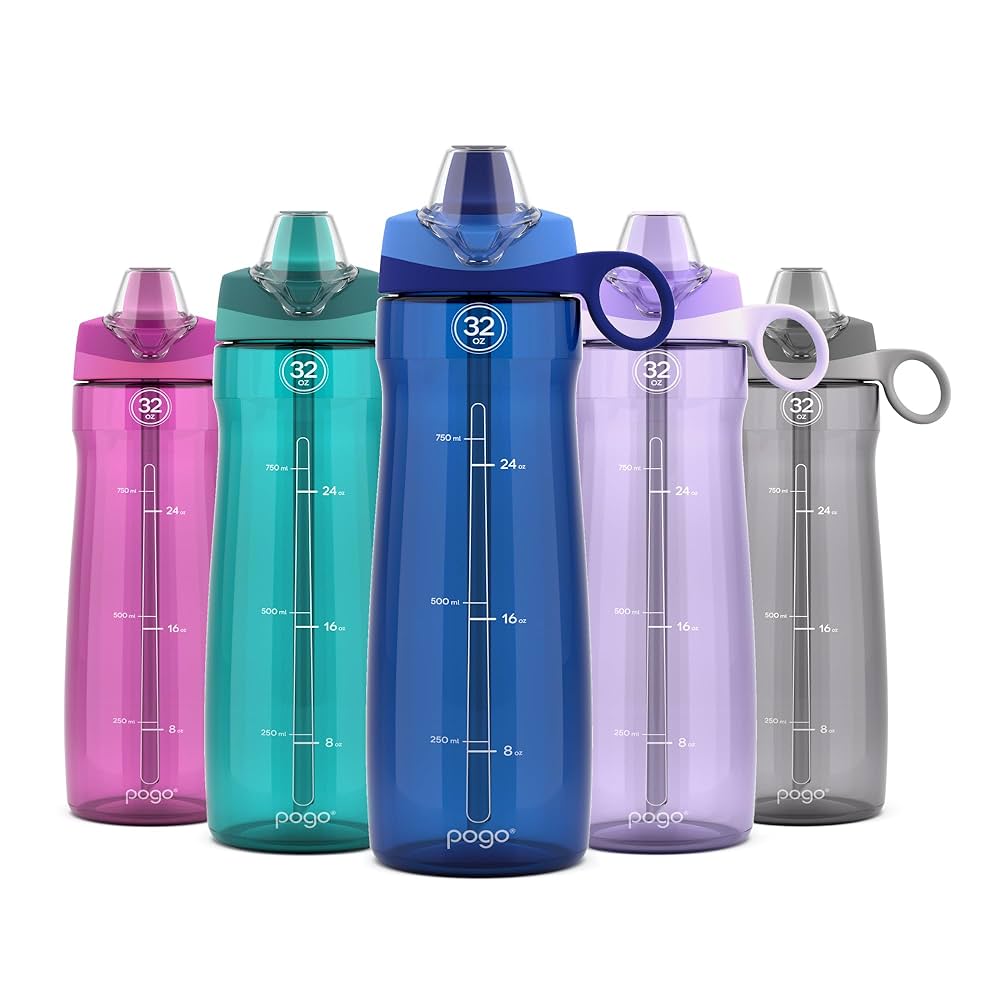
Kids BPA-free bottles are specifically designed with smaller sizes and colorful designs to appeal to children. They often include spill-proof lids to minimize messes, making them ideal for schools and daycare centers. B2B buyers should consider the safety certifications and materials used, ensuring they meet health standards while also being visually appealing to encourage hydration among younger users.
Key Industrial Applications of bpa free plastic water bottles
| Industrie/secteur | Specific Application of BPA Free Plastic Water Bottles | Valeur/bénéfice pour l'entreprise | Principales considérations en matière d'approvisionnement pour cette application |
|---|---|---|---|
| Alimentation et boissons | Catering and event services providing bottled water | Ensures safe hydration for guests without chemical leaching | Compliance with food safety regulations and certifications |
| Matériel de plein air et d'aventure | Retail of reusable water bottles for camping and hiking | Promotes sustainability and reduces single-use plastic | Durability, insulation properties, and design for outdoor use |
| Health and Fitness | Gym facilities offering water bottles for members | Enhances member experience and promotes hydration | Custom branding options and ease of cleaning |
| L'éducation | Schools providing BPA-free bottles for students | Supports health initiatives and reduces plastic waste | Size options for children and safety certifications |
| Cadeaux d'entreprise et promotions | Companies gifting branded BPA-free bottles | Enhances brand visibility and encourages sustainable practices | Customization options and bulk purchasing agreements |
How Are BPA Free Plastic Water Bottles Used in the Food and Beverage Industry?
In the food and beverage sector, BPA-free plastic water bottles are essential for catering and event services. These bottles provide a safe hydration option for guests, eliminating concerns about chemical leaching that can occur with traditional plastics. Buyers in this industry must ensure compliance with local food safety regulations and certifications, particularly when sourcing products for large events or public consumption.
What Role Do BPA Free Plastic Water Bottles Play in Outdoor and Adventure Gear?
For the outdoor and adventure gear industry, BPA-free plastic water bottles are marketed as durable, reusable solutions for camping and hiking enthusiasts. These bottles not only promote sustainability by reducing single-use plastic but also serve as essential gear for hydration during outdoor activities. Buyers should prioritize features such as durability, insulation properties, and ergonomic designs that cater to outdoor usage, ensuring they meet the expectations of their target demographic.
Why Are BPA Free Plastic Water Bottles Important in Health and Fitness?
In health and fitness environments, gyms and fitness centers utilize BPA-free plastic water bottles to enhance their members’ experience. Providing these bottles encourages hydration, contributing to overall health and wellness. Buyers in this sector should consider customization options for branding and ensure that the bottles are easy to clean and refill, as hygiene is paramount in fitness settings.
How Do BPA Free Plastic Water Bottles Support Educational Institutions?
Educational institutions are increasingly adopting BPA-free plastic water bottles for students to promote health and environmental awareness. These bottles help reduce plastic waste and teach students about sustainable practices. When sourcing these products, educational buyers should focus on size options suitable for children and ensure that all materials used are safe and compliant with health regulations.
What Benefits Do BPA Free Plastic Water Bottles Offer for Corporate Gifts and Promotions?
In the corporate sector, BPA-free plastic water bottles are popular as promotional gifts that enhance brand visibility. Companies can use these bottles to promote sustainable practices while providing a practical item for clients and employees. Buyers should look for customization options, such as branding and bulk purchasing agreements, to maximize the promotional impact and ensure that the bottles align with the company’s sustainability goals.
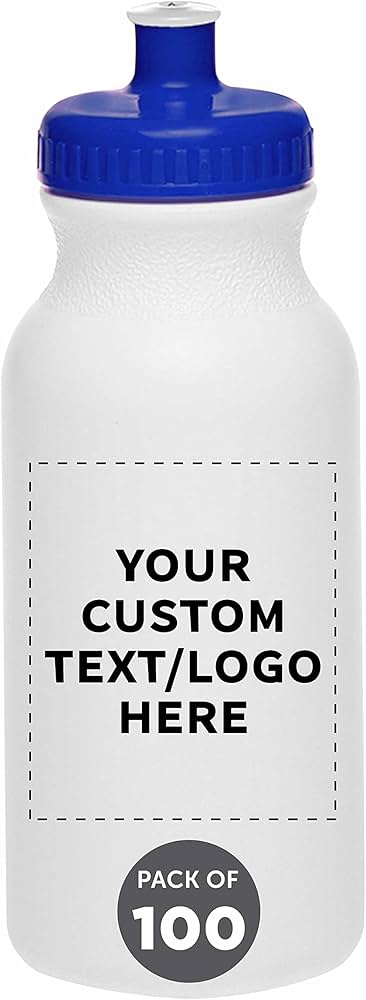
A stock image related to bpa free plastic water bottles.
3 Common User Pain Points for ‘bpa free plastic water bottles’ & Their Solutions
Scenario 1: Concerns About Product Safety and Compliance
Le problème : B2B buyers often face anxiety regarding the safety and regulatory compliance of BPA-free plastic water bottles. In industries like food and beverage, or health and wellness, ensuring that products meet stringent safety standards is paramount. Buyers may worry about potential contamination or the long-term effects of using alternative materials. This concern is particularly acute in markets such as Africa and South America, where regulatory frameworks can vary significantly and may not always be transparent.
La solution : To alleviate these concerns, buyers should prioritize sourcing BPA-free plastic bottles from manufacturers that provide comprehensive documentation of compliance with international safety standards such as FDA and EU regulations. Request Certificates of Compliance and Safety Data Sheets (SDS) that outline the materials used and confirm that they are free from harmful chemicals. Establishing partnerships with reputable suppliers who have a proven track record in the industry can further enhance trust. Engaging in regular audits and quality checks can also help ensure that the products remain compliant throughout their lifecycle, reducing liability and enhancing consumer confidence.
Scenario 2: Durability Issues During Transportation
Le problème : Another common pain point for B2B buyers is the durability of BPA-free plastic water bottles during transportation and handling. These products often face rough conditions while being shipped or stored, which can lead to cracks, leaks, or other damages. This is especially problematic for businesses in regions with challenging logistics, such as rural areas in Nigeria or mountainous regions in South America, where infrastructure may not support safe transport.
La solution : To address durability issues, buyers should invest in bottles made from high-grade BPA-free plastics known for their resilience, such as Tritan or Eastman Copolyester. When placing orders, consider specifying reinforced designs or thicker walls for enhanced impact resistance. Additionally, implementing proper packaging techniques—such as using cushioning materials or custom-fit boxes—can significantly reduce damage during transit. It’s also beneficial to work closely with logistics partners who understand the fragility of these products and can take extra precautions during handling.
Scenario 3: Limited Customization Options
Le problème : Many B2B buyers encounter challenges when it comes to customizing BPA-free plastic water bottles to meet their branding needs. In a competitive market, companies want to offer unique products that stand out, but often face limitations in terms of size, color, or design options from suppliers. This issue is particularly relevant in regions like the Middle East and Europe, where brand identity plays a critical role in consumer choice.
La solution : To overcome customization limitations, buyers should engage with manufacturers who specialize in bespoke solutions for water bottles. Look for suppliers that offer a wide range of options in terms of colors, sizes, and printing techniques, including screen printing and laser engraving. Establishing a direct line of communication with the design team can also facilitate the creation of unique products tailored to specific market segments. Buyers should also explore partnerships with local designers or marketing agencies that can provide insights into consumer preferences, ensuring that the final product resonates with the target audience. This approach not only enhances brand visibility but also fosters customer loyalty through a personalized experience.
Strategic Material Selection Guide for bpa free plastic water bottles
What Are the Key Materials Used in BPA-Free Plastic Water Bottles?
When selecting materials for BPA-free plastic water bottles, manufacturers often consider various alternatives that meet safety standards while ensuring product performance. Below is an analysis of four common materials used in the production of BPA-free plastic water bottles, focusing on their properties, advantages, disadvantages, and implications for international B2B buyers.
What Are the Key Properties of Tritan™ Copolyester?
Tritan™ copolyester is a popular choice for BPA-free water bottles due to its excellent clarity and toughness. It can withstand temperatures up to 100°C (212°F) and is resistant to impact and shattering, making it suitable for outdoor and active use. Tritan is also dishwasher-safe, which adds convenience for end-users.
Pour : Tritan is durable and provides good resistance to staining and odors, which is crucial for maintaining product integrity over time. It is also lightweight, which reduces shipping costs.
Cons : The manufacturing process for Tritan can be more complex and costly compared to other materials. Additionally, while Tritan is BPA-free, concerns about other chemical leachates persist.
Impact sur l'application : Tritan is compatible with a variety of beverages, including acidic drinks, without degrading the material.
Considérations pour les acheteurs internationaux : Compliance with international standards such as FDA, EU regulations, and ASTM is essential. Buyers from regions like Africa and South America may need to ensure that local regulations align with these standards.
How Does Polypropylene Compare for Water Bottle Applications?
Polypropylene (PP) is another common material used for BPA-free water bottles. It has a melting point of approximately 160°C (320°F) and offers good chemical resistance, making it suitable for various liquids.
Pour : PP is cost-effective and highly recyclable, which appeals to environmentally conscious buyers. It also has a relatively simple manufacturing process.
Cons : While PP is durable, it is less resistant to UV light, which can lead to degradation over time. Its clarity is also lower than Tritan, which may not appeal to all consumers.
Impact sur l'application : Polypropylene is suitable for a wide range of beverages but may not be ideal for long-term storage of acidic liquids.
Considérations pour les acheteurs internationaux : Buyers should be aware of the recycling capabilities in their region, as well as compliance with local food safety standards.
What Are the Benefits of Using PET (Polyethylene Terephthalate)?
PET is widely recognized for its use in single-use and reusable water bottles. It has a temperature tolerance of around 70°C (158°F) and is known for its clarity and strength.
Pour : PET is lightweight, shatter-resistant, and offers excellent barrier properties against moisture and gases. It is also highly recyclable, which can enhance brand reputation in eco-conscious markets.
Cons : PET can be less durable than Tritan or PP under extreme conditions, and it may not be suitable for hot liquids. Additionally, repeated use can lead to wear and potential leaching.
Impact sur l'application : PET is ideal for cold beverages but may not be suitable for hot drinks or prolonged exposure to sunlight.
Considérations pour les acheteurs internationaux : Compliance with global standards such as ISO and local regulations is crucial. Buyers should also consider the availability of recycling facilities in their regions.
Why Choose HDPE (High-Density Polyethylene) for Water Bottles?
High-Density Polyethylene (HDPE) is another viable option for BPA-free water bottles, known for its high strength-to-density ratio. It can withstand temperatures up to 120°C (248°F) and is resistant to many solvents.
Pour : HDPE is highly durable and resistant to impact, making it suitable for rugged applications. It is also cost-effective and easy to manufacture.
Cons : The clarity of HDPE is lower than that of Tritan and PET, which may affect consumer appeal. Additionally, it can absorb odors over time.
Impact sur l'application : HDPE is suitable for various beverages but may not be ideal for products requiring high visibility.
Considérations pour les acheteurs internationaux : Buyers should ensure compliance with local and international food safety standards, particularly in regions with strict regulations.
Summary of Material Properties for BPA-Free Plastic Water Bottles
| Matériau | Typical Use Case for BPA Free Plastic Water Bottles | Avantage clé | Principaux inconvénients/limites | Coût relatif (faible/moyen/élevé) |
|---|---|---|---|---|
| Tritan™ Copolyester | Reusable water bottles for outdoor activities | High durability and clarity | Complexité accrue de la fabrication | Moyen |
| Polypropylène (PP) | Cost-effective water bottles for everyday use | Léger et recyclable | UV degradation over time | Faible |
| Polyethylene Terephthalate (PET) | Single-use and reusable bottles for cold beverages | Excellent barrier properties | Less durable under extreme conditions | Faible |
| High-Density Polyethylene (HDPE) | Durable bottles for rugged applications | High strength and impact resistance | Low clarity and odor absorption | Faible |
This analysis provides B2B buyers with critical insights into the material selection process for BPA-free plastic water bottles, enabling informed decisions that align with market demands and regulatory requirements.
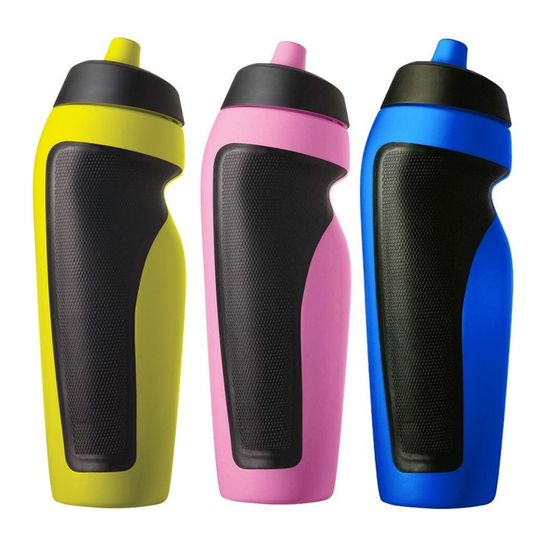
A stock image related to bpa free plastic water bottles.
In-depth Look: Manufacturing Processes and Quality Assurance for bpa free plastic water bottles
What Are the Main Stages in the Manufacturing Process of BPA-Free Plastic Water Bottles?
The manufacturing of BPA-free plastic water bottles involves several critical stages that ensure product quality, safety, and compliance with international standards. Understanding these processes is essential for B2B buyers to make informed decisions when sourcing from suppliers.
Préparation du matériel
The first stage in the manufacturing process is material preparation. BPA-free plastics, commonly made from materials like Tritan™, polyethylene, or polypropylene, are selected for their durability and safety. The raw materials undergo stringent quality checks to confirm that they meet the required specifications. Suppliers should provide Material Safety Data Sheets (MSDS) to verify that their plastics are indeed free from BPA and other harmful chemicals.
Techniques de formage
Once the materials are prepared, they undergo various forming techniques. The most common methods include:
-
Moulage par injection: This technique involves injecting molten plastic into a mold to create the desired bottle shape. It is favored for its efficiency and ability to produce complex designs with high precision.
-
Moulage par soufflage: Primarily used for creating hollow bottles, this method involves inflating a hot plastic tube within a mold to form the bottle. This technique is advantageous for producing lightweight bottles with uniform wall thickness.
-
Thermoforming: A sheet of plastic is heated and then formed over a mold to create the bottle shape. This method is often used for thinner-walled containers.
Each technique has its specific applications and advantages, and the choice of method can significantly influence the bottle’s quality and cost.
Assembly and Finishing
After forming, the bottles go through an assembly process that may include the addition of caps, labels, and other components. Finishing processes, such as surface treatment and printing, enhance the product’s aesthetic appeal and functionality. These processes often require adherence to quality control measures to ensure that the final product is both visually appealing and free of defects.
How Is Quality Assurance Implemented in BPA-Free Plastic Water Bottles Manufacturing?
Quality assurance (QA) is a vital aspect of the manufacturing process, ensuring that the final products meet both safety and performance standards. This is particularly important in the context of international trade, where regulations can vary significantly.
What International Standards Should B2B Buyers Be Aware Of?
B2B buyers should be familiar with international quality standards, such as ISO 9001, which outlines the criteria for a quality management system. Compliance with ISO 9001 ensures that manufacturers consistently provide products that meet customer and regulatory requirements.
Additionally, certifications specific to the plastic industry, such as CE marking in Europe and compliance with the American National Standards Institute (ANSI), can indicate a manufacturer’s commitment to quality and safety. For water bottles, certifications related to food safety, like FDA approval in the U.S. or LFGB in Germany, are also crucial.
Quels sont les principaux points de contrôle de la qualité ?
Quality control in the manufacturing of BPA-free plastic water bottles typically involves several checkpoints:
-
Contrôle de la qualité à l'arrivée (IQC): This initial stage checks the quality of raw materials before they enter the production process. Ensuring that only compliant materials are used is essential for the integrity of the final product.
-
Contrôle de la qualité en cours de fabrication (IPQC): Throughout the manufacturing process, various inspections are conducted to monitor the quality of production. This includes checking parameters like temperature, pressure, and dimensions to ensure consistency.
-
Contrôle de qualité final (CQF): Once production is complete, the final products undergo rigorous testing. This includes checking for leaks, durability, and compliance with food safety standards. Samples may be tested for chemical leaching to ensure no harmful substances migrate into the water.
What Common Testing Methods Are Used for BPA-Free Plastic Water Bottles?
Manufacturers employ various testing methods to validate the safety and quality of BPA-free plastic water bottles. Common methods include:
-
Analyse chimique: This tests for the presence of harmful substances, ensuring that the bottle is truly BPA-free and does not leach harmful chemicals.
-
Essais mécaniques: This assesses the physical properties of the bottles, including tensile strength, impact resistance, and thermal stability.
-
Environmental Testing: Simulating conditions such as UV exposure and extreme temperatures helps determine the longevity and usability of the bottles under different environments.
Comment les acheteurs B2B peuvent-ils vérifier les pratiques de contrôle de la qualité des fournisseurs ?
B2B buyers must be diligent in verifying the quality control practices of potential suppliers. Here are some actionable strategies:
-
Réaliser des audits: Regular audits of manufacturing facilities can provide insights into the quality control processes and adherence to standards. This can be done through third-party services that specialize in supplier audits.
-
Demander des rapports de qualité: Suppliers should be willing to provide documentation of their quality control processes, including results from IQC, IPQC, and FQC testing. These reports can offer reassurance regarding the supplier’s commitment to maintaining high standards.
-
Inspections par des tiers: Engaging third-party inspection agencies can help verify that the products meet specified standards before shipment. This is particularly crucial for international buyers who may not have the capability to conduct inspections locally.
What Are the Nuances of Quality Control for International Buyers?
For international B2B buyers, particularly those in regions such as Africa, South America, the Middle East, and Europe, understanding local regulations and standards is essential. Each region may have specific requirements for materials used in food and beverage containers, which can affect sourcing decisions.
Furthermore, language barriers and varying levels of regulatory compliance can pose challenges. Building strong relationships with suppliers who understand local regulations and can navigate these complexities is crucial for ensuring product quality and safety.
In conclusion, a thorough understanding of the manufacturing processes and quality assurance measures for BPA-free plastic water bottles is essential for B2B buyers. By ensuring compliance with international standards and conducting diligent supplier audits, businesses can confidently source high-quality products that meet their specific needs.
Practical Sourcing Guide: A Step-by-Step Checklist for ‘bpa free plastic water bottles’
In the ever-evolving landscape of consumer goods, sourcing BPA-free plastic water bottles requires a strategic approach to ensure quality, safety, and market competitiveness. This checklist provides actionable steps for B2B buyers looking to procure these essential products effectively.
Étape 1 : Définir les spécifications techniques
Establishing clear technical specifications is critical for ensuring that the water bottles meet your business needs. Consider factors such as size, capacity, and design. Additionally, determine the intended use—whether for retail, promotional events, or direct consumer sales—to tailor your specifications accordingly.
Étape 2 : Research Regulatory Compliance
Verify that the products comply with international safety standards and regulations concerning BPA-free materials. This step is crucial for protecting both your business and consumers from potential health risks. Look for certifications such as FDA approval or compliance with EU regulations, depending on your target market.
Étape 3 : Évaluer les fournisseurs potentiels
Before committing to a supplier, conduct thorough evaluations. Request company profiles, product catalogs, and references from other B2B buyers within your industry. Pay attention to their manufacturing processes and quality control measures, ensuring they align with your standards and values.
Étape 4 : Assess Material Quality and Durability
The quality of the plastic used in water bottles can significantly impact their performance and longevity. Inquire about the specific types of BPA-free materials, such as Tritan or polyethylene, and ask for samples to test for durability and usability. Ensure that the bottles can withstand various conditions, particularly if they will be used in outdoor settings or for active lifestyles.
Étape 5 : Négocier les prix et les conditions
Once you’ve identified suitable suppliers, engage in negotiations to secure favorable pricing and terms. Consider factors such as minimum order quantities, payment terms, and shipping costs. Effective negotiation can lead to better margins and improved cash flow for your business.
Étape 6 : Review Packaging and Branding Options
Packaging plays a vital role in the marketing of your water bottles. Discuss with suppliers the available options for custom branding, labeling, and sustainable packaging solutions. Eye-catching and eco-friendly packaging can enhance your product’s appeal, particularly in competitive markets.
Étape 7 : Plan pour la logistique et la distribution
Develop a comprehensive logistics plan that accounts for shipping, storage, and distribution of the water bottles. Consider partnering with logistics providers experienced in handling bulk orders to ensure timely delivery. Efficient logistics can enhance your supply chain and improve customer satisfaction.
By following these steps, B2B buyers can streamline their procurement process for BPA-free plastic water bottles, ensuring they select high-quality products that meet market demands while maintaining compliance with safety regulations.
Comprehensive Cost and Pricing Analysis for bpa free plastic water bottles Sourcing
What Are the Key Cost Components for Sourcing BPA-Free Plastic Water Bottles?
When sourcing BPA-free plastic water bottles, understanding the cost structure is essential for B2B buyers. The primary cost components include:
-
Matériaux: The type of plastic used, such as Tritan or other BPA-free alternatives, significantly impacts costs. Higher-quality materials typically command a premium but provide enhanced durability and safety.
-
Travail: Labor costs can vary based on the manufacturing location. Regions with lower labor costs may offer competitive pricing but could compromise on quality if not carefully vetted.
-
Frais généraux de fabrication: This encompasses utilities, facility maintenance, and equipment depreciation. Efficient production processes can minimize overhead, impacting overall pricing.
-
Outillage: The initial investment in molds and machinery for bottle production can be substantial. Custom designs will increase tooling costs, so it’s vital to factor these into the total pricing.
-
Contrôle de la qualité (CQ): Ensuring that products meet safety and quality standards requires investment in QC processes. Certifications for BPA-free materials may also incur additional costs.
-
Logistique: Shipping and handling costs can vary widely depending on the origin and destination. Incoterms will dictate who bears these costs, affecting final pricing.
-
Marge: Suppliers will typically apply a profit margin, which can vary based on competition and market demand.
How Do Price Influencers Affect BPA-Free Plastic Water Bottles?
Several factors can influence the pricing of BPA-free plastic water bottles, particularly in international markets:
-
Volume and Minimum Order Quantities (MOQ): Bulk orders usually lead to discounted rates. Understanding a supplier’s MOQ is crucial for optimizing costs.
-
Spécifications et personnalisation: Custom designs or features, such as unique shapes or printing, can increase costs. Buyers should assess whether these enhancements are necessary for their target market.
-
Matériaux et certifications de qualité: Higher-quality materials or those that come with certifications (e.g., FDA approval for food safety) may lead to higher prices but are essential for compliance and consumer safety.
-
Facteurs liés au fournisseur: The reputation and reliability of a supplier can influence pricing. Established suppliers may charge more due to their proven track record, but they may also offer better service and quality assurance.
-
Incoterms: Understanding shipping terms can significantly impact total costs. Terms like FOB (Free on Board) or CIF (Cost, Insurance, and Freight) dictate where costs and responsibilities lie, affecting the final price.
What Buyer Tips Can Help Optimize Costs for BPA-Free Plastic Water Bottles?
For international B2B buyers, particularly from diverse regions like Africa, South America, the Middle East, and Europe, there are several strategies to consider:
-
Négociation: Always engage in negotiations to explore discounts, especially for bulk purchases. Building a strong relationship with suppliers can lead to better pricing and terms.
-
Coût-efficacité: Consider the Total Cost of Ownership (TCO), which includes not just the purchase price but also shipping, storage, and potential waste costs. Balancing upfront costs against long-term benefits is crucial.
-
Nuances de prix pour les acheteurs internationaux: Currency fluctuations can affect pricing. Locking in exchange rates or negotiating prices in a stable currency can mitigate risks.
-
Market Research: Conduct thorough market research to understand regional pricing trends and competitor offerings. This knowledge can provide leverage during negotiations.
-
Audits des fournisseurs: Evaluate potential suppliers for quality assurance and adherence to standards. Ensuring that suppliers maintain high production and QC standards can prevent costly returns and reworks.
Clause de non-responsabilité concernant la tarification
Pricing for BPA-free plastic water bottles can vary widely based on the aforementioned factors. The information provided is indicative, and actual costs may differ based on market conditions, supplier negotiations, and specific buyer requirements. Buyers are encouraged to conduct their due diligence to obtain the most accurate pricing for their needs.
Alternatives Analysis: Comparing bpa free plastic water bottles With Other Solutions
Introduction: Exploring Alternatives to BPA-Free Plastic Water Bottles
In the quest for sustainable hydration solutions, BPA-free plastic water bottles have emerged as a popular choice due to their safety and durability. However, there are alternative options available in the market that may better suit the diverse needs of businesses and consumers. This analysis compares BPA-free plastic water bottles with stainless steel water bottles and glass water bottles, focusing on performance, cost, ease of implementation, maintenance, and best use cases.
Tableau de comparaison
| Aspect comparatif | BPA-Free Plastic Water Bottles | Stainless Steel Water Bottles | Glass Water Bottles |
|---|---|---|---|
| Performance | Lightweight, durable, and flexible. Good for everyday use. | Excellent insulation, sturdy, and reusable. | Heavy and fragile but offers purity of taste. |
| Coût | Generally lower cost, ranging from $5 to $15 per unit. | Mid-range, typically $15 to $30 per unit. | Higher cost, usually $10 to $25 per unit. |
| Facilité de mise en œuvre | Easy to distribute and refill; widely accepted. | Requires more awareness for proper use; heavier to carry. | Requires careful handling; can break easily. |
| Maintenance | Dishwasher safe; may retain odors over time. | Easy to clean; resistant to odors and stains. | Requires careful cleaning; can chip or crack. |
| Meilleur cas d'utilisation | Ideal for schools, gyms, and casual outings. | Best for outdoor activities, travel, and long-term use. | Suitable for home use and premium branding. |
Analyse détaillée des alternatives
Stainless Steel Water Bottles
Stainless steel water bottles offer superior insulation, keeping beverages hot or cold for extended periods. They are often more durable than plastic, resistant to dents and scratches, and do not retain odors or flavors. However, the higher cost and weight may deter some users, particularly in environments where lightweight options are preferred. These bottles are ideal for businesses focusing on outdoor activities or premium branding, where quality and performance are paramount.
Glass Water Bottles
Glass water bottles are celebrated for their purity and ability to maintain the taste of liquids without any leaching of chemicals. They are environmentally friendly and fully recyclable, making them a great choice for eco-conscious brands. However, glass is significantly heavier and more prone to breakage, which could pose a challenge in active settings. They are best suited for home or office environments where the risk of dropping is minimal and where a premium aesthetic can enhance the brand image.
Conclusion: Making the Right Choice for Your Business Needs
When selecting a hydration solution, B2B buyers must consider their specific requirements, including the target audience, usage scenarios, and cost constraints. BPA-free plastic water bottles provide an affordable and versatile option for many applications, particularly in schools and gyms. In contrast, stainless steel bottles cater to customers seeking durability and temperature retention, while glass bottles appeal to those prioritizing taste and sustainability. By assessing these factors, businesses can choose the most suitable solution that aligns with their operational goals and customer preferences.
Essential Technical Properties and Trade Terminology for bpa free plastic water bottles
What Are the Key Technical Properties of BPA-Free Plastic Water Bottles?
When sourcing BPA-free plastic water bottles, understanding the technical specifications is crucial for ensuring product quality, compliance with regulations, and suitability for your target market. Here are several critical properties to consider:
1. Qualité des matériaux
BPA-free plastics, such as Tritan™ or polyethylene terephthalate (PET), are often used in water bottle manufacturing. Tritan™ is known for its durability and clarity, while PET is lightweight and recyclable. Selecting the right material grade impacts the bottle’s performance, safety, and longevity, making it essential for B2B buyers to consider which grade aligns with their product goals.
2. Capacité
Water bottles come in various sizes, typically ranging from 250ml to 2 liters. Understanding capacity requirements helps businesses cater to specific markets, such as fitness enthusiasts or families. Larger capacities may appeal to outdoor or travel markets, while smaller sizes are often preferred for kids or single-use scenarios.
3. Résistance à la température
The ability of a water bottle to withstand temperature fluctuations is vital, especially for those used in outdoor activities. BPA-free plastics can generally handle temperatures from -20°C to 100°C. This property is important for manufacturers looking to ensure that their bottles can be used in diverse environments without compromising safety or structural integrity.
4. Chemical Resistance
BPA-free plastics are designed to resist leaching and maintain the integrity of the liquids they contain. This is particularly important for bottles intended for beverages or health-related products. Ensuring chemical resistance protects both the consumer and the brand from potential contamination, making it a critical specification for B2B buyers.
5. Poids et portabilité
The weight of a water bottle is a crucial consideration for consumers looking for portability. Lightweight options are favored in the sports and outdoor markets, where ease of carrying is paramount. B2B buyers should assess the weight specifications to ensure their products meet customer expectations.
6. Manufacturing Tolerance
Manufacturing tolerance refers to the allowable deviation from specified dimensions during production. For water bottles, tolerances can affect the fit of caps, seals, and compatibility with dispensers. Understanding these tolerances is vital for quality assurance and ensuring that products meet industry standards.
What Trade Terms Are Commonly Used in the BPA-Free Plastic Water Bottle Industry?
Familiarizing yourself with industry jargon can facilitate better communication and negotiation with suppliers. Here are some common trade terms:
1. OEM (Original Equipment Manufacturer)
An OEM refers to a company that produces components or products that are used in another company’s end products. In the context of BPA-free plastic water bottles, an OEM might manufacture bottles for brands that market them under their own label. Understanding OEM relationships can help buyers identify potential partners for custom branding.
2. MOQ (Minimum Order Quantity)
MOQ is the smallest number of units a supplier is willing to sell. This term is crucial for B2B buyers, as it affects inventory management and cash flow. Knowing the MOQ can help businesses plan their purchases and budget effectively.
3. RFQ (Request for Quotation)
An RFQ is a document sent to suppliers asking for a price quote on specific products or services. In the case of BPA-free plastic water bottles, submitting an RFQ can help buyers compare costs and make informed purchasing decisions. A well-crafted RFQ outlines specifications, quantities, and delivery requirements.
4. Incoterms (termes commerciaux internationaux)
Incoterms define the responsibilities of buyers and sellers in international shipping. Familiarity with terms like FOB (Free on Board) or CIF (Cost, Insurance, and Freight) is essential for B2B transactions involving BPA-free plastic bottles, as they dictate shipping responsibilities, costs, and risk management.
5. Délai d'exécution
Lead time refers to the time it takes from placing an order until the product is delivered. For businesses, understanding lead times is critical for inventory planning and meeting customer demand. Longer lead times may require adjustments in ordering strategies.
6. Sustainability Certifications
Certifications like FDA approval or ISO standards signify compliance with health and safety regulations. Buyers should seek products that meet relevant certifications to ensure the quality and safety of BPA-free plastic water bottles, as these credentials can enhance marketability and consumer trust.
By grasping these technical properties and trade terminologies, B2B buyers can make more informed decisions when sourcing BPA-free plastic water bottles, ultimately leading to better product offerings and customer satisfaction.
Navigating Market Dynamics and Sourcing Trends in the bpa free plastic water bottles Sector
What Are the Key Market Drivers for BPA-Free Plastic Water Bottles?
The global market for BPA-free plastic water bottles is experiencing robust growth, driven by heightened consumer awareness regarding health and safety. As concerns about Bisphenol A (BPA) and its potential adverse health effects grow, manufacturers are pivoting towards safer alternatives, making BPA-free options increasingly popular. This trend is particularly relevant in regions like Africa, South America, the Middle East, and Europe, where urbanization and a rising middle class are leading to increased demand for convenient and safe hydration solutions.
Emerging technologies are also reshaping the landscape of sourcing and production. Automation in manufacturing processes and advancements in materials science are enabling companies to produce BPA-free bottles that are not only safer but also more sustainable. The adoption of digital platforms for sourcing is streamlining procurement processes, allowing international B2B buyers to access a broader range of suppliers and innovations. Moreover, e-commerce is gaining traction, enabling companies to reach diverse markets more efficiently.
How Is Sustainability Shaping the Sourcing of BPA-Free Plastic Water Bottles?
Sustainability is no longer an option but a necessity in the sourcing of BPA-free plastic water bottles. B2B buyers are increasingly prioritizing suppliers who demonstrate a commitment to ethical sourcing practices and sustainable materials. The environmental impact of plastic waste is a significant concern, prompting businesses to seek bottles that are recyclable, made from recycled materials, or produced using eco-friendly methods.
Certifications such as FDA approval, ISO standards, and eco-labels are becoming critical criteria for international buyers. These certifications not only assure product safety but also signify adherence to environmental regulations and ethical labor practices. By partnering with suppliers who emphasize sustainability, businesses can enhance their brand reputation and appeal to the eco-conscious consumer base that is becoming more prevalent across global markets.
What Is the Historical Context of BPA-Free Plastic Water Bottles?
The evolution of BPA-free plastic water bottles can be traced back to the growing awareness of the health risks associated with BPA, particularly in food and beverage containers. Initially, BPA was widely used in the production of polycarbonate plastics due to its desirable properties, such as clarity and durability. However, scientific studies linking BPA to health issues prompted a shift towards alternative materials.
By the late 2000s, manufacturers began exploring BPA-free options, leading to the development of safer plastics like Tritan and other copolymers. This shift not only addressed health concerns but also paved the way for innovations in design and functionality, making BPA-free bottles more appealing to consumers. Today, the market continues to evolve, focusing on both safety and sustainability, ensuring that BPA-free options are both environmentally friendly and health-conscious.
Frequently Asked Questions (FAQs) for B2B Buyers of bpa free plastic water bottles
-
How do I ensure the BPA-free status of plastic water bottles?
To verify that the plastic water bottles are BPA-free, request certification from suppliers confirming compliance with safety standards. Look for manufacturers who provide clear labeling on their products and can share test results from accredited labs. Additionally, inquire about the materials used in production, such as Tritan or other BPA-free plastics, which are known for safety and durability. Always prioritize suppliers with a transparent supply chain and established quality control measures. -
What is the best type of BPA-free plastic water bottle for corporate branding?
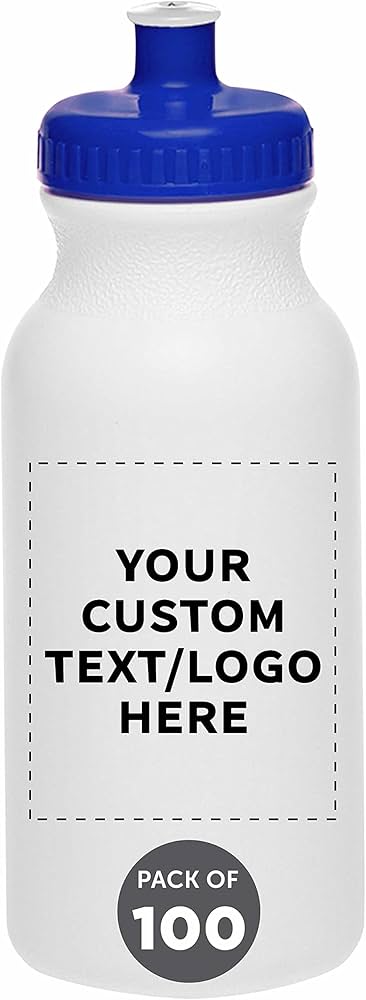
The ideal BPA-free plastic water bottle for corporate branding is one that offers ample space for logo placement, is durable, and appeals to your target audience. Options like Tritan bottles are popular due to their clarity and resistance to shattering. Look for bottles with a wide mouth for easy filling and cleaning, as well as features like built-in straws or flip tops for convenience. Customization options such as color, size, and design will help align the product with your brand identity. -
What are the key factors to consider when vetting suppliers for BPA-free plastic water bottles?
When vetting suppliers, assess their manufacturing capabilities, certifications, and experience in producing BPA-free products. Request references and samples to evaluate the quality and functionality of their water bottles. Additionally, consider their compliance with international safety standards and environmental regulations. Effective communication and responsiveness are also critical; a supplier who understands your needs and concerns will facilitate smoother transactions. -
What are the typical minimum order quantities (MOQs) for BPA-free plastic water bottles?
Minimum order quantities (MOQs) can vary significantly based on the supplier and the customization options you choose. Generally, MOQs for BPA-free plastic water bottles range from 500 to 5,000 units. It’s advisable to discuss your specific needs with potential suppliers, as some may offer flexibility on MOQs, especially for first-time orders or bulk purchases. Negotiating favorable terms can help you manage inventory and budget effectively. -
What payment terms should I expect when sourcing BPA-free plastic water bottles internationally?
Payment terms for international orders typically include options such as a deposit upfront (often 30% to 50%) with the balance due before shipment. Some suppliers may offer letters of credit or payment upon delivery. It’s essential to negotiate terms that suit your cash flow while ensuring the supplier has a commitment to quality and timely delivery. Always confirm the accepted payment methods, such as wire transfers or credit cards, to avoid any complications. -
How can I ensure quality assurance (QA) during the manufacturing process of BPA-free bottles?
To ensure quality assurance, implement a multi-step QA process that includes pre-production inspections, in-process quality checks, and final product evaluations. Work closely with your supplier to establish clear quality standards and testing protocols. Request documentation of inspections and certifications to verify compliance with industry norms. Regular communication throughout the production process will also help address any issues promptly, ensuring the final product meets your expectations. -
What are the best logistics practices for importing BPA-free plastic water bottles?
Effective logistics practices include selecting reliable freight forwarders familiar with international shipping regulations and customs procedures. Ensure proper packaging to prevent damage during transit, and obtain insurance for high-value shipments. Familiarize yourself with the import duties and taxes applicable in your destination country to avoid unexpected costs. Maintaining open communication with your logistics partners will facilitate smoother shipping and delivery processes. -
How can I customize BPA-free plastic water bottles to meet my specific requirements?
Customization options for BPA-free plastic water bottles include selecting colors, sizes, and designs that align with your brand. Many manufacturers offer printing services for logos or unique artwork. Discuss your specific requirements with suppliers to explore available customization techniques, such as screen printing or label application. Additionally, inquire about the lead time for customized orders to ensure they align with your promotional timelines and marketing campaigns.
Avis de non-responsabilité et conditions d'utilisation
⚠️ Avis de non-responsabilité important
Les informations fournies dans ce guide, y compris le contenu concernant les fabricants, les spécifications techniques et l'analyse du marché, sont uniquement destinées à des fins d'information et d'éducation. Elles ne constituent pas un conseil professionnel en matière d'achat, un conseil financier ou un conseil juridique.
Bien que nous ayons fait tout notre possible pour garantir l'exactitude et l'actualité des informations, nous ne sommes pas responsables des erreurs, des omissions ou des informations obsolètes. Les conditions du marché, les détails de l'entreprise et les normes techniques sont susceptibles d'être modifiés.
Les acheteurs B2B doivent faire preuve d'une diligence raisonnable indépendante et approfondie. avant de prendre toute décision d'achat. Il convient notamment de contacter directement les fournisseurs, de vérifier les certifications, de demander des échantillons et de solliciter une consultation professionnelle. Le risque lié à l'utilisation des informations contenues dans ce guide est supporté uniquement par le lecteur.
Top 5 Bpa Free Plastic Water Bottles Manufacturers & Suppliers List
1. The Water Bottle Store – BPA Free Reusable Bottles
Domaine : thewaterbottlestore.com
Enregistré : 2005 (20 ans)
Introduction : BPA Free Plastic Reusable Water Bottles available in various sizes and brands including Asobu, Aquaovo, Beachcomber, BKR, Bluewave, Boon Supply, Bubi, EarthLust, EcoVessel, Kid Basix, KOR, Nalgene, New Wave Enviro. Sizes range from <8oz to 5 Gallon, with options for insulated, collapsible, filtered, freezable, and infuser water bottles. Products include specific models like ASOBU 20oz Pure Flavour…
2. Rolling Sands – 24oz BPA-Free Fitness Water Bottle
Domaine : rollingsands.com
Enregistré : 2009 (16 ans)
Introduction : USA-Made, BPA-Free 24oz Fitness Hydration Water Bottle; Great for Travel, Sports, or Teams; MSRP: $3.69, Now: $2.59 (saved $1.10); Available Colors: Blue, Charcoal, Clear, Clear/Lime, Clear/Orange, Clear/Pink, Clear/Yellow, Clear/White, Green, Navy Blue, Purple, Red; SKU: Not specified; Availability: Usually ships same business day; Minimum Purchase: 2 units; Bulk Pricing: Buy 50-99 for $2.19 each…
3. Target – BPA-Free Water Bottles
Domaine : target.com
Enregistré : 1997 (28 ans)
Introduction : BPA-free water bottles available at Target, featuring a variety of options from trusted brands. Key features include: durable construction from high-quality materials like stainless steel, vacuum insulation for temperature retention, wide mouths for easy filling and cleaning, leak-proof lids, and ergonomic handles. Eco-friendly and reusable, these bottles help reduce waste. Many are dishwasher saf…
4. REI – BPA Free Water Bottles
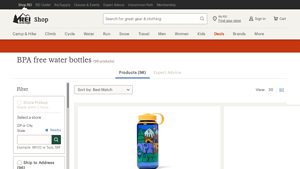
Domaine : rei.com
Enregistré : 1996 (29 ans)
Introduction : This company, REI – BPA Free Water Bottles, is a notable entity in the market. For specific product details, it is recommended to visit their website directly.
5. Water Bottle – Key Options
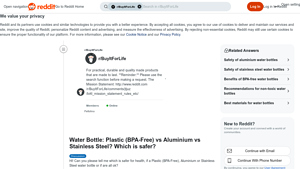
Domaine : reddit.com
Enregistré : 2005 (20 ans)
Introduction : Water Bottle options discussed: Plastic (BPA-Free), Aluminium, Stainless Steel. Key points include: 1. Stainless Steel is considered the healthiest option. 2. Plastic bottles, even BPA-Free, may still leach harmful substances like phthalates. 3. BPA-free does not guarantee safety as alternatives like BPS may cause similar health issues. 4. Stainless Steel is recommended for durability and safety, …
Strategic Sourcing Conclusion and Outlook for bpa free plastic water bottles
As the demand for BPA-free plastic water bottles continues to rise, strategic sourcing becomes essential for international B2B buyers aiming to meet consumer preferences and regulatory standards. By focusing on high-quality suppliers, companies can ensure the safety and sustainability of their products, thereby enhancing brand reputation and customer loyalty. The versatility of BPA-free bottles caters to various markets—from outdoor enthusiasts to everyday users—making them a valuable addition to product lines.
In regions such as Africa, South America, the Middle East, and Europe, understanding local market dynamics and consumer behaviors will be pivotal. Buyers should prioritize partnerships with manufacturers who not only comply with international safety standards but also demonstrate a commitment to environmental sustainability. This alignment can lead to better pricing structures and improved supply chain efficiencies.
Looking ahead, the global shift towards healthier and more sustainable options in consumer goods presents a significant opportunity. B2B buyers are encouraged to leverage strategic sourcing practices to capitalize on this trend, ensuring they remain competitive in an evolving marketplace. Engage with trusted suppliers today to secure a sustainable future for your business and your customers.
 Français
  English
  Español
  Português
  Deutsch
  العربية
  Русский
  日本語
日本語  한국어
한국어  Italiano
  Nederlands