Introduction: Navigating the Global Market for 1 gal water bottle
In today’s global marketplace, sourcing the right 1-gallon water bottle can be a daunting challenge for B2B buyers, particularly those operating in diverse regions such as Africa, South America, the Middle East, and Europe. With a plethora of options available, ranging from insulated models designed to keep beverages cold to lightweight, durable jugs suitable for various applications, the decision-making process can become overwhelming. This guide serves as a comprehensive resource, addressing crucial aspects such as types of water bottles, their applications across different industries, supplier vetting techniques, and cost considerations.
International buyers often encounter unique challenges, including fluctuating market demands, varying regulations, and the need for reliable suppliers. By equipping you with actionable insights and in-depth analysis, this guide empowers you to make informed purchasing decisions. It will help you navigate the complexities of sourcing 1-gallon water bottles that meet your operational needs while ensuring quality and compliance with local standards.
Understanding the intricacies of the global water bottle market is essential for effective procurement strategies. From evaluating product specifications to assessing supplier reliability, this guide aims to streamline your sourcing process, ultimately leading to better product selection and enhanced customer satisfaction. Whether you are in Brazil exploring eco-friendly options or in Vietnam seeking bulk purchases, this resource will facilitate your journey in securing the best solutions for your business.
Understanding 1 gal water bottle Types and Variations
| Nom du type | Principales caractéristiques | Applications primaires B2B | Avantages et inconvénients pour les acheteurs |
|---|---|---|---|
| Bouteilles d'eau isothermes | Double-wall vacuum insulation; keeps liquids cold/hot | Outdoor activities, gyms, events | Pour : Excellent temperature retention; durable. Cons : Higher cost; heavier than non-insulated options. |
| BPA-Free Plastic Jugs | Lightweight, reusable, and made from BPA-free materials | Food service, catering, and healthcare | Pour : Affordable; easy to transport. Cons : Less durable; may retain odors or stains over time. |
| Stainless Steel Bottles | Rust-resistant, durable, often with multiple lid options | Cadeaux d'entreprise, articles promotionnels | Pour : Long-lasting; stylish appearance. Cons : Higher price point; can be heavier. |
| Motivational Water Bottles | Marked with time goals or motivational quotes | Fitness centers, wellness programs | Pour : Encourages hydration; visually appealing. Cons : Limited market appeal outside fitness enthusiasts. |
| Tactical Water Jugs | Designed for rugged use, often with additional features | Military, outdoor expeditions | Pour : Extremely durable; functional design. Cons : Bulkier; may be more expensive. |
What are the characteristics of Insulated Water Bottles for B2B buyers?
Insulated water bottles are designed to maintain the temperature of liquids for extended periods, making them ideal for outdoor activities, gyms, and corporate events. Typically made from stainless steel, these bottles feature double-wall vacuum insulation that prevents condensation and keeps drinks cold or hot. B2B buyers should consider the weight and price, as insulated options tend to be heavier and more expensive than non-insulated alternatives. Their durability and performance make them a worthwhile investment for businesses focused on quality and customer satisfaction.
How do BPA-Free Plastic Jugs serve various industries?
BPA-free plastic jugs are lightweight and cost-effective, making them suitable for food service, catering, and healthcare applications. These jugs are reusable and designed to hold a significant volume of liquid, catering to large groups or events. While they are affordable and easy to transport, buyers should be aware that they may not be as durable as other materials and can absorb odors or stains over time. Businesses looking for budget-friendly options with high turnover rates may find BPA-free plastic jugs particularly appealing.
Why choose Stainless Steel Bottles for corporate gifting?
Stainless steel bottles are favored for their sleek and modern appearance, making them excellent choices for corporate gifts and promotional items. They are rust-resistant and often come with multiple lid options, providing versatility for various uses. While the initial investment is higher, their longevity and stylish designs appeal to businesses aiming to enhance brand image. Buyers should weigh the upfront costs against the potential for long-term use and customer satisfaction when considering stainless steel bottles.
What benefits do Motivational Water Bottles offer in wellness programs?
Motivational water bottles are equipped with time markers or inspirational quotes, encouraging users to meet hydration goals. They are particularly popular in fitness centers and wellness programs, where promoting healthy habits is essential. These bottles often feature vibrant designs that attract attention, making them an effective marketing tool. However, their appeal may be limited to fitness enthusiasts, so businesses should assess their target audience before investing in these products.
How are Tactical Water Jugs designed for rugged environments?
Tactical water jugs are engineered for durability and functionality, often featuring reinforced materials and additional design elements for outdoor use. They are ideal for military applications and outdoor expeditions, where resilience is crucial. While these jugs are built to withstand harsh conditions, their bulkiness and higher price point may deter some buyers. Companies focusing on outdoor activities or rugged use should consider tactical water jugs as a reliable option for their operational needs.
Key Industrial Applications of 1 gal water bottle
| Industrie/secteur | Specific Application of 1 gal water bottle | Valeur/bénéfice pour l'entreprise | Principales considérations en matière d'approvisionnement pour cette application |
|---|---|---|---|
| Alimentation et boissons | Beverage Distribution and Storage | Ensures safe, portable storage of beverages, reducing waste and spoilage. | Look for BPA-free materials, durability, and compatibility with various beverages. |
| Health & Wellness | Hydration Solutions for Gyms and Wellness Centers | Encourages hydration among clients, promoting health and wellness. | Consider lightweight designs for easy transport and insulated options for temperature control. |
| Agriculture | Water Supply for Agricultural Workers | Provides essential hydration in remote work locations, improving productivity. | Ensure bottles are durable and resistant to UV exposure and chemicals. |
| L'hospitalité | Aménagements pour les clients dans les hôtels et les centres de villégiature | Enhances guest experience by providing easy access to drinking water. | Focus on aesthetic design, branding opportunities, and ease of cleaning. |
| Construction | Hydration Stations on Job Sites | Increases worker safety and productivity by ensuring adequate hydration. | Source rugged, leak-proof bottles that can withstand harsh conditions. |
How is the 1 Gallon Water Bottle Utilized in the Food & Beverage Industry?
In the food and beverage sector, 1-gallon water bottles are crucial for beverage distribution and storage. They provide a safe, portable solution for transporting drinks, minimizing waste and spoilage. Businesses must prioritize sourcing BPA-free materials to ensure product safety, as well as durability to withstand transportation challenges. This is particularly relevant for international buyers in regions like Africa and South America, where logistics may vary significantly.
What Role Does the 1 Gallon Water Bottle Play in Health & Wellness?
In gyms and wellness centers, 1-gallon water bottles serve as hydration solutions that encourage clients to drink more water during workouts. This promotes overall health and wellness, making it an appealing feature for fitness facilities. Buyers should consider lightweight designs for ease of transport and insulated options to keep beverages cold, especially in warmer climates prevalent in the Middle East and Africa.
Why are 1 Gallon Water Bottles Important in Agriculture?
For agricultural workers, access to hydration is vital, especially in remote locations. 1-gallon water bottles are practical for ensuring that workers remain hydrated throughout the day, which can significantly boost productivity. When sourcing, businesses should focus on bottles that are durable and resistant to UV exposure and chemicals, as these factors are critical in outdoor environments typical in regions like Brazil and Vietnam.
How Do 1 Gallon Water Bottles Enhance Hospitality Services?
In the hospitality sector, hotels and resorts utilize 1-gallon water bottles as guest amenities, providing easy access to drinking water. This not only enhances the guest experience but also aligns with sustainability initiatives by reducing single-use plastics. For sourcing, businesses should consider aesthetic designs that can be branded and ensure ease of cleaning to maintain hygiene standards, which is particularly important for European buyers.
What is the Significance of 1 Gallon Water Bottles on Construction Sites?
On construction sites, 1-gallon water bottles are essential for hydration stations, ensuring workers have access to water throughout the day. This practice boosts safety and productivity, as proper hydration is linked to better performance. When sourcing bottles for this application, businesses should prioritize rugged, leak-proof designs that can withstand the harsh conditions typical on job sites, making them suitable for various international markets.
3 Common User Pain Points for ‘1 gal water bottle’ & Their Solutions
Scenario 1: Difficulty in Ensuring Water Purity and Safety
Le problème : B2B buyers, particularly those in the food and beverage industry, often face challenges in ensuring that the water they use and distribute is safe for consumption. This includes concerns about contaminants that can leach from water bottles made of inferior materials. For example, companies that supply water bottles to schools or public facilities must guarantee that their products meet health and safety standards. The fear of potential lawsuits or loss of reputation due to contaminated water can be a significant pain point.
La solution : To address this concern, buyers should prioritize sourcing 1-gallon water bottles made from high-quality, food-grade materials that are BPA-free. When selecting suppliers, it’s vital to request certifications that prove the products meet safety standards, such as FDA approval or NSF certification. Additionally, conducting thorough quality control inspections and seeking samples for testing before bulk purchases can help ensure that the bottles maintain water purity. Educating customers on proper storage and usage—like keeping bottles away from direct sunlight and heat—can also help maintain water quality.
Scenario 2: Managing Weight and Portability Issues
Le problème : For businesses in sectors such as logistics, outdoor events, or construction, the weight of 1-gallon water bottles can pose a significant logistical challenge. A full gallon of water weighs approximately 8.34 pounds, and when transporting multiple bottles, this can lead to issues such as increased shipping costs, difficulty in handling, and potential safety hazards when lifting heavy loads. Buyers in these industries need solutions that balance capacity with ease of transport.
La solution : Buyers should consider sourcing lightweight, durable materials such as high-density polyethylene or aluminum for their 1-gallon water bottles. Additionally, opting for bottles designed with ergonomic handles can greatly enhance portability and ease of use. Suppliers that offer a range of designs, including collapsible or stackable options, can provide further logistical advantages. Implementing a clear strategy for distribution that includes optimizing delivery routes and using appropriate transport methods can also mitigate weight-related challenges while ensuring accessibility to hydration on-site.
Scenario 3: Ensuring Temperature Control for Extended Use
Le problème : In regions with extreme temperatures, maintaining the temperature of the water—whether hot or cold—can be a significant concern for businesses that provide hydration solutions. This is particularly relevant for outdoor events, sports teams, or construction companies, where employees need to stay hydrated throughout the day. Bottles that do not effectively insulate can lead to water that is either too warm or too cold, resulting in dissatisfaction among users and potential health risks.
La solution : To combat temperature control issues, B2B buyers should look for insulated 1-gallon water bottles designed with double-wall vacuum insulation technology. This feature not only helps maintain the desired temperature for hours but also minimizes condensation on the exterior, making them easier to handle. When sourcing these bottles, it’s beneficial to request performance data on insulation capabilities from suppliers. Additionally, incorporating a rotation system for the water supply—where bottles are regularly replenished—can ensure that users always have access to properly temperature-controlled water, enhancing overall user experience.
Strategic Material Selection Guide for 1 gal water bottle
What Are the Key Materials Used in 1 Gallon Water Bottles?
When selecting materials for 1-gallon water bottles, several options are commonly considered, each with distinct properties, advantages, and disadvantages. Understanding these materials is crucial for international B2B buyers, especially those operating in diverse markets such as Africa, South America, the Middle East, and Europe.
How Does Stainless Steel Perform in 1 Gallon Water Bottles?
Stainless steel is a popular choice for 1-gallon water bottles due to its exceptional durability and resistance to corrosion. It typically withstands high temperatures and pressures, making it suitable for both hot and cold beverages. Stainless steel bottles are often insulated, which enhances their performance in maintaining beverage temperatures.
Pour : Stainless steel is highly durable, resistant to rust and corrosion, and does not impart flavors to the contents. It is also recyclable, aligning with sustainability goals.
Cons : The primary drawbacks include a higher production cost and the complexity of manufacturing processes compared to plastic options. Additionally, stainless steel bottles can be heavier, which may not be ideal for all consumers.
Impact sur l'application : Stainless steel is compatible with a wide range of liquids, including acidic beverages, and is often preferred for health-conscious consumers due to its non-reactive nature.
Considérations pour les acheteurs internationaux : Buyers should ensure compliance with food safety standards, such as FDA or EU regulations. Additionally, understanding local preferences for weight and aesthetics can influence purchasing decisions.
What Role Does BPA-Free Plastic Play in 1 Gallon Water Bottles?
BPA-free plastic is another common material for 1-gallon water bottles. This type of plastic is designed to be lightweight, flexible, and affordable, making it accessible for various consumer segments.
Pour : The primary advantages of BPA-free plastic include its low cost, lightweight nature, and ease of manufacturing. These bottles can be produced in various colors and designs, appealing to a broad audience.
Cons : However, BPA-free plastic is less durable than stainless steel and can be prone to scratches and wear over time. Additionally, it may retain odors and flavors from previous contents.
Impact sur l'application : While suitable for water and some non-acidic beverages, BPA-free plastic may not be ideal for storing acidic or hot liquids, as it can warp or degrade.
Considérations pour les acheteurs internationaux : Buyers should verify compliance with local regulations regarding plastic safety, such as ASTM standards in the U.S. or DIN standards in Europe. Environmental concerns regarding plastic waste may also influence purchasing decisions.
How Does Glass Compare for 1 Gallon Water Bottles?
Glass is often regarded as a premium material for water bottles, offering a clean and aesthetically pleasing option. It is inert, meaning it does not leach chemicals into beverages.
Pour : Glass bottles are non-reactive and maintain the purity of the contents. They are also recyclable and can be produced in various designs.
Cons : The main limitations of glass include its weight and fragility, making it less suitable for active lifestyles or transport. Additionally, the manufacturing process can be more energy-intensive.
Impact sur l'application : Glass is ideal for water and non-carbonated beverages but may not be suitable for carbonated drinks due to the risk of breakage.
Considérations pour les acheteurs internationaux : Buyers should consider the logistics of shipping glass bottles, including the potential for breakage. Compliance with safety standards for glass products is also essential.
What About Silicone as a Material for 1 Gallon Water Bottles?
Silicone is an emerging material in the water bottle market, known for its flexibility and durability. It is often used in collapsible water bottles.
Pour : Silicone bottles are lightweight, flexible, and can be easily stored when not in use. They are also resistant to temperature extremes and can be used for both hot and cold liquids.
Cons : The primary drawback is that silicone may not be as durable as stainless steel or glass and can absorb odors over time. Additionally, the manufacturing process can be complex and costly.
Impact sur l'application : Silicone is suitable for a variety of beverages but may not be ideal for long-term storage of liquids due to potential odor retention.
Considérations pour les acheteurs internationaux : Buyers should ensure that silicone products comply with food safety standards and consider consumer preferences for durability and design.
Summary of Material Selection for 1 Gallon Water Bottles
| Matériau | Typical Use Case for 1 gal water bottle | Avantage clé | Principaux inconvénients/limites | Coût relatif (faible/moyen/élevé) |
|---|---|---|---|---|
| Acier inoxydable | Insulated water bottles | Highly durable and corrosion-resistant | Higher cost and heavier | Haut |
| Plastique sans BPA | Everyday use bottles | Léger et rentable | Less durable, may retain odors | Faible |
| Verre | Bouteilles d'eau de qualité supérieure | Non-reactive and aesthetically pleasing | Fragile et lourd | Méd. |
| Silicone | Collapsible and flexible bottles | Lightweight and flexible | May absorb odors, less durable | Méd. |
This analysis provides a comprehensive overview of the materials used in 1-gallon water bottles, equipping international B2B buyers with the insights necessary for informed decision-making.
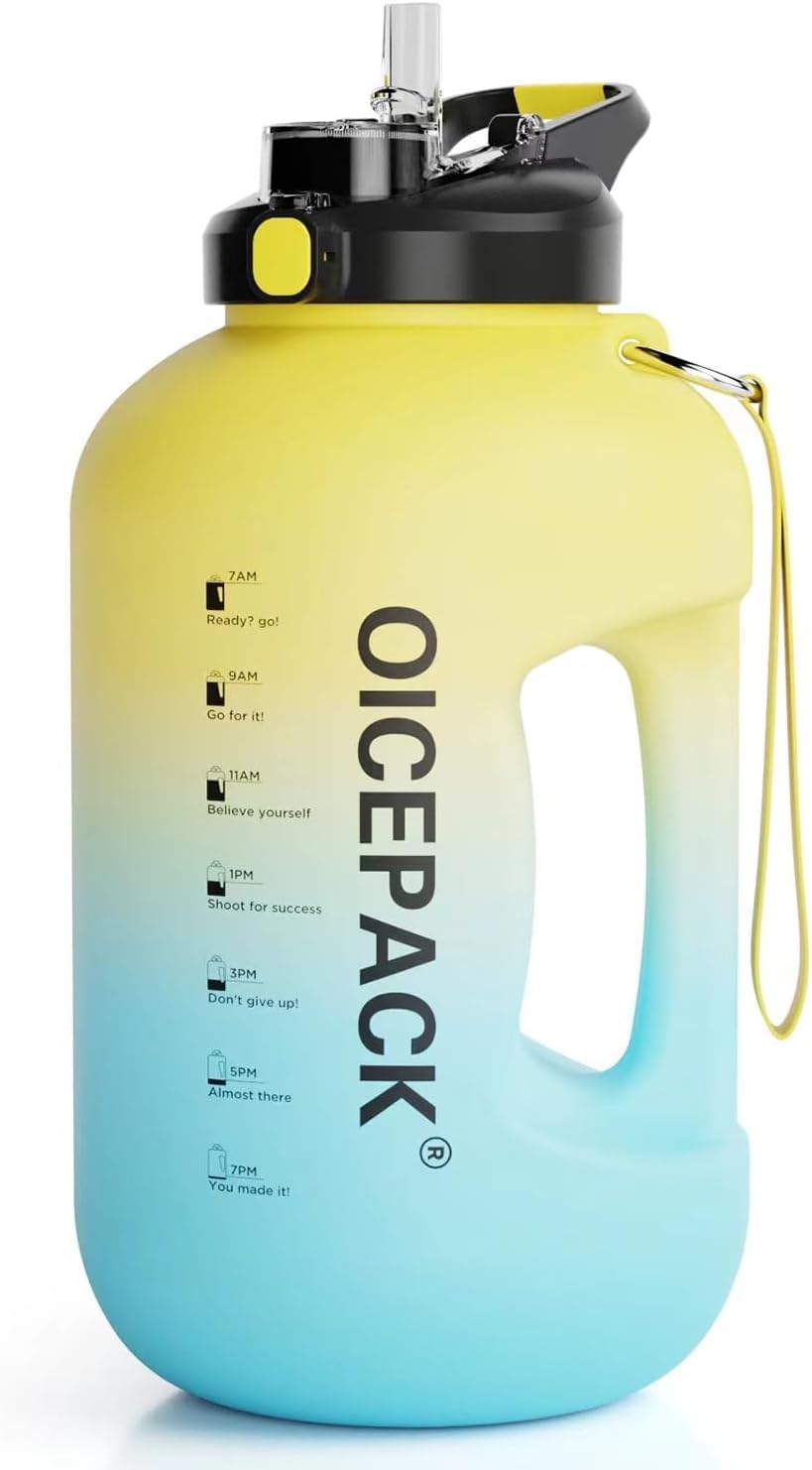
A stock image related to 1 gal water bottle.
In-depth Look: Manufacturing Processes and Quality Assurance for 1 gal water bottle
What Are the Key Stages in the Manufacturing Process for a 1 Gallon Water Bottle?
The manufacturing process for a 1-gallon water bottle involves several critical stages, each ensuring the quality and functionality of the final product. The main stages include material preparation, forming, assembly, and finishing.
Material Preparation: What Materials Are Used?
The primary materials used in the production of 1-gallon water bottles typically include high-density polyethylene (HDPE) or stainless steel. HDPE is favored for its lightweight nature, durability, and resistance to impact. It is crucial that raw materials meet industry standards for safety and sustainability, particularly for products intended for food and beverage use. Quality suppliers often source FDA-approved materials to ensure compliance with health regulations.
How Is the Water Bottle Formed?
The forming stage involves shaping the materials into the desired bottle configuration. For HDPE bottles, the blow molding technique is commonly used. In this process, plastic pellets are heated until they become malleable, then blown into a mold that forms the bottle shape. In the case of stainless steel bottles, deep drawing or stamping methods are employed to create the bottle from sheets of metal. This stage is critical as it determines the structural integrity and aesthetic appeal of the bottle.
What Does the Assembly Process Involve?
After the bottles are formed, they move to the assembly stage, where components such as caps, handles, and any additional features (like straws or insulating sleeves) are attached. For HDPE bottles, the assembly may involve heat sealing or screw-on caps, while stainless steel bottles often use threaded or press-fit closures. This stage ensures that all elements are securely attached and functionally integrated, which is essential for user convenience.
What Finishing Techniques Are Commonly Used?
Finishing processes enhance the bottle’s durability and visual appeal. This may include surface treatments such as polishing for stainless steel or applying UV-resistant coatings for HDPE bottles. Additionally, branding elements like logos or labels are applied during this stage, often using screen printing or labeling machines. These finishing touches not only improve aesthetics but also increase the product’s marketability.
What Quality Control Measures Are Essential During Production?
Quality control (QC) is integral to ensuring that the final product meets both safety and performance standards. International and industry-specific standards guide the QC process, making it essential for B2B buyers to be familiar with these benchmarks.
What International Standards Should B2B Buyers Be Aware Of?
One of the most recognized international standards is ISO 9001, which outlines the requirements for a quality management system. Compliance with ISO 9001 indicates that the manufacturer has established processes for continuous improvement and customer satisfaction. Additionally, products intended for the European market must often meet CE marking requirements, ensuring compliance with safety, health, and environmental protection standards.
What Are the Key QC Checkpoints in the Manufacturing Process?
The QC process typically includes several checkpoints:
-
Contrôle de la qualité à l'arrivée (IQC) : Il s'agit d'inspecter les matières premières à leur arrivée pour s'assurer qu'elles répondent aux normes spécifiées avant d'être utilisées dans la production.
-
Contrôle de la qualité en cours de fabrication (IPQC) : During manufacturing, samples are taken at various stages to monitor adherence to quality specifications. This includes checking dimensions, weight, and overall appearance.
-
Contrôle de qualité final (CQF) : After production, the final products undergo rigorous testing to ensure they meet all functional and aesthetic criteria. This may involve pressure testing for leaks, temperature resistance tests for insulated bottles, and visual inspections for defects.
Comment les acheteurs B2B peuvent-ils vérifier le contrôle de la qualité des fournisseurs ?
B2B buyers should take proactive steps to verify the QC processes of potential suppliers. Here are several recommended practices:
Quels audits et rapports les acheteurs doivent-ils demander ?
Buyers should request access to the supplier’s quality management system documentation, including ISO certifications, internal audit reports, and corrective action records. Regular audits of the manufacturing facility can also provide insight into operational practices and adherence to quality standards.
How Important Are Third-Party Inspections?
Utilizing third-party inspection services can offer an unbiased assessment of a supplier’s QC processes. These inspectors can perform random sampling of products, assess compliance with safety and quality standards, and provide detailed reports that highlight any discrepancies. This practice is particularly valuable for international buyers who may not have the resources to conduct on-site inspections.
What Are the Specific QC Considerations for International Buyers?
International B2B buyers, especially those from regions like Africa, South America, the Middle East, and Europe, should be aware of specific QC nuances.
How Do Regional Standards Impact Quality Assurance?
Different regions may have varying regulations and standards for manufacturing and product safety. For example, buyers in the European Union must consider REACH (Registration, Evaluation, Authorization, and Restriction of Chemicals) regulations concerning material safety. Understanding these regulations is crucial for ensuring compliance and avoiding potential legal issues.
What Are the Challenges of Sourcing Internationally?
Sourcing from international suppliers may present challenges such as language barriers, cultural differences, and varying levels of quality assurance practices. Buyers should establish clear communication channels and consider working with local representatives or consultants who understand regional practices and can facilitate effective collaboration.
Conclusion
A thorough understanding of the manufacturing processes and quality assurance measures for 1-gallon water bottles is essential for B2B buyers seeking reliable suppliers. By focusing on material quality, manufacturing techniques, and robust QC practices, buyers can ensure that they source high-quality products that meet international standards and their specific market requirements. This diligence not only safeguards investments but also enhances brand reputation in competitive markets.
Practical Sourcing Guide: A Step-by-Step Checklist for ‘1 gal water bottle’
Introduction
This sourcing guide serves as a practical checklist for B2B buyers aiming to procure 1-gallon water bottles. As demand for sustainable and reliable hydration solutions grows across various regions, including Africa, South America, the Middle East, and Europe, understanding the procurement process is essential. This checklist will help streamline your purchasing decisions, ensuring you choose the right products from reputable suppliers.
Étape 1 : Définir les spécifications techniques
Before engaging with suppliers, it’s crucial to outline the technical requirements of the 1-gallon water bottles you need. Consider factors such as material (e.g., BPA-free plastic, stainless steel), insulation capabilities, and design features (e.g., handles, spouts). A clear specification will guide your selection process and help avoid potential mismatches with suppliers.
Étape 2 : Research Market Trends and Demand
Understanding current market trends can inform your purchasing decisions and help you stay competitive. Analyze consumer preferences, such as demand for eco-friendly materials or innovative designs like motivational time markers. Additionally, assessing regional trends will allow you to cater to specific customer needs in your target markets.
Étape 3 : Évaluer les fournisseurs potentiels
Thoroughly vet potential suppliers to ensure they meet your quality and reliability standards. Request company profiles, product samples, and customer references, particularly from buyers in similar industries or regions. Evaluate their production capabilities, certifications (like ISO or FDA), and compliance with international safety standards.
Étape 4 : Vérifier les certifications des fournisseurs
It’s essential to confirm that your chosen suppliers possess the necessary certifications to ensure product safety and quality. Look for certifications such as BPA-free, food-grade materials, and relevant environmental standards. These certifications not only provide assurance about the product but also enhance your brand’s credibility.
Étape 5 : Assess Pricing and Payment Terms
Obtain quotes from multiple suppliers to compare pricing structures and payment terms. Be wary of prices that seem too low, as they may reflect inferior quality or hidden costs. Negotiate favorable payment terms, considering factors like bulk discounts, payment schedules, and shipping costs to optimize your overall budget.
Étape 6 : Request Samples and Conduct Quality Checks
Before finalizing your order, request samples of the 1-gallon water bottles to assess quality firsthand. Conduct thorough inspections for durability, insulation performance, and user-friendliness. Testing samples in real-life scenarios can provide valuable insights into how the products will perform in your target markets.
Étape 7 : Establish a Logistics Plan
Once you’ve selected a supplier, develop a logistics plan for shipping and distribution. Consider factors such as lead times, shipping methods, and customs regulations, especially if sourcing internationally. A well-organized logistics strategy will ensure timely delivery and minimize disruptions in your supply chain.
By following these steps, B2B buyers can navigate the sourcing process for 1-gallon water bottles effectively, ensuring they make informed decisions that align with their business needs and market demands.
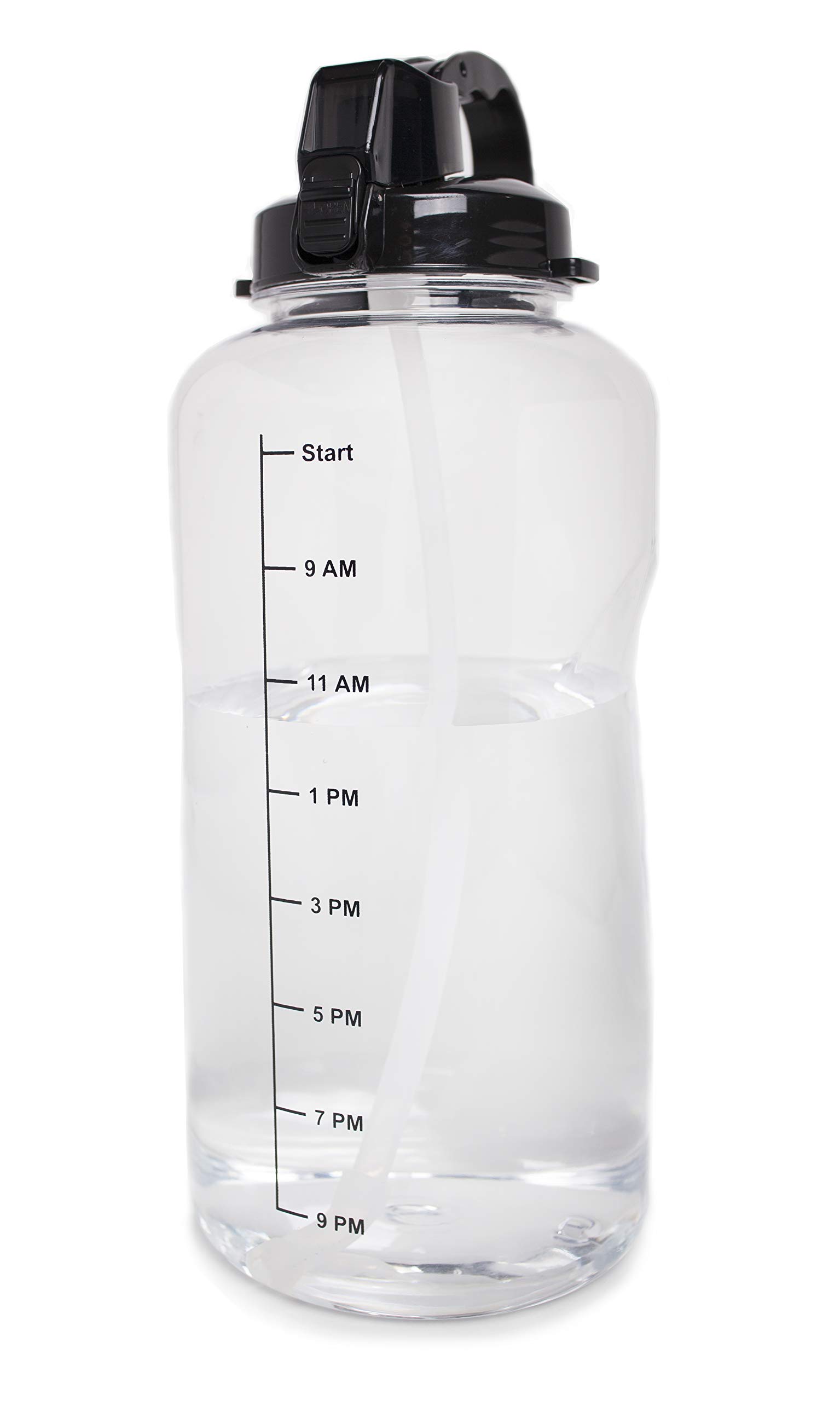
A stock image related to 1 gal water bottle.
Comprehensive Cost and Pricing Analysis for 1 gal water bottle Sourcing
What Are the Key Cost Components for Sourcing 1 Gallon Water Bottles?
When sourcing 1-gallon water bottles, understanding the various cost components is crucial for effective budgeting and pricing strategy. The primary cost elements include:
-
Matériaux: The choice of materials significantly influences the cost. Common materials include BPA-free plastic, stainless steel, and glass. Stainless steel bottles typically command higher prices due to their durability and insulation properties, while plastic bottles are often cheaper but may lack longevity.
-
Travail: Labor costs vary by region and manufacturing process. Countries with lower labor costs, such as Vietnam or certain African nations, can offer competitive pricing, but this may also impact quality and compliance with international standards.
-
Frais généraux de fabrication: This encompasses costs related to the production facility, equipment maintenance, and utilities. Efficient manufacturing processes can help mitigate overhead costs, making the final product more competitive.
-
Outillage: Custom molds and machinery for producing unique bottle designs or features add to initial costs. Buyers should consider the trade-off between upfront tooling investments and the potential for higher margins on customized products.
-
Contrôle de la qualité (CQ): Implementing robust QC processes ensures product reliability and compliance with safety standards, which can incur additional costs. However, these costs are often justified by the reduction in returns and increased customer satisfaction.
-
Logistique: Transportation costs can vary widely based on distance, shipping method, and the weight of the bottles. International buyers should be aware of potential tariffs and duties, which can significantly affect the total landed cost.
-
Marge: Suppliers typically add a markup to cover their costs and profit margins. Understanding the supplier’s pricing strategy can help buyers negotiate better terms.
How Do Price Influencers Affect 1 Gallon Water Bottle Sourcing?
Several factors influence the pricing of 1-gallon water bottles, particularly in international markets:
-
Volume/QMo (quantité minimale de commande): Suppliers often offer discounts based on order volumes. Higher orders can reduce the per-unit cost significantly, making it essential for buyers to assess their needs carefully.
-
Spécifications et personnalisation: Custom features, such as unique shapes or branding, can increase costs. Buyers should evaluate the importance of customization against the potential price hike.
-
Matériaux et certifications de qualité: Bottles made from higher-quality materials or those that meet specific certifications (e.g., FDA, ISO) can be more expensive. Buyers should consider whether these certifications are necessary for their target markets.
-
Facteurs liés au fournisseur: Supplier reputation, reliability, and previous performance can influence pricing. Established suppliers with a track record may charge more, but they often provide better quality assurance and service.
-
Incoterms: The choice of Incoterms (International Commercial Terms) can impact the total cost, as they define who bears the risk and costs during transit. Understanding these terms can help buyers negotiate better shipping agreements.
What Are the Best Buyer Tips for Cost-Efficient Sourcing of 1 Gallon Water Bottles?
To ensure cost-efficient sourcing of 1-gallon water bottles, consider the following strategies:
-
Négociation: Engage in open discussions with suppliers about pricing and terms. Building a relationship can lead to better deals and flexible payment terms.
-
Cost-Efficiency Analysis: Evaluate the Total Cost of Ownership (TCO), which includes all costs associated with the product, not just the purchase price. This analysis can reveal hidden costs and help in making informed decisions.
-
Nuances de prix pour les acheteurs internationaux: Buyers from Africa, South America, the Middle East, and Europe should be mindful of currency fluctuations and local market dynamics. Understanding regional demand can provide leverage during negotiations.
-
Research and Benchmarking: Conduct market research to compare prices and features across different suppliers. Benchmarking against industry standards can help identify competitive pricing and quality levels.
Avertissement sur les prix indicatifs
Prices for 1-gallon water bottles can vary widely based on the factors discussed above, including materials, customization, and supplier relationships. This analysis provides a framework for understanding costs but should not be viewed as definitive pricing guidance. Always consult with suppliers for specific quotes and terms tailored to your unique sourcing needs.
Alternatives Analysis: Comparing 1 gal water bottle With Other Solutions
When considering hydration solutions for various business applications, the traditional 1-gallon water bottle presents a reliable option, but it’s essential to explore alternatives that may offer unique advantages. This analysis compares the 1-gallon water bottle against two viable alternatives: water dispensers with refillable bottles and portable hydration packs. Each solution has distinct features that cater to different needs, making it crucial for B2B buyers to evaluate them based on their specific requirements.
| Aspect comparatif | 1 Gal Water Bottle | Water Dispenser with Refillable Bottles | Portable Hydration Pack |
|---|---|---|---|
| Performance | Good insulation, portable | Continuous supply, limited portability | Lightweight, hands-free use |
| Coût | Moderate ($20-$60) | Higher initial setup ($100-$300) | Low to moderate ($30-$80) |
| Facilité de mise en œuvre | Simple, no setup required | Requires space and installation | Easy to use, no installation |
| Maintenance | Minimal (cleaning needed) | Regular cleaning and refilling required | Occasional cleaning required |
| Meilleur cas d'utilisation | Personal use, outdoor events | Offices, large gatherings | Hiking, sports, outdoor activities |
What Are the Pros and Cons of Using a Water Dispenser with Refillable Bottles?
Water dispensers with refillable bottles offer a continuous supply of water, making them suitable for environments where hydration is a priority for multiple users, such as offices or large gatherings. The initial investment is higher, requiring both a dispenser and refillable bottles, but they can be cost-effective in the long run if used frequently. However, they lack portability, making them less ideal for outdoor settings or situations where space is limited. Regular maintenance is essential to ensure cleanliness and prevent contamination, which may require additional labor and resources.
How Do Portable Hydration Packs Compare to 1-Gallon Water Bottles?
Portable hydration packs are designed for active use, allowing users to carry water hands-free, which is ideal for outdoor activities like hiking or sports. They are lightweight and often come with insulated compartments to keep water cool. The cost is generally lower to moderate, appealing to budget-conscious buyers. However, they typically hold less water than a gallon bottle, necessitating more frequent refills during extended use. Additionally, while maintenance is minimal, these packs may require occasional cleaning to prevent mold and bacteria buildup.
Conclusion: How Can B2B Buyers Choose the Right Hydration Solution?
Selecting the right hydration solution depends largely on the context in which it will be used. If the need is for personal hydration during outdoor events, the 1-gallon water bottle is a practical choice due to its portability and ease of use. Conversely, for businesses looking to provide hydration to many employees or guests, a water dispenser with refillable bottles may be more effective despite the higher upfront cost. Lastly, portable hydration packs are ideal for active users who prioritize mobility and convenience. By evaluating these options against their specific hydration needs, B2B buyers can make informed decisions that best suit their operational requirements.
Essential Technical Properties and Trade Terminology for 1 gal water bottle
What Are the Essential Technical Properties of a 1 Gallon Water Bottle?
Understanding the technical properties of a 1-gallon water bottle is crucial for B2B buyers, particularly those in the beverage, retail, and outdoor industries. Here are the key specifications to consider:
1. Material Grade
The most common materials used for 1-gallon water bottles include food-grade stainless steel, BPA-free plastic, and glass. Food-grade stainless steel is highly durable and resistant to rust and corrosion, making it ideal for long-term use. BPA-free plastic offers a lightweight and cost-effective option, while glass is preferred for its purity and eco-friendliness. Choosing the right material can impact product longevity, customer safety, and marketability.
2. Insulation Performance
Insulation capabilities are vital, especially for bottles intended for outdoor use. Bottles with double-walled vacuum insulation can keep liquids cold for up to 48 hours and hot for about 24 hours. This property is particularly appealing in regions with extreme temperatures, ensuring that consumers have access to refreshing hydration regardless of the environment.
3. Weight and Dimensions
The weight of a filled 1-gallon bottle can range from approximately 10 to 12 pounds, depending on the material. The dimensions typically hover around 6.5 inches in diameter and 12-14 inches in height. Understanding these specifications helps buyers assess portability and shelf space requirements for retail environments.
4. Closure Type
The closure type influences usability and leakage prevention. Common options include screw caps, flip tops, and straws. A well-designed closure not only enhances the user experience but also affects the product’s shelf life and safety during transport. For B2B buyers, offering various closure types can meet diverse consumer preferences.
5. Reusability and Cleanability
Reusability is increasingly important in today’s environmentally conscious market. Bottles designed for easy cleaning—whether dishwasher-safe or with wide openings for manual cleaning—are preferable. This property aligns with sustainability trends and can enhance brand reputation.
What Are the Common Trade Terms Related to 1 Gallon Water Bottles?
Familiarity with industry jargon is essential for effective communication and decision-making in B2B transactions. Here are some common terms you should know:
1. OEM (Original Equipment Manufacturer)
This term refers to a company that produces parts or equipment that may be marketed by another manufacturer. In the context of water bottles, an OEM can help businesses create custom-branded products tailored to specific market needs.
2. MOQ (Minimum Order Quantity)
MOQ specifies the smallest number of units a supplier is willing to sell. Understanding MOQ is critical for inventory management and cost control, as lower MOQs can be beneficial for smaller businesses or new entrants in the market.
3. RFQ (Request for Quotation)
An RFQ is a document that a buyer sends to suppliers to request pricing for specific products or services. For B2B buyers of 1-gallon water bottles, an RFQ can help in comparing costs and negotiating terms with multiple suppliers.
4. Incoterms (conditions commerciales internationales)
Incoterms are a series of predefined commercial terms that clarify the responsibilities of buyers and sellers in international transactions. Familiarity with these terms can help businesses navigate shipping logistics, insurance, and customs duties effectively.
5. Délai d'exécution
Lead time is the duration between the initiation of an order and the delivery of the product. Knowing the lead time is essential for inventory planning and customer satisfaction, especially in industries where timely product availability is crucial.
By understanding these technical properties and trade terms, B2B buyers can make more informed decisions when sourcing 1-gallon water bottles, ensuring they meet their business needs and customer expectations.
Navigating Market Dynamics and Sourcing Trends in the 1 gal water bottle Sector
What Are the Current Market Trends Influencing the 1 Gallon Water Bottle Sector?
The global market for 1-gallon water bottles is experiencing a surge driven by several key factors. Increased health consciousness among consumers, especially in regions such as Africa, South America, and the Middle East, has led to a higher demand for hydration solutions. Additionally, the rising trend of outdoor activities and fitness culture has propelled the need for durable and portable water bottles. Emerging technologies in materials science, such as the development of BPA-free plastics and insulated stainless steel, are enhancing product offerings and customer satisfaction.
International B2B buyers must also pay attention to evolving sourcing trends. The rise of e-commerce platforms has streamlined the purchasing process, allowing for direct access to manufacturers and suppliers worldwide. This trend is particularly beneficial for buyers in regions like Brazil and Vietnam, where traditional distribution channels may be limited. Furthermore, advancements in logistics technology are facilitating faster shipping and reducing costs, making it easier for businesses to source quality products from global suppliers.
How Is Sustainability Shaping the 1 Gallon Water Bottle Market?
Sustainability has become a pivotal consideration in the sourcing of 1-gallon water bottles. As consumers increasingly prioritize environmentally friendly products, B2B buyers must align with this trend to remain competitive. The environmental impact of plastic waste is prompting manufacturers to adopt sustainable practices, such as using recycled materials and developing biodegradable alternatives. Certifications like the Global Recycled Standard (GRS) and the Forest Stewardship Council (FSC) are gaining traction, offering assurance to buyers about the ethical sourcing of materials.
Moreover, companies that implement ethical supply chains not only enhance their brand reputation but also attract a growing segment of environmentally conscious consumers. For buyers in regions facing significant environmental challenges, such as water scarcity in parts of Africa, sourcing products that promote sustainability can also contribute to local solutions. In this context, investing in water bottles made from eco-friendly materials and produced through ethical labor practices is not just a trend; it’s becoming a business imperative.
What Is the Historical Context of the 1 Gallon Water Bottle?
The evolution of the 1-gallon water bottle can be traced back to the late 20th century when consumers began seeking convenient hydration solutions. Initially, these bottles were primarily made from single-use plastic, which contributed to environmental concerns. However, as awareness of the ecological impact of plastic waste grew, manufacturers shifted towards more sustainable materials, such as glass and stainless steel.
Over the years, the functionality of these bottles has also evolved. Modern designs now feature insulated walls, ergonomic handles, and a variety of lids, catering to diverse consumer needs. The introduction of time-marked bottles for tracking hydration has further popularized the 1-gallon water bottle as a lifestyle accessory. This historical shift not only reflects changing consumer preferences but also highlights the importance of innovation in meeting market demands. For B2B buyers, understanding this evolution provides valuable insights into product development and consumer behavior trends.
Frequently Asked Questions (FAQs) for B2B Buyers of 1 gal water bottle
-
How do I choose the right supplier for 1-gallon water bottles?
Choosing the right supplier involves several key considerations. First, verify their credibility through trade certifications, customer reviews, and references. Evaluate their production capabilities to ensure they can meet your volume needs and quality standards. It’s also crucial to assess their compliance with international regulations, especially regarding food safety and materials used. Request samples to evaluate product quality firsthand and ensure that they can provide customization options if needed. Finally, consider their logistics capabilities and delivery timelines to ensure they align with your business needs. -
What is the best material for 1-gallon water bottles?
The best material for 1-gallon water bottles typically includes BPA-free plastic or stainless steel. BPA-free plastic is lightweight and durable, making it suitable for everyday use, while stainless steel offers superior insulation, keeping beverages cold or hot for extended periods. If your target market prioritizes eco-friendliness, look for bottles made from recycled materials. Additionally, ensure that the chosen material complies with food safety regulations in your target regions, particularly if you are exporting to countries with strict guidelines. -
What are the common customization options for 1-gallon water bottles?
Customization options can vary significantly among suppliers. Common choices include printing your company logo or branding on the bottle, selecting specific colors, and adding features like handles or straws. Some manufacturers also offer custom shapes or sizes to better suit your branding strategy. When discussing customization, inquire about the minimum order quantities (MOQs) and any associated costs to ensure that the final product aligns with your marketing goals and budget. -
What should I consider regarding minimum order quantities (MOQs) for 1-gallon water bottles?
When evaluating MOQs, consider your market demand and storage capabilities. Suppliers may have varying MOQs based on their production processes and material costs. Assess whether you can commit to the MOQ without incurring excess inventory costs. Additionally, negotiate terms that allow for flexibility in future orders, especially if you are testing new markets or product lines. Understanding the MOQ will help you manage your cash flow and ensure you have sufficient stock to meet customer demand. -
What payment terms are typically offered by suppliers for bulk orders?
Payment terms can vary widely by supplier and region. Common arrangements include a deposit upon order confirmation (often 30-50%) with the balance due before shipment. Some suppliers may offer net payment terms, allowing you to pay within a specified period post-delivery. It’s essential to discuss these terms upfront and ensure they are documented in your contract. Additionally, consider using secure payment methods such as letters of credit or escrow services for larger transactions to mitigate financial risks. -
How can I ensure quality assurance (QA) for 1-gallon water bottles?
To ensure quality assurance, establish clear product specifications and standards before placing an order. Request samples for testing to verify that the bottles meet your quality expectations. Discuss the supplier’s QA processes, including any certifications they hold and how they handle defects or non-conformities. Implementing third-party inspections during production or prior to shipping can provide an additional layer of quality control, ensuring that the products delivered meet your requirements. -
What logistics considerations should I keep in mind when importing 1-gallon water bottles?
Logistics are crucial when importing goods. Consider shipping methods, lead times, and costs, as these can impact your overall budget. Ensure that your supplier can accommodate your preferred shipping options, whether by air or sea. Understand the customs regulations and import duties in your target market, as these can significantly affect your pricing strategy. Additionally, work with reliable freight forwarders to streamline the import process and mitigate any potential delays. -
How can I market 1-gallon water bottles effectively in international markets?
Effective marketing in international markets involves understanding local consumer preferences and cultural nuances. Tailor your messaging to highlight features that resonate with your target audience, such as sustainability, health benefits, or convenience. Utilize digital marketing strategies, including social media and e-commerce platforms, to reach potential customers. Collaborate with local influencers or distributors to enhance brand visibility. Additionally, consider attending trade shows or industry events to network and promote your products directly to potential buyers.
Avis de non-responsabilité et conditions d'utilisation
⚠️ Avis de non-responsabilité important
Les informations fournies dans ce guide, y compris le contenu concernant les fabricants, les spécifications techniques et l'analyse du marché, sont uniquement destinées à des fins d'information et d'éducation. Elles ne constituent pas un conseil professionnel en matière d'achat, un conseil financier ou un conseil juridique.
Bien que nous ayons fait tout notre possible pour garantir l'exactitude et l'actualité des informations, nous ne sommes pas responsables des erreurs, des omissions ou des informations obsolètes. Les conditions du marché, les détails de l'entreprise et les normes techniques sont susceptibles d'être modifiés.
Les acheteurs B2B doivent faire preuve d'une diligence raisonnable indépendante et approfondie. avant de prendre toute décision d'achat. Il convient notamment de contacter directement les fournisseurs, de vérifier les certifications, de demander des échantillons et de solliciter une consultation professionnelle. Le risque lié à l'utilisation des informations contenues dans ce guide est supporté uniquement par le lecteur.
Top 6 1 Gal Water Bottle Manufacturers & Suppliers List
1. Hydro Gallon® – Key Products
Domaine : hydrogallon.com
Enregistré : 2020 (5 ans)
Introduction : Hydro Gallon® offers a range of gallon water bottles designed for all-day hydration. Key products include: 1 Gallon Hydro Gallon, Hydro Gallon 1 Pro, Hydro Gallon Tactical, and Hydro Gallon Nomad (half gallon). Features include: 24-hour cold retention for the Hydro Gallon 1 Pro, built to last design for the Hydro Gallon Tactical, and a backpack mode for the Hydro Gallon Nomad. The brand also provi…
2. WaterWise – BPA-Free 1-Gallon Water Jug
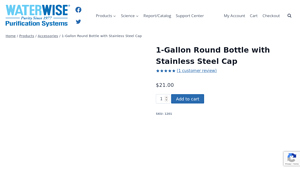
Domaine : waterwise.com
Enregistré : 1996 (29 ans)
Introduction : BPA-free 1-gallon water jug with handle and stainless steel cap; lightweight and reusable; durable and easy to clean (using peroxide and water or baking soda and water); SKU: 1201; price: $21.00; rated 5.00 out of 5 based on 1 customer review.
3. Reddit – Insulated Water Bottle
Domaine : reddit.com
Enregistré : 2005 (20 ans)
Introduction : One gallon water bottle, durable, suitable for work, insulated, needs to last a lifetime, concerns about Yeti’s insulation performance, preference for better insulation than Yeti, potential weight issues for carrying.
4. Poland Spring® – 1 Gallon Jug Spring Water
Domaine : polandspring.com
Enregistré : 1996 (29 ans)
Introduction : {“Product Name”: “1 Gallon Jug Spring Water”, “Brand”: “Poland Spring®”, “Product Size”: “1 gal”, “Available Sizes”: [“12 fl oz”, “8 fl oz”, “16.9 fl oz”, “20 fl oz”, “23.7 fl oz”, “1 L”, “1.5 L”, “3 L”, “1 G”, “2.5 G”, “3 G”, “5 G”, “25 fl oz”], “Pack Size”: “single”, “Nutritional Information”: {“Calories”: “0mg”, “Total Fat”: “0mg”, “Sodium”: “0mg”, “Protein”: “0mg”}, “Ingredients”: “Spring Wate…
5. 6 Pack Fitness – Gallon Gear Jug
Domaine : 6packfitness.com
Enregistré : 2004 (21 ans)
Introduction : Gallon Gear 1 Gallon Jug | Gym Water Bottle (Black)
6. Coleman – Chiller 1 Gallon Water Jug
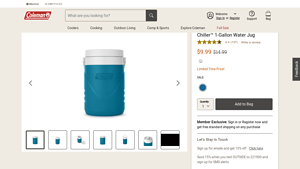
Domaine : coleman.com
Enregistré : 1999 (26 ans)
Introduction : {“product_name”: “Chiller 1 Gallon Water Jug”, “brand”: “Coleman”, “capacity”: “1 gallon”, “features”: [“Wide mouth opening for easy filling and cleaning”, “Integrated handle for easy carrying”, “Durable construction for long-lasting use”, “BPA-free materials”, “Ideal for camping, picnics, and outdoor activities”], “dimensions”: “Not specified”, “color_options”: [“Not specified”], “price”: “Not sp…
Strategic Sourcing Conclusion and Outlook for 1 gal water bottle
In today’s competitive market, strategic sourcing of 1-gallon water bottles is essential for international B2B buyers seeking quality, durability, and cost-effectiveness. Key considerations include the material composition, insulation capabilities, and user-friendly designs that enhance customer satisfaction. Bottles made from BPA-free materials and equipped with features such as wide mouths for easy filling and ergonomic handles are increasingly preferred. Additionally, sourcing from reputable manufacturers can ensure consistent quality and compliance with international standards.
The value of strategic sourcing extends beyond mere cost savings; it fosters long-term partnerships with suppliers, enabling buyers to adapt quickly to market demands and consumer preferences. As sustainability becomes a priority, incorporating eco-friendly products into your offerings can also enhance your brand’s reputation and appeal to environmentally conscious consumers.
Looking ahead, B2B buyers from regions such as Africa, South America, the Middle East, and Europe should seize opportunities to diversify their supply chains. Engaging with reliable manufacturers and exploring innovative product designs will position your business for success in an evolving marketplace. Take action today to secure quality 1-gallon water bottles that meet your operational needs and resonate with your customers.
 Français
  English
  Español
  Português
  Deutsch
  العربية
  Русский
  日本語
日本語  한국어
한국어  Italiano
  Nederlands