
Introduction: Navigating the Global Market for eco water bottle
In the ever-evolving landscape of sustainable products, sourcing eco water bottles presents a unique challenge for international B2B buyers. As global awareness of environmental issues rises, businesses face increasing pressure to adopt eco-friendly alternatives. This guide serves as a comprehensive resource for navigating the global market for eco water bottles, providing insights into various types, applications, and supplier vetting processes. From insulated stainless steel options to stylish reusable designs, understanding the nuances of these products will empower buyers to make informed decisions that align with their sustainability goals.
The eco water bottle market is not only about reducing plastic waste; it also encompasses factors such as cost-effectiveness, durability, and consumer appeal. This guide addresses these critical elements, helping buyers evaluate potential suppliers based on quality, compliance with international standards, and ethical sourcing practices. Additionally, we delve into market trends and regional preferences, offering tailored insights for buyers from Africa, South America, the Middle East, and Europe, including key markets like Saudi Arabia and Germany. By leveraging the knowledge contained in this guide, businesses can confidently navigate the complexities of sourcing eco water bottles, ensuring that their purchasing decisions reflect both environmental responsibility and market competitiveness.
Understanding eco water bottle Types and Variations
| Nom du type | Principales caractéristiques | Applications primaires B2B | Avantages et inconvénients pour les acheteurs |
|---|---|---|---|
| Bouteilles isolées en acier inoxydable | Double-wall insulation for temperature retention; durable materials; various sizes | Outdoor events, corporate gifts, retail | Pour : Excellent temperature retention; eco-friendly; reusable. Cons : Higher initial cost; heavier than plastic. |
| Bouteilles en verre réutilisables | Made from tempered glass; often BPA-free; stylish designs | Health-focused markets, premium retail | Pour : Non-toxic; preserves taste; recyclable. Cons : Fragile; heavier; less portable. |
| Collapsible Silicone Bottles | Flexible design; lightweight; space-saving | Travel, outdoor activities, event giveaways | Pour : Portable; easy to store; versatile. Cons : May not retain heat; less durable than rigid bottles. |
| Eco-friendly Plastic Bottles | Made from recycled or biodegradable plastics; lightweight | Mass-market retail, promotional items | Pour : Cost-effective; lightweight; variety of designs. Cons : Less durable; potential for chemical leaching. |
| Multi-functional Bottles | Incorporates features like infusers, built-in cups, or French presses | Specialty retail, health and wellness sectors | Pour : Versatile; encourages healthy habits; unique selling points. Cons : More complex designs may lead to higher prices. |
What are Insulated Stainless Steel Bottles and Their B2B Relevance?
Insulated stainless steel bottles are designed with double-wall technology that maintains beverage temperatures for extended periods. These bottles are typically robust, making them ideal for outdoor events, corporate gifts, and retail markets where durability is essential. When purchasing, B2B buyers should consider their insulation performance, brand reputation, and customization options, as these factors can enhance their market appeal.
Why Choose Reusable Glass Bottles for Your Business?
Reusable glass bottles are increasingly popular in health-conscious markets due to their non-toxic nature and ability to preserve the taste of beverages. Their stylish designs attract consumers looking for premium options. B2B buyers should evaluate the fragility and weight of glass bottles, as these can affect shipping costs and customer satisfaction. Additionally, branding opportunities through custom designs can elevate product visibility.
What are the Benefits of Collapsible Silicone Bottles?
Collapsible silicone bottles offer a flexible design that allows for easy storage and portability, making them ideal for travel and outdoor activities. Their lightweight nature appeals to businesses targeting active consumers. Buyers should assess the durability and ease of cleaning, as these factors influence customer retention. The versatility of collapsible bottles can also enhance their appeal in promotional campaigns.
How Do Eco-friendly Plastic Bottles Fit into the Market?
Eco-friendly plastic bottles, made from recycled or biodegradable materials, are cost-effective solutions for mass-market retail and promotional items. Their lightweight design and variety of styles cater to diverse consumer preferences. B2B buyers should be mindful of potential chemical leaching concerns and focus on sourcing from reputable manufacturers to ensure product safety and compliance with health regulations.
What Makes Multi-functional Bottles Attractive to Buyers?
Multi-functional bottles incorporate features such as infusers and built-in cups, appealing to specialty retail and health and wellness sectors. These innovative designs encourage healthy habits and provide unique selling points. B2B buyers should consider the complexity of these products, as they may result in higher prices, but their versatility can justify the investment and attract a broader customer base.
Key Industrial Applications of eco water bottle
| Industrie/secteur | Specific Application of eco water bottle | Valeur/bénéfice pour l'entreprise | Principales considérations en matière d'approvisionnement pour cette application |
|---|---|---|---|
| L'hospitalité | Providing eco-friendly drinkware in hotels and restaurants | Enhances brand image and attracts eco-conscious customers | Certification for food safety, durability, and design options |
| Cadeaux d'entreprise | Branded eco water bottles as corporate gifts | Strengthens brand loyalty and promotes sustainability | Customization options, bulk purchasing discounts |
| Outdoor and Adventure | Use in outdoor events, festivals, and sports activities | Reduces single-use plastic waste and promotes eco-friendly practices | Lightweight, insulated options, and color variety |
| L'éducation | Eco water bottles for schools and universities | Encourages sustainable habits among students | Compliance with health regulations and bulk availability |
| Vente au détail | Selling eco water bottles in stores or online platforms | Capitalizes on the growing demand for sustainable products | Supplier reliability and eco-certification |
How Are Eco Water Bottles Utilized in the Hospitality Industry?
In the hospitality sector, eco water bottles are increasingly used in hotels and restaurants to promote sustainability. By replacing single-use plastic bottles with reusable options, establishments can significantly reduce their environmental footprint. This initiative not only meets growing consumer demand for eco-friendly practices but also enhances the brand image, attracting environmentally conscious guests. Buyers in this sector should prioritize sourcing bottles that are certified for food safety and durability, as well as aesthetically pleasing designs that align with their brand identity.
What Role Do Eco Water Bottles Play in Corporate Gifting?
Corporate gifting with eco water bottles serves as an effective strategy for businesses looking to enhance brand loyalty and promote their commitment to sustainability. These products can be customized with company logos, making them memorable gifts that resonate with clients and employees alike. This approach not only supports eco-friendly initiatives but also fosters a positive corporate image. When sourcing for corporate gifts, businesses should consider customization options, bulk purchasing discounts, and the overall quality of the bottles to ensure a lasting impression.
How Are Eco Water Bottles Beneficial for Outdoor and Adventure Activities?
Eco water bottles are ideal for outdoor events, festivals, and sports activities, where they help reduce reliance on single-use plastics. Organizations that host such events can provide participants with durable, insulated bottles that keep beverages at optimal temperatures, thus enhancing the overall experience. By promoting the use of eco water bottles, these organizations also encourage sustainable practices among attendees. Buyers should focus on lightweight options with good insulation properties and a variety of color choices to appeal to a broad audience.
Why Are Eco Water Bottles Important in Educational Institutions?
In educational settings, eco water bottles are used to instill sustainable habits among students. Schools and universities can implement programs that encourage students to use reusable bottles, thus reducing plastic waste on campuses. This initiative not only contributes to environmental conservation but also aligns with educational goals of promoting responsible citizenship. Buyers in this sector need to ensure compliance with health regulations, as well as availability in bulk to accommodate large student populations.
How Can Retailers Benefit from Selling Eco Water Bottles?
Retailers can capitalize on the growing consumer demand for sustainable products by offering eco water bottles in their stores or online platforms. These bottles not only attract eco-conscious consumers but also contribute to a retailer’s overall sustainability narrative. When sourcing eco water bottles, retailers should focus on supplier reliability and eco-certifications to ensure that the products meet market expectations for quality and sustainability. This can enhance customer trust and drive sales in an increasingly competitive market.
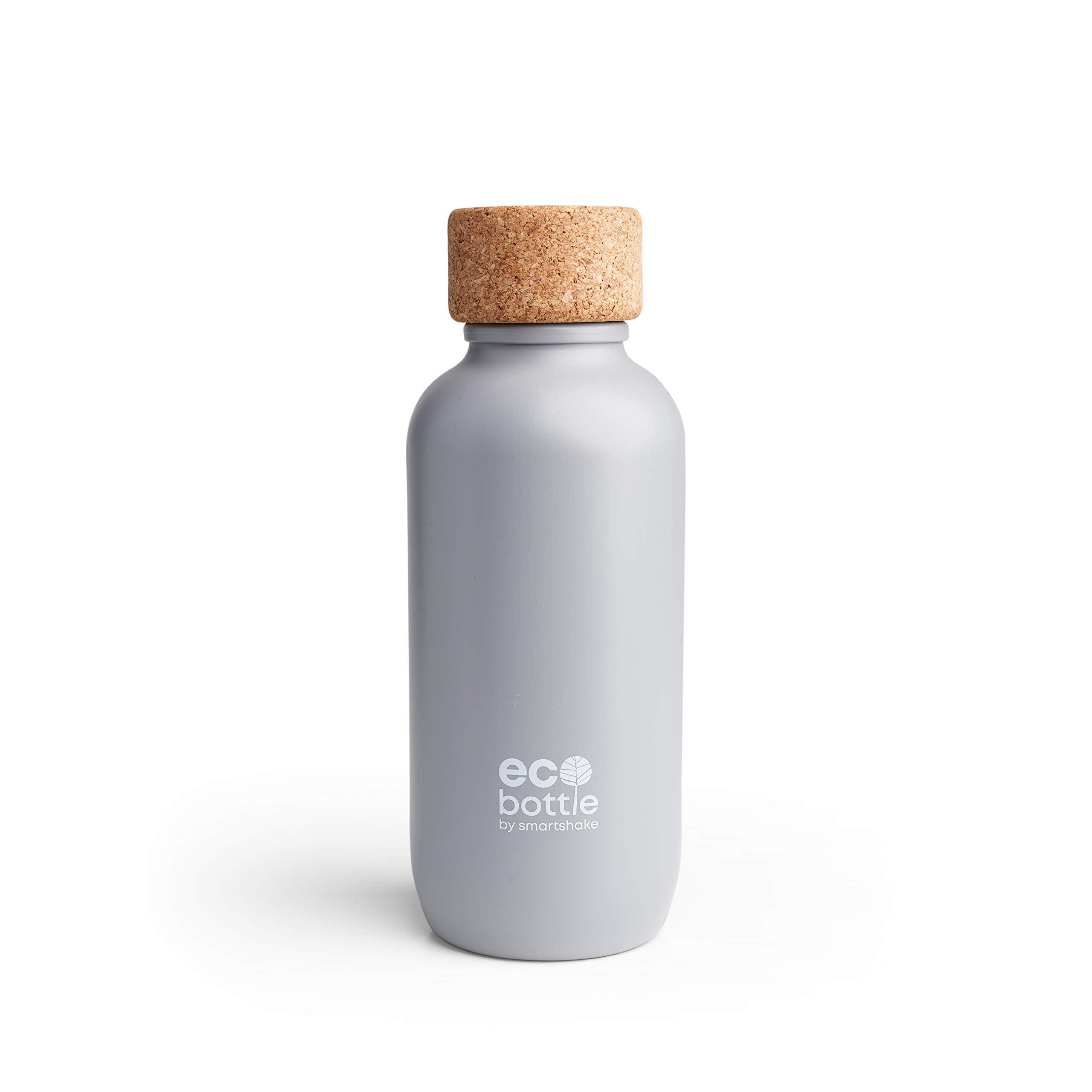
A stock image related to eco water bottle.
3 Common User Pain Points for ‘eco water bottle’ & Their Solutions
Scenario 1: Navigating Quality Assurance for Eco Water Bottles
Le problème : B2B buyers often struggle with ensuring the quality and safety of eco water bottles, particularly when sourcing from international suppliers. With varying standards across countries, buyers may face challenges related to material safety, durability, and compliance with local regulations. For instance, a buyer in Germany might find it difficult to ascertain whether a product labeled as “eco-friendly” actually meets EU safety standards, leading to potential liability issues or product recalls.
La solution : To mitigate these risks, B2B buyers should prioritize suppliers that provide comprehensive documentation regarding their product’s compliance with international safety standards. This includes certifications for BPA-free materials, heavy metal testing, and adherence to food contact material regulations. Engage in direct communication with suppliers to request third-party testing results and quality assurance certifications. Additionally, consider conducting independent audits or sampling products before making bulk purchases. This proactive approach not only ensures product quality but also builds trust with your supplier, enhancing long-term partnerships.
Scenario 2: Addressing Price Sensitivity and Cost Management
Le problème : In regions like Africa and South America, cost sensitivity can be a major hurdle for B2B buyers seeking eco water bottles. The initial investment in sustainable products may seem high compared to conventional plastic bottles, deterring businesses from making the switch. This concern is compounded by budget constraints and economic pressures faced by many companies in these markets, making it difficult to justify the higher upfront costs associated with eco-friendly products.
La solution : Buyers should focus on the long-term financial and environmental benefits of eco water bottles to overcome price sensitivity. Start by conducting a cost-benefit analysis that highlights savings from reduced reliance on single-use plastics and the potential for increased consumer loyalty due to a commitment to sustainability. Negotiate bulk purchase discounts with suppliers and explore options for customizable products that can reduce costs without sacrificing quality. Additionally, consider collaborating with local environmental organizations to leverage funding or grants aimed at promoting sustainable business practices. This way, the initial investment becomes more manageable and justifiable in the context of a broader sustainability strategy.
Scenario 3: Overcoming Consumer Skepticism About Sustainability Claims
Le problème : Many B2B buyers face skepticism from their customers regarding the sustainability claims of eco water bottles. In markets across Europe and the Middle East, consumers are increasingly aware of “greenwashing,” where brands exaggerate or misrepresent their environmental benefits. This skepticism can lead to reluctance in purchasing decisions, ultimately affecting the sales performance of businesses that invest in eco-friendly products.
La solution : To combat consumer skepticism, B2B buyers should focus on transparency and education. Work closely with suppliers to ensure that all sustainability claims are backed by verifiable data and certifications. Implement a comprehensive marketing strategy that educates consumers about the benefits of eco water bottles, emphasizing their durability, recyclability, and reduced environmental impact compared to single-use plastics. Providing customers with detailed information about the sourcing, manufacturing processes, and lifecycle of the products can enhance credibility. Additionally, consider developing a certification or partnership with recognized environmental organizations to further validate your products’ sustainability claims. This approach will not only help in building consumer trust but also position your business as a leader in sustainable practices within your industry.
Strategic Material Selection Guide for eco water bottle
What Are the Key Materials Used in Eco Water Bottles?
When selecting materials for eco-friendly water bottles, international B2B buyers must consider various factors, including performance, sustainability, and compliance with regional standards. Here, we analyze four common materials used in eco water bottles: stainless steel, glass, BPA-free plastic, and aluminum.
How Does Stainless Steel Perform as a Material for Eco Water Bottles?
Stainless steel is a popular choice for eco water bottles due to its excellent durability and resistance to corrosion. It can withstand high temperatures, making it suitable for both hot and cold beverages. Stainless steel bottles often feature double-wall insulation, which can keep drinks hot for up to 12 hours and cold for 24 hours.
Pour : Stainless steel is highly durable and resistant to impacts and corrosion. It is also easy to clean and does not retain odors or flavors.
Cons : The manufacturing process can be energy-intensive, and the initial cost is typically higher than plastic options.
Impact sur l'application : Stainless steel is compatible with a wide range of beverages, including acidic drinks.
Considérations pour les acheteurs internationaux : Compliance with food safety standards (e.g., ASTM, DIN) is crucial, especially in regions like Europe and the Middle East, where regulations are stringent. Buyers should also consider the environmental impact of the production process.
What Advantages Does Glass Offer for Eco Water Bottles?
Glass is another eco-friendly material that is often used for water bottles. It is non-toxic and does not leach chemicals, making it a safe choice for consumers. Glass bottles can be designed with a variety of aesthetics, appealing to consumers looking for stylish options.
Pour : Glass is completely recyclable and does not retain flavors or odors. It also provides a premium feel and look.
Cons : Glass is heavier and more fragile than other materials, which can lead to breakage during transport.
Impact sur l'application : Glass is ideal for still water and beverages that do not require insulation.
Considérations pour les acheteurs internationaux : Buyers should ensure compliance with safety standards for glass products, especially regarding breakage and shatter resistance. In regions with high transportation risks, such as parts of Africa and South America, the fragility of glass may be a concern.
How Does BPA-Free Plastic Compare in Eco Water Bottle Manufacturing?
BPA-free plastic has gained popularity as a lightweight and cost-effective option for eco water bottles. These bottles are designed to be durable and resistant to impacts while being free from harmful chemicals.
Pour : BPA-free plastic is lightweight, making it easy to transport. It is also less expensive than stainless steel or glass.
Cons : While BPA-free, some plastics can still leach other chemicals over time, and they may not be as durable as metal or glass options.
Impact sur l'application : Suitable for a variety of beverages, but may not withstand high temperatures as well as stainless steel.
Considérations pour les acheteurs internationaux : Buyers should verify compliance with local regulations regarding plastic use and recycling. In Europe, for example, there are strict guidelines on plastic safety that must be adhered to.
What Role Does Aluminum Play in Eco Water Bottle Production?
Aluminum is lightweight and highly recyclable, making it an attractive option for eco water bottles. It can be treated with a protective coating to prevent corrosion and leaching.
Pour : Aluminum is lightweight, making it easy to carry. It is also highly recyclable, which aligns with sustainability goals.
Cons : Aluminum bottles often require a lining to prevent leaching, which can complicate the manufacturing process.
Impact sur l'application : Aluminum is suitable for cold beverages but may not be ideal for hot liquids unless specifically designed.
Considérations pour les acheteurs internationaux : Compliance with food safety regulations is essential, especially in regions like Europe and the Middle East. Buyers should also consider the recycling infrastructure available in their region.
Summary Table of Material Selection for Eco Water Bottles
| Matériau | Typical Use Case for eco water bottle | Avantage clé | Principaux inconvénients/limites | Coût relatif (faible/moyen/élevé) |
|---|---|---|---|---|
| Acier inoxydable | Boissons chaudes et froides | Durable and corrosion-resistant | Coût initial plus élevé | Haut |
| Verre | Still water and non-insulated drinks | Non-toxic and recyclable | Lourd et fragile | Moyen |
| Plastique sans BPA | Lightweight, everyday use | Rentabilité et légèreté | Potential chemical leaching | Faible |
| Aluminium | Cold beverages | Lightweight and highly recyclable | Requires lining for safety | Moyen |
This strategic material selection guide provides B2B buyers with insights into the key materials used in eco water bottles, helping them make informed decisions that align with their sustainability goals and market demands.
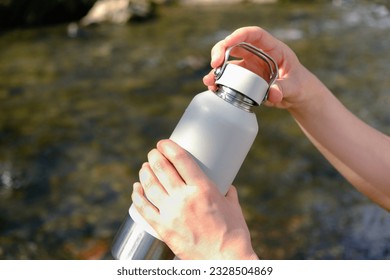
A stock image related to eco water bottle.
In-depth Look: Manufacturing Processes and Quality Assurance for eco water bottle
What Are the Main Stages of Eco Water Bottle Manufacturing?
The manufacturing process of eco water bottles involves several key stages that ensure the final product is both functional and environmentally friendly. Understanding these stages is crucial for B2B buyers looking to source high-quality eco water bottles.
Material Preparation: Sourcing Sustainable Materials
The first step in the manufacturing process is material preparation. Eco water bottles are typically made from sustainable materials such as stainless steel, glass, or biodegradable plastics. Suppliers often prioritize recycled materials, which reduce the environmental footprint. The selection of materials must align with international standards and regulations regarding food safety and environmental impact.
- Recycled Stainless Steel: Many manufacturers utilize stainless steel that is recycled, significantly reducing the carbon footprint associated with new material production.
- Biodegradable Plastics: For some eco water bottles, manufacturers may use biodegradable plastics derived from plant-based sources, ensuring that the product is less harmful to the environment at the end of its lifecycle.
Forming: Shaping the Bottle
Once materials are prepared, the forming stage begins. This involves various techniques depending on the material used:
- Molding for Plastics: Injection molding or blow molding techniques are commonly used for plastic bottles. These processes allow for precise shaping and can incorporate design features such as ergonomics or aesthetic elements.
- Metal Fabrication for Stainless Steel: For stainless steel bottles, processes such as stamping and hydroforming are utilized. These techniques create a seamless, durable product that enhances insulation properties.
Assemblage : Assembler les composants
The assembly stage integrates all components of the eco water bottle. This may include adding features such as lids, straws, or insulation layers. Each component must be assembled with care to ensure functionality.
- Quality Control During Assembly: At this stage, manufacturers often conduct preliminary quality checks to ensure that parts fit correctly and are free from defects.
Finishing: Final Touches and Branding
The finishing stage involves surface treatment, branding, and packaging. This is where the aesthetic aspects of the bottle come into play, including color, texture, and logo placement.
- Surface Treatments: Eco-friendly coatings may be applied to enhance durability and aesthetics without compromising the eco-friendly nature of the product.
- L'image de marque : Custom branding options are often available for B2B buyers, enabling them to differentiate their products in the marketplace.
How Is Quality Assurance Integrated Throughout the Manufacturing Process?
Quality assurance (QA) is a critical component of the manufacturing process for eco water bottles, ensuring that the final product meets both safety and performance standards.
What Are the Relevant International Standards for Eco Water Bottles?
For eco water bottles, adherence to international standards is essential for both safety and marketability. Key standards include:
- ISO 9001: This standard focuses on quality management systems and emphasizes consistent quality in product delivery. Manufacturers seeking ISO certification demonstrate a commitment to meeting customer and regulatory requirements.
- CE Marking: For products sold in the European market, CE marking indicates compliance with health, safety, and environmental protection standards.
- API Standards: In certain cases, particularly for bottles intended for specific industries (like medical or food services), API (American Petroleum Institute) standards may apply.
Quels sont les principaux points de contrôle de la qualité ?
Quality control (QC) is integrated into various stages of the manufacturing process through specific checkpoints:
- Contrôle de la qualité à l'arrivée (IQC) : This involves inspecting raw materials upon arrival to ensure they meet specified quality criteria. Materials that do not pass this inspection are rejected.
- Contrôle de la qualité en cours de fabrication (IPQC) : During the manufacturing process, ongoing inspections help identify any deviations from quality standards. This can include visual inspections and functional testing at various stages of production.
- Contrôle de qualité final (CQF) : Once production is complete, a final round of testing ensures that the finished products meet all specified requirements before they are packaged and shipped.
What Common Testing Methods Are Used for Eco Water Bottles?
Various testing methods are employed to assess the quality and safety of eco water bottles:
- Test d'étanchéité : Ensures that bottles do not leak under normal usage conditions.
- Test thermique : For insulated bottles, thermal performance testing evaluates how well the bottle maintains temperature over time.
- Chemical Testing: This assesses whether harmful chemicals, such as BPA or heavy metals, are present in the materials used.
Comment les acheteurs B2B peuvent-ils vérifier les pratiques de contrôle de la qualité des fournisseurs ?
B2B buyers must take proactive steps to ensure that their suppliers adhere to robust quality control practices. Here are some actionable strategies:
Quelles sont les meilleures pratiques en matière d'audit des fournisseurs ?
Conducting supplier audits is a crucial step in verifying quality control practices. Buyers should:
- Request Documentation: Suppliers should provide documentation of their quality management systems, certifications, and testing protocols.
- On-Site Audits: Whenever possible, buyers should conduct on-site audits to assess the manufacturing environment, equipment, and adherence to quality standards.
How Can Buyers Leverage Third-Party Inspections?
Engaging third-party inspection services can add an additional layer of assurance:
- Independent Verification: Third-party inspectors can provide unbiased evaluations of manufacturing processes and product quality.
- Compliance Checks: These services can verify that suppliers comply with relevant international standards and regulations.
What Are the Quality Control Nuances for International Buyers?
For international B2B buyers, understanding the nuances of quality control is vital:
- Cultural Considerations: Buyers should be aware of cultural differences that may influence communication and negotiation styles regarding quality expectations.
- Regulatory Compliance: Different regions may have specific regulations regarding eco products. Buyers should ensure that their suppliers are compliant with local laws in the markets they serve, such as those in Africa, South America, the Middle East, and Europe.
- Sustainability Certifications: Buyers should look for suppliers that hold sustainability certifications, which can indicate a commitment to eco-friendly practices throughout the manufacturing process.
By understanding the manufacturing processes and quality assurance practices, B2B buyers can make informed decisions when sourcing eco water bottles, ensuring they select suppliers that align with their sustainability goals and quality expectations.
Practical Sourcing Guide: A Step-by-Step Checklist for ‘eco water bottle’
In the quest for sustainable products, eco water bottles have emerged as a crucial item for businesses looking to enhance their green credentials. This guide serves as a practical checklist for B2B buyers aiming to source eco-friendly water bottles effectively. By following these steps, you can ensure that your procurement aligns with sustainability goals while meeting market demand.
Étape 1 : Définir les spécifications techniques
Establish clear specifications for the eco water bottles you wish to procure. Consider factors such as material (e.g., stainless steel, recycled plastics), size options, and insulation features. This step is vital as it directly influences the product’s functionality and appeal to your target market.
- Material Considerations: Opt for bottles made from sustainable materials like stainless steel or BPA-free plastics.
- Capacity Requirements: Determine the sizes that would best meet the needs of your customers—common sizes include 500ml, 750ml, and 1L.
Étape 2 : Research Market Trends and Demand
Understanding current market trends is essential for making informed sourcing decisions. Analyze consumer preferences in your target regions, such as Africa or Europe, focusing on design, functionality, and sustainability.
- Consumer Insights: Utilize market research reports and customer feedback to gauge what features are most desired.
- Regional Preferences: Adapt your offerings based on cultural differences in regions like South America or the Middle East.
Étape 3 : Identify Potential Suppliers
Compile a list of potential suppliers specializing in eco water bottles. Look for manufacturers with a proven track record in sustainability and quality assurance.
- Supplier Reputation: Check online reviews and testimonials to assess reliability.
- Product Range: Ensure the suppliers offer a diverse selection that meets your defined specifications.
Étape 4 : Vérifier les certifications des fournisseurs
Before finalizing any agreements, verify the certifications of your potential suppliers. Certifications can indicate compliance with environmental standards and product safety regulations.
- Eco-Labels: Look for certifications like ISO 14001 (environmental management) or relevant health and safety certifications.
- Sustainability Claims: Ensure that any sustainability claims are backed by third-party certifications or documented practices.
Étape 5 : Demande d'échantillons pour l'évaluation de la qualité
Always request product samples before making a bulk purchase. This allows you to evaluate the quality and functionality of the eco water bottles firsthand.
- Quality Control: Check for durability, insulation effectiveness, and overall design.
- User Experience: Consider how the bottles feel in hand and whether they align with your brand’s image.
Étape 6 : Négocier les conditions et les prix
Once you’ve identified a suitable supplier, engage in negotiations regarding pricing, minimum order quantities, and delivery timelines. This step is critical to ensure that you can maintain profitability while adhering to your sustainability goals.
- Remises en vrac : Inquire about pricing tiers based on order volume.
- Payment Terms: Clarify payment methods and conditions to avoid any future disputes.
Étape 7 : Plan pour la logistique et la distribution
Finally, consider how you will handle logistics and distribution of the eco water bottles. Efficient logistics are essential to ensure timely delivery and customer satisfaction.
- Options d'expédition : Evaluate international shipping methods and costs, especially if sourcing from different continents.
- Inventory Management: Develop a strategy for inventory control to meet market demand without overstocking.
By following this checklist, B2B buyers can streamline the sourcing process for eco water bottles, ensuring they select high-quality products that meet both sustainability standards and market needs.
Comprehensive Cost and Pricing Analysis for eco water bottle Sourcing
What Are the Key Cost Components for Eco Water Bottle Manufacturing?
When sourcing eco water bottles, understanding the cost structure is crucial for effective budgeting and pricing negotiations. The primary cost components include:
-
Matériaux: The choice of materials significantly impacts the cost. Common eco-friendly options include stainless steel, glass, and biodegradable plastics. High-quality, sustainable materials may incur higher costs but can enhance product value and appeal to environmentally conscious consumers.
-
Travail: Labor costs vary by region and can be influenced by local wage standards, skill levels, and labor laws. Countries with lower labor costs may provide attractive sourcing options, but it’s essential to consider the potential impact on product quality and ethical production standards.
-
Frais généraux de fabrication: This encompasses the indirect costs associated with production, such as utilities, equipment maintenance, and facility costs. Efficient manufacturing processes can help minimize these overheads, impacting overall pricing.
-
Outillage: Initial tooling costs for molds and machinery can be significant, particularly for custom designs or unique specifications. However, these costs can be amortized over larger production runs, making economies of scale a critical consideration.
-
Contrôle de la qualité (CQ): Investing in robust QC processes ensures that products meet safety and environmental standards. This may involve additional costs but can prevent costly recalls and enhance brand reputation.
-
Logistique: Transportation and warehousing costs play a vital role in the total cost structure. Factors such as distance, shipping methods, and fuel prices can affect overall logistics expenses.
-
Marge: Finally, suppliers will add their profit margins, which can vary widely based on market demand, competition, and perceived product value.
How Do Price Influencers Affect Eco Water Bottle Sourcing?
Several factors influence the pricing of eco water bottles, which international B2B buyers must consider:
-
Volume/MOQ: Minimum Order Quantities (MOQs) can significantly affect pricing. Larger orders typically result in reduced per-unit costs due to economies of scale. Buyers should assess their needs and negotiate MOQs that align with their sales forecasts.
-
Spécifications et personnalisation: Custom designs, colors, or branding can increase costs. Buyers should clearly define specifications to avoid unexpected expenses and ensure that customization aligns with target market preferences.
-
Matériaux et certifications de qualité: Bottles made from premium, certified materials may carry higher prices. Certifications such as BPA-free or food-safe standards can enhance marketability but come with associated costs.
-
Facteurs liés au fournisseur: Supplier reputation, reliability, and location can influence pricing. Established suppliers may charge a premium for their experience and quality assurance, while newer suppliers may offer competitive pricing to enter the market.
-
Incoterms: Understanding shipping terms is essential for cost management. Different Incoterms (International Commercial Terms) can dictate who bears responsibility for shipping costs, insurance, and customs duties, impacting the total landed cost of goods.
What Are the Best Practices for Negotiating Eco Water Bottle Prices?
B2B buyers can leverage several strategies to optimize their purchasing decisions:
-
Conduct Comprehensive Market Research: Understanding market trends, competitor pricing, and supplier capabilities can empower buyers during negotiations. This knowledge can help establish a fair price range and identify potential suppliers.
-
Focus on Total Cost of Ownership (TCO): Instead of solely considering the purchase price, evaluate the TCO, which includes maintenance, logistics, and potential waste management costs. Sustainable products may offer long-term savings despite higher upfront costs.
-
Build Long-Term Relationships: Cultivating strong relationships with suppliers can lead to better pricing, improved service, and priority during stock shortages. Regular communication and transparency can foster trust and collaboration.
-
Negotiate Payment Terms: Flexible payment terms can improve cash flow and reduce financial pressure. Buyers should explore options such as installment payments or discounts for early payment.
-
Connaître les particularités de la tarification pour les transactions internationales: Different regions may have varying pricing strategies based on local demand and competition. Buyers from Africa, South America, the Middle East, and Europe should consider these nuances while negotiating to avoid pitfalls related to cultural differences and market expectations.
Conclusion
Sourcing eco water bottles requires a thorough understanding of cost structures and price influencers. By strategically navigating these elements, international B2B buyers can make informed decisions that align with their sustainability goals while optimizing their budgets. Keep in mind that indicative prices can vary widely based on the factors outlined, so due diligence is essential for achieving favorable outcomes.
Alternatives Analysis: Comparing eco water bottle With Other Solutions
Introduction to Alternative Solutions for Eco-Friendly Hydration
In the pursuit of sustainable hydration solutions, eco water bottles stand out for their environmental benefits and user-friendly designs. However, B2B buyers should also consider alternative options that may offer unique advantages depending on specific use cases. This analysis compares eco water bottles with two viable alternatives: reusable glass bottles and water purification systems, highlighting their performance, cost, ease of implementation, maintenance, and best use cases.
Tableau de comparaison
| Aspect comparatif | Eco Water Bottle | Reusable Glass Bottle | Water Purification System |
|---|---|---|---|
| Performance | Insulation keeps drinks hot/cold for hours | Durable, non-toxic, taste-free | Provides clean drinking water |
| Coût | Moderate ($20 – $40) | Moderate ($10 – $30) | Higher initial cost ($50 – $200) |
| Facilité de mise en œuvre | Ready to use; portable | Requires careful handling | Installation needed; requires electricity |
| Maintenance | Low; easy to clean | Medium; breakable, requires careful cleaning | High; regular filter changes needed |
| Meilleur cas d'utilisation | On-the-go hydration | Home or office use | Remote areas or emergency situations |
Analyse détaillée des alternatives
Bouteilles en verre réutilisables
Reusable glass bottles are an excellent alternative for eco-conscious consumers who prioritize taste and aesthetics. They are non-toxic and do not retain flavors, making them ideal for those who enjoy flavored beverages. However, they can be fragile and require careful handling, which may not be suitable for all environments, particularly in active or outdoor settings. While they are generally affordable, the potential for breakage can lead to increased costs over time.
Water Purification Systems
Water purification systems, including reverse osmosis and UV filtration, provide a sustainable solution for ensuring access to clean drinking water. These systems are particularly beneficial in regions where water quality is a concern. They offer long-term savings by reducing reliance on bottled water. However, the initial investment can be significant, and maintenance is more involved, requiring regular filter replacements and potential technical support for setup and troubleshooting. This solution is best suited for fixed installations in homes, offices, or communities.
Conclusion : Choisir la bonne solution pour vos besoins
When considering hydration solutions, B2B buyers must assess their specific needs, including the environment in which the product will be used, budget constraints, and maintenance capabilities. Eco water bottles offer a balance of convenience and sustainability for daily use, while reusable glass bottles cater to those who prioritize taste and aesthetics. Water purification systems present a viable option for ensuring safe drinking water in areas where quality is a concern but come with higher costs and maintenance requirements. By evaluating these factors, businesses can make informed decisions that align with their sustainability goals and operational needs.
Essential Technical Properties and Trade Terminology for eco water bottle
What Are the Key Technical Properties of Eco Water Bottles?
When sourcing eco water bottles, understanding their technical properties is essential for ensuring product quality, compliance with regulations, and meeting customer expectations. Here are some critical specifications to consider:
1. Material Grade
The material grade refers to the type and quality of materials used in the production of eco water bottles, commonly stainless steel, aluminum, or BPA-free plastics. Stainless steel, for instance, is favored for its durability, resistance to corrosion, and ability to maintain beverage temperatures. For B2B buyers, selecting high-grade materials is crucial, as it directly impacts the product’s longevity, safety, and environmental impact.
2. Insulation Performance
Insulation performance is measured by the ability of the bottle to maintain beverage temperatures, typically specified in hours (e.g., hot for 12 hours, cold for 24 hours). This property is particularly important for consumers who prioritize functionality in various environments. For businesses, promoting bottles with superior insulation can differentiate their products in a competitive market.
3. Size and Capacity
Eco water bottles come in various sizes, typically ranging from 350 ml to 1000 ml. The capacity affects consumer choice, as different users have distinct hydration needs. B2B buyers should consider the target market—whether catering to outdoor enthusiasts, office workers, or families—to select appropriate sizes for their product offerings.
4. Leak-Proof Design
Leak-proof design ensures that bottles do not spill liquids, making them ideal for travel and daily use. This feature is often achieved through advanced sealing technologies. For wholesalers and retailers, offering leak-proof bottles can enhance customer satisfaction and reduce return rates, thereby improving profitability.
5. Eco-Friendliness Certifications
Certifications such as BPA-free, FDA-approved, or ISO standards indicate that the product meets specific safety and environmental criteria. These certifications are crucial for B2B buyers, as they enhance brand credibility and appeal to environmentally conscious consumers.
6. Color and Customization Options
Color and customization options are increasingly important in the competitive eco water bottle market. Businesses can offer personalized bottles for branding purposes, which can lead to increased sales. A wide range of colors and customization capabilities can attract different consumer segments and enhance marketability.
What Trade Terminology Should B2B Buyers Know for Eco Water Bottles?
Navigating the eco water bottle market requires familiarity with specific trade terms that facilitate effective communication and negotiation. Here are some common jargon terms:
1. OEM (Original Equipment Manufacturer)
OEM refers to a company that produces products that are marketed under another company’s brand. For B2B buyers, working with an OEM can provide access to high-quality products without the need for extensive manufacturing capabilities, allowing businesses to focus on marketing and distribution.
2. MOQ (Minimum Order Quantity)
MOQ is the minimum number of units a supplier is willing to sell in a single order. Understanding MOQ is vital for B2B buyers, as it can impact inventory levels and cash flow. Buyers should negotiate MOQs that align with their sales forecasts to ensure they can meet customer demand without overcommitting resources.
3. RFQ (Request for Quotation)
An RFQ is a document sent to suppliers to request pricing for specific products or services. It typically includes detailed specifications and quantities. For B2B buyers, issuing an RFQ is an effective way to compare prices and terms from multiple suppliers, ensuring they receive competitive offers.
4. Incoterms (conditions commerciales internationales)
Incoterms are a set of internationally recognized rules that define the responsibilities of buyers and sellers in international transactions. Understanding Incoterms is crucial for B2B buyers engaged in cross-border trade, as they clarify who is responsible for shipping costs, insurance, and liability during transport.
5. Sustainability Index
The sustainability index measures a product’s environmental impact and its adherence to sustainable practices. For B2B buyers, evaluating the sustainability index of eco water bottles helps align their purchasing decisions with corporate social responsibility (CSR) goals, appealing to environmentally conscious consumers.
6. Product Lifecycle Management (PLM)
PLM refers to the process of managing a product’s lifecycle from inception through design, manufacturing, and disposal. For B2B buyers, understanding PLM can enhance product development strategies and improve sustainability by minimizing waste and optimizing resource use.
These properties and terms provide a foundational understanding for B2B buyers in the eco water bottle market, enabling informed purchasing decisions that align with business goals and consumer demands.
Navigating Market Dynamics and Sourcing Trends in the eco water bottle Sector
What Are the Current Market Dynamics and Key Trends in the Eco Water Bottle Sector?
The eco water bottle market is witnessing significant growth driven by increasing consumer awareness around sustainability and environmental conservation. Global drivers such as the rise of eco-consciousness, stringent regulations on single-use plastics, and a shift towards healthier lifestyle choices are shaping the landscape. In regions like Africa, South America, the Middle East, and Europe, there is a burgeoning demand for high-quality, reusable water bottles made from sustainable materials. This demand is translating into opportunities for international B2B buyers to source innovative products that align with these values.
Emerging technologies are also playing a critical role in the eco water bottle sector. Companies are leveraging advanced manufacturing processes, such as 3D printing and sustainable materials engineering, to create unique designs and functionalities. For instance, insulated bottles that maintain beverage temperatures for extended periods are becoming increasingly popular. Additionally, customization options, like branding and personal designs, are appealing to businesses looking to differentiate their offerings in a competitive market.
B2B buyers should be aware of the evolving market dynamics, including fluctuating raw material prices and the impact of global trade policies. Understanding regional preferences and regulatory frameworks will be essential for making informed sourcing decisions. As consumer trends continue to lean towards sustainability, B2B buyers must prioritize suppliers that offer eco-friendly solutions and demonstrate a commitment to ethical practices.
How Can Sustainability and Ethical Sourcing Impact B2B Buyers in the Eco Water Bottle Sector?
Sustainability is not merely a trend; it is a crucial factor influencing purchasing decisions in the eco water bottle sector. The environmental impact of single-use plastics is prompting businesses to seek alternatives that minimize waste and promote a circular economy. Ethical sourcing is integral to this transition, as it ensures that materials are responsibly sourced, production processes are environmentally friendly, and labor practices are fair.
B2B buyers should prioritize suppliers that utilize sustainable materials such as recycled stainless steel and BPA-free plastics. Certifications such as Fair Trade, EcoLabel, and Cradle to Cradle signify a commitment to sustainability and ethical practices. These certifications can enhance a brand’s reputation and appeal to a growing segment of eco-conscious consumers.
Moreover, suppliers that engage in transparent supply chains and provide documentation on their sustainability efforts can build trust with B2B buyers. The importance of sustainable sourcing extends beyond compliance; it reflects a company’s values and its commitment to protecting the planet. By integrating sustainability into their sourcing strategies, B2B buyers can not only contribute to environmental preservation but also gain a competitive edge in an increasingly eco-centric market.
What Is the Evolution of the Eco Water Bottle Market Relevant to B2B Buyers?
The eco water bottle market has evolved significantly over the past two decades. Initially dominated by plastic bottles, the sector has transformed in response to growing environmental concerns and consumer demand for sustainable products. The introduction of stainless steel and glass bottles has revolutionized the market, offering durable and reusable alternatives that effectively combat single-use plastic waste.
Innovative designs and functionalities have also emerged, catering to various consumer preferences. From insulated bottles that maintain temperature to collapsible designs for portability, the market has diversified to meet the needs of a wide range of customers. This evolution presents a unique opportunity for B2B buyers to explore a variety of products that align with their brand values and resonate with their target audiences.
As the market continues to grow, B2B buyers should stay informed about emerging trends and technologies that can enhance their product offerings. By understanding the historical context and evolution of the eco water bottle sector, buyers can make strategic sourcing decisions that position their brands for long-term success in a competitive landscape.
Frequently Asked Questions (FAQs) for B2B Buyers of eco water bottle
-
How do I choose the right eco water bottle supplier for my business?
When selecting a supplier for eco water bottles, assess their commitment to sustainability and quality. Look for certifications that confirm their eco-friendly practices, such as ISO 14001 or similar environmental standards. Additionally, evaluate their product range to ensure they can meet your specific needs in terms of design, material, and functionality. Request samples to check the quality firsthand and inquire about their production capacity to ensure they can handle your orders without delays. -
What are the key features to look for in eco water bottles?
Ideal eco water bottles should be made from sustainable materials, such as stainless steel or recycled plastics, and designed for durability. Look for features like double-wall insulation to maintain temperature, a leak-proof design for convenience, and a wide mouth for easy cleaning and adding ice or infusions. Additionally, consider customization options for branding, as well as certifications that guarantee the bottles are BPA-free and safe for consumers. -
What is the minimum order quantity (MOQ) for eco water bottles?
MOQs for eco water bottles can vary significantly among suppliers. Typically, you may find MOQs ranging from 100 to 1,000 units, depending on the manufacturer’s production capabilities and your customization requirements. It’s advisable to discuss your needs with potential suppliers to negotiate terms that align with your business objectives, especially if you are a smaller company or just starting out in the market. -
What are the payment terms commonly offered by eco water bottle suppliers?
Payment terms can differ widely, but many suppliers offer options like a 30% deposit upfront with the remaining balance due upon shipment. Some may provide more favorable terms for larger orders or established businesses. It’s essential to clarify payment methods (bank transfer, credit card, etc.) and any potential financing options that could ease cash flow, especially when dealing with international transactions. -
How can I ensure quality assurance (QA) for eco water bottles?
To maintain quality assurance, establish a clear QA process with your supplier. This may include regular inspections during production, testing samples for durability and safety, and ensuring compliance with international standards. Request documentation that outlines the QA protocols in place, and consider third-party inspections if necessary. Consistent communication with your supplier about quality expectations is crucial to avoid any discrepancies. -
What are the logistics considerations for importing eco water bottles?
When importing eco water bottles, consider factors such as shipping costs, lead times, and customs regulations in your country. Work closely with your supplier to determine the best shipping method (air, sea, or land) based on your budget and urgency. Additionally, ensure that all necessary paperwork, including import licenses and customs declarations, is prepared to facilitate smooth entry into your country. -
How do I handle customization requests for eco water bottles?
To handle customization effectively, communicate your requirements clearly to the supplier, including design specifications, color options, and branding elements. Many suppliers offer design templates or mock-ups, which can help visualize the final product. Be aware of any additional costs associated with customization and the potential impact on lead times, as bespoke orders may require longer production periods. -
What are the environmental benefits of choosing eco water bottles for my business?
By sourcing eco water bottles, your business can significantly reduce its carbon footprint and contribute to the fight against plastic pollution. These bottles are often made from sustainable materials and are designed for repeated use, minimizing reliance on single-use plastics. Additionally, promoting eco-friendly products can enhance your brand’s image and appeal to environmentally conscious consumers, potentially leading to increased sales and customer loyalty.
Avis de non-responsabilité et conditions d'utilisation
⚠️ Avis de non-responsabilité important
Les informations fournies dans ce guide, y compris le contenu concernant les fabricants, les spécifications techniques et l'analyse du marché, sont uniquement destinées à des fins d'information et d'éducation. Elles ne constituent pas un conseil professionnel en matière d'achat, un conseil financier ou un conseil juridique.
Bien que nous ayons fait tout notre possible pour garantir l'exactitude et l'actualité des informations, nous ne sommes pas responsables des erreurs, des omissions ou des informations obsolètes. Les conditions du marché, les détails de l'entreprise et les normes techniques sont susceptibles d'être modifiés.
Les acheteurs B2B doivent faire preuve d'une diligence raisonnable indépendante et approfondie. avant de prendre toute décision d'achat. Il convient notamment de contacter directement les fournisseurs, de vérifier les certifications, de demander des échantillons et de solliciter une consultation professionnelle. Le risque lié à l'utilisation des informations contenues dans ce guide est supporté uniquement par le lecteur.
Top 6 Eco Water Bottle Manufacturers & Suppliers List
1. Ecovessel – The Boulder
Domaine : ecovessel.com
Registered: 2007 (18 years)
Introduction : {‘products’: [{‘name’: ‘The Boulder’, ‘size’: ’24 oz’, ‘features’: ‘Screw Top & Strainer’, ‘price’: ‘$29.99’, ‘original_price’: ‘$36.99’, ‘colors_available’: [‘White Out’, ‘Slate Gray’, ‘Galactic Ocean’, ‘Black Shadow’, ‘Nightfall’, ‘Navy’, ‘Coral Sands’, ‘Forest Horizon’, ‘Mountain Green’, ‘Winter Storm’]}, {‘name’: ‘The Boss’, ‘size’: ’64 oz’, ‘features’: ‘Growler with Screw Top & Infuser’, ‘pri…
2. ECOALF – Stainless Steel Water Bottles
Domaine : ecoalf.com
Registered: 2007 (18 years)
Introduction : This company, ECOALF – Stainless Steel Water Bottles, is a notable entity in the market. For specific product details, it is recommended to visit their website directly.
3. Tupperware – Eco+ Bottle | Small
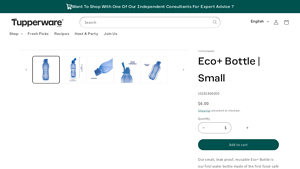
Domaine : tupperware.com
Enregistré : 1995 (30 ans)
Introduction : {“name”: “Eco+ Bottle | Small”, “SKU”: “10181466000”, “price”: “$6.00”, “capacity”: “16 oz./500 mL”, “dimensions”: {“width”: “2.9 inches”, “height”: “8.8 inches”, “length”: “2.9 inches”}, “color”: “Blue”, “features”: [“Made with renewable or circular material”, “Lightweight and leak proof”, “Easy drinking with hygienic covered spout”, “Durable and long-lasting”], “care_instructions”: [“Not suitabl…
4. Ocean Bottle – Reusable Water Bottle
Domaine : oceanbottle.co
Enregistré : 2019 (6 ans)
Introduction : The Ocean Bottle is a reusable water bottle designed to combat plastic pollution. Key features include: 1. For every bottle sold, it funds the collection of 11.4 kg (equivalent to 1,000 plastic bottles) of ocean-bound plastic. 2. Made with a minimum of 67% recycled materials, fully disassemblable for recycling. 3. Comes with a 10-year warranty and free replacement parts for life. 4. Modular design…
5. Eco Promotions – Promotional Water Bottles
Domaine : ecopromotionsonline.com
Registered: 2008 (17 years)
Introduction : Promotional water bottles available in various colors including Bamboo, Blacks, Blues, Browns, Clear, Grays, Greens, Natural/Tan, Oranges, Pinks, Purples, Reds, Whites, Yellows, Marble, Multi-Colored, Pattern, and Tie-Dye. Product categories include Drinkware, with 154 water bottle options, 19 drinkware with straw, 17 travel mugs and tumblers, and various gift sets. Materials used include Stainles…
6. Klean Kanteen – Reusable Water Bottle
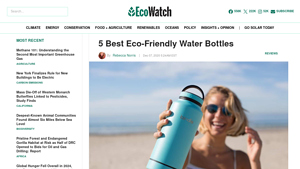
Domaine : ecowatch.com
Enregistré : 1998 (27 ans)
Introduction : Klean Kanteen Reusable Water Bottle: Certified B Corp, supports 1% for the Planet, Climate Neutral Certified, BPA-free, lightweight model available, dishwasher-safe, sizes range from 16 to 64 ounces, various cap options including spill-proof kids sippy-cup-style lids. Soma Reusable Water Bottle: Made of glass with a silicone sleeve for impact absorption, lifetime warranty against breakage.
Strategic Sourcing Conclusion and Outlook for eco water bottle
In the evolving landscape of sustainable products, strategic sourcing of eco water bottles presents a significant opportunity for international B2B buyers. The demand for eco-friendly solutions is driven by increasing awareness of environmental issues and consumer preference for sustainable alternatives. By partnering with manufacturers who prioritize high-quality materials and ethical production, businesses can align with global sustainability goals while enhancing their brand image.
Investing in eco water bottles not only meets the rising consumer demand but also offers a competitive advantage in diverse markets across Africa, South America, the Middle East, and Europe. Collaborating with reputable suppliers ensures that buyers access innovative designs and durable products, which can be marketed effectively to environmentally-conscious consumers.
As we look ahead, the eco water bottle market is poised for growth. B2B buyers are encouraged to engage with suppliers who demonstrate a commitment to sustainability and social responsibility. By prioritizing strategic sourcing, businesses can contribute to a greener future while capitalizing on a lucrative market trend. Embrace this opportunity to lead in sustainability and drive positive change within your industry.
 Français
  English
  Español
  Português
  Deutsch
  العربية
  Русский
  日本語
日本語  한국어
한국어  Italiano
  Nederlands