Introduction: Navigating the Global Market for flavor water bottle
Flavored water bottles have emerged as a transformative solution in the beverage industry, appealing to health-conscious consumers seeking hydration without added sugars or calories. However, B2B buyers face the challenge of navigating a complex global market to source these innovative products effectively. This guide provides a comprehensive resource for international buyers, especially those from Africa, South America, the Middle East, and Europe, including Brazil and Vietnam.
Within these pages, you will explore a variety of flavored water bottle types, including those that utilize scent-based technology and natural fruit infusions. We delve into the various applications of flavored water bottles, from personal use to promotional products for businesses aiming to enhance customer engagement. Additionally, we cover essential aspects of supplier vetting, ensuring quality and reliability, while also discussing cost considerations that can impact your purchasing decisions.
By equipping B2B buyers with critical insights and actionable strategies, this guide empowers you to make informed decisions that align with your market needs and consumer preferences. With the rising demand for healthier beverage options, understanding the flavored water bottle landscape is crucial for staying competitive and meeting customer expectations in diverse international markets.
Understanding flavor water bottle Types and Variations
| Type Name | Key Distinguishing Features | Primary B2B Applications | Brief Pros & Cons for Buyers |
|---|---|---|---|
| Scent-Based Bottles | Uses scent technology to flavor water without additives. | Health and wellness, fitness centers, retail. | Pros: Innovative, no sugars/additives. Cons: May require consumer education. |
| Infuser Bottles | Allows users to add fresh fruits or herbs for flavoring. | Cafés, restaurants, catering services. | Pros: Customizable flavors, promotes fresh ingredients. Cons: Requires maintenance and cleaning. |
| Pre-Flavored Bottles | Bottles come pre-filled with flavored water, ready-to-drink. | Retail, convenience stores, vending machines. | Pros: Convenient, no preparation needed. Cons: Limited flavor options, potential for higher cost. |
| Flavor Cartridges | Modular system where users can change flavors via cartridges. | Home use, office hydration stations. | Pros: Variety of flavors, easy to use. Cons: Ongoing cost for cartridges. |
| Sparkling Flavor Bottles | Carbonated water infused with natural flavors. | Bars, restaurants, event catering. | Pros: Appeals to soda drinkers, refreshing alternative. Cons: Higher production costs, potential for over-sweetening. |
What Are Scent-Based Bottles and Their B2B Applications?
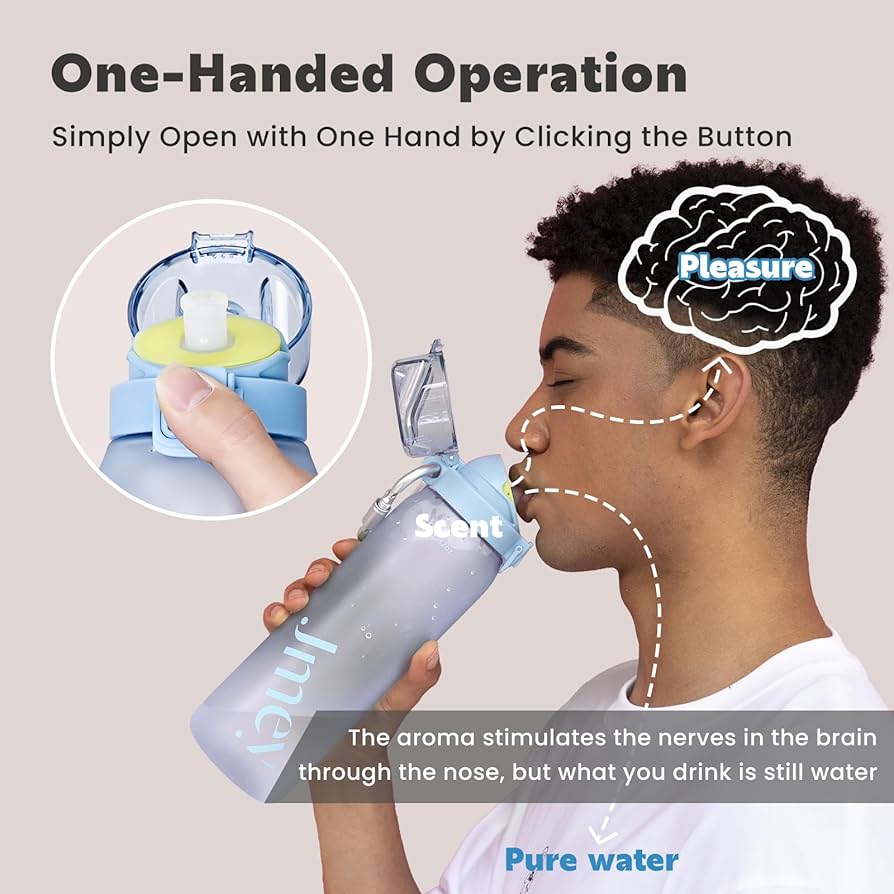
Scent-based bottles utilize innovative technology to infuse plain water with flavor through scent alone, eliminating the need for sugars or artificial additives. This type appeals primarily to health-conscious consumers and businesses focused on wellness, such as fitness centers and health food stores. When considering a purchase, B2B buyers should evaluate the technology’s reliability, the variety of available scents, and the potential for consumer education to maximize product appeal.
How Do Infuser Bottles Work and Where Are They Used?
Infuser bottles allow users to create their own flavored water by adding fresh fruits, herbs, or spices. This customization is particularly popular in cafés, restaurants, and catering services, where fresh ingredients can enhance the overall beverage experience. B2B buyers should consider the ease of cleaning, the durability of the materials, and whether the design encourages customer engagement when selecting infuser bottles for their establishments.
What Are Pre-Flavored Bottles and Their Market Relevance?
Pre-flavored bottles are ready-to-drink options filled with flavored water, catering to consumers looking for convenience. These are ideal for retail environments, convenience stores, and vending machines. B2B buyers should assess the range of flavors offered, shelf stability, and pricing strategy to ensure these products align with market demand and customer preferences.
How Do Flavor Cartridges Enhance the User Experience?
Flavor cartridges provide a modular approach to flavored water, allowing users to switch flavors easily. This system is suitable for home use and office hydration stations, appealing to those seeking variety without the hassle of preparation. Buyers should consider the cost of cartridges, the variety of flavors available, and the user-friendliness of the system when making procurement decisions.
Why Choose Sparkling Flavor Bottles for Your Business?
Sparkling flavor bottles combine carbonated water with natural flavors, offering a refreshing alternative to traditional sodas. They are particularly popular in bars, restaurants, and event catering, where a fizzy beverage can elevate the dining experience. B2B buyers should weigh the production costs against consumer demand for sparkling beverages, as well as consider flavor options to ensure they meet customer expectations.
Key Industrial Applications of flavor water bottle
| Industry/Sector | Specific Application of flavor water bottle | Value/Benefit for the Business | Key Sourcing Considerations for this Application |
|---|---|---|---|
| Hospitality | In-room dining and wellness programs | Enhances guest experience and promotes hydration | Need for durable, attractive designs; compliance with health standards |
| Corporate Wellness | Employee hydration stations | Increases employee productivity and wellness | Custom branding options; bulk purchasing for cost efficiency |
| Fitness and Recreation | Gyms and fitness centers | Encourages hydration during workouts | Variety of flavors to cater to diverse tastes; easy refilling systems |
| Education | School hydration initiatives | Promotes healthy hydration habits among students | Safety certifications; eco-friendly materials for sustainability |
| Retail | Promotional giveaways or loyalty programs | Boosts customer engagement and brand loyalty | Attractive packaging; options for customization and branding |
How Can Flavor Water Bottles Enhance Guest Experience in Hospitality?
In the hospitality sector, flavor water bottles can be integrated into in-room dining services and wellness programs. Hotels can offer these bottles as complimentary items or for sale, enhancing the overall guest experience by providing a refreshing alternative to sugary beverages. This not only increases guest satisfaction but also encourages hydration, contributing to overall wellness. Buyers should prioritize sourcing bottles that are aesthetically pleasing and durable, while ensuring compliance with local health and safety regulations, particularly in regions like Africa and the Middle East where standards may vary.
What Benefits Do Flavor Water Bottles Provide in Corporate Wellness Initiatives?
For corporate wellness programs, flavor water bottles serve as a valuable tool to promote hydration among employees. By placing these bottles in common areas or offering them as part of wellness kits, companies can encourage healthier hydration habits, leading to improved productivity and well-being. B2B buyers in this sector should consider customizable options for branding, as well as bulk purchasing to optimize costs. It’s essential to ensure that the bottles are made from safe, high-quality materials that comply with international standards.
How Do Flavor Water Bottles Encourage Hydration in Fitness Centers?
In gyms and fitness centers, flavor water bottles play a crucial role in motivating members to stay hydrated during workouts. Offering a variety of flavors can cater to diverse preferences, making hydration more appealing. This not only enhances the workout experience but can also lead to increased membership retention as clients appreciate the added value. Buyers should focus on sourcing bottles that are easy to refill and clean, with features that support active lifestyles, such as leak-proof designs.
Why Are Flavor Water Bottles Important for Schools?
Flavor water bottles can be pivotal in educational settings by promoting healthy hydration habits among students. Schools can implement hydration initiatives by providing these bottles as part of their health programs, encouraging children to drink more water throughout the day. Buyers in the education sector must prioritize safety certifications and eco-friendly materials to ensure the products are safe for children and sustainable for the environment.
How Can Retailers Use Flavor Water Bottles to Boost Customer Engagement?
Retail businesses can leverage flavor water bottles as promotional giveaways or loyalty program incentives. By offering these bottles, retailers can enhance customer engagement, encouraging repeat visits and brand loyalty. It’s vital for B2B buyers in retail to source bottles with attractive packaging and customizable branding options, as these features can significantly enhance the promotional impact. Additionally, ensuring a variety of flavors can cater to different customer preferences, making the offering more appealing.
A stock image related to flavor water bottle.
3 Common User Pain Points for ‘flavor water bottle’ & Their Solutions
Scenario 1: Struggling to Meet Diverse Customer Preferences
The Problem: In the competitive beverage market, B2B buyers often face the challenge of catering to a wide range of consumer tastes and preferences. For instance, a distributor supplying flavored water bottles to cafes or gyms may find that a one-size-fits-all approach doesn’t resonate with their diverse clientele. Consumers from different regions or demographics may have varying flavor preferences, leading to unsold inventory and financial losses.
The Solution: To effectively address this challenge, B2B buyers should prioritize sourcing products that offer customizable flavor options. Consider partnering with suppliers that provide a variety of flavor pods, like air up® or Cirkul, which allow consumers to select from multiple flavors without needing to stock numerous flavored water bottles. Implementing a subscription model for flavor pods can also enhance customer engagement, ensuring that clients receive new flavors regularly and can easily adjust their orders based on seasonal trends or customer feedback. This approach not only minimizes inventory risk but also keeps the product offering fresh and exciting for end consumers.
Scenario 2: Concerns About Health and Ingredient Transparency
The Problem: Health-conscious consumers are increasingly scrutinizing the ingredients in their beverages, leading B2B buyers to worry about the potential backlash from offering flavored water products with artificial additives or high sugar content. This is particularly relevant in markets like Europe and South America, where regulatory scrutiny and consumer awareness around health are on the rise. Buyers may fear that stocking products that don’t align with these values could damage their reputation and sales.
The Solution: To alleviate these concerns, B2B buyers should focus on sourcing flavored water bottles that emphasize natural ingredients and transparency. Collaborate with brands that offer products free from artificial flavors, sweeteners, and preservatives, such as Hint Water or those utilizing Scentaste™ technology. Highlight these health benefits in marketing materials to build trust with consumers. Furthermore, consider providing educational resources about the health advantages of flavored water, such as increased hydration without the added sugars, which can be shared with retail partners to promote informed purchasing decisions.
Scenario 3: Managing Supply Chain and Inventory Efficiency
The Problem: B2B buyers often struggle with the complexities of managing supply chains and maintaining optimal inventory levels for flavored water products. Fluctuations in demand can lead to either overstocking, which ties up capital and storage space, or understocking, which results in missed sales opportunities. This is especially critical in regions experiencing rapid growth in flavored beverage consumption, such as parts of Africa and the Middle East.
The Solution: To enhance supply chain efficiency, B2B buyers should implement a data-driven inventory management system that leverages sales forecasts and consumer trends. Utilizing a just-in-time (JIT) inventory approach can help reduce waste and minimize storage costs. Additionally, establishing strong relationships with suppliers who can provide flexible shipping options and timely restocking will ensure that inventory levels can be adjusted according to real-time sales data. Incorporating automated inventory tracking software can also streamline the ordering process, allowing businesses to respond swiftly to changes in demand while maintaining adequate stock levels.
Strategic Material Selection Guide for flavor water bottle
When selecting materials for flavor water bottles, it is essential to consider properties that affect performance, durability, and compliance with international standards. Below is an analysis of four common materials used in flavor water bottle manufacturing: Tritan™ copolyester, stainless steel, glass, and polyethylene (PET).
What are the Key Properties of Tritan™ Copolyester for Flavor Water Bottles?
Tritan™ copolyester is a popular choice for flavor water bottles due to its excellent clarity, toughness, and resistance to impact. It can withstand temperatures up to 100°C (212°F), making it suitable for both hot and cold beverages. Tritan™ is also BPA-free, which aligns with health and safety regulations in many markets.
Pros and Cons: Tritan™ is lightweight and shatter-resistant, which enhances portability. However, it can be more expensive than traditional plastics and may not be as resistant to scratches over time. Its durability makes it suitable for repeated use, appealing to eco-conscious consumers.
Impact on Application: Tritan™ copolyester is compatible with a variety of flavoring agents, ensuring that the integrity of the flavors is maintained. Its resistance to odors and stains is a significant advantage in the flavored beverage market.
Considerations for International Buyers: Compliance with safety standards such as FDA regulations in the U.S. and EU food contact regulations is crucial. Buyers from regions like Africa and South America should also consider local regulations regarding plastics.
How Does Stainless Steel Perform in Flavor Water Bottle Applications?
Stainless steel is renowned for its durability and corrosion resistance. It can handle extreme temperatures and is often rated for high-pressure applications, making it ideal for flavor water bottles designed for active lifestyles.
Pros and Cons: Stainless steel is highly durable and can last a lifetime if maintained properly. However, it is heavier than plastic alternatives and can be more expensive to manufacture. The manufacturing process is also more complex, requiring specialized equipment.
Impact on Application: Stainless steel does not retain flavors or odors, ensuring that each beverage tastes fresh. It is also compatible with various flavoring agents, making it versatile for different product lines.
Considerations for International Buyers: Buyers should ensure that the stainless steel complies with international standards such as ASTM or DIN for food safety. Additionally, the cost of shipping heavier materials should be factored into pricing strategies, especially for markets in the Middle East and Africa.
What Advantages Does Glass Offer for Flavor Water Bottles?
Glass is a classic material known for its inert properties, meaning it does not react with flavoring agents. It offers excellent clarity and aesthetic appeal, making it a popular choice for premium flavor water bottles.
Pros and Cons: Glass is completely recyclable and does not leach chemicals, which appeals to environmentally conscious consumers. However, it is heavy and prone to breakage, which can be a drawback for portability and shipping.
Impact on Application: Glass bottles maintain the purity of flavors and are suitable for both still and sparkling beverages. They are also compatible with a wide range of flavoring agents without compromising taste.
Considerations for International Buyers: Compliance with safety standards such as EU regulations on glass containers is essential. Buyers should also consider the logistics of shipping glass, particularly in regions with less developed infrastructure.
How Does Polyethylene (PET) Compare for Flavor Water Bottles?
Polyethylene terephthalate (PET) is a lightweight plastic commonly used in beverage packaging. It has a good temperature tolerance and is resistant to impact, making it suitable for flavor water bottles.
Pros and Cons: PET is cost-effective and widely recyclable, making it a popular choice for manufacturers. However, it is less durable than Tritan™ or stainless steel and can be susceptible to scratching and clouding over time.
Impact on Application: PET is compatible with various flavoring agents and maintains the integrity of the flavors. However, it may not be suitable for hot beverages due to its lower temperature resistance.
Considerations for International Buyers: Buyers should ensure compliance with recycling standards and food safety regulations in their respective markets. In regions like South America, where recycling infrastructure may be less developed, the sustainability of PET can be a concern.
Summary Table of Material Selection for Flavor Water Bottles
| Material | Typical Use Case for flavor water bottle | Key Advantage | Key Disadvantage/Limitation | Relative Cost (Low/Med/High) |
|---|---|---|---|---|
| Tritan™ Copolyester | Reusable flavored water bottles | Shatter-resistant and BPA-free | Higher cost and scratches over time | Medium |
| Stainless Steel | Premium flavor water bottles | Extremely durable and corrosion-resistant | Heavier and more expensive to manufacture | High |
| Glass | High-end flavored water bottles | Inert and recyclable | Heavy and prone to breakage | Medium to High |
| Polyethylene (PET) | Single-use or low-cost flavored bottles | Cost-effective and lightweight | Less durable and lower temperature resistance | Low |
This strategic material selection guide provides valuable insights for B2B buyers in diverse international markets, helping them make informed decisions based on performance, cost, and compliance considerations.
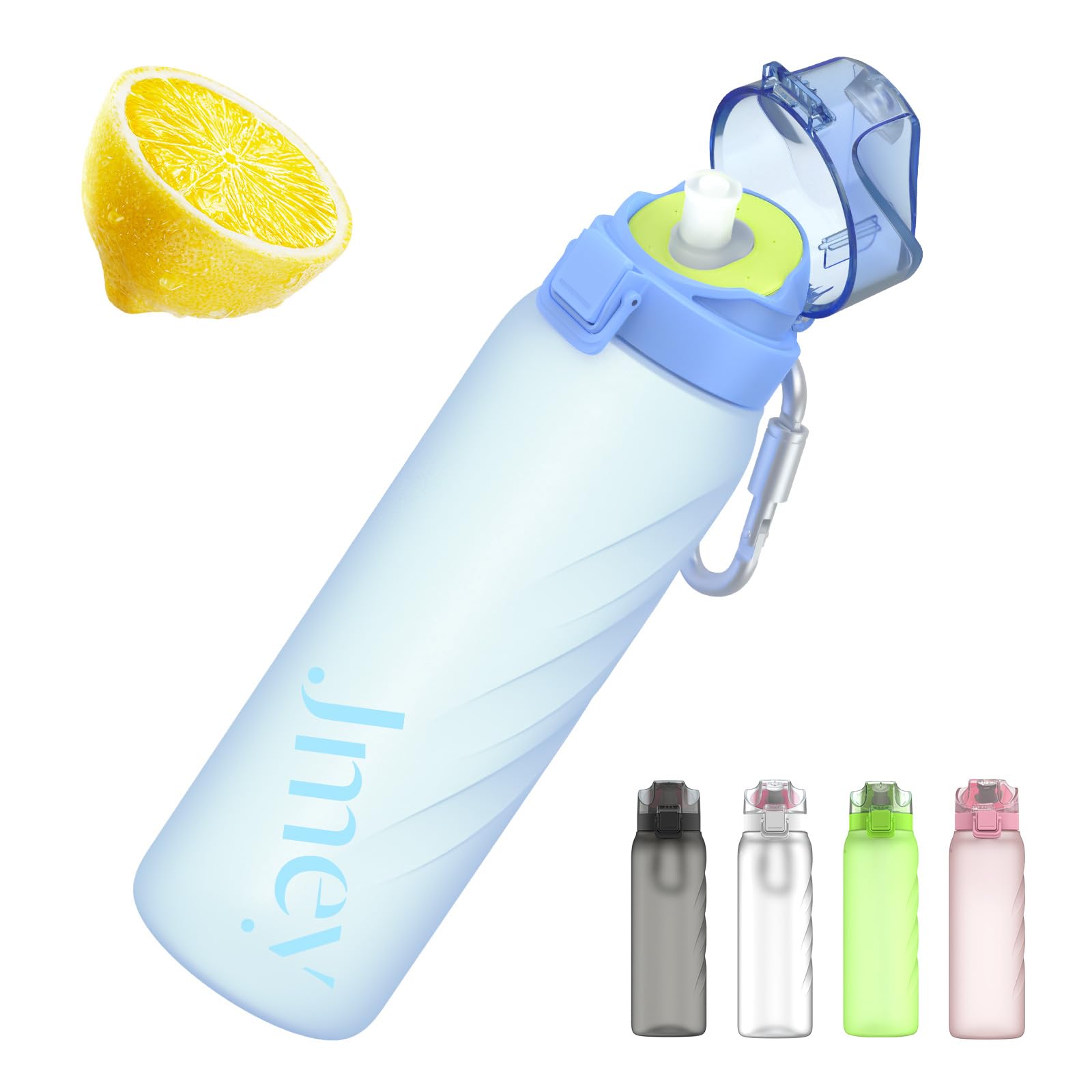
A stock image related to flavor water bottle.
In-depth Look: Manufacturing Processes and Quality Assurance for flavor water bottle
What Are the Main Stages in the Manufacturing Process of Flavor Water Bottles?
The manufacturing process for flavor water bottles involves several key stages, each critical to ensuring the quality and functionality of the final product. Here’s a breakdown of the main stages:
1. Material Preparation
The first step in manufacturing flavor water bottles is material preparation. Typically, the primary materials used are food-grade plastics, such as PET (polyethylene terephthalate) or Tritan, which are safe for contact with beverages. Manufacturers must ensure that all materials comply with international safety standards, such as FDA regulations or EU food contact materials legislation. This stage often includes sourcing materials from certified suppliers to guarantee their quality.
2. Forming
Once the materials are prepared, the next step is forming. This can involve various techniques, including blow molding or injection molding, to create the desired shape of the bottle. Blow molding is particularly popular for producing lightweight and durable bottles. During this stage, manufacturers must pay close attention to the design specifications to ensure that the bottles have the correct dimensions and can accommodate the flavor infusion system, if applicable.
3. Assembly
After forming, the next phase is assembly. For flavor water bottles that use innovative flavoring systems, such as pods or cartridges, this stage involves integrating these components into the bottle design. This process may require precision assembly techniques to ensure that the flavor delivery system functions correctly and remains leak-proof. Ensuring that all components fit securely is crucial for maintaining product integrity.
4. Finishing
The final manufacturing stage is finishing, which may include labeling, branding, and packaging. This is where manufacturers apply any necessary coatings or treatments to enhance the bottle’s appearance and functionality, such as UV protection or anti-slip surfaces. Packaging is also important for protecting the bottles during transport and ensuring they reach the buyer in optimal condition.
What International Standards Should Be Considered for Quality Assurance in Flavor Water Bottle Production?
Quality assurance is a critical aspect of the manufacturing process, particularly for products intended for human consumption. Here are some relevant international standards and certifications that B2B buyers should consider:
ISO 9001 Certification
ISO 9001 is an international standard that specifies requirements for a quality management system (QMS). Companies that achieve ISO 9001 certification demonstrate their commitment to quality and continuous improvement. Buyers should inquire whether their suppliers hold this certification, as it indicates a structured approach to quality management throughout the manufacturing process.
CE Marking
For products sold within the European Economic Area, CE marking is essential, signifying compliance with health, safety, and environmental protection standards. This marking assures buyers that the flavor water bottles meet EU regulations, thus facilitating smoother market entry in Europe.
API Standards
If the flavor water bottle includes specific elements like flavoring agents or additives, manufacturers may also need to comply with API (Active Pharmaceutical Ingredient) standards. These regulations ensure that any flavoring substances used are safe and of high quality.
What Are the Key Quality Control Checkpoints in Flavor Water Bottle Manufacturing?
Quality control (QC) checkpoints are vital for ensuring that each product meets the required standards before it reaches the market. Here are the primary QC checkpoints:
Incoming Quality Control (IQC)
IQC involves inspecting raw materials and components upon arrival at the manufacturing facility. This step ensures that all materials meet specified quality standards and are free from defects. It is essential for maintaining the integrity of the final product.
In-Process Quality Control (IPQC)
During the manufacturing process, IPQC is performed to monitor production activities and ensure that the processes are being carried out according to established protocols. This may involve regular inspections and testing of the bottles at various stages of production to catch any defects early.
Final Quality Control (FQC)
FQC is the last line of defense before products are shipped to customers. This step includes thorough testing of finished bottles for functionality, safety, and aesthetics. Common tests may include leak testing, pressure testing, and sensory evaluation of flavor delivery systems.
How Can B2B Buyers Verify Supplier Quality Control Practices?
B2B buyers must take proactive steps to verify the quality control practices of their suppliers. Here are some effective methods:
Supplier Audits
Conducting supplier audits is an effective way to assess a manufacturer’s quality control processes. Audits can be comprehensive and cover everything from material sourcing to production practices. Buyers should request to review audit reports to ensure suppliers adhere to established standards.
Quality Reports
Regular quality reports from suppliers can provide insights into their QC processes and the results of various testing methods. Buyers should ask for documentation that details the outcomes of IQC, IPQC, and FQC activities.
Third-Party Inspections
Engaging third-party inspection services can add an additional layer of assurance. These independent organizations can verify that the supplier meets all relevant quality standards and regulations. This is especially important for international buyers, as it provides an unbiased assessment of product quality.
What Are the Quality Control and Certification Nuances for International B2B Buyers?
International B2B buyers, particularly from regions like Africa, South America, the Middle East, and Europe, should be aware of several nuances regarding quality control and certification:
Regulatory Compliance
Different regions have varying regulatory requirements for food contact materials. Buyers must ensure that suppliers are compliant with both local and international regulations. For example, what is permissible in the EU might not be acceptable in Africa or South America.
Language and Documentation
Language barriers can pose challenges when reviewing quality documentation. Buyers should ensure that all quality reports, certifications, and compliance documents are available in a language they understand.
Import Regulations
Buyers should familiarize themselves with import regulations specific to their region, including any required certifications or testing that must accompany products upon entry. This knowledge can help avoid delays and ensure compliance with local laws.
Conclusion
Understanding the manufacturing processes and quality assurance protocols involved in producing flavor water bottles is essential for B2B buyers. By focusing on the main stages of production, relevant international standards, quality control checkpoints, and methods for verifying supplier practices, buyers can make informed decisions that ensure product quality and compliance. This comprehensive approach is particularly important in the dynamic and diverse markets of Africa, South America, the Middle East, and Europe, where regulatory landscapes and consumer expectations continue to evolve.
Practical Sourcing Guide: A Step-by-Step Checklist for ‘flavor water bottle’
Introduction
Sourcing flavored water bottles can be a strategic move for businesses looking to enhance their product offerings. This guide provides a step-by-step checklist to help B2B buyers navigate the procurement process effectively. By following these steps, you can ensure that your sourcing aligns with your business goals, meets customer demands, and complies with regional regulations.
Step 1: Define Your Target Market
Understanding your target market is essential for making informed sourcing decisions. Identify the demographics, preferences, and hydration habits of your potential customers. This insight will help you select flavors and bottle designs that resonate with your audience, enhancing customer satisfaction and driving sales.
Step 2: Set Technical Specifications
Clearly outline the technical specifications for your flavored water bottles. Consider factors such as material (e.g., BPA-free plastic, stainless steel), capacity (e.g., 500ml, 1L), and additional features (e.g., infuser capability, easy-to-use caps). Establishing these specifications upfront will streamline the sourcing process and ensure that you receive products that meet your quality standards.
Step 3: Research Potential Suppliers
Conduct thorough research to identify potential suppliers who specialize in flavored water bottles. Utilize industry directories, trade shows, and online platforms to compile a list of candidates. Focus on suppliers with a strong track record, positive customer reviews, and relevant certifications, as these factors can significantly impact product quality and reliability.
Step 4: Evaluate Supplier Capabilities
Before making a decision, assess the capabilities of your shortlisted suppliers. Inquire about their production capacity, lead times, and quality control processes. It’s crucial to partner with suppliers who can meet your demand without compromising on quality, as this will help you maintain a consistent product offering.
Step 5: Request Samples and Conduct Testing
Request samples from potential suppliers to evaluate the quality of their flavored water bottles. Conduct thorough testing to ensure the bottles are durable, leak-proof, and easy to clean. Additionally, consider taste testing the flavored options to assess whether they align with your target market’s preferences.
Step 6: Verify Certifications and Compliance
Ensure that your suppliers adhere to relevant industry standards and regulations. Verify certifications such as ISO, FDA, or EU food safety compliance, which demonstrate a commitment to quality and safety. This step is particularly important for businesses operating in regions with strict regulations regarding food and beverage products.
Step 7: Negotiate Terms and Finalize Contracts
Once you’ve selected a supplier, negotiate terms of the agreement, including pricing, payment schedules, delivery timelines, and warranty policies. Be clear about your expectations and ensure that all terms are documented in a formal contract. This will protect your interests and help establish a strong working relationship with your supplier.
By following this checklist, B2B buyers can effectively source flavored water bottles that meet their business needs while ensuring quality and compliance.
Comprehensive Cost and Pricing Analysis for flavor water bottle Sourcing
What are the Key Cost Components in Sourcing Flavor Water Bottles?
When sourcing flavored water bottles, understanding the cost structure is crucial for B2B buyers. The primary cost components include materials, labor, manufacturing overhead, tooling, quality control (QC), logistics, and profit margins.
-
Materials: High-quality materials such as BPA-free plastics, stainless steel for bottles, and natural flavoring agents will significantly influence overall costs. Buyers should evaluate suppliers based on their sourcing practices for raw materials, as this can impact both price and product quality.
-
Labor: Labor costs vary by region. For instance, manufacturing in Southeast Asia may offer lower labor costs compared to Europe or North America. However, it’s essential to consider the skill level and expertise required in production, especially for products with intricate designs or quality requirements.
-
Manufacturing Overhead: This includes utilities, factory maintenance, and administrative costs. Efficient manufacturing practices can lower overhead and, in turn, reduce the price per unit.
-
Tooling: Initial costs for molds and specialized machinery can be significant, particularly for custom designs. Buyers should discuss tooling costs upfront and consider sharing them with suppliers to optimize pricing.
-
Quality Control (QC): Investing in QC processes ensures the end product meets safety standards and customer expectations, which is essential for flavored water products. Proper QC can prevent costly recalls and enhance brand reputation.
-
Logistics: Transportation costs are influenced by the distance between the supplier and the buyer, as well as the chosen shipping method. Understanding Incoterms (International Commercial Terms) is vital, as they dictate responsibilities for shipping, insurance, and tariffs.
-
Margin: Suppliers typically include a profit margin in their pricing. This can vary widely depending on market demand, competition, and the perceived value of the product.
How Do Price Influencers Affect Flavor Water Bottle Sourcing?
Several factors can influence pricing in flavored water bottle sourcing, impacting the final cost for buyers.
-
Volume/MOQ (Minimum Order Quantity): Larger orders often lead to lower per-unit costs due to economies of scale. B2B buyers should negotiate MOQs that align with their inventory and sales forecasts.
-
Specifications and Customization: Custom designs or unique flavor formulations can increase costs. Buyers should evaluate whether the added expense aligns with market demand and potential profitability.
-
Materials and Quality Certifications: Higher-quality materials and certifications (e.g., FDA, ISO) can command premium prices. Buyers should assess their target market’s preferences for quality and certifications to ensure alignment with their pricing strategy.
-
Supplier Factors: The supplier’s reputation, production capacity, and reliability can affect pricing. Establishing a solid relationship with suppliers can lead to better terms and pricing.
What Negotiation and Cost-Efficiency Tips Should B2B Buyers Consider?
To optimize sourcing for flavored water bottles, B2B buyers should adopt several strategic approaches:
-
Negotiate Terms: Engage suppliers in discussions about payment terms, lead times, and volume discounts. Building a long-term partnership can yield better pricing and reliability.
-
Consider Total Cost of Ownership (TCO): Evaluate not just the upfront costs but the long-term implications of sourcing decisions. TCO includes logistics, storage, and potential wastage due to quality issues.
-
Pricing Nuances for International Buyers: Buyers from Africa, South America, the Middle East, and Europe should be aware of additional costs like tariffs and taxes, which can significantly impact the final price. Understanding regional market dynamics can also provide leverage in negotiations.
Conclusion and Disclaimer
The costs associated with sourcing flavored water bottles can vary widely based on multiple factors, including material quality, manufacturing processes, and supplier relationships. Buyers should approach sourcing with a comprehensive understanding of these dynamics to ensure cost-effectiveness. Note that the prices mentioned in this analysis are indicative and can fluctuate based on market conditions, supplier negotiations, and geopolitical factors.
Alternatives Analysis: Comparing flavor water bottle With Other Solutions
Introduction to Alternative Solutions for Flavoring Water
In the pursuit of enhancing hydration experiences, flavored water bottles offer a unique solution that infuses regular water with various tastes. However, B2B buyers may encounter several alternative methods that achieve similar hydration goals. Understanding these alternatives—such as flavored water packets, ready-to-drink flavored waters, and carbonation systems—can help businesses select the most suitable option for their needs.
Comparison Table
| Comparison Aspect | Flavor Water Bottle | Flavored Water Packets | Ready-to-Drink Flavored Water |
|---|---|---|---|
| Performance | Infuses water with natural flavors through scent; encourages increased water intake | Provides instant flavoring; customizable based on water volume | Convenient, pre-flavored hydration with consistent taste |
| Cost | Moderate upfront cost; ongoing costs for flavor pods | Low initial cost; depends on frequency of use | Higher price per serving; bulk purchasing options may reduce cost |
| Ease of Implementation | Requires purchase of bottles and pods; straightforward usage | Simple to carry and use; requires mixing with water | No preparation needed; ready to consume |
| Maintenance | Occasional cleaning; replacement of flavor pods | Minimal; purchase of new packets as needed | No maintenance; purchase as needed |
| Best Use Case | Ideal for users seeking a sustainable and customizable hydration solution | Perfect for on-the-go flavoring; great for bulk users | Best for convenience-focused consumers or businesses looking for ready-to-serve options |
Detailed Breakdown of Alternatives
Flavored Water Packets
Flavored water packets are an attractive alternative for businesses that require flexibility and portability. These single-use or bulk packets can be easily mixed into water, providing a quick flavor boost without the need for specialized equipment. The primary advantage is their low cost and convenience; however, they may contain artificial sweeteners or preservatives that some consumers prefer to avoid. Furthermore, while they allow for customizable flavor intensity, they do not offer the same sensory experience as a flavored water bottle.
Ready-to-Drink Flavored Water
Ready-to-drink flavored waters are ideal for businesses prioritizing convenience. These beverages come pre-flavored and can be consumed immediately, making them suitable for busy environments like offices or gyms. The downside is the higher cost per serving compared to other options, which may not align with budget-conscious B2B buyers. Additionally, the environmental impact of single-use packaging can be a concern for businesses aiming to adopt sustainable practices. Despite these drawbacks, their consistent flavor and ease of access make them a popular choice.
Conclusion: How to Choose the Right Solution for Your Needs
When selecting a hydration solution, B2B buyers should consider their specific needs, budget constraints, and the preferences of their target market. Flavor water bottles are excellent for businesses looking to promote sustainability and a customizable experience. In contrast, flavored water packets offer versatility and low cost, while ready-to-drink options excel in convenience. By evaluating the performance, cost, ease of implementation, maintenance, and best use cases of each solution, businesses can make informed decisions that align with their operational goals and customer expectations.
Essential Technical Properties and Trade Terminology for flavor water bottle
What Are the Key Technical Properties of a Flavor Water Bottle?
When sourcing flavor water bottles for your business, understanding their technical properties is essential for ensuring product quality, compliance, and customer satisfaction. Here are several critical specifications to consider:
-
Material Grade
The material used in flavor water bottles is crucial for both durability and safety. Common materials include BPA-free plastics and stainless steel. BPA-free plastics ensure that no harmful chemicals leach into the water, while stainless steel provides longevity and insulation. For B2B buyers, selecting the right material can affect product life cycle, customer perception, and regulatory compliance. -
Volume Capacity
The volume capacity of flavor water bottles typically ranges from 500 ml to 1.5 liters. It’s important to consider what capacity aligns with your target market’s preferences. Larger bottles may appeal to fitness enthusiasts who require more hydration, while smaller options can attract consumers looking for convenience. Understanding volume capacity helps in inventory management and meeting customer needs. -
Flavor Pod Compatibility
Many innovative flavor water bottles come with a system for interchangeable flavor pods. Each pod is designed to infuse a certain amount of flavor into the water, often indicated by the number of liters it can flavor effectively. B2B buyers should evaluate the compatibility of pods with different bottle models to ensure a seamless customer experience and encourage repeat purchases. -
Leak Resistance
A leak-proof design is vital for consumer satisfaction and product reliability. Bottles should feature secure lids and seals that prevent spills during transport or while in use. For B2B buyers, selecting products that guarantee leak resistance can reduce returns and enhance brand reputation. -
Weight and Portability
The weight of the bottle can impact its portability, especially for active consumers. Lightweight designs are favored for easy carrying, particularly in outdoor or fitness contexts. B2B buyers should consider the target demographic and their lifestyle needs when evaluating weight specifications. -
Temperature Retention
Some flavor water bottles are designed with insulation to maintain the temperature of the water. This feature is particularly appealing in markets with extreme temperatures. Understanding temperature retention capabilities can help B2B buyers position their products effectively in various climates.
What Are Common Trade Terms Used in the Flavor Water Bottle Industry?
Navigating the flavored water bottle market requires familiarity with industry-specific jargon. Here are several essential terms:
-
OEM (Original Equipment Manufacturer)
An OEM produces products that are sold under another company’s brand. For B2B buyers, partnering with an OEM can provide opportunities for custom branding and tailored products without incurring the costs associated with manufacturing. -
MOQ (Minimum Order Quantity)
MOQ refers to the minimum number of units a supplier requires for an order. Understanding MOQ is critical for B2B buyers as it affects inventory levels and financial commitments. Negotiating favorable MOQs can optimize purchasing strategies. -
RFQ (Request for Quotation)
An RFQ is a document sent to suppliers to request pricing and terms for specific products. This process helps B2B buyers compare offers and negotiate better deals. Crafting a clear RFQ can streamline procurement and ensure alignment with budgetary constraints. -
Incoterms (International Commercial Terms)
Incoterms define the responsibilities of buyers and sellers in international transactions, including shipping, insurance, and tariffs. Familiarity with these terms is crucial for B2B buyers engaged in global sourcing, as they dictate cost allocation and risk management. -
Customization Options
This term refers to the ability to modify standard products to meet specific customer needs, such as unique colors, branding, or features. Offering customization can enhance product appeal and customer loyalty, making it a valuable consideration for B2B buyers. -
Sustainability Certifications
Certifications that validate eco-friendly practices or materials used in manufacturing. For B2B buyers, these certifications can serve as a competitive advantage, appealing to environmentally conscious consumers and aligning with corporate social responsibility goals.
By grasping these technical properties and trade terms, B2B buyers can make informed decisions that enhance their product offerings and meet market demands effectively.
Navigating Market Dynamics and Sourcing Trends in the flavor water bottle Sector
What Are the Current Market Dynamics and Key Trends in the Flavor Water Bottle Sector?
The global flavored water bottle market is experiencing significant growth, driven by rising health consciousness among consumers and the increasing demand for convenient hydration solutions. International B2B buyers, particularly from Africa, South America, the Middle East, and Europe, are keenly interested in innovative products that cater to diverse consumer preferences. A notable trend is the shift towards products that offer natural flavors without added sugars or preservatives, as seen in brands like air up® and Hint Water. This aligns with a broader global movement towards healthier lifestyle choices.
Additionally, advancements in technology are shaping sourcing practices in this sector. Brands are leveraging digital platforms for direct-to-consumer sales, enhancing customer engagement through subscription models, and utilizing social media for marketing. These strategies not only streamline the supply chain but also provide valuable insights into consumer preferences. For B2B buyers, understanding these technological shifts is crucial for sourcing products that resonate with local markets, especially in emerging economies where consumer behavior is rapidly evolving.
Another emerging trend is the customization of flavors and packaging, catering to local tastes and preferences. For instance, flavored water brands are exploring unique flavor combinations that reflect regional palates, such as tropical fruit blends popular in South America and refreshing mint infusions favored in the Middle East. This localization strategy is vital for B2B buyers looking to enhance their product offerings in competitive markets.
How Does Sustainability and Ethical Sourcing Impact the Flavor Water Bottle Industry?
Sustainability is becoming a cornerstone of the flavored water bottle industry, with environmental concerns driving both consumer choices and B2B sourcing strategies. Buyers are increasingly prioritizing suppliers that demonstrate a commitment to reducing their environmental footprint. This includes using eco-friendly materials for packaging, such as recycled plastics and biodegradable options. Brands that adopt sustainable practices not only appeal to environmentally conscious consumers but also enhance their brand reputation and marketability.
Furthermore, ethical sourcing is gaining prominence as consumers demand transparency in supply chains. B2B buyers are encouraged to seek suppliers who can provide evidence of ethical practices, including fair labor conditions and responsible sourcing of ingredients. Certifications such as Fair Trade and organic labels can serve as indicators of a supplier’s commitment to ethical practices, providing assurance to buyers looking to build a socially responsible brand.
The adoption of ‘green’ certifications and materials also presents an opportunity for differentiation in the market. Suppliers that utilize innovative, sustainable materials can create a competitive edge, appealing to a growing segment of eco-conscious consumers. For international buyers, aligning with brands that prioritize sustainability can enhance their market position, especially in regions where environmental regulations are becoming more stringent.
What is the Brief Evolution and History of the Flavor Water Bottle Market?
The evolution of the flavored water bottle market reflects broader shifts in consumer preferences and health trends over the past few decades. Initially dominated by sugary soft drinks, the market began to transform in the early 2000s as consumers became more health-conscious. The introduction of flavored water as a healthier alternative marked a significant turning point, as brands started to innovate with natural flavors and functional ingredients.
The rise of lifestyle branding around hydration and wellness has further propelled the market forward, with brands emphasizing the benefits of hydration for overall health. This evolution has been particularly impactful in international markets, where cultural attitudes towards hydration and health vary widely. As a result, the flavored water sector continues to adapt, responding to local tastes and preferences while maintaining a focus on health and wellness. This adaptability is crucial for B2B buyers seeking to enter or expand in diverse global markets.
Frequently Asked Questions (FAQs) for B2B Buyers of flavor water bottle
-
How do I solve the issue of sourcing high-quality flavored water bottles?
To source high-quality flavored water bottles, begin by identifying reputable suppliers through platforms like Alibaba, Global Sources, or trade shows. Request samples to evaluate the product’s quality, including taste, materials, and packaging. It’s also beneficial to check for certifications such as ISO or FDA approval, which ensure compliance with safety standards. Engage in direct communication with suppliers to discuss their manufacturing processes, sourcing of flavoring agents, and quality assurance measures. This thorough vetting process can help mitigate risks and ensure you receive a product that meets your standards. -
What is the best flavor water bottle for enhancing hydration among consumers?
The best flavor water bottle for enhancing hydration typically features innovative technology that infuses water with natural flavors without added sugars or preservatives. Brands utilizing scent-based flavoring, such as air up®, allow users to enjoy a variety of flavors through aroma alone, making hydration more appealing. Bottles that offer customizable flavor options and easy-to-replace flavor pods can cater to diverse consumer preferences, enhancing customer satisfaction and repeat purchases. Additionally, consider bottles made from eco-friendly materials, as sustainability is increasingly important to consumers. -
What are the minimum order quantities (MOQs) for flavored water bottles?
Minimum order quantities (MOQs) for flavored water bottles can vary significantly based on the supplier and the customization options requested. Generally, MOQs may range from 500 to 5,000 units for standard products. However, if you require specific branding or unique flavor formulations, the MOQ may be higher. It’s crucial to discuss your requirements with potential suppliers early in the negotiation process to align on quantities and pricing. Some suppliers may offer flexibility for first-time buyers or bulk orders, so exploring multiple options can yield favorable terms. -
What payment terms should I expect when sourcing flavored water bottles internationally?
When sourcing flavored water bottles internationally, payment terms typically include options such as a deposit followed by a balance payment upon shipment or delivery. Commonly, suppliers may request a 30% deposit upfront, with the remaining 70% due before shipping. It’s essential to clarify these terms during negotiations and ensure they align with your cash flow capabilities. Additionally, consider using secure payment methods like letters of credit or escrow services to mitigate risks. Always have a clear contract in place to protect both parties in the transaction. -
How can I ensure the quality of flavored water bottles from my suppliers?
To ensure the quality of flavored water bottles, implement a robust quality assurance (QA) process that includes pre-shipment inspections and regular audits of the supplier’s production facilities. Establish clear quality criteria based on your product specifications, including material safety, flavor consistency, and packaging integrity. Request samples for testing before placing larger orders, and consider third-party testing for additional assurance. Building a strong relationship with your supplier can also enhance communication regarding quality expectations and facilitate quicker resolutions to any issues. -
What logistics considerations should I keep in mind when importing flavored water bottles?
When importing flavored water bottles, logistics considerations include shipping methods, customs regulations, and lead times. Choose a reliable freight forwarder familiar with your destination country’s import regulations to navigate customs smoothly. Consider the best shipping method (air vs. sea) based on your timeline and budget. Be aware of potential duties and taxes that may apply upon arrival, as these can significantly affect overall costs. Planning for adequate lead times is essential, especially if you are launching a product, to ensure stock availability aligns with market demand. -
How can I customize flavored water bottles to meet market preferences?
Customizing flavored water bottles can be achieved through various approaches, including selecting unique flavor profiles, designing personalized labels, and choosing specific bottle shapes or sizes. Collaborate with suppliers who offer flexibility in product development, allowing you to test different flavor combinations that resonate with your target market. Additionally, consider incorporating local preferences and trends in your design and marketing strategies. Engaging in consumer surveys or focus groups can provide valuable insights into what flavors and designs will appeal most to your audience. -
What are the current trends in flavored water bottles that I should be aware of?
Current trends in flavored water bottles include a growing demand for health-focused options, such as zero-calorie and sugar-free beverages. Consumers are increasingly looking for products with natural ingredients and no artificial additives, making brands that prioritize clean labels more appealing. Sustainability is also a significant trend, with eco-friendly materials and refillable designs gaining traction. Furthermore, innovative flavor delivery systems, such as those utilizing scent, are becoming popular as they offer a novel hydration experience. Keeping abreast of these trends can help you align your product offerings with consumer expectations.
Important Disclaimer & Terms of Use
⚠️ Important Disclaimer
The information provided in this guide, including content regarding manufacturers, technical specifications, and market analysis, is for informational and educational purposes only. It does not constitute professional procurement advice, financial advice, or legal advice.
While we have made every effort to ensure the accuracy and timeliness of the information, we are not responsible for any errors, omissions, or outdated information. Market conditions, company details, and technical standards are subject to change.
B2B buyers must conduct their own independent and thorough due diligence before making any purchasing decisions. This includes contacting suppliers directly, verifying certifications, requesting samples, and seeking professional consultation. The risk of relying on any information in this guide is borne solely by the reader.
Top 5 Flavor Water Bottle Manufacturers & Suppliers List
1. Air Up – Flavored Water Bottle with Scentaste™ Technology
Domain: shop.air-up.com
Registered: 2018 (7 years)
Introduction: Flavored water bottle that uses Scentaste™ technology to turn plain water into flavored water through scent. 100% natural ingredients with no sugar, sweeteners, or additives. Available in 25+ flavors including Cherry Cola and Wild Berry. Each flavor pod infuses up to 4 gallons of water and lasts for at least 1.3 gallons. Users reported doubled water intake, improved memory and focus, better skin, …
2. Cirkul – Key Hydration Products
Domain: drinkcirkul.com
Registered: 2016 (9 years)
Introduction: Cirkul offers a variety of hydration products including flavor cartridges, bottles, and starter kits. Key product details include:
– Flavor cartridges priced at $3.75 each, with discounts for auto-ship options:
– 4-Pack: $3.75/cartridge
– 6-Pack: $3.33/cartridge
– 8-Pack: $3.38/cartridge
– 16-Pack: $3.06/cartridge
– Free shipping on orders over $15.
– Variety packs available, such a…
3. Hint Water – Flavored Water Products
Domain: drinkhint.com
Registered: 2004 (21 years)
Introduction: Hint Water offers flavored water products with the following key details: 1. Product Types: Still, Sparkling, Smashups, Variety Packs, and Office Water Delivery. 2. Top-Selling Flavors: Grape, Watermelon, Blackberry, Peach Raspberry, Coconut. 3. Packaging: Each flavor is available in cases of twelve 16-oz. bottles. 4. Pricing: Each case is priced at $22.99. 5. Nutritional Information: Zero diet sw…
4. Air Up – Scentaste Water Bottle
Domain: reviewed.com
Registered: 2001 (24 years)
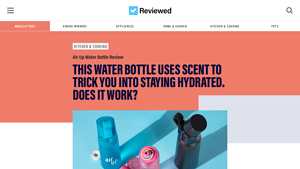
Introduction: Air Up Water Bottle uses patented Scentaste technology to create a unique drinking experience by using scent pods that trick the brain into perceiving flavored water while drinking plain water. The bottle comes in various options, including plastic and stainless steel, and offers over 15 different flavor pods. Pros include a unique drinking experience and a wide variety of flavors, while cons incl…
5. Target – Flavored Water Bottles & Stainless Steel Options
Domain: target.com
Registered: 1997 (28 years)
Introduction: This company, Target – Flavored Water Bottles & Stainless Steel Options, is a notable entity in the market. For specific product details, it is recommended to visit their website directly.
Strategic Sourcing Conclusion and Outlook for flavor water bottle
In conclusion, the strategic sourcing of flavored water bottles presents a compelling opportunity for international B2B buyers, particularly in rapidly growing markets across Africa, South America, the Middle East, and Europe. As consumer preferences shift towards healthier, low-calorie hydration options, brands like air up®, Hint Water, and Cirkul are pioneering innovative solutions that cater to this demand. The ability to offer a diverse range of natural flavors without added sugars or artificial ingredients not only enhances product appeal but also aligns with global health trends.
Investing in strategic sourcing can significantly reduce costs while increasing product variety and quality. By establishing robust supplier relationships, businesses can ensure consistent supply chains and capitalize on emerging flavor trends that resonate with local tastes.
As you evaluate your sourcing strategies, consider the evolving landscape of flavored water products. Embrace this opportunity to differentiate your offerings and meet the increasing consumer demand for refreshing, health-conscious beverages. The future of flavored water is bright—join the wave of innovation and elevate your product portfolio today.