Introduction: Navigating the Global Market for large metal water bottle
In today’s environmentally conscious market, sourcing large metal water bottles presents a unique challenge for international B2B buyers. With growing concerns over sustainability and the increasing demand for reusable products, it is essential for businesses to identify reliable suppliers that can provide high-quality, durable options. This comprehensive guide addresses the diverse types of large metal water bottles available, their various applications—from corporate gifts to outdoor adventures—and the critical factors to consider when vetting suppliers.
Buyers from regions such as Africa, South America, the Middle East, and Europe will find this guide particularly valuable as it delves into cost considerations, material specifications, and innovative design features that appeal to a global audience. We aim to equip decision-makers with the knowledge needed to make informed purchasing choices, ensuring that their investments align with both market trends and consumer expectations.
By understanding the dynamics of the large metal water bottle market, businesses can enhance their product offerings, meet sustainability goals, and ultimately foster customer loyalty. This guide serves as an essential resource for navigating the complexities of sourcing, empowering B2B buyers to capitalize on the growing demand for sustainable hydration solutions.
Understanding large metal water bottle Types and Variations
| Type Name | Key Distinguishing Features | Primary B2B Applications | Brief Pros & Cons for Buyers |
|---|---|---|---|
| Insulated Water Bottles | Double-wall vacuum insulation for temperature retention | Outdoor events, corporate gifts, sports | Pros: Keeps drinks hot or cold; durable. Cons: Heavier than non-insulated options. |
| Non-Insulated Water Bottles | Lightweight, single-wall construction | Travel, fitness, promotional giveaways | Pros: Lighter, often cheaper. Cons: No temperature retention. |
| Wide Mouth Bottles | Larger openings for easy filling and cleaning | Camping, hiking, bulk hydration | Pros: Easy to fill with ice; easy to clean. Cons: Can be bulky. |
| Specialty Sport Bottles | Designed with straws or spouts for easy drinking | Fitness centers, sports teams | Pros: Convenient for active use; often leak-proof. Cons: May require more maintenance. |
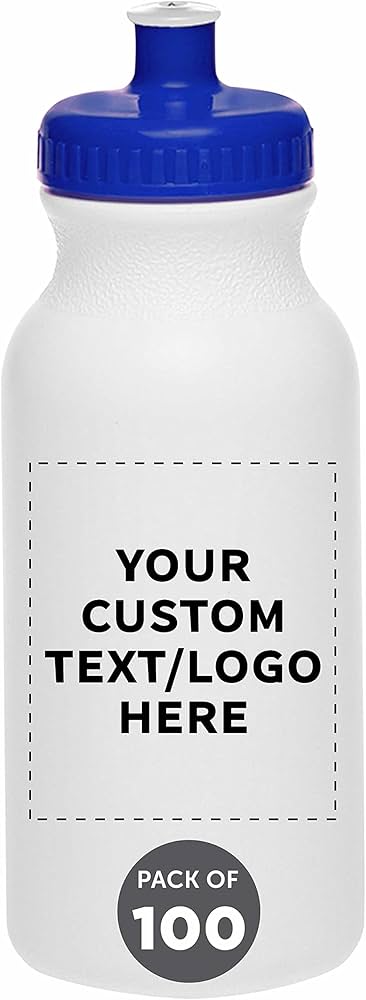
| Customizable Bottles | Options for branding, colors, and sizes | Corporate branding, events, promotions | Pros: Enhances brand visibility; versatile. Cons: Minimum order quantities may apply. |
What are the Key Characteristics of Insulated Water Bottles?
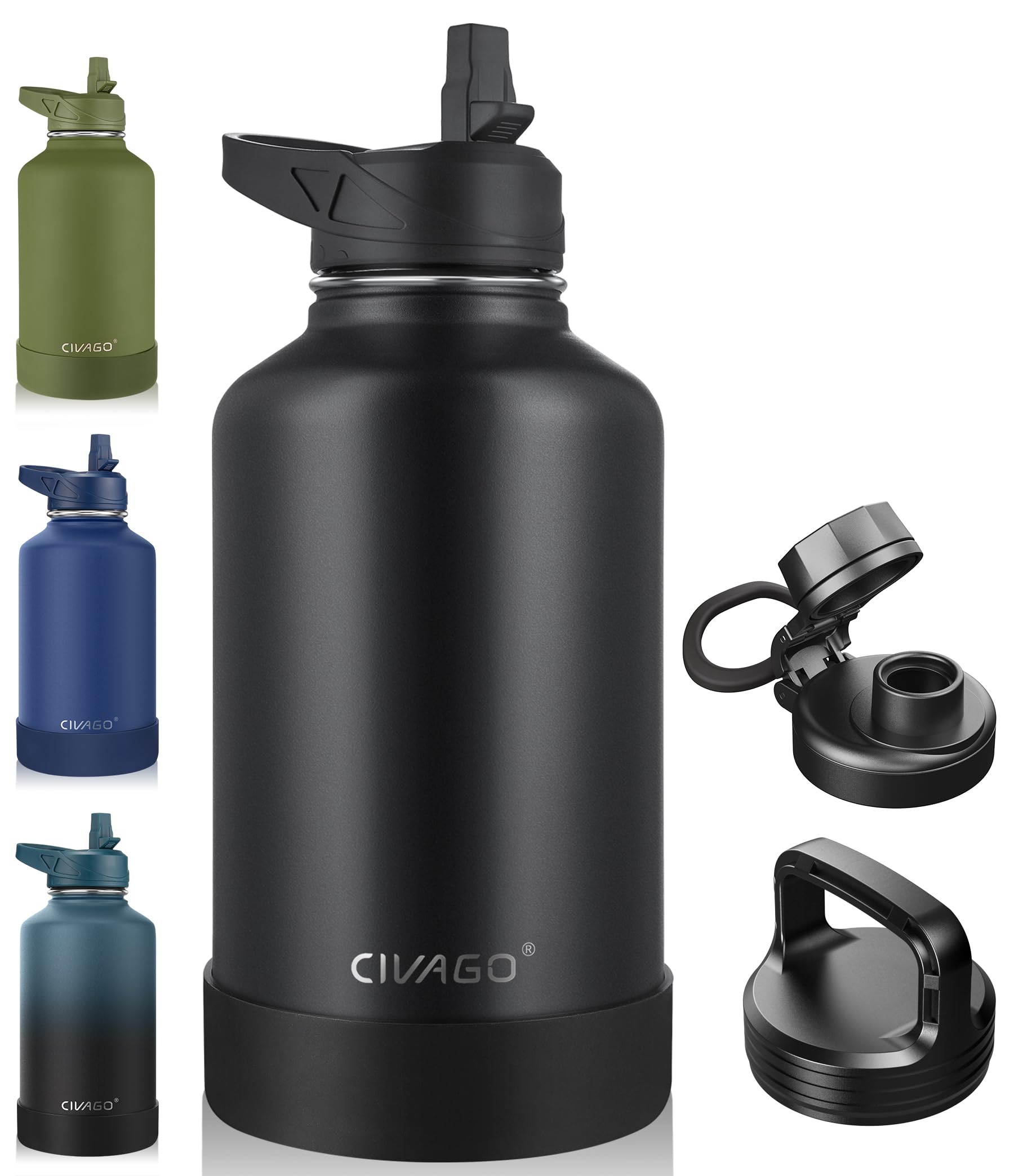
Insulated water bottles feature a double-wall vacuum construction that provides excellent temperature retention, keeping beverages hot or cold for extended periods. They are typically made from durable stainless steel, making them suitable for rugged outdoor use. B2B buyers often utilize these bottles for outdoor events, corporate gifts, or sports activities where maintaining beverage temperature is essential. When purchasing, consider factors like insulation efficiency, lid design, and the bottle’s weight, as these can impact usability and transport.
Why Choose Non-Insulated Water Bottles?
Non-insulated water bottles are lightweight and made from single-wall stainless steel, making them ideal for travel, fitness, and promotional giveaways. Their design is straightforward, focusing on functionality without the added weight of insulation. B2B applications include corporate gifts where branding is essential, as they can be customized at a lower cost. Buyers should consider the trade-off between price and functionality, as these bottles do not retain temperature but are often more budget-friendly.
What are the Benefits of Wide Mouth Bottles?
Wide mouth bottles are characterized by their larger openings, which facilitate easy filling, pouring, and cleaning. This feature makes them particularly popular among campers and hikers who may want to add ice or clean the bottle thoroughly. B2B buyers in the outdoor and recreational sectors find these bottles advantageous for bulk hydration needs. When selecting wide mouth bottles, consider the ease of cleaning and the potential for added accessories, like filters or straws, which can enhance usability.
How Do Specialty Sport Bottles Enhance Hydration?
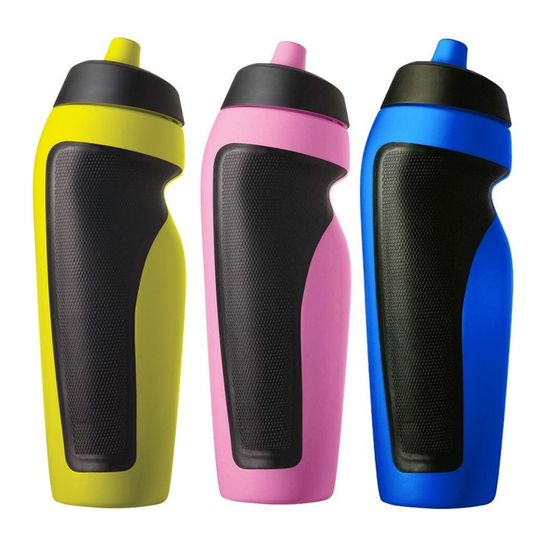
Specialty sport bottles are designed with features such as straws or spouts, allowing for quick sips during physical activities. They often come with leak-proof designs, making them suitable for gyms, fitness centers, and sports teams. B2B buyers should evaluate the convenience of the drinking mechanism, ease of cleaning, and the overall durability of the materials used. These bottles are particularly valuable in settings where hydration is a priority, and quick access to water is necessary.
Why Consider Customizable Bottles for Branding?
Customizable bottles offer businesses the opportunity to enhance brand visibility through personalized designs, colors, and sizes. They are ideal for corporate branding, events, and promotions, allowing companies to create a unique identity. B2B buyers should consider minimum order quantities and lead times when selecting customizable options, as these factors can impact inventory management. Additionally, assess the quality of the printing or engraving to ensure that the brand remains visible over time, even with regular use.
Key Industrial Applications of large metal water bottle
| Industry/Sector | Specific Application of large metal water bottle | Value/Benefit for the Business | Key Sourcing Considerations for this Application |
|---|---|---|---|
| Outdoor Recreation | Used by adventure tourism companies for guided tours | Enhances customer experience by providing durable, eco-friendly hydration options | Ensure bottles are lightweight, insulated, and customizable for branding |
| Corporate Wellness | Provided in employee wellness programs | Promotes hydration, reduces single-use plastic waste, and enhances corporate sustainability image | Look for bulk purchasing options and customizable designs for branding |
| Food and Beverage | Utilized in cafes and restaurants for serving drinks | Offers a sustainable alternative to single-use cups, appealing to eco-conscious customers | Consider design compatibility with food service regulations and ease of cleaning |
| Education | Distributed in schools and universities | Encourages healthy hydration habits among students while reducing plastic waste | Source bottles that are safe, durable, and available in child-friendly designs |
| Sports and Fitness | Used in gyms and fitness centers | Provides members with convenient hydration solutions, enhancing their workout experience | Evaluate options for customization and durability to withstand frequent use |
How are Large Metal Water Bottles Used in Outdoor Recreation?
In the outdoor recreation industry, large metal water bottles are essential tools for adventure tourism companies. These businesses often lead guided tours through natural landscapes, where access to clean water can be limited. By providing customers with durable, eco-friendly hydration options, companies enhance the overall experience while promoting sustainability. Buyers in this sector should prioritize lightweight and insulated designs that can be branded with their logo, ensuring visibility and reinforcing their commitment to environmental responsibility.
What Role Do Large Metal Water Bottles Play in Corporate Wellness Programs?
Corporate wellness programs increasingly incorporate large metal water bottles as part of their initiatives to promote healthy habits among employees. By supplying these bottles, companies encourage staff to stay hydrated throughout the day, which can boost productivity and overall well-being. Additionally, using reusable bottles helps to reduce the reliance on single-use plastics, aligning with corporate sustainability goals. When sourcing, businesses should consider bulk purchasing options and the ability to customize designs to reflect their brand identity.
How Are Large Metal Water Bottles Beneficial in the Food and Beverage Sector?
In the food and beverage industry, large metal water bottles serve as an eco-friendly alternative to single-use cups. Cafes and restaurants can use these bottles to serve drinks, appealing to environmentally conscious consumers. Offering beverages in durable, stylish metal bottles can enhance the dining experience and encourage customers to return. Buyers should focus on sourcing bottles that comply with food service regulations, are easy to clean, and can be customized to align with the establishment’s branding.
Why Are Large Metal Water Bottles Important in Educational Settings?
Educational institutions are increasingly adopting large metal water bottles as part of their efforts to promote healthy hydration habits among students. Schools and universities provide these bottles to encourage students to drink water rather than sugary beverages, contributing to better health outcomes. Additionally, the use of reusable bottles helps reduce plastic waste on campuses. Buyers in this sector should prioritize sourcing bottles that are safe for children, durable enough for daily use, and available in designs that appeal to students.
How Do Large Metal Water Bottles Enhance Sports and Fitness Experiences?
In gyms and fitness centers, large metal water bottles are vital for providing members with convenient hydration solutions. These bottles help athletes and fitness enthusiasts stay hydrated during workouts, improving performance and recovery. The durability of metal bottles ensures they can withstand the rigors of frequent use, while their aesthetic appeal can enhance the overall gym environment. When sourcing, fitness centers should evaluate options for customization to foster a sense of community and brand loyalty among members.
A stock image related to large metal water bottle.
3 Common User Pain Points for ‘large metal water bottle’ & Their Solutions
Scenario 1: Managing Supply Chain Disruptions for Large Metal Water Bottles
The Problem: B2B buyers often face supply chain disruptions, particularly when sourcing large metal water bottles. Factors such as global shipping delays, customs regulations, and fluctuating metal prices can lead to unexpected shortages. This unpredictability can be particularly challenging for businesses that rely on these products for corporate gifting, promotional events, or retail sales, as it may affect their reputation and customer satisfaction.
The Solution: To mitigate supply chain issues, buyers should establish strong relationships with multiple suppliers across different regions. This diversification can provide a buffer against localized disruptions. Additionally, buyers should consider implementing just-in-time inventory practices, allowing them to order based on demand forecasts. Utilizing data analytics tools can help predict trends and optimize order quantities, reducing excess inventory and minimizing costs. Regularly communicating with suppliers about their capabilities and challenges will also help buyers stay informed and prepared for potential disruptions.
Scenario 2: Ensuring Product Quality and Compliance Standards
The Problem: Another common challenge faced by B2B buyers is ensuring that large metal water bottles meet quality and safety standards. With varying regulations across countries—especially in Africa, South America, the Middle East, and Europe—products that are compliant in one market may not be acceptable in another. This can lead to costly recalls, loss of customer trust, and legal issues.
The Solution: Buyers should conduct thorough due diligence when selecting suppliers by requiring detailed documentation of quality certifications and compliance with international standards, such as ISO 9001 or FDA regulations. It’s also advisable to request samples for independent testing before placing bulk orders. Implementing a quality assurance program that includes regular audits of suppliers will help ensure that products consistently meet the required standards. Additionally, staying updated on local regulations and engaging legal counsel familiar with international trade can help navigate compliance challenges effectively.
Scenario 3: Addressing Design and Usability Concerns
The Problem: Many B2B buyers encounter issues with the design and usability of large metal water bottles. Features such as cap designs, mouth openings, and weight can significantly affect user experience. If the bottles are difficult to clean or do not fit standard cup holders, they may not be well-received by end-users, leading to negative feedback and reduced sales.
The Solution: To address these concerns, buyers should prioritize user-centered design principles when sourcing large metal water bottles. Conducting market research to understand user preferences can inform the selection process. For instance, options with wide mouths for easy filling and cleaning, as well as leak-proof caps that are user-friendly, should be favored. Furthermore, incorporating feedback from initial product launches can guide future purchases. Buyers should also consider offering a variety of designs and sizes to cater to different user needs, ensuring broader appeal and enhancing customer satisfaction. Collaborating with manufacturers who are open to customization can further enhance product offerings and meet specific market demands.
Strategic Material Selection Guide for large metal water bottle
What Are the Key Materials Used in Large Metal Water Bottles?
When selecting materials for large metal water bottles, several options stand out due to their unique properties and suitability for various applications. The most common materials include stainless steel, aluminum, and titanium. Each material has distinct characteristics that can significantly influence product performance, durability, and overall cost.
How Does Stainless Steel Perform in Large Metal Water Bottles?
Stainless steel, particularly 18/8 food-grade stainless steel, is a popular choice for large metal water bottles. It offers excellent corrosion resistance, making it suitable for various environments, including humid and coastal areas. Stainless steel can withstand high temperatures and pressures, ensuring that it maintains structural integrity even under extreme conditions.
Pros: Stainless steel is durable, resistant to rust and staining, and does not impart flavors to liquids. It is also relatively easy to clean and maintain, which is essential for hygiene, especially in B2B applications.
Cons: The primary drawback is its weight, which can be a consideration for users who prioritize portability. Additionally, stainless steel can be more expensive than other materials, impacting overall production costs.
Impact on Application: Stainless steel is compatible with a wide range of liquids, including acidic beverages, making it ideal for diverse markets.
Considerations for International Buyers: Compliance with international standards such as ASTM and DIN is crucial. Buyers should also consider the availability of stainless steel in their region and the associated import costs.
What Are the Advantages of Aluminum in Large Metal Water Bottles?
Aluminum is another commonly used material for large metal water bottles. It is lightweight and offers good resistance to corrosion, especially when anodized. This makes aluminum bottles easy to carry, appealing to consumers who require portability.
Pros: The lightweight nature of aluminum allows for easier transportation and handling. It can be produced at a lower cost than stainless steel, making it an attractive option for budget-conscious buyers.
Cons: While aluminum is resistant to corrosion, it can be prone to denting and scratching, which may affect the aesthetic appeal over time. Additionally, aluminum bottles often require a liner to prevent leaching of flavors, which can complicate manufacturing.
Impact on Application: Aluminum is suitable for non-acidic beverages. However, it may not be the best choice for acidic liquids, as they can react with the aluminum and affect the taste.
Considerations for International Buyers: Buyers should ensure that aluminum bottles meet local health and safety regulations. Understanding the market’s preferences for lightweight options can also guide purchasing decisions.
Why Is Titanium Considered a Premium Material for Large Metal Water Bottles?
Titanium is a premium material known for its exceptional strength-to-weight ratio and corrosion resistance. It is significantly more durable than both stainless steel and aluminum, making it an appealing option for high-end markets.
Pros: Titanium is lightweight, non-reactive, and extremely durable. It can withstand extreme temperatures and is resistant to corrosion, making it suitable for various environments.
Cons: The main limitation of titanium is its cost, which is considerably higher than both stainless steel and aluminum. This can restrict its use to niche markets or premium product lines.
Impact on Application: Titanium’s non-reactive nature allows it to be used with all types of liquids, including acidic beverages, without any risk of flavor alteration.
Considerations for International Buyers: Buyers should be aware of the higher price point and assess whether the target market can support premium pricing. Compliance with international standards is also essential, particularly for high-performance applications.
Summary Table of Material Selection for Large Metal Water Bottles
| Material | Typical Use Case for large metal water bottle | Key Advantage | Key Disadvantage/Limitation | Relative Cost (Low/Med/High) |
|---|---|---|---|---|
| Stainless Steel | General-purpose, outdoor activities | Excellent durability and corrosion resistance | Heavier than aluminum | High |
| Aluminum | Sports, travel, everyday use | Lightweight and cost-effective | Prone to denting and scratching | Medium |
| Titanium | High-end, extreme conditions | Superior strength and corrosion resistance | Very high cost | High |
This guide provides essential insights into material selection for large metal water bottles, helping international B2B buyers make informed decisions based on performance, cost, and market preferences.

A stock image related to large metal water bottle.
In-depth Look: Manufacturing Processes and Quality Assurance for large metal water bottle
What Are the Key Manufacturing Processes for Large Metal Water Bottles?
The manufacturing of large metal water bottles involves several key stages, each critical to ensuring the final product meets quality and safety standards. The main stages include material preparation, forming, assembly, and finishing.
How Is Material Prepared for Large Metal Water Bottles?
The primary material used in manufacturing large metal water bottles is stainless steel, often specified as 18/8 food-grade stainless steel due to its resistance to rust and corrosion. Initially, the raw steel is sourced in large coils. These coils undergo cutting and shearing processes to create flat sheets of the desired thickness.
Quality checks are conducted at this stage to ensure that the steel meets international standards for food safety. This includes verifying the composition of the steel, which should contain at least 18% chromium and 8% nickel, providing durability and resistance to tarnishing.
What Techniques Are Used in Forming Large Metal Water Bottles?
Forming is a critical stage where the flat sheets of stainless steel are transformed into the shape of a water bottle. This is typically done through processes like deep drawing, which involves using a die to press the sheet into a bottle shape.
Advanced techniques such as hydroforming may also be employed, where high-pressure fluid is used to mold the steel into complex shapes, enhancing the bottle’s structural integrity while minimizing waste.
After forming, the bottles undergo an initial inspection to check for any defects, such as dents or uneven surfaces, which could affect both aesthetics and functionality.
How Are Large Metal Water Bottles Assembled?
Once the forming process is complete, the next stage is assembly. This involves attaching components such as the lid, spouts, and any insulation materials if the bottle is designed to maintain temperature.
The assembly is typically done using automated machinery to ensure precision and reduce labor costs. However, some manufacturers may use manual assembly for more complex designs or customizations.
Quality control checkpoints are established here to ensure that all components fit correctly and that the assembly process does not compromise the bottle’s integrity.
What Finishing Processes Are Employed for Large Metal Water Bottles?
The finishing stage is essential for both aesthetics and functionality. It includes processes such as polishing, coating, and printing.
Polishing enhances the appearance of the stainless steel, giving it a sleek and shiny finish. A protective coating may also be applied to enhance resistance to scratches and fingerprints.
If branding is required, printing techniques such as laser engraving or screen printing can be used to apply logos or other designs on the bottle. This stage also involves rigorous quality checks to ensure that the finish meets customer specifications.
What Quality Assurance Standards Are Relevant for Large Metal Water Bottles?
Quality assurance is critical in the manufacturing process to ensure that large metal water bottles meet international safety and quality standards.
Which International Standards Should B2B Buyers Be Aware Of?
Many manufacturers adhere to ISO 9001, a widely recognized quality management standard that outlines criteria for an effective quality management system. This certification ensures that processes are in place to consistently provide products that meet customer and regulatory requirements.
In addition to ISO standards, industry-specific certifications like CE marking (for products sold in Europe) and API (American Petroleum Institute) certifications may also apply, especially if the bottles are intended for specialized uses.
What Are the Key QC Checkpoints in the Manufacturing Process?
Quality control checkpoints are strategically placed throughout the manufacturing process. The key checkpoints include:
-
Incoming Quality Control (IQC): This is where raw materials are inspected before they enter the production line. The stainless steel coils must meet specific standards for quality and composition.
-
In-Process Quality Control (IPQC): During the forming and assembly stages, inspections are conducted to ensure that each step meets the required specifications.
-
Final Quality Control (FQC): Once the bottles are fully assembled and finished, they undergo a final inspection. This includes checking for leaks, verifying the functionality of caps and spouts, and ensuring that the finish meets quality standards.
How Can B2B Buyers Verify Supplier Quality Control?
B2B buyers must take proactive measures to ensure that their suppliers adhere to stringent quality control processes.
What Audit Processes Should Buyers Consider?
One of the most effective ways to verify a supplier’s quality control is through audits. Buyers can request to conduct on-site audits to assess the manufacturing processes, quality control systems, and compliance with international standards.
Additionally, buyers should ask for quality assurance reports that outline testing methods and results. These reports provide insights into the supplier’s performance and adherence to quality standards.
What Role Do Third-Party Inspections Play?
Engaging third-party inspection services can further validate the supplier’s quality control processes. These organizations specialize in assessing manufacturing practices and can provide an unbiased evaluation of the supplier’s compliance with international standards.
What Are the Specific QC Considerations for International B2B Buyers?
For international buyers, especially from regions like Africa, South America, the Middle East, and Europe, additional considerations may come into play.
How Do Import Regulations Affect Quality Assurance?
Understanding import regulations is crucial as different countries have varying requirements for product safety and quality. Buyers must ensure that the products comply with local regulations, which may include additional certifications beyond those required by the manufacturer.
Furthermore, cultural differences in business practices can affect communication and expectations regarding quality assurance. Establishing clear agreements and maintaining open lines of communication is essential to ensure that both parties are aligned on quality expectations.
By understanding the comprehensive manufacturing processes and quality assurance protocols, B2B buyers can make informed decisions, ensuring that the large metal water bottles they procure meet their quality and safety standards while effectively serving their market needs.
Practical Sourcing Guide: A Step-by-Step Checklist for ‘large metal water bottle’
Introduction
This guide serves as a practical checklist for B2B buyers seeking to procure large metal water bottles. Given the increasing demand for sustainable and reusable products, it’s essential to follow a structured approach to ensure that your sourcing aligns with both quality standards and your organizational goals.
Step 1: Define Your Technical Specifications
Before initiating the procurement process, clarify the specific requirements for the large metal water bottles. Consider the size, material type (e.g., stainless steel), insulation properties, and design features such as caps and handles.
– Capacity: Determine the volume you need, typically ranging from 32 oz to 64 oz for large bottles.
– Material: Opt for food-grade stainless steel, which ensures durability and safety.
Step 2: Research Market Trends and Consumer Preferences
Understanding current market trends is vital for making informed decisions. Analyze consumer preferences regarding design, color, and functionality to ensure your products meet market demands.
– Sustainability: Look for eco-friendly options that align with growing consumer awareness around environmental issues.
– Innovative Features: Consider bottles with additional features like built-in straws, leak-proof designs, and compatibility with car cup holders.
Step 3: Evaluate Potential Suppliers
Thoroughly vet suppliers to ensure they can meet your specifications and quality standards. Request detailed company profiles, product samples, and references from other businesses in your sector.
– Experience: Assess the supplier’s experience in producing large metal water bottles and their reputation in the market.
– Quality Assurance: Inquire about their quality control processes and certifications, such as ISO or environmental certifications.
Step 4: Verify Compliance with Regulatory Standards
Ensure that the products comply with relevant regulations in your target markets. This is particularly crucial for international trade, where standards may vary significantly.
– Health and Safety Regulations: Check for compliance with local food safety regulations.
– Environmental Standards: Confirm that the materials used are environmentally friendly and comply with international sustainability standards.
Step 5: Request Competitive Pricing and Terms
Gather pricing quotes from multiple suppliers to compare costs effectively. While price is essential, also consider the total cost of ownership, including shipping and potential tariffs.
– Bulk Discounts: Inquire about bulk purchasing options and any available discounts.
– Payment Terms: Discuss payment options and terms to ensure they align with your cash flow requirements.
Step 6: Conduct a Trial Order
Before placing a large order, conduct a trial order to assess the product quality and supplier reliability. This step helps mitigate risk and provides insights into the supplier’s performance.
– Quality Check: Inspect the bottles for consistency in quality, finishing, and functionality.
– Supplier Responsiveness: Evaluate how well the supplier handles issues or queries during this phase.
Step 7: Establish a Long-Term Partnership
Once you have identified a reliable supplier, consider establishing a long-term partnership. This can lead to better pricing, improved service, and collaboration on future product developments.
– Regular Communication: Maintain open lines of communication to address any issues promptly.
– Feedback Mechanism: Provide feedback to the supplier on product performance to foster continuous improvement.
Following this checklist will ensure a thorough and efficient sourcing process for large metal water bottles, aligning with your business objectives and market demands.
Comprehensive Cost and Pricing Analysis for large metal water bottle Sourcing
What Are the Key Cost Components in Sourcing Large Metal Water Bottles?
When evaluating the cost structure for sourcing large metal water bottles, several critical components come into play. Materials form the foundation of the cost, with stainless steel being the most common choice due to its durability and safety. The grade of stainless steel (e.g., 18/8) can significantly influence the price.
Labor costs are another essential factor, particularly in regions where labor rates vary widely. In countries with lower labor costs, such as some in South America and Africa, the overall production cost may be reduced, allowing for more competitive pricing.
Manufacturing overhead includes expenses related to factory operations, utilities, and maintenance, which can vary based on the location and efficiency of the production facility. Tooling costs for molds and dies used in manufacturing can also add to the initial investment but are often amortized over high-volume orders.
Quality Control (QC) measures are vital in ensuring the final product meets international safety and quality standards, contributing to overall costs. Lastly, logistics—including shipping, customs duties, and warehousing—must be factored into the total cost, especially for international shipments.
How Do Pricing Influencers Affect the Cost of Large Metal Water Bottles?
Several factors influence the pricing of large metal water bottles. Volume and Minimum Order Quantity (MOQ) are significant; larger orders typically result in lower per-unit costs due to economies of scale. Specifications and customization (such as color, size, and cap type) can also affect pricing, as unique designs may require additional tooling and setup.
The quality of materials and certifications (such as BPA-free or food-grade) can further impact costs. Buyers should be aware that suppliers with extensive certifications may charge a premium for their products. Additionally, supplier factors, including reputation and reliability, can influence pricing; established suppliers may command higher prices due to their perceived value.
Incoterms also play a crucial role in determining the final cost. Understanding the terms of shipping and delivery (e.g., FOB, CIF) is essential for accurate cost assessments and can affect the total landed cost of the products.
What Tips Can Help Buyers Navigate Pricing Nuances in International Markets?
For international B2B buyers, especially from regions like Africa, South America, the Middle East, and Europe, several strategies can enhance cost-efficiency. Negotiation is key; establishing a good relationship with suppliers can lead to better pricing and terms. Buyers should be prepared to discuss volume commitments and payment terms that can make a significant difference in overall costs.
Understanding the Total Cost of Ownership (TCO) is vital. This encompasses not just the purchase price but also logistics, potential tariffs, and the cost of capital tied up in inventory. Buyers should evaluate whether the lower upfront costs of a supplier outweigh potential hidden costs over the product’s lifecycle.
Lastly, being aware of pricing nuances is crucial, particularly concerning currency fluctuations and geopolitical factors that may affect shipping and tariffs. Buyers should conduct thorough market research to identify competitive pricing while also factoring in the quality and reliability of the supplier.
Conclusion: Why Is It Important to Consider These Factors When Sourcing?
Sourcing large metal water bottles involves a complex interplay of costs and pricing influencers that can vary significantly across regions. By understanding the cost components, negotiating effectively, and considering the Total Cost of Ownership, buyers can make informed decisions that align with their budget and quality requirements. Always keep in mind that prices can fluctuate based on market conditions, so it is advisable to stay updated on industry trends and supplier capabilities.
Alternatives Analysis: Comparing large metal water bottle With Other Solutions
When considering hydration solutions, international B2B buyers often evaluate various options that meet both functional and economic needs. Large metal water bottles, known for their durability and sustainability, compete with other alternatives like plastic bottles and insulated hydration packs. This section will provide a comprehensive comparison to help buyers make informed decisions based on their unique requirements.
| Comparison Aspect | Large Metal Water Bottle | Plastic Water Bottle | Insulated Hydration Pack |
|---|---|---|---|
| Performance | Excellent durability; maintains temperature well if insulated | Lightweight; less durable; not ideal for hot liquids | Superior insulation; keeps beverages cold for extended periods |
| Cost | Higher upfront cost ($20-$50) | Low cost ($1-$5) | Mid-range ($30-$70) |
| Ease of Implementation | Ready to use; requires cleaning | Disposable options available; easy to use | Requires more maintenance; may need refilling more often |
| Maintenance | Requires regular cleaning; resistant to wear and tear | Single-use or recyclable; minimal maintenance | Requires cleaning and drying; prone to mold if not cared for |
| Best Use Case | Ideal for long-term use and outdoor activities | Best for short-term, single-use scenarios | Perfect for extended outdoor adventures where temperature control is crucial |
What Are the Pros and Cons of Plastic Water Bottles as an Alternative?
Plastic water bottles are an economical choice, often appealing for their low initial cost and convenience. They are lightweight and easily transportable, making them suitable for events and quick hydration needs. However, they lack durability and can degrade over time, especially when exposed to heat. Additionally, single-use plastic bottles contribute to environmental concerns, which is increasingly important for businesses focused on sustainability. While they serve well for short-term hydration, they do not offer the longevity or environmental benefits of metal bottles.
How Do Insulated Hydration Packs Compare to Large Metal Water Bottles?
Insulated hydration packs provide excellent temperature retention, ideal for outdoor enthusiasts who need to keep their drinks cold for extended periods. They offer a convenient hands-free drinking option, as users can sip directly from a tube while on the move. However, they can be pricier than large metal water bottles and require more maintenance, including cleaning the tubing to prevent mold growth. While they excel in certain outdoor scenarios, they may not be as versatile for everyday use or in professional settings where a robust and durable solution is needed.
Conclusion: How Should B2B Buyers Choose the Right Hydration Solution?
Selecting the appropriate hydration solution requires a clear understanding of the specific needs and use cases of your business. Large metal water bottles offer durability and sustainability, making them a solid investment for long-term use. Plastic bottles, while cost-effective, may not align with eco-friendly initiatives. Insulated hydration packs are excellent for specific outdoor activities but might not suit all environments. By analyzing performance, cost, and maintenance needs, B2B buyers can make informed decisions that best fit their operational requirements and corporate values.
Essential Technical Properties and Trade Terminology for large metal water bottle
What Are the Key Technical Properties of a Large Metal Water Bottle?
When sourcing large metal water bottles, understanding the technical properties is crucial for ensuring product quality and suitability for specific markets. Here are several critical specifications to consider:
-
Material Grade (18/8 Stainless Steel)
The most common material for large metal water bottles is 18/8 stainless steel, which indicates that the alloy contains 18% chromium and 8% nickel. This grade is known for its durability, resistance to rust and corrosion, and food safety. For B2B buyers, selecting bottles made from this material ensures longevity and customer satisfaction, reducing the likelihood of returns or complaints. -
Capacity (Volume Measurement)
Large metal water bottles typically range from 32 oz to 64 oz in capacity. Understanding the volume is essential for targeting different market needs, such as outdoor enthusiasts or urban commuters who may prefer larger or smaller sizes. Providing a variety of capacities can cater to diverse customer preferences, enhancing market reach. -
Weight (Material Density)
The weight of the bottle, often determined by its size and material, is a significant consideration for consumers who prioritize portability. Lightweight options are preferable for activities like hiking or travel. For B2B buyers, offering a range of weights can meet the needs of different customer segments, from athletes to casual users. -
Insulation Type (Single-Wall vs. Double-Wall)
Bottles can be either single-wall or double-wall insulated. Single-wall bottles are lighter and often more affordable, suitable for quick hydration needs, while double-wall insulated bottles maintain the temperature of the contents, keeping drinks cold or hot for extended periods. Understanding insulation properties helps buyers align product offerings with market demands, especially in regions with varying climates. -
Finish and Coating (Durability and Aesthetics)
The finish of a water bottle, such as powder coating or a brushed stainless look, affects both durability and aesthetic appeal. A chip-resistant finish can increase the product’s lifespan and attractiveness. For B2B buyers, knowing the available finishes allows for better alignment with branding strategies and customer preferences. -
Cap Design (Functionality and Leakage Prevention)
Cap designs vary significantly, including screw tops, flip lids, and spouts. The choice of cap affects user experience, including ease of use and the potential for leakage. Offering diverse cap options can enhance product appeal and meet different consumer needs, from easy sipping to secure sealing.
What Are Common Trade Terms Used in the Large Metal Water Bottle Industry?
Familiarity with industry jargon is essential for effective communication and negotiation in the B2B marketplace. Here are some common terms:
-
OEM (Original Equipment Manufacturer)
OEM refers to companies that produce parts or equipment that may be marketed by another manufacturer. In the context of metal water bottles, businesses can partner with OEMs to create custom designs, ensuring that products meet specific branding and quality requirements. -
MOQ (Minimum Order Quantity)
MOQ is the smallest number of units a supplier is willing to sell. Understanding MOQ is vital for B2B buyers, as it can affect inventory management and initial investment costs. Negotiating favorable MOQs can lead to better pricing and inventory turnover. -
RFQ (Request for Quotation)
An RFQ is a document that buyers send to suppliers to request pricing and other terms for specific products. It is an essential step in the procurement process, allowing buyers to compare costs and terms from different suppliers, ensuring they make informed purchasing decisions. -
Incoterms (International Commercial Terms)
Incoterms define the responsibilities of buyers and sellers in international transactions. Understanding these terms is crucial for B2B buyers engaged in cross-border trade, as they outline who is responsible for shipping, insurance, and tariffs, thereby reducing risks and misunderstandings. -
Lead Time
Lead time refers to the time between placing an order and receiving the goods. For B2B buyers, understanding lead times is critical for inventory planning and meeting customer demand without delays. -
Sustainability Certification
Many buyers now seek products that meet sustainability standards. Certifications can indicate compliance with environmental regulations and ethical sourcing, which can enhance brand reputation and attract eco-conscious consumers.
By grasping these technical properties and trade terminologies, B2B buyers can make informed decisions when sourcing large metal water bottles, ensuring they meet market demands and align with their business strategies.
Navigating Market Dynamics and Sourcing Trends in the large metal water bottle Sector
What Are the Current Market Dynamics and Key Trends in the Large Metal Water Bottle Sector?
The large metal water bottle market is witnessing significant growth driven by an increasing global focus on health, sustainability, and the reduction of single-use plastics. International B2B buyers, particularly from regions like Africa, South America, the Middle East, and Europe, are increasingly seeking durable and reusable options that cater to environmentally conscious consumers. Key trends include a surge in demand for insulated bottles that maintain beverage temperature, a diversification of designs catering to various lifestyle needs, and an emphasis on lightweight materials for enhanced portability.
Emerging technologies in manufacturing processes, such as advanced metal forming and coating techniques, are enhancing the quality and aesthetic appeal of these products. B2B buyers are also leveraging data analytics to gain insights into consumer preferences, leading to more targeted sourcing strategies. Additionally, the proliferation of e-commerce platforms is reshaping traditional distribution channels, making it easier for international buyers to access a wider range of products and suppliers.
How Is Sustainability and Ethical Sourcing Shaping the Large Metal Water Bottle Market?
Sustainability is at the forefront of the large metal water bottle sector, as consumers and businesses alike prioritize eco-friendly products. The environmental impact of production processes, including energy consumption and waste generation, is under scrutiny, prompting manufacturers to adopt more sustainable practices. Ethical sourcing has become critical, with buyers increasingly interested in the origin of materials and the labor practices involved in production.
Certifications such as Fair Trade, ISO 14001 for environmental management, and the use of recycled materials are becoming essential for companies looking to enhance their brand image and comply with regulatory standards. B2B buyers are encouraged to assess suppliers based on these sustainability credentials, as they not only mitigate environmental risks but also align with the growing consumer demand for responsible and transparent supply chains. By prioritizing sustainability, businesses can differentiate themselves in a competitive market and build long-term customer loyalty.
What Is the Brief Evolution and History of the Large Metal Water Bottle Sector?
The large metal water bottle sector has evolved significantly over the past few decades, transitioning from basic aluminum designs to sophisticated stainless steel models equipped with advanced insulation technology. Initially popular among outdoor enthusiasts and athletes, these bottles have now gained traction in mainstream markets as consumers seek sustainable alternatives to plastic. The introduction of brands that emphasize health benefits, durability, and eco-friendliness has further propelled market growth.
In recent years, the design and functionality of large metal water bottles have diversified, catering to a broader audience that includes families, travelers, and professionals. As environmental awareness continues to rise, the sector is likely to see even more innovation in materials and design, positioning large metal water bottles as essential lifestyle products in the global marketplace.
Frequently Asked Questions (FAQs) for B2B Buyers of large metal water bottle
-
How do I ensure the quality of large metal water bottles from suppliers?
To guarantee the quality of large metal water bottles, it is crucial to conduct thorough supplier vetting. Request samples before placing bulk orders to assess the material, craftsmanship, and durability. Additionally, inquire about the manufacturer’s certifications, such as ISO 9001, which indicates adherence to quality management standards. Establish a quality assurance agreement that includes criteria for inspections and testing, ensuring that the products meet your specifications consistently. -
What are the key factors to consider when choosing a supplier for large metal water bottles?
When selecting a supplier, consider factors such as production capacity, lead times, and minimum order quantities (MOQs). Evaluate their experience in the industry and customer reviews to gauge reliability. It’s also essential to assess their compliance with international trade regulations, especially if you’re importing from regions like Asia or Europe. A supplier’s ability to offer customization options and their responsiveness to inquiries can also significantly impact your decision. -
What customization options are available for large metal water bottles?
Many suppliers offer a range of customization options for large metal water bottles, including color choices, branding (like logo printing), and specific cap types. You can also explore options for insulation and design features tailored to your target market. Discuss your requirements with potential suppliers to understand their capabilities and any additional costs associated with customization. Ensure you receive a prototype before finalizing your order to confirm that the design meets your expectations. -
What is the typical minimum order quantity (MOQ) for large metal water bottles?
The MOQ for large metal water bottles can vary widely depending on the supplier and the specific product. Generally, MOQs can range from 100 to 1,000 units for standard designs. For customized bottles, MOQs may be higher due to the increased production costs. It’s advisable to negotiate with suppliers, especially if you are willing to offer longer-term contracts or larger orders in the future. -
What payment terms should I expect when sourcing large metal water bottles internationally?
Payment terms can differ significantly among suppliers. Common practices include a 30% deposit upfront, with the remaining 70% due before shipment. Some suppliers may offer net payment terms, allowing payment within a specific period after receiving the goods. It’s essential to clarify these terms in advance and consider using secure payment methods like letters of credit or escrow services to protect your investment. -
How can I manage logistics effectively for importing large metal water bottles?
Effective logistics management involves selecting reliable freight forwarders who are experienced in handling international shipments. Discuss shipping options, including air or sea freight, and understand the costs associated with each. Ensure you have a clear plan for customs clearance, including necessary documentation like invoices and certificates of origin. Establishing communication with your supplier regarding logistics can help avoid unexpected delays or additional fees. -
What are the environmental considerations when sourcing large metal water bottles?
When sourcing large metal water bottles, prioritize suppliers who adhere to sustainable practices. Look for products made from recyclable materials and those that comply with environmental standards, such as the European Union’s REACH regulation. Suppliers that have certifications for eco-friendly practices, such as ISO 14001, demonstrate a commitment to minimizing their environmental impact. This focus on sustainability can enhance your brand’s image and appeal to environmentally conscious consumers. -
What should I include in a quality assurance (QA) agreement with my supplier?
A comprehensive QA agreement should outline the specific quality standards expected, including material specifications, manufacturing processes, and testing methods. Include clauses for periodic inspections and the right to reject defective products upon delivery. Specify the responsibilities of both parties regarding quality control and remedies for non-compliance, such as refunds or replacements. Clear communication and documentation in the QA agreement will help maintain product consistency and protect your business interests.
Important Disclaimer & Terms of Use
⚠️ Important Disclaimer
The information provided in this guide, including content regarding manufacturers, technical specifications, and market analysis, is for informational and educational purposes only. It does not constitute professional procurement advice, financial advice, or legal advice.
While we have made every effort to ensure the accuracy and timeliness of the information, we are not responsible for any errors, omissions, or outdated information. Market conditions, company details, and technical standards are subject to change.
B2B buyers must conduct their own independent and thorough due diligence before making any purchasing decisions. This includes contacting suppliers directly, verifying certifications, requesting samples, and seeking professional consultation. The risk of relying on any information in this guide is borne solely by the reader.
Top 7 Large Metal Water Bottle Manufacturers & Suppliers List
1. Thermos – Water Bottles
Domain: thermos.com
Registered: 1997 (28 years)
Introduction: Water Bottles from Thermos Brand are tough, leakproof, and dishwasher safe. Available sizes include 16oz, 18oz, 24oz, 32oz, 40oz, and 64oz. Color options include Beige, Black, Blue, Brown, Green, Grey, Orange, Pink, Purple, Red, Stainless Steel, White, Yellow, Alpine Green, Bright Blue, Bright Lime, Clear, Hyper Green, Mocha, Smoke, Ultra Pink. Lid types include Slide Lock Lid and Push Button with…
2. Target – Hydration Solutions
Domain: target.com
Registered: 1997 (28 years)
Introduction: Our collection features a variety of options from trusted brands known for their quality and innovation in hydration solutions. Durable steel water bottles, vacuum-insulated thermoses, and convenient tumblers with straw lids are available. Made from high-quality materials like stainless steel, designed to withstand daily use. Features include wide mouths for easy filling and cleaning, vacuum insul…
3. Hydro Flask – 24 oz Wide Mouth with Flex Chug Cap
Domain: nytimes.com
Registered: 1994 (31 years)
Introduction: This company, Hydro Flask – 24 oz Wide Mouth with Flex Chug Cap, is a notable entity in the market. For specific product details, it is recommended to visit their website directly.
4. Owala – Free Sip Vacuum Water Bottle
Domain: seriouseats.com
Registered: 2006 (19 years)
Introduction: Top Picks: 1. Best Water Bottle: Owala Free Sip Vacuum Water Bottle – Price: $30, Features: Leakproof, dual straw and chug sipping port. 2. Best Budget Water Bottle: Contigo Courtland Chill 2.0 – Price: $23 (discounted from $29). 3. Best No-Frills Water Bottle: Hydro Flask 24 oz Wide Mouth Water Bottle – Price: $30 (discounted from $40). 4. Best Insulated Tumbler Water Bottle: Simple Modern 40 oz …
5. CamelBak – Key Hydration Products
Domain: camelbak.com
Registered: 1996 (29 years)
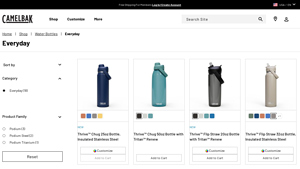
Introduction: CamelBak offers a variety of everyday water bottles designed for hydration. Key products include: 1. Thrive™ Chug 25oz Bottle, Insulated Stainless Steel – $30.99 2. Thrive™ Chug 50oz Bottle with Tritan™ Renew – $20.99 3. Thrive™ Flip Straw 20oz Bottle with Tritan™ Renew – $15.99 4. Thrive™ Flip Straw 32oz Bottle, Insulated Stainless Steel – $35.99 5. Thrive™ Chug 40oz Bottle, Insulated Stainless S…
6. Owala – FreeSip Lid and Removable Seal
Domain: bottlepro.net
Registered: 2014 (11 years)
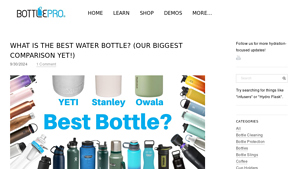
Introduction: 1. Owala FreeSip Lid and Removable Seal: Dual straw/chug lid, ergonomic design, keeps mouthpiece clean. 2. FJbottle 32oz: Rigid handle, built-in carrying strap, magnetic spout cap, silicone grip pad, includes a brush. 3. Ozark Trail 32oz: Least-expensive stainless steel insulated bottle, good handle, no-slip base. 4. Iron Flask: Includes 3 lids. 5. ThermoFlask 2-Pack: 2 bottles and 4 lids included…
7. Hydro Flask – Premium Hydration Solutions
Domain: hydroflask.com
Registered: 2009 (16 years)
Introduction: This company, Hydro Flask – Premium Hydration Solutions, is a notable entity in the market. For specific product details, it is recommended to visit their website directly.
Strategic Sourcing Conclusion and Outlook for large metal water bottle
In conclusion, the strategic sourcing of large metal water bottles presents a significant opportunity for international B2B buyers aiming to align with sustainability trends and consumer preferences. As the market increasingly shifts toward eco-friendly products, sourcing partners who prioritize durable, reusable materials can enhance your brand’s reputation and appeal. Notably, suppliers offering a variety of styles, sizes, and functionalities—such as insulated options or customizable designs—can cater to diverse market demands across regions, from Africa to Europe.
Investing in high-quality large metal water bottles not only meets growing consumer expectations for environmentally responsible products but also positions your business as a leader in promoting sustainable practices. Furthermore, engaging with manufacturers who emphasize ethical production and quality assurance will ensure a reliable supply chain.
Looking ahead, the demand for innovative and stylish hydration solutions will continue to rise. Now is the time to act—forge strategic partnerships, explore new sourcing avenues, and leverage market insights to capitalize on this burgeoning sector. By doing so, you can effectively meet consumer needs while contributing to a greener future.