Introduction: Navigating the Global Market for sublimation water bottles
In today’s competitive landscape, sourcing sublimation water bottles that meet both quality and customization standards presents a significant challenge for international B2B buyers. As the demand for personalized drinkware continues to rise, especially in regions like Africa, South America, the Middle East, and Europe, businesses must navigate a complex market filled with various suppliers, materials, and printing techniques. This guide is designed to illuminate the multifaceted world of sublimation water bottles, providing insights into different types, applications, and supplier vetting processes.
From understanding the intricacies of sublimation coatings to exploring bulk ordering options, this comprehensive resource empowers buyers to make informed purchasing decisions. It addresses critical factors such as cost considerations, shipping logistics, and the latest trends in sustainable materials, ensuring that businesses can align their product offerings with market demands. By delving into these elements, B2B buyers from diverse regions—whether in Nigeria or Germany—will gain the knowledge needed to select suppliers who not only meet their budgetary constraints but also enhance their brand visibility through high-quality, customizable products. This guide serves as a strategic tool, enabling businesses to thrive in the ever-evolving sublimation market while maximizing their investment potential.
Understanding sublimation water bottles Types and Variations
| Type Name | Key Distinguishing Features | Primary B2B Applications | Brief Pros & Cons for Buyers |
|---|---|---|---|
| Stainless Steel Insulated | Double-wall vacuum insulation, keeps drinks cold/hot for hours | Corporate gifts, promotional items | Pros: Durable, high perceived value. Cons: Higher cost than plastic options. |
| Plastic Sports Bottles | Lightweight, often with flip-top lids, available in various sizes | Schools, gyms, outdoor events | Pros: Cost-effective, lightweight. Cons: Less durable than metal options. |
| Kids’ Sippy Bottles | Smaller size, often with spill-proof lids, designed for children | Educational institutions, family events | Pros: Safe for children, customizable. Cons: Limited market appeal. |
| Wide Mouth Vacuum Bottles | Large opening for easy filling and cleaning, often with dual lids | Outdoor activities, fitness events | Pros: Versatile, easy to clean. Cons: Bulkier design may not appeal to all. |
| Glitter Finish Bottles | Eye-catching glitter coating, available in various colors | Fashion events, promotional giveaways | Pros: Attractive, stands out in marketing. Cons: May be perceived as less professional. |
What are the Characteristics of Stainless Steel Insulated Sublimation Water Bottles?
Stainless steel insulated bottles are designed for durability and thermal efficiency, making them ideal for both hot and cold beverages. Their double-wall vacuum insulation keeps drinks at the desired temperature for extended periods, appealing to businesses that prioritize quality. These bottles are often used as corporate gifts or promotional items due to their high perceived value. When purchasing, consider factors like capacity, lid options, and customization capabilities, as these features can significantly impact branding opportunities.
Why Choose Plastic Sports Bottles for Your B2B Needs?
Plastic sports bottles are lightweight and versatile, making them suitable for various applications, including schools, gyms, and outdoor events. They typically come with flip-top lids for easy access, and their affordability makes them an attractive option for bulk orders. However, while they offer cost savings, buyers should weigh this against their lower durability compared to stainless steel options. Customization options are essential for branding, so ensure the supplier offers quality sublimation coatings.
What Makes Kids’ Sippy Bottles a Unique Option?
Kids’ sippy bottles are specifically designed for younger users, featuring spill-proof lids and smaller sizes. Their customization potential makes them popular for educational institutions and family-oriented events. When considering a purchase, businesses should assess safety features, such as BPA-free materials, and the availability of vibrant designs that appeal to children. Although they may have a limited market, their unique positioning can be a strong selling point in family-oriented segments.
How Do Wide Mouth Vacuum Bottles Enhance User Experience?
Wide mouth vacuum bottles offer practicality with their large openings, making them easy to fill and clean. They often come with dual lids for versatility, catering to various user preferences in outdoor and fitness settings. This type of bottle is particularly appealing for businesses targeting active consumers. When sourcing these bottles, consider the balance between functionality and aesthetics, as well as bulk purchasing options to maximize cost efficiency.
Why Consider Glitter Finish Bottles for Promotional Events?
Glitter finish bottles are designed to attract attention, making them ideal for fashion events and promotional giveaways. Their unique appearance can enhance brand visibility and engagement. However, while they appeal to a younger, trend-focused audience, businesses should consider their potential perception as less professional. When purchasing, evaluate the range of colors available and ensure the sublimation process maintains the glitter effect without compromising quality.
Key Industrial Applications of sublimation water bottles
| Industry/Sector | Specific Application of Sublimation Water Bottles | Value/Benefit for the Business | Key Sourcing Considerations for this Application |
|---|---|---|---|
| Sports and Fitness | Customized water bottles for gyms and sports teams | Enhances brand visibility and promotes team spirit | Durability, insulation properties, and bulk purchasing options |
| Promotional Products | Corporate giveaways and event merchandise | Strengthens brand recognition and customer loyalty | Customization options, competitive pricing, and minimum order quantities |
| Education | Student and faculty branded bottles for schools | Fosters school spirit and community engagement | Compliance with safety standards, variety of sizes, and designs |
| Outdoor and Adventure | Personalized bottles for outdoor events and excursions | Increases participant engagement and brand association | Lightweight design, insulation capabilities, and printing quality |
| Retail | Retail-ready sublimation water bottles for resale | Provides unique product offerings that attract customers | Inventory management, customization flexibility, and shipping logistics |
How Are Sublimation Water Bottles Utilized in the Sports and Fitness Industry?
In the sports and fitness sector, sublimation water bottles serve as customized hydration solutions for gyms, sports teams, and fitness events. These bottles can feature team logos, colors, and motivational quotes, enhancing brand visibility and fostering team spirit. Buyers in this sector should focus on the durability and insulation properties of the bottles to ensure they withstand rigorous use and maintain beverage temperatures. Bulk purchasing options are essential for cost-effectiveness and timely delivery to meet event schedules.
What Role Do Sublimation Water Bottles Play in Promotional Products?
Sublimation water bottles are increasingly popular as corporate giveaways and event merchandise. They provide a practical and appealing item that can be easily customized with company logos and branding. This approach not only strengthens brand recognition but also fosters customer loyalty by offering something useful. B2B buyers should consider customization options, competitive pricing, and minimum order quantities to maximize their promotional efforts while ensuring a return on investment.
How Are Sublimation Water Bottles Beneficial for Educational Institutions?
Educational institutions leverage sublimation water bottles as branded merchandise for students and faculty. These bottles enhance school spirit and foster a sense of community among students, parents, and alumni. Buyers in this sector must ensure compliance with safety standards, such as BPA-free materials, while also considering a variety of sizes and designs to cater to different age groups. Customization capabilities are essential to reflect school branding effectively.
In What Ways Do Outdoor and Adventure Companies Utilize Sublimation Water Bottles?
Outdoor and adventure companies use sublimation water bottles as personalized items for events like marathons, hiking trips, and camping excursions. These bottles can be customized with event logos, increasing participant engagement and brand association. Buyers in this market should prioritize lightweight designs and insulation capabilities to enhance the user experience. High-quality printing is crucial to ensure that designs remain vibrant and intact over time, even under outdoor conditions.
How Can Retailers Benefit from Offering Sublimation Water Bottles?
Retailers can capitalize on the demand for unique, customizable products by offering sublimation water bottles for resale. These bottles provide an attractive option for customers seeking personalized items. Key considerations for B2B buyers in retail include effective inventory management, customization flexibility to cater to diverse customer preferences, and efficient shipping logistics to maintain stock levels. By providing high-quality sublimation bottles, retailers can differentiate their offerings and attract a broader customer base.
A stock image related to sublimation water bottles.
3 Common User Pain Points for ‘sublimation water bottles’ & Their Solutions
Scenario 1: Sourcing Quality Sublimation Water Bottles for Customization
The Problem: B2B buyers often struggle with sourcing high-quality sublimation water bottles that meet their customization needs. This challenge is compounded by the variability in product quality and coating consistency across different suppliers. When working with international suppliers, particularly in regions like Africa and South America, buyers may find that the products they receive do not deliver the vibrant prints they expect, leading to wasted resources and dissatisfied customers.
The Solution: To overcome this issue, buyers should prioritize sourcing from reputable suppliers known for their quality control practices. Look for vendors that provide detailed product specifications, including the type of sublimation coating used. Request samples before placing large orders to assess the print quality firsthand. Additionally, consider suppliers that offer bulk purchasing options, as these often come with guarantees regarding product consistency. Establishing a strong relationship with a supplier can also facilitate better communication about your specific needs, leading to more successful customization outcomes.
Scenario 2: Ensuring Timely Delivery for Promotional Events
The Problem: Timing is crucial for B2B buyers, especially when sublimation water bottles are intended for promotional events or seasonal campaigns. Delays in production or shipping can derail marketing efforts and lead to lost sales opportunities. Buyers in regions with less predictable logistics, like parts of the Middle East, may face additional challenges with customs and freight, making timely delivery even more complicated.
The Solution: To mitigate delivery issues, buyers should implement a proactive supply chain strategy. Start by identifying suppliers that have a proven track record of meeting deadlines, particularly those that operate within your region. When placing orders, allow for ample lead time and communicate your timeline clearly to the supplier. Additionally, consider using local suppliers for urgent needs to minimize shipping times. Establishing a contingency plan, such as alternative suppliers or backup products, can also help ensure that you are prepared for unexpected delays.
Scenario 3: Managing Design Quality and Print Longevity
The Problem: One common pain point for B2B buyers is ensuring that the designs printed on sublimation water bottles are not only visually appealing but also durable over time. Buyers may encounter issues where the designs fade, scratch, or peel after a short period, leading to customer dissatisfaction and damage to brand reputation. This concern is particularly prevalent among buyers who are customizing products for reselling.
The Solution: To ensure high-quality and long-lasting designs, buyers should familiarize themselves with the sublimation process and the types of inks and coatings used. Partnering with suppliers that offer bottles with high-quality sublimation coatings is essential. Additionally, buyers should invest in proper sublimation equipment and training for their team to ensure optimal printing conditions. Implementing quality control checks after printing can help catch any issues before the products reach the market. Lastly, educating customers on proper care and maintenance of the sublimation water bottles can significantly extend the life of the designs, reinforcing brand loyalty.
Strategic Material Selection Guide for sublimation water bottles
What Are the Key Materials Used for Sublimation Water Bottles?
When selecting materials for sublimation water bottles, it’s essential to consider the properties, advantages, and limitations of each material. This analysis focuses on four common materials: stainless steel, aluminum, plastic, and glass. Each material offers unique characteristics that can significantly impact product performance and marketability.
How Does Stainless Steel Perform in Sublimation Water Bottles?
Stainless steel is a popular choice for sublimation water bottles due to its durability and resistance to corrosion. It can withstand high temperatures and pressures, making it suitable for various applications. The material is also BPA-free, ensuring safety for consumers.
Pros: Stainless steel water bottles are highly durable, resistant to dents and scratches, and maintain the temperature of liquids for extended periods. They are also compatible with sublimation printing, allowing for vibrant designs.
Cons: The primary drawback is the higher cost compared to other materials. Additionally, manufacturing stainless steel bottles can be more complex, requiring specialized equipment.
For international buyers, especially in regions like Europe and the Middle East, compliance with standards such as ASTM and DIN is crucial. Many consumers in these markets prefer stainless steel due to its perceived quality and safety.
What Advantages Does Aluminum Offer for Sublimation Water Bottles?
Aluminum is another widely used material for sublimation water bottles. It is lightweight and has a good strength-to-weight ratio, making it an attractive option for consumers who prioritize portability.
Pros: Aluminum bottles are generally less expensive than stainless steel, making them an economical choice for bulk orders. They also offer excellent print quality for sublimation, resulting in bright and vivid colors.
Cons: However, aluminum is more prone to dents and scratches, which may affect the aesthetic appeal over time. Additionally, it may not insulate as effectively as stainless steel, potentially impacting the temperature retention of beverages.
For B2B buyers in regions like Africa and South America, the cost-effectiveness of aluminum can be a significant advantage. However, they should ensure that the aluminum used is of high quality to meet local safety standards.
Is Plastic a Viable Material for Sublimation Water Bottles?
Plastic is often chosen for its versatility and low cost. It is lightweight and can be molded into various shapes, making it suitable for different designs.
Pros: Plastic bottles are generally the most affordable option and are available in various colors and styles. They are also less likely to break compared to glass, making them safer for outdoor activities.
Cons: The main disadvantage is that plastic is less durable than metal options and may not retain temperatures as effectively. Additionally, some plastics can leach chemicals if not properly manufactured.
International buyers should consider the type of plastic used, as some regions have strict regulations regarding BPA and other harmful substances. Compliance with local standards is essential for market acceptance.
How Does Glass Compare as a Material for Sublimation Water Bottles?
Glass offers a premium feel and aesthetic appeal, making it a desirable option for high-end markets. It is inert, meaning it won’t leach chemicals into beverages.
Pros: Glass bottles are excellent for sublimation, allowing for high-quality prints. They are also easy to clean and can be recycled, appealing to environmentally conscious consumers.
Cons: The primary limitation is their fragility; glass bottles can break easily, which may deter some consumers. Additionally, they are heavier than other materials, making them less convenient for on-the-go use.
For B2B buyers in Europe, where sustainability is a significant concern, glass can be an attractive option. However, they must consider shipping costs and breakage risks when importing glass products.
Summary Table of Material Selection for Sublimation Water Bottles
| Material | Typical Use Case for sublimation water bottles | Key Advantage | Key Disadvantage/Limitation | Relative Cost (Low/Med/High) |
|---|---|---|---|---|
| Stainless Steel | High-end reusable bottles | Durable and temperature-retaining | Higher manufacturing complexity | High |
| Aluminum | Lightweight, portable bottles | Cost-effective and lightweight | Prone to dents and less insulation | Medium |
| Plastic | Budget-friendly options | Versatile and affordable | Less durable and potential leaching | Low |
| Glass | Premium, eco-friendly products | High-quality print and recyclable | Fragile and heavier | Medium |
This strategic material selection guide provides valuable insights for B2B buyers looking to source sublimation water bottles that meet their specific market needs. Understanding the properties and implications of each material will aid in making informed purchasing decisions.
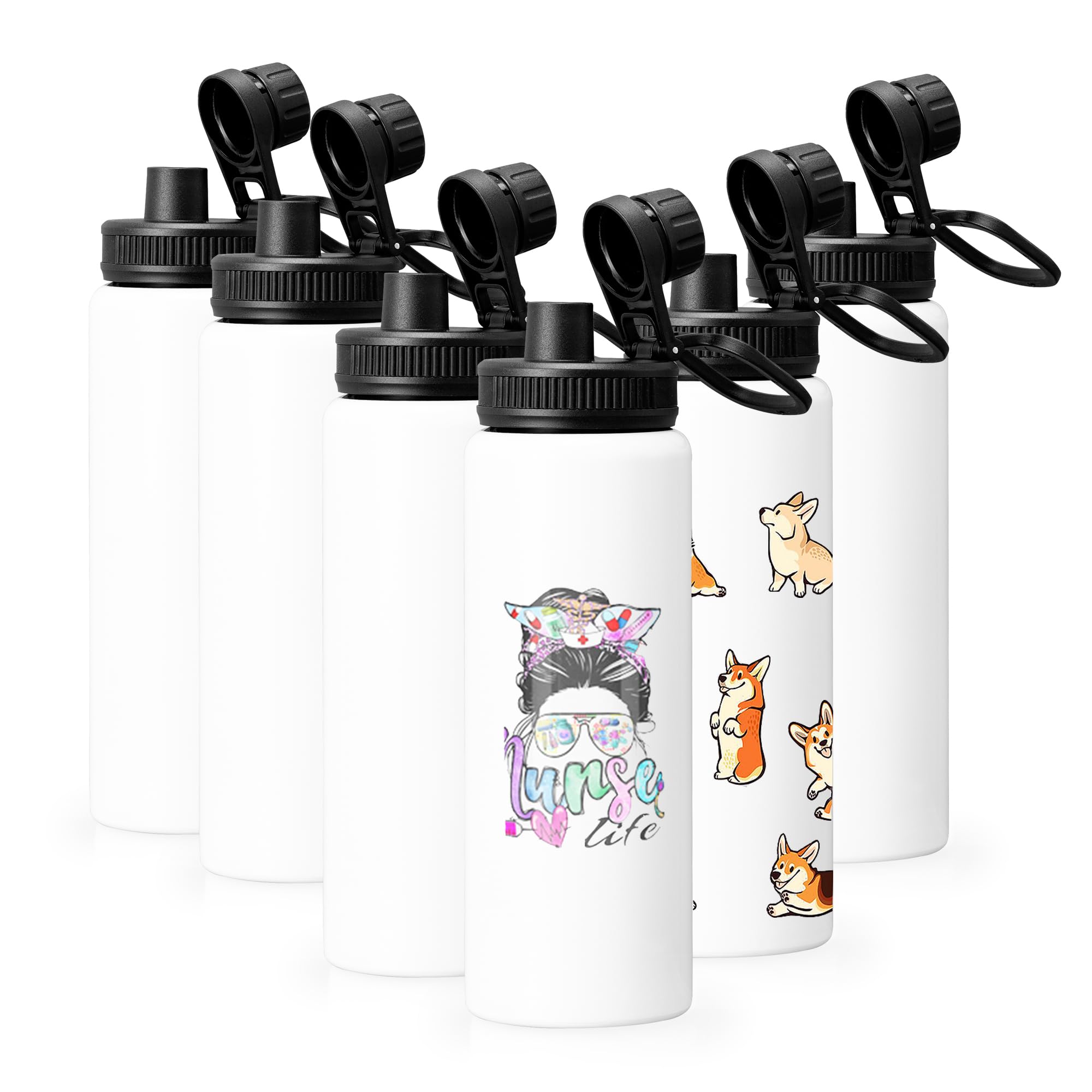
A stock image related to sublimation water bottles.
In-depth Look: Manufacturing Processes and Quality Assurance for sublimation water bottles
What Are the Key Stages in the Manufacturing Process of Sublimation Water Bottles?
The manufacturing process of sublimation water bottles involves several critical stages, each designed to ensure the final product meets high-quality standards suitable for customization. The main stages include material preparation, forming, assembly, and finishing.
How is Material Prepared for Sublimation Water Bottles?
Material preparation begins with the selection of high-quality substrates that are compatible with sublimation printing. Common materials include stainless steel and aluminum, chosen for their durability and ability to hold vibrant prints. Before production, these materials undergo a cleaning process to remove any impurities, oils, or residues that could affect the sublimation process. Additionally, a premium sublimation coating is applied to the surface of the bottles to facilitate the absorption of sublimation inks, ensuring bright and clear designs.
What Techniques Are Used in Forming Sublimation Water Bottles?
The forming stage involves shaping the prepared materials into the desired bottle design. This can be achieved through various techniques such as extrusion or stamping, depending on the material used. For stainless steel bottles, a combination of stamping and welding is often employed to create the body of the bottle, ensuring a seamless finish that is not only aesthetically pleasing but also functional. The bottles are then tested for structural integrity before proceeding to the next stage.
How Are Sublimation Water Bottles Assembled?
During the assembly phase, components such as lids, straws, and handles are attached to the formed bottles. This stage may involve mechanical fastening or adhesive bonding, depending on the design specifications. It’s essential that assembly is done meticulously to ensure each bottle operates as intended, especially for those with unique features like dual lids or insulation. Quality checks are typically conducted at this stage to catch any discrepancies before the bottles move on to finishing.
What Finishing Techniques Are Employed for Sublimation Water Bottles?
Finishing involves applying any final touches to the bottles, including the sublimation process itself. The bottles are placed in heat press machines or ovens where sublimation inks are transferred onto the surface. This step requires precise temperature and timing to achieve optimal results, with common settings being around 365°F for 40 seconds. After sublimation, the bottles are inspected for color accuracy and print quality, ensuring that the final product meets the expected standards.
How is Quality Assurance Managed in Sublimation Water Bottle Production?
Quality assurance (QA) is crucial in the manufacturing of sublimation water bottles to ensure that the products are safe, durable, and meet customer expectations. Various international standards and industry-specific certifications guide the QA process.
What International Standards Should B2B Buyers Consider?
B2B buyers should look for suppliers that comply with international quality management standards such as ISO 9001, which outlines requirements for a quality management system (QMS). This certification demonstrates a commitment to continuous improvement and customer satisfaction. Additionally, certifications like CE (Conformité Européenne) and API (American Petroleum Institute) may be relevant, especially for suppliers exporting to Europe or involved in specific industries.
What Are the Key Quality Control Checkpoints During Manufacturing?
Quality control (QC) checkpoints are integrated at various stages of production to ensure compliance with quality standards. These checkpoints typically include:
-
Incoming Quality Control (IQC): This initial check focuses on the raw materials received, verifying that they meet specified standards before they enter the production line.
-
In-Process Quality Control (IPQC): Ongoing inspections during the manufacturing process help identify any deviations from quality standards, allowing for immediate corrective actions.
-
Final Quality Control (FQC): This final inspection assesses the completed bottles for overall quality, print accuracy, and functionality before packaging and shipment.
What Common Testing Methods Are Used for Quality Assurance?
Testing methods for sublimation water bottles include:
- Visual Inspections: For defects in printing, coating, and overall finish.
- Functional Testing: To ensure lids and straws operate correctly and that bottles are leak-proof.
- Durability Tests: Assessing the resistance of prints to fading, scratching, and washing.
How Can B2B Buyers Verify Supplier Quality Control Measures?
To ensure the reliability of suppliers, B2B buyers can take several actions:
-
Conduct Audits: Requesting audits of the supplier’s manufacturing processes and quality control systems can provide insight into their operational standards.
-
Review Quality Reports: Suppliers should be willing to share quality reports and certifications that demonstrate compliance with international standards.
-
Engage Third-Party Inspectors: Utilizing third-party inspection services can provide an unbiased assessment of the supplier’s quality control measures, ensuring that products meet required specifications before shipment.
What Are the Quality Control Nuances for International B2B Buyers?
International B2B buyers, particularly from regions like Africa, South America, the Middle East, and Europe, should be aware of specific nuances in quality control. These may include:
- Import Regulations: Understanding local regulations regarding product safety and quality can help ensure compliance.
- Cultural Expectations: Different regions may have varying expectations for product quality and service, necessitating clear communication with suppliers.
- Supply Chain Transparency: Buyers should seek suppliers that provide transparency in their supply chains, particularly in sourcing materials and adhering to ethical manufacturing practices.
By understanding the manufacturing processes and quality assurance standards applicable to sublimation water bottles, B2B buyers can make informed decisions when selecting suppliers, ensuring they receive high-quality products that meet their specific needs.
Practical Sourcing Guide: A Step-by-Step Checklist for ‘sublimation water bottles’
Introduction
This guide serves as a practical checklist for B2B buyers seeking to source sublimation water bottles. With the rising demand for customizable drinkware, understanding the procurement process is crucial for ensuring quality, cost-effectiveness, and supplier reliability. By following these steps, you can streamline your sourcing process and make informed decisions.
Step 1: Define Your Technical Specifications
Before initiating the sourcing process, clearly outline the technical specifications of the sublimation water bottles you need. Consider factors such as size (e.g., 12 oz, 20 oz, 32 oz), material (stainless steel, aluminum), and design features (e.g., double-wall insulation, lid types).
– Why It Matters: Defining these specifications helps you narrow down potential suppliers who can meet your requirements and avoids miscommunication later in the process.
Step 2: Research Potential Suppliers
Conduct thorough research to identify potential suppliers who specialize in sublimation water bottles. Utilize industry directories, trade shows, and online platforms to gather a list of candidates.
– What to Look For: Focus on suppliers with a strong reputation, good customer reviews, and experience in your target market regions, such as Africa or Europe.
Step 3: Evaluate Supplier Certifications
It’s essential to verify that potential suppliers hold the necessary certifications, such as ISO or other quality assurance standards. This ensures that the products meet international safety and quality regulations.
– Why This Is Important: Certification verification protects your brand reputation and ensures compliance with local regulations in your target markets.
Step 4: Request Samples
Before placing a bulk order, request samples of the sublimation water bottles. This will allow you to assess the quality of the materials, the sublimation coating, and the overall finish.
– What to Assess: Pay attention to the durability, weight, and aesthetic quality of the samples. This step is crucial for ensuring that the products will meet your expectations and satisfy your customers.
Step 5: Compare Pricing and Terms
Once you have a shortlist of suppliers, compare their pricing structures and terms of sale. Take note of bulk discounts, shipping costs, and payment terms.
– Why It Matters: Understanding the total cost of procurement, including potential hidden fees, allows you to make a more informed decision and negotiate better terms.
Step 6: Confirm Production Capabilities
Inquire about the suppliers’ production capabilities, including lead times, minimum order quantities (MOQs), and custom design options. Confirm that they can handle your specific requirements and timelines.
– What to Look For: Ensure that the supplier can scale production if demand increases, which is especially important for seasonal promotions or events.
Step 7: Establish Communication Protocols
Establish clear communication channels and protocols with your chosen supplier. Determine who will be your point of contact and how often you will receive updates on the order status.
– Why This Is Important: Effective communication ensures that any potential issues are addressed promptly and helps maintain a strong supplier relationship throughout the sourcing process.
By following this checklist, B2B buyers can navigate the complexities of sourcing sublimation water bottles more effectively, ultimately leading to successful procurement and satisfied customers.
Comprehensive Cost and Pricing Analysis for sublimation water bottles Sourcing
What Are the Key Cost Components for Sourcing Sublimation Water Bottles?
When sourcing sublimation water bottles, understanding the cost structure is crucial for B2B buyers. The primary cost components include:
-
Materials: The base materials for sublimation water bottles are typically stainless steel or aluminum, which are coated for sublimation. The quality of the coating affects the vibrancy of the sublimation print, influencing the overall material cost.
-
Labor: Labor costs can vary significantly depending on the region of production. In countries with lower labor costs, such as some in Africa and South America, the overall manufacturing expense may be reduced.
-
Manufacturing Overhead: This encompasses the indirect costs associated with production, such as utilities, rent, and equipment maintenance. Efficient manufacturing processes can help mitigate these costs.
-
Tooling: Initial tooling costs can be significant, especially for customized designs or specific bottle shapes. This cost is often amortized over larger production runs, making it essential to consider volume orders.
-
Quality Control (QC): Implementing robust QC processes ensures the final product meets the required specifications. While this adds to costs, it is crucial for maintaining brand reputation and customer satisfaction.
-
Logistics: Shipping costs can vary based on the Incoterms agreed upon, the distance from the manufacturing site, and the shipping method selected. International logistics may also include customs duties and tariffs.
-
Margin: Suppliers typically mark up prices to cover their costs and earn a profit. Understanding the margin expectations can help buyers negotiate better pricing.
How Do Price Influencers Affect the Cost of Sublimation Water Bottles?
Several factors influence the pricing of sublimation water bottles:
-
Volume/MOQ (Minimum Order Quantity): Bulk purchasing often leads to lower per-unit costs. Suppliers may offer significant discounts on larger orders, which is beneficial for B2B buyers planning to resell or use these bottles for promotional purposes.
-
Specifications and Customization: Custom designs, colors, and sizes can increase costs. Suppliers may charge more for unique features or rapid prototyping.
-
Material Quality and Certifications: Higher-quality materials, such as food-grade stainless steel or BPA-free plastics, can increase costs. Certifications for safety and environmental standards may also add to the price.
-
Supplier Factors: The reliability, reputation, and production capacity of the supplier can influence pricing. Established suppliers may charge more due to their track record of quality and service.
-
Incoterms: The agreed-upon Incoterms (e.g., FOB, CIF) will dictate who is responsible for shipping, insurance, and tariffs, impacting the total landed cost of the products.
What Are the Best Buyer Tips for Cost-Efficiency in Sublimation Water Bottle Sourcing?
To maximize cost-efficiency when sourcing sublimation water bottles, B2B buyers should consider the following strategies:
-
Negotiate Effectively: Always engage in negotiations, especially when ordering in bulk. Suppliers may be willing to lower prices or offer additional services for larger orders.
-
Assess Total Cost of Ownership (TCO): Beyond the initial purchase price, consider long-term costs such as shipping, storage, and potential returns. A lower upfront cost may lead to higher expenses over time.
-
Understand Pricing Nuances for International Markets: Buyers from regions such as Africa, South America, the Middle East, and Europe should be aware of currency fluctuations, import duties, and local regulations that could impact the final cost.
-
Build Relationships with Suppliers: Establishing a strong rapport with suppliers can lead to better terms, priority service, and insights into new products or discounts.
-
Conduct Market Research: Regularly analyze market trends and competitor pricing to ensure you are receiving competitive offers.
In conclusion, navigating the complexities of sourcing sublimation water bottles requires a thorough understanding of cost components and price influencers. By employing strategic purchasing practices, B2B buyers can optimize their sourcing efforts, ensuring both quality and cost-effectiveness.
Alternatives Analysis: Comparing sublimation water bottles With Other Solutions
Understanding Alternative Solutions to Sublimation Water Bottles
In the competitive landscape of custom drinkware, sublimation water bottles stand out for their vibrant, full-color designs. However, businesses often seek alternatives that may offer different benefits or cater to specific needs. This analysis compares sublimation water bottles with two viable alternatives: vinyl decal water bottles and direct-to-garment (DTG) printed bottles. Each option presents unique advantages and challenges, making it essential for B2B buyers to assess them thoroughly.
Comparison Table
| Comparison Aspect | Sublimation Water Bottles | Vinyl Decal Water Bottles | Direct-to-Garment (DTG) Printed Bottles |
|---|---|---|---|
| Performance | High-quality, long-lasting prints; vibrant colors | Moderate durability; prone to wear and peeling | Excellent detail and color accuracy; good durability |
| Cost | Moderate (bulk pricing available) | Generally lower initial cost, but may increase over time | Higher upfront cost due to equipment and ink |
| Ease of Implementation | Requires specific equipment (heat press) and training | Simple application process; minimal training needed | Requires specialized DTG printers and setup |
| Maintenance | Low maintenance; prints remain intact with proper care | Moderate; decals may need replacement after wear | Low maintenance; printed designs are durable |
| Best Use Case | Ideal for high-quality branding and promotional items | Suitable for cost-effective solutions for short runs | Best for detailed designs and custom orders with unique artwork |
Detailed Breakdown of Alternatives
What Are the Advantages and Disadvantages of Vinyl Decal Water Bottles?
Vinyl decal water bottles offer a cost-effective solution for businesses looking to customize drinkware without significant upfront investment. The application process is straightforward, allowing for quick turnaround times. However, the durability of vinyl decals can be a concern; they may wear or peel over time, especially with frequent use or exposure to water. This makes them less suitable for high-end branding where longevity is essential.
How Do Direct-to-Garment (DTG) Printed Bottles Compare?
DTG printed bottles are another alternative, particularly effective for intricate designs and high-resolution images. This method allows for a wide range of colors and detailed artwork, making it an appealing option for brands looking to make a statement. However, DTG printing can be more expensive initially, requiring specialized equipment and training. Additionally, while the prints are generally durable, they may not withstand the same level of wear as sublimation prints.
How Should B2B Buyers Choose the Right Solution?
When selecting the right drinkware solution, B2B buyers should consider their specific branding goals, budget constraints, and desired product lifespan. Sublimation water bottles are best for businesses aiming for high-quality, long-lasting promotional items, while vinyl decals may suit those prioritizing cost and ease of use. DTG printing stands out for businesses that require detailed customization but may not fit every budget. By weighing these factors, buyers can make informed decisions that align with their branding strategies and operational needs.
Essential Technical Properties and Trade Terminology for sublimation water bottles
What Are the Key Technical Properties of Sublimation Water Bottles?
When sourcing sublimation water bottles for customization and branding, understanding the technical specifications is crucial for making informed purchasing decisions. Here are some essential properties to consider:
-
Material Composition
Most sublimation water bottles are made from stainless steel or aluminum, known for their durability and corrosion resistance. Stainless steel, in particular, is favored for its ability to maintain the temperature of beverages, keeping drinks cold for up to 24 hours. This property is essential for buyers targeting outdoor or active markets, where temperature retention enhances user experience. -
Sublimation Coating Quality
The quality of the sublimation coating directly impacts the vibrancy and clarity of printed designs. A high-grade coating ensures that colors remain bright and do not fade over time, which is vital for maintaining brand integrity. B2B buyers should prioritize products with a premium sublimation coating to ensure high-quality end products. -
Capacity Options
Sublimation water bottles come in various capacities, typically ranging from 12 oz to 32 oz or more. Understanding the target audience’s needs—whether for children, athletes, or corporate giveaways—will guide buyers in selecting the right sizes. Offering a variety of capacities can cater to different market segments and maximize sales opportunities. -
Insulation Properties
Many sublimation bottles feature double-wall vacuum insulation, which prevents condensation and keeps beverages hot or cold. This feature is particularly appealing in markets with extreme weather conditions. Buyers should consider insulation properties to enhance product appeal and functionality. -
Lid Design
The lid design plays a crucial role in usability. Options like straw spouts, flip lids, or dual-function lids (which offer both straw and chug capabilities) can enhance user convenience. Understanding the intended use—whether for sports, travel, or everyday hydration—will help buyers select the most appropriate lid design. -
Packaging
Packaging can influence purchase decisions, particularly for retail environments. Products that come in attractive packaging, such as holographic boxes, can enhance perceived value and encourage impulse buying. Buyers should assess packaging options to ensure they align with branding strategies.
What Are Common Trade Terms Associated with Sublimation Water Bottles?
Navigating the B2B landscape requires familiarity with specific industry jargon. Here are some commonly used terms:
-
OEM (Original Equipment Manufacturer)
This term refers to companies that manufacture products based on another company’s specifications. For B2B buyers, partnering with an OEM can facilitate customized branding options while leveraging the manufacturer’s expertise. -
MOQ (Minimum Order Quantity)
MOQ denotes the minimum number of units a supplier requires for an order. Understanding MOQ is vital for budgeting and inventory management. Buyers should negotiate MOQs to ensure they align with their sales forecasts and operational capabilities. -
RFQ (Request for Quotation)
An RFQ is a document used to solicit price quotes from suppliers. It typically includes specifications, quantities, and delivery requirements. Crafting a detailed RFQ is essential for obtaining accurate pricing and ensuring suppliers understand buyer expectations. -
Incoterms (International Commercial Terms)
These are standardized terms that define the responsibilities of buyers and sellers in international transactions. Familiarity with Incoterms is crucial for understanding shipping costs, risks, and delivery obligations, enabling buyers to navigate global trade confidently. -
Sublimation Printing
This refers to the process of transferring dye onto materials using heat. It’s essential for producing high-quality, full-color designs on sublimation water bottles. Understanding this process helps buyers appreciate the capabilities and limitations of the products they are sourcing. -
Customization Options
This term encompasses the various ways in which sublimation water bottles can be personalized, including different colors, sizes, and designs. Offering customization can attract diverse customer segments and provide a competitive edge in the marketplace.
By understanding these technical properties and trade terminologies, B2B buyers can make more informed decisions, ensuring that the sublimation water bottles they procure meet market demands and enhance their brand’s visibility.
Navigating Market Dynamics and Sourcing Trends in the sublimation water bottles Sector
What Are the Current Trends Influencing the Sublimation Water Bottles Market?
The sublimation water bottles market is experiencing significant growth, driven by the increasing demand for personalized and customizable products. This trend is particularly prominent in regions like Africa, South America, the Middle East, and Europe, where consumers are increasingly seeking unique items that reflect their identities. The rise of e-commerce platforms has also facilitated international trade, allowing B2B buyers to access a wider range of sublimation products, including various sizes and materials, such as stainless steel and aluminum.
Emerging technologies in the sublimation printing process are enhancing product quality and production efficiency. Buyers can now source water bottles that are coated for sublimation, ensuring vibrant and long-lasting prints. Additionally, advancements in heat press and oven technology are making it easier for businesses to customize products on-demand, reducing inventory costs and waste.
Another key trend is the integration of innovative features into sublimation water bottles. Many manufacturers are now offering products with dual lids, insulated designs, and eco-friendly materials, catering to consumers’ preferences for functionality and sustainability. This is particularly relevant for B2B buyers targeting markets that prioritize both performance and aesthetics in their product offerings.
How Is Sustainability Shaping the Sourcing of Sublimation Water Bottles?
As global awareness of environmental issues increases, sustainability has become a critical factor in the sourcing of sublimation water bottles. B2B buyers are now more inclined to partner with suppliers who demonstrate a commitment to ethical sourcing practices and sustainable materials. This includes using recyclable or biodegradable materials in the production of water bottles, as well as ensuring that their manufacturing processes minimize waste and carbon emissions.
The demand for ‘green’ certifications is also on the rise. Buyers are increasingly seeking suppliers that hold certifications such as FSC (Forest Stewardship Council) or ISO 14001, which indicate adherence to environmental management standards. By sourcing from certified suppliers, businesses can enhance their brand reputation and appeal to environmentally conscious consumers.
Furthermore, suppliers who adopt sustainable practices often experience cost savings in the long run. For instance, utilizing energy-efficient production methods can reduce operational costs, allowing for more competitive pricing. B2B buyers should prioritize suppliers who not only provide quality products but also demonstrate a proactive approach to sustainability, aligning with the growing consumer preference for eco-friendly products.
What Is the Evolution of Sublimation Water Bottles in the B2B Context?
The sublimation water bottle sector has evolved significantly over the past few decades, transitioning from basic drinkware to highly customizable products that cater to diverse consumer needs. Initially, sublimation printing was primarily used for promotional items; however, advancements in technology have broadened its application to consumer goods, including sports and lifestyle products.
Today, sublimation water bottles are available in various styles, sizes, and materials, making them suitable for a wide range of markets. The introduction of high-quality sublimation coatings has improved print durability, enabling businesses to offer products that withstand the rigors of daily use while maintaining aesthetic appeal. This evolution not only enhances product offerings but also opens new avenues for B2B partnerships, particularly as buyers seek unique and innovative solutions in the competitive drinkware market.
By understanding these dynamics and trends, B2B buyers can make informed sourcing decisions that align with market demands and consumer preferences, positioning themselves for success in the growing sublimation water bottle market.
Frequently Asked Questions (FAQs) for B2B Buyers of sublimation water bottles
-
How do I choose the right sublimation water bottle for my business needs?
When selecting sublimation water bottles, consider factors such as material (stainless steel vs. aluminum), capacity, and design. Stainless steel bottles offer better insulation and durability, making them ideal for outdoor use, while aluminum is lighter and often more cost-effective. Assess your target market’s preferences—do they prioritize style, functionality, or eco-friendliness? Additionally, evaluate the sublimation coating quality to ensure vibrant, long-lasting prints. Finally, check supplier options for bulk purchasing to optimize your costs. -
What customization options are available for sublimation water bottles?
Most suppliers offer extensive customization options, including full-color printing, logos, and unique designs. You can choose between single or double-sided printing, as well as various finishes (glossy, matte, or textured). Some suppliers may even offer additional features like dual lids or integrated straws. Be sure to inquire about the minimum order quantities (MOQs) for customization, as these can vary significantly between manufacturers. Ensure that the sublimation process used delivers high-quality, fade-resistant results. -
What are the typical minimum order quantities (MOQs) for sublimation water bottles?
MOQs for sublimation water bottles typically range from 25 to 100 units, depending on the supplier and the specific product. Some manufacturers may offer lower MOQs for standard designs or bulk orders, while custom designs might require higher quantities. It’s important to communicate your needs with potential suppliers to find options that fit your budget and inventory strategy. Always confirm the MOQ before placing an order to avoid unexpected costs. -
What payment terms should I expect when sourcing sublimation water bottles internationally?
Payment terms can vary widely among suppliers. Common arrangements include upfront payment, a deposit (typically 30-50%) with the balance due upon shipment, or payment via letter of credit for larger orders. It’s crucial to clarify payment methods accepted—such as wire transfers, PayPal, or credit cards. Be aware of any additional fees for international transactions and consider negotiating favorable terms based on your order size and relationship with the supplier. -
How can I ensure the quality of sublimation water bottles before placing a large order?
To ensure product quality, request samples from suppliers before committing to a bulk order. Evaluate the sublimation quality, material durability, and overall finish. Additionally, review supplier certifications, such as ISO or other quality management standards. Establish clear communication regarding your quality expectations, and consider asking for references or case studies from other B2B clients. If feasible, conduct a factory visit or utilize third-party inspection services to verify manufacturing standards. -
What logistics considerations should I keep in mind when importing sublimation water bottles?
Logistics play a crucial role in international sourcing. Consider shipping methods (air vs. sea), delivery times, and associated costs. Ensure you understand customs regulations and import duties for your target market, as these can significantly impact your total costs. Collaborate with freight forwarders experienced in handling your specific products to streamline the process. Additionally, confirm packaging standards to prevent damage during transit, and maintain communication with suppliers for real-time updates on shipment status. -
Are there specific regulations for importing sublimation water bottles into different countries?
Yes, regulations can vary significantly by country. Common considerations include safety standards, material certifications, and labeling requirements. For instance, in the European Union, products must comply with regulations like REACH and CE marking. In the Middle East and Africa, specific import permits or health certifications may be required. It’s advisable to conduct thorough research or consult with local trade experts to ensure compliance with all necessary regulations to avoid delays or fines. -
What are the best practices for establishing a long-term relationship with suppliers of sublimation water bottles?
Building a long-term supplier relationship is essential for consistent quality and favorable pricing. Start by maintaining open communication, promptly addressing any issues, and providing constructive feedback on products. Regularly share your business forecasts to help suppliers plan their inventory and production schedules. Consider visiting suppliers’ facilities to deepen the relationship and gain insights into their operations. Finally, negotiate contracts that include favorable terms for both parties, fostering a partnership built on mutual trust and respect.
Important Disclaimer & Terms of Use
⚠️ Important Disclaimer
The information provided in this guide, including content regarding manufacturers, technical specifications, and market analysis, is for informational and educational purposes only. It does not constitute professional procurement advice, financial advice, or legal advice.
While we have made every effort to ensure the accuracy and timeliness of the information, we are not responsible for any errors, omissions, or outdated information. Market conditions, company details, and technical standards are subject to change.
B2B buyers must conduct their own independent and thorough due diligence before making any purchasing decisions. This includes contacting suppliers directly, verifying certifications, requesting samples, and seeking professional consultation. The risk of relying on any information in this guide is borne solely by the reader.
Top 3 Sublimation Water Bottles Manufacturers & Suppliers List
1. Coastal Business – White Stainless Steel Sublimation Tumblers
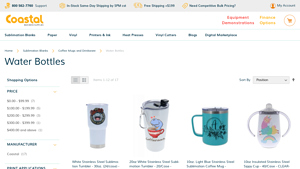
Domain: coastalbusiness.com
Registered: 1997 (28 years)
Introduction: [{‘name’: ‘White Stainless Steel Sublimation Tumbler – 30oz.’, ‘case_quantity’: 24, ‘special_price’: 240.0, ‘regular_price’: 297.45}, {‘name’: ’20oz White Stainless Steel Sublimation Tumbler’, ‘case_quantity’: 20, ‘special_price’: 105.0, ‘regular_price’: 258.95}, {‘name’: ’10oz. Light Blue Stainless Steel Sublimation Coffee Mug’, ‘case_quantity’: 24, ‘special_price’: 105.0, ‘regular_price’: 347.95…
2. The Country Chic Cottage – Sublimation Water Bottles
Domain: thecountrychiccottage.net
Registered: 2010 (15 years)
Introduction: Sublimation water bottles can be made using various types including kids water bottles, glass water bottles, aluminum metal water bottles, and tapered water bottles. Key tools and materials required include a sublimation printer, sublimation ink, sublimation paper, a mug press, a tumbler press, and a convection oven. Additional supplies include a lint roller, heat resistant tape, protective paper,…
3. Aviva – Sublimation Water Bottle
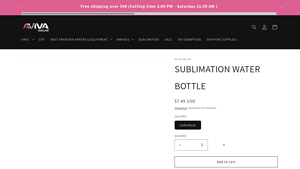
Domain: avivadallas.com
Registered: 2017 (8 years)
Introduction: Product Name: Sublimation Water Bottle
Regular Price: $7.49 USD
Volume: 17oz
Material: High-quality stainless steel with polymer coating for sublimation prints
Features: Advanced insulation technology to keep drinks hot or cold for hours
Usage: Ideal for sublimation printing and as a gift for any occasion.
Strategic Sourcing Conclusion and Outlook for sublimation water bottles
What Are the Key Takeaways for Strategic Sourcing of Sublimation Water Bottles?
In the dynamic landscape of sublimation water bottles, strategic sourcing emerges as a critical factor for B2B buyers aiming to enhance their product offerings. By focusing on high-quality sublimation blanks, such as stainless steel and BPA-free options, businesses can ensure vibrant and durable prints that resonate with consumers. Additionally, leveraging bulk purchasing options can significantly reduce costs, making it financially viable to offer customized products that appeal to diverse markets, particularly in regions like Africa, South America, the Middle East, and Europe.
How Can International Buyers Capitalize on Emerging Trends?
As consumer preferences increasingly lean towards personalized and sustainable products, international buyers have a unique opportunity to tap into this trend by incorporating sublimation water bottles into their portfolios. Investing in innovative designs, such as dual-lid options and insulated features, can set your offerings apart in competitive markets.
What’s Next for B2B Buyers in the Sublimation Water Bottle Market?
To stay ahead, it is essential to establish partnerships with reliable suppliers that prioritize quality and sustainability. By doing so, you not only enhance your brand’s reputation but also contribute to a more eco-friendly future. Embrace this opportunity to expand your product line and meet the growing demand for customized drinkware. Engage with suppliers today to explore the diverse range of sublimation water bottles that can elevate your business.