Introduction: Navigating the Global Market for water bottle sizes
In an increasingly health-conscious world, sourcing the right water bottle sizes poses a significant challenge for B2B buyers across diverse markets. With a wide array of options available, from compact 8 oz containers to substantial 64 oz models, selecting the ideal size for specific applications can greatly impact customer satisfaction and operational efficiency. This guide delves into the intricacies of water bottle sizes, providing a comprehensive overview that includes the types available, their various applications, and crucial considerations for supplier vetting.
International B2B buyers, particularly those from Africa, South America, the Middle East, and Europe—such as Germany and Saudi Arabia—will find this resource invaluable. It empowers businesses to make informed purchasing decisions by elucidating the nuances of bottle sizes tailored for different needs, whether for fitness, travel, or daily hydration in workplaces. Additionally, it addresses cost factors, sustainability concerns, and material choices, ensuring that buyers are equipped with the knowledge to align their procurement strategies with market demands.
By the end of this guide, readers will not only understand the diverse water bottle sizes available but also how to leverage this knowledge to enhance their product offerings and meet the hydration needs of their customers effectively.
Understanding water bottle sizes Types and Variations
| Type Name | Key Distinguishing Features | Primary B2B Applications | Brief Pros & Cons for Buyers |
|---|---|---|---|
| Small Bottles (8-16 oz) | Lightweight, portable, ideal for kids or short trips | Schools, events, promotional giveaways | Pros: Easy to carry, cost-effective. Cons: Limited capacity for long events. |
| Medium Bottles (20-32 oz) | Versatile size, good balance of capacity and portability | Gyms, offices, outdoor activities | Pros: Sufficient hydration without bulk. Cons: May require refills for heavy users. |
| Large Bottles (40-64 oz) | High capacity, designed for extended use in active settings | Sports teams, outdoor events, hiking | Pros: Reduces need for frequent refills. Cons: Can be cumbersome to carry. |
| Gallon & Multi-Gallon Bottles | Extremely high capacity, typically used for bulk hydration | Worksites, large events, catering | Pros: Ideal for groups, less frequent refills. Cons: Heavy and less portable. |
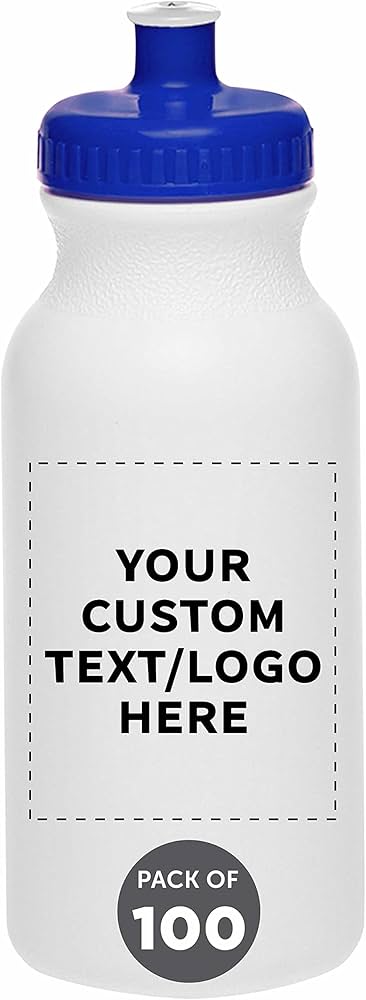
| Customizable Bottles | Available in various sizes with branding options | Corporate gifts, promotional items | Pros: Enhances brand visibility. Cons: Higher cost for custom designs. |
What Are the Characteristics of Small Water Bottles (8-16 oz)?
Small water bottles, ranging from 8 to 16 ounces, are particularly popular for their lightweight and portable nature. They are ideal for kids, short outings, or events where quick hydration is needed. In a B2B context, these bottles are often used in schools, events, or as promotional giveaways. When purchasing, buyers should consider the production cost and the potential for branding, as these bottles can be a cost-effective marketing tool. However, their limited capacity may necessitate frequent refills during longer activities.
How Do Medium Bottles (20-32 oz) Serve B2B Needs?
Medium bottles, typically between 20 and 32 ounces, strike a balance between capacity and portability, making them versatile for various applications. They are commonly used in gyms, offices, and outdoor activities where hydration is essential. For B2B buyers, these sizes are ideal for daily use, providing enough water for long meetings or workouts without being overly bulky. When selecting medium bottles, considerations include material choices (e.g., plastic vs. stainless steel) and insulation options to cater to different consumer preferences.
Why Are Large Bottles (40-64 oz) Preferred for Active Settings?
Large water bottles, ranging from 40 to 64 ounces, are designed for individuals engaged in intense activities or those who spend extended periods outdoors. They are particularly beneficial for sports teams, outdoor events, and hiking, where maintaining hydration is critical. B2B buyers should evaluate the practicality of these bottles, as they minimize the need for frequent refills. However, the weight and size can be cumbersome, so it’s essential to consider the target audience’s activity level and transportation methods when making purchasing decisions.
What Are the Applications of Gallon & Multi-Gallon Bottles?
Gallon and multi-gallon bottles are tailored for bulk hydration needs, making them suitable for worksites, large events, and catering services. Their high capacity is advantageous for groups, significantly reducing the frequency of refills. B2B buyers should assess the logistics of transporting and storing these large bottles, as they can be heavy and less portable. Additionally, understanding the target market’s needs for hydration solutions can help in selecting the right sizes and materials for these bulk options.
How Do Customizable Bottles Enhance Brand Visibility?
Customizable bottles offer a range of sizes and branding options, making them effective promotional items for corporate gifts or marketing campaigns. These bottles can be tailored to meet specific audience preferences, enhancing brand visibility in various settings. When considering customizable options, B2B buyers should weigh the benefits of increased brand exposure against the higher costs associated with custom designs. Additionally, durability and material quality should be prioritized to ensure the bottles serve as a lasting representation of the brand.
Key Industrial Applications of water bottle sizes
| Industry/Sector | Specific Application of water bottle sizes | Value/Benefit for the Business | Key Sourcing Considerations for this Application |
|---|---|---|---|
| Food and Beverage | Custom-branded bottled water for events and promotions | Enhances brand visibility and customer loyalty | Quality of materials, customization options, and volume discounts |
| Sports and Fitness | Water bottles for gyms and fitness centers | Encourages hydration and promotes healthy lifestyle | Durability, size variety, and insulation features |
| Corporate Gifting | Promotional water bottles for employees and clients | Strengthens corporate image and employee morale | Customization capabilities, eco-friendliness, and price points |
| Healthcare | Patient hydration solutions in hospitals | Supports patient health and wellness | Compliance with health standards, material safety, and capacity options |
| Education | Water bottles for schools and universities | Promotes hydration among students and reduces waste | Size suitability for students, safety certifications, and bulk pricing |
How Are Water Bottle Sizes Utilized in the Food and Beverage Industry?
In the food and beverage sector, custom-branded bottled water is a popular application, especially for events, festivals, and corporate functions. Businesses leverage various water bottle sizes to meet diverse consumer preferences, from small 8 oz bottles for quick refreshment to larger 32 oz options for extended events. This not only enhances brand visibility but also fosters customer loyalty. International buyers, particularly from regions like Africa and South America, should consider sourcing high-quality, BPA-free materials and customization options to align with local health regulations and consumer preferences.
What Role Do Water Bottle Sizes Play in Sports and Fitness?
Sports and fitness centers often require a range of water bottle sizes to accommodate different activities and clientele. Medium-sized bottles, typically between 20 oz to 32 oz, are ideal for gym-goers as they strike a balance between portability and hydration capacity. Larger bottles are beneficial for athletes engaged in prolonged training sessions. Buyers in the Middle East and Europe should prioritize durability and insulation features, ensuring that bottles can withstand rigorous use while keeping beverages at the desired temperature.
Why Are Water Bottle Sizes Important in Corporate Gifting?
In corporate settings, promotional water bottles serve as effective gifts for employees and clients. These bottles can be customized to reflect the company’s branding, thereby strengthening its corporate image. A variety of sizes allows companies to cater to different preferences, from smaller bottles for casual use to larger ones for outdoor events. When sourcing, businesses should focus on customization capabilities, eco-friendliness, and competitive pricing, especially in regions like Germany and Saudi Arabia where sustainability is increasingly valued.
How Do Water Bottle Sizes Support Healthcare Needs?
In healthcare settings, the right water bottle sizes are crucial for patient hydration solutions. Hospitals and clinics often use bottles ranging from 16 oz to 32 oz to ensure that patients have easy access to hydration. This is vital for patient health and wellness, particularly for those recovering from surgery or illness. Buyers should ensure compliance with health standards, prioritize materials that are safe and easy to clean, and consider various capacity options to meet diverse patient needs.
What Is the Significance of Water Bottle Sizes in Educational Institutions?
Educational institutions, including schools and universities, utilize water bottles to promote hydration among students while minimizing waste from single-use plastics. Sizes that are convenient for students, typically ranging from 16 oz to 24 oz, are ideal as they are easy to carry and refill. When sourcing, educational buyers should consider safety certifications, suitability for student use, and bulk pricing to accommodate large orders, especially in regions where environmental sustainability is a priority.
3 Common User Pain Points for ‘water bottle sizes’ & Their Solutions
Scenario 1: Struggling to Choose the Right Bottle Size for Different Audiences
The Problem: B2B buyers often cater to diverse customer bases, each with unique hydration needs. For instance, a fitness center may require different bottle sizes for adults and children, while a corporate office might need bottles that suit employees working long hours. This diversity can lead to confusion and frustration when trying to stock the right sizes for various demographics, making it difficult to meet customer expectations and optimize inventory.
The Solution: To effectively address this challenge, B2B buyers should first conduct a needs assessment based on their target audience. Utilize surveys or interviews to gather insights on hydration preferences and habits. Once data is collected, segment the audience into categories such as “active adults,” “children,” or “office workers.” Based on these segments, curate a selection of bottle sizes. For example, offer 20 oz bottles for general office use, 12 oz bottles for children, and 32 oz or larger bottles for athletes. Additionally, consider offering custom labeling for branding and to enhance customer engagement, ensuring that the product resonates with the specific audience.
Scenario 2: Managing Bulk Orders and Storage Space Constraints
The Problem: Many businesses face the challenge of managing bulk orders of water bottles without sufficient storage space. Ordering a wide range of sizes in large quantities can lead to logistical issues, including overcrowded warehouses and difficulties in inventory management. This can ultimately affect cash flow and create inefficiencies in operations.
The Solution: To optimize storage and inventory management, B2B buyers should adopt a just-in-time (JIT) inventory strategy. This approach minimizes the amount of stock on hand and reduces storage needs. Work closely with suppliers to establish a reliable order schedule that aligns with sales patterns. For instance, if certain sizes are more popular during summer months, plan orders accordingly to avoid excess stock. Additionally, consider sourcing collapsible or stackable bottles that take up less space. This flexibility allows for easier storage and transport while still meeting customer demands effectively.
Scenario 3: Navigating Compliance and Safety Regulations for Water Bottles
The Problem: Different regions have varying regulations regarding the materials and sizes of water bottles, particularly concerning health and safety standards. For international B2B buyers, understanding and complying with these regulations can be overwhelming, especially when sourcing products from multiple countries. This could lead to costly fines, product recalls, or damage to brand reputation if non-compliant products are distributed.
The Solution: To navigate compliance challenges, B2B buyers should invest in understanding the specific regulations of each target market. This includes researching guidelines on materials (e.g., BPA-free requirements) and size specifications (like maximum capacity limits). Establish partnerships with suppliers who are knowledgeable about local laws and can provide certification for their products. Additionally, consider engaging a compliance consultant who specializes in product regulations in your target regions. This proactive approach not only mitigates risks but also enhances brand credibility, as customers will appreciate your commitment to safety and quality.
Strategic Material Selection Guide for water bottle sizes
What Are the Key Properties of Common Water Bottle Materials?
When selecting materials for water bottles, it is essential to consider their properties, advantages, and limitations. Here, we analyze four common materials used in the production of water bottles: BPA-free plastic, stainless steel, glass, and aluminum. Each material has unique characteristics that can impact performance, cost, and suitability for specific applications.
BPA-Free Plastic: Versatile and Cost-Effective
BPA-free plastic, often made from polyethylene terephthalate (PET) or Tritan, is widely used for water bottles due to its lightweight and shatter-resistant properties. These plastics typically have a temperature rating of up to 60°C (140°F) and are resistant to corrosion and impact.
Pros: The primary advantages of BPA-free plastic include its low cost, lightweight nature, and ease of manufacturing, which allows for mass production and customization. It is also recyclable, appealing to environmentally conscious consumers.
Cons: However, BPA-free plastics can be less durable than metal or glass, leading to potential wear and tear over time. They may also retain odors or flavors from previous contents, which can affect user experience.
Application Impact: BPA-free plastic bottles are suitable for everyday hydration needs, but they may not be ideal for hot liquids or long-term storage of beverages due to potential leaching concerns.
Considerations for International Buyers: Compliance with international standards, such as ASTM and FDA regulations, is crucial. Buyers in regions like Europe and the Middle East should also be aware of local regulations regarding plastic use and recycling.
Stainless Steel: Durable and Insulated
Stainless steel water bottles are known for their durability and excellent insulation properties. They can withstand high temperatures and pressures, making them suitable for both hot and cold beverages.
Pros: Stainless steel is highly resistant to corrosion and does not retain flavors, ensuring a clean taste. Additionally, many stainless steel bottles are designed with double-wall insulation, keeping beverages at the desired temperature for extended periods.
Cons: The primary drawback is the higher cost compared to plastic options. Manufacturing stainless steel bottles can also be more complex, requiring specialized equipment and processes.
Application Impact: Ideal for outdoor activities and sports, stainless steel bottles can handle a variety of beverages, including hot drinks. They are particularly popular among consumers looking for sustainable and reusable options.
Considerations for International Buyers: Buyers should verify compliance with food safety standards, such as those set by the European Union (EU) or the American National Standards Institute (ANSI). The preference for stainless steel is growing in regions like Europe and North America due to environmental concerns.
Glass: Eco-Friendly and Aesthetic
Glass water bottles are favored for their aesthetic appeal and eco-friendly nature. They are non-reactive, meaning they do not leach chemicals into beverages, making them a safe choice for long-term storage.
Pros: Glass bottles provide a clean taste and are fully recyclable, appealing to environmentally conscious consumers. They can also be designed in various styles, enhancing brand visibility.
Cons: The main disadvantage of glass is its fragility; it can break easily if dropped. Additionally, glass bottles are heavier than plastic or aluminum, which may deter some users.
Application Impact: Glass bottles are suitable for home use or settings where portability is less of a concern. They are often used for flavored waters, juices, or other beverages where taste integrity is paramount.
Considerations for International Buyers: Compliance with safety standards is crucial, especially in regions with stringent regulations on glass products. Buyers should also consider shipping costs due to the weight and fragility of glass.
Aluminum: Lightweight and Recyclable
Aluminum water bottles are lightweight and often come with a protective lining to prevent leaching. They can handle a variety of temperatures and are resistant to corrosion.
Pros: Aluminum is lightweight, making it ideal for travel and outdoor activities. It is also highly recyclable, appealing to eco-conscious consumers.
Cons: However, aluminum bottles may require a lining to prevent interaction with acidic beverages, which can add to manufacturing complexity. Additionally, they are less durable than stainless steel.
Application Impact: Aluminum bottles are commonly used for sports and outdoor activities, providing a good balance between portability and durability.
Considerations for International Buyers: Buyers should ensure compliance with local regulations regarding aluminum use and recycling. In regions like Africa and South America, where sustainability is gaining traction, aluminum bottles can be a popular choice.
Summary Table of Material Selection for Water Bottles
| Material | Typical Use Case for Water Bottle Sizes | Key Advantage | Key Disadvantage/Limitation | Relative Cost (Low/Med/High) |
|---|---|---|---|---|
| BPA-Free Plastic | Everyday hydration, sports | Lightweight and cost-effective | Less durable, potential leaching | Low |
| Stainless Steel | Outdoor activities, hot and cold drinks | Durable, excellent insulation | Higher cost, complex manufacturing | High |
| Glass | Home use, flavored beverages | Eco-friendly, clean taste | Fragile, heavier than alternatives | Medium |
| Aluminum | Sports, travel | Lightweight, recyclable | Requires lining, less durable | Medium |
A stock image related to water bottle sizes.
In-depth Look: Manufacturing Processes and Quality Assurance for water bottle sizes
What Are the Key Stages in the Manufacturing Process of Water Bottles?
The manufacturing of water bottles involves several critical stages, ensuring that each product meets quality standards and consumer expectations. The primary stages include material preparation, forming, assembly, and finishing.
-
Material Preparation
The first step in manufacturing water bottles is sourcing high-quality materials. Common materials include BPA-free plastics, stainless steel, and glass. For plastic bottles, manufacturers typically use PET (Polyethylene Terephthalate) or Tritan. These materials are chosen for their durability, safety, and recyclability. The raw materials undergo rigorous quality checks to ensure they meet industry standards. -
Forming
The forming process varies depending on the material used. For plastic bottles, techniques such as injection molding or blow molding are employed. Injection molding involves injecting molten plastic into a mold to create the desired shape, while blow molding involves inflating hot plastic within a mold to achieve hollow forms. Stainless steel bottles are typically produced using deep drawing and spinning techniques, which shape the metal without compromising its integrity. Glass bottles are formed using a process called glass blowing, which requires precision and skill. -
Assembly
After forming, components such as caps, straws, and handles are assembled. This stage may include adding insulation layers for thermal performance in stainless steel bottles or incorporating filtration systems in reusable models. Automated assembly lines are often used to enhance efficiency and maintain consistency across production batches. -
Finishing
The finishing stage involves surface treatments and quality checks. Bottles may undergo polishing, painting, or coating to enhance aesthetics and durability. For reusable bottles, branding and labeling are applied. This stage is crucial for ensuring that the product is visually appealing and meets any regulatory requirements.
How Is Quality Assurance Implemented in Water Bottle Manufacturing?
Quality assurance (QA) is integral to the water bottle manufacturing process, ensuring that each product is safe, durable, and meets international standards. Several key practices are employed:
-
International Standards Compliance
To ensure quality, manufacturers often adhere to international standards such as ISO 9001, which focuses on quality management systems. Compliance with these standards is crucial for B2B buyers, as it indicates that the manufacturer has established processes for consistent quality control. Additionally, certifications like CE mark for European markets or API specifications for specific industries may also be relevant. -
Quality Control Checkpoints
Quality control (QC) is typically divided into several checkpoints throughout the manufacturing process:
- Incoming Quality Control (IQC): This phase involves inspecting raw materials upon arrival. Suppliers must provide certificates of compliance, and materials are tested for quality and safety.
- In-Process Quality Control (IPQC): During manufacturing, samples are taken at various intervals to ensure that the production process is consistent and that the bottles are being formed correctly.
- Final Quality Control (FQC): Once production is complete, finished bottles undergo a thorough inspection, including testing for leaks, pressure tolerance, and material integrity. This step ensures that only products meeting the specified quality standards are packaged and shipped.
- Common Testing Methods
Various testing methods are employed to verify product quality. These include:
- Physical Tests: Assessing weight, dimensions, and capacity against specifications.
- Chemical Tests: Ensuring that materials are free from harmful substances, particularly in plastic bottles.
- Performance Tests: Evaluating durability and resistance to impacts, thermal conditions, and pressure.
What Should B2B Buyers Consider for Verifying Supplier Quality Control?
B2B buyers must be diligent in verifying the quality control measures of their suppliers, particularly when sourcing internationally. Here are some strategies to ensure that suppliers maintain high standards:
-
Supplier Audits
Conducting regular audits of the manufacturing facilities can provide valuable insights into the supplier’s quality control processes. These audits can assess compliance with international standards, production capabilities, and overall operational practices. -
Requesting Quality Reports
Suppliers should provide detailed quality reports that outline their QC processes, test results, and compliance with relevant standards. These documents should be readily available and transparent to buyers. -
Third-party Inspections
Engaging third-party inspection agencies can provide an unbiased assessment of the manufacturing processes and finished products. This step is especially crucial for buyers in regions like Africa and South America, where standards may vary.
What Are the Specific Quality Control Nuances for International B2B Buyers?
When sourcing from manufacturers in different regions, B2B buyers must be aware of specific quality control nuances that may affect their purchases:
-
Regulatory Variations
Different countries have varying regulatory requirements for materials and manufacturing processes. For instance, regulations in Europe may be stricter regarding food safety and material sourcing compared to other regions. Buyers should familiarize themselves with these regulations to ensure compliance. -
Cultural Considerations
Understanding cultural differences in business practices can help in negotiating quality agreements. In some regions, verbal commitments may hold significant weight, while in others, formal contracts are essential. -
Communication Channels
Establishing clear communication channels is vital for addressing quality concerns. Language barriers and time zone differences can pose challenges. B2B buyers should prioritize suppliers who demonstrate transparency and responsiveness in their communications.
Conclusion
In summary, the manufacturing processes and quality assurance protocols for water bottles are critical elements that B2B buyers must consider. By understanding the stages of production, quality control checkpoints, and the specific nuances of international sourcing, businesses can make informed decisions that ensure they receive high-quality products tailored to their needs. Investing time in verifying supplier practices will lead to better partnerships and ultimately enhance customer satisfaction in the competitive water bottle market.
Practical Sourcing Guide: A Step-by-Step Checklist for ‘water bottle sizes’
In today’s competitive market, selecting the right water bottle size is crucial for meeting customer demands and ensuring a successful product offering. This guide serves as a practical checklist for B2B buyers looking to procure water bottles that align with their business needs, catering to various markets across Africa, South America, the Middle East, and Europe.
Step 1: Identify Your Target Market Needs
Understanding the specific hydration requirements of your target audience is fundamental. Different regions and demographics may favor certain sizes based on lifestyle, culture, and hydration habits. For example, urban professionals may prefer portable 20 oz bottles, while outdoor enthusiasts might seek larger options like 32 oz or even 64 oz bottles for extended activities.
Step 2: Define Your Product Specifications
Establish clear technical specifications for the water bottles you intend to source. Consider factors such as size, material (e.g., BPA-free plastic, stainless steel), and insulation properties. This will help you communicate effectively with suppliers and ensure the products meet safety and quality standards required in your target markets.
Step 3: Research Water Bottle Sizes and Types
Familiarize yourself with the range of available water bottle sizes and their common uses. Typical sizes include:
– 8 oz – 16 oz: Best for kids or short trips.
– 20 oz – 32 oz: Ideal for daily hydration and gym use.
– 40 oz – 64 oz: Suitable for athletes and outdoor activities.
Understanding these classifications helps you match products to customer preferences, increasing sales potential.
Step 4: Evaluate Potential Suppliers
Before finalizing any supplier, conduct thorough evaluations. Look for suppliers with a proven track record in your target markets, and request product samples to assess quality. Important factors to consider include:
– Certifications: Ensure compliance with international safety and quality standards.
– Lead Times: Understand the supplier’s production and delivery timelines to plan your inventory effectively.
Step 5: Assess Customization Options
Many buyers prefer custom labeling or branding on water bottles. Inquire about the supplier’s ability to accommodate custom designs, colors, and sizes. Customization can enhance brand visibility and cater to specific market needs, making your products more appealing to customers.
Step 6: Review Pricing and Payment Terms
Obtain detailed pricing from multiple suppliers to ensure competitive rates. Pay attention to bulk purchase discounts and shipping costs, as these can significantly impact your overall expenses. Additionally, clarify payment terms, including deposits and credit options, to manage cash flow effectively.
Step 7: Test for Quality Assurance
Once you have selected a supplier, it’s essential to conduct quality assurance tests on the initial batch of water bottles. Evaluate factors such as durability, usability, and compliance with safety regulations. This step is crucial to ensure that the product meets customer expectations and reduces the likelihood of returns or complaints.
By following these steps, B2B buyers can make informed decisions when sourcing water bottles of various sizes, ultimately leading to a successful product offering that meets market demands.
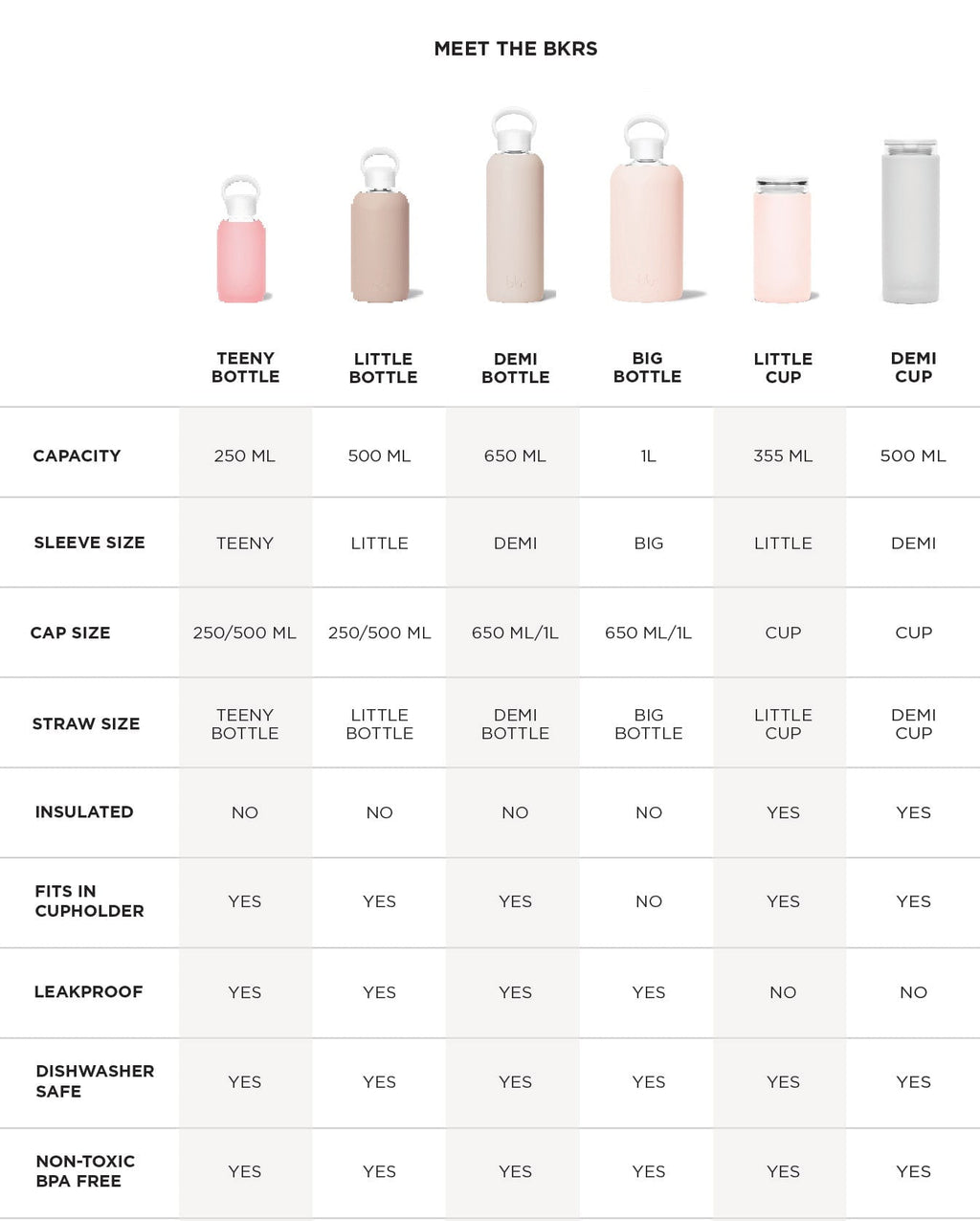
A stock image related to water bottle sizes.
Comprehensive Cost and Pricing Analysis for water bottle sizes Sourcing
What Are the Key Cost Components for Sourcing Water Bottle Sizes?
When sourcing water bottles, understanding the cost structure is crucial for effective budgeting and pricing strategies. The primary cost components include:
-
Materials: The choice of material—be it BPA-free plastic, stainless steel, or glass—significantly impacts costs. Plastic bottles are generally less expensive than metal or glass, but quality and sustainability considerations may drive up prices for eco-friendly options.
-
Labor: Labor costs vary by region, with countries in Asia often having lower labor costs compared to Europe or North America. This discrepancy can affect overall pricing, especially for bulk orders.
-
Manufacturing Overhead: This includes expenses related to factory operations such as utilities, rent, and maintenance. Efficient manufacturing processes can reduce overhead costs, ultimately benefiting buyers.
-
Tooling: Custom molds or tools for unique bottle designs can incur significant upfront costs. Buyers should weigh the benefits of customized products against these initial investments.
-
Quality Control (QC): Implementing rigorous QC measures ensures product consistency and safety, particularly important for international markets. However, enhanced QC processes can increase costs.
-
Logistics: Shipping costs vary based on the distance, mode of transport, and volume. International buyers should factor in customs duties and tariffs, which can significantly affect total costs.
-
Margin: Suppliers typically add a markup to cover their risks and profits. Understanding standard industry margins can help buyers negotiate better deals.
How Do Price Influencers Affect Water Bottle Sourcing?
Several factors influence the pricing of water bottles, which B2B buyers should consider:
-
Volume/MOQ: Minimum order quantities (MOQs) often dictate pricing. Higher order volumes generally lead to lower per-unit costs, making bulk purchases more cost-effective.
-
Specifications and Customization: Custom designs, sizes, or branding can increase costs. Buyers should determine if the benefits of customization outweigh the additional expenses.
-
Materials and Quality Certifications: Premium materials and certifications (e.g., BPA-free, FDA-approved) can raise costs. Buyers should assess whether these attributes align with their market demands and consumer preferences.
-
Supplier Factors: The supplier’s reputation, reliability, and experience can influence pricing. Established suppliers may offer better quality assurance, which can justify higher costs.
-
Incoterms: International Commercial Terms (Incoterms) dictate shipping responsibilities and costs. Understanding these terms can help buyers avoid unexpected expenses during transit.
What Are Effective Buyer Tips for Cost-Efficiency in Water Bottle Sourcing?
To maximize value when sourcing water bottles, consider these practical tips:
-
Negotiate Wisely: Engage in negotiations with suppliers to explore better pricing, especially for bulk orders. Leverage competitive quotes from multiple suppliers to strengthen your position.
-
Evaluate Total Cost of Ownership (TCO): Consider not just the purchase price but also the long-term costs associated with maintenance, durability, and potential replacements. A higher upfront cost may be justified if the product offers longevity and reduced replacement needs.
-
Understand Pricing Nuances for International Buyers: Currency fluctuations, international shipping costs, and regional tariffs can impact overall pricing. Buyers from Africa, South America, the Middle East, and Europe should account for these variables in their budget planning.
-
Request Samples: Before committing to large orders, request samples to assess quality and suitability. This can prevent costly mistakes and ensure that the product meets your standards.
Conclusion
Sourcing water bottles involves a comprehensive understanding of the cost structure and pricing influencers. By considering the outlined components, price influencers, and buyer tips, B2B buyers can make informed decisions that optimize their sourcing strategies while ensuring cost-efficiency. Keep in mind that prices can vary widely based on the factors discussed; thus, it’s crucial to conduct thorough market research and maintain open communication with suppliers.
Alternatives Analysis: Comparing water bottle sizes With Other Solutions
Exploring Alternatives to Water Bottle Sizes: A Comparative Analysis
When considering hydration solutions for businesses, it’s important to evaluate various options beyond traditional water bottle sizes. Each alternative presents unique benefits and drawbacks that can influence decision-making for B2B buyers. This analysis will compare conventional water bottle sizes with alternative hydration solutions such as water filtration systems and bulk water dispensers.
Comparison Table
| Comparison Aspect | Water Bottle Sizes | Water Filtration Systems | Bulk Water Dispensers |
|---|---|---|---|
| Performance | Offers portability and variety in sizes (8 oz to 1 gallon) | Provides purified water on-demand | Supplies large volumes of water |
| Cost | Initial cost varies by size and material; ongoing replacement costs | Higher initial investment; low ongoing costs | Bulk purchase can lower costs, but storage space is needed |
| Ease of Implementation | Simple to distribute and use | Requires installation and maintenance | Requires space and proper handling |
| Maintenance | Minimal; dependent on user care | Regular filter replacements needed | Low maintenance; periodic cleaning required |
| Best Use Case | Ideal for events, travel, and daily hydration | Best for offices and facilities needing ongoing purified water | Suitable for large gatherings or facilities with high water consumption |
Detailed Breakdown of Alternatives
Water Filtration Systems
Water filtration systems provide a sustainable solution for businesses aiming to reduce plastic waste while ensuring access to clean drinking water. These systems can be installed in office buildings, ensuring employees have constant access to purified water. However, the initial investment can be substantial, and regular maintenance is necessary to ensure optimal performance. For companies committed to sustainability and long-term cost savings, filtration systems are a robust choice.
Bulk Water Dispensers
Bulk water dispensers are another alternative that allows businesses to provide hydration for large groups efficiently. They eliminate the need for individual bottles and are especially beneficial in settings like schools, gyms, and corporate offices. While they require adequate space and proper handling to maintain hygiene, the cost-effectiveness of purchasing water in bulk can be significant. This method also supports efforts to minimize single-use plastic consumption.
Conclusion: Choosing the Right Hydration Solution for Your Business Needs
When selecting the best hydration solution, B2B buyers should assess their specific operational needs, budget constraints, and sustainability goals. Water bottle sizes offer flexibility and convenience, making them ideal for various settings. However, for organizations looking to invest in long-term solutions, water filtration systems and bulk water dispensers present compelling alternatives that can enhance sustainability efforts and reduce costs over time. Ultimately, the decision should align with the company’s values and operational requirements to ensure the best return on investment.
Essential Technical Properties and Trade Terminology for water bottle sizes
What Are the Key Technical Properties of Water Bottle Sizes?
Understanding the technical properties of water bottles is essential for B2B buyers, especially when sourcing products that meet specific market needs. Here are several critical specifications that play a vital role in decision-making:
1. Material Grade
Water bottles can be made from various materials, including BPA-free plastic, stainless steel, glass, and aluminum. Each material has its own properties, such as weight, durability, and insulation capabilities. For example, stainless steel bottles are favored for their durability and ability to maintain temperature, while BPA-free plastic bottles are lightweight and cost-effective. Buyers must assess which material aligns with their target market’s preferences and environmental concerns.
2. Capacity and Size Specifications
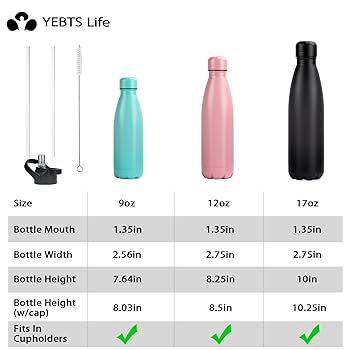
Water bottles range in size from small (8 oz) to large (5 gallons). The most common sizes for daily use are 16.9 oz and 32 oz. Understanding the capacity is crucial for determining how well the product meets consumer hydration needs. For instance, sports and outdoor markets often prefer larger capacities, while urban consumers may favor smaller, portable options. Buyers should consider the demographics and usage scenarios of their target audience when selecting sizes.
3. Neck Size and Closure Compatibility
The neck size of a bottle, typically measured in millimeters (e.g., 24-400, 28-400), is critical for compatibility with closures and dispensers. Proper neck size ensures a secure fit for caps and lids, which is important for preventing leaks and maintaining product integrity. This specification can affect packaging, distribution, and consumer satisfaction, making it a key consideration for B2B buyers.
4. Tolerance Levels
Tolerance refers to the allowable variation in manufacturing dimensions. For water bottles, maintaining strict tolerance levels is essential for ensuring consistent quality and functionality. Bottles that are out of tolerance may lead to issues such as leaks or difficulty in fitting closures, which can impact customer satisfaction. Buyers should ensure that their suppliers adhere to industry standards for tolerance to mitigate these risks.
5. Insulation Properties
For bottles designed to maintain temperature, insulation properties are paramount. Double-walled vacuum insulation is a common feature in high-quality bottles, keeping beverages hot or cold for extended periods. This is particularly important for markets where consumers expect performance, such as outdoor enthusiasts and fitness aficionados. Buyers should evaluate insulation capabilities to meet customer expectations for temperature retention.
What Are the Common Trade Terms in the Water Bottle Industry?
Navigating the water bottle market involves understanding specific trade terminology that is widely used in B2B transactions. Here are some essential terms that buyers should be familiar with:
1. OEM (Original Equipment Manufacturer)
OEM refers to companies that produce goods for other brands under that brand’s label. In the water bottle industry, many suppliers operate as OEMs, allowing businesses to brand products without investing in manufacturing facilities. Understanding OEM relationships can help buyers streamline their procurement processes and leverage established production capabilities.
2. MOQ (Minimum Order Quantity)
MOQ is the smallest quantity of a product that a supplier is willing to sell. In the water bottle market, MOQs can vary significantly based on material, complexity, and customization options. Buyers must evaluate their inventory needs against the MOQ to ensure they can meet market demand without overcommitting resources.
3. RFQ (Request for Quotation)
An RFQ is a formal document issued by buyers to solicit price quotes from suppliers for specific products or services. In the context of water bottles, submitting an RFQ can help buyers compare costs, lead times, and terms across multiple suppliers, facilitating informed purchasing decisions.
4. Incoterms (International Commercial Terms)
Incoterms are internationally recognized terms that define the responsibilities of buyers and sellers in global trade. They clarify who is responsible for shipping, insurance, and tariffs. Familiarity with Incoterms is crucial for B2B buyers engaging in international transactions, as they help mitigate risks and misunderstandings in logistics and shipping.
5. Customization Options
Customization refers to the ability to modify a product’s design, size, or features to meet specific customer requirements. In the water bottle industry, customization can include branding, colors, and specialized functions (e.g., infuser bottles). Understanding customization options allows buyers to offer differentiated products that cater to unique market segments.
By grasping these technical properties and trade terms, B2B buyers can make more informed decisions, ensuring they select water bottles that align with their business needs and customer expectations.
Navigating Market Dynamics and Sourcing Trends in the water bottle sizes Sector
What Are the Key Drivers Influencing the Water Bottle Sizes Market?
The global water bottle sizes market is experiencing robust growth due to several key drivers. Firstly, the increasing awareness around hydration and health is leading consumers to seek more convenient and sustainable options. This trend is particularly pronounced in regions like Africa and the Middle East, where access to clean drinking water remains a significant challenge. Moreover, the rise of outdoor activities and fitness culture is pushing demand for various bottle sizes tailored to specific needs, such as sports, travel, and daily use.
Additionally, technological advancements in manufacturing processes are enabling suppliers to produce high-quality, durable bottles at competitive prices. Customization is another emerging trend, as B2B buyers increasingly prefer personalized solutions to meet the diverse needs of their clientele. For instance, brands are now offering bottles in various materials—such as stainless steel, BPA-free plastics, and glass—catering to different market segments.
In Europe, particularly in Germany, sustainability is a primary consideration, leading businesses to source eco-friendly bottles that align with regulatory standards. This is fostering a dynamic market where innovation and consumer preferences drive sourcing decisions, making it crucial for international buyers to stay informed about market shifts and emerging technologies.
How Important Is Sustainability and Ethical Sourcing in the Water Bottle Sector?
Sustainability has become a cornerstone in the water bottle industry, shaping sourcing strategies for B2B buyers. The environmental impact of plastic waste is prompting businesses to seek alternatives that minimize ecological footprints. Bottles made from recycled materials or those that are fully recyclable are gaining traction, aligning with global sustainability goals.
Ethical sourcing is equally important, as consumers and businesses alike demand transparency in supply chains. B2B buyers should prioritize suppliers who adhere to ethical practices, ensuring fair labor conditions and responsible sourcing of materials. Certifications such as the Global Recycle Standard (GRS) and the Forest Stewardship Council (FSC) are becoming essential credentials for suppliers looking to establish credibility in the market.
Furthermore, the move towards biodegradable materials presents new opportunities for differentiation. Brands that incorporate sustainable practices not only appeal to environmentally-conscious consumers but also position themselves favorably in markets with stringent regulations on plastic usage. Thus, sourcing bottles that meet these sustainability criteria is not merely a trend; it is an essential aspect of strategic procurement for B2B buyers.
What Is the Brief Evolution of Water Bottle Sizes and Their Market Impact?
The evolution of water bottle sizes can be traced back to the late 20th century when convenience and portability became paramount. Initially dominated by single-use plastic bottles, the market has shifted dramatically towards reusable options in response to growing environmental concerns. The introduction of BPA-free materials and innovative designs has broadened the appeal of reusable bottles, making them a staple in both consumer and corporate settings.
As awareness of hydration’s importance has increased, so has the demand for various sizes tailored to different activities and lifestyles. From compact 8 oz bottles for children to large 64 oz bottles for athletes, the diversity in size has allowed businesses to cater to specific market segments effectively. This evolution reflects a broader trend towards personalization and functionality, which continues to influence product development and sourcing strategies.
The shift towards sustainability and ethical sourcing, alongside changing consumer preferences, has fundamentally reshaped the market landscape, creating new opportunities for B2B buyers to engage with suppliers who align with these values. Understanding this historical context is crucial for international buyers looking to navigate the complexities of the current water bottle sizes market.
Frequently Asked Questions (FAQs) for B2B Buyers of water bottle sizes
-
How do I choose the right water bottle size for my business needs?
Selecting the appropriate water bottle size hinges on understanding your target market and their hydration needs. If you’re catering to outdoor enthusiasts, larger bottles (32 oz to 64 oz) are ideal for long hikes or camping. For office settings, medium sizes (20 oz to 32 oz) work best, providing sufficient hydration without being cumbersome. Conduct market research to identify preferences in your region, and consider offering a range of sizes to accommodate various customer preferences. -
What is the most common water bottle size in the market?
The most prevalent water bottle size is 16.9 oz (500 ml), frequently used for single-use plastic bottles. However, reusable bottles often range from 20 oz to 32 oz, balancing portability and capacity. Understanding this trend can help you align your product offerings with consumer expectations and enhance your market competitiveness. -
What are the advantages of offering custom sizes for water bottles?
Providing custom sizes can significantly differentiate your brand in a crowded market. Customization allows you to cater to specific consumer needs, such as bottles designed for kids, athletes, or corporate gifts. It can also enhance brand loyalty, as businesses appreciate tailored products. Additionally, custom sizes can help you tap into niche markets, potentially increasing your overall sales. -
How can I ensure the quality of the water bottles I source internationally?
To ensure product quality, vet potential suppliers through certifications (e.g., ISO, FDA compliance) and request samples for testing. It’s also beneficial to establish clear quality assurance protocols, including regular inspections during production and before shipping. Engaging a third-party inspection service can provide an additional layer of assurance, particularly for large orders. -
What are the typical minimum order quantities (MOQ) for water bottles?
Minimum order quantities vary by supplier and can range from a few hundred to thousands of units, depending on the bottle size and material. It’s advisable to communicate your needs upfront and negotiate MOQs to suit your business model. Some suppliers may offer flexibility for first-time buyers or bulk orders, so explore all options to find the best fit for your operations. -
What payment terms should I negotiate with international suppliers?
When dealing with international suppliers, it’s crucial to negotiate favorable payment terms that protect your investment. Common options include partial upfront payment (30-50%) and the balance upon delivery or after inspection. Consider using escrow services or letters of credit for larger transactions to mitigate risks. Always ensure clarity on payment methods, currency exchange, and any potential fees involved. -
How can I streamline logistics for importing water bottles?
Streamlining logistics involves selecting reliable freight forwarders and understanding local import regulations. Establish a clear shipping timeline and ensure proper documentation is in place to avoid delays at customs. Collaborate with suppliers to determine the most efficient shipping methods, whether by air or sea, and consider consolidating shipments to reduce costs. Additionally, maintaining good communication with your logistics partners can help address any issues promptly. -
What environmental certifications should I look for when sourcing water bottles?
As environmental sustainability becomes increasingly important, look for certifications that indicate eco-friendliness, such as BPA-free, recyclable materials, and compliance with global environmental standards. Certifications like ISO 14001 (Environmental Management) can also be indicators of a supplier’s commitment to sustainability. Highlighting these certifications in your marketing can enhance your brand reputation and appeal to environmentally conscious consumers.
Important Disclaimer & Terms of Use
⚠️ Important Disclaimer
The information provided in this guide, including content regarding manufacturers, technical specifications, and market analysis, is for informational and educational purposes only. It does not constitute professional procurement advice, financial advice, or legal advice.
While we have made every effort to ensure the accuracy and timeliness of the information, we are not responsible for any errors, omissions, or outdated information. Market conditions, company details, and technical standards are subject to change.
B2B buyers must conduct their own independent and thorough due diligence before making any purchasing decisions. This includes contacting suppliers directly, verifying certifications, requesting samples, and seeking professional consultation. The risk of relying on any information in this guide is borne solely by the reader.
Top 9 Water Bottle Sizes Manufacturers & Suppliers List
1. Asobu – Reusable Water Bottles
Domain: thewaterbottlestore.com
Registered: 2005 (20 years)
Introduction: Reusable water bottles available in various sizes including 1 Liter/32 oz, 13 oz, and 20 oz. Brands include Asobu, Aquaovo, Beachcomber, BKR, Bluewave, Boon Supply, Bubi, EarthLust, EcoVessel, Kid Basix, KOR, Nalgene, and New Wave Enviro. Materials include BPA-free plastic, stainless steel, glass, and silicone. Types include insulated, collapsible, filtered, freezable, infuser, and kids water bott…
2. My Own Water – Premium BPA Free Water Bottles
Domain: myownwater.com
Registered: 2000 (25 years)
Introduction: We offer several water bottle sizes ranging from 8 oz up to 1 gallon. Our bottles are available in various styles, sizes, and materials. All bottles are made from high-quality BPA free PET plastic, which is 3x stronger than comparable grocery store bottles. The available sizes include: Value Bottles (8 oz, 10 oz, 12 oz, 16.9 oz, 23.7 oz, 33.8 oz), Modern Bottles (12 oz, 16.9 oz, 23.7 oz, 33.8 oz, …
3. Reddit – Ideal Daily Use Water Bottle Sizes
Domain: reddit.com
Registered: 2005 (20 years)
Introduction: Ideal sizes for daily use water bottles are 24oz, 32oz, and 40oz. The 24oz size is preferred by many users for its practicality, as it fits in most backpack side pouches and standard car cup holders. Users noted that the 32oz size can be too large for these spaces and harder to handle for those with smaller hands. Some users also mentioned using smaller bottles, such as 16oz, for ease of carrying …
4. CamelBak – New Thrive™ Flip Straw 40oz Bottle
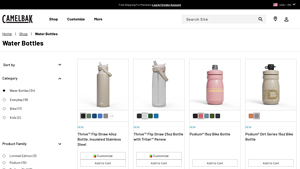
Domain: camelbak.com
Registered: 1996 (29 years)
Introduction: New Thrive™ Flip Straw 40oz Bottle, Insulated Stainless Steel – $37.99
New Thrive™ Flip Straw 25oz Bottle with Tritan™ Renew – $17.99
New Podium® 15oz Bike Bottle – $12.00
New Podium® Dirt Series 15oz Bike Bottle – $15.00
New Thrive™ Chug 25oz Bottle, Insulated Stainless Steel – $30.99
New Thrive™ Chug 20oz Bottle – Price not specified.
5. Hydro Flask – Insulated Water Bottles
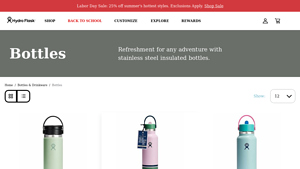
Domain: hydroflask.com
Registered: 2009 (16 years)
Introduction: Insulated & Stainless Steel Water Bottles | Hydro Flask. Labor Day Sale: 25% off summer’s hottest styles. Free shipping on orders $39+. New Limited Edition Campus Collection. Product options include: 16 oz Coffee with Flex Sip™ Lid ($32.95, sale price $24.71), 21 oz Standard Mouth with Flex Straw Cap ($34.95), Remix 32 oz Wide Mouth with Flex Straw Cap – Polar Plunge (Out of stock), Remix 24 oz Wi…
6. I Want My H2O – Custom Bottled Water
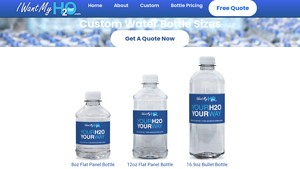
Domain: iwantmyh2o.com
Registered: 2007 (18 years)
Introduction: Custom Water Bottle Sizes: 8oz, 12oz, 16.9oz.\n\n8oz Custom Bottled Water: \n- BPA-free\n- Circumference: 8.25 in\n- Height: 4.75 in\n- Diameter: 2.5 in\n- Custom label size varies by region\n- Full clear cap for branding\n- Case holds 24 bottles, ordered in 12-case increments\n- Full pallet contains 120–130 cases (2,880–3,120 bottles)\n- Two cases fit per cardboard box\n\n12oz Private Label Water…
7. Owala – FreeSip® Water Bottle
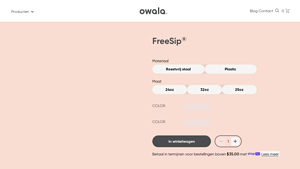
Domain: owalalife.com
Registered: 2019 (6 years)
Introduction: Product Name: FreeSip® Water Bottle
Available Sizes: 24 oz, 32 oz, 40 oz
Key Features:
– Stainless steel insulated bottle
– Triple layer insulation
– Leak-proof lid
– Patented FreeSip spout with built-in straw for sipping or swigging
– BPA, lead, and phthalate-free
– Wide opening for easy cleaning and adding ice
– Convenient carry loop that doubles as a lock when closed
– Dishwasher-safe lid; hand…
8. Just Bottle – 32 oz Water Bottle
9. CustomWater – 8oz BPA Free Water Bottle
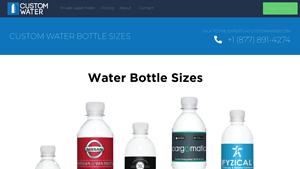
Domain: customwater.com
Registered: 2002 (23 years)
Introduction: CustomWater.com offers a variety of plastic water bottle sizes including:
1. **8oz Water Bottle**:
– Dimensions: 5″ tall, 2.25″ wide, 8.25″ around
– Label Size: 1.625″ H x 7.25″ W to 2″ H x 7″ W
– BPA free
– Packed: 24 bottles per case
– Order in increments of 12 cases
– Pallet: 120 cases (2880 bottles) or 130 cases (3120 bottles)
2. **12oz Water Bottle**:
– Dimensi…
Strategic Sourcing Conclusion and Outlook for water bottle sizes
What Are the Key Takeaways for Strategic Sourcing of Water Bottle Sizes?
In summary, understanding the diverse range of water bottle sizes—from compact 8 oz options to larger 64 oz and above—enables businesses to make informed sourcing decisions that align with market demands. Prioritizing quality and material type, such as BPA-free plastics or stainless steel, not only enhances product appeal but also meets regulatory requirements and consumer preferences across different regions. The growing emphasis on sustainability further underscores the need for sourcing environmentally friendly options, resonating well with consumers in markets like Europe and the Middle East.
How Can International B2B Buyers Leverage These Insights?
Strategic sourcing in the water bottle sector presents opportunities for international buyers to optimize inventory and cater to diverse consumer needs. By aligning product offerings with regional hydration habits and preferences, businesses can enhance customer satisfaction and drive sales growth. As markets continue to evolve, staying attuned to trends in water bottle sizes and materials will be vital.
What Steps Should You Take Next?
As you consider your sourcing strategy, analyze your target demographics and the specific hydration needs in your region, whether in Africa, South America, or Europe. Engage with suppliers who offer customization options to meet local demands effectively. By leveraging these insights, you position your business for success in the competitive water bottle market, paving the way for sustainable growth and customer loyalty.