Introduction: Navigating the Global Market for gallon water bottles
In today’s global marketplace, sourcing high-quality gallon water bottles presents a significant challenge for B2B buyers, particularly in regions like Africa, South America, the Middle East, and Europe. As businesses increasingly prioritize sustainability and cost-effectiveness, understanding the myriad options available—from insulated jugs to rugged designs—becomes essential. This guide delves into the diverse types of gallon water bottles, their various applications, and the critical factors to consider when selecting suppliers, including quality assurance, pricing strategies, and compliance with international standards.
International buyers must navigate unique regional demands and preferences, especially in markets such as Nigeria and Saudi Arabia, where climate and local customs can influence purchasing decisions. This comprehensive resource aims to empower B2B buyers by equipping them with actionable insights that facilitate informed purchasing choices. By highlighting key features, potential supplier pitfalls, and effective negotiation strategies, this guide serves as a crucial tool in optimizing procurement processes and enhancing overall supply chain efficiency.
Whether you are looking to enhance your product offering or meet specific hydration needs within your organization, understanding the global market landscape for gallon water bottles will position you to make strategic decisions that align with your business goals. Join us as we explore the essentials of sourcing these vital products in a competitive international market.
Understanding gallon water bottles Types and Variations
| Type Name | Key Distinguishing Features | Primary B2B Applications | Brief Pros & Cons for Buyers |
|---|---|---|---|
| Insulated Gallon Bottles | Double-wall construction, temperature retention | Outdoor events, construction sites | Pros: Keeps drinks cold/hot for extended periods. Cons: Generally heavier and more expensive. |
| BPA-Free Plastic Gallon Jugs | Lightweight, durable, and affordable | Water delivery, retail, and catering | Pros: Cost-effective and easy to transport. Cons: May not retain temperature well. |
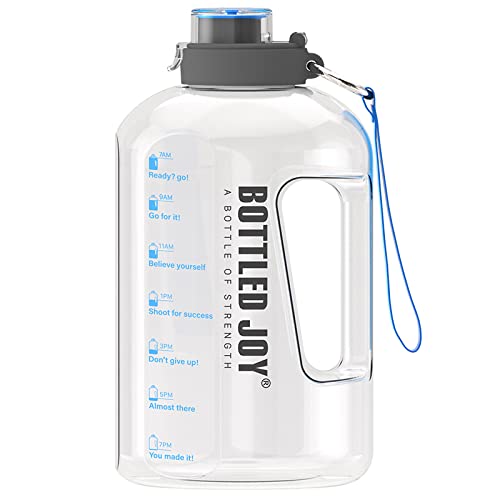
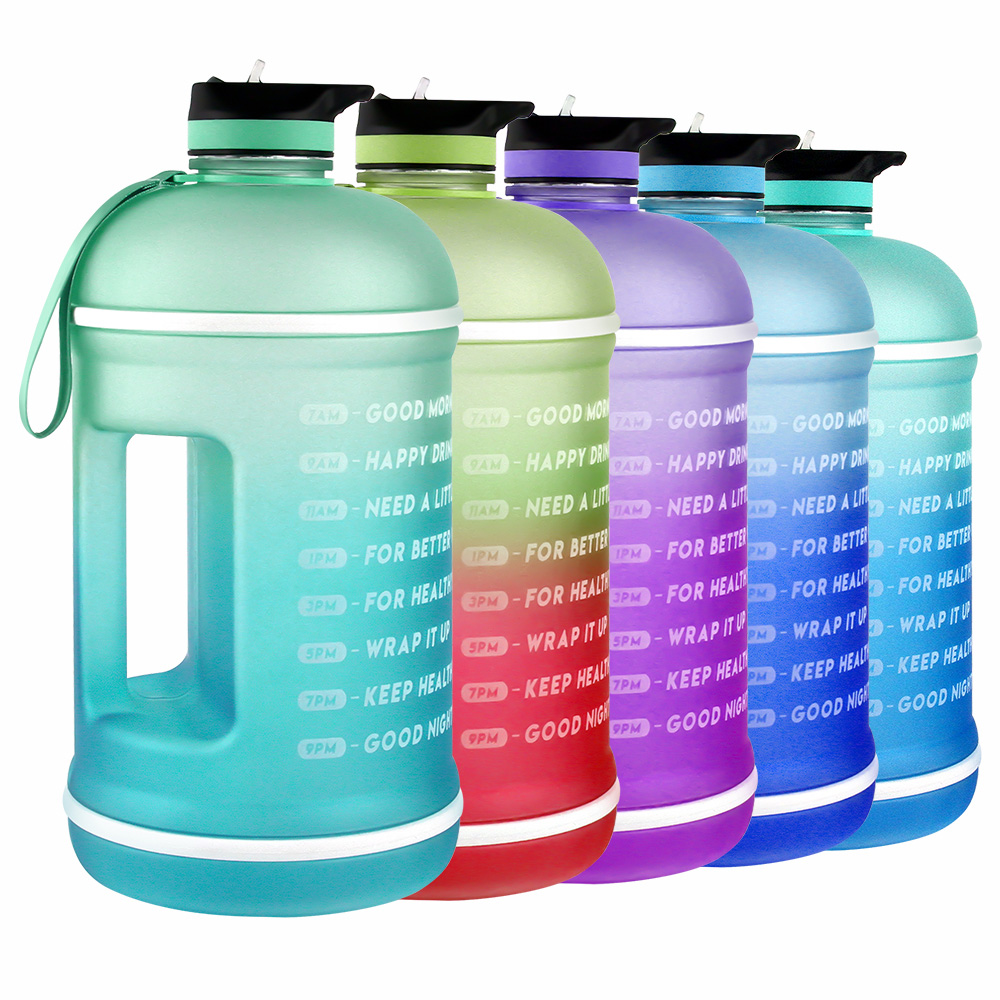
| Motivational Water Bottles | Time markers for hydration tracking | Fitness centers, corporate wellness | Pros: Encourages hydration, enhances brand visibility. Cons: Limited styles and materials. |
| Tactical Gallon Containers | Rugged design, often with additional storage options | Military, outdoor adventure companies | Pros: Extremely durable and versatile. Cons: Higher price point, may be overbuilt for casual use. |
| Half Gallon Bottles | Compact size, often with similar features to full gallon bottles | Personal use, gyms, and small offices | Pros: Easier to carry, suitable for individual hydration needs. Cons: Less capacity for group events. |
What are the characteristics of insulated gallon bottles and their suitability for B2B buyers?
Insulated gallon bottles are designed with double-wall construction that provides excellent temperature retention for both hot and cold beverages. These bottles are ideal for outdoor events, construction sites, or any scenario where hydration is essential, but access to cold water may be limited. B2B buyers should consider the weight and cost of these bottles, as they tend to be heavier and pricier than their non-insulated counterparts. However, their performance in maintaining beverage temperature can justify the investment for businesses focused on employee wellness or customer satisfaction.
How do BPA-free plastic gallon jugs serve B2B applications?
BPA-free plastic gallon jugs are lightweight, durable, and often more affordable than metal options. They are commonly used in water delivery services, retail settings, and catering businesses due to their cost-effectiveness and ease of transport. While these bottles do not retain temperature as effectively as insulated models, their affordability makes them an attractive option for businesses looking to provide hydration solutions without significant investment. Buyers should also consider the environmental implications of plastic use and look for recycling options.
What advantages do motivational water bottles offer for businesses?
Motivational water bottles typically feature time markers that encourage users to drink water throughout the day. These bottles are particularly popular in fitness centers and corporate wellness programs, where promoting hydration can enhance employee productivity and health. B2B buyers should evaluate the branding potential of these bottles, as they can serve as effective marketing tools while promoting a healthy lifestyle. However, the range of styles and materials may be limited compared to other types, so businesses should ensure they select options that align with their brand image.
Why are tactical gallon containers suitable for rugged environments?
Tactical gallon containers are built for durability, often featuring rugged designs and additional storage capabilities. They are perfect for military applications, outdoor adventure companies, and any business that requires reliable hydration solutions in demanding environments. While these containers are designed to withstand harsh conditions, they often come at a higher price point, which may not be suitable for all businesses. B2B buyers should assess their specific needs and the environments in which these products will be used before making a purchase.
What are the benefits of half-gallon bottles for personal and small-scale use?
Half-gallon bottles provide a compact and manageable size, making them suitable for personal use, gyms, and small offices. They often carry similar features to full gallon bottles, such as insulation or motivational markers, but in a more portable form. For B2B buyers, these bottles are ideal for promoting individual hydration, especially in settings where space is limited. However, buyers should be aware that while they are easier to carry, they may not meet the needs of larger groups or events requiring significant hydration capacity.
Key Industrial Applications of gallon water bottles
| Industry/Sector | Specific Application of gallon water bottles | Value/Benefit for the Business | Key Sourcing Considerations for this Application |
|---|---|---|---|
| Food and Beverage | Water supply in restaurants and cafes | Ensures hydration for staff and customers; promotes health | Quality and safety certifications, BPA-free materials, insulation properties for temperature control |
| Construction and Mining | On-site hydration for workers | Maintains worker health and productivity; reduces heat-related illnesses | Durability, ease of transport, and capability to withstand harsh environments |
| Event Management | Beverage service at large events | Facilitates easy distribution of water; enhances guest experience | Volume capacity, portability, and aesthetic design for branding opportunities |
| Agriculture | Irrigation and livestock watering | Provides consistent water supply for crops and animals; increases yield | Compatibility with local water sources, UV resistance, and ease of refilling |
| Health and Wellness | Hydration stations in gyms and wellness centers | Encourages hydration, improving member satisfaction and retention | Design for ease of use, size for high-traffic areas, and branding options for marketing |
How Are Gallon Water Bottles Used in the Food and Beverage Industry?
In the food and beverage sector, gallon water bottles serve as a crucial hydration source for both employees and patrons. Restaurants and cafes often utilize these bottles to ensure that staff remain hydrated during long shifts, while also providing customers with easy access to water. This not only promotes health but also enhances the dining experience. When sourcing these bottles, businesses need to prioritize quality certifications and materials that are BPA-free to ensure safety and compliance with health regulations.
What Role Do Gallon Water Bottles Play in Construction and Mining?
Gallon water bottles are vital in construction and mining sectors where workers are exposed to extreme conditions. Providing a reliable source of hydration helps maintain worker health and productivity, significantly reducing the risk of heat-related illnesses. Buyers in these industries should focus on sourcing durable bottles that can withstand rough handling and harsh environments, ensuring ease of transport to various job sites.
How Are Gallon Water Bottles Utilized in Event Management?
In event management, gallon water bottles are employed for beverage service at large gatherings, festivals, and corporate events. Their use simplifies the distribution of water, making it more accessible for guests while enhancing their overall experience. When sourcing these bottles, event organizers should consider factors such as volume capacity, portability, and design aesthetics to align with branding and thematic elements of the event.
In What Ways Do Gallon Water Bottles Support Agriculture?
In the agricultural sector, gallon water bottles are utilized for both irrigation and livestock watering. They provide a consistent water supply that is essential for crop growth and animal health, ultimately increasing yield. Buyers in this field must ensure that the bottles are compatible with local water sources, resistant to UV rays, and easy to refill, especially in remote areas where access to water can be limited.
How Are Gallon Water Bottles Essential for Health and Wellness Facilities?
In gyms and wellness centers, gallon water bottles are often set up at hydration stations to encourage members to drink water regularly. This promotes hydration, which is crucial for physical performance and recovery, thus improving member satisfaction and retention rates. For sourcing, facilities should look for designs that are user-friendly, sized appropriately for high-traffic areas, and offer branding options for promotional purposes.
A stock image related to gallon water bottles.
3 Common User Pain Points for ‘gallon water bottles’ & Their Solutions
Scenario 1: Difficulty in Ensuring Water Quality During Transit
The Problem: B2B buyers often face challenges in maintaining the quality of water during transit and storage. This is particularly important for businesses in regions with extreme temperatures or unreliable water supply. Gallon water bottles may become breeding grounds for bacteria if not stored properly, leading to concerns about contamination and health risks. Additionally, inadequate sealing can result in leaks, causing logistical issues and financial losses.
The Solution: To ensure water quality, buyers should prioritize sourcing gallon water bottles made from food-grade materials that are BPA-free and rust-proof. Look for bottles that feature double-wall insulation to maintain temperature stability, which helps prevent bacterial growth. When placing orders, request certifications from suppliers to verify that their products meet health and safety standards. Additionally, consider including tamper-evident seals in your procurement to enhance the integrity of the bottles during transit. Implement a proper storage protocol upon arrival, including cleaning and sanitizing the bottles before use. For long-term storage, consider using UV sterilization methods to eliminate potential contaminants.
Scenario 2: Managing Bulk Purchase Costs and Waste
The Problem: Many businesses struggle with the high upfront costs associated with bulk purchasing of gallon water bottles. Additionally, some companies may not fully utilize the bottles, leading to waste and inefficiencies in inventory management. This is particularly relevant for businesses with fluctuating demand, where over-ordering can result in excess stock that cannot be used before it degrades.
The Solution: To mitigate costs and waste, B2B buyers should conduct thorough market research to identify suppliers that offer competitive pricing and flexible bulk purchasing options. Negotiating contracts with suppliers for tiered pricing based on order quantity can also lead to significant savings. Another effective strategy is to implement a just-in-time inventory system, allowing businesses to order based on actual consumption rates rather than estimates. This minimizes excess inventory and ensures that the water bottles used are always fresh. Additionally, consider investing in reusable gallon bottles that can be washed and refilled, reducing the need for single-use options and contributing to sustainability initiatives, which can enhance the company’s image and appeal to environmentally conscious customers.
Scenario 3: Ensuring Durability in Harsh Environments
The Problem: Buyers operating in harsh environments, such as construction sites or outdoor events, often find that standard gallon water bottles are not durable enough to withstand rough handling and extreme conditions. This can lead to frequent replacements, disrupting supply and increasing costs.
The Solution: When sourcing gallon water bottles, businesses should specifically seek out models designed for rugged use. Look for features such as reinforced handles, impact-resistant materials, and leak-proof designs that can endure rough conditions. Suppliers that offer customization options for branding or color-coding can also help in managing inventory visually, making it easier for teams to identify their supplies quickly. Furthermore, establishing a regular maintenance schedule for inspecting and cleaning the bottles can prolong their lifespan. Training employees on proper handling techniques can also minimize damage and ensure that the investment in durable bottles pays off over time. By prioritizing quality and robustness in procurement, businesses can significantly reduce the frequency of replacements and associated costs.
Strategic Material Selection Guide for gallon water bottles
What Are the Key Properties of Common Materials Used in Gallon Water Bottles?
When selecting materials for gallon water bottles, it is essential to consider properties such as temperature resistance, pressure ratings, and corrosion resistance. The most commonly used materials include stainless steel, high-density polyethylene (HDPE), glass, and aluminum. Each material offers distinct advantages and disadvantages that can affect product performance and suitability for various applications.
How Does Stainless Steel Perform in Gallon Water Bottle Applications?
Stainless steel is renowned for its durability and resistance to corrosion, making it an ideal choice for gallon water bottles. It can withstand high temperatures and pressure, ensuring the integrity of the bottle under various conditions. Stainless steel bottles are often insulated, providing excellent temperature retention for both hot and cold liquids.
Pros: The primary advantages of stainless steel include its long lifespan, resistance to rust and stains, and ease of cleaning. It is also a sustainable option, as it is recyclable.
Cons: On the downside, stainless steel bottles can be heavier than other materials and may come at a higher cost due to manufacturing complexity.
Impact on Application: Stainless steel is compatible with a wide range of beverages, including acidic drinks, which can corrode other materials. This makes it suitable for diverse markets, particularly in regions where consumers prioritize durability.
What Are the Benefits and Limitations of High-Density Polyethylene (HDPE)?
HDPE is a lightweight and cost-effective option for gallon water bottles. It offers good chemical resistance and is less likely to shatter compared to glass. HDPE bottles can handle a variety of liquids, making them versatile for different applications.
Pros: The main advantages of HDPE include its affordability, lightweight nature, and ease of manufacturing. It is also resistant to impact and UV radiation, which is particularly beneficial in sunny climates.
Cons: However, HDPE has a lower temperature resistance compared to stainless steel and can warp under high heat. It may also retain odors and stains over time.
Impact on Application: HDPE is widely accepted in international markets, but buyers should ensure compliance with local food safety standards, especially in regions like Africa and South America where regulations can vary.
How Does Glass Compare as a Material for Gallon Water Bottles?
Glass is often chosen for its aesthetic appeal and purity, as it does not leach chemicals into beverages. It is an excellent barrier against oxygen and moisture, ensuring the quality of the contents.
Pros: Glass bottles are fully recyclable and do not retain flavors or odors, making them suitable for a wide range of beverages.
Cons: The primary drawback is their fragility; glass can break easily, which poses a risk during transportation. Additionally, glass bottles are heavier and more expensive to produce.
Impact on Application: Glass bottles are popular in European markets where consumers prioritize quality and sustainability. However, international buyers must consider the additional shipping costs and potential breakage during transit.
What Role Does Aluminum Play in Gallon Water Bottle Manufacturing?
Aluminum is lightweight and offers good thermal conductivity, making it a suitable choice for insulated gallon water bottles. It is resistant to corrosion and can be easily molded into various shapes.
Pros: The advantages of aluminum include its lightweight nature, recyclability, and resistance to rust. It can also be coated to enhance its durability and aesthetic appeal.
Cons: However, aluminum can react with acidic beverages if not properly coated, which may limit its use for certain liquids. Additionally, it may not provide the same level of insulation as stainless steel.
Impact on Application: Aluminum bottles are gaining popularity in markets where consumers seek lightweight options for outdoor activities. International buyers should ensure that aluminum products meet relevant safety standards.
Summary of Material Selection for Gallon Water Bottles
| Material | Typical Use Case for gallon water bottles | Key Advantage | Key Disadvantage/Limitation | Relative Cost (Low/Med/High) |
|---|---|---|---|---|
| Stainless Steel | Insulated bottles for hot/cold beverages | Excellent durability and temperature retention | Heavier and more expensive | High |
| High-Density Polyethylene (HDPE) | Budget-friendly options for various liquids | Lightweight and cost-effective | Lower temperature resistance | Low |
| Glass | Premium beverage packaging | Non-reactive and aesthetic appeal | Fragile and heavier | Medium |
| Aluminum | Lightweight, insulated options for outdoor use | Lightweight and corrosion-resistant | Can react with acidic beverages | Medium |
This guide provides a comprehensive overview of the materials used in gallon water bottles, enabling international B2B buyers to make informed decisions based on their specific market needs and compliance requirements.
A stock image related to gallon water bottles.
In-depth Look: Manufacturing Processes and Quality Assurance for gallon water bottles
What Are the Main Stages of Manufacturing Gallon Water Bottles?
The manufacturing of gallon water bottles involves several critical stages, each designed to ensure the final product meets quality standards and consumer expectations. The main stages include:
-
Material Preparation: The process begins with sourcing high-quality materials, typically food-grade plastics like polyethylene terephthalate (PET) or high-density polyethylene (HDPE). These materials are selected for their durability, safety, and ability to preserve water quality. During this stage, materials undergo rigorous inspections to verify their compliance with international standards, ensuring they are free from contaminants and meet specific safety criteria.
-
Forming: The next step involves shaping the prepared materials into bottles. This can be achieved through various techniques, including blow molding and injection molding. Blow molding is the most common method for gallon bottles, where heated plastic is expanded into a mold to form the desired shape. Precision in this stage is crucial, as it affects the bottle’s strength and capacity.
-
Assembly: After forming, the components of the bottle, such as caps and handles, are assembled. This may involve additional processes like welding or using adhesives, depending on the design. Automated assembly lines are frequently used to enhance efficiency and reduce labor costs, ensuring consistent quality in the final product.
-
Finishing: The final stage includes surface treatment, labeling, and packaging. Bottles may undergo processes such as polishing or applying UV coatings to enhance their durability and appearance. Quality checks are performed to ensure labels are applied correctly and that the packaging is intact, ready for distribution.
What Quality Assurance Standards Are Relevant for Gallon Water Bottles?
Quality assurance (QA) is a crucial element in the manufacturing process of gallon water bottles, particularly for B2B buyers who require reliable products. Key international standards include:
-
ISO 9001: This widely recognized standard focuses on quality management systems. Manufacturers seeking ISO 9001 certification demonstrate their commitment to consistently providing products that meet customer and regulatory requirements. For B2B buyers, this certification serves as an assurance of quality in the manufacturing process.
-
CE Marking: Required for products sold in the European Economic Area, CE marking indicates conformity with health, safety, and environmental protection standards. B2B buyers in Europe should verify that suppliers have CE-certified products to ensure compliance with local regulations.
-
API Certification: For manufacturers producing water bottles intended for the oil and gas industry or similar sectors, obtaining API (American Petroleum Institute) certification can be vital. This certification ensures that products meet specific performance and safety standards.
What Are the Key Quality Control Checkpoints in the Manufacturing Process?
Quality control (QC) checkpoints are integral to maintaining product quality throughout the manufacturing process. Common checkpoints include:
-
Incoming Quality Control (IQC): This initial checkpoint involves inspecting raw materials upon arrival. Materials are tested for compliance with specifications, including physical and chemical properties.
-
In-Process Quality Control (IPQC): During production, ongoing inspections are conducted to monitor processes and identify any deviations from quality standards. This might include checking the temperature and pressure settings during molding and ensuring that assembly processes are executed correctly.
-
Final Quality Control (FQC): After the bottles are completed, a thorough final inspection is performed. This includes testing for leaks, checking dimensions, and evaluating the integrity of the finished product. Random sampling may be employed to ensure that the quality is consistent across production batches.
How Can B2B Buyers Verify Supplier Quality Control?
B2B buyers must take proactive steps to ensure that their suppliers maintain high-quality standards. Here are several strategies to verify supplier QC:
-
Conduct Audits: Regular audits of suppliers’ manufacturing facilities can provide insights into their quality control processes. Buyers should assess the supplier’s adherence to international standards and their internal QC protocols.
-
Request Quality Reports: Buyers should ask suppliers for quality assurance reports, which detail the results of inspections and tests conducted during the manufacturing process. These reports should include data on materials used, production methods, and any deviations from quality standards.
-
Utilize Third-Party Inspections: Engaging third-party inspection services can offer an unbiased assessment of a supplier’s quality control measures. These services can perform audits and product inspections, providing buyers with additional assurance regarding product quality.
What Are the Common Testing Methods for Quality Assurance of Gallon Water Bottles?
Testing methods play a pivotal role in ensuring the quality and safety of gallon water bottles. Common testing methods include:
-
Material Testing: This includes assessing the physical properties of the plastics used, such as tensile strength, impact resistance, and thermal stability. Such tests help ensure that the bottles can withstand varying environmental conditions.
-
Leak Testing: To ensure that bottles are properly sealed and do not leak, manufacturers conduct pressure tests. These tests involve filling bottles with water and checking for any signs of leakage under pressure.
-
Durability Testing: Bottles are subjected to drop tests to evaluate their resilience during transportation and use. This testing simulates real-world conditions to ensure that the bottles can endure impacts without breaking.
What QC and Certification Nuances Should International B2B Buyers Consider?
For international B2B buyers, understanding the nuances of quality control and certification is essential. Here are some factors to consider:
-
Regional Regulations: Different regions may have specific regulations regarding the materials used in water bottles. For example, certain plastics may be banned in some countries due to health concerns. Buyers should familiarize themselves with these regulations to avoid compliance issues.
-
Cultural Sensitivities: In some regions, particularly in Africa and the Middle East, cultural perceptions of product safety and quality can influence purchasing decisions. Understanding these perceptions can help buyers select suppliers that align with local expectations.
-
Supply Chain Transparency: Buyers should seek suppliers who provide transparency in their supply chains. This includes information about sourcing materials, manufacturing processes, and quality control measures. A transparent supply chain can help mitigate risks associated with product quality.
By understanding these manufacturing processes and quality assurance practices, B2B buyers can make informed decisions when sourcing gallon water bottles, ensuring they receive high-quality products that meet their specific needs.
Practical Sourcing Guide: A Step-by-Step Checklist for ‘gallon water bottles’
Introduction
This sourcing guide is designed to assist B2B buyers in navigating the procurement process for gallon water bottles. Understanding the specific requirements and evaluating potential suppliers can significantly impact the quality, cost, and reliability of your purchases. This checklist will provide actionable steps to ensure you make informed decisions that meet your business needs.
Step 1: Define Your Technical Specifications
Before initiating the procurement process, clearly outline the technical specifications of the gallon water bottles you need. Consider factors such as material (e.g., stainless steel, plastic), capacity (128 ounces), insulation properties, and design features (e.g., ease of filling, lid options). Defining these criteria upfront will help you streamline your search and ensure that you find products that meet your operational requirements.
Step 2: Research Market Trends and Demand
Understanding current market trends is essential for making informed purchasing decisions. Analyze factors such as consumer preferences for eco-friendly materials or insulated designs, as these can influence your inventory choices. Additionally, investigate regional demand, especially if you are sourcing for areas like Africa or South America, where preferences may differ significantly.
Step 3: Evaluate Potential Suppliers
Thoroughly vet potential suppliers before making a commitment. Request company profiles, product samples, and references from existing customers in similar industries or regions. Assess their production capabilities, quality control processes, and responsiveness to inquiries to ensure they align with your business standards.
Step 4: Verify Compliance and Certifications
Ensure that the suppliers you are considering comply with relevant industry standards and regulations. Check for certifications such as ISO 9001 for quality management and BPA-free labeling, particularly if your target market has strict health and safety regulations. This step is crucial for mitigating risks associated with product safety and ensuring customer satisfaction.
Step 5: Compare Pricing and Payment Terms
Once you have shortlisted potential suppliers, compare their pricing structures and payment terms. Look for hidden costs, such as shipping fees or duties, that may affect the total expenditure. Additionally, consider negotiating payment terms that align with your cash flow requirements, such as net 30 or net 60 days.
Step 6: Assess Logistics and Delivery Capabilities
Evaluate the logistics capabilities of your chosen suppliers, including their shipping options and delivery timelines. Timely delivery is vital for maintaining inventory levels and meeting customer demand. Ensure that the suppliers have a reliable logistics network, especially if you are sourcing from international markets.
Step 7: Establish a Communication Plan
Effective communication is key to successful supplier relationships. Set up a clear communication plan that includes regular updates on order status, product availability, and any potential issues. Establishing open lines of communication will help resolve any challenges quickly and maintain a smooth procurement process.
By following this practical checklist, B2B buyers can confidently source gallon water bottles that meet their specific needs while ensuring quality and reliability from their suppliers.
Comprehensive Cost and Pricing Analysis for gallon water bottles Sourcing
What Are the Key Cost Components in Sourcing Gallon Water Bottles?
When sourcing gallon water bottles, understanding the cost structure is crucial for effective budgeting and negotiation. The primary cost components include:
-
Materials: The choice of material significantly impacts the cost. Common materials include BPA-free plastic, stainless steel, and glass. Stainless steel options generally command a higher price due to their durability and insulation properties.
-
Labor: Labor costs vary by region and can affect the overall pricing. In countries with higher labor costs, such as those in Europe, the manufacturing price may rise.
-
Manufacturing Overhead: This includes costs associated with factory maintenance, utilities, and administrative expenses. Efficient production processes can help minimize these costs.
-
Tooling: Custom molds or tooling can be a significant upfront investment, particularly for unique designs or specifications. These costs should be amortized over the expected production volume.
-
Quality Control (QC): Implementing rigorous QC measures ensures product reliability, which can increase costs. However, it can also prevent costly recalls and enhance brand reputation.
-
Logistics: Shipping costs can fluctuate based on distance, shipping method, and fuel prices. International shipping may also incur additional tariffs and duties.
-
Margin: Suppliers typically add a profit margin to cover their operational costs and generate profit. Understanding the expected margin in your specific market can aid in negotiations.
What Influences Pricing for Gallon Water Bottles?
Several factors can influence the pricing of gallon water bottles, including:
-
Volume and Minimum Order Quantity (MOQ): Bulk orders generally lead to lower per-unit costs. Establishing a long-term partnership with suppliers can also yield better pricing.
-
Specifications and Customization: Custom features, such as branding, color options, or additional functionalities (like insulation), can raise costs. However, these features can differentiate products in competitive markets.
-
Material Quality and Certifications: Bottles that meet specific health and safety certifications (like FDA approval) may cost more but can attract health-conscious buyers.
-
Supplier Factors: The supplier’s reputation, reliability, and location can affect pricing. Suppliers with a track record of quality and timeliness may command higher prices.
-
Incoterms: The terms of shipping and delivery (e.g., FOB, CIF) can influence total costs. Understanding these terms is essential for calculating the final landed cost of the products.
How Can B2B Buyers Optimize Costs When Sourcing Gallon Water Bottles?
For international B2B buyers, particularly in regions like Africa, South America, the Middle East, and Europe, there are specific strategies to optimize costs:
-
Negotiate Effectively: Leverage volume purchasing and long-term contracts to negotiate better pricing. Highlighting your purchasing power can incentivize suppliers to offer discounts.
-
Consider Total Cost of Ownership (TCO): Evaluate not just the purchase price but also shipping, handling, and potential returns. A lower upfront cost may lead to higher long-term expenses.
-
Understand Pricing Nuances in International Markets: Currency fluctuations and local economic conditions can affect pricing. Staying informed about these factors can help in making better sourcing decisions.
-
Conduct Market Research: Understanding local competitors and pricing strategies can provide insights into what constitutes a fair price for gallon water bottles in your region.
-
Evaluate Supplier Options: Consider multiple suppliers to compare pricing and service levels. This not only aids in finding competitive prices but also helps in identifying suppliers that align with your quality and service requirements.
Disclaimer on Pricing
Pricing for gallon water bottles can vary widely based on the factors mentioned above. The figures provided are indicative and should be verified with suppliers for accurate quotes tailored to specific requirements and market conditions.
Alternatives Analysis: Comparing gallon water bottles With Other Solutions
In today’s market, businesses seeking hydration solutions must consider various options beyond traditional gallon water bottles. This analysis compares gallon water bottles against two viable alternatives: large-capacity water dispensers and portable water filtration systems. Each solution offers unique benefits and challenges, catering to different operational needs and contexts.
| Comparison Aspect | Gallon Water Bottles | Large-Capacity Water Dispensers | Portable Water Filtration Systems |
|---|---|---|---|
| Performance | Excellent for personal use, maintains temperature well | Provides a continuous supply of water | Effective in filtering contaminants, producing safe drinking water |
| Cost | Moderate (variable by brand) | Higher initial investment but cost-effective over time | Variable costs for systems and replacement filters |
| Ease of Implementation | Simple to use and transport | Requires installation and space | Easy to set up; portable options available |
| Maintenance | Minimal, occasional cleaning | Requires regular cleaning and maintenance | Regular filter replacements needed |
| Best Use Case | Individual use, events, outdoor activities | Offices, communal spaces, and events | Remote locations, disaster relief, outdoor activities |
What Are the Benefits and Drawbacks of Large-Capacity Water Dispensers?
Large-capacity water dispensers are ideal for businesses that require a continuous supply of drinking water, particularly in office environments or communal areas. They can hold several gallons of water and provide instant access for multiple users. However, they require a larger upfront investment and might necessitate regular maintenance to ensure cleanliness and functionality. Additionally, their size may limit placement options in smaller offices or workspaces.
How Do Portable Water Filtration Systems Compare?
Portable water filtration systems are a versatile solution, particularly beneficial for businesses operating in remote locations or areas with limited access to clean water. These systems can filter various contaminants, ensuring safe drinking water on demand. While they may be more cost-effective over time, users must consider the ongoing expense of replacing filters and ensuring the system is properly maintained. They are best suited for outdoor activities, emergency situations, or travel where traditional water sources are unavailable.
How Can B2B Buyers Choose the Right Hydration Solution?
When selecting the most appropriate hydration solution, B2B buyers should assess their specific needs, including the size of their workforce, the nature of their operations, and the accessibility of clean water sources. For individual or small-scale use, gallon water bottles may suffice. However, larger organizations or those needing a consistent supply may benefit more from large-capacity dispensers. Conversely, businesses in remote or challenging environments should consider portable water filtration systems to ensure access to safe drinking water. By carefully evaluating these factors, companies can make informed decisions that align with their operational requirements and budget constraints.
Essential Technical Properties and Trade Terminology for gallon water bottles
What Are the Key Technical Properties of Gallon Water Bottles?
When selecting gallon water bottles for B2B purposes, understanding essential technical properties is crucial. These specifications not only dictate the quality and usability of the products but also impact purchasing decisions and supply chain logistics.
1. Material Grade
The material used in gallon water bottles significantly influences their durability, safety, and insulation properties. Common materials include BPA-free plastic, stainless steel, and glass. For instance, stainless steel is preferred for its resistance to rust and temperature retention, making it ideal for insulated bottles. In contrast, BPA-free plastics are lightweight and cost-effective, suitable for single-use or less demanding applications. Understanding material grades helps buyers assess the product’s longevity and compliance with health regulations.
2. Capacity Tolerance
Capacity tolerance refers to the acceptable variance in the volume of liquid a bottle can hold, typically expressed in ounces or liters. For gallon bottles, the standard capacity is 128 ounces. Manufacturers often specify a tolerance level (e.g., ±2 ounces) to account for production variances. For B2B buyers, knowing the capacity tolerance ensures that the products meet specific hydration needs, particularly in sectors like food service and events, where precise measurements are critical.
3. Insulation Performance
Insulation performance measures how well a bottle can maintain the temperature of its contents over time. This is especially important in regions with extreme temperatures. High-quality insulated bottles can keep liquids cold for up to 48 hours or hot for 24 hours. B2B buyers should evaluate insulation properties to ensure that the products meet their customers’ expectations for performance, particularly in outdoor and fitness markets.
4. Weight Specifications
The weight of gallon water bottles, both empty and filled, is a critical factor in shipping and handling. An empty stainless steel gallon bottle may weigh around 3 pounds, while a filled bottle can exceed 10 pounds. For B2B buyers, understanding weight specifications is essential for logistics, as heavier bottles may incur higher shipping costs and impact ease of transportation and storage.
5. Design Features
Design features include aspects like the type of lid (e.g., straw, spout), handle ergonomics, and the presence of additional accessories like cleaning brushes or carrying pouches. These features can enhance user experience and differentiate products in the market. B2B buyers should consider design elements that align with their branding and customer preferences, as these can influence purchase decisions.
What Are Common Trade Terms Related to Gallon Water Bottles?
Familiarity with industry jargon is essential for effective communication and negotiation in the B2B space. Here are several key terms relevant to gallon water bottles:
1. OEM (Original Equipment Manufacturer)
OEM refers to a company that produces parts or products that are used in another company’s end products. In the context of gallon water bottles, an OEM might manufacture bottles for a brand that sells them under its label. Understanding OEM relationships can help buyers identify potential partners for custom products or private labeling.
2. MOQ (Minimum Order Quantity)
MOQ is the smallest number of units that a supplier is willing to sell in a single order. This term is crucial for B2B buyers as it affects inventory management and cash flow. Suppliers often set MOQs based on production costs, so knowing these figures helps buyers negotiate terms that suit their purchasing capabilities.
3. RFQ (Request for Quotation)
An RFQ is a formal document sent to suppliers requesting pricing and terms for specific products. For gallon water bottles, an RFQ can help buyers compare offers from multiple manufacturers, ensuring they receive the best deal. Crafting a detailed RFQ can lead to more accurate quotes and better supplier relationships.
4. Incoterms (International Commercial Terms)
Incoterms are a set of international rules that define the responsibilities of buyers and sellers in international transactions. They specify who is responsible for shipping, insurance, and tariffs. Understanding Incoterms helps B2B buyers navigate logistics and avoid unexpected costs when importing gallon water bottles from other countries.
By grasping these technical properties and trade terms, international B2B buyers can make informed decisions when sourcing gallon water bottles, ultimately enhancing their procurement strategy and ensuring customer satisfaction.
Navigating Market Dynamics and Sourcing Trends in the gallon water bottles Sector
What Are the Current Market Dynamics and Key Trends Influencing the Gallon Water Bottles Sector?
The global market for gallon water bottles is experiencing significant growth, driven by a rising demand for sustainable hydration solutions and increased health consciousness among consumers. Key regions such as Africa, South America, the Middle East, and Europe are witnessing a surge in the adoption of reusable water bottles, spurred by urbanization and changing lifestyles. For B2B buyers in these regions, this trend presents lucrative opportunities to cater to the growing market.
Emerging technologies are also reshaping the sourcing landscape. Innovations in materials, such as BPA-free plastics and stainless steel, are becoming standard as manufacturers prioritize product safety and durability. The integration of smart features, like hydration tracking and temperature control, is gaining traction, appealing particularly to health-focused consumers. Additionally, e-commerce platforms are facilitating easier access to suppliers, enabling international buyers to source products more efficiently and transparently.
Market dynamics are further influenced by fluctuating raw material costs and regulatory changes aimed at reducing plastic waste. Buyers must stay informed about these factors to optimize their sourcing strategies, ensuring they can offer competitive pricing while maintaining quality.
How Is Sustainability and Ethical Sourcing Shaping the Gallon Water Bottles Market?
Sustainability is a critical consideration for B2B buyers in the gallon water bottles sector. The environmental impact of single-use plastics has led to a heightened demand for eco-friendly alternatives. Buyers are increasingly seeking products made from recycled materials or sustainably sourced components. This shift not only meets consumer expectations but also aligns with global sustainability goals, making it essential for businesses to incorporate eco-conscious practices into their supply chains.
Ethical sourcing is equally important, as stakeholders demand transparency in production processes. Companies that can demonstrate compliance with fair labor practices and responsible sourcing are more likely to attract discerning buyers. Certifications such as Fair Trade or the Global Recycled Standard can serve as valuable differentiators in a competitive market.
Investing in green certifications and materials not only enhances brand reputation but also opens doors to new market segments, particularly among environmentally conscious consumers. As sustainability becomes a key factor in purchasing decisions, B2B buyers must prioritize suppliers who share these values, ensuring they contribute to a positive environmental legacy.
What Is the Brief Evolution of Gallon Water Bottles in the B2B Context?
The evolution of gallon water bottles has been closely tied to changing consumer habits and environmental awareness. Initially popularized for their practicality in the home and office, the use of gallon bottles has expanded to outdoor activities and fitness. The introduction of insulated models further enhanced their appeal, catering to consumers who desire both convenience and temperature retention for their beverages.
Over the years, the market has shifted from disposable options to reusable, sustainable solutions, reflecting broader societal trends towards environmental responsibility. This evolution has prompted manufacturers to innovate continually, focusing on durability, design, and functionality. As a result, B2B buyers now have access to a diverse range of products that not only meet hydration needs but also align with modern sustainability standards, making them more attractive to eco-conscious consumers and businesses alike.
Frequently Asked Questions (FAQs) for B2B Buyers of gallon water bottles
-
How do I choose the right gallon water bottle for my business needs?
Selecting the appropriate gallon water bottle involves assessing your target market and the intended use. Consider factors such as material (plastic vs. stainless steel), insulation properties, and design features like spouts or handles. Research popular brands within your region to understand customer preferences and look for bottles that offer durability, ease of transport, and customization options. Gathering feedback from potential users can also guide your decision. -
What are the best materials for gallon water bottles?
The best materials for gallon water bottles typically include BPA-free plastic and stainless steel. BPA-free plastic is lightweight and cost-effective, making it suitable for various applications. Stainless steel offers superior durability and insulation, keeping liquids hot or cold for extended periods. When choosing materials, consider the environmental impact, the bottle’s intended use, and any regulatory requirements specific to your target market. -
What customization options are available for gallon water bottles?
Customization options for gallon water bottles often include branding through color, logos, and packaging. Many suppliers offer different lid types, sleeve designs, and even personalized messages. When sourcing, inquire about minimum order quantities (MOQs) for custom designs, as these can vary significantly. Customization can help differentiate your product in a competitive market and cater to specific customer preferences. -
What are the typical minimum order quantities (MOQs) for gallon water bottles?
Minimum order quantities (MOQs) for gallon water bottles can vary by supplier and product type. Generally, MOQs range from 100 to 1,000 units. When negotiating with suppliers, clarify their MOQs and explore the possibility of lower quantities for initial orders or samples. Understanding MOQs is crucial for managing inventory costs and ensuring your initial investment aligns with your business strategy. -
What payment terms should I expect when sourcing gallon water bottles internationally?
Payment terms for international sourcing of gallon water bottles can vary widely based on the supplier and the order size. Common terms include a deposit (usually 30-50%) upfront, with the balance due before shipment or upon delivery. It’s essential to discuss and negotiate payment terms upfront, considering factors such as currency exchange, transaction fees, and the risks associated with international trade. Utilizing secure payment methods can also protect your investment. -
How can I ensure the quality of gallon water bottles from suppliers?
To ensure quality, vet potential suppliers by requesting product samples and certifications that demonstrate compliance with international safety standards. Conduct factory audits or use third-party inspection services to assess production practices. Establish clear quality assurance protocols, including testing for durability, insulation, and safety features. Building a strong relationship with your supplier can also facilitate ongoing quality monitoring. -
What logistics considerations should I be aware of when importing gallon water bottles?
When importing gallon water bottles, consider factors such as shipping methods, customs regulations, and lead times. Choose a reliable logistics partner to handle transportation and ensure compliance with international trade laws. Understand the costs associated with shipping, including tariffs and taxes, and plan for potential delays due to customs processing. Accurate documentation will help streamline the import process and minimize disruptions. -
How can I effectively market gallon water bottles in diverse international markets?
Marketing gallon water bottles in international markets requires a tailored approach. Research cultural preferences, local regulations, and competitive landscapes to create effective strategies. Utilize digital marketing channels, such as social media and e-commerce platforms, to reach your audience. Consider partnerships with local distributors or retailers to enhance visibility and credibility. Highlight unique features and benefits that resonate with local consumers to improve sales potential.
Important Disclaimer & Terms of Use
⚠️ Important Disclaimer
The information provided in this guide, including content regarding manufacturers, technical specifications, and market analysis, is for informational and educational purposes only. It does not constitute professional procurement advice, financial advice, or legal advice.
While we have made every effort to ensure the accuracy and timeliness of the information, we are not responsible for any errors, omissions, or outdated information. Market conditions, company details, and technical standards are subject to change.
B2B buyers must conduct their own independent and thorough due diligence before making any purchasing decisions. This includes contacting suppliers directly, verifying certifications, requesting samples, and seeking professional consultation. The risk of relying on any information in this guide is borne solely by the reader.
Top 5 Gallon Water Bottles Manufacturers & Suppliers List
1. Hydro Gallon® – Key Products
Domain: hydrogallon.com
Registered: 2020 (5 years)
Introduction: Hydro Gallon® offers a range of gallon water bottles designed for all-day hydration. Key products include: 1 Gallon Hydro Gallon, Hydro Gallon 1 Pro, Hydro Gallon Tactical, and Hydro Gallon Nomad (new half gallon option). Features include 24-hour cold retention, durability, and various sleeve options. The brand emphasizes quality and customer trust, with a focus on convenience and hydration soluti…
2. Poland Spring® – 1 Gallon Jug Spring Water
Domain: polandspring.com
Registered: 1996 (29 years)
Introduction: Product Name: 1 Gallon Jug Spring Water
Brand: Poland Spring®
Product Size: 1 gallon (128 fl oz)
Available Sizes: 8 fl oz, 12 fl oz, 16.9 fl oz, 20 fl oz, 23.7 fl oz, 1 L, 1.5 L, 3 L, 2.5 G, 3 G, 5 G, 25 fl oz (Aluminum Bottle)
Pack Size: single
Nutritional Information:
– Calories: 0mg
– Total Fat: 0mg
– Sodium: 0mg
– Protein: 0mg
Ingredients: Spring Water, Naturally occurring electrolytes fo…
3. ReadyRefresh – Purified & Spring Water Bottles
Domain: readyrefresh.com
Registered: 2014 (11 years)
Introduction: Big Bottles available in 3 and 5 gallon sizes of purified or spring water for water coolers. Delivery service to home or office. Brands include: Pure Life®, Arrowhead®, Deer Park®, Zephyrhills®, Ice Mountain®, Ozarka®, Poland Spring®, and Sparkletts®. Container types: Bottle. Pack sizes: Case of 1 or Each of 1.
4. Water.com – Bottled Water Delivery
Domain: water.com
Registered: 1994 (31 years)
Introduction: Water Delivery: Convenient bottled water delivery for home and business. Water Refill: Refill 1-, 3-, or 5-gallon bottles at retail locations. Water Exchange: Exchange empty bottles for purified Primo Water. Water Filtration: Tap water filtration systems with installation and maintenance. Commercial Services: Variety of products for organizational needs. Water Types: Purified, spring, distilled, a…
5. Igloo – Trailmate® 54 Oz Hybrid Jug
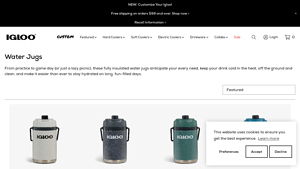
Domain: igloocoolers.com
Registered: 1997 (28 years)
Introduction: Water Jugs from Igloo are fully insulated, designed to keep drinks cold, clean, and off the ground, making them ideal for various activities such as practice, game days, or picnics. Key products include: 1. Trailmate® 54 Oz Hybrid Jug – $39.99 2. Rival 1 Qt Jug – $16.99 3. Rival Half Gallon Jug – $21.99 4. 54 Oz Hybrid Sports Jug – $29.99 5. Made in USA 5 Gallon Seat Top Water Jug Without Cup Disp…
Strategic Sourcing Conclusion and Outlook for gallon water bottles
In the evolving landscape of gallon water bottles, strategic sourcing remains paramount for international B2B buyers. Key insights from current market trends highlight the importance of selecting suppliers that offer not only quality products but also innovative designs that cater to diverse consumer needs. The focus on insulated options, durability, and sustainability is increasingly critical, especially in regions like Africa, South America, the Middle East, and Europe, where climate conditions and consumer preferences vary significantly.
Investing in strategic sourcing practices can enhance supply chain efficiency and reduce costs, while also ensuring compliance with regional regulations and standards. As competition intensifies, aligning with manufacturers that prioritize quality, affordability, and sustainability can provide a competitive edge in the marketplace.
Looking ahead, B2B buyers should actively seek partnerships with suppliers that demonstrate a commitment to innovation and customer service. Embracing these strategies will not only meet the rising demand for gallon water bottles but also position businesses for sustained growth in a dynamic market. Now is the time to reassess your sourcing strategies and explore opportunities that align with your business objectives and the evolving needs of your customers.