
Introduction: Navigating the Global Market for misting water bottles
In the fast-paced world of B2B commerce, sourcing innovative solutions such as misting water bottles can be pivotal in enhancing customer experiences, particularly in warm climates across Africa, South America, the Middle East, and Europe. As businesses strive to differentiate themselves, understanding the nuances of misting water bottles—ranging from their design and functionality to their diverse applications in leisure, outdoor activities, and event management—becomes essential. This guide is designed to equip international B2B buyers with the insights needed to navigate the complexities of this product category effectively.
Throughout this comprehensive resource, we delve into various types of misting water bottles, their unique features, and practical applications. We will also cover critical aspects of supplier vetting, ensuring that buyers can identify reputable manufacturers and distributors who meet their quality and service standards. Additionally, understanding pricing structures and cost implications will empower businesses to make informed purchasing decisions that align with their budgetary constraints.
By leveraging the information presented here, B2B buyers from regions like Brazil and Saudi Arabia will gain a competitive edge, enabling them to select the right misting water bottle solutions that not only satisfy their operational needs but also enhance customer satisfaction and loyalty. This guide serves as a strategic tool in your procurement journey, ensuring that your choices are data-driven and aligned with market trends.
Understanding misting water bottles Types and Variations
| Nome del tipo | Caratteristiche distintive principali | Applicazioni primarie B2B | Brevi pro e contro per gli acquirenti |
|---|---|---|---|
| Rechargeable Misting Bottles | Electric misting powered by rechargeable batteries; auto shut-off features | Outdoor events, sports teams, and festivals | Pro: Convenient, eco-friendly, long-lasting mist. Contro: Higher initial cost, dependency on battery life. |
| Manual Pump Misting Bottles | Hand-operated pump for misting; versatile spray options | Camping, outdoor activities, and personal use | Pro: No batteries required, cost-effective. Contro: Requires physical effort, potential for uneven misting. |
| Dual-Function Misting Bottles | Combines misting with traditional drinking capabilities | Fitness, travel, and leisure industries | Pro: Multi-functional, space-saving. Contro: May compromise on misting efficiency for drinking convenience. |
| Insulated Misting Bottles | Double-walled construction for temperature retention | Hospitality, catering, and outdoor services | Pro: Keeps liquids cold or hot for extended periods. Contro: Heavier, may be more expensive. |
| Modular Misting Systems | Interchangeable parts for customized functionality | Industrial applications, outdoor events | Pro: Highly customizable, versatile. Contro: Complexity in setup, potentially higher costs. |
What Are Rechargeable Misting Bottles and Their B2B Advantages?
Rechargeable misting bottles are designed for convenience and efficiency, utilizing electric pumps to deliver a fine mist. Ideal for outdoor events, sports teams, and festivals, these bottles often include features like auto shut-off and multiple misting speeds. B2B buyers should consider the initial investment versus the long-term benefits of reduced manual effort and enhanced cooling capabilities, particularly in high-temperature environments.
How Do Manual Pump Misting Bottles Serve B2B Needs?
Manual pump misting bottles operate using a hand pump to create pressure, allowing users to spray or mist water. They are particularly suitable for camping and outdoor activities where electricity is unavailable. For B2B buyers, these bottles represent a cost-effective solution but may require more physical effort and can lead to inconsistent misting if not operated correctly.
What Are the Benefits of Dual-Function Misting Bottles for Businesses?
Dual-function misting bottles combine the benefits of traditional hydration with misting capabilities, making them perfect for fitness enthusiasts and travelers. They are particularly useful in industries focused on health and wellness. Buyers should evaluate how these bottles can enhance customer experiences while considering the potential trade-offs in misting efficiency for drinking convenience.
Why Choose Insulated Misting Bottles for Your Business?
Insulated misting bottles are designed with double-walled construction, ensuring that liquids remain at the desired temperature for extended periods. This feature is especially beneficial in hospitality and catering sectors, where maintaining beverage temperatures is crucial. While they may be heavier and more expensive, their durability and performance can justify the investment for B2B buyers looking for high-quality products.
What Are Modular Misting Systems and Their Applications?
Modular misting systems offer a customizable approach to misting, allowing businesses to tailor their products to specific needs. This flexibility makes them suitable for industrial applications and large outdoor events. While the complexity of setup and potential higher costs can be drawbacks, the ability to adapt the system for various functions can provide significant value to B2B buyers seeking versatile solutions.
Key Industrial Applications of misting water bottles
| Industria/Settore | Specific Application of Misting Water Bottles | Valore/Beneficio per l'azienda | Considerazioni chiave sull'approvvigionamento per questa applicazione |
|---|---|---|---|
| Ospitalità | Outdoor events and poolside service | Enhances guest experience by providing instant cooling | Durability, ease of use, and compatibility with existing serviceware |
| Agricoltura | Livestock cooling during hot seasons | Reduces heat stress in animals, improving productivity and health | Water capacity, misting efficiency, and battery life |
| Sport e ricreazione | Outdoor sports and fitness events | Keeps athletes and spectators cool, enhancing performance | Portability, recharge time, and misting duration |
| Cibo e bevande | Catering and outdoor food festivals | Offers refreshing hydration options for attendees | Hygiene standards, insulation properties, and ease of cleaning |
| Costruzione | Worker hydration on job sites in hot climates | Prevents heat-related illnesses, ensuring worker safety | Robustness, water capacity, and ease of transport |
How Are Misting Water Bottles Used in the Hospitality Industry?
In the hospitality sector, misting water bottles are commonly utilized at outdoor events, poolside services, and festivals. They provide guests with instant cooling relief, enhancing their overall experience and satisfaction. By incorporating these innovative hydration solutions, businesses can differentiate themselves in a competitive market. Buyers should focus on sourcing durable models with user-friendly designs to ensure smooth operation during busy events, considering the need for easy cleaning and maintenance.
What Role Do Misting Water Bottles Play in Agriculture?
In agriculture, particularly in regions with extreme heat, misting water bottles are vital for cooling livestock. They help mitigate heat stress, which can significantly affect animal health and productivity. By providing a reliable source of cooling, these bottles contribute to better livestock management and overall farm efficiency. Buyers in this sector should prioritize features such as high water capacity, efficient misting capabilities, and long battery life to ensure continuous operation during hot weather.
How Are Misting Water Bottles Beneficial for Sports and Recreation?
Misting water bottles are increasingly popular in sports and recreation, especially during outdoor events like marathons and fitness classes. They keep athletes and spectators cool, promoting hydration and enhancing performance. The ability to quickly recharge and the portability of these bottles are crucial for organizers. Buyers should consider models that offer adjustable misting settings and robust construction to withstand rigorous outdoor conditions.
Why Are Misting Water Bottles Important in Food and Beverage Events?
In the food and beverage industry, misting water bottles serve as a refreshing hydration option at catering events and food festivals. They not only quench thirst but also add an element of comfort for attendees during warm weather. Businesses should ensure that the bottles meet hygiene standards and are easy to clean, as well as possessing good insulation properties to keep drinks at the desired temperature.
How Do Misting Water Bottles Enhance Safety in Construction?
On construction sites, misting water bottles are essential for worker hydration, especially in hot climates. They help prevent heat-related illnesses, ensuring the safety and well-being of personnel. When sourcing these bottles, construction companies should look for robust designs that can withstand harsh environments, ample water capacity, and ease of transport to facilitate use across various job sites.
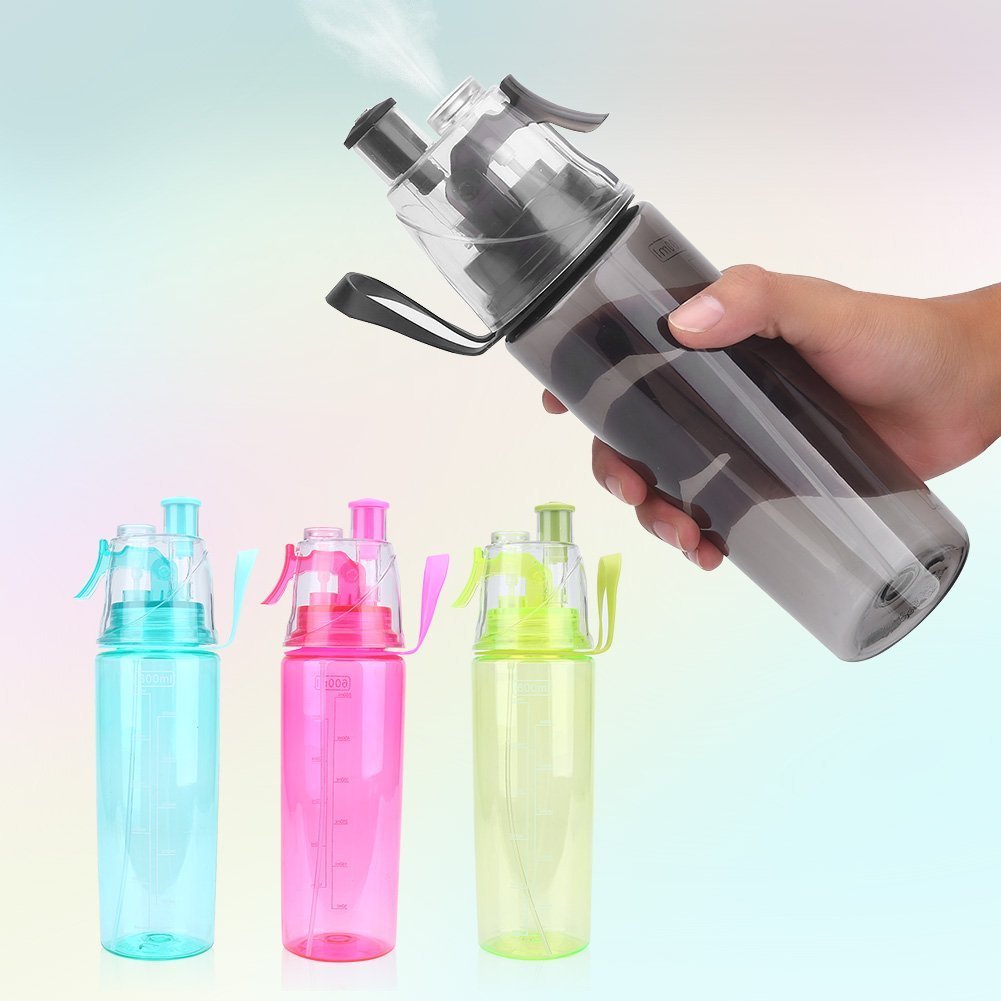
A stock image related to misting water bottles.
3 Common User Pain Points for ‘misting water bottles’ & Their Solutions
Scenario 1: Insufficient Cooling in Extreme Heat Conditions
Il problema: Many businesses operating in hotter climates, particularly in Africa and the Middle East, face challenges with standard hydration solutions. Employees and customers often complain about insufficient cooling from traditional water bottles, especially during outdoor events or extended work shifts. This can lead to discomfort, decreased productivity, and even health risks associated with dehydration and overheating. Businesses need reliable products that not only hydrate but also provide immediate cooling relief.
La soluzione: To address this issue, B2B buyers should look for misting water bottles that utilize advanced cooling technologies. For example, bottles like the GoMist® Misting & Drinking Bottle offer a two-in-one solution with misting and drinking functions powered by rechargeable lithium-ion batteries. Buyers should prioritize sourcing products with features like adjustable misting speeds and auto shut-off capabilities to conserve water. Additionally, consider conducting trials with different models to assess performance in real-world conditions. Provide employees with training on how to effectively use these bottles to maximize their cooling benefits, ensuring everyone stays hydrated and comfortable during hot days.
Scenario 2: Complicated Maintenance and Usability Issues
Il problema: Many misting water bottles available in the market require complex maintenance, which can deter users from utilizing them effectively. B2B buyers often hear complaints regarding difficult cleaning processes or complicated mechanisms that require frequent replacements. This can lead to dissatisfaction among employees and customers, making the investment in misting water bottles seem less worthwhile.
La soluzione: When sourcing misting water bottles, businesses should prioritize models designed for easy cleaning and usability. For instance, the RinseKit Sport Misting & Spray Water Bottle features removable components that simplify maintenance and cleaning. Buyers should also consider bottles with clear instructions and user-friendly designs to minimize the learning curve. Additionally, investing in training sessions for employees on proper maintenance and operation can enhance the longevity of the bottles and ensure a consistent user experience. By selecting products with a focus on ease of use, companies can foster greater satisfaction and encourage regular use among their staff.
Scenario 3: Compatibility and Integration Challenges with Existing Equipment
Il problema: For businesses that already utilize various hydration products, introducing misting water bottles can create compatibility issues. B2B buyers often find themselves in situations where newly acquired misting bottles do not fit existing water bottle brands or accessories, leading to additional costs and logistical challenges. This can be particularly problematic for companies that operate in diverse markets with varying consumer preferences.
La soluzione: To avoid compatibility issues, B2B buyers should prioritize misting water bottles that are designed to be universally compatible with popular brands like Hydro Flask and CamelBak. Products such as the Lunatec Mist, Shower & Hydration Spray Bottle offer interchangeable lids that fit a range of existing bottles. When sourcing these products, it is crucial to conduct thorough market research to understand the most commonly used hydration brands among your target audience. Providing detailed specifications and guidelines for compatibility can help streamline the integration process. Additionally, consider creating a bundled offering that includes the misting bottle alongside compatible accessories, making it easier for customers to transition without additional hassle.
Strategic Material Selection Guide for misting water bottles
What Materials Are Commonly Used in Misting Water Bottles?
When selecting materials for misting water bottles, manufacturers must consider properties that directly influence performance, durability, and user experience. Below is an analysis of four common materials used in the production of misting water bottles, focusing on their key properties, advantages and disadvantages, and specific considerations for international B2B buyers.
How Does Stainless Steel Perform in Misting Water Bottles?
Proprietà chiave: Stainless steel is renowned for its excellent corrosion resistance, high strength, and ability to withstand extreme temperatures. It typically has a temperature rating of up to 500°F (260°C) and maintains structural integrity under pressure.
Pro e contro: The durability of stainless steel makes it ideal for outdoor and rugged applications. It is resistant to dents and scratches, ensuring a long lifespan. However, its higher manufacturing costs can be a drawback, especially for budget-sensitive markets. Additionally, stainless steel can be heavier than other materials, which may affect portability.
Impatto sull'applicazione: Stainless steel is compatible with both hot and cold liquids, making it versatile for various applications, including camping and sports. It is also easy to clean and maintain, which is crucial for hygiene in regions with limited access to clean water.
Considerazioni per gli acquirenti internazionali: Compliance with food safety standards (such as FDA or EU regulations) is essential. Buyers from regions like Africa and South America should ensure that the stainless steel used is of food-grade quality to avoid contamination.
What Role Does BPA-Free Plastic Play in Misting Water Bottles?
Proprietà chiave: BPA-free plastic is lightweight, flexible, and resistant to impact. It typically has a temperature rating of around 180°F (82°C) and can handle moderate pressure.
Pro e contro: The affordability and lightweight nature of BPA-free plastic make it an attractive option for budget-conscious buyers. However, it may not offer the same level of durability as stainless steel and can be prone to scratches and wear over time. Additionally, some plastics may retain odors or flavors.
Impatto sull'applicazione: BPA-free plastic is suitable for cold liquids and is often used in casual settings, such as picnics or outdoor events. Its lightweight nature makes it ideal for portable applications, but it may not be suitable for high-pressure misting systems.
Considerazioni per gli acquirenti internazionali: Buyers should verify compliance with local regulations regarding plastics, such as those outlined by the European Union or the FDA. Awareness of recycling capabilities and environmental impact is also crucial in regions increasingly focused on sustainability.
How Does Aluminum Compare in Misting Water Bottles?
Proprietà chiave: Aluminum is lightweight and has a good strength-to-weight ratio. It can withstand temperatures up to 400°F (204°C) and is resistant to corrosion when coated properly.
Pro e contro: The lightweight nature of aluminum makes it easy to carry, making it a popular choice for outdoor activities. However, its susceptibility to dents and scratches can limit its longevity compared to stainless steel. Additionally, aluminum can be more expensive than plastic but less so than stainless steel.
Impatto sull'applicazione: Aluminum is suitable for both hot and cold beverages, but it often requires a protective lining to prevent interaction with acidic liquids. This makes it versatile for various applications, although the need for lining can complicate manufacturing.
Considerazioni per gli acquirenti internazionali: Buyers should ensure that aluminum products comply with regional safety standards and are free from harmful coatings. In markets like the Middle East and Europe, awareness of aluminum recycling practices is also important.
What About Glass in Misting Water Bottles?
Proprietà chiave: Glass is non-reactive and can withstand temperatures up to 300°F (149°C). It is also completely impermeable, ensuring no leaching of chemicals.
Pro e contro: The aesthetic appeal and purity of glass make it an attractive option for consumers. However, glass is fragile and can break easily, which is a significant drawback for outdoor use. Additionally, the manufacturing process can be more complex and costly.
Impatto sull'applicazione: Glass is best suited for indoor use or situations where breakage is less likely. Its inability to withstand high pressure limits its application in misting systems compared to other materials.
Considerazioni per gli acquirenti internazionali: Buyers should consider the logistics of shipping glass products, especially in regions prone to rough handling during transport. Compliance with safety standards regarding breakage and shattering is also essential.
Summary Table of Material Selection for Misting Water Bottles
| Materiale | Typical Use Case for misting water bottles | Vantaggio chiave | Svantaggi/limitazioni principali | Costo relativo (Basso/Medio/Alto) |
|---|---|---|---|---|
| Acciaio inox | Outdoor activities, rugged environments | Eccellente durata e resistenza alla corrosione | Higher manufacturing costs, heavier | Alto |
| Plastica senza BPA | Casual settings, picnics | Leggero e conveniente | Less durable, may retain odors | Basso |
| Alluminio | Sports, camping | Lightweight and good strength-to-weight ratio | Susceptible to dents, requires lining | Medio |
| Vetro | Indoor use, low-risk environments | Non-reactive, aesthetic appeal | Fragile, complex manufacturing | Medio |
This guide provides critical insights for international B2B buyers in selecting the right materials for misting water bottles, ensuring optimal performance and compliance with regional standards.
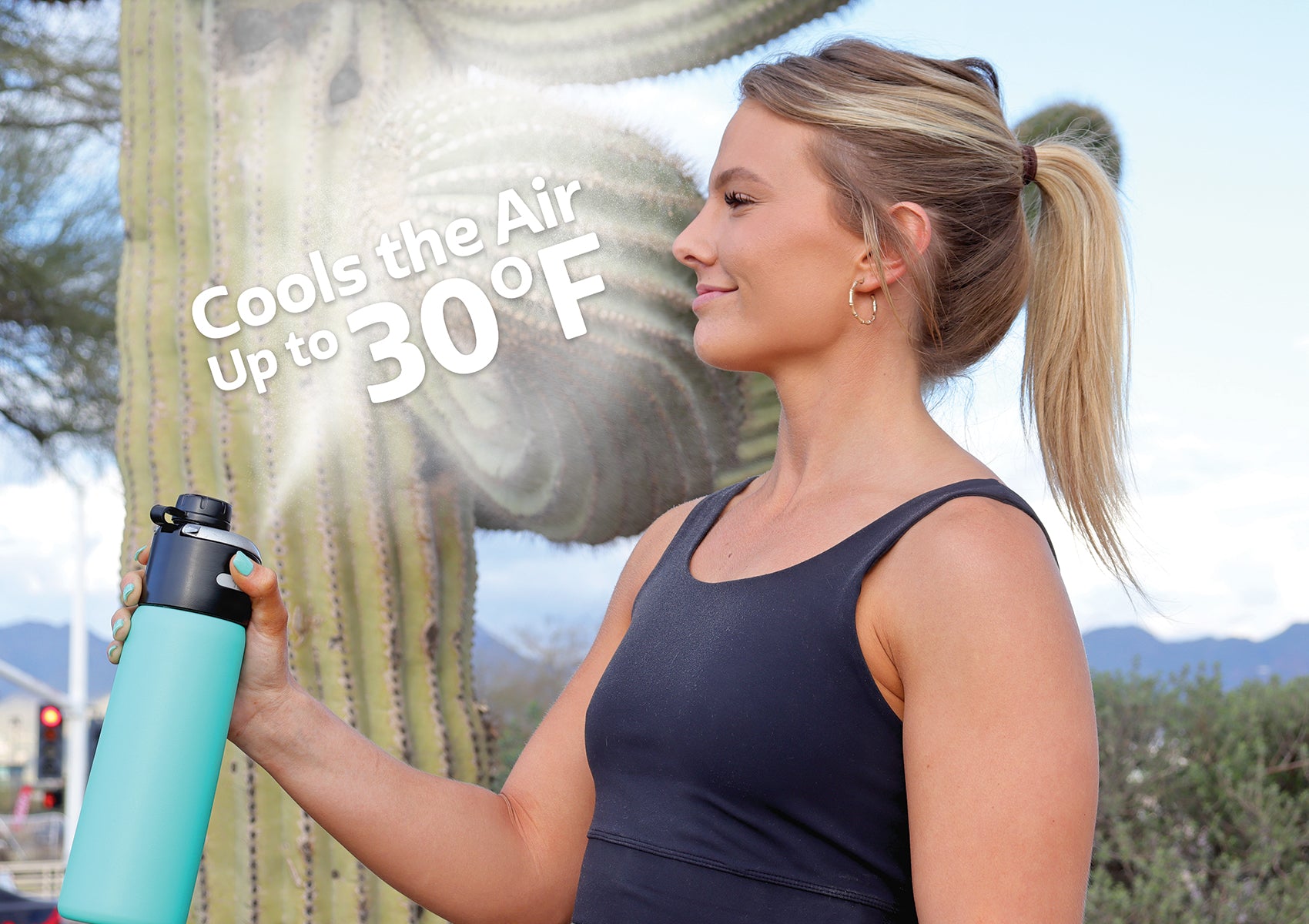
A stock image related to misting water bottles.
In-depth Look: Manufacturing Processes and Quality Assurance for misting water bottles
What Are the Key Manufacturing Processes for Misting Water Bottles?
The manufacturing of misting water bottles involves a series of well-defined stages designed to ensure quality, functionality, and durability. Understanding these processes can provide B2B buyers with insights into product reliability and performance.
How Are Materials Prepared for Misting Water Bottles?
The initial stage of manufacturing begins with material selection and preparation. Common materials used in misting water bottles include high-grade stainless steel, BPA-free plastics, and silicone for seals and nozzles. These materials are chosen for their durability, resistance to temperature changes, and safety for food contact.
Materials undergo rigorous testing to ensure they meet industry standards for safety and performance. For instance, stainless steel must be corrosion-resistant and free from harmful contaminants, while plastics should comply with FDA regulations for food-grade materials. Suppliers often provide certification documents to verify compliance with international standards.
What Are the Key Techniques Used in Forming Misting Water Bottles?
Once materials are prepared, the next step is forming. This phase typically involves processes such as injection molding for plastic components and stamping or deep drawing for metal parts.
-
Stampaggio a iniezione: This technique is primarily used for manufacturing the bottle caps, nozzles, and other plastic components. The process allows for high precision and the production of complex shapes that fit securely.
-
Metal Forming: Stainless steel bottles are often created through processes like hydroforming or deep drawing. These methods provide strength and durability while ensuring the bottle maintains its shape under pressure.
After forming, components are often subjected to a secondary operation, such as polishing or surface treatment, to enhance appearance and resistance to corrosion.
How Is Assembly Conducted for Misting Water Bottles?
The assembly of misting water bottles involves putting together various components, including the body, cap, misting mechanism, and any additional features like handles or insulation layers. Automated assembly lines are commonly used, allowing for high efficiency and consistency in product quality.
During assembly, special attention is paid to the integration of the misting mechanism. This includes installing pumps, nozzles, and electronic components (if applicable). Quality checks are performed at this stage to ensure that all components fit correctly and function as intended.
What Finishing Techniques Are Employed in Misting Water Bottle Production?
Finishing touches can significantly impact the product’s aesthetic and functional qualities. This stage may involve:
-
Coating: Applying powder coating or painting to enhance the bottle’s look and provide additional protection against scratches and corrosion.
-
Labeling and Branding: Labels must adhere to international regulations regarding product information, including safety warnings and usage instructions.
-
Quality Inspection: Final inspections are conducted to ensure that all bottles meet design specifications and quality standards before packaging.
What Quality Assurance Practices Are Essential for Misting Water Bottles?
Quality assurance (QA) is a critical aspect of the manufacturing process for misting water bottles. Establishing robust QA practices helps manufacturers maintain high standards and build trust with B2B buyers.
Which International Standards Should Buyers Be Aware Of?
B2B buyers should be informed about the relevant international quality standards applicable to misting water bottles. Key standards include:
-
ISO 9001: This standard outlines the requirements for a quality management system, ensuring consistent quality in products and services. Compliance with ISO 9001 indicates that a manufacturer has implemented effective quality controls.
-
Marchio CE: For products sold in Europe, CE marking confirms that the product meets EU safety, health, and environmental requirements.
-
API Standards: For bottles designed to handle specific liquids or chemicals, adherence to American Petroleum Institute (API) standards may be necessary.
What Are the Common Quality Control Checkpoints?
Quality control (QC) checkpoints are integrated throughout the manufacturing process to identify defects and ensure product quality. Typical QC stages include:
-
Controllo qualità in entrata (CQI): This involves inspecting raw materials upon receipt to ensure they meet specified requirements.
-
Controllo di qualità in corso d'opera (IPQC): Quality checks during the manufacturing process help identify and rectify issues before final assembly.
-
Controllo finale della qualità (CQC): The final inspection occurs after assembly and finishing, verifying that the finished product meets all specifications and standards.
How Can Buyers Verify Supplier Quality Control Practices?
B2B buyers should implement strategies to verify the quality control measures of their suppliers. Here are some effective approaches:
-
Audit: Conduct regular audits of suppliers’ manufacturing facilities to assess compliance with quality standards and practices.
-
Rapporti sulla qualità: Request detailed quality reports that outline the QC processes, testing methods, and results. These documents can provide transparency about the supplier’s commitment to quality.
-
Ispezioni di terzi: Engage third-party inspection services to perform unbiased evaluations of products before shipment. This can help mitigate risks associated with product quality.
Quali sono le sfumature del controllo qualità per gli acquirenti internazionali B2B?
For international B2B buyers, navigating quality control can be complex, particularly when sourcing from different regions. Here are some nuances to consider:
-
Regional Regulations: Familiarize yourself with specific regulations in your target markets, such as safety standards in the EU or food contact regulations in North America.
-
Cultural Differences: Understanding cultural attitudes towards quality and safety can help buyers engage more effectively with suppliers from different regions.
-
Language Barriers: Language differences can lead to misunderstandings regarding specifications and quality standards. Clear communication and documentation are essential.
By understanding the manufacturing processes and quality assurance practices behind misting water bottles, B2B buyers can make informed decisions and establish reliable partnerships with manufacturers. This knowledge not only helps in sourcing quality products but also enhances the overall value proposition for end-users.
Practical Sourcing Guide: A Step-by-Step Checklist for ‘misting water bottles’
Introduzione
In the competitive landscape of B2B procurement, sourcing misting water bottles requires a structured approach to ensure quality, functionality, and market relevance. This guide provides a comprehensive checklist designed to assist international buyers in making informed decisions when procuring misting water bottles. By following these steps, you can streamline the sourcing process and ensure that your investment meets the needs of your target market.
Fase 1: Definire le specifiche tecniche
Before reaching out to suppliers, it is essential to outline the specific features and functionalities you require in misting water bottles. Consider factors such as capacity, misting technology (manual vs. electronic), insulation properties, and materials used.
– Capacità: Determine the volume your target consumers prefer (e.g., 25 oz, 32 oz, or larger).
– Technology: Decide whether you want advanced features like rechargeable batteries or manual pumping mechanisms.
Fase 2: Ricerca delle tendenze di mercato e delle preferenze dei consumatori
Understanding current trends and preferences in your target markets, such as Africa, South America, the Middle East, and Europe, will help you select products that resonate with consumers.
– Cooling Technology: Look for innovations in misting technology that enhance user experience.
– Design Preferences: Consider colors, styles, and ergonomics that appeal to your demographic.
Fase 3: Identify Potential Suppliers
Compile a list of potential suppliers known for producing quality misting water bottles. This can be done through online research, trade shows, and industry referrals.
– Supplier Reputation: Look for manufacturers with positive reviews and a solid market presence.
– Product Range: Evaluate if the supplier offers a variety of models to cater to different market segments.
Passo 4: Richiesta di campioni per la valutazione della qualità
Once you have shortlisted suppliers, request samples to evaluate the quality of their products. This step is critical for ensuring that the bottles meet your specifications and quality standards.
– Material Quality: Check for durability, insulation effectiveness, and overall construction.
– Functionality Testing: Assess the misting mechanism, ease of use, and comfort during handling.
Passo 5: Verify Supplier Certifications and Compliance
Ensure that your chosen suppliers adhere to international quality standards and regulations, especially if you are importing products.
– Certificazioni: Look for ISO certifications, BPA-free claims, and other relevant certifications.
– Compliance: Ensure that the products comply with local regulations in your target markets.
Passo 6: Evaluate Pricing and Payment Terms
Assess the pricing structures offered by different suppliers while considering your budget and projected profit margins. Negotiating favorable payment terms can also enhance your cash flow.
– Cost Analysis: Compare the total cost including shipping, duties, and potential tariffs.
– Payment Options: Discuss payment terms, including deposits and credit terms, to find a mutually beneficial arrangement.
Passo 7: Establish a Clear Communication Channel
Effective communication with your suppliers is crucial for a smooth procurement process. Establish clear lines of communication to address any questions or concerns promptly.
– Regular Updates: Set expectations for regular progress updates and response times.
– Language and Cultural Considerations: Be mindful of language barriers and cultural differences that may impact communication.
By following this practical sourcing checklist, B2B buyers can navigate the complexities of procuring misting water bottles, ensuring that they secure quality products that meet market demands.
Comprehensive Cost and Pricing Analysis for misting water bottles Sourcing
When sourcing misting water bottles, understanding the comprehensive cost structure and pricing dynamics is crucial for B2B buyers. This section outlines the key cost components, price influencers, and practical buyer tips to optimize your sourcing strategy.
What Are the Key Cost Components for Misting Water Bottles?
-
I materiali: The cost of raw materials is a significant factor in the overall pricing of misting water bottles. High-quality stainless steel, plastic, and components for the misting mechanism (like pumps and nozzles) can vary widely based on supplier and market conditions. Sustainable materials may also attract a premium.
-
Lavoro: Labor costs will depend on the manufacturing location. Countries with lower labor costs can offer competitive pricing, but this often comes with trade-offs in quality control. In contrast, manufacturers in regions with higher labor standards may charge more but ensure better craftsmanship.
-
Spese generali di produzione: This includes expenses related to factory operations, utilities, and equipment maintenance. A well-optimized facility will have lower overhead, allowing for more competitive pricing.
-
Utensili: The initial setup costs for molds and machinery can be substantial, especially for custom designs. These costs are typically amortized over larger production runs, so economies of scale are important.
-
Controllo qualità (CQ): Implementing rigorous QC processes adds to the cost but is essential for ensuring product reliability and customer satisfaction. Certifications like ISO can enhance product credibility but may increase sourcing costs.
-
Logistica: Transportation costs can vary based on the origin of the materials and the destination market. Shipping methods (air, sea, land) and terms (Incoterms) play a significant role in the final cost. Import duties and taxes should also be factored in for international shipments.
-
Margine: Suppliers will typically apply a markup to cover their costs and ensure profitability. The margin can vary significantly based on the supplier’s market positioning and the perceived value of the product.
What Influences the Price of Misting Water Bottles?
-
Volume/MOQ: Minimum Order Quantities (MOQs) can greatly affect pricing. Larger orders often yield better unit prices due to economies of scale, while smaller orders may incur higher per-unit costs.
-
Specifiche e personalizzazione: Custom features, such as unique designs, branding, or specific performance attributes (e.g., misting distance or spray patterns), can increase production costs and subsequently the price.
-
Qualità dei materiali e certificazioni: Higher quality materials and certifications (like BPA-free or eco-friendly labels) may increase costs but can also justify a higher selling price in the market.
-
Fattori di fornitura: The reputation and reliability of suppliers can influence pricing. Established suppliers with proven track records may charge a premium, while emerging suppliers may offer lower prices to attract business.
-
Incoterms: Understanding Incoterms is essential for B2B buyers, as they dictate the responsibilities of buyers and sellers in shipping. Terms like FOB (Free on Board) or CIF (Cost, Insurance, Freight) can significantly impact total landed costs.
How Can B2B Buyers Optimize Their Sourcing Strategy?
-
Negoziazione: Establishing a strong relationship with suppliers can lead to better pricing. Negotiating terms and conditions, particularly around MOQs and payment terms, can yield significant savings.
-
Efficienza dei costi: Consider the Total Cost of Ownership (TCO), which includes not just the purchase price but also shipping, handling, and potential storage costs. A lower upfront price may not always equate to overall cost savings.
-
Le sfumature dei prezzi per gli acquirenti internazionali: International buyers, especially from regions like Africa, South America, and the Middle East, should be aware of currency fluctuations, import tariffs, and local regulations that can impact pricing. Engaging local experts or consultants can provide valuable insights into these factors.
-
Disclaimer sui prezzi indicativi: Always remember that prices can vary based on market conditions, supplier negotiations, and order specifics. It’s advisable to request detailed quotes and not rely solely on indicative pricing.
By understanding these components and dynamics, B2B buyers can make informed decisions when sourcing misting water bottles, ensuring both cost-effectiveness and product quality.
Alternatives Analysis: Comparing misting water bottles With Other Solutions
Understanding Alternative Solutions to Misting Water Bottles
When evaluating hydration solutions for outdoor activities, B2B buyers may encounter several alternatives to misting water bottles. These alternatives can vary significantly in performance, cost, and usability. This analysis compares misting water bottles with traditional water bottles and portable cooling fans, both of which serve similar hydration and cooling purposes.
Tabella di confronto
| Aspetto di confronto | Misting Water Bottles | Traditional Water Bottles | Portable Cooling Fans |
|---|---|---|---|
| Prestazioni | Provides hydration and cooling via mist | Offers hydration only | Delivers air cooling, no hydration |
| Costo | $30 – $70 USD | $10 – $30 USD | $20 – $100 USD |
| Facilità di implementazione | Requires charging and occasional refilling | Simple to use; fill and drink | Requires battery or power source |
| Manutenzione | Moderate; needs cleaning and battery care | Low; easy to clean | Moderate; fan blades need cleaning |
| Il miglior caso d'uso | Ideal for hot climates and outdoor sports | General hydration needs | Suitable for outdoor events and areas with limited airflow |
Ripartizione dettagliata delle alternative
Traditional Water Bottles
Traditional water bottles are a straightforward hydration solution. They come in various materials such as plastic, stainless steel, and glass. The primary advantage is their low cost and ease of use—simply fill with water and drink. However, they do not provide any cooling effect, making them less effective in hot climates or during strenuous activities. For B2B buyers focused on budget and simplicity, traditional water bottles may suffice, but they lack the dual-functionality that misting bottles offer.
Portable Cooling Fans
Portable cooling fans, which can be powered by batteries or USB connections, provide a cooling breeze without the need for hydration. They are beneficial in outdoor settings where air circulation is limited, such as at festivals or sporting events. While some models can be quite effective in lowering perceived temperatures, they do not offer hydration. This means that users must carry a separate water supply. The upfront costs vary widely based on the model and features, which may deter budget-conscious buyers. Portable fans are best suited for environments where maintaining airflow is critical, but they fall short in hydration capabilities compared to misting water bottles.
Conclusion: Choosing the Right Solution for Your Needs
When selecting a hydration solution, B2B buyers should assess their specific use cases, budgets, and the environments in which the products will be utilized. Misting water bottles provide a unique advantage by combining hydration and cooling, making them ideal for hot climates and active outdoor scenarios. In contrast, traditional water bottles are cost-effective for general hydration, while portable cooling fans excel in enhancing airflow. Ultimately, the choice should align with the target audience’s needs, whether it be for sporting events, outdoor adventures, or simple everyday hydration.
Essential Technical Properties and Trade Terminology for misting water bottles
What Are the Key Technical Properties of Misting Water Bottles?
When evaluating misting water bottles for commercial purposes, several technical properties stand out as critical for ensuring product quality and customer satisfaction. Understanding these specifications can help B2B buyers make informed decisions.
-
Grado del materiale
Misting water bottles are often made from stainless steel or BPA-free plastics. Stainless steel is preferred for its durability and insulation properties, which keep beverages cold or hot for extended periods. When sourcing, ensure that the material grade meets international safety and quality standards, as this affects product longevity and user safety. -
Capacità
The volume of a misting water bottle typically ranges from 25 oz to 40 oz (739 mL to 1180 mL). A larger capacity is advantageous for outdoor activities, reducing the frequency of refills. Buyers should consider their target market’s needs—larger capacities may appeal to sports enthusiasts, while smaller sizes might be more suitable for everyday use. -
Pump Pressure
The pump pressure dictates the effectiveness of the misting and spraying functions. Higher pressure (measured in psi) allows for more powerful misting and spraying, enhancing user experience. Products with adjustable pressure settings can cater to various applications, such as cooling or cleaning, making them more versatile for B2B customers. -
Battery Life and Charging Mechanism
Many advanced misting bottles are powered by rechargeable lithium-ion batteries. Battery life, typically measured in hours of use per charge, is a critical factor for buyers. Fast charging capabilities, such as USB-C ports, are increasingly important for users who require quick turnaround times, especially in outdoor or event settings. -
Ergonomics and Design Features
Ergonomic designs, such as foldaway handles and leak-proof lids, enhance user convenience. Aesthetics, including color options and finishes, can also influence buying decisions. Buyers should prioritize products that offer not just functionality but also an appealing design that resonates with their market. -
Compatibility with Other Brands
Many misting water bottles are designed to be compatible with popular brands like Hydro Flask and CamelBak. This feature allows for easy upgrades or replacements for existing customers. Understanding compatibility can open additional sales avenues and enhance customer loyalty.
What Are the Common Trade Terms Related to Misting Water Bottles?
Familiarity with industry-specific terminology can streamline the purchasing process and foster better communication between suppliers and buyers.
-
OEM (Original Equipment Manufacturer)
OEM refers to a company that produces parts or equipment that may be marketed by another manufacturer. In the context of misting water bottles, buyers might work with OEMs to create custom designs or features, ensuring that the product meets specific market demands. -
MOQ (quantità minima d'ordine)
MOQ is the smallest quantity of a product that a supplier is willing to sell. Understanding MOQ is essential for B2B buyers, as it affects inventory management and cash flow. Negotiating favorable MOQs can lead to better pricing and reduced overhead costs. -
RFQ (Richiesta di offerta)
An RFQ is a document issued by a buyer to solicit price quotes from suppliers. This is a standard practice in B2B transactions, allowing buyers to compare costs, terms, and conditions. A well-structured RFQ can lead to more competitive pricing and better service agreements. -
Incoterms (Termini commerciali internazionali)
Incoterms define the responsibilities of buyers and sellers in international trade. Familiarity with these terms is crucial for B2B transactions involving misting water bottles, as they dictate who is responsible for shipping, insurance, and tariffs, thus affecting overall cost and delivery timelines. -
Tempi di consegna
Lead time refers to the time taken from placing an order to its delivery. This is particularly important for B2B buyers who need to plan inventory levels and ensure product availability. Understanding lead times can help businesses manage their supply chains more effectively. -
Warranty and Return Policy
Warranty refers to the guarantee provided by the manufacturer regarding the product’s quality and performance. A clear return policy is also crucial for B2B buyers to mitigate risks associated with defective products. Understanding these terms can provide peace of mind and facilitate smoother transactions.
By grasping these essential properties and trade terms, B2B buyers can navigate the market for misting water bottles more effectively, ensuring they select products that meet their operational needs while also appealing to their customers.
Navigating Market Dynamics and Sourcing Trends in the misting water bottles Sector
What are the Current Trends Shaping the Misting Water Bottles Market?
The misting water bottles market is witnessing a transformative phase driven by global health consciousness, increased outdoor activities, and technological advancements. As consumers prioritize hydration and comfort, products that offer dual functionalities—like misting and drinking—are gaining traction. This trend is particularly significant in regions such as Africa, South America, the Middle East, and Europe, where outdoor activities like sports, hiking, and festivals are prevalent.
B2B buyers are increasingly looking for innovative designs that combine functionality with aesthetics. The integration of rechargeable batteries and advanced misting technology, as seen in products like the GoMist and RinseKit, enhances user experience and sets new standards. Additionally, the demand for customization options—such as interchangeable lids compatible with popular brands—allows businesses to cater to diverse consumer preferences, thereby increasing market share.
Emerging sourcing trends include a focus on direct-to-consumer models, enabling manufacturers to engage with end-users and gather real-time feedback. This approach facilitates rapid innovation and adaptation to changing market demands. Furthermore, cross-border collaborations are becoming commonplace as companies look to leverage regional manufacturing capabilities, ensuring faster turnaround times and reduced logistics costs.
How Can Sustainability and Ethical Sourcing Impact Misting Water Bottles?
Sustainability has become a pivotal consideration for B2B buyers in the misting water bottles sector. Environmental concerns are driving demand for products made from eco-friendly materials and sustainable manufacturing processes. Buyers are increasingly scrutinizing supply chains for ethical practices, ensuring that products not only meet performance standards but also align with corporate social responsibility goals.
The use of BPA-free plastics and recyclable materials in bottle construction is gaining attention. Certifications such as Green Seal or the Forest Stewardship Council (FSC) are becoming essential for manufacturers aiming to position their products favorably in the marketplace. By prioritizing sustainability, companies can appeal to environmentally conscious consumers and enhance brand loyalty.
Moreover, ethical sourcing is critical in mitigating risks associated with supply chain disruptions. B2B buyers are encouraged to partner with suppliers who demonstrate transparency and responsibility in their sourcing practices, reducing the likelihood of reputational damage and fostering long-term relationships.
What is the Evolution of Misting Water Bottles and Its Relevance Today?
Misting water bottles have evolved significantly from their rudimentary origins as simple hydration tools. Initially designed for basic water dispensing, advancements in technology have transformed these products into multifunctional devices that cater to modern consumer needs. Early versions relied on manual pumping mechanisms, while today’s designs leverage electric pumps and rechargeable batteries for effortless misting.
This evolution reflects broader shifts in consumer behavior, where convenience and performance are prioritized. The introduction of features such as auto shut-off mechanisms, ergonomic designs, and compatibility with popular brands has made misting water bottles essential gear for outdoor enthusiasts. As global demand continues to rise, understanding this evolution is crucial for B2B buyers looking to invest in innovative products that resonate with contemporary market needs.
Conclusione
The misting water bottles market presents a wealth of opportunities for international B2B buyers. By staying attuned to market dynamics, embracing sustainability, and recognizing the historical context of product evolution, businesses can strategically position themselves to capitalize on emerging trends and consumer preferences. As the sector continues to innovate, those who prioritize quality, functionality, and ethical practices will lead the way in capturing market share and fostering long-term relationships.
Frequently Asked Questions (FAQs) for B2B Buyers of misting water bottles
-
How do I choose the right misting water bottle for my business?
When selecting a misting water bottle for your business, consider factors such as capacity, misting technology, and intended use. Evaluate if you need a model that combines hydration and misting capabilities, like the GoMist, or one that focuses solely on misting, like the RinseKit. Look for features such as battery life, ease of cleaning, and compatibility with other brands. Additionally, assess the durability and material, especially if the bottles will be used in rugged environments. Finally, consider your target market’s preferences and pricing sensitivity. -
What are the benefits of misting water bottles for outdoor events?
Misting water bottles provide a dual function of hydration and cooling, making them ideal for outdoor events in hot climates. They enhance attendee comfort by offering a refreshing mist, which can significantly improve the experience at festivals, sports events, and recreational activities. Furthermore, these bottles can serve as promotional items, allowing businesses to showcase their brand while providing a useful product. Their portability and ease of use also make them attractive for both consumers and businesses looking to enhance their outdoor offerings. -
What customization options are available for misting water bottles?
Many suppliers offer customization options such as branding, colors, and sizes for misting water bottles. You can typically request your logo to be printed or engraved on the bottles, enhancing brand visibility. Additionally, some manufacturers may allow for design modifications, such as changing the bottle’s shape or incorporating specific features tailored to your market. Ensure to discuss these options with potential suppliers during the sourcing process to find the best fit for your brand and customer needs. -
What is the typical minimum order quantity (MOQ) for misting water bottles?
The minimum order quantity (MOQ) for misting water bottles can vary widely depending on the supplier and the complexity of the customization. Generally, MOQs can range from 100 to 1,000 units. It’s crucial to clarify this with potential suppliers during negotiations. Smaller businesses may seek suppliers willing to accommodate lower MOQs, especially if they are testing the market or launching a new product line. Always confirm the MOQ before placing an order to avoid unexpected costs. -
What payment terms should I expect when sourcing misting water bottles?
Payment terms for misting water bottles will differ by supplier and can depend on factors like order size and customization. Common terms include a 30% deposit upfront and 70% upon shipment. Some suppliers may offer payment through letters of credit, especially for larger orders or international transactions. It’s essential to discuss and negotiate payment terms early in the sourcing process to ensure they align with your cash flow and financial planning. -
How can I ensure the quality of misting water bottles before purchasing?
To ensure quality, request samples from potential suppliers to evaluate the product firsthand. Additionally, inquire about the supplier’s quality assurance processes, including any certifications (like ISO) and compliance with international safety standards. You may also want to conduct factory audits or hire third-party inspection services to verify manufacturing practices. Establishing clear quality expectations in your contract can help mitigate risks and ensure that the final products meet your standards. -
What logistics considerations should I keep in mind when importing misting water bottles?
When importing misting water bottles, consider shipping costs, customs duties, and import regulations specific to your country. Research the most efficient shipping methods, whether by sea or air, and work with freight forwarders who understand the intricacies of international trade. Ensure that your supplier provides all necessary documentation, such as invoices and certificates of origin, to facilitate smooth customs clearance. Additionally, plan for potential delays, especially during peak shipping seasons. -
Are there specific regulations for misting water bottles in my target market?
Regulatory requirements for misting water bottles can vary by country and region. In many cases, products must comply with safety standards regarding materials, such as BPA-free certifications for plastics. Research the specific regulations in your target markets, including any labeling or packaging requirements. Engaging with local compliance experts or legal advisors can help navigate these regulations effectively, ensuring that your products are market-ready and compliant with local laws.
Disclaimer importante e condizioni d'uso
⚠️ Disclaimer importante
Le informazioni fornite in questa guida, compresi i contenuti relativi ai produttori, alle specifiche tecniche e all'analisi di mercato, hanno uno scopo puramente informativo ed educativo. Non costituiscono una consulenza professionale in materia di acquisti, né una consulenza finanziaria o legale.
Pur avendo fatto ogni sforzo per garantire l'accuratezza e la tempestività delle informazioni, non siamo responsabili di eventuali errori, omissioni o informazioni non aggiornate. Le condizioni di mercato, i dettagli aziendali e gli standard tecnici sono soggetti a modifiche.
Gli acquirenti B2B devono condurre una due diligence indipendente e approfondita. prima di prendere qualsiasi decisione di acquisto. Per questo è necessario contattare direttamente i fornitori, verificare le certificazioni, richiedere campioni e chiedere una consulenza professionale. Il rischio di affidarsi alle informazioni contenute in questa guida è esclusivamente a carico del lettore.
Top 3 Misting Water Bottles Manufacturers & Suppliers List
1. Lunatec – Mist, Shower & Hydration Spray Bottle
Dominio: lunatecgear.com
Registrato: 2008 (17 anni)
Introduzione: {“product_name”: “Mist, Shower & Hydration Spray Bottle (1000ml Insulated)”, “price”: “$44.99”, “colors_available”: [“Black”, “Blue Steel”, “Clear”], “volume”: “1000ml”, “weight”: “23 oz”, “dimensions”: {“height”: “12 in”, “diameter”: “4 in”}, “features”: [“Portable running water”, “Refreshing ice cold mist”, “Hot water for cleaning”, “Powerful shower”, “Drink like a straw”, “Pump handle for press…
2. O2COOL LLC – Mist ‘N Sip® Splash
Dominio: o2cool.com
Registrato: 1998 (27 anni)
Introduzione: {“product_name”: “Mist ‘N Sip® Splash”, “brand”: “O2COOL LLC”, “price”: “$13.99”, “colors_available”: [“Purple”, “Blue”], “features”: {“function”: “2-in-1 (mist and sip)”, “construction”: “lightweight, food-safe, BPA, BPS, and phthalate free”, “insulation”: “double-wall insulation keeps beverages cold for up to 50% longer”, “design”: {“large_opening”: “easy to fill with ice and water”, “trigger”: …
3. Donald Scott NYC – Water Bottle with Mist Sprayer
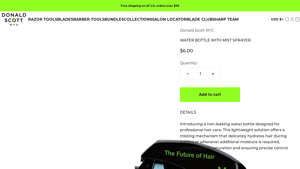
Dominio: donaldscottnyc.com
Registrato: 2014 (11 anni)
Introduzione: {“product_name”: “Water Bottle with Mist Sprayer”, “sale_price”: “$6.00”, “regular_price”: “N/A”, “description”: “A non-leaking water bottle designed for professional hair care. This lightweight solution offers a misting mechanism that delicately hydrates hair during cutting or whenever additional moisture is required, preventing over-saturation and ensuring precise control.”, “designed_in”: “New …
Strategic Sourcing Conclusion and Outlook for misting water bottles
In summary, the strategic sourcing of misting water bottles presents a compelling opportunity for international B2B buyers, particularly those in emerging markets like Africa, South America, the Middle East, and Europe. The innovative designs showcased by brands such as GoMist, RinseKit, and Lunatec highlight the growing demand for multifunctional hydration solutions that cater to diverse consumer needs—from cooling and cleaning to convenience and portability.
Investing in high-quality misting water bottles can not only enhance product offerings but also position businesses to capitalize on the increasing awareness of health and wellness among consumers. Strategic sourcing should prioritize suppliers who demonstrate reliability, innovation, and sustainability, ensuring that the products meet the high standards expected in today’s competitive market.
As the global demand for portable hydration solutions continues to rise, now is the time to evaluate your sourcing strategies. Engage with suppliers that align with your vision for quality and functionality, and explore partnerships that can drive mutual growth. By staying ahead of market trends and consumer preferences, you can secure a competitive edge in the misting water bottle segment.
 Italiano
  English
  Español
  Português
  Français
  Deutsch
  العربية
  Русский
  日本語
日本語  한국어
한국어  Nederlands