
Introduction: Navigating the Global Market for 1/2 gallon water bottle
In today’s global market, sourcing high-quality 1/2 gallon water bottles presents unique challenges for B2B buyers, particularly those operating in diverse regions such as Africa, South America, the Middle East, and Europe. With the growing emphasis on sustainability and health, businesses are increasingly seeking reliable suppliers that can provide eco-friendly and durable water bottle solutions. This guide is designed to assist international buyers in navigating the complexities of sourcing these essential products.
Throughout this comprehensive resource, we will explore the various types of 1/2 gallon water bottles available, including materials like stainless steel, BPA-free plastic, and glass. Additionally, we will delve into the myriad applications of these bottles, from fitness and outdoor activities to corporate gifting and promotional use. A critical aspect of successful purchasing will be supplier vetting, enabling buyers to select partners who align with their quality standards and ethical practices.
Cost considerations are also vital, and this guide will provide insights into pricing structures and potential hidden costs. By equipping B2B buyers with actionable information and strategic recommendations, we empower them to make informed purchasing decisions that meet their business needs while fostering sustainability and customer satisfaction. Whether you’re in Germany, Vietnam, or elsewhere, this guide aims to streamline your sourcing process and enhance your competitive edge in the global market.
Understanding 1/2 gallon water bottle Types and Variations
| Nome del tipo | Caratteristiche distintive principali | Applicazioni primarie B2B | Brevi pro e contro per gli acquirenti |
|---|---|---|---|
| Bottiglie di plastica senza BPA | Lightweight, durable, and affordable; often available in various colors. | Gyms, schools, and outdoor events | Pro: Cost-effective, lightweight. Contro: Less insulated, may retain odors. |
| Stainless Steel Bottles | Double-wall insulation, rugged design, and often customizable. | Corporate gifts, outdoor activities | Pro: Durable, keeps liquids cold/hot longer. Contro: Prezzo più alto. |
| Bottiglie d'acqua in vetro | Eco-friendly, stylish, and often comes with protective sleeves. | High-end retail, wellness brands | Pro: Non-toxic, aesthetic appeal. Contro: Heavy, breakable. |
| Brocche d'acqua isolate | Vacuum-insulated, designed to maintain temperature for extended periods. | Outdoor sports, camping, and travel | Pro: Excellent temperature retention. Contro: Bulkier, higher cost. |
| Bottiglie d'acqua pieghevoli | Flexible design for easy storage, often made from silicone. | Travel, hiking, and events | Pro: Space-saving, lightweight. Contro: Less durable, may leak if damaged. |
What are the Characteristics of BPA-Free Plastic Bottles?
BPA-free plastic bottles are a popular choice for businesses due to their affordability and lightweight nature. These bottles are often available in various colors and designs, making them ideal for promotional purposes. They are commonly used in gyms, schools, and outdoor events where bulk purchases are needed. When considering this option, buyers should evaluate the material’s durability and potential odor retention, which can affect customer satisfaction over time.
Why Choose Stainless Steel Bottles for B2B Purchases?
Stainless steel bottles offer a robust and stylish alternative for businesses looking to provide high-quality hydration solutions. Known for their double-wall insulation, these bottles maintain beverage temperatures for longer periods, making them suitable for corporate gifts, outdoor activities, and events. While they come at a higher price point, the durability and potential for customization can enhance brand visibility and customer loyalty, making them a worthwhile investment.
What Makes Glass Water Bottles a Unique Option?
Glass water bottles are favored for their eco-friendly appeal and aesthetic qualities. Often paired with protective sleeves, they cater to high-end retail and wellness brands aiming to promote sustainability. When purchasing glass bottles, businesses should consider their weight and fragility, as these factors can impact shipping costs and customer usability. The non-toxic nature of glass is a significant advantage, particularly for health-conscious consumers.
How Do Insulated Water Jugs Benefit Outdoor Activities?
Insulated water jugs are designed for optimal temperature retention, making them ideal for outdoor sports, camping, and travel. Their vacuum-insulated technology ensures that beverages remain cold or hot for extended periods, which is particularly beneficial for businesses targeting adventure enthusiasts. Although these jugs can be bulkier and more expensive, their functionality often justifies the investment, especially for companies focused on quality and performance.
What Advantages Do Collapsible Water Bottles Offer for B2B Buyers?
Collapsible water bottles are a versatile choice for businesses that prioritize portability and convenience. Made from flexible materials like silicone, these bottles can be easily stored when not in use, making them perfect for travel, hiking, and events. While they are lightweight and space-saving, buyers should be aware that they may be less durable than traditional bottles and can pose a risk of leakage if damaged.
Key Industrial Applications of 1/2 gallon water bottle
| Industria/Settore | Specific Application of 1/2 Gallon Water Bottle | Valore/Beneficio per l'azienda | Considerazioni chiave sull'approvvigionamento per questa applicazione |
|---|---|---|---|
| Fitness & Wellness | Gym hydration stations for members | Encourages hydration, enhances member experience | BPA-free materials, durability, easy-to-clean design |
| Cibo e bevande | Catering and event service | Convenient for serving water at large gatherings | Opzioni di personalizzazione del marchio, sconti per acquisti in blocco |
| Construction & Field Work | On-site hydration for workers | Ensures worker safety and compliance with hydration needs | Insulation properties, rugged design for outdoor use |
| Hospitality & Tourism | Room service and outdoor activities | Enhances guest satisfaction and promotes brand loyalty | Reusability, eco-friendly materials, aesthetic appeal |
| Education & Institutions | Student hydration stations | Promotes healthy habits among students | Cost-effectiveness, variety of designs and colors |
How is the 1/2 Gallon Water Bottle Used in the Fitness Industry?
In the fitness and wellness sector, half-gallon water bottles are often utilized in gym hydration stations. These bottles encourage gym-goers to stay hydrated during workouts, improving performance and recovery. For B2B buyers in this sector, sourcing BPA-free and durable materials is essential to ensure safety and longevity. Additionally, ease of cleaning is a critical requirement, as high usage in gyms necessitates frequent sanitation to maintain hygiene standards.
What Role Does the 1/2 Gallon Water Bottle Play in Food & Beverage Services?
In the food and beverage industry, half-gallon water bottles are commonly used for catering and event services. They provide a practical solution for serving water at large gatherings, reducing the need for single-use plastic bottles. Businesses benefit from the convenience and environmental appeal of reusable bottles. Key sourcing considerations include the availability of custom branding options and bulk purchasing discounts to enhance visibility and cost-effectiveness during events.
Why is the 1/2 Gallon Water Bottle Important for Construction Sites?
For construction and fieldwork, half-gallon water bottles serve as essential hydration tools for workers in demanding environments. They help ensure compliance with safety regulations regarding hydration, which is crucial for worker health and productivity. Buyers in this sector should focus on bottles with insulation properties to keep water cool in hot conditions and rugged designs that can withstand harsh outdoor elements. Durability and ease of transport are also significant factors to consider.
How Do Hospitality and Tourism Benefit from 1/2 Gallon Water Bottles?
In the hospitality and tourism industry, half-gallon water bottles are used for room service and outdoor activities, enhancing guest satisfaction. Providing guests with reusable bottles not only promotes hydration but also fosters a positive brand image focused on sustainability. When sourcing these products, businesses should prioritize eco-friendly materials, aesthetic appeal, and reusability to align with modern consumer expectations. Customization options can also help reinforce brand loyalty.
What is the Impact of 1/2 Gallon Water Bottles in Educational Institutions?
Educational institutions utilize half-gallon water bottles in student hydration stations to promote healthy drinking habits. These bottles encourage students to drink more water throughout the day, positively impacting their health and concentration levels. B2B buyers in this sector should consider cost-effectiveness, a variety of designs and colors to appeal to students, and the durability of materials, ensuring that the bottles can withstand daily use in an active school environment.
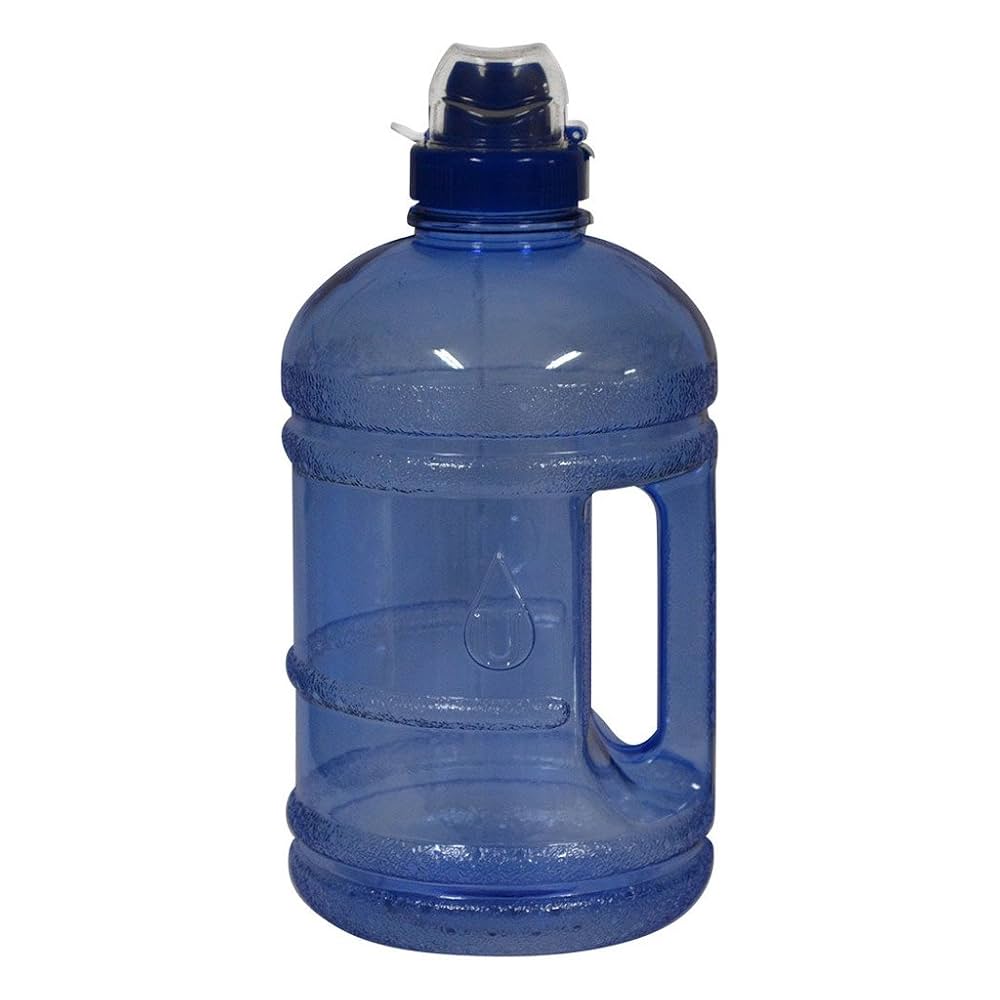
A stock image related to 1/2 gallon water bottle.
3 Common User Pain Points for ‘1/2 gallon water bottle’ & Their Solutions
Scenario 1: Sourcing Quality Materials for Durability and Safety
Il problema: B2B buyers often face challenges when sourcing half-gallon water bottles made from quality materials that are both durable and safe for consumer use. In regions like Africa and South America, where plastic waste and environmental concerns are prevalent, buyers must ensure that the products they choose are BPA-free and made from sustainable materials. Additionally, the risk of receiving subpar products can lead to financial losses and damage to brand reputation.
La soluzione: When sourcing half-gallon water bottles, prioritize suppliers who provide clear certifications regarding material safety and sustainability. Look for products made from stainless steel or high-grade BPA-free plastics, as these materials not only enhance durability but also align with eco-friendly practices. Engage in thorough supplier evaluations, including requesting samples to assess quality firsthand. Building relationships with manufacturers that have a proven track record in safety compliance and environmental responsibility can ensure consistent supply and mitigate risks associated with inferior products.
Scenario 2: Ensuring Proper Functionality for Diverse Use Cases
Il problema: Many B2B buyers encounter issues with half-gallon water bottles that do not meet the diverse needs of their end-users. For instance, a company providing hydration solutions for outdoor events may require bottles that can withstand extreme temperatures, while gyms may need bottles designed for easy transport and one-handed use. A mismatch in functionality can result in customer dissatisfaction and increased returns, which can be costly.
La soluzione: To address these concerns, conduct a needs assessment before procurement. Identify the specific use cases for the water bottles, such as outdoor adventures, gym use, or corporate events. Choose bottles with features tailored to these needs, such as double-wall insulation for temperature retention, leak-proof designs, and ergonomic handles for easy carrying. Collaborate with suppliers who offer customization options, allowing for branding and specific design features that enhance user experience. Testing products in real-world scenarios before bulk purchases can also help confirm their suitability for intended applications.
Scenario 3: Managing Inventory and Supply Chain Challenges
Il problema: B2B buyers often struggle with managing inventory levels and supply chain logistics for half-gallon water bottles, especially when dealing with international suppliers. Fluctuations in demand, combined with shipping delays and storage issues, can lead to stockouts or overstock situations, both of which can harm cash flow and customer relationships.
La soluzione: Implementing a robust inventory management system is crucial for navigating these challenges. Utilize forecasting tools that analyze sales data to predict demand accurately. Establish minimum order quantities with suppliers to ensure that you can replenish stock without overcommitting resources. Additionally, consider diversifying your supplier base across different regions to mitigate the risk of delays. Establish clear communication channels with suppliers to stay updated on lead times and shipping logistics. This proactive approach will enable you to maintain optimal inventory levels, ensuring that your customers receive their products without unnecessary delays.
By addressing these common pain points with actionable solutions, B2B buyers can make informed decisions when procuring half-gallon water bottles, ultimately enhancing their product offerings and customer satisfaction.
Strategic Material Selection Guide for 1/2 gallon water bottle
When selecting materials for a 1/2 gallon water bottle, various factors such as performance, cost, and compliance with international standards must be considered. Below is an analysis of four common materials used in the manufacturing of these bottles: BPA-free plastic, stainless steel, glass, and silicone. Each material has its unique properties, advantages, and limitations that can significantly impact the end product’s suitability for different markets.
What Are the Key Properties of BPA-Free Plastic for 1/2 Gallon Water Bottles?
BPA-free plastic, often made from Tritan or similar copolyesters, is known for its lightweight and shatter-resistant nature. It typically has a temperature rating of around -40°F to 212°F (-40°C to 100°C), making it suitable for both hot and cold liquids. Additionally, this material is resistant to corrosion and does not leach harmful chemicals, ensuring safety for consumers.
Pros and Cons: The primary advantages of BPA-free plastic include its low cost and ease of manufacturing, which allows for mass production. However, it may not be as durable as metal or glass, leading to potential wear and tear over time. Moreover, while it is generally resistant to impact, it can still scratch and discolor with prolonged exposure to sunlight.
Impatto sull'applicazione: This material is compatible with a wide range of liquids, including water, juices, and sports drinks. However, it is not suitable for carbonated beverages, which can increase pressure and lead to leaks.
Considerazioni per gli acquirenti internazionali: Buyers from regions like Africa and South America should ensure that the products comply with local safety standards, such as ASTM or ISO certifications. European buyers may also prefer bottles that meet EU regulations on food contact materials.
How Does Stainless Steel Perform as a Material for 1/2 Gallon Water Bottles?
Stainless steel is a popular choice for water bottles due to its durability and resistance to corrosion. It can withstand extreme temperatures, typically rated for use between -40°F to 500°F (-40°C to 260°C). Stainless steel bottles often feature double-wall vacuum insulation, which keeps beverages hot or cold for extended periods.
Pros and Cons: The main advantage of stainless steel is its longevity and resistance to dents and scratches. It is also BPA-free and does not retain flavors or odors. However, the manufacturing process can be more complex and costly compared to plastic. Additionally, stainless steel bottles are heavier, which may not appeal to all consumers.
Impatto sull'applicazione: Stainless steel is suitable for a variety of beverages, including hot drinks, making it versatile for different markets. However, it is essential to note that these bottles should not be used for carbonated beverages unless specifically designed for that purpose.
Considerazioni per gli acquirenti internazionali: Buyers should look for certifications that confirm the stainless steel’s quality, such as food-grade standards. In Europe, compliance with DIN standards is often required, while buyers in the Middle East may focus on durability and resistance to high temperatures.
What Are the Advantages and Limitations of Glass as a Material for 1/2 Gallon Water Bottles?
Glass water bottles are favored for their aesthetic appeal and purity. They do not leach chemicals and can handle temperatures from -40°F to 212°F (-40°C to 100°C). Glass is also recyclable, making it an environmentally friendly option.
Pros and Cons: The key advantage of glass is its inert nature, ensuring that no flavors are transferred to the liquid. However, glass is fragile and can break easily, which is a significant drawback for portability. Additionally, the manufacturing process can be energy-intensive, contributing to higher costs.
Impatto sull'applicazione: Glass is ideal for still water, juices, and other non-carbonated beverages. It is not suitable for outdoor activities where breakage is a concern.
Considerazioni per gli acquirenti internazionali: Buyers should ensure compliance with safety standards regarding breakage and food safety. In regions like Europe, adherence to EU regulations on glass packaging is crucial.
What Role Does Silicone Play in the Manufacturing of 1/2 Gallon Water Bottles?
Silicone is increasingly being used for water bottles due to its flexibility and durability. It can withstand a wide temperature range, typically from -76°F to 446°F (-60°C to 230°C), making it suitable for both hot and cold beverages.
Pros and Cons: Silicone is lightweight, collapsible, and resistant to UV light and extreme temperatures. However, it may not be as durable as stainless steel or glass in terms of puncture resistance. The manufacturing process can also be more complex, leading to higher costs.
Impatto sull'applicazione: Silicone bottles are excellent for outdoor activities due to their flexible nature, but they may not be suitable for carbonated beverages due to potential leaks.
Considerazioni per gli acquirenti internazionali: Buyers should check for compliance with food safety standards, especially in regions where silicone products are less common. Certifications such as FDA approval may be required in the U.S., while European buyers may seek EU compliance.
Summary Table of Material Selection for 1/2 Gallon Water Bottles
| Materiale | Typical Use Case for 1/2 Gallon Water Bottle | Vantaggio chiave | Svantaggi/limitazioni principali | Costo relativo (Basso/Medio/Alto) |
|---|---|---|---|---|
| Plastica senza BPA | Bevande sportive, acqua | Leggero e conveniente | Less durable, can scratch | Basso |
| Acciaio inox | Bevande calde e fredde | Durable and long-lasting | Heavier, higher manufacturing costs | Medio |
| Vetro | Still water, juices | Pure taste, recyclable | Fragile, higher production costs | Medium to High |
| Silicone | Outdoor activities, collapsible designs | Flexible and lightweight | Less puncture-resistant, potential leaks | Medio |
This analysis provides a comprehensive overview of the materials available for 1/2 gallon water bottles, assisting B2B buyers in making informed decisions tailored to their specific market needs.
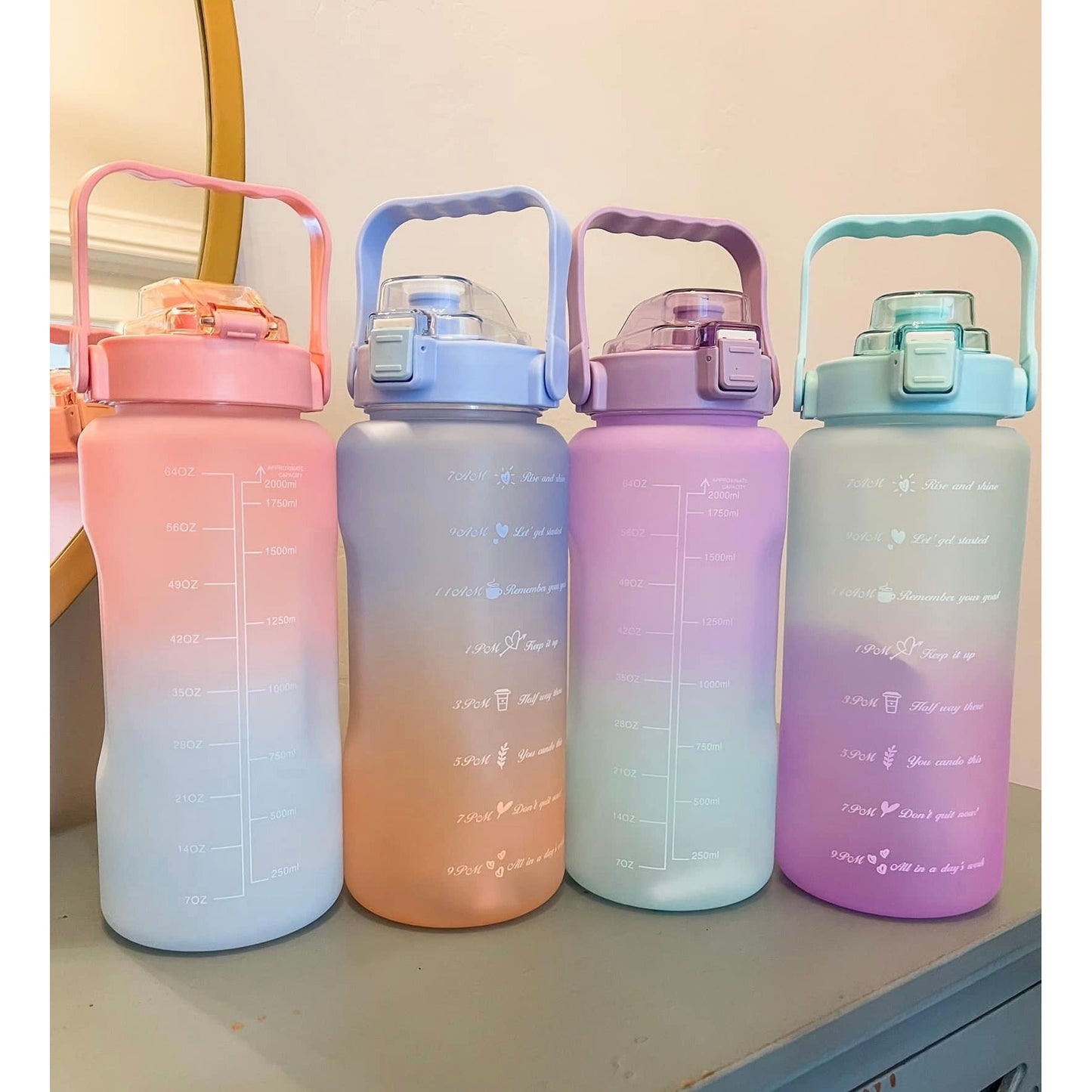
A stock image related to 1/2 gallon water bottle.
In-depth Look: Manufacturing Processes and Quality Assurance for 1/2 gallon water bottle
What Are the Key Stages in the Manufacturing Process of a 1/2 Gallon Water Bottle?
The manufacturing process for a 1/2 gallon water bottle involves several key stages, each crucial for ensuring that the final product meets quality and safety standards. The main stages include material preparation, forming, assembly, and finishing.
-
Preparazione del materiale: The primary materials used for 1/2 gallon water bottles are typically BPA-free plastics, stainless steel, or glass. For plastic bottles, resins are sourced and tested for purity and compliance with food safety regulations. Stainless steel requires a different set of processes, including alloy selection and surface treatment to prevent corrosion. Glass bottles undergo similar quality checks for thermal resistance and breakage.
-
Formazione: During this stage, the prepared materials are shaped into the desired form. For plastic bottles, blow molding is a common technique where heated plastic is inflated into a mold. For stainless steel, the sheets are cut and then formed using processes like deep drawing or stamping. Glass bottles are shaped using blow and mold processes as well. Each method has specific temperature and pressure requirements to ensure structural integrity.
-
Montaggio: Following the forming process, components such as lids, seals, and handles are assembled. This may involve ultrasonic welding or mechanical fastening for plastic and stainless steel bottles, while glass bottles may require adhesive bonding. The assembly process is critical as it affects the bottle’s usability and leak-proof capabilities.
-
Finitura: The final stage includes surface treatment, labeling, and packaging. This may involve applying coatings for enhanced durability, printing labels, or installing ergonomic features like grips. Quality checks during this stage ensure that the product is aesthetically pleasing and ready for distribution.
How Is Quality Assurance Implemented in 1/2 Gallon Water Bottle Production?
Quality assurance (QA) is an integral part of the manufacturing process, ensuring that the products meet both international and industry-specific standards. This process typically involves several checkpoints and testing methods.
-
Standard internazionali: Compliance with ISO 9001 is fundamental for manufacturers aiming to ensure consistent quality. This standard focuses on quality management systems and is applicable across various industries, including food-grade containers. Additional certifications like CE (Conformité Européenne) and API (American Petroleum Institute) may be relevant, particularly for products exported to Europe and specific industrial applications.
-
Quality Checkpoints:
– Controllo qualità in entrata (CQI): This involves inspecting raw materials upon receipt. Suppliers must provide certificates of compliance to ensure that materials meet safety and quality standards.
– Controllo qualità in corso d'opera (IPQC): Throughout the manufacturing process, various checkpoints are established to monitor parameters like temperature, pressure, and dimensional accuracy. This helps catch defects early in the production cycle.
– Controllo qualità finale (CQC): After assembly, final products undergo rigorous testing. This may include leak tests, pressure tests, and durability assessments to ensure the product’s functionality and safety. -
Common Testing Methods: Testing methods can vary based on materials but often include:
– Mechanical Testing: To assess tensile strength and impact resistance.
– Test chimici: To ensure that materials are non-toxic and free from harmful substances.
– Thermal Testing: For glass and stainless steel bottles to measure resistance to heat and cold.
How Can B2B Buyers Verify Supplier Quality Control Measures?
For international B2B buyers, particularly those from Africa, South America, the Middle East, and Europe, verifying a supplier’s quality control measures is essential for ensuring product reliability.
-
Audit dei fornitori: Conducting regular audits of the manufacturing facility can provide insights into the supplier’s quality management practices. Audits should include assessments of manufacturing processes, quality control systems, and compliance with international standards.
-
Rapporti sulla qualità: Requesting detailed quality reports from suppliers can help buyers understand the testing methods used, results obtained, and any corrective actions taken in the event of non-compliance. These reports should be transparent and accessible.
-
Ispezioni di terze parti: Engaging third-party inspection agencies can provide an unbiased assessment of the supplier’s processes and products. These agencies can conduct pre-shipment inspections, ensuring that the products meet the specified standards before they are shipped.
What Are the Specific Quality Control Nuances for International B2B Buyers?
Navigating the international landscape for B2B procurement comes with its unique challenges, particularly regarding quality assurance.
-
Cultural and Regulatory Differences: Buyers must be aware of cultural nuances and regulatory requirements in different regions. For instance, Europe has stringent regulations regarding food safety and environmental impact, which may not be as rigorous in other markets. Understanding these differences can help buyers make informed decisions.
-
Documentation and Compliance: Proper documentation is crucial for international shipments. This includes certificates of compliance, material safety data sheets (MSDS), and customs declarations. Buyers should ensure that suppliers provide all necessary documentation to avoid delays in customs and potential legal issues.
-
Building Relationships with Suppliers: Establishing strong relationships with suppliers can facilitate better communication regarding quality expectations and standards. Regular engagement can also help in addressing any issues that arise during production or shipment.
By understanding the manufacturing processes and quality assurance measures in place for 1/2 gallon water bottles, international B2B buyers can make more informed purchasing decisions, ensuring that they receive products that meet their quality and safety standards.
Practical Sourcing Guide: A Step-by-Step Checklist for ‘1/2 gallon water bottle’
In the competitive landscape of sourcing 1/2 gallon water bottles, a structured approach is essential for international B2B buyers. This guide provides a practical checklist to streamline the procurement process, ensuring that your organization secures high-quality products that meet market demands.
Fase 1: Definire le specifiche tecniche
Begin by identifying the specific requirements for the 1/2 gallon water bottles you intend to procure. Consider factors such as material (BPA-free plastic, stainless steel, glass), insulation properties, and design features (handles, straws, or collapsibility). Clear specifications will help you communicate effectively with suppliers and ensure that the products meet your customers’ needs.
Fase 2: Condurre ricerche di mercato
Investigate the current market trends and demands for 1/2 gallon water bottles in your target regions, including Africa, South America, the Middle East, and Europe. Analyze competitors and identify what features are popular among consumers. Understanding market preferences will guide your sourcing strategy and help you choose products that resonate with your audience.
Fase 3: Valutare i potenziali fornitori
Before finalizing a supplier, conduct thorough evaluations to ensure they meet your quality and reliability standards. Request documentation such as company profiles, product samples, and certifications (like ISO or FDA compliance). Additionally, seek references from other businesses in your industry to assess their credibility and performance.
Passo 4: Verify Compliance with Regulatory Standards
Different regions have varying regulations regarding product safety and environmental impact. Verify that the water bottles comply with local regulations, such as food safety standards and recycling requirements. This step is crucial to avoid potential legal issues and ensure that your products are safe for consumers.
Passo 5: Assess Supply Chain Logistics
Consider the logistical aspects of sourcing water bottles, including shipping costs, delivery timelines, and the supplier’s capacity to meet your order volume. Evaluate the supplier’s geographical location and their ability to handle international shipping efficiently. A well-planned logistics strategy can significantly impact your overall procurement success.
Passo 6: Negoziare termini e prezzi
Engage in negotiations with potential suppliers to establish favorable terms, including pricing, payment methods, and delivery schedules. Be transparent about your budget and expected order quantities to facilitate a mutually beneficial agreement. Securing competitive pricing is vital for maintaining profitability in your business operations.
Passo 7: Establish Quality Control Measures
Implement quality control procedures to monitor the products upon delivery. This may include inspecting samples, conducting performance tests, and ensuring that the bottles meet your predefined specifications. Establishing these measures early on will help maintain product quality and customer satisfaction.
By following this checklist, B2B buyers can navigate the complexities of sourcing 1/2 gallon water bottles effectively, ensuring they make informed decisions that align with their business goals.
Comprehensive Cost and Pricing Analysis for 1/2 gallon water bottle Sourcing
What Are the Key Cost Components in Sourcing a 1/2 Gallon Water Bottle?
When sourcing 1/2 gallon water bottles, understanding the cost structure is essential for effective budgeting and pricing strategy. The primary cost components include materials, labor, manufacturing overhead, tooling, quality control (QC), logistics, and supplier margins.
-
I materiali: The choice of materials significantly impacts cost. Common options include BPA-free plastic, stainless steel, and glass. Higher-quality materials, such as double-wall vacuum insulated stainless steel, often command premium prices but can enhance product durability and customer satisfaction.
-
Lavoro: Labor costs vary based on the manufacturing location. Regions with lower labor costs, such as parts of Asia and South America, can offer competitive pricing. However, labor quality and expertise in specific manufacturing processes (like blow molding or injection molding) should also be considered.
-
Spese generali di produzione: This encompasses indirect costs associated with production, such as facility maintenance and utilities. Efficient production processes and technology can lower overhead, but initial investments in automation may be required.
-
Utensili: Custom molds and tooling for specific designs can incur significant upfront costs. Buyers should evaluate the amortization of these costs over expected production volumes to assess their long-term impact on pricing.
-
Controllo qualità: Ensuring product quality through rigorous QC processes is vital, especially for international buyers who may face stricter regulations. This can add to overall costs but is essential for maintaining brand reputation and customer trust.
-
Logistica: Shipping costs can vary widely depending on the origin, destination, and shipping method. Incoterms (International Commercial Terms) will also influence who bears the risk and cost during transit, which can significantly affect the final landed cost.
-
Margine: Suppliers typically add a margin to cover their operational costs and profit. This margin can fluctuate based on competition, demand, and the supplier’s market positioning.
How Do Price Influencers Affect 1/2 Gallon Water Bottle Sourcing?
Several factors influence the pricing of 1/2 gallon water bottles, which can vary significantly based on buyer specifications and market conditions.
-
Volume/MOQ: Purchasing in bulk usually leads to lower per-unit costs. Minimum Order Quantities (MOQs) set by suppliers can affect total pricing, so buyers should negotiate for favorable terms based on their projected needs.
-
Specifiche e personalizzazione: Custom designs, colors, or branding can lead to increased costs. Buyers should weigh the benefits of customization against potential price increases and consider stock options for cost savings.
-
Materiali e certificazioni di qualità: Higher-quality materials and certifications (like FDA approval or BPA-free status) can increase costs. Buyers in regions with stringent regulations may need to prioritize certified products, which can impact their sourcing decisions.
-
Fattori di fornitura: The reputation and reliability of suppliers can influence pricing. Established suppliers may charge more due to their experience and quality assurance, while new entrants might offer lower prices to gain market share.
-
Incoterms: Understanding Incoterms is crucial for international transactions. They dictate the responsibilities of buyers and sellers in shipping arrangements, affecting overall cost structure and risk management.
What Tips Can Help B2B Buyers Optimize Their Sourcing Strategy?
International B2B buyers can enhance their sourcing strategy for 1/2 gallon water bottles through the following approaches:
-
Negoziazione: Leverage volume purchasing to negotiate better terms. Building long-term relationships with suppliers can lead to discounts and more favorable payment terms.
-
Efficienza dei costi: Consider the Total Cost of Ownership (TCO), which includes initial purchase price, shipping, tariffs, and potential returns or replacements. A lower upfront cost may not always yield the best value.
-
Le sfumature dei prezzi per gli acquirenti internazionali: Be aware of currency fluctuations and local taxes that may affect pricing. Understanding the market dynamics in regions like Africa and South America can provide insights into competitive pricing strategies.
-
Supplier Diversification: Relying on multiple suppliers can mitigate risks related to supply chain disruptions and price volatility. This strategy can also foster competitive pricing among suppliers.
-
Market Research: Conduct thorough market research to understand pricing trends and competitor offerings. This knowledge can empower buyers to make informed decisions and negotiate effectively.
Disclaimer sui prezzi indicativi
Prices for 1/2 gallon water bottles can vary widely based on the factors mentioned above. Buyers are encouraged to obtain quotes from multiple suppliers to ensure they receive competitive pricing tailored to their specific requirements.
Alternatives Analysis: Comparing 1/2 gallon water bottle With Other Solutions
Understanding Alternative Solutions to the 1/2 Gallon Water Bottle
When considering hydration solutions for businesses, the 1/2 gallon water bottle stands out due to its practicality and versatility. However, other alternatives may offer unique advantages that could better suit specific needs. This analysis compares the 1/2 gallon water bottle with two viable alternatives: the 1-gallon water jug and the water dispenser system. Each option has its strengths and weaknesses, which can significantly impact purchasing decisions for B2B buyers.
| Aspetto di confronto | 1/2 Gallon Water Bottle | 1-Gallon Water Jug | Water Dispenser System |
|---|---|---|---|
| Prestazioni | Ideal for personal use; portable and lightweight | Suitable for group settings; holds more water | Provides continuous access to water; can be filtered |
| Costo | Generally affordable (around $15-$30) | Moderate (around $25-$50) | Higher initial investment (from $100) plus ongoing costs |
| Facilità di implementazione | Easy to carry and refill; minimal setup | Requires more space; easy to use | Installation needed; requires a power source |
| Manutenzione | Low maintenance; easy to clean | Moderate; requires occasional cleaning | Higher; regular filter changes and cleaning |
| Il miglior caso d'uso | Individual hydration during outdoor activities | Group hydration needs, events, or sports | Office environments, large gatherings, or public spaces |
What Are the Pros and Cons of a 1-Gallon Water Jug?
The 1-gallon water jug is an excellent alternative for businesses that require more water capacity. This option is particularly beneficial in group settings, such as offices or events, where multiple people need access to hydration. The larger size means fewer refills, making it more efficient for high-demand situations. However, it can be less portable than the 1/2 gallon option, requiring more space and making it cumbersome to transport. Additionally, while the cost is moderate, it is still more expensive than the 1/2 gallon bottle, especially when considering the need for multiple jugs for larger teams.
How Does a Water Dispenser System Compare?
Water dispenser systems offer a continuous supply of water, making them ideal for environments such as offices, schools, or public venues. These systems can also include filtration options, ensuring high-quality hydration. The convenience of having a fixed location for water access is a significant advantage, especially in communal settings. However, the initial investment is considerably higher than both the 1/2 gallon bottle and the 1-gallon jug, and ongoing maintenance costs can add up, particularly with regular filter replacements. Additionally, these systems require a power source and more extensive installation, which may not be feasible in all locations.
How to Choose the Right Hydration Solution for Your Business Needs
In selecting the best hydration solution, B2B buyers should assess their specific needs. The 1/2 gallon water bottle is perfect for individual use, especially for those engaged in outdoor activities or sports. If the requirement leans towards group hydration, the 1-gallon water jug may be more appropriate, providing ample water without constant refills. For businesses looking for a long-term solution with a steady supply of filtered water, a water dispenser system may be the best fit despite its higher costs. Ultimately, the decision should align with the intended use, budget constraints, and maintenance capabilities of the organization.
Essential Technical Properties and Trade Terminology for 1/2 gallon water bottle
What Are the Key Technical Properties of a 1/2 Gallon Water Bottle?
When evaluating a 1/2 gallon (approximately 2 liters) water bottle for B2B purchasing, several technical properties are crucial for ensuring product quality, compliance, and suitability for specific markets. Here are some essential specifications:
-
Composizione del materiale
Common materials used for 1/2 gallon water bottles include BPA-free plastic, stainless steel, and glass. The choice of material affects durability, safety, and insulation properties. For instance, stainless steel bottles are often favored for their long-lasting nature and insulation capabilities, while BPA-free plastics are lighter and offer more versatility in design. Understanding the material composition is vital for ensuring compliance with regional safety regulations, especially in markets with stringent health standards. -
Insulation Type
Insulation can significantly impact the performance of a water bottle. Double-wall vacuum insulation is a popular choice as it keeps liquids cold or hot for extended periods. This feature is particularly appealing in regions with extreme temperatures or for outdoor activities. Buyers should assess insulation properties to match customer expectations for product performance. -
Volume and Dimensions
A standard 1/2 gallon water bottle typically holds 64 ounces (2 liters). However, dimensions can vary, influencing portability and storage. Buyers must consider these factors, especially for products aimed at specific markets such as fitness enthusiasts or outdoor adventurers. A compact design may be more appealing in urban markets, while larger dimensions might be preferred for camping or events. -
Leakproof Design
Ensuring that a water bottle is 100% leakproof is essential for customer satisfaction and brand reputation. Features such as secure caps and silicone seals can enhance leak resistance. This property is particularly important for buyers targeting active consumers who need reliable hydration solutions on the go. -
Peso
The weight of the water bottle impacts its usability, especially for consumers who may carry it for extended periods. Lightweight materials are advantageous for portability, while heavier materials may provide a perception of durability. Understanding the weight preferences of the target market can guide product development and marketing strategies. -
Opzioni di personalizzazione
Offering customization, such as branding or unique colors, can be a significant selling point in B2B transactions. Customization enables businesses to differentiate their products in competitive markets and cater to specific client needs, enhancing brand visibility.
What Are Common Trade Terms Used in the 1/2 Gallon Water Bottle Industry?
Familiarity with industry terminology is essential for successful negotiations and transactions. Here are some common terms that B2B buyers should know:
-
OEM (Original Equipment Manufacturer)
This term refers to a company that produces parts or equipment that may be marketed by another manufacturer. In the context of water bottles, an OEM might design and manufacture bottles for a brand that sells them under its name. Understanding OEM relationships can help buyers navigate supplier options and quality assurance. -
MOQ (quantità minima d'ordine)
MOQ indicates the smallest quantity of products a supplier is willing to sell. Knowing the MOQ is critical for inventory planning and cost management, especially for smaller businesses or startups looking to enter the market without overcommitting resources. -
RFQ (Richiesta di offerta)
An RFQ is a formal process where buyers request pricing and terms from suppliers for a specific quantity of products. This process is vital for obtaining competitive pricing and ensures that buyers have all necessary information to make informed purchasing decisions. -
Incoterms (Termini commerciali internazionali)
These are a set of internationally recognized rules that define the responsibilities of buyers and sellers in international transactions. Familiarity with Incoterms helps buyers understand shipping costs, risk management, and delivery obligations, which are crucial for cross-border purchases. -
Tempi di consegna
This term refers to the amount of time it takes from placing an order to receiving the goods. Understanding lead times is essential for inventory management and planning, particularly for seasonal products or events. -
Sourcing
Sourcing is the process of finding suppliers for products or services. Effective sourcing strategies can help businesses identify reliable manufacturers, negotiate better prices, and ensure product quality, all of which are crucial in the competitive water bottle market.
By grasping these technical properties and trade terms, B2B buyers can make informed decisions when purchasing 1/2 gallon water bottles, ensuring they meet their customers’ needs while optimizing their supply chain.
Navigating Market Dynamics and Sourcing Trends in the 1/2 gallon water bottle Sector
What Are the Current Market Dynamics and Key Trends in the Half Gallon Water Bottle Sector?
The half gallon water bottle market is experiencing significant growth driven by several global factors. Increased health consciousness among consumers has led to a rising demand for hydration solutions that cater to an active lifestyle. This trend is particularly evident in regions such as Africa, South America, the Middle East, and Europe, where outdoor activities and fitness regimes are becoming increasingly popular. Additionally, the shift towards sustainable products has prompted manufacturers to innovate, resulting in the introduction of eco-friendly materials like stainless steel and BPA-free plastics.
Emerging technologies are also reshaping the sourcing landscape in the B2B sector. E-commerce platforms are facilitating easier access to suppliers, allowing international buyers to compare products and prices seamlessly. Moreover, advancements in supply chain management technologies, such as blockchain, are enhancing transparency and traceability, which is critical for buyers aiming to verify the origins and quality of their products. For businesses in countries like Germany and Vietnam, these technologies can streamline procurement processes and foster stronger supplier relationships.
How Important Is Sustainability and Ethical Sourcing in the 1/2 Gallon Water Bottle Market?
Sustainability and ethical sourcing are becoming paramount considerations for B2B buyers in the half gallon water bottle sector. The environmental impact of single-use plastics has led to stricter regulations and a push for sustainable alternatives. Brands that prioritize eco-friendly practices are gaining traction, as consumers increasingly favor products that minimize harm to the planet.
Ethical supply chains, characterized by fair labor practices and responsible sourcing of materials, are also crucial. B2B buyers should look for suppliers that offer certifications such as Fair Trade, ISO 14001 for environmental management, and the Global Recycle Standard (GRS). These certifications provide assurance that the products meet specific sustainability criteria, thereby reducing reputational risks for businesses.
Additionally, the use of recycled materials in the production of half gallon water bottles can significantly lower the carbon footprint associated with manufacturing. This not only aligns with global sustainability goals but also appeals to a growing demographic of environmentally conscious consumers.
What Is the Evolution of the Half Gallon Water Bottle Market?
The half gallon water bottle has evolved significantly over the years, transitioning from basic utilitarian designs to innovative, multifunctional products. Initially popularized for outdoor activities, these bottles have now found their place in various settings, from gyms to offices.
The introduction of features such as insulation, built-in straws, and ergonomic designs has enhanced user experience and practicality. As health and wellness trends continue to rise, the half gallon water bottle is increasingly seen as a lifestyle accessory rather than just a hydration tool. This evolution reflects broader consumer preferences for convenience, functionality, and sustainability, making it a dynamic segment within the broader beverage container market.
In summary, understanding these market dynamics, sustainability practices, and the historical context can empower international B2B buyers to make informed decisions in the competitive half gallon water bottle sector.
Frequently Asked Questions (FAQs) for B2B Buyers of 1/2 gallon water bottle
-
How do I choose the right half-gallon water bottle for my business needs?
When selecting a half-gallon water bottle for your business, consider factors such as material, design, and functionality. Options include BPA-free plastic, stainless steel, and glass, each offering different benefits like durability and insulation. Additionally, assess whether you need features like a straw, handle, or insulation for temperature control. It’s also essential to consider your target market’s preferences, such as eco-friendliness or ease of use, to ensure the product aligns with your brand values. -
What customization options are available for half-gallon water bottles?
Many suppliers offer customization options for half-gallon water bottles, including logo printing, color choices, and packaging designs. Depending on the manufacturer, you may also request specific features tailored to your customer base, such as ergonomic handles or unique lid designs. Customization can enhance brand visibility and appeal to niche markets, making it a valuable investment for businesses looking to differentiate their products. -
What are the minimum order quantities (MOQs) for half-gallon water bottles?
Minimum order quantities for half-gallon water bottles vary significantly among suppliers, typically ranging from 100 to 1,000 units. Factors influencing MOQs include the manufacturer’s production capabilities, customization options, and the complexity of the order. Before finalizing a supplier, discuss your needs and explore potential flexibility in MOQs, especially if you are testing a new product line or entering a new market. -
What are the typical payment terms for purchasing half-gallon water bottles?
Payment terms can vary widely based on supplier policies and the nature of the transaction. Common arrangements include a deposit (often 30-50%) upfront with the balance due upon delivery or a letter of credit for larger orders. It’s crucial to negotiate terms that align with your cash flow and operational needs while ensuring that the supplier’s terms are fair and transparent. -
How can I ensure the quality of half-gallon water bottles from suppliers?
To ensure quality, conduct thorough supplier vetting, including checking certifications (like ISO or FDA compliance), and requesting product samples before placing a bulk order. Establishing a quality assurance process, which may involve third-party inspections or testing, can also help maintain standards. Communicate your quality expectations clearly with suppliers to avoid misunderstandings and ensure that the products meet your specifications. -
What logistics considerations should I keep in mind when sourcing half-gallon water bottles internationally?
When sourcing internationally, consider shipping costs, delivery times, and customs regulations that may impact your order. Research the best shipping methods—air freight for speed or sea freight for cost-effectiveness. Additionally, ensure that you understand any import duties or taxes applicable to your products in your country. Collaborating with experienced logistics partners can streamline the process and mitigate potential delays. -
Are there specific certifications I should look for in half-gallon water bottles?
Yes, look for certifications that ensure safety and quality, such as FDA approval for food-grade materials, BPA-free certification for plastic bottles, and ISO standards for manufacturing practices. These certifications help guarantee that the products meet international safety standards, which is particularly important for B2B transactions, as they can enhance your credibility and provide peace of mind for your customers. -
What are the trends in half-gallon water bottle design that I should be aware of?
Current trends in half-gallon water bottle design include eco-friendly materials, multifunctionality (like built-in straws or infusers), and sleek aesthetics that cater to lifestyle branding. Insulation technology for maintaining beverage temperatures and portability features like collapsible designs or integrated handles are also gaining popularity. Staying informed about these trends can help you align your product offerings with market demands and customer preferences.
Disclaimer importante e condizioni d'uso
⚠️ Disclaimer importante
Le informazioni fornite in questa guida, compresi i contenuti relativi ai produttori, alle specifiche tecniche e all'analisi di mercato, hanno uno scopo puramente informativo ed educativo. Non costituiscono una consulenza professionale in materia di acquisti, né una consulenza finanziaria o legale.
Pur avendo fatto ogni sforzo per garantire l'accuratezza e la tempestività delle informazioni, non siamo responsabili di eventuali errori, omissioni o informazioni non aggiornate. Le condizioni di mercato, i dettagli aziendali e gli standard tecnici sono soggetti a modifiche.
Gli acquirenti B2B devono condurre una due diligence indipendente e approfondita. prima di prendere qualsiasi decisione di acquisto. Per questo è necessario contattare direttamente i fornitori, verificare le certificazioni, richiedere campioni e chiedere una consulenza professionale. Il rischio di affidarsi alle informazioni contenute in questa guida è esclusivamente a carico del lettore.
Top 6 1/2 Gallon Water Bottle Manufacturers & Suppliers List
1. Geo – 64oz Reusable Water Bottles
Dominio: thewaterbottlestore.com
Registrato: 2005 (20 anni)
Introduzione: 64oz | 2 liters | Half Gallon Reusable Water Bottles | BPA Free | Available in various colors and materials including plastic and glass | Insulated options available | Prices range from $10.88 to $34.88 | Includes sports cap and steel cap options | Multiple brands such as Geo and New Wave Enviro | Suitable for hot and cold beverages.
2. Walmart – Insulated Water Bottle
Dominio: walmart.com
Registrato: 1995 (30 anni)
Introduzione: This company, Walmart – Insulated Water Bottle, is a notable entity in the market. For specific product details, it is recommended to visit their website directly.
3. Yeti – One-Gallon Water Bottle
Dominio: reddit.com
Registrato: 2005 (20 anni)
Introduzione: Looking for a good one-gallon water bottle to bring to work. Considering Yeti but concerned about insulation performance based on a review from ‘Project Farm’ that rated Yeti poorly in some areas. Users mention Yeti’s durability and ability to keep water cold, even in high temperatures, but some have experienced issues with the lid sticking. Alternatives like Hydroflask and Owala were mentioned, w…
4. H2O Capsule – Jet Black Half Gallon Water Bottle
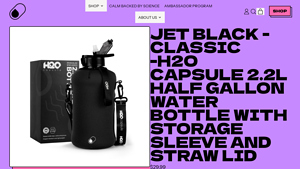
Dominio: h2ocapsule.com
Registrazione: 2019 (6 anni)
Introduzione: Jet Black – 2.2L Half Gallon Water Bottle with Storage Sleeve and straw lid. Regular price: $29.99. Features: Built for gym life with a protective sleeve for storage of phone, keys, and cards. Half gallon hydration with a leak-proof & dust-proof covered straw lid that flips open with a button. Includes a bonus straw cleaning brush. Unique removable thermal sleeve with in-built key chain and remova…
5. Target – Half Gallon Water Bottles
Dominio: target.com
Registrato: 1997 (28 anni)
Introduzione: This company, Target – Half Gallon Water Bottles, is a notable entity in the market. For specific product details, it is recommended to visit their website directly.
6. Igloo – Retro Barrel of Fun 2 Gallon Jug
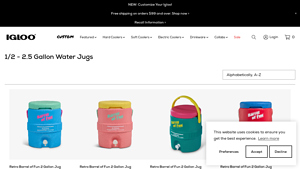
Dominio: igloocoolers.com
Registrato: 1997 (28 anni)
Introduzione: Brocche d'acqua e refrigeratori d'acqua da 1/2 a 2,5 galloni | Igloo
Prodotti:
– Retro Barrel of Fun 2 Gallon Jug – Price: $34.99
– Retro Half Gallon Jug – Price: $21.99
– Retro Playmate Half Gallon Jug – Price: $21.99
– Sport 2 Gallon Water Jug – Sold Out
Caratteristiche:
- Spedizione gratuita per ordini superiori a $99
- Opzioni di personalizzazione disponibili
– Various styles and sizes available in the collection
Strategic Sourcing Conclusion and Outlook for 1/2 gallon water bottle
In the evolving landscape of beverage containers, the strategic sourcing of half-gallon water bottles presents significant opportunities for international B2B buyers. With growing demand across diverse markets—especially in Africa, South America, the Middle East, and Europe—businesses can leverage this trend by prioritizing eco-friendly materials, innovative designs, and competitive pricing. Key takeaways include recognizing the importance of quality and sustainability, as well as the potential for customization to meet local preferences.
Investing in reliable suppliers who offer BPA-free, durable options ensures not only customer satisfaction but also compliance with health regulations. Furthermore, partnerships with manufacturers that adopt sustainable practices can enhance brand reputation and attract environmentally conscious consumers.
As we look to the future, the half-gallon water bottle market is poised for growth, driven by health trends and outdoor activities. International buyers are encouraged to stay ahead by actively seeking partnerships with suppliers that align with these trends. By doing so, they can not only meet the demands of their markets but also contribute positively to global sustainability efforts. Embrace this opportunity to enhance your product offerings and drive business success.
 Italiano
  English
  Español
  Português
  Français
  Deutsch
  العربية
  Русский
  日本語
日本語  한국어
한국어  Nederlands