
Introduction: Navigating the Global Market for eco friendly water bottle
In an increasingly eco-conscious world, sourcing eco-friendly water bottles presents a significant challenge for B2B buyers aiming to meet consumer demand while adhering to sustainability goals. With a myriad of options on the market, from stainless steel and glass to innovative biodegradable materials, the decision-making process can be daunting. This guide offers a comprehensive overview of the global eco-friendly water bottle market, addressing critical aspects such as product types, applications, supplier vetting, and cost considerations.
By delving into the unique offerings from various regions, including Africa, South America, the Middle East, and Europe, this resource equips international buyers with the knowledge needed to make informed purchasing decisions. Whether you are a distributor in Brazil seeking sustainable packaging solutions or a retailer in Nigeria looking to enhance your product lineup, this guide empowers you to navigate the complexities of sourcing responsibly.
Furthermore, it highlights the importance of aligning product choices with corporate sustainability objectives, ensuring that your procurement strategies not only meet market demands but also contribute positively to environmental conservation. With actionable insights and detailed evaluations, this guide is your essential tool for successful engagement in the eco-friendly water bottle market.
Understanding eco friendly water bottle Types and Variations
| Nome del tipo | Caratteristiche distintive principali | Applicazioni primarie B2B | Brevi pro e contro per gli acquirenti |
|---|---|---|---|
| Stainless Steel Bottles | Durable, insulated, and often reusable; resistant to corrosion | Corporate gifts, outdoor events, fitness | Pro: Long-lasting, maintains temperature. Contro: Costo iniziale più elevato. |
| Recycled Plastic Bottles | Made from post-consumer plastic; lightweight and affordable | Promotional products, retail environments | Pro: Cost-effective, lightweight. Contro: Limited lifespan, potential stigma. |
| Paper Water Bottles | Biodegradable packaging; made from renewable materials | Eco-conscious brands, events, and festivals | Pro: Fully compostable, unique branding options. Contro: Not as durable as other types. |
| Glass Bottles | Non-reactive, reusable, and recyclable; often aesthetically pleasing | High-end markets, health and wellness sectors | Pro: Safe for beverages, stylish. Contro: Fragile, più pesante delle alternative. |
| Modular Bottles | Customizable and made from recycled materials; designed for easy disassembly | Corporate branding, eco-initiatives | Pro: Personalization, environmentally friendly. Contro: Complexity in production and logistics. |
What Are the Key Characteristics of Stainless Steel Bottles?
Stainless steel bottles are known for their durability and insulation properties, making them ideal for various applications. They are resistant to corrosion and can maintain the temperature of liquids for extended periods. B2B buyers often consider them for corporate gifts or outdoor events, where longevity and functionality are paramount. While the initial investment may be higher than plastic alternatives, their long lifespan and reusability can lead to cost savings over time.
How Do Recycled Plastic Bottles Compare in Terms of Affordability?
Recycled plastic bottles are an economical choice for businesses looking to promote sustainability without a significant financial burden. Made from post-consumer materials, these bottles are lightweight and suitable for promotional products or retail environments. However, buyers should be aware of their limited lifespan and potential negative perceptions associated with plastic products. The affordability of recycled plastic bottles makes them a popular choice for budget-conscious organizations.
What Makes Paper Water Bottles an Innovative Option?
Paper water bottles represent a groundbreaking approach to sustainable packaging, utilizing renewable materials like bamboo and sugarcane. These bottles are designed to be fully biodegradable, appealing to eco-conscious brands looking to enhance their environmental credentials. They are particularly suitable for events and festivals where unique branding is essential. However, their fragility compared to more traditional materials may limit their use in certain applications.
Why Choose Glass Bottles for High-End Markets?
Glass bottles offer a non-reactive and aesthetically pleasing option for businesses targeting health and wellness sectors. Their reusable and recyclable nature aligns well with eco-friendly initiatives. However, B2B buyers must consider the fragility and weight of glass, which may complicate logistics and increase shipping costs. Despite these challenges, the premium feel of glass can elevate brand perception in high-end markets.
What Advantages Do Modular Bottles Provide for Customization?
Modular bottles, designed for easy disassembly and customization, cater to businesses seeking unique branding opportunities. Often made from recycled materials, they align with sustainability goals while offering personalization options. These bottles are particularly useful for corporate branding and eco-initiatives. However, the complexity of production and logistics may pose challenges for some businesses looking to integrate them into their supply chains.
Key Industrial Applications of eco friendly water bottle
| Industria/Settore | Specific Application of Eco-Friendly Water Bottle | Valore/Beneficio per l'azienda | Considerazioni chiave sull'approvvigionamento per questa applicazione |
|---|---|---|---|
| Ospitalità | Reusable water bottles in hotels and restaurants | Enhances guest experience and brand image | Quality, durability, customization options, and compliance with health regulations |
| Benessere aziendale | Employee hydration programs using branded bottles | Promotes health and wellness, reduces waste | Brandability, material safety, bulk pricing, and eco-certifications |
| Ricreazione all'aperto | Eco-friendly bottles for adventure tourism | Aligns with sustainability trends, attracts eco-conscious customers | Lightweight materials, insulation properties, and design versatility |
| Istruzione | Water bottles for schools and universities | Supports sustainability initiatives, reduces single-use plastic | Bulk purchasing options, safety standards, and customization for branding |
| Vendita al dettaglio | Retailing eco-friendly bottles as branded merchandise | Capitalizes on consumer demand for sustainability | Supply chain reliability, product design, and competitive pricing |
How Are Eco-Friendly Water Bottles Utilized in the Hospitality Sector?
In the hospitality industry, eco-friendly water bottles are increasingly being adopted in hotels and restaurants to enhance guest experiences. These reusable bottles not only reduce single-use plastic waste but also contribute to a hotel’s sustainability branding. Businesses should consider sourcing high-quality, durable materials that comply with health regulations and offer customization options for branding, ensuring that they align with their corporate identity and values.
What Role Do Eco-Friendly Water Bottles Play in Corporate Wellness Programs?
Corporate wellness programs are integrating eco-friendly water bottles to promote employee health and reduce environmental impact. Providing branded reusable bottles encourages hydration while minimizing single-use plastic waste. When sourcing these products, businesses should focus on safety standards, bulk pricing, and the ability to customize bottles to reflect corporate branding, thus enhancing employee engagement and brand loyalty.
How Are Eco-Friendly Water Bottles Beneficial in Outdoor Recreation?
In the outdoor recreation sector, eco-friendly water bottles serve as essential gear for adventure tourism. They appeal to eco-conscious travelers who prioritize sustainability in their choices. Lightweight materials and insulation properties are crucial for these applications, as they enhance usability during outdoor activities. Retailers and suppliers should ensure that their products are designed for durability and offer versatility, catering to a wide range of outdoor enthusiasts.
Why Are Eco-Friendly Water Bottles Important in Educational Institutions?
Educational institutions are increasingly utilizing eco-friendly water bottles to support sustainability initiatives. Providing students with reusable bottles fosters a culture of environmental responsibility while significantly reducing single-use plastic consumption. Key sourcing considerations include bulk purchasing options, adherence to safety standards, and the ability to customize bottles for school branding, which can further enhance community engagement.
How Can Retailers Benefit from Selling Eco-Friendly Water Bottles?
Retailers can capitalize on the growing consumer demand for sustainable products by offering eco-friendly water bottles as branded merchandise. These bottles not only promote a brand’s commitment to sustainability but also attract environmentally conscious consumers. It is essential for retailers to focus on supply chain reliability, innovative product design, and competitive pricing when sourcing these bottles, ensuring they remain appealing to the target market while maintaining profitability.
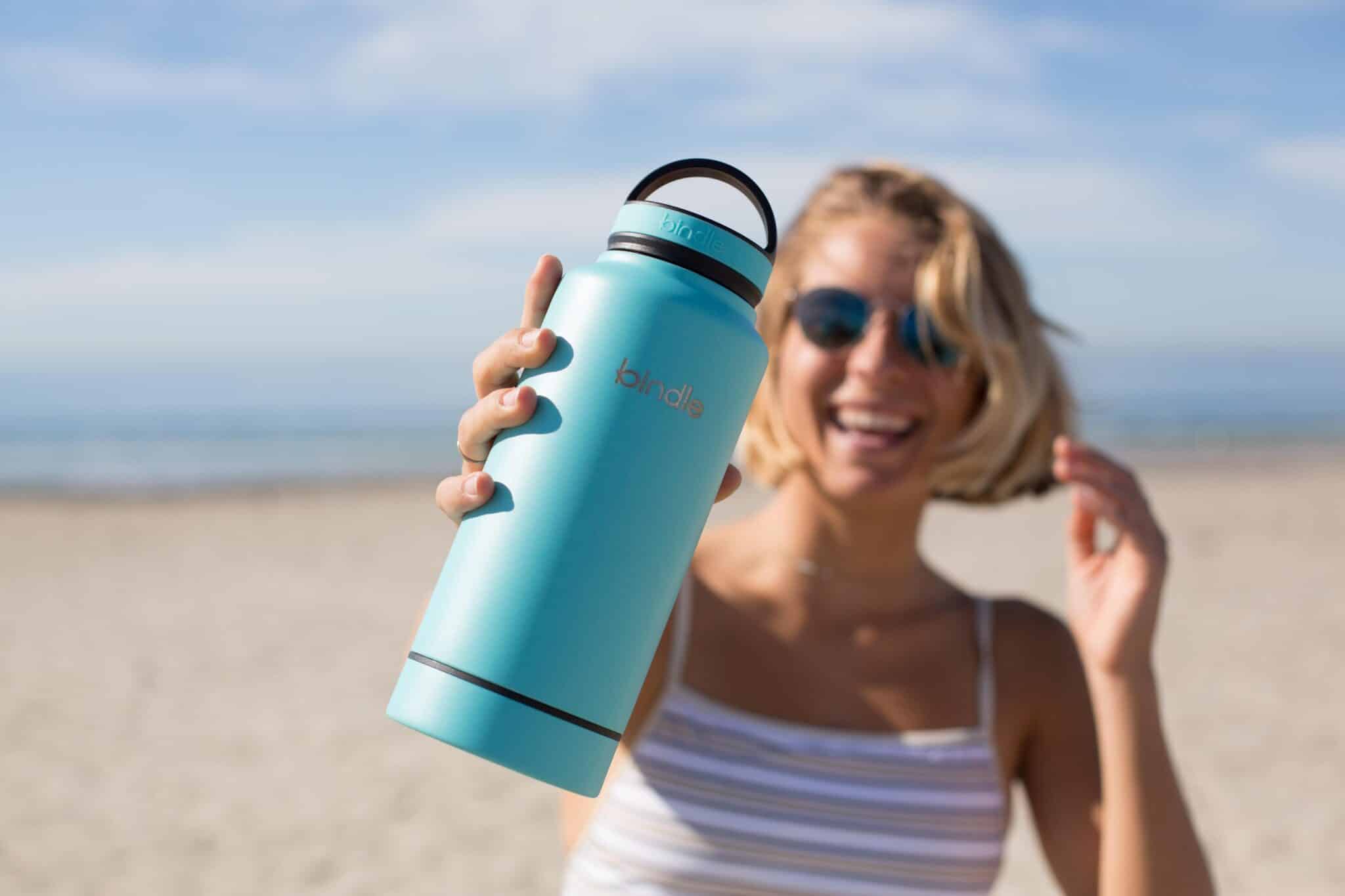
A stock image related to eco friendly water bottle.
3 Common User Pain Points for ‘eco friendly water bottle’ & Their Solutions
Scenario 1: Sourcing Quality and Sustainable Materials for Eco-Friendly Water Bottles
Il problema:
B2B buyers often struggle to find eco-friendly water bottles made from high-quality materials that meet sustainability standards. Many suppliers claim their products are eco-friendly, but upon closer inspection, the materials used may not be as sustainable as advertised. This can lead to distrust and concerns about the long-term impact on the environment, as well as potential backlash from consumers who prioritize genuine sustainability.
La soluzione:
To ensure you are sourcing eco-friendly water bottles made from quality materials, establish a rigorous vetting process for your suppliers. Look for certifications such as ISO 14001 for environmental management systems or materials that are certified by organizations like the Forest Stewardship Council (FSC) for recycled or sustainably sourced components. Request detailed documentation from suppliers that outlines the sourcing, production processes, and lifecycle impact of their products. Additionally, consider working with suppliers that are transparent about their sustainability practices and have a history of commitment to reducing their carbon footprint. Engaging in direct communication with suppliers to understand their supply chain can also help you make informed decisions.
Scenario 2: Navigating Compliance and Regulatory Challenges in Different Markets
Il problema:
B2B buyers operating across international markets may encounter varying regulations regarding the use of materials in eco-friendly water bottles. For instance, some countries have stringent regulations on BPA or other chemicals, while others may have different standards for recyclability or biodegradability. This inconsistency can complicate the purchasing process, leading to potential legal liabilities and additional costs if products do not meet local regulations.
La soluzione:
To navigate these compliance challenges effectively, conduct thorough market research to understand the specific regulations in each region where you intend to sell your eco-friendly water bottles. Collaborate with local legal experts or compliance consultants who specialize in environmental regulations to gain insights into what is required. Create a compliance checklist that addresses the unique legal requirements for each market, including material safety data sheets (MSDS) and certifications needed for products. Additionally, consider leveraging the services of suppliers who are already compliant with international standards, as they can provide documentation that simplifies the process of entering new markets.
Scenario 3: Balancing Cost-Effectiveness with Sustainable Choices
Il problema:
Many B2B buyers are often faced with the dilemma of balancing cost-effectiveness with the desire to purchase sustainable products. Eco-friendly water bottles can sometimes come with a higher price tag compared to traditional plastic options, which may deter budget-conscious businesses from making the switch. This creates a conflict between corporate social responsibility goals and financial constraints.
La soluzione:
To address this challenge, conduct a total cost of ownership (TCO) analysis that factors in not just the initial purchase price but also the long-term benefits of investing in eco-friendly water bottles. Highlight the potential cost savings from reduced waste management fees and the positive impact on brand reputation that can lead to increased customer loyalty and sales. Explore bulk purchasing options or partnerships with manufacturers that offer competitive pricing for large orders. Additionally, consider implementing a recycling program or incentivizing customers to return used bottles, which can further enhance the sustainability of your offerings while potentially lowering costs. Engaging in marketing efforts that emphasize the environmental benefits can also help justify the investment and attract eco-conscious consumers.
Strategic Material Selection Guide for eco friendly water bottle
What Are the Key Materials Used in Eco-Friendly Water Bottles?
When selecting materials for eco-friendly water bottles, it’s essential to consider various properties, advantages, and limitations. Here, we analyze four common materials used in the production of eco-friendly water bottles: stainless steel, glass, recycled plastic, and paper-based composites. Each material presents unique characteristics that can influence product performance, manufacturing processes, and market acceptance.
How Does Stainless Steel Perform in Eco-Friendly Water Bottles?
Stainless steel is a popular choice for eco-friendly water bottles due to its durability and resistance to corrosion. It can withstand high temperatures and pressures, making it suitable for both hot and cold beverages. The material is also non-reactive, ensuring that it does not leach harmful chemicals into the contents.
Pro: Stainless steel bottles are highly durable, often lasting for years without significant wear. They are also relatively easy to clean and can be recycled at the end of their life cycle.
Contro: The initial manufacturing cost of stainless steel is higher compared to other materials, which may affect pricing strategies for B2B buyers. Additionally, the production process has a significant carbon footprint, which may counteract some of the eco-friendly claims.
Impatto sull'applicazione: Stainless steel is compatible with a wide range of liquids, including acidic beverages, without affecting taste or quality.
Considerazioni per gli acquirenti internazionali: Compliance with international standards such as ASTM and DIN is crucial. Buyers in regions like Africa and South America may also seek certifications that demonstrate sustainability and ethical sourcing.
What Are the Benefits of Glass in Eco-Friendly Water Bottles?
Glass is another material gaining traction in the eco-friendly water bottle market. It is fully recyclable and does not leach chemicals, making it a safe choice for consumers.
Pro: Glass bottles are aesthetically pleasing and can be produced in various designs. They are also inert, meaning they won’t alter the taste of the liquid inside.
Contro: While glass is durable, it is also prone to breaking, which can be a significant drawback in certain environments. The weight of glass bottles can also be a concern for shipping and transportation.
Impatto sull'applicazione: Glass is ideal for beverages that require a neutral taste, such as water and juices. However, it may not be suitable for carbonated drinks due to pressure concerns.
Considerazioni per gli acquirenti internazionali: Buyers should ensure that glass bottles meet safety standards, especially in regions where breakage could pose a risk. Certifications for recyclability and sustainability are also important.
How Does Recycled Plastic Compare in Eco-Friendly Water Bottles?
Recycled plastic is increasingly used in eco-friendly water bottles as it helps reduce waste and promotes a circular economy.
Pro: The use of recycled materials can lower production costs and reduce environmental impact. These bottles are lightweight and less prone to breakage compared to glass.
Contro: Recycled plastic may not have the same durability as stainless steel or glass, and there are concerns about the potential leaching of chemicals, especially if not processed correctly.
Impatto sull'applicazione: Recycled plastic bottles are suitable for a wide range of beverages but may not be ideal for hot liquids due to temperature limitations.
Considerazioni per gli acquirenti internazionali: Compliance with recycling standards and certifications for food safety are critical. Buyers should be aware of regional regulations regarding plastic use, especially in Europe, where restrictions are tightening.
What Innovations Exist in Paper-Based Composites for Eco-Friendly Water Bottles?
Paper-based composites, such as those developed by companies like Paper Water Bottle, offer an innovative solution to the plastic problem. These bottles are designed to be biodegradable and compostable.
Pro: They provide a sustainable alternative to traditional plastic bottles and can be produced with renewable materials. Their lightweight nature also reduces shipping costs.
Contro: The durability of paper-based bottles is a concern, especially in wet conditions. They may also have limitations regarding the types of beverages they can safely contain.
Impatto sull'applicazione: These bottles are suitable for cold beverages and can be used in settings where single-use options are acceptable.
Considerazioni per gli acquirenti internazionali: Buyers should verify the biodegradability claims and ensure compliance with local waste management regulations. Understanding the market demand for sustainable packaging is also essential.
Summary of Material Selection for Eco-Friendly Water Bottles
| Materiale | Typical Use Case for eco friendly water bottle | Vantaggio chiave | Svantaggi/limitazioni principali | Costo relativo (Basso/Medio/Alto) |
|---|---|---|---|---|
| Acciaio inox | Reusable bottles for hot/cold beverages | Altamente resistente e non reattivo | Higher initial cost and carbon footprint | Alto |
| Vetro | Bottles for water and juices | Aesthetic appeal and taste neutrality | Prone to breakage and heavier | Medio |
| Recycled Plastic | Lightweight bottles for various beverages | Cost-effective and reduces waste | Potenziale lisciviazione chimica | Basso |
| Paper-Based Composites | Single-use bottles for cold beverages | Biodegradable and sustainable | Limited durability and moisture sensitivity | Medio |
By understanding the properties and implications of these materials, international B2B buyers can make informed decisions that align with their sustainability goals and market demands.
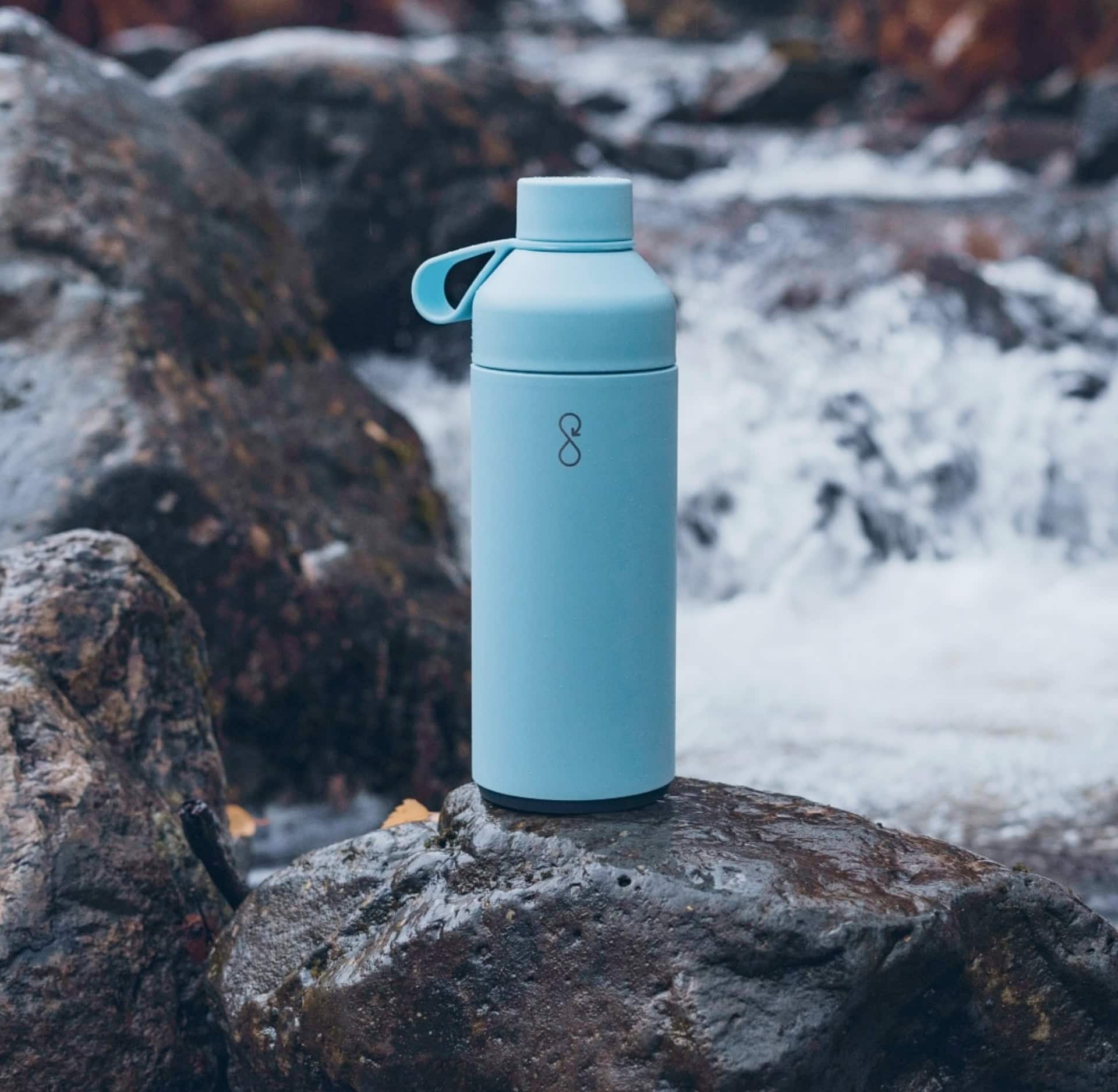
A stock image related to eco friendly water bottle.
In-depth Look: Manufacturing Processes and Quality Assurance for eco friendly water bottle
What Are the Main Stages of Manufacturing Eco-Friendly Water Bottles?
The manufacturing process of eco-friendly water bottles typically comprises several critical stages: material preparation, forming, assembly, and finishing. Each stage integrates sustainable practices to minimize environmental impact while ensuring product quality.
Preparazione del materiale: Quali sono i materiali utilizzati?
The first step involves selecting sustainable materials, such as stainless steel, recycled plastics, or biodegradable composites. For instance, brands like Ocean Bottle utilize a minimum of 67% recycled materials, which significantly reduces the carbon footprint associated with production. Additionally, innovative companies like Paper Water Bottle use renewable resources like bamboo and sugarcane for their products.
During material preparation, suppliers must ensure that the materials meet specific environmental certifications, such as those from the Forest Stewardship Council (FSC) for wood-based products or Global Recycled Standard (GRS) for recycled materials. This verification is crucial for B2B buyers who prioritize sustainable sourcing.
Forming: How Are Eco-Friendly Bottles Shaped?
The forming stage involves various techniques to create the bottle’s structure. Processes like blow molding, injection molding, and extrusion are commonly used. For example, stainless steel bottles are often produced using double-walled vacuum insulation techniques to enhance thermal performance while maintaining durability.
Companies must ensure that the forming process adheres to eco-friendly practices, such as minimizing waste and energy consumption. Advanced manufacturing technologies, such as 3D printing, are increasingly being explored for their potential to reduce material waste and allow for customizable designs.
Assembly: What Techniques Ensure Quality and Sustainability?
In the assembly phase, components like caps, seals, and straws are added to the formed bottles. Manufacturers often adopt automated assembly lines to improve efficiency and consistency. For eco-friendly bottles, the use of non-toxic adhesives and recyclable materials is paramount.
Quality checks during this stage include visual inspections and functional tests to ensure that components fit correctly and operate as intended. Moreover, assembly methods should prioritize the reduction of carbon emissions, which can be achieved through localized sourcing and production to minimize transportation impacts.
Finishing: What Processes Enhance Aesthetic and Functional Quality?
The finishing stage includes surface treatment, labeling, and packaging. Eco-friendly water bottles might undergo processes such as powder coating or anodizing to enhance durability and aesthetic appeal without harmful chemicals. Brands often use biodegradable or recyclable materials for labels and packaging, reflecting their commitment to sustainability.
At this stage, manufacturers should also implement rigorous cleaning protocols to ensure that the finished products are free from contaminants. Sustainable practices in packaging and shipping, such as using minimal or reusable packaging, can further enhance the eco-friendliness of the product.
What Are the Key Quality Control Measures for Eco-Friendly Water Bottles?
Quality control (QC) is vital in ensuring that eco-friendly water bottles meet international standards and buyer expectations. The QC process typically involves several checkpoints and testing methods throughout the manufacturing stages.
What International Standards Apply to Eco-Friendly Water Bottles?
International standards such as ISO 9001, which focuses on quality management systems, are essential for manufacturers aiming to demonstrate their commitment to quality and sustainability. Other relevant certifications may include CE marking for compliance with health, safety, and environmental protection standards in Europe, and API (American Petroleum Institute) certifications for certain materials.
B2B buyers should look for suppliers who can provide documentation of these certifications, as they ensure adherence to global quality standards. Additionally, certifications from environmental organizations, like the Cradle to Cradle Certified™ program, can further validate the sustainability claims of eco-friendly products.
What Are the Common QC Checkpoints During Manufacturing?
Quality control checkpoints include:
- Controllo qualità in entrata (CQI): Si tratta di ispezionare le materie prime all'arrivo per assicurarsi che siano conformi agli standard specificati.
- Controllo di qualità in corso d'opera (IPQC): Continuous monitoring during the manufacturing process to identify defects early.
- Controllo finale della qualità (CQC): A thorough inspection of the finished products before packaging to ensure they meet quality and safety standards.
These checkpoints are crucial for B2B buyers as they help ensure that the final product is free from defects and adheres to specified standards.
What Testing Methods Are Used for Eco-Friendly Water Bottles?
Common testing methods for eco-friendly water bottles include:
- Material Testing: Assessing the durability, strength, and safety of materials used.
- Test di tenuta: Ensuring that bottles are watertight and safe for use.
- Test di isolamento termico: For insulated bottles, testing their ability to retain heat or cold.
- Chemical Safety Testing: Verifying that materials do not leach harmful substances.
B2B buyers can request test reports from suppliers to verify compliance with these testing methods.
Come possono gli acquirenti B2B verificare il controllo qualità dei fornitori?
Verifying a supplier’s quality control processes is essential for B2B buyers, especially in international markets. Here are several strategies:
- Conduzione di audit: Regular audits of manufacturing facilities can provide insight into a supplier’s QC practices and adherence to standards.
- Request Reports: Suppliers should provide documentation of their QC processes, including records of inspections and testing results.
- Ispezioni di terzi: Utilizing third-party inspection services can offer an unbiased assessment of the supplier’s QC practices.
For international buyers, particularly from regions like Africa, South America, the Middle East, and Europe, understanding the nuances of local regulations and quality expectations is crucial. It is advisable to partner with suppliers who are familiar with international standards and can demonstrate compliance.
Quali sono le sfumature del controllo qualità e della certificazione per gli acquirenti internazionali B2B?
For international B2B buyers, it is essential to understand the specific regulations and certification requirements in their respective markets. For example, European buyers must consider the EU’s stringent regulations on materials and safety standards, while buyers in Africa and South America may face different compliance challenges.
Additionally, the recognition of certifications can vary by region. Buyers should ensure that the certifications held by their suppliers are recognized in their market to avoid complications in product acceptance.
By maintaining a rigorous approach to quality control and understanding the manufacturing processes involved in eco-friendly water bottle production, B2B buyers can make informed decisions that align with their sustainability goals and market demands.
Practical Sourcing Guide: A Step-by-Step Checklist for ‘eco friendly water bottle’
In the pursuit of sustainable practices, sourcing eco-friendly water bottles has become a priority for many businesses. This guide provides a practical checklist to help B2B buyers navigate the procurement process effectively, ensuring that they select high-quality, environmentally responsible products that meet their needs.
Fase 1: Definire le specifiche tecniche
Establishing clear technical specifications is crucial for aligning your procurement strategy with your company’s sustainability goals. Consider factors such as material composition (e.g., stainless steel, recycled plastics, or biodegradable options) and capacity (e.g., 500ml, 1L). Understanding your target market’s preferences will also guide your choices, ensuring that the products are appealing and functional.
Fase 2: Research Eco-Friendly Certifications
Look for suppliers that can provide eco-friendly certifications, such as ISO 14001 or certifications from recognized environmental organizations. These certifications demonstrate a commitment to sustainable practices and can provide assurance that the products meet environmental standards. Verify that the certifications are current and relevant to your specific sourcing needs.
Fase 3: Evaluate Supplier Sustainability Practices
Assess the sustainability practices of potential suppliers to ensure they align with your company’s values. Inquire about their sourcing methods, waste management policies, and carbon footprint reduction initiatives. Suppliers who actively engage in sustainable practices are more likely to deliver products that meet your eco-friendly criteria.
Passo 4: Richiesta di campioni per la valutazione della qualità
Before making a large purchase, request samples from shortlisted suppliers. Testing the products for durability, usability, and overall quality will help you determine if they meet your standards. Pay attention to packaging as well; eco-friendly packaging should complement your sustainability goals.
Passo 5: Analyze Cost vs. Value
While eco-friendly products may come at a premium, it’s essential to analyze the long-term value they provide. Consider factors such as durability, lifespan, and potential savings from reduced waste disposal costs. A higher upfront investment can lead to significant cost savings and improved brand reputation over time.
Passo 6: Check for Customization Options
Many businesses prefer to brand their products for marketing purposes. Inquire about customization options available with the suppliers. Whether it’s custom colors, sizes, or branding, having a unique product can enhance your market presence and attract environmentally conscious consumers.
Passo 7: Establish a Clear Procurement Timeline
Define a procurement timeline to ensure timely delivery of products. Consider factors such as production lead times, shipping durations, and potential delays. A well-structured timeline helps manage expectations and ensures that you can meet customer demands without compromising on sustainability.
By following this checklist, B2B buyers can confidently navigate the sourcing process for eco-friendly water bottles, ensuring that they make informed decisions that align with their sustainability goals while meeting market demands.
Comprehensive Cost and Pricing Analysis for eco friendly water bottle Sourcing
What Are the Key Cost Components in Sourcing Eco-Friendly Water Bottles?
When sourcing eco-friendly water bottles, understanding the cost structure is essential for effective budgeting and negotiation. The primary cost components include materials, labor, manufacturing overhead, tooling, quality control (QC), logistics, and margin.
-
I materiali: The choice of materials significantly influences the price. Options such as stainless steel, recycled plastics, and innovative biodegradable materials like those used by Paper Water Bottle can vary widely in cost. Eco-friendly materials often come at a premium due to their sustainable sourcing and processing.
-
Lavoro: Labor costs depend on the region of manufacturing. Countries with higher labor costs may offer better quality control and compliance with international standards, while lower-cost regions may provide substantial savings but could compromise on quality.
-
Spese generali di produzione: This encompasses utilities, rent, and equipment depreciation. Manufacturers with advanced technology and sustainable practices may have higher overhead costs, which can reflect in the product pricing.
-
Utensili: Custom designs or unique bottle shapes require specialized tooling, which can increase initial costs. Buyers should consider whether the investment in tooling will be justified by the expected sales volume.
-
Controllo qualità: Ensuring that the bottles meet eco-friendly certifications and quality standards incurs additional costs. Comprehensive QC processes can mitigate risks of defects but will add to the overall cost structure.
-
Logistica: Shipping costs vary based on the origin, destination, and mode of transport. International buyers should account for potential tariffs and duties, which can significantly impact pricing.
-
Margine: Suppliers will add a margin to cover their costs and profit. Understanding the supplier’s market position and competition can help buyers negotiate better pricing.
How Do Price Influencers Affect the Cost of Eco-Friendly Water Bottles?
Several factors influence the pricing of eco-friendly water bottles, and being aware of these can aid in more strategic purchasing decisions.
-
Volume/MOQ: Minimum Order Quantities (MOQs) can affect pricing. Higher volumes often lead to lower per-unit costs. Buyers should assess their sales projections to determine optimal order sizes.
-
Specifiche e personalizzazione: Customization options—such as branding, colors, and sizes—can elevate costs. Standardized products are generally cheaper, so buyers should evaluate the necessity of customization against their budget.
-
Qualità dei materiali e certificazioni: Premium materials and eco-certifications typically increase costs. Buyers should weigh the benefits of certifications against their target market’s expectations and willingness to pay.
-
Fattori di fornitura: The supplier’s reputation, reliability, and production capacity can influence pricing. Established suppliers may charge more but offer better service and quality assurance.
-
Incoterms: The agreed-upon Incoterms can affect the total cost. Terms like FOB (Free on Board) or CIF (Cost, Insurance, and Freight) dictate who is responsible for shipping and insurance, impacting overall expenses.
What Are Effective Buyer Tips for Negotiating Eco-Friendly Water Bottle Prices?
Navigating the complexities of international B2B sourcing requires strategic negotiation and cost management. Here are some tips for buyers, particularly in regions like Africa, South America, the Middle East, and Europe:
-
Negoziare i termini: Don’t hesitate to negotiate pricing, payment terms, and MOQs. Building a long-term relationship with suppliers can lead to better deals over time.
-
Focus sull'efficienza dei costi: Consider not just the unit price but the Total Cost of Ownership (TCO), which includes shipping, customs, and potential waste management costs associated with the product.
-
Understand Pricing Nuances: Be aware of local market conditions and currency fluctuations that can affect pricing. This is particularly important for buyers in emerging markets.
-
Research and Compare: Conduct thorough market research to understand competitive pricing and features. Comparing multiple suppliers can provide leverage during negotiations.
-
Build Relationships: Establishing strong relationships with suppliers can lead to better pricing, priority service, and more favorable terms.
By leveraging these insights, international B2B buyers can navigate the complexities of sourcing eco-friendly water bottles more effectively, ensuring they achieve both sustainability goals and cost efficiency.
Alternatives Analysis: Comparing eco friendly water bottle With Other Solutions
Understanding Alternatives to Eco-Friendly Water Bottles
In the pursuit of sustainable solutions, eco-friendly water bottles have emerged as a popular choice among environmentally conscious consumers and businesses. However, several alternatives exist that also aim to reduce plastic waste and promote sustainability. This analysis will compare eco-friendly water bottles against two notable alternatives: biodegradable water bottles and reusable paper water bottles. Each option has unique advantages and challenges that B2B buyers should consider when making procurement decisions.
Tabella di confronto
| Aspetto di confronto | Eco Friendly Water Bottle | Biodegradable Water Bottle | Reusable Paper Water Bottle |
|---|---|---|---|
| Prestazioni | Durable and reusable, often insulated for temperature retention | Decomposes in landfill but may lack durability | Biodegradable but may not be as robust for liquid retention |
| Costo | Typically ranges from $20 to $50 | Generally lower cost, around $1 to $3 per unit | Moderate cost, typically $2 to $5 per unit |
| Facilità di implementazione | Requires consumer education and a shift from single-use habits | Easy to implement but may require specific disposal methods | Requires education on proper disposal and recycling |
| Manutenzione | Low maintenance; reusable with proper cleaning | One-time use; no maintenance required | Requires proper handling to avoid leaks; may need to be replaced frequently |
| Il miglior caso d'uso | Ideal for long-term use in corporate settings or events | Suitable for large-scale events where single-use is necessary | Effective for eco-friendly branding and promotional events |
Ripartizione dettagliata delle alternative
What are the Pros and Cons of Biodegradable Water Bottles?
Biodegradable water bottles are designed to decompose naturally, reducing long-term environmental impact. They are often made from plant-based materials, making them a more sustainable choice compared to traditional plastic bottles. However, while they are generally less expensive, their performance can be compromised in terms of durability. They may not withstand high temperatures or be suitable for long-term storage, making them best for single-use applications, such as festivals or short events.
How Do Reusable Paper Water Bottles Compare?
Reusable paper water bottles represent an innovative approach to sustainable packaging, using materials like bamboo and sugarcane. These bottles are designed to be biodegradable and compostable, making them an attractive option for businesses committed to reducing their carbon footprint. However, their structural integrity may not match that of traditional bottles, which can lead to leaks or breakage if not handled correctly. They are best utilized for promotional purposes or events focused on sustainability, where the eco-friendly message is paramount.
Conclusion: How Can B2B Buyers Choose the Right Solution?
When selecting the best water bottle solution, B2B buyers should carefully assess their unique requirements, including cost constraints, environmental goals, and the intended use case. Eco-friendly water bottles are ideal for long-term use and brand reinforcement, while biodegradable options are more suited for short-term, disposable needs. Reusable paper bottles can enhance a company’s eco-friendly branding but may require careful handling. Ultimately, the right choice will depend on aligning the product’s attributes with the organization’s sustainability initiatives and operational needs.
Essential Technical Properties and Trade Terminology for eco friendly water bottle
What Are the Key Technical Properties of Eco-Friendly Water Bottles?
Understanding the essential technical properties of eco-friendly water bottles is crucial for international B2B buyers. These specifications not only impact product performance but also influence purchasing decisions and supply chain logistics.
1. Composizione del materiale
Eco-friendly water bottles are typically made from sustainable materials such as stainless steel, glass, and bioplastics. Each material has its own sustainability credentials; for instance, stainless steel is highly durable and recyclable, while bioplastics often derive from renewable resources. Buyers should evaluate material composition not just for environmental impact but also for the longevity and safety of the product.
2. Capacity and Volume Options
Capacity is a critical specification that varies widely across product lines, ranging from small 12oz bottles to larger 36oz versions. Understanding the volume options available is essential for meeting diverse customer needs, particularly in regions where hydration habits differ significantly. This also affects pricing strategies and inventory management.
3. Temperature Retention
Many eco-friendly water bottles are designed to maintain the temperature of their contents for extended periods. This property is often measured in hours (e.g., “keeps drinks cold for 24 hours”). Temperature retention is particularly appealing to consumers in hot climates, such as those in Africa and the Middle East, making it a selling point that B2B buyers should consider.
4. Durability and Warranty
The durability of water bottles often hinges on their construction quality and the materials used. A robust product may come with a warranty, typically ranging from 1 to 10 years. This aspect is vital for B2B buyers as it reduces the need for frequent replacements, thus enhancing the product’s overall value proposition.
5. Recyclability and End-of-Life Options
The end-of-life disposal of eco-friendly bottles is a growing concern. Buyers should consider products that are fully recyclable or biodegradable, ensuring minimal environmental impact after use. This is particularly relevant for markets focused on sustainability, as demonstrating a commitment to eco-friendly practices can enhance brand reputation.
6. Customizability
Many suppliers offer options for custom branding or design, allowing businesses to differentiate their products in a competitive market. Customizability can include colors, sizes, and even personalized logos, making it a key consideration for B2B partnerships.
What Trade Terms Should B2B Buyers Understand When Purchasing Eco-Friendly Water Bottles?
Navigating the terminology used in the eco-friendly water bottle market can be daunting. Here are some common trade terms that every B2B buyer should know.
1. OEM (Original Equipment Manufacturer)
OEM refers to a company that produces parts or products that are used in another company’s end product. For B2B buyers, understanding OEM relationships is crucial for assessing quality control and supply chain logistics.
2. MOQ (quantità minima d'ordine)
MOQ is the smallest quantity of a product that a supplier is willing to sell. Knowing the MOQ helps buyers determine their purchasing limits and can influence inventory management strategies.
3. RFQ (Richiesta di offerta)
An RFQ is a document used to solicit price bids from suppliers. It outlines the specifications, quantities, and terms of the purchase. B2B buyers should use RFQs to ensure they receive competitive pricing and clear terms.
4. Incoterms (Termini commerciali internazionali)
Incoterms define the responsibilities of buyers and sellers in international transactions. They cover aspects like shipping costs, insurance, and liability. Familiarity with Incoterms is essential for B2B buyers to avoid misunderstandings in international shipping.
5. Tempi di consegna
Lead time is the period between placing an order and receiving the product. Understanding lead times can help B2B buyers plan their inventory and manage customer expectations effectively.
6. Sustainability Certifications
Sustainability certifications, such as B Corp or Cradle to Cradle, indicate that a product meets certain environmental standards. Buyers should look for these certifications to ensure their products align with eco-friendly goals.
By grasping these technical properties and trade terms, B2B buyers can make informed decisions that contribute to sustainable business practices while catering to the growing demand for eco-friendly products.
Navigating Market Dynamics and Sourcing Trends in the eco friendly water bottle Sector
What Are the Current Market Dynamics and Key Trends in the Eco-Friendly Water Bottle Sector?
The eco-friendly water bottle market is rapidly evolving, driven by increasing consumer awareness of environmental issues and a global shift towards sustainability. In regions like Africa, South America, the Middle East, and Europe, international B2B buyers are increasingly prioritizing products that align with eco-conscious values. Key drivers include the rise in regulatory pressures to reduce plastic waste, growing health awareness among consumers, and a significant shift in purchasing behavior towards sustainable products.
Emerging technologies are reshaping sourcing practices. For instance, innovations in materials, such as biodegradable plastics and recycled metals, are becoming mainstream. Companies like Ocean Bottle and Paper Water Bottle are leading the charge by utilizing recycled materials and biodegradable solutions that appeal to environmentally conscious consumers. Additionally, the integration of digital platforms for sourcing and distribution is streamlining supply chains, enabling B2B buyers to make informed decisions more efficiently.
The market dynamics are also influenced by consumer trends favoring customization and personalization. As buyers seek unique branding opportunities, manufacturers that offer customizable eco-friendly bottles will have a competitive edge. This trend is particularly prevalent in Europe, where personalization in product offerings is increasingly becoming a significant factor in purchasing decisions.
How Is Sustainability and Ethical Sourcing Integrated into the B2B Eco-Friendly Water Bottle Market?
Sustainability is no longer just a buzzword; it is a critical component of the eco-friendly water bottle industry. The environmental impact of plastic pollution has prompted companies to adopt ethical sourcing practices and transparent supply chains. B2B buyers are now more focused on sourcing from suppliers who demonstrate a commitment to sustainability through responsible sourcing of raw materials and fair labor practices.
To meet the demand for sustainable products, many manufacturers are obtaining certifications that validate their environmental claims. Certifications such as Global Recycled Standard (GRS) and Forest Stewardship Council (FSC) are essential for assuring buyers of the authenticity of eco-friendly claims. Furthermore, the use of ‘green’ materials, such as stainless steel and plant-based plastics, is becoming more prevalent, helping to reduce the carbon footprint associated with production.
Incorporating sustainability into the supply chain not only enhances brand reputation but also attracts a growing segment of consumers who prioritize eco-friendly products. This shift is particularly important for B2B buyers in emerging markets, where sustainability can differentiate products in competitive landscapes.
What Is the Evolution of Eco-Friendly Water Bottles in the B2B Market?
The evolution of eco-friendly water bottles has been marked by a significant transformation from traditional plastic bottles to innovative, sustainable alternatives. Initially, the market was dominated by single-use plastic bottles, which contributed heavily to environmental degradation. However, as awareness of environmental issues grew, manufacturers began to explore alternatives, leading to the rise of reusable water bottles made from materials like stainless steel and glass.
In recent years, innovations such as biodegradable water bottles and the use of recycled materials have emerged as game-changers. Brands like Klean Kanteen and Ocean Bottle have set new standards by integrating sustainability into their product designs, appealing to a more environmentally conscious consumer base. This evolution reflects a broader trend within the B2B space where companies are prioritizing sustainability not only in product offerings but also in their overall business strategies.
As the market continues to evolve, B2B buyers can expect to see a growing array of eco-friendly products that align with their sustainability goals, offering both functional benefits and environmental responsibility. This evolution underscores the importance of staying informed about market trends and sourcing practices to capitalize on the opportunities presented in the eco-friendly water bottle sector.
Frequently Asked Questions (FAQs) for B2B Buyers of eco friendly water bottle
-
How do I evaluate the sustainability of an eco-friendly water bottle supplier?
When assessing a supplier’s sustainability credentials, consider their use of materials, manufacturing processes, and end-of-life solutions. Look for certifications such as ISO 14001 for environmental management and verify if they use recycled or biodegradable materials. Additionally, inquire about their supply chain practices, including sourcing and transportation, to ensure they align with your sustainability goals. Request samples to evaluate product quality and durability, which are crucial for long-term use. -
What is the best material for eco-friendly water bottles?
The best materials for eco-friendly water bottles include stainless steel, glass, and biodegradable options like those made from bamboo and sugarcane. Stainless steel is durable, reusable, and often recyclable, while glass is non-toxic and can be recycled indefinitely. Innovative alternatives like paper-based bottles offer a compostable solution. The choice of material should align with your target market’s preferences and your brand’s sustainability ethos. -
What are the common minimum order quantities (MOQs) for eco-friendly water bottles?
Minimum order quantities for eco-friendly water bottles vary significantly among suppliers, typically ranging from 500 to 10,000 units. Smaller companies may offer lower MOQs to accommodate start-ups or niche markets, while larger manufacturers often have higher MOQs due to production efficiency. When negotiating with suppliers, clarify if MOQs can be adjusted based on customization options or product variations. -
How can I customize eco-friendly water bottles for my brand?
Customization options for eco-friendly water bottles typically include branding, color selection, and size variations. Most suppliers offer printing or engraving services for logos and designs. Discuss your specific needs with potential suppliers, including any unique packaging or labeling requirements. Some manufacturers may also provide design assistance to ensure your product stands out in the market. -
What payment terms should I expect when sourcing eco-friendly water bottles?
Payment terms can vary by supplier but commonly include a deposit (often 30% to 50%) upfront, with the remaining balance due before shipment. Some suppliers may offer net terms, allowing payment within a specified period after delivery. It’s essential to clarify payment methods accepted (e.g., bank transfer, credit card) and any applicable fees to avoid misunderstandings later in the process. -
How do I ensure quality assurance (QA) for my eco-friendly water bottle orders?
To ensure quality assurance, establish clear specifications and standards in your purchase agreement. Request samples before placing a large order and conduct thorough inspections upon receipt. Many reputable suppliers will have QA processes in place, including third-party testing for safety and compliance with international standards. Regular communication with your supplier during production can also help address potential issues early. -
What logistics considerations should I be aware of when importing eco-friendly water bottles?
When importing eco-friendly water bottles, consider shipping methods, customs regulations, and import duties that may apply. Choose a reliable logistics partner familiar with international shipping and able to handle customs clearance efficiently. Additionally, ensure that your supplier provides proper documentation, such as certificates of origin and compliance, to facilitate a smooth import process. Be prepared for potential delays, especially in times of high demand or regulatory changes. -
How can I effectively market eco-friendly water bottles in my region?
To effectively market eco-friendly water bottles, emphasize the sustainability aspects and health benefits of using reusable products. Tailor your messaging to resonate with local values and environmental concerns. Utilize social media, influencer partnerships, and community events to raise awareness and engage potential customers. Highlight any unique features or certifications that set your products apart. Consider collaborating with local businesses to reach a wider audience and promote eco-friendly practices.
Disclaimer importante e condizioni d'uso
⚠️ Disclaimer importante
Le informazioni fornite in questa guida, compresi i contenuti relativi ai produttori, alle specifiche tecniche e all'analisi di mercato, hanno uno scopo puramente informativo ed educativo. Non costituiscono una consulenza professionale in materia di acquisti, né una consulenza finanziaria o legale.
Pur avendo fatto ogni sforzo per garantire l'accuratezza e la tempestività delle informazioni, non siamo responsabili di eventuali errori, omissioni o informazioni non aggiornate. Le condizioni di mercato, i dettagli aziendali e gli standard tecnici sono soggetti a modifiche.
Gli acquirenti B2B devono condurre una due diligence indipendente e approfondita. prima di prendere qualsiasi decisione di acquisto. Per questo è necessario contattare direttamente i fornitori, verificare le certificazioni, richiedere campioni e chiedere una consulenza professionale. Il rischio di affidarsi alle informazioni contenute in questa guida è esclusivamente a carico del lettore.
Top 7 Eco Friendly Water Bottle Manufacturers & Suppliers List
1. Ocean Bottle – Eco-Friendly Solution
Dominio: oceanbottle.co
Registrazione: 2019 (6 anni)
Introduzione: The Ocean Bottle is a reusable water bottle designed to combat plastic pollution. Key features include: 1. For every bottle sold, it funds the collection of 11.4 kg (equivalent to 1,000 plastic bottles) of ocean-bound plastic. 2. Made with a minimum of 67% recycled materials and fully disassemblable for recycling. 3. Built to last with a 10-year warranty and free replacement parts for life. 4. Mod…
2. Paper Water Bottle – Eco-Friendly Packaging Solution
Dominio: paperwaterbottle.com
Registrato: 2009 (16 anni)
Introduzione: Product Name: Paper Water Bottle
Caratteristiche principali:
– Compostable, Biodegradable, Recyclable, Renewable
– Patented packaging technology
– Pulp Exoskeleton made from a blend of bamboo and sugar cane
– Rigid outer shell
– Goal of 100% biodegradable content barrier
– Guilt-Free Disposability™ (landfill biodegradable)
– Goal of 100% Backyard Compostability™
– Customizable branding options
– Suitable for hi…
3. Ocean Bottle – Sustainable Water Bottles
Dominio: sustainablejungle.com
Registrato: 2017 (8 anni)
Introduzione: Ocean Bottle: Made from minimum 65% recycled materials, including 90% recycled stainless steel. Offers 500ml, 750ml, or 1L sizes with double wall insulation. Funds collection of 11.4 kg of ocean-bound plastic per product sold. 10-year repair and replacement warranty. Certified B Corp. Klean Kanteen: Price range $20–$65. Made from 18/8 BPA-free stainless steel with Climate Lock double-wall vacuum i…
4. Hydroflask – Stainless Steel Water Bottle
Dominio: reddit.com
Registrato: 2005 (20 anni)
Introduzione: Popular reusable water bottles mentioned include Hydroflask (stainless steel, BPA-free, durable, keeps ice cold for over 24 hours), Klean Kanteen (similar to Hydroflask), Nalgene (BPA-free, shatterproof plastic, great for hiking and camping), Contigo Ashland (plastic, flip top straw for one-handed drinking), and a double-walled stainless steel bottle (32oz, insulated). Recommendations suggest choo…
5. ECOALF – Eco-Friendly Stainless Steel Water Bottles
Dominio: ecoalf.com
Registrato: 2007 (18 anni)
Introduzione: This company, ECOALF – Eco-Friendly Stainless Steel Water Bottles, is a notable entity in the market. For specific product details, it is recommended to visit their website directly.
6. Just Water – 100% Natural Spring Water
Dominio: justwater.com
Registrato: 2004 (21 anni)
Introduzione: 100% Natural Spring Water in Thoughtful, Sustainable Packaging. Available in various sizes: 16.9 fl oz (24 Pack), 11.2 fl oz (24 Pack), 22 fl oz Aluminum (12 Pack), 12 fl oz Aluminum (24 Pack), 16 fl oz Aluminum (24 Pack), and 1 Liter (12 Pack). Also offers flavored bubbly water options such as Strawberry Bubbles, Valencia Orange Bubbles, Cucumber Bubbles, Lime Bubbles, Original Bubbles, and more….
7. Adventure Alan – Eco-Friendly Bottles
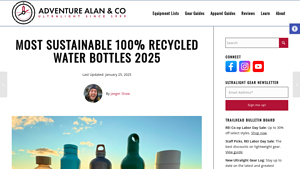
Dominio: adventurealan.com
Registrato: 2001 (24 anni)
Introduzione: {“top_picks”:[{“name”:”Sigg Traveller MyPlanet”,”price”:”$27 (600ml), $29 (1L)”,”features”:”100% recycled aluminum body, biocomposite lid from wood cellulose, lightweight (5 oz), leakproof, recyclable”},{“name”:”Buoy Bottle”,”price”:”$29 (900ml)”,”features”:”100% recycled ocean-bound plastic, easily recyclable, three-part design for cleaning and adding ice, part of 1% for the Planet”},{“name”:”Wor…
Strategic Sourcing Conclusion and Outlook for eco friendly water bottle
In the evolving landscape of eco-friendly water bottles, strategic sourcing emerges as a critical component for international buyers aiming to make sustainable choices. By prioritizing suppliers who utilize recycled materials, innovative designs, and sustainable production methods, businesses can align their purchasing strategies with their environmental goals. Notable brands like Klean Kanteen and Ocean Bottle exemplify how effective sourcing not only reduces plastic waste but also enhances brand reputation and customer loyalty.
As demand for sustainable products grows across Africa, South America, the Middle East, and Europe, it is essential for B2B buyers to engage with suppliers committed to environmental stewardship. This focus on sustainability not only meets consumer preferences but also positions companies as leaders in the eco-conscious market.
Looking ahead, the potential for innovation in eco-friendly water bottles is vast. Opportunities abound for partnerships that emphasize sustainability, customization, and local manufacturing. International buyers are encouraged to explore these avenues to enhance their product offerings and contribute to a greener future. Together, we can drive change and create a lasting impact on our planet.
 Italiano
  English
  Español
  Português
  Français
  Deutsch
  العربية
  Русский
  日本語
日本語  한국어
한국어  Nederlands