Introduction: Navigating the Global Market for drink bottle sizes
Navigating the complexities of sourcing the right drink bottle sizes can pose a significant challenge for international B2B buyers, particularly those operating in diverse markets such as Africa, South America, the Middle East, and Europe. With a plethora of options available, from compact 8 oz bottles for children to robust 64 oz bottles for outdoor enthusiasts, understanding the specific needs of your target audience is crucial. This guide aims to demystify drink bottle sizes by providing a comprehensive overview of the various types, their applications across different sectors, and insights into effective supplier vetting.
As global demand for sustainable and reusable drink containers continues to rise, businesses must make informed purchasing decisions that align with consumer preferences and regulatory standards. This guide not only highlights the most popular bottle sizes and their practical uses but also delves into cost considerations, material choices, and market trends. By equipping B2B buyers with the knowledge to evaluate options effectively, this resource empowers them to select products that meet both their operational needs and sustainability goals.
In a marketplace characterized by rapid change and increasing competition, understanding drink bottle sizes is essential for businesses looking to thrive. Let’s explore the nuances of this vital product category to facilitate better procurement strategies and enhance overall customer satisfaction.
Understanding drink bottle sizes Types and Variations
| Type Name | Key Distinguishing Features | Primary B2B Applications | Brief Pros & Cons for Buyers |
|---|---|---|---|
| Small Bottles (8-16 oz) | Lightweight and portable, ideal for kids and short trips | Schools, events, promotional giveaways | Pros: Easy to carry, low cost. Cons: Frequent refills needed for hydration. |
| Medium Bottles (20-32 oz) | Versatile size, suitable for daily hydration and fitness | Offices, gyms, corporate gifts | Pros: Balanced capacity and portability. Cons: May not be sufficient for long outdoor activities. |
| Large Bottles (40-64 oz) | High capacity for extended hydration needs | Outdoor events, sports teams, fitness enthusiasts | Pros: Fewer refills, ideal for high-intensity use. Cons: Bulky and heavier to carry. |
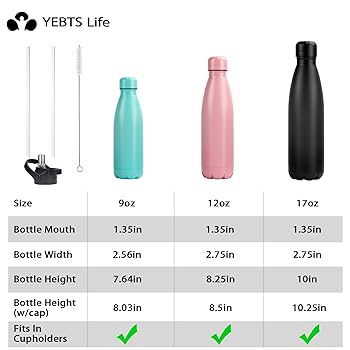
| Insulated Bottles | Temperature retention for hot or cold liquids | Outdoor activities, travel, corporate gifts | Pros: Maintains drink temperature, durable. Cons: Generally higher cost, heavier than standard bottles. |
| Specialty Bottles (e.g., collapsible) | Designed for specific uses, such as travel or sports | Adventure tourism, camping supplies | Pros: Space-saving, lightweight. Cons: May lack durability compared to rigid bottles. |
What Are the Characteristics of Small Bottles (8-16 oz)?
Small bottles, ranging from 8 to 16 oz, are designed for portability and convenience, making them ideal for children or short excursions. Their lightweight nature allows for easy transport, making them a popular choice for schools and events where quick hydration is essential. However, businesses should consider that while they are cost-effective, the need for frequent refills can be a drawback for users who require sustained hydration.
Why Are Medium Bottles (20-32 oz) a Popular Choice?
Medium bottles, typically between 20 and 32 oz, strike a perfect balance between capacity and portability, making them suitable for daily use in offices, gyms, and as corporate gifts. These bottles are large enough to meet hydration needs without the bulkiness associated with larger sizes. For B2B buyers, this versatility makes them a preferred option for various settings, though it’s important to note that they may not suffice for prolonged outdoor activities without additional refills.
When Should You Consider Large Bottles (40-64 oz)?
Large bottles, ranging from 40 to 64 oz, cater to high-demand hydration needs, particularly for athletes or individuals engaged in outdoor activities. Their substantial capacity minimizes the frequency of refills, making them ideal for sports teams or events where access to water is limited. However, B2B buyers should weigh the benefits of fewer refills against the potential inconvenience of carrying a heavier, bulkier product, especially in scenarios requiring mobility.
What Are the Advantages of Insulated Bottles?
Insulated bottles are engineered to maintain the temperature of liquids, making them perfect for both hot and cold drinks. They are particularly favored in outdoor activities, travel, and as corporate gifts. For B2B buyers, the durability and temperature retention capabilities present a significant value proposition. However, it’s essential to consider the higher price point and added weight compared to standard bottles, which may impact budget and usability.
How Do Specialty Bottles Meet Unique Needs?
Specialty bottles, such as collapsible designs, cater to specific use cases like travel or sports, where space-saving and lightweight features are paramount. These bottles are often marketed towards adventure tourism and camping supplies, making them appealing for businesses in those sectors. While they offer convenience and portability, B2B buyers should be aware of potential durability issues compared to more robust options, which could affect long-term usage and customer satisfaction.
Key Industrial Applications of drink bottle sizes
| Industry/Sector | Specific Application of drink bottle sizes | Value/Benefit for the Business | Key Sourcing Considerations for this Application |
|---|---|---|---|
| Beverage Manufacturing | Production of various bottle sizes for beverages | Meeting diverse consumer demands and preferences | Material quality, production capacity, regulatory compliance |
| Outdoor Recreation | Supply of hydration solutions for outdoor activities | Ensuring adequate hydration for safety and performance | Durability, weight, insulation properties, eco-friendliness |
| Education | Provision of drink bottles for schools | Promoting hydration among students and reducing waste | Size variety, customization options, safety certifications |
| Corporate Wellness | Implementation of hydration stations in workplaces | Enhancing employee health and productivity | Bottle size options, branding opportunities, refill systems |
| Hospitality & Events | Catering to events with branded drink bottles | Enhancing brand visibility and guest experience | Customization, volume discounts, sustainability practices |
How is Drink Bottle Size Used in Beverage Manufacturing?
In the beverage manufacturing sector, drink bottle sizes are crucial for accommodating a wide range of products, from soft drinks to flavored waters. The ability to produce bottles in various sizes—such as 500ml, 1L, and larger formats—allows companies to cater to different consumer preferences and market demands. This versatility not only helps in maximizing sales but also addresses the need for sustainable packaging solutions, as smaller sizes can encourage single-use reduction. Buyers in this sector must consider material quality, production capacity, and adherence to local regulations, particularly in regions like Africa and South America, where compliance can vary significantly.
What are the Applications of Drink Bottle Sizes in Outdoor Recreation?
In outdoor recreation, the choice of drink bottle size can significantly influence user experience and safety. Compact bottles (12 oz to 20 oz) are ideal for day hikes, while larger options (32 oz to 64 oz) cater to extended outdoor activities. These bottles ensure that adventurers stay hydrated without the need for frequent refills, which is essential in remote areas. Buyers should focus on durability, weight, and insulation properties, as well as eco-friendliness, especially in the Middle East and Europe, where sustainable practices are increasingly prioritized.
How are Drink Bottle Sizes Beneficial in Educational Settings?
In educational settings, providing drink bottles of various sizes encourages students to stay hydrated throughout the day. Bottles ranging from 12 oz to 20 oz are ideal for children, as they are manageable and promote regular water intake. Additionally, schools can reduce single-use plastic waste by providing refillable options. Buyers in this sector should consider customization options for branding, safety certifications to ensure child-friendliness, and the need for a variety of sizes to accommodate different age groups and preferences.
How do Drink Bottle Sizes Enhance Corporate Wellness Programs?
In corporate wellness initiatives, drink bottle sizes play a pivotal role in promoting employee health. Offering 20 oz to 32 oz bottles at hydration stations encourages employees to drink more water throughout the day, enhancing their overall productivity and well-being. Custom branding on these bottles can also reinforce company culture. When sourcing these bottles, businesses should consider size options that fit within office environments, branding opportunities, and the feasibility of refill systems to encourage sustainable practices.
What Role do Drink Bottle Sizes Play in Hospitality and Events?
In the hospitality industry, drink bottle sizes are essential for creating memorable experiences at events. Providing branded bottles in sizes that suit different occasions—from 500ml for casual gatherings to larger formats for conferences—can enhance brand visibility and guest satisfaction. Customization and volume discounts are critical considerations for buyers in this sector, along with sustainability practices, as eco-consciousness is becoming a key factor in event planning across Europe and other regions.
A stock image related to drink bottle sizes.
3 Common User Pain Points for ‘drink bottle sizes’ & Their Solutions
Scenario 1: Selecting the Right Bottle Size for Diverse Markets
The Problem: B2B buyers often face challenges when trying to select the appropriate drink bottle sizes that cater to various consumer preferences across different regions. For instance, a company sourcing bottles for distribution in Europe may find that preferences differ significantly from those in Africa or South America. This can lead to inventory issues, as a mismatch in sizes may result in unsold stock or excess demand for certain sizes, ultimately affecting profitability and customer satisfaction.
The Solution: To effectively navigate these complexities, buyers should conduct thorough market research to understand regional preferences and hydration habits. Engaging in surveys or focus groups can yield valuable insights into what bottle sizes consumers in each market favor. For instance, while 500 ml bottles may be popular in Europe, larger 1-liter or 1.5-liter bottles might be preferred in regions where consumers are more active outdoors. Additionally, collaborating with local distributors can provide firsthand knowledge about market trends. By aligning inventory with local preferences, businesses can optimize their product offerings, reduce waste, and enhance customer satisfaction.
Scenario 2: Balancing Portability and Capacity in Product Offerings
The Problem: B2B buyers are often torn between choosing drink bottles that are large enough to meet hydration needs and those that are portable enough for everyday use. This is especially true for companies targeting fitness enthusiasts and outdoor adventurers. A bottle that is too large may deter consumers due to its weight, while a smaller bottle may necessitate frequent refills, leading to frustration. Striking this balance can be a significant pain point in product selection.
The Solution: To address this issue, buyers should consider offering a range of sizes that cater to different scenarios. For instance, a 20 oz (600 ml) bottle could be marketed for daily office use, while a 32 oz (946 ml) option may appeal to consumers engaging in outdoor activities or gym workouts. Additionally, incorporating features such as ergonomic designs, lightweight materials, and integrated carrying handles can enhance portability without sacrificing capacity. Buyers can also consider bundling products, such as offering a smaller bottle for daily commuting alongside a larger one for outdoor adventures, ensuring that customers have options that suit various lifestyles.
Scenario 3: Understanding Regulatory Compliance and Material Safety
The Problem: B2B buyers must navigate the complexities of regulatory compliance related to drink bottle sizes, especially when sourcing products for international markets. Different regions have specific regulations regarding materials used in bottles, such as BPA-free requirements, which can complicate sourcing decisions. Failure to comply with these regulations can lead to significant legal repercussions and tarnish a company’s reputation.
The Solution: To mitigate compliance risks, buyers should prioritize working with manufacturers who provide detailed information about material safety and regulatory adherence. Requesting certifications that demonstrate compliance with local and international standards is crucial. Furthermore, establishing strong relationships with suppliers who are knowledgeable about the regulations in your target markets can streamline the sourcing process. Buyers should also consider investing in product testing to ensure that all drink bottles meet safety standards before reaching consumers. By taking these proactive steps, businesses can confidently offer products that are both compliant and safe, ensuring consumer trust and satisfaction.
Strategic Material Selection Guide for drink bottle sizes
What Are the Key Materials for Drink Bottle Sizes and Their Properties?
When selecting materials for drink bottles, several factors come into play, including durability, cost, and specific application requirements. Below, we analyze four common materials used in drink bottle manufacturing: plastic, stainless steel, aluminum, and glass. Each material has unique properties that affect its performance and suitability for various markets.
How Does Plastic Perform as a Material for Drink Bottles?
Plastic, particularly polyethylene terephthalate (PET) and high-density polyethylene (HDPE), is widely used for drink bottles due to its lightweight nature and cost-effectiveness. PET bottles typically have a temperature rating of up to 60°C and are resistant to corrosion, making them suitable for a variety of beverages.
Pros: Plastic bottles are inexpensive to manufacture and can be produced in high volumes. They are also shatterproof and lightweight, which makes them easy to transport.
Cons: However, plastic can be less durable than other materials, especially when exposed to high temperatures. Environmental concerns regarding single-use plastics are also significant, leading to increased regulation in many regions.
Impact on Application: Plastic bottles are compatible with most non-corrosive liquids, but they may not be suitable for hot beverages or acidic drinks over extended periods.
Considerations for International Buyers: Compliance with regulations such as FDA standards in the U.S. or EU regulations for food contact materials is crucial. Buyers from regions like Africa and South America may also consider the growing trend toward biodegradable plastics.
What Are the Advantages of Stainless Steel for Drink Bottles?
Stainless steel is renowned for its durability and resistance to corrosion, making it an excellent choice for reusable drink bottles. It can withstand high temperatures and has a pressure rating suitable for carbonated beverages.
Pros: Stainless steel bottles are highly durable, insulated options keep drinks hot or cold for extended periods, and they are easy to clean.
Cons: The manufacturing process for stainless steel is more complex and costly compared to plastic. Additionally, stainless steel bottles can be heavier, which may not appeal to all consumers.
Impact on Application: Stainless steel is suitable for a wide range of beverages, including hot drinks, and is less likely to leach chemicals compared to plastic.
Considerations for International Buyers: Buyers should be aware of standards such as ASTM for material quality and durability. In Europe, compliance with EN standards for food safety is essential.
Why Choose Aluminum for Drink Bottles?
Aluminum is another popular material for drink bottles, particularly for lightweight and portable designs. It typically has a temperature rating similar to stainless steel and is often coated to prevent corrosion.
Pros: Aluminum bottles are lightweight, making them ideal for outdoor activities. They are also recyclable, appealing to environmentally conscious consumers.
Cons: The coating can wear off over time, potentially leading to corrosion. Aluminum is also less insulated than stainless steel, which may not keep drinks as hot or cold.
Impact on Application: Aluminum is suitable for cold beverages and is often used for sports drinks and energy drinks. However, it may not be the best choice for hot liquids.
Considerations for International Buyers: Compliance with recycling regulations and safety standards is crucial. In regions like the Middle East, where high temperatures are common, buyers should ensure that aluminum bottles can withstand heat without degrading.
What Role Does Glass Play in Drink Bottle Manufacturing?
Glass is a traditional material for drink bottles, known for its non-reactive properties and ability to maintain beverage flavor. It can handle high temperatures, making it suitable for hot drinks.
Pros: Glass bottles are reusable, recyclable, and do not leach chemicals, preserving the quality of the beverage. They also provide a premium feel, which can enhance brand perception.
Cons: The fragility of glass makes it prone to breakage, which can be a significant drawback in transport and outdoor use. Additionally, glass bottles are heavier than their plastic or aluminum counterparts.
Impact on Application: Glass is ideal for beverages that require a premium presentation or are sensitive to taste, such as juices and flavored waters.
Considerations for International Buyers: Buyers should consider the impact of glass weight on shipping costs and potential breakage during transport. Compliance with international safety standards for glass production is also essential.
Summary Table of Material Selection for Drink Bottles
| Material | Typical Use Case for drink bottle sizes | Key Advantage | Key Disadvantage/Limitation | Relative Cost (Low/Med/High) |
|---|---|---|---|---|
| Plastic | Single-use and lightweight bottles | Cost-effective and lightweight | Less durable, environmental concerns | Low |
| Stainless Steel | Reusable bottles for hot/cold drinks | Durable and insulated | Higher manufacturing cost | High |
| Aluminum | Lightweight sports and energy drinks | Portable and recyclable | Coating can wear off, less insulation | Medium |
| Glass | Premium beverage presentation | Non-reactive and preserves flavor | Fragile and heavier | Medium to High |
This strategic material selection guide provides valuable insights for international B2B buyers, helping them make informed decisions based on their specific market needs and compliance requirements.
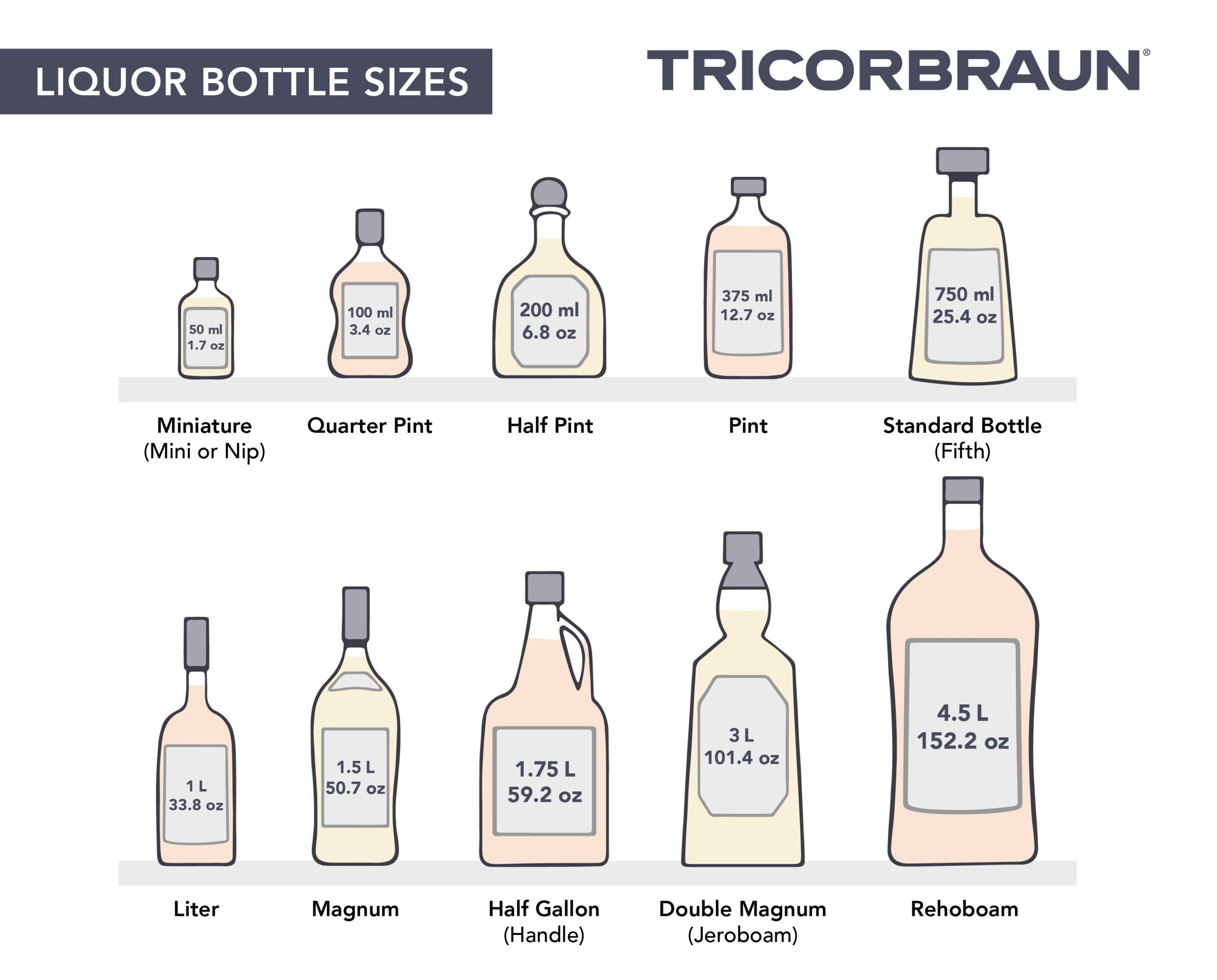
A stock image related to drink bottle sizes.
In-depth Look: Manufacturing Processes and Quality Assurance for drink bottle sizes
What Are the Main Stages in the Manufacturing Process of Drink Bottles?
The manufacturing of drink bottles involves several key stages that ensure the final product meets both functional and aesthetic standards. Understanding these stages is crucial for B2B buyers seeking reliable suppliers.
1. Material Preparation
The first step in the manufacturing process is material preparation. Most drink bottles are made from plastics like PET (Polyethylene Terephthalate), HDPE (High-Density Polyethylene), or stainless steel. The materials are sourced according to specifications, ensuring they meet international safety standards.
For plastic bottles, raw resin pellets are dried to eliminate moisture, which can affect the molding process. In the case of stainless steel bottles, the metal is cut and shaped into the desired forms. B2B buyers should inquire about the sourcing practices of suppliers to ensure they are using high-quality materials that comply with regulations, such as food safety standards.
2. Forming
After material preparation, the next stage is forming, which can be achieved through various techniques:
-
Injection Molding: This method is commonly used for creating complex shapes. Molten plastic is injected into a mold, where it cools and solidifies. This is often used for caps and other components.
-
Blow Molding: For hollow bottles, blow molding is utilized. In this process, a heated plastic tube is inflated within a mold to form the bottle shape. This technique is efficient for producing large quantities of uniform bottles.
-
Extrusion: This method is less common for drink bottles but is used for creating long shapes that are later cut into desired lengths.
Understanding the forming techniques allows B2B buyers to evaluate the manufacturing capabilities of their suppliers, ensuring they can meet specific design and capacity requirements.
3. Assembly
In the assembly phase, various components of the drink bottle are put together. For example, if a bottle has a multi-part lid or a straw mechanism, these components are assembled at this stage. Automated systems often handle this process, ensuring efficiency and consistency.
B2B buyers should assess whether the supplier employs automated assembly techniques, as this can significantly reduce labor costs and improve production speed. Additionally, buyers should confirm that assembly lines are regularly maintained to minimize defects in the final product.
4. Finishing
The finishing stage involves several processes that enhance the bottle’s appearance and functionality. This may include labeling, coating, or printing designs on the bottles. Quality checks are often performed at this stage to ensure that the bottles meet branding requirements and are free from defects.
B2B buyers should inquire about the finishing capabilities of suppliers, particularly if they require custom designs or branding. Understanding the finishing processes can help buyers identify suppliers who can deliver a product that meets their marketing needs.
What Are the Quality Assurance Practices in Drink Bottle Manufacturing?
Quality assurance (QA) is vital to ensure that drink bottles meet international standards and customer expectations. Here’s an overview of the QA practices that B2B buyers should consider when evaluating suppliers.
International Standards for Quality Assurance
Manufacturers of drink bottles must comply with various international quality standards, such as:
-
ISO 9001: This standard focuses on quality management systems and ensures that manufacturers consistently provide products that meet customer and regulatory requirements.
-
CE Marking: For products sold within the European Economic Area, CE marking indicates compliance with health, safety, and environmental protection standards.
-
API (American Petroleum Institute): While more common in oil and gas, some manufacturers may adopt API standards for specific applications involving chemical resistance.
Understanding these standards helps B2B buyers assess the credibility of suppliers and ensures they are partnering with manufacturers who prioritize quality.
What Are the Key Quality Control Checkpoints?
Quality control (QC) is implemented at various checkpoints throughout the manufacturing process:
-
Incoming Quality Control (IQC): Raw materials are inspected upon arrival to ensure they meet specified standards. This step is crucial to prevent defects in the final product.
-
In-Process Quality Control (IPQC): During production, samples are taken at different stages to monitor quality. This includes checks for dimensions, weight, and other specifications.
-
Final Quality Control (FQC): Once production is complete, a final inspection is conducted to ensure that the bottles meet all quality standards before packaging and shipping.
B2B buyers should ask suppliers about their QC processes and how they handle non-conformance issues. This information is critical for ensuring that products meet quality expectations.
How Can B2B Buyers Verify Supplier Quality Control?
B2B buyers can take several steps to verify a supplier’s quality control practices:
Supplier Audits
Conducting regular audits of suppliers can provide insights into their manufacturing processes and quality control measures. Audits can be performed by the buyer or through third-party organizations that specialize in supplier evaluations.
Quality Reports
Requesting quality assurance reports from suppliers can give buyers a clear picture of their QC practices. These reports should detail the results of various tests and inspections performed throughout the manufacturing process.
Third-Party Inspections
Engaging third-party inspection services can further validate the quality of products before shipment. This is particularly important for international buyers who may not have direct oversight of the manufacturing process.
What Are the Quality Control Nuances for International B2B Buyers?
International B2B buyers, especially from regions like Africa, South America, the Middle East, and Europe, should be aware of several nuances related to quality control:
-
Regulatory Compliance: Different regions have specific regulations regarding materials and safety standards. Buyers should ensure that their suppliers are compliant with local regulations in their target markets.
-
Cultural Differences: Understanding cultural differences in business practices can help facilitate smoother communication regarding quality expectations and manufacturing processes.
-
Logistics Considerations: Quality control doesn’t end at manufacturing. Buyers must also consider the logistics of transporting products internationally and how this may impact quality. Ensure that suppliers have measures in place to protect products during shipping.
By taking these factors into account, B2B buyers can forge stronger partnerships with suppliers and ensure the quality of drink bottles meets their operational needs.
Practical Sourcing Guide: A Step-by-Step Checklist for ‘drink bottle sizes’
In the competitive landscape of beverage container procurement, selecting the right drink bottle sizes is crucial for meeting your business’s hydration needs. This guide provides a practical checklist to help B2B buyers navigate the sourcing process effectively.
1. Identify Your Target Market Needs
Understanding the preferences and requirements of your target audience is essential. Different markets may favor specific bottle sizes based on cultural habits, lifestyle, and hydration needs. Consider factors such as:
– Demographics: Young consumers may prefer trendy, portable options, while families might seek larger, more durable bottles.
– Usage Context: Determine if your customers will use the bottles for daily hydration, travel, or outdoor activities.
2. Define Your Technical Specifications
Clearly outline the technical specifications for the bottles you wish to source. This includes size, material, and design features that align with your brand’s standards. Key aspects to consider are:
– Material Type: Options like stainless steel, plastic, or glass each have unique benefits, including durability and insulation properties.
– Size Range: Decide on a range that meets various consumer needs, typically from 8 oz to 64 oz.
3. Assess Regulatory Compliance
Ensure that the drink bottles comply with international health and safety regulations. Different regions, particularly in Africa, South America, the Middle East, and Europe, may have varying compliance standards. Focus on:
– BPA-Free Certification: Verify that materials used are safe for consumers.
– Food Safety Standards: Check for certifications that confirm the bottles meet local and international food safety regulations.
4. Evaluate Potential Suppliers
Before committing, thoroughly vet potential suppliers to ensure they can meet your needs reliably. Request company profiles, case studies, and references. Important points include:
– Experience: Look for suppliers with a proven track record in your target market.
– Production Capacity: Ensure they can handle your order size and deliver on time.
5. Request Samples for Quality Assessment
Always request product samples before making a bulk purchase. This step allows you to evaluate the quality and functionality of the bottles. Pay attention to:
– Material Feel and Finish: Assess the durability and aesthetic appeal.
– Size Comfort: Ensure the dimensions are practical for the intended user base.
6. Negotiate Terms and Pricing
Once you’ve shortlisted suppliers, engage in negotiations to secure favorable terms. Consider the following aspects:
– Bulk Discounts: Inquire about pricing for large orders to maximize your budget.
– Payment Terms: Discuss flexible payment options that can aid cash flow management.
7. Establish a Logistics Plan
Planning logistics is essential for ensuring timely delivery and managing inventory effectively. Consider these factors:
– Shipping Options: Evaluate costs and delivery times for different shipping methods.
– Inventory Management: Decide on how much stock to maintain based on sales forecasts.
By following this checklist, B2B buyers can make informed decisions when sourcing drink bottle sizes, ultimately enhancing customer satisfaction and business efficiency.
Comprehensive Cost and Pricing Analysis for drink bottle sizes Sourcing
What Are the Key Cost Components in Sourcing Drink Bottle Sizes?
When sourcing drink bottles of varying sizes, understanding the cost structure is vital for B2B buyers. The primary cost components include:
-
Materials: The choice of material significantly impacts cost. Common materials include plastics (like PET), stainless steel, and aluminum. High-quality, BPA-free materials may carry a premium but are essential for safety and compliance.
-
Labor: Labor costs vary depending on the manufacturing location. Regions with lower labor costs, such as Southeast Asia, can offer competitive pricing, but this should be balanced against quality and reliability.
-
Manufacturing Overhead: This encompasses the indirect costs associated with production, such as utilities and facility maintenance. Efficient production processes can reduce overhead, impacting the final price.
-
Tooling: Custom molds and tooling for unique bottle designs can incur significant upfront costs. Buyers should consider these expenses when evaluating overall pricing.
-
Quality Control (QC): Ensuring that products meet specified standards is crucial. Investing in robust QC processes can prevent costly recalls and build trust with end customers.
-
Logistics: Transportation costs, including shipping and handling, can vary widely based on distance, volume, and shipping method. Understanding Incoterms is essential for managing these costs effectively.
-
Margin: Suppliers will typically add a profit margin based on their cost structure, market demand, and competition. Buyers should be aware of industry standards to negotiate effectively.
How Do Price Influencers Affect Drink Bottle Sourcing Costs?
Several factors can influence the pricing of drink bottles, particularly for international buyers:
-
Volume/MOQ (Minimum Order Quantity): Larger orders often lead to lower per-unit costs due to economies of scale. Buyers should evaluate their needs carefully and consider bulk purchasing for cost savings.
-
Specifications and Customization: Custom designs or specific features (like insulation or unique shapes) can increase costs. Buyers should weigh the benefits of customization against budget constraints.
-
Materials: As mentioned, the choice of materials can greatly affect pricing. Sustainable or high-performance materials may come at a premium but can appeal to environmentally conscious consumers.
-
Quality and Certifications: Products with quality certifications (e.g., ISO, FDA compliance) may have higher costs but can enhance marketability and consumer trust.
-
Supplier Factors: The supplier’s reputation, production capacity, and reliability can influence pricing. Established suppliers may charge more but offer better quality assurance.
-
Incoterms: Understanding shipping terms is crucial for calculating total costs. Different Incoterms (like FOB, CIF) can shift responsibilities and costs between buyers and suppliers.
What Are Essential Tips for B2B Buyers When Sourcing Drink Bottles?
Navigating the complexities of sourcing drink bottles requires strategic planning. Here are some valuable tips for international B2B buyers, especially those in Africa, South America, the Middle East, and Europe:
-
Negotiation: Always negotiate pricing and terms with suppliers. Building a strong relationship can lead to better deals and more favorable terms in the long run.
-
Cost-Efficiency: Evaluate the total cost of ownership (TCO) rather than just the purchase price. Consider factors such as durability, replacement frequency, and logistics when making purchasing decisions.
-
Pricing Nuances for International Buyers: Be aware of currency fluctuations, import tariffs, and local regulations that can affect costs. Collaborating with local partners or consultants can provide insights into navigating these complexities.
-
Market Research: Conduct thorough market research to understand price benchmarks within your industry. This knowledge will empower you during negotiations and help identify fair pricing.
-
Supplier Evaluation: Assess potential suppliers based on their track record, production capabilities, and quality assurance practices. A reliable supplier can significantly reduce long-term costs and risks.
In summary, a comprehensive understanding of cost components and price influencers, along with strategic negotiation and market insights, can significantly enhance the sourcing process for drink bottles. Buyers should approach sourcing with a clear strategy to ensure they achieve the best value for their investments.
Alternatives Analysis: Comparing drink bottle sizes With Other Solutions
Introduction to Alternatives for Drink Bottle Sizes
When it comes to hydration solutions in the B2B sector, selecting the appropriate drink bottle size is just one of many options available. Businesses, particularly in diverse markets such as Africa, South America, the Middle East, and Europe, have multiple alternatives that can cater to different operational needs. This analysis will compare drink bottle sizes against two viable alternatives: hydration packs and water dispensers. Each of these options provides unique advantages and challenges, allowing businesses to make informed decisions based on their specific requirements.
Comparison Table
| Comparison Aspect | Drink Bottle Sizes | Hydration Packs | Water Dispensers |
|---|---|---|---|
| Performance | Portable, easy to carry; various sizes available | Ideal for outdoor activities; hands-free hydration | Provides large volumes; suitable for high-traffic areas |
| Cost | Moderate initial investment; varies by material | Generally higher due to features | Higher upfront costs; ongoing maintenance |
| Ease of Implementation | Simple to distribute; minimal setup required | Requires adjustment to wear; may need training | Requires installation; needs a water source |
| Maintenance | Low; occasional cleaning needed | Moderate; requires cleaning and refilling | High; regular maintenance and filter replacement |
| Best Use Case | Daily hydration for individuals or small teams | Outdoor sports, hiking, events | Offices, schools, public spaces |
Detailed Breakdown of Alternatives
Hydration Packs
Hydration packs are a practical alternative for businesses involved in outdoor activities or events. They are designed for hands-free hydration and are typically worn on the back, allowing individuals to drink while on the move. The primary advantage of hydration packs is their capacity to hold a significant volume of water (often around 2 to 3 liters), making them suitable for long excursions. However, they can be more expensive than standard drink bottles and may require training for users to ensure they are used effectively. Additionally, proper maintenance is necessary to prevent mold build-up in the hydration tubes.
Water Dispensers
Water dispensers serve as an excellent solution for workplaces or areas with high foot traffic, such as schools and public spaces. They provide a large volume of water, reducing the frequency of refills needed compared to individual drink bottles. The key benefits include accommodating a large number of users simultaneously and promoting a sustainable approach by reducing plastic waste. However, water dispensers have higher upfront costs and require installation, as well as ongoing maintenance such as filter changes. They are less portable than drink bottles and may not suit environments where flexibility and mobility are essential.
Conclusion: Choosing the Right Solution for Your Needs
When selecting the best hydration solution for your business, consider factors such as the environment, user behavior, and budget. Drink bottle sizes are highly versatile and suitable for a variety of scenarios, from daily individual use to outdoor activities. However, for businesses requiring hands-free hydration, hydration packs may be more appropriate, while water dispensers are ideal for high-traffic areas that benefit from a communal water source. Ultimately, understanding the specific needs of your organization will guide you in making the most effective choice for enhancing hydration practices within your workforce.
Essential Technical Properties and Trade Terminology for drink bottle sizes
What Are the Key Technical Properties of Drink Bottle Sizes in B2B Transactions?
When sourcing drink bottles, understanding the technical properties is crucial for making informed purchasing decisions. Here are several key specifications that can impact product quality, usability, and cost-effectiveness in the B2B landscape.
1. Material Composition
The choice of material directly affects the bottle’s durability, safety, and usability. Common materials include:
– Polyethylene Terephthalate (PET): Lightweight and recyclable, ideal for single-use bottles.
– High-Density Polyethylene (HDPE): Known for its strength and resistance to impact, suitable for larger bottles.
– Stainless Steel: Offers excellent insulation and durability, perfect for reusable bottles.
Understanding the material helps buyers evaluate suitability for their target markets, such as eco-friendliness or health safety standards.
2. Volume Capacity
Drink bottles come in various capacities, typically measured in ounces (oz) or milliliters (ml). Common sizes range from 8 oz to 64 oz. Selecting the right volume is essential for end-user satisfaction. For instance, smaller bottles are ideal for children or quick hydration, while larger bottles cater to athletes or outdoor enthusiasts. Understanding market demand for specific sizes can guide inventory decisions.
3. Thermal Insulation Properties
For bottles designed to maintain beverage temperature, thermal insulation is a significant property. Bottles may be double-walled or vacuum-insulated, which enhances their ability to keep drinks hot or cold. This property is particularly vital in regions with extreme climates or for consumers who prioritize temperature control. B2B buyers should assess the thermal performance to meet customer expectations effectively.
4. Seal and Cap Design
The design of the bottle cap and sealing mechanism is crucial for preventing leaks and maintaining freshness. Options include screw tops, flip lids, and sport caps. A secure seal not only enhances user experience but also ensures compliance with international shipping regulations regarding liquid containers. Buyers must consider their customer base’s preferences when choosing cap designs.
5. Tolerance Levels
Tolerance refers to the allowable deviation in bottle dimensions during manufacturing. Maintaining tight tolerances is essential for ensuring compatibility with dispensers or packaging systems. In B2B contexts, high tolerance levels can reduce waste and improve overall product quality. Buyers should communicate tolerance requirements clearly to manufacturers.
What Are Common Trade Terms Related to Drink Bottle Sizing in B2B Transactions?
Understanding industry jargon is vital for effective communication and negotiation in B2B contexts. Here are several terms frequently encountered in the trade of drink bottles:
1. OEM (Original Equipment Manufacturer)
This term refers to companies that produce products or components that can be sold under another company’s brand. For drink bottles, an OEM might manufacture bottles for various brands, allowing buyers to leverage established quality without investing in production.
2. MOQ (Minimum Order Quantity)
MOQ indicates the smallest number of units that a supplier is willing to sell. Understanding MOQs is essential for buyers to gauge their purchasing capacity and potential inventory costs. Suppliers may set higher MOQs for custom designs or materials.
3. RFQ (Request for Quotation)
An RFQ is a formal document sent to suppliers requesting price quotes for specified products. Buyers should detail their requirements, such as material, size, and expected delivery timelines, to receive accurate and competitive pricing.
4. Incoterms (International Commercial Terms)
These are standardized terms defining the responsibilities of buyers and sellers in international transactions. For example, “FOB” (Free on Board) indicates that the seller pays for transportation to the shipping point, while “CIF” (Cost, Insurance, and Freight) includes shipping costs to the destination port. Familiarity with Incoterms helps buyers understand their financial responsibilities and risks.
5. Lead Time
This term refers to the time taken from placing an order to delivery. Knowing the lead time is critical for inventory management and planning, especially in markets where demand fluctuates. Buyers should discuss lead times with suppliers to align production and distribution schedules.
By understanding these technical properties and trade terms, B2B buyers can make more informed decisions when sourcing drink bottles, ensuring they meet market demands and operational needs effectively.
Navigating Market Dynamics and Sourcing Trends in the drink bottle sizes Sector
What Are the Key Market Dynamics and Trends in the Drink Bottle Sizes Sector?
The global market for drink bottle sizes is driven by increasing consumer awareness about hydration, convenience, and sustainability. As health-conscious consumers prioritize hydration, the demand for a variety of bottle sizes—from compact 8 oz bottles for children to larger 64 oz options for athletes—continues to grow. Notably, the rise of eco-friendly products has shifted consumer preferences toward reusable bottles, which are perceived as both practical and environmentally responsible. Emerging markets in Africa and South America are witnessing a surge in demand for customizable and branded drink bottles as businesses and consumers seek products that reflect their identity and values.
In terms of technology, advancements in materials and manufacturing processes are revolutionizing the industry. The integration of smart technology in bottles—such as hydration tracking apps—appeals to tech-savvy consumers, particularly in urban areas of Europe and the Middle East. Additionally, e-commerce platforms are becoming essential for B2B buyers, facilitating streamlined sourcing processes and offering broader selections of sizes and styles. This trend is particularly relevant for buyers in regions like Vietnam and Germany, where digital purchasing is increasingly preferred.
How Can Sustainability and Ethical Sourcing Impact the Drink Bottle Sizes Industry?
The environmental impact of plastic waste has prompted significant changes in sourcing trends within the drink bottle sizes sector. B2B buyers are increasingly prioritizing sustainable materials, such as recycled plastics and biodegradable alternatives, as part of their procurement strategies. This shift not only addresses regulatory pressures but also meets consumer demand for eco-friendly products. Certifications such as Global Recycle Standard (GRS) and Forest Stewardship Council (FSC) are becoming essential for suppliers aiming to establish credibility in the marketplace.
Ethical sourcing is equally critical, as buyers seek to ensure that their suppliers adhere to fair labor practices and environmentally responsible manufacturing processes. Companies that can demonstrate transparency in their supply chains are more likely to win contracts with socially conscious businesses. As sustainability becomes a focal point for consumers, B2B buyers are advised to collaborate with suppliers who prioritize green certifications and materials, thereby enhancing their brand reputation and aligning with market trends.
What Has Been the Evolution of Drink Bottle Sizes in the Market?
The evolution of drink bottle sizes can be traced back to the advent of single-use plastic bottles in the late 20th century. Initially designed for convenience, these bottles quickly became ubiquitous due to their lightweight and portable nature. However, as awareness of environmental issues grew, so did the demand for reusable options. Today, the market offers a diverse range of sizes tailored to various consumer needs, from small bottles for children to large, insulated bottles for athletes and outdoor enthusiasts.
This evolution reflects broader societal changes, where hydration habits are increasingly linked to lifestyle choices. The focus has shifted from mere functionality to a blend of convenience, style, and sustainability, impacting how brands develop and market their products. As the drink bottle market continues to adapt, international B2B buyers must stay informed about these trends to make strategic sourcing decisions that align with consumer preferences and environmental standards.
Frequently Asked Questions (FAQs) for B2B Buyers of drink bottle sizes
-
How do I choose the right drink bottle size for my business needs?
Selecting the appropriate drink bottle size is crucial for meeting your customers’ hydration needs. Consider the target market—small bottles (8-16 oz) are suitable for children and short events, while medium sizes (20-32 oz) are ideal for daily use in offices or gyms. For outdoor activities or long events, larger bottles (40-64 oz) are preferred. Additionally, think about your branding and whether customization options can enhance the appeal of specific sizes to your clientele. -
What is the most common size for a reusable water bottle?
The most common size for a reusable water bottle is 16.9 oz (500 ml), which balances portability and capacity. This size is widely accepted in various markets and is often used in promotional campaigns. However, many consumers prefer larger options, such as 20 oz or 32 oz, for daily hydration. Understanding these preferences can guide your inventory decisions and marketing strategies. -
How can I ensure the quality of the drink bottles I source?
To ensure the quality of drink bottles, vet suppliers thoroughly by checking for certifications such as ISO or FDA compliance. Request samples to assess material durability, insulation properties, and overall design. Establish clear quality assurance (QA) processes, including inspections at various production stages. Engaging with suppliers who have a solid reputation and positive reviews can also mitigate risks associated with product quality. -
What are the typical minimum order quantities (MOQs) for drink bottles?
Minimum order quantities (MOQs) for drink bottles can vary widely based on the supplier, material, and customization options. Generally, MOQs range from 500 to 10,000 units. It’s important to discuss MOQs upfront with potential suppliers to ensure they align with your business needs. Some suppliers may offer lower MOQs for standard sizes or unbranded bottles, which can be beneficial for startups or smaller businesses. -
What payment terms should I expect when sourcing drink bottles internationally?
Payment terms for international sourcing of drink bottles typically include options such as a deposit (usually 30-50%) followed by the balance upon shipment. Some suppliers may offer net 30 or net 60 terms for established businesses. It’s crucial to clarify these terms upfront and consider using secure payment methods like letters of credit or escrow services to protect your investment, especially when dealing with new suppliers. -
How do I navigate logistics and shipping for drink bottle imports?
Navigating logistics for importing drink bottles involves selecting reliable freight forwarders and understanding customs regulations in your country. Consider factors such as shipping times, costs, and the mode of transport—air freight is faster but more expensive, while sea freight is cost-effective for large shipments. Ensure that your suppliers provide accurate documentation to facilitate smooth customs clearance and avoid delays. -
Can I customize drink bottle sizes for my brand?
Yes, many manufacturers offer customization options for drink bottles, including size, color, material, and branding. Customization can help differentiate your product in the market and cater to specific customer preferences. Discuss your design ideas with potential suppliers to explore the feasibility of creating unique sizes or features that align with your brand identity and target market. -
What should I consider regarding sustainability when sourcing drink bottles?
Sustainability is increasingly important for consumers and businesses alike. When sourcing drink bottles, consider suppliers that use eco-friendly materials, such as BPA-free plastics or stainless steel. Look for certifications that indicate sustainable practices, such as recycling programs or carbon-neutral shipping. Additionally, offering reusable bottles can enhance your brand’s commitment to environmental responsibility, appealing to eco-conscious consumers in various markets.
Important Disclaimer & Terms of Use
⚠️ Important Disclaimer
The information provided in this guide, including content regarding manufacturers, technical specifications, and market analysis, is for informational and educational purposes only. It does not constitute professional procurement advice, financial advice, or legal advice.
While we have made every effort to ensure the accuracy and timeliness of the information, we are not responsible for any errors, omissions, or outdated information. Market conditions, company details, and technical standards are subject to change.
B2B buyers must conduct their own independent and thorough due diligence before making any purchasing decisions. This includes contacting suppliers directly, verifying certifications, requesting samples, and seeking professional consultation. The risk of relying on any information in this guide is borne solely by the reader.
Top 5 Drink Bottle Sizes Manufacturers & Suppliers List
1. Reddit – Ideal Daily Use Water Bottle Sizes
Domain: reddit.com
Registered: 2005 (20 years)
Introduction: The discussion revolves around the ideal size for a daily use water bottle, specifically considering options of 24oz, 32oz, and 40oz. Users express preferences for the 24oz size due to its practicality in fitting into standard backpack side pouches and car cup holders, as well as being easier to handle. Some users mention using smaller bottles (16oz) for ease of carrying and refilling. The Hydro F…
2. KeepCup – Reusable Water Bottles
Domain: us.keepcup.com
Registered: 2008 (17 years)
Introduction: Reusable water bottles by KeepCup are designed for sustainable hydration and come in three sizes: 420ml (14oz), 530ml (18oz), and 660ml (22oz). They feature a dual-opening system for easy filling and cleaning, are leakproof, and dishwasher safe. The bottles are made from BPA and BPS-free materials, ensuring compliance with global food safety regulations. The insulated stainless steel construction …
3. Hydro Flask – Insulated Water Bottles
Domain: hydroflask.com
Registered: 2009 (16 years)
Introduction: Insulated & Stainless Steel Water Bottles from Hydro Flask. Labor Day Sale: 25% off summer styles. Free shipping on orders over $39. New Limited Edition Campus Collection available. Various bottle sizes and styles including 16 oz Coffee with Flex Sip™ Lid ($32.95), 21 oz Standard Mouth with Flex Straw Cap ($34.95), and multiple Remix options in 24 oz and 32 oz sizes with Flex Straw Caps, discounte…
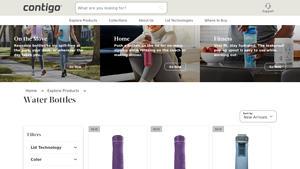
4. Go Contigo – Key Products
Domain: gocontigo.com
Registered: 2005 (20 years)
Introduction: Key Product Details:
– Types: Reusable Water Bottles, Shaker Bottles
– Features: Spill-Proof, Leak-Proof, Dishwasher Safe, Easy Mixing & Shaking, Built-In Carabiner Clip Handle, Microban® Antimicrobial Product Protection
– Lid Technologies: AUTOPOP®, AUTOSPOUT®, AUTOSEAL®, AutoClose
– Material Types: Plastic, Stainless Steel, Tritan Plastic, Plastic with Microban® Antimicrobial Material
– Sizes Av…
5. Hydro Flask – 24 oz Wide Mouth with Flex Chug Cap
Domain: nytimes.com
Registered: 1994 (31 years)
Introduction: This company, Hydro Flask – 24 oz Wide Mouth with Flex Chug Cap, is a notable entity in the market. For specific product details, it is recommended to visit their website directly.
Strategic Sourcing Conclusion and Outlook for drink bottle sizes
What Are the Key Takeaways for B2B Buyers in the Drink Bottle Market?
In today’s competitive landscape, understanding drink bottle sizes is crucial for international B2B buyers. The diversity of bottle sizes—from compact 8 oz options for casual use to larger 64 oz bottles for outdoor adventures—offers tailored solutions for various hydration needs. Recognizing the most common sizes, such as the 16.9 oz standard, empowers buyers to make informed decisions that align with consumer preferences and market demands.
Why Is Strategic Sourcing Important for the Drink Bottle Industry?
Strategic sourcing plays a pivotal role in optimizing supply chain efficiency and cost-effectiveness. By evaluating manufacturers and suppliers that offer a variety of sizes and materials, businesses can enhance product offerings while ensuring quality and sustainability. Furthermore, engaging with suppliers who understand regional preferences can foster stronger partnerships and improve market penetration.
How Can International Buyers Prepare for Future Trends in Drink Bottle Sizing?
As consumer awareness around sustainability and health continues to grow, the demand for eco-friendly and innovative bottle designs will only increase. International buyers, particularly from Africa, South America, the Middle East, and Europe, should stay ahead of these trends by exploring partnerships with suppliers that prioritize sustainable practices and product diversity. Embrace the opportunity to lead in this evolving market by investing in strategic sourcing today.