
Introduction: Navigating the Global Market for rubber water bottle
In an increasingly competitive global market, sourcing high-quality rubber water bottles poses unique challenges for international B2B buyers. With diverse applications ranging from healthcare to outdoor activities, these products must meet specific performance and safety standards while also aligning with regional preferences. This guide aims to navigate the complexities of the rubber water bottle market by offering insights into various types, their applications, and critical factors to consider during supplier vetting.
Buyers from regions such as Africa, South America, the Middle East, and Europe, including countries like Saudi Arabia and Brazil, will find actionable information on pricing trends, product specifications, and sourcing strategies tailored to their unique needs. Understanding the nuances of different rubber water bottles—whether for hot/cold therapy or hydration—can empower businesses to make informed purchasing decisions.
By the end of this guide, readers will not only grasp the vital considerations in selecting rubber water bottles but will also be equipped with the knowledge to identify reliable suppliers, negotiate effectively, and ultimately enhance their product offerings. This comprehensive approach ensures that B2B buyers can confidently navigate the global market, securing products that meet both quality and market demand.
Understanding rubber water bottle Types and Variations
| Nome del tipo | Caratteristiche distintive principali | Applicazioni primarie B2B | Brevi pro e contro per gli acquirenti |
|---|---|---|---|
| Traditional Hot Water Bottle | Seamless design, leak-proof, typically 2 liters | Healthcare, hospitality, retail | Pros: Cost-effective, versatile. Cons: Limited temperature control. |
| Dual-Purpose Hot/Cold Bottle | Large opening for easy filling, suitable for hot or cold use | Fitness, wellness, healthcare | Pros: Multi-functional, easy to use. Cons: May require careful handling. |
| Ice Bag | Conforms to body parts, leakproof cap | Sports, rehabilitation, first aid | Pros: Portable, effective for injuries. Cons: Limited temperature retention. |
| Fabric-Covered Hot Water Bottle | Comes with a knitted or fabric cover for comfort | Retail, gifting, personal care | Pros: Aesthetic appeal, reduces burns. Cons: Higher price point. |
| Eco-Friendly Rubber Bottle | Made from renewable rubber, sustainable production methods | Environmentally-conscious brands | Pros: Sustainable, marketable. Cons: Potentially higher costs. |
What Are the Characteristics of Traditional Hot Water Bottles?
Traditional hot water bottles are designed with a seamless, molded construction that ensures leak-proof performance. Typically holding around two liters, these bottles are ideal for providing consistent warmth for pain relief and comfort. They are widely used in healthcare settings, hospitality industries, and for retail purposes due to their affordability and effectiveness. When considering a purchase, buyers should evaluate the quality of rubber used, as this impacts durability and safety.
How Do Dual-Purpose Hot/Cold Bottles Enhance Versatility?
Dual-purpose hot/cold bottles feature a large opening that facilitates easy filling with either hot water or ice, making them suitable for a range of therapeutic applications. These bottles are particularly popular in fitness and wellness sectors, where they can serve both as heat packs for muscle relaxation and cold packs for injury treatment. Buyers should consider the ease of use and safety features, such as leak-proof designs, when selecting these products for their clientele.
What Are the Key Uses of Ice Bags in Various Industries?
Ice bags are specifically designed to conform to different body parts, making them a staple in sports and rehabilitation settings. With a leakproof cap and waterproof material, they are ideal for treating injuries and reducing swelling. While they are portable and effective, buyers should be aware of their limited temperature retention compared to hot water bottles. This makes them suitable for immediate, short-term relief rather than prolonged use.
Why Choose Fabric-Covered Hot Water Bottles for Gifting?
Fabric-covered hot water bottles combine functionality with aesthetic appeal, making them a popular choice for retail and gifting. The fabric cover not only enhances comfort but also reduces the risk of burns, catering to a safety-conscious market. These products are often marketed towards personal care and wellness, attracting buyers looking for stylish yet practical items. However, the higher price point may deter cost-sensitive buyers.
What Makes Eco-Friendly Rubber Bottles a Smart Choice for Brands?
Eco-friendly rubber bottles are crafted from renewable resources, aligning with the growing demand for sustainable products in the marketplace. These bottles appeal to environmentally-conscious brands and consumers, offering a unique selling proposition. While they may come at a higher cost, the potential for market differentiation and appeal to eco-friendly demographics makes them a worthwhile investment for B2B buyers looking to enhance their product offerings.
Key Industrial Applications of rubber water bottle
| Industria/Settore | Specific Application of Rubber Water Bottle | Valore/Beneficio per l'azienda | Considerazioni chiave sull'approvvigionamento per questa applicazione |
|---|---|---|---|
| Assistenza sanitaria | Patient Care: Hot/Cold Therapy | Enhances patient comfort and aids in recovery through effective therapy. | Ensure compliance with health regulations and material safety. |
| Ospitalità | Guest Amenities: Providing Warmth in Rooms | Improves guest experience, especially in colder climates. | Focus on bulk purchasing options and customizable branding. |
| Sport e ricreazione | Recovery Tools for Athletes | Supports muscle recovery by providing targeted heat or cold therapy. | Look for durability and ease of use in high-demand environments. |
| Istruzione | School Health Programs: First Aid Kits | Offers immediate relief for minor injuries in schools. | Ensure products are safe for children and easy to store. |
| Vendita al dettaglio | Consumer Products: Household Use | Attracts customers with a classic, eco-friendly product. | Consider market trends and sustainable sourcing practices. |
How is the Rubber Water Bottle Applied in Healthcare Settings?
In healthcare, rubber water bottles are utilized for hot and cold therapy, addressing patient comfort during recovery. They help alleviate pain from conditions such as arthritis or muscle soreness, promoting faster healing. For international buyers, sourcing must prioritize compliance with health regulations and material safety standards, ensuring the products are suitable for medical use.
What Role Do Rubber Water Bottles Play in the Hospitality Industry?
In the hospitality sector, rubber water bottles serve as amenities for guests, particularly in colder regions. Hotels can provide these bottles to enhance the comfort of their guests, creating a cozy atmosphere that encourages repeat visits. Buyers in this sector should focus on bulk purchasing options, as well as the possibility of customizing the bottles with the hotel’s branding to enhance their marketing efforts.
How Are Rubber Water Bottles Beneficial in Sports and Recreation?
Rubber water bottles find extensive use in sports and recreation, where they are employed as recovery tools for athletes. These bottles can provide targeted heat or cold therapy, aiding in muscle recovery after strenuous activities. For B2B buyers in this industry, it is crucial to consider the durability of the bottles and their ease of use in high-demand environments, ensuring they withstand rigorous physical activity.
Why Are Rubber Water Bottles Important in Educational Settings?
In educational institutions, rubber water bottles are incorporated into first aid kits, providing immediate relief for minor injuries among students. Their presence can significantly enhance school health programs by ensuring that students have access to basic therapeutic tools. When sourcing for schools, it is essential to ensure the products are safe for children and easy to store, meeting the specific needs of educational environments.
How Do Retailers Benefit from Offering Rubber Water Bottles?
Retailers can attract customers by offering rubber water bottles as eco-friendly household products. These bottles appeal to consumers looking for sustainable alternatives to plastic, tapping into the growing market for environmentally conscious goods. Retail buyers should consider market trends and sustainable sourcing practices, ensuring they can meet consumer demand while promoting eco-friendly initiatives.
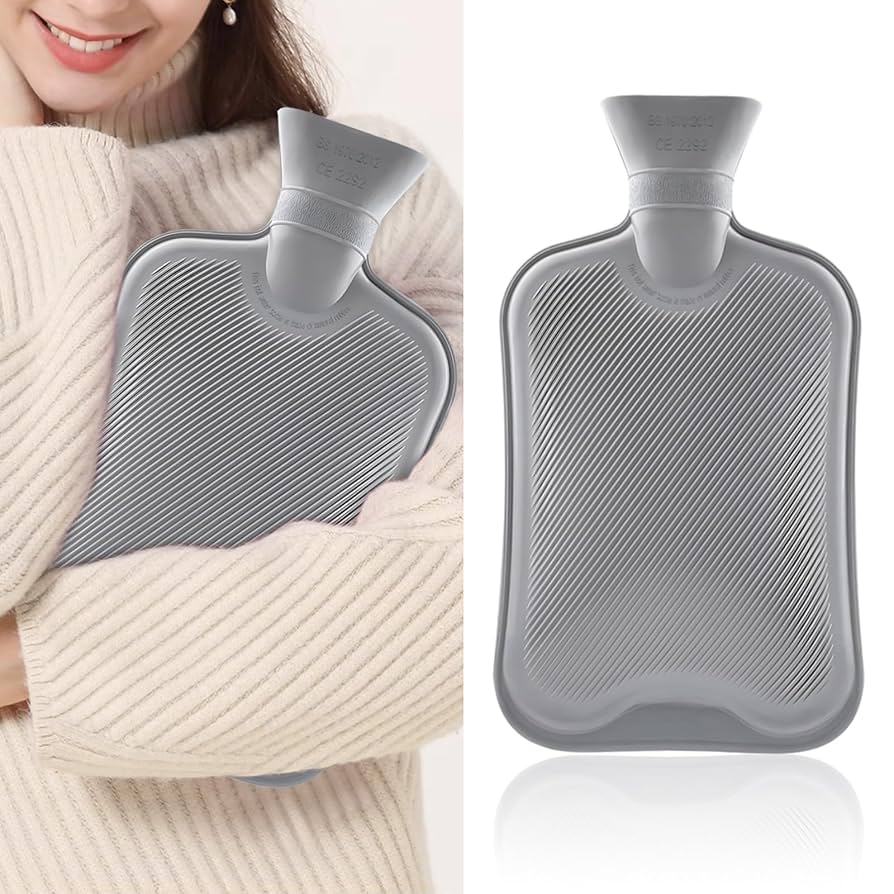
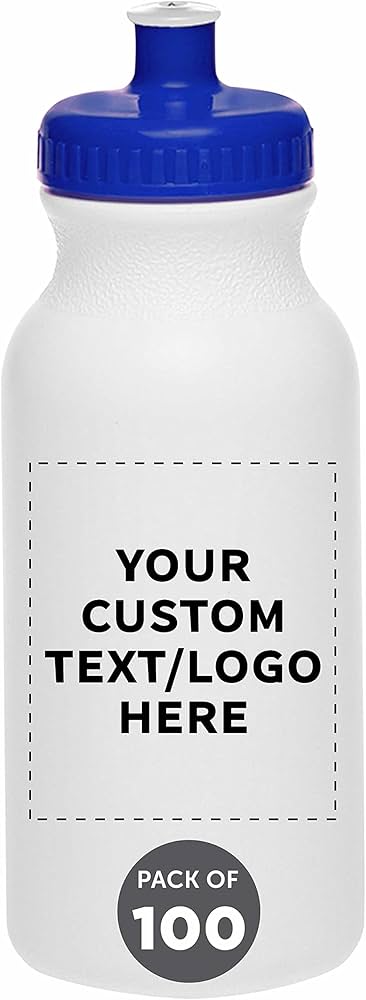
A stock image related to rubber water bottle.
3 Common User Pain Points for ‘rubber water bottle’ & Their Solutions
Scenario 1: Sourcing Reliable Suppliers for Rubber Water Bottles
Il problema:
B2B buyers often face challenges when sourcing rubber water bottles due to inconsistent quality and reliability among suppliers. In regions such as Africa and South America, where supply chains can be less developed, buyers may encounter issues like delays in delivery, poor product quality, or lack of compliance with safety regulations. This inconsistency not only affects inventory management but can also damage customer trust and satisfaction.
La soluzione:
To mitigate these risks, buyers should prioritize establishing partnerships with reputable suppliers who have a proven track record. Conduct thorough research by looking for suppliers that have been in the industry for several years, and seek out reviews or testimonials from other businesses. Additionally, consider visiting factories or production sites if possible, to assess their quality control processes firsthand. Request samples before placing bulk orders to evaluate the product quality yourself. Implementing a robust supplier evaluation process can help ensure that your business receives high-quality rubber water bottles consistently.
Scenario 2: Understanding Material Safety Standards for Rubber Water Bottles
Il problema:
Buyers in the healthcare or food and beverage sectors may struggle with understanding the safety standards and regulations that apply to rubber water bottles. Inadequate knowledge about materials could lead to purchasing products that are not compliant with local regulations, risking health hazards and legal ramifications. This is particularly critical in regions like Europe and the Middle East, where regulations are stringent.
La soluzione:
To address this issue, B2B buyers should familiarize themselves with the relevant safety standards, such as the FDA regulations in the U.S. or the EU’s food contact materials regulations. Engaging with suppliers who can provide documentation and certifications for their products is crucial. Buyers should also consider investing in training for their procurement teams about material safety and compliance standards. Regular audits and assessments of supplier compliance can further safeguard against potential risks. By prioritizing safety and compliance, businesses can ensure they are providing safe products to their customers and avoid costly penalties.
Scenario 3: Managing Product Variability and Customer Expectations
Il problema:
Another common challenge for B2B buyers is managing the variability in product specifications, such as size, shape, and color, which can lead to customer dissatisfaction. When buyers receive products that do not match the specifications they ordered, it can result in increased returns, additional shipping costs, and a tarnished reputation. This issue is especially prevalent in diverse markets like Brazil and Saudi Arabia, where customer preferences can vary significantly.
La soluzione:
To effectively manage product variability, buyers should establish clear communication channels with suppliers regarding product specifications. Create detailed product requirement documents that outline the exact dimensions, colors, and materials needed. Implementing a quality assurance process, such as a pre-shipment inspection, can help catch discrepancies before products are shipped. Additionally, consider using product management software to keep track of specifications and variations across different orders. By taking these proactive steps, buyers can align supplier outputs with customer expectations, ultimately improving satisfaction and reducing operational disruptions.
Strategic Material Selection Guide for rubber water bottle
What Are the Key Materials Used in Rubber Water Bottles?
Rubber water bottles are primarily made from several types of materials, each with unique properties that influence their performance, durability, and suitability for various applications. Below, we analyze four common materials used in the production of rubber water bottles, focusing on their key properties, advantages, disadvantages, and considerations for international B2B buyers.
Natural Rubber: A Traditional Choice
Proprietà chiave:
Natural rubber is known for its excellent elasticity and resilience. It can withstand temperatures up to 120°C (248°F) and has good pressure resistance. However, it is less resistant to UV light and ozone, which can degrade its properties over time.
Pro e contro:
Natural rubber is durable and has a high tensile strength, making it suitable for hot water applications. The cost is relatively low, but manufacturing can be complex due to the need for careful processing to maintain quality. Its susceptibility to environmental factors can limit its lifespan.
Impatto sull'applicazione:
Natural rubber is compatible with water and various non-corrosive liquids, making it ideal for hot water bottles. However, it may not be suitable for use with oils or solvents.
Considerazioni per gli acquirenti internazionali:
Buyers should ensure compliance with local regulations regarding the use of natural rubber, particularly in regions like Europe, where standards such as REACH may apply. Understanding local preferences for eco-friendly products can also influence purchasing decisions.
Synthetic Rubber: Versatile and Durable
Proprietà chiave:
Synthetic rubber, such as EPDM (Ethylene Propylene Diene Monomer), offers excellent heat and weather resistance, withstanding temperatures from -50°C to 150°C (-58°F to 302°F). It also exhibits good chemical resistance.
Pro e contro:
Synthetic rubber is highly durable and can be produced in various formulations to meet specific needs. While the manufacturing process can be more complex and costly than natural rubber, the resulting product often has a longer lifespan and better performance under extreme conditions.
Impatto sull'applicazione:
This material is suitable for a wider range of liquids, including some oils and solvents, making it a versatile choice for various applications beyond just water bottles.
Considerazioni per gli acquirenti internazionali:
Buyers must be aware of specific certifications and compliance standards for synthetic materials in their regions. For example, ASTM standards in the U.S. or DIN standards in Europe may dictate acceptable properties and performance metrics.
PVC (Polyvinyl Chloride): Cost-Effective and Lightweight
Proprietà chiave:
PVC is a lightweight and flexible plastic that can handle temperatures up to 60°C (140°F). It has good chemical resistance but can become brittle at lower temperatures.
Pro e contro:
PVC is cost-effective and easy to manufacture, making it a popular choice for budget-conscious buyers. However, its lower temperature tolerance and potential environmental concerns regarding plastic use can be drawbacks.
Impatto sull'applicazione:
PVC is suitable for cold water applications but may not perform well with hot liquids. Its compatibility with various chemicals makes it useful in specific industrial applications.
Considerazioni per gli acquirenti internazionali:
Buyers should be aware of regulations regarding plastic use, particularly in regions like Europe, where there is a strong push for sustainability. Compliance with standards such as REACH is crucial for market access.
TPR (Thermoplastic Rubber): A Modern Alternative
Proprietà chiave:
Thermoplastic rubber combines the properties of rubber and plastic, offering excellent flexibility and temperature resistance ranging from -30°C to 100°C (-22°F to 212°F). It is also resistant to UV light and ozone.
Pro e contro:
TPR provides a good balance of durability and performance, making it suitable for various applications. However, it can be more expensive than traditional rubber materials, and the manufacturing process may be more complex.
Impatto sull'applicazione:
TPR is compatible with a wide range of liquids, including hot water, and is often used in applications requiring flexibility and resilience.
Considerazioni per gli acquirenti internazionali:
Buyers should consider the availability of TPR in their region and any specific compliance requirements. Understanding market trends toward sustainable materials can also inform purchasing decisions.
Summary Table of Material Selection for Rubber Water Bottles
| Materiale | Typical Use Case for rubber water bottle | Vantaggio chiave | Svantaggi/limitazioni principali | Costo relativo (Basso/Medio/Alto) |
|---|---|---|---|---|
| Natural Rubber | Hot water bottles | Excellent elasticity and durability | Susceptible to UV and ozone damage | Basso |
| Synthetic Rubber | Versatile applications | Superior heat and weather resistance | Maggiore complessità di produzione | Med |
| PVC | Cold water applications | Economico e leggero | Limited temperature tolerance | Basso |
| TPR | Flexible applications | Good flexibility and UV resistance | Higher cost and complex manufacturing | Alto |
This strategic material selection guide provides essential insights for international B2B buyers, enabling informed decisions based on the specific needs and regulatory landscapes of their respective markets.
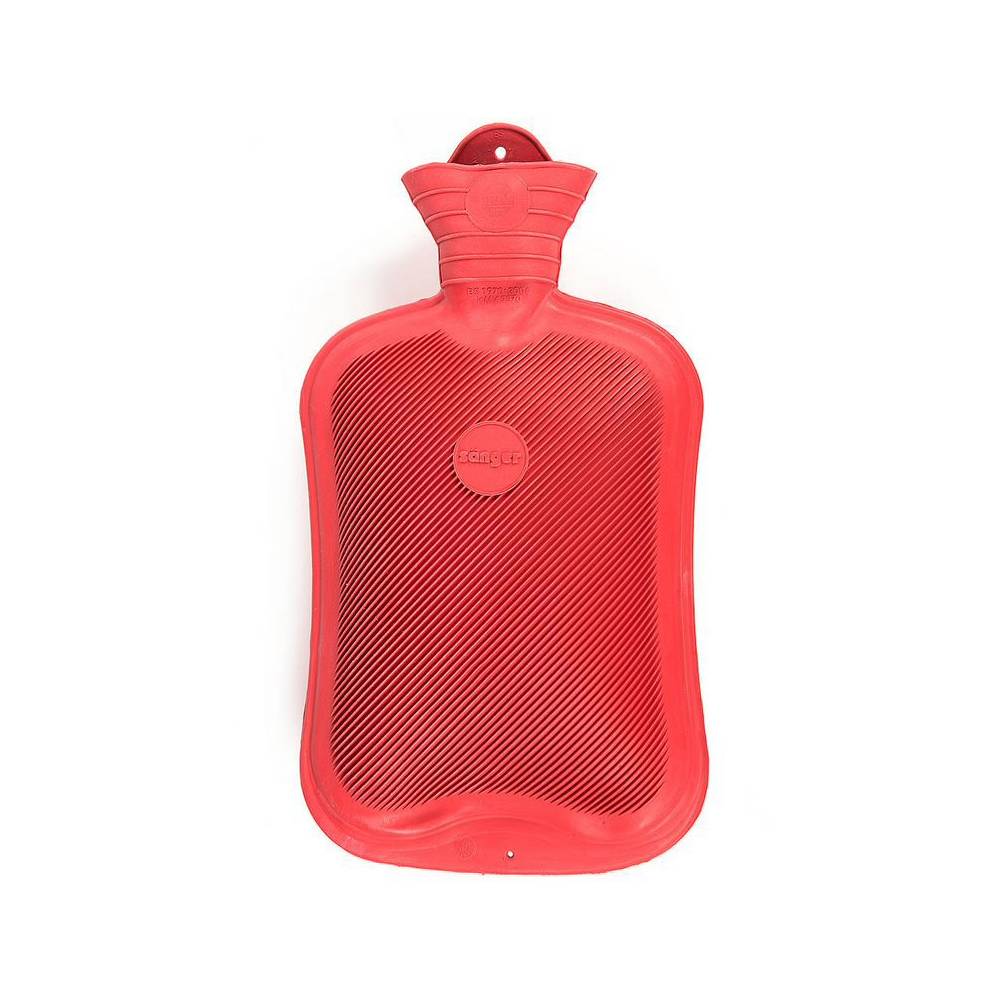
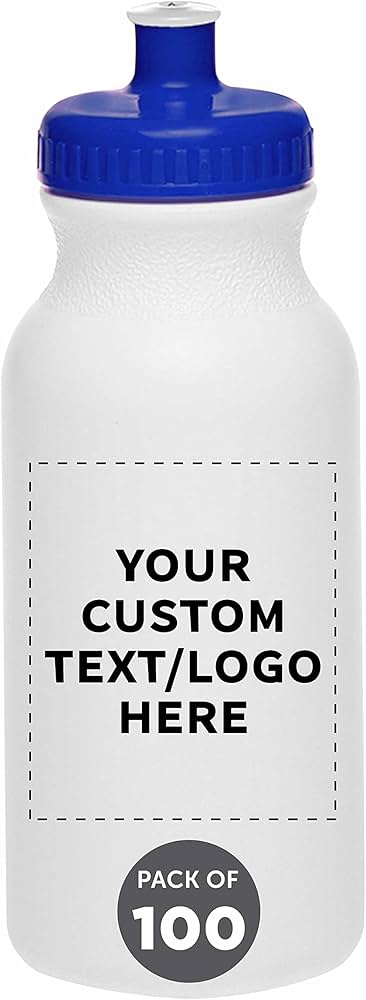
A stock image related to rubber water bottle.
In-depth Look: Manufacturing Processes and Quality Assurance for rubber water bottle
What Are the Key Stages in the Manufacturing Process of Rubber Water Bottles?
The manufacturing of rubber water bottles involves several critical stages, each requiring specialized techniques and equipment. Understanding these processes will help B2B buyers assess supplier capabilities and ensure product quality.
Material Preparation: How Are Raw Materials Processed?
The first step in manufacturing rubber water bottles is material preparation, where natural or synthetic rubber is sourced. Natural rubber is derived from latex harvested from rubber trees, while synthetic rubber is produced from petrochemical products.
Once the rubber is sourced, it undergoes a series of treatments to enhance its properties. This includes mixing the rubber with various additives such as accelerators, stabilizers, and fillers. These additives improve the rubber’s durability, flexibility, and resistance to temperature changes. The prepared rubber compound is then tested for consistency and quality before moving to the next stage.
Forming: What Techniques Are Used to Shape the Bottles?
The forming stage is where the prepared rubber is shaped into the desired bottle form. This is typically achieved through molding processes.
-
Stampaggio a iniezione: This technique involves injecting the rubber compound into a pre-designed mold. It allows for high precision and is suitable for mass production, ensuring uniformity across products.
-
Compression Molding: In this method, rubber is placed into a heated mold, where it is compressed to take shape. It is often used for larger, more complex designs and can be more cost-effective for smaller production runs.
-
Stampaggio a soffiaggio: This technique is less common for rubber water bottles but may be used in specific designs. It involves inflating a rubber tube within a mold to create hollow shapes.
Each of these methods has its advantages and is chosen based on the specific requirements of the product design and production volume.
Assembly: How Are Components Integrated?
Once formed, the rubber bottles may require additional components, such as stoppers or caps, which are typically made from plastic or metal. The assembly process includes:
- Trimming: Excess material is trimmed from the molded bottles to ensure a clean finish.
- Fitting: Any additional components, like caps or handles, are fitted onto the bottles. This may involve further precision work to ensure airtight seals.
The assembly process is crucial as it directly affects the functionality and safety of the final product.
Finishing: What Steps Are Taken for Quality and Aesthetics?
The finishing stage includes surface treatments and quality checks. Bottles may be embossed or printed with branding, instructions, or safety warnings. This not only enhances the aesthetic appeal but also provides essential information for users.
Quality assurance during the finishing stage often involves visual inspections and additional testing to ensure that no defects are present. This is essential for meeting both consumer expectations and regulatory requirements.
What Quality Assurance Standards Are Relevant for Rubber Water Bottles?
For B2B buyers, understanding the quality assurance landscape is critical. International standards such as ISO 9001 outline general quality management system requirements that manufacturers must adhere to.
In addition, industry-specific certifications may be relevant, including:
- Marchio CE: This indicates compliance with European health, safety, and environmental protection standards, which is especially important for buyers in Europe.
- API Standards: If the rubber water bottles are intended for medical or healthcare applications, compliance with American Petroleum Institute standards may be necessary.
Quali sono i principali punti di controllo della qualità nel processo di produzione?
Quality control (QC) is integrated into every stage of the manufacturing process. Key checkpoints include:
-
Controllo qualità in entrata (CQI): This involves inspecting raw materials upon arrival to ensure they meet specified quality standards.
-
Controllo qualità in corso d'opera (IPQC): During manufacturing, ongoing checks are performed to monitor production processes, ensuring consistency and quality throughout.
-
Controllo qualità finale (CQC): After assembly, a thorough inspection is conducted on the finished products. This includes checking for defects, ensuring proper sealing, and verifying compliance with safety standards.
What Testing Methods Are Commonly Used to Ensure Product Quality?
To ensure the reliability and safety of rubber water bottles, various testing methods are employed:
- Test di tenuta: This checks for any leaks in the finished product, ensuring that the bottles are safe for use.
- Durability Testing: Bottles are subjected to stress tests to evaluate their resistance to wear and tear over time.
- Thermal Testing: This assesses the bottle’s ability to withstand high temperatures, ensuring that it can safely hold hot liquids.
How Can B2B Buyers Verify Supplier Quality Control Processes?
For international B2B buyers, particularly those from Africa, South America, the Middle East, and Europe, verifying supplier quality control processes is paramount. Here are actionable steps:
-
Audit dei fornitori: Conducting on-site audits allows buyers to evaluate manufacturing practices, employee training, and overall quality management systems.
-
Richiesta di rapporti sulla qualità: Suppliers should provide documentation detailing their quality control processes, including results from IQC, IPQC, and FQC stages.
-
Ispezioni di terze parti: Engaging third-party inspection agencies can provide an unbiased assessment of the supplier’s adherence to quality standards.
Quali sono le sfumature del controllo qualità e della certificazione per gli acquirenti internazionali?
When dealing with international suppliers, it’s essential to be aware of nuances in quality control and certification. Different regions may have varying regulatory requirements, which can impact product acceptance in local markets.
For example, while CE marking is essential for products sold in Europe, similar certifications may be required in other regions. It’s advisable to have clear communication with suppliers about compliance with local regulations and to include these specifications in purchase agreements.
By understanding the manufacturing processes and quality assurance standards, B2B buyers can make informed decisions when selecting suppliers for rubber water bottles, ensuring both product quality and market compliance.
Practical Sourcing Guide: A Step-by-Step Checklist for ‘rubber water bottle’
Introduzione
Sourcing rubber water bottles for your business requires a strategic approach to ensure quality, compliance, and value. This practical guide outlines key steps to streamline your procurement process, helping you make informed decisions that align with your operational needs and market demands.
Fase 1: Definire le specifiche tecniche
Establish clear technical specifications for the rubber water bottles you intend to procure. Consider factors such as size, capacity, material type (e.g., natural rubber vs. synthetic), and design features like leak-proof caps or ergonomic shapes. Well-defined specifications will facilitate better communication with suppliers and ensure the products meet your quality standards.
Fase 2: Condurre ricerche di mercato
Engage in comprehensive market research to understand the landscape of rubber water bottle suppliers. Identify regions with strong manufacturing capabilities, especially those known for rubber production, such as Southeast Asia. Analyze pricing trends, product availability, and competitor offerings to inform your sourcing strategy.
Fase 3: Valutare i potenziali fornitori
Thoroughly vet potential suppliers to ensure they meet your business requirements. Request company profiles, product catalogs, and certifications such as ISO or compliance with safety regulations. Pay particular attention to their production capacity and lead times, especially if you operate in fast-paced markets.
- Controllare i riferimenti: Ask for references from existing clients, particularly those in your industry or geographical area.
- Review Case Studies: Look for case studies that demonstrate the supplier’s ability to meet specific client needs.
Passo 4: Richiesta di campioni per la valutazione della qualità
Before making a bulk order, request samples of the rubber water bottles to assess their quality firsthand. Evaluate aspects such as durability, leak-proof functionality, and comfort. Testing samples will help identify any potential issues early in the process and ensure that the product aligns with your expectations.
Passo 5: Negoziare termini e prezzi
Once you have identified a suitable supplier, engage in negotiations to secure favorable terms. Discuss pricing, payment terms, and shipping arrangements. Ensure transparency in costs, including any potential tariffs or import duties that may apply based on your location and the supplier’s country.
Passo 6: Verify Compliance with Regional Regulations
Ensure that the rubber water bottles comply with regulations specific to your target markets. For instance, products sold in Europe may need to adhere to REACH regulations, while those in the Middle East could require different certifications. Compliance is crucial to avoid legal issues and ensure product acceptance in your intended markets.
Passo 7: Establish a Clear Communication Plan
Develop a clear communication plan with your selected supplier to facilitate smooth operations. Outline expectations regarding order updates, quality checks, and delivery schedules. Effective communication will help address any issues promptly and maintain a strong supplier relationship.
By following this checklist, you can streamline your sourcing process for rubber water bottles, ensuring that you select a reliable supplier who meets your quality and compliance needs. This proactive approach will ultimately support your business objectives and enhance customer satisfaction.
Comprehensive Cost and Pricing Analysis for rubber water bottle Sourcing
What Are the Key Cost Components in Sourcing Rubber Water Bottles?
When sourcing rubber water bottles for B2B transactions, understanding the cost structure is crucial for effective budgeting and negotiation. The primary cost components include:
-
I materiali: The primary material for rubber water bottles is natural rubber, which can fluctuate in price based on market conditions. Additional materials may include plastic components for caps and covers, which also influence overall costs. Quality certifications for materials can further drive up expenses.
-
Lavoro: Labor costs vary significantly by region. In countries like Sri Lanka, where many rubber products are manufactured, labor costs may be lower compared to European nations. However, higher labor standards can increase the price per unit.
-
Spese generali di produzione: This encompasses utilities, factory rent, and other operational costs. Manufacturers often pass these costs on to buyers, making it important to assess the efficiency of the production facility.
-
Utensili: Initial setup costs for molds and machinery can be substantial, particularly for customized designs. Buyers should consider these costs in the total pricing, especially for lower volume orders.
-
Controllo qualità (CQ): Ensuring that products meet quality standards involves costs related to testing and inspections. Suppliers with robust QC processes may charge a premium but can save buyers from potential issues down the line.
-
Logistica: Transportation costs can vary widely based on distance, mode of transport, and shipping terms. Import duties and tariffs can also add to the total cost, particularly for international shipments.
-
Margine: Suppliers will add their profit margin to the cost structure. This margin can vary based on the supplier’s market position and the competitive landscape.
How Do Price Influencers Affect Rubber Water Bottle Sourcing?
Several factors influence the pricing of rubber water bottles, impacting the total cost for B2B buyers:
-
Volume e quantità minima d'ordine (MOQ): Larger orders generally lead to lower per-unit costs. Understanding the supplier’s MOQ can help negotiate better pricing.
-
Specifiche e personalizzazione: Customized designs or unique specifications can significantly increase costs. Buyers should weigh the benefits of customization against potential price increases.
-
Materiali e certificazioni di qualità: Higher quality materials and certifications (like FDA approval) command higher prices. Assessing the necessity of these features is key for cost management.
-
Fattori di fornitura: The supplier’s reputation, experience, and production capabilities can influence pricing. Established suppliers with a track record may offer better reliability, justifying higher costs.
-
Incoterms: Understanding Incoterms is vital for managing logistics costs. Terms like FOB (Free on Board) and CIF (Cost, Insurance, and Freight) can affect the total landed cost of products.
What Buyer Tips Can Enhance Cost-Efficiency in Sourcing Rubber Water Bottles?
To optimize costs when sourcing rubber water bottles, buyers should consider the following strategies:
-
Negoziare termini e prezzi: Open communication with suppliers can lead to discounts or better payment terms. Regularly reviewing contracts and seeking competitive quotes can help maintain favorable pricing.
-
Valutare il costo totale di proprietà (TCO): Beyond the initial purchase price, consider costs related to shipping, storage, and quality assurance. A slightly higher upfront cost may lead to savings in the long run if it reduces maintenance or replacement needs.
-
Understand Pricing Nuances for International Buyers: Different regions may have varying pricing structures influenced by local market conditions. Buyers from Africa, South America, the Middle East, and Europe should research local suppliers to leverage competitive pricing.
-
Be Aware of Currency Fluctuations: When dealing with international suppliers, currency exchange rates can impact costs. Locking in prices or using forward contracts can mitigate this risk.
-
Consider Local Sourcing: Whenever possible, sourcing from local manufacturers can reduce shipping costs and lead times, making it a cost-effective alternative.
Disclaimer sui prezzi indicativi
The prices mentioned in various sources serve as a general guideline and may not reflect current market conditions. Buyers should conduct thorough market research and engage directly with suppliers to obtain accurate and up-to-date pricing information.
Alternatives Analysis: Comparing rubber water bottle With Other Solutions
Exploring Alternatives to Rubber Water Bottles: What Are Your Options?
When considering rubber water bottles, it’s essential to evaluate alternative solutions that may meet similar needs, such as pain relief, heating, or hydration. This analysis provides a comparison of rubber water bottles against two viable alternatives: electric heating pads and stainless steel insulated bottles. Each of these products serves distinct purposes but also overlaps with the functionalities of rubber water bottles.
Tabella di confronto
| Aspetto di confronto | Rubber Water Bottle | Electric Heating Pad | Bottiglia isolata in acciaio inox |
|---|---|---|---|
| Prestazioni | Excellent for heat retention; reusable for both hot and cold applications. | Provides consistent heat; limited to electric use. | Keeps liquids hot or cold for extended periods; not for heating applications. |
| Costo | Typically $10 – $20 per unit. | Ranges from $20 – $60 depending on features. | Generally $15 – $40 based on size and brand. |
| Facilità di implementazione | Simple to use; requires boiling water or ice. | Requires access to power; needs careful handling. | Ready to use; no setup required. |
| Manutenzione | Low; easy to clean and store. | Moderate; requires regular cleaning and checking of electrical components. | Low; dishwasher safe options available. |
| Il miglior caso d'uso | Ideal for muscle pain relief and warmth during colder months. | Best for localized pain relief or chronic conditions. | Suitable for hydration on-the-go, maintaining beverage temperature. |
Analisi approfondita delle alternative
What Are the Benefits and Drawbacks of Electric Heating Pads?
Electric heating pads offer a reliable source of heat for targeted pain relief, making them particularly useful for chronic conditions like arthritis or muscle stiffness. They provide a consistent temperature and can often be adjusted for different heat levels. However, their reliance on electricity can be a limitation, especially in regions with unstable power supply. Additionally, they require more maintenance to ensure the electrical components remain safe and functional.
How Do Stainless Steel Insulated Bottles Compare?
Stainless steel insulated bottles excel in keeping liquids hot or cold for extended periods, making them ideal for hydration in varying climates. They are durable, often dishwasher-safe, and do not require any special handling like boiling water. However, they do not provide the same soothing heat therapy benefits as rubber water bottles or electric heating pads. Their cost can also vary widely depending on the brand and insulation technology used.
Making the Right Choice for Your Needs
When selecting between rubber water bottles, electric heating pads, and stainless steel insulated bottles, B2B buyers should consider their specific needs. If the primary goal is to provide heat therapy, rubber water bottles and electric heating pads are more suitable options. However, for hydration purposes, particularly in outdoor or mobile settings, stainless steel insulated bottles may be the better choice. Ultimately, understanding the unique advantages and limitations of each alternative will enable buyers to make informed decisions that align with their operational requirements and budget constraints.
Essential Technical Properties and Trade Terminology for rubber water bottle
What Are the Key Technical Properties of Rubber Water Bottles?
When sourcing rubber water bottles, understanding the technical properties is essential for ensuring product quality, safety, and compliance with industry standards. Here are some critical specifications to consider:
1. Grado del materiale
Rubber water bottles are typically made from natural rubber or thermoplastic elastomers (TPE). The grade of rubber affects flexibility, durability, and heat resistance. Higher-grade materials often result in longer-lasting products, which is crucial for B2B buyers looking for reliable inventory.
2. Capacità
The capacity of rubber water bottles generally ranges from 1 to 2 liters. This specification is vital for end-user satisfaction, as it directly impacts the usability of the product. Buyers must consider market demand when selecting sizes, as different regions may have varying preferences.
3. Seamless Construction
A seamless design ensures leak-proof functionality, making the product safer for consumers. This construction method is often associated with higher manufacturing costs but provides significant quality advantages. B2B buyers should prioritize seamless designs to reduce returns and enhance customer satisfaction.
4. Resistenza alla temperatura
Rubber water bottles can typically withstand temperatures ranging from -20°C to 100°C. Understanding the temperature resistance is crucial for safety and efficacy, particularly in medical or therapeutic applications. Buyers must ensure that the products meet regional safety standards.
5. Weight Tolerance
The weight tolerance of the rubber used can affect the overall durability of the water bottle. For instance, a bottle that can endure higher weights without deformation will appeal to markets that prioritize robust outdoor or industrial applications.
6. Surface Texture
The texture of the bottle can influence grip and user comfort. Bottles with embossed surfaces may provide better handling, especially when filled with hot liquids. This consideration can be a key differentiator in competitive markets.
What Trade Terminology Should B2B Buyers Know for Rubber Water Bottles?
Familiarity with industry jargon can streamline negotiations and foster better communication between buyers and suppliers. Here are some common terms to understand:
1. OEM (Original Equipment Manufacturer)
OEM refers to companies that produce parts or equipment that may be marketed by another manufacturer. For rubber water bottles, understanding OEM capabilities allows buyers to leverage existing designs and brand them under their own labels.
2. MOQ (quantità minima d'ordine)
MOQ indicates the smallest order a supplier will accept. Knowing the MOQ is essential for budgeting and inventory management. Buyers should negotiate MOQs to align with their sales forecasts and cash flow capabilities.
3. RFQ (Richiesta di offerta)
An RFQ is a document sent to suppliers requesting a price quote for specific products. For B2B transactions involving rubber water bottles, a well-prepared RFQ can facilitate competitive pricing and better supplier relationships.
4. Incoterms (Termini commerciali internazionali)
Incoterms define the responsibilities of buyers and sellers in international trade. Familiarity with terms such as FOB (Free on Board) or CIF (Cost, Insurance, and Freight) helps buyers understand shipping costs and responsibilities, impacting overall pricing strategies.
5. Tempi di consegna
Lead time refers to the time taken from placing an order to receiving it. Understanding lead times is crucial for inventory planning and ensuring that supply meets demand, particularly in seasonal markets.
6. Quality Assurance (QA)
QA refers to the processes that ensure products meet specific quality standards. Buyers should prioritize suppliers with robust QA protocols to minimize defects and enhance customer satisfaction.
By grasping these technical properties and trade terms, B2B buyers can make informed decisions, optimize their purchasing processes, and strengthen their supply chain relationships in the rubber water bottle market.
Navigating Market Dynamics and Sourcing Trends in the rubber water bottle Sector
What Are the Current Market Dynamics and Key Trends in the Rubber Water Bottle Sector?
The global rubber water bottle market is witnessing a resurgence, driven by increased consumer awareness of sustainable products and the growing demand for wellness items. B2B buyers from regions such as Africa, South America, the Middle East, and Europe are particularly keen on sourcing these products due to their multifunctionality, affordability, and eco-friendliness. The rise of e-commerce platforms is also facilitating easier access to suppliers, allowing international buyers to compare prices and quality more effectively.
Emerging trends highlight a shift towards innovative designs that enhance user experience, such as dual-purpose hot/cold bottles and those with ergonomic shapes. Companies are increasingly utilizing advanced materials, including natural rubber, which not only improves the product’s performance but also aligns with consumer preferences for environmentally friendly options. Furthermore, the integration of smart technology into traditional water bottles is gaining traction, offering features like temperature control and user-friendly digital interfaces, appealing particularly to tech-savvy markets.
How Important Is Sustainability and Ethical Sourcing in the Rubber Water Bottle Industry?
Sustainability has become a cornerstone of sourcing strategies in the rubber water bottle sector. With heightened awareness of environmental issues, B2B buyers are prioritizing suppliers who demonstrate a commitment to ethical sourcing and sustainable practices. The environmental impact of rubber production is significant; thus, companies are increasingly seeking certifications that indicate sustainable practices, such as FSC (Forest Stewardship Council) or Rainforest Alliance certifications.
Ethical supply chains not only mitigate risks associated with environmental degradation but also enhance brand reputation and consumer loyalty. Buyers are encouraged to look for suppliers who utilize renewable resources, such as natural rubber from sustainably managed plantations, and those who adopt practices that reduce carbon footprints. This commitment to sustainability not only aligns with global consumer trends but also helps companies comply with increasingly stringent regulations regarding environmental impact.
What Is the Historical Context of Rubber Water Bottles and Their Evolution?
Rubber water bottles have a rich history, dating back to their invention in the 19th century. Originally designed for therapeutic purposes, these bottles have evolved significantly over time. Early designs were simple, often made from sewn-together rubber sheets, and primarily used for heating beds during colder months.
As manufacturing techniques advanced, modern rubber water bottles emerged, featuring seamless designs for enhanced durability and leak-proof capabilities. Today, these bottles are available in various sizes and styles, catering to a wide range of consumer needs—from pain relief to simple comfort. This evolution reflects broader changes in consumer preferences towards convenience and sustainability, paving the way for innovative products that meet the demands of contemporary markets.
In conclusion, international B2B buyers are presented with a dynamic landscape in the rubber water bottle sector. By understanding the key market trends, prioritizing sustainability, and recognizing the product’s historical evolution, they can make informed sourcing decisions that align with both business objectives and consumer expectations.
Frequently Asked Questions (FAQs) for B2B Buyers of rubber water bottle
-
How do I solve issues with rubber water bottle quality when sourcing?
To ensure high-quality rubber water bottles, it’s essential to vet suppliers thoroughly. Request samples to assess material quality and manufacturing processes. Verify certifications related to safety and quality standards, such as ISO or FDA approvals. Additionally, consider visiting the manufacturing facility, if feasible, or utilizing third-party inspection services to monitor production. Establish clear quality assurance protocols and communicate your expectations to suppliers to minimize issues. -
What is the best rubber water bottle for heat retention?
When looking for rubber water bottles that excel in heat retention, opt for seamless designs crafted from high-grade natural rubber. These bottles, like those with a dual-purpose feature, maintain temperature effectively and are designed to prevent leaks. The ideal capacity is typically around 2 liters, as this size balances weight and usability. Look for products with good insulation properties and consider those that come with fabric covers for added heat retention and comfort. -
What are the typical minimum order quantities (MOQs) for rubber water bottles?
Minimum order quantities for rubber water bottles can vary significantly depending on the supplier and the specific product. Generally, MOQs range from 500 to 10,000 units for bulk orders. It’s crucial to discuss MOQs upfront with potential suppliers to ensure they align with your purchasing capabilities. Some suppliers may offer flexibility in MOQs for first-time buyers or for specific designs, so it’s advisable to negotiate based on your projected demand. -
What payment terms are common when sourcing rubber water bottles internationally?
Payment terms can vary widely among international suppliers, but common options include a 30% deposit with the balance due upon shipment or a letter of credit. Some suppliers may offer net 30 or net 60 terms depending on your relationship and order history. It is essential to clarify payment terms upfront to avoid misunderstandings. Consider using secure payment methods that offer buyer protection, especially for larger orders. -
How can I customize rubber water bottles for my brand?
Customization options for rubber water bottles include colors, sizes, designs, and branding elements like logos and labels. Discuss your requirements with suppliers who specialize in custom orders, and ask for examples of previous work. Many manufacturers can produce bottles in various colors and even create unique shapes. Consider the costs associated with customization, including setup fees and lead times, to ensure they fit within your project budget and timeline. -
What should I know about logistics when importing rubber water bottles?
Logistics for importing rubber water bottles involve understanding shipping methods, costs, and customs regulations in your country. Work with a reliable freight forwarder to navigate the complexities of international shipping. Consider factors such as delivery times, shipping insurance, and duty fees. Ensure that all necessary documentation, such as invoices and packing lists, is prepared to facilitate smooth customs clearance and avoid delays. -
How do I evaluate suppliers for rubber water bottles?
To evaluate suppliers effectively, consider factors such as their manufacturing capabilities, experience in the industry, and customer reviews. Request references from previous clients to gauge satisfaction levels. Assess their production quality through sample orders and check for compliance with international standards. Additionally, evaluate their communication responsiveness and willingness to accommodate your needs, as these aspects can significantly affect your partnership. -
What quality assurance measures should I implement when sourcing rubber water bottles?
Implementing quality assurance measures involves setting clear specifications for materials, design, and functionality. Establish a quality control process that includes pre-production samples, in-process inspections, and final product evaluations. Utilize third-party inspection services to verify compliance with your standards before shipment. Additionally, maintain open communication with suppliers regarding any quality concerns and develop a plan for addressing defects or non-compliance to safeguard your brand reputation.
Disclaimer importante e condizioni d'uso
⚠️ Disclaimer importante
Le informazioni fornite in questa guida, compresi i contenuti relativi ai produttori, alle specifiche tecniche e all'analisi di mercato, hanno uno scopo puramente informativo ed educativo. Non costituiscono una consulenza professionale in materia di acquisti, né una consulenza finanziaria o legale.
Pur avendo fatto ogni sforzo per garantire l'accuratezza e la tempestività delle informazioni, non siamo responsabili di eventuali errori, omissioni o informazioni non aggiornate. Le condizioni di mercato, i dettagli aziendali e gli standard tecnici sono soggetti a modifiche.
Gli acquirenti B2B devono condurre una due diligence indipendente e approfondita. prima di prendere qualsiasi decisione di acquisto. Per questo è necessario contattare direttamente i fornitori, verificare le certificazioni, richiedere campioni e chiedere una consulenza professionale. Il rischio di affidarsi alle informazioni contenute in questa guida è esclusivamente a carico del lettore.
Top 6 Rubber Water Bottle Manufacturers & Suppliers List
1. Cascade Health – Reusable Water Bottles
Dominio: cascadehealth.com
Registrato: 2004 (21 anni)
Introduzione: This company, Cascade Health – Reusable Water Bottles, is a notable entity in the market. For specific product details, it is recommended to visit their website directly.
2. Sänger – Hot Water Bottle
Dominio: bostongeneralstore.com
Registered: 2013 (12 years)
Introduzione: {“name”:”Sänger Hot Water Bottle”,”price”:”$24.00″,”colors”:[“Red”,”White”,”Orange”,”Yellow”,”Blue”,”Green”,”Purple”],”description”:”One of our perennial best-sellers, this classic rubber hot water bottle is made in Germany by Sänger. Great for reducing muscle pain and stiffness or staying warm during the long, cold winter months. Crafted from a single piece of rubber with no seams for leak-proof …
3. GEO – 17 oz Rubber Coated Stainless Steel Sports Bottle
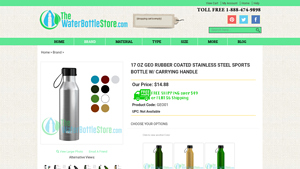
Dominio: thewaterbottlestore.com
Registrato: 2005 (20 anni)
Introduzione: {‘name’: ‘GEO 17 oz Rubber Coated Stainless Steel Sports Bottle’, ‘capacity’: ’17 oz (502.75 ml)’, ‘dimensions’: {‘mouth_diameter’: ’49 mm’, ‘width’: ‘2.5 inches’, ‘height’: ‘10.25 inches’}, ‘weight’: ‘317.5 g (11.2 oz)’, ‘insulation’: ‘double wall vacuum insulation’, ‘temperature_retention’: {‘hot’: ‘up to 6 hours’, ‘cold’: ‘up to 24 hours’}, ‘features’: [‘scratch resistant’, ‘condensation resist…
4. Target – Quality Hydration Solutions
Dominio: target.com
Registrato: 1997 (28 anni)
Introduzione: Our collection features a variety of options from trusted brands known for their quality and innovation in hydration solutions. Durable steel water bottles, vacuum-insulated thermoses, and convenient tumblers with straw lids are available. Built to last with high-quality materials like stainless steel, designed for easy filling and cleaning, vacuum insulation for temperature retention, and leak-pr…
5. Medium – Rubber Hot Water Bottles
Dominio: medium.com
Registrato: 1998 (27 anni)
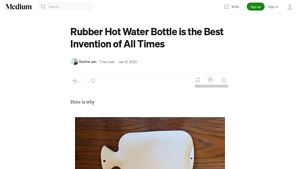
Introduzione: Rubber hot water bottles are typically made of rubber and come in various colors and designs. They often include a stylish fabric cover that enhances comfort and prevents burns. Standard sizes hold about two liters of water, with prices averaging between $15 and $20. Key benefits include warming feet, providing pain relief, promoting relaxation, versatility for hot or cold use, convenience without…
6. Vermont Country Store – Rubber Hot Water Bottle with Fleece Cover
Dominio: vermontcountrystore.com
Registrato: 1996 (29 anni)
Introduzione: {“name”:”Rubber Hot Water Bottle with Fleece Cover”,”item_number”:”78473″,”price”:”$19.95″,”material”:”100% Rubber with 100% Polyester Fleece Cover”,”dimensions”:”13-1/2\”L x 8\”W”,”capacity”:”2-quart”,”features”:”Durable rubber construction, easy-grip plastic stopper, removable and washable fleece cover”,”care_instructions”:”Machine wash fleece cover, air dry; check for damages before use; do not…
Strategic Sourcing Conclusion and Outlook for rubber water bottle
As the global demand for rubber water bottles continues to rise, international B2B buyers must recognize the strategic importance of sourcing quality products that meet consumer needs across diverse markets. The versatility of rubber water bottles, with applications ranging from healthcare to everyday comfort, presents significant opportunities for businesses. Buyers should prioritize suppliers who emphasize quality, sustainability, and innovative designs, ensuring that products not only perform effectively but also align with eco-friendly practices.
Strategic sourcing enables companies to minimize costs while maximizing value through careful selection of suppliers and materials. By establishing strong partnerships with manufacturers, businesses can secure reliable access to quality rubber products, ultimately enhancing customer satisfaction and loyalty.
Looking ahead, the growth potential in regions such as Africa, South America, the Middle East, and Europe presents a unique opportunity for B2B buyers to expand their product offerings and capture new market segments. Engage with manufacturers who can provide tailored solutions and stay ahead of industry trends. Seize the moment to enhance your supply chain and capitalize on the enduring appeal of rubber water bottles—your customers will thank you for it.
 Italiano
  English
  Español
  Português
  Français
  Deutsch
  العربية
  Русский
  日本語
日本語  한국어
한국어  Nederlands