Introduction: Navigating the Global Market for red color water bottle
In today’s competitive landscape, sourcing high-quality red color water bottles poses unique challenges for international B2B buyers. With a diverse range of products available, businesses must navigate considerations such as material durability, design, and branding potential. This comprehensive guide aims to simplify the procurement process by exploring various types of red water bottles, including stainless steel, aluminum, and BPA-free plastic options. We will delve into their applications across industries—from promotional gifts to outdoor recreational use—while providing insights into supplier vetting practices, cost analysis, and customization opportunities.
As B2B buyers from regions like Africa, South America, the Middle East, and Europe (including Germany and Saudi Arabia) seek to make informed purchasing decisions, understanding the nuances of the red color water bottle market becomes essential. This guide empowers decision-makers by highlighting critical factors to consider, enabling them to select products that not only meet their operational needs but also resonate with their target audience. By leveraging the insights provided, buyers can confidently navigate the global market, ensuring that their investment in red water bottles aligns with their brand values and customer expectations.
Understanding red color water bottle Types and Variations
| Type Name | Key Distinguishing Features | Primary B2B Applications | Brief Pros & Cons for Buyers |
|---|---|---|---|
| Stainless Steel Bottles | Durable, insulated, and often BPA-free | Corporate gifts, promotional giveaways | Pros: Long-lasting, good thermal retention. Cons: Higher cost compared to plastic. |
| Aluminum Bottles | Lightweight, customizable, and often recyclable | Sports teams, outdoor events | Pros: Lightweight, easy to carry. Cons: Less thermal insulation than stainless steel. |
| Plastic Bottles | Affordable, lightweight, and available in various sizes | Bulk distribution, casual events | Pros: Cost-effective, variety of designs. Cons: Less durable, potential environmental concerns. |
| Collapsible Water Bottles | Space-saving, flexible design, often made from silicone | Travel, outdoor activities | Pros: Convenient for travel, easy to store. Cons: May not be as durable as rigid options. |
| Custom Printed Bottles | Personalized designs with branding options | Marketing campaigns, trade shows | Pros: Effective branding tool, unique designs. Cons: Minimum order quantities may apply. |
What Are the Characteristics of Stainless Steel Red Water Bottles?
Stainless steel red water bottles are favored for their durability and insulation properties. Typically made from high-quality food-grade stainless steel, these bottles are designed to withstand rough handling and maintain the temperature of beverages for extended periods. Ideal for corporate gifting or promotional items, they can be customized with logos, making them an excellent choice for businesses looking to enhance brand visibility. When purchasing, buyers should consider factors such as size options, insulation capabilities, and the potential for customization.
How Do Aluminum Red Water Bottles Stand Out?
Aluminum red water bottles are lightweight and often come with a variety of designs, making them suitable for sports teams and outdoor events. They are generally more affordable than stainless steel options and can be easily customized with branding. However, while they are durable, they may not offer the same level of thermal insulation. B2B buyers should evaluate the intended use to determine whether the lightweight nature of aluminum aligns with their needs, especially for events requiring easy transport.
Why Choose Plastic Red Water Bottles for Bulk Distribution?
Plastic red water bottles are the most cost-effective option for bulk distribution, making them ideal for casual events, festivals, or community gatherings. They come in various sizes and designs, allowing businesses to choose options that best fit their branding or event theme. However, while they are inexpensive, plastic bottles can be less durable and raise environmental concerns, particularly if they are not recyclable. Buyers should weigh the benefits of low cost against potential long-term sustainability issues.
What Are the Advantages of Collapsible Red Water Bottles?
Collapsible red water bottles are designed for convenience and portability, making them perfect for travelers and outdoor enthusiasts. Made from flexible materials like silicone, these bottles can be compressed when empty, saving space in bags or packs. While they offer great functionality, they may not match the durability of rigid bottles. B2B buyers should consider their target audience’s needs, particularly for those who prioritize space-saving solutions during travel or outdoor activities.
How Do Custom Printed Red Water Bottles Enhance Marketing Efforts?
Custom printed red water bottles provide businesses with a unique opportunity to enhance their marketing efforts through personalized branding. These bottles can be designed to reflect a company’s identity and are effective giveaways at trade shows and marketing campaigns. While they can create a lasting impression, buyers should be aware of minimum order quantities and production times that may impact their purchasing decisions. Investing in custom bottles can yield significant returns in brand recognition and customer loyalty.
Key Industrial Applications of red color water bottle
| Industry/Sector | Specific Application of red color water bottle | Value/Benefit for the Business | Key Sourcing Considerations for this Application |
|---|---|---|---|
| Sports & Fitness | Promotional giveaways at sporting events and fitness expos | Enhances brand visibility and customer engagement | Consider durability, insulation properties, and customization options. |
| Hospitality & Events | Customized water bottles for corporate events and conferences | Provides a memorable takeaway for guests, promoting brand loyalty | Assess minimum order quantities and design capabilities for branding. |
| Education | School sports teams and educational institution events | Fosters team spirit and promotes hydration awareness among students | Evaluate size options and potential for bulk purchases. |
| Outdoor & Adventure | Essential gear for adventure tourism companies | Increases customer satisfaction by providing quality hydration solutions | Ensure lightweight materials and ergonomic design for ease of use. |
| Health & Wellness | Used in wellness programs and health campaigns | Supports health initiatives while promoting brand recognition | Look for BPA-free materials and eco-friendly manufacturing processes. |
How Are Red Color Water Bottles Utilized in the Sports & Fitness Industry?
In the sports and fitness sector, red color water bottles are often used as promotional items during events such as marathons, tournaments, and fitness expos. Their vibrant color not only attracts attention but also enhances brand visibility among participants and spectators. Businesses can capitalize on the opportunity to engage customers by offering branded bottles that encourage hydration. Buyers in this sector should prioritize sourcing options that offer durability, insulation properties, and customization for logos or slogans.
What Role Do Red Color Water Bottles Play in Hospitality & Events?
In the hospitality industry, red color water bottles are frequently customized for corporate events, conferences, and weddings. Providing guests with these bottles serves as a practical and memorable takeaway, fostering brand loyalty and enhancing the event experience. Companies looking to source these bottles should consider minimum order quantities, design capabilities, and the quality of materials to ensure they meet the expectations of their clientele.
How Are Red Water Bottles Beneficial for Educational Institutions?
Educational institutions leverage red color water bottles for school sports teams and events, helping to promote hydration awareness and team spirit among students. By incorporating these bottles into school programs, institutions can create a sense of community and pride. When sourcing for this application, buyers should evaluate size options suitable for children and the potential for bulk purchases to ensure affordability.
Why Are Red Water Bottles Essential for Outdoor & Adventure Companies?
Adventure tourism companies utilize red color water bottles as essential gear for their clients. These bottles provide reliable hydration solutions during outdoor activities such as hiking, climbing, and camping. A well-designed water bottle can enhance customer satisfaction and safety. Buyers in this sector should ensure that the bottles are made from lightweight materials and feature ergonomic designs for ease of transport.
How Do Red Water Bottles Support Health & Wellness Initiatives?
In health and wellness campaigns, red color water bottles are employed to promote hydration and healthy living. They can be distributed during health fairs, community events, or wellness programs to reinforce the importance of drinking water. Businesses should look for BPA-free options and consider eco-friendly manufacturing processes to align with health-conscious consumer preferences.
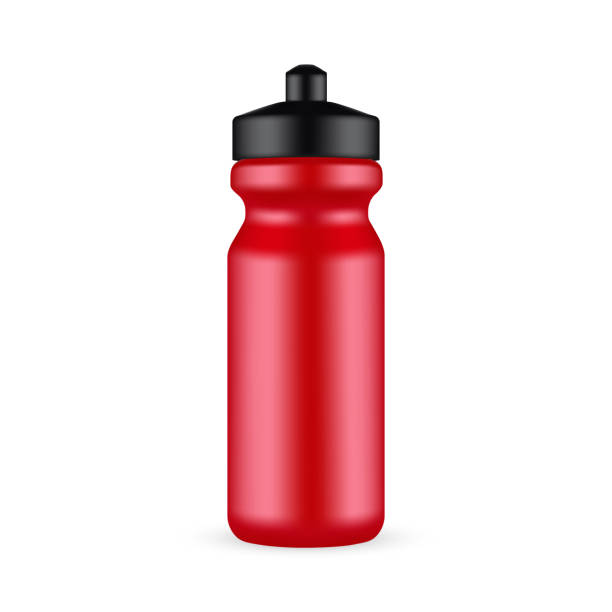
A stock image related to red color water bottle.
3 Common User Pain Points for ‘red color water bottle’ & Their Solutions
Scenario 1: Sourcing Quality Red Water Bottles for Corporate Gifting
The Problem: Many B2B buyers face the challenge of sourcing high-quality red water bottles that are suitable for corporate gifting. With a plethora of options available, distinguishing between durable, aesthetically appealing bottles and inferior products can be overwhelming. Additionally, buyers need to ensure that the selected water bottles are safe for use, often requiring BPA-free materials and certifications. In regions like Africa and South America, where logistics can be complex, sourcing products that meet quality standards while being cost-effective adds another layer of difficulty.
The Solution: To overcome this challenge, buyers should prioritize working with reputable suppliers that specialize in promotional products. Start by requesting samples to evaluate the quality and finish of the red water bottles before placing bulk orders. Look for manufacturers who offer customization options, allowing you to include your logo or brand message. Ensure that the bottles are made from stainless steel or BPA-free plastic, which not only enhances durability but also aligns with health-conscious consumer preferences. Establishing clear communication with suppliers regarding delivery timelines and quality checks can also mitigate potential logistics issues, ensuring timely delivery for corporate events or marketing campaigns.
Scenario 2: Ensuring Brand Visibility with Custom Red Water Bottles
The Problem: In a competitive market, establishing brand visibility is crucial for B2B companies. Many buyers struggle with how to effectively use promotional items like red water bottles to enhance brand recognition. Simply providing a product isn’t enough; companies need to ensure that their branding stands out, especially when potential customers use the bottles in public spaces. The challenge lies in selecting the right size, style, and customization options that reflect the brand’s identity while resonating with the target audience.
The Solution: To maximize brand visibility, consider investing in custom red water bottles that offer ample space for branding elements. Opt for larger bottles (32 oz or more) that not only provide practicality but also present a bigger canvas for logos and designs. Collaborate with graphic designers to create eye-catching designs that align with your brand’s color palette and ethos. Additionally, think about functional features that appeal to your audience, such as insulated bottles that keep drinks cold or hot, encouraging frequent use. By strategically distributing these bottles at trade shows, corporate events, or through customer loyalty programs, you can enhance brand exposure in everyday settings.
Scenario 3: Addressing Environmental Concerns with Sustainable Red Water Bottles
The Problem: As environmental awareness rises, B2B buyers are increasingly tasked with sourcing products that align with sustainability goals. Many companies face scrutiny from stakeholders regarding the environmental impact of their promotional items, including plastic waste generated by single-use water bottles. This concern is particularly pronounced in regions with stringent environmental regulations, such as Europe, where consumers actively seek eco-friendly alternatives. Buyers must navigate the balance between promotional effectiveness and environmental responsibility.
The Solution: To address these environmental concerns, buyers should consider sourcing red water bottles made from sustainable materials, such as recycled aluminum or stainless steel. These options are not only durable and reusable but also help reduce plastic waste significantly. When placing orders, inquire about the supplier’s sustainability practices, including their recycling programs and certifications. Highlight the eco-friendly aspect of the bottles in your marketing materials, emphasizing your commitment to sustainability. Additionally, consider implementing a take-back program for used bottles, further demonstrating your company’s dedication to responsible consumption and waste reduction. By aligning promotional products with environmental values, you can enhance your brand’s reputation while contributing positively to the planet.
Strategic Material Selection Guide for red color water bottle
What Are the Key Materials for Red Color Water Bottles?
When selecting materials for red color water bottles, B2B buyers must consider various factors such as durability, manufacturing complexity, and compliance with international standards. Here, we analyze four common materials used in the production of red water bottles: plastic, stainless steel, aluminum, and glass.
How Does Plastic Perform in Water Bottle Applications?
Plastic is one of the most widely used materials for water bottles due to its lightweight nature and cost-effectiveness. Common types include polyethylene (PET) and polypropylene (PP). Plastic bottles typically have a temperature rating of around -20°C to 60°C and are resistant to corrosion. However, they may not withstand high-pressure applications.
Pros: Plastic bottles are generally inexpensive, lightweight, and can be produced in various shapes and sizes. They are also easy to manufacture and can be molded into intricate designs, making them suitable for custom branding.
Cons: The primary downside of plastic is its durability; it can crack or degrade over time, especially when exposed to UV light. Additionally, there are concerns regarding chemical leaching, particularly with lower-quality plastics.
Impact on Application: Plastic bottles are suitable for cold beverages but may not be ideal for hot liquids due to deformation risks.
Considerations for International Buyers: Buyers should ensure compliance with regulations such as FDA standards in the U.S. or EU regulations in Europe. In regions like Africa and South America, awareness of recycling and environmental impact is becoming increasingly important.
What Are the Advantages of Stainless Steel for Water Bottles?
Stainless steel is a premium material known for its durability and resistance to corrosion. It can handle a wide range of temperatures, typically from -20°C to 100°C, and is often used in insulated water bottles.
Pros: Stainless steel is highly durable and resistant to dents and scratches, making it ideal for outdoor use. It also does not retain flavors or odors, ensuring that the beverage remains pure.
Cons: The manufacturing process for stainless steel is more complex and costly compared to plastic. Additionally, stainless steel bottles can be heavier, which may not be suitable for all consumers.
Impact on Application: Stainless steel is compatible with both hot and cold beverages, making it versatile for various applications.
Considerations for International Buyers: Compliance with ASTM standards for food safety is crucial. In regions like the Middle East, buyers may prefer insulated options for extreme temperatures.
Why Choose Aluminum for Red Water Bottles?
Aluminum is another popular choice for water bottles, known for its lightweight and recyclable properties. It typically has a temperature rating similar to stainless steel but is less durable against impacts.
Pros: Aluminum bottles are lightweight, making them easy to carry. They are also recyclable, appealing to environmentally conscious consumers.
Cons: Aluminum can dent easily and may require an inner lining to prevent leaching of flavors. The manufacturing process can be more complex than that for plastic.
Impact on Application: Aluminum bottles are generally suitable for cold beverages and are often used for promotional purposes due to their lightweight nature.
Considerations for International Buyers: Buyers should ensure that aluminum bottles meet international standards for food safety, such as those set by DIN in Germany.
What Role Does Glass Play in Water Bottle Manufacturing?
Glass is a less common material for water bottles but is valued for its purity and aesthetic appeal. It can handle a wide temperature range but is more fragile compared to other materials.
Pros: Glass bottles do not leach chemicals and are easy to clean. They also provide an upscale appearance, making them suitable for gifts or premium products.
Cons: The fragility of glass makes it less suitable for outdoor activities. Additionally, the weight can be a drawback for portability.
Impact on Application: Glass is ideal for still beverages and can be used for hot liquids if designed appropriately.
Considerations for International Buyers: Buyers must consider the fragility of glass and ensure compliance with safety standards, especially in regions with stringent regulations like Europe.
Summary Table of Material Selection
| Material | Typical Use Case for red color water bottle | Key Advantage | Key Disadvantage/Limitation | Relative Cost (Low/Med/High) |
|---|---|---|---|---|
| Plastic | Everyday use, sports, promotional items | Lightweight and cost-effective | Less durable, potential chemical leaching | Low |
| Stainless Steel | Insulated bottles, outdoor activities | Highly durable, retains beverage quality | Heavier and more expensive | High |
| Aluminum | Sports, promotional items | Lightweight and recyclable | Can dent easily, may require lining | Medium |
| Glass | Premium products, gift items | No chemical leaching, upscale look | Fragile, heavier | Medium to High |
This guide provides a comprehensive overview of material options for red color water bottles, enabling international B2B buyers to make informed decisions based on performance, cost, and compliance considerations.
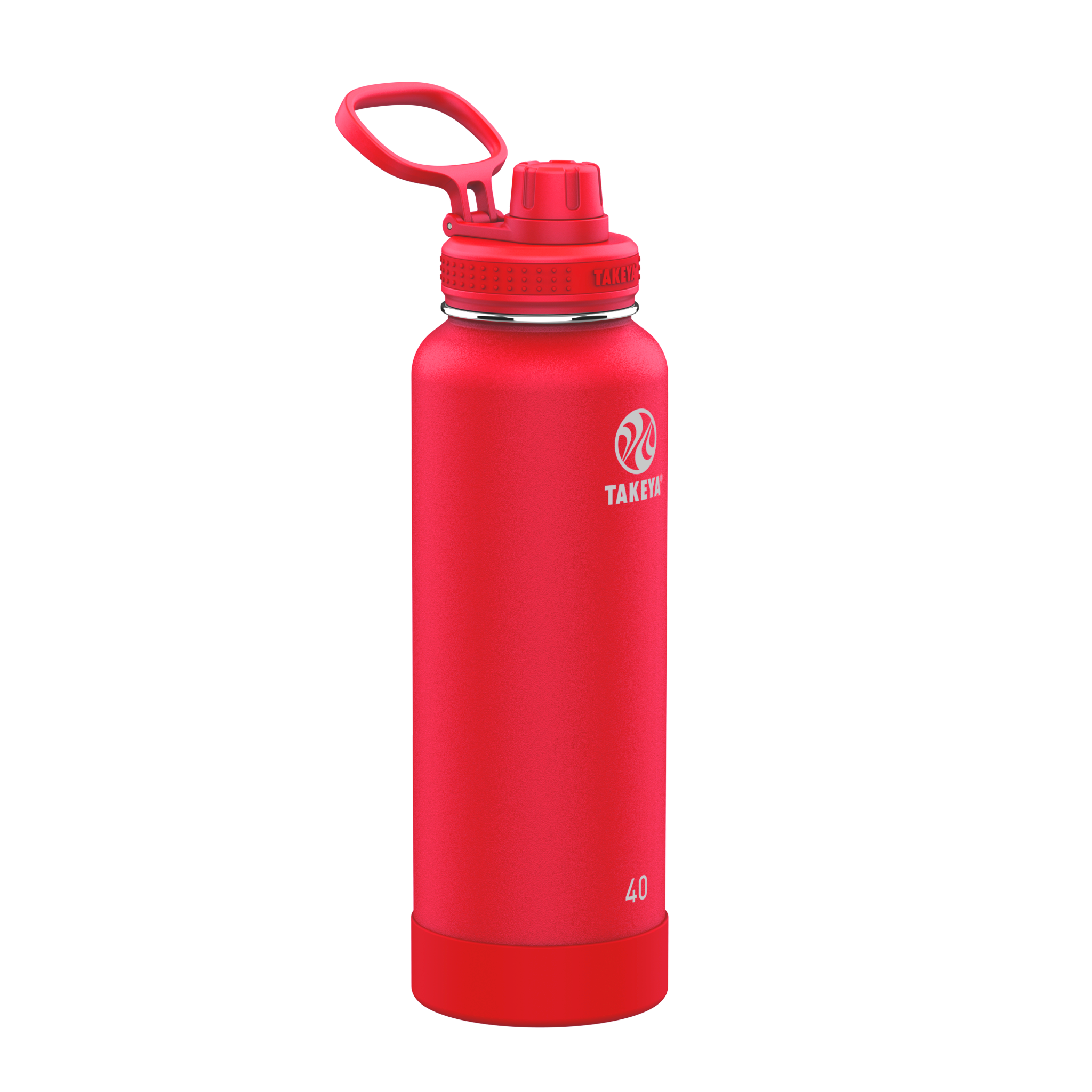
A stock image related to red color water bottle.
In-depth Look: Manufacturing Processes and Quality Assurance for red color water bottle
What Are the Main Stages of Manufacturing a Red Color Water Bottle?
The manufacturing process of a red color water bottle involves several critical stages, each designed to ensure that the final product meets the desired standards of quality and functionality.
Material Preparation
The first step in the manufacturing process is material preparation. Manufacturers typically use materials such as stainless steel, aluminum, or BPA-free plastics. For red water bottles, dyes and coatings are also essential. The materials are sourced from reputable suppliers, and quality checks are performed to ensure they meet specified requirements. This stage may involve testing for chemical composition, durability, and safety standards, especially for products intended for food and beverage use.
Forming
Once the materials are prepared, the next stage is forming. This can involve processes such as extrusion for plastic bottles or stamping and shaping for metal bottles. For aluminum or stainless steel, manufacturers often employ techniques like hydroforming or deep drawing to create the desired bottle shape. The forming process is crucial because it affects the bottle’s structural integrity and overall aesthetic appeal, including the evenness of the red color application.
Assembly
After forming, the components of the water bottle are assembled. This may include attaching lids, straws, or any additional features such as insulation layers. For bottles with intricate designs or multiple components, robotic automation is often employed to enhance precision and speed. Quality control measures during assembly ensure that all parts fit correctly and function as intended.
Finishing
The final stage in the manufacturing process is finishing, which includes surface treatment and applying the red color. Various techniques can be utilized, including powder coating, painting, or anodizing for metal bottles. Each method has its advantages in terms of durability and finish quality. After coloring, the bottles undergo curing processes to ensure the color adheres properly and withstands environmental stresses.
What Quality Assurance Measures Are Essential for Red Water Bottles?
Quality assurance (QA) is a vital aspect of manufacturing, ensuring that the red color water bottles meet both international and industry-specific standards.
What International Standards Should B2B Buyers Be Aware Of?
Internationally recognized standards, such as ISO 9001, provide a framework for quality management systems. Compliance with ISO standards ensures that manufacturers have consistent processes and are committed to continual improvement. Additionally, depending on the market, certifications such as CE marking (for products sold in the European Economic Area) and API (American Petroleum Institute) standards for materials may be relevant.
What Are the Key Quality Control Checkpoints in Manufacturing?
Quality control checkpoints are critical to ensuring the quality of the final product. Common checkpoints include:
-
Incoming Quality Control (IQC): This phase involves inspecting raw materials upon delivery to ensure they meet specified criteria.
-
In-Process Quality Control (IPQC): During the manufacturing process, regular checks are performed to monitor various parameters, including dimensions and color consistency.
-
Final Quality Control (FQC): This final inspection occurs before the product is packaged and shipped. It includes tests for functionality, appearance, and safety.
These checkpoints help identify defects early in the production process, reducing waste and ensuring customer satisfaction.
What Common Testing Methods Are Used for Quality Assurance?
Manufacturers typically employ several testing methods to verify the quality of red color water bottles. Common tests include:
-
Leak Testing: Ensuring that the bottle does not leak when filled with liquid.
-
Impact Resistance Testing: Measuring the bottle’s ability to withstand drops or impacts without damage.
-
Thermal Stability Testing: For insulated bottles, this test evaluates how well the bottle maintains temperature under various conditions.
-
Chemical Resistance Testing: Ensuring that the materials used can resist degradation from common substances.
How Can B2B Buyers Verify Supplier Quality Control?
For B2B buyers, especially those operating in international markets such as Africa, South America, the Middle East, and Europe, verifying a supplier’s quality control processes is crucial. Here are some strategies:
-
Supplier Audits: Conducting on-site audits allows buyers to assess the manufacturing environment and quality control practices firsthand.
-
Quality Reports: Requesting detailed quality assurance reports can provide insights into the supplier’s QC processes and results.
-
Third-Party Inspections: Utilizing independent inspection agencies can add an additional layer of verification, providing unbiased assessments of product quality before shipment.
What Are the Quality Control Nuances for International B2B Buyers?
International B2B buyers face unique challenges regarding quality control. Different regions may have varying standards and regulations, making it essential to understand local requirements. For instance, products sold in Europe must comply with stringent EU regulations, while those exported to Africa may face different certification requirements.
Additionally, language barriers and cultural differences can affect communication with suppliers. Establishing clear, documented agreements regarding quality expectations, testing methods, and compliance can help mitigate misunderstandings.
Conclusion
Understanding the manufacturing processes and quality assurance measures for red color water bottles is essential for B2B buyers looking to source these products effectively. By familiarizing themselves with the stages of production, relevant international standards, and verification methods, buyers can make informed decisions, ensuring that they receive high-quality products that meet their specifications and customer expectations.
Practical Sourcing Guide: A Step-by-Step Checklist for ‘red color water bottle’
In the competitive landscape of B2B procurement, sourcing a red color water bottle requires a strategic approach to ensure quality, compliance, and value. This guide provides a practical checklist to help international buyers navigate the procurement process effectively.
Step 1: Define Your Technical Specifications
Establishing clear technical specifications is vital for ensuring that the red water bottles meet your requirements. Consider factors such as material (e.g., stainless steel or aluminum), size (ranging from 12 oz to over 64 oz), insulation properties, and features like BPA-free certifications. Clearly defined specifications will streamline the sourcing process and minimize misunderstandings with suppliers.
Step 2: Research Market Trends and Demand
Understanding current market trends can inform your purchasing decisions. Analyze the demand for red water bottles in your target regions, such as Africa, South America, the Middle East, and Europe. Investigate consumer preferences for features like custom branding, eco-friendliness, and ergonomic designs, as these can significantly impact your product offerings and marketing strategies.
Step 3: Evaluate Potential Suppliers
Before finalizing any deals, conduct thorough evaluations of potential suppliers. Request detailed company profiles, product samples, and references from other buyers within similar industries. This step is crucial to verify the supplier’s reliability, quality standards, and capacity to meet your order volumes and delivery timelines.
- Check certifications: Ensure that suppliers comply with international safety standards and certifications, such as ISO and FDA regulations.
- Assess production capabilities: Look for suppliers with a proven track record in producing the specific type of water bottle you need.
Step 4: Request and Compare Quotes
Once you have identified potential suppliers, request detailed quotes that include pricing, lead times, and shipping costs. Comparing quotes from multiple suppliers allows you to gauge the market rate and assess the value of additional services, such as customization or bulk discounts. Ensure that all quotes are based on the same specifications to facilitate accurate comparisons.
Step 5: Negotiate Terms and Conditions
Negotiating favorable terms is key to maximizing your procurement budget. Discuss payment terms, delivery schedules, and warranty conditions with your chosen supplier. A well-negotiated agreement can mitigate risks associated with delays or product defects, leading to a more fruitful business relationship.
Step 6: Verify Quality Assurance Processes
Quality assurance is a critical component of the sourcing process. Inquire about the supplier’s quality control measures and testing protocols for the red water bottles. Understanding their processes will help ensure that the products you receive meet your quality expectations and comply with relevant regulations.
Step 7: Plan for Logistics and Distribution
Finally, consider logistics and distribution channels for efficiently managing your inventory. Evaluate shipping options, potential tariffs, and local regulations that may impact delivery timelines and costs. A well-structured logistics plan will facilitate a smooth supply chain and ensure timely availability of your red water bottles in the market.
By following this checklist, B2B buyers can strategically source red color water bottles that align with their business objectives, ultimately enhancing their product offerings and customer satisfaction.
Comprehensive Cost and Pricing Analysis for red color water bottle Sourcing
What Are the Key Cost Components for Sourcing Red Color Water Bottles?
When sourcing red color water bottles, several cost components must be considered to understand the overall expense effectively. These components include materials, labor, manufacturing overhead, tooling, quality control (QC), logistics, and profit margins.
-
Materials: The choice of materials significantly impacts cost. Common options for water bottles include stainless steel, aluminum, and BPA-free plastic. Stainless steel and aluminum are generally more durable and may come with a higher price tag compared to plastic. Custom finishes or colors, such as red, can also increase material costs due to the need for specialized coatings or dyes.
-
Labor: Labor costs vary based on the region and the complexity of the manufacturing process. In regions with higher labor costs, like parts of Europe, the overall cost of production will be higher. Conversely, sourcing from countries with lower labor costs may offer more competitive pricing.
-
Manufacturing Overhead: This encompasses utilities, rent, and other operational expenses incurred during production. Efficient manufacturers often minimize these costs through streamlined processes, which can lead to better pricing for buyers.
-
Tooling: Customization, such as unique designs or logos, requires specific tooling and molds, adding to initial costs. The more complex the design, the higher the tooling expenses will be.
-
Quality Control (QC): Ensuring that the products meet international safety and quality standards involves additional QC costs. Certifications such as ISO or specific food-safe standards can influence both the cost and the pricing structure.
-
Logistics: Shipping costs vary significantly based on the sourcing location and destination. Factors like freight charges, customs duties, and packaging must be factored into the total cost. For international buyers, understanding Incoterms (International Commercial Terms) is crucial, as they define the responsibilities of buyers and sellers in shipping arrangements.
-
Margin: Suppliers will add their profit margin to the total cost of production. This margin can vary widely based on the supplier’s market position and the perceived value of the product.
How Do Price Influencers Affect the Cost of Red Color Water Bottles?
Several factors influence the pricing of red color water bottles beyond just the cost components.
-
Volume/MOQ: Minimum order quantities (MOQs) can significantly affect pricing. Bulk orders typically attract discounts, while smaller orders may incur higher per-unit costs. Buyers should assess their needs and aim for larger orders to optimize costs.
-
Specifications and Customization: Custom designs, logos, or additional features (like insulation) can lead to increased costs. Standardized products are generally more affordable than custom items.
-
Quality and Certifications: Higher-quality materials and certifications for safety or environmental standards can increase the cost. Buyers must balance quality with budget constraints.
-
Supplier Factors: The supplier’s reputation, location, and relationship with buyers can also influence pricing. Established suppliers may charge more but offer reliability and quality assurance.
What Are the Best Tips for B2B Buyers When Sourcing Red Color Water Bottles?
International B2B buyers, particularly from regions like Africa, South America, the Middle East, and Europe, should consider the following tips:
-
Negotiation: Always be prepared to negotiate pricing. Understanding the cost breakdown can provide leverage during discussions with suppliers.
-
Cost-Efficiency: Look for suppliers that offer competitive pricing without compromising on quality. This can be achieved through thorough market research and supplier comparisons.
-
Total Cost of Ownership: Evaluate not just the purchase price but the total cost of ownership, including shipping, duties, and potential replacement costs. This holistic view will help in making informed decisions.
-
Pricing Nuances for International Buyers: Be aware of currency fluctuations, import/export regulations, and potential tariffs that could affect overall costs. Establishing a solid understanding of these elements can prevent unexpected expenses.
Disclaimer on Pricing
Prices for red color water bottles can vary widely based on the factors mentioned above. The figures provided are indicative and may change based on market conditions, supplier relationships, and order specifics. Always request detailed quotes from multiple suppliers to ensure competitive pricing.
Alternatives Analysis: Comparing red color water bottle With Other Solutions
Understanding Alternatives for Red Color Water Bottles
In the competitive landscape of beverage containers, particularly for B2B buyers, evaluating alternatives to red color water bottles is crucial. Various options exist, each with unique benefits and limitations. This analysis will focus on comparing red color water bottles against custom metal water bottles and reusable plastic bottles, providing insights to help buyers make informed decisions.
Comparison Table
| Comparison Aspect | Red Color Water Bottle | Custom Metal Water Bottles | Reusable Plastic Bottles |
|---|---|---|---|
| Performance | High durability, often insulated | Excellent insulation, durable | Lightweight, less durable |
| Cost | Moderate ($10-$30) | Varies ($4-$25) | Low ($1-$10) |
| Ease of Implementation | Simple branding options | Customization available, easy to order | Readily available, minimal setup |
| Maintenance | Easy to clean, dishwasher safe | Hand wash recommended, resistant to dents | Easy to clean, but may stain |
| Best Use Case | Sports, outdoor events | Corporate gifts, promotions | Everyday use, casual settings |
Detailed Breakdown of Alternatives
Custom Metal Water Bottles
Custom metal water bottles, often made from stainless steel or aluminum, provide excellent insulation and durability. They can be personalized with company logos, making them ideal for corporate gifts or promotional items. While the cost can vary based on customization and order size, they generally range from $4 to $25, depending on materials and features. The main drawback is the need for handwashing to maintain their finish, although they resist dents and scratches better than plastic options. They are best suited for businesses looking to enhance brand visibility while providing a high-quality, reusable product.
Reusable Plastic Bottles
Reusable plastic bottles represent a budget-friendly alternative, typically costing between $1 and $10. They are lightweight and easy to transport, making them ideal for casual settings such as schools, gyms, or events. However, they lack the durability of metal options and may not provide adequate insulation. They are also prone to staining and wear over time, which can affect the product’s aesthetic appeal. Their primary advantage is their availability and low cost, making them suitable for businesses looking to provide economical solutions without significant investment.
Conclusion: How to Choose the Right Solution for Your Needs
When selecting the appropriate water bottle for your business needs, consider factors such as target audience, budget, and intended use. If durability and brand visibility are priorities, custom metal water bottles may be the best option. For cost-effective solutions aimed at casual users, reusable plastic bottles provide a practical choice. Red color water bottles, with their attractive design and functionality, stand out as a versatile option for outdoor and promotional events. Ultimately, the decision should align with your brand’s values and the preferences of your clientele, ensuring that you provide a product that meets both aesthetic and functional demands.
Essential Technical Properties and Trade Terminology for red color water bottle
What Are the Key Technical Properties of Red Color Water Bottles?
When sourcing red color water bottles for international markets, understanding their technical properties is vital for quality assurance and consumer satisfaction. Here are several critical specifications to consider:
1. Material Grade
The most common materials for water bottles include stainless steel, aluminum, and BPA-free plastics. Stainless steel is prized for its durability and resistance to corrosion, making it ideal for outdoor activities. Aluminum offers lightweight properties and is often used for sports bottles. BPA-free plastics are essential for health-conscious consumers, ensuring that no harmful chemicals leach into beverages. Understanding material grades helps buyers select products that align with market demands and consumer safety standards.
2. Capacity
Water bottles come in various sizes, typically ranging from 12 oz to over 64 oz. The capacity affects usability; for example, larger bottles are suitable for long outdoor excursions, while smaller options are better for everyday use or children. Identifying the right capacity is crucial for meeting customer preferences and optimizing inventory based on regional demands.
3. Insulation Properties
Many red water bottles feature double-walled insulation, keeping beverages cold or hot for extended periods. Insulation efficiency is measured in terms of temperature retention time. For B2B buyers, selecting insulated bottles can enhance product appeal, especially in markets where temperature control is critical, such as in hot climates found in parts of Africa and the Middle East.
4. Design Features
Considerations such as lid type (screw-top, flip-top, or straw), mouth opening (wide or narrow), and ergonomic design significantly impact user experience. Features like a built-in carrying handle or compatibility with cup holders can also influence purchasing decisions. Understanding these design elements allows buyers to cater to specific market needs and enhance the consumer experience.
5. Durability and Longevity
The durability of water bottles is often determined by the material and construction techniques used. Stainless steel and aluminum bottles are generally more robust than plastic counterparts. A durable product not only minimizes return rates but also enhances brand reputation, making it essential for B2B buyers to invest in long-lasting items.
What Trade Terminology Should B2B Buyers Know for Water Bottles?
Navigating the B2B landscape requires familiarity with industry jargon. Here are some essential terms relevant to red color water bottles:
1. OEM (Original Equipment Manufacturer)
OEM refers to companies that manufacture products that other companies rebrand and sell under their own name. For B2B buyers, working with OEMs can reduce production costs and expedite the supply chain, enabling faster market entry.
2. MOQ (Minimum Order Quantity)
MOQ is the smallest quantity of a product that a supplier is willing to sell. Understanding MOQ is crucial for budgeting and inventory management, especially for international buyers who may face varying MOQs based on supplier location and production capabilities.
3. RFQ (Request for Quotation)
An RFQ is a document that buyers send to suppliers to request pricing and terms for specific products. For B2B buyers, crafting a clear RFQ can facilitate better negotiations and ensure all necessary specifications are met.
4. Incoterms
Incoterms are international commercial terms that define the responsibilities of buyers and sellers for the delivery of goods. Familiarity with these terms helps B2B buyers understand shipping costs, risk management, and logistics, ensuring smoother transactions across borders.
5. Customization
Customization refers to the ability to alter product specifications, such as color, size, or branding. Many buyers seek customized water bottles to enhance brand visibility and meet specific market preferences. Understanding customization options can lead to more tailored offerings for end consumers.
By grasping these technical properties and trade terminologies, B2B buyers can make informed decisions when sourcing red color water bottles, ultimately leading to more successful transactions and satisfied customers.
Navigating Market Dynamics and Sourcing Trends in the red color water bottle Sector
What Are the Key Market Trends Influencing the Red Color Water Bottle Sector?
The global red color water bottle market is witnessing significant transformation driven by heightened consumer awareness around health and sustainability. As hydration becomes a priority for consumers, the demand for functional, stylish, and portable water bottles is surging. This trend is particularly evident in regions like Africa, South America, the Middle East, and Europe, where urbanization and a growing middle class are propelling the market. Brands are increasingly focusing on innovative designs that incorporate advanced materials such as stainless steel and BPA-free plastics, catering to eco-conscious consumers.
Emerging technologies in manufacturing processes are also reshaping sourcing strategies. For instance, the integration of smart technology into water bottles, such as hydration reminders and temperature control features, is becoming popular. This trend not only enhances user experience but also offers differentiation in a crowded market. Furthermore, the rise of e-commerce platforms is facilitating easier access for international B2B buyers, enabling them to source products directly from manufacturers without the need for intermediaries.
How Is Sustainability Shaping B2B Sourcing in the Red Water Bottle Market?
Sustainability is no longer a buzzword but a critical component in the sourcing and procurement processes within the red color water bottle sector. B2B buyers are increasingly prioritizing environmentally friendly products, pushing manufacturers to adopt more sustainable practices. This includes the use of recycled materials and the implementation of ethical supply chains that minimize environmental impact.
Certifications such as Global Recycle Standard (GRS) and ISO 14001 for environmental management systems are becoming essential for suppliers aiming to appeal to conscious buyers. Additionally, the demand for products that are not only durable but also reusable is on the rise, as companies look to reduce single-use plastic consumption. By prioritizing sustainability, businesses can enhance their brand reputation while meeting regulatory standards and consumer expectations.
What Is the Evolution of the Red Color Water Bottle Market?
The red color water bottle market has evolved significantly over the years, transitioning from basic designs to a diverse range of products that appeal to various consumer segments. Initially, water bottles were primarily utilitarian, focusing on functionality. However, the introduction of vibrant colors, particularly red, has added a layer of personalization and aesthetic appeal, making these bottles more than just hydration tools—they are now fashion statements.
The rise of health and fitness trends has further accelerated this evolution, with consumers seeking stylish yet functional bottles that fit their active lifestyles. Today, red water bottles are available in multiple materials, sizes, and designs, catering to a broad audience, from athletes to everyday users. This evolution reflects a broader trend in the consumer goods sector, where brands are increasingly aligning their offerings with lifestyle choices and values.
Conclusion
In conclusion, international B2B buyers in the red color water bottle sector should be aware of the market’s dynamic landscape, driven by consumer preferences for sustainability and technological innovation. By prioritizing ethical sourcing and staying abreast of emerging trends, businesses can position themselves favorably within this evolving market, ensuring they meet the demands of a diverse global consumer base.
Frequently Asked Questions (FAQs) for B2B Buyers of red color water bottle
-
How do I solve the issue of sourcing high-quality red color water bottles?
To ensure you source high-quality red color water bottles, start by identifying reputable suppliers with positive reviews and a solid track record in your target markets. Request samples to assess materials, durability, and finish. Additionally, verify that suppliers adhere to international quality standards, such as ISO certifications, and inquire about their manufacturing processes. Establishing direct communication will also help clarify any concerns about quality and production capabilities. -
What is the best type of red water bottle for promotional purposes?
For promotional use, custom stainless steel or aluminum red water bottles are ideal due to their durability and reusability. They can be easily branded with your logo, making them effective marketing tools. Look for options with features such as double-wall insulation or unique designs to enhance appeal. Consider the preferences of your target audience, such as size and drinking mechanism, to ensure the product resonates with them. -
What are the key factors to consider when vetting international suppliers for red water bottles?
When vetting international suppliers, prioritize factors such as their production capacity, lead times, and compliance with international trade regulations. Verify their experience in the industry and seek references from previous clients. It’s also essential to confirm their ability to provide customization options and meet your desired minimum order quantities (MOQs). Assess their logistics capabilities, including shipping options and delivery timelines, to ensure they align with your business needs. -
What customization options are available for red color water bottles?
Customization options for red color water bottles often include branding with your company logo, selecting specific sizes, and choosing different lid styles. Some suppliers offer additional features like different materials (plastic, stainless steel, aluminum), colors, and finishes. You may also request unique designs or patterns to differentiate your products in the market. Discuss these options with your supplier to find the best fit for your branding strategy. -
What are the typical minimum order quantities (MOQs) for red water bottles?
Minimum order quantities (MOQs) for red water bottles vary by supplier and product type. Generally, you can expect MOQs to range from as low as 50 to several hundred units, particularly for customized items. Discuss your specific needs with potential suppliers to negotiate MOQs that align with your budget and inventory plans. Be aware that lower MOQs may come with higher per-unit costs, while larger orders can lead to discounts. -
What payment terms should I expect when sourcing red water bottles internationally?
Payment terms can vary significantly among suppliers. Common practices include a deposit upfront (usually 30-50%) with the balance due upon shipment or delivery. Some suppliers may offer net payment terms based on your business relationship and order volume. It’s essential to clarify payment methods accepted, such as wire transfers or letters of credit, and to ensure all terms are documented in the contract to avoid disputes. -
How can I ensure quality assurance for red water bottles sourced internationally?
To ensure quality assurance, establish clear quality control standards with your supplier before production begins. Request detailed product specifications and consider third-party inspections during the manufacturing process. It may also be beneficial to conduct a pre-shipment inspection to verify that the products meet your quality expectations. Regular communication with your supplier can help address any issues promptly, ensuring that the final products align with your standards. -
What are the best logistics practices for importing red water bottles?
Effective logistics practices for importing red water bottles involve selecting reliable freight forwarders experienced in handling your specific products. Understand the shipping options available, such as air freight for speed or sea freight for cost-effectiveness. Ensure all necessary documentation, including customs declarations and import permits, is in order to avoid delays. Lastly, monitor the shipment closely and maintain open communication with your supplier to address any logistical challenges that may arise.
Important Disclaimer & Terms of Use
⚠️ Important Disclaimer
The information provided in this guide, including content regarding manufacturers, technical specifications, and market analysis, is for informational and educational purposes only. It does not constitute professional procurement advice, financial advice, or legal advice.
While we have made every effort to ensure the accuracy and timeliness of the information, we are not responsible for any errors, omissions, or outdated information. Market conditions, company details, and technical standards are subject to change.
B2B buyers must conduct their own independent and thorough due diligence before making any purchasing decisions. This includes contacting suppliers directly, verifying certifications, requesting samples, and seeking professional consultation. The risk of relying on any information in this guide is borne solely by the reader.
Top 7 Red Color Water Bottle Manufacturers & Suppliers List
1. Rush Imprint – Custom Stainless Steel & Aluminum Water Bottles
Domain: rushimprint.com
Registered: 2002 (23 years)
Introduction: Custom stainless steel and aluminum water bottles, highly durable and reusable. Ideal for gifts to employees, clients, and customers. Available for bulk ordering with options to design with logos or custom designs. Various sizes and styles available, including: 25 oz. Aluminum Custom Water Bottles, 28 oz. h2go Surge Water Bottles, Pacific 26oz Aluminum Sports Bottle, Ryze 22oz Aluminum Sports Bott…
2. BKR – MADLY TEENY BOTTLE 25
Domain: mybkr.com
Registered: 2009 (16 years)
Introduction: Availability: In stock (5), Out of stock (11)\nColor: Red (16)\nSizes: 250mL (8oz) (1), 355mL (12oz) (2), 500mL (16oz) (5), 650mL (22oz) (2), 1L (32oz) (4), Various (2)\nPrints: No (14)\nTexture: Smooth (10), Spiked (6)\nOpacity: Opaque (6), Demi Sheer (8), Sheer (2)\nProducts: MADLY TEENY BOTTLE 250ML (8OZ) – Regular price $32.00, Sale price $28.80; MADLY LITTLE BOTTLE 500ML (16OZ) – Regular pric…
3. Hydro Flask – Red Water Bottles & Tumblers
Domain: hydroflask.com
Registered: 2009 (16 years)
Introduction: Red Water Bottles & Tumblers by Hydro Flask. Key products include: 32 oz Travel Tumbler – Brick Red ($26.21, originally $34.95), 20 oz Coffee with Flex Sip™ Lid – Brick Red ($26.21, originally $34.95), 24 oz Wide Mouth with Flex Straw Cap – Brick Red ($29.96, originally $39.95), 32 oz Wide Mouth with Flex Straw Cap – Brick Red ($33.71, originally $44.95). All items are currently 25% off. Free ship…
4. iStock – Red Water Bottle Collection
Domain: istockphoto.com
Registered: 2000 (25 years)
Introduction: This company, iStock – Red Water Bottle Collection, is a notable entity in the market. For specific product details, it is recommended to visit their website directly.
5. Swig Life – Insulated Stainless Steel Water Bottles
Domain: swiglife.com
Registered: 2018 (7 years)
Introduction: Insulated Stainless Steel Water Bottles from Swig Life. Available in various sizes: 12oz, 16oz, 20oz, 26oz, 30oz, 32oz, 36oz. Features include advanced double-wall, vacuum-sealed insulation for keeping drinks cold for over 24 hours, a new EZ Fill lid with a push-button cap and locking mechanism for leak-free use, and a grab-and-go flex handle for easy carrying. Made from premium, BPA-free stainles…
6. REI – Red Water Bottles
Domain: rei.com
Registered: 1996 (29 years)
Introduction: This company, REI – Red Water Bottles, is a notable entity in the market. For specific product details, it is recommended to visit their website directly.
7. PromoLeaf – Custom Red Water Bottles
Domain: promoleaf.com
Registered: 2018 (7 years)
Introduction: Custom Red Water Bottles Personalized With Your Logo; 10% Off – USA-Made Products; Categories: Drinkware, Water Bottles; Inventory: 1043 products found; In Stock: 870; Out of Stock: 37; Activity: Biking, Camping, Fishing, Golf, Hiking, Running, Yoga; Age: Kids; Color: Red; Material: Various including Stainless Steel, Plastic, Aluminum; Ounce Capacity: Ranges from 8 oz to 50 oz; Production Time: Ru…
Strategic Sourcing Conclusion and Outlook for red color water bottle
In the evolving landscape of beverage accessories, the red color water bottle stands out not only for its aesthetic appeal but also for its potential in strategic sourcing. By prioritizing durable materials such as stainless steel and aluminum, international B2B buyers can ensure they are investing in products that resonate with sustainability and longevity. Customization options further enhance brand visibility, making these bottles ideal promotional tools for businesses across various sectors.
The growing demand for eco-friendly and reusable products presents a significant opportunity for suppliers and buyers alike. As markets in Africa, South America, the Middle East, and Europe continue to expand, aligning sourcing strategies with consumer preferences will be crucial. By tapping into local manufacturing capabilities, businesses can reduce costs and improve delivery times, fostering stronger supply chain relationships.
Looking ahead, companies should remain proactive in exploring innovative designs and functionalities that cater to diverse consumer needs. Engage with suppliers now to secure favorable terms and build a robust portfolio of red water bottles that can elevate your brand presence. Together, let’s shape a sustainable future in beverage solutions.