
Introduction: Navigating the Global Market for custom insulated water bottles
Navigating the global market for custom insulated water bottles presents a unique set of challenges for international B2B buyers. As sustainability becomes a priority, sourcing high-quality, eco-friendly options that resonate with diverse consumer preferences is critical. This guide is designed to help you successfully navigate this complex landscape, offering insights into various types of insulated bottles, their applications across different sectors, and the importance of supplier vetting.
By exploring factors such as design customization, material quality, and cost-effectiveness, you will gain a comprehensive understanding of what to consider when making your purchasing decisions. From Africa to South America, the Middle East, and Europe, buyers will find valuable information tailored to their specific regional needs, ensuring alignment with local regulations and market demands.
This guide empowers you to make informed choices, enhance your brand’s sustainability credentials, and capitalize on the growing demand for reusable products. Whether you are looking for promotional items, corporate gifts, or retail products, our insights will facilitate strategic sourcing and foster successful partnerships with suppliers worldwide. Embrace the opportunity to elevate your product offerings with custom insulated water bottles that not only meet consumer expectations but also contribute positively to the environment.
Understanding custom insulated water bottles Types and Variations
| Nome del tipo | Caratteristiche distintive principali | Applicazioni primarie B2B | Brevi pro e contro per gli acquirenti |
|---|---|---|---|
| Stainless Steel Vacuum Bottles | Durable, double-walled insulation, various sizes | Corporate gifts, events, outdoor activities | Pro: Long-lasting, eco-friendly, customizable. Contro: Costo iniziale più elevato. |
| Tritan™ Plastic Bottles | Lightweight, BPA-free, customizable colors | Promotional giveaways, sports events | Pro: Affordable, versatile, good for branding. Contro: Less durable than steel. |
| Copper Insulated Bottles | Superior thermal retention, sleek design | High-end promotions, luxury brands | Pro: Excellent performance, attractive aesthetics. Contro: Premium pricing. |
| Two-in-One Tumbler & Insulator | Multi-functional design, integrated straw | Travel promotions, outdoor brands | Pro: Versatile use, unique selling point. Contro: May be complex for branding. |
| Customizable Sports Bottles | Ergonomic design, various sizes, often with grips | Fitness events, health campaigns | Pro: Targeted marketing, encourages active lifestyle. Contro: Limited customization options compared to others. |
What Are the Characteristics of Stainless Steel Vacuum Bottles?
Stainless steel vacuum bottles are designed with double-wall insulation, providing superior thermal retention for both hot and cold beverages. They are available in various sizes, making them suitable for different target markets. In B2B applications, these bottles are ideal for corporate gifts, promotional events, and outdoor activities. Buyers should consider their durability and eco-friendliness, as they promote a sustainable brand image. However, the initial investment can be higher compared to plastic options.
How Do Tritan™ Plastic Bottles Compare in the Market?
Tritan™ plastic bottles are lightweight and BPA-free, offering a customizable range of colors that appeal to a younger demographic. These bottles are commonly used in promotional giveaways and sports events, making them a popular choice for brands looking to enhance visibility. While they are more affordable and versatile, they may not offer the same level of durability as stainless steel options. B2B buyers should weigh the cost-effectiveness against the potential for brand perception.
What Makes Copper Insulated Bottles a Premium Choice?
Copper insulated bottles are known for their exceptional thermal retention capabilities, keeping beverages at the desired temperature for longer periods. Their sleek design often attracts high-end brands looking to elevate their promotional items. These bottles are well-suited for luxury promotions and corporate gifts. While they deliver superior performance and aesthetic appeal, the higher price point may limit their accessibility for some businesses.
Why Consider Two-in-One Tumblers and Insulators?
Two-in-one tumblers and insulators combine functionality with convenience, often featuring an integrated straw for easy sipping. They are particularly appealing for travel promotions and brands targeting outdoor enthusiasts. Their unique selling point lies in their versatility, making them stand out in a crowded market. However, buyers should consider that the complexity of the design may limit branding options compared to simpler models.
How Do Customizable Sports Bottles Serve B2B Needs?
Customizable sports bottles are designed with ergonomic features and are available in various sizes, often equipped with grips for easier handling. They are particularly effective in fitness events and health campaigns, encouraging an active lifestyle among consumers. While they provide targeted marketing opportunities, the customization options may be more limited compared to other bottle types. B2B buyers should evaluate how well these bottles align with their brand’s messaging and audience engagement strategies.
Key Industrial Applications of custom insulated water bottles
| Industria/Settore | Specific Application of custom insulated water bottles | Valore/Beneficio per l'azienda | Considerazioni chiave sull'approvvigionamento per questa applicazione |
|---|---|---|---|
| Corporate Gifts & Promotions | Customized bottles for employee gifts and promotional giveaways. | Enhances brand visibility and employee loyalty. | Quality of materials, customization options, and MOQ. |
| Outdoor & Adventure Tourism | Insulated bottles for guided tours, adventure sports, and eco-tourism. | Provides hydration solutions while promoting sustainability. | Durability, insulation performance, and branding options. |
| Food and Beverage Industry | Custom bottles for restaurants, cafes, and food festivals as takeaway items. | Increases customer engagement and brand recognition. | Compliance with food safety standards and aesthetic appeal. |
| Health & Wellness Sector | Personalized water bottles for gyms, fitness centers, and wellness events. | Supports health initiatives and reinforces brand identity. | BPA-free materials, ergonomic design, and customization. |
| Educational Institutions | Custom insulated bottles for schools and universities as part of sustainability programs. | Encourages eco-friendly practices among students. | Bulk pricing, customization for school branding, and durability. |
How Are Custom Insulated Water Bottles Used in Corporate Gifts & Promotions?
In the corporate sector, custom insulated water bottles serve as effective promotional items that enhance brand visibility. Companies can distribute these bottles as employee gifts or during trade shows and corporate events. By providing a useful and eco-friendly product, businesses foster employee loyalty and enhance their image as environmentally conscious entities. Buyers should consider the quality of materials used, available customization options, and minimum order quantities (MOQ) when sourcing these products.
What Role Do Custom Insulated Bottles Play in Outdoor & Adventure Tourism?
For the outdoor and adventure tourism industry, custom insulated water bottles are essential for guided tours and adventure sports. They ensure that participants have access to hydration while promoting a sustainable lifestyle. These bottles can be branded with tour company logos, increasing visibility while on the go. Buyers in this sector should prioritize the durability of materials, insulation performance, and available branding options to withstand the rigors of outdoor activities.
How Can the Food and Beverage Industry Benefit from Custom Bottles?
In the food and beverage industry, custom insulated water bottles can be used as takeaway items in restaurants, cafes, and food festivals. They enhance customer engagement by offering a unique and practical product that promotes brand recognition. Additionally, these bottles can be marketed as part of sustainability initiatives, appealing to eco-conscious consumers. Buyers must ensure compliance with food safety standards and consider aesthetic appeal when selecting these products.
Why Are Custom Insulated Water Bottles Important in the Health & Wellness Sector?
The health and wellness sector utilizes personalized water bottles in gyms, fitness centers, and wellness events to promote hydration and healthy living. These bottles can be branded to reinforce the identity of fitness brands, enhancing customer loyalty. Buyers should focus on BPA-free materials, ergonomic designs, and customization options that reflect their brand ethos when sourcing these products.
How Do Educational Institutions Use Custom Insulated Bottles?
Educational institutions are increasingly adopting custom insulated water bottles as part of their sustainability programs. These bottles encourage eco-friendly practices among students and can be distributed during events or as part of school merchandise. Buyers should look for bulk pricing options, customization for school branding, and durability to ensure these products can withstand daily use by students.
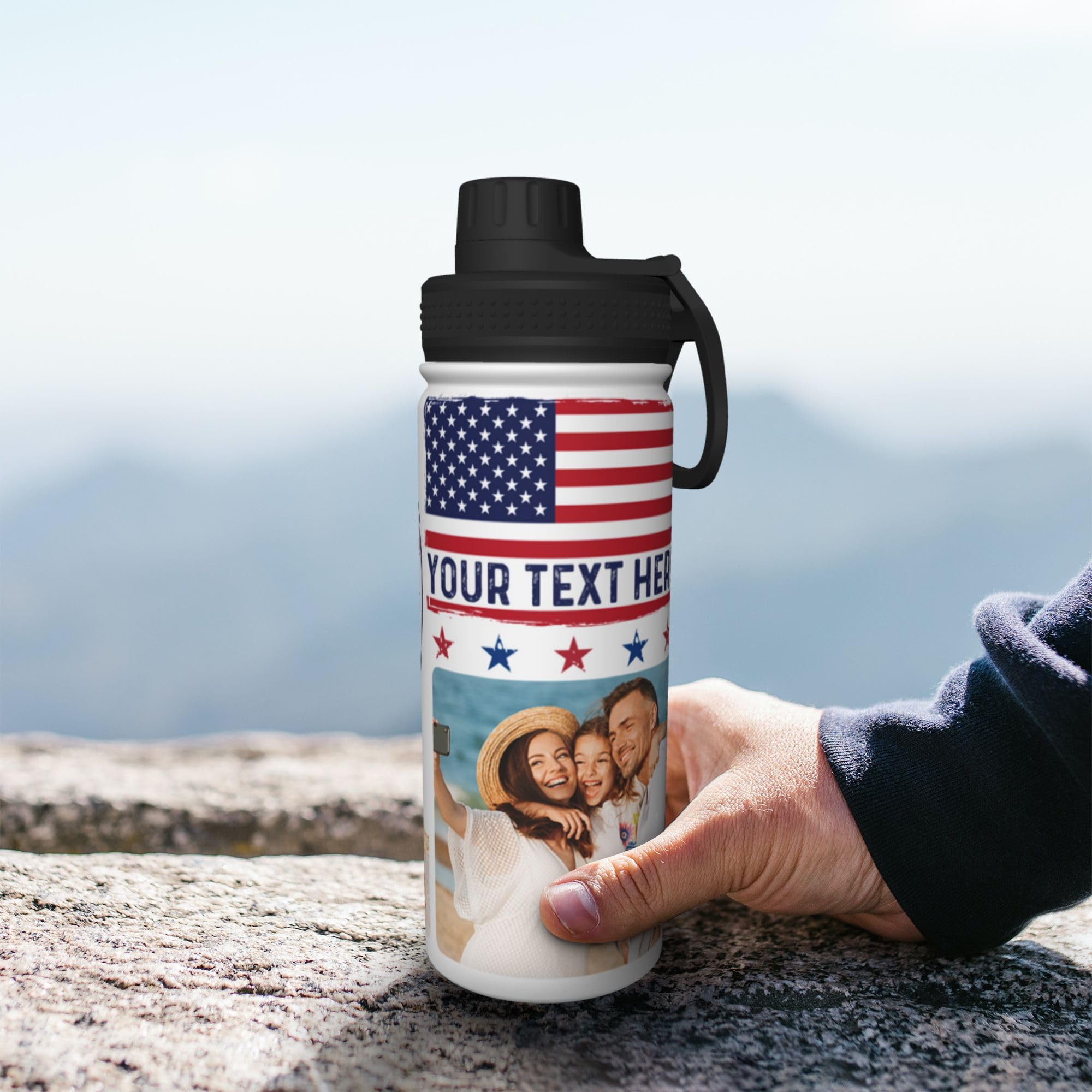
A stock image related to custom insulated water bottles.
3 Common User Pain Points for ‘custom insulated water bottles’ & Their Solutions
Scenario 1: Sourcing High-Quality Insulated Water Bottles for Corporate Events
Il problema: B2B buyers often face the challenge of sourcing high-quality custom insulated water bottles for corporate events or promotional giveaways. Many suppliers may offer low-cost options, but these bottles often lack durability and performance. This can lead to poor brand representation if the products fail to keep beverages hot or cold as promised. Additionally, with varying quality standards across regions, buyers may struggle to find reliable suppliers who align with their brand’s values, particularly in areas like sustainability and eco-friendliness.
La soluzione: To ensure quality, buyers should conduct thorough research and vet potential suppliers. Look for manufacturers with established reputations and positive customer reviews. Request samples to assess material quality and insulation effectiveness. Consider sourcing from suppliers that use food-grade stainless steel and BPA-free materials, as these align with health-conscious branding. Additionally, inquire about the manufacturing process and sustainability practices. Suppliers with certifications for eco-friendly practices not only enhance brand image but also resonate with environmentally-conscious customers, making your promotional items more appealing.
Scenario 2: Customization Challenges in Branding Insulated Water Bottles
Il problema: Many B2B buyers encounter difficulties in customizing insulated water bottles to effectively reflect their brand identity. This includes challenges with artwork quality, color matching, and placement of logos. Inconsistent branding can dilute a company’s message, especially when items are used in marketing campaigns or distributed at events. Furthermore, complicated customization processes can lead to delays, impacting timelines for product launches or events.
La soluzione: To address these challenges, B2B buyers should work closely with suppliers that offer comprehensive design support. Choose partners who provide design templates and mock-ups to visualize the final product before production. Make sure to clarify branding guidelines, including color codes and logo placement, upfront to avoid miscommunications. Additionally, establish a timeline for revisions and approvals to streamline the customization process. Some suppliers may offer digital proofing, which allows for adjustments before final production, ensuring that the finished product meets your branding requirements without unnecessary delays.
Scenario 3: Ensuring Product Compliance and Safety Standards
Il problema: In regions like Africa and South America, B2B buyers may struggle with compliance regarding safety and health regulations for custom insulated water bottles. Different countries have varying standards for materials used in consumer products, and failing to meet these can lead to legal issues or product recalls. Buyers need assurance that their insulated bottles not only comply with local regulations but also meet international safety standards.
La soluzione: Buyers should prioritize suppliers who provide documentation of compliance with relevant health and safety standards. This can include certifications for materials used, such as FDA approval for food-grade products or compliance with European safety standards. Establishing a checklist of required certifications before placing orders can help streamline the sourcing process. Consider suppliers who can provide third-party testing results to verify product safety and quality. Additionally, engaging with local legal advisors or industry associations can provide insights into specific regulations in your target markets, ensuring that your products are compliant and safe for distribution.
Strategic Material Selection Guide for custom insulated water bottles
What Are the Key Properties of Stainless Steel for Custom Insulated Water Bottles?
Stainless steel is a leading material for custom insulated water bottles due to its robust properties. It boasts excellent temperature retention, keeping beverages hot or cold for extended periods. Additionally, stainless steel is highly resistant to corrosion and rust, making it suitable for various environments, including humid and coastal areas. Its durability ensures that bottles can withstand significant wear and tear, which is particularly important for B2B buyers focusing on long-lasting products.
However, stainless steel can be more expensive than other materials, which may affect profit margins for businesses operating in price-sensitive markets. Manufacturing complexity can also be a consideration, as stainless steel bottles often require advanced techniques for insulation and customization. For international buyers, compliance with standards such as ASTM and ISO is crucial to ensure product safety and quality.
How Does Aluminum Compare as a Material for Custom Insulated Water Bottles?
Aluminum is another popular choice for insulated water bottles, known for its lightweight nature and good thermal performance. It is generally less expensive than stainless steel, making it an attractive option for bulk orders. Aluminum bottles can also be coated or anodized, allowing for vibrant colors and branding opportunities.
On the downside, aluminum is less durable than stainless steel and can dent easily. While it is resistant to corrosion, it may require an additional lining to prevent reactions with acidic beverages. This added complexity can increase manufacturing costs. For international buyers, understanding local regulations regarding aluminum safety and recycling is essential, particularly in regions with strict environmental standards.
What Role Does BPA-Free Plastic Play in Custom Insulated Water Bottles?
BPA-free plastic is increasingly being used in custom insulated water bottles, particularly in markets where consumer health concerns are paramount. These bottles are often lightweight and can be produced at a lower cost than metal options. They offer a wide range of design possibilities, including various shapes and colors, which can be appealing for branding purposes.
However, the thermal performance of plastic is generally inferior to that of stainless steel or aluminum, leading to quicker temperature loss. Additionally, while BPA-free, some plastics may still contain other harmful chemicals, which could pose risks. Buyers should ensure compliance with relevant safety standards, such as FDA regulations, especially when targeting health-conscious markets in Europe and North America.
Why Choose Glass as a Material for Custom Insulated Water Bottles?
Glass is an eco-friendly option for insulated water bottles, appealing to environmentally conscious consumers. It does not leach chemicals into beverages, ensuring a pure taste. Glass bottles can also be designed with beautiful aesthetics, making them suitable for premium branding.
The primary drawback of glass is its fragility; it can break easily, which is a significant concern for B2B buyers in markets with rough handling or transport conditions. Additionally, glass bottles are heavier than their plastic or metal counterparts, which can increase shipping costs. Compliance with international glass safety standards is vital, particularly in regions with strict import regulations.
Summary Table of Material Properties for Custom Insulated Water Bottles
| Materiale | Typical Use Case for Custom Insulated Water Bottles | Vantaggio chiave | Svantaggi/limitazioni principali | Costo relativo (Basso/Medio/Alto) |
|---|---|---|---|---|
| Acciaio inox | Sports, outdoor activities, corporate gifts | Excellent durability and temperature retention | Higher cost and manufacturing complexity | Alto |
| Alluminio | Promotional giveaways, everyday use | Leggero e conveniente | Less durable, can dent easily | Medio |
| Plastica senza BPA | Family-oriented products, budget-friendly options | Lightweight and versatile design options | Inferior thermal performance, potential chemical concerns | Basso |
| Vetro | Premium branding, eco-friendly markets | Pure taste, eco-friendly | Fragile and heavier, higher shipping costs | Medio |
This analysis provides a comprehensive overview of the strategic material selection for custom insulated water bottles, highlighting key properties, advantages, disadvantages, and considerations for international B2B buyers.
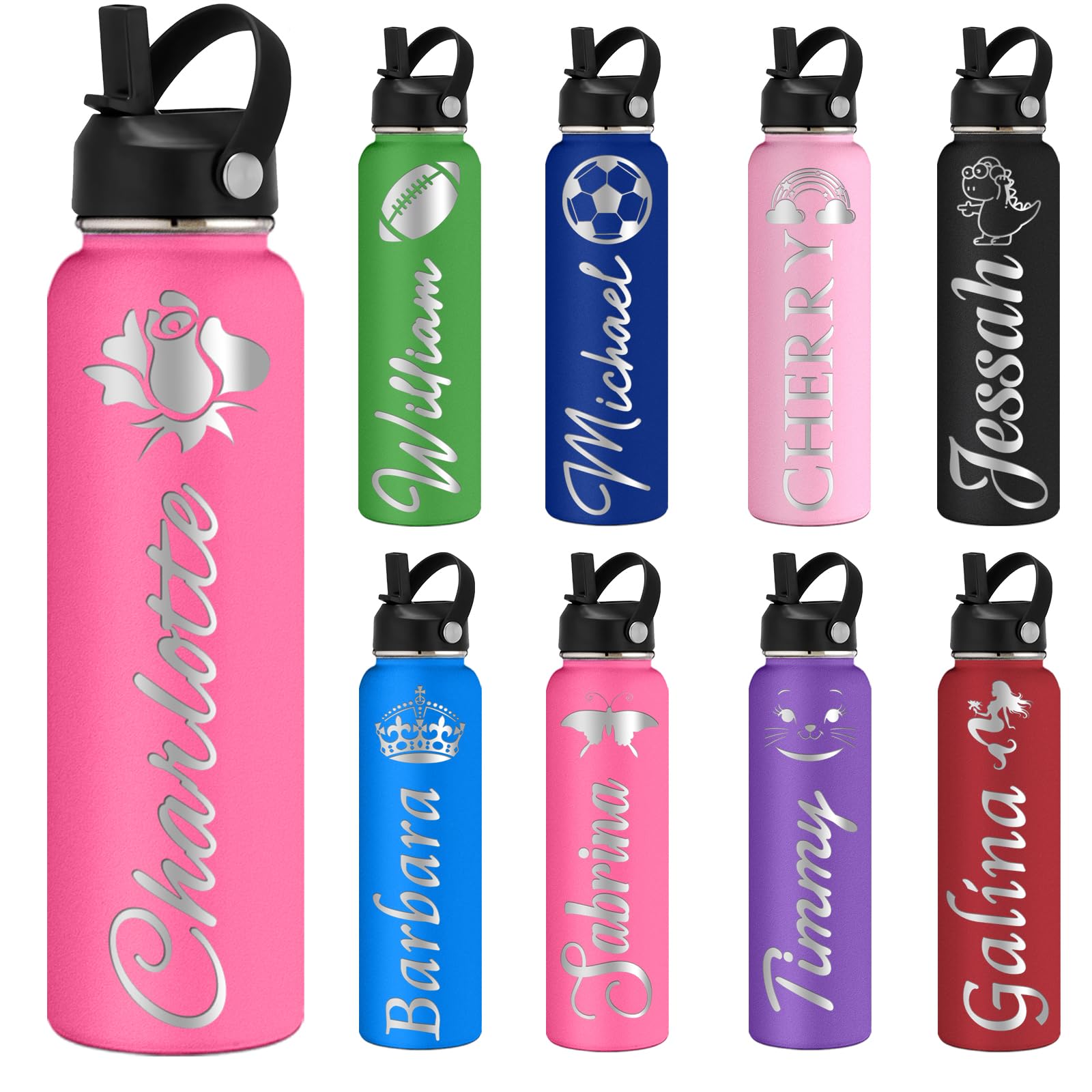
A stock image related to custom insulated water bottles.
In-depth Look: Manufacturing Processes and Quality Assurance for custom insulated water bottles
What Are the Main Stages in the Manufacturing Process of Custom Insulated Water Bottles?
The manufacturing of custom insulated water bottles involves several critical stages that ensure the final product meets both aesthetic and functional requirements. Understanding these stages can help B2B buyers evaluate potential suppliers and their capabilities.
Preparazione del materiale: Quali sono i materiali utilizzati?
The first step in manufacturing insulated water bottles is material preparation. Typically, high-quality stainless steel is the primary material due to its durability, resistance to corrosion, and ability to maintain temperature. Some manufacturers may also use BPA-free plastics for specific components like lids or straws. The materials are sourced from certified suppliers to ensure compliance with international safety standards.
How Are Insulated Water Bottles Formed?
Once the materials are prepared, the next stage is forming. This involves cutting and shaping the stainless steel into the desired bottle design. Techniques such as deep drawing and spinning are commonly used to create the bottle’s body. For double-walled insulation, manufacturers often employ a vacuum-sealing process, which is crucial for maintaining the thermal properties of the bottle. This stage is vital as it affects the bottle’s performance in terms of insulation and strength.
What Is Involved in the Assembly Process?
After forming, the assembly process begins. This involves attaching components such as the lid, handle, and any additional features like straws or filters. Quality control measures during assembly are essential to ensure that all parts fit correctly and function as intended. This may include automated assembly lines or manual assembly, depending on the complexity of the design and the manufacturer’s capabilities.
What Finishing Techniques Are Commonly Used?
Finishing touches are applied after assembly to enhance the aesthetic appeal and functionality of the bottles. This can include polishing, painting, or applying a powder coat for durability and branding purposes. Customization options, such as engraving or screen printing, are also offered to help B2B buyers promote their brand effectively. The finishing stage not only improves the visual aspect but also contributes to the product’s longevity and user satisfaction.
What Quality Assurance Standards Should B2B Buyers Consider?
Quality assurance is critical in ensuring that custom insulated water bottles meet both safety and performance standards. B2B buyers should be familiar with international standards such as ISO 9001, which outlines criteria for an effective quality management system. This certification indicates that a manufacturer adheres to strict quality control processes throughout the production cycle.
How Do International Standards Like CE and API Affect Quality Control?
In addition to ISO 9001, specific industry standards such as CE marking (for products sold in the European Economic Area) and API (American Petroleum Institute) standards may apply. These certifications ensure that the products meet essential safety and environmental requirements. For B2B buyers operating in diverse markets, understanding these certifications can aid in compliance and market acceptance.
What Are the Key Quality Control Checkpoints During Production?
Effective quality control involves multiple checkpoints throughout the manufacturing process. These typically include:
-
Controllo qualità in entrata (CQI): This stage assesses the quality of raw materials before production begins. Buyers should verify that suppliers have robust IQC procedures to ensure only high-quality materials are used.
-
Controllo di qualità in corso d'opera (IPQC): During the manufacturing process, regular checks are made to monitor production quality. This may involve measuring dimensions, testing insulation properties, and ensuring that assembly is done correctly.
-
Controllo finale della qualità (CQC): Once the products are assembled, a final inspection is performed. This includes testing for leaks, thermal performance, and visual defects. Buyers should inquire about the FQC processes to ensure that products meet their specifications before shipment.
Come possono gli acquirenti B2B verificare le pratiche di controllo qualità dei fornitori?
To ensure that a supplier adheres to quality standards, B2B buyers can take several steps:
-
Conduct Supplier Audits: Regular audits of suppliers can help verify their quality control practices and adherence to international standards. This can be done in person or through third-party services.
-
Request Quality Assurance Reports: Suppliers should be willing to provide documentation detailing their quality control processes and any relevant certifications. These reports can offer insights into the supplier’s commitment to quality.
-
Engage Third-Party Inspection Services: For added assurance, buyers can engage third-party inspection services to conduct independent quality checks during and after production. This is particularly important for international shipments, where consistency in quality can vary.
What Are the Nuances of Quality Control for International B2B Buyers?
International B2B buyers face unique challenges regarding quality control, especially when sourcing from regions like Africa, South America, the Middle East, and Europe. Cultural differences, varying regulations, and logistical issues can complicate the quality assurance process.
-
Understanding Local Regulations: Buyers should familiarize themselves with local regulations that may affect product safety and quality. This includes understanding import/export requirements and certifications necessary for their specific markets.
-
Cultural Sensitivity in Audits and Inspections: When conducting audits or inspections, it’s essential to approach these activities with cultural sensitivity. Building strong relationships with suppliers can lead to better cooperation and improved quality outcomes.
-
Logistics and Supply Chain Considerations: Delays in shipping and variations in handling can affect product quality. Establishing clear communication with suppliers regarding packaging and transportation can help mitigate these risks.
In conclusion, a thorough understanding of the manufacturing processes and quality assurance practices for custom insulated water bottles is vital for B2B buyers. By focusing on material preparation, forming, assembly, finishing, and adhering to quality standards, buyers can ensure they select suppliers who meet their high standards for product performance and safety.
Practical Sourcing Guide: A Step-by-Step Checklist for ‘custom insulated water bottles’
Introduzione
This guide serves as a comprehensive checklist for B2B buyers looking to procure custom insulated water bottles. As the demand for sustainable and reusable products continues to rise globally, understanding the key steps in sourcing these items can enhance your purchasing process, ensuring you align with your brand values and meet your customer’s needs effectively.
Fase 1: Definire le specifiche tecniche
Begin by clearly outlining the technical specifications for your custom insulated water bottles. Consider factors such as size, material (e.g., stainless steel, BPA-free plastic), insulation type, and design features. Defining these specifications helps you communicate your needs effectively to suppliers and ensures that the products meet your quality and functional requirements.
Fase 2: Ricerca di potenziali fornitori
Conduct thorough research to identify potential suppliers who specialize in custom insulated water bottles. Look for companies with a solid reputation and extensive experience in the industry. Utilize online directories, trade shows, and industry forums to gather a list of viable candidates. Pay attention to their product offerings and customer reviews to gauge reliability.
Fase 3: Valutare le certificazioni dei fornitori
Verify the certifications and compliance of potential suppliers. Look for certifications such as ISO 9001 for quality management and other relevant environmental certifications. These credentials indicate that the supplier adheres to industry standards, ensuring product safety and sustainability, which are critical in today’s eco-conscious market.
Passo 4: Request Samples and Prototypes
Always request samples or prototypes before placing a bulk order. This step allows you to assess the quality, design, and functionality of the bottles firsthand. When evaluating samples, consider factors such as insulation performance, durability, and ease of use, which can significantly impact customer satisfaction.
Passo 5: Discuss Customization Options
Engage with suppliers to explore customization options that align with your branding strategy. Discuss imprint methods, color choices, and design capabilities. Effective customization not only enhances brand visibility but also creates a unique product that resonates with your target audience.
Passo 6: Negoziare prezzi e condizioni
Once you’ve identified a preferred supplier, enter into negotiations regarding pricing, minimum order quantities, and payment terms. It’s essential to establish clear terms to avoid any misunderstandings later. Consider the total cost of ownership, including shipping and potential tariffs, when evaluating pricing.
Passo 7: Finalize Logistics and Delivery Schedules
Coordinate with your supplier to finalize logistics, including delivery timelines and shipping methods. Clear communication regarding lead times and logistics is crucial to ensure that you receive your products on schedule, particularly for promotional events or seasonal campaigns.
By following these steps, B2B buyers can streamline their sourcing process for custom insulated water bottles, ensuring they make informed decisions that align with their brand and customer expectations.
Comprehensive Cost and Pricing Analysis for custom insulated water bottles Sourcing
What Are the Key Cost Components in Custom Insulated Water Bottles?
When sourcing custom insulated water bottles, understanding the cost structure is essential. The primary cost components include:
-
I materiali: The choice of materials significantly impacts cost. Stainless steel is a popular choice for its durability and insulation properties, but it is more expensive than plastic alternatives. Additionally, eco-friendly materials may incur higher costs due to sourcing and processing.
-
Lavoro: Labor costs vary depending on the region of manufacturing. Countries with lower labor costs, such as Vietnam or Brazil, can offer competitive pricing, but ensure that quality is not compromised.
-
Spese generali di produzione: This includes costs associated with factory maintenance, utilities, and administrative expenses. Overhead can fluctuate based on the location of the production facility and its operational efficiency.
-
Utensili: Custom designs often require specific tooling, which can be a significant upfront investment. It’s essential to factor in these costs, especially for unique or intricate designs.
-
Controllo qualità (CQ): Ensuring product quality involves additional expenses. QC processes may include inspections, testing, and certifications, which are crucial for maintaining product integrity, especially when targeting international markets.
-
Logistica: Shipping costs can vary greatly based on distance, volume, and chosen transport methods. International buyers should consider the implications of different Incoterms, which dictate who is responsible for shipping costs and risks.
-
Margine: Suppliers will typically add a profit margin to the cost of goods sold, which can vary based on market demand, competition, and brand positioning.
How Do Price Influencers Affect the Cost of Custom Insulated Water Bottles?
Several factors influence pricing in the custom insulated water bottle market:
-
Volume e quantità minima d'ordine (MOQ): Larger orders often lead to lower per-unit costs due to economies of scale. Understanding the supplier’s MOQ can help buyers negotiate better pricing.
-
Specifiche e personalizzazione: Unique designs, colors, and features can elevate costs. Customization options such as printing or engraving also contribute to overall pricing.
-
Qualità dei materiali e certificazioni: Higher quality materials and certifications (e.g., BPA-free, eco-friendly) will increase costs but may enhance marketability and consumer trust.
-
Fattori di fornitura: Different suppliers have varying pricing strategies based on their operational efficiencies, market positioning, and brand reputation. Researching multiple suppliers can uncover competitive pricing.
-
Incoterms: The choice of Incoterms affects the total landed cost. For instance, choosing FOB (Free on Board) can result in lower shipping costs if the buyer has preferred freight arrangements.
What Are the Best Buyer Tips for Negotiating Custom Insulated Water Bottle Prices?
To optimize your sourcing strategy for custom insulated water bottles, consider these actionable tips:
-
Negotiate Effectively: Always engage in discussions about pricing, especially if you are placing a substantial order. Suppliers may be willing to offer discounts for bulk purchases or long-term contracts.
-
Focus on Cost Efficiency: Evaluate the Total Cost of Ownership (TCO) rather than just the upfront costs. Consider factors like durability, warranty, and potential for reuse, which can affect long-term value.
-
Be Aware of Pricing Nuances: International buyers should be cognizant of currency fluctuations, tariffs, and import duties that may impact overall costs. Understanding the local market dynamics in Africa, South America, the Middle East, and Europe can also provide insights into pricing expectations.
-
Research Supplier Backgrounds: Look for suppliers with a proven track record of reliability and quality. Request samples to evaluate product quality before committing to a large order.
-
Understand Market Trends: Stay informed about industry trends, such as the growing demand for sustainable products, which can influence pricing and supplier offerings.
Disclaimer sui prezzi indicativi
Prices for custom insulated water bottles can fluctuate based on market conditions, material costs, and supplier negotiations. The figures mentioned in this analysis are indicative and may vary significantly depending on specific buyer requirements and supplier agreements. Always obtain current quotes to ensure accurate budgeting.
Alternatives Analysis: Comparing custom insulated water bottles With Other Solutions
When exploring options for hydration solutions in a B2B context, it’s essential to understand the landscape of alternatives available alongside custom insulated water bottles. Custom insulated water bottles are popular for their durability and ability to maintain beverage temperature, but other viable alternatives may also meet specific business needs, especially in diverse markets across Africa, South America, the Middle East, and Europe. This analysis compares custom insulated water bottles with two alternative solutions: disposable plastic bottles and reusable plastic bottles.
| Aspetto di confronto | Custom Insulated Water Bottles | Disposable Plastic Bottles | Reusable Plastic Bottles |
|---|---|---|---|
| Prestazioni | Excellent thermal retention; durable | Poor thermal retention; single-use | Moderate thermal retention; less durable |
| Costo | Higher initial cost ($10-$50) | Very low cost (approx. $0.10 each) | Moderate cost ($1-$5 each) |
| Facilità di implementazione | Requires initial investment and branding | Easy to source and distribute | Requires branding and quality checks |
| Manutenzione | Minimal; just rinse and reuse | None; single-use | Moderate; needs regular cleaning |
| Il miglior caso d'uso | Long-term branding, eco-conscious markets | Events, short-term promotions | Budget-conscious campaigns, less eco-focus |
What Are the Pros and Cons of Custom Insulated Water Bottles?
Custom insulated water bottles offer robust performance with excellent thermal retention, keeping beverages hot or cold for extended periods. They present a higher initial investment, which can be offset by their longevity and potential for brand promotion. These bottles require minimal maintenance, making them ideal for long-term use. They are particularly effective in markets where environmental sustainability is a priority, appealing to eco-conscious consumers.
How Do Disposable Plastic Bottles Compare?
Disposable plastic bottles are the most economical option, costing only a few cents each. They are easy to source and distribute, making them suitable for large events or short-term promotional campaigns. However, their performance is limited as they do not maintain beverage temperature. Furthermore, their environmental impact is significant, contributing to plastic waste and pollution, which can tarnish a brand’s reputation, especially in environmentally sensitive markets.
What About Reusable Plastic Bottles?
Reusable plastic bottles strike a balance between cost and performance. They are generally more affordable than insulated bottles and can be branded effectively. However, they offer moderate thermal retention and are less durable than stainless steel options. Maintenance is required, as they need regular cleaning to prevent odor and bacteria buildup. This alternative is best suited for budget-conscious campaigns where branding is important but environmental impact is less of a concern.
How Can B2B Buyers Choose the Right Solution?
When selecting the appropriate hydration solution, B2B buyers should consider their target audience, budget constraints, and the message they wish to convey. Custom insulated water bottles are ideal for businesses that prioritize sustainability and long-term branding, while disposable and reusable plastic bottles may be more suitable for short-term promotions or events. Evaluating these factors will guide buyers in making informed decisions that align with their strategic objectives and resonate with their customers’ values.
Essential Technical Properties and Trade Terminology for custom insulated water bottles
What Are the Key Technical Properties of Custom Insulated Water Bottles?
Understanding the technical specifications of custom insulated water bottles is crucial for B2B buyers aiming to make informed purchasing decisions. Here are several critical properties to consider:
1. Grado del materiale
Custom insulated water bottles are typically made from stainless steel or BPA-free plastic. Stainless steel grades, like 304 or 316, are popular due to their resistance to corrosion and ability to maintain temperature. The choice of material impacts durability, safety, and overall product life, making it essential for buyers to select the right grade based on their target market’s needs.
2. Insulation Technology
Insulation is key to the performance of these bottles. Double-wall vacuum insulation is the most effective, keeping beverages hot or cold for extended periods. Understanding the insulation technology helps buyers market their products effectively, as consumers increasingly seek reliable temperature retention in hydration solutions.
3. Size and Capacity
Custom insulated bottles come in various sizes, typically ranging from 12 oz to 40 oz. The capacity affects usability and appeal to different demographics. For instance, larger sizes may be favored in outdoor and fitness markets, while smaller sizes might be more appealing for daily commuting. Buyers must consider market preferences when selecting sizes for their custom orders.
4. Tolerance and Finish
Tolerance refers to the allowable deviation in dimensions and is crucial for ensuring that components fit together correctly during manufacturing. A high tolerance level indicates better quality control. The finish (e.g., matte, glossy, or powder-coated) not only affects aesthetics but also durability and grip. Buyers should prioritize manufacturers that adhere to strict tolerance standards and offer a variety of finishes to meet branding requirements.
5. Eco-Friendliness
Sustainability is increasingly vital in product selection. Custom insulated water bottles made from recycled materials or designed for longevity can enhance a brand’s eco-friendly image. Buyers should inquire about the materials used and the overall environmental impact of the manufacturing process to align with consumer demand for sustainable products.
Which Trade Terminology Should B2B Buyers Know in the Custom Insulated Water Bottle Market?
Familiarity with trade terminology can empower B2B buyers to navigate negotiations and procurement processes more effectively. Here are some essential terms:
1. OEM (Original Equipment Manufacturer)
OEM refers to companies that produce parts or products that are branded by another company. In the context of custom insulated water bottles, buyers may work with OEMs to create personalized designs or specifications. Understanding OEM relationships can help buyers ensure quality control and brand alignment.
2. MOQ (Quantità minima d'ordine)
MOQ is the minimum number of units a supplier requires for an order. This term is critical for budget planning and inventory management. Buyers should negotiate MOQs that align with their sales forecasts to avoid excess inventory or missed sales opportunities.
3. RFQ (Richiesta di offerta)
An RFQ is a document sent to suppliers requesting pricing and terms for a specific quantity of goods. This process allows buyers to compare offers from multiple manufacturers. Crafting a detailed RFQ can streamline procurement and ensure clarity in product specifications and pricing.
4. Incoterms (Termini commerciali internazionali)
Incoterms are internationally recognized rules that define the responsibilities of buyers and sellers regarding the delivery of goods. Understanding these terms is essential for international transactions, as they clarify who is responsible for shipping costs, insurance, and risk during transportation. Familiarity with Incoterms can prevent misunderstandings and disputes.
5. Tempo di esecuzione
Lead time refers to the time taken from placing an order to receiving the product. This term is vital for inventory planning and meeting customer demands. Buyers should account for lead times in their supply chain management to ensure timely delivery of custom insulated water bottles.
By grasping these technical properties and trade terms, B2B buyers can make informed decisions, optimize their procurement strategies, and enhance their market positioning in the custom insulated water bottle sector.
Navigating Market Dynamics and Sourcing Trends in the custom insulated water bottles Sector
What Are the Current Market Dynamics and Key Trends Affecting Custom Insulated Water Bottles?
The global market for custom insulated water bottles is witnessing significant growth, driven by rising environmental awareness and consumer demand for sustainable products. Factors such as increased health consciousness, the shift towards eco-friendly alternatives, and the growing trend of personalization are shaping the landscape. B2B buyers from regions like Africa, South America, the Middle East, and Europe are particularly influenced by these trends as they look to source products that align with their corporate sustainability goals and resonate with eco-conscious consumers.
Emerging technologies are also playing a crucial role in this sector. Innovations in materials, such as Tritan™ Renew, a recycled material, and advanced insulation technologies, enhance product performance while reducing environmental impact. Additionally, digital platforms are streamlining the customization process, allowing businesses to offer unique designs that cater to specific market segments. Buyers should also pay attention to the growing trend of direct-to-consumer models, which can influence pricing and availability.
How Does Sustainability Influence Sourcing Decisions for Custom Insulated Water Bottles?
Sustainability is at the forefront of purchasing decisions in the custom insulated water bottles sector. The environmental impact of disposable plastics has sparked a shift towards reusable alternatives, making sustainable sourcing a priority for B2B buyers. Companies are increasingly seeking suppliers who demonstrate a commitment to ethical supply chains and sustainable practices. This includes using materials that are recyclable, biodegradable, or sourced from renewable resources.
Certifications such as ISO 14001, which indicates an effective environmental management system, and materials that meet FDA standards for food safety, are becoming essential for suppliers aiming to attract international buyers. Additionally, eco-friendly attributes, such as BPA-free stainless steel and the use of non-toxic inks for branding, are critical selling points. By prioritizing sustainable sourcing, businesses can enhance their brand reputation and appeal to a growing demographic that values environmental responsibility.
How Has the Custom Insulated Water Bottle Market Evolved Over Time?
The custom insulated water bottle market has evolved significantly over the past few decades. Initially dominated by single-use plastic bottles, the sector has transitioned towards durable, reusable options due to increasing environmental concerns. The introduction of stainless steel and other sustainable materials has transformed product offerings, allowing for better insulation, durability, and customization capabilities.
This evolution reflects broader societal shifts towards health and sustainability, encouraging consumers and businesses alike to invest in products that not only serve functional purposes but also promote a greener lifestyle. As a result, the market continues to adapt, with suppliers innovating to meet the demands of an increasingly conscientious global consumer base.
Frequently Asked Questions (FAQs) for B2B Buyers of custom insulated water bottles
-
How can I ensure the quality of custom insulated water bottles?
To guarantee the quality of custom insulated water bottles, request samples before placing a bulk order. Evaluate the materials used, such as stainless steel or BPA-free plastics, and check for certifications that validate the product’s safety and eco-friendliness. Additionally, inquire about the manufacturer’s quality assurance processes and any warranties or guarantees they offer. Conducting factory visits or third-party inspections can further enhance your confidence in the supplier’s production standards. -
What customization options are available for insulated water bottles?
Customization options for insulated water bottles typically include various sizes, colors, and finishes. You can also choose from different lid types, such as flip tops or straws, and add your branding through engraving or printing. Some suppliers may offer eco-friendly materials or additional features like double-wall insulation. Be sure to discuss your specific branding needs with the supplier to create a product that resonates with your target audience. -
What are the minimum order quantities (MOQ) for custom insulated bottles?
Minimum order quantities (MOQ) can vary significantly among suppliers, often ranging from 100 to several thousand units. Factors influencing MOQ include the complexity of customization, production capacity, and material costs. It’s advisable to communicate your needs directly with potential suppliers to negotiate terms that align with your budget and inventory requirements, especially if you are a smaller business or just starting. -
How can I vet suppliers of custom insulated water bottles?
Vetting suppliers involves several steps: research their reputation through online reviews and industry references, assess their production capabilities and certifications, and request samples to evaluate product quality. It’s beneficial to ask for case studies or testimonials from previous clients, particularly in your region. Additionally, consider the supplier’s responsiveness and customer service, as these factors can impact your overall experience. -
What payment terms should I expect when ordering insulated water bottles internationally?
Payment terms for international orders can vary widely depending on the supplier and order size. Common options include a deposit (often 30-50%) upfront with the balance due before shipping, or payment through letters of credit. Be sure to clarify these terms early in negotiations and consider using secure payment methods to protect your transaction. Understanding the implications of currency exchange rates and potential tariffs is also crucial for cost management. -
What are the logistics involved in shipping custom insulated water bottles?
Shipping logistics for custom insulated water bottles encompass several considerations, including the choice of shipping method (air freight vs. sea freight), customs clearance procedures, and delivery timelines. Work with your supplier to understand their shipping capabilities and any potential restrictions based on your location. Additionally, factor in the costs of insurance and duties, as these can significantly impact your overall budget. -
How do I handle potential delays in production or shipping?
To manage potential delays, establish clear timelines and milestones with your supplier at the outset. Regular communication is key—request updates on production status and shipping schedules. If delays occur, having a contingency plan, such as alternative suppliers or expedited shipping options, can help mitigate impacts on your business. It’s also wise to build some buffer time into your project timelines to accommodate unforeseen issues. -
What eco-friendly practices should I look for in suppliers of insulated water bottles?
When sourcing insulated water bottles, prioritize suppliers who use sustainable materials and environmentally friendly production processes. Look for certifications such as ISO 14001 for environmental management systems or compliance with regulations on harmful substances. Suppliers that offer recyclable or biodegradable packaging also demonstrate a commitment to sustainability. Engaging with eco-conscious brands can enhance your company’s image and appeal to environmentally aware consumers.
Disclaimer importante e condizioni d'uso
⚠️ Disclaimer importante
Le informazioni fornite in questa guida, compresi i contenuti relativi ai produttori, alle specifiche tecniche e all'analisi di mercato, hanno uno scopo puramente informativo ed educativo. Non costituiscono una consulenza professionale in materia di acquisti, né una consulenza finanziaria o legale.
Pur avendo fatto ogni sforzo per garantire l'accuratezza e la tempestività delle informazioni, non siamo responsabili di eventuali errori, omissioni o informazioni non aggiornate. Le condizioni di mercato, i dettagli aziendali e gli standard tecnici sono soggetti a modifiche.
Gli acquirenti B2B devono condurre una due diligence indipendente e approfondita. prima di prendere qualsiasi decisione di acquisto. Per questo è necessario contattare direttamente i fornitori, verificare le certificazioni, richiedere campioni e chiedere una consulenza professionale. Il rischio di affidarsi alle informazioni contenute in questa guida è esclusivamente a carico del lettore.
Top 6 Custom Insulated Water Bottles Manufacturers & Suppliers List
1. CamelBak – Custom Thrive™ Flip Straw 32oz Bottle
Dominio: camelbak.com
Registrato: 1996 (29 anni)
Introduzione: Bottiglie personalizzate: 38 articoli disponibili. Gamma di prezzi: $0,00 - $24,99 (4 articoli), $25,00 - $49,99 (32 articoli), $50,00 - $74,99 (2 articoli). Gli esempi includono: Bottiglia personalizzata Thrive™ Flip Straw da 32 once con Tritan™ Renew ($28,99), Bottiglia personalizzata Thrive™ Chug da 40 once, in acciaio inox isolato ($47,99), Bottiglia da bicicletta personalizzata Podium® in acciaio da 22 once ($54,00).
2. Crystal Imagery – Custom Laser Engraved Water Bottles
Dominio: crystalimagery.com
Registrato: 2000 (25 anni)
Introduzione: Custom Laser Engraved Water Bottles, Insulated Water Bottles
3. S’well – Customized Water Bottles
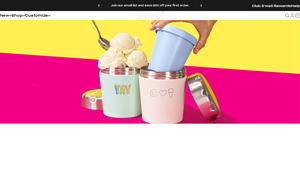
Dominio: swell.com
Registrato: 1998 (27 anni)
Introduzione: Customized Water Bottles, Free Shipping on orders over $30, Club S’well Rewards, Custom Studio for personalization with color printing and laser engraving, various product types including Original Bottles, Travelers, Tumblers, Explorers, Mugs, Bento Boxes, Salad Bowls, Ice Buckets, and Wine Tumblers. Capacity options range from 9oz to 184oz. Available colors include Black, Blue, Brown, Gold, Green…
4. Vistaprint – Fast Delivery Solutions
Dominio: vistaprint.com
Registrato: 1999 (26 anni)
Introduzione: This company, Vistaprint – Fast Delivery Solutions, is a notable entity in the market. For specific product details, it is recommended to visit their website directly.
5. Discount Mugs – Personalized Stainless Steel Water Bottles
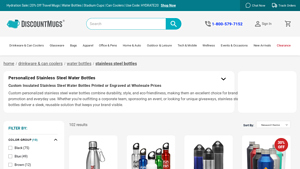
Dominio: discountmugs.com
Registrato: 2002 (23 anni)
Introduzione: Personalized Stainless Steel Water Bottles in Bulk | DiscountMugs. Custom Insulated Stainless Steel Water Bottles. Printed or Engraved at Wholesale Prices. Durable, stylish, and eco-friendly. Ideal for brand promotion and everyday use. Suitable for corporate teams, events, and unique giveaways. Elegant alternatives to plastic. Long-lasting with superior temperature control. Available in various st…
6. Hydro Flask – Customizable Hydration Solutions
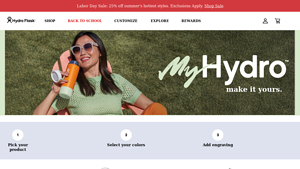
Dominio: hydroflask.com
Registrato: 2009 (16 anni)
Introduzione: This company, Hydro Flask – Customizable Hydration Solutions, is a notable entity in the market. For specific product details, it is recommended to visit their website directly.
Strategic Sourcing Conclusion and Outlook for custom insulated water bottles
In the evolving landscape of custom insulated water bottles, strategic sourcing remains crucial for international B2B buyers seeking to enhance their brand presence while promoting sustainability. By opting for high-quality, eco-friendly materials such as stainless steel, businesses can appeal to the growing market of environmentally conscious consumers. This shift not only improves brand loyalty but also aligns with global efforts to reduce plastic waste.
Collaboration with reliable manufacturers allows for the customization of products that reflect a brand’s identity, ensuring that each bottle serves as a powerful marketing tool. Buyers should prioritize suppliers that offer diverse options in design and functionality, catering to various market needs across regions like Africa, South America, the Middle East, and Europe.
Looking ahead, the demand for custom insulated water bottles is poised to grow, driven by increased consumer awareness and preference for sustainable products. B2B buyers are encouraged to act now, leveraging strategic sourcing to secure advantageous partnerships and capitalize on this trend. Engage with manufacturers today to explore innovative designs and eco-friendly solutions that can elevate your brand and meet the expectations of a discerning global market.
 Italiano
  English
  Español
  Português
  Français
  Deutsch
  العربية
  Русский
  日本語
日本語  한국어
한국어  Nederlands