Introduction: Navigating the Global Market for 64 ounce bottle
In today’s rapidly evolving marketplace, sourcing a reliable supplier for a 64-ounce bottle can present significant challenges for international B2B buyers. With diverse applications ranging from outdoor activities to corporate branding, understanding the various types of 64-ounce bottles available is crucial for making informed purchasing decisions. This guide is designed to provide comprehensive insights into the global market for these versatile containers, covering essential aspects such as material types, insulation features, and customization options.
Whether you are operating in Africa, South America, the Middle East, or Europe—including key markets like Saudi Arabia and Brazil—this resource aims to equip you with the knowledge necessary to navigate supplier vetting processes, cost considerations, and product specifications. By delving into product comparisons, sustainability factors, and branding opportunities, this guide empowers buyers to identify high-quality, competitive offerings that meet their unique operational needs. Ultimately, our goal is to facilitate a seamless procurement experience, enabling businesses to enhance their hydration solutions while ensuring brand integrity and customer satisfaction.
Understanding 64 ounce bottle Types and Variations
| Type Name | Key Distinguishing Features | Primary B2B Applications | Brief Pros & Cons for Buyers |
|---|---|---|---|
| Insulated Stainless Steel | Double-wall vacuum insulation, keeps beverages cold/hot | Outdoor events, sports, corporate gifting | Pros: Excellent thermal retention, durable. Cons: Higher cost compared to non-insulated. |
| Non-Insulated Stainless Steel | Lightweight, wide mouth, easy to clean | Backpacking, outdoor activities, hydration stations | Pros: Lightweight, fits water filters. Cons: Not suitable for hot beverages. |
| Plastic Water Bottles | Lightweight, often BPA-free, various colors and designs | Schools, events, promotional giveaways | Pros: Cost-effective, customizable. Cons: Less durable, may retain flavors. |
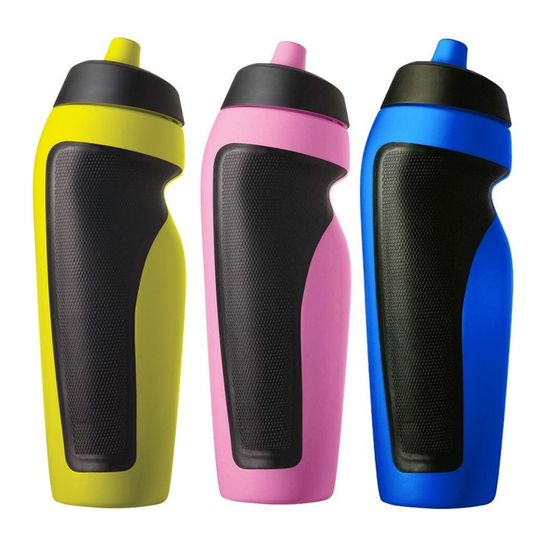
| Specialty Sports Bottles | Designed for active use, often with ergonomic features | Gyms, sports teams, outdoor recreation | Pros: Functional design, easy to use. Cons: May lack insulation. |
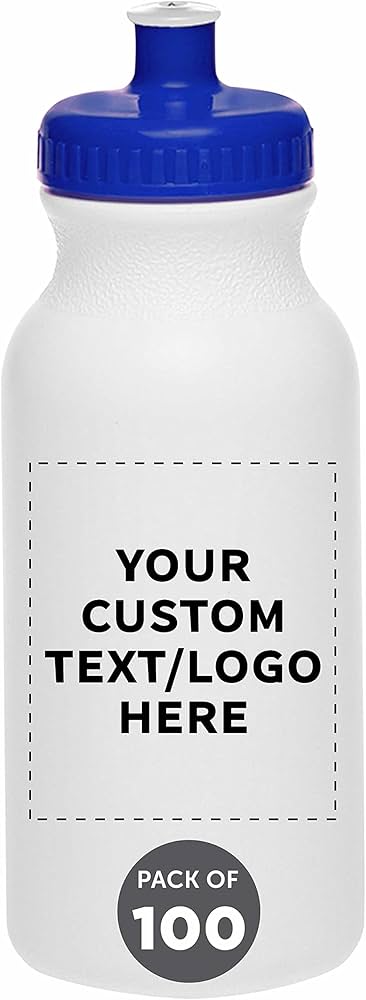
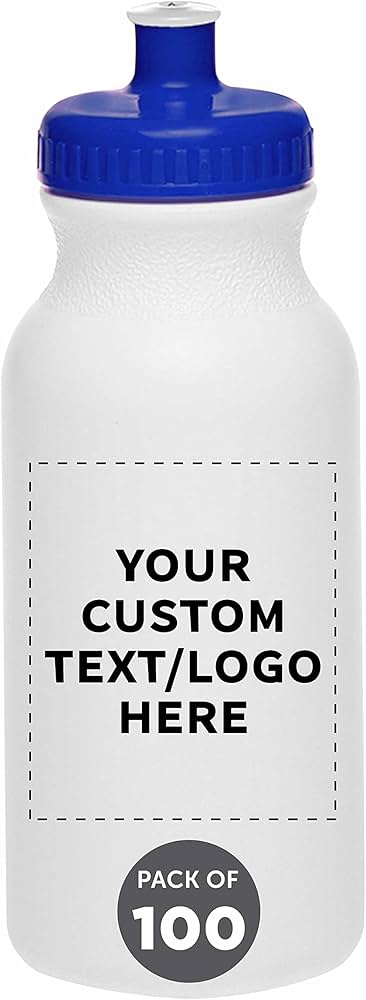
| Customizable Promotional Bottles | Branding options available, various materials and designs | Marketing campaigns, corporate branding | Pros: Enhances brand visibility, versatile. Cons: Minimum order quantities may apply. |
What Are the Characteristics of Insulated Stainless Steel Bottles?
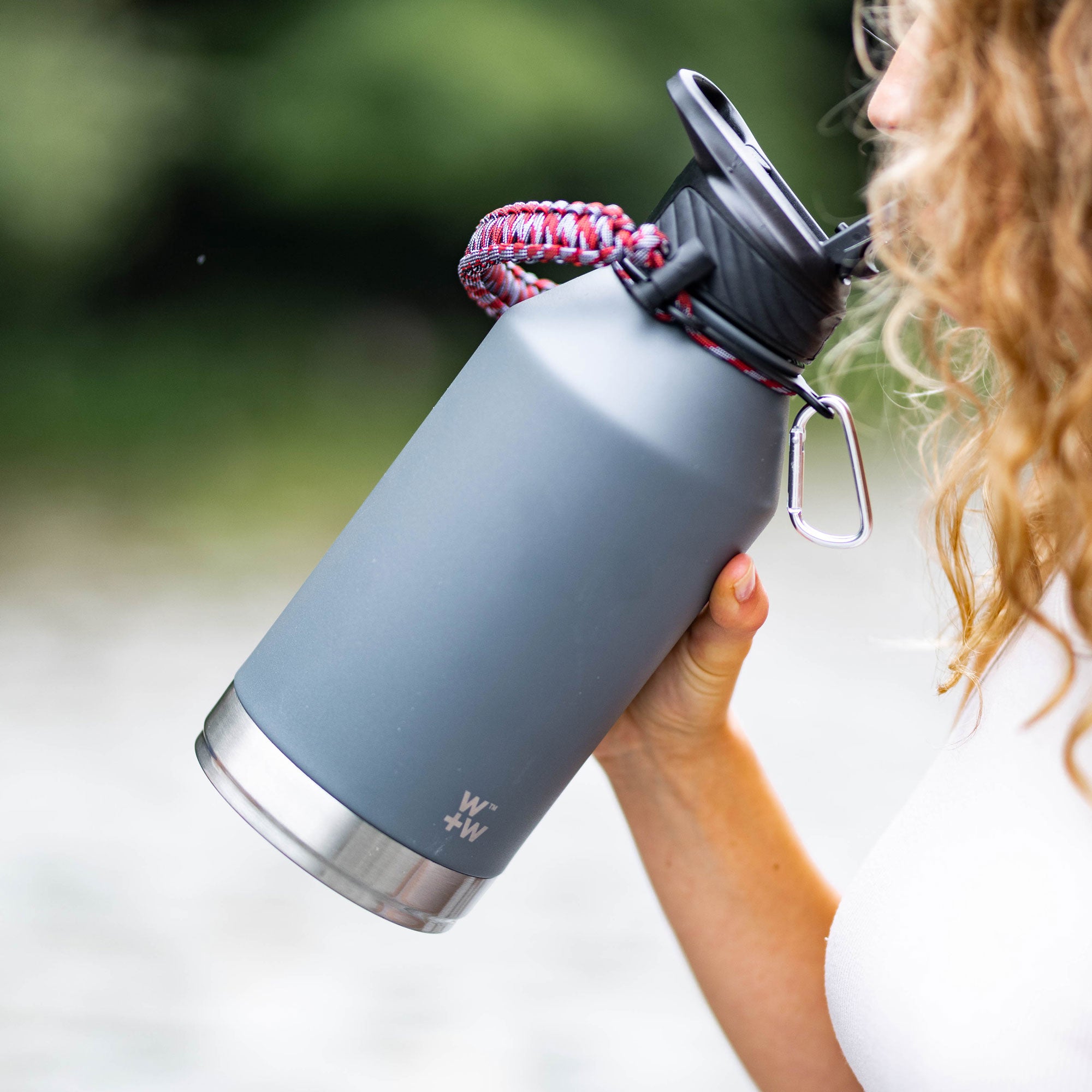
Insulated stainless steel bottles, such as those offered by brands like YETI and Thermos, are designed with double-wall vacuum insulation, which keeps beverages cold for up to 12-24 hours. These bottles are highly durable, rust-resistant, and often come with ergonomic designs for easy handling. B2B buyers looking for products that cater to outdoor events or corporate gifting will find these bottles particularly appealing due to their superior thermal retention and longevity, justifying the higher price point.
How Do Non-Insulated Stainless Steel Bottles Differ?
Non-insulated stainless steel bottles are characterized by their lightweight design and wide mouth, making them ideal for outdoor enthusiasts who require easy access for cleaning and filling. Many of these bottles are compatible with backcountry water filters, making them suitable for B2B applications in outdoor and adventure tourism sectors. Buyers should consider the benefits of portability and ease of use, although they may not retain heat or cold as effectively as insulated options.
What Are the Benefits of Plastic Water Bottles?
Plastic water bottles are lightweight and available in a variety of colors and designs, making them a popular choice for schools and promotional events. Many are BPA-free and can be customized with logos, making them effective for branding purposes. While they are cost-effective, buyers should weigh the pros and cons of durability and flavor retention, as they may not hold up as well as metal alternatives in the long run.
Why Choose Specialty Sports Bottles?
Specialty sports bottles are specifically designed for active users, featuring ergonomic designs that facilitate easy drinking during workouts. These bottles often include features like built-in straws or push-button lids, enhancing usability for sports teams and gyms. B2B buyers in the fitness industry should consider these bottles for their practical applications, though they may not have insulation capabilities, limiting their use for temperature-sensitive beverages.
How Do Customizable Promotional Bottles Enhance Branding?
Customizable promotional bottles allow businesses to showcase their brand effectively through various materials and designs. They are particularly beneficial for marketing campaigns, offering a practical item that recipients will use repeatedly. While these bottles enhance brand visibility, B2B buyers should be aware of potential minimum order quantities, which could impact budget considerations.
Key Industrial Applications of 64 ounce bottle
| Industry/Sector | Specific Application of 64 ounce bottle | Value/Benefit for the Business | Key Sourcing Considerations for this Application |
|---|---|---|---|
| Food and Beverage | Bulk beverage distribution for events and festivals | Cost-effective hydration solution for large groups | Ensure compliance with food safety standards; consider customization options for branding. |
| Outdoor Recreation | Hydration for outdoor sports and activities | Durable and portable option for long-duration activities | Look for leak-proof features and insulation for temperature retention; evaluate weight for transport. |
| Agriculture | On-site hydration for farm workers | Promotes worker health and productivity | Consider materials that withstand harsh environments; assess ease of cleaning and refilling. |
| Corporate Wellness | Employee hydration programs in office environments | Encourages healthy habits and reduces waste from single-use bottles | Evaluate options for branding and customization; consider bulk purchasing for cost savings. |
| Retail and Merchandising | Promotional giveaways or merchandise sales | Enhances brand visibility and customer engagement | Look for customizable designs and minimum order quantities; assess shipping logistics for international orders. |
How is the 64 Ounce Bottle Used in the Food and Beverage Industry?
In the food and beverage sector, 64-ounce bottles serve as practical solutions for bulk beverage distribution during events and festivals. They allow businesses to offer hydration options to large groups without the need for constant refills, ultimately reducing labor costs and improving service efficiency. Buyers should ensure that the bottles comply with food safety standards and consider customization options to enhance brand visibility at events.
What Role Does the 64 Ounce Bottle Play in Outdoor Recreation?
Outdoor enthusiasts rely on 64-ounce bottles for hydration during sports and recreational activities. Their durable construction and portability make them ideal for long hikes, camping trips, or sporting events, where access to water may be limited. When sourcing these bottles, businesses should prioritize features such as leak-proof designs and insulation capabilities, which help maintain the temperature of beverages over extended periods.
Why is the 64 Ounce Bottle Essential for Agriculture?
In agriculture, 64-ounce bottles are vital for providing on-site hydration to farm workers, especially in hot climates. Keeping workers hydrated is crucial for maintaining productivity and health, reducing the risk of heat-related illnesses. When sourcing for this application, buyers should consider materials that can endure harsh outdoor conditions, as well as ease of cleaning and refilling to ensure continuous use.
How Can Corporations Benefit from 64 Ounce Bottles in Wellness Programs?
Corporate wellness initiatives increasingly incorporate 64-ounce bottles as part of employee hydration programs. These bottles encourage staff to drink more water throughout the day, promoting healthier habits and reducing reliance on single-use plastic bottles. Companies should evaluate options for branding and customization to reinforce their commitment to sustainability while also considering bulk purchasing to maximize cost savings.
What is the Value of 64 Ounce Bottles in Retail and Merchandising?
In retail, 64-ounce bottles can serve as promotional giveaways or merchandise, enhancing brand visibility and customer engagement. Businesses can leverage these bottles as marketing tools, creating a lasting impression on customers who use them. When sourcing these products, it’s essential to look for customizable designs that align with branding strategies and assess shipping logistics, especially for international buyers, to ensure efficient delivery.
A stock image related to 64 ounce bottle.
3 Common User Pain Points for ’64 ounce bottle’ & Their Solutions
Scenario 1: Navigating Storage and Transportation Challenges
The Problem: For B2B buyers, particularly those in the beverage distribution and outdoor recreation industries, efficiently storing and transporting 64-ounce bottles can be a significant challenge. Many suppliers face difficulties in optimizing their logistics due to the bulkiness and weight of these bottles. This can lead to increased shipping costs and complicated warehouse storage solutions. Additionally, the need for bottles that are both sturdy and lightweight becomes critical, especially when shipping to regions with varying terrain and climate conditions.
The Solution: To mitigate storage and transportation issues, buyers should prioritize sourcing lightweight yet durable materials, such as high-grade stainless steel. When selecting suppliers, inquire about the weight specifications and any logistics support they provide. It’s also essential to consider bottles designed with stackable features or those that nest together when empty. This design allows for efficient use of space in shipping containers and storage facilities. Establishing relationships with local manufacturers can also reduce shipping distances, thus cutting costs and carbon emissions. Lastly, adopting a just-in-time inventory approach can further alleviate the burden of storage, ensuring that only the necessary stock is kept on hand, which is particularly advantageous for seasonal demand fluctuations.
Scenario 2: Ensuring Product Quality and Safety Compliance
The Problem: International buyers often encounter stringent regulations regarding product safety and quality, particularly when sourcing items like 64-ounce bottles intended for consumer use. There are concerns over materials like BPA and lead, which can affect health and safety compliance. Without proper certification and quality assurance, buyers risk facing legal issues and reputational damage in their respective markets.
The Solution: To ensure compliance with safety standards, buyers should require detailed documentation from suppliers, including material safety data sheets (MSDS) and certifications for BPA-free and lead-free materials. Conducting factory audits and requesting third-party testing results can help verify product claims. Additionally, buyers should explore partnerships with manufacturers that prioritize sustainability and eco-friendly practices, as this is increasingly important to consumers in many regions. Implementing a quality control process that includes periodic testing of received shipments will help maintain product integrity and build trust with customers.
Scenario 3: Addressing Customization and Branding Needs
The Problem: Many B2B buyers in the promotional products sector or corporate gifting face the challenge of needing customizable solutions for 64-ounce bottles. As brands look to differentiate themselves in competitive markets, the ability to offer customized bottles that reflect their brand identity becomes crucial. However, finding suppliers that can accommodate various customization options without compromising on quality or lead times is often difficult.
The Solution: To address customization needs effectively, buyers should seek suppliers who specialize in personalized drinkware. When approaching potential partners, it’s vital to discuss the range of customization options available, such as colors, logos, and engravings, as well as the minimum order quantities and lead times for these services. Utilizing suppliers that offer digital proofs can help ensure that the final product meets expectations before production begins. Additionally, establishing a long-term partnership with a manufacturer can lead to better pricing and more flexibility in fulfilling unique requests. By leveraging technology, such as online design tools, buyers can enhance the customization experience for their clients, ultimately driving sales and customer satisfaction.
Strategic Material Selection Guide for 64 ounce bottle
What Are the Key Materials Used in 64 Ounce Bottles?
When selecting materials for a 64-ounce bottle, various options are available, each offering unique properties and benefits. Understanding these materials is crucial for international B2B buyers, especially those operating in diverse markets such as Africa, South America, the Middle East, and Europe. Below, we analyze four common materials: stainless steel, glass, plastic, and aluminum.
How Does Stainless Steel Perform for 64 Ounce Bottles?
Stainless steel is a popular choice for 64-ounce bottles due to its durability and resistance to corrosion. Typically made from 18/8 stainless steel, it can withstand high temperatures and is resistant to rust and staining. This material is suitable for both hot and cold beverages, maintaining temperature through double-wall vacuum insulation.
Pros: Stainless steel is extremely durable, providing a long lifespan even under rigorous use. It is also BPA-free and does not retain flavors, making it ideal for various beverages. However, the manufacturing process can be complex and costly.
Cons: The initial investment in stainless steel bottles is generally higher than other materials. Additionally, they can be heavier, which may not be suitable for all applications, particularly in markets where weight is a concern.
Impact on Application: Stainless steel bottles are compatible with a wide range of liquids, including water, juices, and sports drinks. They are not recommended for carbonated beverages due to potential pressure build-up.
Considerations for International Buyers: Compliance with international standards such as ASTM and ISO is essential. Markets in Europe and the Middle East may have specific regulations regarding food safety and material sourcing that must be adhered to.
What Role Does Glass Play in 64 Ounce Bottles?
Glass is another material used for 64-ounce bottles, known for its non-reactive properties and aesthetic appeal. Glass bottles are typically made from borosilicate or soda-lime glass, offering excellent clarity and a premium feel.
Pros: Glass bottles do not leach chemicals, providing a safe option for consumers. They also maintain the taste of beverages without imparting any flavors.
Cons: Glass is fragile and can break easily, which poses challenges in transportation and storage. The manufacturing process is also energy-intensive, making glass bottles more expensive.
Impact on Application: Glass bottles are suitable for water, juices, and other non-carbonated beverages. They are not ideal for outdoor or rugged use due to their fragility.
Considerations for International Buyers: Buyers should consider the weight of glass, which can increase shipping costs. Additionally, regulations around glass recycling and safety standards vary by region, necessitating due diligence.
How Does Plastic Compare for 64 Ounce Bottles?
Plastic, particularly high-density polyethylene (HDPE) and polypropylene, is commonly used for 64-ounce bottles due to its lightweight and cost-effective nature. These materials are often used for single-use or reusable bottles.
Pros: Plastic bottles are affordable, lightweight, and resistant to breaking, making them ideal for high-volume production. They can be molded into various shapes and sizes, offering design flexibility.
Cons: Plastic may leach chemicals if not properly manufactured, raising health concerns. Additionally, they are less durable than metal or glass, potentially leading to shorter lifespans.
Impact on Application: Plastic bottles are suitable for water and sports drinks but are not recommended for hot liquids or carbonated beverages due to pressure concerns.
Considerations for International Buyers: Buyers must ensure that the plastic used is BPA-free and compliant with local regulations regarding food safety. In regions with stringent recycling policies, the recyclability of plastic materials is also a critical consideration.
What Advantages Does Aluminum Offer for 64 Ounce Bottles?
Aluminum is increasingly popular for 64-ounce bottles, especially for sports and outdoor applications. Aluminum bottles are often coated to prevent leaching and enhance durability.
Pros: Aluminum is lightweight and provides good thermal insulation when insulated. It is also recyclable, aligning with sustainability goals.
Cons: Aluminum can dent easily and may not be as durable as stainless steel. The coating used can wear off over time, potentially exposing the metal beneath.
Impact on Application: Aluminum bottles are suitable for cold beverages but not recommended for hot liquids due to potential heat transfer issues.
Considerations for International Buyers: Compliance with recycling standards and regulations around aluminum sourcing is essential. Markets in Europe and North America often have stringent guidelines that must be followed.
Summary Table of Material Selection for 64 Ounce Bottles
| Material | Typical Use Case for 64 ounce bottle | Key Advantage | Key Disadvantage/Limitation | Relative Cost (Low/Med/High) |
|---|---|---|---|---|
| Stainless Steel | Water, juices, sports drinks | Durable, long lifespan | Higher initial cost | High |
| Glass | Water, juices | Non-reactive, maintains taste | Fragile, expensive to produce | High |
| Plastic | Water, sports drinks | Lightweight, cost-effective | Less durable, potential leaching | Low |
| Aluminum | Cold beverages | Lightweight, recyclable | Can dent, coating may wear off | Medium |
This strategic material selection guide provides valuable insights for B2B buyers looking to source 64-ounce bottles, helping them make informed decisions based on performance, cost, and compliance with regional standards.
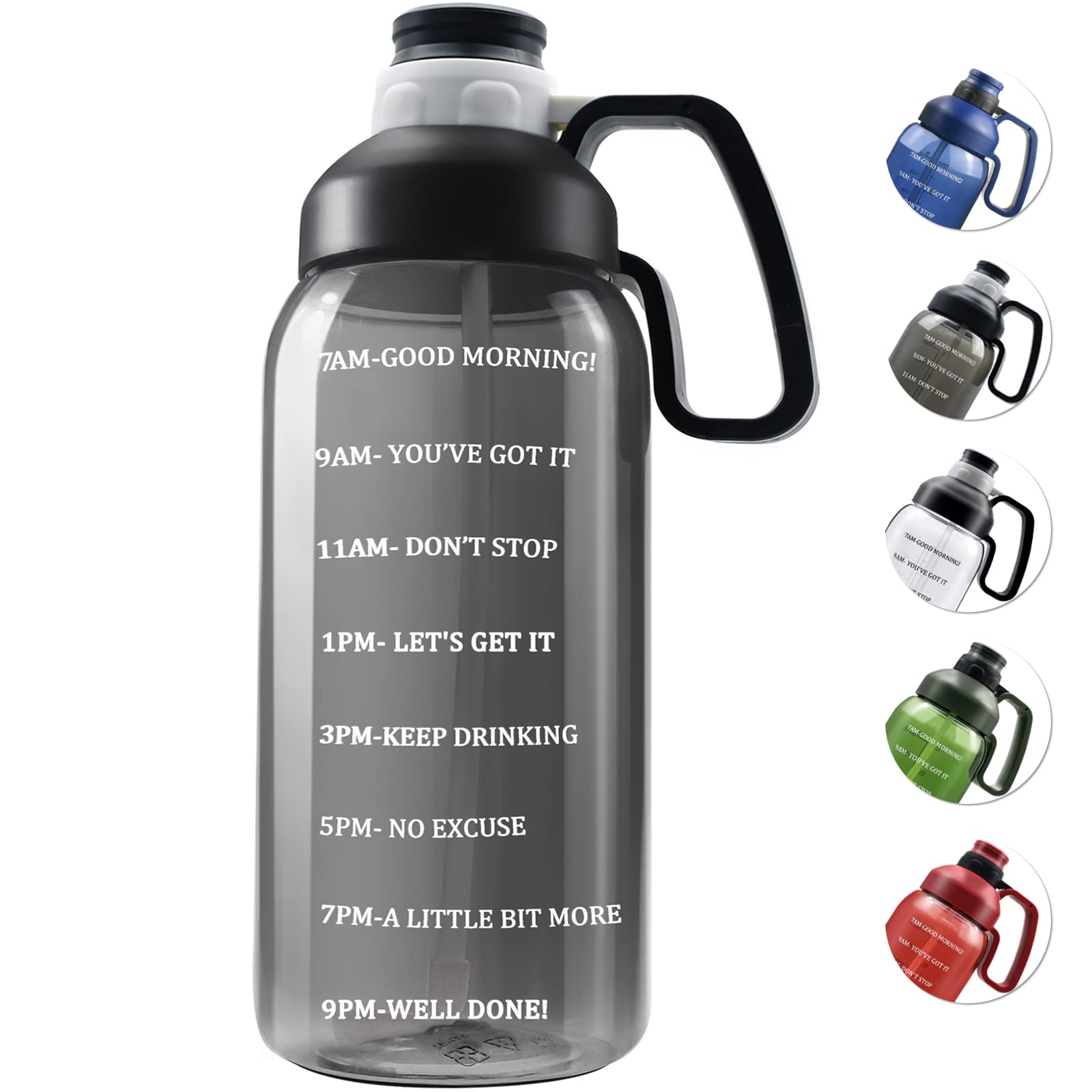
A stock image related to 64 ounce bottle.
In-depth Look: Manufacturing Processes and Quality Assurance for 64 ounce bottle
What Are the Main Stages of Manufacturing a 64 Ounce Bottle?
Manufacturing a 64-ounce bottle involves several critical stages, each essential for ensuring the final product meets quality standards and customer expectations. The primary stages include material preparation, forming, assembly, and finishing.
Material Preparation: How Are Raw Materials Selected and Processed?
The first step in the manufacturing process is the selection and preparation of raw materials. Typically, 64-ounce bottles are made from high-grade stainless steel or BPA-free plastics. For stainless steel, manufacturers often use 18/8 stainless steel, known for its durability and resistance to rust and corrosion.
The materials undergo a thorough cleaning process to remove any contaminants that could affect the quality of the final product. This includes chemical washes and rinsing with purified water. Additionally, for recycled materials, stringent quality checks are necessary to ensure consistency and compliance with international safety standards.
What Techniques Are Used in Forming the Bottles?
Once the materials are prepared, the next stage is forming. This typically involves processes such as stamping, spinning, or blow molding, depending on the material. For stainless steel bottles, a common technique is deep drawing, where sheets of metal are shaped into the desired form using hydraulic presses.
For plastic bottles, blow molding is frequently used, where heated plastic is inflated into a mold to create the bottle shape. Quality control is critical during this stage to ensure uniformity in thickness and shape, which directly impacts the bottle’s performance and durability.
How Is the Assembly of 64 Ounce Bottles Performed?
After the forming process, the bottles undergo assembly. This includes attaching components such as lids, caps, and seals. Manufacturers often use automated assembly lines to ensure efficiency and precision.
Each cap type—whether a chug cap, straw cap, or loop cap—requires specific assembly techniques to ensure a leak-proof seal. During this stage, manufacturers may also integrate features such as ergonomic grips or insulation layers, which are essential for user convenience and product functionality.
What Finishing Processes Are Involved in 64 Ounce Bottle Production?
The final manufacturing stage involves finishing processes, which include polishing, coating, and labeling. For stainless steel bottles, a polishing process is used to enhance appearance and remove any scratches. If a powder coating is applied, it provides additional durability and a variety of aesthetic options.
Labeling is also a crucial step, especially for B2B buyers who may require custom branding. This can include screen printing or etching logos directly onto the bottle, ensuring that the product represents the buyer’s brand effectively.
What Quality Assurance Standards Should B2B Buyers Consider?
Quality assurance is paramount in the manufacturing of 64-ounce bottles, especially for international B2B buyers. Key international standards to be aware of include ISO 9001, which outlines the criteria for a quality management system, and CE marking, which indicates conformity with health, safety, and environmental protection standards for products sold within the European Economic Area.
What Are the Key Quality Control Checkpoints in the Manufacturing Process?
Quality control (QC) checkpoints are integral at various stages of production. These include:
-
Incoming Quality Control (IQC): This is conducted on raw materials before they enter the production line. Suppliers must provide certifications for materials, ensuring they meet required specifications.
-
In-Process Quality Control (IPQC): This is carried out during manufacturing to catch defects early. Techniques such as visual inspections and dimensional checks are common.
-
Final Quality Control (FQC): Before shipment, finished products undergo a comprehensive quality check. This includes leak tests, durability tests, and compliance verification with international standards.
How Can B2B Buyers Verify Supplier Quality Control Practices?
For B2B buyers, particularly in regions like Africa, South America, the Middle East, and Europe, verifying a supplier’s quality control practices is crucial to ensure product reliability.
What Auditing and Reporting Practices Should Be Considered?
Buyers should request access to the supplier’s quality management system documentation. This includes reports from internal audits, corrective action reports, and compliance certifications. Conducting on-site audits can also provide deeper insight into the supplier’s manufacturing processes and QC practices.
How Can Third-Party Inspections Enhance Quality Assurance?
Employing third-party inspection services can further validate a supplier’s quality claims. These independent inspections can assess product quality at various stages of production, ensuring compliance with both international standards and the buyer’s specific requirements.
What Are the QC and Certification Nuances for International B2B Buyers?
For international buyers, understanding the nuances of quality control and certification is critical. Different regions may have varying regulations regarding materials and manufacturing practices. For instance, compliance with FDA regulations is essential for products intended for the U.S. market, while European buyers should prioritize CE marking.
How Do Cultural and Regulatory Differences Impact Quality Expectations?
Cultural differences can also influence quality expectations. For example, in some Middle Eastern markets, there may be a higher emphasis on aesthetic quality and branding, while in South America, functionality and durability might take precedence.
Understanding these regional preferences can help B2B buyers better communicate their needs and expectations to suppliers, ensuring that the final products meet not only their functional requirements but also resonate with local consumers.
Conclusion: Why Is Quality Assurance Essential for 64 Ounce Bottles in B2B Markets?
In summary, the manufacturing processes and quality assurance measures for 64-ounce bottles are intricate and vital for ensuring product excellence. By understanding these processes, B2B buyers can make informed decisions, select reliable suppliers, and ultimately deliver high-quality products to their customers. This knowledge not only enhances product reliability but also strengthens business relationships in international markets.
Practical Sourcing Guide: A Step-by-Step Checklist for ’64 ounce bottle’
The following guide provides a comprehensive checklist for international B2B buyers seeking to procure 64-ounce bottles. This resource aims to streamline the sourcing process, ensuring buyers make informed decisions while selecting suitable suppliers and products.
Step 1: Define Your Technical Specifications
Establishing clear technical specifications is crucial for ensuring that the products meet your operational needs. Consider factors such as material (e.g., stainless steel, plastic), insulation type (insulated vs. non-insulated), and intended use (e.g., outdoor activities, gym, or office). Additionally, include size specifications and any special features that might be necessary, such as compatibility with water filters or ease of cleaning.
Step 2: Research Market Trends and Pricing
Understanding current market trends and pricing can provide valuable insights into what to expect during negotiations. Investigate the average price range for 64-ounce bottles, noting variations based on material and features. This knowledge will empower you to recognize competitive pricing and identify potential cost-saving opportunities.
Step 3: Evaluate Potential Suppliers
Before committing, it’s crucial to vet suppliers thoroughly. Request company profiles, case studies, and references from buyers in a similar industry or region. Pay attention to their production capabilities, lead times, and any certifications that may be relevant, such as ISO or other quality standards.
- Assess Supplier Reputation: Look for online reviews and testimonials to gauge the supplier’s reliability and quality of service.
- Check for Compliance: Ensure suppliers comply with international safety and quality standards, particularly for products intended for food or beverage use.
Step 4: Request Samples for Quality Assessment
Obtaining samples is an essential step in the sourcing process. This allows you to evaluate the quality, functionality, and design of the bottles firsthand. Assess factors such as durability, ease of use, and insulation performance.
- Test Performance: Consider conducting tests on the bottles’ insulation capabilities, leak-proof features, and overall design.
- Evaluate Aesthetics: Ensure that the design aligns with your brand image, especially if you plan to customize or co-brand the bottles.
Step 5: Negotiate Terms and Conditions
Effective negotiation can significantly impact your overall procurement costs and terms. Discuss pricing, minimum order quantities, delivery schedules, and payment terms. Be clear about your expectations to avoid misunderstandings later.
- Consider Long-Term Partnerships: If you foresee ongoing needs, explore opportunities for long-term agreements that could yield better pricing and reliability.
- Review Return Policies: Ensure that suppliers have reasonable return and warranty policies in case the products do not meet quality expectations.
Step 6: Confirm Logistics and Shipping Arrangements
Logistics play a crucial role in the timely delivery of your order. Confirm the shipping options available, including costs and expected delivery times.
- Evaluate Shipping Options: Consider air freight for urgent needs versus sea freight for larger orders to optimize costs.
- Customs and Duties: Be aware of any customs regulations or duties applicable to your region to avoid unexpected costs.
Step 7: Finalize the Order and Monitor Delivery
Once all terms are agreed upon, finalize your order with the supplier. Maintain open lines of communication to monitor the production and shipping processes.
- Track Progress: Utilize tracking systems provided by the supplier to stay informed about the shipment status.
- Prepare for Quality Control Checks: Plan for receiving inspections to ensure the products meet the agreed-upon specifications upon arrival.
By following this step-by-step checklist, B2B buyers can effectively navigate the sourcing process for 64-ounce bottles, ensuring a successful procurement that meets their business needs.
Comprehensive Cost and Pricing Analysis for 64 ounce bottle Sourcing
What Are the Key Cost Components in Sourcing 64 Ounce Bottles?
When analyzing the cost structure for sourcing 64-ounce bottles, several key components come into play. Materials constitute a significant portion of the cost, with options ranging from stainless steel to BPA-free plastics. Stainless steel, while more expensive, offers durability and insulation, making it a popular choice among buyers focused on quality.
Labor costs vary depending on the manufacturing location, with countries in Asia often offering lower labor costs compared to Europe or North America. Manufacturing overhead includes expenses such as utilities, facility maintenance, and equipment depreciation, which can differ widely between manufacturers. Additionally, tooling costs for custom designs or specialized features can add to the initial investment.
Quality Control (QC) is another essential cost factor. Investing in rigorous QC processes ensures that the bottles meet safety and quality standards, which is particularly important for international buyers who must comply with various regulations. Logistics costs, including shipping and customs, can significantly impact the total price, especially for international transactions. Finally, the margin applied by manufacturers or suppliers typically ranges from 10% to 40%, depending on the product’s market positioning.
How Do Price Influencers Affect 64 Ounce Bottle Costs?
Several factors influence pricing in the 64-ounce bottle market. Volume and Minimum Order Quantity (MOQ) play a crucial role; larger orders often qualify for better pricing due to economies of scale. Customization options, such as unique colors or branding, can also affect pricing, with more complex designs commanding higher costs.
The choice of materials directly impacts the price, as high-grade stainless steel or eco-friendly materials tend to be more expensive than lower-quality alternatives. Quality certifications (e.g., FDA approval, BPA-free status) can further influence costs, as compliance with these standards often requires additional testing and documentation.
Supplier factors, including reputation and reliability, can also affect pricing. Established suppliers with proven track records may charge premium prices but offer better assurance of quality and delivery timelines. Finally, Incoterms (International Commercial Terms) dictate responsibilities and costs related to shipping and insurance, influencing the final price paid by the buyer.
What Tips Can Help Buyers Negotiate Better Prices for 64 Ounce Bottles?
To secure favorable pricing, buyers should consider several strategies. Negotiation is key; understanding the supplier’s cost structure can help buyers identify areas for potential discounts. For instance, if a buyer can commit to a larger volume order, they may leverage that to negotiate a lower price per unit.
Buyers should also focus on cost-efficiency by assessing the Total Cost of Ownership (TCO). This includes not just the purchase price but also logistics, storage, and potential returns. Opting for bottles that are durable and easy to clean can save costs in the long run.
When dealing with international suppliers, it’s essential to understand pricing nuances specific to regions such as Africa, South America, the Middle East, and Europe. Factors such as local taxes, tariffs, and currency fluctuations can significantly impact the overall cost. Buyers should conduct thorough research and possibly consult local experts to navigate these complexities effectively.
Lastly, consider establishing long-term relationships with suppliers. This not only fosters goodwill but may also lead to better pricing and terms in future transactions. By being proactive and informed, buyers can make strategic decisions that optimize their sourcing of 64-ounce bottles.
Alternatives Analysis: Comparing 64 ounce bottle With Other Solutions
Exploring Alternatives to the 64 Ounce Bottle: An In-Depth Analysis
In the quest for effective hydration solutions, the 64-ounce bottle stands out due to its capacity and versatility. However, various alternatives exist that cater to different needs and preferences. This analysis compares the traditional 64-ounce bottle with two viable alternatives: the hydration backpack and the insulated tumbler. Each option offers unique features that may appeal to specific user requirements, especially for international B2B buyers looking for bulk purchasing opportunities.
| Comparison Aspect | 64 Ounce Bottle | Hydration Backpack | Insulated Tumbler |
|---|---|---|---|
| Performance | High capacity, durable, leakproof | Continuous hydration on the go | Excellent insulation for temperature control |
| Cost | Moderate ($19.99 – $65.00) | Higher initial investment ($50 – $150) | Affordable ($15 – $40) |
| Ease of Implementation | Simple to use, requires no setup | Requires fitting and adjustment | User-friendly, easy to carry |
| Maintenance | Minimal (dishwasher safe) | Moderate (cleaning bladder and tubes) | Low (dishwasher safe) |
| Best Use Case | Long hikes, outdoor activities | Sports events, long-distance activities | Daily use, commuting, or office |
What Are the Advantages and Disadvantages of Using a Hydration Backpack?
Hydration backpacks provide a hands-free solution for staying hydrated during active pursuits. They typically feature a water reservoir connected to a drinking tube, allowing for quick sips without stopping. This is particularly advantageous for athletes or outdoor enthusiasts who require continuous hydration. However, the initial cost can be higher, and they may require more maintenance, such as cleaning the reservoir and tubing to prevent mold and bacteria buildup.
Why Choose an Insulated Tumbler Over a 64 Ounce Bottle?
Insulated tumblers offer a compact and versatile hydration option. They excel in maintaining the temperature of beverages, keeping drinks cold or hot for extended periods. This makes them ideal for daily use, whether at the office or during travel. Additionally, they are often more affordable and lightweight compared to a 64-ounce bottle. However, their smaller capacity may necessitate more frequent refills, which could be a drawback for users who prefer larger volumes.
How Can B2B Buyers Make Informed Decisions on Hydration Solutions?
When selecting the right hydration solution, B2B buyers should assess their specific needs and use cases. For businesses focused on outdoor activities or events, the 64-ounce bottle provides durability and a large capacity, making it suitable for group settings. Conversely, companies prioritizing convenience and continuous hydration may find hydration backpacks to be more beneficial. On the other hand, insulated tumblers can serve as practical gifts or everyday items for employees, providing a balance between cost and functionality.
Ultimately, understanding the unique features and limitations of each option will empower buyers to make informed decisions that align with their operational goals and budgetary constraints. By evaluating performance, cost, ease of use, and maintenance needs, businesses can select the hydration solution that best meets their requirements.
Essential Technical Properties and Trade Terminology for 64 ounce bottle
What Are the Key Technical Properties of a 64 Ounce Bottle?
When sourcing a 64-ounce bottle for your business needs, understanding its technical specifications is crucial. Here are some essential properties to consider:
-
Material Grade
Most 64-ounce bottles are made from 18/8 stainless steel, also known as food-grade stainless steel. This material is resistant to rust and corrosion, ensuring durability and safety for food and drink storage. For B2B buyers, selecting bottles made from high-quality materials can enhance brand reputation and customer satisfaction. -
Insulation Type
Bottles may feature double-wall vacuum insulation or single-wall construction. Double-wall insulation is ideal for keeping beverages cold for extended periods (up to 24 hours in some cases), making it perfect for outdoor activities and sports. Understanding insulation properties helps businesses select products that meet specific customer needs, particularly in hot climates. -
Leakproof Design
A leakproof lid is essential to prevent spills and maintain product integrity during transport. This feature is particularly critical for businesses in sectors like logistics and outdoor recreation, where reliability is paramount. Ensuring that the bottle has undergone rigorous testing for leak resistance can reduce returns and enhance customer trust. -
Capacity and Dimensions
The 64-ounce capacity is designed for convenience, but dimensions such as height and width can affect portability and storage. For instance, a bottle that is too tall may not fit in standard cup holders. Understanding the dimensions helps in optimizing storage solutions and ensuring compatibility with existing product lines. -
Weight
The weight of the bottle, typically around 10-12 ounces, affects its portability. Lightweight options are preferred for activities like hiking or camping. B2B buyers should consider the weight in relation to shipping costs and customer preferences, especially for outdoor and fitness markets. -
Ease of Cleaning
Features like dishwasher-safe components or wide-mouth openings facilitate easy cleaning. This is an important selling point for consumers who prioritize hygiene. Businesses should consider how ease of maintenance can enhance user experience and drive repeat purchases.
What Are Common Trade Terms Related to 64 Ounce Bottles?
Familiarity with industry terminology is essential for effective communication in B2B transactions. Here are some key terms to know:
-
OEM (Original Equipment Manufacturer)
This term refers to companies that produce products that are marketed and sold by another company. In the context of 64-ounce bottles, an OEM might manufacture bottles that are branded with a retailer’s label. Understanding OEM partnerships can help businesses leverage manufacturing efficiencies and reduce costs. -
MOQ (Minimum Order Quantity)
MOQ indicates the smallest quantity of a product that a supplier is willing to sell. For 64-ounce bottles, knowing the MOQ can help businesses plan inventory and budget effectively. It’s crucial for maintaining cash flow while meeting demand. -
RFQ (Request for Quotation)
An RFQ is a document that businesses send to suppliers to request price quotes for specific products. When sourcing 64-ounce bottles, submitting an RFQ can streamline the procurement process and provide insights into market pricing. -
Incoterms (International Commercial Terms)
These are a series of predefined commercial terms used in international trade. Understanding Incoterms is vital for negotiating responsibilities regarding shipping, insurance, and customs clearance when importing bottles from overseas manufacturers. -
Customization
This term refers to the ability to modify a product to meet specific customer requirements, such as branding or size adjustments. Offering customizable 64-ounce bottles can enhance market appeal and cater to diverse customer preferences. -
Sustainability Standards
This refers to the environmental considerations that manufacturers adhere to when producing bottles. Many buyers are increasingly focused on sustainability, so understanding these standards can help businesses align with market trends and consumer values.
By grasping these technical properties and trade terms, B2B buyers can make informed decisions that align with their operational needs and market demands.
Navigating Market Dynamics and Sourcing Trends in the 64 ounce bottle Sector
What Are the Current Market Dynamics and Key Trends Influencing the 64 Ounce Bottle Sector?
The global market for 64-ounce bottles is experiencing significant growth, driven by increasing consumer awareness about hydration and the shift towards sustainable products. In regions such as Africa, South America, the Middle East, and Europe, there is a growing trend towards outdoor activities, leading to higher demand for durable and portable hydration solutions. B2B buyers are increasingly looking for products that combine functionality with design, appealing to both the utility and aesthetic preferences of end consumers.
Emerging technologies are also reshaping sourcing practices in this sector. Digital supply chain management tools allow for enhanced tracking of inventory and shipments, ensuring that buyers can respond quickly to market changes. Additionally, manufacturers are adopting advanced materials like stainless steel and BPA-free plastics, which not only improve product durability but also address consumer concerns regarding safety and health.
Moreover, the rise of e-commerce has transformed how B2B transactions are conducted. Buyers are now more inclined to source products online, where they can compare options, read reviews, and access customized solutions that align with their brand identity. This shift has made it imperative for suppliers to optimize their online presence and engage with potential buyers through targeted digital marketing strategies.
How Is Sustainability and Ethical Sourcing Impacting the 64 Ounce Bottle Market?
Sustainability has become a cornerstone of purchasing decisions in the 64-ounce bottle sector. With growing environmental concerns, buyers are prioritizing products that minimize ecological impact. This includes seeking bottles made from recycled materials and those that promote long-term use, thereby reducing the reliance on single-use plastics.
Ethical supply chains are equally important. B2B buyers are increasingly scrutinizing the sourcing practices of their suppliers, favoring companies that demonstrate transparency and social responsibility. Certifications such as Fair Trade and Cradle to Cradle can serve as significant differentiators in the marketplace, reassuring buyers about the ethical implications of their purchases.
Furthermore, innovations in materials, such as the use of post-consumer recycled stainless steel, are gaining traction. These products not only meet consumer expectations for quality and durability but also align with the growing demand for environmentally friendly solutions. As a result, companies that invest in sustainable practices and materials are likely to gain a competitive advantage, appealing to conscious consumers and businesses alike.
What Is the Historical Context of the 64 Ounce Bottle’s Development?
The 64-ounce bottle has evolved significantly since its inception, originally designed for functionality in outdoor settings. Initially made from basic plastics, these bottles have transitioned to more advanced materials like stainless steel, reflecting both consumer preferences and technological advancements. Over the past two decades, the emphasis on health and hydration, coupled with the rise of eco-consciousness, has transformed the 64-ounce bottle into a staple not only for outdoor enthusiasts but also for everyday use.
This evolution has been marked by innovations in design and functionality, including features like double-wall insulation and leak-proof lids, catering to a diverse range of consumer needs. As the market continues to evolve, the historical context of these products underscores the importance of adaptability and responsiveness to consumer trends, which remains crucial for B2B buyers looking to source competitive and desirable products.
Frequently Asked Questions (FAQs) for B2B Buyers of 64 ounce bottle
-
How do I ensure the quality of 64-ounce bottles when sourcing internationally?
To ensure quality when sourcing 64-ounce bottles, start by vetting suppliers through comprehensive research, including checking certifications, customer reviews, and their production processes. Request samples to evaluate the materials and craftsmanship firsthand. Additionally, consider third-party quality assurance inspections during production and before shipment. Establish clear quality standards in your contract, and maintain open communication throughout the process to address any issues promptly. -
What are the best materials for 64-ounce bottles?
The best materials for 64-ounce bottles include stainless steel and BPA-free plastics. Stainless steel offers durability, resistance to rust, and insulation properties, making it ideal for both hot and cold beverages. BPA-free plastics are lightweight and can be more affordable, though they may not offer the same temperature retention. When selecting materials, consider your target market’s preferences and the intended use of the bottles, such as outdoor activities or corporate gifting. -
What customization options are available for 64-ounce bottles?
Many manufacturers offer customization options for 64-ounce bottles, including color choices, branding with logos, and even custom shapes or sizes. Some may also allow for personalized designs or messages. When placing a bulk order, inquire about the minimum order quantities (MOQ) for customization, as this can vary significantly among suppliers. Ensure that you provide high-quality artwork files for the best printing results. -
What is the typical minimum order quantity (MOQ) for 64-ounce bottles?
Minimum order quantities for 64-ounce bottles can vary widely depending on the supplier and the type of customization required. Typically, MOQs range from 100 to 1,000 units for standard models, while customized bottles may have higher MOQs. Always discuss your requirements with potential suppliers upfront to understand their MOQ policies and negotiate if necessary, especially if you are a smaller business or startup. -
What payment terms should I expect when sourcing 64-ounce bottles?
Payment terms can vary significantly among suppliers and regions. Common terms include a deposit (often 30-50%) upfront, with the balance due upon shipment or delivery. Some suppliers may offer net payment terms (e.g., net 30 or net 60 days), especially for established relationships. Be sure to clarify payment methods accepted (wire transfer, credit card, etc.) and any associated fees. Establishing clear payment terms in your contract can help avoid misunderstandings. -
How do I handle logistics for shipping 64-ounce bottles internationally?
Handling logistics for international shipping of 64-ounce bottles involves several steps. First, choose a reliable freight forwarder experienced in shipping your type of product. Consider the shipping method (air vs. sea) based on urgency and cost. Ensure all customs documentation is prepared accurately to prevent delays. Discuss incoterms with your supplier to clarify responsibilities for shipping costs and risks. Finally, stay informed about potential tariffs or taxes that may apply to your shipment. -
What certifications should I look for when sourcing 64-ounce bottles?
When sourcing 64-ounce bottles, look for certifications that ensure product safety and quality. Common certifications include FDA approval for food-grade materials, BPA-free certification, and ISO quality management standards. If the bottles are intended for specific markets (like Europe), check for compliance with regulations like CE marking. Certifications not only assure product safety but can also enhance your brand’s credibility in international markets. -
How can I effectively communicate with international suppliers?
Effective communication with international suppliers is key to successful sourcing. Utilize clear and concise language, avoiding jargon or idioms that may not translate well. Consider using professional translation services if necessary. Establish regular communication channels (email, video calls, messaging apps) and set a schedule for updates. Be culturally aware of time zones and holidays that may affect response times. Establishing a good rapport can lead to smoother transactions and better collaboration.
Important Disclaimer & Terms of Use
⚠️ Important Disclaimer
The information provided in this guide, including content regarding manufacturers, technical specifications, and market analysis, is for informational and educational purposes only. It does not constitute professional procurement advice, financial advice, or legal advice.
While we have made every effort to ensure the accuracy and timeliness of the information, we are not responsible for any errors, omissions, or outdated information. Market conditions, company details, and technical standards are subject to change.
B2B buyers must conduct their own independent and thorough due diligence before making any purchasing decisions. This includes contacting suppliers directly, verifying certifications, requesting samples, and seeking professional consultation. The risk of relying on any information in this guide is borne solely by the reader.
Top 7 64 Ounce Bottle Manufacturers & Suppliers List
1. YETI – Rambler 64 oz Water Bottle
Domain: yeti.com
Registered: 1995 (30 years)
Introduction: Product Name: YETI Rambler 64 oz Water Bottle
Capacity: 64 oz
Price: $65.00
Features:
– 100% leakproof
– Easy to carry
– Double-wall vacuum insulated
– Compatible with straw cap accessory (sold separately)
Color Options: Navy, Seafoam, Black, and more
Warranty: 5-Year Warranty
Special Features: No Sweat™ exterior to prevent condensation.
2. Thermos – 64oz Insulated Water Bottle
Domain: thermos.com
Registered: 1997 (28 years)
Introduction: {“product_name”: “64oz Insulated Water Bottle”, “brand”: “Thermos”, “capacity”: “64oz”, “insulation”: “double wall foam insulation”, “cold_duration”: “up to 12 hours”, “features”: [“push button lid for one-handed operation”, “lid locks for secure transport”], “available_colors”: [“BLACK”, “CHARCOAL”, “BLUE”, “PINK”, “NAVY”], “price”: “$19.99”, “item_number”: “FPG1901BK4”}
3. Manna – 64 oz Saratoga
Domain: mannahydration.com
Registered: 2015 (10 years)
Introduction: {“name”:”64 oz Saratoga”,”sale_price”:”$40.00″,”features”:[“Easy-carry handle”,”Small spout for easy drinking”,”Soft-textured grip around the lid to twist on and off”,”Large lid opening for cleaning and adding ice”,”Leak-proof lid”,”Great for the outdoors, sports, and the gym”,”BPA & lead free”,”Condensation free”,”Keeps liquids cold for up to 24 hours with ice and hot for up to 12 hours”,”Double-…
4. Gym Reapers – 64 oz Stainless Steel Water Bottle
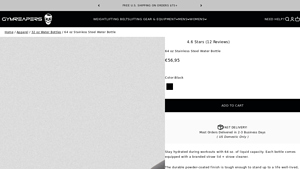
Domain: gymreapers.com
Registered: 2014 (11 years)
Introduction: 64 oz Stainless Steel Water Bottle
– Sale Price: $65.00
– Color: Black
– Capacity: 64 oz
– Material: 18/8 stainless steel
– Insulation: Double-walled vacuum insulation
– Finish: Durable powder-coated finish
– Features: 100% steel body, laser cut skull engraving, BPA free
– Temperature Retention: Keeps drinks cold for 24 hours, hot for 12 hours
– Accessories: Branded straw lid + straw cleaner inclu…
5. Affordable 64oz Dishwasher Safe Water Bottle
Domain: reddit.com
Registered: 2005 (20 years)
Introduction: Looking for a good 64oz water bottle that is affordable and dishwasher safe.
6. TAL™ Hydration – 64oz Ranger Pro
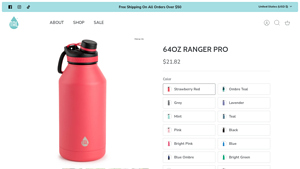
Domain: talhydration.com
Registered: 2016 (9 years)
Introduction: {“product_name”: “64oz Ranger Pro”, “brand”: “TAL™ Hydration”, “price”: “$21.82”, “capacity”: “64 fl oz”, “material”: “Stainless Steel”, “features”: {“easy_carry_loop”: “Convenient for outdoor adventures, workouts, or daily errands.”, “narrow_spout”: “Designed for smooth sipping, minimizes spills.”, “large_opening”: “Simplifies cleaning and allows for quick ice refills.”}, “colors_available”: [“St…
7. Hydro Flask – 64 oz Wide Mouth with Flex Straw Cap
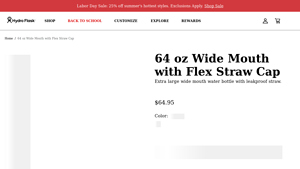
Domain: hydroflask.com
Registered: 2009 (16 years)
Introduction: 64 oz Wide Mouth with Flex Straw Cap; Price: $64.95; Color: Various; Features: Extra large wide mouth water bottle, leakproof straw, comfortable flexible handle, double-wall insulation keeps drinks cold up to 24 hours, fits ice cubes, dishwasher safe, 24 hours cold, 12 hours hot, pure taste with no flavor transfer, not intended for use with hot liquids, not for use on a stove, in a microwave or fr…
Strategic Sourcing Conclusion and Outlook for 64 ounce bottle
In the competitive landscape of beverage containers, the strategic sourcing of 64-ounce bottles presents significant opportunities for international B2B buyers. Understanding the diverse offerings—from insulated stainless steel models to lightweight non-insulated options—enables businesses to cater to a broad range of customer needs. Key factors such as durability, ease of use, and sustainability should guide purchasing decisions, ensuring that selected products not only meet quality expectations but also align with environmental standards.
Moreover, customization options available from various suppliers can enhance brand visibility and customer loyalty, making these bottles an appealing choice for promotional campaigns. With the rising demand for eco-friendly products, sourcing from manufacturers that prioritize sustainable materials can further differentiate your offerings in the marketplace.
Looking ahead, the potential for growth in the 64-ounce bottle segment remains robust, particularly in emerging markets across Africa, South America, the Middle East, and Europe. By leveraging strategic sourcing practices, international buyers can secure a competitive advantage. Engage with suppliers today to explore innovative solutions that meet the evolving demands of your customers and contribute to a sustainable future.