Introduction: Navigating the Global Market for big water bottles
In an increasingly health-conscious world, the demand for big water bottles is surging, driven by both consumers’ desire for sustainable hydration solutions and businesses looking to promote wellness among their workforce. However, sourcing high-quality big water bottles that meet diverse needs can be challenging, especially for international B2B buyers navigating different markets. This comprehensive guide addresses key considerations, including the various types of big water bottles available, their applications across sectors, and effective strategies for supplier vetting.
From insulated stainless steel options perfect for outdoor adventures to customizable models ideal for corporate branding, our guide equips buyers with essential insights into the cost implications and features that matter most. By focusing on practical advice tailored for B2B buyers from regions such as Africa, South America, the Middle East, and Europe—including countries like Brazil and Vietnam—this resource empowers businesses to make informed purchasing decisions.
Whether you are aiming to enhance employee hydration or expand your product offerings, understanding the global market landscape for big water bottles will ensure that you select the best options that align with your operational goals and customer expectations.
Understanding big water bottles Types and Variations
| Type Name | Key Distinguishing Features | Primary B2B Applications | Brief Pros & Cons for Buyers |
|---|---|---|---|
| Insulated Stainless Steel | Keeps beverages cold or hot for extended periods | Outdoor events, corporate gifts, sports teams | Pros: Durability, temperature retention. Cons: Higher cost, heavier weight. |
| Plastic Reusable | Lightweight and often BPA-free | Schools, gyms, corporate promotions | Pros: Cost-effective, variety of designs. Cons: Less durable, potential for staining. |
| Glass Water Bottles | Eco-friendly and aesthetically pleasing | Restaurants, wellness centers, retail stores | Pros: Non-toxic, stylish, easy to clean. Cons: Fragility, heavier than plastic. |
| Collapsible Bottles | Space-saving design, often made of silicone | Travel, outdoor adventures, emergency kits | Pros: Portability, lightweight. Cons: Limited insulation, less durable. |
| Specialty Bottles | Includes features like filtration or infusers | Health-focused businesses, cafes, wellness brands | Pros: Customizable hydration options. Cons: Can be more expensive, complex to clean. |
What are the Characteristics of Insulated Stainless Steel Water Bottles?
Insulated stainless steel water bottles are designed for durability and temperature retention, making them ideal for various B2B applications. They are popular among outdoor event organizers and sports teams due to their ability to keep beverages cold or hot for extended periods. When considering a purchase, businesses should evaluate the brand reputation, insulation performance, and available customization options to enhance their promotional efforts.
How Do Plastic Reusable Bottles Serve B2B Needs?
Plastic reusable bottles are lightweight and often available in BPA-free versions, catering to cost-conscious buyers. They are frequently used in schools, gyms, and corporate promotions due to their affordability and diverse design options. However, while they are a practical choice for large-scale distribution, businesses should consider the potential for staining and lower durability when making bulk purchases.
Why Choose Glass Water Bottles for Corporate Settings?
Glass water bottles are a popular choice for businesses focused on sustainability and aesthetics. They are non-toxic and easy to clean, making them suitable for restaurants and wellness centers. However, their fragility and weight compared to plastic options may deter some buyers. Companies should assess their target audience and the intended use to determine if glass bottles align with their branding and operational needs.
What Advantages Do Collapsible Bottles Offer?
Collapsible water bottles are designed for portability, making them ideal for travel and outdoor adventures. Their lightweight and space-saving features appeal to businesses that require flexible hydration solutions, such as emergency kits or event giveaways. However, buyers should be mindful of their limited insulation capabilities and overall durability, which may affect long-term use.
How Do Specialty Bottles Enhance B2B Hydration Solutions?
Specialty bottles, which include features like filtration or infusers, cater to health-focused businesses and brands looking to offer unique hydration experiences. These bottles can enhance customer engagement in cafes and wellness brands, but they tend to be more expensive and may require additional cleaning considerations. Businesses should weigh the benefits of offering innovative hydration options against the potential complexities involved in managing these products.
Key Industrial Applications of big water bottles
| Industry/Sector | Specific Application of big water bottles | Value/Benefit for the Business | Key Sourcing Considerations for this Application |
|---|---|---|---|
| Corporate Wellness | Employee hydration stations in offices | Enhances employee well-being and productivity | Quality of materials, insulation properties, and branding options |
| Outdoor Recreation | Supply for adventure tourism companies | Promotes customer satisfaction and loyalty | Durability, weight, and capacity for various outdoor activities |
| Food & Beverage | Catering and event services | Provides eco-friendly hydration solutions | Compliance with health regulations and customization options |
| Construction | Hydration solutions for onsite workers | Improves worker safety and efficiency | Robust design, capacity, and easy transport features |
| Education | Water stations in schools and universities | Supports student health and hydration initiatives | Size options, durability, and branding for school spirit |
How Are Big Water Bottles Used in Corporate Wellness Initiatives?
In corporate settings, big water bottles serve as essential tools for promoting employee wellness. Companies often set up hydration stations equipped with large bottles to encourage staff to drink more water throughout the day. This initiative not only improves health but also boosts productivity and morale. For international B2B buyers, sourcing durable and insulated bottles that can withstand high usage is crucial, along with options for branding that align with corporate identity.
What Role Do Big Water Bottles Play in Outdoor Recreation?
Adventure tourism companies frequently utilize big water bottles as part of their customer experience. These bottles are perfect for providing hydration during long treks, ensuring that customers remain energized and satisfied. The benefits include increased customer loyalty and positive reviews, which are essential for business growth. Buyers in this sector should prioritize sourcing lightweight, durable bottles with high capacity and insulation to meet the demands of outdoor conditions.
How Are Big Water Bottles Beneficial for the Food & Beverage Industry?
In the food and beverage sector, big water bottles are commonly used for catering events and festivals. They provide an eco-friendly alternative to single-use plastics, aligning with sustainability goals. This application not only enhances the service offering but also attracts environmentally conscious consumers. B2B buyers should consider compliance with health regulations, material quality, and customization options to create a unique brand experience.
Why Are Big Water Bottles Essential on Construction Sites?
Construction companies rely on big water bottles to ensure that workers stay hydrated on-site, which is vital for safety and efficiency. These bottles help mitigate heat-related illnesses and enhance overall worker productivity. When sourcing for this application, businesses must focus on robust designs that can endure harsh environments, along with features that facilitate easy transport and refilling.
How Do Big Water Bottles Support Hydration in Educational Settings?
In schools and universities, big water bottles are increasingly used to support hydration initiatives among students. By providing easy access to water, educational institutions promote healthier lifestyle choices. This application not only benefits student health but also fosters a culture of wellness within the community. Buyers should look for durable options that can withstand daily use, as well as branding opportunities to enhance school spirit.
3 Common User Pain Points for ‘big water bottles’ & Their Solutions
Scenario 1: Sourcing Durable Big Water Bottles for Harsh Environments
The Problem: Many B2B buyers, particularly those operating in rugged sectors like construction, outdoor recreation, or manufacturing, face the challenge of sourcing big water bottles that can withstand extreme conditions. Traditional bottles may crack, dent, or leak when exposed to heavy use and harsh environments, leading to wasted resources and potential safety hazards. Buyers are often concerned about the durability and reliability of the products they choose, as they need bottles that will not only last but also maintain the integrity of the water stored within.
The Solution: To overcome this issue, B2B buyers should prioritize sourcing stainless steel or high-grade, BPA-free plastic bottles that are specifically designed for rugged use. When evaluating suppliers, request samples to assess the materials and construction quality. Look for features like double-wall insulation to prevent condensation and temperature transfer, ensuring that the bottles remain functional in extreme heat or cold. Additionally, consider partnering with manufacturers who offer customization options, such as reinforced caps or handles, to enhance usability in tough conditions. Regularly soliciting feedback from end-users can further guide purchasing decisions, helping ensure that the selected products meet the practical needs of the workforce.
Scenario 2: Addressing Hygiene Concerns with Big Water Bottles
The Problem: In sectors where hygiene is paramount, such as healthcare, food service, or education, B2B buyers often face challenges with maintaining the cleanliness of big water bottles. Bottles can harbor bacteria if not cleaned regularly, and some designs may be difficult to clean thoroughly, leading to concerns about health risks. Buyers need solutions that allow for easy sanitation while ensuring the bottles remain safe for daily use.
The Solution: Buyers should focus on sourcing bottles that are easy to disassemble for cleaning and made from materials that are resistant to bacterial growth. Look for products that feature wide mouths or removable parts, allowing for thorough cleaning with brushes or cleaning tablets. Additionally, consider investing in bottles that come with antimicrobial coatings or are manufactured from materials that inhibit bacterial growth. Educating users on proper cleaning protocols, such as using specialized cleaning tablets weekly, can also help maintain hygiene standards. Establishing a regular cleaning schedule and providing the necessary tools can promote a culture of cleanliness within organizations.
Scenario 3: Managing Logistics for Bulk Purchases of Big Water Bottles
The Problem: For companies looking to purchase big water bottles in bulk, logistical challenges can arise, particularly in regions with complex supply chains. Issues such as high shipping costs, delays, and limited availability can complicate the procurement process. B2B buyers may struggle to find reliable suppliers who can deliver products in a timely manner while also meeting their specific quantity requirements.
The Solution: To streamline logistics, B2B buyers should build relationships with suppliers who have a proven track record in their region. Conduct thorough research to identify local manufacturers or distributors that can provide better shipping rates and reduced delivery times. Utilizing bulk purchasing agreements can also enhance negotiation power, leading to better pricing and more favorable terms. Implementing a just-in-time inventory system can further help manage stock levels and reduce storage costs. Additionally, consider exploring options like consolidated shipments or local sourcing to minimize logistical challenges and ensure a steady supply of big water bottles. By developing strategic partnerships with suppliers, buyers can enhance their procurement efficiency and ensure the availability of high-quality products when needed.
Strategic Material Selection Guide for big water bottles
What Are the Key Properties of Common Materials Used in Big Water Bottles?
When selecting materials for big water bottles, international B2B buyers must consider various factors, including performance properties, manufacturing complexities, and compliance with local regulations. Here, we analyze four common materials: stainless steel, plastic (BPA-free), glass, and aluminum.
How Does Stainless Steel Perform in Big Water Bottles?
Stainless steel is renowned for its durability and corrosion resistance. It can withstand high temperatures and pressures, making it suitable for both hot and cold beverages. The material is typically rated for high-pressure applications, ensuring it can handle the rigors of daily use without deforming or leaking.
Pros: Stainless steel bottles are highly durable, resistant to rust, and do not retain flavors or odors. They are also recyclable, appealing to environmentally conscious consumers.
Cons: The manufacturing process can be more complex and costly compared to plastic. Additionally, stainless steel bottles can be heavier, which may not be ideal for all users.
Impact on Application: Stainless steel is compatible with a variety of liquids, including acidic beverages, without risk of leaching harmful substances.
Considerations for International Buyers: Compliance with international standards such as ASTM and DIN is crucial. Buyers should also consider local preferences for insulated versus non-insulated options, particularly in regions with extreme temperatures.
What Are the Advantages of Using BPA-Free Plastic?
BPA-free plastic is a popular choice for big water bottles due to its lightweight nature and cost-effectiveness. It is generally rated for moderate temperature applications, making it suitable for cold beverages.
Pros: These bottles are affordable, lightweight, and can be produced in various colors and designs. They are also less prone to breakage compared to glass.
Cons: BPA-free plastics may not be as durable as stainless steel and can become scratched or damaged over time. They may also retain odors and flavors if not properly cleaned.
Impact on Application: While suitable for many beverages, some plastics may not be compatible with hot liquids or acidic drinks, which can lead to degradation over time.
Considerations for International Buyers: Buyers should ensure compliance with regulations regarding food safety and material safety standards in their respective markets. The preference for lightweight products is particularly strong in regions like Africa and South America, where portability is essential.
Why Choose Glass for Big Water Bottles?
Glass is a premium material known for its aesthetic appeal and purity. It does not leach chemicals and is highly resistant to flavor transfer.
Pros: Glass bottles are easy to clean and maintain, providing a neutral taste for beverages. They are also recyclable and can be produced in various designs.
Cons: Glass is more fragile than other materials, making it less suitable for outdoor or high-impact use. The manufacturing process can also be energy-intensive.
Impact on Application: Glass is ideal for water and non-carbonated beverages but may not be suitable for carbonated drinks due to the risk of breakage under pressure.
Considerations for International Buyers: Buyers should be aware of shipping costs and breakage risks, particularly in regions with challenging logistics. Compliance with local safety standards is also essential.
What Are the Benefits of Aluminum in Water Bottles?
Aluminum is lightweight and offers good thermal conductivity, making it a suitable option for insulated bottles. It is often coated to prevent corrosion.
Pros: Aluminum bottles are lightweight, durable, and can be designed in various colors and finishes. They are also recyclable, appealing to environmentally conscious consumers.
Cons: The coating can wear off over time, potentially leading to corrosion. Additionally, aluminum may not be suitable for acidic beverages unless properly coated.
Impact on Application: Aluminum bottles are versatile but may not be ideal for hot liquids without proper insulation.
Considerations for International Buyers: Buyers should ensure that aluminum bottles meet local safety standards and consider the potential need for additional coatings to enhance durability, especially in humid climates.
Summary Table of Material Properties for Big Water Bottles
| Material | Typical Use Case for big water bottles | Key Advantage | Key Disadvantage/Limitation | Relative Cost (Low/Med/High) |
|---|---|---|---|---|
| Stainless Steel | Insulated or non-insulated bottles | Highly durable and corrosion-resistant | Higher manufacturing cost and weight | High |
| BPA-Free Plastic | Lightweight, everyday use | Affordable and versatile | Less durable, may retain odors | Low |
| Glass | Premium, aesthetic bottles | Pure taste, easy to clean | Fragile and heavy | Medium |
| Aluminum | Lightweight, insulated options | Lightweight and recyclable | Coating may wear off, less suitable for acids | Medium |
This strategic material selection guide provides B2B buyers with essential insights to make informed decisions when sourcing big water bottles that meet performance, cost, and compliance requirements in their respective markets.
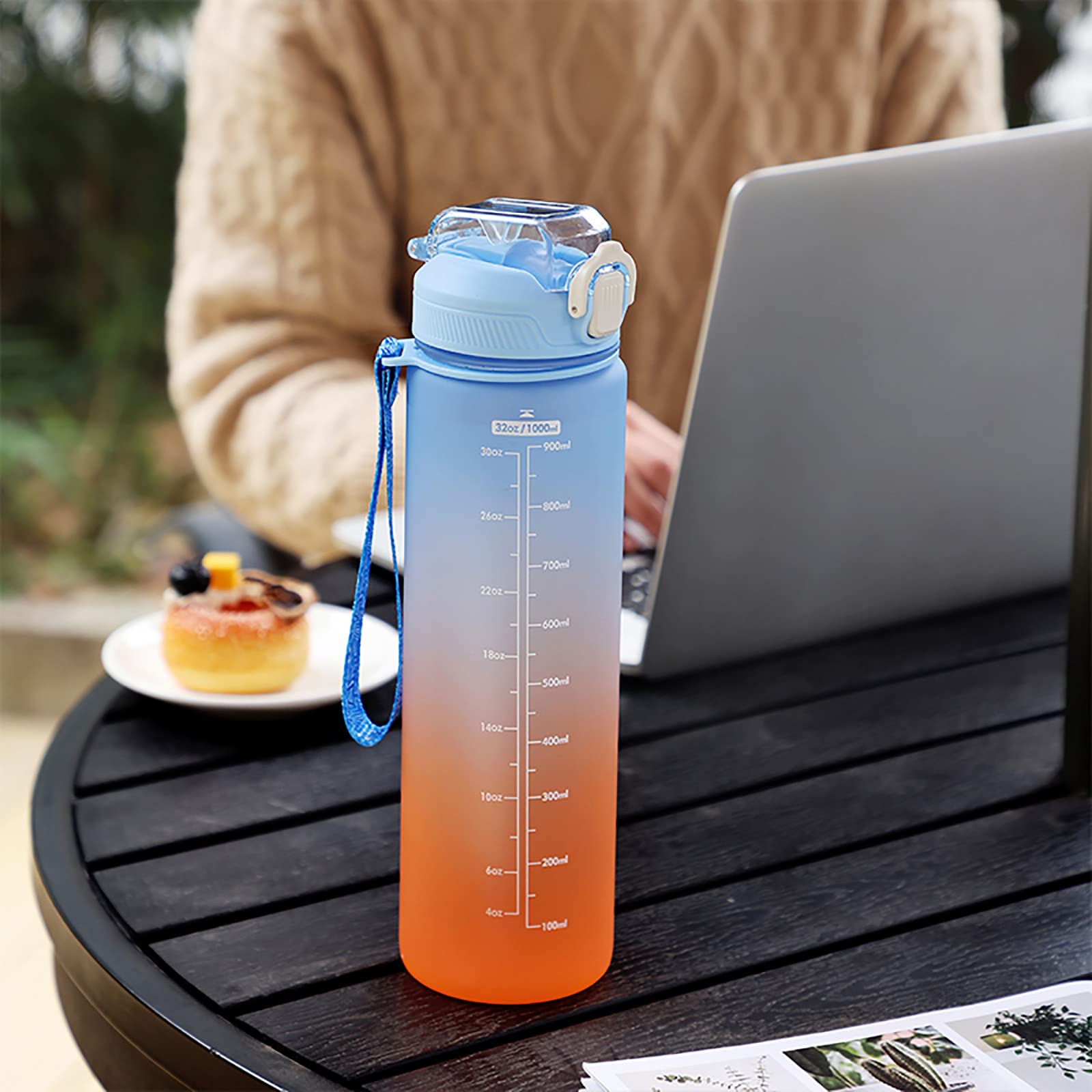
A stock image related to big water bottles.
In-depth Look: Manufacturing Processes and Quality Assurance for big water bottles
What Are the Main Stages in the Manufacturing Process of Big Water Bottles?
The production of big water bottles involves several critical stages, each ensuring that the final product meets quality standards while also being efficient and cost-effective. The main stages include material preparation, forming, assembly, and finishing.
Material Preparation: What Are the Key Materials Used?
The primary materials for big water bottles typically include stainless steel, BPA-free plastic, and silicone. Stainless steel is favored for its durability and insulation properties, while BPA-free plastics are used for their lightweight nature and design versatility. The preparation stage involves sourcing high-quality raw materials from reliable suppliers and conducting initial inspections to ensure compliance with international standards.
How Are Big Water Bottles Formed?
The forming stage can involve various techniques depending on the material. For stainless steel bottles, processes such as deep drawing or spinning are common. These methods create the desired shape while maintaining structural integrity. For plastic bottles, injection molding is often utilized, allowing for intricate designs and efficient production. Each method requires specialized machinery and skilled labor to ensure precision and quality.
What Assembly Techniques Are Commonly Used in Big Water Bottle Manufacturing?
After the forming process, the assembly stage begins. This stage often includes adding components such as lids, straws, and grips. Automated assembly lines are frequently employed to enhance efficiency, but manual assembly may also be necessary for complex designs. The assembly process must be meticulously managed to ensure that each bottle is assembled correctly and functions as intended.
How Is the Finishing Process Conducted for Big Water Bottles?
The finishing stage includes surface treatment, labeling, and packaging. Surface treatment may involve polishing, coating, or painting to enhance aesthetics and functionality, such as improving grip or insulation. Labeling is essential for brand recognition and compliance with regulatory standards. Finally, proper packaging is crucial to protect the bottles during transport and storage, ensuring they arrive at their destination in pristine condition.
What Quality Assurance Standards Should B2B Buyers Consider?
For international buyers, understanding quality assurance (QA) standards is vital. The ISO 9001 standard is a globally recognized benchmark for quality management systems. Compliance with this standard signifies that a manufacturer follows rigorous processes to maintain quality throughout production.
Additionally, industry-specific certifications, such as CE marking in Europe or API certifications for certain applications, can provide further assurance of product quality and safety. These certifications often require periodic audits and compliance with specific regulatory requirements, which can vary by region.
What Are the Key Quality Control Checkpoints in Big Water Bottle Manufacturing?
Quality control (QC) checkpoints are integral to ensuring that big water bottles meet established standards. Key checkpoints include:
-
Incoming Quality Control (IQC): This phase involves inspecting raw materials upon arrival at the manufacturing facility. Ensuring that materials meet specifications is critical for the overall quality of the finished product.
-
In-Process Quality Control (IPQC): During production, various checks are conducted to monitor the manufacturing process and identify any deviations from quality standards. This includes monitoring equipment performance and conducting sample tests of products at various stages.
-
Final Quality Control (FQC): After production, the finished bottles undergo thorough inspection and testing. This may include leak tests, pressure tests, and inspections for aesthetic flaws. Only products that pass these tests are approved for shipment.
How Can B2B Buyers Verify Supplier Quality Control Processes?
To ensure that suppliers maintain high-quality standards, B2B buyers can take several steps:
-
Conduct Audits: Regular audits of suppliers can help verify their adherence to quality standards. These audits should assess compliance with international standards such as ISO 9001 and specific industry certifications.
-
Request Quality Reports: Suppliers should provide detailed reports on their quality control processes, including testing methods and results. This documentation is crucial for transparency and accountability.
-
Engage Third-Party Inspectors: Utilizing third-party inspection services can provide an unbiased assessment of a supplier’s quality control processes. These inspectors can conduct on-site evaluations and product testing to ensure compliance with specified standards.
What Are the Common Testing Methods for Big Water Bottles?
Testing methods for big water bottles vary based on the materials and intended use. Common methods include:
-
Leak Testing: Essential for ensuring that bottles are airtight and can maintain temperature for insulated models. This often involves filling the bottles with water and checking for leaks under pressure.
-
Thermal Insulation Testing: For insulated bottles, measuring the heat retention capability is vital. This may involve monitoring temperature changes over time to ensure compliance with performance claims.
-
Durability Testing: Assessing resistance to impact, scratches, and general wear is crucial for ensuring longevity, particularly for products intended for outdoor use.
How Do Quality Control and Certification Nuances Affect International B2B Buyers?
For international B2B buyers, understanding the nuances of quality control and certification is essential. Different regions may have varying requirements for product safety and quality. For instance, buyers from Africa and South America may need to consider local regulations that could affect importation, while European buyers must be aware of CE marking requirements.
Additionally, cultural differences in business practices can impact the perception of quality. Establishing strong communication channels and clear expectations with suppliers can help mitigate these challenges. It is also advisable for buyers to stay informed about industry trends and regulatory changes that may affect quality standards.
Conclusion: Why Is Understanding Manufacturing Processes and Quality Assurance Important for B2B Buyers?
In conclusion, a comprehensive understanding of manufacturing processes and quality assurance is vital for B2B buyers in the big water bottle market. By knowing the stages of production, quality control checkpoints, and relevant standards, buyers can make informed decisions and establish partnerships with reliable suppliers. This not only enhances product quality but also contributes to building a sustainable and successful business relationship.
Practical Sourcing Guide: A Step-by-Step Checklist for ‘big water bottles’
Introduction
This guide serves as a practical checklist for B2B buyers seeking to procure big water bottles. As the demand for reusable hydration solutions grows, understanding the essential criteria for sourcing can help businesses make informed decisions. This step-by-step approach will ensure that you select products that meet your needs while aligning with industry standards and consumer expectations.
Step 1: Define Your Technical Specifications
Before starting your procurement process, clarify the specifications of the big water bottles you require. Consider factors such as size (e.g., 32 oz, 64 oz), material (stainless steel, plastic), and insulation properties. Defining these parameters will streamline your search and help you communicate effectively with potential suppliers.
Step 2: Research and Shortlist Suppliers
Conduct thorough research to identify potential suppliers specializing in big water bottles. Utilize industry directories, trade shows, and online platforms to gather a list of manufacturers. Pay attention to their reputation, product range, and customer reviews to ensure they meet your quality standards.
Step 3: Evaluate Supplier Certifications
Verify the certifications and compliance of your shortlisted suppliers. Look for international quality standards such as ISO certifications and health safety regulations pertinent to your region. This step is crucial as it reassures you that the products meet necessary safety and environmental standards, minimizing risks in your supply chain.
Step 4: Request Samples for Quality Assessment
Always request samples before making bulk purchases. Testing samples allows you to evaluate the quality, durability, and usability of the bottles. Assess features such as insulation performance, lid functionality, and ease of cleaning, ensuring they meet your specifications and consumer expectations.
Step 5: Analyze Pricing and Payment Terms
Once you have assessed the quality of the products, compare pricing from different suppliers. Consider not only the unit cost but also payment terms, shipping costs, and potential discounts for bulk orders. A clear understanding of total costs will help you secure the best deal while maintaining product quality.
Step 6: Review Logistics and Shipping Options
Understand the logistics involved in your order, including lead times and shipping methods. Discuss delivery timelines with suppliers to ensure they align with your business needs. Additionally, consider the supplier’s ability to manage customs and import regulations if sourcing internationally, particularly from regions like Africa or South America.
Step 7: Establish Long-Term Relationships
After selecting a supplier, aim to build a long-term partnership. Regular communication and feedback can enhance collaboration and help you adapt to changing market demands. Consider negotiating terms for future orders, which may lead to better pricing and priority service as your business grows.
By following these steps, B2B buyers can navigate the complexities of sourcing big water bottles effectively, ensuring they select products that meet both quality and market demands.
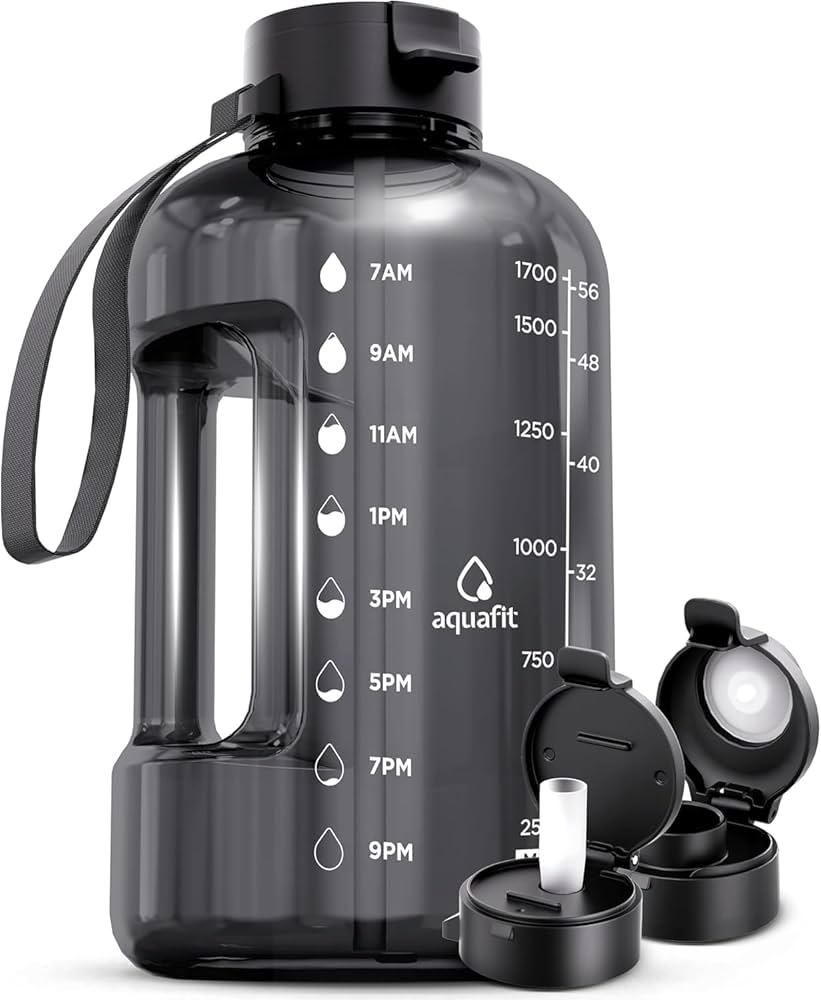
A stock image related to big water bottles.
Comprehensive Cost and Pricing Analysis for big water bottles Sourcing
What Are the Key Cost Components for Sourcing Big Water Bottles?
When sourcing big water bottles, it’s crucial to understand the underlying cost structure. The primary cost components include:
-
Materials: The choice of materials significantly affects the price. Stainless steel, for instance, is more expensive than plastic but offers better durability and insulation. Eco-friendly materials may also carry a premium.
-
Labor: Labor costs can vary based on the manufacturing location. Regions with lower wage standards may reduce overall production costs, but this can impact quality.
-
Manufacturing Overhead: This includes factory costs, utilities, and equipment maintenance. Efficient manufacturing processes can help minimize these expenses.
-
Tooling: Custom molds and tools for specific bottle designs can incur significant upfront costs. However, these costs are amortized over larger production runs.
-
Quality Control (QC): Investing in stringent quality control processes can prevent defects and ensure compliance with international standards, ultimately affecting the overall cost.
-
Logistics: Shipping costs can vary widely based on distance, mode of transport, and shipping terms. Incoterms play a vital role in determining who bears these costs.
-
Margin: Suppliers will typically include a profit margin, which can fluctuate based on market demand and competition.
How Do Price Influencers Affect the Cost of Big Water Bottles?
Several factors influence the pricing of big water bottles, particularly for international B2B buyers:
-
Volume/MOQ: Bulk purchasing often leads to significant discounts. Understanding the minimum order quantities (MOQ) can help in negotiating better terms.
-
Specifications and Customization: Custom features like unique designs, logos, or specific dimensions can increase costs. Buyers should weigh the benefits of customization against the added expense.
-
Materials: Higher quality or specialized materials can drive up costs. Buyers should evaluate the trade-offs between cost and product longevity.
-
Quality Certifications: Bottles that meet specific quality or safety certifications may cost more, but they provide assurance for compliance with international standards.
-
Supplier Factors: The supplier’s reputation, reliability, and production capabilities can affect pricing. Established suppliers may charge a premium for their proven track record.
-
Incoterms: Understanding the implications of Incoterms can help buyers negotiate shipping and liability costs effectively.
What Are Some Essential Buyer Tips for Sourcing Big Water Bottles?
For international B2B buyers, particularly from regions like Africa, South America, the Middle East, and Europe, consider the following tips:
-
Negotiation: Leverage your purchasing power. Engage in negotiations to secure better pricing, especially when ordering in bulk.
-
Cost-Efficiency: Look beyond the unit price. Analyze the total cost of ownership, which includes shipping, customs duties, and potential tariffs.
-
Pricing Nuances: Be aware of currency fluctuations and how they can affect pricing. Establish payment terms that mitigate risks associated with exchange rates.
-
Quality Assurance: Ensure that your supplier adheres to quality assurance practices. This can prevent costly returns and defects, safeguarding your investment.
-
Local Regulations: Familiarize yourself with local regulations regarding importation and product safety. Compliance can prevent costly delays and fines.
Disclaimer on Indicative Prices
Prices for big water bottles can vary widely based on the factors discussed above. It is advisable for buyers to obtain multiple quotes and conduct thorough market research to ensure they are making informed purchasing decisions.
Alternatives Analysis: Comparing big water bottles With Other Solutions
Understanding Alternative Solutions to Big Water Bottles
In the realm of hydration solutions, big water bottles have become a staple for various industries and individual consumers. However, it’s essential for B2B buyers to explore viable alternatives that may better suit their specific needs, whether that be for cost efficiency, ease of use, or specialized applications. This analysis compares big water bottles against two alternative solutions: water filtration systems and bulk water dispensers.
Comparison Table
| Comparison Aspect | Big Water Bottles | Water Filtration Systems | Bulk Water Dispensers |
|---|---|---|---|
| Performance | High durability and portability; ideal for personal use | Provides clean water but requires maintenance; effectiveness varies | High capacity; suitable for offices and events |
| Cost | Moderate initial investment; reusable, lowering long-term costs | Varies widely; potential high installation and filter replacement costs | Generally low upfront cost but recurring refills |
| Ease of Implementation | Simple to use; no setup required | Requires installation; may need professional help | Easy to set up but depends on water delivery logistics |
| Maintenance | Minimal; occasional cleaning required | Regular filter changes necessary | Requires regular refills and cleaning of dispensers |
| Best Use Case | Personal hydration on-the-go; outdoor activities | Long-term hydration solutions for homes and offices | High-demand settings like offices, events, or large gatherings |
In-Depth Analysis of Alternatives
Water Filtration Systems
Water filtration systems offer a sustainable solution for obtaining clean drinking water directly from the tap. They can be installed in homes or offices, providing an ongoing supply of filtered water. The key advantage lies in their long-term cost-effectiveness and environmental benefits, as they reduce reliance on single-use plastic bottles. However, they require a more significant upfront investment for installation and regular maintenance, including filter replacements. The effectiveness of the filtration can also vary based on the system type and the quality of the local water supply.
Bulk Water Dispensers
Bulk water dispensers are designed for high-volume hydration needs, making them ideal for office settings, events, or public spaces. They typically hold large quantities of water and can be refilled periodically, minimizing the need for individual bottles. While they offer convenience and lower costs per serving, the logistics of water delivery and the need for regular cleaning can pose challenges. Additionally, they may not be as portable as big water bottles, limiting their use in outdoor or mobile environments.
Choosing the Right Hydration Solution for Your Needs
When selecting the best hydration solution, B2B buyers should consider their specific context and usage requirements. For businesses focused on sustainability and long-term cost savings, water filtration systems may present a compelling option. Conversely, companies that require immediate and high-volume access to water might find bulk dispensers more advantageous. Big water bottles remain an excellent choice for individuals or teams requiring mobility and convenience, especially in outdoor or dynamic work environments. Ultimately, the decision should align with the organization’s operational needs, budget constraints, and environmental goals.
Essential Technical Properties and Trade Terminology for big water bottles
What Are the Key Technical Properties of Big Water Bottles?
When sourcing big water bottles, understanding their technical specifications is crucial for ensuring product quality, functionality, and compliance with international standards. Here are some essential properties to consider:
1. Material Grade
The material used in the construction of big water bottles significantly impacts durability, safety, and user experience. Common materials include stainless steel, BPA-free plastic, and glass. Stainless steel is preferred for its resistance to rust, corrosion, and impact, making it ideal for outdoor and long-term use. BPA-free plastic is lightweight and shatterproof, suitable for everyday consumer use. Understanding the material grade helps in assessing the product’s longevity and safety.
2. Capacity
Capacity is a critical specification that defines the volume of liquid a bottle can hold, typically measured in ounces or liters. Big water bottles often range from 1 liter (34 oz) to 2 liters (68 oz) or more. For B2B buyers, selecting the right capacity is essential to meet the needs of specific markets, such as fitness, outdoor activities, or corporate branding. Knowing the capacity helps in targeting the right customer segment.
3. Insulation Performance
Insulation performance, measured in hours of heat retention or cold retention, is vital for bottles intended for outdoor or travel use. Many big water bottles feature double-wall vacuum insulation, which can keep beverages cold for up to 24 hours or hot for up to 12 hours. This property is particularly appealing in regions with extreme climates, making it a key selling point in B2B transactions.
4. Tolerance Levels
Tolerance refers to the allowable variation in dimensions and weight of the bottles during manufacturing. High tolerance levels ensure that the bottles fit standard accessories, such as lids and caps, and maintain consistency in production. For B2B buyers, understanding tolerance levels is essential for quality control and ensuring compatibility with existing product lines.
5. Finish and Coating
The finish and coating of big water bottles can affect aesthetics, grip, and resistance to scratches and stains. Common finishes include powder coating and matte or glossy surfaces. A good finish can enhance the product’s marketability and customer satisfaction. B2B buyers should consider finishes that align with their branding strategy and target market preferences.
What Are Common Trade Terms Related to Big Water Bottles?
Familiarity with industry jargon is vital for effective communication and negotiation in the B2B landscape. Here are some commonly used terms:
1. OEM (Original Equipment Manufacturer)
OEM refers to a company that produces parts or equipment that may be marketed by another manufacturer. In the context of big water bottles, OEM relationships can lead to custom branding and private labeling opportunities, allowing businesses to offer unique products without investing in manufacturing capabilities.
2. MOQ (Minimum Order Quantity)
MOQ is the smallest quantity of a product that a supplier is willing to sell. Understanding MOQ is crucial for B2B buyers to manage inventory effectively and avoid over-commitment. It also helps in negotiating bulk purchase agreements for better pricing.
3. RFQ (Request for Quotation)
An RFQ is a document issued by a buyer to solicit pricing and terms from suppliers. It typically outlines specific requirements, including materials, dimensions, and quantities. Issuing an RFQ is a strategic move to ensure competitive pricing and quality assurance in sourcing big water bottles.
4. Incoterms (International Commercial Terms)
Incoterms are standardized trade terms that define the responsibilities of buyers and sellers in international transactions. They clarify shipping costs, insurance, and risk transfer. Knowledge of Incoterms is essential for B2B buyers to negotiate shipping terms effectively and understand their obligations.
5. Lead Time
Lead time refers to the time it takes from placing an order to receiving the product. For B2B buyers, understanding lead times is critical for inventory management and planning, especially when launching new products or responding to market demands.
By understanding these technical properties and trade terms, B2B buyers can make informed decisions when sourcing big water bottles, ensuring they meet market needs while optimizing their supply chain.
Navigating Market Dynamics and Sourcing Trends in the big water bottles Sector
What Are the Key Market Dynamics and Trends Influencing the Big Water Bottles Sector?
The global big water bottles market is experiencing significant growth driven by increasing health consciousness, environmental awareness, and the rising demand for sustainable products. In regions such as Africa, South America, the Middle East, and Europe, consumers are increasingly opting for reusable bottles as a means to reduce plastic waste and promote hydration on the go. This shift is further accelerated by government regulations against single-use plastics, particularly in Europe, which are compelling businesses to adapt their product lines accordingly.
Emerging B2B tech trends are reshaping sourcing strategies within this sector. Digital platforms and e-commerce solutions are streamlining procurement processes, allowing international buyers to compare products, prices, and suppliers more efficiently. Moreover, advancements in manufacturing technology, such as 3D printing and automated production lines, are enabling manufacturers to offer customized solutions tailored to specific market needs. These innovations not only improve efficiency but also enhance product quality, making it crucial for B2B buyers to stay informed about the latest technological developments.
Additionally, the demand for insulated and stainless steel water bottles is on the rise, reflecting a consumer preference for durability and performance. Brands like Hydro Flask and YETI are setting benchmarks in this area, and their popularity is influencing purchasing decisions across international markets. For B2B buyers, understanding these dynamics is essential for making informed sourcing choices that align with market trends and consumer preferences.
How Are Sustainability and Ethical Sourcing Shaping the Big Water Bottles Industry?
Sustainability has become a key focus in the big water bottles sector, as both consumers and businesses recognize the environmental impact of their choices. The increasing prevalence of eco-conscious consumers is driving brands to adopt sustainable practices, from sourcing raw materials to manufacturing processes. For B2B buyers, this translates into a growing demand for products made from recycled or renewable materials, such as stainless steel, bamboo, and BPA-free plastics.
Ethical sourcing is equally important, as businesses seek to ensure their supply chains are transparent and responsible. Certifications such as Fair Trade, Global Recycle Standard (GRS), and Forest Stewardship Council (FSC) are becoming essential for companies aiming to demonstrate their commitment to sustainability. Buyers should prioritize suppliers who can provide these certifications, as they not only enhance brand reputation but also align with the values of socially conscious consumers.
The environmental impact of traditional plastic production is prompting a shift towards ‘green’ materials and processes. B2B buyers must consider the life cycle of products, including their recyclability and the carbon footprint associated with their production. By investing in sustainable and ethically sourced big water bottles, businesses can contribute to a healthier planet while also meeting the demands of environmentally conscious consumers.
What Historical Context Influences Current Trends in the Big Water Bottles Sector?
The evolution of the big water bottles sector can be traced back to the increasing health and wellness movement of the early 2000s, which emphasized the importance of hydration. Initially dominated by plastic bottles, the market began to pivot towards reusable options as awareness of plastic pollution grew. This transition was catalyzed by high-profile campaigns highlighting the environmental consequences of single-use plastics.
In recent years, innovations in materials and design have further propelled the market forward. The introduction of stainless steel and insulated bottles significantly improved product functionality and appeal, aligning with consumer desires for durability and performance. Today, the big water bottles market is characterized by a diverse array of products that cater to various lifestyles and preferences, making it a dynamic sector for B2B buyers looking to source high-quality, sustainable hydration solutions.
Frequently Asked Questions (FAQs) for B2B Buyers of big water bottles
-
How do I choose the right big water bottle for my business needs?
Selecting the right big water bottle involves assessing your target market and specific use cases. Consider factors such as material (stainless steel, plastic, or glass), insulation properties, capacity (commonly ranging from 1 to 2.5 liters), and design features (like straws or wide mouths). Additionally, evaluate branding opportunities, such as customization options for logos or colors, which can enhance your product appeal. Reviewing supplier catalogs and samples can also help you determine which products align best with your brand values and customer preferences. -
What are the key features to look for in a big water bottle?
When sourcing big water bottles, prioritize features that enhance user experience and durability. Insulation technology is crucial for maintaining beverage temperature. Look for BPA-free materials to ensure safety and compliance with international standards. Ergonomic designs, leak-proof lids, and easy-clean surfaces are also important. Customization options, such as color and branding, can differentiate your product in competitive markets. Lastly, consider the bottle’s weight and portability, especially for customers who may need to carry them for outdoor activities or commuting. -
What are the common minimum order quantities (MOQs) for big water bottles?
MOQs for big water bottles can vary significantly depending on the supplier and manufacturing capabilities. Typically, MOQs range from 500 to 5,000 units for bulk orders. Factors influencing MOQs include production complexity, customization requirements, and supplier policies. Engaging with multiple suppliers can provide insights into their flexibility regarding MOQs, especially for start-ups or smaller businesses looking to enter the market without heavy upfront investments. -
How can I ensure quality assurance (QA) in my big water bottle orders?
To ensure quality assurance, it’s essential to establish a clear QA process with your supplier. Request samples before placing a bulk order to evaluate material quality, functionality, and design. Implementing third-party inspections during production can help identify potential defects. Additionally, consider certifications such as ISO or FDA compliance to guarantee safety and quality standards are met. Regular communication with your supplier regarding production timelines and quality expectations is crucial for maintaining high standards. -
What payment terms should I negotiate with suppliers for big water bottles?
When negotiating payment terms, consider options that align with your cash flow and risk tolerance. Common terms include a 30% deposit upon order confirmation and the remaining 70% before shipment. For larger orders, you might negotiate extended payment periods or letters of credit to minimize risk. Always clarify currency exchange implications and transaction fees, especially when dealing with international suppliers, to avoid unexpected costs. -
What logistics considerations should I keep in mind when sourcing big water bottles internationally?
Logistics play a critical role in international sourcing. Assess shipping methods (air, sea, or land) based on cost, speed, and reliability. Understand customs regulations in your target market to avoid delays and additional fees. Collaborating with a freight forwarder can streamline the shipping process and provide expertise in managing documentation. Lastly, factor in lead times, warehousing, and distribution networks to ensure efficient delivery to your customers. -
How do I verify the credibility of suppliers for big water bottles?
Verifying supplier credibility involves a multi-step approach. Start by researching the supplier’s background, including years in business and customer reviews. Request references from other clients to assess satisfaction levels. Additionally, consider conducting site visits or virtual inspections to evaluate their production capabilities and quality control processes. Certifications from recognized industry bodies can also serve as indicators of reliability and professionalism. -
What customization options are typically available for big water bottles?
Customization options for big water bottles can greatly enhance brand visibility and customer appeal. Common choices include logo printing, color selection, and unique lid designs (like straws or flip tops). Some manufacturers offer personalized engraving or labeling services. Additionally, consider functional customizations, such as built-in infusers for flavored water or integrated handles for easier carrying. Discussing your specific needs with suppliers can help identify the best customization solutions for your target market.
Important Disclaimer & Terms of Use
⚠️ Important Disclaimer
The information provided in this guide, including content regarding manufacturers, technical specifications, and market analysis, is for informational and educational purposes only. It does not constitute professional procurement advice, financial advice, or legal advice.
While we have made every effort to ensure the accuracy and timeliness of the information, we are not responsible for any errors, omissions, or outdated information. Market conditions, company details, and technical standards are subject to change.
B2B buyers must conduct their own independent and thorough due diligence before making any purchasing decisions. This includes contacting suppliers directly, verifying certifications, requesting samples, and seeking professional consultation. The risk of relying on any information in this guide is borne solely by the reader.
Top 6 Big Water Bottles Manufacturers & Suppliers List
1. Hydro Flask – Insulated Water Bottles
Domain: hydroflask.com
Registered: 2009 (16 years)
Introduction: Insulated & Stainless Steel Water Bottles | Hydro Flask
– Labor Day Sale: 25% off summer’s hottest styles
– Free shipping on orders $39+
– New Limited Edition Campus Collection
– Categories: Bottles, Cups & Tumblers, Coffee & Tea, Beer, Wine & Spirits, Accessories, Coolers & Lunch Boxes, Kitchenware
– Featured Colors: Beachplum, Purple Nectar, Orange, Coconut, Sandpiper
– Product Examples:
– 16 …
2. Pure Life® – Purified Water 5 Gallon
Domain: readyrefresh.com
Registered: 2014 (11 years)
Introduction: [{‘brand’: ‘Pure Life®’, ‘type’: ‘Purified Water’, ‘container_size’: ‘5 Gallon’, ‘pack_size’: ‘Case of 1’, ‘price’: ‘$7.99’}, {‘brand’: ‘Poland Spring®’, ‘type’: ‘Maine Spring Water’, ‘container_size’: ‘5 Gallon’, ‘pack_size’: ‘Case of 1’, ‘price’: ‘$8.99’}, {‘brand’: ‘Deer Park®’, ‘type’: ‘Spring Water’, ‘container_size’: ‘3 Gallon’, ‘pack_size’: ‘Case of 1’, ‘price’: ‘$7.99’}, {‘brand’: ‘Poland …
3. Hydro Flask – 24 oz Wide Mouth with Flex Chug Cap
Domain: nytimes.com
Registered: 1994 (31 years)
Introduction: This company, Hydro Flask – 24 oz Wide Mouth with Flex Chug Cap, is a notable entity in the market. For specific product details, it is recommended to visit their website directly.
4. BottlePro – Top Water Bottles Compared
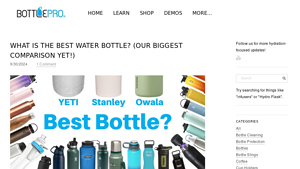
Domain: bottlepro.net
Registered: 2014 (11 years)
Introduction: 31 water bottles compared including brands like Camelbak, EcoVessel, Hydro Flask, Iron Flask, Klean Kanteen, Nalgene, Owala, Ozark Trail, RevoMax, S’well, Takeya, ThermoFlask, YETI, and Stanley. Recommendations for best bottles based on use: Everyday use (Owala FreeSip, FJbottle), Value (Ozark Trail, Iron Flask, ThermoFlask, Nalgene), Hiking (Nalgene, Hydro Flask Trail Series, FJbottle, GRAYL Filt…
5. Contigo – Key Product
Domain: gocontigo.com
Registered: 2005 (20 years)
Introduction: Key product details include: 1. Types of bottles: Reusable Water Bottles, Shaker Bottles. 2. Features: Spill-Proof, Leak-Proof, Dishwasher Safe, Easy Mixing & Shaking, Built-In Carabiner Clip Handle, Microban® Antimicrobial Product Protection. 3. Lid Technologies: AUTOPOP, AUTOSPOUT, AUTOSEAL, AUTOLOCK. 4. Sizes available: 20 oz, 24 oz, 28 oz, 32 oz, 40 oz, 56 oz. 5. Materials: Plastic, Stainless …
6. Asobu – Large Insulated Water Bottle
Domain: asobubottle.com
Registered: 2012 (13 years)
Introduction: Large & Big Insulated Water Bottle, Free shipping in US on orders over $50, Available in various colors including Basil Green, Black, Blue, Burgundy, Copper, Floral, Gold, Green Marble, Midnight Marble, Mint, Pastel Blue, Pastel Green, Pastel Peach, Pastel Pink, Pink, Puramic, Recycled Stainless Steel, Red, Salte Gray, Silver, Slate Gray, Smoke, Teal, White, Wood. Capacity options include 17 oz, 1…
Strategic Sourcing Conclusion and Outlook for big water bottles
What Are the Key Takeaways for Sourcing Big Water Bottles?
In the competitive landscape of big water bottles, strategic sourcing emerges as a crucial driver for success. By leveraging insights from market leaders like Hydro Flask and YETI, businesses can enhance their procurement strategies to ensure they select high-quality, durable products that resonate with consumer preferences. Emphasizing sustainability and customization options will not only meet the growing demand for eco-friendly solutions but also create unique selling propositions that can set your brand apart in diverse markets across Africa, South America, the Middle East, and Europe.
How Can International B2B Buyers Prepare for Future Trends?
As international B2B buyers navigate the evolving market, it is essential to stay informed about emerging trends such as the increasing demand for insulated and stainless-steel options, which cater to health-conscious consumers. Additionally, understanding regional preferences will enable buyers to tailor their offerings, ensuring alignment with local expectations.
What Action Should You Take Now?
Investing in strategic sourcing now will position your business to capitalize on future opportunities in the big water bottle market. Engage with suppliers who prioritize innovation and sustainability, and explore customizable options to enhance your product line. By doing so, you will be well-equipped to meet the demands of an expanding global market and drive your business’s growth in the years to come.