Introduction: Navigating the Global Market for water bottle with flavor pods
In today’s competitive market, sourcing water bottles with flavor pods presents a unique challenge for international B2B buyers, particularly those operating in diverse regions such as Africa, South America, the Middle East, and Europe. As consumers increasingly demand healthier, more enjoyable hydration options, businesses must navigate a landscape filled with varying product types, flavor offerings, and supplier capabilities. This comprehensive guide addresses these complexities by exploring the different categories of flavor-infused water bottles, their applications in various markets, and effective strategies for vetting potential suppliers.
Understanding the cost implications, quality benchmarks, and flavor innovations is critical for making informed purchasing decisions. This guide empowers B2B buyers by providing actionable insights into sourcing the right products that not only meet consumer preferences but also align with sustainability and health trends. From the innovative Scentaste™ technology that enhances plain water through natural scents to the diverse range of flavors offered by leading brands, buyers will gain a holistic understanding of the market dynamics.
By leveraging this guide, businesses can streamline their procurement processes, ensuring they select the most suitable water bottles with flavor pods that cater to their target audience’s needs, ultimately driving customer satisfaction and brand loyalty.
Understanding water bottle with flavor pods Types and Variations
| Type Name | Key Distinguishing Features | Primary B2B Applications | Brief Pros & Cons for Buyers |
|---|---|---|---|
| Scent-Based Flavor Bottles | Utilizes scent technology to enhance water flavoring | Health and wellness sectors, gyms | Pros: No sugar, low-calorie, unique sensory experience. Cons: May not satisfy those seeking strong flavors. |
| Cartridge Flavor Systems | Cartridges with concentrated flavors for customizable hydration | Food and beverage industry, fitness centers | Pros: Versatile flavor options, easy to refill. Cons: Ongoing cartridge costs can accumulate. |
| Electrolyte-Enhanced Bottles | Infused with electrolytes for hydration and recovery | Sports teams, health clubs | Pros: Supports hydration needs for athletes. Cons: Limited flavor profiles compared to other types. |
| Multi-Flavor Pods | Offers a range of flavors in one set, easily swappable | Retail, corporate gifting | Pros: Variety encourages usage, appealing for diverse consumers. Cons: Potential for flavor fatigue over time. |
| Kid-Friendly Hydration Bottles | Designed for children with fun flavors and ergonomic features | Schools, childcare centers | Pros: Encourages hydration in kids, durable design. Cons: May not appeal to adult consumers. |
What Are Scent-Based Flavor Bottles and Their Key Benefits?
Scent-based flavor bottles leverage innovative technology to infuse plain water with flavor through scent alone. This approach appeals to health-conscious consumers looking for a low-calorie alternative to sugary drinks. B2B buyers in health and wellness sectors, including gyms and fitness studios, may find these products particularly attractive as they align with trends promoting hydration and well-being. When purchasing, consider the sensory experience versus traditional flavoring methods, as this may influence customer satisfaction.
How Do Cartridge Flavor Systems Operate and What Are Their Applications?
Cartridge flavor systems utilize replaceable cartridges filled with concentrated flavoring agents, allowing users to customize their hydration experience. This flexibility is beneficial for businesses in the food and beverage industry, as well as fitness centers that cater to diverse consumer preferences. B2B buyers should evaluate the cost-effectiveness of ongoing cartridge purchases against the potential for enhanced customer engagement through customizable flavors.
What Are the Advantages of Electrolyte-Enhanced Bottles?
Electrolyte-enhanced bottles are designed to replenish essential minerals lost during physical activity, making them ideal for sports teams and health clubs. These bottles often feature flavors that cater to active consumers seeking functional hydration solutions. When considering these products, B2B buyers should assess the balance between flavor variety and the primary goal of hydration, ensuring that the offerings meet the needs of their target market.
How Do Multi-Flavor Pods Enhance Consumer Experience?
Multi-flavor pods provide a range of flavor options in a single package, enabling users to switch flavors based on their mood or preference. This variety can drive sales in retail settings and make for appealing corporate gifts. Buyers should consider the potential for flavor fatigue among consumers and how to keep the experience fresh and engaging over time, which can enhance customer loyalty.
What Makes Kid-Friendly Hydration Bottles Unique?
Kid-friendly hydration bottles are tailored for younger audiences, featuring fun flavors and ergonomic designs to encourage hydration. These products are especially relevant for schools and childcare centers, where promoting healthy habits is essential. When sourcing these items, B2B buyers should focus on durability and safety features, ensuring that the products are appealing to both children and their parents.
Key Industrial Applications of water bottle with flavor pods
| Industry/Sector | Specific Application of Water Bottle with Flavor Pods | Value/Benefit for the Business | Key Sourcing Considerations for this Application |
|---|---|---|---|
| Corporate Wellness | Employee hydration programs with flavored water options | Increases employee productivity and satisfaction | Sourcing for eco-friendly materials and flavor variety |
| Education | Student hydration solutions in schools and universities | Encourages healthy hydration habits among students | Ensuring compliance with health regulations and safety |
| Fitness & Recreation | Flavored hydration solutions for gyms and fitness centers | Enhances customer experience and retention | Sourcing durable, easy-to-clean bottles with diverse flavors |
| Food & Beverage | Restaurants and cafes offering flavored water as a menu item | Differentiates offerings and enhances customer appeal | Sourcing natural flavor pods to align with health trends |
| Travel & Hospitality | Flavored water bottles for hotels and travel companies | Improves guest satisfaction and promotes wellness | Ensuring portability and refillable options for guests |
How Can Water Bottles with Flavor Pods Enhance Corporate Wellness Programs?
In the corporate sector, water bottles with flavor pods can be integrated into employee wellness programs to encourage hydration. By offering a variety of natural flavors, businesses can significantly enhance employee satisfaction and productivity. Workers often find plain water unappealing, leading to inadequate hydration. Flavor pods not only make drinking water more enjoyable but also promote a healthier lifestyle, which can reduce healthcare costs associated with dehydration-related issues. When sourcing these products, companies should prioritize eco-friendly materials to align with sustainability goals.
What Role Do Flavor Pods Play in Educational Settings?
In educational environments, flavored water bottles can be instrumental in promoting healthy hydration among students. Schools and universities can implement hydration stations equipped with these bottles, encouraging students to drink more water instead of sugary beverages. This initiative can lead to improved concentration and academic performance. When sourcing these products, educational institutions should ensure compliance with health regulations and prioritize safety, particularly for younger students. Additionally, offering a range of flavors can cater to diverse student preferences, making hydration more appealing.
How Do Flavored Water Solutions Benefit Fitness Centers?
Fitness centers can leverage flavored water bottles to enhance the customer experience. Providing flavored hydration options can motivate gym-goers to drink more water during workouts, thereby improving performance and recovery. This can also serve as a unique selling point for gyms, attracting health-conscious customers who appreciate varied hydration options. When sourcing these products, fitness centers should consider the durability of the bottles and the ease of cleaning, as well as offering a wide range of flavors to cater to different tastes.
In What Ways Can Restaurants and Cafes Differentiate Themselves with Flavor Pods?
Restaurants and cafes can incorporate flavored water as a unique menu item, setting themselves apart from competitors. By offering natural flavor pods alongside traditional beverages, establishments can appeal to health-conscious consumers seeking refreshing alternatives. This strategy not only enhances the dining experience but can also lead to increased sales. When sourcing flavor pods, businesses should focus on natural ingredients that align with current health trends, ensuring customer satisfaction and loyalty.
How Can Travel and Hospitality Industries Use Flavor Pod Water Bottles?
In the travel and hospitality sector, flavored water bottles can significantly improve guest experiences. Hotels can offer these bottles in rooms or at check-in, promoting hydration as part of a wellness-focused stay. This initiative can enhance guest satisfaction and encourage repeat visits. When sourcing these products, hospitality providers should prioritize portability, refillable options, and a variety of flavors to cater to diverse guest preferences, ensuring that the hydration experience is convenient and enjoyable.
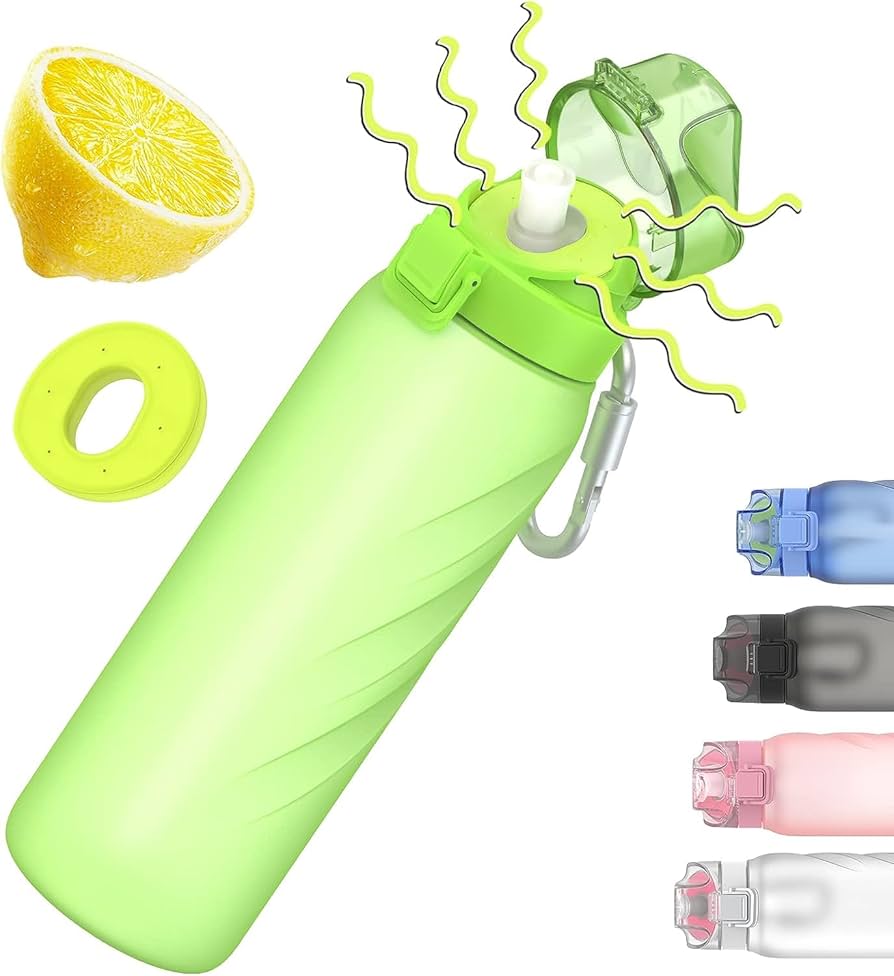
A stock image related to water bottle with flavor pods.
3 Common User Pain Points for ‘water bottle with flavor pods’ & Their Solutions
Scenario 1: Overcoming Flavor Fatigue in Hydration Products
The Problem: B2B buyers, particularly those in the beverage or wellness sectors, often encounter a common issue known as flavor fatigue. This occurs when consumers become bored with the same flavors in hydration products, leading to decreased sales and customer engagement. For instance, a company might find that their flavored water sales are stagnating as consumers seek novelty and variety. This is particularly pertinent in markets where consumers are increasingly health-conscious and looking for exciting, yet natural, hydration options.
The Solution: To combat flavor fatigue, B2B buyers should consider sourcing water bottles that offer a wide variety of flavor pods. This not only enhances the consumer experience but also promotes increased water intake. Look for suppliers that provide a diverse range of flavors, ideally over 25 options, including unique and seasonal flavors. Implementing a subscription model can also encourage regular use and experimentation with new flavors. Additionally, consider bundling flavor pods with the water bottles to create attractive promotional packages, ensuring that consumers have easy access to a variety of choices. This approach can significantly boost customer retention and satisfaction.
Scenario 2: Addressing Health Concerns with Flavored Hydration
The Problem: Many B2B buyers are concerned about the health implications of flavored hydration products, particularly those containing sugars, artificial sweeteners, or additives. In markets across Africa and South America, where health awareness is rising, buyers must navigate consumer demand for delicious flavors while also ensuring that their products align with health trends. Failure to address these concerns can lead to product rejection and loss of market share.
The Solution: B2B buyers should prioritize sourcing flavored water bottles that utilize natural flavoring methods, such as those that infuse flavors through scent without adding sugars or artificial ingredients. Highlighting these health benefits in marketing materials can differentiate products in a crowded market. Furthermore, conducting trials or surveys to gather consumer feedback on flavor preferences can guide product development. Providing educational materials about the health benefits of these hydration products can also attract health-conscious consumers, fostering trust and loyalty.
Scenario 3: Managing Supply Chain Challenges for Flavor Pods
The Problem: Sourcing high-quality flavor pods can be a significant challenge for B2B buyers, especially when considering the consistency of supply and the quality of ingredients. Fluctuations in raw material availability, particularly in regions where agricultural production is impacted by climate change, can disrupt inventory and ultimately affect the end product’s availability in the market.
The Solution: Establishing strong relationships with multiple suppliers can mitigate risks associated with supply chain disruptions. Buyers should conduct thorough research to identify suppliers who demonstrate reliability and a commitment to quality. Additionally, implementing a just-in-time inventory system can help manage stock levels effectively without overcommitting to one supplier. Consider investing in local sourcing options to reduce dependency on international suppliers, thereby increasing supply chain resilience. Lastly, exploring partnerships with flavor manufacturers who can offer exclusive flavors or co-branding opportunities can enhance product offerings while ensuring a steady supply of high-quality flavor pods.
Strategic Material Selection Guide for water bottle with flavor pods
What Are the Common Materials Used in Water Bottles with Flavor Pods?
When selecting materials for water bottles designed to work with flavor pods, several options are prevalent in the market. Each material has unique properties and implications for performance, cost, and suitability for international markets.
How Does Plastic Perform in Water Bottles with Flavor Pods?
Plastic, particularly high-density polyethylene (HDPE) and polycarbonate, is a common choice for water bottles. These materials are lightweight, durable, and resistant to impact, making them ideal for everyday use. HDPE, with its excellent chemical resistance, ensures that the flavoring agents do not react negatively with the bottle. However, plastic can be less durable over time, especially when exposed to high temperatures or UV light, which can lead to degradation.
Pros: Cost-effective, lightweight, and available in various colors and designs.
Cons: Limited temperature resistance and potential leaching of chemicals if not properly manufactured.
Impact on Application: Suitable for various beverage types, but may not hold up well under extreme conditions.
Considerations for International Buyers: Compliance with food safety standards (e.g., FDA, EU regulations) is critical, especially in regions like Europe and North America. Buyers in Africa and South America should consider local regulations regarding plastic use.
What Role Does Stainless Steel Play in Water Bottle Design?
Stainless steel is another popular material for water bottles, particularly for premium products. It offers superior durability, excellent temperature retention, and is resistant to corrosion. Stainless steel bottles can maintain the temperature of the water, keeping it cold or hot for extended periods. Additionally, they are often more aesthetically appealing and can be easily branded.
Pros: High durability, excellent thermal insulation, and resistance to corrosion.
Cons: Higher manufacturing costs and heavier than plastic options.
Impact on Application: Ideal for both hot and cold beverages, making it versatile.
Considerations for International Buyers: Buyers should ensure that the stainless steel meets international standards (e.g., ASTM, ISO) for food safety and quality, especially in markets like the Middle East and Europe.
Why Consider Glass for Water Bottles with Flavor Pods?
Glass is an increasingly popular choice for water bottles, particularly for health-conscious consumers. It does not leach chemicals, ensuring that the flavor remains pure. Glass bottles are also easy to clean and can be aesthetically pleasing, which adds to their market appeal. However, glass is heavier and more fragile than plastic or stainless steel.
Pros: Chemical inertness, easy to clean, and environmentally friendly.
Cons: Fragility and higher shipping costs due to weight.
Impact on Application: Best suited for consumers who prioritize taste and health, but less practical for active lifestyles.
Considerations for International Buyers: Glass bottles must comply with safety standards to prevent breakage during transport, especially in regions with varying climates like Africa and South America.
What Are the Advantages of Silicone in Water Bottle Design?
Silicone is an innovative material that is gaining traction in the water bottle market. It is flexible, durable, and can withstand extreme temperatures, making it suitable for various beverages. Silicone bottles are often collapsible, which adds convenience for storage and transport. However, silicone may not provide the same level of flavor preservation as glass or stainless steel.
Pros: Flexibility, lightweight, and temperature resistance.
Cons: Potential for odor retention and less effective in maintaining beverage temperature.
Impact on Application: Ideal for on-the-go consumers who need lightweight options.
Considerations for International Buyers: Ensure compliance with food-grade silicone standards, particularly in regions like Europe where regulations are stringent.
Summary Table of Material Selection for Water Bottles with Flavor Pods
| Material | Typical Use Case for water bottle with flavor pods | Key Advantage | Key Disadvantage/Limitation | Relative Cost (Low/Med/High) |
|---|---|---|---|---|
| Plastic | Everyday use, budget-friendly options | Lightweight and cost-effective | Limited durability under heat | Low |
| Stainless Steel | Premium, insulated bottles | High durability and thermal retention | Higher cost and weight | High |
| Glass | Health-focused, aesthetic appeal | Chemical inertness and easy to clean | Fragile and heavier | Med |
| Silicone | Flexible, collapsible designs | Temperature resistance and flexibility | Potential odor retention | Med |
This material selection guide provides actionable insights for B2B buyers considering the diverse needs of their target markets across various regions. Understanding the properties and implications of each material will aid in making informed purchasing decisions.
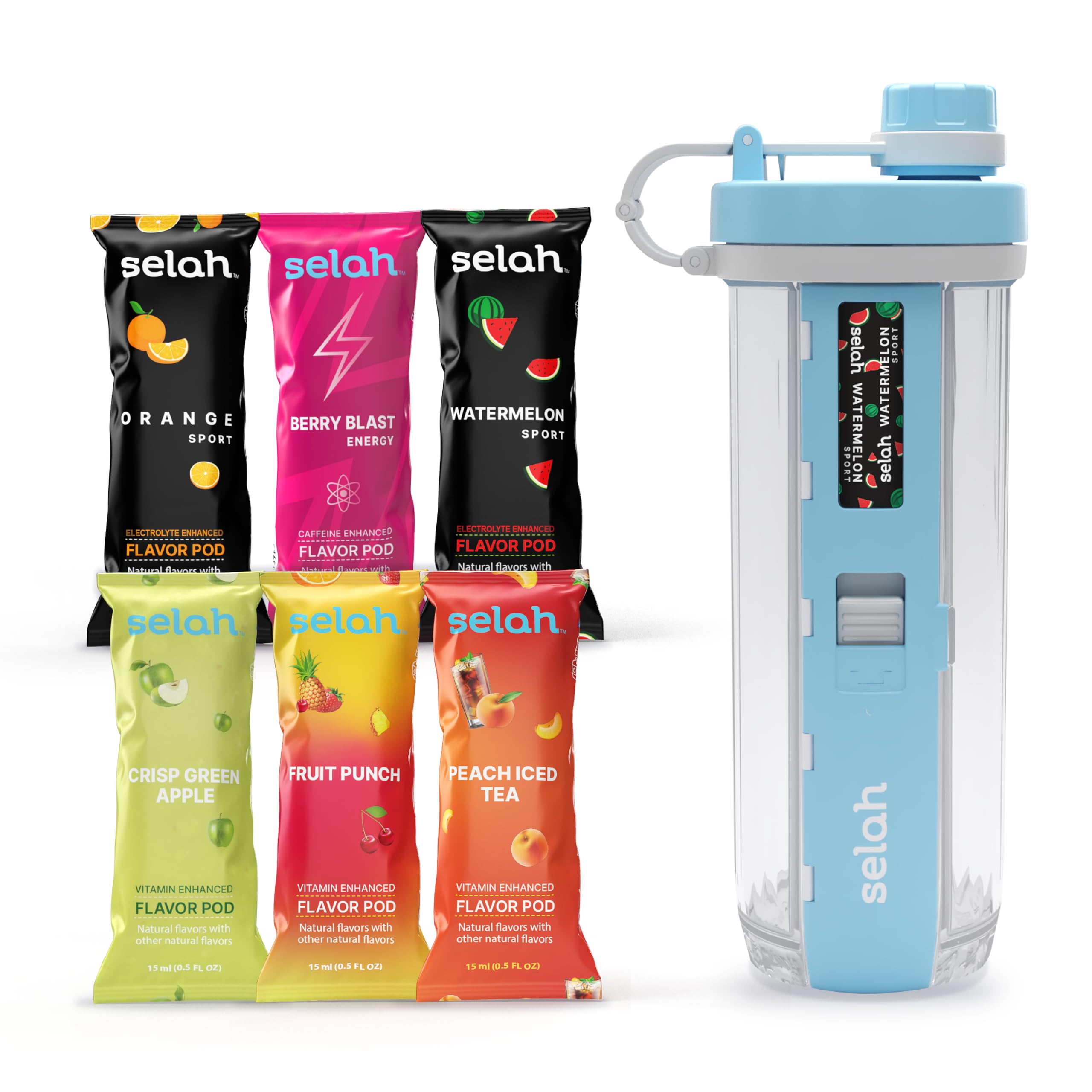
A stock image related to water bottle with flavor pods.
In-depth Look: Manufacturing Processes and Quality Assurance for water bottle with flavor pods
What Are the Main Stages of Manufacturing Water Bottles with Flavor Pods?
The manufacturing process for water bottles with flavor pods is intricate and requires careful attention to detail to ensure product quality and consumer safety. The main stages include material preparation, forming, assembly, and finishing.
-
Material Preparation: The primary materials used in manufacturing these bottles often include food-grade plastics such as Tritan™ or polyethylene terephthalate (PET). These materials are chosen for their durability, safety, and clarity. During this stage, raw materials undergo quality checks to ensure they meet safety and performance specifications. Suppliers should provide Material Safety Data Sheets (MSDS) to confirm that materials are compliant with international safety standards.
-
Forming: This stage involves the shaping of the bottle and pods. Techniques such as injection molding and blow molding are typically used. Injection molding is preferred for creating complex shapes and achieving high precision, while blow molding is used for hollow objects like bottles. Key parameters such as temperature, pressure, and cycle times are closely monitored to maintain consistency and quality.
-
Assembly: After the individual components are formed, they are assembled. This includes attaching the flavor pod mechanism to the bottle, ensuring that it fits securely and functions correctly. Automated assembly lines are often employed to enhance efficiency, but manual checks are essential to detect any defects in assembly.
-
Finishing: The final stage includes surface treatment, labeling, and packaging. Bottles may undergo processes such as polishing or coating to enhance appearance and durability. Labels must comply with regional regulations regarding nutritional information and ingredient transparency, particularly for international markets.
How Is Quality Control Implemented in the Manufacturing of Flavor Pod Water Bottles?
Quality control (QC) is crucial in ensuring that the final products meet both safety and performance standards. The QC process typically adheres to international standards, such as ISO 9001, as well as industry-specific regulations such as CE marking for European markets and API standards for products with specific health claims.
-
Quality Control Checkpoints:
– Incoming Quality Control (IQC): At this initial stage, raw materials are inspected upon receipt. This includes checking for compliance with specifications and ensuring no contaminants are present.
– In-Process Quality Control (IPQC): During the manufacturing process, ongoing checks are performed. This can involve monitoring machine settings, conducting in-process inspections of molded parts, and ensuring assembly accuracy.
– Final Quality Control (FQC): Once production is complete, the final product undergoes a thorough inspection. This includes functional tests of the flavor pod system, leak tests for bottles, and aesthetic inspections. -
Testing Methods for Flavor Pods and Bottles: Various testing methods are employed to ensure product safety and performance. These may include:
– Chemical Testing: To confirm that materials are free from harmful substances.
– Mechanical Testing: To assess the durability of bottles and pods under stress.
– Microbiological Testing: To ensure that the products are free from contaminants that could pose health risks.
How Can B2B Buyers Verify Supplier Quality Control Processes?
For B2B buyers, particularly those in international markets such as Africa, South America, the Middle East, and Europe, verifying the quality control processes of suppliers is essential. Here are several strategies to consider:
-
Supplier Audits: Conducting on-site audits allows buyers to assess the manufacturing processes and quality control measures directly. Auditors should evaluate compliance with international standards, the effectiveness of the QC system, and any certifications held by the manufacturer.
-
Documentation and Reporting: Buyers should request detailed quality control reports from suppliers, including IQC, IPQC, and FQC records. These documents should provide insights into the frequency of quality checks and any corrective actions taken in response to identified issues.
-
Third-Party Inspections: Engaging third-party inspection services can provide an unbiased assessment of the supplier’s manufacturing practices. These organizations can conduct random checks during production and provide comprehensive reports on the findings.
What Are the Quality Control Nuances for International B2B Buyers?
International buyers must navigate various regulatory landscapes, which can vary significantly by region. Here are some key considerations:
-
Compliance with Local Regulations: Different countries have specific regulations regarding food safety, materials used in food contact applications, and labeling requirements. For instance, buyers in the European Union must ensure compliance with the REACH regulation, while buyers in the U.S. must adhere to FDA guidelines.
-
Cultural and Market Sensitivities: Understanding local consumer preferences and cultural attitudes towards flavors and materials can impact product acceptance. For example, natural ingredients may be prioritized in markets in South America, while flavor intensity may be more critical in the Middle East.
-
Logistics and Supply Chain Considerations: Ensuring that quality control measures are upheld throughout the supply chain is essential. This includes working with logistics providers who understand the importance of maintaining product integrity during transportation.
Conclusion
Manufacturing water bottles with flavor pods involves a sophisticated process that emphasizes quality at every stage. For B2B buyers, particularly those operating across diverse international markets, understanding the manufacturing and quality assurance processes is crucial for securing reliable suppliers. By employing thorough verification strategies and remaining aware of regulatory nuances, buyers can confidently engage with manufacturers that meet their quality standards and align with their market needs.
Practical Sourcing Guide: A Step-by-Step Checklist for ‘water bottle with flavor pods’
Introduction
This guide serves as a comprehensive checklist for B2B buyers aiming to procure innovative water bottles with flavor pods. As the demand for healthier hydration options rises globally, especially in regions like Africa, South America, the Middle East, and Europe, understanding the sourcing process is critical for making informed purchasing decisions. This checklist will help ensure that you select high-quality products that meet market expectations.
Step 1: Define Your Technical Specifications
Before initiating the procurement process, clearly outline the technical specifications of the water bottles and flavor pods you need. Consider factors such as materials (e.g., BPA-free plastic or stainless steel), size (e.g., capacity), and the technology used in flavor infusion (e.g., scent-based or traditional). Having a well-defined specification will streamline the sourcing process and help you communicate your requirements effectively to potential suppliers.
Step 2: Research Market Trends and Consumer Preferences
Understanding current market trends and consumer preferences is vital for successful procurement. Conduct market research to identify popular flavors, bottle designs, and additional features that consumers are looking for. This knowledge will not only help in selecting the right products but also in positioning them effectively in your target market.
Step 3: Evaluate Potential Suppliers
Before committing to a supplier, conduct thorough evaluations. Request detailed company profiles, case studies, and references from previous clients, particularly those in similar industries or regions. Assess their production capabilities, quality control measures, and compliance with international standards to ensure they can meet your specific needs.
- Key considerations:
- Production capacity to meet your order volumes.
- Experience with flavor pod technology and ingredient sourcing.
Step 4: Verify Certifications and Quality Standards
Ensure that potential suppliers hold relevant certifications and adhere to quality standards. Look for certifications such as ISO 9001 for quality management systems and food safety certifications like HACCP or FDA approval for flavor pods. These certifications indicate that the supplier maintains high-quality standards, which is crucial for consumer safety and product reliability.
Step 5: Request Samples for Testing
Before placing a bulk order, request samples of both the water bottles and flavor pods. Testing samples will allow you to evaluate product quality, flavor intensity, and overall usability. This step helps in identifying any potential issues early in the process and ensures that the final products align with your expectations.
Step 6: Discuss Pricing and Payment Terms
Engage in discussions regarding pricing structures and payment terms with your shortlisted suppliers. Consider factors such as bulk discounts, shipping costs, and payment flexibility. Establishing clear financial agreements upfront can prevent misunderstandings later in the procurement process.
Step 7: Plan for Logistics and Distribution
Once you finalize your suppliers, outline a logistics plan for transporting the products to your location. Consider factors such as shipping times, customs regulations, and storage requirements. A well-thought-out logistics strategy will ensure timely delivery and help maintain your inventory levels to meet consumer demand efficiently.
By following this structured checklist, B2B buyers can navigate the procurement process for water bottles with flavor pods confidently, ensuring they select high-quality products that resonate with their market.
Comprehensive Cost and Pricing Analysis for water bottle with flavor pods Sourcing
What Are the Key Cost Components in Sourcing Water Bottles with Flavor Pods?
When sourcing water bottles with flavor pods, understanding the cost structure is crucial for B2B buyers. The primary cost components include materials, labor, manufacturing overhead, tooling, quality control (QC), logistics, and profit margin.
-
Materials: The choice of materials significantly impacts costs. High-quality, food-grade plastics or stainless steel for bottles, and natural ingredients for flavor pods, are essential. Prices can vary based on the source, sustainability certifications, and bulk purchase agreements.
-
Labor: Labor costs are influenced by the manufacturing location. For example, regions with lower labor costs, such as parts of Asia, may offer savings compared to Europe or North America. However, consider the implications of labor quality and compliance with international labor standards.
-
Manufacturing Overhead: This encompasses all indirect costs associated with production, including utilities, rent, and equipment depreciation. Manufacturers with efficient processes may offer better pricing, so it’s essential to evaluate their operational efficiency.
-
Tooling: Custom molds for unique bottle shapes or specific flavor pod designs can incur significant upfront costs. However, these expenses can be amortized over larger production runs, making it vital to assess minimum order quantities (MOQs).
-
Quality Control: Implementing rigorous QC processes ensures product safety and consistency. Investing in quality can reduce long-term costs associated with returns and customer dissatisfaction, but it may raise initial prices.
-
Logistics: Shipping costs can vary based on the chosen Incoterms, volume, and destination. For international buyers, understanding the cost implications of shipping options (air freight vs. sea freight) and potential customs duties is essential.
-
Margin: Suppliers will typically add a profit margin to their costs, which can vary widely based on the competitive landscape and perceived product value.
How Do Price Influencers Affect the Sourcing of Water Bottles with Flavor Pods?
Several factors influence pricing beyond the basic cost components. These include:
-
Volume/MOQ: Bulk purchasing often leads to lower prices per unit. Suppliers may offer tiered pricing based on order quantities, so negotiating for higher volumes can yield significant savings.
-
Specifications and Customization: Customized designs or unique flavor combinations can increase costs. Buyers should balance the desire for customization with the potential for increased unit costs.
-
Materials and Certifications: The use of premium materials or certifications (e.g., BPA-free, organic ingredients) can raise costs. Buyers should evaluate whether these certifications align with their market demands.
-
Supplier Factors: Supplier reliability, production capacity, and reputation can influence pricing. Building long-term relationships with trusted suppliers may lead to better terms.
-
Incoterms: Understanding Incoterms is crucial for managing logistics costs. Different terms can affect who is responsible for shipping and insurance, impacting the total landed cost.
What Tips Should International B2B Buyers Consider When Negotiating Costs?
For international buyers, especially from regions like Africa, South America, the Middle East, and Europe, several negotiation tips can help optimize sourcing costs:
-
Negotiate Terms: Always negotiate payment terms, delivery schedules, and prices. Suppliers may be open to concessions, especially for larger orders or long-term contracts.
-
Evaluate Total Cost of Ownership (TCO): Consider not just the purchase price but also long-term costs, including shipping, storage, and potential return rates. A lower upfront cost may lead to higher TCO if quality issues arise.
-
Understand Pricing Nuances: Be aware of currency fluctuations and economic conditions in both the buyer’s and supplier’s countries. This understanding can aid in negotiations and budgeting.
-
Leverage Local Partnerships: Establishing local distribution or manufacturing partnerships can reduce logistics costs and mitigate tariffs or customs fees.
-
Be Informed on Market Trends: Keep abreast of market trends in the flavored beverage sector, as consumer preferences can rapidly change. This knowledge can guide sourcing decisions and product offerings.
Disclaimer on Pricing
The pricing insights provided are indicative and may fluctuate based on market conditions, supplier negotiations, and geopolitical factors. Always conduct thorough market research and supplier evaluations before finalizing any sourcing agreements.
Alternatives Analysis: Comparing water bottle with flavor pods With Other Solutions
Introduction to Alternative Solutions for Flavorful Hydration
In the quest for enhancing hydration, various alternatives to water bottles with flavor pods are available in the market. These alternatives offer different technologies and methods to achieve flavorful drinking experiences while promoting hydration. Understanding these options allows B2B buyers to make informed decisions based on their specific needs, market demands, and budget constraints.
Comparison Table of Flavor Enhancement Solutions
| Comparison Aspect | Water Bottle With Flavor Pods | Cirkul Flavor System | Infused Water Bottles |
|---|---|---|---|
| Performance | Transforms water with scent | Customizable flavor intensity | Steeping fruits/herbs for natural flavor |
| Cost | Moderate ($50-$90) | Low to Moderate ($3.06-$19.98 per pack) | Low ($10-$30) |
| Ease of Implementation | Simple setup, refillable | Requires cartridge replacement | Requires preparation |
| Maintenance | Low (occasional cleaning) | Moderate (replace cartridges regularly) | Moderate (cleaning and replacing ingredients) |
| Best Use Case | Long-term hydration with variety | Personalized hydration for active users | Quick flavor infusion for casual use |
Detailed Breakdown of Alternatives
Cirkul Flavor System
The Cirkul Flavor System stands out for its customizable approach, allowing users to adjust flavor intensity to their preference. It utilizes flavor cartridges that can be easily replaced, making it a convenient option for those who enjoy varying levels of sweetness and flavor. However, the cost of ongoing cartridge replacements can add up, which might be a consideration for B2B buyers seeking cost-effective solutions for large-scale distribution. This system is ideal for active individuals who want to stay hydrated while enjoying a tailored flavor experience.
Infused Water Bottles
Infused water bottles offer a straightforward and low-cost method for flavoring water. Users can add fresh fruits, herbs, or vegetables to the infuser compartment, allowing for natural flavor infusion. This method is attractive for buyers focused on health-conscious consumers who prefer natural ingredients without added sugars or chemicals. However, the preparation time and the need for regular ingredient replacement can be seen as drawbacks. Infused water bottles are best suited for casual users who appreciate a simple, DIY approach to hydration.
Conclusion: Choosing the Right Hydration Solution
When selecting the most suitable hydration solution, B2B buyers should consider their target market’s preferences, budget constraints, and the operational implications of each alternative. Water bottles with flavor pods provide a unique sensory experience that appeals to consumers looking for variety without added sugars. In contrast, systems like Cirkul offer customization, while infused water bottles emphasize natural ingredients. Evaluating these aspects will help businesses align their product offerings with consumer demands, ensuring successful market penetration and customer satisfaction.
Essential Technical Properties and Trade Terminology for water bottle with flavor pods
What Are the Key Technical Properties of Water Bottles with Flavor Pods?
When considering the procurement of water bottles with flavor pods, several technical properties are crucial for B2B buyers to understand. These specifications not only determine the quality and functionality of the product but also influence overall customer satisfaction and brand reputation.
1. Material Grade
Water bottles are commonly made from materials such as BPA-free plastic, stainless steel, or glass. The choice of material affects durability, weight, and safety. For instance, BPA-free plastics are essential for health-conscious consumers, while stainless steel offers longevity and insulation properties. Understanding material grades helps buyers select products that align with their market’s safety and sustainability standards.
2. Flavor Pod Longevity
The effectiveness and lifespan of flavor pods are vital metrics. Quality pods should infuse flavor into at least 1.3 gallons of water, providing a cost-effective solution for consumers. This specification is critical for B2B buyers, as it directly impacts customer retention and satisfaction. Buyers should inquire about pod longevity to ensure they are offering a competitive product.
3. Ergonomic Design
The design of the water bottle, including its grip and ease of use, plays a significant role in consumer preference. Ergonomic designs that cater to comfort and usability can enhance the drinking experience, encouraging more frequent use. Buyers should prioritize products with user-friendly features that stand out in the market.
4. Capacity and Size Variability
Water bottles come in various sizes, typically ranging from 500ml to 2 liters. Offering a range of capacities allows buyers to cater to different consumer preferences and use cases, from casual daily hydration to fitness and outdoor activities. Understanding the implications of size on transport and storage can also inform better inventory management.
5. Flavor Variety
The range of available flavors in the flavor pods is crucial for market appeal. Brands that offer a diverse selection—such as fruity, herbal, and unique blends—can attract a broader consumer base. B2B buyers should assess flavor options to ensure they meet their target demographic’s preferences.
6. Scentaste™ Technology
This innovative technology allows users to experience flavor through scent without added sugars or artificial ingredients. Understanding the technology behind the product can help buyers market it effectively, emphasizing health benefits and a unique selling proposition in a saturated market.
What Are Common Trade Terms in the Water Bottle Industry?
Familiarizing yourself with industry jargon is essential for effective communication and negotiation in the B2B marketplace. Here are some key terms that buyers should know:
1. OEM (Original Equipment Manufacturer)
This term refers to companies that manufacture products for other brands. Understanding OEM relationships is crucial for buyers seeking customization options or specific branding strategies.
2. MOQ (Minimum Order Quantity)
MOQ indicates the smallest quantity of a product that a supplier is willing to sell. Knowing the MOQ can help buyers plan their inventory and cash flow, ensuring they meet demand without overcommitting resources.
3. RFQ (Request for Quotation)
An RFQ is a document sent to suppliers to request pricing and terms for specific products. This process is vital for buyers to compare offers and select the best supplier based on price, quality, and delivery terms.
4. Incoterms (International Commercial Terms)
These are standardized terms that define the responsibilities of buyers and sellers in international shipping. Understanding Incoterms helps buyers manage shipping risks and costs, ensuring smoother transactions.
5. Lead Time
This term refers to the time it takes from placing an order to receiving the product. Knowing the lead time is essential for inventory planning and meeting customer demands in a timely manner.
6. Sustainability Certification
This refers to certifications that indicate a product meets certain environmental standards. Buyers should look for sustainability certifications to align with growing consumer demand for eco-friendly products.
Understanding these technical properties and trade terminology will empower B2B buyers to make informed decisions, ensuring they select the best water bottles with flavor pods for their markets.
Navigating Market Dynamics and Sourcing Trends in the water bottle with flavor pods Sector
What are the Current Market Dynamics and Key Trends in the Water Bottle with Flavor Pods Sector?
The water bottle with flavor pods sector is experiencing significant growth, driven by several global trends. Increasing health consciousness among consumers is a primary driver, as many seek healthier alternatives to sugary beverages. This shift is complemented by the rising demand for convenient hydration solutions, particularly in regions like Africa, South America, the Middle East, and Europe. For B2B buyers, understanding local preferences is crucial, as flavor profiles that resonate with consumers can vary widely across these regions.
Technological advancements are also shaping the market. Innovations such as Scentaste™ technology, which infuses water with flavor through scent rather than additives, are gaining traction. This technology appeals to consumers looking for natural and low-calorie hydration options, providing a competitive edge for suppliers. Furthermore, subscription models and automated reordering systems are becoming popular, enabling companies to foster customer loyalty and streamline inventory management.
B2B buyers should be aware of the evolving landscape of flavor preferences, as consumers increasingly seek unique and exotic tastes. In addition, the focus on sustainability is influencing sourcing decisions. Buyers are expected to prioritize suppliers who demonstrate responsible sourcing practices and offer eco-friendly products, particularly as regulations around packaging and environmental impact continue to tighten.
How is Sustainability and Ethical Sourcing Shaping the Water Bottle with Flavor Pods Industry?
Sustainability is no longer an option but a necessity in the water bottle with flavor pods industry. As environmental concerns grow, B2B buyers must consider the ecological impact of their sourcing decisions. Using biodegradable materials for packaging and ensuring that flavor pod ingredients are sourced from sustainable farms are critical factors that can influence purchasing decisions.
Ethical supply chains are increasingly important, especially in regions where labor practices may be scrutinized. Buyers should seek suppliers that uphold fair labor practices and transparency in their operations. Certifications such as Fair Trade or organic labels can provide assurance of ethical sourcing, making it easier for businesses to align with consumer values and regulatory standards.
Moreover, the demand for ‘green’ certifications is on the rise. Buyers should prioritize suppliers who can demonstrate compliance with environmental standards, as this not only helps mitigate risk but also enhances brand reputation. By focusing on sustainability and ethical sourcing, companies can differentiate themselves in a crowded market while appealing to a growing segment of eco-conscious consumers.
What is the Brief Evolution and History of Water Bottle with Flavor Pods?
The evolution of water bottles with flavor pods can be traced back to the increasing demand for healthier beverage options. Initially, flavored water was primarily available in pre-packaged formats, often laden with sugars and artificial ingredients. However, as health trends emerged, innovative companies began to explore ways to infuse water with flavor without compromising health benefits.
The introduction of flavor pods marked a significant turning point. These pods allowed consumers to customize their hydration experience, adding flavor without the negative aspects associated with traditional flavored drinks. Brands like air up® and Cirkul have pioneered this market, employing technology that enhances flavor through scent, thereby making hydration more appealing and enjoyable.
As consumer preferences continue to shift towards health and sustainability, the water bottle with flavor pods sector is poised for further growth. B2B buyers can capitalize on these trends by aligning their product offerings with consumer demands for innovation and sustainability, ensuring they remain competitive in this dynamic market.
Frequently Asked Questions (FAQs) for B2B Buyers of water bottle with flavor pods
-
How do I ensure the quality of water bottles with flavor pods before purchasing?
To ensure quality, conduct thorough supplier vetting. Request samples of the water bottles and flavor pods to evaluate their materials, durability, and flavor effectiveness. Look for certifications related to food safety, such as FDA approval or ISO standards. Additionally, inquire about the manufacturing processes and quality control measures in place. Engaging third-party inspectors for quality audits can provide added assurance that the products meet international standards. -
What is the best way to identify reliable suppliers of flavored water bottles?
Start by researching suppliers through reputable trade platforms and industry directories. Look for suppliers with positive reviews and a proven track record in producing flavored water bottles. Attend trade shows and industry events to network and meet potential suppliers in person. Verify their business credentials, including company registration and export licenses, and ask for references from previous clients to gauge their reliability and service quality. -
What customization options are typically available for water bottles with flavor pods?
Many manufacturers offer customization options, including branding, color choices, and pod flavor selections. You can often choose the bottle design, size, and material, as well as the type and number of flavor pods included. Discuss your specific requirements with potential suppliers to understand their capabilities and limitations. Customization may also extend to packaging, allowing you to create a unique product that aligns with your brand identity. -
What are the minimum order quantities (MOQs) for flavored water bottles?
MOQs can vary significantly among suppliers, typically ranging from 500 to several thousand units. Factors influencing MOQs include the type of customization, production capabilities, and the supplier’s business model. It’s essential to discuss MOQs during initial negotiations, as some suppliers may be willing to accommodate smaller orders for new clients or under specific conditions. Always factor in the cost-effectiveness of your order size in relation to shipping and production expenses. -
What payment terms should I expect when sourcing flavored water bottles internationally?
Payment terms vary by supplier and region, but common practices include a deposit upfront (usually 30-50%) and the balance upon shipment or delivery. Some suppliers may offer payment via letters of credit, bank transfers, or online payment platforms. It’s crucial to negotiate terms that are mutually beneficial and provide sufficient protection for both parties. Ensure all payment agreements are documented in the contract to prevent misunderstandings. -
How can I effectively manage logistics for shipping flavored water bottles?
Managing logistics involves selecting a reliable freight forwarder experienced in handling international shipments. Discuss shipping options, including air freight for faster delivery or sea freight for cost savings. Ensure proper documentation is prepared, including customs declarations and compliance with import regulations in your target market. Consider using a third-party logistics (3PL) provider for warehousing and distribution to streamline your supply chain and reduce overhead. -
What are the regulatory considerations when importing flavored water bottles?
Regulatory considerations include compliance with local food safety and import regulations. Check the specific requirements for labeling, ingredients, and packaging materials in your target market. Some regions may require product testing or certification before import. Engage with customs brokers or legal advisors familiar with the regulations in your destination country to navigate these complexities and ensure smooth importation. -
How can I evaluate the market demand for flavored water bottles in my region?
Conduct market research to understand consumer preferences and trends related to flavored water consumption. Analyze competitor offerings, pricing strategies, and distribution channels. Surveys, focus groups, and social media engagement can provide insights into potential demand. Additionally, review industry reports and studies to gauge market growth projections and identify opportunities for differentiation in your product offerings.
Important Disclaimer & Terms of Use
⚠️ Important Disclaimer
The information provided in this guide, including content regarding manufacturers, technical specifications, and market analysis, is for informational and educational purposes only. It does not constitute professional procurement advice, financial advice, or legal advice.
While we have made every effort to ensure the accuracy and timeliness of the information, we are not responsible for any errors, omissions, or outdated information. Market conditions, company details, and technical standards are subject to change.
B2B buyers must conduct their own independent and thorough due diligence before making any purchasing decisions. This includes contacting suppliers directly, verifying certifications, requesting samples, and seeking professional consultation. The risk of relying on any information in this guide is borne solely by the reader.
Top 8 Water Bottle With Flavor Pods Manufacturers & Suppliers List
1. Air Up – Flavored Water Bottle
Domain: shop.air-up.com
Registered: 2018 (7 years)
Introduction: Flavored water bottle that allows users to experience different flavors through scent alone. Key features include: 100% natural ingredients, no sugar, sweeteners, or additives; over 25 flavors available; each flavor pod infuses up to 4 gallons of water; clinically proven to double water intake and improve overall well-being; flavor pods crafted from real fruits, herbs, and spices; gentle flavor in…
2. Cirkul – Hydration Products
Domain: drinkcirkul.com
Registered: 2016 (9 years)
Introduction: Cirkul offers a variety of hydration products including flavor cartridges, bottles, and starter kits. Key features include:
– Autoship option with 10% discount on orders, discounted cartridges, and convenient reordering.
– Free shipping on orders over $15.
– Variety of flavor cartridges priced at $3.75 each, with bulk purchase options reducing the price per cartridge (e.g., $3.06 for 16-Pack). …
3. Cirkul – Flavor Pod Water Bottles
Domain: reddit.com
Registered: 2005 (20 years)
Introduction: Flavored water bottles that use flavor pods. User is looking for a water bottle compatible with flavor pods that either uses cane sugar or no sweeteners at all due to digestive issues. Mention of Cirkul and Air Up brands, with a concern about the limited flavor options available for Air Up.
4. Cirkul – LifeSip Flavor Cartridge Variety Pack
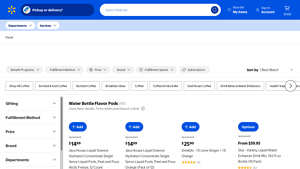
Domain: walmart.com
Registered: 1995 (30 years)
Introduction: This company, Cirkul – LifeSip Flavor Cartridge Variety Pack, is a notable entity in the market. For specific product details, it is recommended to visit their website directly.
5. AliExpress – Scented Drinking Cup
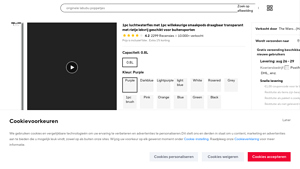
Domain: aliexpress.com
Registered: 2006 (19 years)
Introduction: This company, AliExpress – Scented Drinking Cup, is a notable entity in the market. For specific product details, it is recommended to visit their website directly.
6. Target – Flavor Pod Water Bottles
Domain: target.com
Registered: 1997 (28 years)
Introduction: This company, Target – Flavor Pod Water Bottles, is a notable entity in the market. For specific product details, it is recommended to visit their website directly.
7. Air Up – Innovative Hydration Solution
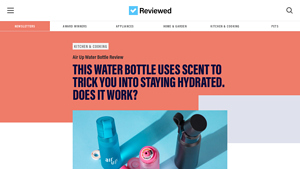
Domain: reviewed.com
Registered: 2001 (24 years)
Introduction: Product Name: Air Up Water Bottle
Key Features:
– Uses patented Scentaste technology to enhance hydration experience through scent pods.
– Offers a unique drinking experience without adding flavors to water.
– Available in over 15 different Scentaste pods and 10 bottle varieties (plastic and stainless steel).
– Designed for easy use with a straw and a tilt design for accessibility.
– Flavor pods …
8. Glacier Fresh – JMEY Scent Based™ Water Bottle
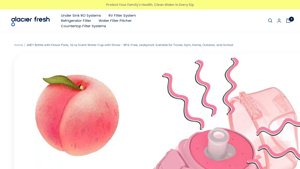
Domain: glacierfreshfilter.com
Registered: 2022 (3 years)
Introduction: {“product_name”: “JMEY Scent Based™ Water Bottle with Straw”, “features”: [“Leakproof”, “Flip top”, “Includes 1 pack scent pod”, “D-ring for easy carrying”], “capacity”: “32 oz”, “material”: “BPA-free”, “duration”: “60 days scent duration”}
Strategic Sourcing Conclusion and Outlook for water bottle with flavor pods
In conclusion, the strategic sourcing of water bottles with flavor pods presents a remarkable opportunity for international B2B buyers looking to enhance their product offerings in diverse markets such as Africa, South America, the Middle East, and Europe. The rise of innovative brands like air up® and Cirkul demonstrates the growing consumer demand for healthier, customizable hydration solutions that eliminate sugar and additives while delivering appealing flavors.
By prioritizing strategic sourcing, businesses can secure high-quality, sustainable products that resonate with health-conscious consumers. The ability to offer a range of flavors and customization options not only fosters brand loyalty but also addresses the unique preferences of different regions.
As we look to the future, it is essential for B2B buyers to engage with suppliers who can provide robust, scalable solutions that align with evolving consumer trends. Embracing this innovative approach will not only enhance product portfolios but also position businesses as leaders in the competitive beverage market. Now is the time to act—partner with suppliers who share a vision for a healthier, more flavorful hydration experience.